
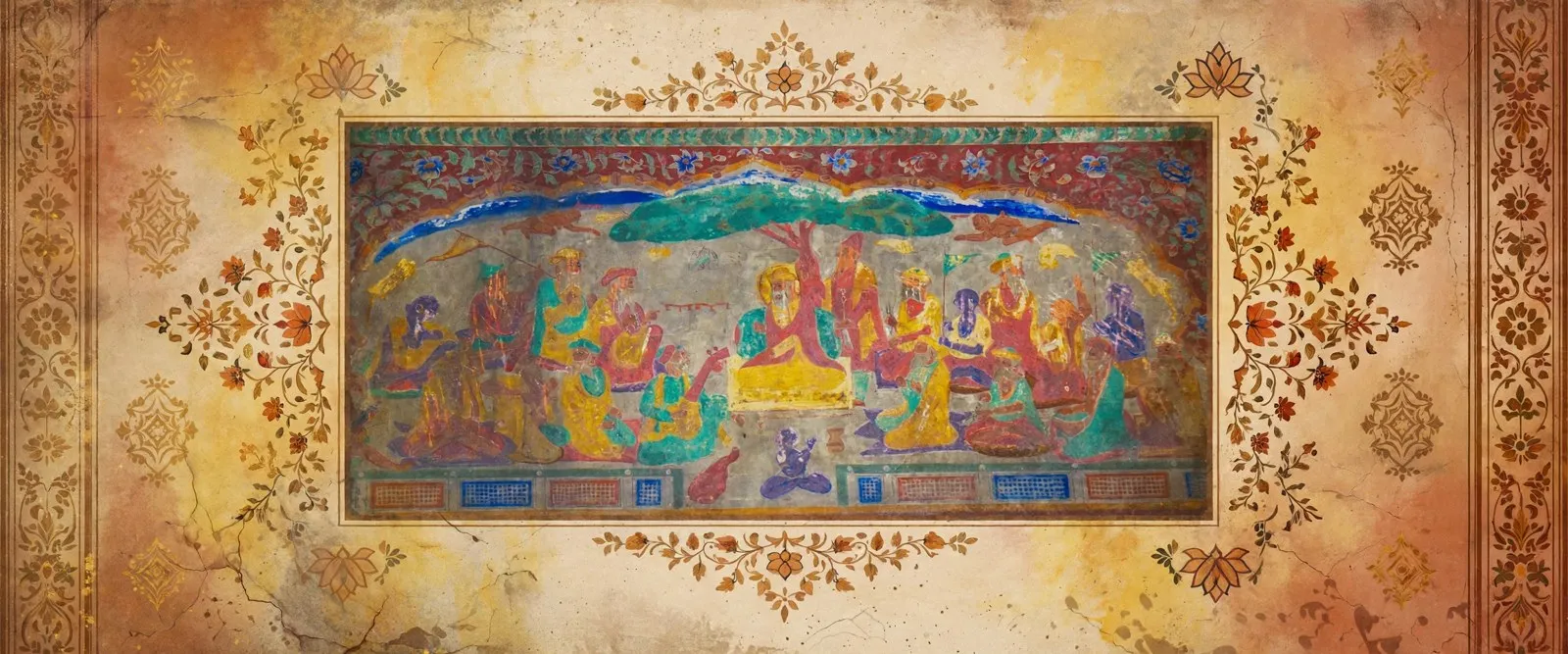
Gurdwara Patshahi Chhevin at Hadiara in Lahore district, Pakistan, honours Guru Hargobind Ji, who is believed to have stayed here overnight on his travels. Once the centre of a great Maghi fair and managed by the SGPC, it has been defunct since Partition in 1947, but the building still stands near the border, visible from India, with historic frescoes surviving on its walls.
- Punjabi name
- ਗੁਰਦੁਆਰਾ ਪਾਤਸ਼ਾਹੀ ਛੇਵੀਂ, ਹਡਿਆਰਾ
- Type
- Historic gurdwara (defunct, heritage site)
- Country
- Pakistan
- Village
- Hadiara
- District
- Lahore
- Associated with
- Guru Hargobind Ji
All 8 facts
- Status
- Defunct since 1947; building standing, frescoes in poor condition
- Known for
- Pre-1947 Maghi fair; 1965 dome repair by Sikh Regiment soldiers; wall frescoes
Gurdwara Patshahi Chhevin is a historic Sikh gurdwara at Hadiara, a village in Lahore district, Pakistan, less than 4 km from the international border with India. It honours Guru Hargobind Ji, the sixth Guru, who is believed to have stayed here overnight on his travels. The shrine has been defunct since Partition in 1947 and its congregation is gone, but the building still stands, carrying frescoes on its walls, and it remains one of the most evocative survivors in our guide to Gurdwaras in Pakistan. This page records it honestly as a heritage site, not as a working gurdwara.
What is Gurdwara Patshahi Chhevin, Hadiara?
Patshahi Chhevin means the Sixth Sovereign, a title of Guru Hargobind Ji, and the name is shared by several shrines of his journeys, so Hadiara must not be confused with the separate Patshahi Chhevin inside Lahore's Bhatti Gate. The Hadiara gurdwara is believed to mark the place where the Guru, travelling from the shrine recorded as Gurdwara Jhallian Patshahi Chhevin, halted and stayed the night. In the Sikh Empire period the shrine held an endowment of 100 acres, a sign of how seriously the court and the sangat regarded this village halt on the Guru's road.
The Maghi fair and the SGPC years
Before 1947, Hadiara was no quiet ruin. Every year at Maghi, the midwinter festival that follows Lohri, a huge fair gathered at the gurdwara, drawing the sangat of the border villages on both sides of what was then an undivided countryside. The shrine was administered by the Shiromani Gurdwara Parbandhak Committee, the SGPC, like the other great historic gurdwaras of Punjab, with granthis, services and the fair binding the village into the wider Sikh world. The fair ended with Partition, but older residents on the Indian side, some of whose villages can still see the building, remember what it was.
Hadiara sat in a countryside that the border later cut in two. The villages around it, on both sides of today's line, shared markets, marriages and melas, and a Guru's halt in one village was an event for all of them. That is why the gurdwara's endowment and its fair mattered beyond Hadiara itself: it was a place where the borderland sangat gathered as one people. Partition did not only empty this building; it divided the very congregation the fair had served, leaving the shrine on one side and many of its devotees' descendants on the other.
What happened after 1947?
After Partition the Sikh population of the Lahore border villages left for India, and the gurdwara was abandoned as a place of worship. Like many evacuee properties, the building was occupied as a residence by families who had migrated westward from India, and worship never resumed. Its strangest chapter came in the war of 1965, fought across this very borderland: soldiers of the Indian Army's Sikh Regiment captured the site, found the dome damaged by shelling, repaired it with their own hands, and raised a Nishan Sahib over the shrine before the lines moved on. For a brief moment, after eighteen years of silence, the flag of the Khalsa flew again over Hadiara.
The frescoes inside
What gives Hadiara its lasting importance is what survives on its walls. The gurdwara contains many frescoes, painted scenes from the lives of the Gurus and from the courtly world of old Punjab, including a mural of Guru Nanak Dev Ji in discussion with fellow seekers and a scene of the Battle of Kartarpur of 1635. The paintings are in poor condition, fading with damp and neglect, which is precisely why their photographic documentation matters. Projects such as Gurudwarapedia have geo-tagged and recorded the shrine, and its frescoes, so that the art is preserved in images even where the plaster cannot be saved. Our hero image on this page is built around one of those real frescoes, photographed inside this very building.
Can you visit Hadiara today?
Honestly, not in the way you visit a working gurdwara. The shrine is defunct, privately occupied in the past, and not on any pilgrim route, so there are no services, no langar and no regular visiting arrangements. Its most poignant viewpoint is from India itself: from Nushehra Dhala village, across the fields and the Radcliffe Line, the building is visible, a Sikh shrine you can see but cannot reach. Heritage researchers have documented it in place, most recently in the Lahore district shrine listings of 2025, and its future depends on the same conservation attention now slowly reaching other Lahore shrines. For the living story of the sixth Guru, see our entry on Guru Hargobind Ji.
ਗੁਰਦੁਆਰਾ ਪਾਤਸ਼ਾਹੀ ਛੇਵੀਂ ਪਾਕਿਸਤਾਨ ਦੇ ਲਾਹੌਰ ਜ਼ਿਲ੍ਹੇ ਦੇ ਪਿੰਡ ਹਡਿਆਰਾ ਵਿੱਚ ਸਥਿਤ ਇੱਕ ਇਤਿਹਾਸਕ ਸਿੱਖ ਅਸਥਾਨ ਹੈ ਇਹ ਪਿੰਡ ਭਾਰਤ ਨਾਲ ਲੱਗਦੀ ਅੰਤਰਰਾਸ਼ਟਰੀ ਸਰਹੱਦ ਤੋਂ ਚਾਰ ਕਿਲੋਮੀਟਰ ਤੋਂ ਵੀ ਘੱਟ ਦੂਰੀ ਉੱਤੇ ਹੈ ਇਹ ਅਸਥਾਨ ਛੇਵੇਂ ਗੁਰੂ, ਗੁਰੂ ਹਰਿਗੋਬਿੰਦ ਜੀ ਦੀ ਯਾਦ ਵਿੱਚ ਹੈ, ਜਿਨ੍ਹਾਂ ਬਾਰੇ ਮੰਨਿਆ ਜਾਂਦਾ ਹੈ ਕਿ ਉਹ ਆਪਣੀ ਯਾਤਰਾ ਦੌਰਾਨ ਇੱਥੇ ਇੱਕ ਰਾਤ ਠਹਿਰੇ ਸਨ ਸੰਨ 1947 ਦੀ ਵੰਡ ਤੋਂ ਬਾਅਦ ਇਹ ਗੁਰਦੁਆਰਾ ਬੰਦ ਪਿਆ ਹੈ, ਪਰ ਇਮਾਰਤ ਅੱਜ ਵੀ ਖੜ੍ਹੀ ਹੈ ਅਤੇ ਇਸ ਦੀਆਂ ਕੰਧਾਂ ਉੱਤੇ ਪੁਰਾਣੀਆਂ ਤਸਵੀਰਾਂ ਬਚੀਆਂ ਹੋਈਆਂ ਹਨ
ਗੁਰਦੁਆਰਾ ਪਾਤਸ਼ਾਹੀ ਛੇਵੀਂ, ਹਡਿਆਰਾ ਕੀ ਹੈ?
ਪਾਤਸ਼ਾਹੀ ਛੇਵੀਂ ਦਾ ਅਰਥ ਹੈ ਛੇਵੇਂ ਪਾਤਸ਼ਾਹ, ਯਾਨੀ ਗੁਰੂ ਹਰਿਗੋਬਿੰਦ ਜੀ ਇਸ ਨਾਂ ਦੇ ਕਈ ਅਸਥਾਨ ਹਨ, ਇਸ ਲਈ ਹਡਿਆਰੇ ਵਾਲੇ ਗੁਰਦੁਆਰੇ ਨੂੰ ਲਾਹੌਰ ਦੇ ਭੱਟੀ ਦਰਵਾਜ਼ੇ ਵਾਲੇ ਅਸਥਾਨ ਨਾਲ ਨਹੀਂ ਰਲਾਉਣਾ ਚਾਹੀਦਾ ਮੰਨਿਆ ਜਾਂਦਾ ਹੈ ਕਿ ਗੁਰੂ ਹਰਿਗੋਬਿੰਦ ਜੀ ਇੱਥੇ ਇੱਕ ਰਾਤ ਠਹਿਰੇ ਸਨ ਸਿੱਖ ਰਾਜ ਦੇ ਸਮੇਂ ਇਸ ਅਸਥਾਨ ਨਾਲ 100 ਏਕੜ ਜ਼ਮੀਨ ਜੁੜੀ ਸੀ
ਮਾਘੀ ਦਾ ਮੇਲਾ ਅਤੇ ਸ਼੍ਰੋਮਣੀ ਕਮੇਟੀ ਦੇ ਸਾਲ
ਸੰਨ 1947 ਤੋਂ ਪਹਿਲਾਂ ਹਡਿਆਰਾ ਸੁੰਨਾ ਨਹੀਂ ਸੀ ਹਰ ਸਾਲ ਮਾਘੀ ਉੱਤੇ ਇੱਥੇ ਵੱਡਾ ਮੇਲਾ ਲੱਗਦਾ ਸੀ, ਜਿਸ ਵਿੱਚ ਆਲੇ ਦੁਆਲੇ ਦੇ ਪਿੰਡਾਂ ਦੀ ਸੰਗਤ ਇਕੱਠੀ ਹੁੰਦੀ ਸੀ ਇਸ ਅਸਥਾਨ ਦਾ ਪ੍ਰਬੰਧ ਸ਼੍ਰੋਮਣੀ ਗੁਰਦੁਆਰਾ ਪ੍ਰਬੰਧਕ ਕਮੇਟੀ ਕੋਲ ਸੀ ਵੰਡ ਨਾਲ ਮੇਲਾ ਖਤਮ ਹੋ ਗਿਆ, ਪਰ ਸਰਹੱਦ ਦੇ ਭਾਰਤੀ ਪਾਸੇ ਦੇ ਬਜ਼ੁਰਗ ਅੱਜ ਵੀ ਉਹ ਦਿਨ ਯਾਦ ਕਰਦੇ ਹਨ
1947 ਤੋਂ ਬਾਅਦ ਕੀ ਹੋਇਆ?
ਵੰਡ ਤੋਂ ਬਾਅਦ ਇਲਾਕੇ ਦੇ ਸਿੱਖ ਭਾਰਤ ਚਲੇ ਗਏ ਅਤੇ ਗੁਰਦੁਆਰਾ ਪੂਜਾ ਅਸਥਾਨ ਵਜੋਂ ਛੱਡ ਦਿੱਤਾ ਗਿਆ ਇਮਾਰਤ ਵਿੱਚ ਪਰਵਾਸੀ ਪਰਿਵਾਰ ਰਹਿਣ ਲੱਗ ਪਏ ਸਭ ਤੋਂ ਅਜੀਬ ਅਧਿਆਇ ਸੰਨ 1965 ਦੀ ਜੰਗ ਵਿੱਚ ਆਇਆ, ਜਦੋਂ ਭਾਰਤੀ ਫੌਜ ਦੀ ਸਿੱਖ ਰੈਜੀਮੈਂਟ ਦੇ ਜਵਾਨਾਂ ਨੇ ਇਸ ਥਾਂ ਉੱਤੇ ਕਬਜ਼ਾ ਕੀਤਾ ਉਨ੍ਹਾਂ ਨੇ ਗੋਲਾਬਾਰੀ ਨਾਲ ਨੁਕਸਾਨੇ ਗਏ ਗੁੰਬਦ ਦੀ ਮੁਰੰਮਤ ਕੀਤੀ ਅਤੇ ਇਮਾਰਤ ਉੱਤੇ ਨਿਸ਼ਾਨ ਸਾਹਿਬ ਝੁਲਾਇਆ
ਅੰਦਰਲੀਆਂ ਤਸਵੀਰਾਂ
ਹਡਿਆਰੇ ਦੀ ਅਸਲ ਮਹੱਤਤਾ ਇਸ ਦੀਆਂ ਕੰਧਾਂ ਉੱਤੇ ਬਚੀਆਂ ਤਸਵੀਰਾਂ ਵਿੱਚ ਹੈ ਇਨ੍ਹਾਂ ਵਿੱਚ ਗੁਰੂ ਨਾਨਕ ਦੇਵ ਜੀ ਦੀ ਸਾਥੀਆਂ ਨਾਲ ਗੱਲਬਾਤ ਅਤੇ ਸੰਨ 1635 ਦੀ ਕਰਤਾਰਪੁਰ ਦੀ ਲੜਾਈ ਵਰਗੇ ਦ੍ਰਿਸ਼ ਸ਼ਾਮਲ ਹਨ ਇਹ ਤਸਵੀਰਾਂ ਮਾੜੀ ਹਾਲਤ ਵਿੱਚ ਹਨ ਗੁਰਦੁਆਰਾਪੀਡੀਆ ਵਰਗੇ ਪ੍ਰੋਜੈਕਟਾਂ ਨੇ ਇਸ ਅਸਥਾਨ ਨੂੰ ਜੀਓ ਟੈਗ ਕਰਕੇ ਦਰਜ ਕੀਤਾ ਹੈ, ਤਾਂ ਜੋ ਇਹ ਕਲਾ ਫੋਟੋਆਂ ਵਿੱਚ ਸੁਰੱਖਿਅਤ ਰਹੇ
ਕੀ ਅੱਜ ਹਡਿਆਰੇ ਜਾਇਆ ਜਾ ਸਕਦਾ ਹੈ?
ਸੱਚੀ ਗੱਲ ਇਹ ਹੈ ਕਿ ਚਾਲੂ ਗੁਰਦੁਆਰੇ ਵਾਂਗ ਇੱਥੇ ਯਾਤਰਾ ਨਹੀਂ ਹੋ ਸਕਦੀ ਇਹ ਅਸਥਾਨ ਬੰਦ ਹੈ, ਇੱਥੇ ਨਾ ਸੇਵਾ ਹੁੰਦੀ ਹੈ ਅਤੇ ਨਾ ਲੰਗਰ ਇਸ ਨੂੰ ਸਭ ਤੋਂ ਨੇੜਿਓਂ ਭਾਰਤ ਵੱਲੋਂ ਵੇਖਿਆ ਜਾ ਸਕਦਾ ਹੈ: ਸਰਹੱਦ ਪਾਰ ਨੁਸ਼ਹਿਰਾ ਢਾਲਾ ਪਿੰਡ ਤੋਂ ਇਹ ਇਮਾਰਤ ਦਿਖਾਈ ਦਿੰਦੀ ਹੈ ਇਹ ਉਹ ਅਸਥਾਨ ਹੈ ਜੋ ਦਿਖਦਾ ਹੈ, ਪਰ ਜਿਸ ਤੱਕ ਪਹੁੰਚਿਆ ਨਹੀਂ ਜਾ ਸਕਦਾ
More religion entries to explore
Sources
- Gurdwara Patshahi Chhevin (Hadiara), Wikipedia
- Website stumbles on forgotten gurdwaras in Pakistan closer to Radcliffe Line than Kartarpur Sahib, Indian Express, 27 November 2023