
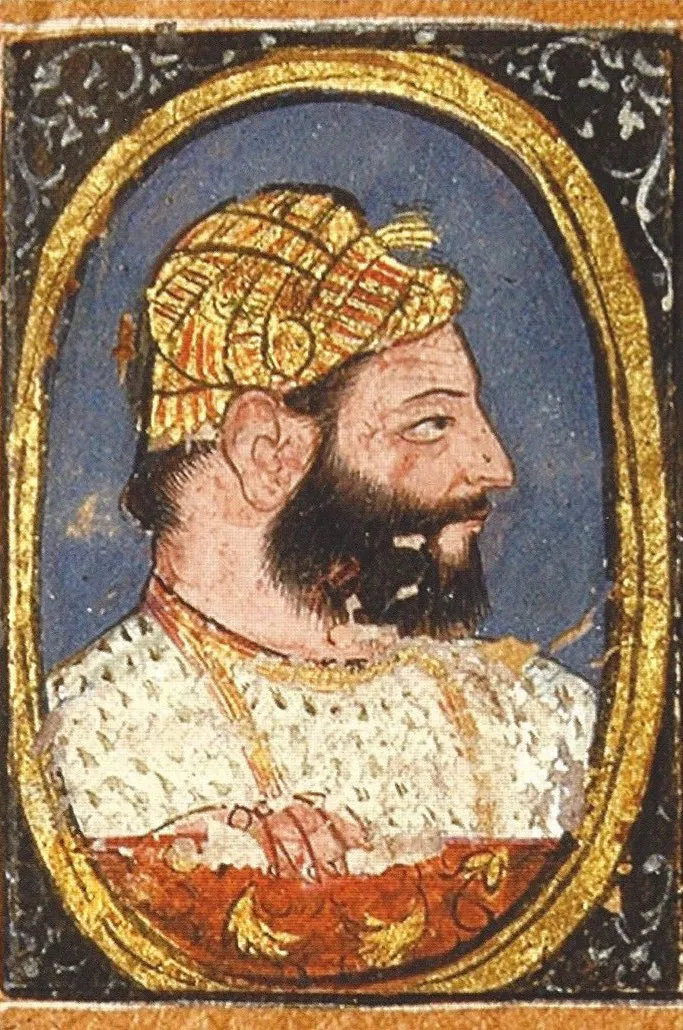
Guru Hargobind Ji (1595 to 1644) was the sixth Sikh Guru, who became Guru at eleven after his father Guru Arjan Dev Ji's martyrdom. He wore the two swords of Miri and Piri, raised the Akal Takht at Amritsar, kept the Sikhs' first standing army, and won freedom for 52 princes with his own release from Gwalior Fort.
- Punjabi name
- ਗੁਰੂ ਹਰਿਗੋਬਿੰਦ ਜੀ
- Years
- 1595 to 1644
- Known for
- Miri Piri, Akal Takht, Bandi Chhor Divas
- Region
- Majha
- Born
- 19 June 1595, Guru Ki Wadali, near Amritsar
- Father
- Guru Arjan Dev Ji, the fifth Guru
All 11 facts
- Became Guru
- 1606, aged 11, after his father's martyrdom
- Founded
- The Akal Takht, Amritsar (begun 1606); Kiratpur Sahib (1634); Hargobindpur
- Battles
- Amritsar (1634), Lahira (1634), Kartarpur (1635), Kiratpur (1638)
- Died
- 28 February 1644, Kiratpur Sahib
- Successor
- Guru Har Rai Ji, his grandson
Guru Hargobind Ji (1595 to 1644) was the sixth Guru of the Sikhs, and the Guru who changed what the Guruship looked like. He became Guru at the age of eleven, days after the Mughal authorities executed his father, and he answered that martyrdom not with retreat but with a throne, an army and two swords: Miri, temporal sovereignty, and Piri, spiritual authority, worn together as one teaching. In his 38 years the Sikhs gained the Akal Takht, their first standing force, and a festival of liberation, Bandi Chhor Divas, still celebrated at Diwali.
A childhood under a shadow
Hargobind was born on 19 June 1595 at Guru Ki Wadali, near Amritsar, the only son of Guru Arjan Dev Ji and Mata Ganga. His childhood was not safe: Sikh tradition remembers attempts on his life by his uncle Prithi Chand's faction, who had never accepted Guru Arjan Dev Ji's succession. He was raised in both worlds his father embodied, trained in scripture and music, and equally in riding, wrestling and the sword. In 1606 the news came from Lahore that Guru Arjan Dev Ji had been tortured to death on the orders of Emperor Jahangir. The boy of eleven was installed as the sixth Guru, and at the installation he made the decision that defines him.
Miri and Piri: the two swords
At his investiture, tradition tells, the elder Baba Buddha Ji brought the customary woolen rosary and headdress of the Gurus. Hargobind asked instead for swords, and wore two of them: one for Miri, the temporal power that protects people in this world, and one for Piri, the spiritual authority of the Guru. The message was deliberate. After the martyrdom of Guru Arjan Dev Ji, the Sikh community would no longer rely on the goodwill of emperors for its survival. The Guru was to be both saint and sovereign, a teacher who prayed and a leader prepared to fight injustice. The two swords remain at the heart of Sikh political thought, and the emblem of Miri Piri still flies in the Nishan Sahib's design.
The Akal Takht and a standing army
In Amritsar, directly facing the Harmandir Sahib, Guru Hargobind Ji raised a throne of his own: the Akal Takht, the Seat of the Timeless One, begun in 1606 and completed within a few years. Where the Harmandir stood low in humility before God, the Akal Takht stood high, a court where the Guru heard petitions, settled disputes and issued orders to the community. Around it he built a new Amritsar: the Lohgarh fort for defence, and the Akal Sena, the first standing army of the Sikhs, with cavalry, trained soldiers and war musicians. He kept court like a prince, hunted, patronised the martial game of gatka, and encouraged Sikhs to offer horses and weapons at his court. To Jahangir's empire, the Guru's court at Amritsar looked increasingly like a state within the state.
Gwalior Fort and Bandi Chhor Divas
Emperor Jahangir eventually had Guru Hargobind Ji imprisoned in the fort of Gwalior, where he was held, by most accounts, for around two years in the late 1610s; accounts differ on the exact years. Fifty-two Hindu princes were also held in the fort, and the Guru used his time there to care for them. When release was finally ordered, the Guru refused to leave alone. Jahangir agreed that whoever could hold on to the Guru's garment could walk free, so the Guru had a special cloak made with 52 tassels, one for each prince, and all 52 walked out holding it. He reached Amritsar around Diwali, and the Sikhs lit lamps for his homecoming. The day is kept to this day as Bandi Chhor Divas, the Day of Liberation, celebrated alongside Diwali wherever Sikhs live.
War with Shah Jahan
Relations with the empire broke down completely under Jahangir's son Shah Jahan. Between 1634 and 1638 the Guru's forces fought four major battles against Mughal troops: at Amritsar in 1634, at Lahira the same year, at Kartarpur in 1635, where his father's old rival's son Painde Khan fell fighting against him, and at Kiratpur in 1638. Outnumbered each time, the Akal Sena held its ground, and the Guru, now in his forties, fought in the front of his own battles. These were defensive wars, fought to protect the community and its towns, and they proved the doctrine of Miri Piri in practice: the saint-soldier was no longer an idea but a fact of Punjab's politics.
Kiratpur and the final years
In 1634 Guru Hargobind Ji founded Kiratpur Sahib in the Shivalik foothills, and in his later years he withdrew there from the plains of Amritsar. He had earlier founded the town of Hargobindpur on the Beas after the battle of Rohilla in 1621, and he is credited with creating the taus, a peacock-shaped stringed instrument, out of love for music. His last years were shadowed by loss: his eldest son Baba Gurditta, father of the future Guru Har Rai Ji, died in 1638. Judging his grandson worthy, Guru Hargobind Ji named the fourteen-year-old Har Rai as his successor, passing over other claims, and died at Kiratpur on 28 February 1644.
What do Miri and Piri mean?
Miri and Piri are the two principles Guru Hargobind Ji joined in his Guruship. Piri is spiritual authority, the Guru's role as teacher of the divine word, inherited from Guru Nanak. Miri is temporal sovereignty, the duty to protect the community, administer justice and resist tyranny in this world. By wearing both swords together, he taught that a Sikh's spiritual life and worldly duty are one path, not two.
Why is Bandi Chhor Divas celebrated at Diwali?
Bandi Chhor Divas, the Day of Liberation, marks Guru Hargobind Ji's release from imprisonment in Gwalior Fort, when he refused freedom for himself alone and brought 52 imprisoned princes out with him, each holding a tassel of his specially made cloak. He arrived back in Amritsar at the time of Diwali, and Sikhs lit the city in welcome. The festival is therefore celebrated on Diwali day, with the Harmandir Sahib illuminated, as a festival of freedom won for others as well as oneself.
ਗੁਰੂ ਹਰਿਗੋਬਿੰਦ ਜੀ (1595 ਤੋਂ 1644) ਸਿੱਖਾਂ ਦੇ ਛੇਵੇਂ ਗੁਰੂ ਸਨ, ਅਤੇ ਉਹ ਗੁਰੂ ਜਿਨ੍ਹਾਂ ਨੇ ਗੁਰਗੱਦੀ ਦਾ ਰੂਪ ਹੀ ਬਦਲ ਦਿੱਤਾ ਉਹ ਗਿਆਰਾਂ ਸਾਲ ਦੀ ਉਮਰ ਵਿੱਚ ਗੁਰੂ ਬਣੇ, ਆਪਣੇ ਪਿਤਾ ਦੀ ਸ਼ਹਾਦਤ ਤੋਂ ਕੁਝ ਦਿਨ ਬਾਅਦ, ਅਤੇ ਉਨ੍ਹਾਂ ਨੇ ਉਸ ਸ਼ਹਾਦਤ ਦਾ ਜਵਾਬ ਪਿੱਛੇ ਹਟਣ ਨਾਲ ਨਹੀਂ, ਸਗੋਂ ਇੱਕ ਤਖ਼ਤ, ਇੱਕ ਫ਼ੌਜ ਅਤੇ ਦੋ ਤਲਵਾਰਾਂ ਨਾਲ ਦਿੱਤਾ: ਮੀਰੀ, ਸੰਸਾਰਿਕ ਪ੍ਰਭੂਸੱਤਾ, ਅਤੇ ਪੀਰੀ, ਅਧਿਆਤਮਿਕ ਅਧਿਕਾਰ, ਦੋਵੇਂ ਇੱਕੋ ਸਿੱਖਿਆ ਵਜੋਂ ਇਕੱਠੀਆਂ ਧਾਰਨ ਕੀਤੀਆਂ ਉਨ੍ਹਾਂ ਦੇ 38 ਸਾਲਾਂ ਵਿੱਚ ਸਿੱਖਾਂ ਨੂੰ ਅਕਾਲ ਤਖ਼ਤ ਮਿਲਿਆ, ਉਨ੍ਹਾਂ ਦੀ ਪਹਿਲੀ ਸਥਾਈ ਫ਼ੌਜ ਬਣੀ, ਅਤੇ ਛੁਟਕਾਰੇ ਦਾ ਇੱਕ ਤਿਉਹਾਰ, ਬੰਦੀ ਛੋੜ ਦਿਵਸ ਮਿਲਿਆ, ਜੋ ਅੱਜ ਵੀ ਦੀਵਾਲੀ 'ਤੇ ਮਨਾਇਆ ਜਾਂਦਾ ਹੈ
ਪਰਛਾਵੇਂ ਹੇਠ ਬਚਪਨ
ਹਰਿਗੋਬਿੰਦ ਜੀ ਦਾ ਜਨਮ 19 ਜੂਨ 1595 ਨੂੰ ਅੰਮ੍ਰਿਤਸਰ ਨੇੜੇ ਗੁਰੂ ਕੀ ਵਡਾਲੀ ਵਿੱਚ ਹੋਇਆ, ਉਹ ਗੁਰੂ ਅਰਜਨ ਦੇਵ ਜੀ ਅਤੇ ਮਾਤਾ ਗੰਗਾ ਦੇ ਇਕਲੌਤੇ ਪੁੱਤਰ ਸਨ ਉਨ੍ਹਾਂ ਦਾ ਬਚਪਨ ਸੁਰੱਖਿਅਤ ਨਹੀਂ ਸੀ: ਸਿੱਖ ਪਰੰਪਰਾ ਉਨ੍ਹਾਂ ਦੇ ਚਾਚੇ ਪਿਰਥੀ ਚੰਦ ਦੇ ਧੜੇ ਵੱਲੋਂ ਉਨ੍ਹਾਂ ਦੀ ਜਾਨ ਲੈਣ ਦੀਆਂ ਕੋਸ਼ਿਸ਼ਾਂ ਨੂੰ ਯਾਦ ਕਰਦੀ ਹੈ, ਜਿਸ ਨੇ ਗੁਰੂ ਅਰਜਨ ਦੇਵ ਜੀ ਦੀ ਵਾਰਿਸਗੀ ਨੂੰ ਕਦੇ ਸਵੀਕਾਰ ਨਹੀਂ ਸੀ ਕੀਤਾ ਉਹ ਆਪਣੇ ਪਿਤਾ ਦੇ ਦੋਵਾਂ ਸੰਸਾਰਾਂ ਵਿੱਚ ਪਲੇ: ਸ਼ਾਸਤਰ ਅਤੇ ਸੰਗੀਤ ਦੀ ਸਿੱਖਿਆ ਦੇ ਨਾਲ ਘੁੜਸਵਾਰੀ, ਕੁਸ਼ਤੀ ਅਤੇ ਤਲਵਾਰਬਾਜ਼ੀ ਦੀ ਸਿਖਲਾਈ ਵੀ 1606 ਵਿੱਚ ਲਾਹੌਰ ਤੋਂ ਖ਼ਬਰ ਆਈ ਕਿ ਬਾਦਸ਼ਾਹ ਜਹਾਂਗੀਰ ਦੇ ਹੁਕਮ 'ਤੇ ਗੁਰੂ ਅਰਜਨ ਦੇਵ ਜੀ ਨੂੰ ਤਸੀਹੇ ਦੇ ਕੇ ਸ਼ਹੀਦ ਕਰ ਦਿੱਤਾ ਗਿਆ ਹੈ ਗਿਆਰਾਂ ਸਾਲ ਦਾ ਬਾਲਕ ਛੇਵੇਂ ਗੁਰੂ ਵਜੋਂ ਥਾਪਿਆ ਗਿਆ, ਅਤੇ ਥਾਪਣ ਸਮੇਂ ਉਸ ਨੇ ਉਹ ਫ਼ੈਸਲਾ ਕੀਤਾ ਜੋ ਉਸ ਦੀ ਪਛਾਣ ਬਣਿਆ
ਮੀਰੀ ਅਤੇ ਪੀਰੀ: ਦੋ ਤਲਵਾਰਾਂ
ਪਰੰਪਰਾ ਅਨੁਸਾਰ, ਉਨ੍ਹਾਂ ਦੀ ਗੁਰਗੱਦੀ ਸਮੇਂ ਬਾਬਾ ਬੁੱਢਾ ਜੀ ਗੁਰੂਆਂ ਦੀ ਰਿਵਾਇਤੀ ਊਨੀ ਮਾਲਾ ਅਤੇ ਪੋਸ਼ਾਕ ਲੈ ਕੇ ਆਏ ਹਰਿਗੋਬਿੰਦ ਜੀ ਨੇ ਇਸ ਦੀ ਬਜਾਏ ਤਲਵਾਰਾਂ ਮੰਗੀਆਂ, ਅਤੇ ਦੋ ਤਲਵਾਰਾਂ ਧਾਰਨ ਕੀਤੀਆਂ: ਇੱਕ ਮੀਰੀ ਲਈ, ਉਹ ਸੰਸਾਰਿਕ ਸ਼ਕਤੀ ਜੋ ਇਸ ਸੰਸਾਰ ਵਿੱਚ ਲੋਕਾਂ ਦੀ ਰੱਖਿਆ ਕਰਦੀ ਹੈ, ਅਤੇ ਇੱਕ ਪੀਰੀ ਲਈ, ਗੁਰੂ ਦਾ ਅਧਿਆਤਮਿਕ ਅਧਿਕਾਰ ਸੁਨੇਹਾ ਸਪੱਸ਼ਟ ਸੀ ਗੁਰੂ ਅਰਜਨ ਦੇਵ ਜੀ ਦੀ ਸ਼ਹਾਦਤ ਤੋਂ ਬਾਅਦ ਸਿੱਖ ਕੌਮ ਆਪਣੀ ਹੋਂਦ ਲਈ ਬਾਦਸ਼ਾਹਾਂ ਦੀ ਮਿਹਰ 'ਤੇ ਨਿਰਭਰ ਨਹੀਂ ਰਹੇਗੀ ਗੁਰੂ ਸੰਤ ਵੀ ਹੋਵੇਗਾ ਅਤੇ ਪ੍ਰਭੂ ਵੀ, ਇੱਕ ਅਜਿਹਾ ਸਿੱਖਿਆਦਾਤਾ ਜੋ ਅਰਦਾਸ ਵੀ ਕਰੇ ਅਤੇ ਜ਼ੁਲਮ ਨਾਲ ਲੜਨ ਲਈ ਤਿਆਰ ਵੀ ਰਹੇ ਦੋਵੇਂ ਤਲਵਾਰਾਂ ਅੱਜ ਵੀ ਸਿੱਖ ਰਾਜਨੀਤਿਕ ਸੋਚ ਦੇ ਕੇਂਦਰ ਵਿੱਚ ਹਨ, ਅਤੇ ਮੀਰੀ ਪੀਰੀ ਦਾ ਚਿੰਨ੍ਹ ਨਿਸ਼ਾਨ ਸਾਹਿਬ ਦੇ ਨਕਸ਼ੇ ਵਿੱਚ ਵੀ ਦਿਖਾਈ ਦਿੰਦਾ ਹੈ
ਅਕਾਲ ਤਖ਼ਤ ਅਤੇ ਸਥਾਈ ਫ਼ੌਜ
ਅੰਮ੍ਰਿਤਸਰ ਵਿੱਚ, ਹਰਿਮੰਦਰ ਸਾਹਿਬ ਦੇ ਠੀਕ ਸਾਹਮਣੇ, ਗੁਰੂ ਹਰਿਗੋਬਿੰਦ ਜੀ ਨੇ ਆਪਣਾ ਤਖ਼ਤ ਉਸਾਰਿਆ: ਅਕਾਲ ਤਖ਼ਤ, ਅਕਾਲ ਪੁਰਖ ਦੀ ਸੀਟ, ਜੋ 1606 ਵਿੱਚ ਸ਼ੁਰੂ ਹੋਇਆ ਅਤੇ ਕੁਝ ਸਾਲਾਂ ਵਿੱਚ ਪੂਰਾ ਹੋ ਗਿਆ ਜਿੱਥੇ ਹਰਿਮੰਦਰ ਸਾਹਿਬ ਪਰਮਾਤਮਾ ਅੱਗੇ ਨਿਮਰਤਾ ਵਿੱਚ ਨੀਵਾਂ ਖੜ੍ਹਾ ਸੀ, ਉੱਥੇ ਅਕਾਲ ਤਖ਼ਤ ਉੱਚਾ ਖੜ੍ਹਾ ਸੀ, ਇੱਕ ਦਰਬਾਰ ਜਿੱਥੇ ਗੁਰੂ ਅਰਜ਼ੀਆਂ ਸੁਣਦੇ, ਝਗੜੇ ਨਿਪਟਾਉਂਦੇ ਅਤੇ ਕੌਮ ਨੂੰ ਹੁਕਮ ਜਾਰੀ ਕਰਦੇ ਸਨ ਇਸ ਦੇ ਆਲੇ-ਦੁਆਲੇ ਉਨ੍ਹਾਂ ਨੇ ਇੱਕ ਨਵਾਂ ਅੰਮ੍ਰਿਤਸਰ ਵਸਾਇਆ: ਰੱਖਿਆ ਲਈ ਲੋਹਗੜ੍ਹ ਕਿਲ੍ਹਾ, ਅਤੇ ਅਕਾਲ ਸੈਨਾ, ਸਿੱਖਾਂ ਦੀ ਪਹਿਲੀ ਸਥਾਈ ਫ਼ੌਜ, ਘੁੜਸਵਾਰਾਂ, ਸਿਖਲਾਈ ਪ੍ਰਾਪਤ ਸਿਪਾਹੀਆਂ ਅਤੇ ਜੰਗੀ ਸੰਗੀਤਕਾਰਾਂ ਸਮੇਤ ਉਹ ਰਾਜਕੁਮਾਰ ਵਾਂਗ ਦਰਬਾਰ ਲਾਉਂਦੇ, ਸ਼ਿਕਾਰ ਕਰਦੇ, ਗੱਤਕੇ ਦੀ ਜੰਗੀ ਖੇਡ ਨੂੰ ਪੋਸ਼ਣ ਦਿੰਦੇ, ਅਤੇ ਸਿੱਖਾਂ ਨੂੰ ਆਪਣੇ ਦਰਬਾਰ ਵਿੱਚ ਘੋੜੇ ਅਤੇ ਹਥਿਆਰ ਭੇਟ ਕਰਨ ਲਈ ਉਤਸ਼ਾਹਿਤ ਕਰਦੇ ਸਨ ਜਹਾਂਗੀਰ ਦੇ ਸਾਮਰਾਜ ਨੂੰ ਅੰਮ੍ਰਿਤਸਰ ਵਿੱਚ ਗੁਰੂ ਦਾ ਦਰਬਾਰ ਹੌਲੀ-ਹੌਲੀ ਰਾਜ ਅੰਦਰ ਰਾਜ ਵਰਗਾ ਲੱਗਣ ਲੱਗਾ
ਗਵਾਲੀਅਰ ਕਿਲ੍ਹਾ ਅਤੇ ਬੰਦੀ ਛੋੜ ਦਿਵਸ
ਬਾਦਸ਼ਾਹ ਜਹਾਂਗੀਰ ਨੇ ਆਖ਼ਰ ਗੁਰੂ ਹਰਿਗੋਬਿੰਦ ਜੀ ਨੂੰ ਗਵਾਲੀਅਰ ਦੇ ਕਿਲ੍ਹੇ ਵਿੱਚ ਕੈਦ ਕਰ ਲਿਆ, ਜਿੱਥੇ ਜ਼ਿਆਦਾਤਰ ਵਰਣਨਾਂ ਅਨੁਸਾਰ ਉਹ 1610ਵਿਆਂ ਦੇ ਅੰਤ ਵਿੱਚ ਲਗਭਗ ਦੋ ਸਾਲ ਰਹੇ; ਸਹੀ ਸਾਲਾਂ ਬਾਰੇ ਵਰਣਨ ਵੱਖ-ਵੱਖ ਹਨ ਕਿਲ੍ਹੇ ਵਿੱਚ 52 ਹਿੰਦੂ ਰਾਜਕੁਮਾਰ ਵੀ ਕੈਦ ਸਨ, ਅਤੇ ਗੁਰੂ ਜੀ ਨੇ ਉੱਥੇ ਆਪਣਾ ਸਮਾਂ ਉਨ੍ਹਾਂ ਦੀ ਸੇਵਾ ਵਿੱਚ ਲਾਇਆ ਜਦੋਂ ਆਖ਼ਰ ਰਿਹਾਈ ਦਾ ਹੁਕਮ ਆਇਆ, ਤਾਂ ਗੁਰੂ ਜੀ ਨੇ ਇਕੱਲੇ ਜਾਣ ਤੋਂ ਇਨਕਾਰ ਕਰ ਦਿੱਤਾ ਜਹਾਂਗੀਰ ਮੰਨ ਗਿਆ ਕਿ ਜੋ ਵੀ ਗੁਰੂ ਦਾ ਕੱਪੜਾ ਫੜ ਸਕੇਗਾ, ਉਹ ਮੁਕਤ ਹੋ ਜਾਵੇਗਾ, ਇਸ ਲਈ ਗੁਰੂ ਜੀ ਨੇ 52 ਕਲੀਆਂ ਵਾਲਾ ਇੱਕ ਖ਼ਾਸ ਚੋਗਾ ਬਣਵਾਇਆ, ਹਰ ਰਾਜਕੁਮਾਰ ਲਈ ਇੱਕ, ਅਤੇ ਸਾਰੇ 52 ਉਸ ਨੂੰ ਫੜ ਕੇ ਬਾਹਰ ਆ ਗਏ ਉਹ ਦੀਵਾਲੀ ਦੇ ਆਸ-ਪਾਸ ਅੰਮ੍ਰਿਤਸਰ ਪਹੁੰਚੇ, ਅਤੇ ਸਿੱਖਾਂ ਨੇ ਉਨ੍ਹਾਂ ਦੇ ਸਵਾਗਤ ਵਿੱਚ ਦੀਵੇ ਜਗਾਏ ਇਹ ਦਿਨ ਅੱਜ ਤੱਕ ਬੰਦੀ ਛੋੜ ਦਿਵਸ ਵਜੋਂ ਮਨਾਇਆ ਜਾਂਦਾ ਹੈ, ਛੁਟਕਾਰੇ ਦਾ ਦਿਨ, ਜੋ ਸਿੱਖ ਜਿੱਥੇ ਵੀ ਰਹਿੰਦੇ ਹਨ, ਦੀਵਾਲੀ ਦੇ ਨਾਲ ਮਨਾਉਂਦੇ ਹਨ
ਸ਼ਾਹ ਜਹਾਨ ਨਾਲ ਜੰਗ
ਜਹਾਂਗੀਰ ਦੇ ਪੁੱਤਰ ਸ਼ਾਹ ਜਹਾਨ ਦੇ ਸਮੇਂ ਸਾਮਰਾਜ ਨਾਲ ਸੰਬੰਧ ਪੂਰੀ ਤਰ੍ਹਾਂ ਟੁੱਟ ਗਏ 1634 ਤੋਂ 1638 ਵਿਚਕਾਰ ਗੁਰੂ ਜੀ ਦੀਆਂ ਫ਼ੌਜਾਂ ਨੇ ਮੁਗਲ ਫ਼ੌਜਾਂ ਨਾਲ ਚਾਰ ਵੱਡੀਆਂ ਜੰਗਾਂ ਲੜੀਆਂ: 1634 ਵਿੱਚ ਅੰਮ੍ਰਿਤਸਰ ਵਿਖੇ, ਉਸੇ ਸਾਲ ਲਹਿਰਾ ਵਿਖੇ, 1635 ਵਿੱਚ ਕਰਤਾਰਪੁਰ ਵਿਖੇ, ਜਿੱਥੇ ਉਨ੍ਹਾਂ ਦੇ ਪਿਤਾ ਦੇ ਪੁਰਾਣੇ ਵਿਰੋਧੀ ਦਾ ਪੁੱਤਰ ਪੈਂਦੇ ਖ਼ਾਨ ਉਨ੍ਹਾਂ ਖ਼ਿਲਾਫ਼ ਲੜਦਾ ਮਾਰਿਆ ਗਿਆ, ਅਤੇ 1638 ਵਿੱਚ ਕੀਰਤਪੁਰ ਵਿਖੇ ਹਰ ਵਾਰ ਗਿਣਤੀ ਵਿੱਚ ਘੱਟ ਹੋਣ ਦੇ ਬਾਵਜੂਦ ਅਕਾਲ ਸੈਨਾ ਡੱਟੀ ਰਹੀ, ਅਤੇ ਗੁਰੂ ਜੀ, ਹੁਣ ਚਾਲੀਆਂ ਵਿੱਚ, ਆਪਣੀਆਂ ਜੰਗਾਂ ਵਿੱਚ ਸਭ ਤੋਂ ਅੱਗੇ ਲੜੇ ਇਹ ਰੱਖਿਆਤਮਕ ਜੰਗਾਂ ਸਨ, ਕੌਮ ਅਤੇ ਉਸ ਦੇ ਸ਼ਹਿਰਾਂ ਦੀ ਰੱਖਿਆ ਲਈ ਲੜੀਆਂ ਗਈਆਂ, ਅਤੇ ਇਨ੍ਹਾਂ ਨੇ ਮੀਰੀ ਪੀਰੀ ਦੇ ਸਿਧਾਂਤ ਨੂੰ ਅਮਲ ਵਿੱਚ ਸਾਬਤ ਕਰ ਦਿੱਤਾ: ਸੰਤ-ਸਿਪਾਹੀ ਹੁਣ ਕੋਈ ਵਿਚਾਰ ਨਹੀਂ, ਪੰਜਾਬ ਦੀ ਰਾਜਨੀਤੀ ਦਾ ਸੱਚ ਸੀ
ਕੀਰਤਪੁਰ ਅਤੇ ਆਖ਼ਰੀ ਸਾਲ
1634 ਵਿੱਚ ਗੁਰੂ ਹਰਿਗੋਬਿੰਦ ਜੀ ਨੇ ਸ਼ਿਵਾਲਿਕ ਦੀਆਂ ਪਹਾੜੀਆਂ ਵਿੱਚ ਕੀਰਤਪੁਰ ਸਾਹਿਬ ਵਸਾਇਆ, ਅਤੇ ਆਪਣੇ ਬਾਅਦ ਦੇ ਸਾਲਾਂ ਵਿੱਚ ਉਹ ਅੰਮ੍ਰਿਤਸਰ ਦੇ ਮੈਦਾਨਾਂ ਤੋਂ ਉੱਥੇ ਚਲੇ ਗਏ ਇਸ ਤੋਂ ਪਹਿਲਾਂ ਉਨ੍ਹਾਂ ਨੇ 1621 ਵਿੱਚ ਰੋਹਿੱਲਾ ਦੀ ਜੰਗ ਤੋਂ ਬਾਅਦ ਬਿਆਸ ਕੰਢੇ ਹਰਿਗੋਬਿੰਦਪੁਰ ਸ਼ਹਿਰ ਵਸਾਇਆ ਸੀ, ਅਤੇ ਸੰਗੀਤ ਦੇ ਪ੍ਰੇਮ ਕਾਰਨ ਉਨ੍ਹਾਂ ਨੂੰ ਤਾਊਸ, ਮੋਰ-ਆਕਾਰ ਵਾਲਾ ਤਾਰ ਵਾਦਯ, ਬਣਾਉਣ ਦਾ ਸਿਹਰਾ ਦਿੱਤਾ ਜਾਂਦਾ ਹੈ ਉਨ੍ਹਾਂ ਦੇ ਆਖ਼ਰੀ ਸਾਲ ਨੁਕਸਾਨ ਦੀ ਪਰਛਾਈ ਵਿੱਚ ਬੀਤੇ: ਉਨ੍ਹਾਂ ਦੇ ਸਭ ਤੋਂ ਵੱਡੇ ਪੁੱਤਰ ਬਾਬਾ ਗੁਰਦਿੱਤਾ, ਭਵਿੱਖ ਦੇ ਗੁਰੂ ਹਰਿ ਰਾਇ ਜੀ ਦੇ ਪਿਤਾ, 1638 ਵਿੱਚ ਚੱਲ ਵਸੇ ਆਪਣੇ ਪੋਤਰੇ ਨੂੰ ਯੋਗ ਸਮਝ ਕੇ, ਗੁਰੂ ਹਰਿਗੋਬਿੰਦ ਜੀ ਨੇ ਚੌਦਾਂ ਸਾਲ ਦੇ ਹਰਿ ਰਾਇ ਜੀ ਨੂੰ ਆਪਣਾ ਵਾਰਿਸ ਥਾਪਿਆ, ਬਾਕੀ ਦਾਅਵਿਆਂ ਨੂੰ ਪਿੱਛੇ ਛੱਡ ਕੇ, ਅਤੇ 28 ਫਰਵਰੀ 1644 ਨੂੰ ਕੀਰਤਪੁਰ ਵਿੱਚ ਅਕਾਲ ਚਲਾਣਾ ਕਰ ਗਏ
ਮੀਰੀ ਅਤੇ ਪੀਰੀ ਦਾ ਕੀ ਅਰਥ ਹੈ?
ਮੀਰੀ ਅਤੇ ਪੀਰੀ ਉਹ ਦੋ ਸਿਧਾਂਤ ਹਨ ਜੋ ਗੁਰੂ ਹਰਿਗੋਬਿੰਦ ਜੀ ਨੇ ਆਪਣੀ ਗੁਰਗੱਦੀ ਵਿੱਚ ਜੋੜੇ ਪੀਰੀ ਅਧਿਆਤਮਿਕ ਅਧਿਕਾਰ ਹੈ, ਗੁਰੂ ਨਾਨਕ ਤੋਂ ਵਿਰਸੇ ਵਿੱਚ ਮਿਲੀ, ਬਾਣੀ ਦੇ ਸਿੱਖਿਆਦਾਤਾ ਵਜੋਂ ਗੁਰੂ ਦੀ ਭੂਮਿਕਾ ਮੀਰੀ ਸੰਸਾਰਿਕ ਪ੍ਰਭੂਸੱਤਾ ਹੈ, ਇਸ ਸੰਸਾਰ ਵਿੱਚ ਕੌਮ ਦੀ ਰੱਖਿਆ ਕਰਨ, ਇਨਸਾਫ਼ ਕਰਨ ਅਤੇ ਜ਼ੁਲਮ ਦਾ ਵਿਰੋਧ ਕਰਨ ਦਾ ਫ਼ਰਜ਼ ਦੋਵੇਂ ਤਲਵਾਰਾਂ ਇਕੱਠੀਆਂ ਧਾਰਨ ਕਰਕੇ ਉਨ੍ਹਾਂ ਨੇ ਸਿਖਾਇਆ ਕਿ ਸਿੱਖ ਦਾ ਅਧਿਆਤਮਿਕ ਜੀਵਨ ਅਤੇ ਸੰਸਾਰਿਕ ਫ਼ਰਜ਼ ਇੱਕੋ ਰਾਹ ਹਨ, ਦੋ ਨਹੀਂ
ਬੰਦੀ ਛੋੜ ਦਿਵਸ ਦੀਵਾਲੀ 'ਤੇ ਕਿਉਂ ਮਨਾਇਆ ਜਾਂਦਾ ਹੈ?
ਬੰਦੀ ਛੋੜ ਦਿਵਸ, ਛੁਟਕਾਰੇ ਦਾ ਦਿਨ, ਗੁਰੂ ਹਰਿਗੋਬਿੰਦ ਜੀ ਦੀ ਗਵਾਲੀਅਰ ਕਿਲ੍ਹੇ ਦੀ ਕੈਦ ਤੋਂ ਰਿਹਾਈ ਨੂੰ ਦਰਸਾਉਂਦਾ ਹੈ, ਜਦੋਂ ਉਨ੍ਹਾਂ ਨੇ ਸਿਰਫ਼ ਆਪਣੇ ਲਈ ਆਜ਼ਾਦੀ ਲੈਣ ਤੋਂ ਇਨਕਾਰ ਕਰ ਦਿੱਤਾ ਅਤੇ 52 ਕੈਦੀ ਰਾਜਕੁਮਾਰਾਂ ਨੂੰ ਆਪਣੇ ਨਾਲ ਬਾਹਰ ਲੈ ਆਏ, ਹਰ ਕੋਈ ਉਨ੍ਹਾਂ ਦੇ ਖ਼ਾਸ ਤੌਰ 'ਤੇ ਬਣਵਾਏ ਚੋਗੇ ਦੀ ਇੱਕ ਕਲੀ ਫੜ ਕੇ ਉਹ ਦੀਵਾਲੀ ਦੇ ਸਮੇਂ ਅੰਮ੍ਰਿਤਸਰ ਵਾਪਸ ਪਹੁੰਚੇ, ਅਤੇ ਸਿੱਖਾਂ ਨੇ ਸਵਾਗਤ ਵਿੱਚ ਸ਼ਹਿਰ ਵਿੱਚ ਦੀਵੇ ਜਗਾਏ ਇਸ ਲਈ ਇਹ ਤਿਉਹਾਰ ਦੀਵਾਲੀ ਵਾਲੇ ਦਿਨ ਮਨਾਇਆ ਜਾਂਦਾ ਹੈ, ਹਰਿਮੰਦਰ ਸਾਹਿਬ ਨੂੰ ਰੋਸ਼ਨ ਕਰਕੇ, ਉਸ ਆਜ਼ਾਦੀ ਦੇ ਤਿਉਹਾਰ ਵਜੋਂ ਜੋ ਦੂਜਿਆਂ ਲਈ ਵੀ ਜਿੱਤੀ ਗਈ ਸੀ, ਸਿਰਫ਼ ਆਪਣੇ ਲਈ ਨਹੀਂ