
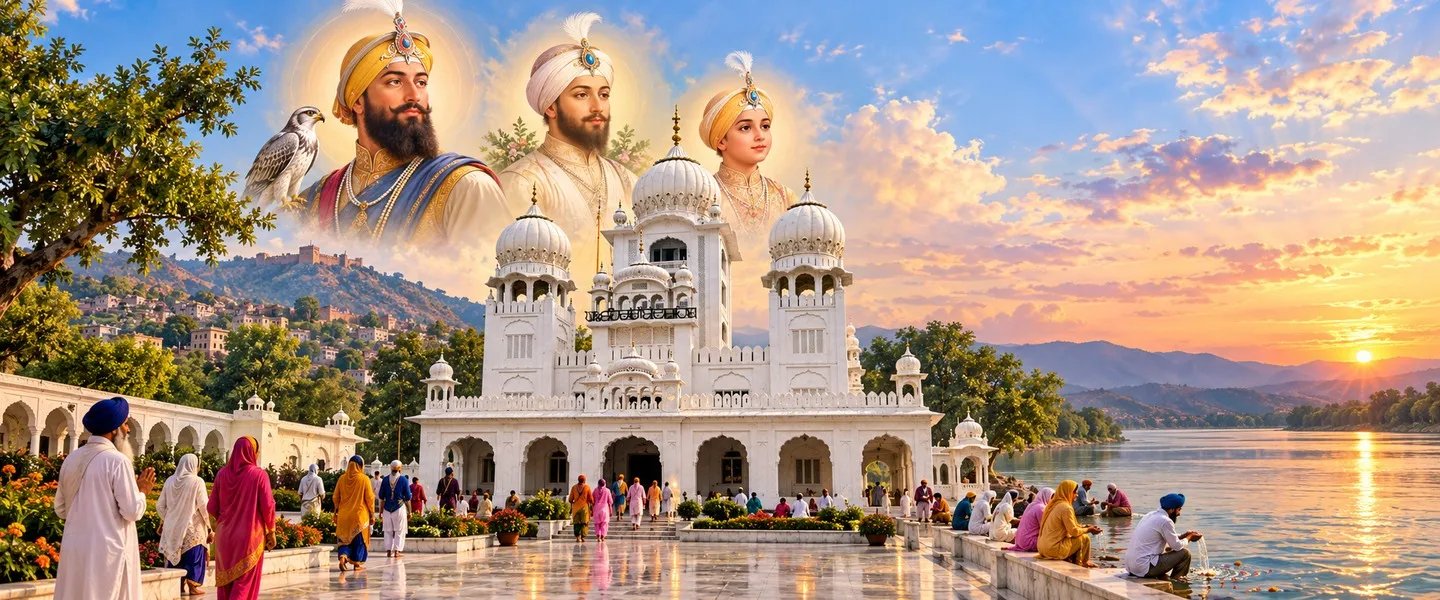
Kiratpur Sahib is a small holy town on the Sutlej in Rupnagar district, founded in 1627 by the sixth Sikh Guru, Guru Hargobind Ji. It was home to three Gurus, Hargobind, Har Rai and Har Krishan, and its Gurdwara Patal Puri is the most popular place in Sikhism for immersing the ashes of the dead. About 2,300 people lived here in 2011.
- Punjabi name
- ਕੀਰਤਪੁਰ ਸਾਹਿਬ
- Type
- Town
- District
- Rupnagar
- Region
- Malwa, Punjab (India)
- Founded
- 1627 (tradition; some scholars cite 1634)
- Population
- 2,348 (2011 census)
All 8 facts
- PIN
- 140115
- Known for
- Gurdwara Patal Puri; residence of three Sikh Gurus
Kiratpur Sahib is a small holy town on the Sutlej river in Rupnagar district, Punjab, founded by the sixth Sikh Guru, Guru Hargobind Ji. It was home to three Sikh Gurus, Hargobind, Har Rai and Har Krishan, and holds Gurdwara Patal Puri, the most popular place in modern Sikhism for immersing the ashes of the dead.
Why is Kiratpur Sahib sacred?
Kiratpur, meaning the city of glory, was the headquarters of the Sikh faith for three decades, from 1635 to 1664. Guru Hargobind Ji moved here in May 1635 and died here on 3 March 1644, cremated on the Sutlej bank where Gurdwara Patal Puri now stands. His successor Guru Har Rai Ji was cremated at the same spot on 6 October 1661, and the ashes of the child Guru Har Krishan were brought from Delhi and dispersed into the river in 1664. Both Guru Har Rai and Guru Har Krishan were born in this town and received the Guruship here, so the place is woven into the lives of three Gurus in a way few towns in Punjab can match.
That is why, for many Sikh families, Kiratpur is where life ends as it should. The gurdwara on the riverbank is the most visited site in the faith for the final rite of committing a loved one's ashes to flowing water, drawing pilgrims from across Punjab and from the diaspora in Western countries.
History
The town's foundation is commonly dated to 1627, though the scholar Gurinder Singh Mann cites 1634, the year he says Guru Hargobind shifted the community's base here from Kartarpur. The land came from the hill state of Kehlur. In 1628 the Guru visited Raja Kalyan Chand at Kot-Kehloor, and the Raja gifted him the villages of Kiratpur and Kalyanpur as jagir. Some accounts name the donor as Raja Tara Chand of Kehlur instead. When the Mughal emperor Jahangir demanded that the Guru be expelled from Kehlur, Kalyan Chand refused and shifted his own capital from Kot-Kehloor to Sunhani.
The Guru's eldest son Baba Gurditta laid out the new settlement in 1624 on ground taken from the villages of Kalyanpur, Jiowal, Bhagwala and Bhatauli, and Guru Hargobind moved here in May 1635. Tradition says Guru Nanak Dev Ji had visited the spot centuries earlier, when it was little more than wilderness. The town also sheltered the Muslim saint Pir Buddan Shah, famed in local legend for an enormously long life; his mausoleum still stands on a hill near the town, and he died after the Guru had established Kiratpur.
After the death of Guru Har Krishan in 1664, Guru Tegh Bahadur Ji shifted the community to Anandpur Sahib, the town he had founded about 10 kilometres to the north. Kiratpur remained a place of pilgrimage, its gurdwaras maintained through the centuries that followed.
Where do Sikhs immerse the ashes of the dead?
At Gurdwara Patal Puri, on the left bank of the Sutlej about a quarter-mile south of the town. As per Sikh lore, Guru Hargobind commanded that a hut named Patalpuri be built on the riverbank; a Muslim pir named Pir Kaivan visited him there a week before his passing, and the 17th-century Persian text Dabistan-i-Mazahib mentions the spot as his cremation ground. The specific place where ashes are committed to the river is called the asth ghat. The Guru Granth Sahib is installed at the prakash asthan leading toward the water, and the building sits on a tall plinth with a large hall, two stories and a dome above the sanctum.
For centuries Sikhs dispersed ashes at Haridwar, where priests kept genealogical records, but that custom fell out of favour and Patal Puri became the most popular site instead. During the COVID-19 pandemic, long queues of families waiting to immerse ashes made national news. The place is so embedded in Punjabi life that the 2004 film Veer-Zaara made it the dying wish of a character to have her ashes immersed here.
The town's other gurdwaras
Gurdwara Baba Gurditta stands on a hill about a kilometre from the town, built in memory of Guru Hargobind's eldest son, who died there; it also commemorates Baba Sri Chand Ji. Gurdwara Shish Mahal was the first completed building of the new city: first the home of Baba Gurditta, then Guru Hargobind's own residence after his 1635 move, and the birthplace of both Guru Har Rai and Guru Har Krishan. The Guru's grandchildren Ram Rai and Bibi Rup Kaur were born here too.
Gurdwara Charan Kamal commemorates the spot where the Pir met Guru Nanak Dev Ji, whose mausoleum is on a nearby hill. Gurdwara Babangarh Sahib marks where Bhai Jaita, later known as Jiwan Singh, rested with the martyred head of Guru Tegh Bahadur after bringing it from Delhi in 1675; Guru Gobind Singh Ji took the sacred head in procession to Anandpur Sahib for cremation, and the Punjab Government has erected a memorial pillar at the spot.
The town also holds Gurdwara Manji Sahib and Gurdwara Sri Hargobindsar Sahib at the nearby village of Dadhi, about a kilometre away, along with the dargah of Baba Budhan Shah Ji.
Geography & people
Kiratpur Sahib sits at the foothills of the Shivalik range on the left bank of the Sutlej, about 10 kilometres south of Anandpur Sahib, 30 kilometres north of Rupnagar and 90 kilometres from Chandigarh, on the Nangal-Rupnagar-Chandigarh road (NH21). Its PIN is 140115. The 2011 census counted 2,348 residents, with Punjabi as the official language. It remains a small settlement whose life revolves around the gurdwaras and the steady flow of pilgrims who come to immerse ashes in the river.
How do I get to Kiratpur Sahib?
By road, Kiratpur lies on NH21, the Nangal-Rupnagar-Chandigarh highway: roughly 30 kilometres from Rupnagar, 10 from Anandpur Sahib and 90 from Chandigarh. The town is compact enough to cover on foot, with Gurdwara Patal Puri a short walk south of the main settlement, beside the railway tracks.
Notable people
Guru Hargobind Ji, the sixth Guru and proponent of miri-piri, founded Kiratpur and spent his last decade here. Guru Har Rai Ji and Guru Har Krishan, the seventh and eighth Gurus, were born here and installed to the Guruship here. Baba Gurditta, the Guru's eldest son, physically established the town in 1624. Pir Buddan Shah, the long-lived Muslim saint, is remembered with affection in Sikh tradition for his devotion to the Gurus. In modern public life, the town is the birthplace of Kanshi Ram, the former MP and Bahujan Samaj Party leader, and of the civil servant Dr. Rattan Chand.
ਕੀਰਤਪੁਰ ਸਾਹਿਬ ਰੂਪਨਗਰ ਜ਼ਿਲ੍ਹੇ ਵਿੱਚ ਸਤਲੁਜ ਦਰਿਆ ਦੇ ਕੰਢੇ ਵਸਿਆ ਇੱਕ ਛੋਟਾ ਪਵਿੱਤਰ ਸ਼ਹਿਰ ਹੈ, ਜਿਸ ਦੀ ਨੀਂਹ ਛੇਵੇਂ ਸਿੱਖ ਗੁਰੂ, ਗੁਰੂ ਹਰਿਗੋਬਿੰਦ ਸਾਹਿਬ ਜੀ ਨੇ ਰੱਖੀ। ਇੱਥੇ ਤਿੰਨ ਸਿੱਖ ਗੁਰੂ, ਹਰਿਗੋਬਿੰਦ, ਹਰਿਰਾਇ ਅਤੇ ਹਰਿਕ੍ਰਿਸ਼ਨ ਸਾਹਿਬ ਵਸੇ, ਅਤੇ ਇੱਥੇ ਗੁਰਦੁਆਰਾ ਪਾਤਾਲ ਪੁਰੀ ਹੈ, ਜੋ ਮ੍ਰਿਤਕਾਂ ਦੀਆਂ ਅਸਥੀਆਂ ਜਲ-ਪ੍ਰਵਾਹ ਕਰਨ ਲਈ ਸਿੱਖ ਧਰਮ ਦਾ ਸਭ ਤੋਂ ਪ੍ਰਸਿੱਧ ਅਸਥਾਨ ਹੈ।
ਕੀਰਤਪੁਰ ਸਾਹਿਬ ਕਿਉਂ ਪਵਿੱਤਰ ਹੈ?
ਕੀਰਤਪੁਰ, ਭਾਵ ਮਹਿਮਾ ਦਾ ਸ਼ਹਿਰ, 1635 ਤੋਂ 1664 ਤੱਕ ਤਿੰਨ ਦਹਾਕਿਆਂ ਲਈ ਸਿੱਖ ਧਰਮ ਦਾ ਕੇਂਦਰ ਰਿਹਾ। ਗੁਰੂ ਹਰਿਗੋਬਿੰਦ ਸਾਹਿਬ ਜੀ ਮਈ 1635 ਵਿੱਚ ਇੱਥੇ ਆ ਵਸੇ ਅਤੇ 3 ਮਾਰਚ 1644 ਨੂੰ ਇੱਥੇ ਹੀ ਜੋਤੀ-ਜੋਤ ਸਮਾਏ। ਸਤਲੁਜ ਕੰਢੇ ਜਿੱਥੇ ਅੱਜ ਗੁਰਦੁਆਰਾ ਪਾਤਾਲ ਪੁਰੀ ਹੈ, ਉੱਥੇ ਉਨ੍ਹਾਂ ਦਾ ਸਸਕਾਰ ਹੋਇਆ। ਉਨ੍ਹਾਂ ਦੇ ਉੱਤਰਾਧਿਕਾਰੀ ਗੁਰੂ ਹਰਿਰਾਇ ਸਾਹਿਬ ਜੀ ਦਾ ਸਸਕਾਰ ਵੀ 6 ਅਕਤੂਬਰ 1661 ਨੂੰ ਇਸੇ ਥਾਂ ਹੋਇਆ, ਅਤੇ ਬਾਲ ਗੁਰੂ ਹਰਿਕ੍ਰਿਸ਼ਨ ਸਾਹਿਬ ਜੀ ਦੀਆਂ ਅਸਥੀਆਂ ਦਿੱਲੀ ਤੋਂ ਲਿਆ ਕੇ 1664 ਵਿੱਚ ਦਰਿਆ ਵਿੱਚ ਜਲ-ਪ੍ਰਵਾਹ ਕੀਤੀਆਂ ਗਈਆਂ। ਗੁਰੂ ਹਰਿਰਾਇ ਅਤੇ ਗੁਰੂ ਹਰਿਕ੍ਰਿਸ਼ਨ ਦੋਵੇਂ ਇਸੇ ਸ਼ਹਿਰ ਵਿੱਚ ਜਨਮੇ ਅਤੇ ਇੱਥੇ ਹੀ ਗੁਰਗੱਦੀ 'ਤੇ ਬਿਰਾਜਮਾਨ ਹੋਏ, ਇਸ ਲਈ ਪੰਜਾਬ ਦੇ ਗਿਣੇ-ਚੁਣੇ ਸ਼ਹਿਰ ਹੀ ਤਿੰਨ ਗੁਰੂਆਂ ਨਾਲ ਇੰਨੇ ਡੂੰਘੇ ਜੁੜੇ ਹਨ।
ਇਸੇ ਕਰਕੇ ਬਹੁਤ ਸਾਰੇ ਸਿੱਖ ਪਰਿਵਾਰਾਂ ਲਈ ਕੀਰਤਪੁਰ ਉਹ ਥਾਂ ਹੈ ਜਿੱਥੇ ਜੀਵਨ ਦਾ ਅੰਤ ਹੋਣਾ ਚਾਹੀਦਾ ਹੈ। ਦਰਿਆ ਕੰਢੇ ਵਾਲਾ ਗੁਰਦੁਆਰਾ ਕਿਸੇ ਪਿਆਰੇ ਦੀਆਂ ਅਸਥੀਆਂ ਵਹਿੰਦੇ ਪਾਣੀ ਵਿੱਚ ਪ੍ਰਵਾਹ ਕਰਨ ਲਈ ਧਰਮ ਦਾ ਸਭ ਤੋਂ ਵੱਧ ਵਰਤਿਆ ਜਾਣ ਵਾਲਾ ਅਸਥਾਨ ਹੈ, ਜਿੱਥੇ ਪੰਜਾਬ ਭਰ ਤੋਂ ਅਤੇ ਪੱਛਮੀ ਦੇਸ਼ਾਂ ਵਿੱਚ ਵਸਦੇ ਪ੍ਰਵਾਸੀ ਸਿੱਖ ਪਹੁੰਚਦੇ ਹਨ।
ਇਤਿਹਾਸ
ਸ਼ਹਿਰ ਦੀ ਨੀਂਹ ਆਮ ਤੌਰ 'ਤੇ 1627 ਮੰਨੀ ਜਾਂਦੀ ਹੈ, ਹਾਲਾਂਕਿ ਵਿਦਵਾਨ ਗੁਰਿੰਦਰ ਸਿੰਘ ਮਾਨ 1634 ਦਾ ਸਾਲ ਦੱਸਦੇ ਹਨ, ਜਦੋਂ ਗੁਰੂ ਹਰਿਗੋਬਿੰਦ ਸਾਹਿਬ ਨੇ ਆਪਣਾ ਕੇਂਦਰ ਕਰਤਾਰਪੁਰ ਤੋਂ ਇੱਥੇ ਤਬਦੀਲ ਕੀਤਾ। ਇਹ ਜ਼ਮੀਨ ਪਹਾੜੀ ਰਿਆਸਤ ਕੇਹਲੂਰ ਤੋਂ ਮਿਲੀ। 1628 ਵਿੱਚ ਗੁਰੂ ਸਾਹਿਬ ਕੋਟ-ਕੇਹਲੂਰ ਵਿਖੇ ਰਾਜਾ ਕਲਿਆਣ ਚੰਦ ਨੂੰ ਮਿਲੇ, ਅਤੇ ਰਾਜੇ ਨੇ ਕੀਰਤਪੁਰ ਅਤੇ ਕਲਿਆਣਪੁਰ ਦੇ ਪਿੰਡ ਜਾਗੀਰ ਵਜੋਂ ਭੇਟ ਕੀਤੇ। ਕੁਝ ਇਤਿਹਾਸਾਂ ਵਿੱਚ ਦਾਨੀ ਦਾ ਨਾਂ ਕੇਹਲੂਰ ਦੇ ਰਾਜਾ ਤਾਰਾ ਚੰਦ ਦੱਸਿਆ ਗਿਆ ਹੈ। ਜਦੋਂ ਮੁਗਲ ਬਾਦਸ਼ਾਹ ਜਹਾਂਗੀਰ ਨੇ ਮੰਗ ਕੀਤੀ ਕਿ ਗੁਰੂ ਸਾਹਿਬ ਨੂੰ ਕੇਹਲੂਰ ਵਿੱਚੋਂ ਕੱਢਿਆ ਜਾਵੇ, ਤਾਂ ਕਲਿਆਣ ਚੰਦ ਨੇ ਇਨਕਾਰ ਕਰ ਦਿੱਤਾ ਅਤੇ ਆਪਣੀ ਰਾਜਧਾਨੀ ਕੋਟ-ਕੇਹਲੂਰ ਤੋਂ ਸੁੰਹਾਣੀ ਤਬਦੀਲ ਕਰ ਲਈ।
ਗੁਰੂ ਸਾਹਿਬ ਦੇ ਵੱਡੇ ਸਪੁੱਤਰ ਬਾਬਾ ਗੁਰਦਿੱਤਾ ਜੀ ਨੇ 1624 ਵਿੱਚ ਕਲਿਆਣਪੁਰ, ਜੀਓਵਾਲ, ਭਗਵਾਲਾ ਅਤੇ ਭਟੌਲੀ ਪਿੰਡਾਂ ਦੀ ਜ਼ਮੀਨ 'ਤੇ ਨਵੀਂ ਬਸਤੀ ਵਸਾਈ, ਅਤੇ ਗੁਰੂ ਹਰਿਗੋਬਿੰਦ ਸਾਹਿਬ ਮਈ 1635 ਵਿੱਚ ਇੱਥੇ ਆ ਵਸੇ। ਪਰੰਪਰਾ ਅਨੁਸਾਰ ਗੁਰੂ ਨਾਨਕ ਦੇਵ ਜੀ ਸਦੀਆਂ ਪਹਿਲਾਂ ਇਸ ਥਾਂ ਆਏ ਸਨ, ਜਦੋਂ ਇੱਥੇ ਸਿਰਫ਼ ਜੰਗਲ ਸੀ। ਇਸ ਸ਼ਹਿਰ ਵਿੱਚ ਮੁਸਲਮਾਨ ਸੰਤ ਪੀਰ ਬੁੱਢਣ ਸ਼ਾਹ ਵੀ ਵਸੇ, ਜਿਨ੍ਹਾਂ ਦੀ ਬਹੁਤ ਲੰਬੀ ਉਮਰ ਦੀਆਂ ਕਥਾਵਾਂ ਮਸ਼ਹੂਰ ਹਨ। ਉਨ੍ਹਾਂ ਦੀ ਮਜ਼ਾਰ ਅੱਜ ਵੀ ਸ਼ਹਿਰ ਨੇੜੇ ਪਹਾੜੀ 'ਤੇ ਹੈ, ਅਤੇ ਉਨ੍ਹਾਂ ਦਾ ਦਿਹਾਂਤ ਗੁਰੂ ਸਾਹਿਬ ਦੇ ਕੀਰਤਪੁਰ ਵਸਾਉਣ ਤੋਂ ਬਾਅਦ ਹੋਇਆ।
1664 ਵਿੱਚ ਗੁਰੂ ਹਰਿਕ੍ਰਿਸ਼ਨ ਸਾਹਿਬ ਜੀ ਦੇ ਜੋਤੀ-ਜੋਤ ਸਮਾਉਣ ਤੋਂ ਬਾਅਦ ਗੁਰੂ ਤੇਗ ਬਹਾਦਰ ਸਾਹਿਬ ਜੀ ਨੇ ਸਿੱਖ ਸੰਗਤ ਦਾ ਕੇਂਦਰ ਸ੍ਰੀ ਅਨੰਦਪੁਰ ਸਾਹਿਬ ਤਬਦੀਲ ਕਰ ਦਿੱਤਾ, ਜੋ ਉਨ੍ਹਾਂ ਨੇ ਖੁਦ ਵਸਾਇਆ ਸੀ ਅਤੇ ਜੋ ਇੱਥੋਂ ਲਗਭਗ 10 ਕਿਲੋਮੀਟਰ ਉੱਤਰ ਵਿੱਚ ਹੈ। ਕੀਰਤਪੁਰ ਤੀਰਥ ਅਸਥਾਨ ਬਣਿਆ ਰਿਹਾ, ਅਤੇ ਆਉਣ ਵਾਲੀਆਂ ਸਦੀਆਂ ਵਿੱਚ ਇਸ ਦੇ ਗੁਰਦੁਆਰਿਆਂ ਦੀ ਸੰਭਾਲ ਹੁੰਦੀ ਰਹੀ।
ਸਿੱਖ ਮ੍ਰਿਤਕਾਂ ਦੀਆਂ ਅਸਥੀਆਂ ਕਿੱਥੇ ਜਲ-ਪ੍ਰਵਾਹ ਕਰਦੇ ਹਨ?
ਸਤਲੁਜ ਦੇ ਖੱਬੇ ਕੰਢੇ, ਸ਼ਹਿਰ ਤੋਂ ਲਗਭਗ ਅੱਧਾ ਕਿਲੋਮੀਟਰ ਦੱਖਣ ਵਿੱਚ ਗੁਰਦੁਆਰਾ ਪਾਤਾਲ ਪੁਰੀ ਵਿਖੇ। ਸਿੱਖ ਪਰੰਪਰਾ ਅਨੁਸਾਰ ਗੁਰੂ ਹਰਿਗੋਬਿੰਦ ਸਾਹਿਬ ਨੇ ਦਰਿਆ ਕੰਢੇ ਪਾਤਾਲਪੁਰੀ ਨਾਂ ਦੀ ਕੁਟੀਆ ਬਣਵਾਉਣ ਦਾ ਹੁਕਮ ਦਿੱਤਾ ਸੀ। ਉਨ੍ਹਾਂ ਦੇ ਜੋਤੀ-ਜੋਤ ਸਮਾਉਣ ਤੋਂ ਇੱਕ ਹਫ਼ਤਾ ਪਹਿਲਾਂ ਪੀਰ ਕੈਵਾਂ ਨਾਂ ਦਾ ਮੁਸਲਮਾਨ ਪੀਰ ਉਨ੍ਹਾਂ ਨੂੰ ਮਿਲਣ ਆਇਆ ਸੀ, ਅਤੇ 17ਵੀਂ ਸਦੀ ਦੇ ਫ਼ਾਰਸੀ ਗ੍ਰੰਥ ਦਬਿਸਤਾਨ-ਏ-ਮਜ਼ਾਹਿਬ ਵਿੱਚ ਇਸ ਥਾਂ ਨੂੰ ਉਨ੍ਹਾਂ ਦੇ ਸਸਕਾਰ ਦਾ ਅਸਥਾਨ ਦੱਸਿਆ ਗਿਆ ਹੈ। ਜਿੱਥੇ ਅਸਥੀਆਂ ਦਰਿਆ ਵਿੱਚ ਪ੍ਰਵਾਹ ਕੀਤੀਆਂ ਜਾਂਦੀਆਂ ਹਨ, ਉਸ ਥਾਂ ਨੂੰ ਅਸਥ ਘਾਟ ਕਿਹਾ ਜਾਂਦਾ ਹੈ। ਪਾਣੀ ਵੱਲ ਜਾਂਦੇ ਰਸਤੇ 'ਤੇ ਪ੍ਰਕਾਸ਼ ਅਸਥਾਨ ਵਿੱਚ ਗੁਰੂ ਗ੍ਰੰਥ ਸਾਹਿਬ ਜੀ ਸੁਸ਼ੋਭਿਤ ਹਨ, ਅਤੇ ਇਮਾਰਤ ਇੱਕ ਉੱਚੇ ਚਬੂਤਰੇ 'ਤੇ ਬਣੀ ਹੈ, ਜਿਸ ਵਿੱਚ ਵੱਡਾ ਹਾਲ, ਦੋ ਮੰਜ਼ਿਲਾਂ ਅਤੇ ਗਰਭ-ਗ੍ਰਿਹ ਉੱਤੇ ਗੁੰਬਦ ਹੈ।
ਸਦੀਆਂ ਤੱਕ ਸਿੱਖ ਹਰਿਦੁਆਰ ਵਿਖੇ ਅਸਥੀਆਂ ਪ੍ਰਵਾਹ ਕਰਦੇ ਸਨ, ਜਿੱਥੇ ਪੰਡੇ ਵੰਸ਼ਾਵਲੀਆਂ ਸੰਭਾਲਦੇ ਸਨ, ਪਰ ਇਹ ਰਿਵਾਜ ਘਟਦਾ ਗਿਆ ਅਤੇ ਪਾਤਾਲ ਪੁਰੀ ਸਭ ਤੋਂ ਪ੍ਰਸਿੱਧ ਅਸਥਾਨ ਬਣ ਗਿਆ। ਕੋਵਿਡ-19 ਮਹਾਮਾਰੀ ਦੌਰਾਨ ਅਸਥੀਆਂ ਪ੍ਰਵਾਹ ਕਰਨ ਲਈ ਉਡੀਕ ਕਰਦੇ ਪਰਿਵਾਰਾਂ ਦੀਆਂ ਲੰਬੀਆਂ ਕਤਾਰਾਂ ਦੀਆਂ ਖ਼ਬਰਾਂ ਆਈਆਂ ਸਨ। ਇਹ ਥਾਂ ਪੰਜਾਬੀ ਜੀਵਨ ਵਿੱਚ ਇੰਨੀ ਰਚੀ-ਮਿਚੀ ਹੈ ਕਿ 2004 ਦੀ ਫ਼ਿਲਮ ਵੀਰ-ਜ਼ਾਰਾ ਵਿੱਚ ਇੱਕ ਪਾਤਰ ਦੀ ਆਖ਼ਰੀ ਇੱਛਾ ਹੀ ਇਹ ਸੀ ਕਿ ਉਸ ਦੀਆਂ ਅਸਥੀਆਂ ਇੱਥੇ ਪ੍ਰਵਾਹ ਕੀਤੀਆਂ ਜਾਣ।
ਸ਼ਹਿਰ ਦੇ ਹੋਰ ਗੁਰਦੁਆਰਾ ਸਾਹਿਬ
ਗੁਰਦੁਆਰਾ ਬਾਬਾ ਗੁਰਦਿੱਤਾ ਸ਼ਹਿਰ ਤੋਂ ਲਗਭਗ ਇੱਕ ਕਿਲੋਮੀਟਰ ਦੂਰ ਪਹਾੜੀ 'ਤੇ ਹੈ, ਜੋ ਗੁਰੂ ਹਰਿਗੋਬਿੰਦ ਸਾਹਿਬ ਦੇ ਵੱਡੇ ਸਪੁੱਤਰ ਦੀ ਯਾਦ ਵਿੱਚ ਬਣਿਆ ਹੈ, ਜਿਨ੍ਹਾਂ ਦਾ ਦਿਹਾਂਤ ਇੱਥੇ ਹੋਇਆ ਸੀ। ਇਹ ਬਾਬਾ ਸ੍ਰੀ ਚੰਦ ਜੀ ਦੀ ਯਾਦ ਵੀ ਦਿਵਾਉਂਦਾ ਹੈ। ਗੁਰਦੁਆਰਾ ਸ਼ੀਸ਼ ਮਹਿਲ ਨਵੇਂ ਸ਼ਹਿਰ ਦੀ ਪਹਿਲੀ ਮੁਕੰਮਲ ਇਮਾਰਤ ਸੀ: ਪਹਿਲਾਂ ਬਾਬਾ ਗੁਰਦਿੱਤਾ ਜੀ ਦਾ ਘਰ, ਫਿਰ 1635 ਤੋਂ ਗੁਰੂ ਹਰਿਗੋਬਿੰਦ ਸਾਹਿਬ ਦਾ ਨਿਵਾਸ, ਅਤੇ ਗੁਰੂ ਹਰਿਰਾਇ ਤੇ ਗੁਰੂ ਹਰਿਕ੍ਰਿਸ਼ਨ ਦੋਵਾਂ ਦਾ ਜਨਮ ਅਸਥਾਨ। ਗੁਰੂ ਸਾਹਿਬ ਦੇ ਪੋਤੇ ਰਾਮ ਰਾਇ ਅਤੇ ਪੋਤੀ ਬੀਬੀ ਰੂਪ ਕੌਰ ਦਾ ਜਨਮ ਵੀ ਇੱਥੇ ਹੋਇਆ ਸੀ।
ਗੁਰਦੁਆਰਾ ਚਰਨ ਕਮਲ ਉਸ ਥਾਂ ਦੀ ਯਾਦ ਦਿਵਾਉਂਦਾ ਹੈ ਜਿੱਥੇ ਪੀਰ ਗੁਰੂ ਨਾਨਕ ਦੇਵ ਜੀ ਨੂੰ ਮਿਲੇ ਸਨ। ਪੀਰ ਦੀ ਮਜ਼ਾਰ ਨੇੜਲੀ ਪਹਾੜੀ 'ਤੇ ਹੈ। ਗੁਰਦੁਆਰਾ ਬਾਬਨਗੜ੍ਹ ਸਾਹਿਬ ਉਸ ਥਾਂ 'ਤੇ ਹੈ ਜਿੱਥੇ ਭਾਈ ਜੈਤਾ, ਜੋ ਬਾਅਦ ਵਿੱਚ ਜੀਵਨ ਸਿੰਘ ਕਹਾਏ, 1675 ਵਿੱਚ ਦਿੱਲੀ ਤੋਂ ਗੁਰੂ ਤੇਗ ਬਹਾਦਰ ਸਾਹਿਬ ਜੀ ਦਾ ਸੀਸ ਲਿਆ ਕੇ ਠਹਿਰੇ ਸਨ। ਗੁਰੂ ਗੋਬਿੰਦ ਸਿੰਘ ਜੀ ਪਵਿੱਤਰ ਸੀਸ ਨੂੰ ਜਲੂਸ ਵਿੱਚ ਸ੍ਰੀ ਅਨੰਦਪੁਰ ਸਾਹਿਬ ਲੈ ਗਏ, ਜਿੱਥੇ ਸਸਕਾਰ ਹੋਇਆ, ਅਤੇ ਪੰਜਾਬ ਸਰਕਾਰ ਨੇ ਇਸ ਥਾਂ 'ਤੇ ਯਾਦਗਾਰੀ ਥੰਮ੍ਹ ਬਣਾਇਆ ਹੈ।
ਸ਼ਹਿਰ ਵਿੱਚ ਗੁਰਦੁਆਰਾ ਮੰਜੀ ਸਾਹਿਬ ਅਤੇ ਲਗਭਗ ਇੱਕ ਕਿਲੋਮੀਟਰ ਦੂਰ ਪਿੰਡ ਦਾਦ੍ਹੀ ਵਿਖੇ ਗੁਰਦੁਆਰਾ ਸ੍ਰੀ ਹਰਗੋਬਿੰਦਸਰ ਸਾਹਿਬ ਵੀ ਹਨ, ਨਾਲ ਹੀ ਬਾਬਾ ਬੁੱਢਣ ਸ਼ਾਹ ਜੀ ਦੀ ਦਰਗਾਹ ਹੈ।
ਭੂਗੋਲ ਤੇ ਲੋਕ
ਕੀਰਤਪੁਰ ਸਾਹਿਬ ਸ਼ਿਵਾਲਿਕ ਦੀਆਂ ਪਹਾੜੀਆਂ ਦੀ ਤਰਾਈ ਵਿੱਚ ਸਤਲੁਜ ਦੇ ਖੱਬੇ ਕੰਢੇ 'ਤੇ ਹੈ, ਸ੍ਰੀ ਅਨੰਦਪੁਰ ਸਾਹਿਬ ਤੋਂ ਲਗਭਗ 10 ਕਿਲੋਮੀਟਰ ਦੱਖਣ, ਰੂਪਨਗਰ ਤੋਂ 30 ਕਿਲੋਮੀਟਰ ਉੱਤਰ ਅਤੇ ਚੰਡੀਗੜ੍ਹ ਤੋਂ 90 ਕਿਲੋਮੀਟਰ ਦੂਰ, ਨੰਗਲ-ਰੂਪਨਗਰ-ਚੰਡੀਗੜ੍ਹ ਸੜਕ (NH21) 'ਤੇ। ਇਸ ਦਾ ਪਿੰਨ ਕੋਡ 140115 ਹੈ। 2011 ਦੀ ਮਰਦਮਸ਼ੁਮਾਰੀ ਵਿੱਚ 2,348 ਵਸਨੀਕ ਗਿਣੇ ਗਏ, ਅਤੇ ਪੰਜਾਬੀ ਸਰਕਾਰੀ ਭਾਸ਼ਾ ਹੈ। ਇਹ ਅੱਜ ਵੀ ਛੋਟੀ ਬਸਤੀ ਹੈ, ਜਿਸ ਦਾ ਜੀਵਨ ਗੁਰਦੁਆਰਿਆਂ ਅਤੇ ਦਰਿਆ ਵਿੱਚ ਅਸਥੀਆਂ ਪ੍ਰਵਾਹ ਕਰਨ ਆਉਣ ਵਾਲੇ ਸ਼ਰਧਾਲੂਆਂ ਦੇ ਲਗਾਤਾਰ ਪ੍ਰਵਾਹ ਦੁਆਲੇ ਘੁੰਮਦਾ ਹੈ।
ਕੀਰਤਪੁਰ ਸਾਹਿਬ ਕਿਵੇਂ ਪਹੁੰਚੀਏ?
ਸੜਕ ਰਾਹੀਂ ਕੀਰਤਪੁਰ NH21, ਨੰਗਲ-ਰੂਪਨਗਰ-ਚੰਡੀਗੜ੍ਹ ਰਾਜਮਾਰਗ 'ਤੇ ਹੈ: ਰੂਪਨਗਰ ਤੋਂ ਲਗਭਗ 30 ਕਿਲੋਮੀਟਰ, ਸ੍ਰੀ ਅਨੰਦਪੁਰ ਸਾਹਿਬ ਤੋਂ 10 ਕਿਲੋਮੀਟਰ ਅਤੇ ਚੰਡੀਗੜ੍ਹ ਤੋਂ 90 ਕਿਲੋਮੀਟਰ। ਸ਼ਹਿਰ ਇੰਨਾ ਛੋਟਾ ਹੈ ਕਿ ਪੈਦਲ ਘੁੰਮਿਆ ਜਾ ਸਕਦਾ ਹੈ, ਅਤੇ ਗੁਰਦੁਆਰਾ ਪਾਤਾਲ ਪੁਰੀ ਮੁੱਖ ਬਸਤੀ ਤੋਂ ਥੋੜ੍ਹੀ ਦੂਰ ਦੱਖਣ ਵਿੱਚ ਰੇਲਵੇ ਲਾਈਨ ਕੋਲ ਹੈ।
ਪ੍ਰਸਿੱਧ ਹਸਤੀਆਂ
ਗੁਰੂ ਹਰਿਗੋਬਿੰਦ ਸਾਹਿਬ ਜੀ, ਛੇਵੇਂ ਗੁਰੂ ਅਤੇ ਮੀਰੀ-ਪੀਰੀ ਦੇ ਪ੍ਰਣੇਤਾ, ਨੇ ਕੀਰਤਪੁਰ ਵਸਾਇਆ ਅਤੇ ਆਪਣਾ ਆਖ਼ਰੀ ਦਹਾਕਾ ਇੱਥੇ ਬਿਤਾਇਆ। ਗੁਰੂ ਹਰਿਰਾਇ ਸਾਹਿਬ ਜੀ ਅਤੇ ਗੁਰੂ ਹਰਿਕ੍ਰਿਸ਼ਨ ਸਾਹਿਬ ਜੀ, ਸੱਤਵੇਂ ਅਤੇ ਅੱਠਵੇਂ ਗੁਰੂ, ਇੱਥੇ ਜਨਮੇ ਅਤੇ ਇੱਥੇ ਹੀ ਗੁਰਗੱਦੀ 'ਤੇ ਬਿਰਾਜਮਾਨ ਹੋਏ। ਬਾਬਾ ਗੁਰਦਿੱਤਾ ਜੀ, ਗੁਰੂ ਸਾਹਿਬ ਦੇ ਵੱਡੇ ਸਪੁੱਤਰ, ਨੇ 1624 ਵਿੱਚ ਸ਼ਹਿਰ ਦੀ ਨੀਂਹ ਰੱਖੀ। ਪੀਰ ਬੁੱਢਣ ਸ਼ਾਹ, ਲੰਬੀ ਉਮਰ ਵਾਲੇ ਮੁਸਲਮਾਨ ਸੰਤ, ਗੁਰੂ ਸਾਹਿਬਾਨ ਪ੍ਰਤੀ ਸ਼ਰਧਾ ਕਰਕੇ ਸਿੱਖ ਪਰੰਪਰਾ ਵਿੱਚ ਪਿਆਰ ਨਾਲ ਯਾਦ ਕੀਤੇ ਜਾਂਦੇ ਹਨ। ਆਧੁਨਿਕ ਜਨਤਕ ਜੀਵਨ ਵਿੱਚ ਇਹ ਸ਼ਹਿਰ ਸਾਬਕਾ ਸੰਸਦ ਮੈਂਬਰ ਅਤੇ ਬਹੁਜਨ ਸਮਾਜ ਪਾਰਟੀ ਦੇ ਆਗੂ ਕਾਂਸ਼ੀ ਰਾਮ ਅਤੇ ਪ੍ਰਸ਼ਾਸਨਿਕ ਅਧਿਕਾਰੀ ਡਾ. ਰਤਨ ਚੰਦ ਦਾ ਜਨਮ ਅਸਥਾਨ ਹੈ।