
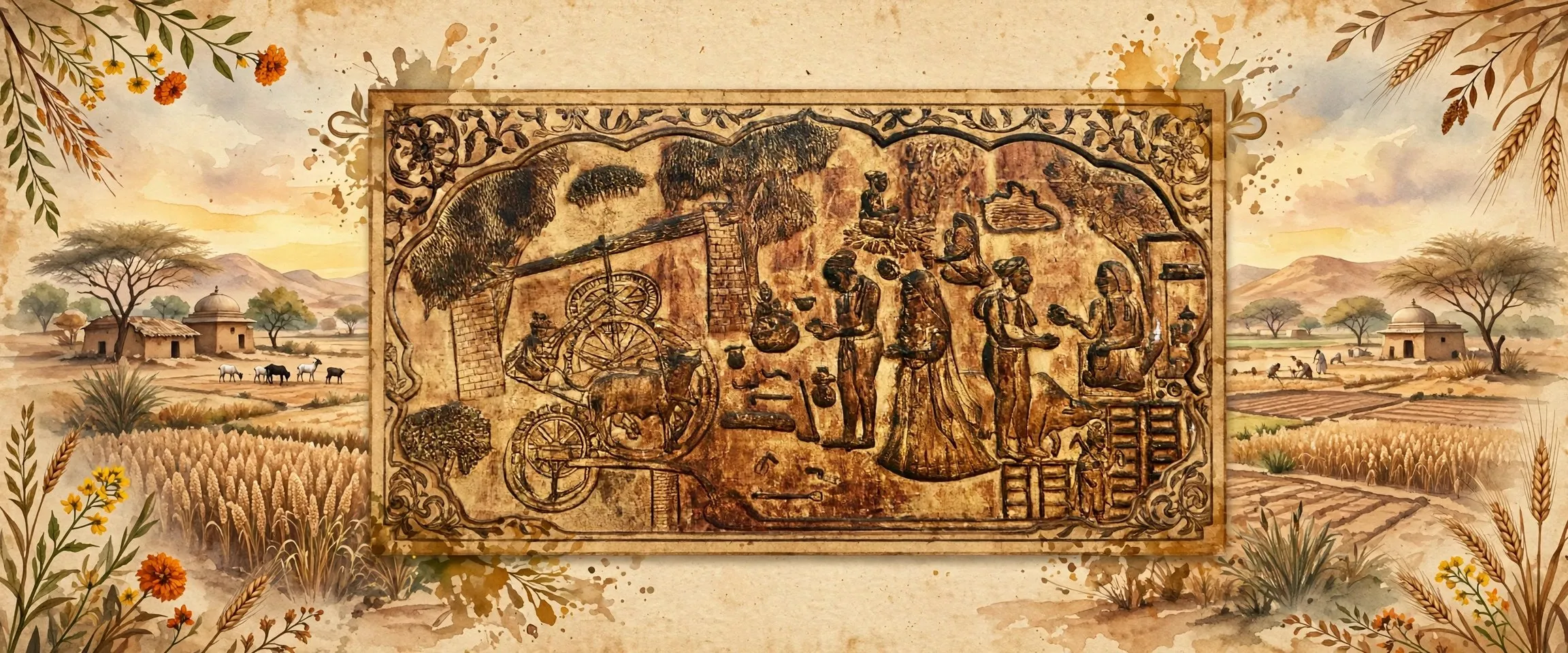
Bhagat Dhanna Ji was a fifteenth century farmer and saint poet of Dhuan Kalan village in Tonk district, Rajasthan, traditionally born in 1415. A simple Jatt farmer with no formal schooling, he moved from worshipping a stone to devotion to the formless God, and Guru Arjan Dev Ji included three of his hymns in the Guru Granth Sahib Ji and praised his childlike innocence.
- Punjabi name
- ਭਗਤ ਧੰਨਾ ਜੀ
- Tradition
- Bhakti movement; one of the fifteen Bhagats whose bani is included in the Guru Granth Sahib Ji
- Born
- Traditionally 1415, at Dhuan Kalan village, near Deoli, Tonk district, Rajasthan (date and village rest on tradition)
- Village
- Dhuan Kalan, Tonk district, Rajasthan
- Occupation
- Farmer
- Hymns in Guru Granth Sahib Ji
- Three, in Raag Asa and Raag Dhanasari, on Ang 487, 488 and 695
All 8 facts
- Teacher (tradition)
- Counted in the Bhaktamal among the twelve disciples of Ramananda; scholars question whether all twelve lived at the same time
- Memorial
- Bhagat Dhanna Ji Temple and Gurdwara at Dhuan Kalan, Tonk district, Rajasthan
Bhagat Dhanna Ji was a fifteenth century farmer and saint poet of Rajasthan whose three hymns are preserved in the Guru Granth Sahib Ji. Born, by tradition, in 1415 at Dhuan Kalan in Tonk district, he worked his fields, began by worshipping a stone, and came to devotion to the formless God with a farmer's directness and a child's innocence.
Who was Bhagat Dhanna Ji?
He was one of the Bhagats, the devotional saints from different regions, castes and trades whose hymns Guru Arjan Dev Ji placed alongside the Gurus' own bani when he compiled the Sikh scripture in 1604. In his own hymn in Raag Asa, Dhanna calls himself an ignorant Jatt, a farmer, and says he was drawn to the worship of God by the examples of working men who had gone before him: Bhagat Namdev Ji, a calico printer, Bhagat Kabir Ji, a weaver, Bhagat Ravidas Ji , a cobbler, and Bhagat Sain Ji, a barber. The point his life makes is the one Sikh teaching returns to again and again: neither birth nor learning decides who finds God.
A farmer's life in Rajasthan
Tradition places his birth in 1415 at Dhuan Kalan, a village near Deoli in the Tonk district of Rajasthan. The Encyclopaedia of Sikhism, following the scholar Max Arthur Macauliffe, gives the village as Dhuan in Tonk district, while some later accounts name Chauru in Jaipur district as his birthplace, so the village detail should be read as tradition rather than record. His father was a simple, God fearing farmer who often entertained sadhus, travelling holy men, in his house, and the boy grew up impressed by those visitors. He received no formal schooling and earned his living the way his family had always done, by farming. The Bhaktamal of Nabhadas counts Dhanna among the twelve disciples of the Bhakti teacher Ramananda, though scholars have questioned whether all twelve named disciples really lived at the same time, so that link too is best held as tradition.
What do the traditional stories say about his devotion?
The stories told about Dhanna, the sakhis, are loved across Punjab and Rajasthan, and they are told here as tradition, not as documented history. In the best known sakhi, the young Dhanna watched a Brahman neighbour feeding his thakur, a stone image, and asked for a thakur of his own. The Brahman, in a hurry, handed him an ordinary stone. Dhanna bathed it, cooked his best food, saag and makki di roti, and refused to eat until the stone ate first. He waited, hungry, through the night, pleading and weeping, until, as the story tells it, God, moved by such stubborn innocence, accepted his food. From that meeting the tradition says his devotion deepened, and God is said in the sakhi to have helped him with his farm work, even ploughing his field.
A second traditional story tells how Dhanna gave all the seed he had kept for sowing to hungry wandering holy men who came to his field, then ploughed without sowing, and still reaped a harvest. The Encyclopaedia of Sikhism notes that the earliest mention of Dhanna is in a song of Mirabai (1498 to 1546), the Bhakti saint poet, which already celebrates how Dhanna grew corn without sowing seed. A later version of the story adds that the crop turned out to be gourds, and that when his landlord broke them open in anger they were full of pearls. Read as the tradition intends, the stories are not reports of magic. They teach that wholehearted, guileless devotion is itself the offering God accepts.
How many hymns of Bhagat Dhanna Ji are in Guru Granth Sahib Ji?
Three hymns of Bhagat Dhanna Ji are in the Guru Granth Sahib Ji, in Raag Asa and Raag Dhanasari, on Ang 487, 488 and 695. Like the other Bhagats, he began with the worship of images and came to nirguna bhakti, devotion to the formless One without attributes, and his hymns in the scripture show the later, mature voice. Guru Arjan Dev Ji himself praised that voice in the Granth: on Ang 488 he wrote that hearing of the devotees before him, Dhanna the Jatt applied himself to devotional worship and was blessed, and on Ang 1192 that Dhanna served the Lord with the innocence of a child. His bani therefore stands in the scripture both as teaching and as an example other seekers are pointed to.
What does his bani teach?
His teaching is a householder's teaching, spoken from the field rather than the monastery. In his Raag Asa hymn he says that loving devotion is now fixed in his heart, and that in whose heart the divine light is revealed, that person alone recognises the Immaculate One. In another hymn he prays openly for the honest needs of a farming life: food grains from land tilled seven times over, a cow in milk and a buffalo, and a dutiful wife to look after the household. There is no pretence in it. Work, family and devotion belong together, and God is not honoured by abandoning the field but by remembering Him within it. Ritual for its own sake drops away: the stone he once fed is replaced, in his hymns, by the Name dwelling in the heart.
His place among the Bhagats, and his legacy
Dhanna stands among the fifteen Bhagats whose hymns were included in the Guru Granth Sahib Ji, alongside figures such as Baba Farid Ji, Kabir Ji, Namdev Ji and Ravidas Ji. His presence there carries a clear message about the company the Gurus kept: a Rajasthani farmer with no schooling stands in the same scripture, with the same honour, as poets and scholars. His followers in later centuries came to be known as the Dhannavanshi, spread across districts of Rajasthan, Punjab and Haryana. At Dhuan Kalan today a Bhagat Dhanna Ji temple and gurdwara mark his memory in the village where tradition says he was born and where he spent his life in the fields. For farming families especially, his story remains close to the ground: holiness, in his telling, grows in tilled land and honest work.
ਭਗਤ ਧੰਨਾ ਜੀ ਪੰਦਰਵੀਂ ਸਦੀ ਦੇ ਰਾਜਸਥਾਨ ਦੇ ਇੱਕ ਕਿਸਾਨ ਅਤੇ ਸੰਤ ਕਵੀ ਸਨ, ਜਿਨ੍ਹਾਂ ਦੇ ਤਿੰਨ ਸ਼ਬਦ ਸ੍ਰੀ ਗੁਰੂ ਗ੍ਰੰਥ ਸਾਹਿਬ ਜੀ ਵਿੱਚ ਦਰਜ ਹਨ। ਪਰੰਪਰਾ ਮੁਤਾਬਕ ਉਨ੍ਹਾਂ ਦਾ ਜਨਮ 1415 ਵਿੱਚ ਟੋਂਕ ਜ਼ਿਲ੍ਹੇ ਦੇ ਪਿੰਡ ਧੂਆਂ ਕਲਾਂ ਵਿੱਚ ਹੋਇਆ। ਉਹ ਆਪਣੇ ਖੇਤਾਂ ਵਿੱਚ ਕੰਮ ਕਰਦੇ ਸਨ, ਸ਼ੁਰੂ ਵਿੱਚ ਇੱਕ ਪੱਥਰ ਦੀ ਪੂਜਾ ਕਰਦੇ ਸਨ, ਅਤੇ ਫਿਰ ਕਿਸਾਨ ਦੀ ਸਾਦਗੀ ਅਤੇ ਬੱਚੇ ਦੀ ਮਾਸੂਮੀਅਤ ਨਾਲ ਨਿਰਗੁਣ ਪ੍ਰਭੂ ਦੀ ਭਗਤੀ ਵੱਲ ਆਏ।
ਭਗਤ ਧੰਨਾ ਜੀ ਕੌਣ ਸਨ?
ਉਹ ਉਨ੍ਹਾਂ ਭਗਤਾਂ ਵਿੱਚੋਂ ਇੱਕ ਸਨ, ਵੱਖ ਵੱਖ ਇਲਾਕਿਆਂ, ਜਾਤਾਂ ਅਤੇ ਕਿੱਤਿਆਂ ਦੇ ਭਗਤੀ ਸੰਤ, ਜਿਨ੍ਹਾਂ ਦੇ ਸ਼ਬਦ ਗੁਰੂ ਅਰਜਨ ਦੇਵ ਜੀ ਨੇ 1604 ਵਿੱਚ ਸਿੱਖ ਗ੍ਰੰਥ ਦੀ ਸੰਪਾਦਨਾ ਕਰਦਿਆਂ ਗੁਰੂ ਸਾਹਿਬਾਨ ਦੀ ਬਾਣੀ ਦੇ ਨਾਲ ਰੱਖੇ। ਰਾਗ ਆਸਾ ਵਿੱਚ ਆਪਣੇ ਸ਼ਬਦ ਵਿੱਚ ਧੰਨਾ ਜੀ ਆਪਣੇ ਆਪ ਨੂੰ ਇੱਕ ਅਨਜਾਣ ਜੱਟ, ਇੱਕ ਕਿਸਾਨ, ਕਹਿੰਦੇ ਹਨ, ਅਤੇ ਦੱਸਦੇ ਹਨ ਕਿ ਉਹ ਆਪਣੇ ਤੋਂ ਪਹਿਲਾਂ ਹੋਏ ਕੰਮਕਾਜੀ ਮਨੁੱਖਾਂ ਦੀ ਮਿਸਾਲ ਤੋਂ ਪ੍ਰਭੂ ਦੀ ਭਗਤੀ ਵੱਲ ਆਏ: ਭਗਤ ਨਾਮਦੇਵ ਜੀ, ਇੱਕ ਛੀਪਾ, ਭਗਤ ਕਬੀਰ ਜੀ, ਇੱਕ ਜੁਲਾਹਾ, ਭਗਤ ਰਵੀਦਾਸ ਜੀ , ਇੱਕ ਮੋਚੀ, ਅਤੇ ਭਗਤ ਸੈਣ ਜੀ, ਇੱਕ ਨਾਈ। ਉਨ੍ਹਾਂ ਦਾ ਜੀਵਨ ਉਹੀ ਗੱਲ ਦੱਸਦਾ ਹੈ ਜੋ ਸਿੱਖ ਸਿੱਖਿਆ ਵਾਰ ਵਾਰ ਕਹਿੰਦੀ ਹੈ: ਨਾ ਜਨਮ ਅਤੇ ਨਾ ਪੜ੍ਹਾਈ ਇਹ ਤੈਅ ਕਰਦੀ ਹੈ ਕਿ ਪ੍ਰਭੂ ਕਿਸ ਨੂੰ ਮਿਲਦਾ ਹੈ।
ਰਾਜਸਥਾਨ ਵਿੱਚ ਇੱਕ ਕਿਸਾਨ ਦਾ ਜੀਵਨ
ਪਰੰਪਰਾ ਉਨ੍ਹਾਂ ਦਾ ਜਨਮ 1415 ਵਿੱਚ ਧੂਆਂ ਕਲਾਂ ਵਿੱਚ ਦੱਸਦੀ ਹੈ, ਜੋ ਰਾਜਸਥਾਨ ਦੇ ਟੋਂਕ ਜ਼ਿਲ੍ਹੇ ਵਿੱਚ ਦੇਵਲੀ ਨੇੜੇ ਇੱਕ ਪਿੰਡ ਹੈ। ਸਿੱਖ ਧਰਮ ਦਾ ਵਿਸ਼ਵਕੋਸ਼ (Encyclopaedia of Sikhism) ਵਿਦਵਾਨ ਮੈਕਸ ਆਰਥਰ ਮੈਕਾਲਿਫ਼ ਦੇ ਹਵਾਲੇ ਨਾਲ ਪਿੰਡ ਦਾ ਨਾਂ ਟੋਂਕ ਜ਼ਿਲ੍ਹੇ ਦਾ ਧੂਆਂ ਦੱਸਦਾ ਹੈ, ਜਦੋਂ ਕਿ ਕੁਝ ਬਾਅਦ ਦੇ ਬਿਆਨ ਉਨ੍ਹਾਂ ਦਾ ਜਨਮ ਸਥਾਨ ਜੈਪੁਰ ਜ਼ਿਲ੍ਹੇ ਦਾ ਚੌਰੂ ਦੱਸਦੇ ਹਨ, ਇਸ ਲਈ ਪਿੰਡ ਵਾਲੀ ਗੱਲ ਨੂੰ ਦਸਤਾਵੇਜ਼ੀ ਰਿਕਾਰਡ ਦੀ ਥਾਂ ਪਰੰਪਰਾ ਵਜੋਂ ਪੜ੍ਹਨਾ ਠੀਕ ਹੈ। ਉਨ੍ਹਾਂ ਦੇ ਪਿਤਾ ਇੱਕ ਸਾਦਾ, ਪ੍ਰਭੂ ਤੋਂ ਡਰਨ ਵਾਲਾ ਕਿਸਾਨ ਸਨ, ਜੋ ਆਪਣੇ ਘਰ ਸਾਧੂਆਂ, ਸਫ਼ਰ ਕਰਦੇ ਸੰਤਾਂ, ਦੀ ਸੇਵਾ ਕਰਦੇ ਸਨ, ਅਤੇ ਬੱਚਾ ਉਨ੍ਹਾਂ ਮਹਿਮਾਨਾਂ ਤੋਂ ਪ੍ਰਭਾਵਿਤ ਹੋ ਕੇ ਵੱਡਾ ਹੋਇਆ। ਉਨ੍ਹਾਂ ਨੇ ਕੋਈ ਰਸਮੀ ਪੜ੍ਹਾਈ ਨਹੀਂ ਕੀਤੀ ਅਤੇ ਆਪਣੀ ਰੋਜ਼ੀ ਉਸੇ ਤਰ੍ਹਾਂ ਕਮਾਈ ਜਿਵੇਂ ਉਨ੍ਹਾਂ ਦਾ ਪਰਿਵਾਰ ਹਮੇਸ਼ਾ ਕਰਦਾ ਆਇਆ ਸੀ, ਖੇਤੀਬਾੜੀ ਨਾਲ। ਨਾਭਾਦਾਸ ਦਾ ਭਗਤਮਾਲ ਧੰਨਾ ਜੀ ਨੂੰ ਭਗਤੀ ਅਧਿਆਪਕ ਰਾਮਾਨੰਦ ਦੇ ਬਾਰਾਂ ਚੇਲਿਆਂ ਵਿੱਚ ਗਿਣਦਾ ਹੈ, ਪਰ ਵਿਦਵਾਨਾਂ ਨੇ ਇਸ ਉੱਤੇ ਸਵਾਲ ਕੀਤਾ ਹੈ ਕਿ ਕੀ ਨਾਂ ਲਏ ਸਾਰੇ ਬਾਰਾਂ ਚੇਲੇ ਸੱਚਮੁੱਚ ਇੱਕੋ ਸਮੇਂ ਵਿੱਚ ਹੋਏ ਸਨ, ਇਸ ਲਈ ਇਹ ਸੰਬੰਧ ਵੀ ਪਰੰਪਰਾ ਵਜੋਂ ਹੀ ਰੱਖਣਾ ਠੀਕ ਹੈ।
ਪਰੰਪਰਾਗਤ ਸਾਖੀਆਂ ਉਨ੍ਹਾਂ ਦੀ ਭਗਤੀ ਬਾਰੇ ਕੀ ਦੱਸਦੀਆਂ ਹਨ?
ਧੰਨਾ ਜੀ ਬਾਰੇ ਦੱਸੀਆਂ ਜਾਂਦੀਆਂ ਕਹਾਣੀਆਂ, ਸਾਖੀਆਂ, ਪੰਜਾਬ ਅਤੇ ਰਾਜਸਥਾਨ ਵਿੱਚ ਬਹੁਤ ਪਿਆਰ ਨਾਲ ਸੁਣਾਈਆਂ ਜਾਂਦੀਆਂ ਹਨ, ਅਤੇ ਇੱਥੇ ਉਹ ਪਰੰਪਰਾ ਵਜੋਂ ਦੱਸੀਆਂ ਜਾ ਰਹੀਆਂ ਹਨ, ਦਸਤਾਵੇਜ਼ੀ ਇਤਿਹਾਸ ਵਜੋਂ ਨਹੀਂ। ਸਭ ਤੋਂ ਜਾਣੀ ਪਛਾਣੀ ਸਾਖੀ ਵਿੱਚ ਨੌਜਵਾਨ ਧੰਨਾ ਨੇ ਇੱਕ ਬ੍ਰਾਹਮਣ ਗੁਆਂਢੀ ਨੂੰ ਉਸ ਦੇ ਠਾਕੁਰ, ਇੱਕ ਪੱਥਰ ਦੀ ਮੂਰਤੀ, ਨੂੰ ਭੋਜਨ ਛਕਾਉਂਦਿਆਂ ਵੇਖਿਆ ਅਤੇ ਆਪਣੇ ਲਈ ਵੀ ਇੱਕ ਠਾਕੁਰ ਮੰਗਿਆ। ਬ੍ਰਾਹਮਣ ਨੇ, ਕਾਹਲੀ ਵਿੱਚ, ਉਸ ਨੂੰ ਇੱਕ ਆਮ ਪੱਥਰ ਫੜਾ ਦਿੱਤਾ। ਧੰਨਾ ਜੀ ਨੇ ਉਸ ਨੂੰ ਇਸ਼ਨਾਨ ਕਰਾਇਆ, ਆਪਣਾ ਸਭ ਤੋਂ ਵਧੀਆ ਖਾਣਾ, ਸਾਗ ਅਤੇ ਮੱਕੀ ਦੀ ਰੋਟੀ, ਬਣਾਇਆ, ਅਤੇ ਜ਼ਿਦ ਕੀਤੀ ਕਿ ਜਦੋਂ ਤੱਕ ਪੱਥਰ ਨਹੀਂ ਖਾਂਦਾ, ਉਹ ਵੀ ਨਹੀਂ ਖਾਣਗੇ। ਉਹ ਰਾਤ ਭਰ ਭੁੱਖੇ ਬੈਠੇ ਬੇਨਤੀਆਂ ਕਰਦੇ ਅਤੇ ਰੋਂਦੇ ਰਹੇ, ਜਦੋਂ ਤੱਕ, ਜਿਵੇਂ ਸਾਖੀ ਦੱਸਦੀ ਹੈ, ਪ੍ਰਭੂ ਨੇ ਉਨ੍ਹਾਂ ਦੀ ਜ਼ਿੱਦ ਭਰੀ ਮਾਸੂਮੀਅਤ ਵੇਖ ਕੇ ਉਨ੍ਹਾਂ ਦਾ ਭੋਜਨ ਕਬੂਲ ਨਾ ਕੀਤਾ। ਸਾਖੀ ਮੁਤਾਬਕ ਉਸ ਮੇਲ ਤੋਂ ਉਨ੍ਹਾਂ ਦੀ ਭਗਤੀ ਹੋਰ ਡੂੰਘੀ ਹੋਈ, ਅਤੇ ਪ੍ਰਭੂ ਨੇ ਉਨ੍ਹਾਂ ਦੇ ਖੇਤ ਦੇ ਕੰਮ ਵਿੱਚ ਵੀ ਮਦਦ ਕੀਤੀ, ਸਗੋਂ ਉਨ੍ਹਾਂ ਦਾ ਖੇਤ ਵੀ ਵਾਹਿਆ।
ਇੱਕ ਦੂਜੀ ਪਰੰਪਰਾਗਤ ਸਾਖੀ ਦੱਸਦੀ ਹੈ ਕਿ ਧੰਨਾ ਜੀ ਨੇ ਬੀਜਣ ਲਈ ਰੱਖਿਆ ਸਾਰਾ ਬੀਜ ਆਪਣੇ ਖੇਤ ਵਿੱਚ ਆਏ ਭੁੱਖੇ ਸਫ਼ਰ ਕਰਦੇ ਸਾਧੂਆਂ ਨੂੰ ਦੇ ਦਿੱਤਾ, ਫਿਰ ਬਿਨਾਂ ਬੀਜਿਆਂ ਖੇਤ ਵਾਹਿਆ, ਅਤੇ ਫਿਰ ਵੀ ਫ਼ਸਲ ਹੋਈ। ਸਿੱਖ ਧਰਮ ਦਾ ਵਿਸ਼ਵਕੋਸ਼ ਦੱਸਦਾ ਹੈ ਕਿ ਧੰਨਾ ਜੀ ਦਾ ਸਭ ਤੋਂ ਪਹਿਲਾ ਜ਼ਿਕਰ ਭਗਤੀ ਸੰਤ ਕਵਿੱਤਰੀ ਮੀਰਾਬਾਈ (1498 ਤੋਂ 1546) ਦੇ ਇੱਕ ਗੀਤ ਵਿੱਚ ਮਿਲਦਾ ਹੈ, ਜੋ ਪਹਿਲਾਂ ਹੀ ਇਹ ਗਾਉਂਦੀ ਹੈ ਕਿ ਧੰਨਾ ਨੇ ਬਿਨਾਂ ਬੀਜਿਆਂ ਅਨਾਜ ਉਗਾਇਆ। ਇਸ ਕਹਾਣੀ ਦਾ ਬਾਅਦ ਦਾ ਰੂਪ ਇਹ ਵੀ ਜੋੜਦਾ ਹੈ ਕਿ ਫ਼ਸਲ ਘੀਏ ਨਿਕਲੇ, ਅਤੇ ਜਦੋਂ ਜ਼ਿਮੀਦਾਰ ਨੇ ਗੁੱਸੇ ਵਿੱਚ ਉਹ ਤੋੜੇ ਤਾਂ ਉਹ ਮੋਤੀਆਂ ਨਾਲ ਭਰੇ ਹੋਏ ਸਨ। ਪਰੰਪਰਾ ਦੇ ਮਕਸਦ ਮੁਤਾਬਕ ਪੜ੍ਹਿਆਂ, ਇਹ ਸਾਖੀਆਂ ਜਾਦੂ ਦੀਆਂ ਰਿਪੋਰਟਾਂ ਨਹੀਂ ਹਨ। ਉਹ ਸਿਖਾਉਂਦੀਆਂ ਹਨ ਕਿ ਪੂਰੇ ਦਿਲ ਵਾਲੀ, ਬਿਨਾਂ ਛਲ ਵਾਲੀ ਭਗਤੀ ਹੀ ਉਹ ਭੇਟਾ ਹੈ ਜੋ ਪ੍ਰਭੂ ਕਬੂਲ ਕਰਦਾ ਹੈ।
ਸ੍ਰੀ ਗੁਰੂ ਗ੍ਰੰਥ ਸਾਹਿਬ ਜੀ ਵਿੱਚ ਭਗਤ ਧੰਨਾ ਜੀ ਦੇ ਕਿੰਨੇ ਸ਼ਬਦ ਹਨ?
ਸ੍ਰੀ ਗੁਰੂ ਗ੍ਰੰਥ ਸਾਹਿਬ ਜੀ ਵਿੱਚ ਭਗਤ ਧੰਨਾ ਜੀ ਦੇ ਤਿੰਨ ਸ਼ਬਦ ਹਨ, ਰਾਗ ਆਸਾ ਅਤੇ ਰਾਗ ਧਨਾਸਰੀ ਵਿੱਚ, ਅੰਗ 487, 488 ਅਤੇ 695 ਉੱਤੇ। ਹੋਰ ਭਗਤਾਂ ਵਾਂਗ ਉਹ ਮੂਰਤੀ ਪੂਜਾ ਤੋਂ ਸ਼ੁਰੂ ਹੋ ਕੇ ਨਿਰਗੁਣ ਭਗਤੀ, ਬਿਨਾਂ ਸਰੂਪ ਵਾਲੇ ਇੱਕ ਪ੍ਰਭੂ ਦੀ ਭਗਤੀ, ਵੱਲ ਆਏ, ਅਤੇ ਗ੍ਰੰਥ ਵਿੱਚ ਉਨ੍ਹਾਂ ਦੇ ਸ਼ਬਦ ਉਨ੍ਹਾਂ ਦੀ ਬਾਅਦ ਦੀ, ਪੱਕੀ ਆਵਾਜ਼ ਵਿਖਾਉਂਦੇ ਹਨ। ਗੁਰੂ ਅਰਜਨ ਦੇਵ ਜੀ ਨੇ ਖੁਦ ਗ੍ਰੰਥ ਵਿੱਚ ਉਸ ਆਵਾਜ਼ ਦੀ ਸਿਫ਼ਤ ਕੀਤੀ ਹੈ: ਅੰਗ 488 ਉੱਤੇ ਉਨ੍ਹਾਂ ਨੇ ਲਿਖਿਆ ਕਿ ਆਪਣੇ ਤੋਂ ਪਹਿਲਾਂ ਦੇ ਭਗਤਾਂ ਬਾਰੇ ਸੁਣ ਕੇ ਧੰਨਾ ਜੱਟ ਭਗਤੀ ਵਿੱਚ ਲੱਗਾ ਅਤੇ ਭਾਗਾਂ ਵਾਲਾ ਹੋਇਆ, ਅਤੇ ਅੰਗ 1192 ਉੱਤੇ ਕਿ ਧੰਨਾ ਨੇ ਬੱਚੇ ਦੀ ਮਾਸੂਮੀਅਤ ਨਾਲ ਪ੍ਰਭੂ ਦੀ ਸੇਵਾ ਕੀਤੀ। ਇਸ ਲਈ ਉਨ੍ਹਾਂ ਦੀ ਬਾਣੀ ਗ੍ਰੰਥ ਵਿੱਚ ਸਿੱਖਿਆ ਵਜੋਂ ਵੀ ਖੜ੍ਹੀ ਹੈ ਅਤੇ ਇੱਕ ਮਿਸਾਲ ਵਜੋਂ ਵੀ, ਜਿਸ ਵੱਲ ਹੋਰ ਖੋਜੀਆਂ ਨੂੰ ਵੇਖਣ ਲਈ ਕਿਹਾ ਜਾਂਦਾ ਹੈ।
ਉਨ੍ਹਾਂ ਦੀ ਬਾਣੀ ਕੀ ਸਿਖਾਉਂਦੀ ਹੈ?
ਉਨ੍ਹਾਂ ਦੀ ਸਿੱਖਿਆ ਇੱਕ ਗ੍ਰਿਹਸਤੀ ਦੀ ਸਿੱਖਿਆ ਹੈ, ਜੋ ਮੱਠ ਦੀ ਥਾਂ ਖੇਤ ਵਿੱਚੋਂ ਬੋਲਦੀ ਹੈ। ਰਾਗ ਆਸਾ ਦੇ ਆਪਣੇ ਸ਼ਬਦ ਵਿੱਚ ਉਹ ਕਹਿੰਦੇ ਹਨ ਕਿ ਪ੍ਰੇਮਾ ਭਗਤੀ ਹੁਣ ਉਨ੍ਹਾਂ ਦੇ ਹਿਰਦੇ ਵਿੱਚ ਟਿਕ ਗਈ ਹੈ, ਅਤੇ ਜਿਸ ਦੇ ਹਿਰਦੇ ਵਿੱਚ ਪ੍ਰਭੂ ਦਾ ਪ੍ਰਕਾਸ਼ ਹੋਵੇ, ਉਹੀ ਪਵਿੱਤਰ ਪ੍ਰਭੂ ਨੂੰ ਪਛਾਣਦਾ ਹੈ। ਇੱਕ ਹੋਰ ਸ਼ਬਦ ਵਿੱਚ ਉਹ ਖੇਤੀ ਜੀਵਨ ਦੀਆਂ ਇਮਾਨਦਾਰ ਲੋੜਾਂ ਲਈ ਖੁੱਲ੍ਹ ਕੇ ਅਰਦਾਸ ਕਰਦੇ ਹਨ: ਸੱਤ ਵਾਰ ਵਾਹੀ ਧਰਤੀ ਤੋਂ ਅਨਾਜ, ਦੁੱਧ ਦੇਣ ਵਾਲੀ ਗਾਂ ਅਤੇ ਮੱਝ, ਅਤੇ ਘਰ ਸੰਭਾਲਣ ਵਾਲੀ ਸੁਘੜ ਪਤਨੀ। ਇਸ ਵਿੱਚ ਕੋਈ ਵਿਖਾਵਾ ਨਹੀਂ ਹੈ। ਕੰਮ, ਪਰਿਵਾਰ ਅਤੇ ਭਗਤੀ ਇਕੱਠੇ ਚੱਲਦੇ ਹਨ, ਅਤੇ ਪ੍ਰਭੂ ਦਾ ਸਤਿਕਾਰ ਖੇਤ ਛੱਡ ਕੇ ਨਹੀਂ, ਉਸ ਦੇ ਅੰਦਰ ਉਸ ਨੂੰ ਯਾਦ ਕਰ ਕੇ ਹੁੰਦਾ ਹੈ। ਰੀਤ ਲਈ ਕੀਤੀ ਰੀਤ ਪਿੱਛੇ ਰਹਿ ਜਾਂਦੀ ਹੈ: ਜਿਸ ਪੱਥਰ ਨੂੰ ਉਹ ਕਦੇ ਖਾਣਾ ਖਵਾਉਂਦੇ ਸਨ, ਉਸ ਦੀ ਥਾਂ ਉਨ੍ਹਾਂ ਦੇ ਸ਼ਬਦਾਂ ਵਿੱਚ ਹਿਰਦੇ ਵਿੱਚ ਵੱਸਦਾ ਨਾਮ ਲੈ ਲੈਂਦਾ ਹੈ।
ਭਗਤਾਂ ਵਿੱਚ ਉਨ੍ਹਾਂ ਦੀ ਥਾਂ, ਅਤੇ ਉਨ੍ਹਾਂ ਦੀ ਵਿਰਾਸਤ
ਧੰਨਾ ਜੀ ਉਨ੍ਹਾਂ ਪੰਦਰਾਂ ਭਗਤਾਂ ਵਿੱਚ ਖੜ੍ਹੇ ਹਨ ਜਿਨ੍ਹਾਂ ਦੇ ਸ਼ਬਦ ਸ੍ਰੀ ਗੁਰੂ ਗ੍ਰੰਥ ਸਾਹਿਬ ਜੀ ਵਿੱਚ ਸ਼ਾਮਲ ਕੀਤੇ ਗਏ, ਜਿਵੇਂ ਬਾਬਾ ਫ਼ਰੀਦ ਜੀ, ਕਬੀਰ ਜੀ, ਨਾਮਦੇਵ ਜੀ ਅਤੇ ਰਵੀਦਾਸ ਜੀ। ਉੱਥੇ ਉਨ੍ਹਾਂ ਦੀ ਹਾਜ਼ਰੀ ਗੁਰੂ ਸਾਹਿਬਾਨ ਦੀ ਸੰਗਤ ਬਾਰੇ ਸਾਫ਼ ਸੁਨੇਹਾ ਦਿੰਦੀ ਹੈ: ਬਿਨਾਂ ਪੜ੍ਹਾਈ ਵਾਲਾ ਰਾਜਸਥਾਨੀ ਕਿਸਾਨ ਉਸੇ ਗ੍ਰੰਥ ਵਿੱਚ, ਉਸੇ ਸਤਿਕਾਰ ਨਾਲ ਖੜ੍ਹਾ ਹੈ, ਜਿਸ ਵਿੱਚ ਕਵੀ ਅਤੇ ਵਿਦਵਾਨ ਹਨ। ਬਾਅਦ ਦੀਆਂ ਸਦੀਆਂ ਵਿੱਚ ਉਨ੍ਹਾਂ ਦੇ ਪੈਰੋਕਾਰ ਧੰਨਾਵੰਸ਼ੀ ਅਖਵਾਏ, ਜੋ ਰਾਜਸਥਾਨ, ਪੰਜਾਬ ਅਤੇ ਹਰਿਆਣਾ ਦੇ ਜ਼ਿਲ੍ਹਿਆਂ ਵਿੱਚ ਫੈਲੇ ਹੋਏ ਹਨ। ਅੱਜ ਧੂਆਂ ਕਲਾਂ ਵਿੱਚ ਭਗਤ ਧੰਨਾ ਜੀ ਦਾ ਮੰਦਰ ਅਤੇ ਗੁਰਦੁਆਰਾ ਉਸ ਪਿੰਡ ਵਿੱਚ ਉਨ੍ਹਾਂ ਦੀ ਯਾਦ ਸਾਂਭਦਾ ਹੈ ਜਿੱਥੇ ਪਰੰਪਰਾ ਮੁਤਾਬਕ ਉਨ੍ਹਾਂ ਦਾ ਜਨਮ ਹੋਇਆ ਅਤੇ ਜਿੱਥੇ ਉਨ੍ਹਾਂ ਨੇ ਆਪਣਾ ਜੀਵਨ ਖੇਤਾਂ ਵਿੱਚ ਬਿਤਾਇਆ। ਖਾਸ ਕਰ ਕੇ ਕਿਸਾਨ ਪਰਿਵਾਰਾਂ ਲਈ, ਉਨ੍ਹਾਂ ਦੀ ਕਹਾਣੀ ਧਰਤੀ ਦੇ ਨੇੜੇ ਰਹਿੰਦੀ ਹੈ: ਉਨ੍ਹਾਂ ਦੇ ਦੱਸਣ ਮੁਤਾਬਕ, ਪਵਿੱਤਰਤਾ ਵਾਹੀ ਹੋਈ ਧਰਤੀ ਅਤੇ ਇਮਾਨਦਾਰ ਕਿਰਤ ਵਿੱਚ ਉੱਗਦੀ ਹੈ।
More religion entries to explore
Sources (4)
Jugti is free and independent. Reader support keeps the Kosh growing.
Support