
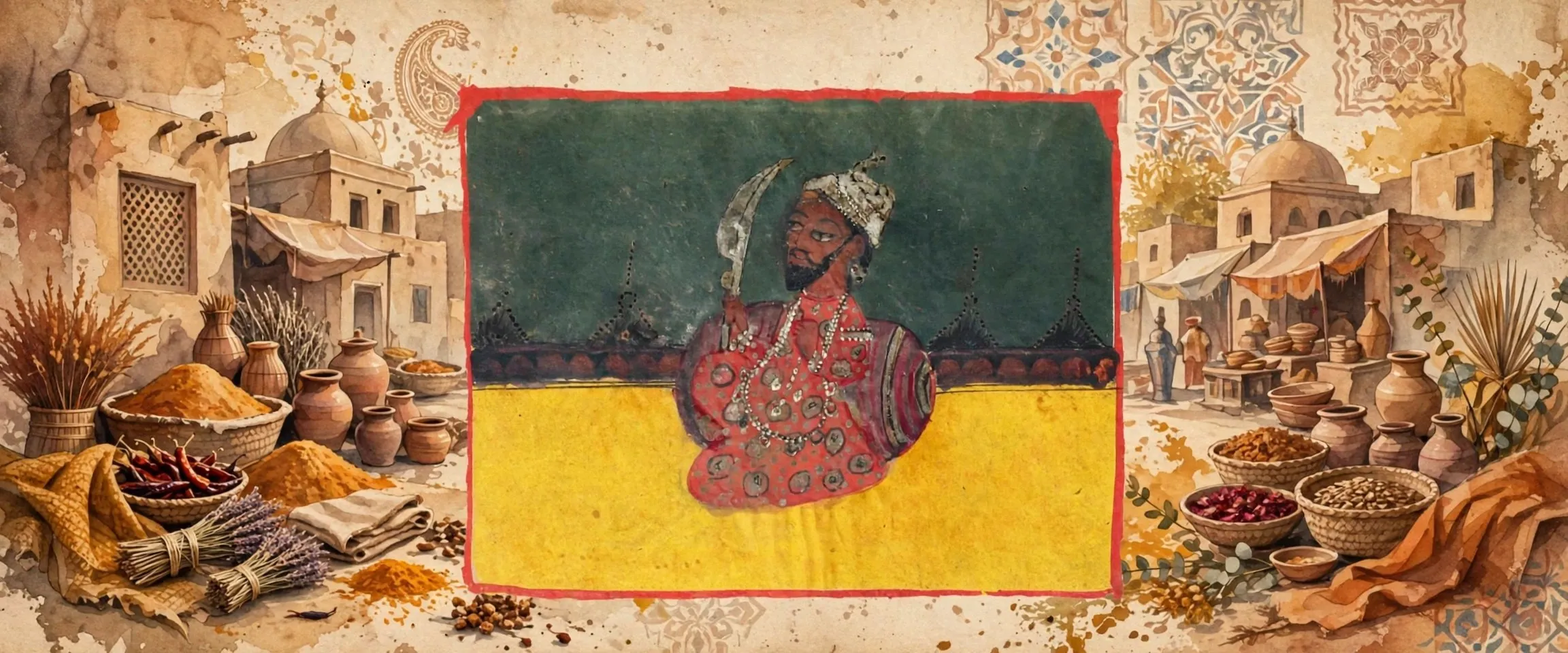
Bhagat Sadhna Ji was a butcher, a qasai, from Sehwan in Sindh, traditionally placed in the twelfth and thirteenth centuries and counted a contemporary of Bhagat Namdev Ji, whose piety and devotion won him spiritual eminence despite the low standing of his trade. Guru Arjan Dev Ji included his one hymn, in Raag Bilaval on Ang 858, in the Guru Granth Sahib Ji, and Bhagat Ravidas Ji names him on Ang 1106 among the devotees who crossed over.
- Punjabi name
- ਭਗਤ ਸਧਨਾ ਜੀ
- Tradition
- Bhakti movement; one of the fifteen Bhagats whose bani is included in the Guru Granth Sahib Ji
- Flourished
- Traditionally placed in the 12th to 13th century; later accounts give a birth in 1180, but exact birth and death dates are not settled
- Birthplace (tradition)
- Sehwan (Sehwan Sharif), Sindh, in present day Pakistan
- Occupation
- Butcher (qasai); sold meat at Sehwan
- Background
- Born, by the later accounts, into a Muslim family that had followed the butcher's trade for generations
All 10 facts
- Contemporary (tradition)
- Bhagat Namdev Ji
- Hymns in Guru Granth Sahib Ji
- One, in Raag Bilaval, on Ang 858
- Memorial
- Mosque and tomb at Sirhind, Punjab, where tradition places his death; preserved by the Government of Punjab
- Also known as
- Sadhna Qasai; his followers were called Sadhna Panthis
Bhagat Sadhna Ji was a butcher, a qasai, from Sehwan in Sindh, and one of the fifteen Bhagats whose hymns are preserved in the Guru Granth Sahib Ji. He left no book and almost no certain dates behind him. One hymn in Raag Bilaval, on Ang 858, carries his name and his whole teaching.
Who was Bhagat Sadhna Ji?
He was one of the fifteen Bhagats, the devotional saints and sufis from different regions, faiths and trades whose hymns Guru Arjan Dev Ji placed alongside the Gurus' own bani when he compiled the Sikh scripture in 1604. The Encyclopaedia of Sikhism sums up his life in a few lines: Sadhna was a qasai, a butcher by profession, who by his piety and devotion gained spiritual eminence. He is believed to have been born at Sehwan, in Sindh, in what is now Pakistan, and is considered a contemporary of Bhagat Namdev Ji, the tailor saint of Maharashtra. Later accounts add that he was born into a Muslim family who had followed the butcher's trade for generations, and his followers came to be called Sadhna Panthis. Almost everything beyond that outline is tradition rather than record, and this page keeps the two apart.
A butcher in Sehwan: what is known, and what is tradition?
His dates show the problem at once. The Encyclopaedia gives no birth or death year at all. Wikipedia and SikhiWiki both give a birth in 1180 at Sehwan Sharif, but that year comes from later accounts, not from any record of his own time, and his death year is unknown. This page therefore treats 1180 as the traditional date, not as settled history: Sadhna lived in the centuries before the Gurus, most likely as a contemporary of Namdev Ji, and the exact years cannot be fixed.
Even the detail of his trade is told two ways. The Encyclopaedia, following Macauliffe, says he lived by selling meat but, as it is asserted, never butchered the animals himself. Wikipedia and SikhiWiki describe the family profession more plainly as slaughtering goats and selling meat. What no source disputes is the trade itself, or the place it held in the eyes of his world. A qasai stood low in the social order, and religious scholars of the day doubted that a butcher could reach spiritual wisdom at all. Sadhna's answer, remembered in the sakhi tradition, was simple: the Lord gave him this profession by sending him as a son into this family, and which profession is good or bad, only the One who gives life knows. His shop stood under a large tree with drinking water nearby, the accounts say, so travellers and holy men rested there, and the young butcher spent his free hours talking with them.
What is Bhagat Sadhna Ji's hymn in Guru Granth Sahib Ji?
One hymn of Bhagat Sadhna Ji is in the Guru Granth Sahib Ji, in Raag Bilaval, on Ang 858. The Encyclopaedia of Sikhism, Wikipedia and SikhiWiki all agree on the count, the raag and the page, so this, unlike his dates, is firm ground. The hymn stands under the heading Baani Sadhnae ki Raag Bilaval, and in the scripture it follows the hymns of Bhagat Ravidas Ji. SikhiWiki describes it as a prayer to God to protect the honour of His devotees. The Encyclopaedia sums up its faith this way: Sadhna believed that all the evil deeds of a person could be washed away by devoted meditation on the Name, and so, it adds pointedly, could the deeds of a butcher. No other song of his has survived.
The hymn itself is built as a plea. It opens with an old story: for the love of a king's daughter, a man disguised himself as the god Vishnu, acting from desire and selfishness, and yet the Lord protected his honour. Then comes the refrain: what merit have You, Enlightener of the world, if our ill deeds are not effaced? What use is taking shelter with a lion, if a mere jackal is allowed to devour us? The rainbird suffers for a single drop of water, and an ocean found after its death is no use to it. A man who drowns before the boat arrives cannot climb aboard. Then comes the famous closing line: I am nothing, I have nothing, and nothing is mine. At this moment, protect my honour; Sadhna is Your servant. The hymn is not a butcher asking to be excused. It is a devotee arguing that grace which arrives too late, or stops short of a man because of his trade, is not grace at all.
How does Bhagat Ravidas Ji name him?
Sadhna's standing among the Bhagats is confirmed from inside the scripture itself, by a fellow Bhagat. In his hymn on Ang 1106, Bhagat Ravidas Ji names him in a single line alongside Bhagat Namdev Ji, Bhagat Kabir Ji, Trilochan and Bhagat Sain Ji: Namdev, Kabir, Trilochan, Sadhna and Sain crossed over. Says Ravidas, listen, O saints: through the Dear Lord, all is accomplished. The company matters. A tailor, a weaver, a cobbler, a barber and a butcher are named together as those who crossed over, and Sadhna stands in the list with no apology for his work.
What do the traditional sakhis say about the stone, the goat and the woman?
The stories told about Sadhna are sakhis, traditional accounts handed down in collections such as the Bhagat Mal and retold by Macauliffe, and they are told here as tradition, not as documented history. The first concerns the saligram, the black stone sacred to Vaishnav devotees as a symbol of Vishnu. The Encyclopaedia records that Sadhna worshipped the saligram; the sakhi tradition adds that he used such a stone as a weight on his scales, which scandalised the pundits who debated with him. In the sakhi, a holy man asked for the stone, saying a butcher should not touch it, and Sadhna gave it up without hesitation. On his way home the man reflected that Sadhna had worshipped it daily with devotion, while his own worship would be mere form, and he brought it back. The point is the same one his hymn makes: devotion is measured by love, not by whose hands hold the stone.
The second sakhi is the story of the goat, which SikhiWiki itself flags as obscure at several points, and which appears nowhere in Sadhna's hymn. As tradition tells it, a customer came at closing time begging for a leg of mutton for unexpected guests and pressed Sadhna to cut one leg from a living animal rather than slaughter a whole goat. Sadhna took up the hatchet, and the goat seemed to laugh, and to speak: in all the cycles of birth and death, no one had ever cut a limb from a living creature, and he was about to open a new account of cruelty. The hatchet fell from his hand. When he turned, the customer had vanished, and Sadhna understood that the Lord Himself had come in that form to teach him. The tradition says he gave up the trade from that day. The third set of stories is darker. In the Bhagat Mal and Macauliffe account, a married woman who desired Sadhna and was refused killed her own husband, then accused Sadhna falsely; he was arrested, and in one version his hands were cut off, after which, the hagiography says, they were restored. SikhiWiki calls that claim highly vague, and the episode is best held as hagiography, not as a court record.
His last days, his memorial and his legacy
The sober end of the Encyclopaedia's account is this: his spiritual quest led him to renounce the life of a householder. He left Sehwan and roamed the country preaching the love of God. Tradition places his death at Sirhind, in Punjab. The Encyclopaedia speaks of a tomb standing there in his memory, while Wikipedia describes a mosque of Sadhna Qasai at Sirhind, built of Sirhindi bricks near the level crossing, in present day Fatehgarh Sahib district, and preserved by the Government of Punjab.
His legacy is simpler and larger than any sect. Of the fifteen Bhagats, Sadhna is the one whose daily work his age held in the lowest regard, and Guru Arjan Dev Ji placed his voice in the scripture anyway. His hymn is still read wherever the Guru Granth Sahib Ji is opened at Ang 858, and its closing line has been quoted by preachers for centuries precisely because of who sang it. For every reader who has been told that their work or their birth puts devotion out of reach, Bhagat Sadhna Ji's page in the bani of the Bhagats is the standing answer: the Name washes away the deeds even of a butcher, and no honest trade sets a ceiling on a person's nearness to God.
ਭਗਤ ਸਧਨਾ ਜੀ ਸੇਹਵਣ, ਸਿੰਧ ਦੇ ਇੱਕ ਕਸਾਈ ਸਨ, ਅਤੇ ਉਨ੍ਹਾਂ ਪੰਦਰਾਂ ਭਗਤਾਂ ਵਿੱਚੋਂ ਇੱਕ ਹਨ, ਜਿਨ੍ਹਾਂ ਦੇ ਸ਼ਬਦ ਸ੍ਰੀ ਗੁਰੂ ਗ੍ਰੰਥ ਸਾਹਿਬ ਜੀ ਵਿੱਚ ਦਰਜ ਹਨ। ਉਹ ਆਪਣੇ ਪਿੱਛੇ ਕੋਈ ਕਿਤਾਬ ਨਹੀਂ ਛੱਡ ਗਏ ਅਤੇ ਲਗਭਗ ਕੋਈ ਪੱਕੀਆਂ ਤਰੀਕਾਂ ਵੀ ਨਹੀਂ। ਰਾਗ ਬਿਲਾਵਲ ਵਿੱਚ ਇੱਕ ਸ਼ਬਦ, ਅੰਗ 858 ਉੱਤੇ, ਉਨ੍ਹਾਂ ਦਾ ਨਾਂ ਅਤੇ ਉਨ੍ਹਾਂ ਦੀ ਸਾਰੀ ਸਿੱਖਿਆ ਸਮੇਟਦਾ ਹੈ।
ਭਗਤ ਸਧਨਾ ਜੀ ਕੌਣ ਸਨ?
ਉਹ ਉਨ੍ਹਾਂ ਪੰਦਰਾਂ ਭਗਤਾਂ ਵਿੱਚੋਂ ਇੱਕ ਸਨ, ਵੱਖ ਵੱਖ ਇਲਾਕਿਆਂ, ਧਰਮਾਂ ਅਤੇ ਕਿੱਤਿਆਂ ਦੇ ਭਗਤੀ ਸੰਤ ਅਤੇ ਸੂਫ਼ੀ, ਜਿਨ੍ਹਾਂ ਦੇ ਸ਼ਬਦ ਗੁਰੂ ਅਰਜਨ ਦੇਵ ਜੀ ਨੇ 1604 ਵਿੱਚ ਸਿੱਖ ਗ੍ਰੰਥ ਦੀ ਸੰਪਾਦਨਾ ਕਰਦਿਆਂ ਗੁਰੂ ਸਾਹਿਬਾਨ ਦੀ ਆਪਣੀ ਬਾਣੀ ਦੇ ਨਾਲ ਰੱਖੇ। ਸਿੱਖ ਧਰਮ ਦਾ ਵਿਸ਼ਵਕੋਸ਼ (Encyclopaedia of Sikhism) ਉਨ੍ਹਾਂ ਦੇ ਜੀਵਨ ਦੀ ਰੂਪ ਰੇਖਾ ਕੁਝ ਕੁ ਸਤਰਾਂ ਵਿੱਚ ਦਿੰਦਾ ਹੈ: ਸਧਨਾ ਕਿੱਤੇ ਵਜੋਂ ਕਸਾਈ ਸਨ, ਜਿਨ੍ਹਾਂ ਨੇ ਆਪਣੀ ਪਵਿੱਤਰਤਾ ਅਤੇ ਭਗਤੀ ਨਾਲ ਰੂਹਾਨੀ ਉਚਾਈ ਹਾਸਲ ਕੀਤੀ। ਮੰਨਿਆ ਜਾਂਦਾ ਹੈ ਕਿ ਉਨ੍ਹਾਂ ਦਾ ਜਨਮ ਸਿੰਧ ਦੇ ਪਿੰਡ ਸੇਹਵਣ ਵਿੱਚ ਹੋਇਆ, ਜੋ ਅੱਜ ਪਾਕਿਸਤਾਨ ਵਿੱਚ ਹੈ। ਉਨ੍ਹਾਂ ਨੂੰ ਭਗਤ ਨਾਮਦੇਵ ਜੀ, ਮਹਾਰਾਸ਼ਟਰ ਦੇ ਛੀਪਾ ਸੰਤ, ਦਾ ਸਮਕਾਲੀ ਮੰਨਿਆ ਜਾਂਦਾ ਹੈ। ਬਾਅਦ ਦੇ ਬਿਆਨ ਇਹ ਵੀ ਜੋੜਦੇ ਹਨ ਕਿ ਉਨ੍ਹਾਂ ਦਾ ਜਨਮ ਇੱਕ ਮੁਸਲਮਾਨ ਪਰਿਵਾਰ ਵਿੱਚ ਹੋਇਆ, ਜੋ ਪੀੜ੍ਹੀਆਂ ਤੋਂ ਕਸਾਈ ਦਾ ਕੰਮ ਕਰਦਾ ਆ ਰਿਹਾ ਸੀ, ਅਤੇ ਉਨ੍ਹਾਂ ਨੇ ਸੇਹਵਣ ਵਿੱਚ ਮਾਸ ਵੇਚਣ ਦਾ ਪਰਿਵਾਰਕ ਕੰਮ ਅਪਣਾਇਆ। ਉਨ੍ਹਾਂ ਦੇ ਪੈਰੋਕਾਰ ਸਧਨਾ ਪੰਥੀ ਕਹਾਉਣ ਲੱਗੇ। ਇਸ ਰੂਪ ਰੇਖਾ ਤੋਂ ਅੱਗੇ ਲਗਭਗ ਹਰ ਗੱਲ ਰਿਕਾਰਡ ਨਹੀਂ, ਪਰੰਪਰਾ ਹੈ, ਅਤੇ ਇਹ ਪੰਨਾ ਦੋਵਾਂ ਨੂੰ ਵੱਖ ਵੱਖ ਰੱਖਦਾ ਹੈ।
ਸੇਹਵਣ ਦਾ ਇੱਕ ਕਸਾਈ: ਕੀ ਪਤਾ ਹੈ, ਅਤੇ ਕੀ ਪਰੰਪਰਾ ਹੈ?
ਉਨ੍ਹਾਂ ਦੀਆਂ ਤਰੀਕਾਂ ਤੋਂ ਹੀ ਇਹ ਮਸਲਾ ਸਾਹਮਣੇ ਆ ਜਾਂਦਾ ਹੈ। ਸਿੱਖ ਧਰਮ ਦਾ ਵਿਸ਼ਵਕੋਸ਼ ਕੋਈ ਜਨਮ ਜਾਂ ਮੌਤ ਦਾ ਸਾਲ ਦਿੰਦਾ ਹੀ ਨਹੀਂ। ਵਿਕੀਪੀਡੀਆ ਅਤੇ ਸਿੱਖੀਵਿਕੀ ਦੋਵੇਂ ਉਨ੍ਹਾਂ ਦਾ ਜਨਮ 1180 ਵਿੱਚ ਸੇਹਵਣ ਸ਼ਰੀਫ਼ ਵਿੱਚ ਦੱਸਦੇ ਹਨ ਅਤੇ ਉਨ੍ਹਾਂ ਨੂੰ ਬਾਰਵੀਂ ਅਤੇ ਤੇਰਵੀਂ ਸਦੀ ਵਿੱਚ ਰੱਖਦੇ ਹਨ, ਪਰ ਉਹ ਸਾਲ ਬਾਅਦ ਦੇ ਬਿਆਨਾਂ ਅਤੇ ਹਵਾਲਾ ਕਿਤਾਬਾਂ ਤੋਂ ਆਇਆ ਹੈ, ਉਨ੍ਹਾਂ ਦੇ ਆਪਣੇ ਸਮੇਂ ਦੇ ਕਿਸੇ ਰਿਕਾਰਡ ਤੋਂ ਨਹੀਂ, ਅਤੇ ਉਨ੍ਹਾਂ ਦੀ ਮੌਤ ਦਾ ਸਾਲ ਬਿਲਕੁਲ ਅਣਜਾਣ ਹੈ। ਇਸ ਲਈ ਇਹ ਪੰਨਾ 1180 ਨੂੰ ਪਰੰਪਰਾਗਤ ਤਰੀਕ ਮੰਨਦਾ ਹੈ, ਪੱਕਾ ਇਤਿਹਾਸ ਨਹੀਂ: ਸਧਨਾ ਜੀ ਗੁਰੂ ਸਾਹਿਬਾਨ ਤੋਂ ਪਹਿਲਾਂ ਦੀਆਂ ਸਦੀਆਂ ਵਿੱਚ ਹੋਏ, ਸਭ ਤੋਂ ਸੰਭਵ ਤੌਰ ਉੱਤੇ ਨਾਮਦੇਵ ਜੀ ਦੇ ਸਮਕਾਲੀ, ਅਤੇ ਪੱਕੇ ਸਾਲ ਨਿਸ਼ਚਿਤ ਨਹੀਂ ਕੀਤੇ ਜਾ ਸਕਦੇ। ਜਿਹੜੇ ਲੇਖਕ 1180 ਨੂੰ ਸਾਦੇ ਤੱਥ ਵਜੋਂ ਦੁਹਰਾਉਂਦੇ ਹਨ, ਉਹ ਇੱਕ ਪਰੰਪਰਾ ਦੁਹਰਾ ਰਹੇ ਹਨ, ਭਾਵੇਂ ਉਹ ਪਰੰਪਰਾ ਕਿੰਨੀ ਪੁਰਾਣੀ ਅਤੇ ਕਿੰਨੀ ਵਿਆਪਕ ਤੌਰ ਉੱਤੇ ਮੰਨੀ ਜਾਂਦੀ ਹੈ।
ਉਨ੍ਹਾਂ ਦੇ ਕਿੱਤੇ ਦਾ ਵੇਰਵਾ ਵੀ ਦੋ ਤਰ੍ਹਾਂ ਦੱਸਿਆ ਜਾਂਦਾ ਹੈ। ਵਿਸ਼ਵਕੋਸ਼, ਮੈਕਾਲਿਫ਼ ਦੇ ਆਧਾਰ ਉੱਤੇ, ਕਹਿੰਦਾ ਹੈ ਕਿ ਉਹ ਮਾਸ ਵੇਚ ਕੇ ਗੁਜ਼ਾਰਾ ਕਰਦੇ ਸਨ, ਪਰ, ਜਿਵੇਂ ਕਿਹਾ ਜਾਂਦਾ ਹੈ, ਉਹ ਜਾਨਵਰਾਂ ਨੂੰ ਕਦੇ ਆਪ ਨਹੀਂ ਮਾਰਦੇ ਸਨ: ਉਹ ਦੂਜਿਆਂ ਦੇ ਮਾਰੇ ਜਾਨਵਰ ਖਰੀਦ ਕੇ ਉਨ੍ਹਾਂ ਦਾ ਮਾਸ ਵੇਚਦੇ ਸਨ। ਵਿਕੀਪੀਡੀਆ ਅਤੇ ਸਿੱਖੀਵਿਕੀ ਪਰਿਵਾਰਕ ਕਿੱਤੇ ਨੂੰ ਹੋਰ ਸਿੱਧੇ ਤੌਰ ਉੱਤੇ ਬੱਕਰੇ ਮਾਰਨਾ ਅਤੇ ਮਾਸ ਵੇਚਣਾ ਦੱਸਦੇ ਹਨ। ਜਿਸ ਗੱਲ ਉੱਤੇ ਕੋਈ ਸਰੋਤ ਵਿਵਾਦ ਨਹੀਂ ਕਰਦਾ, ਉਹ ਹੈ ਖੁਦ ਕਿੱਤਾ, ਅਤੇ ਉਸ ਸਮੇਂ ਦੇ ਸੰਸਾਰ ਦੀਆਂ ਅੱਖਾਂ ਵਿੱਚ ਉਸ ਦੀ ਥਾਂ। ਇੱਕ ਕਸਾਈ ਸਮਾਜਿਕ ਕ੍ਰਮ ਵਿੱਚ ਨੀਵਾਂ ਖੜ੍ਹਾ ਸੀ, ਅਤੇ ਉਸ ਸਮੇਂ ਦੇ ਧਾਰਮਿਕ ਵਿਦਵਾਨਾਂ ਨੂੰ ਸ਼ੱਕ ਸੀ ਕਿ ਕੋਈ ਕਸਾਈ ਰੂਹਾਨੀ ਗਿਆਨ ਤੱਕ ਪਹੁੰਚ ਹੀ ਸਕਦਾ ਹੈ। ਸਾਖੀ ਪਰੰਪਰਾ ਵਿੱਚ ਯਾਦ ਰੱਖਿਆ ਸਧਨਾ ਜੀ ਦਾ ਜਵਾਬ ਆਪਣੀ ਸਾਦਗੀ ਵਿੱਚ ਨਿਰਾੜਾ ਸੀ: ਜਿਸ ਪ੍ਰਭੂ ਨੇ ਮੈਨੂੰ ਇਸ ਸੰਸਾਰ ਵਿੱਚ ਲਿਆਂਦਾ, ਉਸੇ ਨੇ ਮੈਨੂੰ ਇਸ ਪਰਿਵਾਰ ਵਿੱਚ ਪੁੱਤਰ ਵਜੋਂ ਭੇਜ ਕੇ ਇਹ ਕਿੱਤਾ ਦਿੱਤਾ ਹੈ, ਅਤੇ ਕਿਹੜਾ ਕਿੱਤਾ ਚੰਗਾ ਹੈ ਜਾਂ ਮਾੜਾ, ਇਹ ਸਿਰਫ਼ ਉਹੀ ਜਾਣਦਾ ਹੈ ਜੋ ਜੀਵਨ ਦਿੰਦਾ ਹੈ। ਬਿਆਨ ਦੱਸਦੇ ਹਨ ਕਿ ਉਨ੍ਹਾਂ ਦੀ ਦੁਕਾਨ ਇੱਕ ਵੱਡੇ ਦਰੱਖਤ ਹੇਠ ਸੀ ਅਤੇ ਨੇੜੇ ਪੀਣ ਦਾ ਪਾਣੀ ਸੀ, ਇਸ ਲਈ ਮੁਸਾਫ਼ਿਰ, ਸੰਤ ਅਤੇ ਭਿਖਾਰੀ ਉੱਥੇ ਆਰਾਮ ਕਰਦੇ ਸਨ, ਅਤੇ ਜਵਾਨ ਕਸਾਈ ਆਪਣਾ ਖਾਲੀ ਸਮਾਂ ਰਾਹ ਜਾਂਦੇ ਸੰਤਾਂ ਨਾਲ ਗੱਲਬਾਤ ਵਿੱਚ ਬਿਤਾਉਂਦਾ ਸੀ।
ਸ੍ਰੀ ਗੁਰੂ ਗ੍ਰੰਥ ਸਾਹਿਬ ਜੀ ਵਿੱਚ ਭਗਤ ਸਧਨਾ ਜੀ ਦਾ ਸ਼ਬਦ ਕਿਹੜਾ ਹੈ?
ਸ੍ਰੀ ਗੁਰੂ ਗ੍ਰੰਥ ਸਾਹਿਬ ਜੀ ਵਿੱਚ ਭਗਤ ਸਧਨਾ ਜੀ ਦਾ ਇੱਕ ਸ਼ਬਦ ਹੈ, ਰਾਗ ਬਿਲਾਵਲ ਵਿੱਚ, ਅੰਗ 858 ਉੱਤੇ। ਸਿੱਖ ਧਰਮ ਦਾ ਵਿਸ਼ਵਕੋਸ਼, ਵਿਕੀਪੀਡੀਆ ਅਤੇ ਸਿੱਖੀਵਿਕੀ ਤਿੰਨੋਂ ਗਿਣਤੀ, ਰਾਗ ਅਤੇ ਪੰਨੇ ਉੱਤੇ ਸਹਿਮਤ ਹਨ, ਇਸ ਲਈ ਇਹ ਗੱਲ, ਉਨ੍ਹਾਂ ਦੀਆਂ ਤਰੀਕਾਂ ਦੇ ਉਲਟ, ਪੱਕੀ ਹੈ। ਸ਼ਬਦ ਇਸ ਸਿਰਲੇਖ ਹੇਠ ਹੈ, ਬਾਣੀ ਸਧਨੇ ਕੀ ਰਾਗੁ ਬਿਲਾਵਲੁ, ਅਤੇ ਗ੍ਰੰਥ ਵਿੱਚ ਇਹ ਭਗਤ ਰਵੀਦਾਸ ਜੀ ਦੇ ਸ਼ਬਦਾਂ ਤੋਂ ਬਾਅਦ ਆਉਂਦਾ ਹੈ। ਸਿੱਖੀਵਿਕੀ ਇਸ ਦਾ ਵਰਣਨ ਇੱਕ ਸਤਰ ਵਿੱਚ ਕਰਦਾ ਹੈ: ਇਹ ਪ੍ਰਭੂ ਅੱਗੇ ਆਪਣੇ ਭਗਤਾਂ ਦੀ ਪੱਤ ਰੱਖਣ ਦੀ ਅਰਦਾਸ ਹੈ। ਵਿਸ਼ਵਕੋਸ਼ ਉਨ੍ਹਾਂ ਦੇ ਵਿਸ਼ਵਾਸ ਦਾ ਸਾਰ ਇਸ ਤਰ੍ਹਾਂ ਦਿੰਦਾ ਹੈ: ਸਧਨਾ ਜੀ ਮੰਨਦੇ ਸਨ ਕਿ ਮਨੁੱਖ ਦੇ ਸਾਰੇ ਮਾੜੇ ਕਰਮ ਨਾਮ ਦੀ ਭਗਤੀ ਭਰੀ ਸਿਮਰਨ ਨਾਲ ਧੋਤੇ ਜਾ ਸਕਦੇ ਹਨ, ਅਤੇ, ਇਹ ਨੁਕਤਾ ਖਾਸ ਤੌਰ ਉੱਤੇ ਜੋੜਦਾ ਹੈ, ਇੱਕ ਕਸਾਈ ਦੇ ਕਰਮ ਵੀ। ਉਨ੍ਹਾਂ ਦਾ ਹੋਰ ਕੋਈ ਗੀਤ ਨਹੀਂ ਬਚਿਆ। ਵਿਸ਼ਵਕੋਸ਼ ਆਪਣਾ ਬਿਆਨ ਇਸ ਗੱਲ ਨਾਲ ਬੰਦ ਕਰਦਾ ਹੈ ਕਿ ਉਨ੍ਹਾਂ ਦੇ ਪਵਿੱਤਰ ਗੀਤਾਂ ਵਿੱਚੋਂ ਸ੍ਰੀ ਗੁਰੂ ਗ੍ਰੰਥ ਸਾਹਿਬ ਜੀ ਵਿੱਚ ਸਾਂਭੇ ਇੱਕੋ ਸ਼ਬਦ ਤੋਂ ਬਿਨਾਂ ਕੁਝ ਨਹੀਂ ਬਚਿਆ, ਅਤੇ ਉਹੀ ਉਨ੍ਹਾਂ ਦੀ ਯਾਦ ਨੂੰ ਜਿਉਂਦਾ ਰੱਖਦਾ ਹੈ।
ਖੁਦ ਸ਼ਬਦ ਇੱਕ ਬੇਨਤੀ ਵਜੋਂ ਬਣਿਆ ਹੈ। ਇਹ ਇੱਕ ਪੁਰਾਣੀ ਕਹਾਣੀ ਨਾਲ ਸ਼ੁਰੂ ਹੁੰਦਾ ਹੈ: ਇੱਕ ਰਾਜੇ ਦੀ ਧੀ ਦੇ ਪਿਆਰ ਲਈ ਇੱਕ ਮਨੁੱਖ ਨੇ ਵਿਸ਼ਨੂੰ ਦਾ ਭੇਸ ਧਾਰਿਆ, ਕਾਮਨਾ ਅਤੇ ਸਵਾਰਥ ਤੋਂ ਕੰਮ ਕਰਦਿਆਂ, ਅਤੇ ਫਿਰ ਵੀ ਪ੍ਰਭੂ ਨੇ ਉਸ ਦੀ ਪੱਤ ਰੱਖੀ। ਫਿਰ ਰਹਾਉ ਆਉਂਦਾ ਹੈ, ਉਹ ਸਵਾਲ ਜਿਸ ਉੱਤੇ ਸਾਰਾ ਸ਼ਬਦ ਘੁੰਮਦਾ ਹੈ: ਜੇ ਸਾਡੇ ਮਾੜੇ ਕਰਮ ਨਾ ਮਿਟਣ ਤਾਂ ਤੁਹਾਡੀ ਮਹਿਮਾ ਕੀ ਹੈ, ਜਗਤ ਦੇ ਗਿਆਨੀ? ਸ਼ੇਰ ਦੀ ਸ਼ਰਨ ਲੈਣ ਦਾ ਕੀ ਫਾਇਦਾ, ਜੇ ਇੱਕ ਗਿੱਦੜ ਨੂੰ ਸਾਨੂੰ ਖਾਣ ਦਿੱਤਾ ਜਾਵੇ? ਫਿਰ ਮਿਸਾਲਾਂ ਆਉਂਦੀਆਂ ਹਨ। ਚਾਤ੍ਰਿਕ ਪਾਣੀ ਦੀ ਇੱਕ ਬੂੰਦ ਲਈ ਤੜਫਦਾ ਹੈ, ਅਤੇ ਉਸ ਦੀ ਮੌਤ ਤੋਂ ਬਾਅਦ ਮਿਲਿਆ ਸਮੁੰਦਰ ਉਸ ਦੇ ਕਿਸੇ ਕੰਮ ਦਾ ਨਹੀਂ। ਜਿਸ ਮਨੁੱਖ ਦਾ ਜੀਵਨ ਖਤਮ ਹੋ ਚੁੱਕਾ ਹੈ ਅਤੇ ਜੋ ਕਿਸ਼ਤੀ ਆਉਣ ਤੋਂ ਪਹਿਲਾਂ ਡੁੱਬ ਜਾਂਦਾ ਹੈ, ਉਹ ਉਸ ਉੱਤੇ ਚੜ੍ਹ ਨਹੀਂ ਸਕਦਾ। ਅਤੇ ਫਿਰ ਸ਼ਬਦ ਆਪਣੀ ਮਸ਼ਹੂਰ ਆਖਰੀ ਸਤਰ ਉੱਤੇ ਪਹੁੰਚਦਾ ਹੈ, ਜਿਸ ਵਿੱਚ ਸੇਹਵਣ ਦਾ ਕਸਾਈ ਆਪਣੇ ਆਪ ਨੂੰ ਪੂਰੀ ਤਰ੍ਹਾਂ ਖਾਲੀ ਕਰ ਦਿੰਦਾ ਹੈ: ਮੈਂ ਕੁਝ ਨਹੀਂ, ਮੇਰੇ ਕੋਲ ਕੁਝ ਨਹੀਂ, ਅਤੇ ਕੁਝ ਵੀ ਮੇਰਾ ਨਹੀਂ। ਇਸ ਵੇਲੇ ਮੇਰੀ ਪੱਤ ਰੱਖ ਲਵੋ; ਸਧਨਾ ਤੁਹਾਡਾ ਸੇਵਕ ਹੈ। ਆਪਣੀ ਆਵਾਜ਼ ਵਿੱਚ ਪੜ੍ਹਿਆਂ, ਇਹ ਸ਼ਬਦ ਕਿਸੇ ਕਸਾਈ ਦੀ ਮਾਫ਼ੀ ਦੀ ਬੇਨਤੀ ਨਹੀਂ ਹੈ। ਇਹ ਇੱਕ ਭਗਤ ਦੀ ਦਲੀਲ ਹੈ ਕਿ ਜੋ ਕਿਰਪਾ ਦੇਰ ਨਾਲ ਆਵੇ, ਜਾਂ ਕਿਸੇ ਮਨੁੱਖ ਦੇ ਕਿੱਤੇ ਕਰਕੇ ਉਸ ਤੋਂ ਪਹਿਲਾਂ ਰੁਕ ਜਾਵੇ, ਉਹ ਕਿਰਪਾ ਹੈ ਹੀ ਨਹੀਂ।
ਭਗਤ ਰਵੀਦਾਸ ਜੀ ਉਨ੍ਹਾਂ ਦਾ ਨਾਂ ਕਿਵੇਂ ਲੈਂਦੇ ਹਨ?
ਭਗਤਾਂ ਵਿੱਚ ਸਧਨਾ ਜੀ ਦੀ ਥਾਂ ਦੀ ਪੁਸ਼ਟੀ ਗ੍ਰੰਥ ਦੇ ਅੰਦਰੋਂ ਹੀ, ਇੱਕ ਸਾਥੀ ਭਗਤ ਵੱਲੋਂ ਹੁੰਦੀ ਹੈ। ਅੰਗ 1106 ਉੱਤੇ ਆਪਣੇ ਸ਼ਬਦ ਵਿੱਚ ਭਗਤ ਰਵੀਦਾਸ ਜੀ ਇੱਕੋ ਸਤਰ ਵਿੱਚ ਉਨ੍ਹਾਂ ਦਾ ਨਾਂ ਭਗਤ ਨਾਮਦੇਵ ਜੀ, ਭਗਤ ਕਬੀਰ ਜੀ, ਤ੍ਰਿਲੋਚਨ ਅਤੇ ਭਗਤ ਸੈਣ ਜੀ ਦੇ ਨਾਲ ਲੈਂਦੇ ਹਨ: ਨਾਮਦੇਵ, ਕਬੀਰ, ਤ੍ਰਿਲੋਚਨ, ਸਧਨਾ ਅਤੇ ਸੈਣ ਪਾਰ ਹੋ ਗਏ। ਰਵੀਦਾਸ ਕਹਿੰਦਾ ਹੈ, ਸੰਤੋ ਸੁਣੋ: ਪਿਆਰੇ ਪ੍ਰਭੂ ਰਾਹੀਂ ਸਭ ਕੁਝ ਸੰਪੂਰਨ ਹੁੰਦਾ ਹੈ। ਸੰਗਤ ਮਾਇਨੇ ਰੱਖਦੀ ਹੈ। ਇੱਕ ਛੀਪਾ, ਇੱਕ ਜੁਲਾਹਾ, ਇੱਕ ਮੋਚੀ, ਇੱਕ ਨਾਈ ਅਤੇ ਇੱਕ ਕਸਾਈ ਇਕੱਠੇ ਉਨ੍ਹਾਂ ਵਜੋਂ ਨਾਂ ਲੈਂਦੇ ਹਨ ਜੋ ਹੋਂਦ ਦੇ ਸਮੁੰਦਰ ਤੋਂ ਪਾਰ ਹੋਏ, ਅਤੇ ਸਧਨਾ ਸੂਚੀ ਦੇ ਵਿਚਕਾਰ ਖੜ੍ਹੇ ਹਨ, ਉਨ੍ਹਾਂ ਦੇ ਨਾਂ ਉੱਤੇ ਕੋਈ ਸਵਾਲ ਨਹੀਂ ਅਤੇ ਉਨ੍ਹਾਂ ਦੇ ਕੰਮ ਲਈ ਕੋਈ ਸ਼ਰਮ ਨਹੀਂ। ਜਦੋਂ ਗੁਰੂ ਅਰਜਨ ਦੇਵ ਜੀ ਨੇ ਬਾਅਦ ਵਿੱਚ ਭਗਤਾਂ ਦੀ ਬਾਣੀ ਗ੍ਰੰਥ ਵਿੱਚ ਇਕੱਠੀ ਕੀਤੀ, ਤਾਂ ਸਧਨਾ ਜੀ ਦਾ ਇੱਕੋ ਸ਼ਬਦ ਉਸ ਸੰਗਤ ਵਿੱਚ ਸਦਾ ਲਈ ਆਪਣੀ ਥਾਂ ਬਣਾ ਗਿਆ।
ਪਰੰਪਰਾਗਤ ਸਾਖੀਆਂ ਪੱਥਰ, ਬੱਕਰੇ ਅਤੇ ਔਰਤ ਬਾਰੇ ਕੀ ਦੱਸਦੀਆਂ ਹਨ?
ਸਧਨਾ ਜੀ ਬਾਰੇ ਦੱਸੀਆਂ ਕਹਾਣੀਆਂ ਸਾਖੀਆਂ ਹਨ, ਪਰੰਪਰਾਗਤ ਬਿਆਨ ਜੋ ਭਗਤਮਾਲ ਵਰਗੇ ਸੰਗ੍ਰਹਿਆਂ ਵਿੱਚ ਚੱਲਦੇ ਆਏ ਅਤੇ ਮੈਕਾਲਿਫ਼ ਨੇ ਮੁੜ ਦੱਸੇ, ਅਤੇ ਇੱਥੇ ਉਹ ਪਰੰਪਰਾ ਵਜੋਂ ਦੱਸੀਆਂ ਜਾ ਰਹੀਆਂ ਹਨ, ਦਸਤਾਵੇਜ਼ੀ ਇਤਿਹਾਸ ਵਜੋਂ ਨਹੀਂ। ਪਹਿਲੀ ਸਾਖੀ ਸਾਲਿਗ੍ਰਾਮ ਬਾਰੇ ਹੈ, ਉਹ ਕਾਲਾ ਪੱਥਰ ਜੋ ਵੈਸ਼ਨਵ ਭਗਤਾਂ ਲਈ ਵਿਸ਼ਨੂੰ ਦੇ ਚਿੰਨ੍ਹ ਵਜੋਂ ਪਵਿੱਤਰ ਹੈ। ਵਿਸ਼ਵਕੋਸ਼ ਦਰਜ ਕਰਦਾ ਹੈ ਕਿ ਸਧਨਾ ਸਾਲਿਗ੍ਰਾਮ ਦੀ ਪੂਜਾ ਕਰਦੇ ਸਨ; ਸਾਖੀ ਪਰੰਪਰਾ ਇਹ ਜੋੜਦੀ ਹੈ ਕਿ ਉਹ ਮਾਸ ਵੇਚਣ ਵੇਲੇ ਅਜਿਹਾ ਪੱਥਰ ਆਪਣੇ ਤੱਕੜੀ ਉੱਤੇ ਵੱਟੇ ਵਜੋਂ ਵਰਤਦੇ ਸਨ, ਜਿਸ ਨਾਲ ਉਨ੍ਹਾਂ ਨਾਲ ਬਹਿਸ ਕਰਨ ਵਾਲੇ ਪੰਡਿਤ ਘਬਰਾਉਂਦੇ ਸਨ। ਸਾਖੀ ਵਿੱਚ ਇੱਕ ਸੰਤ ਨੇ ਪੱਥਰ ਮੰਗਿਆ, ਇਹ ਕਹਿ ਕੇ ਕਿ ਕਸਾਈ ਨੂੰ ਇਸ ਨੂੰ ਛੂਹਣਾ ਨਹੀਂ ਚਾਹੀਦਾ, ਅਤੇ ਸਧਨਾ ਜੀ ਨੇ ਬਿਨਾਂ ਕਿਸੇ ਝਿਜਕ ਦੇ ਉਹ ਦੇ ਦਿੱਤਾ। ਘਰ ਜਾਂਦਿਆਂ ਉਸ ਮਨੁੱਖ ਨੇ ਸੋਚਿਆ ਕਿ ਸਧਨਾ ਰੋਜ਼ ਭਗਤੀ ਨਾਲ ਪੱਥਰ ਨੂੰ ਨਹਾਉਂਦਾ ਅਤੇ ਉਸ ਅੱਗੇ ਧੂਪ ਕਰਦਾ ਸੀ, ਜਦੋਂ ਕਿ ਉਸ ਦੀ ਆਪਣੀ ਪੂਜਾ ਸਿਰਫ਼ ਰਸਮ ਹੋਵੇਗੀ, ਅਤੇ ਉਹ ਪੱਥਰ ਵਾਪਸ ਲੈ ਆਇਆ, ਇਹ ਕਹਿ ਕੇ ਕਿ ਇੱਕ ਦਿਨ ਅਸਲ ਸਾਲਿਗ੍ਰਾਮ ਸਧਨਾ ਵਰਗੇ ਸੱਚੇ ਭਗਤ ਨੂੰ ਆਪਣੇ ਆਪ ਵਿਖਾਈ ਦੇਵੇਗਾ। ਪਰੰਪਰਾ ਜੋ ਗੱਲ ਕਹਿਣਾ ਚਾਹੁੰਦੀ ਹੈ, ਉਹੀ ਹੈ ਜੋ ਉਨ੍ਹਾਂ ਦਾ ਸ਼ਬਦ ਕਹਿੰਦਾ ਹੈ: ਭਗਤੀ ਪ੍ਰੇਮ ਨਾਲ ਮਾਪੀ ਜਾਂਦੀ ਹੈ, ਇਸ ਨਾਲ ਨਹੀਂ ਕਿ ਪੱਥਰ ਕਿਸ ਦੇ ਹੱਥਾਂ ਵਿੱਚ ਹੈ।
ਦੂਜੀ ਸਾਖੀ ਬੱਕਰੇ ਦੀ ਕਹਾਣੀ ਹੈ, ਜਿਸ ਨੂੰ ਸਿੱਖੀਵਿਕੀ ਖੁਦ ਕਈ ਥਾਵਾਂ ਉੱਤੇ ਅਸਪਸ਼ਟ ਦੱਸਦਾ ਹੈ, ਅਤੇ ਜੋ ਸਧਨਾ ਦੇ ਸ਼ਬਦ ਵਿੱਚ ਕਿਤੇ ਨਹੀਂ ਆਉਂਦੀ। ਪਰੰਪਰਾ ਜਿਵੇਂ ਦੱਸਦੀ ਹੈ, ਦੁਕਾਨ ਬੰਦ ਕਰਨ ਵੇਲੇ ਇੱਕ ਗਾਹਕ ਆਇਆ, ਅਚਾਨਕ ਆਏ ਮਹਿਮਾਨਾਂ ਲਈ ਮਟਨ ਦੀ ਲੱਤ ਦੀ ਬੇਨਤੀ ਕਰਦਿਆਂ, ਅਤੇ ਸਧਨਾ ਉੱਤੇ ਜ਼ੋਰ ਪਾਇਆ ਕਿ ਸਾਰਾ ਬੱਕਰਾ ਨਾ ਮਾਰੇ, ਸਗੋਂ ਜਿਉਂਦੇ ਜਾਨਵਰ ਦੀ ਇੱਕ ਲੱਤ ਕੱਟ ਦੇਵੇ। ਸਧਨਾ ਨੇ ਕੁਹਾੜਾ ਚੁੱਕਿਆ, ਅਤੇ ਬੱਕਰਾ ਹੱਸਦਾ ਜਾਪਿਆ, ਅਤੇ ਬੋਲਦਾ ਜਾਪਿਆ: ਜਨਮ ਮਰਨ ਦੇ ਸਾਰੇ ਚੱਕਰਾਂ ਵਿੱਚ ਕਿਸੇ ਨੇ ਕਦੇ ਜਿਉਂਦੇ ਜੀਵ ਦੀ ਲੱਤ ਨਹੀਂ ਕੱਟੀ, ਅਤੇ ਤੂੰ ਜ਼ੁਲਮ ਦਾ ਇੱਕ ਨਵਾਂ ਖਾਤਾ ਖੋਲ੍ਹਣ ਜਾ ਰਿਹਾ ਹੈਂ। ਕੁਹਾੜਾ ਉਨ੍ਹਾਂ ਦੇ ਹੱਥੋਂ ਡਿੱਗ ਪਿਆ। ਜਦੋਂ ਉਹ ਮੁੜੇ, ਗਾਹਕ ਗਾਇਬ ਸੀ, ਅਤੇ ਸਧਨਾ ਜੀ ਸਮਝ ਗਏ ਕਿ ਪ੍ਰਭੂ ਖੁਦ ਉਸ ਰੂਪ ਵਿੱਚ ਉਨ੍ਹਾਂ ਨੂੰ ਪਰਖਣ ਅਤੇ ਸਿਖਾਉਣ ਆਇਆ ਸੀ। ਪਰੰਪਰਾ ਕਹਿੰਦੀ ਹੈ ਕਿ ਉਸ ਦਿਨ ਤੋਂ ਉਨ੍ਹਾਂ ਨੇ ਕਿੱਤਾ ਛੱਡ ਦਿੱਤਾ। ਕਹਾਣੀਆਂ ਦਾ ਤੀਜਾ ਸਮੂਹ ਹੋਰ ਗੰਭੀਰ ਹੈ, ਅਤੇ ਸਰੋਤ ਉਸ ਦੇ ਅੰਦਰ ਵੀ ਆਪਸ ਵਿੱਚ ਸਹਿਮਤ ਨਹੀਂ ਹਨ। ਭਗਤਮਾਲ ਪਰੰਪਰਾ ਅਤੇ ਮੈਕਾਲਿਫ਼ ਵੱਲੋਂ ਲਿਆਂਦੇ ਬਿਆਨ ਵਿੱਚ, ਇੱਕ ਵਿਆਹੀ ਔਰਤ, ਜਿਸ ਨੇ ਸਧਨਾ ਨੂੰ ਚਾਹਿਆ ਅਤੇ ਇਨਕਾਰ ਮਿਲਿਆ, ਨੇ ਆਪਣੇ ਪਤੀ ਨੂੰ ਮਾਰ ਦਿੱਤਾ, ਫਿਰ ਸਧਨਾ ਉੱਤੇ ਝੂਠਾ ਦੋਸ਼ ਲਾਇਆ; ਉਹ ਗ੍ਰਿਫ਼ਤਾਰ ਹੋਏ, ਅਤੇ ਇੱਕ ਰੂਪ ਵਿੱਚ ਮੈਜਿਸਟਰੇਟ ਦੇ ਹੁਕਮ ਨਾਲ ਉਨ੍ਹਾਂ ਦੇ ਹੱਥ ਕੱਟੇ ਗਏ, ਜਿਸ ਤੋਂ ਬਾਅਦ, ਜੀਵਨੀ ਸਾਹਿਤ ਕਹਿੰਦਾ ਹੈ, ਉਨ੍ਹਾਂ ਦੀ ਭਗਤੀ ਦਾ ਉੱਤਰ ਮਿਲਿਆ ਅਤੇ ਉਨ੍ਹਾਂ ਦੇ ਹੱਥ ਮੁੜ ਬਹਾਲ ਹੋ ਗਏ। ਸਿੱਖੀਵਿਕੀ ਉਸ ਬਹਾਲੀ ਦੇ ਦਾਅਵੇ ਨੂੰ ਬਹੁਤ ਅਸਪਸ਼ਟ ਕਹਿੰਦਾ ਹੈ, ਅਤੇ ਆਧੁਨਿਕ ਪਾਠਕਾਂ ਨੂੰ ਸਾਰਾ ਘਟਨਾਕ੍ਰਮ ਉਸੇ ਤਰ੍ਹਾਂ ਰੱਖਣਾ ਚਾਹੀਦਾ ਹੈ: ਇੱਕ ਸਤਿਕਾਰੇ ਨਾਂ ਦੁਆਲੇ ਵਧਿਆ ਜੀਵਨੀ ਸਾਹਿਤ ਵਜੋਂ, ਜੋ ਇਸ ਲਈ ਕੀਮਤੀ ਹੈ ਕਿ ਇਹ ਵਿਖਾਉਂਦਾ ਹੈ ਕਿ ਬਾਅਦ ਦੀਆਂ ਪੀੜ੍ਹੀਆਂ ਉਨ੍ਹਾਂ ਨੂੰ ਕਿਵੇਂ ਯਾਦ ਕਰਦੀਆਂ ਸਨ, ਨਾ ਕਿ ਉਨ੍ਹਾਂ ਦੇ ਜੀਵਨ ਦੇ ਅਦਾਲਤੀ ਰਿਕਾਰਡ ਵਜੋਂ।
ਉਨ੍ਹਾਂ ਦੇ ਆਖਰੀ ਦਿਨ, ਉਨ੍ਹਾਂ ਦੀ ਯਾਦਗਾਰ ਅਤੇ ਉਨ੍ਹਾਂ ਦੀ ਵਿਰਾਸਤ
ਵਿਸ਼ਵਕੋਸ਼ ਦੇ ਬਿਆਨ ਦਾ ਸੰਜੀਦਾ ਅੰਤ ਇਹ ਹੈ: ਉਨ੍ਹਾਂ ਦੀ ਰੂਹਾਨੀ ਖੋਜ ਨੇ ਉਨ੍ਹਾਂ ਨੂੰ ਗ੍ਰਹਿਸਥੀ ਜੀਵਨ ਛੱਡਣ ਵੱਲ ਲੈ ਗਈ। ਉਹ ਸੇਹਵਣ ਛੱਡ ਕੇ ਦੇਸ਼ ਵਿੱਚ ਘੁੰਮਦੇ ਹੋਏ ਪ੍ਰਭੂ ਦੇ ਪ੍ਰੇਮ ਦਾ ਪ੍ਰਚਾਰ ਕਰਦੇ ਰਹੇ। ਪਰੰਪਰਾ ਉਨ੍ਹਾਂ ਦਾ ਆਖਰੀ ਪ੍ਰਚਾਰ ਉੱਤਰ ਵਿੱਚ, ਪੰਜਾਬ ਵਿੱਚ, ਅਤੇ ਉਨ੍ਹਾਂ ਦੀ ਮੌਤ ਸਰਹਿੰਦ ਵਿੱਚ ਰੱਖਦੀ ਹੈ। ਸਰੋਤ ਉੱਥੋਂ ਦੀ ਯਾਦਗਾਰ ਦਾ ਵਰਣਨ ਥੋੜੇ ਵੱਖਰੇ ਸ਼ਬਦਾਂ ਵਿੱਚ ਕਰਦੇ ਹਨ: ਵਿਸ਼ਵਕੋਸ਼ ਸਰਹਿੰਦ ਵਿੱਚ ਉਨ੍ਹਾਂ ਦੀ ਯਾਦ ਵਿੱਚ ਖੜ੍ਹੇ ਇੱਕ ਮਕਬਰੇ ਦੀ ਗੱਲ ਕਰਦਾ ਹੈ, ਜਦੋਂ ਕਿ ਵਿਕੀਪੀਡੀਆ ਸਰਹਿੰਦ ਵਿੱਚ ਸਧਨਾ ਕਸਾਈ ਦੀ ਇੱਕ ਮਸਜਿਦ ਦਾ ਵਰਣਨ ਕਰਦਾ ਹੈ, ਜੋ ਸਰਹਿੰਦੀ ਇੱਟਾਂ ਨਾਲ ਬਣੀ ਹੈ, ਸ਼ਹਿਰ ਦੇ ਉੱਤਰ ਪੱਛਮੀ ਹਿੱਸੇ ਵਿੱਚ ਰੇਲਵੇ ਪੱਧਰ ਪਾਰ ਨੇੜੇ, ਅੱਜ ਦੇ ਫ਼ਤਿਹਗੜ੍ਹ ਸਾਹਿਬ ਜ਼ਿਲ੍ਹੇ ਵਿੱਚ, ਅਤੇ ਪੰਜਾਬ ਸਰਕਾਰ ਵੱਲੋਂ ਸਾਂਭੀ ਜਾਂਦੀ ਹੈ। ਉਨ੍ਹਾਂ ਦੇ ਪੈਰੋਕਾਰ ਸਧਨਾ ਪੰਥੀ ਵਜੋਂ ਜਾਣੇ ਜਾਂਦੇ ਸਨ, ਭਾਵੇਂ ਉਨ੍ਹਾਂ ਦੀ ਚੁੱਕੀ ਪਰੰਪਰਾ ਕਦੇ ਕਿਸੇ ਪ੍ਰਣਾਲੀ ਵਜੋਂ ਲਿਖੀ ਨਹੀਂ ਗਈ, ਅਤੇ ਉਹ ਬਹੁਤ ਹੱਦ ਤੱਕ ਮਿਟ ਚੁੱਕੀ ਹੈ।
ਉਨ੍ਹਾਂ ਦੀ ਵਿਰਾਸਤ ਕਿਸੇ ਵੀ ਸੰਪਰਦਾ ਨਾਲੋਂ ਸਾਦੀ ਅਤੇ ਵੱਡੀ ਹੈ। ਪੰਦਰਾਂ ਭਗਤਾਂ ਵਿੱਚੋਂ ਸਧਨਾ ਉਹ ਹਨ, ਜਿਨ੍ਹਾਂ ਦੇ ਰੋਜ਼ਾਨਾ ਕੰਮ ਨੂੰ ਉਨ੍ਹਾਂ ਦਾ ਸਮਾਂ ਸਭ ਤੋਂ ਨੀਵਾਂ ਮੰਨਦਾ ਸੀ, ਅਤੇ ਗੁਰੂ ਅਰਜਨ ਦੇਵ ਜੀ ਨੇ ਫਿਰ ਵੀ ਉਨ੍ਹਾਂ ਦੀ ਆਵਾਜ਼ ਗ੍ਰੰਥ ਵਿੱਚ ਰੱਖੀ, ਰਵੀਦਾਸ ਜੀ ਦੇ ਸ਼ਬਦਾਂ ਦੇ ਨੇੜੇ ਅਤੇ ਅੰਗ 1106 ਉੱਤੇ ਖੁਦ ਰਵੀਦਾਸ ਜੀ ਦੀ ਉਨ੍ਹਾਂ ਦੀ ਸਿਫ਼ਤ ਦੇ ਨਾਲ। ਰਾਗ ਬਿਲਾਵਲ ਵਿੱਚ ਉਨ੍ਹਾਂ ਦਾ ਇੱਕੋ ਸ਼ਬਦ ਅੱਜ ਵੀ ਪੜ੍ਹਿਆ ਜਾਂਦਾ ਹੈ, ਜਿੱਥੇ ਵੀ ਸ੍ਰੀ ਗੁਰੂ ਗ੍ਰੰਥ ਸਾਹਿਬ ਜੀ ਅੰਗ 858 ਉੱਤੇ ਖੋਲ੍ਹਿਆ ਜਾਂਦਾ ਹੈ, ਅਤੇ ਇਸ ਦੀ ਆਖਰੀ ਸਤਰ, ਮੈਂ ਕੁਝ ਨਹੀਂ, ਮੇਰੇ ਕੋਲ ਕੁਝ ਨਹੀਂ, ਕੁਝ ਵੀ ਮੇਰਾ ਨਹੀਂ, ਮੇਰੀ ਪੱਤ ਰੱਖ ਲਵੋ, ਸਦੀਆਂ ਤੋਂ ਪ੍ਰਚਾਰਕ ਇਸ ਲਈ ਹੀ ਦੁਹਰਾਉਂਦੇ ਆਏ ਹਨ ਕਿ ਇਹ ਕਿਸ ਨੇ ਗਾਈ ਸੀ। ਹਰ ਉਸ ਪਾਠਕ ਲਈ, ਜਿਸ ਨੂੰ ਕਿਸੇ ਵੀ ਸਮੇਂ ਇਹ ਕਿਹਾ ਗਿਆ ਹੈ ਕਿ ਉਸ ਦਾ ਕੰਮ ਜਾਂ ਉਸ ਦਾ ਜਨਮ ਭਗਤੀ ਨੂੰ ਉਸ ਦੀ ਪਹੁੰਚ ਤੋਂ ਬਾਹਰ ਕਰਦਾ ਹੈ, ਭਗਤਾਂ ਦੀ ਬਾਣੀ ਵਿੱਚ ਭਗਤ ਸਧਨਾ ਜੀ ਦਾ ਪੰਨਾ ਸਥਾਈ ਜਵਾਬ ਹੈ: ਨਾਮ ਇੱਕ ਕਸਾਈ ਦੇ ਕਰਮ ਵੀ ਧੋ ਦਿੰਦਾ ਹੈ, ਅਤੇ ਕੋਈ ਇਮਾਨਦਾਰ ਕਿੱਤਾ ਮਨੁੱਖ ਦੀ ਪ੍ਰਭੂ ਨਾਲ ਨੇੜਤਾ ਦੀ ਹੱਦ ਨਹੀਂ ਬਣਦਾ।
More religion entries to explore
Sources (4)
Jugti is free and independent. Reader support keeps the Kosh growing.
Support