
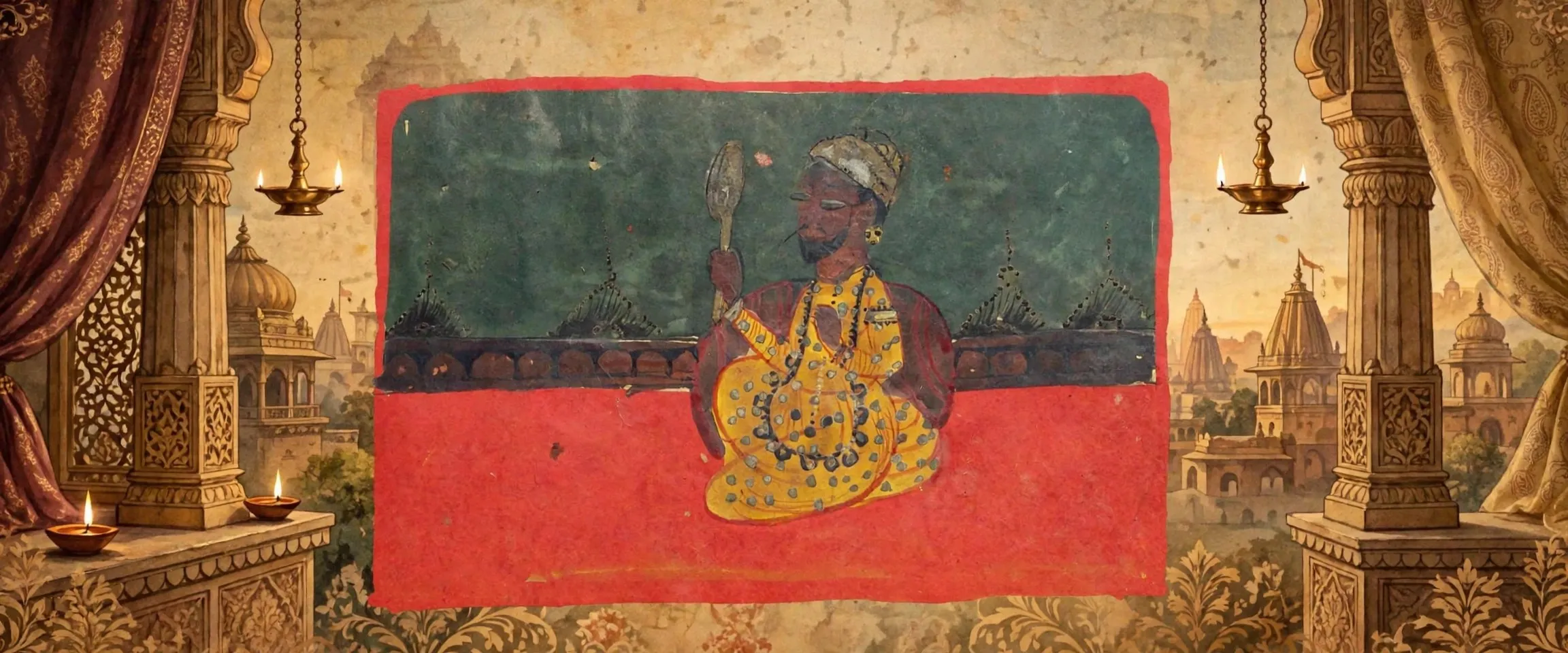
Bhagat Sain Ji was a barber and saint poet of the Bhakti movement who lived at the end of the fourteenth century and the beginning of the fifteenth, serving by the main tradition at the court of Raja Ram of Rewa. Counted by tradition among the disciples of Ramananda, he is remembered for putting the service of holy guests before his royal duty. Guru Arjan Dev Ji included one of his hymns, in Raag Dhanasari, in the Guru Granth Sahib Ji and praised him inside the scripture.
- Punjabi name
- ਭਗਤ ਸੈਣ ਜੀ
- Tradition
- Bhakti movement; one of the fifteen Bhagats whose bani is included in the Guru Granth Sahib Ji
- Flourished
- End of the 14th century and beginning of the 15th century (exact birth and death dates are disputed in the sources)
- Occupation
- Barber (nai)
- Court (tradition)
- Barber to Raja Ram, king of Rewa, then called Bandhavgarh, in present day Madhya Pradesh; another tradition links him to the court of the ruler of Bidar
- Teacher (tradition)
- Counted among the disciples of Ramananda; Bhai Gurdas Ji says he took Ramananda as his preceptor after hearing of the fame of Kabir Ji
All 8 facts
- Hymns in Guru Granth Sahib Ji
- One, in Raag Dhanasari, on Ang 695
- Also known as
- Sena Bhagat
Bhagat Sain Ji was a barber and saint poet of the Bhakti movement who lived at the end of the fourteenth century and the beginning of the fifteenth. He served, by the main tradition, at the court of Raja Ram of Rewa, and one of his hymns, in Raag Dhanasari, is preserved in the Guru Granth Sahib Ji.
Who was Bhagat Sain Ji?
He was one of the fifteen Bhagats, the devotional saints from different regions, faiths and trades whose hymns Guru Arjan Dev Ji placed alongside the Gurus' own bani when he compiled the Sikh scripture in 1604. Guru Arjan Dev Ji himself tells us how Sain was remembered: in a hymn in the Granth, on Ang 487 to 488, he says that Sain the barber, who did humble work, became known in every house, because the Supreme Lord dwelt in his heart and he came to be counted among the devotees. Bhagat Ravidas Ji makes the same point from the other side: in his hymn on Ang 1106 he names Namdev, Kabir, Trilochan, Sadhna and Sain together as devotees who, by the grace of God, crossed over. A court barber stands in that company with no apology for his trade, and that is the first thing his life teaches.
A barber at a royal court: Rewa or Bidar?
All accounts agree that Sain was a barber, a nai, by birth and by occupation. Beyond that, the traditions divide, and an honest page has to say so. The main tradition, given by the Encyclopaedia of Sikhism and by the scholar Max Arthur Macauliffe, makes him the barber of Raja Ram, king of Rewa, then called Bandhavgarh, in central India, in what is now Madhya Pradesh. A second tradition attaches him instead to the court of the ruler of Bidar, in the south, in what is now Karnataka, and holds that he was a disciple of the saint Jnanadeva. The Encyclopaedia records both and does not pretend the record settles the matter. The work itself, in either telling, was the close personal service of a court barber of that age: shaving and grooming the king, attending on his person, and entertaining the court, a humble daily round carried out in the palace itself.
His dates are just as unsettled. Because tradition counts him among the disciples of Ramananda, writers place him at the end of the fourteenth century and the beginning of the fifteenth, and that is as firm as the evidence allows. Later accounts offer exact years that do not agree: one scholar cited in the Encyclopaedia gives 1390 to 1440, while a Punjab tradition gives a birth in 1343 at Sohal Thatthi, in what is now Tarn Taran district, with parents named Mukand Rai and Jivani. Wikipedia marks that 1343 year as disputed. This page therefore gives no single birth year, birthplace or death date as fact: Sain flourished around the turn of the fifteenth century, and the rest belongs to the competing traditions.
How did he become a disciple of Ramananda?
The Bhakti teacher Ramananda stands at the centre of Sain's story, as he does for several of the Bhagats. The Bhaktamal tradition counts Sain among Ramananda's twelve best known disciples, alongside figures such as Bhagat Kabir Ji, Ravidas Ji and Bhagat Dhanna Ji. Bhai Gurdas Ji, the Sikh scribe and interpreter of the early seventeenth century, adds the human detail in his Vars (Vaar 10, Pauri 16): hearing of the glory of Kabir, Sain the barber also turned to Ramananda and took him as his preceptor. In the midst of his court duties, Macauliffe writes, Sain found time to study Ramananda's hymns, shape his life on the principles in them, and catch their devotional fervour. Whether every named disciple of Ramananda really lived at the same time is a question scholars have raised for others in that circle too, so the discipleship is best held as the strong and consistent tradition it is, rather than as a dated record.
What do the traditional stories say about his service to saints?
The story everyone tells about Sain is a sakhi, a traditional account, and it is told here as tradition, not as documented history. Bhai Gurdas Ji gives its outline, and the Bhagat Mal, the early collection of the lives of the Bhagats, tells it in full. Sain spent his nights in loving devotion and went to the king's court in the morning. One night, holy guests came to his house and the singing of hymns and the company of the saints went on all night. Sain could not bring himself to leave them, and so he failed to appear for his morning duty to Raja Ram. He believed, the chronicler says, that serving saints was the same as serving God himself, and he had always performed every humble service for such guests gladly.
The sakhi then says that God, to protect the honour of his devotee, took Sain's own form, went to the palace and performed the barber's duties so well that the king was delighted. When Sain came at last to the court, full of shame and ready to apologise, the king called him close, honoured him, and said that his service that day had won his heart. In Macauliffe's telling the king then fell at Sain's feet and took him as his guru. A later version stretches the absence to three days, with the same ending. Read as the tradition intends, the point is not the wonder itself. It is the order Sain chose, guests and God before the palace, and the belief that God does not let such service go unhonoured.
How many hymns of Bhagat Sain Ji are in Guru Granth Sahib Ji?
One hymn of Bhagat Sain Ji is in the Guru Granth Sahib Ji, in Raag Dhanasari, on Ang 695. All three of the main sources for his life, the Encyclopaedia of Sikhism, Wikipedia and SikhiWiki, agree on the count, the raag and the page, so this, unlike his dates, is firm ground. Guru Arjan Dev Ji praised him more than once inside the scripture he compiled: besides the words on Ang 487 to 488 already quoted, the Encyclopaedia notes his references on Ang 1192, that Sain the barber was saved through his selfless service, and on Ang 1207, where Kabir is called good and the humble barber Sain is called sublime. Dhanna Ji, in his own hymn, also names Sain among the working devotees, the printer, the weaver, the cobbler and the barber, whose example drew him to God. Sain's single hymn therefore sits inside a web of respect: the compiler honoured the man as well as the verse, and his fellow Bhagats counted him among the saved.
What does his hymn teach, and what is his legacy?
His one hymn is an aarti, a song of lamp lit worship, and it quietly rebuilds that worship from the inside. It opens with the familiar offerings, incense, lamps and clarified butter, and with the words I am a sacrifice to you. Then it turns: sublime is the lamp and pure is the wick, he sings, and you yourself are that immaculate light. The Encyclopaedia sums up his teaching this way: for Sain, singing God's praise and meditating on His Name are the highest worship, and these alone carry a person across the fearful ocean of existence to liberation. The hymn names his teacher with gratitude, Ramananda knows the devotional worship of the Lord, and it closes with his own instruction, says Sain, remember the Lord, the embodiment of supreme joy. His bani is short enough to read in a minute and dense enough to stay with a reader for years.
Sain's legacy is the place he holds among the fifteen Bhagats, alongside Baba Farid Ji, Bhagat Namdev Ji and Dhanna Ji, and the use later generations have made of his story. Bhai Gurdas Ji retold his sakhi within two centuries, Sikh tradition has kept his hymn alive through the aarti, and in Punjab his memory is kept at places linked to the Sohal tradition. For barbers and for everyone who does humble, daily work for others, his page makes a plain claim: the trade a person is born to does not set the ceiling on their devotion, and service for guests and saints is itself worship.
ਭਗਤ ਸੈਣ ਜੀ ਭਗਤੀ ਲਹਿਰ ਦੇ ਇੱਕ ਨਾਈ ਅਤੇ ਸੰਤ ਕਵੀ ਸਨ, ਜੋ ਚੌਦਵੀਂ ਸਦੀ ਦੇ ਅੰਤ ਅਤੇ ਪੰਦਰਵੀਂ ਸਦੀ ਦੀ ਸ਼ੁਰੂਆਤ ਵਿੱਚ ਹੋਏ। ਮੁੱਖ ਪਰੰਪਰਾ ਮੁਤਾਬਕ ਉਹ ਰੀਵਾ ਦੇ ਰਾਜਾ ਰਾਮ ਦੇ ਦਰਬਾਰ ਵਿੱਚ ਸੇਵਾ ਕਰਦੇ ਸਨ, ਅਤੇ ਉਨ੍ਹਾਂ ਦਾ ਇੱਕ ਸ਼ਬਦ, ਰਾਗ ਧਨਾਸਰੀ ਵਿੱਚ, ਸ੍ਰੀ ਗੁਰੂ ਗ੍ਰੰਥ ਸਾਹਿਬ ਜੀ ਵਿੱਚ ਦਰਜ ਹੈ।
ਭਗਤ ਸੈਣ ਜੀ ਕੌਣ ਸਨ?
ਉਹ ਉਨ੍ਹਾਂ ਪੰਦਰਾਂ ਭਗਤਾਂ ਵਿੱਚੋਂ ਇੱਕ ਸਨ, ਵੱਖ ਵੱਖ ਇਲਾਕਿਆਂ, ਧਰਮਾਂ ਅਤੇ ਕਿੱਤਿਆਂ ਦੇ ਭਗਤੀ ਸੰਤ, ਜਿਨ੍ਹਾਂ ਦੇ ਸ਼ਬਦ ਗੁਰੂ ਅਰਜਨ ਦੇਵ ਜੀ ਨੇ 1604 ਵਿੱਚ ਸਿੱਖ ਗ੍ਰੰਥ ਦੀ ਸੰਪਾਦਨਾ ਕਰਦਿਆਂ ਗੁਰੂ ਸਾਹਿਬਾਨ ਦੀ ਬਾਣੀ ਦੇ ਨਾਲ ਰੱਖੇ। ਗੁਰੂ ਅਰਜਨ ਦੇਵ ਜੀ ਖੁਦ ਦੱਸਦੇ ਹਨ ਕਿ ਸੈਣ ਜੀ ਨੂੰ ਕਿਵੇਂ ਯਾਦ ਕੀਤਾ ਜਾਂਦਾ ਸੀ: ਗ੍ਰੰਥ ਵਿੱਚ ਇੱਕ ਸ਼ਬਦ ਵਿੱਚ, ਅੰਗ 487 ਤੋਂ 488 ਉੱਤੇ, ਉਹ ਕਹਿੰਦੇ ਹਨ ਕਿ ਸੈਣ ਨਾਈ, ਜੋ ਨਿਮਰ ਕੰਮ ਕਰਦਾ ਸੀ, ਹਰ ਘਰ ਵਿੱਚ ਜਾਣਿਆ ਜਾਣ ਲੱਗਾ, ਕਿਉਂਕਿ ਪ੍ਰਭੂ ਉਸ ਦੇ ਹਿਰਦੇ ਵਿੱਚ ਵੱਸ ਗਿਆ ਸੀ ਅਤੇ ਉਹ ਭਗਤਾਂ ਵਿੱਚ ਗਿਣਿਆ ਜਾਣ ਲੱਗਾ। ਭਗਤ ਰਵੀਦਾਸ ਜੀ ਵੀ ਉਹੀ ਗੱਲ ਦੂਜੇ ਪਾਸਿਓਂ ਕਹਿੰਦੇ ਹਨ: ਅੰਗ 1106 ਉੱਤੇ ਆਪਣੇ ਸ਼ਬਦ ਵਿੱਚ ਉਹ ਨਾਮਦੇਵ, ਕਬੀਰ, ਤ੍ਰਿਲੋਚਨ, ਸਧਨਾ ਅਤੇ ਸੈਣ ਦਾ ਨਾਂ ਇਕੱਠੇ ਲੈਂਦੇ ਹਨ, ਉਨ੍ਹਾਂ ਭਗਤਾਂ ਵਜੋਂ ਜੋ ਪ੍ਰਭੂ ਦੀ ਕਿਰਪਾ ਨਾਲ ਪਾਰ ਹੋਏ। ਇੱਕ ਦਰਬਾਰ ਦਾ ਨਾਈ ਉਸ ਸੰਗਤ ਵਿੱਚ ਆਪਣੇ ਕਿੱਤੇ ਲਈ ਬਿਨਾਂ ਕਿਸੇ ਸ਼ਰਮ ਦੇ ਖੜ੍ਹਾ ਹੈ, ਅਤੇ ਇਹੀ ਪਹਿਲੀ ਗੱਲ ਹੈ ਜੋ ਉਨ੍ਹਾਂ ਦਾ ਜੀਵਨ ਸਿਖਾਉਂਦਾ ਹੈ।
ਇੱਕ ਸ਼ਾਹੀ ਦਰਬਾਰ ਵਿੱਚ ਨਾਈ: ਰੀਵਾ ਜਾਂ ਬਿਦਰ?
ਸਾਰੇ ਬਿਆਨ ਇਸ ਗੱਲ ਉੱਤੇ ਸਹਿਮਤ ਹਨ ਕਿ ਸੈਣ ਜੀ ਜਨਮ ਅਤੇ ਕਿੱਤੇ ਵਜੋਂ ਨਾਈ ਸਨ। ਇਸ ਤੋਂ ਅੱਗੇ ਪਰੰਪਰਾਵਾਂ ਵੰਡੀਆਂ ਜਾਂਦੀਆਂ ਹਨ, ਅਤੇ ਇੱਕ ਇਮਾਨਦਾਰ ਪੰਨੇ ਨੂੰ ਇਹ ਕਹਿਣਾ ਚਾਹੀਦਾ ਹੈ। ਮੁੱਖ ਪਰੰਪਰਾ, ਜੋ ਸਿੱਖ ਧਰਮ ਦਾ ਵਿਸ਼ਵਕੋਸ਼ (Encyclopaedia of Sikhism) ਅਤੇ ਵਿਦਵਾਨ ਮੈਕਸ ਆਰਥਰ ਮੈਕਾਲਿਫ਼ ਦਿੰਦੇ ਹਨ, ਉਨ੍ਹਾਂ ਨੂੰ ਰਾਜਾ ਰਾਮ ਦਾ ਨਾਈ ਦੱਸਦੀ ਹੈ, ਜੋ ਰੀਵਾ ਦਾ ਰਾਜਾ ਸੀ, ਜਿਸ ਨੂੰ ਉਸ ਸਮੇਂ ਬਾਂਧਵਗੜ੍ਹ ਕਿਹਾ ਜਾਂਦਾ ਸੀ, ਮੱਧ ਭਾਰਤ ਵਿੱਚ, ਜੋ ਅੱਜ ਮੱਧ ਪ੍ਰਦੇਸ਼ ਵਿੱਚ ਹੈ। ਇੱਕ ਦੂਜੀ ਪਰੰਪਰਾ ਉਨ੍ਹਾਂ ਨੂੰ ਇਸ ਦੀ ਥਾਂ ਦੱਖਣ ਵਿੱਚ ਬਿਦਰ ਦੇ ਰਾਜੇ ਦੇ ਦਰਬਾਰ ਨਾਲ ਜੋੜਦੀ ਹੈ, ਜੋ ਅੱਜ ਕਰਨਾਟਕ ਵਿੱਚ ਹੈ, ਅਤੇ ਮੰਨਦੀ ਹੈ ਕਿ ਉਹ ਸੰਤ ਗਿਆਨਦੇਵ ਦੇ ਚੇਲੇ ਸਨ। ਵਿਸ਼ਵਕੋਸ਼ ਦੋਵੇਂ ਪਰੰਪਰਾਵਾਂ ਦਰਜ ਕਰਦਾ ਹੈ ਅਤੇ ਇਹ ਵਿਖਾਵਾ ਨਹੀਂ ਕਰਦਾ ਕਿ ਰਿਕਾਰਡ ਇਸ ਗੱਲ ਦਾ ਫ਼ੈਸਲਾ ਕਰਦਾ ਹੈ। ਦੋਵਾਂ ਬਿਆਨਾਂ ਵਿੱਚ ਕੰਮ ਉਸ ਸਮੇਂ ਦੇ ਦਰਬਾਰੀ ਨਾਈ ਦੀ ਨੇੜਲੀ ਨਿੱਜੀ ਸੇਵਾ ਸੀ: ਰਾਜੇ ਦੀ ਸੇਵਾ ਸੰਭਾਲ, ਉਸ ਦੀ ਹਾਜ਼ਰੀ ਵਿੱਚ ਰਹਿਣਾ, ਅਤੇ ਦਰਬਾਰ ਦਾ ਮਨੋਰੰਜਨ, ਇੱਕ ਸਾਦਾ ਰੋਜ਼ਾਨਾ ਕੰਮ ਜੋ ਮਹਿਲ ਦੇ ਅੰਦਰ ਹੀ ਹੁੰਦਾ ਸੀ।
ਉਨ੍ਹਾਂ ਦੀਆਂ ਤਰੀਕਾਂ ਵੀ ਉਨ੍ਹਾਂ ਹੀ ਅਨਿਸ਼ਚਿਤ ਹਨ। ਕਿਉਂਕਿ ਪਰੰਪਰਾ ਉਨ੍ਹਾਂ ਨੂੰ ਰਾਮਾਨੰਦ ਦੇ ਚੇਲਿਆਂ ਵਿੱਚ ਗਿਣਦੀ ਹੈ, ਲੇਖਕ ਉਨ੍ਹਾਂ ਨੂੰ ਚੌਦਵੀਂ ਸਦੀ ਦੇ ਅੰਤ ਅਤੇ ਪੰਦਰਵੀਂ ਸਦੀ ਦੀ ਸ਼ੁਰੂਆਤ ਵਿੱਚ ਰੱਖਦੇ ਹਨ, ਅਤੇ ਸਬੂਤ ਜਿੰਨੀ ਇਜਾਜ਼ਤ ਦਿੰਦਾ ਹੈ, ਇਹੀ ਪੱਕੀ ਗੱਲ ਹੈ। ਬਾਅਦ ਦੇ ਬਿਆਨ ਪੱਕੇ ਸਾਲ ਦਿੰਦੇ ਹਨ ਜੋ ਆਪਸ ਵਿੱਚ ਸਹਿਮਤ ਨਹੀਂ ਹਨ: ਵਿਸ਼ਵਕੋਸ਼ ਵਿੱਚ ਹਵਾਲਾ ਦਿੱਤਾ ਇੱਕ ਵਿਦਵਾਨ 1390 ਤੋਂ 1440 ਦਿੰਦਾ ਹੈ, ਜਦੋਂ ਕਿ ਪੰਜਾਬ ਦੀ ਇੱਕ ਪਰੰਪਰਾ ਉਨ੍ਹਾਂ ਦਾ ਜਨਮ 1343 ਵਿੱਚ ਪਿੰਡ ਸੋਹਲ ਠੱਠੀ ਵਿੱਚ ਦੱਸਦੀ ਹੈ, ਜੋ ਅੱਜ ਤਰਨ ਤਾਰਨ ਜ਼ਿਲ੍ਹੇ ਵਿੱਚ ਹੈ, ਅਤੇ ਮਾਪਿਆਂ ਦੇ ਨਾਂ ਮੁਕੰਦ ਰਾਏ ਅਤੇ ਜੀਵਨੀ ਦੱਸਦੀ ਹੈ। ਵਿਕੀਪੀਡੀਆ ਵੀ ਆਪਣੇ 1343 ਵਾਲੇ ਜਨਮ ਸਾਲ ਨੂੰ ਵਿਵਾਦਿਤ ਦੱਸਦਾ ਹੈ ਅਤੇ ਸੋਹਲ, ਰੀਵਾ ਅਤੇ ਮਹਾਰਾਸ਼ਟਰ ਨੂੰ ਵਿਰੋਧੀ ਜਨਮ ਸਥਾਨਾਂ ਵਜੋਂ ਦਰਜ ਕਰਦਾ ਹੈ। ਇਸ ਲਈ ਇਹ ਪੰਨਾ ਕੋਈ ਇੱਕ ਜਨਮ ਸਾਲ, ਜਨਮ ਸਥਾਨ ਜਾਂ ਮੌਤ ਦੀ ਤਰੀਕ ਤੱਥ ਵਜੋਂ ਨਹੀਂ ਦਿੰਦਾ: ਸੈਣ ਜੀ ਪੰਦਰਵੀਂ ਸਦੀ ਦੇ ਮੋੜ ਦੇ ਆਸ ਪਾਸ ਹੋਏ, ਅਤੇ ਬਾਕੀ ਗੱਲਾਂ ਵਿਰੋਧੀ ਪਰੰਪਰਾਵਾਂ ਨਾਲ ਸੰਬੰਧਿਤ ਹਨ।
ਉਹ ਰਾਮਾਨੰਦ ਦੇ ਚੇਲੇ ਕਿਵੇਂ ਬਣੇ?
ਭਗਤੀ ਅਧਿਆਪਕ ਰਾਮਾਨੰਦ ਸੈਣ ਜੀ ਦੀ ਕਹਾਣੀ ਦੇ ਕੇਂਦਰ ਵਿੱਚ ਖੜ੍ਹੇ ਹਨ, ਜਿਵੇਂ ਉਹ ਕਈ ਭਗਤਾਂ ਲਈ ਹਨ। ਭਗਤਮਾਲ ਪਰੰਪਰਾ ਸੈਣ ਜੀ ਨੂੰ ਰਾਮਾਨੰਦ ਦੇ ਬਾਰਾਂ ਸਭ ਤੋਂ ਜਾਣੇ ਚੇਲਿਆਂ ਵਿੱਚ ਗਿਣਦੀ ਹੈ, ਜਿਵੇਂ ਭਗਤ ਕਬੀਰ ਜੀ, ਰਵੀਦਾਸ ਜੀ ਅਤੇ ਭਗਤ ਧੰਨਾ ਜੀ। ਭਾਈ ਗੁਰਦਾਸ ਜੀ, ਸਤਾਰਵੀਂ ਸਦੀ ਦੀ ਸ਼ੁਰੂਆਤ ਦੇ ਸਿੱਖ ਲਿਖਾਰੀ ਅਤੇ ਵਿਆਖਿਆਕਾਰ, ਆਪਣੀਆਂ ਵਾਰਾਂ ਵਿੱਚ ਮਨੁੱਖੀ ਵੇਰਵਾ ਜੋੜਦੇ ਹਨ (ਵਾਰ 10, ਪਉੜੀ 16): ਕਬੀਰ ਦੀ ਮਹਿਮਾ ਸੁਣ ਕੇ ਸੈਣ ਨਾਈ ਵੀ ਰਾਮਾਨੰਦ ਵੱਲ ਮੁੜਿਆ ਅਤੇ ਉਸ ਨੂੰ ਆਪਣਾ ਗੁਰੂ ਧਾਰਨ ਕੀਤਾ। ਮੈਕਾਲਿਫ਼ ਲਿਖਦਾ ਹੈ ਕਿ ਆਪਣੇ ਦਰਬਾਰੀ ਕੰਮਾਂ ਵਿੱਚੋਂ ਸੈਣ ਜੀ ਨੂੰ ਰਾਮਾਨੰਦ ਦੇ ਸ਼ਬਦ ਪੜ੍ਹਨ, ਆਪਣਾ ਜੀਵਨ ਉਨ੍ਹਾਂ ਦੇ ਸਿਧਾਂਤਾਂ ਉੱਤੇ ਢਾਲਣ ਅਤੇ ਉਨ੍ਹਾਂ ਦੀ ਭਗਤੀ ਭਾਵਨਾ ਨੂੰ ਫੜਨ ਦਾ ਸਮਾਂ ਮਿਲ ਜਾਂਦਾ ਸੀ। ਕੀ ਰਾਮਾਨੰਦ ਦੇ ਨਾਂ ਲਏ ਸਾਰੇ ਚੇਲੇ ਸੱਚਮੁੱਚ ਇੱਕੋ ਸਮੇਂ ਹੋਏ ਸਨ, ਇਹ ਸਵਾਲ ਵਿਦਵਾਨਾਂ ਨੇ ਉਸੇ ਘੇਰੇ ਦੇ ਹੋਰਨਾਂ ਬਾਰੇ ਵੀ ਕੀਤਾ ਹੈ, ਇਸ ਲਈ ਚੇਲਾਗੀ ਨੂੰ ਉਸ ਮਜ਼ਬੂਤ ਅਤੇ ਲਗਾਤਾਰ ਪਰੰਪਰਾ ਵਜੋਂ ਰੱਖਣਾ ਠੀਕ ਹੈ ਜੋ ਇਹ ਹੈ, ਨਾ ਕਿ ਇੱਕ ਤਰੀਕ ਵਾਲੇ ਰਿਕਾਰਡ ਵਜੋਂ।
ਪਰੰਪਰਾਗਤ ਸਾਖੀਆਂ ਸੰਤਾਂ ਦੀ ਉਨ੍ਹਾਂ ਦੀ ਸੇਵਾ ਬਾਰੇ ਕੀ ਦੱਸਦੀਆਂ ਹਨ?
ਸੈਣ ਜੀ ਬਾਰੇ ਹਰ ਕੋਈ ਜੋ ਕਹਾਣੀ ਦੱਸਦਾ ਹੈ, ਉਹ ਇੱਕ ਸਾਖੀ ਹੈ, ਇੱਕ ਪਰੰਪਰਾਗਤ ਬਿਆਨ, ਅਤੇ ਇੱਥੇ ਉਹ ਪਰੰਪਰਾ ਵਜੋਂ ਦੱਸੀ ਜਾ ਰਹੀ ਹੈ, ਦਸਤਾਵੇਜ਼ੀ ਇਤਿਹਾਸ ਵਜੋਂ ਨਹੀਂ। ਭਾਈ ਗੁਰਦਾਸ ਜੀ ਇਸ ਦੀ ਰੂਪ ਰੇਖਾ ਦਿੰਦੇ ਹਨ, ਅਤੇ ਭਗਤਮਾਲ, ਭਗਤਾਂ ਦੇ ਜੀਵਨਾਂ ਦਾ ਮੁਢਲਾ ਸੰਗ੍ਰਹਿ, ਇਸ ਨੂੰ ਪੂਰਾ ਦੱਸਦਾ ਹੈ। ਸੈਣ ਜੀ ਆਪਣੀਆਂ ਰਾਤਾਂ ਪ੍ਰੇਮਾ ਭਗਤੀ ਵਿੱਚ ਬਿਤਾਉਂਦੇ ਸਨ ਅਤੇ ਸਵੇਰੇ ਰਾਜੇ ਦੇ ਦਰਬਾਰ ਜਾਂਦੇ ਸਨ। ਇੱਕ ਰਾਤ ਸੰਤ ਮਹਿਮਾਨ ਉਨ੍ਹਾਂ ਦੇ ਘਰ ਆਏ ਅਤੇ ਸ਼ਬਦ ਕੀਰਤਨ ਅਤੇ ਸੰਤਾਂ ਦੀ ਸੰਗਤ ਸਾਰੀ ਰਾਤ ਚੱਲਦੀ ਰਹੀ। ਸੈਣ ਜੀ ਉਨ੍ਹਾਂ ਨੂੰ ਛੱਡ ਕੇ ਜਾਣ ਲਈ ਮਨ ਨਾ ਬਣਾ ਸਕੇ, ਅਤੇ ਇਸ ਲਈ ਉਹ ਰਾਜਾ ਰਾਮ ਕੋਲ ਆਪਣੀ ਸਵੇਰ ਦੀ ਡਿਊਟੀ ਉੱਤੇ ਨਾ ਪਹੁੰਚੇ। ਇਤਿਹਾਸਕਾਰ ਕਹਿੰਦਾ ਹੈ ਕਿ ਉਹ ਮੰਨਦੇ ਸਨ ਕਿ ਸੰਤਾਂ ਦੀ ਸੇਵਾ ਪ੍ਰਭੂ ਦੀ ਸੇਵਾ ਦੇ ਬਰਾਬਰ ਹੈ, ਅਤੇ ਉਹ ਹਮੇਸ਼ਾ ਅਜਿਹੇ ਮਹਿਮਾਨਾਂ ਲਈ ਹਰ ਨਿਮਰ ਸੇਵਾ ਖੁਸ਼ੀ ਨਾਲ ਕਰਦੇ ਸਨ।
ਸਾਖੀ ਫਿਰ ਦੱਸਦੀ ਹੈ ਕਿ ਪ੍ਰਭੂ ਨੇ, ਆਪਣੇ ਭਗਤ ਦੀ ਪੱਤ ਰੱਖਣ ਲਈ, ਸੈਣ ਜੀ ਦਾ ਆਪਣਾ ਰੂਪ ਧਾਰਿਆ, ਮਹਿਲ ਗਿਆ ਅਤੇ ਰਾਜੇ ਲਈ ਨਾਈ ਦਾ ਕੰਮ ਇੰਨੀ ਚੰਗੀ ਤਰ੍ਹਾਂ ਕੀਤਾ ਕਿ ਰਾਜਾ ਖੁਸ਼ ਹੋ ਗਿਆ। ਜਦੋਂ ਮਹਿਮਾਨ ਚਲੇ ਗਏ ਅਤੇ ਸੈਣ ਜੀ ਅਖੀਰ ਦਰਬਾਰ ਆਏ, ਸ਼ਰਮ ਨਾਲ ਭਰੇ ਅਤੇ ਮਾਫ਼ੀ ਮੰਗਣ ਲਈ ਤਿਆਰ, ਤਾਂ ਰਾਜੇ ਨੇ ਉਨ੍ਹਾਂ ਨੂੰ ਨੇੜੇ ਬੁਲਾਇਆ, ਉਨ੍ਹਾਂ ਦਾ ਸਤਿਕਾਰ ਕੀਤਾ, ਅਤੇ ਕਿਹਾ ਕਿ ਉਸ ਦਿਨ ਦੀ ਉਨ੍ਹਾਂ ਦੀ ਸੇਵਾ ਨੇ ਉਸ ਦਾ ਦਿਲ ਜਿੱਤ ਲਿਆ ਹੈ। ਮੈਕਾਲਿਫ਼ ਦੇ ਬਿਆਨ ਵਿੱਚ ਰਾਜਾ ਫਿਰ ਸੈਣ ਜੀ ਦੇ ਪੈਰੀਂ ਪਿਆ ਅਤੇ ਉਨ੍ਹਾਂ ਨੂੰ ਆਪਣਾ ਗੁਰੂ ਮੰਨ ਲਿਆ, ਅਤੇ ਬਾਂਧਵਗੜ੍ਹ ਦੇ ਘਰਾਣਿਆਂ ਨੇ ਬਾਅਦ ਵਿੱਚ ਸੈਣ ਜੀ ਦੇ ਪਰਿਵਾਰ ਦਾ ਸਤਿਕਾਰ ਕਰਨ ਦੀ ਰੀਤ ਰੱਖੀ। ਇੱਕ ਬਾਅਦ ਦਾ ਰੂਪ ਗੈਰਹਾਜ਼ਰੀ ਨੂੰ ਤਿੰਨ ਦਿਨ ਤੱਕ ਵਧਾਉਂਦਾ ਹੈ, ਅਤੇ ਅੰਤ ਉਹੀ ਰਹਿੰਦਾ ਹੈ। ਪਰੰਪਰਾ ਦੇ ਮਕਸਦ ਮੁਤਾਬਕ ਪੜ੍ਹਿਆਂ, ਗੱਲ ਅਚੰਭੇ ਦੀ ਨਹੀਂ ਹੈ। ਗੱਲ ਉਸ ਕ੍ਰਮ ਦੀ ਹੈ ਜੋ ਸੈਣ ਜੀ ਨੇ ਚੁਣਿਆ, ਮਹਿਮਾਨ ਅਤੇ ਪ੍ਰਭੂ ਮਹਿਲ ਤੋਂ ਪਹਿਲਾਂ, ਅਤੇ ਇਸ ਵਿਸ਼ਵਾਸ ਦੀ ਕਿ ਪ੍ਰਭੂ ਅਜਿਹੀ ਸੇਵਾ ਨੂੰ ਬਿਨਾਂ ਸਤਿਕਾਰ ਦੇ ਨਹੀਂ ਜਾਣ ਦਿੰਦਾ।
ਸ੍ਰੀ ਗੁਰੂ ਗ੍ਰੰਥ ਸਾਹਿਬ ਜੀ ਵਿੱਚ ਭਗਤ ਸੈਣ ਜੀ ਦੇ ਕਿੰਨੇ ਸ਼ਬਦ ਹਨ?
ਸ੍ਰੀ ਗੁਰੂ ਗ੍ਰੰਥ ਸਾਹਿਬ ਜੀ ਵਿੱਚ ਭਗਤ ਸੈਣ ਜੀ ਦਾ ਇੱਕ ਸ਼ਬਦ ਹੈ, ਰਾਗ ਧਨਾਸਰੀ ਵਿੱਚ, ਅੰਗ 695 ਉੱਤੇ। ਉਨ੍ਹਾਂ ਦੇ ਜੀਵਨ ਦੇ ਤਿੰਨੋਂ ਮੁੱਖ ਸਰੋਤ, ਸਿੱਖ ਧਰਮ ਦਾ ਵਿਸ਼ਵਕੋਸ਼, ਵਿਕੀਪੀਡੀਆ ਅਤੇ ਸਿੱਖੀਵਿਕੀ, ਗਿਣਤੀ, ਰਾਗ ਅਤੇ ਪੰਨੇ ਉੱਤੇ ਸਹਿਮਤ ਹਨ, ਇਸ ਲਈ ਇਹ ਗੱਲ, ਉਨ੍ਹਾਂ ਦੀਆਂ ਤਰੀਕਾਂ ਦੇ ਉਲਟ, ਪੱਕੀ ਹੈ। ਗੁਰੂ ਅਰਜਨ ਦੇਵ ਜੀ ਨੇ ਉਨ੍ਹਾਂ ਦੀ ਸਿਫ਼ਤ ਆਪਣੇ ਸੰਪਾਦਿਤ ਗ੍ਰੰਥ ਵਿੱਚ ਇੱਕ ਤੋਂ ਵੱਧ ਵਾਰ ਕੀਤੀ: ਪਹਿਲਾਂ ਦੱਸੇ ਅੰਗ 487 ਤੋਂ 488 ਦੇ ਸ਼ਬਦਾਂ ਤੋਂ ਇਲਾਵਾ, ਵਿਸ਼ਵਕੋਸ਼ ਅੰਗ 1192 ਉੱਤੇ ਉਨ੍ਹਾਂ ਦੇ ਹਵਾਲੇ ਦਾ ਜ਼ਿਕਰ ਕਰਦਾ ਹੈ, ਕਿ ਸੈਣ ਨਾਈ ਆਪਣੀ ਨਿਸ਼ਕਾਮ ਸੇਵਾ ਰਾਹੀਂ ਤਰ ਗਿਆ, ਅਤੇ ਅੰਗ 1207 ਉੱਤੇ, ਜਿੱਥੇ ਕਬੀਰ ਨੂੰ ਚੰਗਾ ਅਤੇ ਨਿਮਰ ਨਾਈ ਸੈਣ ਨੂੰ ਉੱਤਮ ਕਿਹਾ ਗਿਆ ਹੈ। ਧੰਨਾ ਜੀ ਵੀ ਆਪਣੇ ਸ਼ਬਦ ਵਿੱਚ ਸੈਣ ਦਾ ਨਾਂ ਉਨ੍ਹਾਂ ਕੰਮਕਾਜੀ ਭਗਤਾਂ ਵਿੱਚ ਲੈਂਦੇ ਹਨ, ਛੀਪਾ, ਜੁਲਾਹਾ, ਮੋਚੀ ਅਤੇ ਨਾਈ, ਜਿਨ੍ਹਾਂ ਦੀ ਮਿਸਾਲ ਨੇ ਉਨ੍ਹਾਂ ਨੂੰ ਪ੍ਰਭੂ ਵੱਲ ਖਿੱਚਿਆ। ਇਸ ਲਈ ਸੈਣ ਜੀ ਦਾ ਇੱਕੋ ਸ਼ਬਦ ਸਤਿਕਾਰ ਦੇ ਜਾਲ ਵਿੱਚ ਬੈਠਾ ਹੈ: ਸੰਪਾਦਕ ਨੇ ਸ਼ਬਦ ਦੇ ਨਾਲ ਮਨੁੱਖ ਦਾ ਵੀ ਸਤਿਕਾਰ ਕੀਤਾ, ਅਤੇ ਉਨ੍ਹਾਂ ਦੇ ਸਾਥੀ ਭਗਤਾਂ ਨੇ ਉਨ੍ਹਾਂ ਨੂੰ ਤਰੇ ਹੋਇਆਂ ਵਿੱਚ ਗਿਣਿਆ।
ਉਨ੍ਹਾਂ ਦਾ ਸ਼ਬਦ ਕੀ ਸਿਖਾਉਂਦਾ ਹੈ, ਅਤੇ ਉਨ੍ਹਾਂ ਦੀ ਵਿਰਾਸਤ ਕੀ ਹੈ?
ਉਨ੍ਹਾਂ ਦਾ ਇੱਕੋ ਸ਼ਬਦ ਇੱਕ ਆਰਤੀ ਹੈ, ਦੀਵੇ ਜਗਾ ਕੇ ਕੀਤੀ ਪੂਜਾ ਦਾ ਗੀਤ, ਅਤੇ ਇਹ ਉਸ ਪੂਜਾ ਨੂੰ ਅੰਦਰੋਂ ਸ਼ਾਂਤ ਢੰਗ ਨਾਲ ਮੁੜ ਬਣਾਉਂਦਾ ਹੈ। ਇਹ ਜਾਣੀਆਂ ਪਛਾਣੀਆਂ ਭੇਟਾਵਾਂ ਨਾਲ ਸ਼ੁਰੂ ਹੁੰਦਾ ਹੈ, ਧੂਪ, ਦੀਵੇ ਅਤੇ ਘਿਓ, ਅਤੇ ਇਹਨਾਂ ਸ਼ਬਦਾਂ ਨਾਲ ਕਿ ਮੈਂ ਤੁਹਾਡੇ ਤੋਂ ਸਦਕੇ ਜਾਂਦਾ ਹਾਂ। ਫਿਰ ਇਹ ਮੁੜਦਾ ਹੈ: ਦੀਵਾ ਉੱਤਮ ਹੈ ਅਤੇ ਬੱਤੀ ਨਿਰਮਲ ਹੈ, ਉਹ ਗਾਉਂਦੇ ਹਨ, ਅਤੇ ਤੁਸੀਂ ਖੁਦ ਉਹੀ ਪਵਿੱਤਰ ਪ੍ਰਕਾਸ਼ ਹੋ। ਵਿਸ਼ਵਕੋਸ਼ ਉਨ੍ਹਾਂ ਦੀ ਸਿੱਖਿਆ ਦਾ ਸਾਰ ਇਸ ਤਰ੍ਹਾਂ ਦਿੰਦਾ ਹੈ: ਸੈਣ ਜੀ ਲਈ ਪ੍ਰਭੂ ਦੀ ਸਿਫ਼ਤ ਸਾਲਾਹ ਗਾਉਣਾ ਅਤੇ ਉਸ ਦੇ ਨਾਮ ਦਾ ਸਿਮਰਨ ਸਭ ਤੋਂ ਉੱਚੀ ਪੂਜਾ ਹੈ, ਅਤੇ ਇਹੀ ਮਨੁੱਖ ਨੂੰ ਹੋਂਦ ਦੇ ਡਰਾਉਣੇ ਸਮੁੰਦਰ ਤੋਂ ਪਾਰ ਕਰ ਕੇ ਮੁਕਤੀ ਤੱਕ ਲੈ ਜਾਂਦਾ ਹੈ। ਸ਼ਬਦ ਧੰਨਵਾਦ ਨਾਲ ਆਪਣੇ ਅਧਿਆਪਕ ਦਾ ਨਾਂ ਲੈਂਦਾ ਹੈ, ਰਾਮਾਨੰਦ ਪ੍ਰਭੂ ਦੀ ਭਗਤੀ ਪੂਜਾ ਨੂੰ ਜਾਣਦਾ ਹੈ, ਅਤੇ ਆਪਣੀ ਸਿੱਖਿਆ ਨਾਲ ਬੰਦ ਹੁੰਦਾ ਹੈ, ਸੈਣ ਕਹਿੰਦਾ ਹੈ, ਪ੍ਰਭੂ ਨੂੰ ਯਾਦ ਕਰ, ਜੋ ਸਭ ਤੋਂ ਵੱਡੀ ਖੁਸ਼ੀ ਦਾ ਸਰੂਪ ਹੈ। ਉਨ੍ਹਾਂ ਦੀ ਬਾਣੀ ਇੱਕ ਮਿੰਟ ਵਿੱਚ ਪੜ੍ਹੀ ਜਾ ਸਕਦੀ ਹੈ ਅਤੇ ਇੰਨੀ ਸੰਘਣੀ ਹੈ ਕਿ ਪਾਠਕ ਦੇ ਨਾਲ ਸਾਲਾਂ ਤੱਕ ਰਹਿ ਸਕਦੀ ਹੈ।
ਸੈਣ ਜੀ ਦੀ ਵਿਰਾਸਤ ਉਹ ਥਾਂ ਹੈ ਜੋ ਉਨ੍ਹਾਂ ਨੂੰ ਪੰਦਰਾਂ ਭਗਤਾਂ ਵਿੱਚ ਮਿਲਦੀ ਹੈ, ਬਾਬਾ ਫ਼ਰੀਦ ਜੀ, ਭਗਤ ਨਾਮਦੇਵ ਜੀ ਅਤੇ ਧੰਨਾ ਜੀ ਦੇ ਨਾਲ, ਅਤੇ ਉਹ ਵਰਤੋਂ ਜੋ ਬਾਅਦ ਦੀਆਂ ਪੀੜ੍ਹੀਆਂ ਨੇ ਉਨ੍ਹਾਂ ਦੀ ਕਹਾਣੀ ਦੀ ਕੀਤੀ ਹੈ। ਭਾਈ ਗੁਰਦਾਸ ਜੀ ਨੇ ਉਨ੍ਹਾਂ ਦੇ ਜੀਵਨ ਦੇ ਦੋ ਸਦੀਆਂ ਦੇ ਅੰਦਰ ਉਨ੍ਹਾਂ ਦੀ ਸਾਖੀ ਮੁੜ ਦੱਸੀ, ਸਿੱਖ ਪਰੰਪਰਾ ਨੇ ਆਰਤੀ ਰਾਹੀਂ ਉਨ੍ਹਾਂ ਦੇ ਸ਼ਬਦ ਨੂੰ ਰੋਜ਼ਾਨਾ ਜਾਗਰੂਕਤਾ ਵਿੱਚ ਰੱਖਿਆ ਹੈ, ਅਤੇ ਪੰਜਾਬ ਵਿੱਚ ਉਨ੍ਹਾਂ ਦੀ ਯਾਦ ਸੋਹਲ ਪਰੰਪਰਾ ਨਾਲ ਜੁੜੇ ਸਥਾਨਾਂ ਉੱਤੇ ਸਾਂਭੀ ਜਾਂਦੀ ਹੈ। ਨਾਈਆਂ ਲਈ ਅਤੇ ਹਰ ਉਸ ਪਾਠਕ ਲਈ ਜੋ ਦੂਜਿਆਂ ਲਈ ਨਿਮਰ, ਨੇੜਲਾ, ਰੋਜ਼ਾਨਾ ਕੰਮ ਕਰਦਾ ਹੈ, ਗ੍ਰੰਥ ਵਿੱਚ ਉਨ੍ਹਾਂ ਦਾ ਪੰਨਾ ਗੁਰੂ ਸਾਹਿਬਾਨ ਦੀ ਆਪਣੀ ਤਰਤੀਬ ਵਿੱਚ ਇੱਕ ਸਾਦਾ ਦਾਅਵਾ ਕਰਦਾ ਹੈ: ਜਿਸ ਕਿੱਤੇ ਵਿੱਚ ਮਨੁੱਖ ਜਨਮ ਲੈਂਦਾ ਹੈ, ਉਹ ਉਸ ਦੀ ਭਗਤੀ ਦੀ ਹੱਦ ਨਹੀਂ ਬਣਦਾ, ਅਤੇ ਮਹਿਮਾਨਾਂ ਅਤੇ ਸੰਤਾਂ ਲਈ ਕੀਤੀ ਸੇਵਾ ਖੁਦ ਪੂਜਾ ਹੈ।
More religion entries to explore
Sources (4)
Jugti is free and independent. Reader support keeps the Kosh growing.
Support