
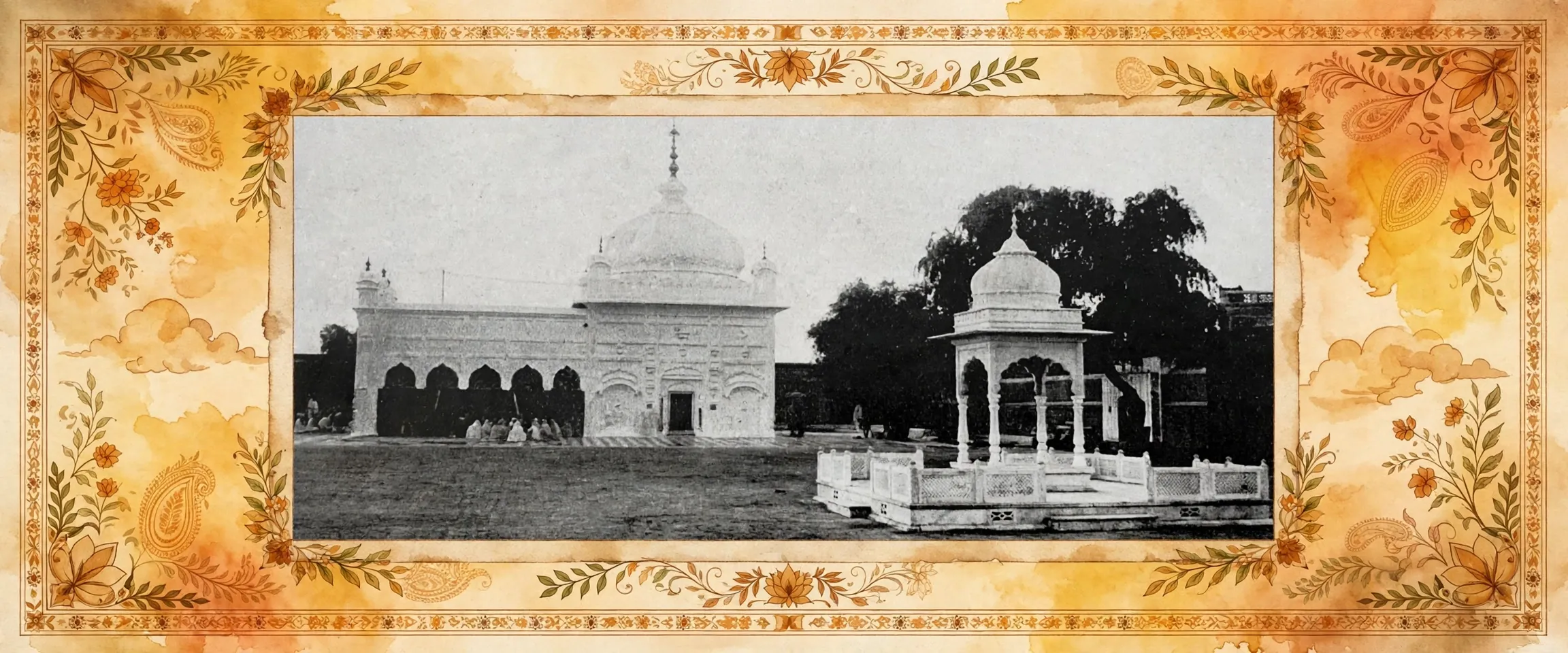
Saka Nankana Sahib is the massacre of 20 February 1921, when a peaceful jatha of unarmed Sikh reformers was killed by the custodian Mahant Narain Das and his hired men inside Gurdwara Janam Asthan at Nankana Sahib, the birthplace of Guru Nanak Dev Ji. The reformers had marched to free the shrine from a corrupt hereditary custodian. The killings shocked Punjab, forced the British to hand the shrine to the Sikh community, and became the turning point of the Gurdwara Reform Movement.
- Punjabi name
- ਸਾਕਾ ਨਨਕਾਣਾ ਸਾਹਿਬ
- Date
- 20 February 1921
- Place
- Gurdwara Janam Asthan, Nankana Sahib
- Location
- Nankana Sahib, Punjab (now Pakistan)
- Jatha led by
- Bhai Lachhman Singh Dharowali
- Deaths
- Officially 86; other estimates 140 to 260
All 9 facts
- Observed
- Every year on 20 February
- Part of
- Gurdwara Reform Movement (Akali movement)
- Outcome
- Shrine handed to the Shiromani Gurdwara Parbandhak Committee
Saka Nankana Sahib is the name Sikhs give to the massacre of 20 February 1921, when a peaceful jatha of about 150 unarmed reformers was killed inside Gurdwara Janam Asthan at Nankana Sahib. The reformers had come to free the shrine, the birthplace of Guru Nanak Dev Ji, from a corrupt custodian. Their deaths turned a local dispute into the turning point of the Gurdwara Reform Movement.
What happened at Nankana Sahib on 20 February 1921?
In the early hours of 20 February 1921, a jatha of about 150 Sikhs entered Gurdwara Janam Asthan at Nankana Sahib, singing hymns as they walked in. They had come unarmed, in the Sikh tradition of peaceful protest, to take charge of the shrine. Waiting for them was the gurdwara's custodian, Mahant Narain Das, with hired gunmen stationed on the roofs. As the reformers sat down to pray, the shooting began. Those who were not shot were cut down with swords and spears. The dead and the wounded were dragged to piles of firewood, doused with kerosene, and burned. Their leader, Bhai Lachhman Singh Dharowali, was tied to a jand tree outside and burned alive. By the time the police arrived, the massacre was over. The official count put the dead at 86. Other accounts put the number between 140 and 260.
Why were the reformers marching on the gurdwara?
Nankana Sahib is the town where Guru Nanak Dev Ji was born in 1469, and Gurdwara Janam Asthan marks the place of his birth. By the early twentieth century, the shrine and six others in the town were in the hands of Udasi priests who had held them for generations. The priests treated the shrines' lands and income as their own, and their conduct had become a scandal. In 1918, two cases of molestation of women pilgrims were reported. Petitions to the government went unheeded. The Singh Sabha movement had been preaching reform for decades, and by 1920 the protest had become a movement. On 5 October 1920, Sikhs took over Gurdwara Babe di Ber at Sialkot, the first shrine freed from priestly control. A week later they occupied the Harimandar and the Akal Takht at Amritsar. Mahant Narain Das, the custodian of Janam Asthan, was the wealthiest of the Nankana priests and the most notorious for his conduct. He answered by recruiting a private army and stocking arms. The Shiromani Gurdwara Parbandhak Committee, formed in November 1920, had planned to ask him to hand over the shrine on 3 March 1921. Then word came that the Mahant meant to have the Sikh leaders killed when they arrived. At a meeting at Gurdwara Khara Sauda on 16 February, the leaders decided not to wait. Bhai Kartar Singh Jhabbar and Bhai Lachhman Singh Dharowali would lead jathas to Nankana Sahib on 20 February, the day the Mahant was expected to be away in Lahore.
The morning of the saka
The jatha set out on the night of 19 February, after taking a hukamnama, and marched through the night so as to reach the shrine at amrit vela, the hour before dawn. Fifty more Sikhs joined on the way, bringing the number to about 200. Near the town, a messenger from the Shiromani Committee caught up with them and asked them to postpone the action. Lachhman Singh hesitated. It was Jathedar Tehal Singh who held the jatha to its resolve, reminding them that the ardas had been said and the Guru's word taken. They pressed on. At the railway crossing near the town, another messenger tried to turn them back, and again Tehal Singh refused. The jatha entered the Darshani Deori, the gateway of the shrine, and shut the main door behind them. Some sat in the prakash asthan, where the Guru Granth Sahib rests, and others on the platform and the barandari. Lachhman Singh sat in attendance of the scripture. It was their singing, their jaikaras, that told Narain Das they had come. He ordered his men to kill everyone inside. Bullets were fired from the roof of an adjoining building. Several pierced the Guru Granth Sahib itself. Outside the main gate, the Mahant rode up and down on horseback, pistol in hand, shouting that not a single long-haired Sikh should be left alive. Bhai Dalip Singh, a respected Sikh the Mahant knew well, came to plead with him to stop. Narain Das shot him dead on the spot.
What happened after the massacre?
News of the killings spread across Punjab within hours. Sikhs from every district began marching towards Nankana Sahib. Bhai Kartar Singh Jhabbar arrived the next day with 2,200 Sikhs. Fearing a wider rising, the Lahore Commissioner handed the keys of the shrine to the Shiromani Committee and arrested Narain Das and his men. The Punjab Governor, Sir Edward Maclagan, visited the site on 22 February. Mahatma Gandhi came on 3 March, with the Muslim leaders Shaukat Ali and Muhammad Ali, to pay his respects. Princess Bamba Duleep Singh, daughter of Maharaja Duleep Singh, also came to honour the martyrs. The cremation rites were held on 23 February, when charred bodies and scattered remains were gathered from the bloodstained chambers and burned on a great pyre. The criminal case against Narain Das and his men began on 5 April 1921, a day the Sikhs observed as Martyrs' Day. On 12 October 1921, the sessions court sentenced Narain Das and seven others to death and eight more to transportation for life. On appeal, the High Court reduced Narain Das's sentence to life imprisonment on 3 March 1922. The Shiromani Committee set up a fund for the martyrs' families and founded the Shahid Sikh Missionary College at Amritsar as a permanent memorial. The Committee also called on Sikhs to wear black turbans in memory of the martyrs until Guru Nanak's birth anniversary that November, and the black turban became the insignia of the Akalis.
Why does Saka Nankana Sahib still matter?
The word saka means a historic event, and in Sikh usage it marks a day of martyrdom. The massacre is remembered as second in political importance only to the Jallianwala Bagh massacre of April 1919, and it stands at the core of the Gurdwara Reform Movement. Before Nankana Sahib, the reform movement was a protest. After it, the movement had martyrs, and the British could no longer treat the mahants as allies. The struggle that followed led to the Sikh Gurdwaras Act of 1925, which took the historic shrines out of the mahants' hands and placed them under the elected Shiromani Gurdwara Parbandhak Committee. The saka also fixed the character of the Akali movement: unarmed, disciplined, and willing to accept death rather than answer violence with violence. The jatha had marched in knowing what might happen, and its members kept their resolve even when the shooting started. That discipline became the model for the morchas that followed in the 1920s.
Remembering the martyrs today
Every year on 20 February, Sikhs gather at the Shaheedi Asthan at Nankana Sahib to remember the martyrs. The Guru Granth Sahib saroop that carries the bullet marks of that morning is brought out for darshan between 2 and 4 in the afternoon. At the shrine, visitors can see Shahid Ganj, the place of martyrdom, and the Shahidi Jand, the martyrs' tree to which Bhai Lachhman Singh was tied. Nankana Sahib is in Pakistan, about 75 kilometres west of Lahore, and Sikh pilgrims visit it in jathas, most of all for the Guru Nanak Gurpurab and for the saka anniversary itself. The gurdwaras of the town, and the story of what happened there, are part of every pilgrimage to the birthplace of the Guru.
ਸਾਕਾ ਨਨਕਾਣਾ ਸਾਹਿਬ 20 ਫਰਵਰੀ 1921 ਦੇ ਕਤਲੇਆਮ ਨੂੰ ਕਿਹਾ ਜਾਂਦਾ ਹੈ, ਜਦੋਂ ਗੁਰਦੁਆਰਾ ਜਨਮ ਅਸਥਾਨ, ਨਨਕਾਣਾ ਸਾਹਿਬ ਵਿਖੇ ਨਿਹੱਥੇ ਸਿੱਖ ਸੁਧਾਰਕਾਂ ਦਾ ਇੱਕ ਸ਼ਾਂਤਮਈ ਜਥਾ ਮਾਰ ਦਿੱਤਾ ਗਿਆ ਸੀ। ਸੁਧਾਰਕ ਅਸਥਾਨ ਨੂੰ ਭ੍ਰਿਸ਼ਟ ਮਹੰਤ ਤੋਂ ਆਜ਼ਾਦ ਕਰਵਾਉਣ ਆਏ ਸਨ। ਉਨ੍ਹਾਂ ਦੀ ਸ਼ਹਾਦਤ ਨੇ ਗੁਰਦੁਆਰਾ ਸੁਧਾਰ ਲਹਿਰ ਨੂੰ ਮੋੜ ਦਿੱਤਾ।
20 ਫਰਵਰੀ 1921 ਨੂੰ ਨਨਕਾਣਾ ਸਾਹਿਬ ਵਿਖੇ ਕੀ ਹੋਇਆ?
20 ਫਰਵਰੀ 1921 ਦੀ ਤੜਕੇ ਨੂੰ ਲਗਭਗ 150 ਸਿੱਖ ਗੁਰਦੁਆਰਾ ਜਨਮ ਅਸਥਾਨ ਵਿਖੇ ਕੀਰਤਨ ਕਰਦੇ ਹੋਏ ਅੰਦਰ ਆਏ। ਉਹ ਨਿਹੱਥੇ ਸਨ ਅਤੇ ਸ਼ਾਂਤਮਈ ਢੰਗ ਨਾਲ ਅਸਥਾਨ ਸੰਭਾਲਣ ਆਏ ਸਨ। ਗੁਰਦੁਆਰੇ ਦੇ ਮਹੰਤ ਨਰੈਣ ਦਾਸ ਨੇ ਛੱਤਾਂ ਉੱਤੇ ਕਿਰਾਏ ਦੇ ਬੰਦੂਕਧਾਰੀ ਬਿਠਾਏ ਹੋਏ ਸਨ। ਜਦੋਂ ਸੁਧਾਰਕ ਅਰਦਾਸ ਕਰਕੇ ਬੈਠੇ ਤਾਂ ਗੋਲੀਆਂ ਚੱਲਣ ਲੱਗੀਆਂ। ਜੋ ਗੋਲੀ ਤੋਂ ਬਚੇ, ਉਨ੍ਹਾਂ ਨੂੰ ਤਲਵਾਰਾਂ ਅਤੇ ਬਰਛਿਆਂ ਨਾਲ ਮਾਰ ਦਿੱਤਾ ਗਿਆ। ਮਰੇ ਹੋਏ ਅਤੇ ਜ਼ਖ਼ਮੀ ਸਿੰਘਾਂ ਨੂੰ ਲੱਕੜੀਆਂ ਦੇ ਢੇਰ ਉੱਤੇ ਪਾ ਕੇ ਮਿੱਟੀ ਦਾ ਤੇਲ ਪਾ ਕੇ ਅੱਗ ਲਾ ਦਿੱਤੀ ਗਈ। ਜਥੇ ਦੇ ਆਗੂ ਭਾਈ ਲਛਮਣ ਸਿੰਘ ਧਾਰੋਵਾਲੀ ਨੂੰ ਬਾਹਰ ਇੱਕ ਜੰਡ ਦੇ ਰੁੱਖ ਨਾਲ ਬੰਨ੍ਹ ਕੇ ਜਿਉਂਦਿਆਂ ਸਾੜ ਦਿੱਤਾ ਗਿਆ। ਜਦੋਂ ਪੁਲਿਸ ਪਹੁੰਚੀ ਤਾਂ ਕਤਲੇਆਮ ਖ਼ਤਮ ਹੋ ਚੁੱਕਾ ਸੀ। ਸਰਕਾਰੀ ਅੰਕੜੇ ਅਨੁਸਾਰ 86 ਸਿੰਘ ਮਾਰੇ ਗਏ, ਜਦੋਂ ਕਿ ਹੋਰ ਅੰਦਾਜ਼ਿਆਂ ਅਨੁਸਾਰ ਇਹ ਗਿਣਤੀ 140 ਤੋਂ 260 ਤੱਕ ਸੀ।
ਸੁਧਾਰਕ ਗੁਰਦੁਆਰੇ ਵੱਲ ਕਿਉਂ ਮਾਰਚ ਕਰ ਰਹੇ ਸਨ?
ਨਨਕਾਣਾ ਸਾਹਿਬ ਉਹ ਥਾਂ ਹੈ ਜਿੱਥੇ 1469 ਵਿੱਚ ਗੁਰੂ ਨਾਨਕ ਦੇਵ ਜੀ ਦਾ ਜਨਮ ਹੋਇਆ ਸੀ, ਅਤੇ ਗੁਰਦੁਆਰਾ ਜਨਮ ਅਸਥਾਨ ਉਨ੍ਹਾਂ ਦੇ ਜਨਮ ਦੀ ਥਾਂ ਹੈ। ਵੀਹਵੀਂ ਸਦੀ ਦੇ ਸ਼ੁਰੂ ਤੱਕ ਇਹ ਅਸਥਾਨ ਅਤੇ ਸ਼ਹਿਰ ਦੇ ਹੋਰ ਛੇ ਗੁਰਦੁਆਰੇ ਉਦਾਸੀ ਪੁਜਾਰੀਆਂ ਦੇ ਹੱਥ ਸਨ, ਜਿਨ੍ਹਾਂ ਕੋਲ ਇਹ ਪੀੜ੍ਹੀਆਂ ਤੋਂ ਚਲੇ ਆ ਰਹੇ ਸਨ। ਪੁਜਾਰੀ ਅਸਥਾਨਾਂ ਦੀ ਜ਼ਮੀਨ ਅਤੇ ਆਮਦਨ ਨੂੰ ਆਪਣੀ ਜਾਇਦਾਦ ਸਮਝਦੇ ਸਨ, ਅਤੇ ਉਨ੍ਹਾਂ ਦੇ ਚਲਣ ਬਾਰੇ ਬਦਨਾਮੀ ਫੈਲ ਗਈ ਸੀ। 1918 ਵਿੱਚ ਔਰਤ ਸ਼ਰਧਾਲੂਆਂ ਨਾਲ ਛੇੜਛਾੜ ਦੇ ਦੋ ਮਾਮਲੇ ਸਾਹਮਣੇ ਆਏ। ਸਰਕਾਰ ਨੂੰ ਭੇਜੀਆਂ ਅਰਜ਼ੀਆਂ ਦਾ ਕੋਈ ਅਸਰ ਨਾ ਹੋਇਆ। ਸਿੰਘ ਸਭਾ ਲਹਿਰ ਦਹਾਕਿਆਂ ਤੋਂ ਸੁਧਾਰ ਦਾ ਪ੍ਰਚਾਰ ਕਰ ਰਹੀ ਸੀ, ਅਤੇ 1920 ਤੱਕ ਵਿਰੋਧ ਇੱਕ ਲਹਿਰ ਬਣ ਗਿਆ। 5 ਅਕਤੂਬਰ 1920 ਨੂੰ ਸਿੱਖਾਂ ਨੇ ਸਿਆਲਕੋਟ ਦਾ ਗੁਰਦੁਆਰਾ ਬਾਬੇ ਦੀ ਬੇਰ ਪੁਜਾਰੀਆਂ ਤੋਂ ਆਜ਼ਾਦ ਕਰਵਾਇਆ। ਇੱਕ ਹਫ਼ਤੇ ਬਾਅਦ ਉਨ੍ਹਾਂ ਨੇ ਅੰਮ੍ਰਿਤਸਰ ਵਿਖੇ ਹਰਿਮੰਦਰ ਅਤੇ ਅਕਾਲ ਤਖ਼ਤ ਸੰਭਾਲ ਲਏ। ਨਨਕਾਣਾ ਸਾਹਿਬ ਦਾ ਮਹੰਤ ਨਰੈਣ ਦਾਸ ਸਭ ਤੋਂ ਅਮੀਰ ਅਤੇ ਸਭ ਤੋਂ ਬਦਨਾਮ ਪੁਜਾਰੀ ਸੀ। ਉਸ ਨੇ ਆਪਣੀ ਨਿੱਜੀ ਫ਼ੌਜ ਖੜ੍ਹੀ ਕਰ ਲਈ ਅਤੇ ਹਥਿਆਰ ਇਕੱਠੇ ਕਰ ਲਏ। ਨਵੰਬਰ 1920 ਵਿੱਚ ਬਣੀ ਸ਼੍ਰੋਮਣੀ ਗੁਰਦੁਆਰਾ ਪ੍ਰਬੰਧਕ ਕਮੇਟੀ ਨੇ 3 ਮਾਰਚ 1921 ਨੂੰ ਉਸ ਨੂੰ ਅਸਥਾਨ ਸੌਂਪਣ ਲਈ ਕਹਿਣ ਦੀ ਯੋਜਨਾ ਬਣਾਈ ਸੀ। ਫਿਰ ਖ਼ਬਰ ਮਿਲੀ ਕਿ ਮਹੰਤ ਆਏ ਹੋਏ ਸਿੱਖ ਆਗੂਆਂ ਨੂੰ ਮਰਵਾਉਣਾ ਚਾਹੁੰਦਾ ਹੈ। 16 ਫਰਵਰੀ ਨੂੰ ਗੁਰਦੁਆਰਾ ਖਾਰਾ ਸੌਦਾ ਵਿਖੇ ਹੋਈ ਮੀਟਿੰਗ ਵਿੱਚ ਆਗੂਆਂ ਨੇ ਇੰਤਜ਼ਾਰ ਨਾ ਕਰਨ ਦਾ ਫ਼ੈਸਲਾ ਕੀਤਾ। ਭਾਈ ਕਰਤਾਰ ਸਿੰਘ ਝੱਬਰ ਅਤੇ ਭਾਈ ਲਛਮਣ ਸਿੰਘ ਧਾਰੋਵਾਲੀ 20 ਫਰਵਰੀ ਨੂੰ ਜਥੇ ਲੈ ਕੇ ਨਨਕਾਣਾ ਸਾਹਿਬ ਜਾਣਗੇ, ਉਸ ਦਿਨ ਜਦੋਂ ਮਹੰਤ ਦੇ ਲਾਹੌਰ ਜਾਣ ਦੀ ਖ਼ਬਰ ਸੀ।
ਸਾਕੇ ਵਾਲੀ ਸਵੇਰ
ਜਥਾ 19 ਫਰਵਰੀ ਦੀ ਰਾਤ ਨੂੰ ਹੁਕਮਨਾਮਾ ਲੈ ਕੇ ਰਵਾਨਾ ਹੋਇਆ ਅਤੇ ਸਾਰੀ ਰਾਤ ਮਾਰਚ ਕਰਕੇ ਅੰਮ੍ਰਿਤ ਵੇਲੇ ਅਸਥਾਨ ਪਹੁੰਚਣਾ ਸੀ। ਰਾਹ ਵਿੱਚ ਪੰਜਾਹ ਹੋਰ ਸਿੰਘ ਜੁੜ ਗਏ, ਜਿਸ ਨਾਲ ਗਿਣਤੀ ਲਗਭਗ 200 ਹੋ ਗਈ। ਸ਼ਹਿਰ ਨੇੜੇ ਸ਼੍ਰੋਮਣੀ ਕਮੇਟੀ ਦਾ ਇੱਕ ਸੁਨੇਹਾ ਲੈ ਕੇ ਆਇਆ ਅਤੇ ਕਾਰਵਾਈ ਮੁਲਤਵੀ ਕਰਨ ਲਈ ਕਿਹਾ। ਲਛਮਣ ਸਿੰਘ ਝਿਜਕ ਗਿਆ। ਜਥੇਦਾਰ ਤਹਿਲ ਸਿੰਘ ਨੇ ਜਥੇ ਨੂੰ ਆਪਣੇ ਫ਼ੈਸਲੇ ਉੱਤੇ ਕਾਇਮ ਰੱਖਿਆ ਅਤੇ ਯਾਦ ਕਰਵਾਇਆ ਕਿ ਅਰਦਾਸ ਹੋ ਚੁੱਕੀ ਹੈ ਅਤੇ ਗੁਰੂ ਦਾ ਬਚਨ ਲਿਆ ਜਾ ਚੁੱਕਾ ਹੈ। ਜਥਾ ਅੱਗੇ ਵਧਿਆ। ਸ਼ਹਿਰ ਨੇੜੇ ਰੇਲਵੇ ਫਾਟਕ ਕੋਲ ਇੱਕ ਹੋਰ ਸੁਨੇਹਾ ਆਇਆ, ਅਤੇ ਤਹਿਲ ਸਿੰਘ ਨੇ ਫਿਰ ਇਨਕਾਰ ਕਰ ਦਿੱਤਾ। ਜਥਾ ਦਰਸ਼ਨੀ ਡਿਉੜ੍ਹੀ ਰਾਹੀਂ ਅੰਦਰ ਆਇਆ ਅਤੇ ਮੁੱਖ ਦਰਵਾਜ਼ਾ ਅੰਦਰੋਂ ਬੰਦ ਕਰ ਲਿਆ। ਕੁਝ ਪ੍ਰਕਾਸ਼ ਅਸਥਾਨ ਵਿੱਚ ਬੈਠ ਗਏ, ਜਿੱਥੇ ਗੁਰੂ ਗ੍ਰੰਥ ਸਾਹਿਬ ਪ੍ਰਕਾਸ਼ਮਾਨ ਹੁੰਦਾ ਹੈ, ਅਤੇ ਕੁਝ ਚੁਬਾਰੇ ਅਤੇ ਬਰਾਂਡੇ ਵਿੱਚ। ਲਛਮਣ ਸਿੰਘ ਗੁਰੂ ਗ੍ਰੰਥ ਸਾਹਿਬ ਦੀ ਤਾਬਿਆ ਵਿੱਚ ਬੈਠ ਗਿਆ। ਉਨ੍ਹਾਂ ਦੇ ਕੀਰਤਨ ਅਤੇ ਜੈਕਾਰਿਆਂ ਤੋਂ ਨਰੈਣ ਦਾਸ ਨੂੰ ਪਤਾ ਲੱਗ ਗਿਆ ਕਿ ਉਹ ਆ ਗਏ ਹਨ। ਉਸ ਨੇ ਆਪਣੇ ਬੰਦਿਆਂ ਨੂੰ ਅੰਦਰ ਸਾਰਿਆਂ ਨੂੰ ਮਾਰਨ ਦਾ ਹੁਕਮ ਦਿੱਤਾ। ਨਾਲ ਦੀ ਇਮਾਰਤ ਦੀ ਛੱਤ ਤੋਂ ਗੋਲੀਆਂ ਚਲਾਈਆਂ ਗਈਆਂ। ਕਈ ਗੋਲੀਆਂ ਗੁਰੂ ਗ੍ਰੰਥ ਸਾਹਿਬ ਨੂੰ ਵੀ ਲੱਗੀਆਂ। ਮੁੱਖ ਦਰਵਾਜ਼ੇ ਦੇ ਬਾਹਰ ਮਹੰਤ ਘੋੜੇ ਉੱਤੇ ਸਵਾਰ ਹੋ ਕੇ, ਹੱਥ ਵਿੱਚ ਪਿਸਤੌਲ ਫੜ੍ਹ ਕੇ, ਚੀਕ ਰਿਹਾ ਸੀ ਕਿ ਕੋਈ ਲੰਮੇ ਕੇਸਾਂ ਵਾਲਾ ਸਿੱਖ ਜਿਉਂਦਾ ਨਾ ਜਾਵੇ। ਭਾਈ ਦਲੀਪ ਸਿੰਘ, ਇੱਕ ਸਤਿਕਾਰਤ ਸਿੱਖ ਜਿਸ ਨੂੰ ਮਹੰਤ ਚੰਗੀ ਤਰ੍ਹਾਂ ਜਾਣਦਾ ਸੀ, ਉਸ ਨੂੰ ਰੋਕਣ ਆਇਆ। ਨਰੈਣ ਦਾਸ ਨੇ ਉਸ ਨੂੰ ਉੱਥੇ ਹੀ ਗੋਲੀ ਮਾਰ ਦਿੱਤੀ।
ਕਤਲੇਆਮ ਤੋਂ ਬਾਅਦ ਕੀ ਹੋਇਆ?
ਕਤਲੇਆਮ ਦੀ ਖ਼ਬਰ ਕੁਝ ਘੰਟਿਆਂ ਵਿੱਚ ਪੂਰੇ ਪੰਜਾਬ ਵਿੱਚ ਫੈਲ ਗਈ। ਹਰ ਜ਼ਿਲ੍ਹੇ ਤੋਂ ਸਿੱਖ ਨਨਕਾਣਾ ਸਾਹਿਬ ਵੱਲ ਮਾਰਚ ਕਰਨ ਲੱਗੇ। ਅਗਲੇ ਦਿਨ ਭਾਈ ਕਰਤਾਰ ਸਿੰਘ ਝੱਬਰ 2,200 ਸਿੱਖਾਂ ਨਾਲ ਪਹੁੰਚ ਗਿਆ। ਵੱਡੀ ਗੜਬੜ ਦੇ ਡਰੋਂ ਲਾਹੌਰ ਦੇ ਕਮਿਸ਼ਨਰ ਨੇ ਅਸਥਾਨ ਦੀਆਂ ਚਾਬੀਆਂ ਸ਼੍ਰੋਮਣੀ ਕਮੇਟੀ ਨੂੰ ਸੌਂਪ ਦਿੱਤੀਆਂ ਅਤੇ ਨਰੈਣ ਦਾਸ ਅਤੇ ਉਸ ਦੇ ਬੰਦਿਆਂ ਨੂੰ ਗ੍ਰਿਫ਼ਤਾਰ ਕਰ ਲਿਆ। ਪੰਜਾਬ ਦੇ ਗਵਰਨਰ ਸਰ ਐਡਵਰਡ ਮੈਕਲਾਗਨ 22 ਫਰਵਰੀ ਨੂੰ ਥਾਂ ਦਾ ਦੌਰਾ ਕਰਨ ਆਏ। ਮਹਾਤਮਾ ਗਾਂਧੀ 3 ਮਾਰਚ ਨੂੰ ਮੁਸਲਿਮ ਆਗੂਆਂ ਸ਼ੌਕਤ ਅਲੀ ਅਤੇ ਮੁਹੰਮਦ ਅਲੀ ਨਾਲ ਸ਼ਹੀਦਾਂ ਨੂੰ ਸ਼ਰਧਾਂਜਲੀ ਦੇਣ ਆਏ। ਮਹਾਰਾਜਾ ਦਲੀਪ ਸਿੰਘ ਦੀ ਧੀ ਰਾਜਕੁਮਾਰੀ ਬੰਬਾ ਦਲੀਪ ਸਿੰਘ ਵੀ ਸ਼ਹੀਦਾਂ ਦਾ ਸਤਿਕਾਰ ਕਰਨ ਆਈ। ਸਸਕਾਰ 23 ਫਰਵਰੀ ਨੂੰ ਕੀਤਾ ਗਿਆ, ਜਦੋਂ ਖ਼ੂਨ ਨਾਲ ਲਿੱਬੜੇ ਕਮਰਿਆਂ ਵਿੱਚੋਂ ਸੜੇ ਹੋਏ ਸਰੀਰ ਅਤੇ ਖਿੰਡੇ ਹੋਏ ਅੰਗ ਇਕੱਠੇ ਕਰਕੇ ਇੱਕ ਵੱਡੀ ਚਿਖਾ ਉੱਤੇ ਸਾੜੇ ਗਏ। ਨਰੈਣ ਦਾਸ ਅਤੇ ਉਸ ਦੇ ਬੰਦਿਆਂ ਖ਼ਿਲਾਫ਼ ਮੁਕੱਦਮਾ 5 ਅਪ੍ਰੈਲ 1921 ਨੂੰ ਸ਼ੁਰੂ ਹੋਇਆ, ਜਿਸ ਦਿਨ ਨੂੰ ਸਿੱਖਾਂ ਨੇ ਸ਼ਹੀਦੀ ਦਿਵਸ ਵਜੋਂ ਮਨਾਇਆ। 12 ਅਕਤੂਬਰ 1921 ਨੂੰ ਸੈਸ਼ਨ ਕੋਰਟ ਨੇ ਨਰੈਣ ਦਾਸ ਅਤੇ ਸੱਤ ਹੋਰਾਂ ਨੂੰ ਮੌਤ ਦੀ ਸਜ਼ਾ ਅਤੇ ਅੱਠ ਨੂੰ ਉਮਰ ਕੈਦ ਦੀ ਸਜ਼ਾ ਸੁਣਾਈ। ਅਪੀਲ ਉੱਤੇ ਹਾਈ ਕੋਰਟ ਨੇ 3 ਮਾਰਚ 1922 ਨੂੰ ਨਰੈਣ ਦਾਸ ਦੀ ਸਜ਼ਾ ਘਟਾ ਕੇ ਉਮਰ ਕੈਦ ਕਰ ਦਿੱਤੀ। ਸ਼੍ਰੋਮਣੀ ਕਮੇਟੀ ਨੇ ਸ਼ਹੀਦਾਂ ਦੇ ਪਰਿਵਾਰਾਂ ਦੀ ਮਦਦ ਲਈ ਇੱਕ ਫੰਡ ਬਣਾਇਆ ਅਤੇ ਸ਼ਹੀਦਾਂ ਦੀ ਯਾਦ ਵਿੱਚ ਅੰਮ੍ਰਿਤਸਰ ਵਿਖੇ ਸ਼ਹੀਦ ਸਿੱਖ ਮਿਸ਼ਨਰੀ ਕਾਲਜ ਖੋਲ੍ਹਿਆ। ਕਮੇਟੀ ਨੇ ਸਿੱਖਾਂ ਨੂੰ ਗੁਰੂ ਨਾਨਕ ਦੇਵ ਜੀ ਦੇ ਜਨਮ ਦਿਨ ਤੱਕ ਕਾਲੀਆਂ ਦਸਤਾਰਾਂ ਬੰਨ੍ਹਣ ਦੀ ਅਪੀਲ ਕੀਤੀ, ਅਤੇ ਕਾਲੀ ਦਸਤਾਰ ਅਕਾਲੀਆਂ ਦੀ ਪਛਾਣ ਬਣ ਗਈ।
ਸਾਕਾ ਨਨਕਾਣਾ ਸਾਹਿਬ ਅੱਜ ਵੀ ਕਿਉਂ ਮਾਇਨੇ ਰੱਖਦਾ ਹੈ?
ਸਾਕਾ ਸ਼ਬਦ ਦਾ ਮਤਲਬ ਇਤਿਹਾਸਕ ਘਟਨਾ ਹੈ, ਅਤੇ ਸਿੱਖ ਵਰਤੋਂ ਵਿੱਚ ਇਹ ਸ਼ਹਾਦਤ ਦੇ ਦਿਨ ਨੂੰ ਦਰਸਾਉਂਦਾ ਹੈ। ਸਾਕੇ ਨੂੰ ਸਿਆਸੀ ਮਹੱਤਤਾ ਵਿੱਚ ਅਪ੍ਰੈਲ 1919 ਦੇ ਜਲ੍ਹਿਆਂਵਾਲਾ ਬਾਗ਼ ਕਤਲੇਆਮ ਤੋਂ ਬਾਅਦ ਦੂਜੇ ਨੰਬਰ ਉੱਤੇ ਰੱਖਿਆ ਜਾਂਦਾ ਹੈ, ਅਤੇ ਇਹ ਗੁਰਦੁਆਰਾ ਸੁਧਾਰ ਲਹਿਰ ਦੇ ਕੇਂਦਰ ਵਿੱਚ ਹੈ। ਨਨਕਾਣਾ ਸਾਹਿਬ ਤੋਂ ਪਹਿਲਾਂ ਸੁਧਾਰ ਲਹਿਰ ਇੱਕ ਵਿਰੋਧ ਸੀ। ਉਸ ਤੋਂ ਬਾਅਦ ਲਹਿਰ ਕੋਲ ਸ਼ਹੀਦ ਸਨ, ਅਤੇ ਅੰਗਰੇਜ਼ ਮਹੰਤਾਂ ਨੂੰ ਆਪਣੇ ਸਹਿਯੋਗੀ ਵਜੋਂ ਨਹੀਂ ਰੱਖ ਸਕਦੇ ਸਨ। ਉਸ ਤੋਂ ਬਾਅਦ ਦੀ ਲੜਾਈ ਨੇ 1925 ਦੇ ਸਿੱਖ ਗੁਰਦੁਆਰਾ ਐਕਟ ਨੂੰ ਜਨਮ ਦਿੱਤਾ, ਜਿਸ ਨੇ ਇਤਿਹਾਸਕ ਅਸਥਾਨ ਮਹੰਤਾਂ ਦੇ ਹੱਥੋਂ ਲੈ ਕੇ ਚੁਣੀ ਹੋਈ ਸ਼੍ਰੋਮਣੀ ਗੁਰਦੁਆਰਾ ਪ੍ਰਬੰਧਕ ਕਮੇਟੀ ਨੂੰ ਸੌਂਪ ਦਿੱਤੇ। ਸਾਕੇ ਨੇ ਅਕਾਲੀ ਲਹਿਰ ਦਾ ਚਰਿੱਤਰ ਵੀ ਤੈਅ ਕਰ ਦਿੱਤਾ: ਨਿਹੱਥੇ, ਅਨੁਸ਼ਾਸਿਤ, ਅਤੇ ਹਿੰਸਾ ਦਾ ਜਵਾਬ ਹਿੰਸਾ ਨਾਲ ਦੇਣ ਦੀ ਬਜਾਏ ਮੌਤ ਕਬੂਲ ਕਰਨ ਲਈ ਤਿਆਰ। ਜਥਾ ਜਾਣਦਾ ਸੀ ਕਿ ਕੀ ਹੋ ਸਕਦਾ ਹੈ, ਅਤੇ ਗੋਲੀਆਂ ਚੱਲਣ ਉੱਤੇ ਵੀ ਉਸ ਦੇ ਮੈਂਬਰ ਆਪਣੇ ਫ਼ੈਸਲੇ ਉੱਤੇ ਕਾਇਮ ਰਹੇ। ਇਹੀ ਅਨੁਸ਼ਾਸਨ ਉਸ ਤੋਂ ਬਾਅਦ ਦੇ ਮੋਰਚਿਆਂ ਦਾ ਮਾਡਲ ਬਣਿਆ।
ਸ਼ਹੀਦਾਂ ਨੂੰ ਅੱਜ ਕਿਵੇਂ ਯਾਦ ਕੀਤਾ ਜਾਂਦਾ ਹੈ?
ਹਰ ਸਾਲ 20 ਫਰਵਰੀ ਨੂੰ ਸਿੱਖ ਨਨਕਾਣਾ ਸਾਹਿਬ ਦੇ ਸ਼ਹੀਦੀ ਅਸਥਾਨ ਉੱਤੇ ਇਕੱਠੇ ਹੋ ਕੇ ਸ਼ਹੀਦਾਂ ਨੂੰ ਯਾਦ ਕਰਦੇ ਹਨ। ਉਸ ਸਵੇਰ ਦੀਆਂ ਗੋਲੀਆਂ ਦੇ ਨਿਸ਼ਾਨ ਵਾਲਾ ਗੁਰੂ ਗ੍ਰੰਥ ਸਾਹਿਬ ਦਾ ਸਰੂਪ ਦੁਪਹਿਰ 2 ਤੋਂ 4 ਵਜੇ ਤੱਕ ਦਰਸ਼ਨਾਂ ਲਈ ਰੱਖਿਆ ਜਾਂਦਾ ਹੈ। ਅਸਥਾਨ ਉੱਤੇ ਸ਼ਹੀਦ ਗੰਜ, ਸ਼ਹਾਦਤ ਦੀ ਥਾਂ, ਅਤੇ ਸ਼ਹੀਦੀ ਜੰਡ, ਉਹ ਰੁੱਖ ਜਿਸ ਨਾਲ ਭਾਈ ਲਛਮਣ ਸਿੰਘ ਬੰਨ੍ਹਿਆ ਗਿਆ ਸੀ, ਦੇਖੇ ਜਾ ਸਕਦੇ ਹਨ। ਨਨਕਾਣਾ ਸਾਹਿਬ ਪਾਕਿਸਤਾਨ ਵਿੱਚ ਲਾਹੌਰ ਤੋਂ ਲਗਭਗ 75 ਕਿਲੋਮੀਟਰ ਪੱਛਮ ਵਿੱਚ ਹੈ, ਅਤੇ ਸਿੱਖ ਸ਼ਰਧਾਲੂ ਜਥਿਆਂ ਵਿੱਚ ਉੱਥੇ ਜਾਂਦੇ ਹਨ, ਸਭ ਤੋਂ ਵੱਧ ਗੁਰੂ ਨਾਨਕ ਗੁਰਪੁਰਬ ਅਤੇ ਸਾਕੇ ਦੀ ਵਰ੍ਹੇਗੰਢ ਉੱਤੇ।
More religion entries to explore
Sources (3)
Jugti is free and independent. Reader support keeps the Kosh growing.
Support