
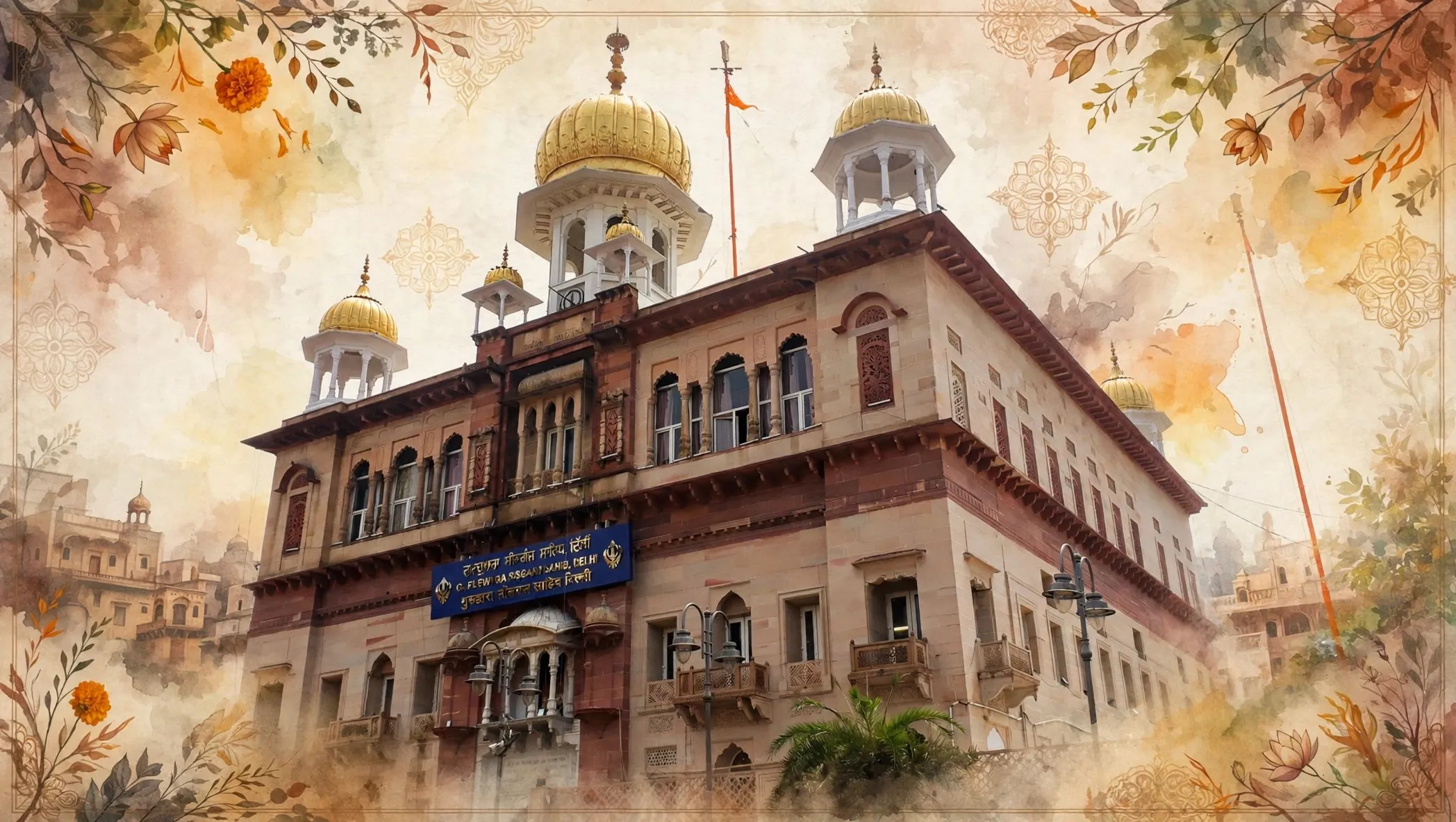
Guru Tegh Bahadur Shaheedi Diwas is the annual day of remembrance for the martyrdom of Guru Tegh Bahadur Ji, the ninth Sikh Guru, who was executed in Delhi in 1675 after standing for the right of Kashmiri Pandits to practise their faith. It is observed every year on 24 November, with the largest gatherings at Gurdwara Sis Ganj Sahib, the site of the martyrdom in Chandni Chowk, and Gurdwara Rakab Ganj Sahib, the site of the cremation.
- Punjabi name
- ਗੁਰੂ ਤੇਗ਼ ਬਹਾਦਰ ਸ਼ਹੀਦੀ ਦਿਵਸ
- Date observed
- 24 November every year
- Year of martyrdom
- 1675
- Guru
- Guru Tegh Bahadur Ji, ninth Sikh Guru
- Main sites
- Gurdwara Sis Ganj Sahib and Gurdwara Rakab Ganj Sahib, Delhi
- Also called
- Shaheedi Divas, Martyrdom Day of Guru Tegh Bahadur Ji
All 10 facts
- The stand
- For the right of Kashmiri Pandits to practise their faith
- Companions martyred
- Bhai Mati Das Ji, Bhai Sati Das Ji, Bhai Dayala Das Ji
- 350th anniversary
- 2025
- Holiday status
- Restricted holiday in Punjab; public holiday in some Indian states and territories
Guru Tegh Bahadur Shaheedi Diwas is the annual day of remembrance for the martyrdom of Guru Tegh Bahadur Ji, the ninth Sikh Guru, who was executed in Delhi in 1675 after standing for the right of Kashmiri Pandits to practise their faith. It is observed every year on 24 November, and the largest gatherings take place at Gurdwara Sis Ganj Sahib, the site of the martyrdom in Chandni Chowk, and Gurdwara Rakab Ganj Sahib, the site of the cremation.
When is Shaheedi Diwas observed?
Shaheedi Diwas is observed every year on 24 November. The date comes from the Nanakshahi calendar, which was released by the Shiromani Gurdwara Parbandhak Committee in 2003. The martyrdom itself is dated 11 November 1675 in the Gregorian calendar, and some accounts give 24 November 1675 as the day of the execution. What is not in doubt is the year, 1675, and the place, Chandni Chowk in Delhi, where the Guru was beheaded on the orders of the Mughal emperor Aurangzeb.
The day is a solemn one, not a celebration. Gurdwaras hold special kirtan and katha recounting the life and sacrifice of the ninth Guru, and many Sikhs mark it with quiet reflection. In Punjab it is a restricted holiday, and it is recognised as a public holiday in some other Indian states and territories. The year 2025 marked the 350th anniversary of the martyrdom.
The Kashmiri Pandits come to Anandpur Sahib
Guru Tegh Bahadur Ji became the ninth Sikh Guru in 1664. Eleven years later, in 1675, a delegation of Kashmiri Pandits came to him at Anandpur Sahib, led by Pandit Kirpa Ram. They told him that under Aurangzeb's rule they faced forced conversion, the destruction of their temples and the loss of the sacred thread that marked their way of life. They had come to ask what a people should do when the state demands they surrender their faith.
The Guru listened, and the tradition records that his young son, Gobind Rai, not yet ten years old, asked who was more worthy to answer such a demand than his own father. Guru Tegh Bahadur Ji told the Pandits to carry a message back to Delhi: if the emperor could convert him, the Pandits would follow, and if he could not, they should be left alone. He was offering his own life as the test of the matter, so that the Pandits would not have to face it themselves.
Arrest, imprisonment and the three companions
The Guru set out for Delhi in the summer of 1675 with three trusted companions: Bhai Mati Das Ji, Bhai Sati Das Ji and Bhai Dayala Das Ji. He was arrested at Ropar and imprisoned at Sirhind, then taken to Delhi. There he was pressed to convert to Islam or to prove his holiness by performing a miracle. He refused both.
For eight days he was held in chains and tortured, and he bore it without complaint, keeping his mind fixed on God. When his resolve did not break, his companions were executed before his eyes, each in a different and terrible way, so that he would watch and give in. Bhai Dayala Das Ji was placed in a cauldron of boiling liquid. Bhai Mati Das Ji was sawn in two, from head downwards, after asking that his face stay turned toward his Guru until his last breath. Bhai Sati Das Ji was wrapped in cotton, oil was poured over him, and he was set on fire. None of them wavered, and neither did the Guru.
The martyrdom in Chandni Chowk
After the three companions had been killed, Guru Tegh Bahadur Ji was taken to Chandni Chowk, the main market street of Delhi, and beheaded in full public view. A note is said to have been placed around his neck, in his own words: "I gave my head, but not my faith."
What happened next is told as two acts of extraordinary devotion. Bhai Jaita, a devoted Sikh, secretly carried the severed head from Delhi all the way to Anandpur Sahib, where it was cremated. In honour of his courage he was renamed Bhai Jivan Singh, and a second Gurdwara Sis Ganj Sahib at Anandpur Sahib marks the cremation site. At the same time, Bhai Lakhi Shah Vanjara recovered the Guru's body under the cover of darkness. To cremate it in secret, he set fire to his own house with the body inside. Gurdwara Rakab Ganj Sahib in Delhi stands on that spot today.
His son, Guru Gobind Singh Ji, later wrote of the sacrifice in the Bachittar Natak: "Defying the king of Delhi, he broke the shackles of his body and left to be with God. None could perform such an unmatched great act as that of Guru Tegh Bahadur." The Guru is remembered by the title Hind Di Chadar, the Shield of India, because he laid down his life not for his own community but for the freedom of another community to keep its faith.
How the day is observed today
On 24 November, gurdwaras around the world hold Akhand Paths, the continuous forty-eight hour reading of the Guru Granth Sahib, and Nagar Kirtans, processions of singing through the streets. At Gurdwara Sis Ganj Sahib and Gurdwara Rakab Ganj Sahib in Delhi the gatherings are especially large, and thousands come to stand at the two places where the martyrdom and the cremation took place. Gurdwaras are decorated with lights, and langar is served through the day.
In homes, the reading of the Guru's own bani is the day's most personal observance, above all the Salok Mahala 9, his fifty-seven verses on detachment and the reality of death. Many families read them together and talk about what the verses ask of a person who knows that life is short. The day is kept with kirtan and katha rather than with festivity, and many Sikhs treat it as a day for reflection on courage and on the duty to stand for others.
Why the sacrifice is still remembered
The martyrdom of Guru Tegh Bahadur Ji is remembered as an unusual sacrifice in the history of religion anywhere: a spiritual master who laid down his life not for his own community's survival but for the freedom of a community not his own. He was not defending a temple of his own faith or a people of his own religion. He was defending the right of the Kashmiri Pandits to practise theirs.
That is why the day still speaks beyond Sikh history. It says that faith is not truly faith if it must be enforced, and that defending another person's freedom to worship is itself a sacred act. Three hundred and fifty years after 1675, the lesson of Chandni Chowk is still the same: a single person who refuses to surrender a principle can protect the freedom of many others. On Shaheedi Diwas, Sikhs remember the ninth Guru not with mourning alone but by asking what they themselves would stand for when standing costs something.
ਗੁਰੂ ਤੇਗ਼ ਬਹਾਦਰ ਸ਼ਹੀਦੀ ਦਿਵਸ ਨੌਵੇਂ ਸਿੱਖ ਗੁਰੂ, ਸ੍ਰੀ ਗੁਰੂ ਤੇਗ਼ ਬਹਾਦਰ ਜੀ ਦੀ ਸ਼ਹਾਦਤ ਦੀ ਸਾਲਾਨਾ ਯਾਦ ਵਿੱਚ ਮਨਾਇਆ ਜਾਣ ਵਾਲਾ ਦਿਨ ਹੈ। 1675 ਵਿੱਚ ਦਿੱਲੀ ਵਿੱਚ ਉਨ੍ਹਾਂ ਨੂੰ ਸ਼ਹੀਦ ਕਰ ਦਿੱਤਾ ਗਿਆ ਸੀ, ਕਿਉਂਕਿ ਉਹ ਕਸ਼ਮੀਰੀ ਪੰਡਤਾਂ ਦੇ ਆਪਣੇ ਧਰਮ ’ਤੇ ਚੱਲਣ ਦੇ ਹੱਕ ਲਈ ਖੜ੍ਹੇ ਹੋਏ ਸਨ। ਇਹ ਦਿਨ ਹਰ ਸਾਲ 24 ਨਵੰਬਰ ਨੂੰ ਮਨਾਇਆ ਜਾਂਦਾ ਹੈ, ਅਤੇ ਸਭ ਤੋਂ ਵੱਡੀਆਂ ਸੰਗਤਾਂ ਚਾਂਦਨੀ ਚੌਕ ਵਿੱਚ ਸ਼ਹੀਦੀ ਦੀ ਥਾਂ ਗੁਰਦੁਆਰਾ ਸੀਸ ਗੰਜ ਸਾਹਿਬ ਅਤੇ ਸਸਕਾਰ ਦੀ ਥਾਂ ਗੁਰਦੁਆਰਾ ਰਕਾਬ ਗੰਜ ਸਾਹਿਬ ਵਿਖੇ ਜੁੜਦੀਆਂ ਹਨ।
ਸ਼ਹੀਦੀ ਦਿਵਸ ਕਦੋਂ ਮਨਾਇਆ ਜਾਂਦਾ ਹੈ?
ਸ਼ਹੀਦੀ ਦਿਵਸ ਹਰ ਸਾਲ 24 ਨਵੰਬਰ ਨੂੰ ਮਨਾਇਆ ਜਾਂਦਾ ਹੈ। ਇਹ ਤਾਰੀਖ ਨਾਨਕਸ਼ਾਹੀ ਕੈਲੰਡਰ ਤੋਂ ਲਈ ਗਈ ਹੈ, ਜੋ ਸ਼੍ਰੋਮਣੀ ਗੁਰਦੁਆਰਾ ਪ੍ਰਬੰਧਕ ਕਮੇਟੀ ਵੱਲੋਂ 2003 ਵਿੱਚ ਜਾਰੀ ਕੀਤਾ ਗਿਆ ਸੀ। ਗ੍ਰੈਗੋਰੀਅਨ ਕੈਲੰਡਰ ਅਨੁਸਾਰ ਸ਼ਹਾਦਤ 11 ਨਵੰਬਰ 1675 ਦੀ ਮੰਨੀ ਜਾਂਦੀ ਹੈ, ਜਦੋਂ ਕਿ ਕੁਝ ਇਤਿਹਾਸਕ ਲਿਖਤਾਂ ਵਿੱਚ ਸ਼ਹੀਦੀ ਦਾ ਦਿਨ 24 ਨਵੰਬਰ 1675 ਦੱਸਿਆ ਗਿਆ ਹੈ। ਸਾਲ 1675 ਅਤੇ ਥਾਂ, ਦਿੱਲੀ ਦਾ ਚਾਂਦਨੀ ਚੌਕ, ਬਾਰੇ ਕੋਈ ਸ਼ੱਕ ਨਹੀਂ ਹੈ, ਜਿੱਥੇ ਮੁਗ਼ਲ ਬਾਦਸ਼ਾਹ ਔਰੰਗਜ਼ੇਬ ਦੇ ਹੁਕਮ ’ਤੇ ਗੁਰੂ ਜੀ ਦਾ ਸੀਸ ਕਲਮ ਕਰ ਦਿੱਤਾ ਗਿਆ ਸੀ।
ਇਹ ਦਿਨ ਖੁਸ਼ੀ ਦਾ ਨਹੀਂ, ਸਗੋਂ ਸ਼ਰਧਾ ਅਤੇ ਵਿਚਾਰ ਦਾ ਦਿਨ ਹੈ। ਗੁਰਦੁਆਰਿਆਂ ਵਿੱਚ ਗੁਰੂ ਜੀ ਦੇ ਜੀਵਨ ਅਤੇ ਕੁਰਬਾਨੀ ਬਾਰੇ ਵਿਸ਼ੇਸ਼ ਕੀਰਤਨ ਅਤੇ ਕਥਾ ਹੁੰਦੀ ਹੈ, ਅਤੇ ਬਹੁਤ ਸਾਰੇ ਸਿੱਖ ਇਸ ਦਿਨ ਨੂੰ ਚੁੱਪ ਚਾਪ ਸਿਮਰਨ ਨਾਲ ਮਨਾਉਂਦੇ ਹਨ। ਪੰਜਾਬ ਵਿੱਚ ਇਹ ਛੁੱਟੀ ਵਾਲਾ ਦਿਨ ਹੈ, ਅਤੇ ਭਾਰਤ ਦੇ ਕੁਝ ਹੋਰ ਰਾਜਾਂ ਵਿੱਚ ਵੀ ਇਸ ਨੂੰ ਸਰਕਾਰੀ ਛੁੱਟੀ ਮੰਨਿਆ ਜਾਂਦਾ ਹੈ। 2025 ਵਿੱਚ ਸ਼ਹਾਦਤ ਦੀ 350ਵੀਂ ਵਰ੍ਹੇਗੰਢ ਮਨਾਈ ਗਈ।
ਕਸ਼ਮੀਰੀ ਪੰਡਤ ਅਨੰਦਪੁਰ ਸਾਹਿਬ ਆਏ
ਗੁਰੂ ਤੇਗ਼ ਬਹਾਦਰ ਜੀ 1664 ਵਿੱਚ ਨੌਵੇਂ ਸਿੱਖ ਗੁਰੂ ਬਣੇ। ਗਿਆਰਾਂ ਸਾਲਾਂ ਬਾਅਦ, 1675 ਵਿੱਚ, ਕਸ਼ਮੀਰੀ ਪੰਡਤਾਂ ਦਾ ਇੱਕ ਜਥਾ ਪੰਡਤ ਕਿਰਪਾ ਰਾਮ ਦੀ ਅਗਵਾਈ ਵਿੱਚ ਅਨੰਦਪੁਰ ਸਾਹਿਬ ਵਿਖੇ ਉਨ੍ਹਾਂ ਕੋਲ ਆਇਆ। ਉਨ੍ਹਾਂ ਨੇ ਦੱਸਿਆ ਕਿ ਔਰੰਗਜ਼ੇਬ ਦੇ ਰਾਜ ਵਿੱਚ ਉਨ੍ਹਾਂ ਨੂੰ ਜ਼ਬਰਦਸਤੀ ਧਰਮ ਬਦਲਣ ਲਈ ਮਜਬੂਰ ਕੀਤਾ ਜਾ ਰਿਹਾ ਹੈ, ਉਨ੍ਹਾਂ ਦੇ ਮੰਦਰ ਢਾਹੇ ਜਾ ਰਹੇ ਹਨ ਅਤੇ ਉਨ੍ਹਾਂ ਦੇ ਜੀਵਨ ਦੀ ਪਛਾਣ ਜਨੇਊ ਖੋਹਿਆ ਜਾ ਰਿਹਾ ਹੈ। ਉਹ ਇਹ ਪੁੱਛਣ ਆਏ ਸਨ ਕਿ ਜਦੋਂ ਰਾਜ ਧਰਮ ਛੱਡਣ ਲਈ ਕਹੇ ਤਾਂ ਲੋਕਾਂ ਨੂੰ ਕੀ ਕਰਨਾ ਚਾਹੀਦਾ ਹੈ।
ਗੁਰੂ ਜੀ ਨੇ ਉਨ੍ਹਾਂ ਦੀ ਗੱਲ ਸੁਣੀ, ਅਤੇ ਕਥਾ ਹੈ ਕਿ ਉਨ੍ਹਾਂ ਦੇ ਛੋਟੇ ਪੁੱਤਰ, ਗੋਬਿੰਦ ਰਾਇ, ਜੋ ਉਸ ਵੇਲੇ ਦਸ ਸਾਲ ਦੇ ਵੀ ਨਹੀਂ ਸਨ, ਨੇ ਪੁੱਛਿਆ ਕਿ ਇਸ ਮੰਗ ਦਾ ਜਵਾਬ ਦੇਣ ਲਈ ਉਨ੍ਹਾਂ ਦੇ ਪਿਤਾ ਤੋਂ ਵੱਧ ਕੌਣ ਯੋਗ ਹੈ। ਗੁਰੂ ਤੇਗ਼ ਬਹਾਦਰ ਜੀ ਨੇ ਪੰਡਤਾਂ ਨੂੰ ਦਿੱਲੀ ਸੁਨੇਹਾ ਲੈ ਕੇ ਜਾਣ ਲਈ ਕਿਹਾ: ਜੇ ਬਾਦਸ਼ਾਹ ਉਨ੍ਹਾਂ ਨੂੰ ਧਰਮ ਬਦਲਣ ’ਤੇ ਮਜਬੂਰ ਕਰ ਸਕੇ ਤਾਂ ਪੰਡਤ ਵੀ ਉਹੀ ਕਰਨਗੇ, ਅਤੇ ਜੇ ਨਹੀਂ ਕਰ ਸਕਿਆ ਤਾਂ ਪੰਡਤਾਂ ਨੂੰ ਉਨ੍ਹਾਂ ਦੇ ਹਾਲ ’ਤੇ ਛੱਡ ਦਿੱਤਾ ਜਾਵੇ। ਉਹ ਆਪਣੀ ਜਾਨ ਨੂੰ ਇਸ ਗੱਲ ਦੀ ਪਰਖ ਬਣਾ ਰਹੇ ਸਨ, ਤਾਂ ਜੋ ਪੰਡਤਾਂ ਨੂੰ ਖੁਦ ਇਸ ਦਾ ਸਾਹਮਣਾ ਨਾ ਕਰਨਾ ਪਵੇ।
ਗ੍ਰਿਫ਼ਤਾਰੀ, ਕੈਦ ਅਤੇ ਤਿੰਨ ਸਾਥੀ
ਗਰਮੀਆਂ 1675 ਵਿੱਚ ਗੁਰੂ ਜੀ ਤਿੰਨ ਭਰੋਸੇਯੋਗ ਸਾਥੀਆਂ, ਭਾਈ ਮਤੀ ਦਾਸ ਜੀ, ਭਾਈ ਸਤੀ ਦਾਸ ਜੀ ਅਤੇ ਭਾਈ ਦਿਆਲ ਦਾਸ ਜੀ ਨਾਲ ਦਿੱਲੀ ਵੱਲ ਚੱਲ ਪਏ। ਉਨ੍ਹਾਂ ਨੂੰ ਰੋਪੜ ਵਿਖੇ ਗ੍ਰਿਫ਼ਤਾਰ ਕਰ ਲਿਆ ਗਿਆ ਅਤੇ ਸਰਹਿੰਦ ਵਿੱਚ ਕੈਦ ਕਰ ਦਿੱਤਾ ਗਿਆ, ਫਿਰ ਦਿੱਲੀ ਲਿਜਾਇਆ ਗਿਆ। ਉੱਥੇ ਉਨ੍ਹਾਂ ’ਤੇ ਇਸਲਾਮ ਕਬੂਲ ਕਰਨ ਜਾਂ ਕਰਾਮਾਤ ਦਿਖਾ ਕੇ ਆਪਣੀ ਪਵਿੱਤਰਤਾ ਸਾਬਤ ਕਰਨ ਦਾ ਦਬਾਅ ਪਾਇਆ ਗਿਆ। ਉਨ੍ਹਾਂ ਨੇ ਦੋਹਾਂ ਗੱਲਾਂ ਤੋਂ ਇਨਕਾਰ ਕਰ ਦਿੱਤਾ।
ਅੱਠ ਦਿਨਾਂ ਤੱਕ ਉਨ੍ਹਾਂ ਨੂੰ ਜੰਜ਼ੀਰਾਂ ਵਿੱਚ ਜਕੜ ਕੇ ਤਸੀਹੇ ਦਿੱਤੇ ਗਏ, ਅਤੇ ਉਨ੍ਹਾਂ ਨੇ ਬਿਨਾਂ ਸ਼ਿਕਾਇਤ ਸਹਿ ਲਏ, ਮਨ ਪਰਮਾਤਮਾ ਵਿੱਚ ਲਗਾਈ ਰੱਖਿਆ। ਜਦੋਂ ਉਨ੍ਹਾਂ ਦਾ ਹੌਸਲਾ ਨਾ ਟੁੱਟਿਆ ਤਾਂ ਉਨ੍ਹਾਂ ਦੇ ਸਾਥੀਆਂ ਨੂੰ ਉਨ੍ਹਾਂ ਦੀਆਂ ਅੱਖਾਂ ਸਾਹਮਣੇ ਸ਼ਹੀਦ ਕਰ ਦਿੱਤਾ ਗਿਆ, ਹਰੇਕ ਨੂੰ ਵੱਖਰੀ ਅਤੇ ਭਿਆਨਕ ਤਰ੍ਹਾਂ ਨਾਲ, ਤਾਂ ਜੋ ਉਹ ਦੇਖ ਕੇ ਝੁੱਕ ਜਾਣ। ਭਾਈ ਦਿਆਲ ਦਾਸ ਜੀ ਨੂੰ ਖੌਲਦੇ ਤਰਲ ਦੀ ਕੜਾਹੀ ਵਿੱਚ ਸੁੱਟ ਦਿੱਤਾ ਗਿਆ। ਭਾਈ ਮਤੀ ਦਾਸ ਜੀ ਨੂੰ ਸਿਰ ਤੋਂ ਪੈਰਾਂ ਤੱਕ ਆਰੇ ਨਾਲ ਚੀਰ ਦਿੱਤਾ ਗਿਆ, ਅਤੇ ਉਨ੍ਹਾਂ ਨੇ ਆਖ਼ਰੀ ਇੱਛਾ ਵਜੋਂ ਕਿਹਾ ਸੀ ਕਿ ਚੀਰਦੇ ਸਮੇਂ ਉਨ੍ਹਾਂ ਦਾ ਮੂੰਹ ਗੁਰੂ ਜੀ ਵੱਲ ਰਹੇ। ਭਾਈ ਸਤੀ ਦਾਸ ਜੀ ਨੂੰ ਕਪਾਹ ਵਿੱਚ ਲਪੇਟ ਕੇ ਤੇਲ ਪਾ ਕੇ ਅੱਗ ਲਾ ਦਿੱਤੀ ਗਈ। ਉਨ੍ਹਾਂ ਵਿੱਚੋਂ ਕੋਈ ਵੀ ਨਾ ਡੋਲਿਆ, ਅਤੇ ਗੁਰੂ ਜੀ ਵੀ ਨਾ ਡੋਲੇ।
ਚਾਂਦਨੀ ਚੌਕ ਵਿੱਚ ਸ਼ਹਾਦਤ
ਤਿੰਨਾਂ ਸਾਥੀਆਂ ਦੀ ਸ਼ਹਾਦਤ ਤੋਂ ਬਾਅਦ ਗੁਰੂ ਤੇਗ਼ ਬਹਾਦਰ ਜੀ ਨੂੰ ਦਿੱਲੀ ਦੀ ਮੁੱਖ ਬਾਜ਼ਾਰ ਵਾਲੀ ਗਲੀ ਚਾਂਦਨੀ ਚੌਕ ਵਿੱਚ ਲਿਜਾਇਆ ਗਿਆ ਅਤੇ ਸਭ ਦੇ ਸਾਹਮਣੇ ਉਨ੍ਹਾਂ ਦਾ ਸੀਸ ਕਲਮ ਕਰ ਦਿੱਤਾ ਗਿਆ। ਕਥਾ ਹੈ ਕਿ ਉਨ੍ਹਾਂ ਦੇ ਗਲੇ ਵਿੱਚ ਇੱਕ ਪਰਚੀ ਪਾਈ ਗਈ ਸੀ, ਜਿਸ ’ਤੇ ਉਨ੍ਹਾਂ ਦੇ ਆਪਣੇ ਸ਼ਬਦ ਸਨ: “ਸੀਸ ਦਿੱਤਾ, ਪਰ ਸਿਰਰ ਨਹੀਂ ਦਿੱਤਾ।”
ਇਸ ਤੋਂ ਬਾਅਦ ਜੋ ਹੋਇਆ ਉਹ ਸ਼ਰਧਾ ਦੇ ਦੋ ਅਦੁੱਤੀ ਕਾਰਨਾਮਿਆਂ ਵਜੋਂ ਦੱਸਿਆ ਜਾਂਦਾ ਹੈ। ਭਾਈ ਜੈਤਾ, ਇੱਕ ਸ਼ਰਧਾਲੂ ਸਿੱਖ, ਚੁੱਪ ਚੁਪੀਤੇ ਕਲਮ ਕੀਤਾ ਹੋਇਆ ਸੀਸ ਦਿੱਲੀ ਤੋਂ ਅਨੰਦਪੁਰ ਸਾਹਿਬ ਲੈ ਗਿਆ, ਜਿੱਥੇ ਉਸ ਦਾ ਸਸਕਾਰ ਕੀਤਾ ਗਿਆ। ਉਸ ਦੀ ਬਹਾਦਰੀ ਦੇ ਸਨਮਾਨ ਵਿੱਚ ਉਸ ਦਾ ਨਾਂ ਭਾਈ ਜੀਵਨ ਸਿੰਘ ਰੱਖਿਆ ਗਿਆ, ਅਤੇ ਅਨੰਦਪੁਰ ਸਾਹਿਬ ਦਾ ਦੂਜਾ ਗੁਰਦੁਆਰਾ ਸੀਸ ਗੰਜ ਸਾਹਿਬ ਉਸ ਸਸਕਾਰ ਦੀ ਥਾਂ ’ਤੇ ਸਥਿਤ ਹੈ। ਉਸੇ ਸਮੇਂ ਭਾਈ ਲਖੀ ਸ਼ਾਹ ਵਣਜਾਰਾ ਹਨੇਰੇ ਦੀ ਓਟ ਵਿੱਚ ਗੁਰੂ ਜੀ ਦਾ ਸਰੀਰ ਲੈ ਆਇਆ। ਗੁਪਤ ਰੂਪ ਵਿੱਚ ਸਸਕਾਰ ਕਰਨ ਲਈ ਉਸ ਨੇ ਸਰੀਰ ਸਮੇਤ ਆਪਣੇ ਹੀ ਘਰ ਨੂੰ ਅੱਗ ਲਾ ਦਿੱਤੀ। ਦਿੱਲੀ ਦਾ ਗੁਰਦੁਆਰਾ ਰਕਾਬ ਗੰਜ ਸਾਹਿਬ ਅੱਜ ਉਸੇ ਥਾਂ ’ਤੇ ਖੜ੍ਹਾ ਹੈ।
ਉਨ੍ਹਾਂ ਦੇ ਪੁੱਤਰ, ਗੁਰੂ ਗੋਬਿੰਦ ਸਿੰਘ ਜੀ ਨੇ ਬਾਅਦ ਵਿੱਚ ਬਚਿੱਤਰ ਨਾਟਕ ਵਿੱਚ ਇਸ ਕੁਰਬਾਨੀ ਬਾਰੇ ਲਿਖਿਆ: “ਦਿੱਲੀ ਦੇ ਬਾਦਸ਼ਾਹ ਨੂੰ ਟੱਕਰ ਦੇ ਕੇ, ਉਨ੍ਹਾਂ ਨੇ ਸਰੀਰ ਦੀਆਂ ਜੰਜ਼ੀਰਾਂ ਤੋੜ ਕੇ ਪ੍ਰਮਾਤਮਾ ਨਾਲ ਮਿਲਾਪ ਕਰ ਲਿਆ। ਗੁਰੂ ਤੇਗ਼ ਬਹਾਦਰ ਜੀ ਵਰਗਾ ਅਦੁੱਤੀ ਕਾਰਨਾਮਾ ਕੋਈ ਹੋਰ ਨਹੀਂ ਕਰ ਸਕਿਆ।” ਗੁਰੂ ਜੀ ਨੂੰ ਹਿੰਦ ਦੀ ਚਾਦਰ ਦੇ ਖ਼ਿਤਾਬ ਨਾਲ ਯਾਦ ਕੀਤਾ ਜਾਂਦਾ ਹੈ, ਕਿਉਂਕਿ ਉਨ੍ਹਾਂ ਨੇ ਆਪਣੀ ਜਾਨ ਆਪਣੀ ਕੌਮ ਲਈ ਨਹੀਂ, ਸਗੋਂ ਕਿਸੇ ਹੋਰ ਕੌਮ ਦੇ ਆਪਣੇ ਧਰਮ ’ਤੇ ਚੱਲਣ ਦੀ ਆਜ਼ਾਦੀ ਲਈ ਦਿੱਤੀ ਸੀ।
ਅੱਜ ਇਹ ਦਿਨ ਕਿਵੇਂ ਮਨਾਇਆ ਜਾਂਦਾ ਹੈ
24 ਨਵੰਬਰ ਨੂੰ ਦੁਨੀਆ ਭਰ ਦੇ ਗੁਰਦੁਆਰਿਆਂ ਵਿੱਚ ਅਖੰਡ ਪਾਠ ਹੁੰਦੇ ਹਨ, ਗੁਰੂ ਗ੍ਰੰਥ ਸਾਹਿਬ ਦਾ ਅਠਤਾਲੀ ਘੰਟਿਆਂ ਦਾ ਨਿਰੰਤਰ ਪਾਠ, ਅਤੇ ਨਗਰ ਕੀਰਤਨ, ਸੜਕਾਂ ’ਤੇ ਕੀਰਤਨ ਕਰਦਿਆਂ ਨਿਕਲਣ ਵਾਲੇ ਜਲੂਸ। ਦਿੱਲੀ ਦੇ ਗੁਰਦੁਆਰਾ ਸੀਸ ਗੰਜ ਸਾਹਿਬ ਅਤੇ ਗੁਰਦੁਆਰਾ ਰਕਾਬ ਗੰਜ ਸਾਹਿਬ ਵਿਖੇ ਸੰਗਤਾਂ ਖ਼ਾਸ ਤੌਰ ’ਤੇ ਵੱਡੀਆਂ ਹੁੰਦੀਆਂ ਹਨ, ਅਤੇ ਹਜ਼ਾਰਾਂ ਲੋਕ ਉਨ੍ਹਾਂ ਦੋਵਾਂ ਥਾਵਾਂ ’ਤੇ ਆਉਂਦੇ ਹਨ ਜਿੱਥੇ ਸ਼ਹਾਦਤ ਅਤੇ ਸਸਕਾਰ ਹੋਇਆ ਸੀ। ਗੁਰਦੁਆਰਿਆਂ ਨੂੰ ਰੌਸ਼ਨੀਆਂ ਨਾਲ ਸਜਾਇਆ ਜਾਂਦਾ ਹੈ ਅਤੇ ਸਾਰਾ ਦਿਨ ਲੰਗਰ ਚੱਲਦਾ ਹੈ।
ਘਰਾਂ ਵਿੱਚ ਗੁਰੂ ਜੀ ਦੀ ਆਪਣੀ ਬਾਣੀ ਦਾ ਪਾਠ ਇਸ ਦਿਨ ਦੀ ਸਭ ਤੋਂ ਨਿੱਜੀ ਰਸਮ ਹੈ, ਖ਼ਾਸ ਕਰਕੇ ਸਲੋਕ ਮਹਲਾ ੯, ਨਿਰਲੇਪਤਾ ਅਤੇ ਮੌਤ ਦੀ ਸਚਾਈ ਬਾਰੇ ਉਨ੍ਹਾਂ ਦੇ ਸਤਵੰਜਾ ਸਲੋਕ। ਬਹੁਤ ਸਾਰੇ ਪਰਿਵਾਰ ਇਨ੍ਹਾਂ ਨੂੰ ਇਕੱਠੇ ਪੜ੍ਹਦੇ ਹਨ ਅਤੇ ਵਿਚਾਰਦੇ ਹਨ ਕਿ ਇਹ ਸਲੋਕ ਉਸ ਮਨੁੱਖ ਤੋਂ ਕੀ ਮੰਗਦੇ ਹਨ ਜੋ ਜਾਣਦਾ ਹੈ ਕਿ ਜੀਵਨ ਛੋਟਾ ਹੈ। ਇਹ ਦਿਨ ਕੀਰਤਨ ਅਤੇ ਕਥਾ ਨਾਲ ਮਨਾਇਆ ਜਾਂਦਾ ਹੈ, ਖੁਸ਼ੀ ਨਾਲ ਨਹੀਂ, ਅਤੇ ਬਹੁਤ ਸਾਰੇ ਸਿੱਖ ਇਸ ਨੂੰ ਹਿੰਮਤ ਅਤੇ ਦੂਜਿਆਂ ਲਈ ਖੜ੍ਹੇ ਹੋਣ ਦੇ ਫ਼ਰਜ਼ ਬਾਰੇ ਸੋਚਣ ਦਾ ਦਿਨ ਮੰਨਦੇ ਹਨ।
ਇਹ ਕੁਰਬਾਨੀ ਅੱਜ ਵੀ ਕਿਉਂ ਯਾਦ ਕੀਤੀ ਜਾਂਦੀ ਹੈ
ਗੁਰੂ ਤੇਗ਼ ਬਹਾਦਰ ਜੀ ਦੀ ਸ਼ਹਾਦਤ ਨੂੰ ਧਰਮਾਂ ਦੇ ਇਤਿਹਾਸ ਵਿੱਚ ਇੱਕ ਅਨੋਖੀ ਕੁਰਬਾਨੀ ਮੰਨਿਆ ਜਾਂਦਾ ਹੈ: ਇੱਕ ਰੂਹਾਨੀ ਗੁਰੂ ਨੇ ਆਪਣੀ ਜਾਨ ਆਪਣੀ ਕੌਮ ਦੇ ਬਚਾਅ ਲਈ ਨਹੀਂ, ਸਗੋਂ ਕਿਸੇ ਹੋਰ ਕੌਮ ਦੀ ਆਪਣਾ ਧਰਮ ਮੰਨਣ ਦੀ ਆਜ਼ਾਦੀ ਲਈ ਦਿੱਤੀ। ਉਹ ਆਪਣੇ ਧਰਮ ਦੇ ਕਿਸੇ ਮੰਦਰ ਜਾਂ ਆਪਣੇ ਧਰਮ ਦੇ ਲੋਕਾਂ ਦੀ ਰੱਖਿਆ ਨਹੀਂ ਕਰ ਰਹੇ ਸਨ। ਉਹ ਕਸ਼ਮੀਰੀ ਪੰਡਤਾਂ ਦੇ ਆਪਣੇ ਧਰਮ ’ਤੇ ਚੱਲਣ ਦੇ ਹੱਕ ਦੀ ਰੱਖਿਆ ਕਰ ਰਹੇ ਸਨ।
ਇਸੇ ਲਈ ਇਹ ਦਿਨ ਸਿੱਖ ਇਤਿਹਾਸ ਤੋਂ ਪਰੇ ਵੀ ਬੋਲਦਾ ਹੈ। ਇਹ ਕਹਿੰਦਾ ਹੈ ਕਿ ਧਰਮ ਸੱਚਾ ਧਰਮ ਨਹੀਂ ਜੇ ਉਸ ਨੂੰ ਜ਼ਬਰਦਸਤੀ ਲਾਗੂ ਕਰਨਾ ਪਵੇ, ਅਤੇ ਦੂਜੇ ਵਿਅਕਤੀ ਦੀ ਪੂਜਾ ਦੀ ਆਜ਼ਾਦੀ ਦੀ ਰੱਖਿਆ ਕਰਨਾ ਖੁਦ ਇੱਕ ਪਵਿੱਤਰ ਕੰਮ ਹੈ। 1675 ਤੋਂ ਤਿੰਨ ਸੌ ਪੰਜਾਹ ਸਾਲ ਬਾਅਦ ਵੀ ਚਾਂਦਨੀ ਚੌਕ ਦੀ ਸਿੱਖਿਆ ਉਹੀ ਹੈ: ਇੱਕ ਇਕੱਲਾ ਵਿਅਕਤੀ ਜੋ ਕਿਸੇ ਅਸੂਲ ਤੋਂ ਨਹੀਂ ਹਟਦਾ, ਬਹੁਤਿਆਂ ਦੀ ਆਜ਼ਾਦੀ ਦੀ ਰੱਖਿਆ ਕਰ ਸਕਦਾ ਹੈ। ਸ਼ਹੀਦੀ ਦਿਵਸ ’ਤੇ ਸਿੱਖ ਨੌਵੇਂ ਗੁਰੂ ਨੂੰ ਸਿਰਫ਼ ਸੋਗ ਨਾਲ ਨਹੀਂ ਯਾਦ ਕਰਦੇ, ਸਗੋਂ ਇਹ ਪੁੱਛ ਕੇ ਯਾਦ ਕਰਦੇ ਹਨ ਕਿ ਜਦੋਂ ਖੜ੍ਹੇ ਹੋਣ ਦੀ ਕੀਮਤ ਚੁਕਾਉਣੀ ਪਵੇ ਤਾਂ ਉਹ ਖੁਦ ਕਿਸ ਗੱਲ ਲਈ ਖੜ੍ਹੇ ਹੋਣਗੇ।
More religion entries to explore
Sources (5)
- Shaheedi Diwas of Guru Tegh Bahadur (Wikipedia)
- Remembering Guru Tegh Bahadur on Shaheedi Divas (Observer Voice)
- Shaheedi of Guru Tegh Bahadur (SikhiWiki)
- Guru Tegh Bahadur Shaheedi Diwas 2026: The Guru Who Stood for Another's Faith (DharmikVibes)
- Gurdwara Sis Ganj Sahib: Martyrdom of Guru Tegh Bahadur Ji (Jugti)
Jugti is free and independent. Reader support keeps the Kosh growing.
Support