
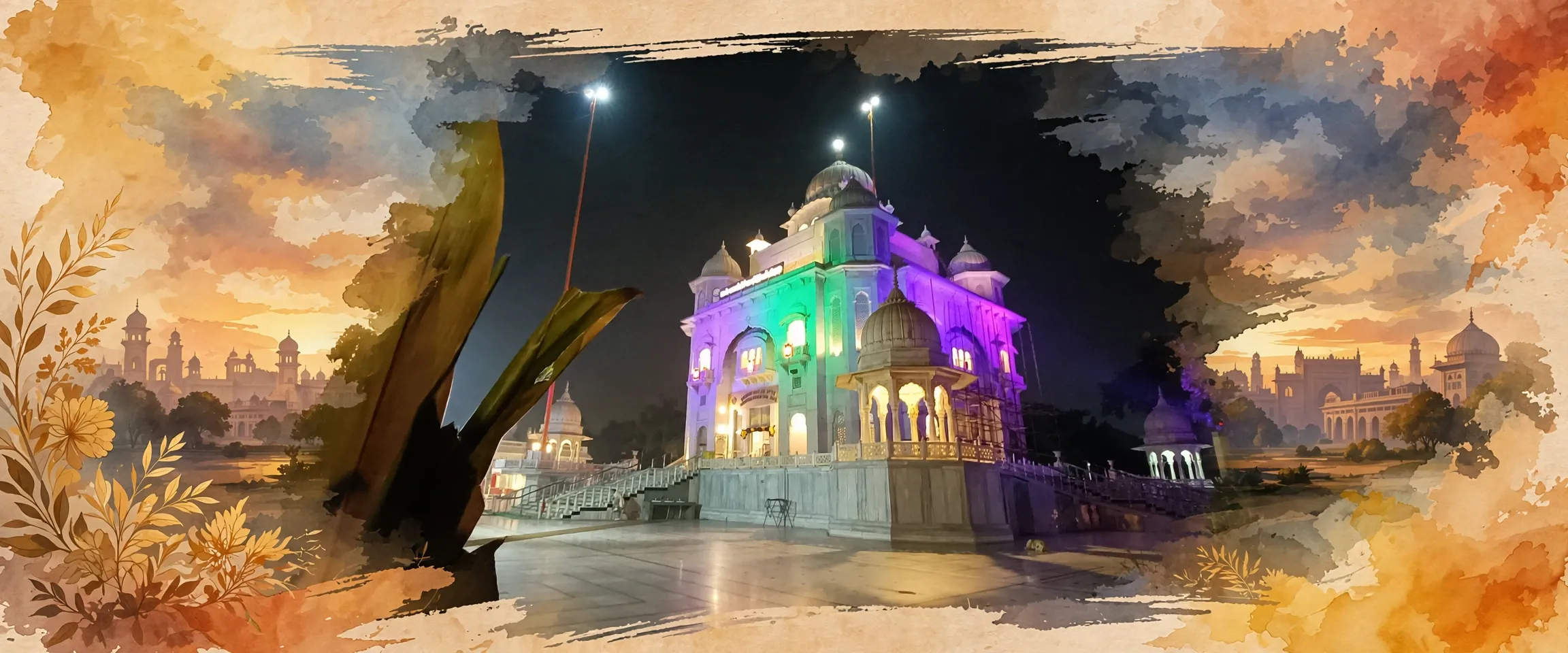
Gurdwara Rakab Ganj Sahib stands on Pandit Pant Marg in New Delhi, near Parliament House. It marks the spot where Bhai Lakhi Shah Banjara cremated the body of Guru Tegh Bahadur Ji in November 1675, burning his own house to do it in secret. Sardar Baghel Singh built the first gurdwara here in 1783, and the complex now houses the Delhi Sikh Gurdwara Management Committee.
- Punjabi name
- ਗੁਰਦੁਆਰਾ ਰਕਾਬ ਗੰਜ ਸਾਹਿਬ
- Type
- Historic gurdwara
- Country
- India
- City
- New Delhi
- State
- Delhi
- Location
- Pandit Pant Marg, near Parliament House
All 15 facts
- Associated with
- Guru Tegh Bahadur Ji
- Marks
- Cremation of Guru Tegh Bahadur Ji
- Martyrdom
- 11 November 1675, Chandni Chowk
- Cremation by
- Bhai Lakhi Shah Banjara
- First gurdwara
- 1783, by Sardar Baghel Singh
- Present building
- 1960 to 1967-68, white marble
- Management
- Delhi Sikh Gurdwara Management Committee (headquarters here)
- Memorial
- Wall of Truth, for victims of the 1984 violence
- Nearest metro
- Central Secretariat, about 500 metres
Gurdwara Rakab Ganj Sahib is a historic gurdwara on Pandit Pant Marg in New Delhi, a short walk from Parliament House. It marks the spot where the body of Guru Tegh Bahadur Ji, the ninth Guru of the Sikhs, was cremated in secret in November 1675 after his martyrdom in Chandni Chowk. A devotee, Bhai Lakhi Shah Banjara, burned his own house to perform the cremation without drawing the attention of the Mughal authorities. The gurdwara first raised here in 1783 by Sardar Baghel Singh is today also the headquarters of the Delhi Sikh Gurdwara Management Committee.
What is Gurdwara Rakab Ganj Sahib?
Gurdwara Rakab Ganj Sahib is the Delhi shrine that marks the cremation site of Guru Tegh Bahadur Ji. The Guru was beheaded at Chandni Chowk on 11 November 1675, at the place now marked by Gurdwara Sis Ganj Sahib, on the orders of the Mughal emperor Aurangzeb. His body was carried away under cover of a dust storm and cremated at the village of Raisina, where this gurdwara stands. Pilgrims read the two Delhi shrines as one story: Sis Ganj marks the martyrdom, Rakab Ganj marks the cremation.
The night of the cremation, 1675
After the execution, the Guru's body lay at Chandni Chowk under guard. Bhai Lakhi Shah Banjara and his son Bhai Naghaiya reached it with a convoy of ox carts loaded with cotton and foodstuffs, using a fierce dust storm as cover. They hid the body under the cotton bales and drove to their home in Raisina village. There, to avoid any suspicion, Lakhi Shah laid the body on a bed inside his own house and set the whole house on fire, so that the cremation looked like an accidental blaze. The ashes were buried at the spot, inside what had been his home. In a parallel act of devotion, Bhai Jaita, later known as Bhai Jiwan Singh, carried the Guru's head to Anandpur Sahib, where the young Gobind Rai cremated it.
Baghel Singh and the gurdwara of 1783
For more than a century the site was remembered but not built upon, and a mosque later stood near the spot. In 1707 Guru Gobind Singh Ji, in Delhi to meet Prince Muazzam, the future emperor Bahadur Shah I, identified the cremation place with the help of local Sikhs and raised a simple memorial. The lasting shrine came in 1783, when Sardar Baghel Singh entered Delhi on 11 March 1783 with a large Sikh force and set about marking the city's sacred Sikh sites. The claim to this land was contested, and tradition records that the Sikhs offered to rebuild the mosque at their own cost if the Guru's ashes were not found beneath it. Excavation in the presence of Mughal officials found the urn of ashes, and Emperor Shah Alam II gave permission for the gurdwara, along with a grant of land. Building the early gurdwara is said to have taken 12 years.
Architecture: white marble by Parliament House
The building a visitor sees today is mostly a post 1947 structure: construction of the present building began in 1960 and was completed in 1967 to 1968, and one account of the Panth's decision in the early 1950s credits the Delhi businessman Harnam Singh Suri, who had come from Rawalpindi in 1947, with taking on the whole seva of building it, completed around 1969. The gurdwara is built mainly of white marble, stands in a large garden, and has entrances on four sides, a feature read as a sign that the house of the Guru is open to all, without distinction of caste or creed. Inside the complex stands the Wall of Truth, the memorial to those killed in the violence against Sikhs in 1984, on which the names of the victims are inscribed.
Why does Rakab Ganj matter to Sikhs?
Rakab Ganj matters because it holds the closing scene of one of the most revered martyrdoms in Sikh history. Guru Tegh Bahadur Ji is honoured for giving his life in defence of the freedom of others to practise their own faith, and the cremation here was itself an act of courage: a poor devotee gave up his own home, his family's shelter, to give his Guru a dignified farewell. The shrine also works as the administrative heart of Sikh Delhi, since the Delhi Sikh Gurdwara Management Committee, the elected body that manages Delhi's historic gurdwaras under the Delhi Sikh Gurdwaras Act of 1971, is headquartered in Guru Gobind Singh Bhawan within this complex.
Visiting Rakab Ganj Sahib: how to reach
The gurdwara stands on Pandit Pant Marg, also signposted as Gurdwara Rakab Ganj Road, facing Parliament House and the North Block of the Central Secretariat. The nearest metro station is Central Secretariat, about 500 metres away according to the national monuments record, and New Delhi Railway Station is the closest main railhead. Visitors cover their heads, remove their shoes, and may join the sangat for kirtan and langar. Many pilgrims combine Rakab Ganj with Gurdwara Bangla Sahib and Gurdwara Sis Ganj Sahib in one Delhi circuit. See also Gurdwaras in India.
ਗੁਰਦੁਆਰਾ ਰਕਾਬ ਗੰਜ ਸਾਹਿਬ ਨਵੀਂ ਦਿੱਲੀ ਵਿੱਚ ਪੰਡਿਤ ਪੰਤ ਮਾਰਗ ਉੱਤੇ ਸਥਿਤ ਇੱਕ ਇਤਿਹਾਸਕ ਗੁਰਦੁਆਰਾ ਹੈ, ਸੰਸਦ ਭਵਨ ਤੋਂ ਪੈਦਲ ਥੋੜ੍ਹੀ ਦੂਰੀ ਉੱਤੇ ਇਹ ਉਸ ਥਾਂ ਨੂੰ ਦਰਸਾਉਂਦਾ ਹੈ ਜਿੱਥੇ ਸਿੱਖਾਂ ਦੇ ਨੌਵੇਂ ਗੁਰੂ, ਗੁਰੂ ਤੇਗ ਬਹਾਦਰ ਜੀ ਦੇ ਸਰੀਰ ਦਾ ਸਸਕਾਰ ਨਵੰਬਰ 1675 ਵਿੱਚ ਚਾਂਦਨੀ ਚੌਂਕ ਵਿੱਚ ਉਨ੍ਹਾਂ ਦੀ ਸ਼ਹੀਦੀ ਤੋਂ ਬਾਅਦ ਚੁੱਪ-ਚਾਪ ਕੀਤਾ ਗਿਆ ਸੀ ਇੱਕ ਸ਼ਰਧਾਲੂ, ਭਾਈ ਲੱਖੀ ਸ਼ਾਹ ਵਣਜਾਰਾ, ਨੇ ਮੁਗਲ ਹਾਕਮਾਂ ਦਾ ਧਿਆਨ ਨਾ ਖਿੱਚਣ ਲਈ ਆਪਣਾ ਘਰ ਫੂਕ ਕੇ ਸਸਕਾਰ ਕੀਤਾ ਸੀ ਸਰਦਾਰ ਬਘੇਲ ਸਿੰਘ ਵੱਲੋਂ 1783 ਵਿੱਚ ਇੱਥੇ ਪਹਿਲਾਂ ਬਣਾਇਆ ਗਿਆ ਗੁਰਦੁਆਰਾ ਅੱਜ ਦਿੱਲੀ ਸਿੱਖ ਗੁਰਦੁਆਰਾ ਪ੍ਰਬੰਧਕ ਕਮੇਟੀ ਦਾ ਮੁੱਖ ਦਫਤਰ ਵੀ ਹੈ
ਗੁਰਦੁਆਰਾ ਰਕਾਬ ਗੰਜ ਸਾਹਿਬ ਕੀ ਹੈ?
ਗੁਰਦੁਆਰਾ ਰਕਾਬ ਗੰਜ ਸਾਹਿਬ ਦਿੱਲੀ ਦਾ ਉਹ ਅਸਥਾਨ ਹੈ ਜੋ ਗੁਰੂ ਤੇਗ ਬਹਾਦਰ ਜੀ ਦੇ ਸਸਕਾਰ ਦੀ ਥਾਂ ਨੂੰ ਦਰਸਾਉਂਦਾ ਹੈ ਗੁਰੂ ਜੀ ਨੂੰ 11 ਨਵੰਬਰ 1675 ਨੂੰ ਚਾਂਦਨੀ ਚੌਂਕ ਵਿੱਚ ਮੁਗਲ ਬਾਦਸ਼ਾਹ ਔਰੰਗਜ਼ੇਬ ਦੇ ਹੁਕਮ ਨਾਲ ਸ਼ਹੀਦ ਕੀਤਾ ਗਿਆ ਸੀ, ਜਿਸ ਥਾਂ ਉੱਤੇ ਅੱਜ ਗੁਰਦੁਆਰਾ ਸੀਸ ਗੰਜ ਸਾਹਿਬ ਹੈ ਉਨ੍ਹਾਂ ਦਾ ਸਰੀਰ ਧੂੜ ਦੇ ਤੂਫਾਨ ਦੀ ਆੜ ਵਿੱਚ ਚੁੱਕ ਕੇ ਰਾਏਸੀਨਾ ਪਿੰਡ ਲਿਆਂਦਾ ਗਿਆ, ਜਿੱਥੇ ਇਹ ਗੁਰਦੁਆਰਾ ਖੜ੍ਹਾ ਹੈ ਸ਼ਰਧਾਲੂ ਦਿੱਲੀ ਦੇ ਇਹ ਦੋ ਅਸਥਾਨ ਇੱਕੋ ਕਥਾ ਵਜੋਂ ਪੜ੍ਹਦੇ ਹਨ: ਸੀਸ ਗੰਜ ਸ਼ਹੀਦੀ ਨੂੰ ਦਰਸਾਉਂਦਾ ਹੈ, ਰਕਾਬ ਗੰਜ ਸਸਕਾਰ ਨੂੰ
ਸਸਕਾਰ ਦੀ ਰਾਤ, 1675
ਸ਼ਹੀਦੀ ਤੋਂ ਬਾਅਦ ਗੁਰੂ ਜੀ ਦਾ ਸਰੀਰ ਚਾਂਦਨੀ ਚੌਂਕ ਵਿੱਚ ਪਹਿਰੇ ਹੇਠ ਸੀ ਭਾਈ ਲੱਖੀ ਸ਼ਾਹ ਵਣਜਾਰਾ ਅਤੇ ਉਨ੍ਹਾਂ ਦਾ ਪੁੱਤਰ ਭਾਈ ਨਘਈਆ ਕਪਾਹ ਅਤੇ ਰਸਦ ਨਾਲ ਲੱਦੀਆਂ ਬੈਲ ਗੱਡੀਆਂ ਲੈ ਕੇ ਉੱਥੇ ਪਹੁੰਚੇ ਅਤੇ ਤੇਜ਼ ਧੂੜ ਦੇ ਤੂਫਾਨ ਨੂੰ ਆੜ ਬਣਾਇਆ ਉਨ੍ਹਾਂ ਨੇ ਸਰੀਰ ਨੂੰ ਕਪਾਹ ਦੀਆਂ ਗੱਠਾਂ ਹੇਠ ਲੁਕਾਇਆ ਅਤੇ ਰਾਏਸੀਨਾ ਪਿੰਡ ਵਿੱਚ ਆਪਣੇ ਘਰ ਵੱਲ ਚੱਲ ਪਏ ਉੱਥੇ, ਕਿਸੇ ਸ਼ੱਕ ਤੋਂ ਬਚਣ ਲਈ, ਲੱਖੀ ਸ਼ਾਹ ਨੇ ਸਰੀਰ ਨੂੰ ਆਪਣੇ ਘਰ ਅੰਦਰ ਮੰਜੇ ਉੱਤੇ ਰੱਖਿਆ ਅਤੇ ਸਾਰਾ ਘਰ ਅੱਗ ਲਾ ਦਿੱਤਾ, ਤਾਂ ਜੋ ਸਸਕਾਰ ਇੱਕ ਅਚਾਨਕ ਲੱਗੀ ਅੱਗ ਵਰਗਾ ਲੱਗੇ ਰਾਖ ਉਸੇ ਥਾਂ ਦੱਬ ਦਿੱਤੀ ਗਈ, ਜੋ ਕਦੇ ਉਨ੍ਹਾਂ ਦਾ ਘਰ ਸੀ ਇਸੇ ਸ਼ਰਧਾ ਦੀ ਇੱਕ ਹੋਰ ਮਿਸਾਲ ਵਿੱਚ ਭਾਈ ਜੈਤਾ, ਜੋ ਬਾਅਦ ਵਿੱਚ ਭਾਈ ਜੀਵਨ ਸਿੰਘ ਵਜੋਂ ਜਾਣੇ ਗਏ, ਗੁਰੂ ਜੀ ਦਾ ਸੀਸ ਅਨੰਦਪੁਰ ਸਾਹਿਬ ਲੈ ਗਏ, ਜਿੱਥੇ ਬਾਲ ਗੋਬਿੰਦ ਰਾਏ ਨੇ ਉਸ ਦਾ ਸਸਕਾਰ ਕੀਤਾ
ਬਘੇਲ ਸਿੰਘ ਅਤੇ 1783 ਦਾ ਗੁਰਦੁਆਰਾ
ਸੌ ਸਾਲ ਤੋਂ ਵੱਧ ਸਮਾਂ ਇਹ ਥਾਂ ਯਾਦ ਵਿੱਚ ਰਹੀ ਪਰ ਉੱਥੇ ਉਸਾਰੀ ਨਾ ਹੋਈ, ਅਤੇ ਬਾਅਦ ਵਿੱਚ ਉਸ ਥਾਂ ਨੇੜੇ ਇੱਕ ਮਸਜਿਦ ਖੜ੍ਹੀ ਹੋ ਗਈ 1707 ਵਿੱਚ ਗੁਰੂ ਗੋਬਿੰਦ ਸਿੰਘ ਜੀ ਨੇ, ਜੋ ਸ਼ਹਿਜ਼ਾਦਾ ਮੁਅੱਜ਼ਮ, ਅਗਲੇ ਬਾਦਸ਼ਾਹ ਬਹਾਦਰ ਸ਼ਾਹ ਪਹਿਲੇ, ਨੂੰ ਮਿਲਣ ਦਿੱਲੀ ਆਏ ਸਨ, ਸਥਾਨਕ ਸਿੱਖਾਂ ਦੀ ਮਦਦ ਨਾਲ ਸਸਕਾਰ ਦੀ ਥਾਂ ਲੱਭੀ ਅਤੇ ਇੱਕ ਸਾਦੀ ਯਾਦਗਾਰ ਬਣਾਈ ਪੱਕਾ ਅਸਥਾਨ 1783 ਵਿੱਚ ਆਇਆ, ਜਦੋਂ ਸਰਦਾਰ ਬਘੇਲ ਸਿੰਘ 11 ਮਾਰਚ 1783 ਨੂੰ ਇੱਕ ਵੱਡੀ ਸਿੱਖ ਫੌਜ ਨਾਲ ਦਿੱਲੀ ਦਾਖਲ ਹੋਏ ਅਤੇ ਸ਼ਹਿਰ ਦੇ ਪਵਿੱਤਰ ਸਿੱਖ ਅਸਥਾਨਾਂ ਨੂੰ ਦਰਸਾਉਣ ਲੱਗੇ ਇਸ ਜ਼ਮੀਨ ਦੇ ਦਾਅਵੇ ਉੱਤੇ ਵਿਵਾਦ ਹੋਇਆ, ਅਤੇ ਪਰੰਪਰਾ ਦੱਸਦੀ ਹੈ ਕਿ ਸਿੱਖਾਂ ਨੇ ਪੇਸ਼ਕਸ਼ ਕੀਤੀ ਕਿ ਜੇ ਮਸਜਿਦ ਹੇਠ ਗੁਰੂ ਜੀ ਦੀ ਰਾਖ ਨਾ ਮਿਲੀ ਤਾਂ ਉਹ ਆਪਣੇ ਖਰਚੇ ਉੱਤੇ ਮਸਜਿਦ ਮੁੜ ਬਣਾ ਦੇਣਗੇ ਮੁਗਲ ਅਧਿਕਾਰੀਆਂ ਦੀ ਹਾਜ਼ਰੀ ਵਿੱਚ ਹੋਈ ਖੁਦਾਈ ਵਿੱਚ ਰਾਖ ਦਾ ਭਾਂਡਾ ਮਿਲਿਆ, ਅਤੇ ਬਾਦਸ਼ਾਹ ਸ਼ਾਹ ਆਲਮ ਦੂਜੇ ਨੇ ਗੁਰਦੁਆਰੇ ਦੀ ਆਗਿਆ ਦੇ ਨਾਲ ਜ਼ਮੀਨ ਦੀ ਗ੍ਰਾਂਟ ਵੀ ਦਿੱਤੀ ਕਿਹਾ ਜਾਂਦਾ ਹੈ ਕਿ ਮੁੱਢਲੇ ਗੁਰਦੁਆਰੇ ਦੀ ਉਸਾਰੀ ਨੂੰ 12 ਸਾਲ ਲੱਗੇ
ਉਸਾਰੀ ਕਲਾ: ਸੰਸਦ ਭਵਨ ਕੋਲ ਚਿੱਟਾ ਸੰਗਮਰਮਰ
ਅੱਜ ਦਿਸਦਾ ਭਵਨ ਵੱਡੇ ਪੱਧਰ ਉੱਤੇ 1947 ਤੋਂ ਬਾਅਦ ਦੀ ਉਸਾਰੀ ਹੈ: ਮੌਜੂਦਾ ਭਵਨ ਦੀ ਉਸਾਰੀ 1960 ਵਿੱਚ ਸ਼ੁਰੂ ਹੋਈ ਅਤੇ 1967 ਤੋਂ 1968 ਵਿੱਚ ਪੂਰੀ ਹੋਈ, ਅਤੇ 1950ਵਿਆਂ ਦੇ ਸ਼ੁਰੂ ਵਿੱਚ ਪੰਥ ਦੇ ਫੈਸਲੇ ਬਾਰੇ ਇੱਕ ਬਿਰਤਾਂਤ ਇਸ ਦੀ ਸਾਰੀ ਸੇਵਾ ਦਾ ਸਿਹਰਾ ਦਿੱਲੀ ਦੇ ਵਪਾਰੀ ਹਰਨਾਮ ਸਿੰਘ ਸੂਰੀ ਨੂੰ ਦਿੰਦਾ ਹੈ, ਜੋ 1947 ਵਿੱਚ ਰਾਵਲਪਿੰਡੀ ਤੋਂ ਆਏ ਸਨ, ਅਤੇ ਇਹ ਕੰਮ ਲਗਭਗ 1969 ਵਿੱਚ ਪੂਰਾ ਹੋਇਆ ਗੁਰਦੁਆਰਾ ਵੱਡੇ ਪੱਧਰ ਉੱਤੇ ਚਿੱਟੇ ਸੰਗਮਰਮਰ ਦਾ ਬਣਿਆ ਹੈ, ਇੱਕ ਵੱਡੇ ਬਾਗ ਵਿੱਚ ਖੜ੍ਹਾ ਹੈ, ਅਤੇ ਇਸ ਦੇ ਚਾਰੇ ਪਾਸੇ ਦਰਵਾਜ਼ੇ ਹਨ, ਜਿਸ ਨੂੰ ਇਸ ਨਿਸ਼ਾਨੀ ਵਜੋਂ ਪੜ੍ਹਿਆ ਜਾਂਦਾ ਹੈ ਕਿ ਗੁਰੂ ਦਾ ਘਰ ਜਾਤ-ਪਾਤ ਦੇ ਭੇਦ ਤੋਂ ਬਿਨਾਂ ਸਭ ਲਈ ਖੁੱਲ੍ਹਾ ਹੈ ਪਰਿਸਰ ਅੰਦਰ ਸੱਚ ਦੀ ਕੰਧ ਖੜ੍ਹੀ ਹੈ, 1984 ਵਿੱਚ ਸਿੱਖਾਂ ਵਿਰੁੱਧ ਹੋਈ ਹਿੰਸਾ ਵਿੱਚ ਮਾਰੇ ਗਏ ਲੋਕਾਂ ਦੀ ਯਾਦਗਾਰ, ਜਿਸ ਉੱਤੇ ਪੀੜਤਾਂ ਦੇ ਨਾਂ ਲਿਖੇ ਹਨ
ਰਕਾਬ ਗੰਜ ਸਿੱਖਾਂ ਲਈ ਮਹੱਤਵਪੂਰਨ ਕਿਉਂ ਹੈ?
ਰਕਾਬ ਗੰਜ ਇਸ ਲਈ ਮਹੱਤਵਪੂਰਨ ਹੈ ਕਿਉਂਕਿ ਇੱਥੇ ਸਿੱਖ ਇਤਿਹਾਸ ਦੀਆਂ ਸਭ ਤੋਂ ਸਤਿਕਾਰਤ ਸ਼ਹੀਦੀਆਂ ਵਿੱਚੋਂ ਇੱਕ ਦਾ ਆਖਰੀ ਦ੍ਰਿਸ਼ ਸਾਂਭਿਆ ਹੈ ਗੁਰੂ ਤੇਗ ਬਹਾਦਰ ਜੀ ਨੂੰ ਇਸ ਗੱਲ ਲਈ ਸਤਿਕਾਰਿਆ ਜਾਂਦਾ ਹੈ ਕਿ ਉਨ੍ਹਾਂ ਨੇ ਦੂਜਿਆਂ ਦੇ ਆਪਣਾ ਧਰਮ ਮੰਨਣ ਦੀ ਆਜ਼ਾਦੀ ਦੀ ਰਾਖੀ ਲਈ ਆਪਣੀ ਜਾਨ ਦਿੱਤੀ, ਅਤੇ ਇੱਥੇ ਹੋਇਆ ਸਸਕਾਰ ਆਪਣੇ ਆਪ ਵਿੱਚ ਹੌਸਲੇ ਦਾ ਕੰਮ ਸੀ: ਇੱਕ ਗਰੀਬ ਸ਼ਰਧਾਲੂ ਨੇ ਆਪਣਾ ਘਰ, ਆਪਣੇ ਪਰਿਵਾਰ ਦੀ ਛੱਤ, ਕੁਰਬਾਨ ਕਰ ਦਿੱਤੀ ਤਾਂ ਜੋ ਆਪਣੇ ਗੁਰੂ ਨੂੰ ਸਤਿਕਾਰ ਭਰੀ ਵਿਦਾਈ ਮਿਲੇ ਇਹ ਅਸਥਾਨ ਸਿੱਖ ਦਿੱਲੀ ਦਾ ਪ੍ਰਬੰਧਕੀ ਦਿਲ ਵੀ ਹੈ, ਕਿਉਂਕਿ ਦਿੱਲੀ ਸਿੱਖ ਗੁਰਦੁਆਰਾ ਪ੍ਰਬੰਧਕ ਕਮੇਟੀ, ਜੋ ਦਿੱਲੀ ਸਿੱਖ ਗੁਰਦੁਆਰਾ ਐਕਟ 1971 ਹੇਠ ਦਿੱਲੀ ਦੇ ਇਤਿਹਾਸਕ ਗੁਰਦੁਆਰਿਆਂ ਦਾ ਪ੍ਰਬੰਧ ਕਰਦੀ ਹੈ, ਦਾ ਮੁੱਖ ਦਫਤਰ ਇਸੇ ਪਰਿਸਰ ਵਿੱਚ ਗੁਰੂ ਗੋਬਿੰਦ ਸਿੰਘ ਭਵਨ ਵਿੱਚ ਹੈ
ਰਕਾਬ ਗੰਜ ਸਾਹਿਬ ਦੇ ਦਰਸ਼ਨ: ਕਿਵੇਂ ਪਹੁੰਚੀਏ
ਗੁਰਦੁਆਰਾ ਪੰਡਿਤ ਪੰਤ ਮਾਰਗ ਉੱਤੇ ਹੈ, ਜਿਸ ਨੂੰ ਗੁਰਦੁਆਰਾ ਰਕਾਬ ਗੰਜ ਰੋਡ ਵੀ ਕਿਹਾ ਜਾਂਦਾ ਹੈ, ਸੰਸਦ ਭਵਨ ਅਤੇ ਕੇਂਦਰੀ ਸਕੱਤਰੇਤ ਦੇ ਉੱਤਰੀ ਬਲਾਕ ਦੇ ਸਾਹਮਣੇ ਸਭ ਤੋਂ ਨੇੜਲਾ ਮੈਟਰੋ ਸਟੇਸ਼ਨ ਕੇਂਦਰੀ ਸਕੱਤਰੇਤ ਹੈ, ਕੌਮੀ ਸਮਾਰਕ ਰਿਕਾਰਡ ਅਨੁਸਾਰ ਲਗਭਗ 500 ਮੀਟਰ ਦੂਰ, ਅਤੇ ਨਵੀਂ ਦਿੱਲੀ ਰੇਲਵੇ ਸਟੇਸ਼ਨ ਸਭ ਤੋਂ ਨੇੜਲਾ ਵੱਡਾ ਰੇਲ ਅੱਡਾ ਹੈ ਆਉਣ ਵਾਲੇ ਸਿਰ ਢੱਕਦੇ ਹਨ, ਜੋੜੇ ਲਾਹੁੰਦੇ ਹਨ, ਅਤੇ ਸੰਗਤ ਨਾਲ ਕੀਰਤਨ ਅਤੇ ਲੰਗਰ ਵਿੱਚ ਸ਼ਾਮਲ ਹੋ ਸਕਦੇ ਹਨ ਬਹੁਤ ਸਾਰੇ ਸ਼ਰਧਾਲੂ ਰਕਾਬ ਗੰਜ ਨੂੰ ਗੁਰਦੁਆਰਾ ਬੰਗਲਾ ਸਾਹਿਬ ਅਤੇ ਗੁਰਦੁਆਰਾ ਸੀਸ ਗੰਜ ਸਾਹਿਬ ਨਾਲ ਇੱਕੋ ਦਿੱਲੀ ਫੇਰੀ ਵਿੱਚ ਜੋੜਦੇ ਹਨ