
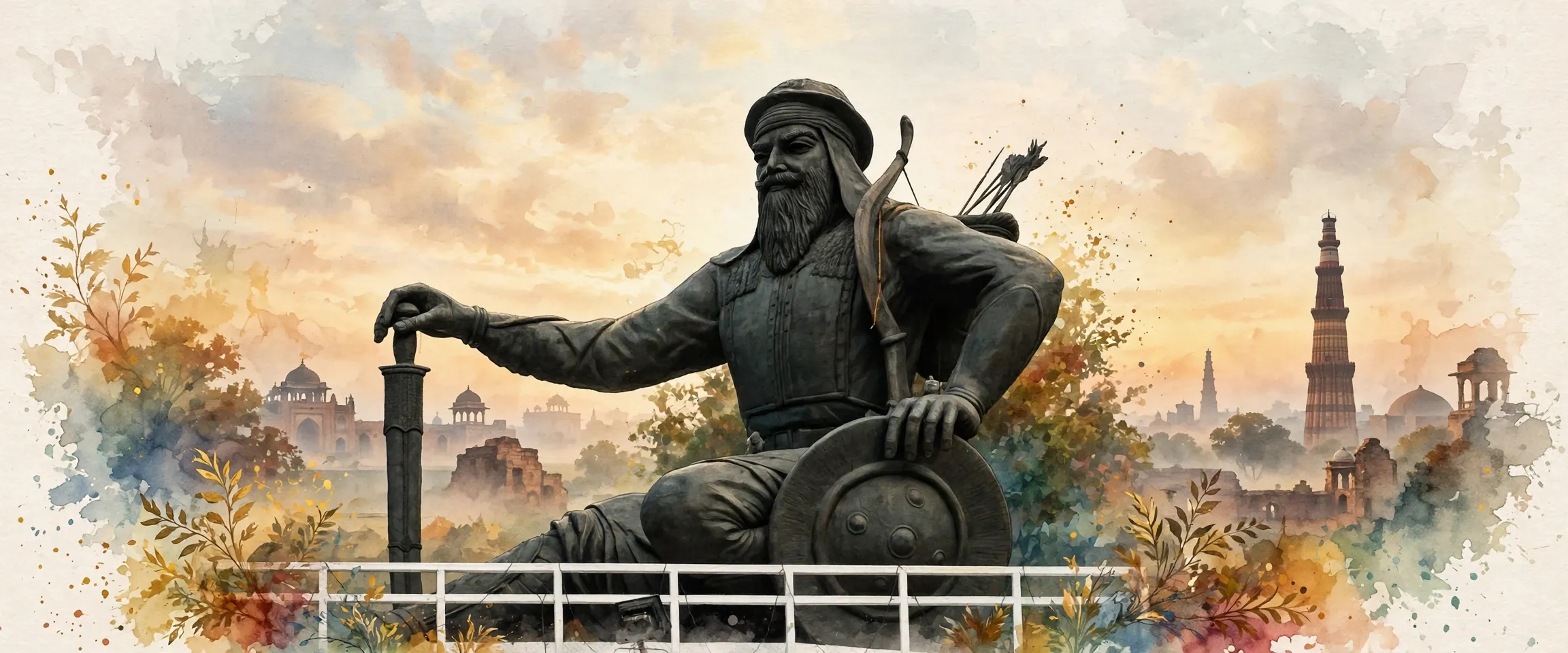
Gurdwara Shaheedi Asthan Baba Banda Singh Bahadur is the martyrdom shrine of Baba Banda Singh Bahadur at Mehrauli in south Delhi, about one and a half kilometres from the Qutb Minar, near the dargah of Khwaja Qutbuddin Bakhtiar Kaki. Here in June 1716, on the orders of the Mughal emperor Farrukhsiyar, Banda Singh Bahadur, founder of the first Sikh state, was put to death with his four year old son Ajai Singh and his last companions, after all of them refused to give up their faith.
- Punjabi name
- ਗੁਰਦੁਆਰਾ ਸ਼ਹੀਦੀ ਅਸਥਾਨ ਬਾਬਾ ਬੰਦਾ ਸਿੰਘ ਬਹਾਦੁਰ
- Type
- Historic gurdwara, martyrdom shrine
- Country
- India
- City
- New Delhi
- State
- Delhi
- Location
- Mehrauli, near Post Office, about 1.5 km from Qutb Minar, New Delhi
All 12 facts
- Coordinates
- 28.5210 N, 77.1808 E
- Associated with
- Baba Banda Singh Bahadur
- Marks
- The martyrdom of Banda Singh Bahadur, his son Ajai Singh and his companions, June 1716
- Martyrdom date
- June 1716; the Mughal court newsletter dates the order to 9 June 1716
- Ordered by
- Mughal emperor Farrukhsiyar
- Preserved
- The stone pillar and old gate (Shaheedi Gate) by the dargah of Khwaja Qutbuddin Bakhtiar Kaki
Gurdwara Shaheedi Asthan Baba Banda Singh Bahadur is the martyrdom shrine of Baba Banda Singh Bahadur at Mehrauli in south Delhi, about one and a half kilometres from the Qutb Minar and close to the dargah of the Sufi saint Khwaja Qutbuddin Bakhtiar Kaki. It marks the ground where, in June 1716, the Mughal emperor Farrukhsiyar had Banda Singh Bahadur, the founder of the first Sikh state, put to death with his four year old son Ajai Singh and his last companions, after every one of them refused to give up his faith.
What is Gurdwara Shaheedi Asthan Baba Banda Singh Bahadur?
Gurdwara Shaheedi Asthan Baba Banda Singh Bahadur is the shrine Delhi's Sikhs keep at the execution place of Banda Singh Bahadur, near the Post Office in Mehrauli. Sikh tradition ties the spot to an old stone gate, now called the Shaheedi Gate, by the dargah of Khwaja Qutbuddin Bakhtiar Kaki, and a stone pillar about fifty feet high still overlooks the dargah, carrying, by the account kept at the shrine, the steel hook from which he was hanged. The Government of India marked his Martyrdom Day at this gurdwara in June 2022, when the Union Culture Minister said the Shahidi Sthal here would be protected under the Archaeological Survey of India.
Who was Baba Banda Singh Bahadur?
Baba Banda Singh Bahadur was born Lachman Dev on 27 October 1670 at Rajauri, in present day Jammu and Kashmir. As a young man he left home to become an ascetic, took the name Madho Das Bairagi, and settled in a monastery at Nanded on the bank of the Godavari. There, in 1708, Guru Gobind Singh Ji visited him. The ascetic took amrit, received the name Banda Singh, and was sent to Punjab with the Guru's blessing, five of the Guru's arrows, a war drum, a Nishan Sahib and hukamnamas calling on the Sikhs to join him.
What followed changed Punjab. His forces took Samana in November 1709 and stormed Sirhind in 1710, where Wazir Khan, the governor held responsible for the martyrdom of the Guru's younger sons, was killed. Banda Singh Bahadur then founded the first Sikh state, with its capital at Lohgarh. He abolished the zamindari system of landlord rule and gave the land to the people who tilled it, and he struck Nanak Shahi coins in the names of Guru Nanak Dev Ji and Guru Gobind Singh Ji. For a few years, ordinary cultivators in much of Punjab held their own land under a Sikh government.
Capture and the road to Delhi
The Mughal Empire answered with its full strength. After an eight month siege of the small fort at Gurdas Nangal, where his men were starved into surrender, Banda Singh Bahadur was captured in December 1715 by the forces of Abdus Samad Khan, the governor of Lahore. He and his companions were taken to Delhi in chains. Two envoys of the East India Company, John Surman and Edward Stephenson, watched the prisoners enter the city on 27 February 1716 and wrote home on 10 March: seven hundred and forty prisoners, the heads of Sikhs already executed carried before them, and offers of life made to any man who would renounce his faith. None would, the envoys recorded, and the prisoners called out to the executioner: kill me first.
The martyrdom at Mehrauli, June 1716
For three months Banda Singh Bahadur was held in Delhi while his followers were executed around him. The Mughal court newsletter, the Akhbarat i Darbar i Mualla, dates the emperor's final order to 9 June 1716: Banda was to be taken to the neighbourhood of the tomb of Khwaja Qutbuddin Bakhtiar Kaki at Mehrauli, near the mausoleum of the late emperor Bahadur Shah, and there killed, and his son killed before him. Some accounts kept at the shrine give 19 June, but the court record and the following day's newsletter, which confirms the order was carried out, fix the martyrdom to June 1716, and it is in June that his martyrdom day is kept.
What the Persian chroniclers and the shrine tradition describe is among the most terrible executions of the age, and they agree on its meaning. Banda Singh Bahadur was offered the standing choice, death or conversion, and refused. He was ordered to kill his own son and refused again. The child Ajai Singh, four years old, was killed before his father's eyes. Banda's own eyes were then put out, his flesh torn, and his body cut apart, and through it all, even the hostile court historian Khafi Khan recorded, he kept his composure. The same stillness had marked the hundreds executed before him, who, the Company envoys wrote, could not be robbed of their dignity by any insult their enemies invented.
What stands at the site today?
Today the martyrdom ground holds a working gurdwara, kept by the local sangat, with the pillar and the old gate amid the lanes and ruins of Mehrauli, one of the oldest lived in quarters of Delhi. A second small gurdwara stands in a room in the courtyard of the adjoining site. The shrine is busiest on the martyrdom day in June, when Delhi's Sikhs gather to remember the founder of the first Sikh state. His memory also lives far beyond Delhi: the Nobel laureate Rabindranath Tagore retold the martyrdom in his celebrated Bengali poem Banda Bir, long memorised by schoolchildren in Bengal.
How do you reach the shrine?
The gurdwara stands near the Post Office at Mehrauli in south Delhi, very near Mehrauli police station and about one and a half kilometres from the Qutb Minar, so most visitors pair it with the Qutb complex and the dargah of Khwaja Qutbuddin Bakhtiar Kaki beside it. It belongs with Delhi's other martyrdom shrines, Sis Ganj Sahib and Rakab Ganj Sahib, which mark the martyrdom of Guru Tegh Bahadur Ji, and all of them are gathered in the Delhi guide.
ਗੁਰਦੁਆਰਾ ਸ਼ਹੀਦੀ ਅਸਥਾਨ ਬਾਬਾ ਬੰਦਾ ਸਿੰਘ ਬਹਾਦੁਰ ਦੱਖਣੀ ਦਿੱਲੀ ਦੇ ਮਹਿਰੌਲੀ ਇਲਾਕੇ ਵਿੱਚ ਬਾਬਾ ਬੰਦਾ ਸਿੰਘ ਬਹਾਦੁਰ ਦਾ ਸ਼ਹੀਦੀ ਅਸਥਾਨ ਹੈ। ਇਹ ਕੁਤਬ ਮੀਨਾਰ ਤੋਂ ਕਰੀਬ ਡੇਢ ਕਿਲੋਮੀਟਰ ਦੂਰ, ਸੂਫ਼ੀ ਸੰਤ ਖ਼ਵਾਜਾ ਕੁਤਬੁੱਦੀਨ ਬਖ਼ਤਿਆਰ ਕਾਕੀ ਦੀ ਦਰਗਾਹ ਦੇ ਨੇੜੇ ਹੈ। ਇਹ ਉਸ ਥਾਂ ਦੀ ਯਾਦ ਹੈ ਜਿੱਥੇ ਜੂਨ 1716 ਵਿੱਚ ਮੁਗਲ ਬਾਦਸ਼ਾਹ ਫ਼ਰੁੱਖਸੀਯਰ ਨੇ ਪਹਿਲੇ ਸਿੱਖ ਰਾਜ ਦੇ ਬਾਨੀ ਬੰਦਾ ਸਿੰਘ ਬਹਾਦੁਰ ਨੂੰ ਉਨ੍ਹਾਂ ਦੇ ਚਾਰ ਸਾਲ ਦੇ ਪੁੱਤਰ ਅਜੈ ਸਿੰਘ ਅਤੇ ਆਖਰੀ ਸਾਥੀਆਂ ਸਮੇਤ ਸ਼ਹੀਦ ਕਰਵਾਇਆ, ਕਿਉਂਕਿ ਉਨ੍ਹਾਂ ਵਿੱਚੋਂ ਕਿਸੇ ਨੇ ਵੀ ਆਪਣਾ ਧਰਮ ਛੱਡਣ ਤੋਂ ਇਨਕਾਰ ਕਰ ਦਿੱਤਾ ਸੀ।
ਗੁਰਦੁਆਰਾ ਸ਼ਹੀਦੀ ਅਸਥਾਨ ਬਾਬਾ ਬੰਦਾ ਸਿੰਘ ਬਹਾਦੁਰ ਕੀ ਹੈ?
ਗੁਰਦੁਆਰਾ ਸ਼ਹੀਦੀ ਅਸਥਾਨ ਬਾਬਾ ਬੰਦਾ ਸਿੰਘ ਬਹਾਦੁਰ ਉਹ ਅਸਥਾਨ ਹੈ ਜੋ ਦਿੱਲੀ ਦੇ ਸਿੱਖਾਂ ਨੇ ਬੰਦਾ ਸਿੰਘ ਬਹਾਦੁਰ ਦੀ ਸ਼ਹਾਦਤ ਵਾਲੀ ਥਾਂ ਉੱਤੇ ਮਹਿਰੌਲੀ ਦੇ ਡਾਕਘਰ ਨੇੜੇ ਸੰਭਾਲਿਆ ਹੈ। ਸਿੱਖ ਪਰੰਪਰਾ ਇਸ ਥਾਂ ਨੂੰ ਖ਼ਵਾਜਾ ਕੁਤਬੁੱਦੀਨ ਬਖ਼ਤਿਆਰ ਕਾਕੀ ਦੀ ਦਰਗਾਹ ਕੋਲ ਇੱਕ ਪੁਰਾਣੇ ਪੱਥਰ ਦੇ ਦਰਵਾਜ਼ੇ ਨਾਲ ਜੋੜਦੀ ਹੈ, ਜਿਸ ਨੂੰ ਹੁਣ ਸ਼ਹੀਦੀ ਦਰਵਾਜ਼ਾ ਕਿਹਾ ਜਾਂਦਾ ਹੈ, ਅਤੇ ਕਰੀਬ ਪੰਜਾਹ ਫੁੱਟ ਉੱਚਾ ਇੱਕ ਪੱਥਰ ਦਾ ਥੰਮ ਅੱਜ ਵੀ ਦਰਗਾਹ ਵੱਲ ਝਾਕਦਾ ਹੈ। ਅਸਥਾਨ ਵਿੱਚ ਰੱਖੀ ਕਥਾ ਅਨੁਸਾਰ ਉਸ ਥੰਮ ਉੱਤੇ ਉਹ ਲੋਹੇ ਦਾ ਕੁੰਡਾ ਵੀ ਹੈ ਜਿਸ ਨਾਲ ਉਨ੍ਹਾਂ ਨੂੰ ਲਟਕਾਇਆ ਗਿਆ ਸੀ। ਜੂਨ 2022 ਵਿੱਚ ਭਾਰਤ ਸਰਕਾਰ ਨੇ ਇਸੇ ਗੁਰਦੁਆਰੇ ਵਿੱਚ ਉਨ੍ਹਾਂ ਦਾ ਸ਼ਹੀਦੀ ਦਿਹਾੜਾ ਮਨਾਇਆ, ਜਦੋਂ ਕੇਂਦਰੀ ਸੱਭਿਆਚਾਰ ਮੰਤਰੀ ਨੇ ਕਿਹਾ ਕਿ ਇੱਥੋਂ ਦੇ ਸ਼ਹੀਦੀ ਅਸਥਾਨ ਨੂੰ ਭਾਰਤੀ ਪੁਰਾਤੱਤਵ ਸਰਵੇਖਣ ਦੀ ਸੁਰੱਖਿਆ ਹੇਠ ਲਿਆਂਦਾ ਜਾਵੇਗਾ।
ਬਾਬਾ ਬੰਦਾ ਸਿੰਘ ਬਹਾਦੁਰ ਕੌਣ ਸਨ?
ਬਾਬਾ ਬੰਦਾ ਸਿੰਘ ਬਹਾਦੁਰ ਦਾ ਜਨਮ 27 ਅਕਤੂਬਰ 1670 ਨੂੰ ਅੱਜ ਦੇ ਜੰਮੂ ਕਸ਼ਮੀਰ ਦੇ ਰਾਜੌਰੀ ਵਿਖੇ ਲਛਮਣ ਦੇਵ ਵਜੋਂ ਹੋਇਆ। ਨੌਜਵਾਨੀ ਵਿੱਚ ਉਹ ਘਰ ਛੱਡ ਕੇ ਸਾਧ ਬਣ ਗਏ, ਨਾਮ ਮਾਧੋ ਦਾਸ ਬੈਰਾਗੀ ਪਾਇਆ ਅਤੇ ਗੋਦਾਵਰੀ ਦੇ ਕੰਢੇ ਨਾਂਦੇੜ ਵਿਖੇ ਇੱਕ ਡੇਰਾ ਸਥਾਪਤ ਕੀਤਾ। 1708 ਵਿੱਚ ਉੱਥੇ ਗੁਰੂ ਗੋਬਿੰਦ ਸਿੰਘ ਜੀ ਉਨ੍ਹਾਂ ਨੂੰ ਮਿਲੇ। ਸਾਧ ਨੇ ਅੰਮ੍ਰਿਤ ਛਕਿਆ, ਨਾਮ ਬੰਦਾ ਸਿੰਘ ਪਾਇਆ ਅਤੇ ਉਸ ਨੂੰ ਗੁਰੂ ਜੀ ਦੀ ਬਖ਼ਸ਼ਿਸ਼, ਗੁਰੂ ਜੀ ਦੇ ਪੰਜ ਤੀਰ, ਇੱਕ ਨਗਾਰਾ, ਇੱਕ ਨਿਸ਼ਾਨ ਸਾਹਿਬ ਅਤੇ ਸਿੱਖਾਂ ਨੂੰ ਨਾਲ ਜੁੜਨ ਲਈ ਕਹਿਣ ਵਾਲੇ ਹੁਕਮਨਾਮੇ ਦੇ ਕੇ ਪੰਜਾਬ ਭੇਜਿਆ ਗਿਆ।
ਇਸ ਤੋਂ ਬਾਅਦ ਜੋ ਹੋਇਆ, ਉਸ ਨੇ ਪੰਜਾਬ ਬਦਲ ਦਿੱਤਾ। ਉਨ੍ਹਾਂ ਦੀਆਂ ਫੌਜਾਂ ਨੇ ਨਵੰਬਰ 1709 ਵਿੱਚ ਸਮਾਣਾ ਲਿਆ ਅਤੇ 1710 ਵਿੱਚ ਸਰਹਿੰਦ ਫਤਹਿ ਕੀਤੀ, ਜਿੱਥੇ ਗਵਰਨਰ ਵਜ਼ੀਰ ਖ਼ਾਨ ਮਾਰਿਆ ਗਿਆ, ਜਿਸ ਨੂੰ ਗੁਰੂ ਜੀ ਦੇ ਛੋਟੇ ਸਾਹਿਬਜ਼ਾਦਿਆਂ ਦੀ ਸ਼ਹਾਦਤ ਦਾ ਜ਼ਿੰਮੇਵਾਰ ਮੰਨਿਆ ਜਾਂਦਾ ਸੀ। ਫਿਰ ਬੰਦਾ ਸਿੰਘ ਬਹਾਦੁਰ ਨੇ ਪਹਿਲਾ ਸਿੱਖ ਰਾਜ ਕਾਇਮ ਕੀਤਾ, ਜਿਸ ਦੀ ਰਾਜਧਾਨੀ ਲੋਹਗੜ੍ਹ ਸੀ। ਉਨ੍ਹਾਂ ਨੇ ਜ਼ਿਮੀਦਾਰੀ ਪ੍ਰਥਾ ਖਤਮ ਕੀਤੀ ਅਤੇ ਜ਼ਮੀਨ ਉਨ੍ਹਾਂ ਨੂੰ ਦਿੱਤੀ ਜੋ ਉਸ ਨੂੰ ਵਾਹੁੰਦੇ ਸਨ, ਅਤੇ ਗੁਰੂ ਨਾਨਕ ਦੇਵ ਜੀ ਅਤੇ ਗੁਰੂ ਗੋਬਿੰਦ ਸਿੰਘ ਜੀ ਦੇ ਨਾਵਾਂ ਉੱਤੇ ਨਾਨਕਸ਼ਾਹੀ ਸਿੱਕੇ ਚਲਾਏ। ਕੁਝ ਸਾਲਾਂ ਲਈ ਪੰਜਾਬ ਦੇ ਵੱਡੇ ਹਿੱਸੇ ਵਿੱਚ ਆਮ ਕਿਸਾਨ ਸਿੱਖ ਹਕੂਮਤ ਹੇਠ ਆਪਣੀ ਜ਼ਮੀਨ ਦੇ ਮਾਲਕ ਰਹੇ।
ਗ੍ਰਿਫ਼ਤਾਰੀ ਅਤੇ ਦਿੱਲੀ ਦਾ ਸਫ਼ਰ
ਮੁਗਲ ਸਲਤਨਤ ਨੇ ਪੂਰੀ ਤਾਕਤ ਨਾਲ ਜਵਾਬ ਦਿੱਤਾ। ਗੁਰਦਾਸ ਨੰਗਲ ਦੀ ਛੋਟੀ ਗੜ੍ਹੀ ਦੇ ਅੱਠ ਮਹੀਨੇ ਦੇ ਘੇਰੇ ਤੋਂ ਬਾਅਦ, ਜਿੱਥੇ ਉਨ੍ਹਾਂ ਦੇ ਸਾਥੀ ਭੁੱਖ ਨਾਲ ਮਜਬੂਰ ਹੋ ਕੇ ਹਥਿਆਰ ਸੁੱਟਣ ਲਈ ਮਜਬੂਰ ਹੋਏ, ਦਸੰਬਰ 1715 ਵਿੱਚ ਲਾਹੌਰ ਦੇ ਗਵਰਨਰ ਅਬਦੁਸ ਸਮਦ ਖ਼ਾਨ ਦੀਆਂ ਫੌਜਾਂ ਨੇ ਬੰਦਾ ਸਿੰਘ ਬਹਾਦੁਰ ਨੂੰ ਗ੍ਰਿਫ਼ਤਾਰ ਕਰ ਲਿਆ। ਉਨ੍ਹਾਂ ਨੂੰ ਸਾਥੀਆਂ ਸਮੇਤ ਜ਼ੰਜੀਰਾਂ ਵਿੱਚ ਦਿੱਲੀ ਲਿਆਂਦਾ ਗਿਆ। ਈਸਟ ਇੰਡੀਆ ਕੰਪਨੀ ਦੇ ਦੋ ਦੂਤ, ਜੌਨ ਸਰਮਨ ਅਤੇ ਐਡਵਰਡ ਸਟੀਫਨਸਨ, 27 ਫਰਵਰੀ 1716 ਨੂੰ ਕੈਦੀਆਂ ਦਾ ਸ਼ਹਿਰ ਵਿੱਚ ਦਾਖਲਾ ਵੇਖ ਰਹੇ ਸਨ ਅਤੇ 10 ਮਾਰਚ ਨੂੰ ਉਨ੍ਹਾਂ ਨੇ ਘਰ ਲਿਖਿਆ: ਸੱਤ ਸੌ ਚਾਲੀ ਕੈਦੀ, ਪਹਿਲਾਂ ਤੋਂ ਸ਼ਹੀਦ ਕੀਤੇ ਸਿੱਖਾਂ ਦੇ ਸਿਰ ਉਨ੍ਹਾਂ ਦੇ ਅੱਗੇ ਲਿਆਂਦੇ ਗਏ, ਅਤੇ ਹਰ ਉਸ ਮਨੁੱਖ ਨੂੰ ਜਾਨ ਦੀ ਪੇਸ਼ਕਸ਼ ਕੀਤੀ ਗਈ ਜੋ ਆਪਣਾ ਧਰਮ ਛੱਡ ਦੇਵੇ। ਦੂਤਾਂ ਨੇ ਲਿਖਿਆ ਕਿ ਕਿਸੇ ਨੇ ਵੀ ਧਰਮ ਨਹੀਂ ਛੱਡਿਆ, ਅਤੇ ਕੈਦੀ ਜੱਲਾਦ ਨੂੰ ਕਹਿ ਰਹੇ ਸਨ: ਪਹਿਲਾਂ ਮੈਨੂੰ ਮਾਰ।
ਮਹਿਰੌਲੀ ਵਿੱਚ ਸ਼ਹਾਦਤ, ਜੂਨ 1716
ਤਿੰਨ ਮਹੀਨੇ ਬੰਦਾ ਸਿੰਘ ਬਹਾਦੁਰ ਦਿੱਲੀ ਵਿੱਚ ਕੈਦ ਰਹੇ, ਜਦੋਂ ਕਿ ਉਨ੍ਹਾਂ ਦੇ ਸਾਥੀ ਉਨ੍ਹਾਂ ਦੇ ਆਲੇ ਦੁਆਲੇ ਸ਼ਹੀਦ ਕੀਤੇ ਜਾਂਦੇ ਰਹੇ। ਮੁਗਲ ਦਰਬਾਰ ਦੀ ਖ਼ਬਰਨਾਮਾ ਪੁਸਤਕ, ਅਖ਼ਬਾਰਾਤ ਇ ਦਰਬਾਰ ਇ ਮੁਅੱਲਾ, ਬਾਦਸ਼ਾਹ ਦੇ ਆਖਰੀ ਹੁਕਮ ਦੀ ਤਾਰੀਖ 9 ਜੂਨ 1716 ਲਿਖਦੀ ਹੈ: ਬੰਦਾ ਨੂੰ ਮਹਿਰੌਲੀ ਵਿਖੇ ਖ਼ਵਾਜਾ ਕੁਤਬੁੱਦੀਨ ਬਖ਼ਤਿਆਰ ਕਾਕੀ ਦੇ ਮਕਬਰੇ ਦੇ ਨੇੜੇ, ਸਵਰਗੀ ਬਾਦਸ਼ਾਹ ਬਹਾਦਰ ਸ਼ਾਹ ਦੇ ਮਕਬਰੇ ਕੋਲ ਲਿਜਾ ਕੇ ਮਾਰਿਆ ਜਾਵੇ, ਅਤੇ ਉਸ ਦੇ ਪੁੱਤਰ ਨੂੰ ਉਸ ਤੋਂ ਪਹਿਲਾਂ ਮਾਰਿਆ ਜਾਵੇ। ਅਸਥਾਨ ਵਿੱਚ ਰੱਖੀਆਂ ਕੁਝ ਲਿਖਤਾਂ 19 ਜੂਨ ਦਿੰਦੀਆਂ ਹਨ, ਪਰ ਦਰਬਾਰ ਦਾ ਰਿਕਾਰਡ ਅਤੇ ਅਗਲੇ ਦਿਨ ਦੀ ਖ਼ਬਰ, ਜੋ ਹੁਕਮ ਦੇ ਪੂਰਾ ਹੋਣ ਦੀ ਪੁਸ਼ਟੀ ਕਰਦੀ ਹੈ, ਸ਼ਹਾਦਤ ਨੂੰ ਜੂਨ 1716 ਵਿੱਚ ਸਥਾਪਤ ਕਰਦੇ ਹਨ, ਅਤੇ ਜੂਨ ਵਿੱਚ ਹੀ ਉਨ੍ਹਾਂ ਦਾ ਸ਼ਹੀਦੀ ਦਿਹਾੜਾ ਮਨਾਇਆ ਜਾਂਦਾ ਹੈ।
ਫ਼ਾਰਸੀ ਇਤਿਹਾਸਕਾਰ ਅਤੇ ਅਸਥਾਨ ਦੀ ਪਰੰਪਰਾ ਜਿਸ ਘਟਨਾ ਦਾ ਵਰਣਨ ਕਰਦੇ ਹਨ, ਉਹ ਉਸ ਯੁੱਗ ਦੀਆਂ ਸਭ ਤੋਂ ਭਿਆਨਕ ਸਜ਼ਾਵਾਂ ਵਿੱਚੋਂ ਇੱਕ ਹੈ, ਅਤੇ ਉਹ ਇਸ ਦੇ ਅਰਥ ਉੱਤੇ ਸਹਿਮਤ ਹਨ। ਬੰਦਾ ਸਿੰਘ ਬਹਾਦੁਰ ਨੂੰ ਖੜ੍ਹੀ ਪੇਸ਼ਕਸ਼ ਦਿੱਤੀ ਗਈ, ਮੌਤ ਜਾਂ ਧਰਮ ਤਬਦੀਲੀ, ਅਤੇ ਉਨ੍ਹਾਂ ਨੇ ਇਨਕਾਰ ਕਰ ਦਿੱਤਾ। ਉਨ੍ਹਾਂ ਨੂੰ ਆਪਣੇ ਪੁੱਤਰ ਨੂੰ ਮਾਰਨ ਦਾ ਹੁਕਮ ਦਿੱਤਾ ਗਿਆ, ਉਹ ਵੀ ਉਨ੍ਹਾਂ ਨੇ ਠੁਕਰਾ ਦਿੱਤਾ। ਚਾਰ ਸਾਲ ਦੇ ਬੱਚੇ ਅਜੈ ਸਿੰਘ ਨੂੰ ਪਿਤਾ ਦੀਆਂ ਅੱਖਾਂ ਸਾਹਮਣੇ ਸ਼ਹੀਦ ਕੀਤਾ ਗਿਆ। ਫਿਰ ਬੰਦਾ ਜੀ ਦੀਆਂ ਅੱਖਾਂ ਕੱਢੀਆਂ ਗਈਆਂ, ਮਾਸ ਨੋਚਿਆ ਗਿਆ ਅਤੇ ਸਰੀਰ ਟੁਕੜੇ ਟੁਕੜੇ ਕੀਤਾ ਗਿਆ, ਅਤੇ ਇਸ ਸਭ ਦੇ ਵਿਚਕਾਰ, ਵਿਰੋਧੀ ਦਰਬਾਰੀ ਇਤਿਹਾਸਕਾਰ ਖ਼ਾਫ਼ੀ ਖ਼ਾਨ ਨੇ ਵੀ ਲਿਖਿਆ, ਉਹ ਸ਼ਾਂਤ ਰਹੇ। ਇਹੋ ਸ਼ਾਂਤੀ ਉਨ੍ਹਾਂ ਤੋਂ ਪਹਿਲਾਂ ਸ਼ਹੀਦ ਹੋਏ ਸੈਂਕੜਿਆਂ ਦੀ ਨਿਸ਼ਾਨੀ ਸੀ, ਜਿਨ੍ਹਾਂ ਬਾਰੇ ਕੰਪਨੀ ਦੇ ਦੂਤਾਂ ਨੇ ਲਿਖਿਆ ਕਿ ਦੁਸ਼ਮਣਾਂ ਦੀ ਕੋਈ ਬੇਇੱਜ਼ਤੀ ਉਨ੍ਹਾਂ ਦੀ ਸ਼ਾਨ ਨਹੀਂ ਖੋਹ ਸਕੀ।
ਅੱਜ ਇਸ ਥਾਂ ਕੀ ਹੈ?
ਅੱਜ ਸ਼ਹਾਦਤ ਵਾਲੀ ਥਾਂ ਉੱਤੇ ਸਥਾਨਕ ਸੰਗਤ ਵੱਲੋਂ ਸੰਭਾਲਿਆ ਇੱਕ ਚੱਲਦਾ ਗੁਰਦੁਆਰਾ ਹੈ, ਜਿਸ ਦੇ ਨਾਲ ਥੰਮ ਅਤੇ ਪੁਰਾਣਾ ਦਰਵਾਜ਼ਾ ਦਿੱਲੀ ਦੇ ਸਭ ਤੋਂ ਪੁਰਾਣੇ ਵਸੇ ਇਲਾਕਿਆਂ ਵਿੱਚੋਂ ਇੱਕ, ਮਹਿਰੌਲੀ ਦੀਆਂ ਗਲੀਆਂ ਅਤੇ ਖੰਡਰਾਂ ਵਿੱਚ ਸਥਿਤ ਹੈ। ਨਾਲ ਲੱਗਦੇ ਅਸਥਾਨ ਦੇ ਵਿਹੜੇ ਵਿੱਚ ਇੱਕ ਕਮਰੇ ਵਿੱਚ ਇੱਕ ਹੋਰ ਛੋਟਾ ਗੁਰਦੁਆਰਾ ਵੀ ਹੈ। ਜੂਨ ਵਿੱਚ ਸ਼ਹੀਦੀ ਦਿਹਾੜੇ ਉੱਤੇ ਇੱਥੇ ਸਭ ਤੋਂ ਵੱਧ ਰੌਣਕ ਹੁੰਦੀ ਹੈ, ਜਦੋਂ ਦਿੱਲੀ ਦੇ ਸਿੱਖ ਪਹਿਲੇ ਸਿੱਖ ਰਾਜ ਦੇ ਬਾਨੀ ਨੂੰ ਯਾਦ ਕਰਨ ਲਈ ਇਕੱਠੇ ਹੁੰਦੇ ਹਨ। ਉਨ੍ਹਾਂ ਦੀ ਯਾਦ ਦਿੱਲੀ ਤੋਂ ਬਹੁਤ ਦੂਰ ਵੀ ਜਿਉਂਦੀ ਹੈ: ਨੋਬੇਲ ਪੁਰਸਕਾਰ ਜੇਤੂ ਰਬਿੰਦਰਨਾਥ ਟੈਗੋਰ ਨੇ ਇਸ ਸ਼ਹਾਦਤ ਨੂੰ ਆਪਣੀ ਮਸ਼ਹੂਰ ਬੰਗਾਲੀ ਕਵਿਤਾ ਬੰਦਾ ਬੀਰ ਵਿੱਚ ਦਰਸਾਇਆ, ਜੋ ਲੰਮੇ ਸਮੇਂ ਤੱਕ ਬੰਗਾਲ ਦੇ ਸਕੂਲੀ ਬੱਚਿਆਂ ਨੂੰ ਯਾਦ ਰਹੀ।
ਅਸਥਾਨ ਤੱਕ ਕਿਵੇਂ ਪਹੁੰਚੀਏ?
ਗੁਰਦੁਆਰਾ ਦੱਖਣੀ ਦਿੱਲੀ ਦੇ ਮਹਿਰੌਲੀ ਵਿਖੇ ਡਾਕਘਰ ਦੇ ਨੇੜੇ, ਮਹਿਰੌਲੀ ਥਾਣੇ ਦੇ ਬਹੁਤ ਨੇੜੇ ਅਤੇ ਕੁਤਬ ਮੀਨਾਰ ਤੋਂ ਕਰੀਬ ਡੇਢ ਕਿਲੋਮੀਟਰ ਦੂਰ ਹੈ, ਇਸ ਲਈ ਬਹੁਤੇ ਸ਼ਰਧਾਲੂ ਇਸ ਨੂੰ ਕੁਤਬ ਕੰਪਲੈਕਸ ਅਤੇ ਨਾਲ ਲੱਗਦੀ ਖ਼ਵਾਜਾ ਕੁਤਬੁੱਦੀਨ ਬਖ਼ਤਿਆਰ ਕਾਕੀ ਦੀ ਦਰਗਾਹ ਨਾਲ ਜੋੜ ਕੇ ਜਾਂਦੇ ਹਨ। ਇਹ ਦਿੱਲੀ ਦੇ ਬਾਕੀ ਸ਼ਹੀਦੀ ਅਸਥਾਨਾਂ, ਸੀਸ ਗੰਜ ਸਾਹਿਬ ਅਤੇ ਰਕਾਬ ਗੰਜ ਸਾਹਿਬ ਨਾਲ ਜੁੜਦਾ ਹੈ, ਜੋ ਗੁਰੂ ਤੇਗ ਬਹਾਦਰ ਜੀ ਦੀ ਸ਼ਹਾਦਤ ਦੀ ਯਾਦ ਹਨ, ਅਤੇ ਇਹ ਸਭ ਦਿੱਲੀ ਗਾਈਡ ਵਿੱਚ ਇਕੱਠੇ ਦਿੱਤੇ ਗਏ ਹਨ।
More religion entries to explore
Sources (4)
Jugti is free and independent. Reader support keeps the Kosh growing.
Support