
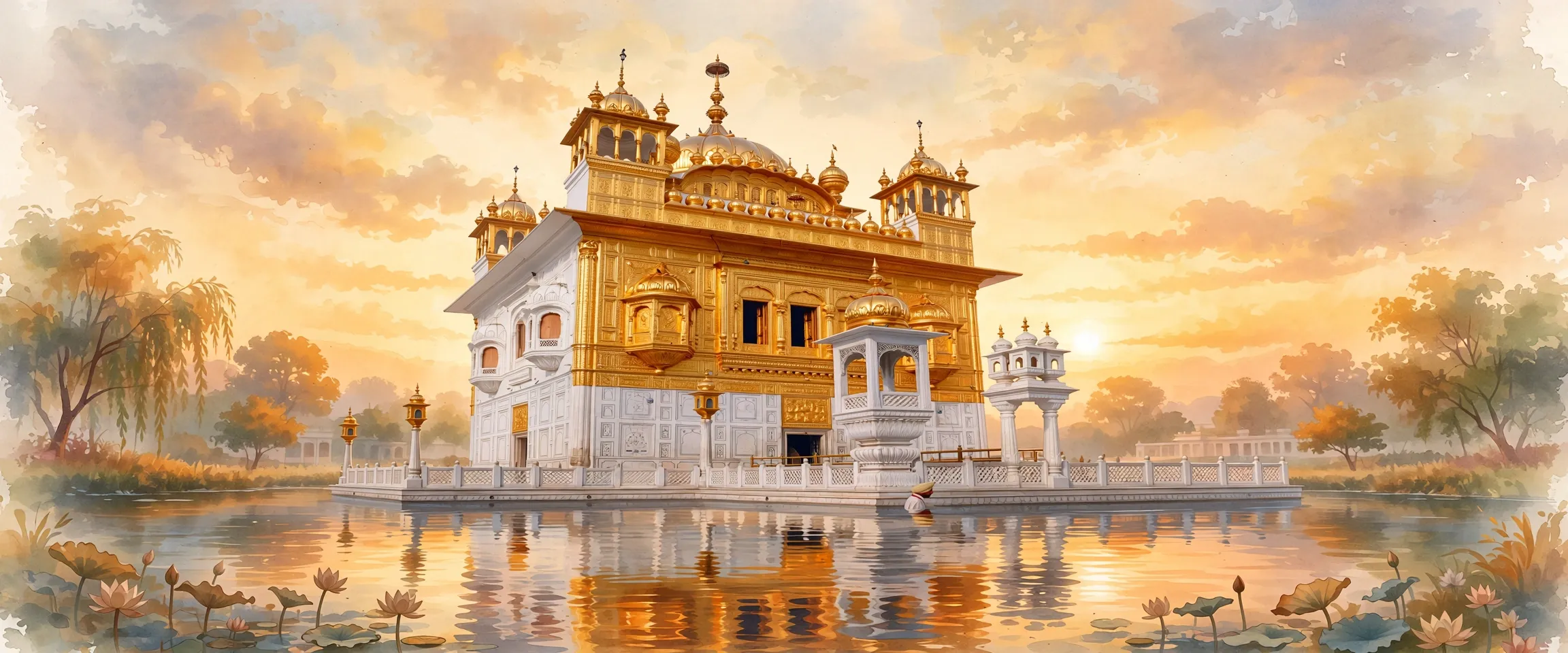
Gurdwara Sri Tarn Taran Sahib is a historic gurdwara in Tarn Taran, Punjab, founded by Guru Arjan Dev Ji in 1590 and famed for the largest sarovar of any gurdwara in the world. Its gold-plated Darbar Sahib, waters believed to heal leprosy, and the monthly Amavas gatherings make it one of the most visited shrines in Majha.
- Punjabi name
- ਗੁਰਦੁਆਰਾ ਸ੍ਰੀ ਤਰਨ ਤਾਰਨ ਸਾਹਿਬ
- Type
- Gurdwara and sarovar
- Country
- India
- City
- Tarn Taran Sahib
- District
- Tarn Taran
- Region
- Majha
All 12 facts
- Founded
- 1590, by Guru Arjan Dev Ji (5th Sikh Guru)
- Foundation stone
- Baba Budha Ji
- Sarovar
- Largest of any gurdwara (about 289 x 283 m; 230 x 233 m sides)
- Present Darbar Sahib
- Rebuilt and gold-plated by Maharaja Ranjit Singh, 1836-37
- Monthly gathering
- Amavas (new-moon night)
- Management
- SGPC
Gurdwara Sri Tarn Taran Sahib is a historic gurdwara in the city of Tarn Taran Sahib, Punjab, founded by Guru Arjan Dev Ji in 1590 and famed for the largest sarovar of any gurdwara in the world. Its gold-plated Darbar Sahib, waters long believed to heal leprosy, and the great monthly gathering on Amavas night make it one of the most visited shrines in the Majha region.
How did Tarn Taran begin?
In about 1590, Guru Arjan Dev Ji, the fifth Sikh Guru, was touring the country between the rivers Beas and Ravi when he reached the spot now known as Tarn Taran. He bought land there and began the excavation of a great tank, larger even than the sarovar around the Harmandir Sahib at Amritsar. The Guru gave the name Tarn Taran, meaning "the boat that takes one across the ocean of existence", to the sarovar itself; the town that grew around the shrine took the same name later.
The foundation stone of the Darbar Sahib was laid by Baba Budha Ji, the revered Sikh saint who lived from 1506 to 1631. Behind the Darbar Sahib, a flight of marble steps known as Har Ki Pauri marks the spot where, according to tradition, Guru Arjan made the first cut when the digging began. The shrine was raised in honour of Guru Ram Das Ji, and a leper asylum was established beside it, for the water was already believed to carry healing minerals.
The largest sarovar in the Sikh world
The sarovar at Tarn Taran is the largest of any gurdwara: an approximate rectangle whose northern and southern sides measure about 289 and 283 metres, with the eastern and western sides about 230 and 233 metres. Originally it was fed only by rainwater flowing in from the surrounding lands.
In 1833, Raja Raghubir Singh of Jind had a channel dug to bring fresh water into the tank, and in 1927-28 Sant Gurmukh Singh of Patiala had the channel paved. Complete desilting of the tank by voluntary kar seva was carried out in 1931 and again in 1970. From the eastern edge of the circumambulatory pavement, a small domed shrine called Manji Sahib marks the spot from which Guru Arjan supervised the excavation.
Architecture of the gold-plated Darbar Sahib
The Darbar Sahib is an elegant three-storied structure at the south-eastern corner of the sarovar, approached through a double-storied arched gateway and standing on a marble-floored platform. After the misl period, Maharaja Ranjit Singh rebuilt it in 1836-37 and completed the unfinished parikarma; like the Harmandir Sahib at Amritsar, he had the upper portion covered with glittering gold-plated sheets, and artisans were brought in to decorate the interior.
Inside, exquisitely executed stucco work inset with reflecting glass pieces covers the walls and ceiling. The Guru Granth Sahib is seated on a platform under an elongated dome of gold-plated sheets, a throne offered by Kanvar Nau Nihal Singh. The lotus dome, damaged in the earthquake of 4 April 1905, was reconstructed with an ornamental gold pinnacle and an umbrella-shaped gold finial. Near the Nishan Sahib stands the four-storeyed Akal Bunga, built in 1841 by Nau Nihal Singh, who also began a minar at the end of the sarovar, of which only one was completed. A relay recital of kirtan goes on from early morning until late evening.
A shrine of Sikh resistance
Tarn Taran has stood at the centre of Sikh history for centuries. Guru Hargobind Sahib visited and stayed here, and Guru Tegh Bahadur Ji preached to the sangat after passing through Baba Bakala, Sathiala, Wazir Bhullar, Goindwal and Khadur. In 1739, Baba Bota Singh and Baba Garja Singh, who spent their days at Tarn Taran, attained martyrdom fighting a Mughal force at Sarai Nurdin nearby.
In 1757, Shaheed Baba Deep Singh drew a line on the ground at Tarn Taran and asked the Sikhs to cross it only if they were ready to die fighting the Afghan invaders. During the misl period the shrine came under the Bhangi Misl, and in 1768 Sardar Budh Singh of the Singhpuria Misl and Maharaja Jassa Singh Ramgarhia rebuilt the Darbar Sahib, then a mud building.
In 1921, seventeen Sikhs were injured and two, Sardar Hazara Singh and Sardar Hukam Singh, attained martyrdom while freeing the gurdwara from its priests, the first martyrs of the Gurdwara Reform Movement. The episode is remembered as Saka Tarn Taran. In March 2019, the demolition of the historic Darshani Deori gateway during a kar seva renovation drew sharp criticism from Sikh organisations over the care of Sikh heritage.
Amavas and the living gurdwara
Tarn Taran is famous for the great monthly gathering of pilgrims on Amavas, the no-moon night, when thousands arrive to bathe in the sarovar and join the divan. The gurdwara is managed by the SGPC. It stands about 22 kilometres south-east of Amritsar in the Tarn Taran district of the Majha region, on plain land between the Beas and the Ravi.
Pilgrims often combine a visit with the Harmandir Sahib at Amritsar. The complex includes langar halls and sarais for staying pilgrims, and the whole Darbar Sahib was renovated and re-plated in gold in 2005.
Why is the water believed to heal?
Sikh tradition holds that the water of the old pond possessed medicinal properties, especially efficacious in curing leprosy. For this reason the sarovar was also known as Dukh Nivaran, the eradicator of suffering. Guru Arjan established a leper asylum beside it, and pilgrims still descend the Har Ki Pauri steps to take charanamrit, palmfuls of the holy water, in faith.
Whether approached as medicine or as blessing, the tank remains the heart of the shrine: its name, Tarn Taran, promises passage across the ocean of existence, and every Amavas the promise draws another generation to its steps.
ਗੁਰਦੁਆਰਾ ਸ੍ਰੀ ਤਰਨ ਤਾਰਨ ਸਾਹਿਬ ਪੰਜਾਬ ਦੇ ਤਰਨ ਤਾਰਨ ਸਾਹਿਬ ਸ਼ਹਿਰ ਵਿੱਚ ਇੱਕ ਇਤਿਹਾਸਕ ਗੁਰਦੁਆਰਾ ਹੈ, ਜਿਸ ਦੀ ਨੀਂਹ ਗੁਰੂ ਅਰਜਨ ਦੇਵ ਜੀ ਨੇ 1590 ਵਿੱਚ ਰੱਖੀ ਸੀ ਇਹ ਦੁਨੀਆ ਦੇ ਕਿਸੇ ਵੀ ਗੁਰਦੁਆਰੇ ਦੇ ਸਭ ਤੋਂ ਵੱਡੇ ਸਰੋਵਰ ਲਈ ਮਸ਼ਹੂਰ ਹੈ ਸੋਨੇ ਨਾਲ ਮੜ੍ਹਿਆ ਦਰਬਾਰ ਸਾਹਿਬ, ਕੋੜ੍ਹ ਦੇ ਇਲਾਜ ਲਈ ਮੰਨਿਆ ਜਾਂਦਾ ਪਾਣੀ, ਅਤੇ ਮੱਸਿਆ ਦੀ ਰਾਤ ਨੂੰ ਲੱਗਣ ਵਾਲਾ ਵੱਡਾ ਮਹੀਨਾਵਾਰ ਇਕੱਠ ਇਸਨੂੰ ਮਾਝੇ ਖੇਤਰ ਦੇ ਸਭ ਤੋਂ ਵੱਧ ਦਰਸ਼ਨ ਕੀਤੇ ਜਾਂਦੇ ਅਸਥਾਨਾਂ ਵਿੱਚੋਂ ਇੱਕ ਬਣਾਉਂਦੇ ਹਨ
ਤਰਨ ਤਾਰਨ ਦੀ ਸ਼ੁਰੂਆਤ ਕਿਵੇਂ ਹੋਈ?
ਲਗਭਗ 1590 ਵਿੱਚ ਪੰਜਵੇਂ ਸਿੱਖ ਗੁਰੂ, ਗੁਰੂ ਅਰਜਨ ਦੇਵ ਜੀ, ਬਿਆਸ ਅਤੇ ਰਾਵੀ ਦਰਿਆਵਾਂ ਵਿਚਕਾਰ ਇਲਾਕੇ ਦੇ ਦੌਰੇ ਉੱਤੇ ਸਨ ਜਦੋਂ ਉਹ ਉਸ ਥਾਂ ਪਹੁੰਚੇ ਜਿਸ ਨੂੰ ਅੱਜ ਤਰਨ ਤਾਰਨ ਕਿਹਾ ਜਾਂਦਾ ਹੈ ਉਨ੍ਹਾਂ ਨੇ ਉੱਥੇ ਜ਼ਮੀਨ ਖ਼ਰੀਦੀ ਅਤੇ ਇੱਕ ਵਿਸ਼ਾਲ ਤਲਾਅ ਦੀ ਖੁਦਾਈ ਸ਼ੁਰੂ ਕੀਤੀ, ਜੋ ਹਰਿਮੰਦਰ ਸਾਹਿਬ ਅੰਮ੍ਰਿਤਸਰ ਦੇ ਸਰੋਵਰ ਤੋਂ ਵੀ ਵੱਡਾ ਸੀ ਗੁਰੂ ਜੀ ਨੇ ਤਰਨ ਤਾਰਨ ਨਾਂ, ਜਿਸ ਦਾ ਅਰਥ ਹੈ "ਹੋਂਦ ਦੇ ਸਮੁੰਦਰ ਤੋਂ ਪਾਰ ਲਿਜਾਣ ਵਾਲੀ ਬੇੜੀ", ਪਹਿਲਾਂ ਸਰੋਵਰ ਨੂੰ ਦਿੱਤਾ ਬਾਅਦ ਵਿੱਚ ਅਸਥਾਨ ਦੇ ਆਲੇ-ਦੁਆਲੇ ਵੱਸੇ ਸ਼ਹਿਰ ਨੇ ਵੀ ਇਹੀ ਨਾਂ ਲੈ ਲਿਆ
ਦਰਬਾਰ ਸਾਹਿਬ ਦੀ ਨੀਂਹ ਦਾ ਪੱਥਰ ਬਾਬਾ ਬੁੱਢਾ ਜੀ ਨੇ ਰੱਖਿਆ, ਜੋ 1506 ਤੋਂ 1631 ਤੱਕ ਜੀਵੇ ਸਤਿਕਾਰਤ ਸਿੱਖ ਸੰਤ ਸਨ ਦਰਬਾਰ ਸਾਹਿਬ ਦੇ ਪਿੱਛੇ ਸੰਗਮਰਮਰ ਦੀਆਂ ਪੌੜੀਆਂ ਦਾ ਇੱਕ ਘਾਟ, ਹਰਿ ਕੀ ਪਉੜੀ, ਉਸ ਥਾਂ ਨੂੰ ਦਰਸਾਉਂਦਾ ਹੈ ਜਿੱਥੇ ਪਰੰਪਰਾ ਅਨੁਸਾਰ ਖੁਦਾਈ ਸ਼ੁਰੂ ਹੋਣ ਵੇਲੇ ਗੁਰੂ ਅਰਜਨ ਜੀ ਨੇ ਪਹਿਲੀ ਕਹੀ ਮਾਰੀ ਸੀ ਇਹ ਅਸਥਾਨ ਗੁਰੂ ਰਾਮਦਾਸ ਜੀ ਦੀ ਯਾਦ ਵਿੱਚ ਬਣਾਇਆ ਗਿਆ, ਅਤੇ ਇਸ ਦੇ ਨਾਲ ਕੋੜ੍ਹੀਆਂ ਲਈ ਇੱਕ ਆਸ਼ਰਮ ਕਾਇਮ ਕੀਤਾ ਗਿਆ, ਕਿਉਂਕਿ ਪਾਣੀ ਵਿੱਚ ਸ਼ਿਫ਼ਾ ਦੇ ਗੁਣ ਮੰਨੇ ਜਾਂਦੇ ਸਨ
ਸਿੱਖ ਜਗਤ ਦਾ ਸਭ ਤੋਂ ਵੱਡਾ ਸਰੋਵਰ
ਤਰਨ ਤਾਰਨ ਦਾ ਸਰੋਵਰ ਕਿਸੇ ਵੀ ਗੁਰਦੁਆਰੇ ਦਾ ਸਭ ਤੋਂ ਵੱਡਾ ਸਰੋਵਰ ਹੈ ਇਹ ਲਗਭਗ ਆਇਤਾਕਾਰ ਹੈ, ਜਿਸ ਦੀਆਂ ਉੱਤਰੀ ਅਤੇ ਦੱਖਣੀ ਭੁਜਾਵਾਂ ਲਗਭਗ 289 ਅਤੇ 283 ਮੀਟਰ, ਅਤੇ ਪੂਰਬੀ ਤੇ ਪੱਛਮੀ ਭੁਜਾਵਾਂ ਲਗਭਗ 230 ਅਤੇ 233 ਮੀਟਰ ਹਨ ਸ਼ੁਰੂ ਵਿੱਚ ਇਸ ਵਿੱਚ ਸਿਰਫ਼ ਆਲੇ-ਦੁਆਲੇ ਦੀਆਂ ਜ਼ਮੀਨਾਂ ਤੋਂ ਆਉਂਦਾ ਮੀਂਹ ਦਾ ਪਾਣੀ ਭਰਦਾ ਸੀ
1833 ਵਿੱਚ ਜੀਂਦ ਦੇ ਰਾਜਾ ਰਘੁਬੀਰ ਸਿੰਘ ਨੇ ਤਾਜ਼ਾ ਪਾਣੀ ਲਿਆਉਣ ਲਈ ਇੱਕ ਨਹਿਰ ਖੁਦਵਾਈ, ਅਤੇ 1927-28 ਵਿੱਚ ਪਟਿਆਲਾ ਦੇ ਸੰਤ ਗੁਰਮੁਖ ਸਿੰਘ ਨੇ ਉਸ ਨਹਿਰ ਨੂੰ ਪੱਕਾ ਕਰਵਾਇਆ 1931 ਵਿੱਚ ਅਤੇ ਫਿਰ 1970 ਵਿੱਚ ਸਵੈ-ਇੱਛੁਕ ਕਾਰ ਸੇਵਾ ਰਾਹੀਂ ਤਲਾਅ ਦੀ ਪੂਰੀ ਸਫ਼ਾਈ ਕੀਤੀ ਗਈ ਪ੍ਰਕਰਮਾ ਦੇ ਪੂਰਬੀ ਕਿਨਾਰੇ ਉੱਤੇ ਛੋਟਾ ਗੁੰਬਦਦਾਰ ਅਸਥਾਨ, ਮੰਜੀ ਸਾਹਿਬ, ਉਸ ਥਾਂ ਨੂੰ ਦਰਸਾਉਂਦਾ ਹੈ ਜਿੱਥੋਂ ਗੁਰੂ ਅਰਜਨ ਜੀ ਨੇ ਖੁਦਾਈ ਦੀ ਨਿਗਰਾਨੀ ਕੀਤੀ ਸੀ
ਸੋਨੇ ਨਾਲ ਮੜ੍ਹਿਆ ਦਰਬਾਰ ਸਾਹਿਬ
ਦਰਬਾਰ ਸਾਹਿਬ ਸਰੋਵਰ ਦੇ ਦੱਖਣ-ਪੂਰਬੀ ਕੋਨੇ ਵਿੱਚ ਇੱਕ ਸੁੰਦਰ ਤਿੰਨ-ਮੰਜ਼ਲਾ ਇਮਾਰਤ ਹੈ, ਜਿਸ ਤੱਕ ਦੋ-ਮੰਜ਼ਲਾ ਗੁੰਬਦਦਾਰ ਦਰਵਾਜ਼ੇ ਰਾਹੀਂ ਪਹੁੰਚਿਆ ਜਾਂਦਾ ਹੈ ਅਤੇ ਜੋ ਸੰਗਮਰਮਰ ਦੇ ਫ਼ਰਸ਼ ਵਾਲੇ ਚਬੂਤਰੇ ਉੱਤੇ ਖੜ੍ਹਾ ਹੈ ਮਿਸਲ ਕਾਲ ਤੋਂ ਬਾਅਦ ਮਹਾਰਾਜਾ ਰਣਜੀਤ ਸਿੰਘ ਨੇ 1836-37 ਵਿੱਚ ਇਸ ਨੂੰ ਦੁਬਾਰਾ ਬਣਵਾਇਆ ਅਤੇ ਅਧੂਰੀ ਪ੍ਰਕਰਮਾ ਪੂਰੀ ਕੀਤੀ ਅੰਮ੍ਰਿਤਸਰ ਦੇ ਹਰਿਮੰਦਰ ਸਾਹਿਬ ਵਾਂਗ ਉਨ੍ਹਾਂ ਨੇ ਉੱਪਰਲੇ ਹਿੱਸੇ ਨੂੰ ਚਮਕਦਾਰ ਸੋਨੇ ਦੀਆਂ ਪੱਤਰੀਆਂ ਨਾਲ ਮੜ੍ਹਵਾਇਆ, ਅਤੇ ਅੰਦਰੂਨੀ ਸਜਾਵਟ ਲਈ ਕਾਰੀਗਰ ਬੁਲਾਏ ਗਏ
ਅੰਦਰ ਕੰਧਾਂ ਅਤੇ ਛੱਤ ਉੱਤੇ ਸ਼ੀਸ਼ੇ ਦੇ ਟੁਕੜਿਆਂ ਨਾਲ ਜੜਿਆ ਨਫ਼ੀਸ ਪਲਸਤਰ ਦਾ ਕੰਮ ਹੈ ਗੁਰੂ ਗ੍ਰੰਥ ਸਾਹਿਬ ਸੋਨੇ ਦੀਆਂ ਪੱਤਰੀਆਂ ਨਾਲ ਢਕੇ ਲੰਬੇ ਗੁੰਬਦ ਹੇਠਾਂ ਇੱਕ ਚੌਂਕੀ ਉੱਤੇ ਬਿਰਾਜਮਾਨ ਹਨ, ਜੋ ਕੰਵਰ ਨੌਨਿਹਾਲ ਸਿੰਘ ਦੀ ਭੇਟਾ ਸੀ ਕਮਲ ਗੁੰਬਦ, ਜੋ 4 ਅਪ੍ਰੈਲ 1905 ਦੇ ਭੂਚਾਲ ਵਿੱਚ ਨੁਕਸਾਨਿਆ ਗਿਆ ਸੀ, ਨੂੰ ਸੋਨੇ ਦੇ ਨਕ਼ਸ਼ਦਾਰ ਕਲਸ਼ ਅਤੇ ਛਤਰੀ ਵਰਗੇ ਸੋਨੇ ਦੇ ਫੁੱਲ ਨਾਲ ਦੁਬਾਰਾ ਬਣਾਇਆ ਗਿਆ ਨਿਸ਼ਾਨ ਸਾਹਿਬ ਨੇੜੇ ਚਾਰ-ਮੰਜ਼ਲਾ ਅਕਾਲ ਬੁੰਗਾ ਖੜ੍ਹਾ ਹੈ, ਜੋ 1841 ਵਿੱਚ ਨੌਨਿਹਾਲ ਸਿੰਘ ਨੇ ਬਣਵਾਇਆ ਸੀ ਉਨ੍ਹਾਂ ਨੇ ਸਰੋਵਰ ਦੇ ਸਿਰੇ ਉੱਤੇ ਇੱਕ ਮੀਨਾਰ ਵੀ ਸ਼ੁਰੂ ਕੀਤਾ ਸੀ, ਜਿਸ ਵਿੱਚੋਂ ਸਿਰਫ਼ ਇੱਕ ਹੀ ਪੂਰਾ ਹੋ ਸਕਿਆ ਸਵੇਰ ਤੋਂ ਦੇਰ ਸ਼ਾਮ ਤੱਕ ਕੀਰਤਨ ਦਾ ਨਿਰੰਤਰ ਪ੍ਰਵਾਹ ਚੱਲਦਾ ਹੈ
ਸਿੱਖ ਸੰਘਰਸ਼ ਦਾ ਅਸਥਾਨ
ਤਰਨ ਤਾਰਨ ਸਦੀਆਂ ਤੋਂ ਸਿੱਖ ਇਤਿਹਾਸ ਦੇ ਕੇਂਦਰ ਵਿੱਚ ਰਿਹਾ ਹੈ ਗੁਰੂ ਹਰਿਗੋਬਿੰਦ ਸਾਹਿਬ ਇੱਥੇ ਆਏ ਅਤੇ ਕੁਝ ਸਮਾਂ ਰਹੇ, ਅਤੇ ਗੁਰੂ ਤੇਗ਼ ਬਹਾਦਰ ਜੀ ਬਾਬਾ ਬਕਾਲਾ, ਸਠਿਆਲਾ, ਵਜ਼ੀਰ ਭੁੱਲਰ, ਗੋਇੰਦਵਾਲ ਅਤੇ ਖਡੂਰ ਹੁੰਦੇ ਹੋਏ ਆ ਕੇ ਸੰਗਤ ਨੂੰ ਉਪਦੇਸ਼ ਦੇ ਗਏ 1739 ਵਿੱਚ ਬਾਬਾ ਬੋਤਾ ਸਿੰਘ ਅਤੇ ਬਾਬਾ ਗਰਜਾ ਸਿੰਘ, ਜੋ ਦਿਨ ਵੇਲੇ ਤਰਨ ਤਾਰਨ ਰਹਿੰਦੇ ਸਨ, ਨੇੜਲੇ ਸਰਾਏ ਨੂਰਦੀਨ ਵਿਖੇ ਮੁਗ਼ਲ ਫ਼ੌਜ ਨਾਲ ਲੜਦੇ ਹੋਏ ਸ਼ਹੀਦੀ ਪਾਈ
1757 ਵਿੱਚ ਸ਼ਹੀਦ ਬਾਬਾ ਦੀਪ ਸਿੰਘ ਜੀ ਨੇ ਤਰਨ ਤਾਰਨ ਵਿਖੇ ਜ਼ਮੀਨ ਉੱਤੇ ਲਕੀਰ ਖਿੱਚੀ ਅਤੇ ਸਿੱਖਾਂ ਨੂੰ ਕਿਹਾ ਕਿ ਅਫ਼ਗ਼ਾਨ ਹਮਲਾਵਰਾਂ ਨਾਲ ਲੜਦਿਆਂ ਮਰਨ ਲਈ ਤਿਆਰ ਹੋਣ ਤਾਂ ਹੀ ਲਕੀਰ ਪਾਰ ਕਰਨ ਮਿਸਲ ਕਾਲ ਵਿੱਚ ਇਹ ਅਸਥਾਨ ਭੰਗੀ ਮਿਸਲ ਅਧੀਨ ਆਇਆ, ਅਤੇ 1768 ਵਿੱਚ ਸਿੰਘਪੁਰੀਆ ਮਿਸਲ ਦੇ ਸਰਦਾਰ ਬੁੱਧ ਸਿੰਘ ਅਤੇ ਮਹਾਰਾਜਾ ਜੱਸਾ ਸਿੰਘ ਰਾਮਗੜ੍ਹੀਆ ਨੇ ਦਰਬਾਰ ਸਾਹਿਬ ਨੂੰ ਦੁਬਾਰਾ ਬਣਵਾਇਆ, ਜੋ ਉਸ ਵੇਲੇ ਕੱਚੀ ਇਮਾਰਤ ਸੀ
1921 ਵਿੱਚ ਸਤਾਰਾਂ ਸਿੱਖ ਜ਼ਖ਼ਮੀ ਹੋਏ ਅਤੇ ਦੋ, ਸਰਦਾਰ ਹਜ਼ਾਰਾ ਸਿੰਘ ਅਤੇ ਸਰਦਾਰ ਹੁਕਮ ਸਿੰਘ, ਗੁਰਦੁਆਰੇ ਨੂੰ ਪੁਜਾਰੀਆਂ ਤੋਂ ਆਜ਼ਾਦ ਕਰਵਾਉਂਦਿਆਂ ਸ਼ਹੀਦ ਹੋਏ ਇਹ ਗੁਰਦੁਆਰਾ ਸੁਧਾਰ ਲਹਿਰ ਦੇ ਪਹਿਲੇ ਸ਼ਹੀਦ ਸਨ, ਅਤੇ ਇਸ ਘਟਨਾ ਨੂੰ ਸਾਕਾ ਤਰਨ ਤਾਰਨ ਕਿਹਾ ਜਾਂਦਾ ਹੈ ਮਾਰਚ 2019 ਵਿੱਚ ਕਾਰ ਸੇਵਾ ਦੇ ਨਾਂ ਉੱਤੇ ਇਤਿਹਾਸਕ ਦਰਸ਼ਨੀ ਡਿਉੜ੍ਹੀ ਢਾਹੇ ਜਾਣ ਉੱਤੇ ਸਿੱਖ ਸੰਸਥਾਵਾਂ ਨੇ ਸਿੱਖ ਵਿਰਸੇ ਦੀ ਸੰਭਾਲ ਨੂੰ ਲੈ ਕੇ ਸਖ਼ਤ ਇਤਰਾਜ਼ ਜਤਾਇਆ
ਮੱਸਿਆ ਅਤੇ ਜਿਉਂਦਾ ਗੁਰਦੁਆਰਾ
ਤਰਨ ਤਾਰਨ ਮੱਸਿਆ, ਚੰਨ ਦੀ ਹਨੇਰੀ ਰਾਤ ਨੂੰ ਲੱਗਣ ਵਾਲੇ ਵੱਡੇ ਮਹੀਨਾਵਾਰ ਇਕੱਠ ਲਈ ਮਸ਼ਹੂਰ ਹੈ, ਜਦੋਂ ਹਜ਼ਾਰਾਂ ਯਾਤਰੀ ਸਰੋਵਰ ਵਿੱਚ ਇਸ਼ਨਾਨ ਕਰਨ ਅਤੇ ਦੀਵਾਨ ਵਿੱਚ ਸ਼ਾਮਲ ਹੋਣ ਆਉਂਦੇ ਹਨ ਗੁਰਦੁਆਰੇ ਦਾ ਪ੍ਰਬੰਧ ਸ਼੍ਰੋਮਣੀ ਗੁਰਦੁਆਰਾ ਪ੍ਰਬੰਧਕ ਕਮੇਟੀ ਕੋਲ ਹੈ ਇਹ ਮਾਝੇ ਖੇਤਰ ਦੇ ਤਰਨ ਤਾਰਨ ਜ਼ਿਲ੍ਹੇ ਵਿੱਚ ਅੰਮ੍ਰਿਤਸਰ ਤੋਂ ਲਗਭਗ 22 ਕਿਲੋਮੀਟਰ ਦੱਖਣ-ਪੂਰਬ ਵਿੱਚ, ਬਿਆਸ ਅਤੇ ਰਾਵੀ ਵਿਚਕਾਰ ਮੈਦਾਨੀ ਇਲਾਕੇ ਵਿੱਚ ਸਥਿਤ ਹੈ
ਯਾਤਰੀ ਅਕਸਰ ਇਸ ਯਾਤਰਾ ਨੂੰ ਅੰਮ੍ਰਿਤਸਰ ਦੇ ਹਰਿਮੰਦਰ ਸਾਹਿਬ ਦੇ ਦਰਸ਼ਨਾਂ ਨਾਲ ਜੋੜਦੇ ਹਨ ਕੰਪਲੈਕਸ ਵਿੱਚ ਲੰਗਰ ਹਾਲ ਅਤੇ ਠਹਿਰਨ ਵਾਲੇ ਯਾਤਰੀਆਂ ਲਈ ਸਰਾਂਵਾਂ ਹਨ, ਅਤੇ 2005 ਵਿੱਚ ਪੂਰੇ ਦਰਬਾਰ ਸਾਹਿਬ ਦਾ ਨਵੀਨੀਕਰਨ ਕਰਕੇ ਇਸ ਉੱਤੇ ਨਵਾਂ ਸੋਨਾ ਚੜ੍ਹਾਇਆ ਗਿਆ
ਪਾਣੀ ਵਿੱਚ ਸ਼ਿਫ਼ਾ ਕਿਉਂ ਮੰਨੀ ਜਾਂਦੀ ਹੈ?
ਸਿੱਖ ਪਰੰਪਰਾ ਮੁਤਾਬਕ ਪੁਰਾਣੇ ਤਲਾਅ ਦੇ ਪਾਣੀ ਵਿੱਚ ਦਵਾਈ ਦੇ ਗੁਣ ਸਨ, ਖ਼ਾਸ ਤੌਰ ਉੱਤੇ ਕੋੜ੍ਹ ਦੇ ਇਲਾਜ ਵਿੱਚ ਇਸੇ ਕਰਕੇ ਸਰੋਵਰ ਨੂੰ ਦੁੱਖ ਨਿਵਾਰਨ ਵੀ ਕਿਹਾ ਜਾਂਦਾ ਸੀ, ਅਰਥਾਤ ਦੁੱਖ ਮਿਟਾਉਣ ਵਾਲਾ ਗੁਰੂ ਅਰਜਨ ਜੀ ਨੇ ਇਸ ਦੇ ਨਾਲ ਕੋੜ੍ਹੀਆਂ ਲਈ ਆਸ਼ਰਮ ਕਾਇਮ ਕੀਤਾ ਸੀ, ਅਤੇ ਯਾਤਰੀ ਅੱਜ ਵੀ ਸ਼ਰਧਾ ਨਾਲ ਹਰਿ ਕੀ ਪਉੜੀ ਦੀਆਂ ਪੌੜੀਆਂ ਉਤਰ ਕੇ ਚਰਨਾਮ੍ਰਿਤ, ਪਵਿੱਤਰ ਪਾਣੀ ਦੀਆਂ ਚੁੱਲੀਆਂ ਲੈਂਦੇ ਹਨ
ਦਵਾਈ ਵਜੋਂ ਵੇਖੋ ਜਾਂ ਬਖ਼ਸ਼ਿਸ਼ ਵਜੋਂ, ਤਲਾਅ ਅਸਥਾਨ ਦਾ ਦਿਲ ਹੀ ਹੈ ਇਸ ਦਾ ਨਾਂ, ਤਰਨ ਤਾਰਨ, ਹੋਂਦ ਦੇ ਸਮੁੰਦਰ ਤੋਂ ਪਾਰ ਉਤਾਰੇ ਦਾ ਵਾਅਦਾ ਕਰਦਾ ਹੈ, ਅਤੇ ਹਰ ਮੱਸਿਆ ਇਹ ਵਾਅਦਾ ਇੱਕ ਹੋਰ ਪੀੜ੍ਹੀ ਨੂੰ ਇਸ ਦੀਆਂ ਪੌੜੀਆਂ ਤੱਕ ਖਿੱਚ ਲਿਆਉਂਦਾ ਹੈ