
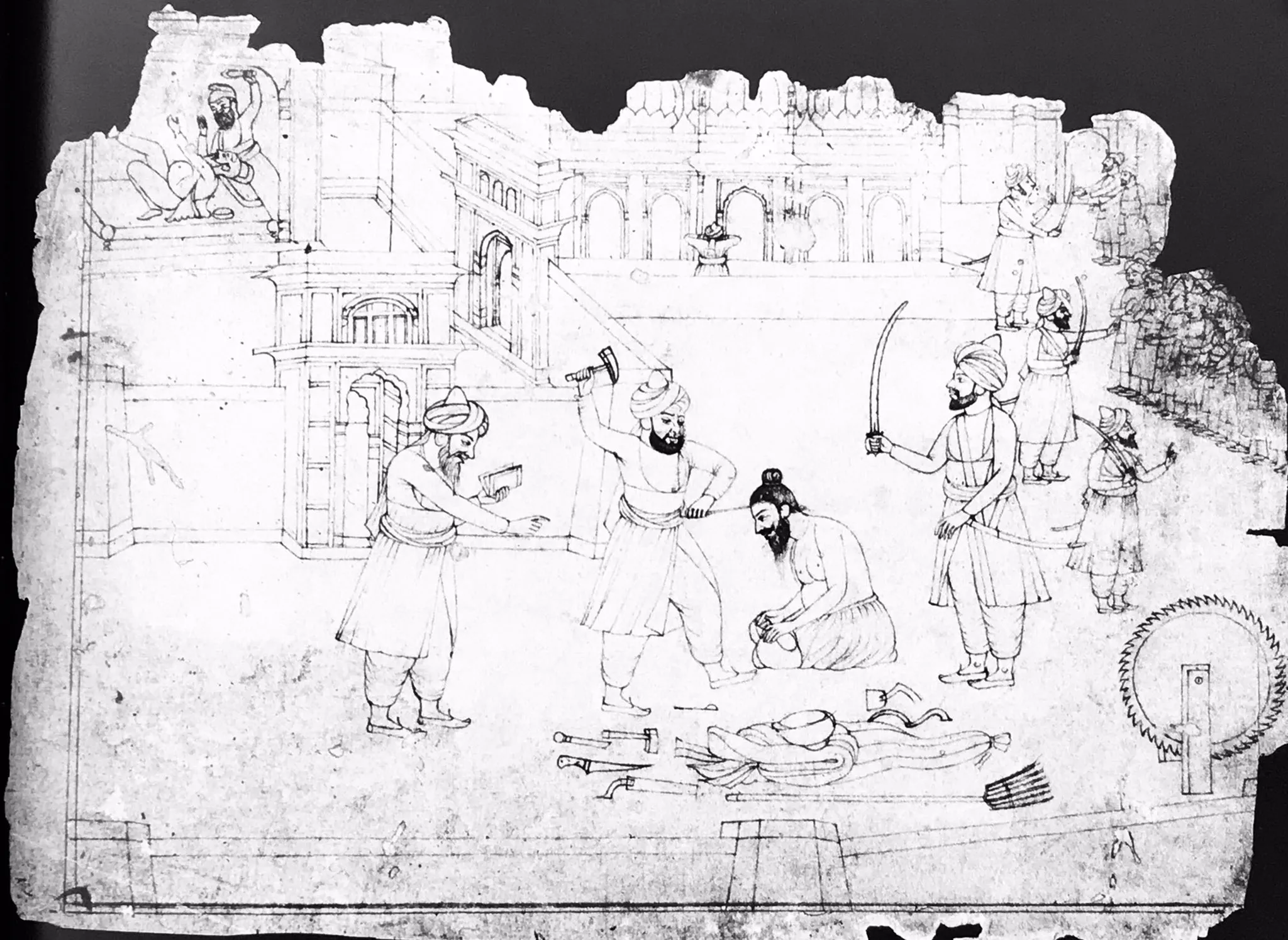
Gurdwara Shaheed Bhai Taru Singh is a historic Sikh shrine in Naulakha Bazaar, Lahore, Pakistan, marking the place where Bhai Taru Singh Ji was executed in 1745 after refusing to cut his hair or give up his faith under Governor Zakaria Khan. Long disputed with the adjoining Shaheed Ganj mosque site, it was closed to the public by the Evacuee Trust Property Board in December 2022.
- Punjabi name
- ਗੁਰਦੁਆਰਾ ਸ਼ਹੀਦ ਭਾਈ ਤਾਰੂ ਸਿੰਘ, ਲਾਹੌਰ
- Type
- Historic gurdwara (martyrdom shrine)
- Country
- Pakistan
- City
- Lahore
- District
- Lahore
- Province
- Punjab
All 13 facts
- Location
- Naulakha Bazaar, Lahore
- Associated with
- Bhai Taru Singh Ji
- Marks
- Place of the martyrdom of Bhai Taru Singh Ji in 1745
- Also known as
- Gurdwara Shahidi Asthan Bhai Taru Singh Ji; Gurdwara Shaheed Ganj Bhai Taru Singh
- Status
- Closed to the public since December 2022
- Care
- Evacuee Trust Property Board (ETPB), Pakistan
- Coordinates
- 31.5790 N, 74.3319 E
Gurdwara Shaheed Bhai Taru Singh stands in Naulakha Bazaar, Lahore, Pakistan, at the place where Bhai Taru Singh was executed in 1745 for refusing to cut his unshorn hair or abandon his faith. Also called his Shahidi Asthan, the martyrdom shrine was closed to the public by Pakistan's Evacuee Trust Property Board in December 2022.
What is Gurdwara Shaheed Bhai Taru Singh?
A shaheedi asthan is a place of martyrdom, and few carry a charge like this one. The gurdwara stands in the Shahidganj quarter of Naulakha Bazaar, a crowded market street that runs from the end of Landa Bazaar towards Lahore railway station. Its doorway is easy to miss: a small door between shops, carrying the inscription Gurdwara Shaheed Ganj Bhai Taru Ji. Behind it lies the ground where, Sikh tradition holds, Bhai Taru Singh Ji was put to death in 1745. The shrine is also known as Gurdwara Shahidi Asthan Bhai Taru Singh Ji and as Gurdwara Shaheed Ganj Bhai Taru Singh.
The martyrdom of Bhai Taru Singh Ji
Bhai Taru Singh Ji was a young farmer of Poohla village, born around 1720 and raised by his widowed mother after his father, Bhai Jodh Singh, died in battle. He worked his own land, lived simply, and used what he saved to feed and shelter Sikh fighters who were being hunted by the Lahore government of Zakaria Khan. An informer reported him, and he and his sister Tar Kaur were arrested. Villagers bought his sister's freedom, but Bhai Taru Singh Ji refused to seek a pardon for himself.
Sikh accounts tell that, after imprisonment and torture, he was offered his life if he would cut his kesh, his unshorn hair, and accept Islam. He refused, saying his strength lay in his hair, blessed by Guru Gobind Singh Ji. When a barber could not cut it, tradition holds, his scalp was ordered to be cut away instead, so that the hair could never grow again. He is remembered reciting the Japji Sahib through the ordeal, the account kept at this shrine. Sikh sources record that he died on 1 July 1745, having outlived Zakaria Khan, who died shortly before him.
History of the shrine
Devotees raised a shaheed ganj, a memorial of martyrdom, at the place of execution, and the wider square took the name Shahidganj because other Sikh prisoners had also been executed there. The ground already held older layers: the shrine of the Sufi Pir Shah Kaku, and the Shaheed Ganj Mosque, dedicated in 1722. When Sikh rule began in Lahore in 1762 under the Bhangi Misl, a small gurdwara was built beside the mosque building to mark the execution site, and the old mosque building served for a time as the residence of the gurdwara's granthi, its scripture reader.
The shrine was handed to the Sikh community on 22 December 1927, and from 1927 to 1947 it was maintained by the Gurdwara Parbandhak Committee, with its care entrusted to Bhai Achchar Singh, who later became Jathedar of Akal Takht Sahib. An estate and shops were attached to the gurdwara for its upkeep from the Sikh period onwards. After Partition in 1947 the shrine passed to Pakistan's Evacuee Trust authorities, and a new, larger gurdwara building was built on the grounds in 2004.
A disputed site: from 1935 to the closure of 2022
Few shrines in Lahore have been argued over for so long. Muslim petitions for the site began under British rule, in 1849 and 1850, and courts repeatedly upheld the Sikh right to worship here, including rulings after appeals in 1934 and 1938. While a settlement was still being negotiated in 1935, a group of Sikhs demolished the old mosque building on 7 and 8 July 1935, and the act triggered communal riots in Lahore. After Partition, further appeals in 1950 and in the 1980s were rejected, and the site was handed back to the Sikh community under General Zia-ul-Haq.
The dispute never fully settled. Reports since 2012 describe the Naulakha Bazaar market committee encroaching on most of the gurdwara land and dividing the complex with a cloth partition, leaving the shrine a small corner of its original ground. In July 2011 Sikhs were turned away from the gurdwara around the observance of Shab-e-Barat, a decision the Human Rights Commission of Pakistan condemned. In July 2020, claims that the shrine would be converted into a mosque drew a formal protest from India. In December 2022 the Evacuee Trust Property Board closed the gurdwara to the public, and reports in 2025 describe it still closed, hidden behind shops and walls in the bazaar. This page records that status as it stands: a revered shrine that devotees presently cannot enter.
What stands there today?
The gurdwara is built in Sikh architectural style, but the bazaar has grown tight around it. A visitor walking Naulakha Bazaar today sees shops, walls and the small inscribed doorway rather than an open shrine complex, and only a small part of the original land, once recorded at about 600 square yards, remains with the gurdwara. Inside, a diorama long depicted the execution of Bhai Taru Singh Ji at this spot. Because the shrine is closed, there is no regular public worship, no langar service for visitors, and no fixed visiting hours to publish: anyone travelling in hope of darshan should first check the current position with the Pakistan Sikh Gurdwara Parbandhak Committee or the Evacuee Trust Property Board.
Significance
For Sikhs, Bhai Taru Singh Ji stands for a single, stark choice: he would give his scalp, and with it his life, rather than surrender the kesh that marked his faith. His story is taught wherever Sikh children learn the history of the eighteenth century persecutions, and this small plot in Naulakha Bazaar is where that story happened. Lahore holds the faith's memory in layers: the martyrdom of Guru Arjan Dev Ji at Gurdwara Dera Sahib, the birthplace of Guru Ram Das Ji, and here, the stand of an ordinary farmer who would not bend. Even closed, the Shahidi Asthan keeps that memory anchored to a real street and a real door.
How to reach Naulakha Bazaar
Naulakha Bazaar lies near Lahore railway station, on the edge of the old city. The bazaar begins where Landa Bazaar ends and runs towards the station; entering from the Landa Bazaar side, look for the small door on the left, between the shops, with the gurdwara inscription above it. The lanes are busiest by the middle of the day, so come early, and the cooler months from November to March are the most comfortable. Pilgrims who find this shrine closed usually continue to Lahore's open shrines, including Gurdwara Dera Sahib and Gurdwara Janam Asthan Guru Ram Das, listed together on our Gurdwaras in Pakistan hub.
ਗੁਰਦੁਆਰਾ ਸ਼ਹੀਦ ਭਾਈ ਤਾਰੂ ਸਿੰਘ ਲਾਹੌਰ, ਪਾਕਿਸਤਾਨ ਦੇ ਨੌਲੱਖਾ ਬਜ਼ਾਰ ਵਿੱਚ ਉਸ ਥਾਂ ਉੱਤੇ ਖੜ੍ਹਾ ਹੈ ਜਿੱਥੇ ਭਾਈ ਤਾਰੂ ਸਿੰਘ ਜੀ ਨੂੰ 1745 ਵਿੱਚ ਇਸ ਲਈ ਸ਼ਹੀਦ ਕੀਤਾ ਗਿਆ ਸੀ ਕਿ ਉਹਨਾਂ ਨੇ ਆਪਣੇ ਕੇਸ ਕੱਟਣ ਜਾਂ ਆਪਣਾ ਧਰਮ ਛੱਡਣ ਤੋਂ ਇਨਕਾਰ ਕਰ ਦਿੱਤਾ ਸੀ ਇਸਨੂੰ ਸ਼ਹੀਦੀ ਅਸਥਾਨ ਵੀ ਕਿਹਾ ਜਾਂਦਾ ਹੈ ਇਹ ਅਸਥਾਨ ਦਸੰਬਰ 2022 ਵਿੱਚ ਇਵੈਕੁਈ ਟਰੱਸਟ ਪ੍ਰਾਪਰਟੀ ਬੋਰਡ ਵੱਲੋਂ ਆਮ ਲੋਕਾਂ ਲਈ ਬੰਦ ਕਰ ਦਿੱਤਾ ਗਿਆ ਸੀ
ਗੁਰਦੁਆਰਾ ਸ਼ਹੀਦ ਭਾਈ ਤਾਰੂ ਸਿੰਘ ਕੀ ਹੈ?
ਸ਼ਹੀਦੀ ਅਸਥਾਨ ਦਾ ਮਤਲਬ ਹੈ ਸ਼ਹਾਦਤ ਵਾਲੀ ਥਾਂ, ਅਤੇ ਇਸ ਥਾਂ ਵਰਗੀ ਭਾਵਨਾ ਘੱਟ ਹੀ ਥਾਵਾਂ ਵਿੱਚ ਮਿਲਦੀ ਹੈ ਇਹ ਗੁਰਦੁਆਰਾ ਨੌਲੱਖਾ ਬਜ਼ਾਰ ਦੇ ਸ਼ਹੀਦਗੰਜ ਇਲਾਕੇ ਵਿੱਚ ਹੈ ਇਹ ਭੀੜ ਭਰੀ ਬਜ਼ਾਰ ਵਾਲੀ ਗਲੀ ਲੰਡਾ ਬਜ਼ਾਰ ਦੇ ਅੰਤ ਤੋਂ ਸ਼ੁਰੂ ਹੋ ਕੇ ਲਾਹੌਰ ਰੇਲਵੇ ਸਟੇਸ਼ਨ ਵੱਲ ਜਾਂਦੀ ਹੈ ਇਸਦਾ ਦਰਵਾਜ਼ਾ ਲੱਭਣਾ ਔਖਾ ਹੈ: ਦੁਕਾਨਾਂ ਦੇ ਵਿਚਕਾਰ ਇੱਕ ਛੋਟਾ ਜਿਹਾ ਦਰਵਾਜ਼ਾ, ਜਿਸ ਉੱਤੇ ਗੁਰਦੁਆਰਾ ਸ਼ਹੀਦ ਗੰਜ ਭਾਈ ਤਾਰੂ ਜੀ ਲਿਖਿਆ ਹੈ ਸਿੱਖ ਪਰੰਪਰਾ ਅਨੁਸਾਰ ਇਸੇ ਜ਼ਮੀਨ ਉੱਤੇ 1745 ਵਿੱਚ ਭਾਈ ਤਾਰੂ ਸਿੰਘ ਜੀ ਨੂੰ ਸ਼ਹੀਦ ਕੀਤਾ ਗਿਆ ਸੀ ਇਸ ਅਸਥਾਨ ਨੂੰ ਗੁਰਦੁਆਰਾ ਸ਼ਹੀਦੀ ਅਸਥਾਨ ਭਾਈ ਤਾਰੂ ਸਿੰਘ ਜੀ ਅਤੇ ਗੁਰਦੁਆਰਾ ਸ਼ਹੀਦ ਗੰਜ ਭਾਈ ਤਾਰੂ ਸਿੰਘ ਵੀ ਕਿਹਾ ਜਾਂਦਾ ਹੈ
ਭਾਈ ਤਾਰੂ ਸਿੰਘ ਜੀ ਦੀ ਸ਼ਹੀਦੀ
ਭਾਈ ਤਾਰੂ ਸਿੰਘ ਜੀ ਪੂਹਲਾ ਪਿੰਡ ਦੇ ਇੱਕ ਨੌਜਵਾਨ ਕਿਸਾਨ ਸਨ ਉਹ ਲਗਭਗ 1720 ਵਿੱਚ ਜਨਮੇ ਅਤੇ ਪਿਤਾ ਭਾਈ ਜੋਧ ਸਿੰਘ ਦੇ ਜੰਗ ਵਿੱਚ ਸ਼ਹੀਦ ਹੋਣ ਤੋਂ ਬਾਅਦ ਵਿਧਵਾ ਮਾਤਾ ਨੇ ਉਹਨਾਂ ਨੂੰ ਪਾਲਿਆ ਉਹ ਆਪਣੀ ਜ਼ਮੀਨ ਆਪ ਵਾਹੁੰਦੇ ਸਨ, ਸਾਦਾ ਜੀਵਨ ਜਿਉਂਦੇ ਸਨ ਅਤੇ ਬਚਤ ਨਾਲ ਉਹਨਾਂ ਸਿੱਖ ਜੁਝਾਰੂਆਂ ਨੂੰ ਲੰਗਰ ਅਤੇ ਆਸਰਾ ਦਿੰਦੇ ਸਨ ਜਿਨ੍ਹਾਂ ਦਾ ਜ਼ਕਰੀਆ ਖਾਨ ਦੀ ਲਾਹੌਰ ਸਰਕਾਰ ਪਿੱਛਾ ਕਰ ਰਹੀ ਸੀ ਇੱਕ ਮੁਖਬਰ ਨੇ ਸ਼ਿਕਾਇਤ ਕੀਤੀ ਅਤੇ ਉਹਨਾਂ ਨੂੰ ਅਤੇ ਉਹਨਾਂ ਦੀ ਭੈਣ ਤਾਰ ਕੌਰ ਨੂੰ ਗ੍ਰਿਫਤਾਰ ਕਰ ਲਿਆ ਗਿਆ ਪਿੰਡ ਵਾਲਿਆਂ ਨੇ ਭੈਣ ਦੀ ਰਿਹਾਈ ਕਰਵਾ ਲਈ, ਪਰ ਭਾਈ ਤਾਰੂ ਸਿੰਘ ਜੀ ਨੇ ਆਪਣੇ ਲਈ ਮਾਫੀ ਮੰਗਣ ਤੋਂ ਇਨਕਾਰ ਕਰ ਦਿੱਤਾ
ਸਿੱਖ ਕਥਾਵਾਂ ਅਨੁਸਾਰ ਕੈਦ ਅਤੇ ਤਸੀਹਿਆਂ ਤੋਂ ਬਾਅਦ ਉਹਨਾਂ ਨੂੰ ਕਿਹਾ ਗਿਆ ਕਿ ਜੇ ਉਹ ਕੇਸ ਕੱਟ ਕੇ ਇਸਲਾਮ ਕਬੂਲ ਕਰ ਲੈਣ ਤਾਂ ਜਾਨ ਬਖਸ਼ ਦਿੱਤੀ ਜਾਵੇਗੀ ਉਹਨਾਂ ਨੇ ਇਨਕਾਰ ਕਰ ਦਿੱਤਾ ਅਤੇ ਕਿਹਾ ਕਿ ਉਹਨਾਂ ਦੀ ਸ਼ਕਤੀ ਗੁਰੂ ਗੋਬਿੰਦ ਸਿੰਘ ਜੀ ਦੀ ਬਖਸ਼ਿਸ਼ ਵਾਲੇ ਕੇਸਾਂ ਵਿੱਚ ਹੈ ਪਰੰਪਰਾ ਅਨੁਸਾਰ ਜਦੋਂ ਨਾਈ ਕੇਸ ਨਾ ਕੱਟ ਸਕਿਆ ਤਾਂ ਹੁਕਮ ਹੋਇਆ ਕਿ ਖੋਪੜੀ ਹੀ ਕੱਟ ਦਿੱਤੀ ਜਾਵੇ ਤਾਂ ਕਿ ਵਾਲ ਫਿਰ ਕਦੇ ਨਾ ਉੱਗਣ ਕਿਹਾ ਜਾਂਦਾ ਹੈ ਕਿ ਉਹ ਇਸ ਸਾਰੇ ਦੌਰ ਵਿੱਚ ਜਪੁਜੀ ਸਾਹਿਬ ਦਾ ਪਾਠ ਕਰਦੇ ਰਹੇ, ਜਿਵੇਂ ਇਸ ਅਸਥਾਨ ਉੱਤੇ ਦੱਸਿਆ ਜਾਂਦਾ ਹੈ ਸਿੱਖ ਸਰੋਤਾਂ ਅਨੁਸਾਰ ਉਹ 1 ਜੁਲਾਈ 1745 ਨੂੰ ਸ਼ਹੀਦੀ ਪਾ ਗਏ ਉਹਨਾਂ ਤੋਂ ਥੋੜ੍ਹਾ ਪਹਿਲਾਂ ਜ਼ਕਰੀਆ ਖਾਨ ਦੀ ਮੌਤ ਹੋ ਚੁੱਕੀ ਸੀ
ਅਸਥਾਨ ਦਾ ਇਤਿਹਾਸ
ਸ਼ਰਧਾਲੂਆਂ ਨੇ ਸ਼ਹਾਦਤ ਵਾਲੀ ਥਾਂ ਉੱਤੇ ਸ਼ਹੀਦ ਗੰਜ ਬਣਾਇਆ, ਅਤੇ ਆਸ ਪਾਸ ਦੇ ਮੈਦਾਨ ਦਾ ਨਾਂ ਵੀ ਸ਼ਹੀਦਗੰਜ ਪੈ ਗਿਆ ਕਿਉਂਕਿ ਹੋਰ ਸਿੱਖ ਕੈਦੀ ਵੀ ਉੱਥੇ ਸ਼ਹੀਦ ਕੀਤੇ ਗਏ ਸਨ ਇਸ ਜ਼ਮੀਨ ਉੱਤੇ ਪਹਿਲਾਂ ਤੋਂ ਪੁਰਾਣੀਆਂ ਪਰਤਾਂ ਸਨ: ਸੂਫੀ ਪੀਰ ਸ਼ਾਹ ਕਾਕੂ ਦਾ ਮਜ਼ਾਰ ਅਤੇ 1722 ਵਿੱਚ ਬਣੀ ਸ਼ਹੀਦ ਗੰਜ ਮਸਜਿਦ 1762 ਵਿੱਚ ਭੰਗੀ ਮਿਸਲ ਅਧੀਨ ਲਾਹੌਰ ਵਿੱਚ ਸਿੱਖ ਰਾਜ ਸ਼ੁਰੂ ਹੋਣ ਤੋਂ ਬਾਅਦ ਸ਼ਹਾਦਤ ਵਾਲੀ ਥਾਂ ਦੇ ਨਿਸ਼ਾਨ ਵਜੋਂ ਮਸਜਿਦ ਦੀ ਇਮਾਰਤ ਦੇ ਨਾਲ ਇੱਕ ਛੋਟਾ ਗੁਰਦੁਆਰਾ ਬਣਾਇਆ ਗਿਆ, ਅਤੇ ਪੁਰਾਣੀ ਮਸਜਿਦ ਦੀ ਇਮਾਰਤ ਕੁਝ ਸਮਾਂ ਗੁਰਦੁਆਰੇ ਦੇ ਗ੍ਰੰਥੀ ਦੀ ਰਿਹਾਇਸ਼ ਵਜੋਂ ਵਰਤੀ ਗਈ
ਇਹ ਅਸਥਾਨ 22 ਦਸੰਬਰ 1927 ਨੂੰ ਸਿੱਖ ਕੌਮ ਨੂੰ ਸੌਂਪਿਆ ਗਿਆ, ਅਤੇ 1927 ਤੋਂ 1947 ਤੱਕ ਇਸਦੀ ਸੰਭਾਲ ਗੁਰਦੁਆਰਾ ਪ੍ਰਬੰਧਕ ਕਮੇਟੀ ਕੋਲ ਰਹੀ ਇਸਦੀ ਦੇਖਭਾਲ ਭਾਈ ਅੱਛਰ ਸਿੰਘ ਨੂੰ ਸੌਂਪੀ ਗਈ, ਜੋ ਬਾਅਦ ਵਿੱਚ ਅਕਾਲ ਤਖਤ ਸਾਹਿਬ ਦੇ ਜਥੇਦਾਰ ਬਣੇ ਸਿੱਖ ਕਾਲ ਤੋਂ ਹੀ ਗੁਰਦੁਆਰੇ ਦੇ ਖਰਚ ਲਈ ਜਾਗੀਰ ਅਤੇ ਦੁਕਾਨਾਂ ਜੁੜੀਆਂ ਹੋਈਆਂ ਸਨ 1947 ਦੀ ਵੰਡ ਤੋਂ ਬਾਅਦ ਇਹ ਅਸਥਾਨ ਪਾਕਿਸਤਾਨ ਦੇ ਇਵੈਕੁਈ ਟਰੱਸਟ ਅਧਿਕਾਰੀਆਂ ਕੋਲ ਚਲਾ ਗਿਆ, ਅਤੇ 2004 ਵਿੱਚ ਇੱਥੇ ਨਵੀਂ ਅਤੇ ਵੱਡੀ ਗੁਰਦੁਆਰਾ ਇਮਾਰਤ ਬਣਾਈ ਗਈ
ਵਿਵਾਦਿਤ ਥਾਂ: 1935 ਤੋਂ 2022 ਦੀ ਬੰਦੀ ਤੱਕ
ਲਾਹੌਰ ਦੇ ਘੱਟ ਹੀ ਅਸਥਾਨਾਂ ਬਾਰੇ ਇੰਨੇ ਲੰਬੇ ਸਮੇਂ ਤੱਕ ਝਗੜਾ ਚੱਲਿਆ ਹੈ ਬ੍ਰਿਟਿਸ਼ ਰਾਜ ਵਿੱਚ 1849 ਅਤੇ 1850 ਤੋਂ ਇਸ ਥਾਂ ਬਾਰੇ ਮੁਸਲਮਾਨਾਂ ਦੀਆਂ ਅਰਜ਼ੀਆਂ ਸ਼ੁਰੂ ਹੋਈਆਂ, ਅਤੇ ਅਦਾਲਤਾਂ ਨੇ ਵਾਰ ਵਾਰ ਸਿੱਖਾਂ ਦੇ ਇੱਥੇ ਪੂਜਾ ਦੇ ਹੱਕ ਨੂੰ ਕਾਇਮ ਰੱਖਿਆ, ਜਿਸ ਵਿੱਚ 1934 ਅਤੇ 1938 ਦੀਆਂ ਅਪੀਲਾਂ ਤੋਂ ਬਾਅਦ ਦੇ ਫੈਸਲੇ ਵੀ ਸ਼ਾਮਲ ਹਨ 1935 ਵਿੱਚ ਜਦੋਂ ਸਮਝੌਤੇ ਦੀ ਗੱਲਬਾਤ ਅਜੇ ਚੱਲ ਰਹੀ ਸੀ, ਸਿੱਖਾਂ ਦੇ ਇੱਕ ਗਰੁੱਪ ਨੇ 7 ਅਤੇ 8 ਜੁਲਾਈ 1935 ਨੂੰ ਪੁਰਾਣੀ ਮਸਜਿਦ ਦੀ ਇਮਾਰਤ ਢਾਹ ਦਿੱਤੀ, ਜਿਸ ਨਾਲ ਲਾਹੌਰ ਵਿੱਚ ਫਿਰਕੂ ਦੰਗੇ ਭੜਕ ਗਏ ਵੰਡ ਤੋਂ ਬਾਅਦ 1950 ਅਤੇ 1980ਵਿਆਂ ਦੀਆਂ ਅਪੀਲਾਂ ਵੀ ਰੱਦ ਹੋਈਆਂ, ਅਤੇ ਜਨਰਲ ਜ਼ਿਆ ਉਲ ਹੱਕ ਦੇ ਸਮੇਂ ਇਹ ਥਾਂ ਸਿੱਖ ਕੌਮ ਨੂੰ ਵਾਪਸ ਸੌਂਪੀ ਗਈ
ਇਹ ਝਗੜਾ ਪੂਰੀ ਤਰ੍ਹਾਂ ਕਦੇ ਖਤਮ ਨਹੀਂ ਹੋਇਆ 2012 ਤੋਂ ਆਈਆਂ ਰਿਪੋਰਟਾਂ ਅਨੁਸਾਰ ਨੌਲੱਖਾ ਬਜ਼ਾਰ ਦੀ ਮਾਰਕੀਟ ਕਮੇਟੀ ਨੇ ਗੁਰਦੁਆਰੇ ਦੀ ਜ਼ਿਆਦਾਤਰ ਜ਼ਮੀਨ ਉੱਤੇ ਕਬਜ਼ਾ ਕਰ ਲਿਆ ਅਤੇ ਕੱਪੜੇ ਦੀ ਆੜ ਲਗਾ ਕੇ ਅਸਥਾਨ ਨੂੰ ਵੰਡ ਦਿੱਤਾ, ਜਿਸ ਨਾਲ ਗੁਰਦੁਆਰੇ ਕੋਲ ਆਪਣੀ ਮੂਲ ਜ਼ਮੀਨ ਦਾ ਛੋਟਾ ਜਿਹਾ ਹਿੱਸਾ ਰਹਿ ਗਿਆ ਜੁਲਾਈ 2011 ਵਿੱਚ ਸ਼ਬ-ਏ-ਬਰਾਤ ਦੇ ਮੌਕੇ ਸਿੱਖਾਂ ਨੂੰ ਗੁਰਦੁਆਰੇ ਤੋਂ ਵਾਪਸ ਮੋੜ ਦਿੱਤਾ ਗਿਆ, ਜਿਸ ਫੈਸਲੇ ਦੀ ਪਾਕਿਸਤਾਨ ਦੇ ਮਨੁੱਖੀ ਅਧਿਕਾਰ ਕਮਿਸ਼ਨ ਨੇ ਨਿੰਦਾ ਕੀਤੀ ਜੁਲਾਈ 2020 ਵਿੱਚ ਇਸ ਅਸਥਾਨ ਨੂੰ ਮਸਜਿਦ ਬਣਾਉਣ ਦੇ ਦਾਅਵਿਆਂ ਉੱਤੇ ਭਾਰਤ ਨੇ ਰਸਮੀ ਵਿਰੋਧ ਦਰਜ ਕਰਵਾਇਆ ਦਸੰਬਰ 2022 ਵਿੱਚ ਇਵੈਕੁਈ ਟਰੱਸਟ ਪ੍ਰਾਪਰਟੀ ਬੋਰਡ ਨੇ ਗੁਰਦੁਆਰਾ ਆਮ ਲੋਕਾਂ ਲਈ ਬੰਦ ਕਰ ਦਿੱਤਾ, ਅਤੇ 2025 ਦੀਆਂ ਰਿਪੋਰਟਾਂ ਅਨੁਸਾਰ ਇਹ ਅਜੇ ਬੰਦ ਹੈ ਅਤੇ ਬਜ਼ਾਰ ਦੀਆਂ ਦੁਕਾਨਾਂ ਅਤੇ ਕੰਧਾਂ ਪਿੱਛੇ ਲੁਕਿਆ ਹੋਇਆ ਹੈ ਇਹ ਸਫ਼ਾ ਇਹੀ ਹਾਲਤ ਦਰਜ ਕਰਦਾ ਹੈ: ਇੱਕ ਪੂਜਨੀਕ ਅਸਥਾਨ ਜਿੱਥੇ ਸ਼ਰਧਾਲੂ ਇਸ ਸਮੇਂ ਦਾਖਲ ਨਹੀਂ ਹੋ ਸਕਦੇ
ਅੱਜ ਉੱਥੇ ਕੀ ਹੈ?
ਇਹ ਗੁਰਦੁਆਰਾ ਸਿੱਖ ਇਮਾਰਤ ਕਲਾ ਦੀ ਸ਼ੈਲੀ ਵਿੱਚ ਬਣਿਆ ਹੈ, ਪਰ ਬਜ਼ਾਰ ਇਸਦੇ ਆਲੇ ਦੁਆਲੇ ਬਹੁਤ ਸੰਘਣਾ ਹੋ ਗਿਆ ਹੈ ਅੱਜ ਨੌਲੱਖਾ ਬਜ਼ਾਰ ਵਿੱਚ ਤੁਰਨ ਵਾਲਾ ਦੁਕਾਨਾਂ, ਕੰਧਾਂ ਅਤੇ ਛੋਟਾ ਜਿਹਾ ਲਿਖਤ ਵਾਲਾ ਦਰਵਾਜ਼ਾ ਵੇਖਦਾ ਹੈ, ਖੁੱਲ੍ਹਾ ਅਸਥਾਨ ਨਹੀਂ ਮੂਲ ਜ਼ਮੀਨ ਲਗਭਗ 600 ਵਰਗ ਗਜ਼ ਦਰਜ ਸੀ, ਜਿਸਦਾ ਛੋਟਾ ਜਿਹਾ ਹਿੱਸਾ ਹੀ ਗੁਰਦੁਆਰੇ ਕੋਲ ਰਹਿ ਗਿਆ ਹੈ ਅੰਦਰ ਇੱਕ ਡਾਇਓਰਾਮਾ ਲੰਬੇ ਸਮੇਂ ਤੱਕ ਇਸੇ ਥਾਂ ਉੱਤੇ ਭਾਈ ਤਾਰੂ ਸਿੰਘ ਜੀ ਦੀ ਸ਼ਹਾਦਤ ਨੂੰ ਦਰਸਾਉਂਦਾ ਰਿਹਾ ਅਸਥਾਨ ਬੰਦ ਹੋਣ ਕਾਰਨ ਇੱਥੇ ਆਮ ਲੋਕਾਂ ਲਈ ਕੋਈ ਨਿਯਮਤ ਪੂਜਾ, ਸੈਲਾਨੀਆਂ ਲਈ ਲੰਗਰ ਸੇਵਾ ਜਾਂ ਤੈਅ ਮੁਲਾਕਾਤ ਸਮਾਂ ਨਹੀਂ ਹੈ ਦਰਸ਼ਨਾਂ ਦੀ ਆਸ ਨਾਲ ਜਾਣ ਵਾਲੇ ਪਹਿਲਾਂ ਪਾਕਿਸਤਾਨ ਸਿੱਖ ਗੁਰਦੁਆਰਾ ਪ੍ਰਬੰਧਕ ਕਮੇਟੀ ਜਾਂ ਇਵੈਕੁਈ ਟਰੱਸਟ ਪ੍ਰਾਪਰਟੀ ਬੋਰਡ ਤੋਂ ਤਾਜ਼ਾ ਜਾਣਕਾਰੀ ਲੈ ਲੈਣ
ਮਹੱਤਤਾ
ਸਿੱਖਾਂ ਲਈ ਭਾਈ ਤਾਰੂ ਸਿੰਘ ਜੀ ਇੱਕ ਸਪੱਸ਼ਟ ਚੋਣ ਦਾ ਨਾਂ ਹੈ: ਉਹਨਾਂ ਨੇ ਕੇਸ ਛੱਡਣ ਦੀ ਥਾਂ ਆਪਣੀ ਖੋਪੜੀ ਅਤੇ ਜਾਨ ਦੇਣੀ ਪਸੰਦ ਕੀਤੀ ਜਿੱਥੇ ਵੀ ਸਿੱਖ ਬੱਚੇ ਅਠਾਰਵੀਂ ਸਦੀ ਦੇ ਜ਼ੁਲਮਾਂ ਦਾ ਇਤਿਹਾਸ ਪੜ੍ਹਦੇ ਹਨ, ਉੱਥੇ ਉਹਨਾਂ ਦੀ ਕਹਾਣੀ ਸੁਣਾਈ ਜਾਂਦੀ ਹੈ, ਅਤੇ ਨੌਲੱਖਾ ਬਜ਼ਾਰ ਦੀ ਇਹ ਛੋਟੀ ਜਿਹੀ ਜ਼ਮੀਨ ਉਹ ਥਾਂ ਹੈ ਜਿੱਥੇ ਇਹ ਕਹਾਣੀ ਵਾਪਰੀ ਲਾਹੌਰ ਵਿੱਚ ਧਰਮ ਦੀ ਯਾਦ ਪਰਤਾਂ ਵਿੱਚ ਹੈ: ਗੁਰਦੁਆਰਾ ਡੇਰਾ ਸਾਹਿਬ ਵਿਖੇ ਗੁਰੂ ਅਰਜਨ ਦੇਵ ਜੀ ਦੀ ਸ਼ਹੀਦੀ, ਗੁਰੂ ਰਾਮਦਾਸ ਜੀ ਦਾ ਜਨਮ ਅਸਥਾਨ, ਅਤੇ ਇੱਥੇ ਇੱਕ ਸਾਧਾਰਨ ਕਿਸਾਨ ਦਾ ਅੜਨਾ ਜੋ ਝੁਕਿਆ ਨਹੀਂ ਬੰਦ ਹੋਣ ਦੇ ਬਾਵਜੂਦ ਸ਼ਹੀਦੀ ਅਸਥਾਨ ਇਸ ਯਾਦ ਨੂੰ ਇੱਕ ਅਸਲੀ ਗਲੀ ਅਤੇ ਇੱਕ ਅਸਲੀ ਦਰਵਾਜ਼ੇ ਨਾਲ ਜੋੜ ਕੇ ਰੱਖਦਾ ਹੈ
ਨੌਲੱਖਾ ਬਜ਼ਾਰ ਕਿਵੇਂ ਪਹੁੰਚੀਏ
ਨੌਲੱਖਾ ਬਜ਼ਾਰ ਲਾਹੌਰ ਰੇਲਵੇ ਸਟੇਸ਼ਨ ਨੇੜੇ, ਪੁਰਾਣੇ ਸ਼ਹਿਰ ਦੇ ਕਿਨਾਰੇ ਉੱਤੇ ਹੈ ਇਹ ਬਜ਼ਾਰ ਲੰਡਾ ਬਜ਼ਾਰ ਦੇ ਅੰਤ ਤੋਂ ਸ਼ੁਰੂ ਹੋ ਕੇ ਸਟੇਸ਼ਨ ਵੱਲ ਜਾਂਦਾ ਹੈ ਲੰਡਾ ਬਜ਼ਾਰ ਵੱਲੋਂ ਦਾਖਲ ਹੋ ਕੇ ਖੱਬੇ ਪਾਸੇ ਦੁਕਾਨਾਂ ਦੇ ਵਿਚਕਾਰ ਉਹ ਛੋਟਾ ਦਰਵਾਜ਼ਾ ਲੱਭੋ ਜਿਸ ਉੱਤੇ ਗੁਰਦੁਆਰੇ ਦੀ ਲਿਖਤ ਹੈ ਦੁਪਹਿਰ ਤੱਕ ਗਲੀਆਂ ਵਿੱਚ ਭੀੜ ਵਧ ਜਾਂਦੀ ਹੈ, ਇਸ ਲਈ ਸਵੇਰੇ ਜਾਣਾ ਚੰਗਾ ਹੈ, ਅਤੇ ਨਵੰਬਰ ਤੋਂ ਮਾਰਚ ਦੇ ਠੰਡੇ ਮਹੀਨੇ ਸਭ ਤੋਂ ਸੁਖਦਾਈ ਹਨ ਜਿਨ੍ਹਾਂ ਸ਼ਰਧਾਲੂਆਂ ਨੂੰ ਇਹ ਅਸਥਾਨ ਬੰਦ ਮਿਲੇ, ਉਹ ਆਮ ਤੌਰ ਉੱਤੇ ਲਾਹੌਰ ਦੇ ਖੁੱਲ੍ਹੇ ਅਸਥਾਨਾਂ ਵੱਲ ਜਾਂਦੇ ਹਨ, ਜਿਨ੍ਹਾਂ ਵਿੱਚ ਗੁਰਦੁਆਰਾ ਡੇਰਾ ਸਾਹਿਬ ਅਤੇ ਗੁਰਦੁਆਰਾ ਜਨਮ ਅਸਥਾਨ ਗੁਰੂ ਰਾਮਦਾਸ ਸ਼ਾਮਲ ਹਨ ਇਹ ਸਾਡੇ ਪਾਕਿਸਤਾਨ ਵਿੱਚ ਗੁਰਦੁਆਰੇ ਵਾਲੇ ਸਫ਼ੇ ਉੱਤੇ ਇਕੱਠੇ ਦਰਜ ਹਨ
More religion entries to explore
Sources
- Gurdwara Shaheed Bhai Taru Singh, Wikipedia
- Bhai Taru Singh, Wikipedia
- Gurudwara Shaheed Ganj Bhai Taru Singh, Naulakha Bazar, Lahore, All About Sikhs (Iqbal Qaiser)
- Gurdwara Shaheed Ganj Bhai Taru Singh, Lahore, Green Tourism Pakistan
- Gurdwara Sealed In Pakistan, Sikhs Miffed Over Justice Denied, Indian Defence News