
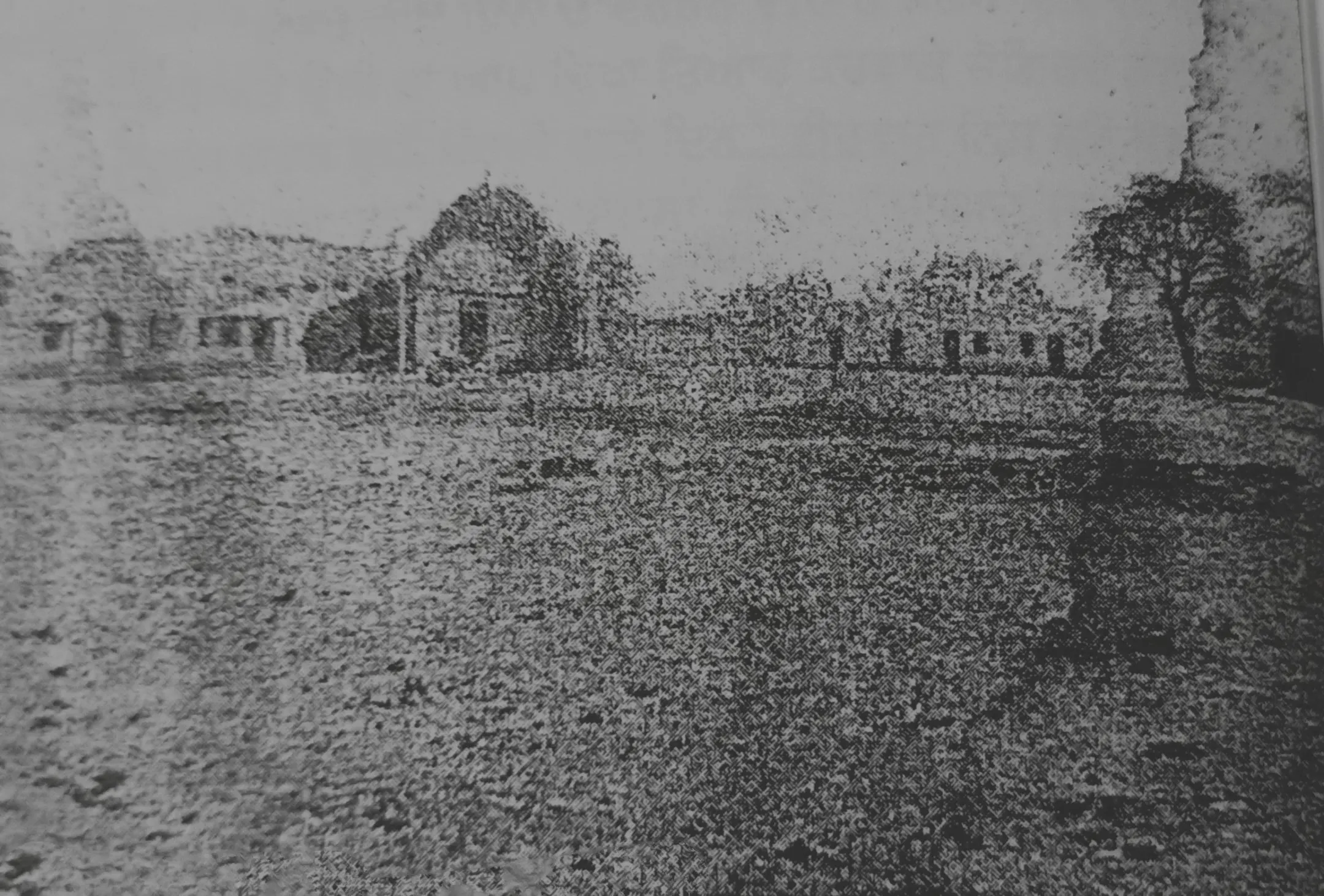
Gurdwara Shahid Ganj Singh Singhania in Naulakha Bazaar, Lahore, Pakistan, marks Shahidganj, the place of martyrs, where large numbers of Sikhs were publicly executed in the 1700s under Zakaria Khan, Yahya Khan, Mir Mannu and Adina Beg. It stands opposite Gurdwara Shaheed Bhai Taru Singh and is remembered in the daily Ardaas for the Singh and Singhania martyrs.
- Punjabi name
- ਗੁਰਦੁਆਰਾ ਸ਼ਹੀਦ ਗੰਜ ਸਿੰਘ ਸਿੰਘਾਨੀਆ, ਲਾਹੌਰ
- Type
- Historic gurdwara
- Country
- Pakistan
- City
- Lahore
- District
- Lahore
- Province
- Punjab
All 12 facts
- Location
- Shahidganj, Naulakha Bazaar (Landa Bazaar), Lahore
- Also known as
- Gurdwara Shaheedganj Singh Singhnian
- Marks
- Nakhas Chowk execution ground where Sikhs were martyred in the 1700s
- Associated with
- Bhai Taru Singh Ji; Bhai Mani Singh Ji (site association reported, year varies by account)
- Custodian
- Evacuee Trust Property Board (after 1947)
- Coordinates
- 31.5786 N, 74.3321 E
Gurdwara Shahid Ganj Singh Singhania is a historic Sikh gurdwara in Naulakha Bazaar, Lahore, Pakistan, standing at Shahidganj, the place of martyrs. It marks the square, first known as Nakhas Chowk, where large numbers of Sikh men, women and children were publicly executed during the persecutions of the 1700s, and where their courage is still remembered in daily prayer.
What is Gurdwara Shahid Ganj Singh Singhania?
Gurdwara Shahid Ganj Singh Singhania, also spelled Gurdwara Shaheedganj Singh Singhnian, is the shrine that keeps the memory of the martyrs of Shahidganj. Shahid means martyr and ganj means a place or store, so the name speaks of a place rich in martyrdom. The gurdwara stands opposite Gurdwara Shaheed Bhai Taru Singh, and the two shrines together mark one of the most painful and most honoured sites in Sikh history. For Sikhs, a visit here is not sightseeing. It is remembrance.
History: an execution ground in the 1700s
The square began as Nakhas Chowk, a market near Delhi Gate where captives, horses and cattle were sold. In 1721 Zakaria Khan became the Mughal governor of Lahore and began a campaign against the Sikhs. Rewards were offered for Sikh heads and for information, and anyone who helped Sikhs risked punishment. Captured Sikhs were brought to Lahore in chains and executed in public at the horse market, which Sikhs afterwards called Shahid Ganj, the place of martyrs.
The killing continued under later governors. During the Chhota Ghallughara of 1746, under Yahya Khan, the Sikh residents of Lahore were rounded up and executed, and captives taken in the countryside were marched back to the city and beheaded at Nakhas Chowk. Under Shah Nawaz Khan and then Mir Mannu, governor from 1748 to 1753, the campaign was renewed with the help of Adina Beg. Sikh prisoners, among them about five hundred men captured at Ram Rauni, were tortured and executed at Shahidganj. Sikh women were held in cells at the site, forced to grind grain, and many of their children were killed. Historians give very different totals for the dead across the whole period, from tens of thousands to far higher figures, so no single number should be read as exact.
Two names are linked with this ground above all others. Bhai Taru Singh Ji, a farmer who fed and sheltered Sikhs, was arrested on the orders of Zakaria Khan and executed at Lahore in 1745. His own shrine stands opposite. Sikh sources also associate this site with the martyrdom of Bhai Mani Singh Ji, the scholar and granthi of the Golden Temple. One widely used account gives his martyrdom here on 14 June 1738, while other accounts place it in 1737, so the year is best read as the late 1730s rather than as a settled date.
A shared and contested site
The same ground also holds a Muslim history, and an honest account must say so plainly. A mosque built by Abdullah Khan stood at Shahidganj. Sources date its completion to 1722, with the building work finished by 1753, and it stood beside the shrine of Pir Shah Kaku. When Sikh forces took Lahore in 1762, the mosque came under Sikh control and the gurdwara for Bhai Taru Singh Ji was built within the same grounds.
Under British rule the ownership of the site was disputed for decades. Claims by Muslim petitioners from 1850 onwards were rejected, the courts kept the existing position, and a notification on 22 December 1927 placed the mosque building and adjoining land with the gurdwara. On the night of 7 to 8 July 1935, while talks were still going on, the old mosque building was demolished by its Sikh custodians. Riots followed in Lahore. A later court judgement in 1940 recognised that the building had been a mosque, but held that the claim had come too late because Sikhs had held the property for more than 170 years. After Partition in 1947 the shrines passed to the Evacuee Trust Property Board of Pakistan, and the legal position was not reversed.
What stands there today?
A new gurdwara building replaced the older structure at Shahidganj in 1935, and the building has been renewed since then. Writers describe a marble structure with a portico raised on a podium at the centre of the site and a decorated interior. Traces of the old holding cells and student quarters have been reported at the premises, along with a well. A World Gurudwaras account describes the present Singh Singhania building as a three storey white structure with a large dome, rebuilt and renovated in 2004, with the underground chambers of the old jail open to pilgrims. After 1947 the gurdwara came under the Evacuee Trust Property Board, and it is counted among the few historic Sikh shrines in Pakistan that still serve their original purpose.
Significance for Sikhs
This gurdwara holds a special place in the Sikh Ardaas, the daily prayer of remembrance. The prayer recalls the Singhs and Singhania, the Sikh men and women who gave their heads for the faith and did not waver. Singhania, the women martyrs, are at the heart of this shrine in a way they are at few others. Their suffering at Shahidganj, grinding grain in prison while their children were killed, is remembered as endurance, not only as grief. The shrine therefore speaks to every visitor about faith held under pressure, and about ordinary people, many of them unnamed, who would not give up what they believed.
How to reach Gurdwara Shahid Ganj Singh Singhania
The gurdwara is in Naulakha Bazaar, also reached through Landa Bazaar, close to Lahore Junction railway station and outside Delhi Gate of the old Walled City. The bazaar is busy and the entrance can be easy to miss among the shops, so visitors usually ask locally for Shahidganj or for the Bhai Taru Singh shrine opposite. Pilgrims from outside Pakistan normally visit Lahore gurdwaras as part of organised yatra groups under arrangements overseen in Pakistan by the Evacuee Trust Property Board. Access to individual shrines can change, and the neighbouring Bhai Taru Singh shrine was reported closed to the public in December 2022, so travellers should confirm the current position before planning a visit.
ਗੁਰਦੁਆਰਾ ਸ਼ਹੀਦ ਗੰਜ ਸਿੰਘ ਸਿੰਘਾਨੀਆ ਲਾਹੌਰ, ਪਾਕਿਸਤਾਨ ਦੇ ਨੌਲੱਖਾ ਬਜ਼ਾਰ ਵਿੱਚ ਸਥਿਤ ਇੱਕ ਇਤਿਹਾਸਕ ਸਿੱਖ ਗੁਰਦੁਆਰਾ ਹੈ, ਜੋ ਸ਼ਹੀਦਗੰਜ ਅਰਥਾਤ ਸ਼ਹੀਦਾਂ ਵਾਲੀ ਥਾਂ ਉੱਤੇ ਖੜ੍ਹਾ ਹੈ ਇਹ ਉਸ ਚੌਕ ਦੀ ਯਾਦ ਦਿਵਾਉਂਦਾ ਹੈ ਜਿਸਨੂੰ ਪਹਿਲਾਂ ਨਖਾਸ ਚੌਕ ਕਿਹਾ ਜਾਂਦਾ ਸੀ ਅਤੇ ਜਿੱਥੇ ਅਠਾਰਵੀਂ ਸਦੀ ਦੇ ਜ਼ੁਲਮਾਂ ਦੌਰਾਨ ਬਹੁਤ ਸਾਰੇ ਸਿੱਖ ਮਰਦ, ਔਰਤਾਂ ਅਤੇ ਬੱਚੇ ਸਰੇਆਮ ਸ਼ਹੀਦ ਕੀਤੇ ਗਏ ਸਨ
ਗੁਰਦੁਆਰਾ ਸ਼ਹੀਦ ਗੰਜ ਸਿੰਘ ਸਿੰਘਾਨੀਆ ਕੀ ਹੈ?
ਗੁਰਦੁਆਰਾ ਸ਼ਹੀਦ ਗੰਜ ਸਿੰਘ ਸਿੰਘਾਨੀਆ, ਜਿਸਨੂੰ ਗੁਰਦੁਆਰਾ ਸ਼ਹੀਦਗੰਜ ਸਿੰਘ ਸਿੰਘਣੀਆਂ ਵੀ ਲਿਖਿਆ ਜਾਂਦਾ ਹੈ, ਸ਼ਹੀਦਗੰਜ ਦੇ ਸ਼ਹੀਦਾਂ ਦੀ ਯਾਦ ਸਾਂਭਣ ਵਾਲਾ ਅਸਥਾਨ ਹੈ ਸ਼ਹੀਦ ਦਾ ਅਰਥ ਹੈ ਧਰਮ ਲਈ ਜਾਨ ਦੇਣ ਵਾਲਾ ਅਤੇ ਗੰਜ ਦਾ ਅਰਥ ਹੈ ਥਾਂ ਜਾਂ ਭੰਡਾਰ, ਇਸ ਲਈ ਇਹ ਨਾਂ ਸ਼ਹਾਦਤਾਂ ਨਾਲ ਭਰੀ ਥਾਂ ਵੱਲ ਇਸ਼ਾਰਾ ਕਰਦਾ ਹੈ ਇਹ ਗੁਰਦੁਆਰਾ ਗੁਰਦੁਆਰਾ ਸ਼ਹੀਦ ਭਾਈ ਤਾਰੂ ਸਿੰਘ ਦੇ ਸਾਹਮਣੇ ਹੈ, ਅਤੇ ਦੋਵੇਂ ਅਸਥਾਨ ਮਿਲ ਕੇ ਸਿੱਖ ਇਤਿਹਾਸ ਦੀ ਸਭ ਤੋਂ ਦੁਖਦਾਈ ਅਤੇ ਸਭ ਤੋਂ ਸਤਿਕਾਰਤ ਥਾਵਾਂ ਵਿੱਚੋਂ ਇੱਕ ਬਣਾਉਂਦੇ ਹਨ ਸਿੱਖਾਂ ਲਈ ਇੱਥੇ ਆਉਣਾ ਸੈਰ ਨਹੀਂ, ਯਾਦ ਹੈ
ਇਤਿਹਾਸ: ਅਠਾਰਵੀਂ ਸਦੀ ਵਿੱਚ ਸਜ਼ਾ ਵਾਲੀ ਥਾਂ
ਇਹ ਚੌਕ ਪਹਿਲਾਂ ਨਖਾਸ ਚੌਕ ਸੀ, ਦਿੱਲੀ ਦਰਵਾਜ਼ੇ ਨੇੜੇ ਇੱਕ ਮੰਡੀ ਜਿੱਥੇ ਕੈਦੀ, ਘੋੜੇ ਅਤੇ ਪਸ਼ੂ ਵਿਕਦੇ ਸਨ 1721 ਵਿੱਚ ਜ਼ਕਰੀਆ ਖਾਨ ਲਾਹੌਰ ਦਾ ਮੁਗਲ ਸੂਬੇਦਾਰ ਬਣਿਆ ਅਤੇ ਉਸ ਨੇ ਸਿੱਖਾਂ ਵਿਰੁੱਧ ਮੁਹਿੰਮ ਸ਼ੁਰੂ ਕੀਤੀ ਸਿੱਖਾਂ ਦੇ ਸਿਰਾਂ ਅਤੇ ਸੂਹਾਂ ਉੱਤੇ ਇਨਾਮ ਰੱਖੇ ਗਏ, ਅਤੇ ਸਿੱਖਾਂ ਦੀ ਮਦਦ ਕਰਨ ਵਾਲੇ ਨੂੰ ਵੀ ਸਜ਼ਾ ਦਾ ਡਰ ਸੀ ਫੜੇ ਗਏ ਸਿੱਖ ਸੰਗਲਾਂ ਵਿੱਚ ਲਾਹੌਰ ਲਿਆਂਦੇ ਜਾਂਦੇ ਅਤੇ ਘੋੜ ਮੰਡੀ ਵਿੱਚ ਸਰੇਆਮ ਸ਼ਹੀਦ ਕੀਤੇ ਜਾਂਦੇ ਸਿੱਖਾਂ ਨੇ ਇਸ ਥਾਂ ਨੂੰ ਬਾਅਦ ਵਿੱਚ ਸ਼ਹੀਦ ਗੰਜ ਕਹਿਣਾ ਸ਼ੁਰੂ ਕੀਤਾ
ਬਾਅਦ ਵਾਲੇ ਸੂਬੇਦਾਰਾਂ ਹੇਠ ਵੀ ਇਹ ਸਿਲਸਿਲਾ ਜਾਰੀ ਰਿਹਾ 1746 ਦੇ ਛੋਟੇ ਘੱਲੂਘਾਰੇ ਦੌਰਾਨ, ਯਹੀਆ ਖਾਨ ਹੇਠ, ਲਾਹੌਰ ਦੇ ਸਿੱਖ ਵਾਸੀ ਫੜ ਕੇ ਸ਼ਹੀਦ ਕੀਤੇ ਗਏ ਅਤੇ ਪਿੰਡਾਂ ਵੱਲੋਂ ਫੜੇ ਗਏ ਕੈਦੀ ਸ਼ਹਿਰ ਲਿਆ ਕੇ ਨਖਾਸ ਚੌਕ ਵਿੱਚ ਸ਼ਹੀਦ ਕੀਤੇ ਗਏ ਸ਼ਾਹ ਨਵਾਜ਼ ਖਾਨ ਅਤੇ ਫਿਰ 1748 ਤੋਂ 1753 ਤੱਕ ਸੂਬੇਦਾਰ ਰਹੇ ਮੀਰ ਮੰਨੂ ਹੇਠ ਅਦੀਨਾ ਬੇਗ ਦੀ ਮਦਦ ਨਾਲ ਮੁਹਿੰਮ ਫਿਰ ਤੇਜ਼ ਹੋਈ ਰਾਮ ਰੌਣੀ ਤੋਂ ਫੜੇ ਗਏ ਲਗਭਗ ਪੰਜ ਸੌ ਸਿੱਖਾਂ ਸਮੇਤ ਕਈ ਕੈਦੀ ਸ਼ਹੀਦਗੰਜ ਵਿੱਚ ਤਸੀਹੇ ਦੇ ਕੇ ਸ਼ਹੀਦ ਕੀਤੇ ਗਏ ਸਿੱਖ ਔਰਤਾਂ ਨੂੰ ਇਸ ਥਾਂ ਦੀਆਂ ਕੋਠੜੀਆਂ ਵਿੱਚ ਰੱਖਿਆ ਗਿਆ, ਉਨ੍ਹਾਂ ਤੋਂ ਅਨਾਜ ਪਿਸਾਇਆ ਗਿਆ ਅਤੇ ਉਨ੍ਹਾਂ ਦੇ ਕਈ ਬੱਚੇ ਮਾਰੇ ਗਏ ਇਤਿਹਾਸਕਾਰ ਪੂਰੇ ਸਮੇਂ ਦੇ ਸ਼ਹੀਦਾਂ ਦੀ ਗਿਣਤੀ ਬਹੁਤ ਵੱਖ ਵੱਖ ਦੱਸਦੇ ਹਨ, ਦਸਾਂ ਹਜ਼ਾਰਾਂ ਤੋਂ ਲੈ ਕੇ ਇਸ ਤੋਂ ਕਿਤੇ ਵੱਧ ਤੱਕ, ਇਸ ਲਈ ਕਿਸੇ ਇੱਕ ਗਿਣਤੀ ਨੂੰ ਪੱਕਾ ਨਹੀਂ ਮੰਨਣਾ ਚਾਹੀਦਾ
ਇਸ ਥਾਂ ਨਾਲ ਦੋ ਨਾਂ ਸਭ ਤੋਂ ਵੱਧ ਜੁੜੇ ਹਨ ਭਾਈ ਤਾਰੂ ਸਿੰਘ ਜੀ, ਜੋ ਸਿੱਖਾਂ ਨੂੰ ਲੰਗਰ ਛਕਾਉਂਦੇ ਅਤੇ ਆਸਰਾ ਦਿੰਦੇ ਸਨ, ਜ਼ਕਰੀਆ ਖਾਨ ਦੇ ਹੁਕਮ ਨਾਲ ਫੜੇ ਗਏ ਅਤੇ 1745 ਵਿੱਚ ਲਾਹੌਰ ਵਿੱਚ ਸ਼ਹੀਦ ਕੀਤੇ ਗਏ ਉਨ੍ਹਾਂ ਦਾ ਆਪਣਾ ਅਸਥਾਨ ਸਾਹਮਣੇ ਹੈ ਸਿੱਖ ਸਰੋਤ ਇਸ ਥਾਂ ਨੂੰ ਭਾਈ ਮਨੀ ਸਿੰਘ ਜੀ ਦੀ ਸ਼ਹਾਦਤ ਨਾਲ ਵੀ ਜੋੜਦੇ ਹਨ, ਜੋ ਵਿਦਵਾਨ ਅਤੇ ਦਰਬਾਰ ਸਾਹਿਬ ਦੇ ਗ੍ਰੰਥੀ ਸਨ ਇੱਕ ਪ੍ਰਚਲਿਤ ਵਰਣਨ ਅਨੁਸਾਰ ਉਨ੍ਹਾਂ ਦੀ ਸ਼ਹਾਦਤ ਇੱਥੇ 14 ਜੂਨ 1738 ਨੂੰ ਹੋਈ, ਜਦਕਿ ਕੁਝ ਹੋਰ ਵਰਣਨ ਇਹ ਸਾਲ 1737 ਦੱਸਦੇ ਹਨ, ਇਸ ਲਈ ਇਸ ਨੂੰ ਤੀਹਵਿਆਂ ਦੇ ਅਖੀਰਲੇ ਸਾਲਾਂ ਦੀ ਗੱਲ ਸਮਝਣਾ ਠੀਕ ਹੈ
ਇੱਕ ਸਾਂਝੀ ਅਤੇ ਵਿਵਾਦਤ ਥਾਂ
ਇਸੇ ਥਾਂ ਦਾ ਇੱਕ ਮੁਸਲਿਮ ਇਤਿਹਾਸ ਵੀ ਹੈ, ਅਤੇ ਸੱਚੀ ਗੱਲ ਇਹ ਹੈ ਕਿ ਇਹ ਖੁੱਲ੍ਹ ਕੇ ਕਹਿਣਾ ਚਾਹੀਦਾ ਹੈ ਸ਼ਹੀਦਗੰਜ ਵਿੱਚ ਅਬਦੁੱਲਾ ਖਾਨ ਦੀ ਬਣਾਈ ਇੱਕ ਮਸਜਿਦ ਸੀ ਸਰੋਤਾਂ ਅਨੁਸਾਰ ਇਹ 1722 ਵਿੱਚ ਮੁਕੰਮਲ ਹੋਣ ਵੱਲ ਵਧੀ ਅਤੇ ਇਸ ਦਾ ਕੰਮ 1753 ਤੱਕ ਪੂਰਾ ਹੋਇਆ ਦੱਸਿਆ ਜਾਂਦਾ ਹੈ, ਅਤੇ ਇਹ ਪੀਰ ਸ਼ਾਹ ਕਾਕੂ ਦੇ ਅਸਥਾਨ ਦੇ ਨੇੜੇ ਸੀ ਜਦੋਂ 1762 ਵਿੱਚ ਸਿੱਖ ਫੌਜਾਂ ਨੇ ਲਾਹੌਰ ਲਿਆ ਤਾਂ ਮਸਜਿਦ ਸਿੱਖਾਂ ਦੇ ਕਬਜ਼ੇ ਵਿੱਚ ਆ ਗਈ ਅਤੇ ਭਾਈ ਤਾਰੂ ਸਿੰਘ ਜੀ ਦਾ ਗੁਰਦੁਆਰਾ ਇਸੇ ਅਹਾਤੇ ਵਿੱਚ ਬਣਾਇਆ ਗਿਆ
ਅੰਗਰੇਜ਼ੀ ਰਾਜ ਹੇਠ ਇਸ ਥਾਂ ਦੀ ਮਾਲਕੀ ਉੱਤੇ ਦਹਾਕਿਆਂ ਤੱਕ ਵਿਵਾਦ ਚੱਲਿਆ 1850 ਤੋਂ ਮੁਸਲਿਮ ਅਰਜ਼ੀਆਂ ਰੱਦ ਹੁੰਦੀਆਂ ਰਹੀਆਂ, ਅਦਾਲਤਾਂ ਨੇ ਮੌਜੂਦਾ ਹਾਲਤ ਬਣਾਈ ਰੱਖੀ, ਅਤੇ 22 ਦਸੰਬਰ 1927 ਦੀ ਸੂਚਨਾ ਨਾਲ ਮਸਜਿਦ ਦੀ ਇਮਾਰਤ ਅਤੇ ਨਾਲ ਲੱਗਦੀ ਜ਼ਮੀਨ ਗੁਰਦੁਆਰੇ ਦੇ ਨਾਂ ਕਰ ਦਿੱਤੀ ਗਈ 7 ਤੋਂ 8 ਜੁਲਾਈ 1935 ਦੀ ਰਾਤ, ਜਦੋਂ ਗੱਲਬਾਤ ਅਜੇ ਚੱਲ ਰਹੀ ਸੀ, ਪੁਰਾਣੀ ਮਸਜਿਦ ਦੀ ਇਮਾਰਤ ਇਸ ਦੇ ਸਿੱਖ ਰਖਵਾਲਿਆਂ ਵੱਲੋਂ ਢਾਹ ਦਿੱਤੀ ਗਈ ਇਸ ਤੋਂ ਬਾਅਦ ਲਾਹੌਰ ਵਿੱਚ ਦੰਗੇ ਹੋਏ 1940 ਦੇ ਇੱਕ ਅਦਾਲਤੀ ਫੈਸਲੇ ਨੇ ਮੰਨਿਆ ਕਿ ਇਮਾਰਤ ਮਸਜਿਦ ਸੀ, ਪਰ ਕਿਹਾ ਕਿ ਦਾਅਵਾ ਬਹੁਤ ਦੇਰ ਨਾਲ ਆਇਆ ਹੈ ਕਿਉਂਕਿ ਸਿੱਖ 170 ਸਾਲ ਤੋਂ ਵੱਧ ਸਮੇਂ ਤੋਂ ਇਸ ਜਾਇਦਾਦ ਉੱਤੇ ਸਨ 1947 ਦੀ ਵੰਡ ਤੋਂ ਬਾਅਦ ਇਹ ਅਸਥਾਨ ਪਾਕਿਸਤਾਨ ਦੇ ਇਵੈਕੂਈ ਟਰੱਸਟ ਪ੍ਰਾਪਰਟੀ ਬੋਰਡ ਕੋਲ ਚਲੇ ਗਏ ਅਤੇ ਕਾਨੂੰਨੀ ਹਾਲਤ ਨਹੀਂ ਬਦਲੀ
ਅੱਜ ਇੱਥੇ ਕੀ ਖੜ੍ਹਾ ਹੈ?
1935 ਵਿੱਚ ਸ਼ਹੀਦਗੰਜ ਵਿੱਚ ਪੁਰਾਣੀ ਇਮਾਰਤ ਦੀ ਥਾਂ ਨਵਾਂ ਗੁਰਦੁਆਰਾ ਬਣਿਆ, ਅਤੇ ਇਮਾਰਤ ਬਾਅਦ ਵਿੱਚ ਵੀ ਨਵਿਆਈ ਗਈ ਲੇਖਕ ਇਸ ਨੂੰ ਸੰਗਮਰਮਰ ਦੀ ਇਮਾਰਤ ਦੱਸਦੇ ਹਨ ਜਿਸ ਦੇ ਵਿਚਕਾਰ ਉੱਚੇ ਥੜ੍ਹੇ ਉੱਤੇ ਬਰਾਂਡਾ ਹੈ ਅਤੇ ਅੰਦਰ ਸਜਾਵਟ ਕੀਤੀ ਗਈ ਹੈ ਅਹਾਤੇ ਵਿੱਚ ਪੁਰਾਣੀਆਂ ਕੋਠੜੀਆਂ ਅਤੇ ਵਿਦਿਆਰਥੀਆਂ ਦੇ ਕਮਰਿਆਂ ਦੇ ਨਿਸ਼ਾਨ ਅਤੇ ਇੱਕ ਖੂਹ ਹੋਣ ਦੀ ਗੱਲ ਵੀ ਕਹੀ ਗਈ ਹੈ ਵਰਲਡ ਗੁਰਦੁਆਰਾਜ਼ ਦੇ ਇੱਕ ਵਰਣਨ ਅਨੁਸਾਰ ਮੌਜੂਦਾ ਸਿੰਘ ਸਿੰਘਾਨੀਆ ਇਮਾਰਤ ਤਿੰਨ ਮੰਜ਼ਲੀ ਚਿੱਟੀ ਇਮਾਰਤ ਹੈ ਜਿਸ ਉੱਤੇ ਵੱਡਾ ਗੁੰਬਦ ਹੈ, ਇਹ 2004 ਵਿੱਚ ਫਿਰ ਬਣਾਈ ਅਤੇ ਨਵਿਆਈ ਗਈ, ਅਤੇ ਪੁਰਾਣੀ ਜੇਲ੍ਹ ਦੇ ਜ਼ਮੀਨ ਹੇਠਲੇ ਕਮਰੇ ਸ਼ਰਧਾਲੂਆਂ ਲਈ ਖੁੱਲ੍ਹੇ ਹਨ 1947 ਤੋਂ ਬਾਅਦ ਇਹ ਗੁਰਦੁਆਰਾ ਇਵੈਕੂਈ ਟਰੱਸਟ ਪ੍ਰਾਪਰਟੀ ਬੋਰਡ ਹੇਠ ਆ ਗਿਆ, ਅਤੇ ਇਹ ਪਾਕਿਸਤਾਨ ਦੇ ਉਨ੍ਹਾਂ ਗਿਣਤੀ ਦੇ ਇਤਿਹਾਸਕ ਸਿੱਖ ਅਸਥਾਨਾਂ ਵਿੱਚੋਂ ਇੱਕ ਹੈ ਜੋ ਅਜੇ ਆਪਣੇ ਮੂਲ ਕੰਮ ਲਈ ਵਰਤੇ ਜਾਂਦੇ ਹਨ
ਸਿੱਖਾਂ ਲਈ ਮਹੱਤਤਾ
ਇਸ ਗੁਰਦੁਆਰੇ ਦਾ ਸਿੱਖ ਅਰਦਾਸ ਵਿੱਚ ਖਾਸ ਥਾਂ ਹੈ, ਜੋ ਹਰ ਰੋਜ਼ ਯਾਦ ਦੀ ਅਰਦਾਸ ਹੈ ਅਰਦਾਸ ਵਿੱਚ ਸਿੰਘਾਂ ਅਤੇ ਸਿੰਘਣੀਆਂ ਨੂੰ ਯਾਦ ਕੀਤਾ ਜਾਂਦਾ ਹੈ, ਜਿਨ੍ਹਾਂ ਨੇ ਧਰਮ ਲਈ ਸੀਸ ਦਿੱਤੇ ਅਤੇ ਡੋਲੇ ਨਹੀਂ ਸਿੰਘਣੀਆਂ, ਔਰਤ ਸ਼ਹੀਦ, ਇਸ ਅਸਥਾਨ ਦੇ ਕੇਂਦਰ ਵਿੱਚ ਹਨ ਜਿੰਨਾ ਘੱਟ ਹੀ ਕਿਸੇ ਹੋਰ ਥਾਂ ਹਨ ਸ਼ਹੀਦਗੰਜ ਵਿੱਚ ਉਨ੍ਹਾਂ ਦਾ ਦੁੱਖ, ਕੈਦ ਵਿੱਚ ਅਨਾਜ ਪੀਸਣਾ ਅਤੇ ਬੱਚਿਆਂ ਦਾ ਮਾਰਿਆ ਜਾਣਾ, ਸਿਰਫ਼ ਸੋਗ ਵਜੋਂ ਨਹੀਂ, ਸਬਰ ਵਜੋਂ ਯਾਦ ਕੀਤਾ ਜਾਂਦਾ ਹੈ ਇਸ ਲਈ ਇਹ ਅਸਥਾਨ ਹਰ ਆਉਣ ਵਾਲੇ ਨੂੰ ਦਬਾਅ ਹੇਠ ਟਿਕੇ ਵਿਸ਼ਵਾਸ ਦੀ, ਅਤੇ ਉਨ੍ਹਾਂ ਆਮ ਲੋਕਾਂ ਦੀ ਗੱਲ ਕਹਿੰਦਾ ਹੈ ਜਿਨ੍ਹਾਂ ਵਿੱਚੋਂ ਬਹੁਤਿਆਂ ਦੇ ਨਾਂ ਵੀ ਨਹੀਂ ਬਚੇ, ਪਰ ਜਿਨ੍ਹਾਂ ਨੇ ਆਪਣਾ ਧਰਮ ਨਹੀਂ ਛੱਡਿਆ
ਗੁਰਦੁਆਰਾ ਸ਼ਹੀਦ ਗੰਜ ਸਿੰਘ ਸਿੰਘਾਨੀਆ ਕਿਵੇਂ ਪਹੁੰਚੀਏ
ਇਹ ਗੁਰਦੁਆਰਾ ਨੌਲੱਖਾ ਬਜ਼ਾਰ ਵਿੱਚ ਹੈ, ਜਿੱਥੇ ਲੰਡਾ ਬਜ਼ਾਰ ਵੱਲੋਂ ਵੀ ਜਾਇਆ ਜਾਂਦਾ ਹੈ, ਲਾਹੌਰ ਜੰਕਸ਼ਨ ਰੇਲਵੇ ਸਟੇਸ਼ਨ ਦੇ ਨੇੜੇ ਅਤੇ ਪੁਰਾਣੇ ਕੰਧਾਂ ਵਾਲੇ ਸ਼ਹਿਰ ਦੇ ਦਿੱਲੀ ਦਰਵਾਜ਼ੇ ਤੋਂ ਬਾਹਰ ਬਜ਼ਾਰ ਵਿੱਚ ਭੀੜ ਰਹਿੰਦੀ ਹੈ ਅਤੇ ਦੁਕਾਨਾਂ ਵਿੱਚ ਪ੍ਰਵੇਸ਼ ਦੁਆਰਾ ਅੱਖੋਂ ਓਹਲੇ ਹੋ ਸਕਦਾ ਹੈ, ਇਸ ਲਈ ਆਉਣ ਵਾਲੇ ਆਮ ਤੌਰ ਉੱਤੇ ਸਥਾਨਕ ਲੋਕਾਂ ਤੋਂ ਸ਼ਹੀਦਗੰਜ ਜਾਂ ਸਾਹਮਣੇ ਵਾਲੇ ਭਾਈ ਤਾਰੂ ਸਿੰਘ ਅਸਥਾਨ ਬਾਰੇ ਪੁੱਛਦੇ ਹਨ ਪਾਕਿਸਤਾਨ ਤੋਂ ਬਾਹਰਲੇ ਸ਼ਰਧਾਲੂ ਆਮ ਤੌਰ ਉੱਤੇ ਜਥਿਆਂ ਵਿੱਚ ਲਾਹੌਰ ਦੇ ਗੁਰਦੁਆਰਿਆਂ ਦੀ ਯਾਤਰਾ ਕਰਦੇ ਹਨ, ਜਿਸ ਦਾ ਪ੍ਰਬੰਧ ਪਾਕਿਸਤਾਨ ਵਿੱਚ ਇਵੈਕੂਈ ਟਰੱਸਟ ਪ੍ਰਾਪਰਟੀ ਬੋਰਡ ਵੱਲੋਂ ਵੇਖਿਆ ਜਾਂਦਾ ਹੈ ਕਿਸੇ ਅਸਥਾਨ ਤੱਕ ਪਹੁੰਚ ਦੀ ਹਾਲਤ ਬਦਲ ਸਕਦੀ ਹੈ, ਅਤੇ ਨੇੜਲਾ ਭਾਈ ਤਾਰੂ ਸਿੰਘ ਅਸਥਾਨ ਦਸੰਬਰ 2022 ਵਿੱਚ ਆਮ ਲੋਕਾਂ ਲਈ ਬੰਦ ਕੀਤਾ ਗਿਆ ਦੱਸਿਆ ਗਿਆ ਸੀ, ਇਸ ਲਈ ਯਾਤਰਾ ਦੀ ਯੋਜਨਾ ਤੋਂ ਪਹਿਲਾਂ ਮੌਜੂਦਾ ਹਾਲਤ ਦੀ ਪੁਸ਼ਟੀ ਕਰ ਲੈਣੀ ਚਾਹੀਦੀ ਹੈ