
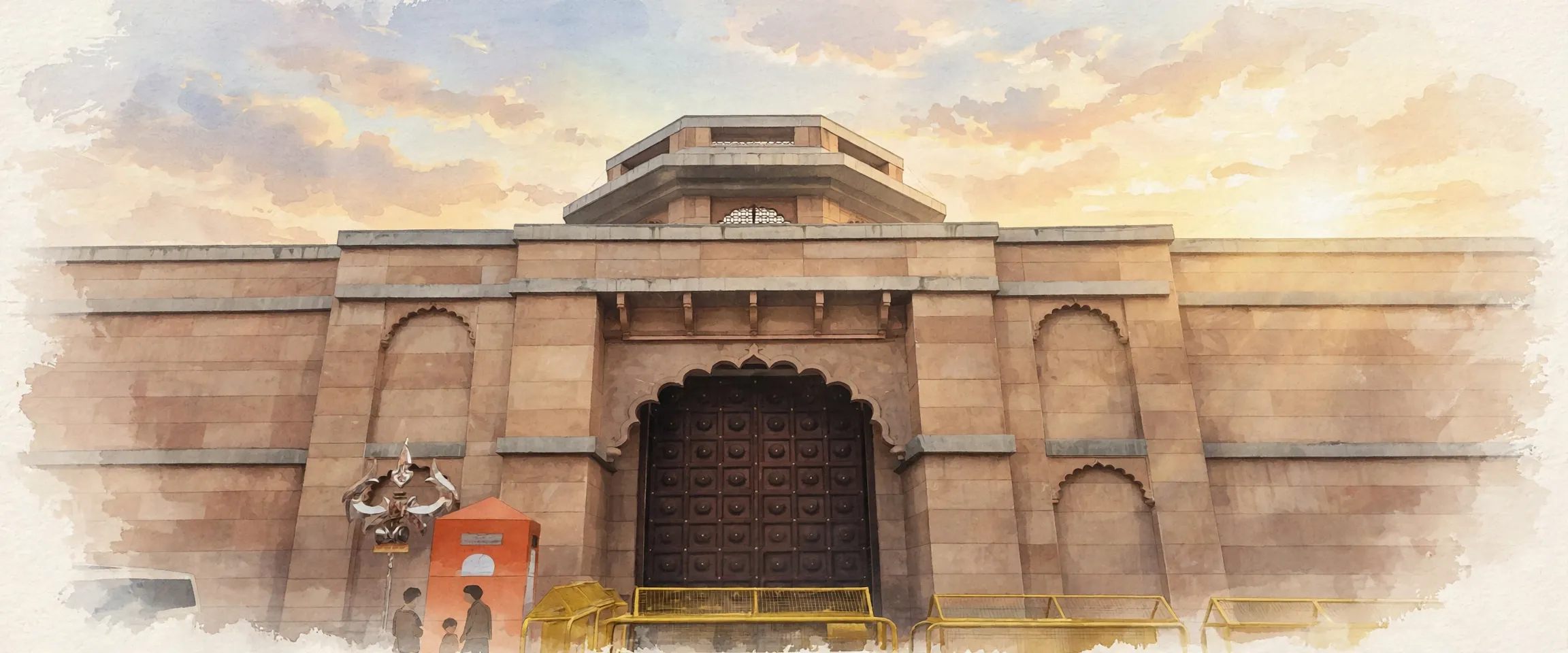
The mandirs of Varanasi centre on three shrines. Kashi Vishwanath, one of the twelve Jyotirlingas, was rebuilt by Ahilyabai Holkar in 1780 and is now reached through the Kashi Vishwanath Dham Corridor. In the south of the city stand Sankat Mochan, the Hanuman temple tradition links to the poet-saint Tulsidas, and the red Nagara-style Durga Kund Mandir built by Rani Bhabani in the 18th century.
- Punjabi name
- ਵਾਰਾਣਸੀ ਦੇ ਮੰਦਰ
- Country
- India
- State
- Uttar Pradesh
- City
- Varanasi (Kashi)
- Guide covers
- Kashi Vishwanath, Sankat Mochan Hanuman Temple, Durga Kund Mandir
- Main shrine
- Kashi Vishwanath, one of the 12 Jyotirlingas
- River
- Ganga (with the Assi in the south of the city)
Varanasi, also called Kashi and Banaras, is one of the oldest living cities in the world and the holiest city of Shiva. Its temples stand in layers: a Jyotirlinga in the old city's lanes, a Hanuman temple founded by a poet-saint in the south, and a red goddess temple beside a sacred pond. This guide covers the three mandirs at the heart of a pilgrim's Varanasi: Kashi Vishwanath, Sankat Mochan and Durga Kund. Jugti's full entry for the first is linked below; the other two are introduced here and will receive their own full entries in time.
Kashi Vishwanath: the Golden Temple at the city's heart
On the western bank of the Ganga stands Kashi Vishwanath Temple, dedicated to Shiva as Vishwanath, Lord of the Universe, and counted among the twelve Jyotirlingas. The temple has been destroyed and rebuilt repeatedly across the centuries; the present structure was built on an adjacent site by Ahilyabai Holkar of Indore in 1780, and Maharaja Ranjit Singh donated a tonne of gold in 1835 for plating its spire and domes, which is why devotees call it the Golden Temple. In December 2021 the Kashi Vishwanath Dham Corridor opened between the temple and the river, and the temple now receives tens of thousands of pilgrims a day. Hindu tradition holds that a visit here, with a bath in the Ganga, is a path towards moksha, liberation.
Sankat Mochan: Tulsidas's Hanuman temple by the Assi
In the south of the city, on the banks of the Assi river, the Sankat Mochan Hanuman Temple honours Hanuman as the reliever from troubles. Tradition says the poet-saint Tulsidas, author of the Ramcharitmanas, founded it in the early 16th century on the spot where he had a vision of Hanuman, and composed a substantial part of his epic in this orbit. The temple is a living centre of that text: devotees recite the Hanuman Chalisa and the Sundar Kand daily, expounders discourse on the Ramcharitmanas in the courtyard, and the temple sponsors the Tulsi Ghat Ramlila each Dussehra season. Tuesdays and Saturdays, Hanuman's days, draw the largest crowds, many seeking relief from the difficult influences of Shani and Mangala in the astrological tradition. Every April the temple hosts the Sankat Mochan Sangeet Samaroh, one of India's noted classical music and dance festivals, and the Sankat Mochan Foundation, founded in 1982 by its mahant Veer Bhadra Mishra, works to clean and protect the Ganga. On 7 March 2006 an explosion struck the temple during the evening aarti; worship resumed the next day, and a permanent police post now stands inside.
Durga Kund: the red temple of the goddess
Seven hundred metres north-east of Sankat Mochan, beside the rectangular pond that gives it its second name, stands Durga Mandir, also called Durga Kund Mandir. It was built in the 18th century by Rani Bhabani of Natore, a Bengali queen famed for temple patronage, in the North Indian Nagara style: many small shikharas joined together, painted red with ochre to match the colour of Durga, the goddess of strength and power. Local tradition holds that the image of the goddess here was not made by human hands but appeared on its own, and the Devi Bhagavata Purana's story tells how Durga, riding her lion, fought for the king of Kashi and agreed to protect the city. The temple is at its busiest during Navratri and Durga Puja, and generations of visitors have known it by a nickname earned from its former wooded setting: the Monkey Temple.
How do the three temples fit together on a visit?
The three shrines answer to three different moods of Kashi. Kashi Vishwanath is the city's sovereign shrine, Shiva as king of the universe, reached through the corridor from the ghats. Sankat Mochan and Durga Kund stand close together in the southern quarters, near Banaras Hindu University, and are usually visited on the same round: Hanuman for troubles carried and laid down, Durga for strength asked and given. Together they show why Varanasi is not one temple but a whole sacred geography. This guide is part of Jugti's mandirs in India collection.
All Mandirs in Varanasi
- Kashi Vishwanath Temple : the Jyotirlinga of Varanasi, rebuilt by Ahilyabai Holkar in 1780, its spire plated with gold donated by Maharaja Ranjit Singh
- Sankat Mochan Hanuman Temple: Tulsidas's early 16th-century Hanuman shrine on the Assi, home of daily Ramcharitmanas recitation and the April Sangeet Samaroh (full entry coming)
- Durga Kund Mandir: Rani Bhabani's 18th-century red Nagara temple of Durga beside the Durga Kund pond (full entry coming)
ਵਾਰਾਣਸੀ, ਜਿਸਨੂੰ ਕਾਸ਼ੀ ਅਤੇ ਬਨਾਰਸ ਵੀ ਕਹਿੰਦੇ ਹਨ, ਸੰਸਾਰ ਦੇ ਸਭ ਤੋਂ ਪੁਰਾਣੇ ਜਿਉਂਦੇ ਸ਼ਹਿਰਾਂ ਵਿੱਚੋਂ ਇੱਕ ਹੈ ਅਤੇ ਸ਼ਿਵ ਦਾ ਸਭ ਤੋਂ ਪਵਿੱਤਰ ਸ਼ਹਿਰ ਹੈ ਇਸਦੇ ਮੰਦਰ ਪਰਤਾਂ ਵਿੱਚ ਖੜ੍ਹੇ ਹਨ: ਪੁਰਾਣੇ ਸ਼ਹਿਰ ਦੀਆਂ ਗਲੀਆਂ ਵਿੱਚ ਇੱਕ ਜਯੋਤਿਰਲਿੰਗ, ਦੱਖਣ ਵਿੱਚ ਇੱਕ ਕਵੀ ਸੰਤ ਵੱਲੋਂ ਸਥਾਪਿਤ ਹਨੂੰਮਾਨ ਮੰਦਰ, ਅਤੇ ਇੱਕ ਪਵਿੱਤਰ ਤਾਲਾਬ ਕੋਲ ਦੇਵੀ ਦਾ ਲਾਲ ਮੰਦਰ ਇਹ ਗਾਈਡ ਯਾਤਰੀ ਦੇ ਵਾਰਾਣਸੀ ਦੇ ਹਿਰਦੇ ਵਿੱਚ ਵਸਦੇ ਤਿੰਨ ਮੰਦਰਾਂ ਨੂੰ ਕਵਰ ਕਰਦੀ ਹੈ: ਕਾਸ਼ੀ ਵਿਸ਼ਵਨਾਥ, ਸੰਕਟ ਮੋਚਨ ਅਤੇ ਦੁਰਗਾ ਕੁੰਡ ਜੁਗਤੀ ਦੀ ਪਹਿਲੇ ਬਾਰੇ ਪੂਰੀ ਐਂਟਰੀ ਹੇਠਾਂ ਲਿੰਕ ਹੈ; ਬਾਕੀ ਦੋ ਇੱਥੇ ਪੇਸ਼ ਕੀਤੇ ਗਏ ਹਨ ਅਤੇ ਸਮੇਂ ਨਾਲ ਆਪਣੀਆਂ ਪੂਰੀਆਂ ਐਂਟਰੀਆਂ ਪ੍ਰਾਪਤ ਕਰਨਗੇ
ਕਾਸ਼ੀ ਵਿਸ਼ਵਨਾਥ: ਸ਼ਹਿਰ ਦੇ ਹਿਰਦੇ ਵਿੱਚ ਸੁਨਹਿਰੀ ਮੰਦਰ
ਗੰਗਾ ਦੇ ਪੱਛਮੀ ਕੰਢੇ ਉੱਤੇ ਕਾਸ਼ੀ ਵਿਸ਼ਵਨਾਥ ਮੰਦਰ ਖੜ੍ਹਾ ਹੈ, ਜੋ ਸ਼ਿਵ ਨੂੰ ਵਿਸ਼ਵਨਾਥ, ਬ੍ਰਹਿਮੰਡ ਦੇ ਸੁਆਮੀ, ਵਜੋਂ ਸਮਰਪਿਤ ਹੈ ਅਤੇ ਬਾਰਾਂ ਜਯੋਤਿਰਲਿੰਗਾਂ ਵਿੱਚ ਗਿਣਿਆ ਜਾਂਦਾ ਹੈ ਮੰਦਰ ਸਦੀਆਂ ਵਿੱਚ ਵਾਰ ਵਾਰ ਢਾਹਿਆ ਅਤੇ ਦੁਬਾਰਾ ਬਣਾਇਆ ਗਿਆ; ਮੌਜੂਦਾ ਢਾਂਚਾ 1780 ਵਿੱਚ ਇੰਦੌਰ ਦੀ ਅਹਿਲਿਆਬਾਈ ਹੋਲਕਰ ਨੇ ਨਾਲ ਲੱਗਦੀ ਥਾਂ ਉੱਤੇ ਬਣਾਇਆ, ਅਤੇ ਮਹਾਰਾਜਾ ਰਣਜੀਤ ਸਿੰਘ ਨੇ 1835 ਵਿੱਚ ਇਸਦੇ ਸ਼ਿਖਰ ਅਤੇ ਗੁੰਬਦਾਂ ਉੱਤੇ ਸੋਨਾ ਚੜ੍ਹਾਉਣ ਲਈ ਇੱਕ ਟਨ ਸੋਨਾ ਦਾਨ ਕੀਤਾ, ਇਸੇ ਲਈ ਸ਼ਰਧਾਲੂ ਇਸਨੂੰ ਸੁਨਹਿਰੀ ਮੰਦਰ ਕਹਿੰਦੇ ਹਨ ਦਸੰਬਰ 2021 ਵਿੱਚ ਮੰਦਰ ਅਤੇ ਨਦੀ ਵਿਚਕਾਰ ਕਾਸ਼ੀ ਵਿਸ਼ਵਨਾਥ ਧਾਮ ਕਾਰੀਡੋਰ ਖੁੱਲ੍ਹਿਆ, ਅਤੇ ਹੁਣ ਮੰਦਰ ਵਿੱਚ ਹਰ ਰੋਜ਼ ਹਜ਼ਾਰਾਂ ਸ਼ਰਧਾਲੂ ਆਉਂਦੇ ਹਨ ਹਿੰਦੂ ਪਰੰਪਰਾ ਮੰਨਦੀ ਹੈ ਕਿ ਇੱਥੇ ਦਰਸ਼ਨ, ਗੰਗਾ ਵਿੱਚ ਇਸ਼ਨਾਨ ਨਾਲ, ਮੋਕਸ਼, ਮੁਕਤੀ, ਵੱਲ ਦਾ ਰਸਤਾ ਹੈ
ਸੰਕਟ ਮੋਚਨ: ਅਸੀ ਕੋਲ ਤੁਲਸੀਦਾਸ ਦਾ ਹਨੂੰਮਾਨ ਮੰਦਰ
ਸ਼ਹਿਰ ਦੇ ਦੱਖਣ ਵਿੱਚ, ਅਸੀ ਨਦੀ ਦੇ ਕੰਢੇ, ਸੰਕਟ ਮੋਚਨ ਹਨੂੰਮਾਨ ਮੰਦਰ ਹਨੂੰਮਾਨ ਨੂੰ ਮੁਸੀਬਤਾਂ ਹਰਨ ਵਾਲੇ ਵਜੋਂ ਸਨਮਾਨਦਾ ਹੈ ਪਰੰਪਰਾ ਕਹਿੰਦੀ ਹੈ ਕਿ ਰਾਮਚਰਿਤਮਾਨਸ ਦੇ ਰਚਨਾਕਾਰ ਕਵੀ ਸੰਤ ਤੁਲਸੀਦਾਸ ਨੇ ਸੋਲ੍ਹਵੀਂ ਸਦੀ ਦੇ ਸ਼ੁਰੂ ਵਿੱਚ ਉਸੇ ਥਾਂ ਇਸਦੀ ਸਥਾਪਨਾ ਕੀਤੀ ਜਿੱਥੇ ਉਹਨਾਂ ਨੂੰ ਹਨੂੰਮਾਨ ਦੇ ਦਰਸ਼ਨ ਹੋਏ, ਅਤੇ ਆਪਣੇ ਮਹਾਕਾਵਿ ਦਾ ਵੱਡਾ ਹਿੱਸਾ ਇਸੇ ਖੇਤਰ ਵਿੱਚ ਰਚਿਆ ਮੰਦਰ ਉਸ ਗ੍ਰੰਥ ਦਾ ਜਿਉਂਦਾ ਕੇਂਦਰ ਹੈ: ਸ਼ਰਧਾਲੂ ਰੋਜ਼ ਹਨੂੰਮਾਨ ਚਾਲੀਸਾ ਅਤੇ ਸੁੰਦਰ ਕਾਂਡ ਦਾ ਪਾਠ ਕਰਦੇ ਹਨ, ਵਿਹੜੇ ਵਿੱਚ ਰਾਮਚਰਿਤਮਾਨਸ ਉੱਤੇ ਪ੍ਰਵਚਨ ਹੁੰਦੇ ਹਨ, ਅਤੇ ਮੰਦਰ ਹਰ ਦੁਸਹਿਰੇ ਦੇ ਮੌਸਮ ਵਿੱਚ ਤੁਲਸੀ ਘਾਟ ਰਾਮਲੀਲਾ ਕਰਵਾਉਂਦਾ ਹੈ ਮੰਗਲਵਾਰ ਅਤੇ ਸ਼ਨੀਵਾਰ, ਹਨੂੰਮਾਨ ਦੇ ਦਿਨ, ਸਭ ਤੋਂ ਵੱਧ ਭੀੜ ਖਿੱਚਦੇ ਹਨ, ਬਹੁਤੇ ਜੋਤਿਸ਼ ਪਰੰਪਰਾ ਵਿੱਚ ਸ਼ਨੀ ਅਤੇ ਮੰਗਲ ਦੇ ਔਖੇ ਪ੍ਰਭਾਵਾਂ ਤੋਂ ਰਾਹਤ ਮੰਗਦੇ ਹਨ ਹਰ ਅਪ੍ਰੈਲ ਵਿੱਚ ਮੰਦਰ ਸੰਕਟ ਮੋਚਨ ਸੰਗੀਤ ਸਮਾਰੋਹ ਕਰਵਾਉਂਦਾ ਹੈ, ਜੋ ਭਾਰਤ ਦੇ ਨਾਮਵਰ ਕਲਾਸੀਕਲ ਸੰਗੀਤ ਅਤੇ ਨਾਚ ਮੇਲਿਆਂ ਵਿੱਚੋਂ ਇੱਕ ਹੈ, ਅਤੇ ਇਸਦੇ ਮਹੰਤ ਵੀਰ ਭਦਰ ਮਿਸ਼ਰਾ ਵੱਲੋਂ 1982 ਵਿੱਚ ਸਥਾਪਿਤ ਸੰਕਟ ਮੋਚਨ ਫਾਊਂਡੇਸ਼ਨ ਗੰਗਾ ਦੀ ਸਫਾਈ ਅਤੇ ਸੁਰੱਖਿਆ ਲਈ ਕੰਮ ਕਰਦੀ ਹੈ 7 ਮਾਰਚ 2006 ਨੂੰ ਸ਼ਾਮ ਦੀ ਆਰਤੀ ਦੌਰਾਨ ਮੰਦਰ ਵਿੱਚ ਧਮਾਕਾ ਹੋਇਆ; ਅਗਲੇ ਦਿਨ ਪੂਜਾ ਮੁੜ ਸ਼ੁਰੂ ਹੋ ਗਈ, ਅਤੇ ਹੁਣ ਅੰਦਰ ਸਥਾਈ ਪੁਲਿਸ ਚੌਂਕੀ ਹੈ
ਦੁਰਗਾ ਕੁੰਡ: ਦੇਵੀ ਦਾ ਲਾਲ ਮੰਦਰ
ਸੰਕਟ ਮੋਚਨ ਤੋਂ 700 ਮੀਟਰ ਉੱਤਰ ਪੂਰਬ ਵਿੱਚ, ਉਸ ਚੌਕੋਰ ਤਾਲਾਬ ਦੇ ਕੋਲ ਜਿਸ ਤੋਂ ਇਸਦਾ ਦੂਜਾ ਨਾਂ ਪੈਦਾ ਹੈ, ਦੁਰਗਾ ਮੰਦਰ ਖੜ੍ਹਾ ਹੈ, ਜਿਸਨੂੰ ਦੁਰਗਾ ਕੁੰਡ ਮੰਦਰ ਵੀ ਕਹਿੰਦੇ ਹਨ ਇਹ ਅਠਾਰ੍ਹਵੀਂ ਸਦੀ ਵਿੱਚ ਨਾਟੋਰ ਦੀ ਰਾਣੀ ਭਬਾਨੀ ਨੇ ਬਣਾਇਆ, ਇੱਕ ਬੰਗਾਲੀ ਰਾਣੀ ਜੋ ਮੰਦਰ ਸਰਪ੍ਰਸਤੀ ਲਈ ਮਸ਼ਹੂਰ ਸੀ, ਉੱਤਰੀ ਭਾਰਤੀ ਨਾਗਰ ਸ਼ੈਲੀ ਵਿੱਚ: ਕਈ ਛੋਟੇ ਸ਼ਿਖਰ ਇੱਕਠੇ ਜੁੜੇ, ਦੁਰਗਾ, ਸ਼ਕਤੀ ਅਤੇ ਸਮਰੱਥਾ ਦੀ ਦੇਵੀ, ਦੇ ਰੰਗ ਨਾਲ ਮੇਲ ਖਾਣ ਲਈ ਲਾਲ ਗੇਰੂ ਰੰਗੇ ਸਥਾਨਕ ਪਰੰਪਰਾ ਮੰਨਦੀ ਹੈ ਕਿ ਇੱਥੇ ਦੇਵੀ ਦੀ ਮੂਰਤੀ ਮਨੁੱਖੀ ਹੱਥਾਂ ਨੇ ਨਹੀਂ ਬਣਾਈ ਸਗੋਂ ਉਹ ਆਪ ਪ੍ਰਗਟ ਹੋਈ, ਅਤੇ ਦੇਵੀ ਭਾਗਵਤ ਪੁਰਾਣ ਦੀ ਕਥਾ ਦੱਸਦੀ ਹੈ ਕਿ ਦੁਰਗਾ ਨੇ ਆਪਣੇ ਸ਼ੇਰ ਉੱਤੇ ਚੜ੍ਹ ਕੇ ਕਾਸ਼ੀ ਦੇ ਰਾਜੇ ਲਈ ਲੜਾਈ ਲੜੀ ਅਤੇ ਸ਼ਹਿਰ ਦੀ ਰਾਖੀ ਲਈ ਮੰਨ ਗਈ ਮੰਦਰ ਨਵਰਾਤਰੀ ਅਤੇ ਦੁਰਗਾ ਪੂਜਾ ਦੌਰਾਨ ਸਭ ਤੋਂ ਰੌਣਕ ਭਰਿਆ ਹੁੰਦਾ ਹੈ, ਅਤੇ ਪੀੜ੍ਹੀਆਂ ਤੋਂ ਸੈਲਾਨੀ ਇਸਨੂੰ ਇਸਦੇ ਪੁਰਾਣੇ ਜੰਗਲੀ ਮਾਹੌਲ ਤੋਂ ਮਿਲੇ ਨਾਂ ਨਾਲ ਜਾਣਦੇ ਹਨ: ਬਾਂਦਰ ਮੰਦਰ
ਇੱਕ ਯਾਤਰਾ ਵਿੱਚ ਇਹ ਤਿੰਨ ਮੰਦਰ ਕਿਵੇਂ ਜੁੜਦੇ ਹਨ?
ਇਹ ਤਿੰਨ ਧਾਮ ਕਾਸ਼ੀ ਦੇ ਤਿੰਨ ਵੱਖ ਰੂਪਾਂ ਨੂੰ ਦਰਸਾਉਂਦੇ ਹਨ ਕਾਸ਼ੀ ਵਿਸ਼ਵਨਾਥ ਸ਼ਹਿਰ ਦਾ ਸਰਬੋਤਮ ਧਾਮ ਹੈ, ਸ਼ਿਵ ਬ੍ਰਹਿਮੰਡ ਦੇ ਰਾਜੇ ਵਜੋਂ, ਜਿੱਥੇ ਘਾਟਾਂ ਤੋਂ ਕਾਰੀਡੋਰ ਰਾਹੀਂ ਪਹੁੰਚਿਆ ਜਾਂਦਾ ਹੈ ਸੰਕਟ ਮੋਚਨ ਅਤੇ ਦੁਰਗਾ ਕੁੰਡ ਦੱਖਣੀ ਹਿੱਸਿਆਂ ਵਿੱਚ ਇੱਕਠੇ ਖੜ੍ਹੇ ਹਨ, ਬਨਾਰਸ ਹਿੰਦੂ ਯੂਨੀਵਰਸਿਟੀ ਦੇ ਨੇੜੇ, ਅਤੇ ਆਮ ਤੌਰ ਉੱਤੇ ਇੱਕੋ ਗੇੜੇ ਵਿੱਚ ਦੇਖੇ ਜਾਂਦੇ ਹਨ: ਹਨੂੰਮਾਨ ਮੁਸੀਬਤਾਂ ਚੁੱਕਣ ਅਤੇ ਥੱਲੇ ਰੱਖਣ ਲਈ, ਦੁਰਗਾ ਸ਼ਕਤੀ ਮੰਗਣ ਅਤੇ ਪਾਉਣ ਲਈ ਇਹਨਾਂ ਨਾਲ ਮਿਲ ਕੇ ਸਪੱਸ਼ਟ ਹੁੰਦਾ ਹੈ ਕਿ ਵਾਰਾਣਸੀ ਇੱਕ ਮੰਦਰ ਨਹੀਂ, ਸਗੋਂ ਪੂਰਾ ਪਵਿੱਤਰ ਭੂਗੋਲ ਹੈ ਇਹ ਗਾਈਡ ਜੁਗਤੀ ਦੇ ਭਾਰਤ ਦੇ ਮੰਦਰਾਂ ਸੰਗ੍ਰਹਿ ਦਾ ਹਿੱਸਾ ਹੈ
ਵਾਰਾਣਸੀ ਦੇ ਸਾਰੇ ਮੰਦਰ
- ਕਾਸ਼ੀ ਵਿਸ਼ਵਨਾਥ ਮੰਦਰ : ਵਾਰਾਣਸੀ ਦਾ ਜਯੋਤਿਰਲਿੰਗ, 1780 ਵਿੱਚ ਅਹਿਲਿਆਬਾਈ ਹੋਲਕਰ ਨੇ ਦੁਬਾਰਾ ਬਣਾਇਆ, ਸ਼ਿਖਰ ਉੱਤੇ ਮਹਾਰਾਜਾ ਰਣਜੀਤ ਸਿੰਘ ਦੇ ਦਾਨ ਕੀਤੇ ਸੋਨੇ ਦੀ ਪਲੇਟ
- ਸੰਕਟ ਮੋਚਨ ਹਨੂੰਮਾਨ ਮੰਦਰ: ਅਸੀ ਉੱਤੇ ਤੁਲਸੀਦਾਸ ਦਾ ਸੋਲ੍ਹਵੀਂ ਸਦੀ ਦੇ ਸ਼ੁਰੂ ਦਾ ਹਨੂੰਮਾਨ ਧਾਮ, ਰੋਜ਼ ਰਾਮਚਰਿਤਮਾਨਸ ਪਾਠ ਅਤੇ ਅਪ੍ਰੈਲ ਸੰਗੀਤ ਸਮਾਰੋਹ ਦਾ ਘਰ (ਪੂਰੀ ਐਂਟਰੀ ਜਲਦੀ)
- ਦੁਰਗਾ ਕੁੰਡ ਮੰਦਰ: ਦੁਰਗਾ ਕੁੰਡ ਤਾਲਾਬ ਕੋਲ ਰਾਣੀ ਭਬਾਨੀ ਦਾ ਅਠਾਰ੍ਹਵੀਂ ਸਦੀ ਦਾ ਲਾਲ ਨਾਗਰ ਸ਼ੈਲੀ ਦਾ ਦੁਰਗਾ ਮੰਦਰ (ਪੂਰੀ ਐਂਟਰੀ ਜਲਦੀ)