
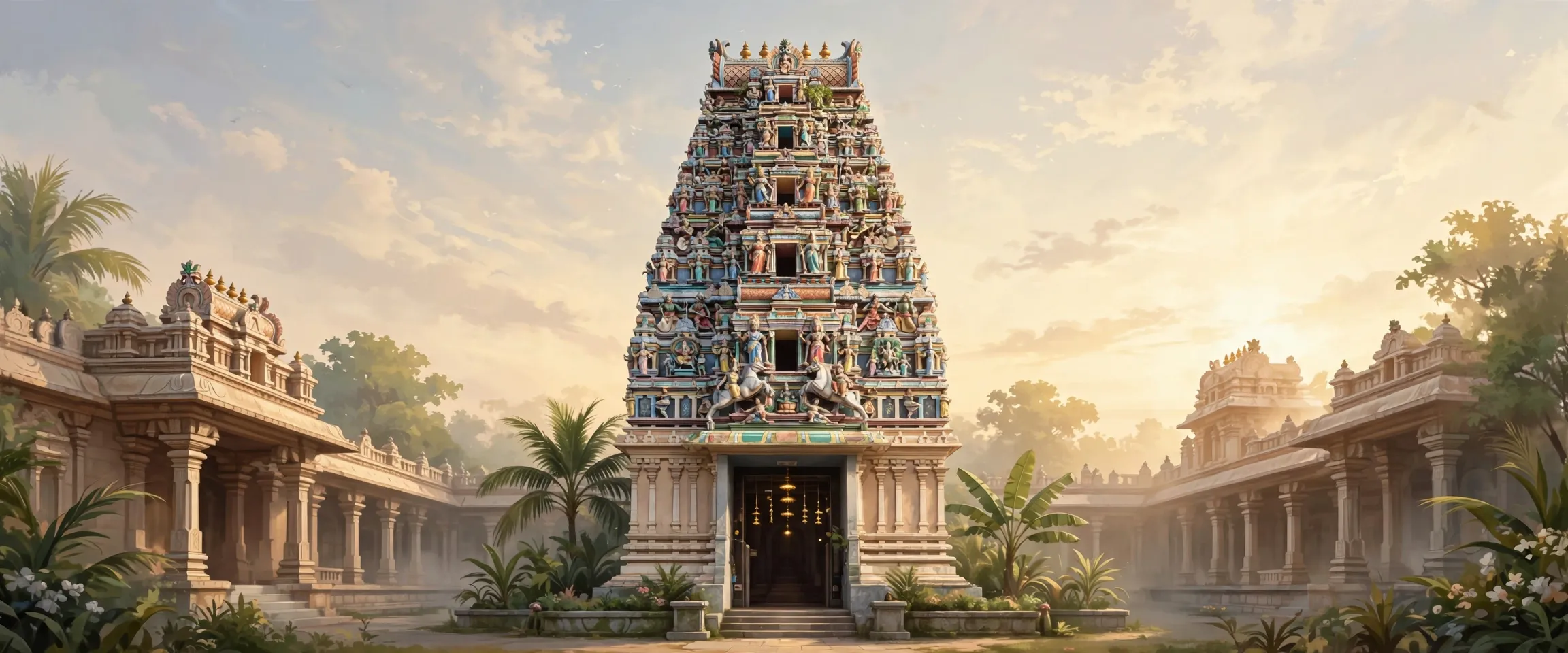
Sri Maha Mariamman Temple is a Hindu temple to the goddess Mariamman on Jalan Tun H. S. Lee at the edge of Chinatown in Kuala Lumpur, Malaysia, founded by K. Thamboosamy Pillai in 1873. It is the oldest functioning Hindu temple in Malaysia, famed for its five tiered Raja Gopuram of 22.9 metres carrying 228 sculpted idols, and for the silver chariot that opens Thaipusam.
- Punjabi name
- ਸ੍ਰੀ ਮਹਾਮਾਰੀਅਮਨ ਮੰਦਰ, ਕੁਆਲਾ ਲੁੰਪੁਰ
- Country
- Malaysia
- City
- Kuala Lumpur, Jalan Tun H. S. Lee, edge of Chinatown
- Deity
- Mariamman, a form of Parvati
- Founded
- 1873 by K. Thamboosamy Pillai; present site from 1885; current building 1968, gopuram 1972, consecrated 1973
- Gopuram
- Raja Gopuram, 5 tiers, 22.9 m (75 ft), 228 idols by chief sculptor S. T. Muniappa
All 10 facts
- Silver chariot
- 350 kg of silver, 6.5 m tall, 240 bells, debut 1983; carries Muruga to Batu Caves at Thaipusam
- Festivals
- Thaipusam (procession starts here), Deepavali
- Architectural style
- Dravidian (South Indian)
- Managed by
- Board of Management of Sri Maha Mariamman Temple Devasthanam
At the edge of Chinatown in Kuala Lumpur, behind a tower crowded with gods, stands the temple that began Hindu Kuala Lumpur. Sri Maha Mariamman Temple, on Jalan Tun H. S. Lee, is the oldest Hindu temple in the Malaysian capital and the oldest functioning Hindu temple in Malaysia. Founded in 1873 by K. Thamboosamy Pillai, the same Tamil community leader behind the temple at Batu Caves, it began as one family's private shrine and grew into a national heritage landmark: a South Indian temple in the middle of a Chinese Malaysian city quarter, from whose doors the great Thaipusam procession sets out every year.
What is Sri Maha Mariamman Temple?
Sri Maha Mariamman Temple is a Hindu temple dedicated to Mariamman, a form of the goddess Parvati, in central Kuala Lumpur, Malaysia. Mariamman is popularly worshipped by overseas Indians, especially Tamils, because she is looked upon as their protector during their sojourn in foreign lands, and devotees regard her as a form of Mother Earth who protects them from unholy or demonic events, in the temple's own tradition of belief. The temple is managed by the Board of Management of Sri Maha Mariamman Temple Devasthanam, which also manages the Batu Caves temple and the Kortumalai Pillaiyar Temple, and serves as a Hindu religious consultant to the Government of Malaysia on the Hindu yearly calendar.
How did a family shrine become Malaysia's oldest Hindu temple?
The temple was founded by K. Thamboosamy Pillai in 1873 and was initially used as a private shrine by the Pillai family. It was originally sited somewhere near the Kuala Lumpur railway station, and shifted to its present location along Jalan Tun H. S. Lee, next to the city's Chinatown, in 1885. The first structure there was an attap, thatch roofed, building: demolished in 1887 and replaced in brick. The Pillai family threw the temple doors open to the public in the late 1920s and eventually handed its management to a board of trustees. The brick building in turn was demolished to make way for the current temple, completed in 1968; its great gateway tower followed in 1972, and the new temple was consecrated in 1973, a century after the founding. From its inception the temple gave early Indian immigrants an important place of worship, and it is reputed to be the richest Hindu temple in the country.
The Raja Gopuram: a tower of 228 gods
Built in the South Indian style, the temple's most outstanding feature is its five tiered gopuram, the tallest structure in the temple. The dramatic pyramid shaped gate tower, known as the Raja Gopuram, rises 22.9 metres, 75 feet, and is decorated with depictions of Hindu gods sculpted by artisans from southern India. The chief sculptor was the late S. T. Muniappa from Tamil Nadu, credited with creating the 228 idols on the gopuram. It is a textbook piece of the Dravidian tradition transplanted to Southeast Asia, the style traced in Jugti's guide to Dravida temple architecture, and it turns a city street in Chinatown into a temple gateway as surely as any gopuram in Tamil Nadu itself. Once every 12 years, in keeping with Hindu tradition, the temple is reconsecrated.
Inside the temple: a body lying on its back
The temple's plan carries an idea visitors rarely notice from the street: it resembles the form of a human body lying on its back, head towards the west and feet towards the east. The five tiered gopuram corresponds to the feet, the threshold between the material and spiritual worlds. At the rear stands the garbhagraham, the sanctum sanctorum, corresponding to the head: a freestanding structure with its own roof and walls and a single entrance facing east, where the chief deity Sri Maha Mariamman is enshrined and before which the priest stands to perform puja. Between gateway and sanctum lies the main prayer hall with richly decorated ceilings; the position of its three shrines is marked by an ornately embellished onion dome visible from outside, with four smaller shrines around the main building. Pillaiyar, Ganesha, holds the shrine on the left and also appears at the entrance as the remover of obstacles; his brother Lord Muruga is on the right, and the eight idols adorning the pillars inside are of Ashta Lakshmi.
Why does the Thaipusam chariot start here?
Housed within the temple premises is a silver chariot, and it explains this city temple's bond with the caves to the north. The chariot is a prominent feature of the annual Thaipusam festival, used to transport the statues of Lord Muruga and his consorts, Valli and Teivayanni, through the city streets to Batu Caves. It made its debut in 1983, built at a cost of RM350,000 using 350 kilograms of silver; made in India and shipped here in 12 parts to be assembled, it stands 6.5 metres tall and carries 240 bells and a pair of horses. Before it, a wooden chariot made in 1930 by Indian craftsmen served the festival. On Thaipusam itself, thousands of devotees throng this temple in the early hours to begin the long procession to Batu Caves, carrying milk as an offering to Muruga by hand or in the decorated carriers called kavadi. The temple is also particularly packed on Deepavali, when devotees come to offer prayers on the holy day.
Visiting Sri Maha Mariamman Temple
The temple stands on Jalan Tun H. S. Lee, formerly High Street and Jalan Bandar, at the edge of Chinatown in the centre of Kuala Lumpur, an easy walk from the Pasar Seni station area and the old city core. It is a working temple, so visit as a guest: shoes come off at the entrance, dress modestly, and step aside for worshippers during puja. The quietest moments are ordinary weekday mornings; the most dramatic are Deepavali and the start of Thaipusam, when the silver chariot rolls out towards Batu Caves. Read together, this temple and the caves form Malaysia's essential Hindu pair, gathered on Jugti's Mandirs in Malaysia hub.
ਕੁਆਲਾ ਲੁੰਪੁਰ ਵਿੱਚ ਚਾਈਨਾਟਾਊਨ ਦੇ ਕਿਨਾਰੇ ਉੱਤੇ, ਦੇਵਤਿਆਂ ਨਾਲ ਭਰੇ ਇੱਕ ਗੋਪੁਰਮ ਦੇ ਪਿੱਛੇ, ਉਹ ਮੰਦਰ ਖੜ੍ਹਾ ਹੈ ਜਿਸਨੇ ਹਿੰਦੂ ਕੁਆਲਾ ਲੁੰਪੁਰ ਦੀ ਸ਼ੁਰੂਆਤ ਕੀਤੀ ਜਾਲਾਨ ਟੁਨ ਐਚ. ਐਸ. ਲੀ ਉੱਤੇ ਸ੍ਰੀ ਮਹਾਮਾਰੀਅਮਨ ਮੰਦਰ ਮਲੇਸ਼ੀਆ ਦੀ ਰਾਜਧਾਨੀ ਦਾ ਸਭ ਤੋਂ ਪੁਰਾਣਾ ਹਿੰਦੂ ਮੰਦਰ ਹੈ ਅਤੇ ਮਲੇਸ਼ੀਆ ਦਾ ਸਭ ਤੋਂ ਪੁਰਾਣਾ ਕਾਰਜਸ਼ੀਲ ਹਿੰਦੂ ਮੰਦਰ ਹੈ 1873 ਵਿੱਚ ਕੇ. ਥੰਬੂਸਾਮੀ ਪਿੱਲਈ ਵੱਲੋਂ ਸਥਾਪਿਤ, ਉਹੀ ਤਾਮਿਲ ਭਾਈਚਾਰਾ ਆਗੂ ਜੋ ਬਾਤੂ ਗੁਫ਼ਾਵਾਂ ਵਿਖੇ ਮੰਦਰ ਦੇ ਪਿੱਛੇ ਸੀ, ਇਹ ਇੱਕ ਪਰਿਵਾਰ ਦੇ ਨਿੱਜੀ ਧਾਮ ਵਜੋਂ ਸ਼ੁਰੂ ਹੋਇਆ ਅਤੇ ਇੱਕ ਰਾਸ਼ਟਰੀ ਵਿਰਾਸਤ ਨਿਸ਼ਾਨੀ ਬਣ ਗਿਆ: ਇੱਕ ਚੀਨੀ ਮਲੇਸ਼ੀਆਈ ਸ਼ਹਿਰ ਇਲਾਕੇ ਦੇ ਵਿਚਕਾਰ ਇੱਕ ਦੱਖਣੀ ਭਾਰਤੀ ਮੰਦਰ, ਜਿਸਦੇ ਦਰਵਾਜ਼ਿਆਂ ਤੋਂ ਹਰ ਸਾਲ ਮਹਾਨ ਥਾਈਪੂਸਮ ਜਲੂਸ ਨਿਕਲਦਾ ਹੈ
ਸ੍ਰੀ ਮਹਾਮਾਰੀਅਮਨ ਮੰਦਰ ਕੀ ਹੈ?
ਸ੍ਰੀ ਮਹਾਮਾਰੀਅਮਨ ਮੰਦਰ ਮਲੇਸ਼ੀਆ ਦੇ ਕੇਂਦਰੀ ਕੁਆਲਾ ਲੁੰਪੁਰ ਵਿੱਚ ਮਾਰੀਅਮਨ, ਦੇਵੀ ਪਾਰਵਤੀ ਦਾ ਇੱਕ ਰੂਪ, ਨੂੰ ਸਮਰਪਿਤ ਇੱਕ ਹਿੰਦੂ ਮੰਦਰ ਹੈ ਮਾਰੀਅਮਨ ਨੂੰ ਵਿਦੇਸ਼ੀ ਭਾਰਤੀ, ਖਾਸ ਕਰਕੇ ਤਾਮਿਲ, ਲੋਕਪ੍ਰਿਯ ਤੌਰ ਉੱਤੇ ਪੂਜਦੇ ਹਨ ਕਿਉਂਕਿ ਉਹ ਵਿਦੇਸ਼ੀ ਧਰਤੀਆਂ ਵਿੱਚ ਉਨ੍ਹਾਂ ਦੇ ਠਹਿਰਾਅ ਦੌਰਾਨ ਉਨ੍ਹਾਂ ਦੀ ਰੱਖਿਅਕ ਵਜੋਂ ਵੇਖੀ ਜਾਂਦੀ ਹੈ, ਅਤੇ ਸ਼ਰਧਾਲੂ ਉਸਨੂੰ ਧਰਤੀ ਮਾਂ ਦਾ ਰੂਪ ਮੰਨਦੇ ਹਨ ਜੋ ਮੰਦਰ ਦੀ ਆਪਣੀ ਵਿਸ਼ਵਾਸ ਪਰੰਪਰਾ ਵਿੱਚ, ਉਨ੍ਹਾਂ ਨੂੰ ਅਪਵਿੱਤਰ ਜਾਂ ਅਸੁਰੀ ਘਟਨਾਵਾਂ ਤੋਂ ਬਚਾਉਂਦੀ ਹੈ ਮੰਦਰ ਸ੍ਰੀ ਮਹਾਮਾਰੀਅਮਨ ਮੰਦਰ ਦੇਵਸਥਾਨਮ ਦੇ ਪ੍ਰਬੰਧਕ ਬੋਰਡ ਵੱਲੋਂ ਚਲਾਇਆ ਜਾਂਦਾ ਹੈ, ਜੋ ਬਾਤੂ ਗੁਫ਼ਾਵਾਂ ਮੰਦਰ ਅਤੇ ਕੋਰਟੂਮਲਾਈ ਪਿੱਲਈਯਾਰ ਮੰਦਰ ਦਾ ਵੀ ਪ੍ਰਬੰਧ ਕਰਦਾ ਹੈ, ਅਤੇ ਹਿੰਦੂ ਸਾਲਾਨਾ ਕੈਲੰਡਰ ਤੈਅ ਕਰਨ ਵਿੱਚ ਮਲੇਸ਼ੀਆ ਸਰਕਾਰ ਦਾ ਹਿੰਦੂ ਧਾਰਮਿਕ ਸਲਾਹਕਾਰ ਵਜੋਂ ਕੰਮ ਕਰਦਾ ਹੈ
ਇੱਕ ਪਰਿਵਾਰਕ ਧਾਮ ਮਲੇਸ਼ੀਆ ਦਾ ਸਭ ਤੋਂ ਪੁਰਾਣਾ ਹਿੰਦੂ ਮੰਦਰ ਕਿਵੇਂ ਬਣਿਆ?
ਮੰਦਰ 1873 ਵਿੱਚ ਕੇ. ਥੰਬੂਸਾਮੀ ਪਿੱਲਈ ਵੱਲੋਂ ਸਥਾਪਿਤ ਕੀਤਾ ਗਿਆ ਸੀ ਅਤੇ ਸ਼ੁਰੂ ਵਿੱਚ ਪਿੱਲਈ ਪਰਿਵਾਰ ਵੱਲੋਂ ਨਿੱਜੀ ਧਾਮ ਵਜੋਂ ਵਰਤਿਆ ਜਾਂਦਾ ਸੀ ਇਹ ਮੂਲ ਰੂਪ ਵਿੱਚ ਕੁਆਲਾ ਲੁੰਪੁਰ ਰੇਲਵੇ ਸਟੇਸ਼ਨ ਦੇ ਨੇੜੇ ਕਿਤੇ ਸਥਿਤ ਸੀ, ਅਤੇ 1885 ਵਿੱਚ ਸ਼ਹਿਰ ਦੇ ਚਾਈਨਾਟਾਊਨ ਦੇ ਕੋਲ, ਜਾਲਾਨ ਟੁਨ ਐਚ. ਐਸ. ਲੀ ਉੱਤੇ ਆਪਣੀ ਮੌਜੂਦਾ ਥਾਂ ਉੱਤੇ ਚਲਾ ਗਿਆ ਉੱਥੇ ਪਹਿਲੀ ਇਮਾਰਤ ਇੱਕ ਅੱਟਾਪ, ਛੱਪਰ ਛੱਤ ਵਾਲੀ, ਇਮਾਰਤ ਸੀ: 1887 ਵਿੱਚ ਢਾਹੀ ਗਈ ਅਤੇ ਇੱਟ ਵਿੱਚ ਬਦਲੀ ਗਈ ਪਿੱਲਈ ਪਰਿਵਾਰ ਨੇ 1920ਵਿਆਂ ਦੇ ਅੰਤ ਵਿੱਚ ਮੰਦਰ ਦੇ ਦਰਵਾਜ਼ੇ ਜਨਤਾ ਲਈ ਖੋਲ੍ਹੇ ਅਤੇ ਅਖੀਰ ਇਸਦਾ ਪ੍ਰਬੰਧ ਟਰੱਸਟੀਆਂ ਦੇ ਬੋਰਡ ਨੂੰ ਸੌਂਪ ਦਿੱਤਾ ਇੱਟ ਵਾਲੀ ਇਮਾਰਤ ਵੀ ਮੌਜੂਦਾ ਮੰਦਰ ਲਈ ਢਾਹੀ ਗਈ, ਜੋ 1968 ਵਿੱਚ ਪੂਰਾ ਹੋਇਆ; ਇਸਦਾ ਮਹਾਨ ਪ੍ਰਵੇਸ਼ ਗੋਪੁਰਮ 1972 ਵਿੱਚ ਆਇਆ, ਅਤੇ ਨਵਾਂ ਮੰਦਰ 1973 ਵਿੱਚ ਪਵਿੱਤਰ ਕੀਤਾ ਗਿਆ, ਸਥਾਪਨਾ ਤੋਂ ਇੱਕ ਸਦੀ ਬਾਅਦ ਸ਼ੁਰੂ ਤੋਂ ਹੀ ਮੰਦਰ ਨੇ ਮੁੱਢਲੇ ਭਾਰਤੀ ਪ੍ਰਵਾਸੀਆਂ ਨੂੰ ਪੂਜਾ ਦੀ ਇੱਕ ਮਹੱਤਵਪੂਰਨ ਥਾਂ ਦਿੱਤੀ, ਅਤੇ ਇਹ ਦੇਸ਼ ਦਾ ਸਭ ਤੋਂ ਅਮੀਰ ਹਿੰਦੂ ਮੰਦਰ ਮੰਨਿਆ ਜਾਂਦਾ ਹੈ
ਰਾਜਾ ਗੋਪੁਰਮ: 228 ਦੇਵਤਿਆਂ ਦਾ ਗੋਪੁਰਮ
ਦੱਖਣੀ ਭਾਰਤੀ ਸ਼ੈਲੀ ਵਿੱਚ ਬਣਿਆ, ਮੰਦਰ ਦੀ ਸਭ ਤੋਂ ਪ੍ਰਮੁੱਖ ਵਿਸ਼ੇਸ਼ਤਾ ਇਸਦਾ ਪੰਜ ਮੰਜ਼ਲਾ ਗੋਪੁਰਮ ਹੈ, ਮੰਦਰ ਦੀ ਸਭ ਤੋਂ ਉੱਚੀ ਇਮਾਰਤ ਨਾਟਕੀ ਪਿਰਾਮਿਡ ਆਕਾਰ ਦਾ ਪ੍ਰਵੇਸ਼ ਗੋਪੁਰਮ, ਜਿਸਨੂੰ ਰਾਜਾ ਗੋਪੁਰਮ ਕਿਹਾ ਜਾਂਦਾ ਹੈ, 22.9 ਮੀਟਰ, 75 ਫੁੱਟ, ਉੱਠਦਾ ਹੈ, ਅਤੇ ਦੱਖਣੀ ਭਾਰਤ ਦੇ ਕਾਰੀਗਰਾਂ ਵੱਲੋਂ ਘੜੀਆਂ ਹਿੰਦੂ ਦੇਵਤਿਆਂ ਦੀਆਂ ਤਸਵੀਰਾਂ ਨਾਲ ਸਜਿਆ ਹੈ ਮੁੱਖ ਮੂਰਤੀਕਾਰ ਤਾਮਿਲ ਨਾਡੂ ਤੋਂ ਸਵਰਗੀ ਐਸ. ਟੀ. ਮੁਨੀਅੱਪਾ ਸੀ, ਜਿਸਨੂੰ ਗੋਪੁਰਮ ਉੱਤੇ 228 ਮੂਰਤੀਆਂ ਬਣਾਉਣ ਦਾ ਸਿਹਰਾ ਜਾਂਦਾ ਹੈ ਇਹ ਦੱਖਣ-ਪੂਰਬੀ ਏਸ਼ੀਆ ਵਿੱਚ ਲਿਆਂਦੀ ਦ੍ਰਾਵਿੜ ਪਰੰਪਰਾ ਦਾ ਇੱਕ ਪਾਠ ਪੁਸਤਕ ਨਮੂਨਾ ਹੈ, ਉਹ ਸ਼ੈਲੀ ਜੋ ਜਗਤੀ ਦੀ ਦ੍ਰਾਵਿੜ ਮੰਦਰ ਆਰਕੀਟੈਕਚਰ ਗਾਈਡ ਵਿੱਚ ਸਮਝਾਈ ਗਈ ਹੈ, ਅਤੇ ਇਹ ਚਾਈਨਾਟਾਊਨ ਦੀ ਇੱਕ ਸ਼ਹਿਰੀ ਗਲੀ ਨੂੰ ਤਾਮਿਲ ਨਾਡੂ ਦੀ ਤਰ੍ਹਾਂ ਹੀ ਪੱਕੇ ਤੌਰ ਉੱਤੇ ਮੰਦਰ ਪ੍ਰਵੇਸ਼ ਵਿੱਚ ਬਦਲ ਦਿੰਦਾ ਹੈ ਹਰ 12 ਸਾਲਾਂ ਵਿੱਚ, ਹਿੰਦੂ ਪਰੰਪਰਾ ਅਨੁਸਾਰ, ਮੰਦਰ ਮੁੜ ਪਵਿੱਤਰ ਕੀਤਾ ਜਾਂਦਾ ਹੈ
ਮੰਦਰ ਦੇ ਅੰਦਰ: ਪਿੱਠ ਉੱਤੇ ਲੇਟਿਆ ਇੱਕ ਸਰੀਰ
ਮੰਦਰ ਦੀ ਯੋਜਨਾ ਇੱਕ ਵਿਚਾਰ ਰੱਖਦੀ ਹੈ ਜੋ ਸੈਲਾਨੀ ਗਲੀ ਤੋਂ ਘੱਟ ਹੀ ਦੇਖਦੇ ਹਨ: ਇਹ ਪਿੱਠ ਉੱਤੇ ਲੇਟੇ ਮਨੁੱਖੀ ਸਰੀਰ ਦੇ ਰੂਪ ਨਾਲ ਮਿਲਦੀ ਹੈ, ਸਿਰ ਪੱਛਮ ਵੱਲ ਅਤੇ ਪੈਰ ਪੂਰਬ ਵੱਲ ਪੰਜ ਮੰਜ਼ਲਾ ਗੋਪੁਰਮ ਪੈਰਾਂ ਨਾਲ ਮੇਲ ਖਾਂਦਾ ਹੈ, ਭੌਤਿਕ ਅਤੇ ਅਧਿਆਤਮਿਕ ਦੁਨੀਆ ਵਿਚਕਾਰ ਦੀ ਦਹਿਲੀਜ਼ ਪਿੱਛੇ ਗਰਭਗ੍ਰਹਿ ਖੜ੍ਹਾ ਹੈ, ਸਿਰ ਨਾਲ ਮੇਲ ਖਾਂਦਾ ਸਭ ਤੋਂ ਅੰਦਰਲਾ ਧਾਮ: ਆਪਣੀ ਛੱਤ ਅਤੇ ਕੰਧਾਂ ਵਾਲੀ ਇੱਕ ਵੱਖਰੀ ਇਮਾਰਤ, ਪੂਰਬ ਵੱਲ ਮੂੰਹ ਵਾਲੇ ਇੱਕੋ ਪ੍ਰਵੇਸ਼ ਨਾਲ, ਜਿੱਥੇ ਮੁੱਖ ਦੇਵੀ ਸ੍ਰੀ ਮਹਾਮਾਰੀਅਮਨ ਵਿਰਾਜਮਾਨ ਹੈ ਅਤੇ ਜਿਸਦੇ ਅੱਗੇ ਪੁਜਾਰੀ ਪੂਜਾ ਕਰਨ ਲਈ ਖੜ੍ਹਾ ਹੁੰਦਾ ਹੈ ਪ੍ਰਵੇਸ਼ ਅਤੇ ਧਾਮ ਵਿਚਕਾਰ ਮੁੱਖ ਪ੍ਰਾਰਥਨਾ ਹਾਲ ਹੈ, ਸਜੀਆਂ ਛੱਤਾਂ ਵਾਲਾ; ਇਸਦੇ ਤਿੰਨ ਧਾਮਾਂ ਦੀ ਸਥਿਤੀ ਬਾਹਰੋਂ ਦਿਖਦੇ ਸਜੇ ਪਿਆਜ਼ ਗੁੰਬਦ ਨਾਲ ਦਰਸਾਈ ਜਾਂਦੀ ਹੈ, ਮੁੱਖ ਇਮਾਰਤ ਦੇ ਆਲੇ ਦੁਆਲੇ ਚਾਰ ਛੋਟੇ ਧਾਮ ਹਨ ਪਿੱਲਈਯਾਰ, ਗਣੇਸ਼, ਖੱਬੇ ਪਾਸੇ ਧਾਮ ਰੱਖਦਾ ਹੈ ਅਤੇ ਰੁਕਾਵਟਾਂ ਦੂਰ ਕਰਨ ਵਾਲੇ ਵਜੋਂ ਪ੍ਰਵੇਸ਼ ਉੱਤੇ ਵੀ ਦਿਖਾਈ ਦਿੰਦਾ ਹੈ; ਉਸਦਾ ਭਰਾ ਭਗਵਾਨ ਮੁਰੁਗਾ ਸੱਜੇ ਪਾਸੇ ਹੈ, ਅਤੇ ਅੰਦਰ ਥਮਲਿਆਂ ਨੂੰ ਸਜਾਉਂਦੀਆਂ ਅੱਠ ਮੂਰਤੀਆਂ ਅਸ਼ਟ ਲਕਸ਼ਮੀ ਦੀਆਂ ਹਨ
ਥਾਈਪੂਸਮ ਦਾ ਰੱਥ ਇੱਥੋਂ ਕਿਉਂ ਸ਼ੁਰੂ ਹੁੰਦਾ ਹੈ?
ਮੰਦਰ ਪਰਿਸਰ ਵਿੱਚ ਇੱਕ ਚਾਂਦੀ ਦਾ ਰੱਥ ਰੱਖਿਆ ਹੈ, ਅਤੇ ਇਹ ਇਸ ਸ਼ਹਿਰੀ ਮੰਦਰ ਦੇ ਉੱਤਰ ਵੱਲ ਗੁਫ਼ਾਵਾਂ ਨਾਲ ਬੰਧਨ ਨੂੰ ਸਮਝਾਉਂਦਾ ਹੈ ਰੱਥ ਸਾਲਾਨਾ ਥਾਈਪੂਸਮ ਤਿਉਹਾਰ ਦੀ ਇੱਕ ਪ੍ਰਮੁੱਖ ਵਿਸ਼ੇਸ਼ਤਾ ਹੈ, ਭਗਵਾਨ ਮੁਰੁਗਾ ਅਤੇ ਉਸਦੀਆਂ ਪਤਨੀਆਂ, ਵੱਲੀ ਅਤੇ ਤੇਵਯਾਨੀ, ਦੀਆਂ ਮੂਰਤੀਆਂ ਨੂੰ ਸ਼ਹਿਰ ਦੀਆਂ ਗਲੀਆਂ ਵਿੱਚੋਂ ਬਾਤੂ ਗੁਫ਼ਾਵਾਂ ਤੱਕ ਲਿਜਾਣ ਲਈ ਵਰਤਿਆ ਜਾਂਦਾ ਹੈ ਇਹ 1983 ਵਿੱਚ ਸ਼ੁਰੂ ਹੋਇਆ, 350 ਕਿਲੋਗ੍ਰਾਮ ਚਾਂਦੀ ਨਾਲ RM350,000 ਦੀ ਲਾਗਤ ਉੱਤੇ ਬਣਿਆ; ਭਾਰਤ ਵਿੱਚ ਬਣਿਆ ਅਤੇ ਇੱਥੇ ਜੋੜਨ ਲਈ 12 ਹਿੱਸਿਆਂ ਵਿੱਚ ਭੇਜਿਆ ਗਿਆ, ਇਹ 6.5 ਮੀਟਰ ਉੱਚਾ ਹੈ ਅਤੇ 240 ਘੰਟੀਆਂ ਅਤੇ ਘੋੜਿਆਂ ਦੀ ਇੱਕ ਜੋੜੀ ਰੱਖਦਾ ਹੈ ਇਸਤੋਂ ਪਹਿਲਾਂ, 1930 ਵਿੱਚ ਭਾਰਤੀ ਕਾਰੀਗਰਾਂ ਵੱਲੋਂ ਬਣਿਆ ਲੱਕੜ ਦਾ ਰੱਥ ਤਿਉਹਾਰ ਦੀ ਸੇਵਾ ਕਰਦਾ ਸੀ ਥਾਈਪੂਸਮ ਉੱਤੇ ਹੀ, ਹਜ਼ਾਰਾਂ ਸ਼ਰਧਾਲੂ ਸਵੇਰੇ ਤੜਕੇ ਇਸ ਮੰਦਰ ਵਿੱਚ ਇਕੱਠੇ ਹੁੰਦੇ ਹਨ ਤਾਂ ਜੋ ਬਾਤੂ ਗੁਫ਼ਾਵਾਂ ਤੱਕ ਲੰਬਾ ਜਲੂਸ ਸ਼ੁਰੂ ਹੋਵੇ, ਮੁਰੁਗਾ ਨੂੰ ਭੇਟ ਵਜੋਂ ਦੁੱਧ ਹੱਥ ਵਿੱਚ ਜਾਂ ਕਾਵਡੀ ਕਹੇ ਜਾਂਦੇ ਸਜੇ ਵਾਹਕਾਂ ਵਿੱਚ ਚੁੱਕ ਕੇ ਮੰਦਰ ਦੀਵਾਲੀ ਉੱਤੇ ਵੀ ਖਾਸ ਤੌਰ ਉੱਤੇ ਭਰਿਆ ਹੁੰਦਾ ਹੈ, ਜਦੋਂ ਸ਼ਰਧਾਲੂ ਪਵਿੱਤਰ ਦਿਨ ਉੱਤੇ ਪ੍ਰਾਰਥਨਾ ਕਰਨ ਆਉਂਦੇ ਹਨ
ਸ੍ਰੀ ਮਹਾਮਾਰੀਅਮਨ ਮੰਦਰ ਦੀ ਯਾਤਰਾ
ਮੰਦਰ ਜਾਲਾਨ ਟੁਨ ਐਚ. ਐਸ. ਲੀ, ਪਹਿਲਾਂ ਹਾਈ ਸਟ੍ਰੀਟ ਅਤੇ ਜਾਲਾਨ ਬੰਦਰ, ਉੱਤੇ ਕੁਆਲਾ ਲੁੰਪੁਰ ਦੇ ਕੇਂਦਰ ਵਿੱਚ ਚਾਈਨਾਟਾਊਨ ਦੇ ਕਿਨਾਰੇ ਉੱਤੇ ਹੈ, ਪਾਸਾਰ ਸੇਨੀ ਸਟੇਸ਼ਨ ਇਲਾਕੇ ਅਤੇ ਪੁਰਾਣੇ ਸ਼ਹਿਰ ਕੇਂਦਰ ਤੋਂ ਸੌਖੀ ਪੈਦਲ ਦੂਰੀ ਉੱਤੇ ਇਹ ਇੱਕ ਕਾਰਜਸ਼ੀਲ ਮੰਦਰ ਹੈ, ਸੋ ਮਹਿਮਾਨ ਵਜੋਂ ਜਾਓ: ਪ੍ਰਵੇਸ਼ ਉੱਤੇ ਜੁੱਤੇ ਉਤਾਰ ਦਿਓ, ਸਾਦਾ ਪਹਿਰਾਵਾ ਪਾਓ, ਅਤੇ ਪੂਜਾ ਦੌਰਾਨ ਸ਼ਰਧਾਲੂਆਂ ਲਈ ਪਾਸੇ ਹਟੋ ਸਭ ਤੋਂ ਸ਼ਾਂਤ ਪਲ ਆਮ ਹਫ਼ਤੇ ਵਾਲੇ ਦਿਨਾਂ ਦੀਆਂ ਸਵੇਰਾਂ ਹਨ; ਸਭ ਤੋਂ ਨਾਟਕੀ ਦੀਵਾਲੀ ਅਤੇ ਥਾਈਪੂਸਮ ਦੀ ਸ਼ੁਰੂਆਤ ਹੈ, ਜਦੋਂ ਚਾਂਦੀ ਦਾ ਰੱਥ ਬਾਤੂ ਗੁਫ਼ਾਵਾਂ ਵੱਲ ਨਿਕਲਦਾ ਹੈ ਇਕੱਠੇ ਪੜ੍ਹੇ ਜਾਣ ਉੱਤੇ, ਇਹ ਮੰਦਰ ਅਤੇ ਗੁਫ਼ਾਵਾਂ ਮਲੇਸ਼ੀਆ ਦੀ ਜ਼ਰੂਰੀ ਹਿੰਦੂ ਜੋੜੀ ਬਣਾਉਂਦੇ ਹਨ, ਜਗਤੀ ਦੇ ਮਲੇਸ਼ੀਆ ਵਿੱਚ ਮੰਦਰ ਹੱਬ ਉੱਤੇ ਇਕੱਠੀ