
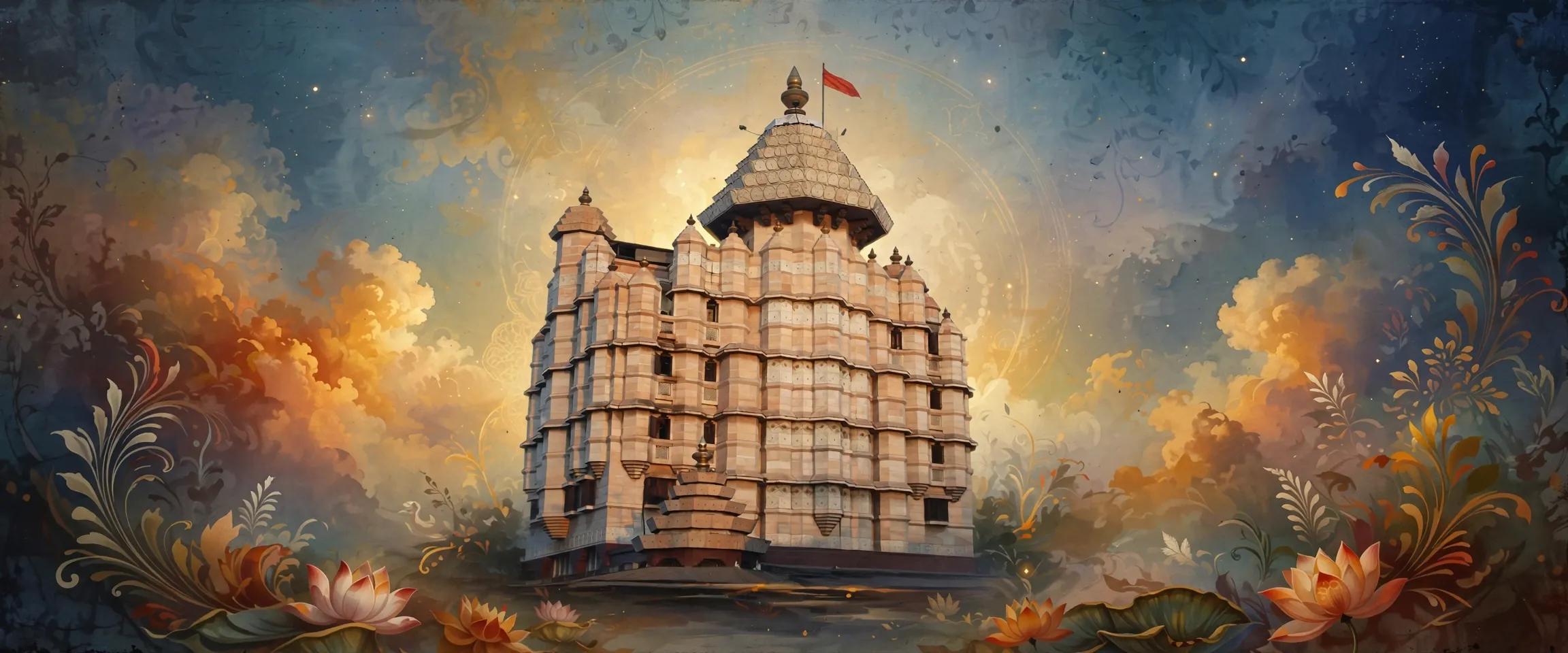
The Shri Siddhivinayak Ganapati Mandir in Prabhadevi, Mumbai, is one of India's most famous Ganesha temples and among the country's richest. Built on 19 November 1801 by Laxman Vithu Patil and funded by Deubai Patil, it began as a tiny 3.6-metre brick shrine and now draws 25,000 to 30,000 devotees a day. Its black-stone idol, carved from a single stone with its trunk turned to the right, is believed to grant the wishes of sincere devotees, which is why Ganesha here is called Siddhivinayak, the giver of siddhi.
- Punjabi name
- ਸ੍ਰੀ ਸਿੱਧਿਵਿਨਾਇਕ ਗਣਪਤੀ ਮੰਦਰ, ਮੁੰਬਈ
- Country
- India
- State
- Maharashtra
- City
- Mumbai (Prabhadevi, Dadar)
- Deity
- Ganesha (Siddhivinayak, 'the giver of wishes')
- Completed
- 19 November 1801
All 16 facts
- Built by
- Laxman Vithu Patil; funded by Deubai Patil
- Original shrine
- 3.6 m x 3.6 m brick structure with a dome-shaped shikhara
- Idol
- Black stone, about 2.5 ft, carved from a single stone; trunk turned to the right
- Rebuilt
- 1990 (about 3 crore rupees), architect Sharad Athale; marble and pink granite
- Donations
- About 100 to 150 million rupees a year; among Mumbai's richest temple trusts
- Devotees
- 25,000 to 30,000 a day; heaviest on Tuesdays
- Festival
- Ganesh Chaturthi
- Timings
- 5:30 am to 10:00 pm daily; entry free
- Managed by
- Shri Siddhivinayak Ganapati Temple Trust (Bombay Public Trusts Act, 1950)
- Website
- siddhivinayak.org
The Shri Siddhivinayak Ganapati Mandir in Prabhadevi, Mumbai, is one of India's most famous Ganesha temples and among the country's richest. Built on 19 November 1801 by Laxman Vithu Patil and funded by Deubai Patil, it began as a tiny 3.6-metre brick shrine and now draws 25,000 to 30,000 devotees a day. Its black-stone idol, carved from a single stone with its trunk turned to the right, is believed to grant the wishes of sincere devotees, which is why Ganesha here is called Siddhivinayak, the giver of siddhi.
Why is the trunk turned to the right?
In most Ganapati temples the idol's trunk turns to the left. At Siddhivinayak it turns to the right, a rare form tradition treats as especially powerful, and one reason the shrine draws people with specific wishes rather than casual sightseers. The idol itself is about 2.5 feet tall and carved from a single piece of black stone, and tradition calls it swayambhu, self-manifested rather than made. Ganesha sits as chaturbhuj, four-armed: a lotus in the upper right hand, a small axe in the upper left, a garland of holy beads in the lower right, and a plate of modak, his beloved sweet, in the lower left. Riddhi and Siddhi, his two consorts, stand on either side, and a third eye is etched on the idol's forehead, like Lord Shiva's. This same black-stone idol has sat in the sanctum since 1801; every renovation since has rebuilt the temple around it without touching it.
Who built the temple in 1801?
The temple was built by Laxman Vithu Patil and paid for by Deubai Patil, a wealthy woman without children, who believed Ganesha would bless other childless women with children. The original shrine was a modest brick structure 3.6 metres square, crowned with a dome-shaped shikhara, housing the black-stone Ganapati that remains there today. Local legend adds a second beginning: Ramakrishna Jambhekar Maharaj, a devotee of the saint Akkalkot Swami Samarth, is said to have buried two divine idols in front of the Siddhivinayak idol on his guru's instruction, and 21 years later a Mandar tree grew on the spot with an image of Swayambhu Ganesha on its branches. When a Hanuman idol was discovered during road extension work in 1952, a small Hanuman shrine was added to the compound, and it still stands in the periphery of the temple.
How did a tiny shrine become Mumbai's richest temple?
For nearly two centuries the temple stayed small while its fame grew by word of mouth, devotee by devotee. Then in 1990 the shrine was rebuilt at a cost of about 3 crore rupees to designs by architect Sharad Athale: a six-storey structure in fine marble and pink granite rose around the untouched idol, crowned with a gold-plated kalash over the central dome and 37 smaller gilded domes. Today the temple receives an estimated 100 to 150 million rupees in donations every year, making it Mumbai's richest temple trust. It is run by the Shri Siddhivinayak Ganapati Temple Trust, registered under the Bombay Public Trusts Act, 1950, and regulated by the Shri Siddhivinayak Ganpati Temple Trust (Prabhadevi) Act, 1980, adopted on 11 October 1980. The trust's work reaches well beyond the sanctum: its official site lists a dialysis centre, financial support for medical care, educational resources and a library among its charitable activities. Pilgrims seeking Maharashtra's other great Ganesha and Shiva shrines continue to Trimbakeshwar and the mandirs of India beyond Mumbai.
The gold dome and the Ashtavinayak doors
The wooden doors of the sanctum are carved with the Ashtavinayaka, the eight revered manifestations of Ganesha in Maharashtra, and the pillars around them carry the same images. Inside, the roof of the sanctum is plated with gold. In the evenings the exterior dome lights up in multiple colours that change every few hours, with the Ganesha statue seated exactly beneath it. The shikhara follows the northern Nagara style, the curving tower idiom of western and northern India, dressed here in marble and pink granite. Three entrances lead into the interiors, and the Hanuman shrine added in 1952 stands in the temple's periphery.
Tuesdays, Ganesh Chaturthi and the wish in the mouse's ear
Tuesday is considered an auspicious day for Ganesha worship, and at Siddhivinayak it shows: the temple draws its heaviest crowds on Tuesdays, when the queue for darshan can stretch up to 2 kilometres. Ganesh Chaturthi is celebrated here on a grand scale. Outside the temple, a lane called Phool Gali is lined with stalls selling garlands, coconuts and modak. Inside the premises stand two huge silver mice, Ganesha's vahanas, and devotees whisper their wishes into the mice's ears, believing the wish is carried straight to the lord. The temple's devotees famously include film stars, cricketers, politicians and business leaders; in 2012 Apple CEO Tim Cook is reported to have begun his India trip with morning prayers here, and in 2016 actor Sanjay Dutt visited soon after his release from prison. Darshan runs from 5:30 in the morning to 10 at night every day, entry is free, and the nearest railway station is Dadar.
ਮੁੰਬਈ ਦੇ ਪ੍ਰਭਾਦੇਵੀ ਵਿਖੇ ਸ੍ਰੀ ਸਿੱਧਿਵਿਨਾਇਕ ਗਣਪਤੀ ਮੰਦਰ ਭਾਰਤ ਦੇ ਸਭ ਤੋਂ ਮਸ਼ਹੂਰ ਗਣੇਸ਼ ਮੰਦਰਾਂ ਵਿੱਚੋਂ ਇੱਕ ਹੈ ਅਤੇ ਦੇਸ਼ ਦੇ ਸਭ ਤੋਂ ਅਮੀਰ ਮੰਦਰਾਂ ਵਿੱਚੋਂ ਵੀ ਇੱਕ ਇਹ 19 ਨਵੰਬਰ 1801 ਨੂੰ ਲਕਸ਼ਮਣ ਵਿਠੂ ਪਾਟਿਲ ਵੱਲੋਂ ਬਣਵਾਇਆ ਗਿਆ ਸੀ ਅਤੇ ਇਸਦਾ ਖ਼ਰਚਾ ਨਿਔਲਾਦ ਔਰਤ ਦੇਊਬਾਈ ਪਾਟਿਲ ਨੇ ਦਿੱਤਾ ਸੀ ਇੱਕ ਛੋਟੇ 3.6 ਮੀਟਰ ਦੇ ਇੱਟਾਂ ਦੇ ਮੰਦਰ ਤੋਂ ਸ਼ੁਰੂ ਹੋ ਕੇ ਇਹ ਅੱਜ ਰੋਜ਼ 25,000 ਤੋਂ 30,000 ਸ਼ਰਧਾਲੂ ਖਿੱਚਦਾ ਹੈ ਇਸ ਦੀ ਕਾਲੇ ਪੱਥਰ ਦੀ ਮੂਰਤੀ, ਇੱਕੋ ਪੱਥਰ ਤੋਂ ਬਣੀ ਅਤੇ ਸੱਜੇ ਪਾਸੇ ਮੁੜੀ ਸੁੰਡ ਵਾਲੀ, ਸੱਚੇ ਮਨ ਨਾਲ ਪ੍ਰਾਰਥਨਾ ਕਰਨ ਵਾਲਿਆਂ ਦੀਆਂ ਮਨੋਕਾਮਨਾਵਾਂ ਪੂਰੀਆਂ ਕਰਨ ਵਾਲੀ ਮੰਨੀ ਜਾਂਦੀ ਹੈ, ਇਸੇ ਕਰਕੇ ਇੱਥੇ ਗਣੇਸ਼ ਨੂੰ ਸਿੱਧਿਵਿਨਾਇਕ ਕਿਹਾ ਜਾਂਦਾ ਹੈ, ਸਿੱਧੀ ਦੇਣ ਵਾਲਾ
ਸੁੰਡ ਸੱਜੇ ਪਾਸੇ ਕਿਉਂ ਮੁੜੀ ਹੈ?
ਜ਼ਿਆਦਾਤਰ ਗਣਪਤੀ ਮੰਦਰਾਂ ਵਿੱਚ ਮੂਰਤੀ ਦੀ ਸੁੰਡ ਖੱਬੇ ਪਾਸੇ ਮੁੜੀ ਹੁੰਦੀ ਹੈ ਸਿੱਧਿਵਿਨਾਇਕ ਵਿੱਚ ਇਹ ਸੱਜੇ ਪਾਸੇ ਮੁੜੀ ਹੈ, ਇੱਕ ਦੁਰਲੱਭ ਰੂਪ ਜਿਸਨੂੰ ਪਰੰਪਰਾ ਖ਼ਾਸ ਤੌਰ ਉੱਤੇ ਸ਼ਕਤੀਸ਼ਾਲੀ ਮੰਨਦੀ ਹੈ, ਅਤੇ ਇਹੀ ਇੱਕ ਕਾਰਨ ਹੈ ਕਿ ਇੱਥੇ ਲੋਕ ਖ਼ਾਸ ਮਨੋਕਾਮਨਾਵਾਂ ਲੈ ਕੇ ਆਉਂਦੇ ਹਨ ਮੂਰਤੀ ਆਪ ਲਗਭਗ 2.5 ਫੁੱਟ ਉੱਚੀ ਹੈ ਅਤੇ ਇੱਕੋ ਕਾਲੇ ਪੱਥਰ ਤੋਂ ਬਣੀ ਹੈ, ਅਤੇ ਪਰੰਪਰਾ ਇਸਨੂੰ ਸਵਯੰਭੂ ਕਹਿੰਦੀ ਹੈ, ਬਣਾਈ ਨਹੀਂ ਗਈ ਸਗੋਂ ਆਪ ਪ੍ਰਗਟ ਹੋਈ ਗਣੇਸ਼ ਚਤੁਰਭੁਜ ਰੂਪ ਵਿੱਚ ਬਿਰਾਜਮਾਨ ਹਨ: ਉੱਪਰਲੇ ਸੱਜੇ ਹੱਥ ਵਿੱਚ ਕਮਲ, ਉੱਪਰਲੇ ਖੱਬੇ ਵਿੱਚ ਛੋਟੀ ਕੁਹਾੜੀ, ਹੇਠਲੇ ਸੱਜੇ ਵਿੱਚ ਪਵਿੱਤਰ ਮਾਲਾ, ਅਤੇ ਹੇਠਲੇ ਖੱਬੇ ਵਿੱਚ ਮੋਦਕਾਂ ਦੀ ਥਾਲੀ, ਉਨ੍ਹਾਂ ਦੀ ਪਿਆਰੀ ਮਿਠਾਈ ਰਿੱਧੀ ਅਤੇ ਸਿੱਧੀ, ਉਨ੍ਹਾਂ ਦੀਆਂ ਦੋ ਪਤਨੀਆਂ, ਦੋਵੇਂ ਪਾਸੇ ਖੜ੍ਹੀਆਂ ਹਨ, ਅਤੇ ਮੂਰਤੀ ਦੇ ਮੱਥੇ ਉੱਤੇ ਤੀਸਰੀ ਅੱਖ ਬਣੀ ਹੈ, ਭਗਵਾਨ ਸ਼ਿਵ ਵਾਂਗ ਇਹੀ ਕਾਲੇ ਪੱਥਰ ਦੀ ਮੂਰਤੀ 1801 ਤੋਂ ਗਰਭਗ੍ਰਹਿ ਵਿੱਚ ਹੈ, ਉਸ ਤੋਂ ਬਾਅਦ ਦੇ ਹਰ ਨਵੀਨੀਕਰਨ ਨੇ ਮੂਰਤੀ ਨੂੰ ਛੂਹੇ ਬਿਨਾਂ ਮੰਦਰ ਇਸਦੇ ਦੁਆਲੇ ਦੁਬਾਰਾ ਬਣਾਇਆ ਹੈ
1801 ਵਿੱਚ ਮੰਦਰ ਕਿਸਨੇ ਬਣਵਾਇਆ?
ਮੰਦਰ ਲਕਸ਼ਮਣ ਵਿਠੂ ਪਾਟਿਲ ਨੇ ਬਣਵਾਇਆ ਅਤੇ ਇਸਦਾ ਖ਼ਰਚਾ ਅਮੀਰ ਨਿਔਲਾਦ ਔਰਤ ਦੇਊਬਾਈ ਪਾਟਿਲ ਨੇ ਦਿੱਤਾ, ਜਿਨ੍ਹਾਂ ਦਾ ਵਿਸ਼ਵਾਸ ਸੀ ਕਿ ਗਣੇਸ਼ ਹੋਰ ਨਿਔਲਾਦ ਔਰਤਾਂ ਨੂੰ ਸੰਤਾਨ ਦਾ ਵਰ ਦੇਣਗੇ ਅਸਲ ਮੰਦਰ 3.6 ਮੀਟਰ ਵਰਗ ਦਾ ਸਾਧਾਰਨ ਇੱਟਾਂ ਦਾ ਢਾਂਚਾ ਸੀ, ਜਿਸ ਉੱਤੇ ਗੁੰਬਦ-ਆਕਾਰ ਦਾ ਸ਼ਿਖਰ ਸੀ, ਅਤੇ ਅੰਦਰ ਕਾਲੇ ਪੱਥਰ ਦੀ ਗਣਪਤੀ ਮੂਰਤੀ ਸੀ ਜੋ ਅੱਜ ਵੀ ਉੱਥੇ ਹੈ ਸਥਾਨਕ ਕਥਾ ਇੱਕ ਹੋਰ ਸ਼ੁਰੂਆਤ ਜੋੜਦੀ ਹੈ: ਕਿਹਾ ਜਾਂਦਾ ਹੈ ਕਿ ਸੰਤ ਅੱਕਲਕੋਟ ਸਵਾਮੀ ਸਮਰੱਥ ਦੇ ਸ਼ਰਧਾਲੂ ਰਾਮਕ੍ਰਿਸ਼ਨ ਜਾਂਭੇਕਰ ਮਹਾਰਾਜ ਨੇ ਆਪਣੇ ਗੁਰੂ ਦੇ ਹੁਕਮ ਉੱਤੇ ਸਿੱਧਿਵਿਨਾਇਕ ਮੂਰਤੀ ਅੱਗੇ ਦੋ ਦਿਵਯ ਮੂਰਤੀਆਂ ਦਫ਼ਨਾਈਆਂ ਸਨ, ਅਤੇ 21 ਸਾਲ ਬਾਅਦ ਉਸ ਥਾਂ ਉੱਤੇ ਮੰਦਾਰ ਦਾ ਰੁੱਖ ਉੱਗਿਆ ਜਿਸ ਦੀਆਂ ਟਾਹਣੀਆਂ ਉੱਤੇ ਸਵਯੰਭੂ ਗਣੇਸ਼ ਦੀ ਤਸਵੀਰ ਸੀ ਜਦੋਂ 1952 ਵਿੱਚ ਸੜਕ ਦੇ ਵਿਸਥਾਰ ਦੌਰਾਨ ਹਨੂੰਮਾਨ ਦੀ ਮੂਰਤੀ ਮਿਲੀ, ਤਾਂ ਪਰਿਸਰ ਵਿੱਚ ਇੱਕ ਛੋਟਾ ਹਨੂੰਮਾਨ ਮੰਦਰ ਵੀ ਜੋੜ ਦਿੱਤਾ ਗਿਆ, ਜੋ ਅੱਜ ਵੀ ਮੰਦਰ ਦੇ ਬਾਹਰੀ ਹਿੱਸੇ ਵਿੱਚ ਖੜ੍ਹਾ ਹੈ
ਇੱਕ ਛੋਟਾ ਮੰਦਰ ਮੁੰਬਈ ਦਾ ਸਭ ਤੋਂ ਅਮੀਰ ਮੰਦਰ ਕਿਵੇਂ ਬਣਿਆ?
ਲਗਭਗ ਦੋ ਸਦੀਆਂ ਤੱਕ ਮੰਦਰ ਛੋਟਾ ਰਿਹਾ ਜਦੋਂਕਿ ਇਸ ਦੀ ਮਹਿਮਾ ਮੂੰਹੋਂ ਮੂੰਹ, ਇੱਕ ਸ਼ਰਧਾਲੂ ਤੋਂ ਦੂਜੇ ਤੱਕ ਫੈਲਦੀ ਰਹੀ ਫਿਰ 1990 ਵਿੱਚ ਲਗਭਗ 3 ਕਰੋੜ ਰੁਪਏ ਦੀ ਲਾਗਤ ਨਾਲ ਮੰਦਰ ਦੁਬਾਰਾ ਬਣਾਇਆ ਗਿਆ, ਆਰਕੀਟੈਕਟ ਸ਼ਰਦ ਅਠਲੇ ਦੇ ਡਿਜ਼ਾਈਨ ਉੱਤੇ: ਅਛੂਤੀ ਮੂਰਤੀ ਦੇ ਦੁਆਲੇ ਵਧੀਆ ਸੰਗਮਰਮਰ ਅਤੇ ਗੁਲਾਬੀ ਗ੍ਰੇਨਾਈਟ ਦਾ ਛੇ-ਮੰਜ਼ਿਲਾ ਢਾਂਚਾ ਉੱਠਿਆ, ਜਿਸ ਉੱਤੇ ਕੇਂਦਰੀ ਗੁੰਬਦ ਉੱਤੇ ਸੋਨੇ ਦਾ ਕਲਸ਼ ਅਤੇ 37 ਛੋਟੇ ਸੁਨਹਿਰੀ ਗੁੰਬਦ ਹਨ ਅੱਜ ਮੰਦਰ ਨੂੰ ਹਰ ਸਾਲ ਅੰਦਾਜ਼ਨ 100 ਤੋਂ 150 ਮਿਲੀਅਨ ਰੁਪਏ ਦਾਨ ਮਿਲਦਾ ਹੈ, ਜਿਸ ਨਾਲ ਇਹ ਮੁੰਬਈ ਦਾ ਸਭ ਤੋਂ ਅਮੀਰ ਮੰਦਰ ਟਰੱਸਟ ਹੈ ਇਸਨੂੰ ਸ਼੍ਰੀ ਸਿੱਧਿਵਿਨਾਇਕ ਗਣਪਤੀ ਮੰਦਰ ਟਰੱਸਟ ਚਲਾਉਂਦਾ ਹੈ, ਜੋ ਬੰਬੇ ਪਬਲਿਕ ਟਰੱਸਟ ਐਕਟ, 1950 ਹੇਠ ਰਜਿਸਟਰਡ ਹੈ ਅਤੇ ਸ਼੍ਰੀ ਸਿੱਧਿਵਿਨਾਇਕ ਗਣਪਤੀ ਮੰਦਰ ਟਰੱਸਟ (ਪ੍ਰਭਾਦੇਵੀ) ਐਕਟ, 1980 ਹੇਠ ਨਿਯੰਤ੍ਰਿਤ ਹੈ, ਜੋ 11 ਅਕਤੂਬਰ 1980 ਨੂੰ ਲਾਗੂ ਹੋਇਆ ਟਰੱਸਟ ਦਾ ਕੰਮ ਗਰਭਗ੍ਰਹਿ ਤੋਂ ਬਹੁਤ ਅੱਗੇ ਪਹੁੰਚਦਾ ਹੈ: ਇਸ ਦੀ ਅਧਿਕਾਰਤ ਵੈੱਬਸਾਈਟ ਡਾਇਲਸਿਸ ਕੇਂਦਰ, ਡਾਕਟਰੀ ਸਹਾਇਤਾ ਲਈ ਵਿੱਤੀ ਮਦਦ, ਵਿਦਿਅਕ ਸਰੋਤ ਅਤੇ ਲਾਇਬ੍ਰੇਰੀ ਨੂੰ ਇਸ ਦੇ ਸੇਵਾ ਕਾਰਜਾਂ ਵਿੱਚ ਗਿਣਦੀ ਹੈ
ਸੁਨਹਿਰੀ ਗੁੰਬਦ ਅਤੇ ਅਸ਼ਟਵਿਨਾਇਕ ਦੇ ਦਰਵਾਜ਼ੇ
ਗਰਭਗ੍ਰਹਿ ਦੇ ਲੱਕੜ ਦੇ ਦਰਵਾਜ਼ਿਆਂ ਉੱਤੇ ਅਸ਼ਟਵਿਨਾਇਕ, ਮਹਾਰਾਸ਼ਟਰ ਵਿੱਚ ਗਣੇਸ਼ ਦੇ ਅੱਠ ਪੂਜਨੀਕ ਰੂਪ ਬਣੇ ਹਨ, ਅਤੇ ਆਲੇ-ਦੁਆਲੇ ਦੇ ਥੰਮ੍ਹਾਂ ਉੱਤੇ ਵੀ ਇਹੀ ਤਸਵੀਰਾਂ ਹਨ ਅੰਦਰ ਗਰਭਗ੍ਰਹਿ ਦੀ ਛੱਤ ਸੋਨੇ ਨਾਲ ਮੜ੍ਹੀ ਹੈ ਸ਼ਾਮ ਨੂੰ ਬਾਹਰੀ ਗੁੰਬਦ ਕਈ ਰੰਗਾਂ ਵਿੱਚ ਜਗਮਗਾਉਂਦਾ ਹੈ ਜੋ ਹਰ ਕੁਝ ਘੰਟਿਆਂ ਬਾਅਦ ਬਦਲਦੇ ਹਨ, ਅਤੇ ਗਣੇਸ਼ ਦੀ ਮੂਰਤੀ ਬਿਲਕੁਲ ਇਸਦੇ ਹੇਠਾਂ ਬਿਰਾਜਮਾਨ ਹੈ ਸ਼ਿਖਰ ਉੱਤਰੀ ਨਾਗਰ ਸ਼ੈਲੀ ਵਿੱਚ ਹੈ, ਪੱਛਮੀ ਅਤੇ ਉੱਤਰੀ ਭਾਰਤ ਦੀ ਵਕਰ ਸ਼ਿਖਰ ਪਰੰਪਰਾ, ਇੱਥੇ ਸੰਗਮਰਮਰ ਅਤੇ ਗੁਲਾਬੀ ਗ੍ਰੇਨਾਈਟ ਵਿੱਚ ਅੰਦਰ ਜਾਣ ਲਈ ਤਿੰਨ ਪ੍ਰਵੇਸ਼ ਦੁਆਰ ਹਨ, ਅਤੇ 1952 ਵਿੱਚ ਜੋੜਿਆ ਹਨੂੰਮਾਨ ਮੰਦਰ ਮੰਦਰ ਦੇ ਬਾਹਰੀ ਹਿੱਸੇ ਵਿੱਚ ਖੜ੍ਹਾ ਹੈ
ਮੰਗਲਵਾਰ, ਗਣੇਸ਼ ਚਤੁਰਥੀ ਅਤੇ ਚੂਹੇ ਦੇ ਕੰਨ ਵਿੱਚ ਮਨੋਕਾਮਨਾ
ਮੰਗਲਵਾਰ ਨੂੰ ਗਣੇਸ਼ ਦੀ ਪੂਜਾ ਸ਼ੁਭ ਮੰਨੀ ਜਾਂਦੀ ਹੈ, ਅਤੇ ਸਿੱਧਿਵਿਨਾਇਕ ਵਿੱਚ ਇਹ ਦਿੱਸਦਾ ਹੈ: ਮੰਗਲਵਾਰ ਨੂੰ ਮੰਦਰ ਵਿੱਚ ਸਭ ਤੋਂ ਵੱਧ ਭੀੜ ਹੁੰਦੀ ਹੈ, ਜਦੋਂ ਦਰਸ਼ਨ ਦੀ ਕਤਾਰ ਕਈ ਵਾਰ 2 ਕਿਲੋਮੀਟਰ ਤੱਕ ਲੰਮੀ ਹੋ ਜਾਂਦੀ ਹੈ ਗਣੇਸ਼ ਚਤੁਰਥੀ ਇੱਥੇ ਧੂਮਧਾਮ ਨਾਲ ਮਨਾਈ ਜਾਂਦੀ ਹੈ ਮੰਦਰ ਦੇ ਬਾਹਰ ਫੂਲ ਗਲੀ ਨਾਂ ਦੀ ਗਲੀ ਹੈ, ਜਿੱਥੇ ਹਾਰਾਂ, ਨਾਰੀਅਲਾਂ ਅਤੇ ਮੋਦਕਾਂ ਦੀਆਂ ਦੁਕਾਨਾਂ ਹਨ ਪਰਿਸਰ ਦੇ ਅੰਦਰ ਗਣੇਸ਼ ਦੇ ਵਾਹਨਾਂ, ਦੋ ਵਿਸ਼ਾਲ ਚਾਂਦੀ ਦੇ ਚੂਹਿਆਂ ਦੀਆਂ ਮੂਰਤੀਆਂ ਹਨ, ਅਤੇ ਸ਼ਰਧਾਲੂ ਆਪਣੀ ਮਨੋਕਾਮਨਾ ਚੂਹਿਆਂ ਦੇ ਕੰਨਾਂ ਵਿੱਚ ਫੁਸਫੁਸਾਉਂਦੇ ਹਨ, ਇਹ ਮੰਨਦੇ ਹੋਏ ਕਿ ਮਨੋਕਾਮਨਾ ਸਿੱਧੀ ਪ੍ਰਭੂ ਤੱਕ ਪਹੁੰਚਦੀ ਹੈ ਮੰਦਰ ਦੇ ਸ਼ਰਧਾਲੂਆਂ ਵਿੱਚ ਫ਼ਿਲਮੀ ਸਿਤਾਰੇ, ਕ੍ਰਿਕਟਰ, ਸਿਆਸਤਦਾਨ ਅਤੇ ਵਪਾਰੀ ਮਸ਼ਹੂਰ ਹਨ, 2012 ਵਿੱਚ ਐਪਲ ਦੇ ਮੁਖੀ ਟਿਮ ਕੁੱਕ ਨੇ ਆਪਣੀ ਭਾਰਤ ਯਾਤਰਾ ਦੀ ਸ਼ੁਰੂਆਤ ਇੱਥੇ ਸਵੇਰ ਦੀ ਪ੍ਰਾਰਥਨਾ ਨਾਲ ਕੀਤੀ ਸੀ, ਅਤੇ 2016 ਵਿੱਚ ਅਦਾਕਾਰ ਸੰਜੇ ਦੱਤ ਜੇਲ੍ਹੋਂ ਰਿਹਾਈ ਤੋਂ ਛੇਤੀ ਬਾਅਦ ਇੱਥੇ ਆਏ ਸਨ ਦਰਸ਼ਨ ਹਰ ਰੋਜ਼ ਸਵੇਰੇ 5:30 ਤੋਂ ਰਾਤ 10 ਵਜੇ ਤੱਕ ਹੁੰਦੇ ਹਨ, ਪ੍ਰਵੇਸ਼ ਮੁਫ਼ਤ ਹੈ, ਅਤੇ ਨਜ਼ਦੀਕੀ ਰੇਲਵੇ ਸਟੇਸ਼ਨ ਦਾਦਰ ਹੈ