
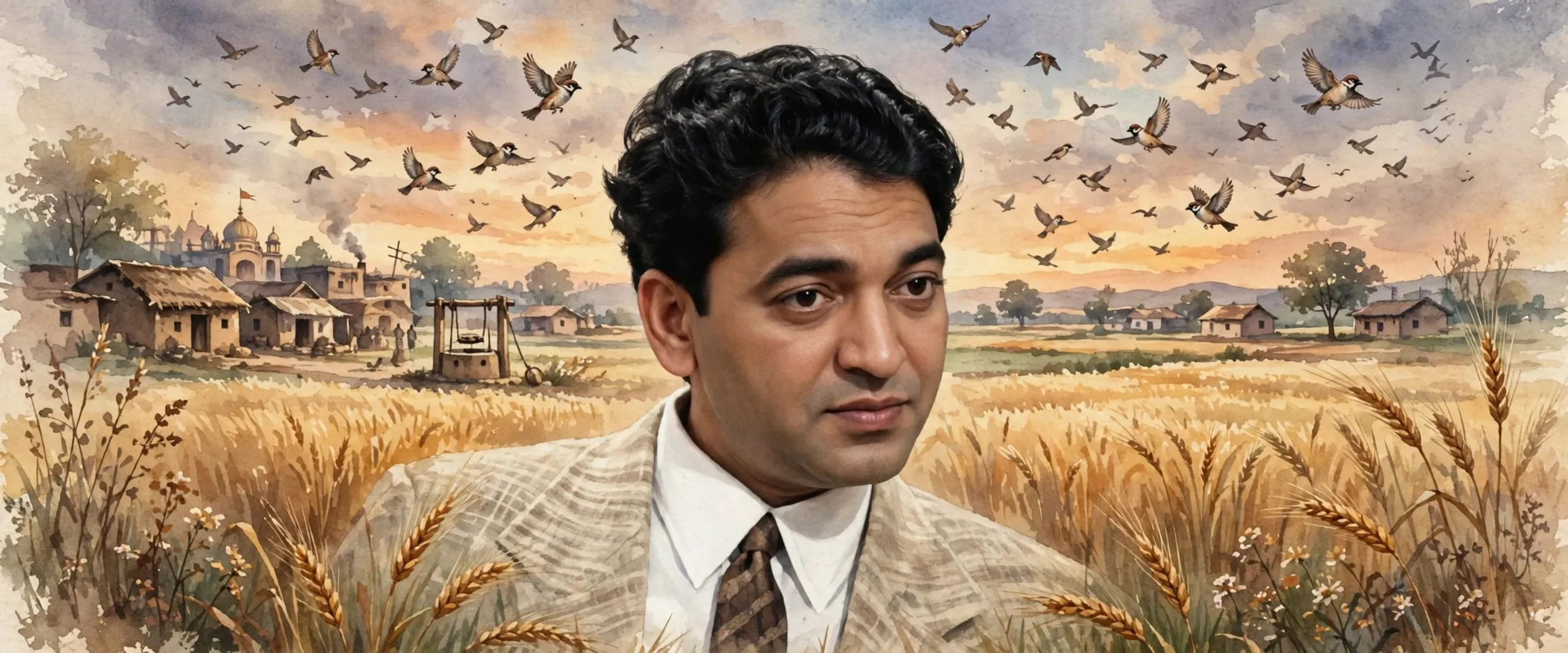
ਆਟੇ ਦੀਆਂ ਚਿੜੀਆਂ ਸ਼ਿਵ ਕੁਮਾਰ ਬਟਾਲਵੀ ਦਾ ਤੀਜਾ ਪੰਜਾਬੀ ਕਾਵਿ ਸੰਗ੍ਰਹਿ ਹੈ, ਜੋ 1962 ਵਿੱਚ ਛਪਿਆ। ਪਿਆਰ, ਵਿਛੋੜੇ ਅਤੇ ਪੰਜਾਬ ਦੇ ਪਿੰਡਾਂ ਤੇ ਖੇਤਾਂ ਬਾਰੇ ਇਹ ਛੋਟੀਆਂ ਕਵਿਤਾਵਾਂ ਉਸ ਨੌਜਵਾਨ ਕਵੀ ਦੀ ਅਵਾਜ਼ ਹਨ, ਜਿਸ ਨੇ ਉਸ ਨੂੰ ਮਸ਼ਹੂਰ ਕੀਤਾ ਅਤੇ ਜਿਸ ਤੋਂ ਲੂਣਾ ਤੱਕ ਦਾ ਰਾਹ ਖੁੱਲ੍ਹਿਆ, ਜਿਸ ਨੂੰ 1967 ਵਿੱਚ ਸਾਹਿਤ ਅਕਾਦਮੀ ਇਨਾਮ ਮਿਲਿਆ।
ਪੰਜਾਬੀ, ਗੁਰਮੁਖੀ- ਪੰਜਾਬੀ ਨਾਂ
- ਆਟੇ ਦੀਆਂ ਚਿੜੀਆਂ
- ਲੇਖਕ
- ਸ਼ਿਵ ਕੁਮਾਰ ਬਟਾਲਵੀ (1936 ਤੋਂ 1973)
- ਪ੍ਰਕਾਸ਼ਿਤ
- 1962
- ਭਾਸ਼ਾ
- ਪੰਜਾਬੀ
- ਰੂਪ
- ਕਾਵਿ-ਸੰਗ੍ਰਹਿ
- ਪ੍ਰਕਾਸ਼ਕ
- ਲੋਕ ਸਾਹਿਤ ਪ੍ਰਕਾਸ਼ਨ, ਅੰਮ੍ਰਿਤਸਰ
All 8 facts
- ਉਸ ਦੀ ਰਚਨਾ ਵਿੱਚ ਥਾਂ
- ਤੀਜਾ ਸੰਗ੍ਰਹਿ, ਲਾਜਵੰਤੀ (1961) ਤੋਂ ਬਾਅਦ
- ਅਗਲੀਆਂ ਕਿਤਾਬਾਂ
- ਮੈਨੂੰ ਵਿਦਾ ਕਰੋ (1963)
About the book
Aate Diyan Chidiyan, Punjabi for The Sparrows of Flour, is a collection of poems by Shiv Kumar Batalvi, published in 1962. It was the third of the collections he published in the first half of the 1960s, a burst of writing that ran from Piran da Paraga (1960) to Loona (1965). It came after Piran da Paraga (1960) and Lajwanti (1961), and before Mainu Vida Karo (1963) and Loona (1965), the verse play that won him the Sahitya Akademi Award in 1967. The poems are short lyrics and geet, songs written to be sung as much as read, and they carry the voice that made Batalvi the most loved modern poet in Punjabi: tender, musical and full of longing.
What the poems are about
The poems are about love and separation, the condition Batalvi's readers call birha. A lover waits, a beloved leaves, a mother is remembered, a village is lost. The settings are the small things of rural Punjab: sparrows at the doorstep, wheat fields, wells, the riverbank, the courtyard of a village home. Batalvi writes in the first person, as a lover speaking, and his language stays close to the Punjabi folk song, plain words set to a lilting rhythm. What set him apart was that he took this old folk voice and made it carry modern feeling. A study of his life notes that he fused new ways of expressing modern sensibility with the spirit of Punjab's culture and the charm of classical Punjabi poetry and folk songs. The result is poetry that sounds both old and new at once, which is why it travelled so easily from the printed page to the singer's stage.
The title poem
The book takes its name from one of its poems, Aate Diyan Chidiyan, the sparrows of flour. The image is a village one, small and homely: sparrows shaped from kneaded flour, the everyday stuff of a Punjabi kitchen turned into a song. It gives the whole collection its mood. These are not grand poems about kings and battles. They are poems about fragile, ordinary things, a bird, a field, a parting at a village gate, and the ache they leave behind. Readers who know Batalvi only through Loona meet a different poet here: younger, lighter in touch, still finding the voice that would later carry his masterpiece.
ਲੇਖਕ
Shiv Kumar Batalvi was born on 23 July 1936 in Bara Pind Lohtian, a village in Shakargarh tehsil that now lies in Narowal district of Pakistan. His family left the village during the Partition of 1947 and settled in Batala, on the Indian side of the new border, and the loss of his childhood village stayed with him for the rest of his short life. He began writing poetry in Punjabi in 1957, while a student at S.N. College in Qadian, and his first collection, Piran da Paraga, appeared in 1960, when he was twenty-four. Within five years he had published his early collections and Loona, and in 1967 he became the youngest writer to receive the Sahitya Akademi Award. He joined the State Bank of India in Chandigarh in 1968, visited England in 1972, and died on 6 May 1973 at Kiri Mangyal, aged thirty-six.
Why is Aate Diyan Chidiyan still read?
Because its poems refused to stay on the page. Batalvi sang his own verse at kavi darbars, poetry gatherings where audiences fell silent to listen, and singers have carried his lyrics ever since. Jagjit Singh, Nusrat Fateh Ali Khan, Hans Raj Hans and Ghulam Ali are among those who sang his poems, and his lines still turn up in films, from Ajj Din Chhadeya in Love Aaj Kal (2009) to Ikk Kudi Jihda Naam Mohabbat in Udta Punjab (2016). Readers often know the lines before they know whose they are. Aate Diyan Chidiyan is where that afterlife began: the early lyrics, written when Batalvi was twenty-six, already carry the music and the ache that later made him famous. A bookseller's guide to his work advises starting with the short lyric collections before coming to Loona, and this is one of the collections it means.
Reception and legacy
The collection appeared when Batalvi was becoming the star of Punjab's kavi darbars, the poet audiences waited for above all others. By the end of the five years from 1960 to 1965 he was, in the words of one study of his life, a living legend and the most sought-after Punjabi poet of his day. He is remembered now as Birha da Sultan, the king of separation, and the name fits this book as well as any: nearly every poem is about longing or loss. The Shiv Kumar Batalvi Award is given each year in his honour, an auditorium in Batala carries his name, and his poems live on in print in the collected volume Shiv Kumar: Samuchi Kavita. Aate Diyan Chidiyan is the early evidence of why: a young poet, writing about sparrows and partings, already speaking in the voice Punjab still recognises as its own.
ਕਿਤਾਬ ਬਾਰੇ
ਆਟੇ ਦੀਆਂ ਚਿੜੀਆਂ ਸ਼ਿਵ ਕੁਮਾਰ ਬਟਾਲਵੀ ਦਾ ਪੰਜਾਬੀ ਕਾਵਿ ਸੰਗ੍ਰਹਿ ਹੈ, ਜੋ 1962 ਵਿੱਚ ਛਪਿਆ। ਇਹ ਉਸ ਦੇ ਸ਼ੁਰੂਆਤੀ ਸੰਗ੍ਰਹਿਆਂ ਵਿੱਚੋਂ ਤੀਜਾ ਸੀ, ਜੋ 1960 ਤੋਂ 1965 ਦੇ ਵਿਚਕਾਰ ਛਪੇ, ਪੀੜਾਂ ਦਾ ਪਰਾਗਾ (1960) ਅਤੇ ਲਾਜਵੰਤੀ (1961) ਤੋਂ ਬਾਅਦ, ਅਤੇ ਮੈਨੂੰ ਵਿਦਾ ਕਰੋ (1963) ਅਤੇ ਲੂਣਾ (1965) ਤੋਂ ਪਹਿਲਾਂ। ਲੂਣਾ ਉਹ ਕਾਵਿ ਨਾਟਕ ਹੈ, ਜਿਸ ਨੂੰ 1967 ਵਿੱਚ ਸਾਹਿਤ ਅਕਾਦਮੀ ਇਨਾਮ ਮਿਲਿਆ। ਇਸ ਸੰਗ੍ਰਹਿ ਦੀਆਂ ਕਵਿਤਾਵਾਂ ਛੋਟੇ ਗੀਤ ਹਨ, ਜੋ ਗਾਉਣ ਲਈ ਲਿਖੇ ਗਏ ਸਨ, ਅਤੇ ਇਨ੍ਹਾਂ ਵਿੱਚ ਉਹੀ ਅਵਾਜ਼ ਹੈ, ਜਿਸ ਨੇ ਬਟਾਲਵੀ ਨੂੰ ਪੰਜਾਬੀ ਦਾ ਸਭ ਤੋਂ ਪਿਆਰਾ ਆਧੁਨਿਕ ਕਵੀ ਬਣਾਇਆ: ਕੋਮਲ, ਸੁਰੀਲੀ ਅਤੇ ਵਿਛੋੜੇ ਨਾਲ ਭਰੀ।
ਕਵਿਤਾਵਾਂ ਕਿਸ ਬਾਰੇ ਹਨ
ਇਹ ਕਵਿਤਾਵਾਂ ਪਿਆਰ ਅਤੇ ਵਿਛੋੜੇ ਬਾਰੇ ਹਨ, ਜਿਸ ਨੂੰ ਬਟਾਲਵੀ ਦੇ ਪਾਠਕ ਬਿਰਹਾ ਕਹਿੰਦੇ ਹਨ। ਕੋਈ ਪ੍ਰੇਮੀ ਉਡੀਕਦਾ ਹੈ, ਕੋਈ ਮਹਿਬੂਬ ਚਲਾ ਜਾਂਦਾ ਹੈ, ਕੋਈ ਮਾਂ ਯਾਦ ਆਉਂਦੀ ਹੈ, ਕੋਈ ਪਿੰਡ ਛੁੱਟ ਜਾਂਦਾ ਹੈ। ਇਨ੍ਹਾਂ ਦੇ ਦ੍ਰਿਸ਼ ਪੇਂਡੂ ਪੰਜਾਬ ਦੀਆਂ ਛੋਟੀਆਂ ਚੀਜ਼ਾਂ ਹਨ: ਦਰਵਾਜ਼ੇ ਕੋਲ ਚਿੜੀਆਂ, ਕਣਕ ਦੇ ਖੇਤ, ਖੂਹ, ਦਰਿਆ ਦਾ ਕੰਢਾ, ਪਿੰਡ ਦੇ ਘਰ ਦਾ ਵਿਹੜਾ। ਬਟਾਲਵੀ ਪਹਿਲੇ ਪੁਰਸ਼ ਵਿੱਚ ਲਿਖਦਾ ਹੈ, ਜਿਵੇਂ ਕੋਈ ਪ੍ਰੇਮੀ ਬੋਲ ਰਿਹਾ ਹੋਵੇ, ਅਤੇ ਉਸ ਦੀ ਭਾਸ਼ਾ ਪੰਜਾਬੀ ਲੋਕ ਗੀਤ ਦੇ ਨੇੜੇ ਰਹਿੰਦੀ ਹੈ, ਸਾਦੇ ਸ਼ਬਦ ਅਤੇ ਝੂੰਦੀ ਲੈਅ। ਉਸ ਦੀ ਖ਼ਾਸੀਅਤ ਇਹ ਸੀ ਕਿ ਉਸ ਨੇ ਇਸ ਪੁਰਾਣੀ ਲੋਕ ਅਵਾਜ਼ ਵਿੱਚ ਆਧੁਨਿਕ ਭਾਵਨਾ ਭਰ ਦਿੱਤੀ। ਉਸ ਦੇ ਜੀਵਨ ਬਾਰੇ ਇੱਕ ਅਧਿਐਨ ਕਹਿੰਦਾ ਹੈ ਕਿ ਉਸ ਨੇ ਆਧੁਨਿਕ ਭਾਵਨਾ ਪ੍ਰਗਟਾਉਣ ਦੇ ਨਵੇਂ ਢੰਗਾਂ ਨੂੰ ਪੰਜਾਬ ਦੀ ਸੰਸਕ੍ਰਿਤੀ ਦੀ ਭਾਵਨਾ ਅਤੇ ਪੁਰਾਣੀ ਪੰਜਾਬੀ ਕਵਿਤਾ ਤੇ ਲੋਕ ਗੀਤਾਂ ਦੀ ਖ਼ੂਬਸੂਰਤੀ ਨਾਲ ਜੋੜ ਦਿੱਤਾ। ਇਸੇ ਕਰਕੇ ਉਸ ਦੀ ਕਵਿਤਾ ਇੱਕੋ ਸਮੇਂ ਪੁਰਾਣੀ ਵੀ ਲੱਗਦੀ ਹੈ ਅਤੇ ਨਵੀਂ ਵੀ, ਅਤੇ ਇਸੇ ਕਰਕੇ ਉਹ ਛਪੇ ਸਫ਼ੇ ਤੋਂ ਗਾਇਕ ਦੀ ਅਵਾਜ਼ ਤੱਕ ਆਸਾਨੀ ਨਾਲ ਪਹੁੰਚ ਗਈ।
ਸਿਰਲੇਖ ਵਾਲੀ ਕਵਿਤਾ
ਸੰਗ੍ਰਹਿ ਦਾ ਨਾਂ ਇਸ ਦੀ ਇੱਕ ਕਵਿਤਾ ਤੋਂ ਲਿਆ ਗਿਆ ਹੈ, ਆਟੇ ਦੀਆਂ ਚਿੜੀਆਂ। ਇਹ ਤਸਵੀਰ ਪਿੰਡ ਦੀ ਹੈ, ਛੋਟੀ ਅਤੇ ਘਰੇਲੂ: ਗੁੰਨ੍ਹੇ ਹੋਏ ਆਟੇ ਦੀਆਂ ਚਿੜੀਆਂ, ਪੰਜਾਬੀ ਰਸੋਈ ਦੀ ਰੋਜ਼ਾਨਾ ਚੀਜ਼ ਜੋ ਗੀਤ ਬਣ ਗਈ। ਇਹ ਪੂਰੇ ਸੰਗ੍ਰਹਿ ਦਾ ਮਿਜ਼ਾਜ ਦੱਸਦੀ ਹੈ। ਇਹ ਰਾਜਿਆਂ ਅਤੇ ਲੜਾਈਆਂ ਬਾਰੇ ਵੱਡੀਆਂ ਕਵਿਤਾਵਾਂ ਨਹੀਂ ਹਨ। ਇਹ ਇੱਕ ਚਿੜੀ, ਇੱਕ ਖੇਤ, ਪਿੰਡ ਦੇ ਦਰਵਾਜ਼ੇ ਕੋਲ ਵਿਛੋੜੇ ਬਾਰੇ ਕਵਿਤਾਵਾਂ ਹਨ, ਅਤੇ ਉਹ ਦਰਦ ਜੋ ਉਹ ਪਿੱਛੇ ਛੱਡ ਜਾਂਦੀਆਂ ਹਨ। ਜਿਹੜੇ ਪਾਠਕ ਬਟਾਲਵੀ ਨੂੰ ਸਿਰਫ਼ ਲੂਣਾ ਰਾਹੀਂ ਜਾਣਦੇ ਹਨ, ਉਨ੍ਹਾਂ ਨੂੰ ਇੱਥੇ ਇੱਕ ਹੋਰ ਕਵੀ ਮਿਲਦਾ ਹੈ: ਛੋਟਾ, ਹਲਕੇ ਹੱਥ ਵਾਲਾ, ਉਸ ਅਵਾਜ਼ ਨੂੰ ਅਜੇ ਲੱਭ ਰਿਹਾ, ਜਿਸ ਨੇ ਬਾਅਦ ਵਿੱਚ ਉਸ ਦੀ ਮਹਾਨ ਰਚਨਾ ਨੂੰ ਸਹਾਰਾ ਦਿੱਤਾ।
ਲੇਖਕ
ਸ਼ਿਵ ਕੁਮਾਰ ਬਟਾਲਵੀ ਦਾ ਜਨਮ 23 ਜੁਲਾਈ 1936 ਨੂੰ ਬੜਾ ਪਿੰਡ ਲੋਹਟੀਆਂ ਵਿੱਚ ਹੋਇਆ, ਜੋ ਸ਼ੱਕਰਗੜ੍ਹ ਤਹਿਸੀਲ ਦਾ ਪਿੰਡ ਹੈ ਅਤੇ ਅੱਜ ਪਾਕਿਸਤਾਨ ਦੇ ਨਾਰੋਵਾਲ ਜ਼ਿਲ੍ਹੇ ਵਿੱਚ ਪੈਂਦਾ ਹੈ। ਉਸ ਦਾ ਪਰਿਵਾਰ 1947 ਦੀ ਵੰਡ ਸਮੇਂ ਪਿੰਡ ਛੱਡ ਕੇ ਬਟਾਲੇ ਆ ਵਸਿਆ, ਅਤੇ ਬਚਪਨ ਦੇ ਪਿੰਡ ਦਾ ਵਿਛੋੜਾ ਉਸ ਦੇ ਛੋਟੇ ਜਿਹੇ ਜੀਵਨ ਭਰ ਉਸ ਦੇ ਨਾਲ ਰਿਹਾ। ਉਸ ਨੇ 1957 ਵਿੱਚ ਕਾਦੀਆਂ ਦੇ ਐਸ. ਐਨ. ਕਾਲਜ ਵਿੱਚ ਪੜ੍ਹਦਿਆਂ ਪੰਜਾਬੀ ਕਵਿਤਾ ਲਿਖਣੀ ਸ਼ੁਰੂ ਕੀਤੀ, ਅਤੇ ਉਸ ਦਾ ਪਹਿਲਾ ਸੰਗ੍ਰਹਿ ਪੀੜਾਂ ਦਾ ਪਰਾਗਾ 1960 ਵਿੱਚ ਛਪਿਆ, ਜਦੋਂ ਉਹ ਚੌਵੀ ਸਾਲਾਂ ਦਾ ਸੀ। ਪੰਜ ਸਾਲਾਂ ਵਿੱਚ ਉਸ ਨੇ ਆਪਣੇ ਸ਼ੁਰੂਆਤੀ ਸੰਗ੍ਰਹਿ ਅਤੇ ਲੂਣਾ ਛਾਪੇ, ਅਤੇ 1967 ਵਿੱਚ ਉਹ ਸਾਹਿਤ ਅਕਾਦਮੀ ਇਨਾਮ ਪਾਉਣ ਵਾਲਾ ਸਭ ਤੋਂ ਛੋਟੀ ਉਮਰ ਦਾ ਲੇਖਕ ਬਣਿਆ। ਉਹ 1968 ਵਿੱਚ ਚੰਡੀਗੜ੍ਹ ਵਿੱਚ ਸਟੇਟ ਬੈਂਕ ਆਫ਼ ਇੰਡੀਆ ਵਿੱਚ ਭਰਤੀ ਹੋਇਆ, 1972 ਵਿੱਚ ਇੰਗਲੈਂਡ ਗਿਆ, ਅਤੇ 6 ਮਈ 1973 ਨੂੰ ਕਿਰੀ ਮੰਗਿਆਲ ਵਿੱਚ 36 ਸਾਲ ਦੀ ਉਮਰ ਵਿੱਚ ਚਲਾਣਾ ਕਰ ਗਿਆ।
ਆਟੇ ਦੀਆਂ ਚਿੜੀਆਂ ਅੱਜ ਵੀ ਕਿਉਂ ਪੜ੍ਹੀ ਜਾਂਦੀ ਹੈ?
ਕਿਉਂਕਿ ਉਸ ਦੀਆਂ ਕਵਿਤਾਵਾਂ ਸਫ਼ੇ ਤੇ ਨਹੀਂ ਰੁਕੀਆਂ। ਬਟਾਲਵੀ ਆਪਣੀ ਕਵਿਤਾ ਕਵੀ ਦਰਬਾਰਾਂ ਵਿੱਚ ਗਾ ਕੇ ਸੁਣਾਉਂਦਾ ਸੀ, ਜਿੱਥੇ ਸਰੋਤੇ ਸਾਹ ਰੋਕ ਕੇ ਸੁਣਦੇ ਸਨ, ਅਤੇ ਗਾਇਕਾਂ ਨੇ ਉਸ ਦੇ ਗੀਤ ਉਦੋਂ ਤੋਂ ਗਾਏ ਹਨ। ਜਗਜੀਤ ਸਿੰਘ, ਨੁਸਰਤ ਫ਼ਤਿਹ ਅਲੀ ਖ਼ਾਨ, ਹੰਸ ਰਾਜ ਹੰਸ ਅਤੇ ਗ਼ੁਲਾਮ ਅਲੀ ਉਨ੍ਹਾਂ ਗਾਇਕਾਂ ਵਿੱਚੋਂ ਹਨ, ਜਿਨ੍ਹਾਂ ਨੇ ਉਸ ਦੀਆਂ ਕਵਿਤਾਵਾਂ ਗਾਈਆਂ, ਅਤੇ ਉਸ ਦੀਆਂ ਸਤਰਾਂ ਫ਼ਿਲਮਾਂ ਵਿੱਚ ਵੀ ਆਈਆਂ ਹਨ, ਲਵ ਆਜ ਕਲ (2009) ਵਿੱਚ ਅੱਜ ਦਿਨ ਚੜ੍ਹਿਆ ਤੋਂ ਲੈ ਕੇ ਉਡਤਾ ਪੰਜਾਬ (2016) ਵਿੱਚ ਇਕ ਕੁੜੀ ਜਿਹਦਾ ਨਾਂ ਮੁਹੱਬਤ ਤੱਕ। ਪਾਠਕ ਅਕਸਰ ਉਸ ਦੀਆਂ ਸਤਰਾਂ ਨੂੰ ਉਸ ਦਾ ਨਾਂ ਜਾਣਨ ਤੋਂ ਪਹਿਲਾਂ ਜਾਣਦੇ ਹਨ। ਆਟੇ ਦੀਆਂ ਚਿੜੀਆਂ ਉਹ ਥਾਂ ਹੈ, ਜਿੱਥੋਂ ਇਹ ਜੀਵਨ ਸ਼ੁਰੂ ਹੋਇਆ: 26 ਸਾਲ ਦੀ ਉਮਰ ਵਿੱਚ ਲਿਖੇ ਸ਼ੁਰੂਆਤੀ ਗੀਤ, ਜਿਨ੍ਹਾਂ ਵਿੱਚ ਉਹੀ ਸੰਗੀਤ ਅਤੇ ਦਰਦ ਹੈ, ਜਿਸ ਨੇ ਬਾਅਦ ਵਿੱਚ ਉਸ ਨੂੰ ਮਸ਼ਹੂਰ ਕੀਤਾ। ਉਸ ਦੀ ਰਚਨਾ ਬਾਰੇ ਇੱਕ ਕਿਤਾਬਾਂ ਵਾਲੀ ਰਾਹਨੁਮਾਈ ਲੂਣਾ ਤੋਂ ਪਹਿਲਾਂ ਛੋਟੇ ਗੀਤਾਂ ਦੇ ਸੰਗ੍ਰਹਿ ਤੋਂ ਸ਼ੁਰੂ ਕਰਨ ਦੀ ਸਲਾਹ ਦਿੰਦੀ ਹੈ, ਅਤੇ ਇਹ ਉਨ੍ਹਾਂ ਸੰਗ੍ਰਹਿਆਂ ਵਿੱਚੋਂ ਇੱਕ ਹੈ।
ਸਵਾਗਤ ਅਤੇ ਵਿਰਸਾ
ਇਹ ਸੰਗ੍ਰਹਿ ਉਦੋਂ ਛਪਿਆ, ਜਦੋਂ ਬਟਾਲਵੀ ਪੰਜਾਬ ਦੇ ਕਵੀ ਦਰਬਾਰਾਂ ਦਾ ਸਿਤਾਰਾ ਬਣ ਰਿਹਾ ਸੀ, ਉਹ ਕਵੀ ਜਿਸ ਦੀ ਸਰੋਤੇ ਸਭ ਤੋਂ ਵੱਧ ਉਡੀਕ ਕਰਦੇ ਸਨ। 1960 ਤੋਂ 1965 ਦੇ ਪੰਜ ਸਾਲਾਂ ਦੇ ਅੰਤ ਤੱਕ ਉਹ, ਉਸ ਦੇ ਜੀਵਨ ਬਾਰੇ ਇੱਕ ਅਧਿਐਨ ਦੇ ਸ਼ਬਦਾਂ ਵਿੱਚ, ਜਿਉਂਦਾ ਦੰਤਕਥਾ ਅਤੇ ਆਪਣੇ ਸਮੇਂ ਦਾ ਸਭ ਤੋਂ ਮੰਗਿਆ ਪੰਜਾਬੀ ਕਵੀ ਬਣ ਚੁੱਕਾ ਸੀ। ਅੱਜ ਉਸ ਨੂੰ ਬਿਰਹਾ ਦਾ ਸੁਲਤਾਨ ਕਿਹਾ ਜਾਂਦਾ ਹੈ, ਵਿਛੋੜੇ ਦਾ ਬਾਦਸ਼ਾਹ, ਅਤੇ ਇਹ ਨਾਂ ਇਸ ਕਿਤਾਬ ਤੇ ਵੀ ਉਨਾ ਹੀ ਢੁਕਦਾ ਹੈ ਜਿੰਨਾ ਕਿਸੇ ਹੋਰ ਤੇ: ਲਗਭਗ ਹਰ ਕਵਿਤਾ ਚਾਹ ਜਾਂ ਵਿਛੋੜੇ ਬਾਰੇ ਹੈ। ਉਸ ਦੇ ਸਨਮਾਨ ਵਿੱਚ ਹਰ ਸਾਲ ਸ਼ਿਵ ਕੁਮਾਰ ਬਟਾਲਵੀ ਇਨਾਮ ਦਿੱਤਾ ਜਾਂਦਾ ਹੈ, ਬਟਾਲੇ ਵਿੱਚ ਇੱਕ ਸਭਾ ਘਰ ਉਸ ਦੇ ਨਾਂ ਤੇ ਹੈ, ਅਤੇ ਉਸ ਦੀਆਂ ਕਵਿਤਾਵਾਂ ਸ਼ਿਵ ਕੁਮਾਰ: ਸਮੁੱਚੀ ਕਵਿਤਾ ਵਿੱਚ ਛਪੀਆਂ ਮਿਲਦੀਆਂ ਹਨ। ਆਟੇ ਦੀਆਂ ਚਿੜੀਆਂ ਇਸ ਦਾ ਸ਼ੁਰੂਆਤੀ ਸਬੂਤ ਹੈ ਕਿ ਕਿਉਂ: ਇੱਕ ਨੌਜਵਾਨ ਕਵੀ, ਚਿੜੀਆਂ ਅਤੇ ਵਿਛੋੜਿਆਂ ਬਾਰੇ ਲਿਖ ਰਿਹਾ, ਪਹਿਲਾਂ ਹੀ ਉਸ ਅਵਾਜ਼ ਵਿੱਚ ਬੋਲ ਰਿਹਾ, ਜਿਸ ਨੂੰ ਪੰਜਾਬ ਅੱਜ ਵੀ ਆਪਣੀ ਅਵਾਜ਼ ਮੰਨਦਾ ਹੈ।
ਐਡੀਸ਼ਨ ਅਤੇ ਅਨੁਵਾਦ
- ਆਟੇ ਦੀਆਂ ਚਿੜੀਆਂPunjabi · original, 1962ਮੂਲ
ਲੇਖਕ

ਜੁੜੇ ਹੋਏ
ਹੋਰ ਪੜ੍ਹੋ
ਸਰੋਤ (3)
ਜੁਗਤੀ ਮੁਫ਼ਤ ਅਤੇ ਸੁਤੰਤਰ ਹੈ। ਪਾਠਕਾਂ ਦਾ ਸਹਿਯੋਗ ਕੋਸ਼ ਨੂੰ ਵਧਾਉਂਦਾ ਹੈ।
ਸਹਿਯੋਗ