

ਅਬਿਆਤ-ਏ-ਬਾਹੂ ਸੂਫੀ ਕਵੀ ਸੁਲਤਾਨ ਬਾਹੂ (1630 ਤੋਂ 1691) ਦੀ ਪੰਜਾਬੀ ਕਾਵਿ ਰਚਨਾ ਹੈ, ਚਾਰ ਸਤਰੀ ਬੈਤਾਂ ਤੋਂ ਬਣੀ ਜਿਨ੍ਹਾਂ ਦੀ ਹਰ ਸਤਰ ਹੂ ਸ਼ਬਦ ਉੱਤੇ ਮੁੱਕਦੀ ਹੈ। ਕਵਾਲੀ ਅਤੇ ਕਾਫੀ ਵਿੱਚ ਗਾਏ ਜਾਂਦੇ ਅਤੇ ਸਾਰੇ ਪੰਜਾਬ ਵਿੱਚ ਜ਼ਬਾਨੀ ਯਾਦ ਇਹ ਬੈਤ ਮੁਰਸ਼ਿਦ ਰਾਹੀਂ ਪਰਮਾਤਮਾ ਦੀ ਸ਼ਰਧਾ, ਨਫਸ ਦੀ ਹਾਰ, ਅਤੇ ਮੌਤ ਤੋਂ ਪਹਿਲਾਂ ਮਰਨਾ ਸਿਖਾਉਂਦੇ ਹਨ।
ਪੰਜਾਬੀ, ਗੁਰਮੁਖੀ, ਅੰਗਰੇਜ਼ੀ ਅਨੁਵਾਦ ਸਮੇਤ- ਪੰਜਾਬੀ ਨਾਂ
- ਅਬਿਆਤ-ਏ-ਬਾਹੂ
- ਲੇਖਕ
- ਸੁਲਤਾਨ ਬਾਹੂ (1630 ਤੋਂ 1691)
- ਲਿਖਿਆ ਗਿਆ
- 17ਵੀਂ ਸਦੀ, ਲੇਖਕ ਦੇ ਜੀਵਨ ਕਾਲ ਵਿੱਚ
- ਭਾਸ਼ਾ
- ਪੰਜਾਬੀ (ਗੁਰਮੁਖੀ ਅਤੇ ਸ਼ਾਹਮੁਖੀ ਦੋਹਾਂ ਵਿੱਚ ਪੜ੍ਹੀ ਜਾਂਦੀ ਹੈ)
- ਰੂਪ
- ਚਾਰ ਸਤਰੀ ਬੈਤ (ਅਬਿਆਤ), ਹਰ ਸਤਰ ਹੂ ਉੱਤੇ ਮੁੱਕਦੀ ਹੈ
- ਸਭ ਤੋਂ ਪ੍ਰਸਿੱਧ ਬੈਤ
- ਅਲਿਫ ਅੱਲਾਹ ਚੰਬੇ ਦੀ ਬੂਟੀ, ਮੁਰਸ਼ਿਦ ਵੱਲੋਂ ਲਾਈ ਚੰਬੇ ਦੀ ਬੂਟੀ
All 8 facts
- ਅੰਗਰੇਜ਼ੀ ਅਨੁਵਾਦ
- ਡੈੱਥ ਬਿਫੋਰ ਡਾਈੰਗ, ਅਨੁਵਾਦਕ ਜਮਾਲ ਜੇ. ਏਲਿਆਸ, ਕੈਲੀਫੋਰਨੀਆ ਯੂਨੀਵਰਸਿਟੀ ਪ੍ਰੈਸ, 1998 (115 ਕਵਿਤਾਵਾਂ)
- ਲੇਖਕ ਦੀਆਂ ਹੋਰ ਲਿਖਤਾਂ
- ਜ਼ਿਆਦਾਤਰ ਸੂਫੀਵਾਦ ਉੱਤੇ ਫਾਰਸੀ ਗ੍ਰੰਥ; ਅਬਿਆਤ ਉਸ ਦੀ ਪੰਜਾਬੀ ਕਾਵਿ ਰਚਨਾ ਹੈ
About the book
Abyat-e-Bahu is the Punjabi verse work of Sultan Bahu (1630 to 1691), the Sufi poet of Shorkot in Jhang district. It holds a singular place in his writing. More than forty books on Sufism are attributed to him and at least a hundred are assumed, but most of his writings are in Persian, and the Abyat is the work in Punjabi verse, the one composition in the language ordinary people spoke. That choice of language is the first fact about the book: a scholar who could write treatises in Persian chose Punjabi quatrains for the teaching he wanted carried from mouth to mouth.
An abyat is a set of verses, and Bahu's are built as four line units in which every line closes on the same sounded word: Hoo, the name of God breathed out as a sigh. Editions differ in how many verses they gather and in what order, because the verses lived by being sung and memorised long before they were fixed in print. The University of Pennsylvania Libraries summary of Jamal J. Elias's English translation puts the result plainly: Bahu remains highly popular in Pakistan and India today, and even Punjabis who cannot read can recite his poetry by heart.
What are the Abyat about?
The Penn Libraries summary answers in two strokes. The poems teach unrestricted devotion to God, and they are sceptical toward the legalistic, institutionalised elements of organised religion. Inside that frame the verses return to a small set of great subjects: the murshid, the spiritual guide who plants faith in the heart; the self, which must be defeated before God can be found; and death, which the true seeker is told to meet early. Elias titled his translation Death Before Dying, taking the phrase from Bahu's own teaching, and a verse quoted in AE Magazine ends on the same line: we died before death, Bahoo, only then attained the objective.
Alif Allah: the jasmine seedling
The best known verse opens the alphabet and the book at once. In the rendering discussed by scholars of his poetry, it runs: Alif Allah chambe di booti, mere mann wich murshid laaee Hoo, which is to say that the name of God is a jasmine seedling that the guide has planted in the poet's heart, watered by the remembrance that negates the self and affirms God, until the plant flowers inside and its fragrance cannot be hidden. It is the whole of Bahu in four lines: a village garden image, a guide, an inner change, and the closing Hoo that turns a statement into a breath of prayer.
Against empty ritual
The Abyat are not gentle with religious pretension. AE Magazine, surveying his poetry, quotes verse after verse in which Bahu censures scholars who memorised the Quran while the veils were not lifted, and who studied thousands of books while the tyrant self did not perish. Another verse asks what use a rosary is if moving its beads does not move the heart, and what use knowledge is if it brings no humility. The magazine reads him as a poet of resistance, against unjust authority in the state and empty ritual in religion alike, whose simple, direct style kept the verses accessible to the widest audience and made them a plea for compassion and brotherhood.
ਲੇਖਕ
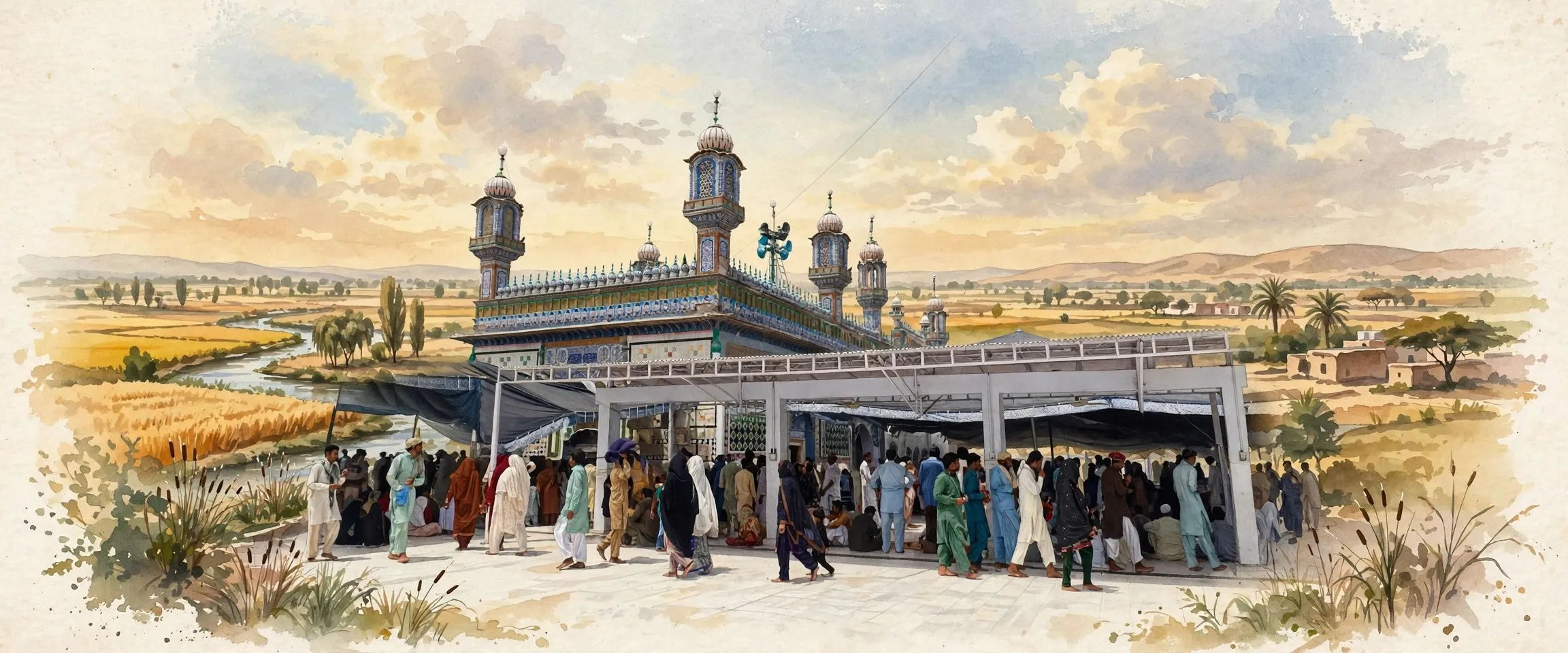
Sultan Bahu was born on 17 January 1630 at Shorkot, in what is now Jhang district, the son of Bayazid Muhammad, an officer in the Mughal army, and Mai Rasti, who was also his first teacher. He belonged to the Qadiri Sufi order and founded its Sarwari Qadiri branch. Around 1668 he travelled to Delhi for further training under Syed Abdul Rehman Jilani Dehlvi, then returned to Punjab for the rest of his life. He died on 1 March 1691 at Jhang, and his shrine stands at Garh Maharaja, where the annual Urs draws pilgrims from far off. His name itself, Bahu, is traditionally read as With God.
Reception and legacy
No Punjabi book of verse has had a longer singing life. Wikipedia's account records that his verses are sung in many genres of Sufi music, including qawwali and kafi, and that tradition has established a unique style of singing his couplets. In 1998 the University of California Press published Jamal J. Elias's Death Before Dying, which the Penn Libraries catalogue describes as the first translation of the Abyat to appear in English outside South Asia, presenting 115 poems alongside the Punjabi text. For a reader meeting Bahu for the first time, the Abyat are not a chapter of his work. They are the work, the form in which Punjab has kept him for more than three centuries.
ਕਿਤਾਬ ਬਾਰੇ
ਅਬਿਆਤ-ਏ-ਬਾਹੂ ਝੰਗ ਜ਼ਿਲ੍ਹੇ ਦੇ ਸ਼ੋਰਕੋਟ ਦੇ ਸੂਫੀ ਕਵੀ ਸੁਲਤਾਨ ਬਾਹੂ (1630 ਤੋਂ 1691) ਦੀ ਪੰਜਾਬੀ ਕਾਵਿ ਰਚਨਾ ਹੈ। ਉਸ ਦੀਆਂ ਲਿਖਤਾਂ ਵਿੱਚ ਇਸ ਦੀ ਥਾਂ ਵਿਲੱਖਣ ਹੈ। ਸੂਫੀਵਾਦ ਉੱਤੇ ਉਸ ਨਾਲ ਚਾਲੀ ਤੋਂ ਵੱਧ ਕਿਤਾਬਾਂ ਜੋੜੀਆਂ ਜਾਂਦੀਆਂ ਹਨ ਅਤੇ ਘੱਟੋ ਘੱਟ ਸੌ ਮੰਨੀਆਂ ਜਾਂਦੀਆਂ ਹਨ, ਪਰ ਉਸ ਦੀਆਂ ਬਹੁਤੀਆਂ ਲਿਖਤਾਂ ਫਾਰਸੀ ਵਿੱਚ ਹਨ, ਅਤੇ ਅਬਿਆਤ ਉਹ ਰਚਨਾ ਹੈ ਜੋ ਪੰਜਾਬੀ ਛੰਦ ਵਿੱਚ ਹੈ, ਆਮ ਲੋਕਾਂ ਦੀ ਬੋਲੀ ਵਿੱਚ ਲਿਖੀ ਉਸ ਦੀ ਇੱਕੋ ਰਚਨਾ। ਭਾਸ਼ਾ ਦੀ ਇਹ ਚੋਣ ਕਿਤਾਬ ਬਾਰੇ ਪਹਿਲਾ ਤੱਥ ਹੈ: ਇੱਕ ਵਿਦਵਾਨ ਜੋ ਫਾਰਸੀ ਵਿੱਚ ਗ੍ਰੰਥ ਲਿਖ ਸਕਦਾ ਸੀ, ਉਸ ਸਿੱਖਿਆ ਲਈ ਪੰਜਾਬੀ ਚੌਪਈਆਂ ਚੁਣੀਆਂ ਜਿਸ ਨੂੰ ਉਹ ਮੂੰਹੋਂ ਮੂੰਹੀਂ ਅੱਗੇ ਤੋਰਨਾ ਚਾਹੁੰਦਾ ਸੀ।
ਅਬਿਆਤ ਬੈਤਾਂ ਦਾ ਸੰਗ੍ਰਹਿ ਹੈ, ਅਤੇ ਬਾਹੂ ਦੇ ਬੈਤ ਚਾਰ ਸਤਰਾਂ ਦੀਆਂ ਇਕਾਈਆਂ ਵਜੋਂ ਬਣੇ ਹਨ ਜਿਨ੍ਹਾਂ ਵਿੱਚ ਹਰ ਸਤਰ ਇੱਕੋ ਉਚਾਰੇ ਸ਼ਬਦ ਉੱਤੇ ਮੁੱਕਦੀ ਹੈ: ਹੂ, ਪਰਮਾਤਮਾ ਦਾ ਨਾਂ ਜੋ ਇੱਕ ਹਉਕੇ ਵਜੋਂ ਸਾਹ ਨਾਲ ਨਿਕਲਦਾ ਹੈ। ਵੱਖ ਵੱਖ ਐਡੀਸ਼ਨਾਂ ਵਿੱਚ ਬੈਤਾਂ ਦੀ ਗਿਣਤੀ ਅਤੇ ਤਰਤੀਬ ਵੱਖਰੀ ਹੈ, ਕਿਉਂਕਿ ਇਹ ਬੈਤ ਛਪਾਈ ਵਿੱਚ ਸਥਿਰ ਹੋਣ ਤੋਂ ਬਹੁਤ ਪਹਿਲਾਂ ਗਾਏ ਅਤੇ ਯਾਦ ਕੀਤੇ ਜਾਂਦੇ ਰਹੇ। ਜਮਾਲ ਜੇ. ਏਲਿਆਸ ਦੇ ਅੰਗਰੇਜ਼ੀ ਅਨੁਵਾਦ ਦਾ ਪੈਨਸਿਲਵੇਨੀਆ ਯੂਨੀਵਰਸਿਟੀ ਲਾਇਬ੍ਰੇਰੀਆਂ ਦਾ ਸਾਰ ਨਤੀਜਾ ਸਾਦੇ ਸ਼ਬਦਾਂ ਵਿੱਚ ਦੱਸਦਾ ਹੈ: ਬਾਹੂ ਅੱਜ ਵੀ ਪਾਕਿਸਤਾਨ ਅਤੇ ਭਾਰਤ ਵਿੱਚ ਬਹੁਤ ਪ੍ਰਸਿੱਧ ਹੈ, ਅਤੇ ਜਿਹੜੇ ਪੰਜਾਬੀ ਪੜ੍ਹ ਨਹੀਂ ਸਕਦੇ, ਉਹ ਵੀ ਉਸ ਦੀ ਕਵਿਤਾ ਜ਼ਬਾਨੀ ਯਾਦ ਕਰਕੇ ਸੁਣਾ ਸਕਦੇ ਹਨ।
ਅਬਿਆਤ ਕਿਸ ਬਾਰੇ ਹਨ?
ਪੈਨ ਲਾਇਬ੍ਰੇਰੀਆਂ ਦਾ ਸਾਰ ਦੋ ਗੱਲਾਂ ਵਿੱਚ ਜਵਾਬ ਦਿੰਦਾ ਹੈ। ਕਵਿਤਾਵਾਂ ਪਰਮਾਤਮਾ ਪ੍ਰਤੀ ਬੇਰੋਕ ਸ਼ਰਧਾ ਸਿਖਾਉਂਦੀਆਂ ਹਨ, ਅਤੇ ਉਹ ਸੰਗਠਿਤ ਧਰਮ ਦੇ ਕਾਨੂੰਨੀ ਅਤੇ ਸੰਸਥਾਗਤ ਤੱਤਾਂ ਬਾਰੇ ਸੰਦੇਹ ਰੱਖਦੀਆਂ ਹਨ। ਇਸ ਢਾਂਚੇ ਅੰਦਰ ਬੈਤ ਕੁਝ ਵੱਡੇ ਵਿਸ਼ਿਆਂ ਵੱਲ ਪਰਤਦੇ ਰਹਿੰਦੇ ਹਨ: ਮੁਰਸ਼ਿਦ, ਉਹ ਰੂਹਾਨੀ ਰਹਿਬਰ ਜੋ ਦਿਲ ਵਿੱਚ ਇਮਾਨ ਦਾ ਬੂਟਾ ਲਾਉਂਦਾ ਹੈ; ਨਫਸ, ਜਿਸ ਨੂੰ ਪਰਮਾਤਮਾ ਲੱਭਣ ਤੋਂ ਪਹਿਲਾਂ ਹਰਾਉਣਾ ਪੈਂਦਾ ਹੈ; ਅਤੇ ਮੌਤ, ਜਿਸ ਨੂੰ ਸੱਚੇ ਤਾਲਿਬ ਨੂੰ ਜਲਦੀ ਮਿਲਣ ਲਈ ਕਿਹਾ ਗਿਆ ਹੈ। ਏਲਿਆਸ ਨੇ ਆਪਣੇ ਅਨੁਵਾਦ ਦਾ ਸਿਰਲੇਖ ਮੌਤ ਤੋਂ ਪਹਿਲਾਂ ਮੌਤ ਰੱਖਿਆ, ਇਹ ਵਾਕ ਬਾਹੂ ਦੀ ਆਪਣੀ ਸਿੱਖਿਆ ਤੋਂ ਲੈ ਕੇ, ਅਤੇ ਏਈ ਮੈਗਜ਼ੀਨ ਵਿੱਚ ਦਰਜ ਇੱਕ ਬੈਤ ਵੀ ਉਸੇ ਸਤਰ ਉੱਤੇ ਮੁੱਕਦਾ ਹੈ: ਅਸੀਂ ਮੌਤ ਤੋਂ ਪਹਿਲਾਂ ਮਰੇ, ਬਾਹੂ, ਤਦ ਹੀ ਮਕਸਦ ਹਾਸਲ ਹੋਇਆ।
ਅਲਿਫ ਅੱਲਾਹ: ਚੰਬੇ ਦੀ ਬੂਟੀ
ਸਭ ਤੋਂ ਪ੍ਰਸਿੱਧ ਬੈਤ ਵਰਣਮਾਲਾ ਅਤੇ ਕਿਤਾਬ ਦੋਹਾਂ ਨੂੰ ਇੱਕੋ ਸਮੇਂ ਖੋਲ੍ਹਦਾ ਹੈ। ਵਿਦਵਾਨਾਂ ਵੱਲੋਂ ਚਰਚਿਤ ਰੂਪ ਵਿੱਚ ਇਹ ਇਸ ਤਰ੍ਹਾਂ ਹੈ: ਅਲਿਫ ਅੱਲਾਹ ਚੰਬੇ ਦੀ ਬੂਟੀ, ਮੇਰੇ ਮਨ ਵਿੱਚ ਮੁਰਸ਼ਿਦ ਲਾਈ ਹੂ, ਭਾਵ ਪਰਮਾਤਮਾ ਦਾ ਨਾਂ ਇੱਕ ਚੰਬੇ ਦੀ ਬੂਟੀ ਹੈ ਜੋ ਰਹਿਬਰ ਨੇ ਕਵੀ ਦੇ ਦਿਲ ਵਿੱਚ ਲਾਈ ਹੈ, ਉਸ ਸਿਮਰਨ ਨਾਲ ਸਿੰਜੀ ਗਈ ਜੋ ਨਫਸ ਨੂੰ ਨਕਾਰਦਾ ਅਤੇ ਪਰਮਾਤਮਾ ਨੂੰ ਸਥਾਪਿਤ ਕਰਦਾ ਹੈ, ਜਦ ਤੱਕ ਬੂਟੀ ਅੰਦਰ ਫੁੱਲ ਨਹੀਂ ਖਿੜਦਾ ਅਤੇ ਉਸ ਦੀ ਖੁਸ਼ਬੂ ਲੁਕੀ ਨਹੀਂ ਰਹਿੰਦੀ। ਇਹ ਚਾਰ ਸਤਰਾਂ ਵਿੱਚ ਪੂਰਾ ਬਾਹੂ ਹੈ: ਇੱਕ ਪਿੰਡ ਦੇ ਬਾਗ ਦੀ ਛਬੀ, ਇੱਕ ਰਹਿਬਰ, ਇੱਕ ਅੰਦਰਲੀ ਤਬਦੀਲੀ, ਅਤੇ ਅੰਤ ਵਿੱਚ ਆਉਂਦਾ ਹੂ ਜੋ ਬਿਆਨ ਨੂੰ ਦੁਆ ਦੇ ਸਾਹ ਵਿੱਚ ਬਦਲ ਦਿੰਦਾ ਹੈ।
ਖਾਲੀ ਰਸਮਾਂ ਵਿਰੁੱਧ
ਅਬਿਆਤ ਧਾਰਮਿਕ ਵਿਖਾਵੇ ਨਾਲ ਨਰਮੀ ਨਹੀਂ ਵਰਤਦੇ। ਏਈ ਮੈਗਜ਼ੀਨ, ਉਸ ਦੀ ਕਵਿਤਾ ਦਾ ਜਾਇਜ਼ਾ ਲੈਂਦਾ ਹੋਇਆ, ਬੈਤ ਦਰ ਬੈਤ ਦਰਜ ਕਰਦਾ ਹੈ ਜਿਨ੍ਹਾਂ ਵਿੱਚ ਬਾਹੂ ਉਨ੍ਹਾਂ ਵਿਦਵਾਨਾਂ ਨੂੰ ਫਿਟਕਾਰਦਾ ਹੈ ਜਿਨ੍ਹਾਂ ਨੇ ਕੁਰਾਨ ਯਾਦ ਕਰ ਲਿਆ ਪਰ ਪਰਦੇ ਨਹੀਂ ਚੁੱਕੇ ਗਏ, ਅਤੇ ਜਿਨ੍ਹਾਂ ਨੇ ਹਜ਼ਾਰਾਂ ਕਿਤਾਬਾਂ ਪੜ੍ਹੀਆਂ ਪਰ ਜ਼ਾਲਿਮ ਨਫਸ ਨਹੀਂ ਮਰਿਆ। ਇੱਕ ਹੋਰ ਬੈਤ ਪੁੱਛਦਾ ਹੈ ਕਿ ਤਸਬੀਹ ਦੇ ਮਣਕੇ ਘੁਮਾਉਣ ਦਾ ਕੀ ਫਾਇਦਾ ਜੇ ਦਿਲ ਨਹੀਂ ਘੁੰਮਦਾ, ਅਤੇ ਉਸ ਗਿਆਨ ਦਾ ਕੀ ਫਾਇਦਾ ਜੋ ਨਿਮਰਤਾ ਨਹੀਂ ਲਿਆਉਂਦਾ। ਮੈਗਜ਼ੀਨ ਉਸ ਨੂੰ ਵਿਰੋਧ ਦਾ ਕਵੀ ਪੜ੍ਹਦਾ ਹੈ, ਰਾਜ ਵਿੱਚ ਅਨਿਆਂ ਵਾਲੇ ਅਧਿਕਾਰ ਵਿਰੁੱਧ ਅਤੇ ਧਰਮ ਵਿੱਚ ਖਾਲੀ ਰਸਮ ਵਿਰੁੱਧ, ਜਿਸ ਦੀ ਸਾਦੀ ਅਤੇ ਸਿੱਧੀ ਸ਼ੈਲੀ ਨੇ ਬੈਤਾਂ ਨੂੰ ਸਭ ਤੋਂ ਵੱਡੇ ਹਲਕੇ ਤੱਕ ਪਹੁੰਚਯੋਗ ਰੱਖਿਆ ਅਤੇ ਉਨ੍ਹਾਂ ਨੂੰ ਹਮਦਰਦੀ ਅਤੇ ਭਾਈਚਾਰੇ ਦੀ ਅਪੀਲ ਬਣਾਇਆ।
ਲੇਖਕ
ਸੁਲਤਾਨ ਬਾਹੂ ਦਾ ਜਨਮ 17 ਜਨਵਰੀ 1630 ਨੂੰ ਸ਼ੋਰਕੋਟ ਵਿੱਚ ਹੋਇਆ, ਜੋ ਹੁਣ ਝੰਗ ਜ਼ਿਲ੍ਹੇ ਵਿੱਚ ਹੈ, ਮੁਗਲ ਫੌਜ ਦੇ ਅਫਸਰ ਬਾਯਜ਼ੀਦ ਮੁਹੰਮਦ ਅਤੇ ਮਾਈ ਰਾਸਤੀ ਦੇ ਘਰ, ਜੋ ਉਸ ਦੀ ਪਹਿਲੀ ਉਸਤਾਦ ਵੀ ਸੀ। ਉਹ ਕਾਦਰੀ ਸੂਫੀ ਸਿਲਸਿਲੇ ਨਾਲ ਸੰਬੰਧਿਤ ਸੀ ਅਤੇ ਉਸ ਨੇ ਇਸ ਦੀ ਸਰਵਰੀ ਕਾਦਰੀ ਸ਼ਾਖਾ ਸਥਾਪਿਤ ਕੀਤੀ। ਲਗਭਗ 1668 ਵਿੱਚ ਉਹ ਸੱਯਦ ਅਬਦੁਲ ਰਹਿਮਾਨ ਜਿਲਾਨੀ ਦੇਹਲਵੀ ਕੋਲ ਹੋਰ ਸਿੱਖਿਆ ਲਈ ਦਿੱਲੀ ਗਿਆ, ਫਿਰ ਆਪਣੇ ਬਾਕੀ ਜੀਵਨ ਲਈ ਪੰਜਾਬ ਪਰਤ ਆਇਆ। ਉਸ ਦਾ ਦੇਹਾਂਤ 1 ਮਾਰਚ 1691 ਨੂੰ ਝੰਗ ਵਿੱਚ ਹੋਇਆ, ਅਤੇ ਉਸ ਦਾ ਦਰਬਾਰ ਗੜ੍ਹ ਮਹਾਰਾਜਾ ਵਿੱਚ ਹੈ, ਜਿੱਥੇ ਸਾਲਾਨਾ ਉਰਸ ਦੂਰ ਦੂਰ ਤੋਂ ਸ਼ਰਧਾਲੂ ਖਿੱਚਦਾ ਹੈ। ਉਸ ਦਾ ਨਾਂ ਬਾਹੂ ਖੁਦ ਰਿਵਾਇਤੀ ਤੌਰ ਉੱਤੇ ਪਰਮਾਤਮਾ ਨਾਲ ਪੜ੍ਹਿਆ ਜਾਂਦਾ ਹੈ।
ਪ੍ਰਤੀਕਿਰਿਆ ਅਤੇ ਵਿਰਾਸਤ
ਕਿਸੇ ਵੀ ਪੰਜਾਬੀ ਕਾਵਿ ਕਿਤਾਬ ਦੀ ਗਾਇਕੀ ਦੀ ਉਮਰ ਇੰਨੀ ਲੰਮੀ ਨਹੀਂ। ਵਿਕੀਪੀਡੀਆ ਦਾ ਵਰਣਨ ਦਰਜ ਕਰਦਾ ਹੈ ਕਿ ਉਸ ਦੇ ਬੈਤ ਸੂਫੀ ਸੰਗੀਤ ਦੀਆਂ ਕਈ ਸ਼ੈਲੀਆਂ ਵਿੱਚ ਗਾਏ ਜਾਂਦੇ ਹਨ, ਕਵਾਲੀ ਅਤੇ ਕਾਫੀ ਸਮੇਤ, ਅਤੇ ਰਿਵਾਇਤ ਨੇ ਉਸ ਦੇ ਦੋਹਿਆਂ ਨੂੰ ਗਾਉਣ ਦੀ ਇੱਕ ਵਿਲੱਖਣ ਸ਼ੈਲੀ ਸਥਾਪਿਤ ਕੀਤੀ ਹੈ। 1998 ਵਿੱਚ ਕੈਲੀਫੋਰਨੀਆ ਯੂਨੀਵਰਸਿਟੀ ਪ੍ਰੈਸ ਨੇ ਜਮਾਲ ਜੇ. ਏਲਿਆਸ ਦਾ ਡੈੱਥ ਬਿਫੋਰ ਡਾਈੰਗ ਛਾਪਿਆ, ਜਿਸ ਨੂੰ ਪੈਨ ਲਾਇਬ੍ਰੇਰੀਆਂ ਦੀ ਸੂਚੀ ਅਬਿਆਤ ਦਾ ਪਹਿਲਾ ਅੰਗਰੇਜ਼ੀ ਅਨੁਵਾਦ ਦੱਸਦੀ ਹੈ ਜੋ ਦੱਖਣੀ ਏਸ਼ੀਆ ਤੋਂ ਬਾਹਰ ਆਇਆ, ਪੰਜਾਬੀ ਮੂਲ ਨਾਲ 115 ਕਵਿਤਾਵਾਂ ਪੇਸ਼ ਕਰਦਾ ਹੋਇਆ। ਬਾਹੂ ਨੂੰ ਪਹਿਲੀ ਵਾਰ ਮਿਲਣ ਵਾਲੇ ਪਾਠਕ ਲਈ ਅਬਿਆਤ ਉਸ ਦੇ ਕੰਮ ਦਾ ਇੱਕ ਅਧਿਆਇ ਨਹੀਂ ਹੈ। ਇਹੋ ਕੰਮ ਹੈ, ਉਹ ਰੂਪ ਜਿਸ ਵਿੱਚ ਪੰਜਾਬ ਨੇ ਉਸ ਨੂੰ ਤਿੰਨ ਸਦੀਆਂ ਤੋਂ ਵੱਧ ਸਮੇਂ ਤੱਕ ਸਾਂਭ ਕੇ ਰੱਖਿਆ ਹੈ।
ਐਡੀਸ਼ਨ ਅਤੇ ਅਨੁਵਾਦ
- ਅਬਿਆਤ-ਏ-ਬਾਹੂPunjabi verse, 17th century; editions differ in the number and order of versesEdition
- Death Before DyingEnglish · translated by Jamal J. Elias · University of California Press, 1998ਅਨੁਵਾਦ
ਲੇਖਕ
ਜੁੜੇ ਹੋਏ
ਹੋਰ ਪੜ੍ਹੋ
ਸਰੋਤ (3)
ਜੁਗਤੀ ਮੁਫ਼ਤ ਅਤੇ ਸੁਤੰਤਰ ਹੈ। ਪਾਠਕਾਂ ਦਾ ਸਹਿਯੋਗ ਕੋਸ਼ ਨੂੰ ਵਧਾਉਂਦਾ ਹੈ।
ਸਹਿਯੋਗ