
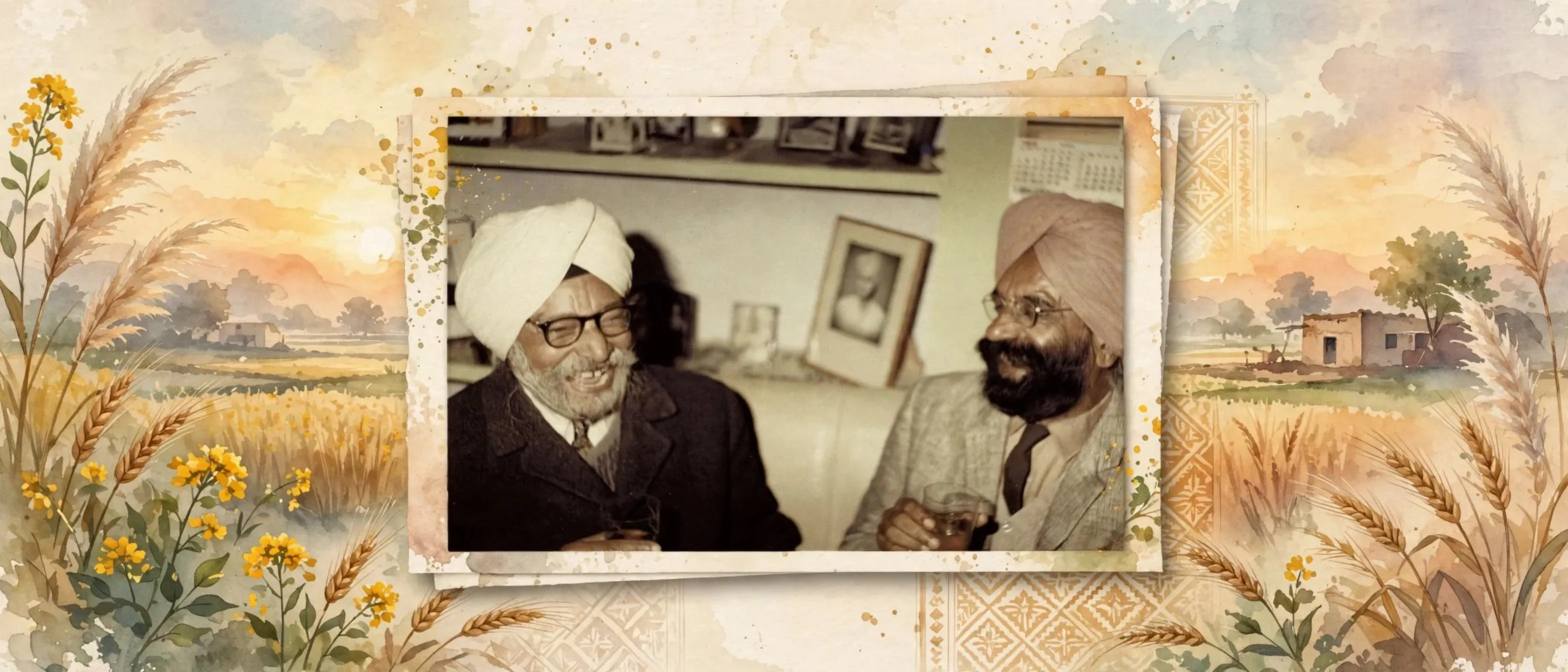
ਵੱਡਾ ਵੇਲਾ (1958) ਮੋਹਨ ਸਿੰਘ ਦਾ ਪੰਜਾਬੀ ਕਾਵਿ ਸੰਗ੍ਰਹਿ ਹੈ ਜਿਸ ਨੇ 1959 ਵਿੱਚ ਸਾਹਿਤ ਅਕਾਦਮੀ ਪੁਰਸਕਾਰ ਜਿੱਤਿਆ। ਆਵਾਜ਼ਾਂ ਅਤੇ ਜੰਦਰੇ ਨਾਲ ਸ਼ੋਸ਼ਣ ਅਤੇ ਅਸਮਾਨਤਾ ਹੇਠ ਕਰਾਹੁੰਦੇ ਜੀਵਨ ਦੀ ਕਿਤਾਬ ਵਜੋਂ ਗਿਣਿਆ ਜਾਂਦਾ ਇਹ ਸੰਗ੍ਰਹਿ ਉਹ ਪਰਪੱਕ ਰਚਨਾ ਹੈ ਜਿਸ ਵਿੱਚ ਪੰਜਾਬ ਦੇ ਮਹਾਨ ਰੋਮਾਂਟਿਕ ਕਵੀ ਨੇ ਆਮ ਆਦਮੀ ਦੀ ਸਵੇਰ ਵੱਲ ਆਪਣਾ ਮੋੜ ਪੂਰਾ ਕੀਤਾ।
ਪੰਜਾਬੀ, ਗੁਰਮੁਖੀ- ਪੰਜਾਬੀ ਨਾਂ
- ਵੱਡਾ ਵੇਲਾ
- ਲੇਖਕ
- ਮੋਹਨ ਸਿੰਘ (1905 ਤੋਂ 1978)
- ਪ੍ਰਕਾਸ਼ਿਤ
- 1958
- ਭਾਸ਼ਾ
- ਪੰਜਾਬੀ (ਗੁਰਮੁਖੀ)
- ਰੂਪ
- ਕਾਵਿ ਸੰਗ੍ਰਹਿ
- ਸਨਮਾਨ
- ਸਾਹਿਤ ਅਕਾਦਮੀ ਪੁਰਸਕਾਰ, 1959 (ਕਵਿਤਾ)
All 8 facts
- ਸਿਰਲੇਖ ਦਾ ਅਰਥ
- ਵੱਡਾ ਵੇਲਾ; ਸਿੱਖੀ ਵਿਕੀ ਵਿੱਚ ਤੜਕਸਾਰ ਦੱਸਿਆ ਗਿਆ
- ਸਥਾਨ
- ਆਵਾਜ਼ਾਂ (1954) ਤੋਂ ਬਾਅਦ ਅਤੇ ਜੰਦਰੇ (1964) ਤੋਂ ਪਹਿਲਾਂ
About the book
Wadda Vela is a Punjabi poetry collection by Mohan Singh, published in 1958. The Encyclopaedia of the Sikhs places it late in the sequence of his books, after Aawazan (1954) and before Jandre (1964), in a bibliography that runs from Saave Pater (1936) and Kasumbhra (1939) to the epic Nanakayan (1971) and Buhe (1977). A year after it appeared, the book carried its author to the honour that fixed his public standing: the Sahitya Akademi Award for 1959, given for Wadda Vela as a work of poetry, an award recorded by both the Encyclopaedia tradition and SikhiWiki.
By 1958 Mohan Singh was no longer the young romantic of Saave Pater. He had taught Persian at Khalsa College, Amritsar, founded the monthly Panj Darya in 1939 and run his own publishing firm through the Partition, which moved his business from Lahore to Amritsar and then Jalandhar. Wadda Vela is the book of the settled, post Partition poet, and its award made official what Punjabi readers already knew: that the romantic who had remade the love poem had become the representative Punjabi poet of his age.
What is Wadda Vela about?
SikhiWiki, glossing the title as Early Morning, groups Wadda Vela with Aawazan and Jandre as the collections that gave poignant expression to life groaning under overwhelming forces: exploitation, inequality, illiteracy and obscurantism. That is the centre of the book. The dawn of the title is not a private mood. It is the hoped for morning of a society still waiting for light, written by a poet SikhiWiki describes as a progressive who wanted to change the world for the betterment of the common man.
The love poetry has not gone. It has changed its address. SikhiWiki traces the poet's development as a progression from romance to reality, from conventional love to an uninhibited expression of the man and woman relationship, in a poetry that graduated from feathers to iron under the influence of Marx and Freud. In Wadda Vela the two halves of that development stand together: the lyric gift that made him famous, now carrying the weight of a groaning world, and a social conscience that never stops the poems from singing.
The Sahitya Akademi Award
In 1959 Wadda Vela received the Sahitya Akademi Award for Punjabi poetry. The award matters in the book's own story because of what it recognised. The Akademi did not honour the early romantic collections that had made Mohan Singh popular in the 1930s. It honoured the mature book of 1958, in which the love poet of Saave Pater and Kasumbhra had become a poet of exploitation, inequality and the common man's dawn. The national honour therefore marks the exact point where the romantic progressive arc of his career was complete and publicly sealed.
ਲੇਖਕ
Mohan Singh (1905 to 1978) was born in Mardan, now in Pakistan, and belonged to Dhamial, his ancestral village near Rawalpindi. He took a master's degree in Persian and from 1933 to 1939 taught Persian at Khalsa College, Amritsar, where Teja Singh, Sant Singh Sekhon and Gurbachan Singh Talib became his friends and he read Blake, Keats, Shelley, Wordsworth and Browning. He founded Panj Darya in 1939, lectured at Sikh National College, Lahore, then left teaching for his firm Hind Publishers. After the Partition of 1947 he shifted the business to Amritsar and then to Jalandhar, later taught at Khalsa College, Patiala, and was appointed Professor Emeritus at Punjab Agricultural University, Ludhiana, where he died on 3 May 1978.
Reception and legacy
The Encyclopaedia of the Sikhs calls Mohan Singh a major force in Punjabi poetry after 1935 who influenced the generations that followed, created new norms in Punjabi poetry and created the language of new metaphors, and who is considered the most important Punjabi poet after Waris Shah. SikhiWiki goes one step further and records that he has been hailed as the greatest Punjabi poet of the 20th century, naming Amrita Pritam, Harbhajan Singh and Shiv Kumar Batalvi among the poets who contributed alongside him to the growth of modern Punjabi poetry.
Within that standing, Wadda Vela holds the certificate. Saave Pater is the book that made him loved and Kasumbhra the book that made him modern, but Wadda Vela is the collection the nation chose to honour, and it remains the natural summit of a first reading of Mohan Singh: start with the green leaves of 1936, pass through the red oleander of 1939, and finish at the great morning of 1958, the book in which Punjab's romantic revolutionary asked what the dawn would cost and who it was for.
ਕਿਤਾਬ ਬਾਰੇ
ਵੱਡਾ ਵੇਲਾ ਮੋਹਨ ਸਿੰਘ ਦਾ ਪੰਜਾਬੀ ਕਾਵਿ ਸੰਗ੍ਰਹਿ ਹੈ, ਜੋ 1958 ਵਿੱਚ ਛਪਿਆ। ਸਿੱਖ ਵਿਸ਼ਵਕੋਸ਼ ਇਸ ਨੂੰ ਉਸ ਦੀਆਂ ਕਿਤਾਬਾਂ ਦੇ ਸਿਲਸਿਲੇ ਵਿੱਚ ਪਿਛਲੇ ਪਾਸੇ ਰੱਖਦਾ ਹੈ, ਆਵਾਜ਼ਾਂ (1954) ਤੋਂ ਬਾਅਦ ਅਤੇ ਜੰਦਰੇ (1964) ਤੋਂ ਪਹਿਲਾਂ, ਇੱਕ ਸੂਚੀ ਵਿੱਚ ਜੋ ਸਾਵੇ ਪੱਤਰ (1936) ਅਤੇ ਕਸੁੰਭੜਾ (1939) ਤੋਂ ਮਹਾਂਕਾਵਿ ਨਾਨਕਾਇਨ (1971) ਅਤੇ ਬੂਹੇ (1977) ਤੱਕ ਜਾਂਦੀ ਹੈ। ਇਸ ਦੇ ਛਪਣ ਤੋਂ ਇੱਕ ਸਾਲ ਬਾਅਦ, ਇਸ ਕਿਤਾਬ ਨੇ ਆਪਣੇ ਲੇਖਕ ਨੂੰ ਉਹ ਸਨਮਾਨ ਦਿਵਾਇਆ ਜਿਸ ਨੇ ਉਸ ਦੀ ਜਨਤਕ ਥਾਂ ਪੱਕੀ ਕੀਤੀ: 1959 ਦਾ ਸਾਹਿਤ ਅਕਾਦਮੀ ਪੁਰਸਕਾਰ, ਵੱਡਾ ਵੇਲਾ ਨੂੰ ਕਵਿਤਾ ਦੀ ਰਚਨਾ ਵਜੋਂ ਦਿੱਤਾ ਗਿਆ, ਜੋ ਵਿਸ਼ਵਕੋਸ਼ ਪਰੰਪਰਾ ਅਤੇ ਸਿੱਖੀ ਵਿਕੀ ਦੋਹਾਂ ਵਿੱਚ ਦਰਜ ਹੈ।
1958 ਤੱਕ ਮੋਹਨ ਸਿੰਘ ਸਾਵੇ ਪੱਤਰ ਵਾਲਾ ਨੌਜਵਾਨ ਰੋਮਾਂਟਿਕ ਨਹੀਂ ਰਹਿ ਗਿਆ ਸੀ। ਉਹ ਖਾਲਸਾ ਕਾਲਜ, ਅੰਮ੍ਰਿਤਸਰ ਵਿੱਚ ਫਾਰਸੀ ਪੜ੍ਹਾ ਚੁੱਕਾ ਸੀ, 1939 ਵਿੱਚ ਪੰਜ ਦਰਿਆ ਮਾਸਿਕ ਸ਼ੁਰੂ ਕਰ ਚੁੱਕਾ ਸੀ ਅਤੇ ਵੰਡ ਵਿੱਚੋਂ ਆਪਣੀ ਪ੍ਰਕਾਸ਼ਨ ਫਰਮ ਚਲਾ ਚੁੱਕਾ ਸੀ, ਜਿਸ ਨੇ ਉਸ ਦਾ ਕੰਮ ਲਾਹੌਰ ਤੋਂ ਅੰਮ੍ਰਿਤਸਰ ਅਤੇ ਫਿਰ ਜਲੰਧਰ ਲੈ ਗਿਆ। ਵੱਡਾ ਵੇਲਾ ਵੰਡ ਤੋਂ ਬਾਅਦ ਦੇ ਸਥਿਰ ਕਵੀ ਦੀ ਕਿਤਾਬ ਹੈ, ਅਤੇ ਇਸ ਦੇ ਪੁਰਸਕਾਰ ਨੇ ਉਹ ਗੱਲ ਅਧਿਕਾਰਤ ਕਰ ਦਿੱਤੀ ਜੋ ਪੰਜਾਬੀ ਪਾਠਕ ਪਹਿਲਾਂ ਹੀ ਜਾਣਦੇ ਸਨ: ਕਿ ਜਿਸ ਰੋਮਾਂਟਿਕ ਕਵੀ ਨੇ ਪਿਆਰ ਕਵਿਤਾ ਨੂੰ ਨਵਾਂ ਰੂਪ ਦਿੱਤਾ ਸੀ, ਉਹ ਆਪਣੇ ਯੁੱਗ ਦਾ ਪ੍ਰਤੀਨਿਧ ਪੰਜਾਬੀ ਕਵੀ ਬਣ ਗਿਆ ਸੀ।
ਵੱਡਾ ਵੇਲਾ ਕਿਸ ਬਾਰੇ ਹੈ?
ਸਿੱਖੀ ਵਿਕੀ, ਸਿਰਲੇਖ ਦਾ ਅਰਥ ਤੜਕਸਾਰ ਦੱਸਦਾ ਹੋਇਆ, ਵੱਡਾ ਵੇਲਾ ਨੂੰ ਆਵਾਜ਼ਾਂ ਅਤੇ ਜੰਦਰੇ ਨਾਲ ਉਨ੍ਹਾਂ ਸੰਗ੍ਰਹਿਆਂ ਵਿੱਚ ਗਿਣਦਾ ਹੈ ਜਿਨ੍ਹਾਂ ਨੇ ਜ਼ਬਰਦਸਤ ਤਾਕਤਾਂ ਹੇਠ ਕਰਾਹੁੰਦੇ ਜੀਵਨ ਨੂੰ ਦਰਦ ਭਰਿਆ ਪ੍ਰਗਟਾਅ ਦਿੱਤਾ: ਸ਼ੋਸ਼ਣ, ਅਸਮਾਨਤਾ, ਅਨਪੜ੍ਹਤਾ ਅਤੇ ਅੰਧਵਿਸ਼ਵਾਸ। ਇਹੋ ਕਿਤਾਬ ਦਾ ਕੇਂਦਰ ਹੈ। ਸਿਰਲੇਖ ਦੀ ਸਵੇਰ ਕੋਈ ਨਿੱਜੀ ਮਿਜਾਜ਼ ਨਹੀਂ ਹੈ। ਇਹ ਇੱਕ ਅਜਿਹੇ ਸਮਾਜ ਦੀ ਉਡੀਕੀ ਸਵੇਰ ਹੈ ਜੋ ਅਜੇ ਰੌਸ਼ਨੀ ਦੀ ਉਡੀਕ ਵਿੱਚ ਹੈ, ਉਸ ਕਵੀ ਵੱਲੋਂ ਲਿਖੀ ਜਿਸ ਨੂੰ ਸਿੱਖੀ ਵਿਕੀ ਇੱਕ ਪ੍ਰਗਤੀਸ਼ੀਲ ਦੱਸਦਾ ਹੈ ਜੋ ਆਮ ਆਦਮੀ ਦੀ ਬਿਹਤਰੀ ਲਈ ਸੰਸਾਰ ਬਦਲਣਾ ਚਾਹੁੰਦਾ ਸੀ।
ਪਿਆਰ ਕਵਿਤਾ ਗਈ ਨਹੀਂ ਹੈ। ਉਸ ਦਾ ਪਤਾ ਬਦਲ ਗਿਆ ਹੈ। ਸਿੱਖੀ ਵਿਕੀ ਕਵੀ ਦੇ ਵਿਕਾਸ ਨੂੰ ਰੋਮਾਂਸ ਤੋਂ ਹਕੀਕਤ ਵੱਲ ਦੀ ਯਾਤਰਾ ਵਜੋਂ ਟਰੇਸ ਕਰਦਾ ਹੈ, ਰਵਾਇਤੀ ਪਿਆਰ ਤੋਂ ਮਰਦ ਔਰਤ ਸੰਬੰਧ ਦੇ ਨਿਰਸੰਕੋਚ ਪ੍ਰਗਟਾਅ ਵੱਲ, ਇੱਕ ਅਜਿਹੀ ਕਵਿਤਾ ਵਿੱਚ ਜੋ ਮਾਰਕਸ ਅਤੇ ਫਰਾਇਡ ਦੇ ਪ੍ਰਭਾਵ ਹੇਠ ਖੰਭਾਂ ਤੋਂ ਲੋਹੇ ਵੱਲ ਵਧੀ। ਵੱਡਾ ਵੇਲਾ ਵਿੱਚ ਉਸ ਵਿਕਾਸ ਦੇ ਦੋਵੇਂ ਅੱਧ ਇਕੱਠੇ ਖੜੇ ਹਨ: ਉਹ ਗੀਤਾਤਮਕ ਤੋਹਫਾ ਜਿਸ ਨੇ ਉਸ ਨੂੰ ਪ੍ਰਸਿੱਧ ਕੀਤਾ, ਹੁਣ ਕਰਾਹੁੰਦੇ ਸੰਸਾਰ ਦਾ ਭਾਰ ਚੁੱਕਦਾ ਹੋਇਆ, ਅਤੇ ਇੱਕ ਸਮਾਜਿਕ ਚੇਤਨਾ ਜੋ ਕਵਿਤਾਵਾਂ ਨੂੰ ਗਾਉਣ ਤੋਂ ਕਦੇ ਨਹੀਂ ਰੋਕਦੀ।
ਸਾਹਿਤ ਅਕਾਦਮੀ ਪੁਰਸਕਾਰ
1959 ਵਿੱਚ ਵੱਡਾ ਵੇਲਾ ਨੂੰ ਪੰਜਾਬੀ ਕਵਿਤਾ ਲਈ ਸਾਹਿਤ ਅਕਾਦਮੀ ਪੁਰਸਕਾਰ ਮਿਲਿਆ। ਕਿਤਾਬ ਦੀ ਆਪਣੀ ਕਹਾਣੀ ਵਿੱਚ ਇਹ ਪੁਰਸਕਾਰ ਇਸ ਲਈ ਮਹੱਤਵਪੂਰਨ ਹੈ ਕਿ ਉਸ ਨੇ ਕਿਸ ਨੂੰ ਮਾਨਤਾ ਦਿੱਤੀ। ਅਕਾਦਮੀ ਨੇ ਉਨ੍ਹਾਂ ਮੁੱਢਲੇ ਰੋਮਾਂਟਿਕ ਸੰਗ੍ਰਹਿਆਂ ਨੂੰ ਸਨਮਾਨਿਤ ਨਹੀਂ ਕੀਤਾ ਜਿਨ੍ਹਾਂ ਨੇ 1930 ਦੇ ਦਹਾਕੇ ਵਿੱਚ ਮੋਹਨ ਸਿੰਘ ਨੂੰ ਪ੍ਰਸਿੱਧ ਕੀਤਾ ਸੀ। ਉਸ ਨੇ 1958 ਦੀ ਪਰਪੱਕ ਕਿਤਾਬ ਨੂੰ ਸਨਮਾਨਿਤ ਕੀਤਾ, ਜਿਸ ਵਿੱਚ ਸਾਵੇ ਪੱਤਰ ਅਤੇ ਕਸੁੰਭੜਾ ਦਾ ਪਿਆਰ ਕਵੀ ਸ਼ੋਸ਼ਣ, ਅਸਮਾਨਤਾ ਅਤੇ ਆਮ ਆਦਮੀ ਦੀ ਸਵੇਰ ਦਾ ਕਵੀ ਬਣ ਗਿਆ ਸੀ। ਇਸ ਲਈ ਇਹ ਕੌਮੀ ਸਨਮਾਨ ਉਹ ਠੀਕ ਬਿੰਦੂ ਦਰਸਾਉਂਦਾ ਹੈ ਜਿੱਥੇ ਉਸ ਦੇ ਸਾਹਿਤਕ ਜੀਵਨ ਦਾ ਰੋਮਾਂਟਿਕ ਪ੍ਰਗਤੀਸ਼ੀਲ ਚਾਪ ਪੂਰਾ ਹੋਇਆ ਅਤੇ ਜਨਤਕ ਤੌਰ ਉੱਤੇ ਪੱਕਾ ਹੋਇਆ।
ਲੇਖਕ
ਮੋਹਨ ਸਿੰਘ (1905 ਤੋਂ 1978) ਦਾ ਜਨਮ ਮਰਦਾਨ ਵਿੱਚ ਹੋਇਆ, ਜੋ ਹੁਣ ਪਾਕਿਸਤਾਨ ਵਿੱਚ ਹੈ, ਅਤੇ ਉਹ ਰਾਵਲਪਿੰਡੀ ਨੇੜੇ ਆਪਣੇ ਜੱਦੀ ਪਿੰਡ ਧਮਿਆਲ ਨਾਲ ਸੰਬੰਧਿਤ ਸੀ। ਉਸ ਨੇ ਫਾਰਸੀ ਵਿੱਚ ਮਾਸਟਰ ਡਿਗਰੀ ਕੀਤੀ ਅਤੇ 1933 ਤੋਂ 1939 ਤੱਕ ਖਾਲਸਾ ਕਾਲਜ, ਅੰਮ੍ਰਿਤਸਰ ਵਿੱਚ ਫਾਰਸੀ ਪੜ੍ਹਾਇਆ, ਜਿੱਥੇ ਤੇਜਾ ਸਿੰਘ, ਸੰਤ ਸਿੰਘ ਸੇਖੋਂ ਅਤੇ ਗੁਰਬਚਨ ਸਿੰਘ ਤਾਲਿਬ ਉਸ ਦੇ ਮਿੱਤਰ ਬਣੇ ਅਤੇ ਉਸ ਨੇ ਬਲੇਕ, ਕੀਟਸ, ਸ਼ੈਲੀ, ਵਰਡਜ਼ਵਰਥ ਅਤੇ ਬਰਾਊਨਿੰਗ ਨੂੰ ਪੜ੍ਹਿਆ। ਉਸ ਨੇ 1939 ਵਿੱਚ ਪੰਜ ਦਰਿਆ ਸ਼ੁਰੂ ਕੀਤਾ, ਸਿੱਖ ਨੈਸ਼ਨਲ ਕਾਲਜ, ਲਾਹੌਰ ਵਿੱਚ ਪੜ੍ਹਾਇਆ, ਫਿਰ ਅਧਿਆਪਨ ਛੱਡ ਕੇ ਆਪਣੀ ਫਰਮ ਹਿੰਦ ਪਬਲਿਸ਼ਰਜ਼ ਚਲਾਈ। 1947 ਦੀ ਵੰਡ ਤੋਂ ਬਾਅਦ ਉਸ ਨੇ ਕੰਮ ਅੰਮ੍ਰਿਤਸਰ ਅਤੇ ਫਿਰ ਜਲੰਧਰ ਤਬਦੀਲ ਕੀਤਾ, ਬਾਅਦ ਵਿੱਚ ਖਾਲਸਾ ਕਾਲਜ, ਪਟਿਆਲਾ ਵਿੱਚ ਪੜ੍ਹਾਇਆ, ਅਤੇ ਪੰਜਾਬ ਐਗਰੀਕਲਚਰਲ ਯੂਨੀਵਰਸਿਟੀ, ਲੁਧਿਆਣਾ ਵਿੱਚ ਪ੍ਰੋਫੈਸਰ ਐਮੇਰਿਟਸ ਨਿਯੁਕਤ ਹੋਇਆ, ਜਿੱਥੇ 3 ਮਈ 1978 ਨੂੰ ਉਸ ਦਾ ਦੇਹਾਂਤ ਹੋਇਆ।
ਪ੍ਰਤੀਕਿਰਿਆ ਅਤੇ ਵਿਰਾਸਤ
ਸਿੱਖ ਵਿਸ਼ਵਕੋਸ਼ ਮੋਹਨ ਸਿੰਘ ਨੂੰ 1935 ਤੋਂ ਬਾਅਦ ਪੰਜਾਬੀ ਕਵਿਤਾ ਦੀ ਵੱਡੀ ਤਾਕਤ ਕਹਿੰਦਾ ਹੈ ਜਿਸ ਨੇ ਅਗਲੀਆਂ ਪੀੜ੍ਹੀਆਂ ਨੂੰ ਪ੍ਰਭਾਵਿਤ ਕੀਤਾ, ਪੰਜਾਬੀ ਕਵਿਤਾ ਵਿੱਚ ਨਵੇਂ ਮਾਨਦੰਡ ਬਣਾਏ ਅਤੇ ਨਵੇਂ ਰੂਪਕਾਂ ਦੀ ਭਾਸ਼ਾ ਘੜੀ, ਅਤੇ ਜਿਸ ਨੂੰ ਵਾਰਿਸ ਸ਼ਾਹ ਤੋਂ ਬਾਅਦ ਸਭ ਤੋਂ ਮਹੱਤਵਪੂਰਨ ਪੰਜਾਬੀ ਕਵੀ ਮੰਨਿਆ ਜਾਂਦਾ ਹੈ। ਸਿੱਖੀ ਵਿਕੀ ਇੱਕ ਕਦਮ ਅੱਗੇ ਜਾਂਦਾ ਹੈ ਅਤੇ ਦਰਜ ਕਰਦਾ ਹੈ ਕਿ ਉਸ ਨੂੰ 20ਵੀਂ ਸਦੀ ਦਾ ਸਭ ਤੋਂ ਵੱਡਾ ਪੰਜਾਬੀ ਕਵੀ ਕਿਹਾ ਗਿਆ ਹੈ, ਅੰਮ੍ਰਿਤਾ ਪ੍ਰੀਤਮ, ਹਰਭਜਨ ਸਿੰਘ ਅਤੇ ਸ਼ਿਵ ਕੁਮਾਰ ਬਟਾਲਵੀ ਨੂੰ ਉਨ੍ਹਾਂ ਕਵੀਆਂ ਵਿੱਚ ਗਿਣਦਾ ਹੋਇਆ ਜਿਨ੍ਹਾਂ ਨੇ ਉਸ ਨਾਲ ਆਧੁਨਿਕ ਪੰਜਾਬੀ ਕਵਿਤਾ ਦੇ ਵਾਧੇ ਵਿੱਚ ਹਿੱਸਾ ਪਾਇਆ।
ਉਸ ਸਥਾਨ ਵਿੱਚ ਵੱਡਾ ਵੇਲਾ ਕੋਲ ਸਰਟੀਫਿਕੇਟ ਹੈ। ਸਾਵੇ ਪੱਤਰ ਉਹ ਕਿਤਾਬ ਹੈ ਜਿਸ ਨੇ ਉਸ ਨੂੰ ਪਿਆਰਾ ਬਣਾਇਆ ਅਤੇ ਕਸੁੰਭੜਾ ਉਹ ਜਿਸ ਨੇ ਉਸ ਨੂੰ ਆਧੁਨਿਕ ਬਣਾਇਆ, ਪਰ ਵੱਡਾ ਵੇਲਾ ਉਹ ਸੰਗ੍ਰਹਿ ਹੈ ਜਿਸ ਨੂੰ ਕੌਮ ਨੇ ਸਨਮਾਨ ਲਈ ਚੁਣਿਆ, ਅਤੇ ਇਹ ਮੋਹਨ ਸਿੰਘ ਦੀ ਪਹਿਲੀ ਪੜ੍ਹਤ ਦੀ ਕੁਦਰਤੀ ਸਿਖਰ ਬਣਿਆ ਰਹਿੰਦਾ ਹੈ: 1936 ਦੇ ਹਰੇ ਪੱਤਿਆਂ ਤੋਂ ਸ਼ੁਰੂ ਕਰੋ, 1939 ਦੇ ਲਾਲ ਕਨੇਰ ਵਿੱਚੋਂ ਲੰਘੋ, ਅਤੇ 1958 ਦੀ ਵੱਡੀ ਸਵੇਰ ਉੱਤੇ ਮੁਕਾਓ, ਉਹ ਕਿਤਾਬ ਜਿਸ ਵਿੱਚ ਪੰਜਾਬ ਦੇ ਰੋਮਾਂਟਿਕ ਇਨਕਲਾਬੀ ਨੇ ਪੁੱਛਿਆ ਕਿ ਸਵੇਰ ਦੀ ਕੀਮਤ ਕੀ ਹੋਵੇਗੀ ਅਤੇ ਇਹ ਕਿਸ ਲਈ ਹੈ।
ਐਡੀਸ਼ਨ ਅਤੇ ਅਨੁਵਾਦ
- ਵੱਡਾ ਵੇਲਾPunjabi · Gurmukhi · 1958Edition
ਲੇਖਕ

ਜੁੜੇ ਹੋਏ
ਹੋਰ ਪੜ੍ਹੋ
ਜੁਗਤੀ ਮੁਫ਼ਤ ਅਤੇ ਸੁਤੰਤਰ ਹੈ। ਪਾਠਕਾਂ ਦਾ ਸਹਿਯੋਗ ਕੋਸ਼ ਨੂੰ ਵਧਾਉਂਦਾ ਹੈ।
ਸਹਿਯੋਗ