
ਨਾਨਕਾਇਣ (1971) ਮੋਹਨ ਸਿੰਘ ਦਾ ਗੁਰੂ ਨਾਨਕ ਦੇ ਜੀਵਨ ਉੱਤੇ ਪੰਜਾਬੀ ਮਹਾਂਕਾਵਿ ਹੈ, ਜੋ ਪੰਜਾਬੀ ਯੂਨੀਵਰਸਿਟੀ, ਪਟਿਆਲਾ ਨੇ ਗੁਰੂ ਦੇ 500ਵੇਂ ਪ੍ਰਕਾਸ਼ ਪੁਰਬ ਲਈ ਕਰਵਾਇਆ। 224 ਪੰਨਿਆਂ ਅਤੇ ਛੇ ਭਾਗਾਂ ਵਿੱਚ, ਤਲਵੰਡੀ ਤੋਂ ਕਰਤਾਰਪੁਰ ਤੱਕ, ਇਹ ਜਨਮ ਸਾਖੀ ਦੀ ਕਹਾਣੀ ਤਰਕਸੰਗਤ ਅਤੇ ਆਧੁਨਿਕ ਹੱਥ ਨਾਲ ਮੁੜ ਦੱਸਦਾ ਹੈ, ਗੁਰੂ ਨਾਨਕ ਦੇ ਆਪਣੇ ਸ਼ਬਦ ਬੁਣਦਾ ਹੋਇਆ।
ਪੰਜਾਬੀ, ਗੁਰਮੁਖੀ- ਪੰਜਾਬੀ ਨਾਂ
- ਨਾਨਕਾਇਣ
- ਲੇਖਕ
- ਮੋਹਨ ਸਿੰਘ (1905 ਤੋਂ 1978)
- ਪ੍ਰਕਾਸ਼ਿਤ
- 1971
- ਕਰਵਾਇਆ
- ਪੰਜਾਬੀ ਯੂਨੀਵਰਸਿਟੀ, ਪਟਿਆਲਾ ਨੇ, ਗੁਰੂ ਨਾਨਕ ਦੇ 500ਵੇਂ ਪ੍ਰਕਾਸ਼ ਪੁਰਬ ਨੂੰ ਸਮਰਪਿਤ
- ਲੰਬਾਈ
- 224 ਪੰਨੇ
- ਬਣਤਰ
- ਛੇ ਭਾਗ: ਤਲਵੰਡੀ, ਸੁਲਤਾਨਪੁਰ, ਤਿੰਨ ਯਾਤਰਾਵਾਂ, ਅਤੇ ਕਰਤਾਰਪੁਰ
All 8 facts
- ਵਰਤੇ ਸਰੋਤ
- ਪੁਰਾਤਨ ਜਨਮ ਸਾਖੀ, ਮਿਹਰਬਾਨ ਦੀ ਜਨਮ ਸਾਖੀ, ਭਾਈ ਗੁਰਦਾਸ ਦੀ ਪਹਿਲੀ ਵਾਰ, ਅਤੇ ਬਾਅਦ ਦੀ ਖੋਜ
- ਭਾਸ਼ਾ
- ਪੰਜਾਬੀ (ਗੁਰਮੁਖੀ)
About the book
Nanakayan is a Punjabi epic poem by Mohan Singh that tells the life of Guru Nanak, the founder of Sikhism. Punjabi University, Patiala commissioned the work to mark the 500th birth anniversary of Guru Nanak, and the Encyclopaedia of the Sikhs describes how the poet built it: from medieval sources such as the Puratan Janam Sakhi, Meharban's Janam Sakhi and the first Var of Bhai Gurdas, supplemented by newer research, including Dr Karuna Ratan's work on Guru Nanak's visit to Sri Lanka, an account preserved at Anuradhapura Bhavan in Sri Lanka. The result runs to 224 pages.
SikhiWiki calls it the final epic of a fifty year career, published in 1971 after eight volumes of verse that began with Saave Pater in 1936. That position matters. The love poet who became Punjab's great romantic progressive ended his long journey through modern Punjabi poetry with the oldest and largest subject his tradition holds: the life of Nanak, told whole, from Talwandi to Kartarpur, in verse a modern reader could follow.
What is Nanakayan about?
The epic is planned in six parts, each named for a place in the Guru's life. The first, Talwandi, takes its name from the village where Guru Nanak was born and covers his early life. The second, Sultanpur, is named for the town where he worked as a steward for Daulat Khan Lodi. The third, fourth and fifth parts follow the three great journeys: east as far as Manipur and then south through Orissa to Sri Lanka; north through Kashmir toward Sumer Parbat; and west to Mecca and Baghdad. The sixth and last part tells of his settling at Kartarpur, the new town he founded on the Ravi.
A rational telling of a sacred life
The hardest problem in the book is the miracles. The Janam Sakhis record supernatural happenings, and a modern poet who simply repeated them would strain a discerning reader, while a poet who cut them would offend the orthodox. The Encyclopaedia of the Sikhs notes Mohan Singh's solution: he keeps the episode and attributes it, saying in effect, so says the writer of the Janam Sakhi. His approach, the Encyclopaedia concludes, remains consistently rational and modern. He also wove Guru Nanak's own hymns from the Guru Granth Sahib into the narrative, and varied his metres, breaking the monotony of the Upma Chhand that his predecessor Kirpa Sagar had used in the long narrative poem Lakshmi Devi.
He had trained for exactly this task. Years earlier he had translated Edwin Arnold's epic The Light of Asia, the life of Gautama Buddha, into Punjabi verse, and Sant Singh Sekhon judged in his history of Punjabi literature that the translation was as good as the original, at places more lyrical, according to the genius of the Punjabi language. Nanakayan is where that training met its real subject.
The Guru Nanak it presents
The Encyclopaedia's reading stresses a Guru who is both human and divine. This is the teacher who began his ministry by announcing that there is no Hindu and no Musalman, that all are human beings; who taught his followers to labour hard, earn honestly and share their earnings with others; who held an active life superior to a life of sheer contemplation. He is shown as a dutiful son, a fond sister's brother, an affectionate husband and a loving father. The famous episodes carry the teaching: the young Nanak who used his father's trading money to feed and clothe the needy and called it the most worthwhile investment, and the pilgrim at the Ganga who splashed water westward toward his fields in Punjab, asking why water offered to ancestors could reach the sun millions of miles away if his could not travel a few hundred miles.
ਲੇਖਕ
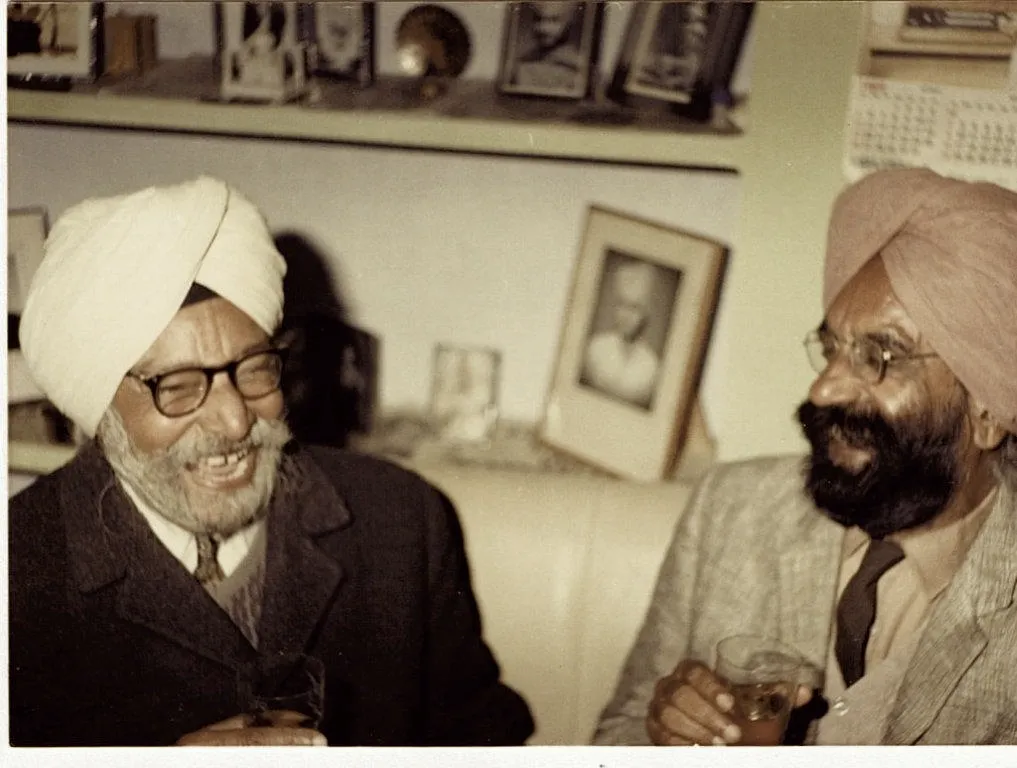
Mohan Singh (1905 to 1978) was born in Mardan, now in Pakistan, and belonged to Dhamial, his ancestral village near Rawalpindi. He took a master's degree in Persian and from 1933 to 1939 taught Persian at Khalsa College, Amritsar, where Teja Singh, Sant Singh Sekhon and Gurbachan Singh Talib became his friends. He founded the monthly Panj Darya in 1939 and ran his own firm, Hind Publishers, moving it from Lahore to Amritsar and then Jalandhar after the Partition of 1947. He later taught at Khalsa College, Patiala, and was appointed Professor Emeritus at Punjab Agricultural University, Ludhiana, where he died on 3 May 1978. His Wadda Vela won the Sahitya Akademi Award in 1959.
Reception and legacy
The book was received as an act of devotion as much as of scholarship. Kirpal Singh Narang, then Vice-Chancellor of Punjabi University, wrote in his introduction to the work that it was through reading it that his devotion found expression in tears. The Encyclopaedia of the Sikhs closes its account by calling the epic a rich bill of spiritual fare in the poet's hands, praising a story told with remarkable devotion and passion, in which intricate doctrinal questions from the Guru's debates become simple in lucid presentation. For readers of Mohan Singh, Nanakayan is the summit his other books point toward: the romantic of Saave Pater and the progressive of Wadda Vela, spending his mastery on the life that stands at the source of Punjab's faith and letters alike.
ਕਿਤਾਬ ਬਾਰੇ
ਨਾਨਕਾਇਣ ਮੋਹਨ ਸਿੰਘ ਦਾ ਪੰਜਾਬੀ ਮਹਾਂਕਾਵਿ ਹੈ ਜੋ ਸਿੱਖ ਧਰਮ ਦੇ ਬਾਨੀ ਗੁਰੂ ਨਾਨਕ ਦਾ ਜੀਵਨ ਦੱਸਦਾ ਹੈ। ਪੰਜਾਬੀ ਯੂਨੀਵਰਸਿਟੀ, ਪਟਿਆਲਾ ਨੇ ਇਹ ਰਚਨਾ ਗੁਰੂ ਨਾਨਕ ਦੇ 500ਵੇਂ ਪ੍ਰਕਾਸ਼ ਪੁਰਬ ਨੂੰ ਸਮਰਪਿਤ ਕਰਵਾਈ, ਅਤੇ ਸਿੱਖ ਵਿਸ਼ਵਕੋਸ਼ ਦੱਸਦਾ ਹੈ ਕਿ ਕਵੀ ਨੇ ਇਸ ਨੂੰ ਕਿਵੇਂ ਬਣਾਇਆ: ਪੁਰਾਤਨ ਜਨਮ ਸਾਖੀ, ਮਿਹਰਬਾਨ ਦੀ ਜਨਮ ਸਾਖੀ ਅਤੇ ਭਾਈ ਗੁਰਦਾਸ ਦੀ ਪਹਿਲੀ ਵਾਰ ਵਰਗੇ ਮੱਧਕਾਲੀ ਸਰੋਤਾਂ ਤੋਂ, ਨਵੀਂ ਖੋਜ ਨਾਲ ਪੂਰਕ, ਜਿਸ ਵਿੱਚ ਡਾ. ਕਰੁਣਾ ਰਤਨ ਦਾ ਗੁਰੂ ਨਾਨਕ ਦੀ ਸ੍ਰੀ ਲੰਕਾ ਫੇਰੀ ਬਾਰੇ ਕੰਮ ਸ਼ਾਮਲ ਹੈ, ਜਿਸ ਦਾ ਵੇਰਵਾ ਸ੍ਰੀ ਲੰਕਾ ਦੇ ਅਨੁਰਾਧਾਪੁਰਾ ਭਵਨ ਵਿੱਚ ਸਾਂਭਿਆ ਹੋਇਆ ਹੈ। ਨਤੀਜਾ 224 ਪੰਨਿਆਂ ਤੱਕ ਫੈਲਿਆ ਹੈ।
ਸਿੱਖੀ ਵਿਕੀ ਇਸ ਨੂੰ ਪੰਜਾਹ ਸਾਲ ਦੇ ਸਾਹਿਤਕ ਜੀਵਨ ਦਾ ਆਖਰੀ ਮਹਾਂਕਾਵਿ ਕਹਿੰਦਾ ਹੈ, ਜੋ 1971 ਵਿੱਚ ਛਪਿਆ, ਕਵਿਤਾ ਦੇ ਅੱਠ ਸੰਗ੍ਰਹਿਆਂ ਤੋਂ ਬਾਅਦ ਜੋ 1936 ਵਿੱਚ ਸਾਵੇ ਪੱਤਰ ਨਾਲ ਸ਼ੁਰੂ ਹੋਏ ਸਨ। ਇਹ ਸਥਾਨ ਮਹੱਤਵਪੂਰਨ ਹੈ। ਉਹ ਪਿਆਰ ਕਵੀ ਜੋ ਪੰਜਾਬ ਦਾ ਮਹਾਨ ਰੋਮਾਂਟਿਕ ਪ੍ਰਗਤੀਸ਼ੀਲ ਬਣਿਆ, ਆਧੁਨਿਕ ਪੰਜਾਬੀ ਕਵਿਤਾ ਦੀ ਆਪਣੀ ਲੰਮੀ ਯਾਤਰਾ ਦਾ ਅੰਤ ਆਪਣੀ ਪਰੰਪਰਾ ਦੇ ਸਭ ਤੋਂ ਪੁਰਾਣੇ ਅਤੇ ਸਭ ਤੋਂ ਵੱਡੇ ਵਿਸ਼ੇ ਨਾਲ ਕੀਤਾ: ਨਾਨਕ ਦਾ ਜੀਵਨ, ਪੂਰਾ ਦੱਸਿਆ ਹੋਇਆ, ਤਲਵੰਡੀ ਤੋਂ ਕਰਤਾਰਪੁਰ ਤੱਕ, ਅਜਿਹੀ ਕਵਿਤਾ ਵਿੱਚ ਜਿਸ ਨੂੰ ਆਧੁਨਿਕ ਪਾਠਕ ਸਮਝ ਸਕੇ।
ਨਾਨਕਾਇਣ ਕਿਸ ਬਾਰੇ ਹੈ?
ਮਹਾਂਕਾਵਿ ਛੇ ਭਾਗਾਂ ਵਿੱਚ ਯੋਜਨਾਬੱਧ ਹੈ, ਹਰ ਭਾਗ ਗੁਰੂ ਦੇ ਜੀਵਨ ਦੀ ਇੱਕ ਥਾਂ ਦੇ ਨਾਂ ਉੱਤੇ ਹੈ। ਪਹਿਲਾ, ਤਲਵੰਡੀ, ਉਸ ਪਿੰਡ ਦੇ ਨਾਂ ਉੱਤੇ ਹੈ ਜਿੱਥੇ ਗੁਰੂ ਨਾਨਕ ਦਾ ਜਨਮ ਹੋਇਆ, ਅਤੇ ਉਨ੍ਹਾਂ ਦੇ ਮੁੱਢਲੇ ਜੀਵਨ ਨੂੰ ਲੈਂਦਾ ਹੈ। ਦੂਜਾ, ਸੁਲਤਾਨਪੁਰ, ਉਸ ਕਸਬੇ ਦੇ ਨਾਂ ਉੱਤੇ ਹੈ ਜਿੱਥੇ ਉਨ੍ਹਾਂ ਨੇ ਦੌਲਤ ਖਾਨ ਲੋਦੀ ਕੋਲ ਮੋਦੀ ਵਜੋਂ ਕੰਮ ਕੀਤਾ। ਤੀਜਾ, ਚੌਥਾ ਅਤੇ ਪੰਜਵਾਂ ਭਾਗ ਤਿੰਨ ਮਹਾਨ ਯਾਤਰਾਵਾਂ ਦਾ ਪਿੱਛਾ ਕਰਦੇ ਹਨ: ਪੂਰਬ ਵੱਲ ਮਣੀਪੁਰ ਤੱਕ ਅਤੇ ਫਿਰ ਦੱਖਣ ਵੱਲ ਉੜੀਸਾ ਵਿੱਚੋਂ ਸ੍ਰੀ ਲੰਕਾ ਤੱਕ; ਉੱਤਰ ਵੱਲ ਕਸ਼ਮੀਰ ਵਿੱਚੋਂ ਸੁਮੇਰ ਪਰਬਤ ਵੱਲ; ਅਤੇ ਪੱਛਮ ਵੱਲ ਮੱਕਾ ਅਤੇ ਬਗਦਾਦ ਤੱਕ। ਛੇਵਾਂ ਅਤੇ ਆਖਰੀ ਭਾਗ ਰਾਵੀ ਕੰਢੇ ਉਨ੍ਹਾਂ ਵੱਲੋਂ ਵਸਾਏ ਨਵੇਂ ਨਗਰ ਕਰਤਾਰਪੁਰ ਵਿੱਚ ਉਨ੍ਹਾਂ ਦੇ ਵਸੇਬੇ ਨੂੰ ਦੱਸਦਾ ਹੈ।
ਇੱਕ ਪਵਿੱਤਰ ਜੀਵਨ ਦੀ ਤਰਕਸੰਗਤ ਪੇਸ਼ਕਾਰੀ
ਕਿਤਾਬ ਦੀ ਸਭ ਤੋਂ ਔਖੀ ਸਮੱਸਿਆ ਕਰਾਮਾਤਾਂ ਹਨ। ਜਨਮ ਸਾਖੀਆਂ ਅਲੌਕਿਕ ਘਟਨਾਵਾਂ ਦਰਜ ਕਰਦੀਆਂ ਹਨ, ਅਤੇ ਇੱਕ ਆਧੁਨਿਕ ਕਵੀ ਜੇ ਉਨ੍ਹਾਂ ਨੂੰ ਸਿੱਧਾ ਦੁਹਰਾ ਦੇਵੇ ਤਾਂ ਸਮਝਦਾਰ ਪਾਠਕ ਨੂੰ ਔਖਾ ਲੱਗੇਗਾ, ਜਦ ਕਿ ਜੇ ਕੱਟ ਦੇਵੇ ਤਾਂ ਰੂੜ੍ਹੀਵਾਦੀ ਨਾਰਾਜ਼ ਹੋਣਗੇ। ਸਿੱਖ ਵਿਸ਼ਵਕੋਸ਼ ਮੋਹਨ ਸਿੰਘ ਦਾ ਹੱਲ ਦਰਜ ਕਰਦਾ ਹੈ: ਉਹ ਘਟਨਾ ਰੱਖਦਾ ਹੈ ਅਤੇ ਉਸ ਨੂੰ ਸਰੋਤ ਨਾਲ ਜੋੜਦਾ ਹੈ, ਭਾਵ ਇਹ ਕਹਿੰਦਾ ਹੋਇਆ ਕਿ ਜਨਮ ਸਾਖੀ ਦਾ ਲੇਖਕ ਇਸ ਤਰ੍ਹਾਂ ਕਹਿੰਦਾ ਹੈ। ਵਿਸ਼ਵਕੋਸ਼ ਸਿੱਟਾ ਕੱਢਦਾ ਹੈ ਕਿ ਉਸ ਦੀ ਪਹੁੰਚ ਲਗਾਤਾਰ ਤਰਕਸੰਗਤ ਅਤੇ ਆਧੁਨਿਕ ਰਹਿੰਦੀ ਹੈ। ਉਸ ਨੇ ਗੁਰੂ ਨਾਨਕ ਦੇ ਆਪਣੇ ਸ਼ਬਦ ਗੁਰੂ ਗ੍ਰੰਥ ਸਾਹਿਬ ਵਿੱਚੋਂ ਲੈ ਕੇ ਬਿਰਤਾਂਤ ਵਿੱਚ ਬੁਣੇ, ਅਤੇ ਆਪਣੇ ਛੰਦ ਬਦਲੇ, ਉਪਮਾ ਛੰਦ ਦੀ ਉਸ ਇਕਸਾਰਤਾ ਨੂੰ ਤੋੜਦਾ ਹੋਇਆ ਜੋ ਉਸ ਦੇ ਪੂਰਵਜ ਕਿਰਪਾ ਸਾਗਰ ਨੇ ਲੰਮੀ ਬਿਰਤਾਂਤ ਕਵਿਤਾ ਲਕਸ਼ਮੀ ਦੇਵੀ ਵਿੱਚ ਵਰਤੀ ਸੀ।
ਉਸ ਨੇ ਇਸੇ ਕੰਮ ਲਈ ਸਿਖਲਾਈ ਲਈ ਸੀ। ਸਾਲਾਂ ਪਹਿਲਾਂ ਉਸ ਨੇ ਐਡਵਿਨ ਆਰਨੋਲਡ ਦੇ ਮਹਾਂਕਾਵਿ ਦ ਲਾਈਟ ਆਫ ਏਸ਼ੀਆ, ਗੌਤਮ ਬੁੱਧ ਦੇ ਜੀਵਨ, ਦਾ ਪੰਜਾਬੀ ਛੰਦ ਵਿੱਚ ਅਨੁਵਾਦ ਕੀਤਾ ਸੀ, ਅਤੇ ਸੰਤ ਸਿੰਘ ਸੇਖੋਂ ਨੇ ਆਪਣੇ ਪੰਜਾਬੀ ਸਾਹਿਤ ਦੇ ਇਤਿਹਾਸ ਵਿੱਚ ਮੰਨਿਆ ਕਿ ਅਨੁਵਾਦ ਮੂਲ ਜਿੰਨਾ ਹੀ ਚੰਗਾ ਸੀ, ਕਈ ਥਾਵਾਂ ਉੱਤੇ ਪੰਜਾਬੀ ਭਾਸ਼ਾ ਦੀ ਪ੍ਰਤਿਭਾ ਅਨੁਸਾਰ ਵੱਧ ਸੰਗੀਤਮਈ। ਨਾਨਕਾਇਣ ਉਹ ਥਾਂ ਹੈ ਜਿੱਥੇ ਉਹ ਸਿਖਲਾਈ ਆਪਣੇ ਅਸਲ ਵਿਸ਼ੇ ਨੂੰ ਮਿਲੀ।
ਇਹ ਕਿਹੜੇ ਗੁਰੂ ਨਾਨਕ ਨੂੰ ਪੇਸ਼ ਕਰਦਾ ਹੈ?
ਵਿਸ਼ਵਕੋਸ਼ ਦੀ ਪੜ੍ਹਤ ਉਸ ਗੁਰੂ ਉੱਤੇ ਜ਼ੋਰ ਦਿੰਦੀ ਹੈ ਜੋ ਮਨੁੱਖ ਵੀ ਹੈ ਅਤੇ ਬ੍ਰਹਮ ਵੀ। ਇਹ ਉਹ ਉਪਦੇਸ਼ਕ ਹੈ ਜਿਸ ਨੇ ਆਪਣੀ ਸੇਵਾ ਇਸ ਐਲਾਨ ਨਾਲ ਸ਼ੁਰੂ ਕੀਤੀ ਕਿ ਨਾ ਕੋਈ ਹਿੰਦੂ ਹੈ ਅਤੇ ਨਾ ਕੋਈ ਮੁਸਲਮਾਨ, ਸਭ ਮਨੁੱਖ ਹਨ; ਜਿਸ ਨੇ ਆਪਣੇ ਸਿੱਖਾਂ ਨੂੰ ਸਿਖਾਇਆ ਕਿ ਸਖਤ ਮਿਹਨਤ ਕਰੋ, ਇਮਾਨਦਾਰੀ ਨਾਲ ਕਮਾਓ ਅਤੇ ਆਪਣੀ ਕਮਾਈ ਦੂਜਿਆਂ ਨਾਲ ਵੰਡੋ; ਜਿਸ ਨੇ ਸਰਗਰਮ ਜੀਵਨ ਨੂੰ ਸਿਰਫ ਚਿੰਤਨ ਦੇ ਜੀਵਨ ਨਾਲੋਂ ਉੱਤਮ ਮੰਨਿਆ। ਉਹ ਇੱਕ ਫਰਜ਼ੀ ਪੁੱਤਰ, ਇੱਕ ਪਿਆਰੀ ਭੈਣ ਦਾ ਭਰਾ, ਇੱਕ ਸਨੇਹੀ ਪਤੀ ਅਤੇ ਇੱਕ ਪਿਆਰ ਕਰਨ ਵਾਲੇ ਪਿਤਾ ਵਜੋਂ ਵਿਖਾਇਆ ਗਿਆ ਹੈ। ਪ੍ਰਸਿੱਧ ਸਾਖੀਆਂ ਉਪਦੇਸ਼ ਧਾਰਨ ਕਰਦੀਆਂ ਹਨ: ਉਹ ਨੌਜਵਾਨ ਨਾਨਕ ਜਿਸ ਨੇ ਆਪਣੇ ਪਿਤਾ ਦੇ ਵਪਾਰ ਵਾਲੇ ਪੈਸੇ ਲੋੜਵੰਦਾਂ ਨੂੰ ਖੁਆਉਣ ਅਤੇ ਪਹਿਨਾਉਣ ਉੱਤੇ ਲਾਏ ਅਤੇ ਇਸ ਨੂੰ ਸਭ ਤੋਂ ਲਾਹੇਵੰਦ ਸੌਦਾ ਕਿਹਾ, ਅਤੇ ਗੰਗਾ ਕੰਢੇ ਉਹ ਯਾਤਰੀ ਜਿਸ ਨੇ ਪੰਜਾਬ ਵਿੱਚ ਆਪਣੇ ਖੇਤਾਂ ਵੱਲ ਪੱਛਮ ਵੱਲ ਪਾਣੀ ਛਿੜਕਿਆ, ਪੁੱਛਦਾ ਹੋਇਆ ਕਿ ਜੇ ਉਸ ਦਾ ਪਾਣੀ ਕੁਝ ਸੌ ਮੀਲ ਨਹੀਂ ਜਾ ਸਕਦਾ ਤਾਂ ਪੁਰਖਿਆਂ ਨੂੰ ਦਿੱਤਾ ਪਾਣੀ ਲੱਖਾਂ ਮੀਲ ਦੂਰ ਸੂਰਜ ਤੱਕ ਕਿਵੇਂ ਪਹੁੰਚ ਸਕਦਾ ਹੈ।
ਲੇਖਕ
ਮੋਹਨ ਸਿੰਘ (1905 ਤੋਂ 1978) ਦਾ ਜਨਮ ਮਰਦਾਨ ਵਿੱਚ ਹੋਇਆ, ਜੋ ਹੁਣ ਪਾਕਿਸਤਾਨ ਵਿੱਚ ਹੈ, ਅਤੇ ਉਹ ਰਾਵਲਪਿੰਡੀ ਨੇੜੇ ਆਪਣੇ ਜੱਦੀ ਪਿੰਡ ਧਮਿਆਲ ਨਾਲ ਸੰਬੰਧਿਤ ਸੀ। ਉਸ ਨੇ ਫਾਰਸੀ ਵਿੱਚ ਮਾਸਟਰ ਡਿਗਰੀ ਕੀਤੀ ਅਤੇ 1933 ਤੋਂ 1939 ਤੱਕ ਖਾਲਸਾ ਕਾਲਜ, ਅੰਮ੍ਰਿਤਸਰ ਵਿੱਚ ਫਾਰਸੀ ਪੜ੍ਹਾਇਆ, ਜਿੱਥੇ ਤੇਜਾ ਸਿੰਘ, ਸੰਤ ਸਿੰਘ ਸੇਖੋਂ ਅਤੇ ਗੁਰਬਚਨ ਸਿੰਘ ਤਾਲਿਬ ਉਸ ਦੇ ਮਿੱਤਰ ਬਣੇ। ਉਸ ਨੇ 1939 ਵਿੱਚ ਪੰਜ ਦਰਿਆ ਮਾਸਿਕ ਸ਼ੁਰੂ ਕੀਤਾ ਅਤੇ ਆਪਣੀ ਫਰਮ ਹਿੰਦ ਪਬਲਿਸ਼ਰਜ਼ ਚਲਾਈ, 1947 ਦੀ ਵੰਡ ਤੋਂ ਬਾਅਦ ਇਸ ਨੂੰ ਲਾਹੌਰ ਤੋਂ ਅੰਮ੍ਰਿਤਸਰ ਅਤੇ ਫਿਰ ਜਲੰਧਰ ਲੈ ਗਿਆ। ਬਾਅਦ ਵਿੱਚ ਉਸ ਨੇ ਖਾਲਸਾ ਕਾਲਜ, ਪਟਿਆਲਾ ਵਿੱਚ ਪੜ੍ਹਾਇਆ, ਅਤੇ ਪੰਜਾਬ ਐਗਰੀਕਲਚਰਲ ਯੂਨੀਵਰਸਿਟੀ, ਲੁਧਿਆਣਾ ਵਿੱਚ ਪ੍ਰੋਫੈਸਰ ਐਮੇਰਿਟਸ ਨਿਯੁਕਤ ਹੋਇਆ, ਜਿੱਥੇ 3 ਮਈ 1978 ਨੂੰ ਉਸ ਦਾ ਦੇਹਾਂਤ ਹੋਇਆ। ਉਸ ਦੇ ਵੱਡਾ ਵੇਲਾ ਨੇ 1959 ਵਿੱਚ ਸਾਹਿਤ ਅਕਾਦਮੀ ਪੁਰਸਕਾਰ ਜਿੱਤਿਆ ਸੀ।
ਪ੍ਰਤੀਕਿਰਿਆ ਅਤੇ ਵਿਰਾਸਤ
ਕਿਤਾਬ ਨੂੰ ਵਿਦਵਤਾ ਜਿੰਨਾ ਹੀ ਸ਼ਰਧਾ ਦਾ ਕੰਮ ਮੰਨ ਕੇ ਸਵਾਗਤ ਮਿਲਿਆ। ਕਿਰਪਾਲ ਸਿੰਘ ਨਾਰੰਗ, ਜੋ ਉਸ ਸਮੇਂ ਪੰਜਾਬੀ ਯੂਨੀਵਰਸਿਟੀ ਦੇ ਵਾਈਸ ਚਾਂਸਲਰ ਸਨ, ਨੇ ਰਚਨਾ ਦੀ ਆਪਣੀ ਭੂਮਿਕਾ ਵਿੱਚ ਲਿਖਿਆ ਕਿ ਇਸ ਨੂੰ ਪੜ੍ਹ ਕੇ ਹੀ ਉਸ ਦੀ ਸ਼ਰਧਾ ਹੰਝੂਆਂ ਵਿੱਚ ਪ੍ਰਗਟ ਹੋਈ। ਸਿੱਖ ਵਿਸ਼ਵਕੋਸ਼ ਆਪਣਾ ਵਰਣਨ ਕਵੀ ਦੇ ਹੱਥਾਂ ਵਿੱਚ ਇਸ ਮਹਾਂਕਾਵਿ ਨੂੰ ਅਮੀਰ ਰੂਹਾਨੀ ਖੁਰਾਕ ਕਹਿ ਕੇ ਮੁਕਾਉਂਦਾ ਹੈ, ਇੱਕ ਅਜਿਹੀ ਕਹਾਣੀ ਦੀ ਸਿਫਤ ਕਰਦਾ ਹੋਇਆ ਜੋ ਕਮਾਲ ਦੀ ਸ਼ਰਧਾ ਅਤੇ ਜਜ਼ਬੇ ਨਾਲ ਕਹੀ ਗਈ, ਜਿਸ ਵਿੱਚ ਗੁਰੂ ਦੀਆਂ ਬਹਿਸਾਂ ਦੇ ਉਲਝੇ ਸਿਧਾਂਤਕ ਸਵਾਲ ਸਪੱਸ਼ਟ ਪੇਸ਼ਕਾਰੀ ਵਿੱਚ ਸੌਖੇ ਹੋ ਜਾਂਦੇ ਹਨ। ਮੋਹਨ ਸਿੰਘ ਦੇ ਪਾਠਕਾਂ ਲਈ ਨਾਨਕਾਇਣ ਉਹ ਸਿਖਰ ਹੈ ਜਿਸ ਵੱਲ ਉਸ ਦੀਆਂ ਬਾਕੀ ਕਿਤਾਬਾਂ ਇਸ਼ਾਰਾ ਕਰਦੀਆਂ ਹਨ: ਸਾਵੇ ਪੱਤਰ ਦਾ ਰੋਮਾਂਟਿਕ ਅਤੇ ਵੱਡਾ ਵੇਲਾ ਦਾ ਪ੍ਰਗਤੀਸ਼ੀਲ, ਆਪਣੀ ਮੁਹਾਰਤ ਉਸ ਜੀਵਨ ਉੱਤੇ ਲਾਉਂਦਾ ਹੋਇਆ ਜੋ ਪੰਜਾਬ ਦੇ ਧਰਮ ਅਤੇ ਸਾਹਿਤ ਦੋਹਾਂ ਦੇ ਸਰੋਤ ਉੱਤੇ ਖੜਾ ਹੈ।
ਐਡੀਸ਼ਨ ਅਤੇ ਅਨੁਵਾਦ
- ਨਾਨਕਾਇਣPunjabi · Gurmukhi · 1971 · also spelled NankayanEdition
ਲੇਖਕ

ਜੁੜੇ ਹੋਏ
ਹੋਰ ਪੜ੍ਹੋ
ਸਰੋਤ (3)
ਜੁਗਤੀ ਮੁਫ਼ਤ ਅਤੇ ਸੁਤੰਤਰ ਹੈ। ਪਾਠਕਾਂ ਦਾ ਸਹਿਯੋਗ ਕੋਸ਼ ਨੂੰ ਵਧਾਉਂਦਾ ਹੈ।
ਸਹਿਯੋਗ