
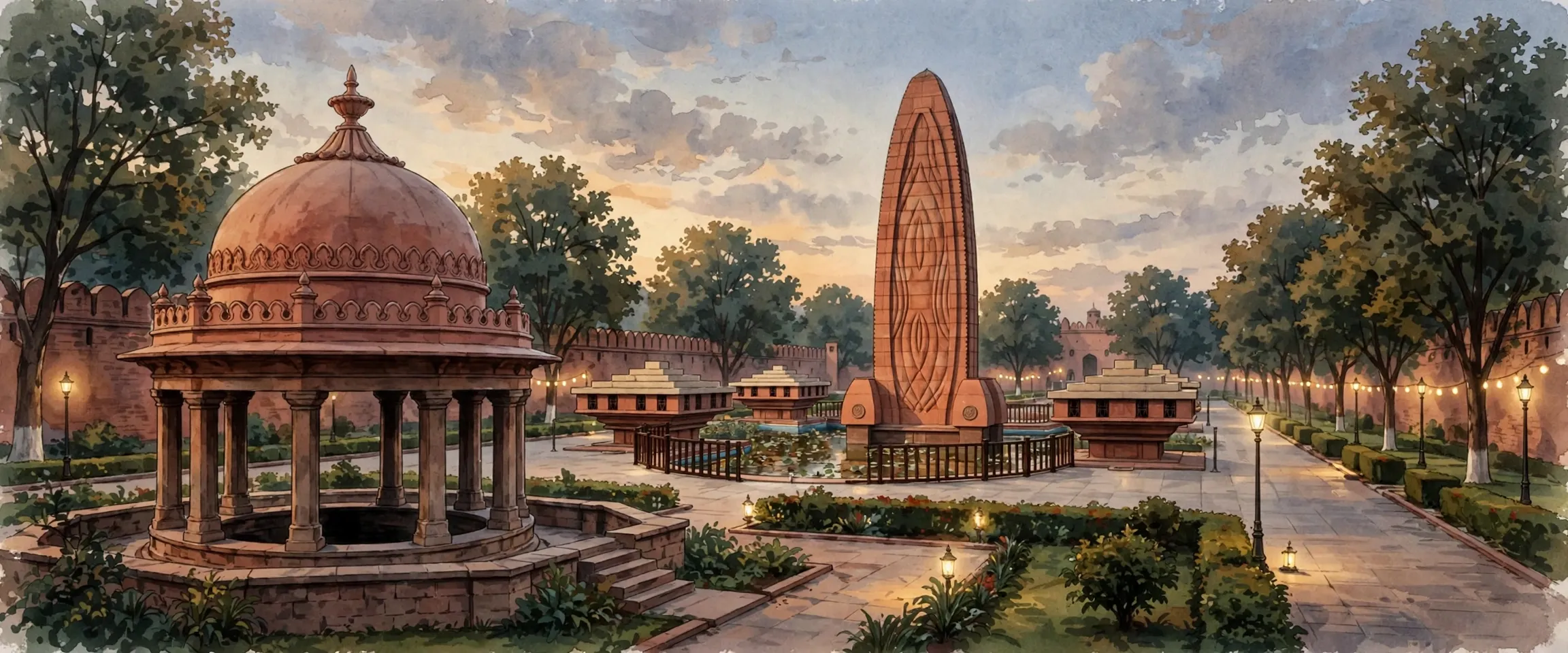
ਜਲ੍ਹਿਆਂਵਾਲਾ ਬਾਗ਼, 1919: ਦ ਰੀਅਲ ਸਟੋਰੀ ਕਿਸ਼ਵਰ ਦੇਸਾਈ ਦੀ 2018 ਵਿੱਚ ਲਿਖੀ ਅੰਮ੍ਰਿਤਸਰ ਕਤਲੇਆਮ ਦੀ ਇਤਿਹਾਸਕ ਰਚਨਾ ਹੈ, ਜੋ ਇਸ ਦੀ ਸ਼ਤਾਬਦੀ ਲਈ ਲਿਖੀ ਗਈ ਸੀ। ਹੰਟਰ ਕਮੇਟੀ ਅਤੇ ਭਾਰਤੀ ਰਾਸ਼ਟਰੀ ਕਾਂਗਰਸ ਦੀਆਂ ਰਿਪੋਰਟਾਂ ਉੱਤੇ ਆਧਾਰਿਤ, ਇਹ 13 ਅਪ੍ਰੈਲ 1919 ਨੂੰ ਕੀ ਵਾਪਰਿਆ, ਇਸ ਨੂੰ ਜੋੜਦੀ ਹੈ, ਜਦੋਂ ਜਰਨੈਲ ਡਾਇਰ ਦੇ ਸਿਪਾਹੀਆਂ ਨੇ ਸ਼ਾਂਤਮਈ ਭੀੜ ਉੱਤੇ ਦਸ ਮਿੰਟ ਤੱਕ ਗੋਲੀ ਚਲਾਈ, ਅਤੇ ਉਸ ਤੋਂ ਬਾਅਦ ਮਾਰਸ਼ਲ ਲਾਅ ਦੀ ਦਹਿਸ਼ਤ ਨੂੰ ਦਰਸਾਉਂਦੀ ਹੈ। ਇਸ ਦਾ ਤਰਕ ਹੈ ਕਿ ਕਤਲੇਆਮ ਇੱਕ ਸੋਚੀ ਸਮਝੀ ਨੀਤੀ ਸੀ, ਇੱਕ ਵਿਅਕਤੀ ਦਾ ਕੰਮ ਨਹੀਂ।
ਅੰਗਰੇਜ਼ੀ- ਲੇਖਕ
- ਕਿਸ਼ਵਰ ਦੇਸਾਈ (ਜਨਮ 1956)
- ਪਹਿਲੀ ਵਾਰ ਛਪੀ
- 2018, ਵੈਸਟਲੈਂਡ (ਕਾਂਟੈਕਸਟ)
- ਭਾਸ਼ਾ
- ਅੰਗਰੇਜ਼ੀ
- ਰੂਪ
- ਗੈਰ-ਗਲਪ, ਇਤਿਹਾਸ
- ਪੰਨੇ
- 280
- ਆਧਾਰ
- ਹੰਟਰ ਕਮੇਟੀ ਅਤੇ ਭਾਰਤੀ ਰਾਸ਼ਟਰੀ ਕਾਂਗਰਸ ਦੀਆਂ ਰਿਪੋਰਟਾਂ
- ਕਤਲੇਆਮ
- 13 ਅਪ੍ਰੈਲ 1919, ਅੰਮ੍ਰਿਤਸਰ; ਸਰਕਾਰੀ ਗਿਣਤੀ 379, ਕਾਂਗਰਸ ਅਨੁਮਾਨ 1,000 ਤੋਂ ਵੱਧ
ਪਾਤਰ
About the book
Jallianwala Bagh, 1919: The Real Story is a work of history by Kishwar Desai, first published in 2018 by Westland. It is her first work of political non-fiction, written for the centenary of the massacre at Jallianwala Bagh in Amritsar. Drawing on the reports of the Hunter Committee and the Indian National Congress, the archives of the United Kingdom Parliament, and earlier books on the massacre, Desai pieces together what actually happened on 13 April 1919, and in the weeks before and after it.
The book argues that the massacre was not the work of one deranged general, but part of a policy of oppression in Punjab under the Lieutenant Governor, Sir Michael O'Dwyer, and that the blame laid on General Dyer alone has hidden a much wider story. The idea for the book came to Desai when she chanced upon a photograph of Amritsar's Town Hall building, burnt down in April 1919.
What happened on 13 April 1919?
On the evening of Sunday 13 April 1919, the day of the Baisakhi festival, a crowd gathered in Jallianwala Bagh, a walled garden in Amritsar, to protest against the Rowlatt Act, the Anarchical and Revolutionary Crimes Act, which gave the British government sweeping powers of arrest without trial. Brigadier General Reginald Dyer, who had arrived in Amritsar from Jullundur on the evening of 11 April, marched his troops into the garden and ordered them to fire on the peaceful crowd for ten minutes, continuing even as people tried to escape.
The official death figure was put at 379, with nearly 1,200 injured. The Indian National Congress report claimed that more than 1,000 innocent people were killed, a figure Desai herself uses in the book. Many of the dead fell into the garden's well while fleeing the shooting. Desai shows that the crowd was mostly local residents of Amritsar, no more than a quarter from outside, and that in all likelihood no women were present, correcting the common story that the gathering was a festival crowd of outsiders.
Dyer later told the Hunter Committee that he looked upon the people as enemies of the Crown, that he thought it was his duty, and that any reasonable being would see he was doing a merciful act. Most of his compatriots commended him for saving the Empire, and the massacre was thought essential to prevent another mutiny like that of 1857.
How Desai rebuilt the story
Desai begins her book around 11 April, when the civil administration had already declared Amritsar a war zone and regarded its residents as enemies, so that the reader understands the claustrophobic conditions in the city before the shooting. She draws on the words of survivors and recorded statements wherever she can, and she uses Indian sources and viewpoints as far as possible, because for too long, she writes, the story has been told by Western historians.
Her sources include the majority and minority reports of the Hunter Committee, the Congress report, and books such as Nigel Collett's The Butcher of Amritsar. She corrects several fallacies in the received story: the meeting was not a festival crowd, nobody jumped into the well, they fell in by accident because it had no rim, and the massacre was very likely carefully planned, not spontaneous.
The days after the massacre
The book's most chilling chapter is called The Fancy Punishments. After the shooting, martial law was imposed across Punjab, and the regime inflicted a reign of terror. Dyer imposed a crawling order, to avenge the assault on a British teacher, requiring everyone passing through a 150 yard lane, regardless of age and station, to crawl on their stomachs. There were nine other orders, including a salaming order, and even perceived disobedience could result in public flogging.
People were whipped in public, bombed, incarcerated, forced to crawl, starved, beaten, caged and even summarily executed. Aeroplanes were called in to bombard Amritsar and Gujranwala, and machine guns were turned on protesters. In Kasur, people were held in open cages. In Lahore, the officer commanding the city, Lieutenant Colonel Frank Johnson, imposed close to sixty four bizarre and racist orders of martial law.
Desai gives the night after the massacre its full weight through the testimony of Ratan Devi, whose husband was killed in the firing. She sat beside his body through the night, in the dark, among the dying crying for water. She told the inquiry that heaps of dead bodies lay around her, some on their backs and some with their faces upturned, and that she was all alone in that solitary jungle, amidst hundreds of corpses. Her account gives the lie to Dyer's claim that only men with mutiny on their minds had gathered in the garden.
ਲੇਖਕ
Kishwar Desai was born in Ambala in 1956 and worked in television as an anchor and producer for more than twenty years before becoming a writer. Her first novel, Witness the Night, won the Costa First Novel Award in 2010. She chairs the Arts and Cultural Heritage Trust, which set up the world's first Partition Museum at the Town Hall in Amritsar, and Jallianwala Bagh, 1919 is her first book of political non-fiction.
Reception and legacy
The book won critical acclaim on publication. The Hindu BusinessLine called it well researched and tightly structured, and said it must be suggested reading in schools. At the centenary of the massacre it inspired exhibitions on the massacre in India, the United Kingdom and New Zealand.
Desai's wider argument is that the massacre was a turning point in the freedom struggle, the moment that brought the anti-British forces together for the first time. Hindus and Muslims were seen joining hands against the British, drinking from the same cup and attending meetings in mosques and temples alike. She also argues that the seeds of Partition may have been sown during the months of martial law that followed, when the British worked to force the two communities apart. A hundred years on, Britain has yet to tender an unconditional apology for the bloodshed, though Prime Minister Theresa May expressed regret at the suffering caused.
ਕਿਤਾਬ ਬਾਰੇ
ਜਲ੍ਹਿਆਂਵਾਲਾ ਬਾਗ਼, 1919: ਦ ਰੀਅਲ ਸਟੋਰੀ ਕਿਸ਼ਵਰ ਦੇਸਾਈ ਦੀ ਇੱਕ ਇਤਿਹਾਸਕ ਰਚਨਾ ਹੈ, ਜੋ ਪਹਿਲੀ ਵਾਰ 2018 ਵਿੱਚ ਵੈਸਟਲੈਂਡ ਵੱਲੋਂ ਛਪੀ। ਇਹ ਉਨ੍ਹਾਂ ਦੀ ਪਹਿਲੀ ਸਿਆਸੀ ਗੈਰ-ਗਲਪ ਰਚਨਾ ਹੈ, ਜੋ ਅੰਮ੍ਰਿਤਸਰ ਵਿੱਚ ਜਲ੍ਹਿਆਂਵਾਲਾ ਬਾਗ਼ ਦੇ ਕਤਲੇਆਮ ਦੀ ਸ਼ਤਾਬਦੀ ਲਈ ਲਿਖੀ ਗਈ ਸੀ। ਹੰਟਰ ਕਮੇਟੀ ਅਤੇ ਭਾਰਤੀ ਰਾਸ਼ਟਰੀ ਕਾਂਗਰਸ ਦੀਆਂ ਰਿਪੋਰਟਾਂ, ਬ੍ਰਿਟੇਨ ਦੀ ਸੰਸਦ ਦੇ ਪੁਰਾਲੇਖਾਂ ਅਤੇ ਕਤਲੇਆਮ ਉੱਤੇ ਪਹਿਲੀਆਂ ਕਿਤਾਬਾਂ ਉੱਤੇ ਆਧਾਰਿਤ, ਦੇਸਾਈ 13 ਅਪ੍ਰੈਲ 1919 ਨੂੰ ਅਤੇ ਉਸ ਤੋਂ ਪਹਿਲਾਂ ਅਤੇ ਬਾਅਦ ਵਿੱਚ ਕੀ ਵਾਪਰਿਆ, ਇਸ ਨੂੰ ਜੋੜਦੀ ਹੈ।
ਕਿਤਾਬ ਦਾ ਤਰਕ ਹੈ ਕਿ ਕਤਲੇਆਮ ਇੱਕ ਪਾਗਲ ਜਰਨੈਲ ਦਾ ਕੰਮ ਨਹੀਂ ਸੀ, ਸਗੋਂ ਲੈਫਟੀਨੈਂਟ ਗਵਰਨਰ ਸਰ ਮਾਈਕਲ ਓਡਵਾਇਰ ਹੇਠ ਪੰਜਾਬ ਵਿੱਚ ਜ਼ੁਲਮ ਦੀ ਨੀਤੀ ਦਾ ਹਿੱਸਾ ਸੀ, ਅਤੇ ਜਰਨੈਲ ਡਾਇਰ ਉੱਤੇ ਇਕੱਲਾ ਦੋਸ਼ ਲਾਉਣ ਨਾਲ ਇੱਕ ਬਹੁਤ ਵਿਆਪਕ ਕਹਾਣੀ ਛੁਪ ਗਈ ਹੈ। ਕਿਤਾਬ ਦਾ ਵਿਚਾਰ ਦੇਸਾਈ ਨੂੰ ਉਦੋਂ ਆਇਆ ਜਦੋਂ ਉਸ ਨੂੰ ਅੰਮ੍ਰਿਤਸਰ ਦੇ ਟਾਊਨ ਹਾਲ ਦੀ ਇਮਾਰਤ ਦੀ ਤਸਵੀਰ ਮਿਲੀ, ਜੋ ਅਪ੍ਰੈਲ 1919 ਵਿੱਚ ਸਾੜ ਦਿੱਤੀ ਗਈ ਸੀ।
13 ਅਪ੍ਰੈਲ 1919 ਨੂੰ ਕੀ ਵਾਪਰਿਆ?
ਐਤਵਾਰ 13 ਅਪ੍ਰੈਲ 1919 ਦੀ ਸ਼ਾਮ ਨੂੰ, ਵਿਸਾਖੀ ਦੇ ਦਿਨ, ਅੰਮ੍ਰਿਤਸਰ ਵਿੱਚ ਜਲ੍ਹਿਆਂਵਾਲਾ ਬਾਗ਼, ਇੱਕ ਕੰਧਾਂ ਵਾਲੇ ਬਾਗ਼ ਵਿੱਚ ਭੀੜ ਇਕੱਠੀ ਹੋਈ, ਰੌਲਟ ਐਕਟ, ਅਰਾਜਕ ਅਤੇ ਇਨਕਲਾਬੀ ਅਪਰਾਧ ਐਕਟ, ਦੇ ਵਿਰੋਧ ਵਿੱਚ, ਜਿਸ ਨੇ ਬ੍ਰਿਟਿਸ਼ ਸਰਕਾਰ ਨੂੰ ਬਿਨਾਂ ਮੁਕੱਦਮੇ ਗ੍ਰਿਫ਼ਤਾਰੀ ਦੀਆਂ ਵਿਆਪਕ ਸ਼ਕਤੀਆਂ ਦਿੱਤੀਆਂ ਸਨ। ਬ੍ਰਿਗੇਡੀਅਰ ਜਰਨੈਲ ਰੈਜੀਨਾਲਡ ਡਾਇਰ, ਜੋ 11 ਅਪ੍ਰੈਲ ਦੀ ਸ਼ਾਮ ਨੂੰ ਜਲੰਧਰ ਤੋਂ ਅੰਮ੍ਰਿਤਸਰ ਆਇਆ ਸੀ, ਆਪਣੇ ਸਿਪਾਹੀਆਂ ਨੂੰ ਬਾਗ਼ ਵਿੱਚ ਲੈ ਗਿਆ ਅਤੇ ਸ਼ਾਂਤਮਈ ਭੀੜ ਉੱਤੇ ਦਸ ਮਿੰਟ ਤੱਕ ਗੋਲੀ ਚਲਾਉਣ ਦਾ ਹੁਕਮ ਦਿੱਤਾ, ਉਦੋਂ ਵੀ ਜਦੋਂ ਲੋਕ ਭੱਜਣ ਦੀ ਕੋਸ਼ਿਸ਼ ਕਰ ਰਹੇ ਸਨ।
ਸਰਕਾਰੀ ਮੌਤਾਂ ਦੀ ਗਿਣਤੀ 379 ਦੱਸੀ ਗਈ, ਜਦੋਂ ਕਿ ਲਗਭਗ 1,200 ਜ਼ਖ਼ਮੀ ਹੋਏ। ਭਾਰਤੀ ਰਾਸ਼ਟਰੀ ਕਾਂਗਰਸ ਦੀ ਰਿਪੋਰਟ ਨੇ ਦਾਅਵਾ ਕੀਤਾ ਕਿ 1,000 ਤੋਂ ਵੱਧ ਬੇਕਸੂਰ ਲੋਕ ਮਾਰੇ ਗਏ, ਇੱਕ ਗਿਣਤੀ ਜੋ ਦੇਸਾਈ ਖ਼ੁਦ ਕਿਤਾਬ ਵਿੱਚ ਵਰਤਦੀ ਹੈ। ਮਰਨ ਵਾਲਿਆਂ ਵਿੱਚੋਂ ਕਈ ਗੋਲੀਬਾਰੀ ਤੋਂ ਭੱਜਦਿਆਂ ਬਾਗ਼ ਦੇ ਖੂਹ ਵਿੱਚ ਡਿੱਗ ਪਏ। ਦੇਸਾਈ ਦਰਸਾਉਂਦੀ ਹੈ ਕਿ ਭੀੜ ਜ਼ਿਆਦਾਤਰ ਅੰਮ੍ਰਿਤਸਰ ਦੇ ਸਥਾਨਕ ਵਸਨੀਕ ਸਨ, ਬਾਹਰੋਂ ਇੱਕ ਚੌਥਾਈ ਤੋਂ ਵੱਧ ਨਹੀਂ, ਅਤੇ ਸੰਭਾਵਨਾ ਹੈ ਕਿ ਉੱਥੇ ਕੋਈ ਔਰਤ ਮੌਜੂਦ ਨਹੀਂ ਸੀ, ਜੋ ਇਸ ਆਮ ਕਹਾਣੀ ਨੂੰ ਸੁਧਾਰਦੀ ਹੈ ਕਿ ਇਕੱਠ ਤਿਉਹਾਰ ਦੀ ਭੀੜ ਸੀ।
ਡਾਇਰ ਨੇ ਬਾਅਦ ਵਿੱਚ ਹੰਟਰ ਕਮੇਟੀ ਨੂੰ ਦੱਸਿਆ ਕਿ ਉਹ ਲੋਕਾਂ ਨੂੰ ਤਾਜ ਦੇ ਦੁਸ਼ਮਣ ਸਮਝਦਾ ਸੀ, ਕਿ ਉਸ ਦਾ ਫ਼ਰਜ਼ ਸੀ, ਅਤੇ ਕਿ ਕੋਈ ਵੀ ਸਮਝਦਾਰ ਵਿਅਕਤੀ ਵੇਖੇਗਾ ਕਿ ਉਹ ਇੱਕ ਦਇਆ ਵਾਲਾ ਕੰਮ ਕਰ ਰਿਹਾ ਸੀ। ਉਸ ਦੇ ਜ਼ਿਆਦਾਤਰ ਸਾਥੀਆਂ ਨੇ ਸਾਮਰਾਜ ਨੂੰ ਬਚਾਉਣ ਲਈ ਉਸ ਦੀ ਪ੍ਰਸ਼ੰਸਾ ਕੀਤੀ, ਅਤੇ ਕਤਲੇਆਮ ਨੂੰ 1857 ਵਰਗੀ ਇੱਕ ਹੋਰ ਬਗ਼ਾਵਤ ਨੂੰ ਰੋਕਣ ਲਈ ਜ਼ਰੂਰੀ ਸਮਝਿਆ ਗਿਆ।
ਦੇਸਾਈ ਨੇ ਕਹਾਣੀ ਕਿਵੇਂ ਜੋੜੀ
ਦੇਸਾਈ ਆਪਣੀ ਕਿਤਾਬ 11 ਅਪ੍ਰੈਲ ਦੇ ਆਲੇ ਦੁਆਲੇ ਸ਼ੁਰੂ ਕਰਦੀ ਹੈ, ਜਦੋਂ ਸਿਵਲ ਪ੍ਰਸ਼ਾਸਨ ਨੇ ਅੰਮ੍ਰਿਤਸਰ ਨੂੰ ਪਹਿਲਾਂ ਹੀ ਜੰਗ ਦਾ ਖੇਤਰ ਐਲਾਨ ਦਿੱਤਾ ਸੀ ਅਤੇ ਇਸ ਦੇ ਵਸਨੀਕਾਂ ਨੂੰ ਆਪਣਾ ਦੁਸ਼ਮਣ ਸਮਝਿਆ ਸੀ, ਤਾਂ ਕਿ ਪਾਠਕ ਗੋਲੀਬਾਰੀ ਤੋਂ ਪਹਿਲਾਂ ਸ਼ਹਿਰ ਦੀਆਂ ਘੁੱਟੀਆਂ ਹੋਈਆਂ ਹਾਲਤਾਂ ਨੂੰ ਸਮਝ ਸਕੇ। ਉਹ ਜਿੱਥੇ ਸੰਭਵ ਹੋਵੇ ਬਚੇ ਹੋਏ ਲੋਕਾਂ ਦੇ ਸ਼ਬਦਾਂ ਅਤੇ ਦਰਜ ਬਿਆਨਾਂ ਉੱਤੇ ਆਧਾਰਿਤ ਹੈ, ਅਤੇ ਜਿੱਥੋਂ ਤੱਕ ਸੰਭਵ ਹੋਵੇ ਭਾਰਤੀ ਸਰੋਤਾਂ ਅਤੇ ਨਜ਼ਰੀਏ ਵਰਤਦੀ ਹੈ, ਕਿਉਂਕਿ, ਜਿਵੇਂ ਉਹ ਲਿਖਦੀ ਹੈ, ਇਹ ਕਹਾਣੀ ਬਹੁਤ ਲੰਬੇ ਸਮੇਂ ਤੋਂ ਪੱਛਮੀ ਇਤਿਹਾਸਕਾਰਾਂ ਵੱਲੋਂ ਸੁਣਾਈ ਗਈ ਹੈ।
ਉਨ੍ਹਾਂ ਦੇ ਸਰੋਤਾਂ ਵਿੱਚ ਹੰਟਰ ਕਮੇਟੀ ਦੀਆਂ ਬਹੁਮਤ ਅਤੇ ਘੱਟਗਿਣਤੀ ਰਿਪੋਰਟਾਂ, ਕਾਂਗਰਸ ਦੀ ਰਿਪੋਰਟ ਅਤੇ ਨਾਈਜਲ ਕੌਲੈੱਟ ਦੀ ਦ ਬੁੱਚਰ ਆਫ਼ ਅੰਮ੍ਰਿਤਸਰ ਵਰਗੀਆਂ ਕਿਤਾਬਾਂ ਸ਼ਾਮਲ ਹਨ। ਉਹ ਪ੍ਰਚਲਿਤ ਕਹਾਣੀ ਦੀਆਂ ਕਈ ਗਲਤੀਆਂ ਨੂੰ ਸੁਧਾਰਦੀ ਹੈ: ਇਕੱਠ ਤਿਉਹਾਰ ਦੀ ਭੀੜ ਨਹੀਂ ਸੀ, ਕੋਈ ਖੂਹ ਵਿੱਚ ਛਾਲ ਨਹੀਂ ਮਾਰਿਆ, ਉਹ ਭੱਜਦਿਆਂ ਹਾਦਸੇ ਨਾਲ ਡਿੱਗ ਪਏ ਕਿਉਂਕਿ ਇਸ ਦਾ ਕੋਈ ਕਿਨਾਰਾ ਨਹੀਂ ਸੀ, ਅਤੇ ਕਤਲੇਆਮ ਸੰਭਾਵਨਾ ਹੈ ਕਿ ਸੋਚ ਸਮਝ ਕੇ ਕੀਤਾ ਗਿਆ ਸੀ, ਹਾਦਸੇ ਨਾਲ ਨਹੀਂ।
ਕਤਲੇਆਮ ਤੋਂ ਬਾਅਦ ਦੇ ਦਿਨ
ਕਿਤਾਬ ਦਾ ਸਭ ਤੋਂ ਡਰਾਉਣਾ ਅਧਿਆਇ ਦ ਫੈਂਸੀ ਪਨਿਸ਼ਮੈਂਟਸ ਕਿਹਾ ਜਾਂਦਾ ਹੈ। ਗੋਲੀਬਾਰੀ ਤੋਂ ਬਾਅਦ ਪੰਜਾਬ ਭਰ ਵਿੱਚ ਮਾਰਸ਼ਲ ਲਾਅ ਲਗਾ ਦਿੱਤਾ ਗਿਆ, ਅਤੇ ਸਰਕਾਰ ਨੇ ਦਹਿਸ਼ਤ ਦਾ ਰਾਜ ਚਲਾਇਆ। ਡਾਇਰ ਨੇ ਇੱਕ ਰੇਂਗਣ ਦਾ ਹੁਕਮ ਲਗਾਇਆ, ਇੱਕ ਬ੍ਰਿਟਿਸ਼ ਅਧਿਆਪਕਾ ਉੱਤੇ ਹਮਲੇ ਦਾ ਬਦਲਾ ਲੈਣ ਲਈ, ਜਿਸ ਵਿੱਚ 150 ਗਜ਼ ਲੰਬੀ ਗਲੀ ਵਿੱਚੋਂ ਲੰਘਣ ਵਾਲੇ ਹਰ ਵਿਅਕਤੀ ਨੂੰ, ਉਮਰ ਅਤੇ ਰੁਤਬੇ ਦੀ ਪਰਵਾਹ ਕੀਤੇ ਬਿਨਾਂ, ਪੇਟ ਦੇ ਭਾਰ ਰੇਂਗਣਾ ਪੈਂਦਾ ਸੀ। ਹੋਰ ਨੌਂ ਹੁਕਮ ਸਨ, ਜਿਨ੍ਹਾਂ ਵਿੱਚ ਸਲਾਮ ਕਰਨ ਦਾ ਹੁਕਮ ਸ਼ਾਮਲ ਸੀ, ਅਤੇ ਨਾ ਮੰਨਣ ਉੱਤੇ ਜਨਤਕ ਕੋੜੇ ਮਾਰੇ ਜਾਂਦੇ ਸਨ।
ਲੋਕਾਂ ਨੂੰ ਜਨਤਕ ਤੌਰ ਉੱਤੇ ਕੋੜੇ ਮਾਰੇ ਗਏ, ਬੰਬ ਸੁੱਟੇ ਗਏ, ਕੈਦ ਕੀਤਾ ਗਿਆ, ਰੇਂਗਣ ਲਈ ਮਜਬੂਰ ਕੀਤਾ ਗਿਆ, ਭੁੱਖਾ ਰੱਖਿਆ ਗਿਆ, ਕੁੱਟਿਆ ਗਿਆ, ਪਿੰਜਰਿਆਂ ਵਿੱਚ ਬੰਦ ਕੀਤਾ ਗਿਆ ਅਤੇ ਸੰਖੇਪ ਵਿੱਚ ਫਾਂਸੀ ਵੀ ਦਿੱਤੀ ਗਈ। ਹਵਾਈ ਜਹਾਜ਼ਾਂ ਨੂੰ ਅੰਮ੍ਰਿਤਸਰ ਅਤੇ ਗੁਜਰਾਂਵਾਲਾ ਉੱਤੇ ਬੰਬ ਸੁੱਟਣ ਲਈ ਬੁਲਾਇਆ ਗਿਆ, ਅਤੇ ਮਸ਼ੀਨ ਗੰਨਾਂ ਪ੍ਰਦਰਸ਼ਨਕਾਰੀਆਂ ਉੱਤੇ ਚਲਾਈਆਂ ਗਈਆਂ। ਕਸੂਰ ਵਿੱਚ ਲੋਕਾਂ ਨੂੰ ਖੁੱਲ੍ਹੇ ਪਿੰਜਰਿਆਂ ਵਿੱਚ ਰੱਖਿਆ ਗਿਆ। ਲਾਹੌਰ ਵਿੱਚ ਸ਼ਹਿਰ ਦੇ ਕਮਾਂਡਰ ਲੈਫਟੀਨੈਂਟ ਕਰਨਲ ਫਰੈਂਕ ਜੌਹਨਸਨ ਨੇ ਮਾਰਸ਼ਲ ਲਾਅ ਦੇ ਲਗਭਗ ਚੌਂਠ ਅਜੀਬ ਅਤੇ ਨਸਲਵਾਦੀ ਹੁਕਮ ਲਗਾਏ।
ਦੇਸਾਈ ਕਤਲੇਆਮ ਤੋਂ ਬਾਅਦ ਦੀ ਰਾਤ ਨੂੰ ਰਤਨ ਦੇਵੀ ਦੀ ਗਵਾਹੀ ਰਾਹੀਂ ਪੂਰਾ ਭਾਰ ਦਿੰਦੀ ਹੈ, ਜਿਸ ਦਾ ਪਤੀ ਗੋਲੀਬਾਰੀ ਵਿੱਚ ਮਾਰਿਆ ਗਿਆ ਸੀ। ਉਹ ਹਨੇਰੇ ਵਿੱਚ, ਪਾਣੀ ਲਈ ਤਰਸਦੇ ਮਰ ਰਹੇ ਲੋਕਾਂ ਵਿਚਕਾਰ, ਆਪਣੇ ਪਤੀ ਦੇ ਸਰੀਰ ਕੋਲ ਸਾਰੀ ਰਾਤ ਬੈਠੀ ਰਹੀ। ਉਸ ਨੇ ਜਾਂਚ ਨੂੰ ਦੱਸਿਆ ਕਿ ਉਸ ਦੇ ਆਲੇ ਦੁਆਲੇ ਲਾਸ਼ਾਂ ਦੇ ਢੇਰ ਪਏ ਸਨ, ਕੁਝ ਪਿੱਠ ਦੇ ਭਾਰ ਅਤੇ ਕੁਝ ਮੂੰਹ ਉੱਪਰ, ਅਤੇ ਉਹ ਸੈਂਕੜੇ ਲਾਸ਼ਾਂ ਵਿਚਕਾਰ ਇਕੱਲੀ ਸੀ। ਉਸ ਦਾ ਬਿਆਨ ਡਾਇਰ ਦੇ ਇਸ ਦਾਅਵੇ ਨੂੰ ਝੂਠਾ ਸਾਬਤ ਕਰਦਾ ਹੈ ਕਿ ਬਾਗ਼ ਵਿੱਚ ਸਿਰਫ਼ ਬਗ਼ਾਵਤ ਦੇ ਇਰਾਦੇ ਵਾਲੇ ਮਰਦ ਇਕੱਠੇ ਹੋਏ ਸਨ।
ਲੇਖਿਕਾ
ਕਿਸ਼ਵਰ ਦੇਸਾਈ ਦਾ ਜਨਮ 1956 ਵਿੱਚ ਅੰਬਾਲਾ ਵਿੱਚ ਹੋਇਆ ਅਤੇ ਲੇਖਿਕਾ ਬਣਨ ਤੋਂ ਪਹਿਲਾਂ ਉਹ ਵੀਹ ਸਾਲ ਤੋਂ ਵੱਧ ਟੈਲੀਵਿਜ਼ਨ ਵਿੱਚ ਐਂਕਰ ਅਤੇ ਨਿਰਮਾਤਾ ਰਹੀ। ਉਨ੍ਹਾਂ ਦਾ ਪਹਿਲਾ ਨਾਵਲ ਵਿਟਨੈਸ ਦ ਨਾਈਟ ਨੇ 2010 ਵਿੱਚ ਕੋਸਟਾ ਪਹਿਲਾ ਨਾਵਲ ਪੁਰਸਕਾਰ ਜਿੱਤਿਆ। ਉਹ ਆਰਟਸ ਐਂਡ ਕਲਚਰਲ ਹੈਰੀਟੇਜ ਟਰੱਸਟ ਦੀ ਚੇਅਰਪਰਸਨ ਹੈ, ਜਿਸ ਨੇ ਅੰਮ੍ਰਿਤਸਰ ਦੇ ਟਾਊਨ ਹਾਲ ਵਿੱਚ ਦੁਨੀਆ ਦਾ ਪਹਿਲਾ ਵੰਡ ਅਜਾਇਬ ਘਰ ਸਥਾਪਤ ਕੀਤਾ, ਅਤੇ ਜਲ੍ਹਿਆਂਵਾਲਾ ਬਾਗ਼, 1919 ਉਨ੍ਹਾਂ ਦੀ ਪਹਿਲੀ ਸਿਆਸੀ ਗੈਰ-ਗਲਪ ਕਿਤਾਬ ਹੈ।
ਸਵਾਗਤ ਅਤੇ ਵਿਰਸਾ
ਕਿਤਾਬ ਨੂੰ ਛਪਣ ਉੱਤੇ ਆਲੋਚਕਾਂ ਦੀ ਪ੍ਰਸ਼ੰਸਾ ਮਿਲੀ। ਦ ਹਿੰਦੂ ਬਿਜ਼ਨੈੱਸਲਾਈਨ ਨੇ ਇਸ ਨੂੰ ਚੰਗੀ ਤਰ੍ਹਾਂ ਖੋਜੀ ਅਤੇ ਸਖ਼ਤ ਢਾਂਚੇ ਵਾਲੀ ਕਿਹਾ, ਅਤੇ ਕਿਹਾ ਕਿ ਇਸ ਨੂੰ ਸਕੂਲਾਂ ਵਿੱਚ ਪੜ੍ਹਨ ਲਈ ਸੁਝਾਉਣਾ ਚਾਹੀਦਾ ਹੈ। ਕਤਲੇਆਮ ਦੀ ਸ਼ਤਾਬਦੀ ਉੱਤੇ ਇਸ ਨੇ ਭਾਰਤ, ਬ੍ਰਿਟੇਨ ਅਤੇ ਨਿਊਜ਼ੀਲੈਂਡ ਵਿੱਚ ਕਤਲੇਆਮ ਉੱਤੇ ਪ੍ਰਦਰਸ਼ਨੀਆਂ ਨੂੰ ਪ੍ਰੇਰਿਤ ਕੀਤਾ।
ਦੇਸਾਈ ਦਾ ਵਿਆਪਕ ਤਰਕ ਹੈ ਕਿ ਕਤਲੇਆਮ ਆਜ਼ਾਦੀ ਦੀ ਲੜਾਈ ਵਿੱਚ ਇੱਕ ਮੋੜ ਸੀ, ਉਹ ਪਲ ਜਿਸ ਨੇ ਬ੍ਰਿਟਿਸ਼ ਵਿਰੋਧੀ ਤਾਕਤਾਂ ਨੂੰ ਪਹਿਲੀ ਵਾਰ ਇਕੱਠਾ ਕੀਤਾ। ਹਿੰਦੂ ਅਤੇ ਮੁਸਲਮਾਨ ਬ੍ਰਿਟਿਸ਼ ਦੇ ਵਿਰੁੱਧ ਇਕੱਠੇ ਹੱਥ ਮਿਲਾਉਂਦੇ ਵੇਖੇ ਗਏ, ਇੱਕੋ ਪਿਆਲੇ ਵਿੱਚੋਂ ਪੀਂਦੇ ਅਤੇ ਮਸਜਿਦਾਂ ਅਤੇ ਮੰਦਰਾਂ ਵਿੱਚ ਇਕੱਠੇ ਮਿਲਦੇ। ਉਹ ਇਹ ਵੀ ਤਰਕ ਕਰਦੀ ਹੈ ਕਿ ਵੰਡ ਦੇ ਬੀਜ ਮਾਰਸ਼ਲ ਲਾਅ ਦੇ ਉਨ੍ਹਾਂ ਮਹੀਨਿਆਂ ਦੌਰਾਨ ਬੀਜੇ ਗਏ ਹੋ ਸਕਦੇ ਹਨ, ਜਦੋਂ ਬ੍ਰਿਟਿਸ਼ ਨੇ ਦੋਵੇਂ ਭਾਈਚਾਰਿਆਂ ਨੂੰ ਵੱਖ ਕਰਨ ਲਈ ਕੰਮ ਕੀਤਾ। ਸੌ ਸਾਲ ਬਾਅਦ ਵੀ, ਬ੍ਰਿਟੇਨ ਨੇ ਖੂਨ ਖ਼ਰਾਬੇ ਲਈ ਬਿਨਾਂ ਸ਼ਰਤ ਮੁਆਫ਼ੀ ਨਹੀਂ ਮੰਗੀ ਹੈ, ਹਾਲਾਂਕਿ ਪ੍ਰਧਾਨ ਮੰਤਰੀ ਥੈਰੇਸਾ ਮੇਅ ਨੇ ਦੁੱਖ ਲਈ ਅਫ਼ਸੋਸ ਜ਼ਾਹਰ ਕੀਤਾ ਸੀ।
ਐਡੀਸ਼ਨ ਅਤੇ ਅਨੁਵਾਦ
- Jallianwala Bagh, 1919: The Real StoryEnglish · first published 2018, Westland (Context)Edition
- Jallianwala Bagh, 1919: The Real StoryEnglish · paperback reprint, HarperCollins India, ISBN 9789356294752Edition
ਲੇਖਕ
ਜੁੜੇ ਹੋਏ
ਹੋਰ ਪੜ੍ਹੋ
ਸਰੋਤ (4)
ਜੁਗਤੀ ਮੁਫ਼ਤ ਅਤੇ ਸੁਤੰਤਰ ਹੈ। ਪਾਠਕਾਂ ਦਾ ਸਹਿਯੋਗ ਕੋਸ਼ ਨੂੰ ਵਧਾਉਂਦਾ ਹੈ।
ਸਹਿਯੋਗ