
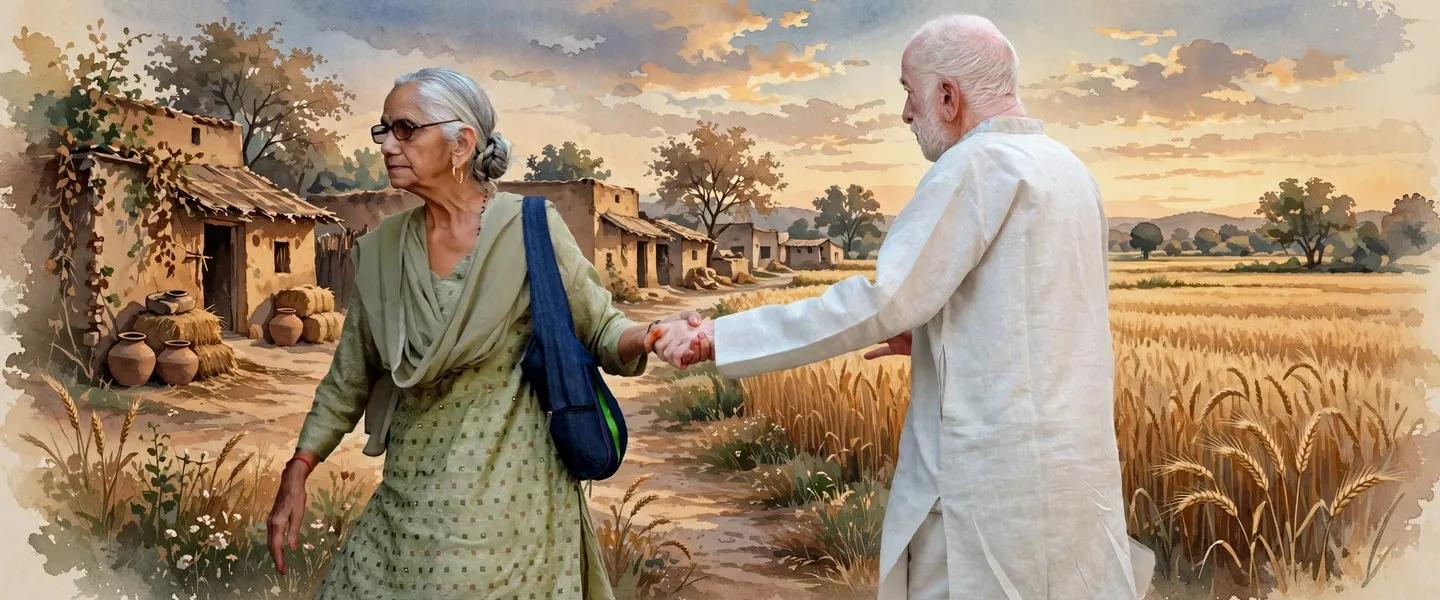
ਕਾਠ ਦੀ ਲੱਤ (ਲੱਕੜ ਦੀ ਲੱਤ) ਪੰਜਾਬੀ ਲੇਖਕ ਮੋਹਨ ਭੰਡਾਰੀ ਦਾ 1975 ਵਿੱਚ ਛਪਿਆ ਛੋਟੀਆਂ ਕਹਾਣੀਆਂ ਦਾ ਸੰਗ੍ਰਹਿ ਹੈ, ਤਿਲ ਚੌਲੀ (1965) ਅਤੇ ਮਨੁੱਖ ਦੀ ਪੈੜ੍ਹ (1967) ਤੋਂ ਬਾਅਦ ਉਸ ਦਾ ਤੀਜਾ ਸੰਗ੍ਰਹਿ। ਪਿੰਡਾਂ ਦੇ ਪੰਜਾਬ ਦੀਆਂ ਉਸ ਦੀਆਂ ਸਾਦੀਆਂ ਤੇ ਸਟੀਕ ਕਹਾਣੀਆਂ ਉਸ ਦੀਆਂ ਸਭ ਤੋਂ ਪ੍ਰਸ਼ੰਸਿਤ ਰਚਨਾਵਾਂ ਵਿੱਚ ਗਿਣੀਆਂ ਜਾਂਦੀਆਂ ਹਨ, ਅਤੇ ਇਸ ਕਿਤਾਬ ਨੇ ਉਸ ਨੂੰ ਪੰਜਾਬੀ ਛੋਟੀ ਕਹਾਣੀ ਦੇ ਸਭ ਤੋਂ ਵਧੀਆ ਲਘੂ-ਕਲਾਕਾਰ ਵਜੋਂ ਪੱਕਾ ਕੀਤਾ।
ਪੰਜਾਬੀ, ਗੁਰਮੁਖੀ- ਪੰਜਾਬੀ ਨਾਂ
- ਕਾਠ ਦੀ ਲੱਤ
- ਲੇਖਕ
- ਮੋਹਨ ਭੰਡਾਰੀ (1937–2021)
- ਪ੍ਰਕਾਸ਼ਿਤ
- 1975
- ਭਾਸ਼ਾ
- ਪੰਜਾਬੀ (ਗੁਰਮੁਖੀ)
- ਰੂਪ
- ਛੋਟੀਆਂ ਕਹਾਣੀਆਂ ਦਾ ਸੰਗ੍ਰਹਿ
- ਥਾਂ
- ਤੀਜਾ ਸੰਗ੍ਰਹਿ; ਤਿਲ ਚੌਲੀ (1965) ਅਤੇ ਮਨੁੱਖ ਦੀ ਪੈੜ੍ਹ (1967) ਤੋਂ ਬਾਅਦ
- ਨੋਟ
- ਸਿਰਲੇਖ ਦਾ ਅਰਥ ਹੈ ਲੱਕੜ ਦੀ ਲੱਤ
About the collection
Kaath Di Latt, The Wooden Leg, is a collection of short stories by Mohan Bhandari, published in 1975. It was his third collection, and it is the book that fixed his reputation. His first two books, Til Chauli (1965) and Manukh Di Pairh (1967), had marked him as a writer to watch. Kaath Di Latt showed what he could do at full stretch: stories so spare and so exact that critics began to call him the Chekhov of Punjabi short fiction. The title suits the book: plain, unadorned, made to carry weight.
Where it sits in Bhandari's work
Bhandari wrote slowly all his life. Ten years passed between his debut and this book, and in that decade Punjab changed around him. The Green Revolution had remade the fields, the state had been reorganised in 1966, and the village world he wrote about was filling with new money, new machines and new tensions. Kaath Di Latt belongs to that in-between Punjab. His characters are caught between the old obligations of the village and the new ambitions the city offers, and Bhandari watches them without taking sides. Eleven years later came Pachan (1986), and then, in the early 1990s, Moon Di Akh, the collection that would win him the Sahitya Akademi Award. Read in order, the five collections trace a single arc: from the village stories of the sixties to the wounded histories of the nineties, with Kaath Di Latt standing at the centre, the book where his manner, the miniaturist's eye, the pared-down sentence, the refusal to explain, became fully his own.
What are the stories about?
Like all of Bhandari's work, the stories of Kaath Di Latt stay close to ordinary life: village households, small farmers, schoolteachers, mothers and sons, the ties of family and the pull of the city. What sets them apart is how little they need to say. Bhandari trusts a gesture, a silence, a detail noticed in passing, and the story does the rest. His people rarely declare what they feel; the reader learns it from what they do, or fail to do, at the moment that matters. It is a quiet kind of storytelling, and it asks for a reader willing to listen closely. Those who do find stories that stay with them longer than louder books.
The miniaturist's craft
Bhandari described himself as a miniaturist, and the word fits. He wrote about seventy stories in thirty-five years, and he treated the short story not as one form among many but as the only one he knew or wanted to know. His models were Chekhov and Manto, writers who could put a whole life into a few pages, and he shared their faith in understatement: say less, mean more, let the reader do the work. He also translated from Urdu and other Indian languages, work that sharpened his ear for what Punjabi could and could not carry. The result is prose that feels simple on the surface and exact underneath, each sentence placed where it has to be.
ਲੇਖਕ
Mohan Bhandari (1937-2021) was born in Banbhaura village, Sangrur district, and worked as a schoolteacher while writing the stories that made him one of Punjabi literature's most respected names. Kaath Di Latt was his third of some fifteen collections, and it remains one of the books his readers name first when they describe him. His best-known work, Moon Di Akh, came later and won the Sahitya Akademi Award in 1998, an award he returned in 2015.
Reception and legacy
Critics have counted Kaath Di Latt among Bhandari's most admired books since it appeared, and it is still the collection teachers and anthologists reach for when they want to show what the Punjabi short story can do at its best. It has no single famous story to carry it, and that is the point: the book's strength is its evenness, story after story held to the same high standard. For a reader new to Bhandari, it is the place to start before Moon Di Akh: the village Punjab of the seventies, rendered by a writer at the height of his powers, in stories that ask for little and give a great deal.
ਸੰਗ੍ਰਹਿ ਬਾਰੇ
ਕਾਠ ਦੀ ਲੱਤ, ਲੱਕੜ ਦੀ ਲੱਤ, ਮੋਹਨ ਭੰਡਾਰੀ ਦੀਆਂ ਛੋਟੀਆਂ ਕਹਾਣੀਆਂ ਦਾ ਸੰਗ੍ਰਹਿ ਹੈ, ਜੋ 1975 ਵਿੱਚ ਛਪਿਆ। ਇਹ ਉਸ ਦਾ ਤੀਜਾ ਸੰਗ੍ਰਹਿ ਸੀ, ਅਤੇ ਇਹੀ ਉਹ ਕਿਤਾਬ ਹੈ ਜਿਸ ਨੇ ਉਸ ਦੀ ਸਾਖ ਪੱਕੀ ਕੀਤੀ। ਉਸ ਦੀਆਂ ਪਹਿਲੀਆਂ ਦੋ ਕਿਤਾਬਾਂ, ਤਿਲ ਚੌਲੀ (1965) ਅਤੇ ਮਨੁੱਖ ਦੀ ਪੈੜ੍ਹ (1967), ਨੇ ਉਸ ਨੂੰ ਇੱਕ ਅਜਿਹੇ ਲੇਖਕ ਵਜੋਂ ਪਛਾਣਿਆ ਸੀ ਜਿਸ ਵੱਲ ਧਿਆਨ ਦੇਣਾ ਚਾਹੀਦਾ ਹੈ। ਕਾਠ ਦੀ ਲੱਤ ਨੇ ਦਿਖਾਇਆ ਕਿ ਉਹ ਪੂਰੀ ਤਾਕਤ ਨਾਲ ਕੀ ਕਰ ਸਕਦਾ ਹੈ: ਇੰਨੀਆਂ ਸਾਦੀਆਂ ਤੇ ਸਟੀਕ ਕਹਾਣੀਆਂ ਕਿ ਆਲੋਚਕ ਉਸ ਨੂੰ ਪੰਜਾਬੀ ਛੋਟੀ ਕਹਾਣੀ ਦਾ ਚੇਖ਼ਵ ਕਹਿਣ ਲੱਗੇ। ਸਿਰਲੇਖ ਹੀ ਕਿਤਾਬ ਵਰਗਾ ਹੈ: ਸਾਦਾ, ਬਿਨਾਂ ਸਜਾਵਟ ਤੋਂ, ਭਾਰ ਚੁੱਕਣ ਲਈ ਬਣਿਆ ਹੋਇਆ।
ਭੰਡਾਰੀ ਦੀ ਰਚਨਾ ਵਿੱਚ ਇਸ ਦੀ ਥਾਂ
ਭੰਡਾਰੀ ਉਮਰ ਭਰ ਹੌਲੀ ਲਿਖਦਾ ਰਿਹਾ। ਉਸ ਦੇ ਪਹਿਲੇ ਸੰਗ੍ਰਹਿ ਅਤੇ ਇਸ ਕਿਤਾਬ ਵਿਚਕਾਰ ਦਸ ਸਾਲ ਬੀਤ ਗਏ, ਅਤੇ ਉਸ ਦਹਾਕੇ ਵਿੱਚ ਉਸ ਦੇ ਆਲੇ-ਦੁਆਲੇ ਪੰਜਾਬ ਬਦਲ ਗਿਆ। ਹਰੀ ਕ੍ਰਾਂਤੀ ਨੇ ਖੇਤ ਬਦਲ ਦਿੱਤੇ ਸਨ, 1966 ਵਿੱਚ ਸੂਬੇ ਦਾ ਮੁੜ ਗਠਨ ਹੋਇਆ ਸੀ, ਅਤੇ ਜਿਸ ਪਿੰਡਾਂ ਦੇ ਸੰਸਾਰ ਬਾਰੇ ਉਹ ਲਿਖਦਾ ਸੀ, ਉਹ ਨਵੇਂ ਪੈਸੇ, ਨਵੀਆਂ ਮਸ਼ੀਨਾਂ ਅਤੇ ਨਵੇਂ ਤਣਾਅ ਨਾਲ ਭਰ ਰਿਹਾ ਸੀ। ਕਾਠ ਦੀ ਲੱਤ ਉਸੇ ਵਿਚਕਾਰਲੇ ਪੰਜਾਬ ਦੀ ਕਿਤਾਬ ਹੈ। ਉਸ ਦੇ ਪਾਤਰ ਪਿੰਡ ਦੀਆਂ ਪੁਰਾਣੀਆਂ ਜ਼ਿੰਮੇਵਾਰੀਆਂ ਅਤੇ ਸ਼ਹਿਰ ਦੀਆਂ ਨਵੀਆਂ ਇੱਛਾਵਾਂ ਵਿਚਕਾਰ ਫਸੇ ਹੋਏ ਹਨ, ਅਤੇ ਭੰਡਾਰੀ ਉਨ੍ਹਾਂ ਨੂੰ ਬਿਨਾਂ ਕਿਸੇ ਪੱਖ ਤੋਂ ਵੇਖਦਾ ਹੈ। ਗਿਆਰਾਂ ਸਾਲਾਂ ਬਾਅਦ ਪਚਣ (1986) ਆਇਆ, ਅਤੇ ਫਿਰ 1990 ਦੇ ਦਹਾਕੇ ਦੇ ਸ਼ੁਰੂ ਵਿੱਚ ਮੂਨ ਦੀ ਅੱਖ, ਜਿਸ ਨੇ ਉਸ ਨੂੰ ਸਾਹਿਤ ਅਕਾਦਮੀ ਪੁਰਸਕਾਰ ਦਿਵਾਇਆ। ਕ੍ਰਮ ਵਿੱਚ ਪੜ੍ਹੇ ਜਾਣ ਉੱਤੇ ਪੰਜੇ ਸੰਗ੍ਰਹਿ ਇੱਕੋ ਚਾਪ ਬਣਾਉਂਦੇ ਹਨ: ਸੱਠ ਦੇ ਦਹਾਕੇ ਦੀਆਂ ਪਿੰਡਾਂ ਦੀਆਂ ਕਹਾਣੀਆਂ ਤੋਂ ਲੈ ਕੇ ਨੱਬੇ ਦੇ ਦਹਾਕੇ ਦੇ ਜ਼ਖ਼ਮੀ ਇਤਿਹਾਸ ਤੱਕ, ਅਤੇ ਕਾਠ ਦੀ ਲੱਤ ਵਿਚਕਾਰ ਖੜ੍ਹੀ ਹੈ, ਉਹ ਕਿਤਾਬ ਜਿੱਥੇ ਉਸ ਦਾ ਅੰਦਾਜ਼, ਲਘੂ-ਕਲਾਕਾਰ ਦੀ ਨਜ਼ਰ, ਕੱਟੀ ਹੋਈ ਵਾਕ ਅਤੇ ਸਮਝਾਉਣ ਤੋਂ ਇਨਕਾਰ, ਪੂਰੀ ਤਰ੍ਹਾਂ ਉਸ ਦਾ ਆਪਣਾ ਬਣ ਗਿਆ।
ਕਹਾਣੀਆਂ ਕਿਸ ਬਾਰੇ ਹਨ?
ਭੰਡਾਰੀ ਦੀ ਸਾਰੀ ਰਚਨਾ ਵਾਂਗ ਕਾਠ ਦੀ ਲੱਤ ਦੀਆਂ ਕਹਾਣੀਆਂ ਵੀ ਆਮ ਜੀਵਨ ਦੇ ਨੇੜੇ ਰਹਿੰਦੀਆਂ ਹਨ: ਪਿੰਡਾਂ ਦੇ ਘਰ, ਛੋਟੇ ਕਿਸਾਨ, ਸਕੂਲ ਅਧਿਆਪਕ, ਮਾਵਾਂ ਅਤੇ ਪੁੱਤਰ, ਪਰਿਵਾਰ ਦੇ ਬੰਧਨ ਅਤੇ ਸ਼ਹਿਰ ਦੀ ਖਿੱਚ। ਜੋ ਉਨ੍ਹਾਂ ਨੂੰ ਵੱਖਰਾ ਕਰਦਾ ਹੈ, ਉਹ ਹੈ ਕਿ ਉਹ ਕਿੰਨਾ ਘੱਟ ਕਹਿ ਕੇ ਕਿੰਨਾ ਕੁਝ ਕਹਿ ਜਾਂਦੀਆਂ ਹਨ। ਭੰਡਾਰੀ ਇੱਕ ਇਸ਼ਾਰੇ, ਇੱਕ ਚੁੱਪ, ਇੱਕ ਲੰਘਦੀ ਨਜ਼ਰ ਉੱਤੇ ਭਰੋਸਾ ਕਰਦਾ ਹੈ, ਅਤੇ ਬਾਕੀ ਕੰਮ ਕਹਾਣੀ ਆਪ ਕਰਦੀ ਹੈ। ਉਸ ਦੇ ਪਾਤਰ ਘੱਟ ਹੀ ਦੱਸਦੇ ਹਨ ਕਿ ਉਹ ਕੀ ਮਹਿਸੂਸ ਕਰਦੇ ਹਨ; ਪਾਠਕ ਇਹ ਉਨ੍ਹਾਂ ਦੇ ਕੰਮਾਂ ਤੋਂ, ਜਾਂ ਉਸ ਪਲ ਉੱਤੇ ਉਨ੍ਹਾਂ ਦੀ ਅਸਫ਼ਲਤਾ ਤੋਂ ਸਿੱਖਦਾ ਹੈ ਜੋ ਮਾਇਨੇ ਰੱਖਦਾ ਹੈ। ਇਹ ਇੱਕ ਸ਼ਾਂਤ ਕਿਸਮ ਦੀ ਕਹਾਣੀਕਾਰੀ ਹੈ, ਅਤੇ ਇਹ ਇੱਕ ਅਜਿਹੇ ਪਾਠਕ ਦੀ ਮੰਗ ਕਰਦੀ ਹੈ ਜੋ ਧਿਆਨ ਨਾਲ ਸੁਣਨ ਲਈ ਤਿਆਰ ਹੋਵੇ। ਜੋ ਸੁਣਦੇ ਹਨ, ਉਨ੍ਹਾਂ ਨੂੰ ਅਜਿਹੀਆਂ ਕਹਾਣੀਆਂ ਮਿਲਦੀਆਂ ਹਨ ਜੋ ਉੱਚੀਆਂ ਕਿਤਾਬਾਂ ਨਾਲੋਂ ਲੰਮਾ ਸਮਾਂ ਨਾਲ ਰਹਿੰਦੀਆਂ ਹਨ।
ਲਘੂ-ਕਲਾ
ਭੰਡਾਰੀ ਆਪਣੇ ਆਪ ਨੂੰ ਲਘੂ-ਕਲਾਕਾਰ ਕਹਿੰਦਾ ਸੀ, ਅਤੇ ਇਹ ਸ਼ਬਦ ਉਸ ਉੱਤੇ ਪੂਰਾ ਬੈਠਦਾ ਹੈ। ਉਸ ਨੇ ਪੈਂਤੀ ਸਾਲਾਂ ਵਿੱਚ ਲਗਭਗ ਸੱਤਰ ਕਹਾਣੀਆਂ ਲਿਖੀਆਂ, ਅਤੇ ਉਹ ਛੋਟੀ ਕਹਾਣੀ ਨੂੰ ਕਈ ਰੂਪਾਂ ਵਿੱਚੋਂ ਇੱਕ ਨਹੀਂ, ਸਗੋਂ ਇੱਕੋ ਇੱਕ ਰੂਪ ਮੰਨਦਾ ਸੀ ਜਿਸ ਨੂੰ ਉਹ ਜਾਣਦਾ ਹੈ ਜਾਂ ਜਾਣਨਾ ਚਾਹੁੰਦਾ ਹੈ। ਚੇਖ਼ਵ ਅਤੇ ਮੰਟੋ ਉਸ ਦੇ ਆਦਰਸ਼ ਸਨ, ਅਜਿਹੇ ਲੇਖਕ ਜੋ ਕੁਝ ਸਫ਼ਿਆਂ ਵਿੱਚ ਪੂਰੀ ਜ਼ਿੰਦਗੀ ਸਮੋ ਸਕਦੇ ਸਨ, ਅਤੇ ਉਹ ਉਨ੍ਹਾਂ ਦੇ ਸੰਕੇਤਾਂ ਉੱਤੇ ਭਰੋਸੇ ਨੂੰ ਸਾਂਝਾ ਕਰਦਾ ਸੀ: ਘੱਟ ਕਹੋ, ਵੱਧ ਅਰਥ ਰੱਖੋ, ਪਾਠਕ ਨੂੰ ਕੰਮ ਕਰਨ ਦਿਓ। ਉਸ ਨੇ ਉਰਦੂ ਅਤੇ ਹੋਰ ਭਾਰਤੀ ਭਾਸ਼ਾਵਾਂ ਤੋਂ ਅਨੁਵਾਦ ਵੀ ਕੀਤੇ, ਇੱਕ ਅਜਿਹਾ ਕੰਮ ਜਿਸ ਨੇ ਉਸ ਦੀ ਸੁਣਨ ਸ਼ਕਤੀ ਨੂੰ ਤਿੱਖਾ ਕੀਤਾ ਕਿ ਪੰਜਾਬੀ ਕੀ ਚੁੱਕ ਸਕਦੀ ਹੈ ਅਤੇ ਕੀ ਨਹੀਂ। ਨਤੀਜਾ ਇੱਕ ਅਜਿਹੀ ਲਿਖਤ ਹੈ ਜੋ ਸਤ੍ਹਾ ਉੱਤੇ ਸਾਦੀ ਅਤੇ ਅੰਦਰੋਂ ਸਟੀਕ ਲੱਗਦੀ ਹੈ, ਹਰ ਵਾਕ ਉੱਥੇ ਰੱਖਿਆ ਗਿਆ ਹੈ ਜਿੱਥੇ ਉਸ ਨੂੰ ਹੋਣਾ ਚਾਹੀਦਾ ਹੈ।
ਲੇਖਕ
ਮੋਹਨ ਭੰਡਾਰੀ (1937-2021) ਦਾ ਜਨਮ ਸੰਗਰੂਰ ਜ਼ਿਲ੍ਹੇ ਦੇ ਪਿੰਡ ਬਣਭੌਰਾ ਵਿੱਚ ਹੋਇਆ ਅਤੇ ਉਹ ਸਕੂਲ ਅਧਿਆਪਕ ਵਜੋਂ ਕੰਮ ਕਰਦੇ ਹੋਏ ਉਹ ਕਹਾਣੀਆਂ ਲਿਖਦਾ ਰਿਹਾ ਜਿਨ੍ਹਾਂ ਨੇ ਉਸ ਨੂੰ ਪੰਜਾਬੀ ਸਾਹਿਤ ਦੇ ਸਭ ਤੋਂ ਸਤਿਕਾਰਤ ਨਾਵਾਂ ਵਿੱਚੋਂ ਇੱਕ ਬਣਾ ਦਿੱਤਾ। ਕਾਠ ਦੀ ਲੱਤ ਉਸ ਦੇ ਲਗਭਗ ਪੰਦਰਾਂ ਸੰਗ੍ਰਹਿਆਂ ਵਿੱਚੋਂ ਤੀਜਾ ਸੀ, ਅਤੇ ਇਹ ਅੱਜ ਵੀ ਉਨ੍ਹਾਂ ਕਿਤਾਬਾਂ ਵਿੱਚੋਂ ਇੱਕ ਹੈ ਜਿਨ੍ਹਾਂ ਦਾ ਨਾਂ ਉਸ ਦੇ ਪਾਠਕ ਸਭ ਤੋਂ ਪਹਿਲਾਂ ਲੈਂਦੇ ਹਨ ਜਦੋਂ ਉਹ ਉਸ ਦਾ ਵਰਣਨ ਕਰਦੇ ਹਨ। ਉਸ ਦੀ ਸਭ ਤੋਂ ਜਾਣੀ-ਪਛਾਣੀ ਰਚਨਾ, ਮੂਨ ਦੀ ਅੱਖ, ਬਾਅਦ ਵਿੱਚ ਆਈ ਅਤੇ ਉਸ ਨੂੰ 1998 ਵਿੱਚ ਸਾਹਿਤ ਅਕਾਦਮੀ ਪੁਰਸਕਾਰ ਮਿਲਿਆ, ਜੋ ਉਸ ਨੇ 2015 ਵਿੱਚ ਵਾਪਸ ਕਰ ਦਿੱਤਾ।
ਸਵਾਗਤ ਅਤੇ ਵਿਰਾਸਤ
ਆਲੋਚਕ ਕਾਠ ਦੀ ਲੱਤ ਨੂੰ ਉਸ ਦੇ ਪ੍ਰਗਟ ਹੋਣ ਤੋਂ ਹੀ ਭੰਡਾਰੀ ਦੀਆਂ ਸਭ ਤੋਂ ਪ੍ਰਸ਼ੰਸਿਤ ਕਿਤਾਬਾਂ ਵਿੱਚ ਗਿਣਦੇ ਆਏ ਹਨ, ਅਤੇ ਇਹ ਅੱਜ ਵੀ ਉਹ ਸੰਗ੍ਰਹਿ ਹੈ ਜਿਸ ਵੱਲ ਅਧਿਆਪਕ ਅਤੇ ਸੰਗ੍ਰਹਿਕਾਰ ਹੱਥ ਵਧਾਉਂਦੇ ਹਨ ਜਦੋਂ ਉਹ ਦਿਖਾਉਣਾ ਚਾਹੁੰਦੇ ਹਨ ਕਿ ਪੰਜਾਬੀ ਛੋਟੀ ਕਹਾਣੀ ਆਪਣੇ ਸਭ ਤੋਂ ਵਧੀਆ ਰੂਪ ਵਿੱਚ ਕੀ ਕਰ ਸਕਦੀ ਹੈ। ਇਸ ਦੀ ਤਾਕਤ ਕਿਸੇ ਇੱਕ ਮਸ਼ਹੂਰ ਕਹਾਣੀ ਵਿੱਚ ਨਹੀਂ ਹੈ, ਅਤੇ ਇਹੀ ਗੱਲ ਹੈ: ਕਿਤਾਬ ਦੀ ਤਾਕਤ ਇਸ ਦੀ ਇਕਸਾਰਤਾ ਹੈ, ਕਹਾਣੀ ਦਰ ਕਹਾਣੀ ਇੱਕੋ ਉੱਚੇ ਮਿਆਰ ਉੱਤੇ ਟਿਕੀ ਹੋਈ। ਭੰਡਾਰੀ ਨੂੰ ਨਵੇਂ ਪੜ੍ਹਨ ਵਾਲੇ ਪਾਠਕ ਲਈ ਇਹ ਮੂਨ ਦੀ ਅੱਖ ਤੋਂ ਪਹਿਲਾਂ ਸ਼ੁਰੂ ਕਰਨ ਦੀ ਥਾਂ ਹੈ: ਸੱਤਰ ਦੇ ਦਹਾਕੇ ਦਾ ਪਿੰਡਾਂ ਦਾ ਪੰਜਾਬ, ਇੱਕ ਲੇਖਕ ਵੱਲੋਂ ਆਪਣੀ ਤਾਕਤ ਦੀ ਸਿਖਰ ਉੱਤੇ ਲਿਖਿਆ, ਅਜਿਹੀਆਂ ਕਹਾਣੀਆਂ ਵਿੱਚ ਜੋ ਥੋੜ੍ਹਾ ਮੰਗਦੀਆਂ ਹਨ ਅਤੇ ਬਹੁਤ ਕੁਝ ਦਿੰਦੀਆਂ ਹਨ।
ਐਡੀਸ਼ਨ ਅਤੇ ਅਨੁਵਾਦ
- ਕਾਠ ਦੀ ਲੱਤPunjabi · Gurmukhi · original, 1975 · Gurmukhi title: ਕਾਠ ਦੀ ਲੱਤਮੂਲ
ਲੇਖਕ

ਜੁੜੇ ਹੋਏ
ਹੋਰ ਪੜ੍ਹੋ
ਸਰੋਤ (3)
ਜੁਗਤੀ ਮੁਫ਼ਤ ਅਤੇ ਸੁਤੰਤਰ ਹੈ। ਪਾਠਕਾਂ ਦਾ ਸਹਿਯੋਗ ਕੋਸ਼ ਨੂੰ ਵਧਾਉਂਦਾ ਹੈ।
ਸਹਿਯੋਗ