
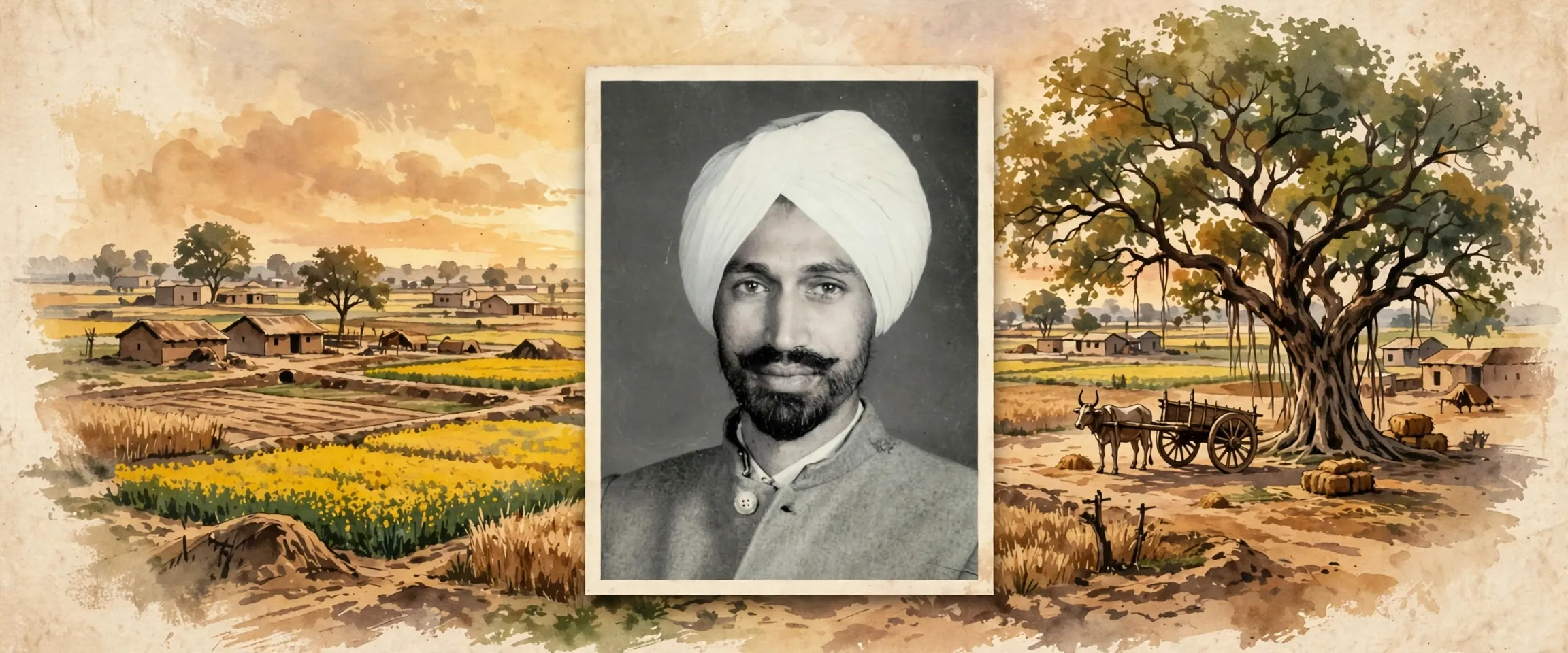
ਕੁਵੇਲਾ ਗੁਰਦਿਆਲ ਸਿੰਘ ਦਾ 1968 ਦਾ ਪੰਜਾਬੀ ਨਾਵਲ ਹੈ, ਮੜ੍ਹੀ ਦਾ ਦੀਵਾ ਅਤੇ ਅਣਹੋਏ ਤੋਂ ਬਾਅਦ ਉਸ ਦਾ ਤੀਜਾ ਨਾਵਲ। ਮਾਲਵੇ ਦੇ ਇੱਕ ਪਿੰਡ ਵਿੱਚ ਵਾਪਰਦਾ ਇਹ ਨਾਵਲ ਹੀਰਾ ਦੇਈ ਦੀ ਕਹਾਣੀ ਦੱਸਦਾ ਹੈ, ਇੱਕ ਵਿਧਵਾ ਜੋ ਰੂੜ੍ਹੀਵਾਦੀ ਨਿਯਮ ਨੂੰ ਮੰਨਣ ਤੋਂ ਇਨਕਾਰ ਕਰ ਦਿੰਦੀ ਹੈ ਕਿ ਉਹ ਦੁਬਾਰਾ ਵਿਆਹ ਨਹੀਂ ਕਰ ਸਕਦੀ, ਅਤੇ ਵਰਜਨਾਵਾਂ ਨਾਲ ਭਰੇ ਸਮਾਜ ਅੱਗੇ ਡਟ ਕੇ ਖੜ੍ਹੀ ਰਹਿੰਦੀ ਹੈ। ਸਿਰਲੇਖ ਦਾ ਮਤਲਬ ਹੈ ਕਿ ਦੇਰ ਹੋ ਗਈ ਹੈ, ਅਤੇ ਇਹ ਨਾਵਲ ਉਨ੍ਹਾਂ ਸ਼ੁਰੂਆਤੀ ਰਚਨਾਵਾਂ ਵਿੱਚੋਂ ਇੱਕ ਹੈ ਜਿਨ੍ਹਾਂ ਵਿੱਚ ਸਿੰਘ ਦੀ ਦੁਖਾਂਤ ਦੀ ਭਾਵਨਾ ਸਭ ਤੋਂ ਤਿੱਖੀ ਹੈ।
ਪੰਜਾਬੀ, ਗੁਰਮੁਖੀ- ਪੰਜਾਬੀ ਨਾਂ
- ਕੁਵੇਲਾ
- ਲੇਖਕ
- ਗੁਰਦਿਆਲ ਸਿੰਘ (1933-2016)
- ਪਹਿਲੀ ਵਾਰ ਛਪੀ
- 1968
- ਭਾਸ਼ਾ
- ਪੰਜਾਬੀ (ਗੁਰਮੁਖੀ)
- ਰੂਪ
- ਨਾਵਲ
- ਸਥਾਨ
- ਮਾਲਵੇ ਦਾ ਇੱਕ ਪਿੰਡ, ਪੰਜਾਬ
All 9 facts
- ਮੁੱਖ ਪਾਤਰ
- ਹੀਰਾ ਦੇਈ, ਇੱਕ ਵਿਧਵਾ
- ਵਿਸ਼ਾ
- ਰੂੜ੍ਹੀਵਾਦੀ ਸਮਾਜ ਵਿੱਚ ਵਿਧਵਾ ਦਾ ਮੁੜ ਵਿਆਹ
- ਅੰਗਰੇਜ਼ੀ ਅਨੁਵਾਦ
- ਕੋਈ ਨਹੀਂ ਛਪਿਆ
About the book
Kuwela is a Punjabi novel by Gurdial Singh, first published in 1968. It was his third novel, following Marhi Da Deeva (1964) and Anhoe (1966), and it confirmed the direction his fiction had taken: village life in the Malwa region, told in plain and spare language, with the people at the margins of that life at its centre. The novel is set among the villages of Malwa, the country Singh knew from his own childhood near Jaito, and it carries the same marks as the work around it: a close eye for custom and a sympathy that never leaves the side of the dispossessed.
The title means it is late, the hour when the day is nearly done. It suits a novel about a woman who has run out of the time society allows her. Its central figure is Hira Dei, a widow, and its question is one that the orthodox society of the novel answers with a firm no: may a widow marry again?
What does Kuwela mean?
Kuwela means it is late. The critic Rana Nayar, writing on Gurdial Singh's fiction, gives that as the meaning of the title, and the lateness in it is not only the time of day. It is the lateness of a life put on hold, a woman widowed young and then told that her life, for all practical purposes, is over. The novel asks what happens when such a woman refuses to accept that verdict, and it answers by staying close to her side.
The title belongs to a habit of Singh's. His novels often take their names from a single image or phrase that carries the whole book: a lamp on a grave, a handful of sand, a night of the half moon. Kuwela works the same way. A single word about the time of day becomes a way of talking about a whole life.
The story of Hira Dei
The novel's centre is Hira Dei, a widow living in a village where custom forbids a widow to marry again. In the orthodox Hindu society of the novel, a widow's remarriage is treated as a taboo, and the pressure on her to accept that rule comes from the whole weight of village custom: family, neighbours, and the unspoken rules that govern how a woman in her position must live.
ਕਿਤਾਬ ਬਾਰੇ
ਕੁਵੇਲਾ ਗੁਰਦਿਆਲ ਸਿੰਘ ਦਾ ਪੰਜਾਬੀ ਨਾਵਲ ਹੈ, ਜੋ ਪਹਿਲੀ ਵਾਰ 1968 ਵਿੱਚ ਛਪਿਆ। ਇਹ ਉਸ ਦਾ ਤੀਜਾ ਨਾਵਲ ਸੀ, ਮੜ੍ਹੀ ਦਾ ਦੀਵਾ (1964) ਅਤੇ ਅਣਹੋਏ (1966) ਤੋਂ ਬਾਅਦ, ਅਤੇ ਇਸ ਨੇ ਉਸ ਦਿਸ਼ਾ ਨੂੰ ਪੱਕਾ ਕਰ ਦਿੱਤਾ ਜਿਸ ਵੱਲ ਉਸ ਦੀ ਗਲਪ ਤੁਰ ਪਈ ਸੀ: ਮਾਲਵੇ ਦੇ ਪਿੰਡਾਂ ਦੀ ਜ਼ਿੰਦਗੀ, ਸਾਦੀ ਅਤੇ ਸੰਜਮੀ ਭਾਸ਼ਾ ਵਿੱਚ, ਅਤੇ ਉਸ ਜ਼ਿੰਦਗੀ ਦੇ ਹਾਸ਼ੀਏ ਉੱਤੇ ਖੜ੍ਹੇ ਲੋਕ। ਨਾਵਲ ਮਾਲਵੇ ਦੇ ਪਿੰਡਾਂ ਵਿੱਚ ਵਾਪਰਦਾ ਹੈ, ਉਹੀ ਇਲਾਕਾ ਜਿੱਥੇ ਸਿੰਘ ਦਾ ਬਚਪਨ ਜੈਤੋ ਨੇੜੇ ਬੀਤਿਆ ਸੀ, ਅਤੇ ਇਸ ਵਿੱਚ ਉਹੀ ਗੁਣ ਹਨ ਜੋ ਉਸ ਦੀ ਆਲੇ ਦੁਆਲੇ ਦੀ ਰਚਨਾ ਵਿੱਚ ਮਿਲਦੇ ਹਨ: ਰੀਤੀ ਰਿਵਾਜਾਂ ਉੱਤੇ ਤਿੱਖੀ ਨਜ਼ਰ ਅਤੇ ਦੱਬੇ ਹੋਏ ਲੋਕਾਂ ਨਾਲ ਡੂੰਘੀ ਹਮਦਰਦੀ।
ਕੁਵੇਲਾ ਦਾ ਮਤਲਬ ਹੈ ਕਿ ਦੇਰ ਹੋ ਗਈ ਹੈ, ਉਹ ਸਮਾਂ ਜਦੋਂ ਦਿਨ ਲਗਭਗ ਢਲ ਚੁੱਕਾ ਹੁੰਦਾ ਹੈ। ਇਹ ਸਿਰਲੇਖ ਇੱਕ ਅਜਿਹੀ ਔਰਤ ਦੀ ਕਹਾਣੀ ਲਈ ਢੁੱਕਵਾਂ ਹੈ, ਜਿਸ ਦੇ ਜੀਵਨ ਦਾ ਸਮਾਂ ਸਮਾਜ ਨੇ ਖ਼ਤਮ ਸਮਝ ਲਿਆ ਹੈ। ਇਸ ਦੀ ਮੁੱਖ ਪਾਤਰ ਹੀਰਾ ਦੇਈ ਹੈ, ਇੱਕ ਵਿਧਵਾ, ਅਤੇ ਇਸ ਦਾ ਸਵਾਲ ਉਹੀ ਹੈ ਜਿਸ ਦਾ ਰੂੜ੍ਹੀਵਾਦੀ ਸਮਾਜ ਸਖ਼ਤ ਨਾਂਹ ਵਿੱਚ ਜਵਾਬ ਦਿੰਦਾ ਹੈ: ਕੀ ਇੱਕ ਵਿਧਵਾ ਦੁਬਾਰਾ ਵਿਆਹ ਕਰ ਸਕਦੀ ਹੈ?
ਕੁਵੇਲਾ ਦਾ ਕੀ ਮਤਲਬ ਹੈ?
ਕੁਵੇਲਾ ਦਾ ਮਤਲਬ ਹੈ ਕਿ ਦੇਰ ਹੋ ਗਈ ਹੈ। ਆਲੋਚਕ ਰਾਣਾ ਨਾਇਰ, ਗੁਰਦਿਆਲ ਸਿੰਘ ਦੀ ਗਲਪ ਉੱਤੇ ਲਿਖਦਿਆਂ, ਸਿਰਲੇਖ ਦਾ ਇਹੀ ਅਰਥ ਦੱਸਦਾ ਹੈ, ਅਤੇ ਇਸ ਦੇਰੀ ਵਿੱਚ ਸਿਰਫ਼ ਦਿਨ ਦਾ ਸਮਾਂ ਨਹੀਂ ਹੈ। ਇਹ ਇੱਕ ਜ਼ਿੰਦਗੀ ਦੀ ਦੇਰੀ ਵੀ ਹੈ ਜਿਸ ਨੂੰ ਰੋਕ ਦਿੱਤਾ ਗਿਆ ਹੈ, ਇੱਕ ਔਰਤ ਜੋ ਜਵਾਨੀ ਵਿੱਚ ਵਿਧਵਾ ਹੋ ਗਈ ਅਤੇ ਜਿਸ ਨੂੰ ਕਹਿ ਦਿੱਤਾ ਗਿਆ ਕਿ ਉਸ ਦੀ ਜ਼ਿੰਦਗੀ, ਹਰ ਲਿਹਾਜ਼ ਨਾਲ, ਖ਼ਤਮ ਹੋ ਚੁੱਕੀ ਹੈ। ਨਾਵਲ ਪੁੱਛਦਾ ਹੈ ਕਿ ਜਦੋਂ ਅਜਿਹੀ ਔਰਤ ਇਸ ਫ਼ੈਸਲੇ ਨੂੰ ਮੰਨਣ ਤੋਂ ਇਨਕਾਰ ਕਰ ਦੇਵੇ ਤਾਂ ਕੀ ਹੁੰਦਾ ਹੈ, ਅਤੇ ਇਸ ਦਾ ਜਵਾਬ ਉਸ ਦੇ ਨਾਲ ਖੜ੍ਹੇ ਹੋ ਕੇ ਦਿੰਦਾ ਹੈ।
ਇਹ ਸਿਰਲੇਖ ਸਿੰਘ ਦੀ ਇੱਕ ਆਦਤ ਨਾਲ ਮੇਲ ਖਾਂਦਾ ਹੈ। ਉਸ ਦੇ ਨਾਵਲ ਅਕਸਰ ਇੱਕੋ ਤਸਵੀਰ ਜਾਂ ਸ਼ਬਦ ਤੋਂ ਆਪਣਾ ਨਾਂ ਲੈਂਦੇ ਹਨ, ਜਿਸ ਵਿੱਚ ਪੂਰੀ ਕਿਤਾਬ ਸਮਾ ਜਾਂਦੀ ਹੈ: ਕਬਰ ਉੱਤੇ ਦੀਵਾ, ਮੁੱਠੀ ਭਰ ਰੇਤ, ਅੱਧੀ ਚਾਨਣੀ ਰਾਤ। ਕੁਵੇਲਾ ਵੀ ਉਸੇ ਤਰ੍ਹਾਂ ਕੰਮ ਕਰਦਾ ਹੈ। ਦਿਨ ਦੇ ਸਮੇਂ ਬਾਰੇ ਇੱਕ ਸ਼ਬਦ ਪੂਰੀ ਜ਼ਿੰਦਗੀ ਬਾਰੇ ਗੱਲ ਕਰਨ ਦਾ ਢੰਗ ਬਣ ਜਾਂਦਾ ਹੈ।
ਹੀਰਾ ਦੇਈ ਦੀ ਕਹਾਣੀ
ਨਾਵਲ ਦੀ ਧੁਰੀ ਹੀਰਾ ਦੇਈ ਹੈ, ਇੱਕ ਵਿਧਵਾ ਜੋ ਇੱਕ ਪਿੰਡ ਵਿੱਚ ਰਹਿੰਦੀ ਹੈ, ਜਿੱਥੇ ਰਿਵਾਜ ਵਿਧਵਾ ਦੇ ਦੁਬਾਰਾ ਵਿਆਹ ਦੀ ਮਨਾਹੀ ਕਰਦਾ ਹੈ। ਨਾਵਲ ਦੇ ਰੂੜ੍ਹੀਵਾਦੀ ਹਿੰਦੂ ਸਮਾਜ ਵਿੱਚ ਵਿਧਵਾ ਦਾ ਮੁੜ ਵਿਆਹ ਵਰਜਿਤ ਸਮਝਿਆ ਜਾਂਦਾ ਹੈ, ਅਤੇ ਉਸ ਉੱਤੇ ਇਹ ਨਿਯਮ ਮੰਨਣ ਦਾ ਦਬਾਅ ਪਿੰਡ ਦੇ ਰਿਵਾਜਾਂ ਦੇ ਪੂਰੇ ਭਾਰ ਨਾਲ ਪੈਂਦਾ ਹੈ: ਪਰਿਵਾਰ, ਗੁਆਂਢੀ, ਅਤੇ ਉਹ ਅਣਲਿਖੇ ਨਿਯਮ ਜੋ ਦੱਸਦੇ ਹਨ ਕਿ ਉਸ ਵਰਗੀ ਔਰਤ ਨੂੰ ਕਿਵੇਂ ਜੀਉਣਾ ਚਾਹੀਦਾ ਹੈ।
Hira Dei does not accept it. Nayar describes her as standing firm, refusing to cringe before a taboo-ridden society, and that refusal is the spine of the novel. What gives the book its force is not a twist of plot but the steady dignity of a woman who will not be made small by other people's rules. Singh does not make her a heroine of speeches. He makes her a woman who goes on living on her own terms, and lets the reader judge the society that cannot bear it.
Widow remarriage and an orthodox society
The question of whether a widow could marry again had been argued in India for more than a century before Kuwela appeared. Reformers had campaigned for it, and the Hindu Widows' Remarriage Act of 1856 had made it legal, but law and custom are different things, and in village Punjab the custom against it held firm long after the law had changed.
Kuwela places that old argument inside one woman's life. Singh does not write a tract. He writes about what the rule costs: the loneliness, the watching eyes, the way a community can punish a woman simply for wanting a life of her own. The novel's sympathy is entirely with Hira Dei, but Singh's method is to show rather than to preach, letting the village's customs condemn themselves through the way they fall on her.
That restraint is characteristic of Singh. Nayar calls him a critical realist, and notes that the tragic sense runs stronger in his early novels, Marhi Da Deeva and Kuwela, than in his later work. The tragedy here is not a single catastrophe. It is the slow pressure of a society that asks a woman to live as though her life were already over, and her refusal to do so.
ਲੇਖਕ
Gurdial Singh was born on 10 January 1933 at Bhaini Fateh, a village near Jaito in Faridkot district, the son of a carpenter. He worked as a carpenter himself as a boy, studied as a private student while working, and became a schoolteacher in 1962, later a lecturer in Punjabi. His first story appeared in 1957, and Marhi Da Deeva in 1964 made him known as a novelist. Kuwela followed in 1968, the third of nine novels that also include Anhoe (1966), Adh Chanani Raat (1972), Anhe Ghore Da Daan (1976) and Parsa (1991).
Adh Chanani Raat won the Sahitya Akademi Award in 1975. Singh received the Padma Shri in 1998 and the Jnanpith Award, India's highest literary honour, in 1999. He died at Bathinda on 16 August 2016. He described himself as a critical realist, and his fiction stayed close to the Malwa villages he knew, writing about landless labourers, widows, and others at the margins with a spare and exact language.
Reception and legacy
Kuwela has never had the fame of Marhi Da Deeva, and it is not among the four of Singh's novels that Nayar lists as available in English translation. But it holds a firm place in every account of his work. Nayar groups it with Marhi Da Deeva as the early novel in which Singh's tragic sense is at its strongest, and lists it among the long fiction through which Singh remade the Punjabi novel around the dispossessed and the marginalised.
For readers coming to Singh today, Kuwela is a good place to start after Marhi Da Deeva: a village, a custom, and a woman who will not bend. It shows, in a short compass, everything that made his early fiction matter, and it keeps alive a question that outlived the Punjab of 1968.
ਹੀਰਾ ਦੇਈ ਇਸ ਨੂੰ ਨਹੀਂ ਮੰਨਦੀ। ਨਾਇਰ ਲਿਖਦਾ ਹੈ ਕਿ ਉਹ ਡਟ ਕੇ ਖੜ੍ਹੀ ਰਹਿੰਦੀ ਹੈ, ਵਰਜਨਾਵਾਂ ਨਾਲ ਭਰੇ ਸਮਾਜ ਅੱਗੇ ਝੁਕਣ ਤੋਂ ਇਨਕਾਰ ਕਰਦੀ ਹੈ, ਅਤੇ ਇਹੀ ਇਨਕਾਰ ਨਾਵਲ ਦੀ ਰੀੜ੍ਹ ਦੀ ਹੱਡੀ ਹੈ। ਕਿਤਾਬ ਦੀ ਤਾਕਤ ਕਥਾਨਕ ਦੇ ਕਿਸੇ ਮੋੜ ਵਿੱਚ ਨਹੀਂ ਹੈ, ਸਗੋਂ ਇੱਕ ਔਰਤ ਦੀ ਸਥਿਰ ਮਰਯਾਦਾ ਵਿੱਚ ਹੈ, ਜੋ ਦੂਜਿਆਂ ਦੇ ਨਿਯਮਾਂ ਨਾਲ ਆਪ ਨੂੰ ਛੋਟਾ ਨਹੀਂ ਹੋਣ ਦਿੰਦੀ। ਸਿੰਘ ਉਸ ਨੂੰ ਭਾਸ਼ਣਾਂ ਦੀ ਨਾਇਕਾ ਨਹੀਂ ਬਣਾਉਂਦਾ। ਉਹ ਉਸ ਨੂੰ ਇੱਕ ਔਰਤ ਬਣਾਉਂਦਾ ਹੈ ਜੋ ਆਪਣੀਆਂ ਸ਼ਰਤਾਂ ਉੱਤੇ ਜੀਉਂਦੀ ਰਹਿੰਦੀ ਹੈ, ਅਤੇ ਪਾਠਕ ਨੂੰ ਫ਼ੈਸਲਾ ਕਰਨ ਦਿੰਦਾ ਹੈ ਕਿ ਉਹ ਸਮਾਜ ਕਿਹੋ ਜਿਹਾ ਹੈ ਜੋ ਇਸ ਨੂੰ ਬਰਦਾਸ਼ਤ ਨਹੀਂ ਕਰ ਸਕਦਾ।
ਵਿਧਵਾ ਦਾ ਮੁੜ ਵਿਆਹ ਅਤੇ ਰੂੜ੍ਹੀਵਾਦੀ ਸਮਾਜ
ਵਿਧਵਾ ਦੁਬਾਰਾ ਵਿਆਹ ਕਰ ਸਕਦੀ ਹੈ ਜਾਂ ਨਹੀਂ, ਇਹ ਸਵਾਲ ਕੁਵੇਲਾ ਦੇ ਛਪਣ ਤੋਂ ਸੌ ਸਾਲ ਤੋਂ ਵੱਧ ਸਮੇਂ ਤੋਂ ਭਾਰਤ ਵਿੱਚ ਬਹਿਸ ਦਾ ਵਿਸ਼ਾ ਸੀ। ਸੁਧਾਰਕਾਂ ਨੇ ਇਸ ਲਈ ਮੁਹਿੰਮ ਚਲਾਈ ਸੀ, ਅਤੇ 1856 ਦੇ ਹਿੰਦੂ ਵਿਧਵਾ ਮੁੜ ਵਿਆਹ ਐਕਟ ਨੇ ਇਸ ਨੂੰ ਕਾਨੂੰਨੀ ਬਣਾ ਦਿੱਤਾ ਸੀ, ਪਰ ਕਾਨੂੰਨ ਅਤੇ ਰਿਵਾਜ ਵੱਖਰੀਆਂ ਗੱਲਾਂ ਹਨ, ਅਤੇ ਪੰਜਾਬ ਦੇ ਪਿੰਡਾਂ ਵਿੱਚ ਇਸ ਦੇ ਵਿਰੁੱਧ ਰਿਵਾਜ ਕਾਨੂੰਨ ਬਦਲਣ ਤੋਂ ਬਹੁਤ ਦੇਰ ਬਾਅਦ ਵੀ ਕਾਇਮ ਰਿਹਾ।
ਕੁਵੇਲਾ ਇਸ ਪੁਰਾਣੀ ਬਹਿਸ ਨੂੰ ਇੱਕ ਔਰਤ ਦੀ ਜ਼ਿੰਦਗੀ ਦੇ ਅੰਦਰ ਰੱਖ ਦਿੰਦਾ ਹੈ। ਸਿੰਘ ਕੋਈ ਲੇਖ ਨਹੀਂ ਲਿਖਦਾ। ਉਹ ਲਿਖਦਾ ਹੈ ਕਿ ਇਸ ਨਿਯਮ ਦੀ ਕੀਮਤ ਕੀ ਹੈ: ਇਕੱਲਤਾ, ਤੱਕਦੀਆਂ ਅੱਖਾਂ, ਅਤੇ ਉਹ ਢੰਗ ਜਿਸ ਨਾਲ ਇੱਕ ਸਮਾਜ ਇੱਕ ਔਰਤ ਨੂੰ ਸਿਰਫ਼ ਇਸ ਲਈ ਸਜ਼ਾ ਦੇ ਸਕਦਾ ਹੈ ਕਿ ਉਹ ਆਪਣੀ ਜ਼ਿੰਦਗੀ ਚਾਹੁੰਦੀ ਹੈ। ਨਾਵਲ ਦੀ ਹਮਦਰਦੀ ਪੂਰੀ ਤਰ੍ਹਾਂ ਹੀਰਾ ਦੇਈ ਨਾਲ ਹੈ, ਪਰ ਸਿੰਘ ਦਾ ਢੰਗ ਉਪਦੇਸ਼ ਦੇਣ ਦੀ ਥਾਂ ਦਿਖਾਉਣ ਦਾ ਹੈ, ਪਿੰਡ ਦੇ ਰਿਵਾਜਾਂ ਨੂੰ ਉਸ ਉੱਤੇ ਪੈਣ ਦੇ ਢੰਗ ਰਾਹੀਂ ਆਪਣੇ ਆਪ ਹੀ ਦੋਸ਼ੀ ਠਹਿਰਾਉਂਦਾ ਹੈ।
ਇਹ ਸੰਜਮ ਸਿੰਘ ਦੀ ਪਛਾਣ ਹੈ। ਨਾਇਰ ਉਸ ਨੂੰ ਆਲੋਚਨਾਤਮਕ ਯਥਾਰਥਵਾਦੀ ਕਹਿੰਦਾ ਹੈ, ਅਤੇ ਨੋਟ ਕਰਦਾ ਹੈ ਕਿ ਉਸ ਦੇ ਸ਼ੁਰੂਆਤੀ ਨਾਵਲਾਂ, ਮੜ੍ਹੀ ਦਾ ਦੀਵਾ ਅਤੇ ਕੁਵੇਲਾ, ਵਿੱਚ ਦੁਖਾਂਤ ਦੀ ਭਾਵਨਾ ਉਸ ਦੀ ਬਾਅਦ ਦੀ ਰਚਨਾ ਨਾਲੋਂ ਵੱਧ ਤਿੱਖੀ ਹੈ। ਇੱਥੇ ਦੁਖਾਂਤ ਕੋਈ ਇੱਕੋ ਹਾਦਸਾ ਨਹੀਂ ਹੈ। ਇਹ ਇੱਕ ਸਮਾਜ ਦਾ ਹੌਲੀ ਦਬਾਅ ਹੈ, ਜੋ ਇੱਕ ਔਰਤ ਨੂੰ ਇਹ ਕਹਿੰਦਾ ਹੈ ਕਿ ਉਸ ਦੀ ਜ਼ਿੰਦਗੀ ਜਿਵੇਂ ਖ਼ਤਮ ਹੋ ਚੁੱਕੀ ਹੈ, ਅਤੇ ਉਸ ਦਾ ਇਸ ਨੂੰ ਮੰਨਣ ਤੋਂ ਇਨਕਾਰ ਹੈ।
ਲੇਖਕ
ਗੁਰਦਿਆਲ ਸਿੰਘ ਦਾ ਜਨਮ 10 ਜਨਵਰੀ 1933 ਨੂੰ ਫ਼ਰੀਦਕੋਟ ਜ਼ਿਲ੍ਹੇ ਦੇ ਜੈਤੋ ਨੇੜੇ ਪਿੰਡ ਭੈਣੀ ਫ਼ਤਿਹ ਵਿੱਚ ਇੱਕ ਤਰਖਾਣ ਦੇ ਘਰ ਹੋਇਆ। ਉਹ ਬਚਪਨ ਵਿੱਚ ਖ਼ੁਦ ਤਰਖਾਣ ਦਾ ਕੰਮ ਕਰਦਾ ਰਿਹਾ, ਕੰਮ ਕਰਦਿਆਂ ਪ੍ਰਾਈਵੇਟ ਵਿਦਿਆਰਥੀ ਵਜੋਂ ਪੜ੍ਹਦਾ ਰਿਹਾ, ਅਤੇ 1962 ਵਿੱਚ ਸਕੂਲ ਅਧਿਆਪਕ ਬਣਿਆ, ਬਾਅਦ ਵਿੱਚ ਪੰਜਾਬੀ ਦਾ ਲੈਕਚਰਾਰ। ਉਸ ਦੀ ਪਹਿਲੀ ਕਹਾਣੀ 1957 ਵਿੱਚ ਛਪੀ, ਅਤੇ ਮੜ੍ਹੀ ਦਾ ਦੀਵਾ 1964 ਵਿੱਚ ਉਸ ਨੂੰ ਨਾਵਲਕਾਰ ਵਜੋਂ ਮਸ਼ਹੂਰ ਕਰ ਗਿਆ। ਕੁਵੇਲਾ 1968 ਵਿੱਚ ਆਇਆ, ਨੌਂ ਨਾਵਲਾਂ ਵਿੱਚੋਂ ਤੀਜਾ, ਜਿਨ੍ਹਾਂ ਵਿੱਚ ਅਣਹੋਏ (1966), ਅੱਧ ਚਾਨਣੀ ਰਾਤ (1972), ਅਣਹੇ ਘੋੜੇ ਦਾ ਦਾਨ (1976) ਅਤੇ ਪਰਸਾ (1991) ਵੀ ਸ਼ਾਮਲ ਹਨ।
ਅੱਧ ਚਾਨਣੀ ਰਾਤ ਨੂੰ 1975 ਵਿੱਚ ਸਾਹਿਤ ਅਕਾਦਮੀ ਇਨਾਮ ਮਿਲਿਆ। ਸਿੰਘ ਨੂੰ 1998 ਵਿੱਚ ਪਦਮ ਸ਼੍ਰੀ ਅਤੇ 1999 ਵਿੱਚ ਗਿਆਨਪੀਠ ਇਨਾਮ, ਭਾਰਤ ਦਾ ਸਭ ਤੋਂ ਵੱਡਾ ਸਾਹਿਤਕ ਸਨਮਾਨ, ਮਿਲਿਆ। 16 ਅਗਸਤ 2016 ਨੂੰ ਬਠਿੰਡਾ ਵਿਖੇ ਉਸ ਦਾ ਦੇਹਾਂਤ ਹੋ ਗਿਆ। ਉਹ ਆਪ ਨੂੰ ਆਲੋਚਨਾਤਮਕ ਯਥਾਰਥਵਾਦੀ ਕਹਿੰਦਾ ਸੀ, ਅਤੇ ਉਸ ਦੀ ਗਲਪ ਮਾਲਵੇ ਦੇ ਪਿੰਡਾਂ ਦੇ ਨੇੜੇ ਰਹੀ, ਜਿੱਥੇ ਉਹ ਬੇਜ਼ਮੀਨੇ ਮਜ਼ਦੂਰਾਂ, ਵਿਧਵਾਵਾਂ ਅਤੇ ਹਾਸ਼ੀਏ ਉੱਤੇ ਖੜ੍ਹੇ ਹੋਰ ਲੋਕਾਂ ਬਾਰੇ ਸਾਦੀ ਅਤੇ ਸਟੀਕ ਭਾਸ਼ਾ ਵਿੱਚ ਲਿਖਦਾ ਰਿਹਾ।
ਸਵਾਗਤ ਅਤੇ ਵਿਰਾਸਤ
ਕੁਵੇਲਾ ਨੂੰ ਮੜ੍ਹੀ ਦਾ ਦੀਵਾ ਵਰਗੀ ਮਸ਼ਹੂਰੀ ਕਦੇ ਨਹੀਂ ਮਿਲੀ, ਅਤੇ ਇਹ ਸਿੰਘ ਦੇ ਉਨ੍ਹਾਂ ਚਾਰ ਨਾਵਲਾਂ ਵਿੱਚੋਂ ਨਹੀਂ ਹੈ ਜਿਨ੍ਹਾਂ ਦਾ ਅੰਗਰੇਜ਼ੀ ਅਨੁਵਾਦ ਨਾਇਰ ਦੱਸਦਾ ਹੈ। ਪਰ ਉਸ ਦੀ ਰਚਨਾ ਦੇ ਹਰ ਵੇਰਵੇ ਵਿੱਚ ਇਸ ਦੀ ਥਾਂ ਪੱਕੀ ਹੈ। ਨਾਇਰ ਇਸ ਨੂੰ ਮੜ੍ਹੀ ਦਾ ਦੀਵਾ ਨਾਲ ਉਸ ਸ਼ੁਰੂਆਤੀ ਨਾਵਲ ਵਜੋਂ ਰੱਖਦਾ ਹੈ, ਜਿਸ ਵਿੱਚ ਸਿੰਘ ਦੀ ਦੁਖਾਂਤ ਦੀ ਭਾਵਨਾ ਸਭ ਤੋਂ ਤਿੱਖੀ ਹੈ, ਅਤੇ ਇਸ ਨੂੰ ਉਨ੍ਹਾਂ ਲੰਬੀਆਂ ਰਚਨਾਵਾਂ ਵਿੱਚ ਗਿਣਦਾ ਹੈ ਜਿਨ੍ਹਾਂ ਰਾਹੀਂ ਸਿੰਘ ਨੇ ਪੰਜਾਬੀ ਨਾਵਲ ਨੂੰ ਦੱਬੇ ਹੋਏ ਅਤੇ ਹਾਸ਼ੀਏ ਉੱਤੇ ਖੜ੍ਹੇ ਲੋਕਾਂ ਦੇ ਦੁਆਲੇ ਮੁੜ ਰਚਿਆ।
ਅੱਜ ਸਿੰਘ ਕੋਲ ਆਉਣ ਵਾਲੇ ਪਾਠਕਾਂ ਲਈ, ਮੜ੍ਹੀ ਦਾ ਦੀਵਾ ਤੋਂ ਬਾਅਦ ਕੁਵੇਲਾ ਇੱਕ ਚੰਗੀ ਸ਼ੁਰੂਆਤ ਹੈ: ਇੱਕ ਪਿੰਡ, ਇੱਕ ਰਿਵਾਜ, ਅਤੇ ਇੱਕ ਔਰਤ ਜੋ ਝੁਕਦੀ ਨਹੀਂ। ਇਹ ਥੋੜ੍ਹੇ ਵਿੱਚ ਉਹ ਸਭ ਕੁਝ ਦਿਖਾਉਂਦਾ ਹੈ ਜਿਸ ਨੇ ਉਸ ਦੀ ਸ਼ੁਰੂਆਤੀ ਗਲਪ ਨੂੰ ਮਹੱਤਵਪੂਰਨ ਬਣਾਇਆ, ਅਤੇ ਇੱਕ ਅਜਿਹਾ ਸਵਾਲ ਜਿਉਂਦਾ ਰੱਖਦਾ ਹੈ ਜੋ 1968 ਦੇ ਪੰਜਾਬ ਤੋਂ ਬਾਅਦ ਵੀ ਖ਼ਤਮ ਨਹੀਂ ਹੋਇਆ।
ਐਡੀਸ਼ਨ ਅਤੇ ਅਨੁਵਾਦ
- ਕੁਵੇਲਾPunjabi · Gurmukhi · original · 1968 · Gurmukhi title: ਕੁਵੇਲਾਮੂਲ
ਲੇਖਕ

ਜੁੜੇ ਹੋਏ
ਹੋਰ ਪੜ੍ਹੋ
ਸਰੋਤ (2)
ਜੁਗਤੀ ਮੁਫ਼ਤ ਅਤੇ ਸੁਤੰਤਰ ਹੈ। ਪਾਠਕਾਂ ਦਾ ਸਹਿਯੋਗ ਕੋਸ਼ ਨੂੰ ਵਧਾਉਂਦਾ ਹੈ।
ਸਹਿਯੋਗ