
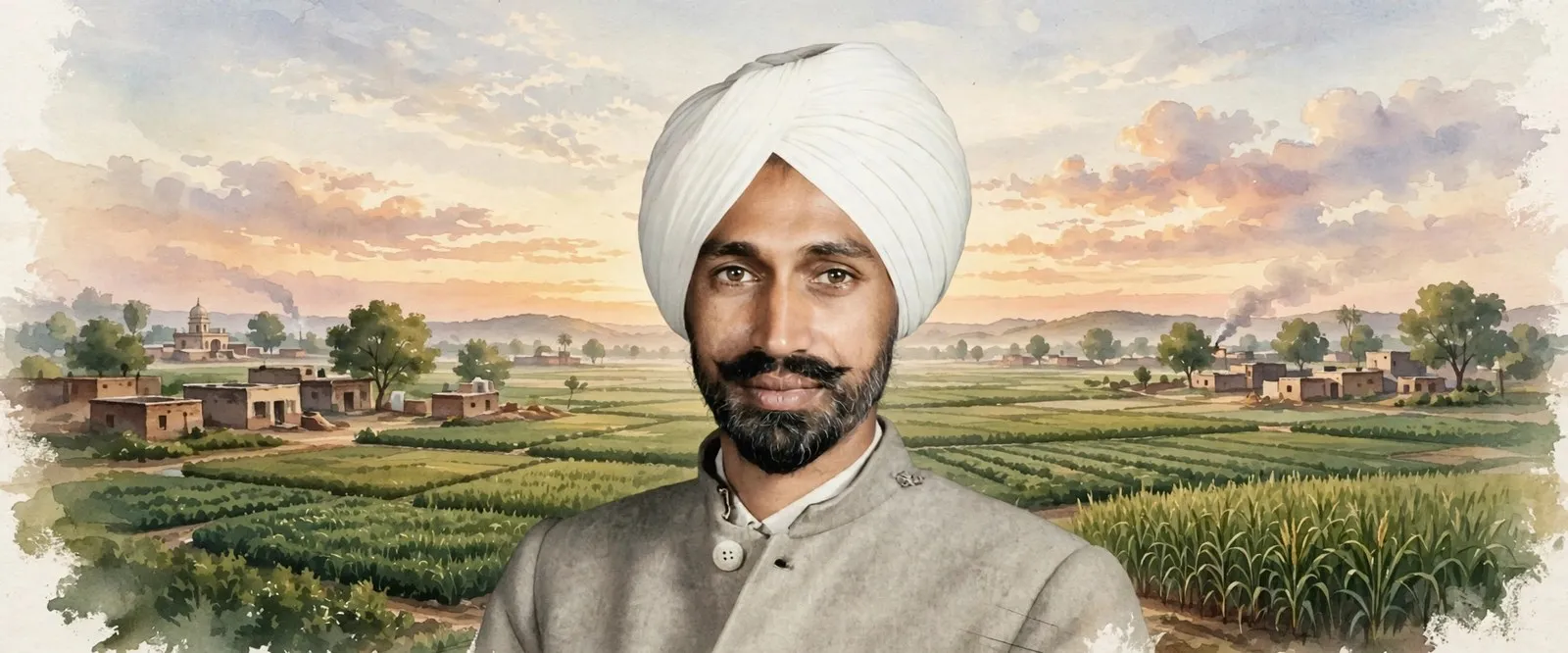
ਪਹੁ ਫੁਟਾਲੇ ਤੋਂ ਪਹਿਲਾਂ (ਦਿਨ ਚੜ੍ਹਨ ਤੋਂ ਪਹਿਲਾਂ) ਗੁਰਦਿਆਲ ਸਿੰਘ ਦਾ 1982 ਦਾ ਪੰਜਾਬੀ ਨਾਵਲ ਹੈ, ਜੋ ਭਾਰਤ ਦੀ ਅਜ਼ਾਦੀ ਤੋਂ ਪਹਿਲਾਂ ਦੇ ਸਾਲਾਂ ਵਿੱਚ ਫ਼ਰੀਦਕੋਟ ਜ਼ਿਲ੍ਹੇ ਦੇ ਜੈਤੋ ਦੇ ਮੋਰਚੇ ਦੁਆਲੇ ਵਾਪਰਦਾ ਹੈ। ਤਿੰਨ ਸਕੂਲੀ ਮੁੰਡੇ, ਨੱਥਾ ਸਿੰਘ, ਦੀਨਾ ਮੁਹੰਮਦ ਅਤੇ ਜਗਨਾ, ਆਪਣੀਆਂ ਜਮਾਤਾਂ ਵਿੱਚੋਂ ਅਜ਼ਾਦੀ ਦੀ ਲੜਾਈ ਵਿੱਚ ਖਿੱਚੇ ਜਾਂਦੇ ਹਨ, ਅਤੇ ਪੰਜਾਬ ਸਕੂਲ ਸਿੱਖਿਆ ਬੋਰਡ ਵੱਲੋਂ ਮੈਟ੍ਰਿਕ ਦੀਆਂ ਜਮਾਤਾਂ ਲਈ ਚੁਣੇ ਜਾਣ ਤੋਂ ਬਾਅਦ ਤੋਂ ਇਹ ਨਾਵਲ ਪੰਜਾਬ ਦੇ ਸਕੂਲਾਂ ਵਿੱਚ ਪੜ੍ਹਿਆ ਜਾਂਦਾ ਰਿਹਾ ਹੈ।
ਪੰਜਾਬੀ, ਗੁਰਮੁਖੀ- ਪੰਜਾਬੀ ਨਾਂ
- ਪਹੁ ਫੁਟਾਲੇ ਤੋਂ ਪਹਿਲਾਂ
- ਲੇਖਕ
- ਗੁਰਦਿਆਲ ਸਿੰਘ (1933 ਤੋਂ 2016)
- ਪ੍ਰਕਾਸ਼ਿਤ
- 1982
- ਭਾਸ਼ਾ
- ਪੰਜਾਬੀ
- ਰੂਪ
- ਨਾਵਲ
- ਸਥਾਨ
- ਜੈਤੋ, ਫ਼ਰੀਦਕੋਟ ਜ਼ਿਲ੍ਹਾ, ਪੰਜਾਬ, ਅਜ਼ਾਦੀ ਤੋਂ ਪਹਿਲਾਂ
All 9 facts
- ਪਿੱਠ-ਭੂਮੀ
- ਜੈਤੋ ਦਾ ਮੋਰਚਾ
- ਸਕੂਲੀ ਪਾਠ
- ਪੰਜਾਬ ਸਕੂਲ ਸਿੱਖਿਆ ਬੋਰਡ, ਮੈਟ੍ਰਿਕ ਜਮਾਤਾਂ
- ਹੋਰ ਸਪੈਲਿੰਗ
- ਪਾਹੁ ਫੁਟਾਲੇ ਤੋਂ ਪਹਿਲਾਂ
ਪਾਤਰ
About the book
Pauh Phutale Ton Pehlan is a Punjabi novel by Gurdial Singh, published in 1982. Its title means Before the Daybreak, and it is a book about the years before the dawn of India's independence: the time when the whole country lived under what the book's introduction calls a double slavery, the British Raj on one side and the rule of the princes and princely states on the other.
The novel is set in and around Jaito, the small town in Faridkot district where Gurdial Singh himself was born nearby, at Bhaini Fateh. Its backdrop is the Jaito Morcha, the Akali agitation at Gurdwara Gangsar in Jaito, laid in protest after the Akhand Path of Guru Granth Sahib kept at the gurdwara was interrupted, a morcha in which many Singhs and Singhnis were martyred. Gurdial Singh knew this ground well: as a young man he had himself done kirtan at Gurdwara Gangsar Sahib.
The Punjab School Education Board chose the novel for its matriculation classes, and it has been read by generations of Punjab schoolchildren since. It is a short novel written with young readers in mind, but it is not a simple book: it carries the whole weight of a people waiting for freedom.
What happens in the novel?
There is no long, winding plot here, and the book's introduction says so plainly: instead of a single story, the novel gives the seen and lived truth of a particular time. Its three central figures are schoolboys of sixteen and seventeen: Natha Singh, Dina Muhammad and Jagna. They study, drill, tease each other and dream, and slowly, almost without noticing it, they are drawn into the freedom struggle around them.
The novel opens in their school, a school founded in 1928, on a day when an inspector is expected and the whole school is being polished like a mirror. The boys clean, the drill master puts them through their exercises, and the headmaster, a man the boys love like a father, tells them that they themselves are the nation and the country. Dina, quick-witted and first in his class, and Jagna, round-faced and sturdy, nicknamed football by his friends, are Natha's closest companions. Behind them stands Natha's father, Nand Singh, a wise and thoughtful man who helps his son understand the world he is growing into.
ਕਿਤਾਬ ਬਾਰੇ
ਪਹੁ ਫੁਟਾਲੇ ਤੋਂ ਪਹਿਲਾਂ ਗੁਰਦਿਆਲ ਸਿੰਘ ਦਾ ਪੰਜਾਬੀ ਨਾਵਲ ਹੈ, ਜੋ 1982 ਵਿੱਚ ਪ੍ਰਕਾਸ਼ਿਤ ਹੋਇਆ। ਇਸ ਦਾ ਸਿਰਲੇਖ ਦਾ ਅਰਥ ਹੈ ਦਿਨ ਚੜ੍ਹਨ ਤੋਂ ਪਹਿਲਾਂ, ਅਤੇ ਇਹ ਭਾਰਤ ਦੀ ਅਜ਼ਾਦੀ ਦੇ ਸਵੇਰ ਤੋਂ ਪਹਿਲਾਂ ਦੇ ਸਾਲਾਂ ਬਾਰੇ ਕਿਤਾਬ ਹੈ: ਉਹ ਸਮਾਂ ਜਦੋਂ ਸਾਰਾ ਦੇਸ਼, ਕਿਤਾਬ ਦੀ ਭੂਮਿਕਾ ਦੇ ਸ਼ਬਦਾਂ ਵਿੱਚ, ਦੂਹਰੀ ਗ਼ੁਲਾਮੀ ਭੋਗ ਰਿਹਾ ਸੀ, ਇੱਕ ਪਾਸੇ ਅੰਗਰੇਜ਼ਾਂ ਦਾ ਰਾਜ ਅਤੇ ਦੂਜੇ ਪਾਸੇ ਰਾਜਿਆਂ-ਮਹਾਰਾਜਿਆਂ ਅਤੇ ਰਿਆਸਤਾਂ ਦਾ ਰਾਜ।
ਨਾਵਲ ਜੈਤੋ ਅਤੇ ਉਸ ਦੇ ਆਲੇ-ਦੁਆਲੇ ਵਾਪਰਦਾ ਹੈ, ਫ਼ਰੀਦਕੋਟ ਜ਼ਿਲ੍ਹੇ ਦਾ ਉਹ ਛੋਟਾ ਕਸਬਾ ਜਿਸ ਦੇ ਨੇੜੇ, ਭੈਣੀ ਫੱਤਾ ਪਿੰਡ ਵਿੱਚ, ਗੁਰਦਿਆਲ ਸਿੰਘ ਦਾ ਜਨਮ ਹੋਇਆ ਸੀ। ਇਸ ਦੀ ਪਿੱਠ-ਭੂਮੀ ਜੈਤੋ ਦਾ ਮੋਰਚਾ ਹੈ, ਗੁਰਦੁਆਰਾ ਗੰਗਸਰ ਵਿਖੇ ਲੱਗਾ ਅਕਾਲੀ ਮੋਰਚਾ, ਜੋ ਉਸ ਅਖੰਡ ਪਾਠ ਦੇ ਖੰਡਿਤ ਕੀਤੇ ਜਾਣ ਦੇ ਵਿਰੋਧ ਵਿੱਚ ਲਾਇਆ ਗਿਆ ਸੀ ਜੋ ਗੁਰਦੁਆਰੇ ਵਿੱਚ ਸ੍ਰੀ ਗੁਰੂ ਗ੍ਰੰਥ ਸਾਹਿਬ ਜੀ ਦਾ ਰੱਖਿਆ ਗਿਆ ਸੀ, ਇੱਕ ਮੋਰਚਾ ਜਿਸ ਵਿੱਚ ਅਨੇਕਾਂ ਸਿੰਘਾਂ-ਸਿੰਘਣੀਆਂ ਨੇ ਸ਼ਹੀਦੀਆਂ ਪਾਈਆਂ। ਗੁਰਦਿਆਲ ਸਿੰਘ ਇਸ ਧਰਤੀ ਨੂੰ ਚੰਗੀ ਤਰ੍ਹਾਂ ਜਾਣਦੇ ਸਨ: ਜਵਾਨੀ ਵਿੱਚ ਉਹ ਖ਼ੁਦ ਗੁਰਦੁਆਰਾ ਗੰਗਸਰ ਸਾਹਿਬ, ਜੈਤੋ ਵਿੱਚ ਕੀਰਤਨ ਕਰਦੇ ਰਹੇ ਸਨ।
ਪੰਜਾਬ ਸਕੂਲ ਸਿੱਖਿਆ ਬੋਰਡ ਨੇ ਇਸ ਨਾਵਲ ਨੂੰ ਮੈਟ੍ਰਿਕ ਦੀਆਂ ਜਮਾਤਾਂ ਲਈ ਚੁਣਿਆ, ਅਤੇ ਉਦੋਂ ਤੋਂ ਪੰਜਾਬ ਦੇ ਸਕੂਲੀ ਬੱਚਿਆਂ ਦੀਆਂ ਪੀੜ੍ਹੀਆਂ ਇਸ ਨੂੰ ਪੜ੍ਹਦੀਆਂ ਆ ਰਹੀਆਂ ਹਨ। ਇਹ ਛੋਟਾ ਨਾਵਲ ਹੈ, ਜੋ ਨੌਜਵਾਨ ਪਾਠਕਾਂ ਨੂੰ ਧਿਆਨ ਵਿੱਚ ਰੱਖ ਕੇ ਲਿਖਿਆ ਗਿਆ ਹੈ, ਪਰ ਇਹ ਸਾਦੀ ਕਿਤਾਬ ਨਹੀਂ ਹੈ: ਇਸ ਵਿੱਚ ਅਜ਼ਾਦੀ ਦੀ ਉਡੀਕ ਕਰਦੇ ਲੋਕਾਂ ਦਾ ਸਾਰਾ ਭਾਰ ਹੈ।
ਨਾਵਲ ਵਿੱਚ ਕੀ ਹੁੰਦਾ ਹੈ?
ਇਸ ਵਿੱਚ ਕੋਈ ਲੰਮੀ, ਘੁੰਮਣ-ਘੇਰੀ ਵਾਲੀ ਕਹਾਣੀ ਨਹੀਂ ਹੈ, ਅਤੇ ਕਿਤਾਬ ਦੀ ਭੂਮਿਕਾ ਇਹ ਸਾਫ਼ ਕਹਿੰਦੀ ਹੈ: ਇੱਕੋ ਕਹਾਣੀ ਦੀ ਥਾਂ, ਨਾਵਲ ਕਿਸੇ ਖ਼ਾਸ ਸਮੇਂ ਦਾ ਅੱਖੀਂ ਡਿੱਠਾ ਅਤੇ ਹੱਡੀਂ ਹੰਢਾਇਆ ਸੱਚ ਦਿੰਦਾ ਹੈ। ਇਸ ਦੇ ਤਿੰਨ ਕੇਂਦਰੀ ਪਾਤਰ ਸੋਲਾਂ-ਸਤਾਰਾਂ ਸਾਲਾਂ ਦੇ ਸਕੂਲੀ ਮੁੰਡੇ ਹਨ: ਨੱਥਾ ਸਿੰਘ, ਦੀਨਾ ਮੁਹੰਮਦ ਅਤੇ ਜਗਨਾ। ਉਹ ਪੜ੍ਹਦੇ ਹਨ, ਡਰਿੱਲ ਕਰਦੇ ਹਨ, ਇੱਕ-ਦੂਜੇ ਨੂੰ ਛੇੜਦੇ ਹਨ ਅਤੇ ਸੁਪਨੇ ਵੇਖਦੇ ਹਨ, ਅਤੇ ਹੌਲੀ-ਹੌਲੀ, ਬਿਨਾਂ ਧਿਆਨ ਦਿੱਤੇ, ਆਪਣੇ ਆਲੇ-ਦੁਆਲੇ ਦੀ ਅਜ਼ਾਦੀ ਦੀ ਲੜਾਈ ਵਿੱਚ ਖਿੱਚੇ ਜਾਂਦੇ ਹਨ।
ਨਾਵਲ ਉਨ੍ਹਾਂ ਦੇ ਸਕੂਲ ਵਿੱਚ ਸ਼ੁਰੂ ਹੁੰਦਾ ਹੈ, ਇੱਕ ਸਕੂਲ ਵਿੱਚ ਜੋ 1928 ਵਿੱਚ ਬਣਿਆ ਸੀ, ਉਸ ਦਿਨ ਜਦੋਂ ਕਿਸੇ ਇੰਸਪੈਕਟਰ ਦੇ ਆਉਣ ਦੀ ਉਮੀਦ ਹੈ ਅਤੇ ਸਾਰਾ ਸਕੂਲ ਸ਼ੀਸ਼ੇ ਵਾਂਗ ਚਮਕਾਇਆ ਜਾ ਰਿਹਾ ਹੈ। ਮੁੰਡੇ ਸਫ਼ਾਈ ਕਰਦੇ ਹਨ, ਡਰਿੱਲ ਮਾਸਟਰ ਉਨ੍ਹਾਂ ਨੂੰ ਕਸਰਤ ਕਰਵਾਉਂਦਾ ਹੈ, ਅਤੇ ਹੈੱਡਮਾਸਟਰ, ਜਿਸ ਨੂੰ ਮੁੰਡੇ ਪਿਤਾ ਵਾਂਗ ਪਿਆਰ ਕਰਦੇ ਹਨ, ਉਨ੍ਹਾਂ ਨੂੰ ਕਹਿੰਦਾ ਹੈ ਕਿ ਉਹ ਖ਼ੁਦ ਹੀ ਕੌਮ ਹਨ ਅਤੇ ਉਹ ਖ਼ੁਦ ਹੀ ਦੇਸ਼ ਹਨ। ਦੀਨਾ, ਜੋ ਤੇਜ਼-ਦਿਮਾਗ਼ ਹੈ ਅਤੇ ਆਪਣੀ ਜਮਾਤ ਵਿੱਚੋਂ ਅੱਵਲ ਹੈ, ਅਤੇ ਜਗਨਾ, ਜੋ ਗੋਲ-ਮਟੋਲ ਅਤੇ ਤਕੜਾ ਹੈ ਅਤੇ ਜਿਸ ਨੂੰ ਦੋਸਤਾਂ ਨੇ ਫ਼ੁੱਟਬਾਲ ਦਾ ਨਾਂ ਦਿੱਤਾ ਹੋਇਆ ਹੈ, ਨੱਥੇ ਦੇ ਸਭ ਤੋਂ ਨੇੜਲੇ ਦੋਸਤ ਹਨ। ਉਨ੍ਹਾਂ ਦੇ ਪਿੱਛੇ ਨੱਥੇ ਦਾ ਪਿਤਾ, ਨੰਦ ਸਿੰਘ ਖੜ੍ਹਾ ਹੈ, ਇੱਕ ਸਿਆਣਾ ਅਤੇ ਸੋਚਵਾਨ ਮਨੁੱਖ, ਜੋ ਆਪਣੇ ਪੁੱਤਰ ਨੂੰ ਉਸ ਸੰਸਾਰ ਨੂੰ ਸਮਝਣ ਵਿੱਚ ਮਦਦ ਕਰਦਾ ਹੈ ਜਿਸ ਵਿੱਚ ਉਹ ਵੱਡਾ ਹੋ ਰਿਹਾ ਹੈ।
Around the school, the struggle gathers. The novel names the leaders of the day, Jawaharlal Nehru, Dr Saif-ud-Din Kitchlew, Giani Zail Singh, Seth Ram Nath and other Congress, Praja Mandal and Akali leaders, and sets the boys' small lives against the great events of the Jaito Morcha and the movement for freedom. The boys do not become heroes in the ordinary sense. They become, as the introduction puts it, Natha, Dina or Jagna for every reader: ordinary young people who find that the times will not leave them alone.
The Jaito Morcha behind the story
To understand the novel, it helps to know the morcha it stands on. Jaito, in what is now Faridkot district, was the site of one of the great Akali agitations of the 1920s, launched after the British deposed the Maharaja of Nabha and centred on Gurdwara Gangsar, where an Akhand Path had been interrupted. The morcha that followed became a landmark of the freedom movement in Punjab, and many of those who took part in it were killed.
Gurdial Singh does not retell the morcha as history. He keeps it as the ground under his characters' feet: the thing the adults argue about, the news that reaches the school, the cause that slowly claims the boys. That is why the book feels both small and large at once: a school, three boys and a drill ground on one side, and the whole freedom struggle on the other.
Themes: before the dawn
The first theme is the double slavery the book's introduction names: British rule and princely rule together. The novel shows how both pressed on ordinary people, and how the Praja Mandal movement, the movement of the people of the princely states, grew out of that pressure and joined the wider struggle for freedom. The boys' school itself is part of this picture: an inspectorate that rewards polish, teachers who quietly resist, and a headmaster who teaches his pupils to think of themselves as the nation.
The second theme is youth. Natha, Dina and Jagna are sixteen and seventeen, old enough to be pulled into history and young enough to meet it as an adventure. The novel is careful with them: it does not turn them into revolutionaries by force. It lets them be schoolboys first, and shows how the times catch up with schoolboys.
The third theme is the one the title carries: the time before the dawn. Everything in the book happens in the dark before independence, and the dawn is still to come. The novel's faith is that ordinary people, even schoolboys, are part of bringing it.
ਲੇਖਕ
Gurdial Singh (1933 to 2016) was born at Bhaini Fateh village near Jaito, in what is now Faridkot district. He worked as a carpenter in his early years, then as a primary school teacher, a high school teacher and a lecturer at Government Brijindra College, Faridkot, before joining Punjabi University's regional centre at Bathinda. He wrote ten novels, eleven collections of short stories, three plays and many books for children, and his first novel, Marhi Da Diva (1964), is counted among the landmarks of Punjabi fiction. He won the Sahitya Akademi Award in 1975, the Padma Shri in 1998 and the Jnanpith Award in 1999, only the second Punjabi writer to receive it. His full story is in his Kosh entry.
Pauh Phutale Ton Pehlan was his eighth novel, published in 1982, between Anhe Ghore Da Daan (1976) and Parsa. Like most of his work, it is set in Malwa and written in the Malwai idiom he made his own.
Reception and legacy
The novel's place in Punjab's schools has kept it alive for four decades: it is the Gurdial Singh book many Punjabis meet first, in class, before they meet Marhi Da Diva or Anhoe. Critics count it among his most approachable novels, and the essay on his work in Punjabi Maa calls it a depiction of the social and political conditions before the dawn of independence, which is exactly what its title promises.
For readers today, the book is a door into a Punjab that is gone: the princely states, the Praja Mandal movement, the Jaito Morcha, and a school where three boys called Natha, Dina and Jagna stood at the edge of history. It is short, plain and direct, and it is still the best introduction to Gurdial Singh for a young reader.
ਸਕੂਲ ਦੇ ਆਲੇ-ਦੁਆਲੇ ਸੰਘਰਸ਼ ਇਕੱਠਾ ਹੁੰਦਾ ਹੈ। ਨਾਵਲ ਉਸ ਸਮੇਂ ਦੇ ਆਗੂਆਂ ਦੇ ਨਾਂ ਲੈਂਦਾ ਹੈ, ਜਵਾਹਰ ਲਾਲ ਨਹਿਰੂ, ਡਾ. ਸੈਫ਼-ਉਦ-ਦੀਨ ਕਿਚਲੂ, ਗਿਆਨੀ ਜ਼ੈਲ ਸਿੰਘ, ਸੇਠ ਰਾਮ ਨਾਥ ਅਤੇ ਹੋਰ ਕਾਂਗਰਸੀ, ਪਰਜਾ ਮੰਡਲੀ ਅਤੇ ਅਕਾਲੀ ਆਗੂ, ਅਤੇ ਮੁੰਡਿਆਂ ਦੀਆਂ ਛੋਟੀਆਂ ਜ਼ਿੰਦਗੀਆਂ ਨੂੰ ਜੈਤੋ ਦੇ ਮੋਰਚੇ ਅਤੇ ਅਜ਼ਾਦੀ ਦੀ ਲਹਿਰ ਦੀਆਂ ਵੱਡੀਆਂ ਘਟਨਾਵਾਂ ਨਾਲ ਜੋੜਦਾ ਹੈ। ਮੁੰਡੇ ਆਮ ਅਰਥਾਂ ਵਿੱਚ ਨਾਇਕ ਨਹੀਂ ਬਣਦੇ। ਉਹ, ਭੂਮਿਕਾ ਦੇ ਸ਼ਬਦਾਂ ਵਿੱਚ, ਹਰ ਪਾਠਕ ਲਈ ਨੱਥਾ, ਦੀਨਾ ਜਾਂ ਜਗਨਾ ਬਣ ਜਾਂਦੇ ਹਨ: ਆਮ ਨੌਜਵਾਨ, ਜਿਨ੍ਹਾਂ ਨੂੰ ਸਮਾਂ ਇਕੱਲਾ ਨਹੀਂ ਛੱਡਦਾ।
ਕਹਾਣੀ ਪਿੱਛੇ ਜੈਤੋ ਦਾ ਮੋਰਚਾ
ਨਾਵਲ ਨੂੰ ਸਮਝਣ ਲਈ ਉਸ ਮੋਰਚੇ ਨੂੰ ਜਾਣਨਾ ਮਦਦ ਕਰਦਾ ਹੈ ਜਿਸ ਉੱਤੇ ਇਹ ਖੜ੍ਹਾ ਹੈ। ਜੈਤੋ, ਜੋ ਅੱਜ ਫ਼ਰੀਦਕੋਟ ਜ਼ਿਲ੍ਹੇ ਵਿੱਚ ਹੈ, 1920 ਦੇ ਦਹਾਕੇ ਦੇ ਵੱਡੇ ਅਕਾਲੀ ਅੰਦੋਲਨਾਂ ਵਿੱਚੋਂ ਇੱਕ ਦੀ ਥਾਂ ਸੀ, ਜੋ ਨਾਭੇ ਦੇ ਮਹਾਰਾਜੇ ਨੂੰ ਅੰਗਰੇਜ਼ਾਂ ਵੱਲੋਂ ਗੱਦੀ ਤੋਂ ਲਾਹੁਣ ਤੋਂ ਬਾਅਦ ਸ਼ੁਰੂ ਹੋਇਆ ਅਤੇ ਗੁਰਦੁਆਰਾ ਗੰਗਸਰ ਉੱਤੇ ਕੇਂਦਰਿਤ ਸੀ, ਜਿੱਥੇ ਅਖੰਡ ਪਾਠ ਖੰਡਿਤ ਕੀਤਾ ਗਿਆ ਸੀ। ਉਸ ਤੋਂ ਬਾਅਦ ਲੱਗਾ ਮੋਰਚਾ ਪੰਜਾਬ ਵਿੱਚ ਅਜ਼ਾਦੀ ਦੀ ਲਹਿਰ ਦਾ ਮੀਲ-ਪੱਥਰ ਬਣ ਗਿਆ, ਅਤੇ ਉਸ ਵਿੱਚ ਹਿੱਸਾ ਲੈਣ ਵਾਲਿਆਂ ਵਿੱਚੋਂ ਅਨੇਕਾਂ ਮਾਰੇ ਗਏ।
ਗੁਰਦਿਆਲ ਸਿੰਘ ਮੋਰਚੇ ਨੂੰ ਇਤਿਹਾਸ ਵਾਂਗ ਦੁਬਾਰਾ ਨਹੀਂ ਸੁਣਾਉਂਦੇ। ਉਹ ਇਸ ਨੂੰ ਆਪਣੇ ਪਾਤਰਾਂ ਦੇ ਪੈਰਾਂ ਹੇਠਲੀ ਧਰਤੀ ਬਣਾਈ ਰੱਖਦੇ ਹਨ: ਉਹ ਚੀਜ਼ ਜਿਸ ਬਾਰੇ ਵੱਡੇ ਬਹਿਸ ਕਰਦੇ ਹਨ, ਉਹ ਖ਼ਬਰ ਜੋ ਸਕੂਲ ਤੱਕ ਪਹੁੰਚਦੀ ਹੈ, ਉਹ ਕਾਰਨ ਜੋ ਹੌਲੀ-ਹੌਲੀ ਮੁੰਡਿਆਂ ਨੂੰ ਆਪਣੇ ਵੱਲ ਖਿੱਚਦਾ ਹੈ। ਇਸੇ ਕਰਕੇ ਕਿਤਾਬ ਇੱਕੋ ਵੇਲੇ ਛੋਟੀ ਅਤੇ ਵੱਡੀ ਲੱਗਦੀ ਹੈ: ਇੱਕ ਪਾਸੇ ਸਕੂਲ, ਤਿੰਨ ਮੁੰਡੇ ਅਤੇ ਡਰਿੱਲ ਦਾ ਮੈਦਾਨ, ਅਤੇ ਦੂਜੇ ਪਾਸੇ ਸਾਰੀ ਅਜ਼ਾਦੀ ਦੀ ਲੜਾਈ।
ਵਿਸ਼ੇ: ਪਹੁ ਫੁੱਟਣ ਤੋਂ ਪਹਿਲਾਂ
ਪਹਿਲਾ ਵਿਸ਼ਾ ਉਹ ਦੂਹਰੀ ਗ਼ੁਲਾਮੀ ਹੈ ਜਿਸ ਦਾ ਨਾਂ ਕਿਤਾਬ ਦੀ ਭੂਮਿਕਾ ਲੈਂਦੀ ਹੈ: ਅੰਗਰੇਜ਼ੀ ਰਾਜ ਅਤੇ ਰਿਆਸਤੀ ਰਾਜ, ਦੋਵੇਂ ਇਕੱਠੇ। ਨਾਵਲ ਦਿਖਾਉਂਦਾ ਹੈ ਕਿ ਦੋਵਾਂ ਨੇ ਆਮ ਲੋਕਾਂ ਨੂੰ ਕਿਵੇਂ ਦਬਾਇਆ, ਅਤੇ ਉਸ ਦਬਾਅ ਵਿੱਚੋਂ ਪਰਜਾ ਮੰਡਲ ਦੀ ਲਹਿਰ, ਰਿਆਸਤਾਂ ਦੇ ਲੋਕਾਂ ਦੀ ਲਹਿਰ, ਕਿਵੇਂ ਉੱਗੀ ਅਤੇ ਅਜ਼ਾਦੀ ਦੇ ਵੱਡੇ ਸੰਘਰਸ਼ ਨਾਲ ਜੁੜ ਗਈ। ਮੁੰਡਿਆਂ ਦਾ ਸਕੂਲ ਖ਼ੁਦ ਇਸ ਤਸਵੀਰ ਦਾ ਹਿੱਸਾ ਹੈ: ਇੰਸਪੈਕਟਰੀ ਜੋ ਚਮਕ ਨੂੰ ਇਨਾਮ ਦਿੰਦੀ ਹੈ, ਅਧਿਆਪਕ ਜੋ ਚੁੱਪ-ਚਾਪ ਵਿਰੋਧ ਕਰਦੇ ਹਨ, ਅਤੇ ਹੈੱਡਮਾਸਟਰ ਜੋ ਆਪਣੇ ਵਿਦਿਆਰਥੀਆਂ ਨੂੰ ਖ਼ੁਦ ਨੂੰ ਕੌਮ ਸਮਝਣਾ ਸਿਖਾਉਂਦਾ ਹੈ।
ਦੂਜਾ ਵਿਸ਼ਾ ਜਵਾਨੀ ਹੈ। ਨੱਥਾ, ਦੀਨਾ ਅਤੇ ਜਗਨਾ ਸੋਲਾਂ-ਸਤਾਰਾਂ ਸਾਲਾਂ ਦੇ ਹਨ, ਇਤਿਹਾਸ ਵਿੱਚ ਖਿੱਚੇ ਜਾਣ ਲਈ ਕਾਫ਼ੀ ਵੱਡੇ ਅਤੇ ਇਸ ਨੂੰ ਸਾਹਸ ਵਾਂਗ ਮਿਲਣ ਲਈ ਕਾਫ਼ੀ ਛੋਟੇ। ਨਾਵਲ ਉਨ੍ਹਾਂ ਨਾਲ ਸਾਵਧਾਨੀ ਵਰਤਦਾ ਹੈ: ਇਹ ਉਨ੍ਹਾਂ ਨੂੰ ਜ਼ਬਰਦਸਤੀ ਕ੍ਰਾਂਤੀਕਾਰੀ ਨਹੀਂ ਬਣਾਉਂਦਾ। ਇਹ ਉਨ੍ਹਾਂ ਨੂੰ ਪਹਿਲਾਂ ਸਕੂਲੀ ਮੁੰਡੇ ਰਹਿਣ ਦਿੰਦਾ ਹੈ, ਅਤੇ ਦਿਖਾਉਂਦਾ ਹੈ ਕਿ ਸਮਾਂ ਸਕੂਲੀ ਮੁੰਡਿਆਂ ਨੂੰ ਕਿਵੇਂ ਫੜ ਲੈਂਦਾ ਹੈ।
ਤੀਜਾ ਵਿਸ਼ਾ ਉਹ ਹੈ ਜੋ ਸਿਰਲੇਖ ਵਿੱਚ ਹੈ: ਪਹੁ ਫੁੱਟਣ ਤੋਂ ਪਹਿਲਾਂ ਦਾ ਸਮਾਂ। ਕਿਤਾਬ ਵਿੱਚ ਸਭ ਕੁਝ ਅਜ਼ਾਦੀ ਤੋਂ ਪਹਿਲਾਂ ਦੇ ਹਨੇਰੇ ਵਿੱਚ ਹੁੰਦਾ ਹੈ, ਅਤੇ ਸਵੇਰ ਅਜੇ ਆਉਣੀ ਹੈ। ਨਾਵਲ ਦਾ ਭਰੋਸਾ ਇਹ ਹੈ ਕਿ ਆਮ ਲੋਕ, ਸਕੂਲੀ ਮੁੰਡੇ ਵੀ, ਉਸ ਸਵੇਰ ਨੂੰ ਲਿਆਉਣ ਵਿੱਚ ਹਿੱਸਾ ਹਨ।
ਲੇਖਕ
ਗੁਰਦਿਆਲ ਸਿੰਘ (1933 ਤੋਂ 2016) ਦਾ ਜਨਮ ਜੈਤੋ ਨੇੜੇ ਭੈਣੀ ਫੱਤਾ ਪਿੰਡ ਵਿੱਚ ਹੋਇਆ ਸੀ, ਜੋ ਅੱਜ ਫ਼ਰੀਦਕੋਟ ਜ਼ਿਲ੍ਹੇ ਵਿੱਚ ਹੈ। ਉਹ ਸ਼ੁਰੂ ਵਿੱਚ ਤਰਖਾਣ ਦਾ ਕੰਮ ਕਰਦੇ ਰਹੇ, ਫਿਰ ਪ੍ਰਾਇਮਰੀ ਸਕੂਲ ਅਧਿਆਪਕ, ਹਾਈ ਸਕੂਲ ਅਧਿਆਪਕ ਅਤੇ ਫ਼ਰੀਦਕੋਟ ਦੇ ਸਰਕਾਰੀ ਬ੍ਰਜਿੰਦਰਾ ਕਾਲਜ ਵਿੱਚ ਲੈਕਚਰਾਰ ਰਹੇ, ਇਸ ਤੋਂ ਬਾਅਦ ਬਠਿੰਡਾ ਵਿਖੇ ਪੰਜਾਬੀ ਯੂਨੀਵਰਸਿਟੀ ਦੇ ਖੇਤਰੀ ਕੇਂਦਰ ਨਾਲ ਜੁੜੇ। ਉਨ੍ਹਾਂ ਨੇ ਦਸ ਨਾਵਲ, ਗਿਆਰਾਂ ਕਹਾਣੀ-ਸੰਗ੍ਰਹਿ, ਤਿੰਨ ਨਾਟਕ ਅਤੇ ਬੱਚਿਆਂ ਲਈ ਅਨੇਕਾਂ ਕਿਤਾਬਾਂ ਲਿਖੀਆਂ, ਅਤੇ ਉਨ੍ਹਾਂ ਦਾ ਪਹਿਲਾ ਨਾਵਲ, ਮੜ੍ਹੀ ਦਾ ਦੀਵਾ (1964), ਪੰਜਾਬੀ ਗਲਪ ਦੇ ਮੀਲ-ਪੱਥਰਾਂ ਵਿੱਚ ਗਿਣਿਆ ਜਾਂਦਾ ਹੈ। ਉਨ੍ਹਾਂ ਨੂੰ 1975 ਵਿੱਚ ਸਾਹਿਤ ਅਕਾਦਮੀ ਪੁਰਸਕਾਰ, 1998 ਵਿੱਚ ਪਦਮ ਸ਼੍ਰੀ ਅਤੇ 1999 ਵਿੱਚ ਗਿਆਨਪੀਠ ਪੁਰਸਕਾਰ ਮਿਲਿਆ, ਜੋ ਪਾਉਣ ਵਾਲੇ ਉਹ ਦੂਜੇ ਪੰਜਾਬੀ ਲੇਖਕ ਸਨ। ਉਨ੍ਹਾਂ ਦੀ ਪੂਰੀ ਕਹਾਣੀ ਕੋਸ਼ ਵਿੱਚ ਉਨ੍ਹਾਂ ਦੇ ਆਪਣੇ ਪੰਨੇ ਉੱਤੇ ਹੈ।
ਪਹੁ ਫੁਟਾਲੇ ਤੋਂ ਪਹਿਲਾਂ ਉਨ੍ਹਾਂ ਦਾ ਅੱਠਵਾਂ ਨਾਵਲ ਸੀ, ਜੋ 1982 ਵਿੱਚ ਪ੍ਰਕਾਸ਼ਿਤ ਹੋਇਆ, ਅੰਨ੍ਹੇ ਘੋੜੇ ਦਾ ਦਾਨ (1976) ਤੋਂ ਬਾਅਦ ਅਤੇ ਪਰਸਾ ਤੋਂ ਪਹਿਲਾਂ। ਆਪਣੇ ਜ਼ਿਆਦਾਤਰ ਕੰਮ ਵਾਂਗ, ਇਹ ਮਾਲਵੇ ਵਿੱਚ ਵਾਪਰਦਾ ਹੈ ਅਤੇ ਉਸੇ ਮਲਵਈ ਬੋਲੀ ਵਿੱਚ ਲਿਖਿਆ ਗਿਆ ਹੈ ਜਿਸ ਨੂੰ ਉਨ੍ਹਾਂ ਨੇ ਆਪਣਾ ਬਣਾਇਆ।
ਸਵਾਗਤ ਅਤੇ ਵਿਰਸਾ
ਪੰਜਾਬ ਦੇ ਸਕੂਲਾਂ ਵਿੱਚ ਇਸ ਨਾਵਲ ਦੀ ਥਾਂ ਨੇ ਇਸ ਨੂੰ ਚਾਰ ਦਹਾਕਿਆਂ ਤੋਂ ਜੀਉਂਦਾ ਰੱਖਿਆ ਹੈ: ਇਹ ਉਹ ਗੁਰਦਿਆਲ ਸਿੰਘ ਦੀ ਕਿਤਾਬ ਹੈ ਜਿਸ ਨੂੰ ਕਈ ਪੰਜਾਬੀ ਸਭ ਤੋਂ ਪਹਿਲਾਂ ਜਮਾਤ ਵਿੱਚ ਮਿਲਦੇ ਹਨ, ਇਸ ਤੋਂ ਪਹਿਲਾਂ ਕਿ ਉਹ ਮੜ੍ਹੀ ਦਾ ਦੀਵਾ ਜਾਂ ਅਣਹੋਏ ਨੂੰ ਮਿਲਣ। ਸਮੀਖਿਅਕ ਇਸ ਨੂੰ ਉਨ੍ਹਾਂ ਦੇ ਸਭ ਤੋਂ ਸਹਿਜ ਨਾਵਲਾਂ ਵਿੱਚ ਗਿਣਦੇ ਹਨ, ਅਤੇ ਉਨ੍ਹਾਂ ਦੇ ਕੰਮ ਉੱਤੇ ਪੰਜਾਬੀ ਮਾਂ ਦਾ ਲੇਖ ਇਸ ਨੂੰ ਅਜ਼ਾਦੀ ਦੇ ਪਹੁ ਫੁੱਟਣ ਤੋਂ ਪਹਿਲਾਂ ਦੇ ਸਮਾਜਕ-ਰਾਜਨੀਤਕ ਹਾਲਾਤਾਂ ਦੀ ਵਿਥਿਆ ਕਹਿੰਦਾ ਹੈ, ਜੋ ਬਿਲਕੁਲ ਉਹੀ ਹੈ ਜਿਸ ਦਾ ਵਾਅਦਾ ਇਸ ਦਾ ਸਿਰਲੇਖ ਕਰਦਾ ਹੈ।
ਅੱਜ ਦੇ ਪਾਠਕਾਂ ਲਈ ਇਹ ਕਿਤਾਬ ਗੁਆਚੇ ਹੋਏ ਪੰਜਾਬ ਵੱਲ ਇੱਕ ਦਰਵਾਜ਼ਾ ਹੈ: ਰਿਆਸਤਾਂ, ਪਰਜਾ ਮੰਡਲ ਦੀ ਲਹਿਰ, ਜੈਤੋ ਦਾ ਮੋਰਚਾ, ਅਤੇ ਇੱਕ ਸਕੂਲ ਜਿੱਥੇ ਨੱਥਾ, ਦੀਨਾ ਅਤੇ ਜਗਨਾ ਨਾਂ ਦੇ ਤਿੰਨ ਮੁੰਡੇ ਇਤਿਹਾਸ ਦੇ ਕਿਨਾਰੇ ਖੜ੍ਹੇ ਸਨ। ਇਹ ਛੋਟੀ, ਸਾਦੀ ਅਤੇ ਸਿੱਧੀ ਕਿਤਾਬ ਹੈ, ਅਤੇ ਨੌਜਵਾਨ ਪਾਠਕ ਲਈ ਗੁਰਦਿਆਲ ਸਿੰਘ ਨਾਲ ਜਾਣ-ਪਛਾਣ ਦਾ ਇਹ ਅੱਜ ਵੀ ਸਭ ਤੋਂ ਵਧੀਆ ਰਾਹ ਹੈ।
ਐਡੀਸ਼ਨ ਅਤੇ ਅਨੁਵਾਦ
- ਪਹੁ ਫੁਟਾਲੇ ਤੋਂ ਪਹਿਲਾਂPunjabi · original, 1982ਮੂਲ
- ਪਹੁ ਫੁਟਾਲੇ ਤੋਂ ਪਹਿਲਾਂPunjabi · Punjab School Education Board school editionEdition
ਲੇਖਕ

ਜੁੜੇ ਹੋਏ
ਹੋਰ ਪੜ੍ਹੋ
ਸਰੋਤ (4)
ਜੁਗਤੀ ਮੁਫ਼ਤ ਅਤੇ ਸੁਤੰਤਰ ਹੈ। ਪਾਠਕਾਂ ਦਾ ਸਹਿਯੋਗ ਕੋਸ਼ ਨੂੰ ਵਧਾਉਂਦਾ ਹੈ।
ਸਹਿਯੋਗ