
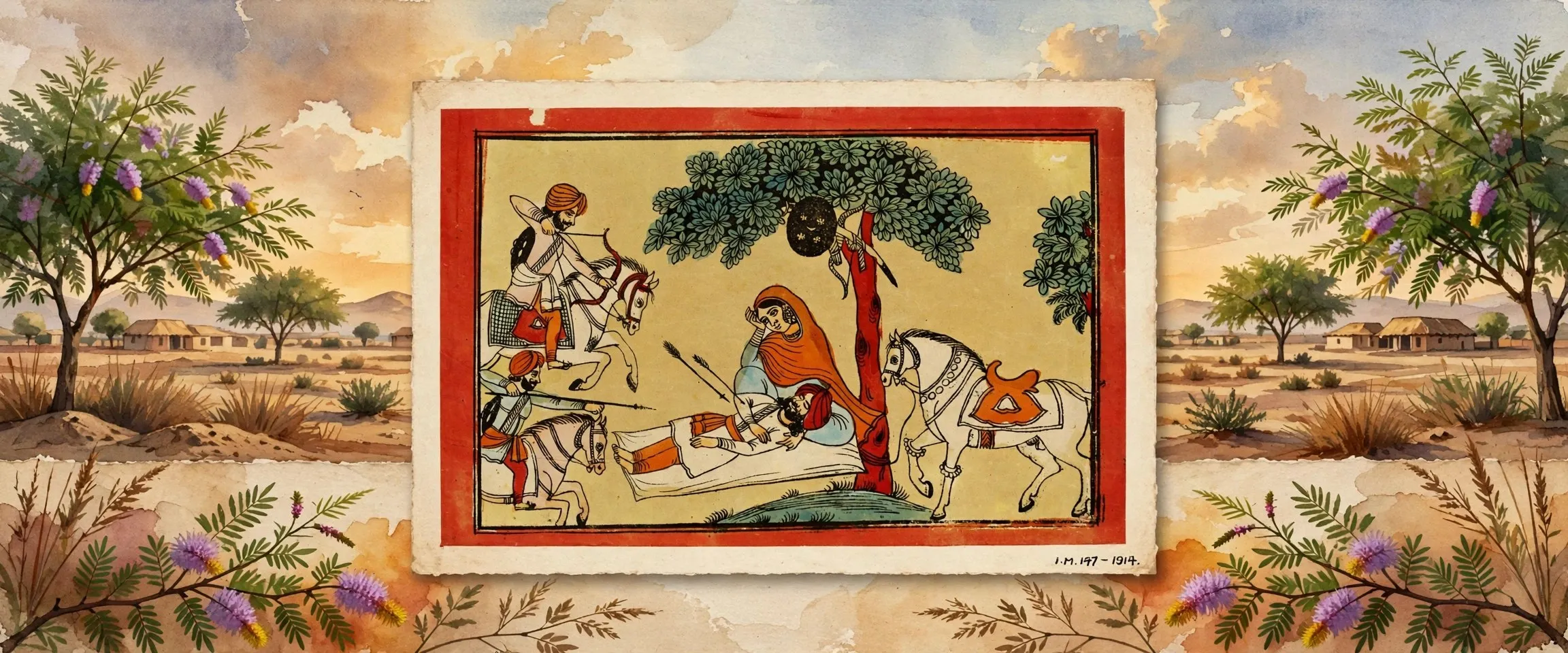
ਮਿਰਜ਼ਾ ਸਾਹਿਬਾਂ ਪੰਜਾਬ ਦੇ ਚਾਰ ਮਹਾਨ ਦੁਖਾਂਤ ਪ੍ਰੇਮ ਕਿੱਸਿਆਂ ਵਿੱਚੋਂ ਇੱਕ ਹੈ, ਜਿਸ ਨੂੰ ਕਵੀ ਪੀਲੂ ਨੇ 1600ਵਿਆਂ ਵਿੱਚ ਪਹਿਲੀ ਵਾਰ ਕਾਵਿ ਵਿੱਚ ਲਿਖਿਆ ਸੀ। ਦਾਨਾਬਾਦ ਦੇ ਖਰਲ ਸਰਦਾਰ ਦੇ ਪੁੱਤਰ ਮਿਰਜ਼ੇ ਅਤੇ ਖੀਵੇ ਦੀ ਸਿਆਲ ਸਰਦਾਰ ਦੀ ਧੀ ਸਾਹਿਬਾਂ ਨੂੰ ਬਚਪਨ ਵਿੱਚ ਪ੍ਰੇਮ ਹੋ ਗਿਆ, ਉਹ ਉਸ ਦੇ ਵਿਆਹ ਦੀ ਪੂਰਵ ਸੰਧਿਆ ਤੇ ਭੱਜ ਗਏ, ਅਤੇ ਜਦੋਂ ਉਸ ਦੇ ਭਰਾ ਉਨ੍ਹਾਂ ਨੂੰ ਫੜ ਲੈਂਦੇ ਹਨ ਤਾਂ ਦੋਵੇਂ ਸਾਂਦਲ ਬਾਰ ਵਿੱਚ ਇੱਕ ਜੰਡ ਦੇ ਦਰਖ਼ਤ ਹੇਠ ਮਰ ਜਾਂਦੇ ਹਨ। ਇਹ ਕਿੱਸਾ ਅੱਜ ਵੀ ਪੰਜਾਬ ਭਰ ਵਿੱਚ ਗਾਇਆ ਜਾਂਦਾ ਹੈ ਅਤੇ ਇਸ ਉੱਤੇ ਕਈ ਫ਼ਿਲਮਾਂ ਬਣ ਚੁੱਕੀਆਂ ਹਨ।
ਪੰਜਾਬੀ, ਗੁਰਮੁਖੀ, ਅੰਗਰੇਜ਼ੀ ਅਨੁਵਾਦ ਸਮੇਤ- ਪੰਜਾਬੀ ਨਾਂ
- ਮਿਰਜ਼ਾ ਸਾਹਿਬਾਂ
- ਲੇਖਕ
- ਪੀਲੂ (ਪਿਲੂ ਵੀ ਲਿਖਿਆ ਜਾਂਦਾ ਹੈ), 16ਵੀਂ ਤੋਂ 17ਵੀਂ ਸਦੀ
- ਭਾਸ਼ਾ
- ਪੰਜਾਬੀ
- ਰੂਪ
- ਕਿੱਸਾ (ਲੰਮੀ ਬਿਰਤਾਂਤ ਕਵਿਤਾ)
- ਥਾਂ
- ਖੀਵਾ ਅਤੇ ਦਾਨਾਬਾਦ, ਰਾਵੀ ਅਤੇ ਚਨਾਬ ਵਿਚਕਾਰ ਸਾਂਦਲ ਬਾਰ (ਅੱਜ ਝੰਗ ਅਤੇ ਫ਼ੈਸਲਾਬਾਦ ਜ਼ਿਲ੍ਹੇ, ਪਾਕਿਸਤਾਨ)
- ਪਹਿਲਾ ਬਿਆਨ
- 1600ਵਿਆਂ ਵਿੱਚ, ਪੀਲੂ ਦੇ ਕਾਵਿ ਵਿੱਚ
All 9 facts
- ਸਿੱਖ ਪਰੰਪਰਾ
- ਪੰਜਾਬ ਦੇ ਚਾਰ ਮਹਾਨ ਦੁਖਾਂਤ ਪ੍ਰੇਮ ਕਿੱਸਿਆਂ ਵਿੱਚੋਂ ਇੱਕ, ਹੀਰ ਰਾਂਝਾ, ਸੋਹਣੀ ਮਹੀਂਵਾਲ ਅਤੇ ਸੱਸੀ ਪੁੰਨੂੰ ਨਾਲ
- ਅੰਗਰੇਜ਼ੀ ਬਿਆਨ
- ਆਰ. ਸੀ. ਟੈਂਪਲ ਦੀ ਦ ਲੈਜੰਡਜ਼ ਆਫ਼ ਦ ਪੰਜਾਬ (1884) ਵਿੱਚ ਛੋਟਾ ਅੰਗਰੇਜ਼ੀ ਬਿਆਨ
- ਫ਼ਿਲਮਾਂ
- 1929 ਦੀ ਮੂਕ ਫ਼ਿਲਮ; 1933, 1939, 1947, 1956, 1957 ਅਤੇ 1992 ਦੇ ਸੰਸਕਰਨ; ਮਿਰਜ਼ਾ: ਦ ਅਨਟੋਲਡ ਸਟੋਰੀ (2012); ਮਿਰਜ਼ਿਆ (2016)
ਪਾਤਰ
About the book
Mirza Sahiban is one of the four great tragic romances of Punjab, first set down in verse by the poet Peelu in the 1600s. It tells of Mirza, a Kharal chief's son from Danabad, and Sahiban, a Sial chief's daughter from Khewa, two childhood sweethearts whose elopement ends in death under a jand tree in the Sandal Bar. Four centuries on, the tale is still sung, staged and filmed across Punjab.
The story is older than any one telling. Peelu's version, praised for its rustic style, brevity and boldness, is the one Punjab remembers, and it is still sung in villages today. The events are traditionally placed in the time of the Mughal emperor Akbar, in the country between the rivers Ravi and Chenab, though the dates are disputed and the tale lives as folklore rather than history.
What is the story of Mirza Sahiban?
Mirza was born to Fateh Bibi and Wanjal, a Kharal chief of Danabad, and Sahiban to Khewa Khan, a Sial chief of Khewa. Their parents were milk kin: Fateh Bibi and Khewa Khan had been nursed by the same woman, so the two children grew up as family. When Mirza was eight or nine he was sent to live with Khewa Khan, and the two studied together at the village mosque school, where the maulvi taught with a thin green twig called a chimmak.
At the mosque school the two fell in love, and their lessons went unlearned. When Sahiban was beaten for missing her lesson, she answered the qazi in verse: do not beat me, do not burn me, I am already burning with love, and books are of no use to us now, for love is written in our destiny. But love between the Kharals and the Sials could not stand. Her father sent Mirza back to Danabad and arranged Sahiban's marriage to Tahir Khan, a young man of her own tribe.
On the wedding day Mirza rode to Khewa, slipped into the house he knew so well, carried Sahiban down to his horse Bakki and galloped away into the night. Her brothers, led by Shamair, set off in pursuit with the bridegroom. Confident he had outrun them, Mirza stopped to rest under a jand tree and fell asleep, though Sahiban begged him to ride on.
ਕਿਤਾਬ ਬਾਰੇ
ਮਿਰਜ਼ਾ ਸਾਹਿਬਾਂ ਪੰਜਾਬ ਦੇ ਚਾਰ ਮਹਾਨ ਦੁਖਾਂਤ ਪ੍ਰੇਮ ਕਿੱਸਿਆਂ ਵਿੱਚੋਂ ਇੱਕ ਹੈ, ਜਿਸ ਨੂੰ ਪੀਲੂ ਨੇ 1600ਵਿਆਂ ਵਿੱਚ ਕਾਵਿ ਵਿੱਚ ਲਿਖਿਆ ਸੀ। ਇਹ ਦਾਨਾਬਾਦ ਦੇ ਖਰਲ ਸਰਦਾਰ ਦੇ ਪੁੱਤਰ ਮਿਰਜ਼ੇ ਅਤੇ ਖੀਵੇ ਦੀ ਸਿਆਲ ਸਰਦਾਰ ਦੀ ਧੀ ਸਾਹਿਬਾਂ ਦੀ ਕਹਾਣੀ ਹੈ, ਦੋ ਬਚਪਨ ਦੇ ਪ੍ਰੇਮੀ ਜਿਨ੍ਹਾਂ ਦਾ ਵਿਆਹ ਤੋਂ ਭੱਜਣਾ ਸਾਂਦਲ ਬਾਰ ਵਿੱਚ ਇੱਕ ਜੰਡ ਦੇ ਦਰਖ਼ਤ ਹੇਠ ਮੌਤ ਨਾਲ ਖ਼ਤਮ ਹੋਇਆ। ਚਾਰ ਸੌ ਸਾਲ ਬਾਅਦ ਵੀ ਇਹ ਕਿੱਸਾ ਪੰਜਾਬ ਭਰ ਵਿੱਚ ਗਾਇਆ, ਖੇਡਿਆ ਅਤੇ ਫ਼ਿਲਮਾਇਆ ਜਾਂਦਾ ਹੈ।
ਇਹ ਕਹਾਣੀ ਕਿਸੇ ਇੱਕ ਬਿਆਨ ਤੋਂ ਪੁਰਾਣੀ ਹੈ, ਪਰ ਪੀਲੂ ਦਾ ਬਿਆਨ ਆਪਣੀ ਦੇਸੀ ਸ਼ੈਲੀ, ਸੰਖੇਪਤਾ ਅਤੇ ਨਿਡਰਤਾ ਕਰਕੇ ਮਸ਼ਹੂਰ ਹੋਇਆ, ਅਤੇ ਅੱਜ ਵੀ ਪਿੰਡਾਂ ਵਿੱਚ ਗਾਇਆ ਜਾਂਦਾ ਹੈ। ਪਰੰਪਰਾ ਅਨੁਸਾਰ ਇਹ ਘਟਨਾਵਾਂ ਅਕਬਰ ਦੇ ਸਮੇਂ ਦੀਆਂ ਹਨ, ਰਾਵੀ ਅਤੇ ਚਨਾਬ ਦਰਿਆਵਾਂ ਵਿਚਕਾਰਲੇ ਇਲਾਕੇ ਵਿੱਚ, ਪਰ ਤਾਰੀਖ਼ਾਂ ਬਾਰੇ ਮਤਭੇਦ ਹਨ ਅਤੇ ਇਹ ਕਿੱਸਾ ਇਤਿਹਾਸ ਨਾਲੋਂ ਲੋਕ-ਕਥਾ ਵਜੋਂ ਜਿਉਂਦਾ ਹੈ।
ਮਿਰਜ਼ਾ ਸਾਹਿਬਾਂ ਦੀ ਕਹਾਣੀ ਕੀ ਹੈ?
ਮਿਰਜ਼ਾ ਫ਼ਤਿਹ ਬੀਬੀ ਅਤੇ ਵਾਂਜਲ ਦਾ ਪੁੱਤਰ ਸੀ, ਜੋ ਦਾਨਾਬਾਦ ਦਾ ਖਰਲ ਸਰਦਾਰ ਸੀ, ਅਤੇ ਸਾਹਿਬਾਂ ਖੀਵਾ ਖ਼ਾਨ ਦੀ ਧੀ ਸੀ, ਜੋ ਖੀਵੇ ਦਾ ਸਿਆਲ ਸਰਦਾਰ ਸੀ। ਉਨ੍ਹਾਂ ਦੇ ਮਾਪੇ ਦੁੱਧ-ਭੈਣ ਭਰਾ ਸਨ: ਫ਼ਤਿਹ ਬੀਬੀ ਅਤੇ ਖੀਵਾ ਖ਼ਾਨ ਨੂੰ ਇੱਕੋ ਔਰਤ ਨੇ ਦੁੱਧ ਪਿਲਾਇਆ ਸੀ, ਇਸ ਲਈ ਦੋਵੇਂ ਬੱਚੇ ਪਰਿਵਾਰ ਵਾਂਗ ਵੱਡੇ ਹੋਏ। ਜਦੋਂ ਮਿਰਜ਼ਾ ਅੱਠ ਜਾਂ ਨੌਂ ਸਾਲ ਦਾ ਸੀ, ਉਸ ਨੂੰ ਖੀਵਾ ਖ਼ਾਨ ਕੋਲ ਰਹਿਣ ਲਈ ਭੇਜ ਦਿੱਤਾ ਗਿਆ, ਅਤੇ ਦੋਵੇਂ ਪਿੰਡ ਦੀ ਮਸਜਿਦ ਦੇ ਮਦਰੱਸੇ ਵਿੱਚ ਇਕੱਠੇ ਪੜ੍ਹਦੇ ਸਨ, ਜਿੱਥੇ ਮੌਲਵੀ ਛਿਮਕ ਨਾਂ ਦੀ ਪਤਲੀ ਹਰੀ ਟਹਿਣੀ ਨਾਲ ਪੜ੍ਹਾਉਂਦਾ ਸੀ।
ਮਦਰੱਸੇ ਵਿੱਚ ਦੋਵਾਂ ਨੂੰ ਇੱਕ ਦੂਜੇ ਨਾਲ ਪ੍ਰੇਮ ਹੋ ਗਿਆ, ਅਤੇ ਪੜ੍ਹਾਈ ਪਿੱਛੇ ਰਹਿ ਗਈ। ਜਦੋਂ ਸਾਹਿਬਾਂ ਨੂੰ ਸਬਕ਼ ਯਾਦ ਨਾ ਕਰਨ ਤੇ ਮਾਰ ਪਈ, ਉਸ ਨੇ ਕਾਜ਼ੀ ਨੂੰ ਜਵਾਬ ਦਿੱਤਾ: ਮੈਨੂੰ ਨਾ ਮਾਰ, ਨਾ ਸਾੜ, ਮੈਂ ਪਹਿਲਾਂ ਹੀ ਪ੍ਰੇਮ ਦੀ ਅੱਗ ਵਿੱਚ ਸੜ ਰਹੀ ਹਾਂ, ਅਤੇ ਕਿਤਾਬਾਂ ਹੁਣ ਸਾਡੇ ਕਿਸੇ ਕੰਮ ਦੀਆਂ ਨਹੀਂ। ਪਰ ਖਰਲਾਂ ਅਤੇ ਸਿਆਲਾਂ ਵਿਚਕਾਰ ਪ੍ਰੇਮ ਨਹੀਂ ਚੱਲ ਸਕਦਾ ਸੀ। ਉਸ ਦੇ ਪਿਤਾ ਨੇ ਮਿਰਜ਼ੇ ਨੂੰ ਵਾਪਸ ਦਾਨਾਬਾਦ ਭੇਜ ਦਿੱਤਾ ਅਤੇ ਸਾਹਿਬਾਂ ਦਾ ਵਿਆਹ ਆਪਣੀ ਹੀ ਬਰਾਦਰੀ ਦੇ ਨੌਜਵਾਨ ਤਾਹਿਰ ਖ਼ਾਨ ਨਾਲ ਤੈਅ ਕਰ ਦਿੱਤਾ।
ਵਿਆਹ ਵਾਲੇ ਦਿਨ ਮਿਰਜ਼ਾ ਖੀਵੇ ਆਇਆ, ਚੁੱਪਚਾਪ ਘਰ ਵਿੱਚ ਅੰਦਰ ਗਿਆ, ਸਾਹਿਬਾਂ ਨੂੰ ਆਪਣੀ ਘੋੜੀ ਬੱਕੀ ਉੱਤੇ ਬਿਠਾਇਆ ਅਤੇ ਰਾਤ ਦੇ ਹਨੇਰੇ ਵਿੱਚ ਭੱਜ ਗਿਆ। ਉਸ ਦੇ ਭਰਾ, ਸ਼ਮੈਰ ਦੀ ਅਗਵਾਈ ਵਿੱਚ, ਲਾੜੇ ਸਮੇਤ ਉਨ੍ਹਾਂ ਦੇ ਪਿੱਛੇ ਘੋੜੇ ਦੌੜਾ ਦਿੱਤੇ। ਇਹ ਸਮਝ ਕੇ ਕਿ ਉਹ ਬਹੁਤ ਅੱਗੇ ਨਿਕਲ ਆਇਆ ਹੈ, ਮਿਰਜ਼ਾ ਇੱਕ ਜੰਡ ਹੇਠ ਆਰਾਮ ਕਰਨ ਰੁਕਿਆ ਅਤੇ ਸੌਂ ਗਿਆ, ਭਾਵੇਂ ਸਾਹਿਬਾਂ ਨੇ ਉਸ ਨੂੰ ਅੱਗੇ ਵਧਣ ਲਈ ਆਖਿਆ ਸੀ।
Sahiban feared what would happen if her brothers caught up: Mirza, a deadly marksman, would kill them, or they would kill him. She did not want her married life to begin with her brothers' blood. So while he slept she took his quiver and hung it on a branch of the tree, out of his reach. Some tellings say she broke every arrow instead. When the pursuers arrived, Mirza woke and reached for his bow to find it gone. An arrow from Shamair's bow pierced his throat, and another his chest. His dying words accused her: Sahiban, you did a terrible thing by hanging my quiver on the jand tree. Tellings differ on how Sahiban died: some say she took her own life with an arrow beside him, others with his sword, and others that she threw herself over his body and died under a shower of arrows.
The lovers and their world
The tale belongs to the Sandal Bar, the once-forested country between the Ravi and the Chenab, home to the Kharal tribe of Danabad and the Sial tribe of Khewa. Danabad stands near present-day Jaranwala in Faisalabad district, and Khewa near Jhang, a short day's ride apart on horseback. The jand tree under which the lovers stopped has become part of the story itself, remembered in Punjabi as the Jandola of Sandal Bar.
In Punjabi idiom Mirza has become the very image of courage and marksmanship, just as Ranjha is known by his flute and Sohni by her unbaked pitcher. The poet Munir Niazi invoked him in a time of gloom, calling on Mirza to shoot an arrow at the sky and pierce the web of despair. The lovers' names are still given to children, and their story is the measure against which Punjabi romances are judged.
The poet: Peelu
Almost nothing certain is known about Peelu, also spelled Pilu. He is traditionally dated to about 1580 to 1675 and said to have been a contemporary of the emperor Akbar, though none of it can be verified. His disciple was Hafiz Barkhurdar, who retold the tale himself. Some accounts name Peelu's birthplace as Amritsar, others the town of Bhaun in Chakwal. Sikh tradition says he met Guru Arjan to ask that his verse be included in the Adi Granth, and was turned down. In 2019 a burial place identified as his was marked with a tomb at Peelu Wains village in Noorpur Thal, Khushab district.
Peelu's poetry, written in Punjabi, reflects the culture of the Thal region and the political and social conditions of Punjab in his time. Other poets wrote Mirza Sahiban after him, among them Hafiz Barkhurdar and Sain Maula Shah, but it is Peelu's short, bold ballad that Punjab kept singing.
Why is Sahiban blamed, and why does the story endure?
For generations, singers and listeners have argued over Sahiban's choice under the tree. Was it betrayal, or was it the only way to stop a killing? The 2019 song Sahiba retells the story from her side and argues that she ought not to be vilified, and the 2025 novel The River's Daughter reimagines the tale as a feminist story. The argument itself keeps the qissa alive: every generation finds its own answer in it.
The story also endures because it is about a loyalty pulled in two directions. Sahiban is torn between her lover and her brothers, Mirza between his pride and his love. Neither can win, and the tale refuses to say plainly who was right. That refusal is what makes it literature rather than a simple moral, and why it still fills songs, films and novels four hundred years on.
Reception and legacy
Mirza Sahiban travelled far beyond the Bar. It was translated into Urdu in poetry and prose, and a short English version appeared in Captain R. C. Temple's The Legends of the Punjab in 1884. The Education Department of Punjab in Lahore published an Urdu edition in 1951. Folk singers still perform Peelu's verses across rural Punjab: Harbhajan Mann's song Mirza Sahiba, from 2000, carried the tale to a new generation, and the dialogue under the jand tree, in which Mirza praises the tree's shade and Sahiban begs him to ride on, remains the most celebrated passage in performances of the tale.
The tale has been filmed again and again, from a silent film in 1929 and Noor Jehan's 1947 version to Mirza Jatt in 1992, Mirza: The Untold Story in 2012 and Mirzya in 2016. The other three great romances, Heer Ranjha, Sohni Mahiwal and Sassi Punnun, each have their own Kosh entries, and together the four anchor Punjabi folk literature. Mirza Sahiban is the most warlike of the four: a story not of patience but of pride, speed and the bow. For readers coming to the qissas for the first time, it is the sharpest and shortest of them, and the one that most rewards a second hearing.
ਸਾਹਿਬਾਂ ਨੂੰ ਡਰ ਸੀ ਕਿ ਜੇ ਉਸ ਦੇ ਭਰਾ ਫੜ ਲੈਣ ਤਾਂ ਮਿਰਜ਼ਾ, ਜੋ ਇੱਕ ਮਾਹਿਰ ਨਿਸ਼ਾਨੇਬਾਜ਼ ਸੀ, ਉਨ੍ਹਾਂ ਨੂੰ ਮਾਰ ਦੇਵੇਗਾ, ਜਾਂ ਉਹ ਉਸ ਨੂੰ ਮਾਰ ਦੇਣਗੇ। ਉਹ ਨਹੀਂ ਚਾਹੁੰਦੀ ਸੀ ਕਿ ਉਸ ਦਾ ਵਿਆਹਿਆ ਜੀਵਨ ਉਸ ਦੇ ਭਰਾਵਾਂ ਦੇ ਖ਼ੂਨ ਨਾਲ ਸ਼ੁਰੂ ਹੋਵੇ। ਇਸ ਲਈ ਜਦੋਂ ਉਹ ਸੁੱਤਾ ਪਿਆ ਸੀ, ਉਸ ਨੇ ਉਸ ਦਾ ਤਰਕਸ਼ ਚੁੱਕ ਕੇ ਦਰਖ਼ਤ ਦੀ ਟਹਿਣੀ ਉੱਤੇ ਟੰਗ ਦਿੱਤਾ। ਕੁਝ ਬਿਆਨਾਂ ਵਿੱਚ ਕਿਹਾ ਗਿਆ ਹੈ ਕਿ ਉਸ ਨੇ ਉਸ ਦੇ ਤੀਰ ਤੋੜ ਦਿੱਤੇ ਸਨ। ਜਦੋਂ ਪਿੱਛਾ ਕਰਨ ਵਾਲੇ ਆ ਪਹੁੰਚੇ, ਮਿਰਜ਼ਾ ਜਾਗਿਆ ਅਤੇ ਆਪਣਾ ਧਣੁਖ ਲੱਭਣ ਲਈ ਹੱਥ ਵਧਾਇਆ, ਪਰ ਉਹ ਗ਼ਾਇਬ ਸੀ। ਸ਼ਮੈਰ ਦਾ ਤੀਰ ਉਸ ਦੇ ਗਲੇ ਵਿੱਚ ਲੱਗਾ, ਅਤੇ ਦੂਜਾ ਉਸ ਦੀ ਛਾਤੀ ਵਿੱਚ। ਮਰਦੇ ਸਮੇਂ ਉਸ ਨੇ ਉਸ ਨੂੰ ਦੋਸ਼ ਦਿੱਤਾ: ਸਾਹਿਬਾਂ, ਤੂੰ ਬੁਰਾ ਕੀਤਾ, ਮੇਰਾ ਤਰਕਸ਼ ਜੰਡ ਉੱਤੇ ਟੰਗ ਦਿੱਤਾ। ਸਾਹਿਬਾਂ ਦੀ ਮੌਤ ਬਾਰੇ ਬਿਆਨ ਵੱਖਰੇ ਹਨ: ਕੁਝ ਕਹਿੰਦੇ ਹਨ ਕਿ ਉਸ ਨੇ ਉਸ ਦੇ ਕੋਲ ਹੀ ਆਪਣੀ ਜਾਨ ਦੇ ਦਿੱਤੀ, ਅਤੇ ਕੁਝ ਕਹਿੰਦੇ ਹਨ ਕਿ ਉਸ ਨੇ ਆਪਣੇ ਆਪ ਨੂੰ ਉਸ ਦੇ ਸਰੀਰ ਉੱਤੇ ਸੁੱਟ ਦਿੱਤਾ ਅਤੇ ਤੀਰਾਂ ਦੀ ਵਰਖਾ ਹੇਠ ਮਰ ਗਈ।
ਪ੍ਰੇਮੀ ਅਤੇ ਉਨ੍ਹਾਂ ਦੀ ਦੁਨੀਆ
ਇਹ ਕਿੱਸਾ ਰਾਵੀ ਅਤੇ ਚਨਾਬ ਵਿਚਕਾਰਲੇ ਸਾਂਦਲ ਬਾਰ ਦਾ ਹੈ, ਜੋ ਦਾਨਾਬਾਦ ਦੇ ਖਰਲਾਂ ਅਤੇ ਖੀਵੇ ਦੇ ਸਿਆਲਾਂ ਦਾ ਘਰ ਸੀ। ਦਾਨਾਬਾਦ ਅੱਜ ਦੇ ਜੜ੍ਹਾਂਵਾਲਾ ਨੇੜੇ, ਫ਼ੈਸਲਾਬਾਦ ਜ਼ਿਲ੍ਹੇ ਵਿੱਚ ਹੈ, ਅਤੇ ਖੀਵਾ ਝੰਗ ਨੇੜੇ ਹੈ। ਜਿਸ ਜੰਡ ਦੇ ਦਰਖ਼ਤ ਹੇਠ ਪ੍ਰੇਮੀ ਰੁਕੇ ਸਨ, ਉਹ ਖ਼ੁਦ ਕਹਾਣੀ ਦਾ ਹਿੱਸਾ ਬਣ ਗਿਆ ਹੈ, ਜਿਸ ਨੂੰ ਪੰਜਾਬੀ ਵਿੱਚ ਸਾਂਦਲ ਬਾਰ ਦਾ ਜੰਡੋਲਾ ਕਿਹਾ ਜਾਂਦਾ ਹੈ।
ਪੰਜਾਬੀ ਕਹਾਵਤ ਵਿੱਚ ਮਿਰਜ਼ਾ ਹਿੰਮਤ ਅਤੇ ਨਿਸ਼ਾਨੇਬਾਜ਼ੀ ਦੀ ਮਿਸਾਲ ਬਣ ਗਿਆ ਹੈ, ਜਿਵੇਂ ਰਾਂਝਾ ਆਪਣੀ ਵੰਸਲੀ ਅਤੇ ਸੋਹਣੀ ਆਪਣੇ ਕੱਚੇ ਘੜੇ ਨਾਲ ਜਾਣੀ ਜਾਂਦੀ ਹੈ। ਕਵੀ ਮੁਨੀਰ ਨਿਆਜ਼ੀ ਨੇ ਉਦਾਸੀ ਦੇ ਸਮੇਂ ਉਸ ਨੂੰ ਪੁਕਾਰਿਆ ਸੀ, ਕਿ ਹੇ ਮਿਰਜ਼ਿਆ, ਅਸਮਾਨ ਵੱਲ ਤੀਰ ਚਲਾ ਕੇ ਨਿਰਾਸ਼ਾ ਦਾ ਜਾਲਾ ਤੋੜ ਦੇ। ਪ੍ਰੇਮੀਆਂ ਦੇ ਨਾਂ ਅੱਜ ਵੀ ਬੱਚਿਆਂ ਨੂੰ ਦਿੱਤੇ ਜਾਂਦੇ ਹਨ, ਅਤੇ ਉਨ੍ਹਾਂ ਦੀ ਕਹਾਣੀ ਉਹ ਮਾਪਦੰਡ ਹੈ ਜਿਸ ਨਾਲ ਪੰਜਾਬੀ ਪ੍ਰੇਮ ਕਿੱਸੇ ਮਾਪੇ ਜਾਂਦੇ ਹਨ।
ਕਵੀ: ਪੀਲੂ
ਪੀਲੂ ਬਾਰੇ ਲਗਭਗ ਕੁਝ ਵੀ ਪੱਕਾ ਨਹੀਂ ਪਤਾ। ਪਰੰਪਰਾ ਅਨੁਸਾਰ ਉਸ ਦਾ ਸਮਾਂ ਲਗਭਗ 1580 ਤੋਂ 1675 ਮੰਨਿਆ ਜਾਂਦਾ ਹੈ, ਅਤੇ ਕਿਹਾ ਜਾਂਦਾ ਹੈ ਕਿ ਉਹ ਬਾਦਸ਼ਾਹ ਅਕਬਰ ਦਾ ਸਮਕਾਲੀ ਸੀ, ਪਰ ਇਸ ਦੀ ਪੁਸ਼ਟੀ ਨਹੀਂ ਹੋ ਸਕਦੀ। ਉਸ ਦਾ ਸ਼ਾਗਿਰਦ ਹਾਫ਼ਿਜ਼ ਬਰਖੁਰਦਾਰ ਸੀ, ਜਿਸ ਨੇ ਇਹ ਕਿੱਸਾ ਖ਼ੁਦ ਵੀ ਲਿਖਿਆ। ਕੁਝ ਬਿਆਨਾਂ ਵਿੱਚ ਉਸ ਦਾ ਜਨਮ ਸਥਾਨ ਅੰਮ੍ਰਿਤਸਰ ਦੱਸਿਆ ਗਿਆ ਹੈ, ਅਤੇ ਕੁਝ ਵਿੱਚ ਚਕਵਾਲ ਦਾ ਕਸਬਾ ਭੌਣ। ਸਿੱਖ ਪਰੰਪਰਾ ਅਨੁਸਾਰ ਉਹ ਗੁਰੂ ਅਰਜਨ ਦੇਵ ਜੀ ਨੂੰ ਆਪਣੀ ਬਾਣੀ ਆਦਿ ਗ੍ਰੰਥ ਵਿੱਚ ਸ਼ਾਮਲ ਕਰਨ ਦੀ ਅਰਜ਼ ਲੈ ਕੇ ਮਿਲਿਆ ਸੀ, ਪਰ ਗੁਰੂ ਜੀ ਨੇ ਇਨਕਾਰ ਕਰ ਦਿੱਤਾ। 2019 ਵਿੱਚ ਖੁਸ਼ਾਬ ਜ਼ਿਲ੍ਹੇ ਦੇ ਪੀਲੂ ਵੈਂਸ ਪਿੰਡ ਵਿੱਚ ਉਸ ਦੀ ਕਬਰ ਉੱਤੇ ਇੱਕ ਮਕਬਰਾ ਬਣਾਇਆ ਗਿਆ।
ਪੀਲੂ ਦੀ ਕਵਿਤਾ ਪੰਜਾਬੀ ਵਿੱਚ ਸੀ ਅਤੇ ਉਸ ਸਮੇਂ ਦੇ ਪੰਜਾਬ ਦੇ ਥਲ ਸੱਭਿਆਚਾਰ ਅਤੇ ਸਮਾਜਿਕ ਹਾਲਤਾਂ ਨੂੰ ਦਰਸਾਉਂਦੀ ਹੈ। ਉਸ ਤੋਂ ਬਾਅਦ ਹੋਰ ਕਵੀਆਂ ਨੇ ਵੀ ਮਿਰਜ਼ਾ ਸਾਹਿਬਾਂ ਲਿਖਿਆ, ਜਿਨ੍ਹਾਂ ਵਿੱਚ ਹਾਫ਼ਿਜ਼ ਬਰਖੁਰਦਾਰ ਅਤੇ ਸਾਈਂ ਮੌਲਾ ਸ਼ਾਹ ਸ਼ਾਮਲ ਹਨ, ਪਰ ਪੰਜਾਬ ਨੇ ਪੀਲੂ ਦਾ ਛੋਟਾ ਅਤੇ ਨਿਡਰ ਕਿੱਸਾ ਹੀ ਯਾਦ ਰੱਖਿਆ।
ਸਾਹਿਬਾਂ ਨੂੰ ਦੋਸ਼ ਕਿਉਂ ਮਿਲਦਾ ਹੈ, ਅਤੇ ਕਹਾਣੀ ਕਿਉਂ ਜਿਉਂਦੀ ਹੈ?
ਪੀੜ੍ਹੀਆਂ ਤੋਂ ਗਾਇਕ ਅਤੇ ਸਰੋਤੇ ਇਸ ਗੱਲ ਉੱਤੇ ਬਹਿਸ ਕਰਦੇ ਆਏ ਹਨ ਕਿ ਦਰਖ਼ਤ ਹੇਠ ਸਾਹਿਬਾਂ ਨੇ ਸਹੀ ਕੀਤਾ ਜਾਂ ਗ਼ਲਤ। ਕੀ ਇਹ ਧੋਖਾ ਸੀ, ਜਾਂ ਖ਼ੂਨ ਰੋਕਣ ਦਾ ਇੱਕੋ ਇੱਕ ਰਸਤਾ ਸੀ? 2019 ਦਾ ਗੀਤ ਸਾਹਿਬਾ ਕਹਾਣੀ ਨੂੰ ਉਸ ਦੇ ਪੱਖ ਤੋਂ ਸੁਣਾਉਂਦਾ ਹੈ, ਅਤੇ 2025 ਦਾ ਨਾਵਲ ਦ ਰਿਵਰਜ਼ ਡਾਟਰ ਇਸ ਨੂੰ ਇੱਕ ਨਾਰੀਵਾਦੀ ਕਹਾਣੀ ਵਜੋਂ ਦੁਬਾਰਾ ਲਿਖਦਾ ਹੈ। ਇਹ ਬਹਿਸ ਹੀ ਕਿੱਸੇ ਨੂੰ ਜਿਉਂਦਾ ਰੱਖਦੀ ਹੈ: ਹਰ ਪੀੜ੍ਹੀ ਇਸ ਵਿੱਚ ਆਪਣਾ ਜਵਾਬ ਲੱਭਦੀ ਹੈ।
ਇਹ ਕਹਾਣੀ ਇਸ ਲਈ ਵੀ ਜਿਉਂਦੀ ਹੈ ਕਿਉਂਕਿ ਇਹ ਦੋਹਰੀ ਵਫ਼ਾਦਾਰੀ ਦੀ ਕਹਾਣੀ ਹੈ। ਸਾਹਿਬਾਂ ਆਪਣੇ ਪ੍ਰੇਮੀ ਅਤੇ ਆਪਣੇ ਭਰਾਵਾਂ ਵਿਚਕਾਰ ਫਸੀ ਹੋਈ ਹੈ, ਅਤੇ ਮਿਰਜ਼ਾ ਆਪਣੇ ਮਾਣ ਅਤੇ ਆਪਣੇ ਪ੍ਰੇਮ ਵਿਚਕਾਰ। ਦੋਵਾਂ ਵਿੱਚੋਂ ਕੋਈ ਵੀ ਨਹੀਂ ਜਿੱਤ ਸਕਦਾ, ਅਤੇ ਕਿੱਸਾ ਸਾਫ਼ ਤੌਰ ਤੇ ਨਹੀਂ ਕਹਿੰਦਾ ਕਿ ਕੌਣ ਸਹੀ ਸੀ। ਇਹੀ ਅਸਪਸ਼ਟਤਾ ਇਸ ਨੂੰ ਸਿਰਫ਼ ਇੱਕ ਸਬਕ਼ ਨਹੀਂ, ਸਾਹਿਤ ਬਣਾਉਂਦੀ ਹੈ, ਅਤੇ ਇਸੇ ਲਈ ਇਹ ਚਾਰ ਸੌ ਸਾਲ ਬਾਅਦ ਵੀ ਜਿਉਂਦੀ ਹੈ।
ਪ੍ਰਾਪਤੀ ਅਤੇ ਵਿਰਾਸਤ
ਮਿਰਜ਼ਾ ਸਾਹਿਬਾਂ ਬਾਰ ਤੋਂ ਬਹੁਤ ਦੂਰ ਤੱਕ ਪਹੁੰਚਿਆ। ਇਸ ਦਾ ਉਰਦੂ ਅਨੁਵਾਦ ਕਵਿਤਾ ਅਤੇ ਗਦ ਵਿੱਚ ਹੋਇਆ, ਅਤੇ ਕੈਪਟਨ ਆਰ. ਸੀ. ਟੈਂਪਲ ਦੀ ਕਿਤਾਬ ਦ ਲੈਜੰਡਜ਼ ਆਫ਼ ਦ ਪੰਜਾਬ (1884) ਵਿੱਚ ਇਸ ਦਾ ਛੋਟਾ ਅੰਗਰੇਜ਼ੀ ਬਿਆਨ ਛਪਿਆ। ਲਾਹੌਰ ਦੇ ਸਿੱਖਿਆ ਵਿਭਾਗ ਨੇ 1951 ਵਿੱਚ ਇਸ ਦਾ ਉਰਦੂ ਸੰਸਕਰਨ ਛਾਪਿਆ। ਲੋਕ ਗਾਇਕ ਪੀਲੂ ਦੀਆਂ ਸਤਰਾਂ ਅੱਜ ਵੀ ਪੇਂਡੂ ਪੰਜਾਬ ਵਿੱਚ ਗਾਉਂਦੇ ਹਨ, ਅਤੇ ਜੰਡ ਹੇਠਲਾ ਸੰਵਾਦ ਕਿੱਸੇ ਦੀ ਪੇਸ਼ਕਾਰੀ ਦਾ ਸਭ ਤੋਂ ਮਸ਼ਹੂਰ ਹਿੱਸਾ ਬਣਿਆ ਹੋਇਆ ਹੈ।
ਇਸ ਕਿੱਸੇ ਉੱਤੇ 1929 ਦੀ ਮੂਕ ਫ਼ਿਲਮ ਅਤੇ ਨੂਰ ਜਹਾਂ ਦੀ 1947 ਵਾਲੀ ਫ਼ਿਲਮ ਤੋਂ ਲੈ ਕੇ 1992 ਦੀ ਮਿਰਜ਼ਾ ਜੱਟ, 2012 ਦੀ ਮਿਰਜ਼ਾ: ਦ ਅਨਟੋਲਡ ਸਟੋਰੀ ਅਤੇ 2016 ਦੀ ਮਿਰਜ਼ਿਆ ਤੱਕ ਫ਼ਿਲਮਾਂ ਬਣੀਆਂ। ਬਾਕੀ ਤਿੰਨ ਮਹਾਨ ਕਿੱਸਿਆਂ, ਹੀਰ ਰਾਂਝਾ, ਸੋਹਣੀ ਮਹੀਂਵਾਲ ਅਤੇ ਸੱਸੀ ਪੁੰਨੂੰ, ਦੇ ਆਪਣੇ ਕੋਸ਼ ਲੇਖ ਹਨ, ਅਤੇ ਚਾਰੇ ਮਿਲ ਕੇ ਪੰਜਾਬੀ ਲੋਕ ਸਾਹਿਤ ਦੀ ਨੀਂਹ ਹਨ। ਮਿਰਜ਼ਾ ਸਾਹਿਬਾਂ ਇਨ੍ਹਾਂ ਚਾਰਾਂ ਵਿੱਚੋਂ ਸਭ ਤੋਂ ਵੱਧ ਯੁੱਧ-ਭਾਵ ਵਾਲਾ ਹੈ: ਇਹ ਸਬਰ ਦੀ ਨਹੀਂ, ਮਾਣ, ਤੇਜ਼ੀ ਅਤੇ ਧਣੁਖ ਦੀ ਕਹਾਣੀ ਹੈ। ਕਿੱਸਿਆਂ ਨੂੰ ਪਹਿਲੀ ਵਾਰ ਪੜ੍ਹਨ ਵਾਲਿਆਂ ਲਈ ਇਹ ਸਭ ਤੋਂ ਤਿੱਖਾ ਅਤੇ ਛੋਟਾ ਹੈ, ਅਤੇ ਦੂਜੀ ਵਾਰ ਸੁਣਨ ਤੇ ਸਭ ਤੋਂ ਵੱਧ ਦਿੰਦਾ ਹੈ।
ਐਡੀਸ਼ਨ ਅਤੇ ਅਨੁਵਾਦ
- ਮਿਰਜ਼ਾ ਸਾਹਿਬਾਂPeelu's qissa, 1600s, the best-known Punjabi tellingEdition
- ਮਿਰਜ਼ਾ ਸਾਹਿਬਾਂHafiz Barkhurdar's telling, 17th centuryEdition
- ਮਿਰਜ਼ਾ ਸਾਹਿਬਾਂUrdu edition, Education Department of Punjab, Lahore, 1951Edition
ਜੁੜੇ ਹੋਏ
ਹੋਰ ਪੜ੍ਹੋ
ਸਰੋਤ (4)
ਜੁਗਤੀ ਮੁਫ਼ਤ ਅਤੇ ਸੁਤੰਤਰ ਹੈ। ਪਾਠਕਾਂ ਦਾ ਸਹਿਯੋਗ ਕੋਸ਼ ਨੂੰ ਵਧਾਉਂਦਾ ਹੈ।
ਸਹਿਯੋਗ