
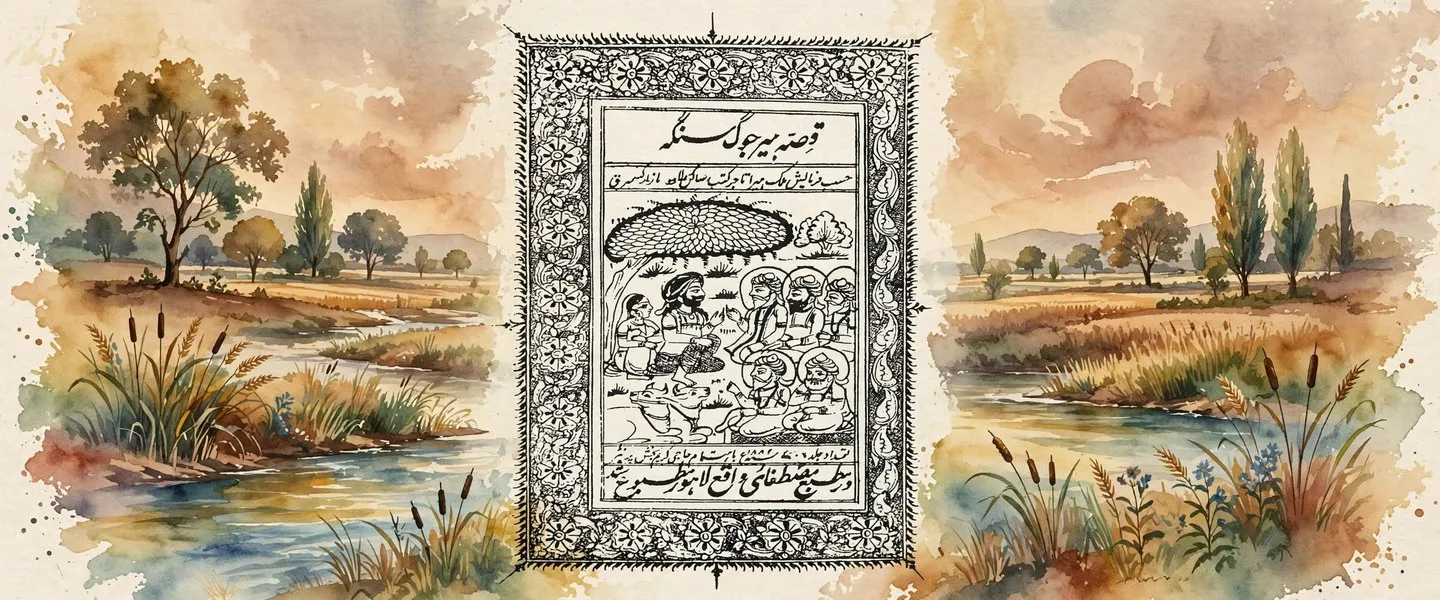
ਹੀਰ ਰਾਂਝਾ ਸਿਆਲ ਬਰਾਦਰੀ ਦੀ ਹੀਰ ਅਤੇ ਟਖ਼ਤ ਹਜ਼ਾਰਾ ਦੇ ਰਾਂਝੇ ਦੀ ਦੁਖਾਂਤਕ ਪ੍ਰੇਮ ਕਹਾਣੀ ਹੈ, ਜਿਸ ਨੂੰ ਸੂਫ਼ੀ ਕਵੀ ਵਾਰਿਸ ਸ਼ਾਹ ਨੇ ਆਪਣੀ 1766 ਦੀ ਮਹਾਂਕਾਵਿ ਕਵਿਤਾ ਹੀਰ ਵਿੱਚ ਦੱਸਿਆ। ਇਹ ਪੰਜਾਬ ਦੇ ਚਾਰ ਮਹਾਨ ਕਿੱਸਿਆਂ ਵਿੱਚੋਂ ਸਭ ਤੋਂ ਪਿਆਰਾ ਹੈ, ਇੱਕ ਰੁਮਾਂਸ ਜੋ ਜ਼ਹਿਰ ਅਤੇ ਮੌਤ ਤੇ ਖ਼ਤਮ ਹੁੰਦਾ ਹੈ, ਅਤੇ 18ਵੀਂ ਸਦੀ ਦੇ ਪੰਜਾਬੀ ਜੀਵਨ ਦੀ ਇੱਕ ਤਸਵੀਰ ਹੈ ਜਿਸ ਨੂੰ ਪਾਠਕ ਅੱਜ ਵੀ ਗਾਉਂਦੇ, ਮੰਚ ਤੇ ਪੇਸ਼ ਕਰਦੇ ਅਤੇ ਫ਼ਿਲਮਾਂ ਵਿੱਚ ਬਣਾਉਂਦੇ ਹਨ।
Punjabi, Shahmukhi, with an English translation- ਪੰਜਾਬੀ ਨਾਂ
- ਹੀਰ ਰਾਂਝਾ
- ਲੇਖਕ
- ਵਾਰਿਸ ਸ਼ਾਹ
- ਪ੍ਰਕਾਸ਼ਿਤ
- 1766
- ਭਾਸ਼ਾ
- ਪੰਜਾਬੀ (ਸ਼ਾਹਮੁਖੀ)
- ਰੂਪ
- ਕਿੱਸਾ, ਮਹਾਂਕਾਵਿ ਪ੍ਰੇਮ ਕਵਿਤਾ
- ਥਾਂ
- ਟਖ਼ਤ ਹਜ਼ਾਰਾ ਅਤੇ ਝੰਗ, ਪੰਜਾਬ
All 9 facts
- ਕਵੀ ਦੇ ਆਪਣੇ ਬੰਦ
- ਲਗਭਗ 625 ਤੋਂ 635, ਵਿਦਵਤਾ ਅੰਦਾਜ਼ਾ
- ਅੰਗਰੇਜ਼ੀ ਅਨੁਵਾਦ
- ਹੀਰ ਵਾਰਿਸ ਸ਼ਾਹ, ਚੋਣਵਾਂ ਅਨੁਵਾਦ ਸਰਵਤ ਮੋਹੀਉਦੀਨ (ਆਕਸਫੋਰਡ ਯੂਨੀਵਰਸਿਟੀ ਪ੍ਰੈੱਸ ਪਾਕਿਸਤਾਨ)
- ਫ਼ਿਲਮਾਂ
- 1928 ਤੋਂ ਕਈ ਵਾਰ ਫ਼ਿਲਮਾਂ ਵਿੱਚ ਬਣੀ
About the book
Heer Ranjha is the tragic romance of Heer and Ranjha, the lovers whose names have become Punjab's shorthand for love itself. The version everyone knows is Heer, the epic poem the Sufi poet Waris Shah completed in 1766 at Malka Hans, a small town near Pakpattan. It is one of the four great qisse of Punjab, the long verse romances that Punjabis have sung, recited and retold for centuries, and it is the one that has never left the centre of the tradition. Waris Shah did not invent the tale. It was already old when he took it up, but his telling, in flowing Punjabi verse that turns a village love affair into a question about God, is the one Punjab kept.
ਕਹਾਣੀ
Heer is the beautiful daughter of Chuchak, a wealthy man of the Sial clan in Jhang country. Ranjha, whose full name is Dheedo Ranjha, is the youngest of four brothers in Takht Hazara, a village on the Chenab. He is his father's favourite and spends his days playing the wanjli, the flute, while his brothers work the fields. When his father Mauju Chaudhry dies, Ranjha quarrels with his brothers over the family land. In Waris Shah's telling the break comes when his brothers' wives refuse to serve him food, and he leaves home for good.
He wanders until he reaches Jhang, where Heer's father hires him to herd the family's cattle. As Ranjha plays his flute among the grazing herds, Heer falls in love with him, and for years the two meet in secret. Then her jealous uncle Kaido exposes them. Her parents, furious that their daughter has given her heart to a hired herdsman, marry her by force to Saida Khera, a man of another clan, and carry her away.
Broken by the loss, Ranjha leaves the settled world and becomes a jogi, a wandering ascetic, at Tilla Jogian, the hill of the ascetics, where he takes the robes, the ash and the pierced ears of the order. In that disguise he finds the village where Heer now lives, and the two are reunited. Her parents seem ready at last to let them marry. But on the wedding day Kaido poisons Heer's food. Ranjha arrives too late. Finding her dead, he eats the poisoned food himself and dies beside her. The lovers are buried together in Jhang, and their tomb is still visited by couples and travellers today.
Who wrote Heer Ranjha?
No single person wrote Heer Ranjha. The tale was sung long before anyone wrote it down, and the earliest known Punjabi version was composed by Damodar Gulati in the early 1600s, in the reign of Akbar. Shah Hussain and Bhai Gurdas had already alluded to the lovers in the 16th century. But the telling that became definitive is Waris Shah's. Waris Shah (1722 to 1798) was a Sufi poet of the Chishti order, born at Jandiala Sher Khan in Sheikhupura district. He studied at Kasur under Hafiz Ghulam Murtaza, then settled at Malka Hans, where he lived in a small room beside the mosque and worked as the village prayer leader. In the closing stanzas of the poem he says it himself: his friends asked him to make the love of Heer new again, he composed it at Malka Hans for them, and he dates its completion to 1766, in the Hijri year 1180. That self record is why 1766 is treated as the poem's firm date, even though much else about his life rests on tradition.
ਕਿਤਾਬ ਬਾਰੇ
ਹੀਰ ਰਾਂਝਾ ਹੀਰ ਅਤੇ ਰਾਂਝੇ ਦੀ ਦੁਖਾਂਤਕ ਪ੍ਰੇਮ ਕਹਾਣੀ ਹੈ, ਉਹ ਪ੍ਰੇਮੀ ਜਿਨ੍ਹਾਂ ਦੇ ਨਾਂ ਪੰਜਾਬ ਵਿੱਚ ਪਿਆਰ ਦਾ ਹੀ ਦੂਜਾ ਨਾਂ ਬਣ ਗਏ ਹਨ। ਜਿਸ ਰੂਪ ਨੂੰ ਸਭ ਜਾਣਦੇ ਹਨ, ਉਹ ਹੈ ਹੀਰ, ਸੂਫ਼ੀ ਕਵੀ ਵਾਰਿਸ ਸ਼ਾਹ ਦੀ ਮਹਾਂਕਾਵਿ ਕਵਿਤਾ, ਜੋ ਉਨ੍ਹਾਂ ਨੇ 1766 ਵਿੱਚ ਮਲਕਾ ਹਾਂਸ ਵਿੱਚ ਪੂਰੀ ਕੀਤੀ, ਜੋ ਪਾਕਪਟਨ ਨੇੜੇ ਇੱਕ ਛੋਟਾ ਕਸਬਾ ਹੈ। ਇਹ ਪੰਜਾਬ ਦੇ ਚਾਰ ਮਹਾਨ ਕਿੱਸਿਆਂ ਵਿੱਚੋਂ ਇੱਕ ਹੈ, ਉਹ ਲੰਮੀਆਂ ਕਵਿਤਾ ਕਹਾਣੀਆਂ ਜਿਨ੍ਹਾਂ ਨੂੰ ਪੰਜਾਬੀ ਸਦੀਆਂ ਤੋਂ ਗਾਉਂਦੇ, ਸੁਣਾਉਂਦੇ ਅਤੇ ਮੁੜ ਸੁਣਾਉਂਦੇ ਆਏ ਹਨ, ਅਤੇ ਇਹ ਉਹ ਹੈ ਜੋ ਪਰੰਪਰਾ ਦੇ ਕੇਂਦਰ ਵਿੱਚ ਕਦੇ ਨਹੀਂ ਛੱਡੀ। ਵਾਰਿਸ ਸ਼ਾਹ ਨੇ ਇਹ ਕਹਾਣੀ ਕੱਢੀ ਨਹੀਂ ਸੀ। ਜਦੋਂ ਉਨ੍ਹਾਂ ਨੇ ਇਸ ਨੂੰ ਚੁੱਕਿਆ, ਇਹ ਪਹਿਲਾਂ ਹੀ ਪੁਰਾਣੀ ਸੀ, ਪਰ ਉਨ੍ਹਾਂ ਦੀ ਪੇਸ਼ਕਾਰੀ, ਵਗਦੀ ਪੰਜਾਬੀ ਕਵਿਤਾ ਵਿੱਚ, ਜੋ ਇੱਕ ਪਿੰਡ ਦੇ ਇਸ਼ਕ ਨੂੰ ਰੱਬ ਬਾਰੇ ਸਵਾਲ ਵਿੱਚ ਬਦਲ ਦਿੰਦੀ ਹੈ, ਉਹ ਹੈ ਜਿਸ ਨੂੰ ਪੰਜਾਬ ਨੇ ਸੰਭਾਲ ਕੇ ਰੱਖਿਆ।
ਕਹਾਣੀ
ਹੀਰ ਝੰਗ ਇਲਾਕੇ ਵਿੱਚ ਸਿਆਲ ਬਰਾਦਰੀ ਦੇ ਅਮੀਰ ਆਦਮੀ ਚੁੱਚਕ ਦੀ ਸੁੰਦਰ ਧੀ ਹੈ। ਰਾਂਝਾ, ਜਿਸ ਦਾ ਪੂਰਾ ਨਾਂ ਧੀਦੋ ਰਾਂਝਾ ਹੈ, ਚਨਾਬ ਕੰਢੇ ਟਖ਼ਤ ਹਜ਼ਾਰਾ ਪਿੰਡ ਵਿੱਚ ਚਾਰ ਭਰਾਵਾਂ ਵਿੱਚੋਂ ਸਭ ਤੋਂ ਛੋਟਾ ਹੈ। ਉਹ ਆਪਣੇ ਪਿਤਾ ਦਾ ਲਾਡਲਾ ਹੈ ਅਤੇ ਆਪਣੇ ਦਿਨ ਵੰਝਲੀ, ਬੰਸਰੀ, ਵਜਾਉਂਦਿਆਂ ਬਿਤਾਉਂਦਾ ਹੈ, ਜਦੋਂ ਕਿ ਉਸ ਦੇ ਭਰਾ ਖੇਤਾਂ ਵਿੱਚ ਕੰਮ ਕਰਦੇ ਹਨ। ਜਦੋਂ ਉਸ ਦੇ ਪਿਤਾ ਮੌਜੂ ਚੌਧਰੀ ਦੀ ਮੌਤ ਹੋ ਜਾਂਦੀ ਹੈ, ਤਾਂ ਰਾਂਝਾ ਆਪਣੇ ਭਰਾਵਾਂ ਨਾਲ ਪਰਿਵਾਰ ਦੀ ਜ਼ਮੀਨ ਤੇ ਝਗੜ ਪੈਂਦਾ ਹੈ। ਵਾਰਿਸ ਸ਼ਾਹ ਦੀ ਪੇਸ਼ਕਾਰੀ ਵਿੱਚ ਟੁੱਟਣ ਦਾ ਕਾਰਨ ਇਹ ਹੈ ਕਿ ਉਸ ਦੀਆਂ ਭਰਜਾਈਆਂ ਨੇ ਉਸ ਨੂੰ ਖਾਣਾ ਦੇਣ ਤੋਂ ਇਨਕਾਰ ਕਰ ਦਿੱਤਾ, ਅਤੇ ਉਹ ਹਮੇਸ਼ਾ ਲਈ ਘਰ ਛੱਡ ਜਾਂਦਾ ਹੈ।
ਉਹ ਭਟਕਦਾ ਹੋਇਆ ਝੰਗ ਪਹੁੰਚਦਾ ਹੈ, ਜਿੱਥੇ ਹੀਰ ਦਾ ਪਿਤਾ ਉਸ ਨੂੰ ਪਰਿਵਾਰ ਦੇ ਡੰਗਰ ਚਾਰਨ ਲਈ ਨੌਕਰ ਰੱਖ ਲੈਂਦਾ ਹੈ। ਜਦੋਂ ਰਾਂਝਾ ਚਰਦੇ ਡੰਗਰਾਂ ਵਿੱਚ ਆਪਣੀ ਬੰਸਰੀ ਵਜਾਉਂਦਾ ਹੈ, ਤਾਂ ਹੀਰ ਨੂੰ ਉਸ ਨਾਲ ਪਿਆਰ ਹੋ ਜਾਂਦਾ ਹੈ, ਅਤੇ ਸਾਲਾਂ ਤਕ ਦੋਵੇਂ ਲੁਕ ਛਿਪ ਕੇ ਮਿਲਦੇ ਰਹਿੰਦੇ ਹਨ। ਫਿਰ ਉਸ ਦਾ ਈਰਖਾਲੂ ਚਾਚਾ ਕੈਦੋ ਉਨ੍ਹਾਂ ਨੂੰ ਫੜ ਲੈਂਦਾ ਹੈ। ਉਸ ਦੇ ਮਾਪੇ, ਗੁੱਸੇ ਵਿੱਚ ਕਿ ਉਨ੍ਹਾਂ ਦੀ ਧੀ ਨੇ ਇੱਕ ਕਿਰਾਏ ਦੇ ਚਰਵਾਹੇ ਨੂੰ ਦਿਲ ਦੇ ਦਿੱਤਾ ਹੈ, ਉਸ ਦਾ ਵਿਆਹ ਜ਼ਬਰਦਸਤੀ ਸੈਦਾ ਖੇੜੇ ਨਾਲ ਕਰ ਦਿੰਦੇ ਹਨ, ਜੋ ਇੱਕ ਹੋਰ ਬਰਾਦਰੀ ਦਾ ਆਦਮੀ ਹੈ, ਅਤੇ ਉਸ ਨੂੰ ਲੈ ਜਾਂਦੇ ਹਨ।
ਇਸ ਨੁਕਸਾਨ ਨਾਲ ਟੁੱਟਿਆ ਹੋਇਆ ਰਾਂਝਾ ਵੱਸਦਾ ਸੰਸਾਰ ਛੱਡ ਦਿੰਦਾ ਹੈ ਅਤੇ ਟਿੱਲਾ ਜੋਗੀਆਂ ਵਿੱਚ ਜੋਗੀ ਬਣ ਜਾਂਦਾ ਹੈ, ਜੋਗੀਆਂ ਦੀ ਪਹਾੜੀ, ਜਿੱਥੇ ਉਹ ਉਨ੍ਹਾਂ ਦੇ ਬਸਤਰ, ਸੁਆਹ ਅਤੇ ਕੰਨਾਂ ਦੇ ਮੁੰਦਰੇ ਧਾਰਨ ਕਰਦਾ ਹੈ। ਇਸ ਭੇਸ ਵਿੱਚ ਉਹ ਉਸ ਪਿੰਡ ਪਹੁੰਚਦਾ ਹੈ ਜਿੱਥੇ ਹੀਰ ਹੁਣ ਰਹਿੰਦੀ ਹੈ, ਅਤੇ ਦੋਵੇਂ ਮੁੜ ਮਿਲ ਜਾਂਦੇ ਹਨ। ਉਸ ਦੇ ਮਾਪੇ ਅਖ਼ੀਰ ਵਿੱਚ ਉਨ੍ਹਾਂ ਨੂੰ ਵਿਆਹ ਕਰਾਉਣ ਲਈ ਤਿਆਰ ਜਾਪਦੇ ਹਨ। ਪਰ ਵਿਆਹ ਵਾਲੇ ਦਿਨ ਕੈਦੋ ਹੀਰ ਦੇ ਖਾਣੇ ਵਿੱਚ ਜ਼ਹਿਰ ਮਿਲਾ ਦਿੰਦਾ ਹੈ। ਰਾਂਝਾ ਬਹੁਤ ਦੇਰ ਨਾਲ ਪਹੁੰਚਦਾ ਹੈ। ਉਸ ਨੂੰ ਮਰੀ ਹੋਈ ਪਾ ਕੇ, ਉਹ ਖ਼ੁਦ ਉਹੀ ਜ਼ਹਿਰੀਲਾ ਖਾਣਾ ਖਾ ਲੈਂਦਾ ਹੈ ਅਤੇ ਉਸ ਦੇ ਨਾਲ ਹੀ ਮਰ ਜਾਂਦਾ ਹੈ। ਦੋਵੇਂ ਪ੍ਰੇਮੀ ਝੰਗ ਵਿੱਚ ਇਕੱਠੇ ਦਫ਼ਨ ਹਨ, ਅਤੇ ਉਨ੍ਹਾਂ ਦੀ ਮਜ਼ਾਰ ਤੇ ਅੱਜ ਵੀ ਜੋੜੇ ਅਤੇ ਯਾਤਰੀ ਆਉਂਦੇ ਹਨ।
ਹੀਰ ਰਾਂਝਾ ਕਿਸ ਨੇ ਲਿਖਿਆ?
ਹੀਰ ਰਾਂਝਾ ਕਿਸੇ ਇੱਕ ਵਿਅਕਤੀ ਨੇ ਨਹੀਂ ਲਿਖਿਆ। ਇਹ ਕਹਾਣੀ ਲਿਖੀ ਜਾਣ ਤੋਂ ਬਹੁਤ ਪਹਿਲਾਂ ਗਾਈ ਜਾਂਦੀ ਸੀ, ਅਤੇ ਸਭ ਤੋਂ ਪੁਰਾਣਾ ਜਾਣਿਆ ਪੰਜਾਬੀ ਰੂਪ ਦਮੋਦਰ ਗੁਲਾਟੀ ਨੇ 1600ਵਿਆਂ ਦੇ ਸ਼ੁਰੂ ਵਿੱਚ, ਅਕਬਰ ਦੇ ਰਾਜ ਵਿੱਚ, ਰਚਿਆ ਸੀ। ਸ਼ਾਹ ਹੁਸੈਨ ਅਤੇ ਭਾਈ ਗੁਰਦਾਸ 16ਵੀਂ ਸਦੀ ਵਿੱਚ ਹੀ ਇਨ੍ਹਾਂ ਪ੍ਰੇਮੀਆਂ ਵੱਲ ਇਸ਼ਾਰਾ ਕਰ ਚੁੱਕੇ ਸਨ। ਪਰ ਜਿਸ ਪੇਸ਼ਕਾਰੀ ਨੇ ਪੱਕਾ ਰੂਪ ਲਿਆ, ਉਹ ਵਾਰਿਸ ਸ਼ਾਹ ਦੀ ਹੈ। ਵਾਰਿਸ ਸ਼ਾਹ (1722 ਤੋਂ 1798) ਚਿਸ਼ਤੀ ਸਿਲਸਿਲੇ ਦੇ ਸੂਫ਼ੀ ਕਵੀ ਸਨ, ਜੋ ਸ਼ੇਖ਼ੂਪੁਰਾ ਜ਼ਿਲ੍ਹੇ ਦੇ ਜੰਡਿਆਲਾ ਸ਼ੇਰ ਖ਼ਾਨ ਵਿੱਚ ਜਨਮੇ ਸਨ। ਉਨ੍ਹਾਂ ਨੇ ਕਸੂਰ ਵਿੱਚ ਹਾਫਿਜ਼ ਗ਼ੁਲਾਮ ਮੁਰਤਜ਼ਾ ਕੋਲ ਪੜ੍ਹਾਈ ਕੀਤੀ, ਫਿਰ ਮਲਕਾ ਹਾਂਸ ਵਿੱਚ ਜਾ ਵੱਸੇ, ਜਿੱਥੇ ਉਹ ਮਸਜਿਦ ਨਾਲ ਲੱਗਦੇ ਛੋਟੇ ਕਮਰੇ ਵਿੱਚ ਰਹੇ ਅਤੇ ਪਿੰਡ ਦੇ ਨਮਾਜ਼ ਆਗੂ ਵਜੋਂ ਕੰਮ ਕੀਤਾ। ਕਵਿਤਾ ਦੇ ਅੰਤਲੇ ਬੰਦਾਂ ਵਿੱਚ ਉਹ ਖ਼ੁਦ ਦੱਸਦੇ ਹਨ: ਉਨ੍ਹਾਂ ਦੇ ਦੋਸਤਾਂ ਨੇ ਉਨ੍ਹਾਂ ਨੂੰ ਕਿਹਾ ਕਿ ਹੀਰ ਦੇ ਇਸ਼ਕ ਨੂੰ ਨਵਾਂ ਬਣਾਓ, ਉਨ੍ਹਾਂ ਨੇ ਕਵਿਤਾ ਮਲਕਾ ਹਾਂਸ ਵਿੱਚ ਉਨ੍ਹਾਂ ਲਈ ਰਚੀ, ਅਤੇ ਉਹ ਇਸ ਦੇ ਪੂਰਾ ਹੋਣ ਦੀ ਤਾਰੀਖ਼ 1766 ਦਿੰਦੇ ਹਨ, ਹਿਜਰੀ ਸਾਲ 1180 ਵਿੱਚ। ਇਸ ਖ਼ੁਦ ਦਰਜ ਰਿਕਾਰਡ ਕਰਕੇ ਹੀ 1766 ਨੂੰ ਕਵਿਤਾ ਦੀ ਪੱਕੀ ਤਾਰੀਖ਼ ਮੰਨਿਆ ਜਾਂਦਾ ਹੈ, ਭਾਵੇਂ ਉਨ੍ਹਾਂ ਦੀ ਜ਼ਿੰਦਗੀ ਬਾਰੇ ਬਾਕੀ ਬਹੁਤ ਕੁਝ ਪਰੰਪਰਾ ਤੇ ਟਿਕਿਆ ਹੈ।
A love story that is also a Sufi allegory
What sets Waris Shah's Heer apart is its voice. The poet steps into his own story again and again to comment, joke, mourn and address his own soul, so the poem works at once as a love story, a portrait of 18th century Punjabi village life, and a spiritual allegory. Waris Shah said the romance carried a deeper meaning: the lover's unrelenting quest for the beloved is the soul's quest for God. That Sufi reading is one reason the poem has been kept as devotion as well as entertainment, traditionally recited in raga bhairavi. The same double vision runs through the poem's famous detail. Its descriptions of weddings, festivals, crafts, fields and rivers are so full that later readers have called Heer an encyclopedia of Punjab, a record of how ordinary people lived, dressed, ate and worshipped in the poet's century. At the same time the story is a quiet protest. A hired herdsman loves a landowner's daughter, and the forces that destroy them are family pride, clan honour and a priesthood that blesses a forced marriage. The poem sides with the lovers, and Punjab has sided with it ever since.
The text scholars argue over
No manuscript in Waris Shah's own hand has ever been found. What survives are later copies, and later poets and printers added verses of their own, so freely that one scholarly estimate counts more than 11,000 added verses in the versions commonly sold today. Scholars believe Waris Shah's own stanzas number roughly 625 to 635, while an early printed edition of 1865 already carried 749. Editors have spent lifetimes closing that gap. Sheikh Abdul Aziz worked for more than thirty years, consulting 21 handwritten manuscripts, for his 1960 edition. Sharif Sabir, working with the Waris Shah Memorial Committee, published an edited Heer in 1985, with meanings of difficult words and notes on the people and places in the poem. One of the oldest and most accurate copies, published by Kripa Ram in 1916, is held at the Punjab Public Library in Lahore. Readers meeting the poem today should know that the Heer they buy may be far longer than the one Waris Shah wrote, and that the extra verses are part of its history, not a flaw in it.
Reception and legacy
Heer Ranjha has never left Punjabi life. It has been made into films again and again since the first silent version in 1928, from the 1970 Hindi classic Heer Raanjha to the 1992 version with Sridevi and Anil Kapoor, and the poet's own life reached the screen in Waris Shah: Ishq Daa Waaris in 2006. Folk singers still perform it, and its verses turn up in qawwali, in film songs and in the poetry of later writers. Its standing was sealed in 1947, when Amrita Pritam answered the violence of Partition by calling on Waris Shah to rise and speak, in her poem Ajj Aakhaan Waris Shah Nu. She chose him because, for Punjabis on both sides of the new border, his was the voice of the land's conscience. Two and a half centuries after 1766, the poem is still printed, sung, filmed and staged, and no later version has displaced his. For readers coming to it for the first time, the way in is simple: listen for the flute, and then listen for what the flute is really saying.
ਪ੍ਰੇਮ ਕਹਾਣੀ ਜੋ ਸੂਫ਼ੀ ਰੂਪਕ ਵੀ ਹੈ
ਵਾਰਿਸ ਸ਼ਾਹ ਦੀ ਹੀਰ ਨੂੰ ਵੱਖਰਾ ਕਰਨ ਵਾਲੀ ਇਸ ਦੀ ਆਵਾਜ਼ ਹੈ। ਕਵੀ ਵਾਰ ਵਾਰ ਆਪਣੀ ਕਹਾਣੀ ਵਿੱਚ ਦਾਖ਼ਲ ਹੁੰਦਾ ਹੈ, ਟਿੱਪਣੀ ਕਰਦਾ, ਮਜ਼ਾਕ ਕਰਦਾ, ਸੋਗ ਮਨਾਉਂਦਾ ਅਤੇ ਆਪਣੀ ਆਤਮਾ ਨੂੰ ਸੰਬੋਧਨ ਕਰਦਾ ਹੈ, ਇਸ ਲਈ ਕਵਿਤਾ ਇੱਕੋ ਸਮੇਂ ਪ੍ਰੇਮ ਕਹਾਣੀ, 18ਵੀਂ ਸਦੀ ਦੇ ਪੰਜਾਬੀ ਪਿੰਡ ਜੀਵਨ ਦੀ ਤਸਵੀਰ, ਅਤੇ ਅਧਿਆਤਮਕ ਰੂਪਕ ਵਜੋਂ ਕੰਮ ਕਰਦੀ ਹੈ। ਵਾਰਿਸ ਸ਼ਾਹ ਨੇ ਕਿਹਾ ਕਿ ਇਸ ਰੁਮਾਂਸ ਦਾ ਡੂੰਘਾ ਅਰਥ ਹੈ: ਮਹਿਬੂਬ ਲਈ ਪ੍ਰੇਮੀ ਦੀ ਅਣਥੱਕ ਖੋਜ, ਰੱਬ ਲਈ ਆਤਮਾ ਦੀ ਖੋਜ ਹੈ। ਇਹ ਸੂਫ਼ੀ ਪਾਠ ਇੱਕ ਕਾਰਨ ਹੈ ਕਿ ਕਵਿਤਾ ਨੂੰ ਮਨੋਰੰਜਨ ਦੇ ਨਾਲ ਨਾਲ ਭਗਤੀ ਵਜੋਂ ਵੀ ਰੱਖਿਆ ਗਿਆ, ਪਰੰਪਰਾ ਅਨੁਸਾਰ ਰਾਗ ਭੈਰਵੀ ਵਿੱਚ ਗਾਈ ਜਾਂਦੀ। ਇਹੀ ਦੋਹਰੀ ਨਜ਼ਰ ਕਵਿਤਾ ਦੇ ਮਸ਼ਹੂਰ ਵੇਰਵੇ ਵਿੱਚ ਵੀ ਚੱਲਦੀ ਹੈ। ਵਿਆਹਾਂ, ਤਿਉਹਾਰਾਂ, ਦਸਤਕਾਰੀਆਂ, ਖੇਤਾਂ ਅਤੇ ਦਰਿਆਵਾਂ ਦੇ ਇਸ ਦੇ ਵਰਣਨ ਇੰਨੇ ਭਰਪੂਰ ਹਨ ਕਿ ਬਾਅਦ ਦੇ ਪਾਠਕਾਂ ਨੇ ਹੀਰ ਨੂੰ ਪੰਜਾਬ ਦਾ ਵਿਸ਼ਵਕੋਸ਼ ਕਿਹਾ, ਇੱਕ ਰਿਕਾਰਡ ਕਿ ਕਵੀ ਦੀ ਸਦੀ ਵਿੱਚ ਆਮ ਲੋਕ ਕਿਵੇਂ ਰਹਿੰਦੇ, ਪਹਿਨਦੇ, ਖਾਂਦੇ ਅਤੇ ਪੂਜਾ ਕਰਦੇ ਸਨ। ਇਸ ਦੇ ਨਾਲ ਹੀ ਕਹਾਣੀ ਇੱਕ ਚੁੱਪ ਵਿਰੋਧ ਵੀ ਹੈ। ਇੱਕ ਕਿਰਾਏ ਦਾ ਚਰਵਾਹਾ ਇੱਕ ਜ਼ਿਮੀਦਾਰ ਦੀ ਧੀ ਨੂੰ ਪਿਆਰ ਕਰਦਾ ਹੈ, ਅਤੇ ਜੋ ਤਾਕਤਾਂ ਉਨ੍ਹਾਂ ਨੂੰ ਤਬਾਹ ਕਰਦੀਆਂ ਹਨ, ਉਹ ਹਨ ਪਰਿਵਾਰਕ ਅਣਖ, ਬਰਾਦਰੀ ਦੀ ਇੱਜ਼ਤ ਅਤੇ ਇੱਕ ਪੁਜਾਰੀ ਵਰਗ ਜੋ ਜ਼ਬਰਦਸਤੀ ਵਿਆਹ ਨੂੰ ਅਸੀਸ ਦਿੰਦਾ ਹੈ। ਕਵਿਤਾ ਪ੍ਰੇਮੀਆਂ ਦੇ ਨਾਲ ਖੜ੍ਹੀ ਹੈ, ਅਤੇ ਪੰਜਾਬ ਉਸ ਦੇ ਨਾਲ ਖੜ੍ਹਾ ਹੈ।
ਉਹ ਲਿਖਤ ਜਿਸ ਤੇ ਵਿਦਵਾਨ ਬਹਿਸ ਕਰਦੇ ਹਨ
ਵਾਰਿਸ ਸ਼ਾਹ ਦੇ ਆਪਣੇ ਹੱਥ ਦੀ ਲਿਖੀ ਕੋਈ ਹੱਥ ਲਿਖਤ ਕਦੇ ਨਹੀਂ ਮਿਲੀ। ਜੋ ਬਚਿਆ ਹੈ, ਉਹ ਬਾਅਦ ਦੀਆਂ ਨਕਲਾਂ ਹਨ, ਅਤੇ ਬਾਅਦ ਦੇ ਕਵੀਆਂ ਅਤੇ ਛਾਪਕਾਂ ਨੇ ਆਪਣੇ ਬੰਦ ਜੋੜੇ, ਇੰਨੇ ਖੁੱਲ੍ਹ ਕੇ ਕਿ ਇੱਕ ਵਿਦਵਤਾ ਅੰਦਾਜ਼ਾ ਆਮ ਮਿਲਦੇ ਰੂਪਾਂ ਵਿੱਚ ਗਿਆਰਾਂ ਹਜ਼ਾਰ ਤੋਂ ਵੱਧ ਜੋੜੇ ਬੰਦ ਗਿਣਦਾ ਹੈ। ਵਿਦਵਾਨ ਮੰਨਦੇ ਹਨ ਕਿ ਵਾਰਿਸ ਸ਼ਾਹ ਦੇ ਆਪਣੇ ਬੰਦ ਲਗਭਗ 625 ਤੋਂ 635 ਹਨ, ਜਦਕਿ 1865 ਦੇ ਮੁੱਢਲੇ ਛਪੇ ਰੂਪ ਵਿੱਚ ਹੀ 749 ਸਨ। ਸੰਪਾਦਕਾਂ ਨੇ ਇਹ ਫ਼ਾਸਲਾ ਭਰਨ ਵਿੱਚ ਉਮਰਾਂ ਲਾਈਆਂ। ਸ਼ੇਖ਼ ਅਬਦੁਲ ਅਜ਼ੀਜ਼ ਨੇ ਆਪਣੇ 1960 ਦੇ ਸੰਸਕਰਨ ਲਈ ਤੀਹ ਸਾਲਾਂ ਤੋਂ ਵੱਧ ਕੰਮ ਕੀਤਾ, ਇੱਕੀ ਹੱਥ ਲਿਖਤਾਂ ਵੇਖੀਆਂ। ਸ਼ਰੀਫ਼ ਸਾਬਿਰ ਨੇ, ਵਾਰਿਸ ਸ਼ਾਹ ਯਾਦਗਾਰੀ ਕਮੇਟੀ ਨਾਲ ਕੰਮ ਕਰਦੇ ਹੋਏ, 1985 ਵਿੱਚ ਸੰਪਾਦਿਤ ਹੀਰ ਛਾਪੀ, ਔਖੇ ਸ਼ਬਦਾਂ ਦੇ ਅਰਥਾਂ ਅਤੇ ਕਵਿਤਾ ਵਿੱਚ ਆਉਂਦੇ ਲੋਕਾਂ ਤੇ ਥਾਵਾਂ ਤੇ ਨੋਟਾਂ ਨਾਲ। ਸਭ ਤੋਂ ਪੁਰਾਣੀਆਂ ਅਤੇ ਸਭ ਤੋਂ ਸਹੀ ਨਕਲਾਂ ਵਿੱਚੋਂ ਇੱਕ, ਜੋ ਕ੍ਰਿਪਾ ਰਾਮ ਨੇ 1916 ਵਿੱਚ ਛਾਪੀ, ਪੰਜਾਬ ਪਬਲਿਕ ਲਾਇਬ੍ਰੇਰੀ, ਲਾਹੌਰ ਵਿੱਚ ਰੱਖੀ ਹੈ। ਅੱਜ ਕਵਿਤਾ ਨੂੰ ਮਿਲਣ ਵਾਲੇ ਪਾਠਕਾਂ ਨੂੰ ਪਤਾ ਹੋਣਾ ਚਾਹੀਦਾ ਹੈ ਕਿ ਉਹ ਹੀਰ ਜੋ ਉਹ ਖਰੀਦਦੇ ਹਨ, ਉਹ ਵਾਰਿਸ ਸ਼ਾਹ ਦੀ ਲਿਖੀ ਹੀਰ ਤੋਂ ਬਹੁਤ ਲੰਮੀ ਹੋ ਸਕਦੀ ਹੈ, ਅਤੇ ਵਾਧੂ ਬੰਦ ਇਸ ਦੇ ਇਤਿਹਾਸ ਦਾ ਹਿੱਸਾ ਹਨ, ਇਸ ਵਿੱਚ ਕੋਈ ਨੁਕਸ ਨਹੀਂ।
ਵਿਰਾਸਤ
ਹੀਰ ਰਾਂਝਾ ਪੰਜਾਬੀ ਜੀਵਨ ਤੋਂ ਕਦੇ ਨਹੀਂ ਗਿਆ। 1928 ਵਿੱਚ ਪਹਿਲੇ ਮੂਕ ਰੂਪ ਤੋਂ ਲੈ ਕੇ, ਇਸ ਨੂੰ ਵਾਰ ਵਾਰ ਫ਼ਿਲਮਾਂ ਵਿੱਚ ਬਣਾਇਆ ਗਿਆ ਹੈ, 1970 ਦੀ ਹਿੰਦੀ ਕਲਾਸਿਕ ਹੀਰ ਰਾਂਝਾ ਤੋਂ ਲੈ ਕੇ 1992 ਦੇ ਰੂਪ ਤਕ, ਜਿਸ ਵਿੱਚ ਸ੍ਰੀਦੇਵੀ ਅਤੇ ਅਨਿਲ ਕਪੂਰ ਸਨ, ਅਤੇ ਕਵੀ ਦਾ ਆਪਣਾ ਜੀਵਨ 2006 ਵਿੱਚ ਵਾਰਿਸ ਸ਼ਾਹ: ਇਸ਼ਕ ਦਾ ਵਾਰਿਸ ਵਿੱਚ ਪਰਦੇ ਤੇ ਆਇਆ। ਲੋਕ ਗਾਇਕ ਇਸ ਨੂੰ ਅੱਜ ਵੀ ਗਾਉਂਦੇ ਹਨ, ਅਤੇ ਇਸ ਦੇ ਬੰਦ ਕੱਵਾਲੀ, ਫ਼ਿਲਮੀ ਗੀਤਾਂ ਅਤੇ ਬਾਅਦ ਦੇ ਲੇਖਕਾਂ ਦੀ ਕਵਿਤਾ ਵਿੱਚ ਮਿਲਦੇ ਹਨ। ਇਸ ਦੀ ਥਾਂ 1947 ਵਿੱਚ ਪੱਕੀ ਹੋਈ, ਜਦੋਂ ਅੰਮ੍ਰਿਤਾ ਪ੍ਰੀਤਮ ਨੇ ਵੰਡ ਦੀ ਹਿੰਸਾ ਦਾ ਜਵਾਬ ਵਾਰਿਸ ਸ਼ਾਹ ਨੂੰ ਉੱਠ ਕੇ ਬੋਲਣ ਲਈ ਆਖ ਕੇ ਦਿੱਤਾ, ਆਪਣੀ ਕਵਿਤਾ ਅੱਜ ਆਖਾਂ ਵਾਰਿਸ ਸ਼ਾਹ ਨੂੰ ਵਿੱਚ। ਉਨ੍ਹਾਂ ਨੇ ਉਨ੍ਹਾਂ ਨੂੰ ਇਸ ਲਈ ਚੁਣਿਆ ਕਿਉਂਕਿ, ਨਵੀਂ ਸਰਹੱਦ ਦੇ ਦੋਵੇਂ ਪਾਸੇ ਪੰਜਾਬੀਆਂ ਲਈ, ਉਨ੍ਹਾਂ ਦੀ ਆਵਾਜ਼ ਧਰਤੀ ਦੀ ਜ਼ਮੀਰ ਦੀ ਆਵਾਜ਼ ਸੀ। 1766 ਤੋਂ ਢਾਈ ਸਦੀ ਬਾਅਦ, ਕਵਿਤਾ ਅੱਜ ਵੀ ਛਪਦੀ, ਗਾਈ ਜਾਂਦੀ, ਫ਼ਿਲਮਾਈ ਜਾਂਦੀ ਅਤੇ ਮੰਚ ਤੇ ਪੇਸ਼ ਕੀਤੀ ਜਾਂਦੀ ਹੈ, ਅਤੇ ਕੋਈ ਬਾਅਦ ਦਾ ਰੂਪ ਉਨ੍ਹਾਂ ਦੇ ਰੂਪ ਨੂੰ ਹਟਾ ਨਹੀਂ ਸਕਿਆ। ਪਹਿਲੀ ਵਾਰ ਇਸ ਨੂੰ ਮਿਲਣ ਵਾਲੇ ਪਾਠਕਾਂ ਲਈ ਰਾਹ ਸਿੱਧਾ ਹੈ: ਬੰਸਰੀ ਸੁਣੋ, ਅਤੇ ਫਿਰ ਸੁਣੋ ਕਿ ਬੰਸਰੀ ਅਸਲ ਵਿੱਚ ਕੀ ਕਹਿ ਰਹੀ ਹੈ।
ਐਡੀਸ਼ਨ ਅਤੇ ਅਨੁਵਾਦ
- ਹੀਰ ਰਾਂਝਾPunjabi · Shahmukhi · original, 1766 · Gurmukhi title: ਹੀਰ ਰਾਂਝਾਮੂਲ
- Heer Waris ShahEnglish · selected translation by Sarwat Mohiuddin · Oxford University Press Pakistanਅਨੁਵਾਦ
ਲੇਖਕ

ਜੁੜੇ ਹੋਏ
ਹੋਰ ਪੜ੍ਹੋ
ਸਰੋਤ (4)
ਜੁਗਤੀ ਮੁਫ਼ਤ ਅਤੇ ਸੁਤੰਤਰ ਹੈ। ਪਾਠਕਾਂ ਦਾ ਸਹਿਯੋਗ ਕੋਸ਼ ਨੂੰ ਵਧਾਉਂਦਾ ਹੈ।
ਸਹਿਯੋਗ