
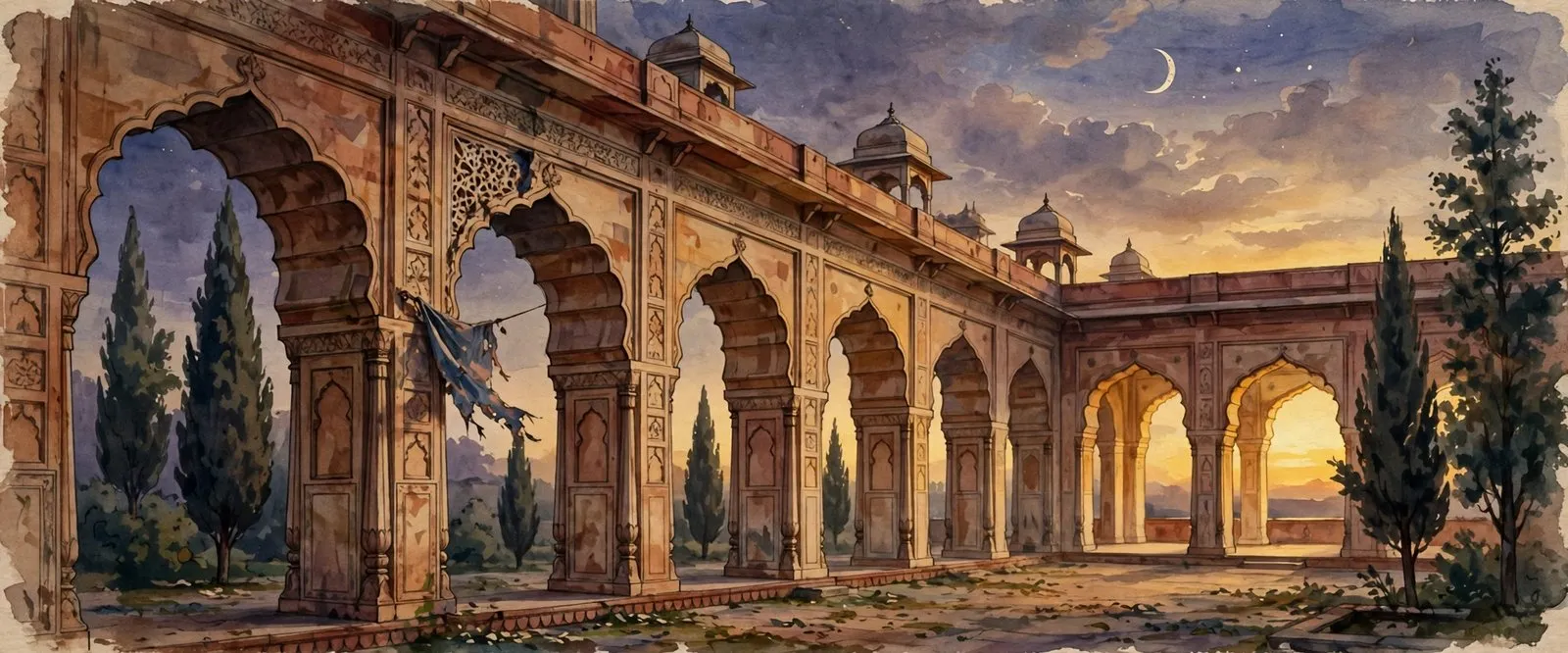
ਯੂਸੁਫ਼ ਜ਼ੁਲੈਖ਼ਾ ਸਤਾਰ੍ਹਵੀਂ ਸਦੀ ਦੀ ਪੰਜਾਬੀ ਕਿੱਸਾ-ਕਹਾਣੀ ਹੈ, ਸੂਫ਼ੀ ਕਵੀ ਹਾਫ਼ਿਜ਼ ਬਰਖ਼ੁਰਦਾਰ ਦੀ ਰਚਨਾ, ਜੋ ਕੁਰਾਨ ਦੇ ਬਾਰ੍ਹਵੇਂ ਸੂਰੇ ਵਿੱਚ ਦੱਸੀ ਯੂਸੁਫ਼ ਤੇ ਜ਼ੁਲੈਖ਼ਾ ਦੀ ਕਹਾਣੀ ਦੱਸਦੀ ਹੈ। ਲਗਭਗ 1,200 ਤੁਕਾਂਤ ਬੰਦਾਂ ਵਿੱਚ ਇਹ ਯੂਸੁਫ਼ ਦੀ ਸੁੰਦਰਤਾ, ਜ਼ੁਲੈਖ਼ਾ ਦਾ ਪ੍ਰੇਮ, ਫਟੀ ਕਮੀਜ਼, ਕੈਦ ਤੇ ਪਿਤਾ ਯਾਕੂਬ ਨਾਲ ਮਿਲਾਪ ਦੀ ਕਹਾਣੀ ਹੈ। ਇਹ ਜਾਮੀ ਦੀ 1483 ਦੀ ਫ਼ਾਰਸੀ ਕਵਿਤਾ ਤੋਂ ਪ੍ਰੇਰਿਤ ਹੈ ਅਤੇ ਉਨ੍ਹੀਵੀਂ ਸਦੀ ਵਿੱਚ ਪਹਿਲੀ ਵਾਰ ਛਪੀ ਸੀ।
ਪੰਜਾਬੀ, ਸ਼ਾਹਮੁਖੀ- ਪੰਜਾਬੀ ਨਾਂ
- ਯੂਸੁਫ਼ ਜ਼ੁਲੈਖ਼ਾ
- ਲੇਖਕ
- ਹਾਫ਼ਿਜ਼ ਬਰਖ਼ੁਰਦਾਰ
- ਰਚਨਾ
- 17ਵੀਂ ਸਦੀ
- ਪਹਿਲੀ ਵਾਰ ਛਪੀ
- 19ਵੀਂ ਸਦੀ
- ਭਾਸ਼ਾ
- ਪੰਜਾਬੀ (ਸ਼ਾਹਮੁਖੀ ਲਿਪੀ)
- ਰੂਪ
- ਕਿੱਸਾ, ਕਵਿਤਾ ਵਿੱਚ
All 10 facts
- ਲੰਬਾਈ
- ਲਗਭਗ 1,200 ਤੁਕਾਂਤ ਬੰਦ
- ਸਰੋਤ
- ਕੁਰਾਨ, ਸੂਰਾ 12, ਅਤੇ ਜਾਮੀ ਦੀ ਫ਼ਾਰਸੀ ਕਵਿਤਾ (1483)
- ਅੰਗਰੇਜ਼ੀ ਅਨੁਵਾਦ
- ਬਰਖ਼ੁਰਦਾਰ ਦੀ ਰਚਨਾ ਦਾ ਕੋਈ ਨਹੀਂ
- ਬਾਅਦ ਦੀਆਂ ਰਚਨਾਵਾਂ
- ਹਕੀਮ (1803), ਗ਼ੁਲਾਮ ਰਸੂਲ (1873), ਹਬੀਬ ਅਲੀ (1907)
ਪਾਤਰ
About the book
Yusuf Zulaikha is a Punjabi qissa, a verse romance, by the seventeenth-century Sufi poet Hafiz Barkhurdar. It retells the story of the prophet Yusuf and Zulaikha, the wife of the Aziz of Egypt, a tale told in Sura 12 of the Quran and loved across the Muslim world for a thousand years. Barkhurdar's version runs to about 1,200 pairs of rhyming verses. He was inspired by the great Persian poem of Jami, written in 1483, while adding his own stylistic choices, and his qissa is one of the earliest written Punjabi qissas. It was not published until the nineteenth century, and by then its language was already considered too old-fashioned for mainstream reading, which is one reason it is less known today than the folk romances.
ਕਹਾਣੀ
The story, as told in the Quran and in the tradition Barkhurdar drew on, runs like this. Yusuf, the son of the prophet Yaqub, is a young man of extraordinary beauty. Sold into slavery in Egypt, he is bought by the Aziz, the chief minister, and brought into his household. Zulaikha, the Aziz's wife, falls deeply in love with him. She tries to seduce him and locks him in a room. Yusuf refuses and flees, and as she grabs him from behind, his shirt is torn at the back. Caught at the door by her husband, Zulaikha blames Yusuf, but the tear at the back of the shirt proves he was fleeing, not pursuing, and she is shown to be at fault. When the women of the city gossip about her, Zulaikha invites them, gives each a knife, and calls Yusuf in. The women are so struck by his beauty that they cut their own hands. Zulaikha threatens Yusuf with prison if he will not yield, and Yusuf, preferring prison to betraying his master, is imprisoned. In prison he interprets dreams, including the Pharaoh's, and rises to become treasurer of Egypt. In Barkhurdar's version, the tale closes with Yusuf reunited with his father Yaqub.
Where the story comes from
The tale comes from Sura 12 of the Quran, titled Yusuf, supplemented by Quranic commentaries and retellings in the Tales of the Prophets tradition, and it parallels the Joseph story in Genesis 39. The name Zulaikha does not appear in the Quran, where she is only the wife of the Aziz. The name was popularised by the Persian poet Jami's poem of 1483, written as part of his Haft Awrang, the Seven Thrones. In Jami's version, Zulaikha ages in grief and poverty, repents, has her youth and beauty restored by God, and marries Yusuf. Barkhurdar took Jami as his model and made the story Punjabi: the same arc of love, temptation, prison and reunion, told in the verse forms and speech of western Punjab.
What the story means
In the Sufi reading, Zulaikha's earthly love for Yusuf is a metaphor for the soul's yearning for union with God, and her love is transformed from desire for Yusuf into love of divine beauty. That reading is the heart of Jami's poem and of the wider tradition Barkhurdar belonged to. Yusuf Zulaikha is not one of the four famous tragic folk romances of Punjab, Heer Ranjha, Mirza Sahiban, Sohni Mahiwal and Sassi Punnun, and it differs from them in two ways: its source is scripture rather than Punjabi folk legend, and its ending is a reunion, not the death of the lovers. It sits alongside the folk qissas as a major classical Punjabi verse romance, and it shows how Persian Sufi literature shaped Punjabi poetry.
ਲੇਖਕ
Hafiz Barkhurdar (1658 to 1707, dates commonly given but not firmly established) was a Punjabi Sufi poet and a prominent figure in classical Punjabi literature, writing in the seventeenth century. He was the disciple of the poet Pilu, and the second poet, after Pilu, to write the folktale of Mirza Sahiban, which he did at Pilu's request. His other works were Sassi Punnu and Qissa Khatri. He was versed in theology and also wrote on religious law and Quranic interpretation, and his language mixes Persian vocabulary with the idiom and sounds of western Punjabi. His tomb stands at Chitti Shaikhan in Sialkot district.
Is there an English translation?
There is no English translation of Barkhurdar's Punjabi Yusuf Zulaikha. The English translations that exist are of Jami's Persian version: Ralph T. H. Griffith's, published in London in 1882, and David Pendlebury's abridged translation, published in 1980. What did keep the story alive in Punjab were new Punjabi retellings: Hakim wrote one in 1803, Gulam Rasul in 1873 and Habib Ali in 1907. Modern scholarship has a dedicated study of the poet, Kala Singh Bedi's Hafiz Barkhurdar: Jiwan te Rachna, published by Punjabi University in 1984.
ਕਿਤਾਬ ਬਾਰੇ
ਯੂਸੁਫ਼ ਜ਼ੁਲੈਖ਼ਾ ਸਤਾਰ੍ਹਵੀਂ ਸਦੀ ਦੇ ਸੂਫ਼ੀ ਕਵੀ ਹਾਫ਼ਿਜ਼ ਬਰਖ਼ੁਰਦਾਰ ਦੀ ਪੰਜਾਬੀ ਕਿੱਸਾ-ਕਹਾਣੀ ਹੈ। ਇਹ ਯੂਸੁਫ਼ ਤੇ ਜ਼ੁਲੈਖ਼ਾ, ਮਿਸਰ ਦੇ ਅਜ਼ੀਜ਼ ਦੀ ਪਤਨੀ, ਦੀ ਕਹਾਣੀ ਦੱਸਦੀ ਹੈ, ਜੋ ਕੁਰਾਨ ਦੇ ਬਾਰ੍ਹਵੇਂ ਸੂਰੇ ਵਿੱਚ ਹੈ ਅਤੇ ਹਜ਼ਾਰ ਸਾਲਾਂ ਤੋਂ ਮੁਸਲਿਮ ਦੁਨੀਆ ਵਿੱਚ ਪਿਆਰੀ ਰਹੀ ਹੈ। ਬਰਖ਼ੁਰਦਾਰ ਦੀ ਰਚਨਾ ਲਗਭਗ 1,200 ਤੁਕਾਂਤ ਬੰਦਾਂ ਦੀ ਹੈ। ਉਹ 1483 ਵਿੱਚ ਲਿਖੀ ਜਾਮੀ ਦੀ ਮਸ਼ਹੂਰ ਫ਼ਾਰਸੀ ਕਵਿਤਾ ਤੋਂ ਪ੍ਰੇਰਿਤ ਸੀ, ਪਰ ਉਸ ਨੇ ਆਪਣੀ ਸ਼ੈਲੀ ਵੀ ਪਾਈ, ਅਤੇ ਉਸ ਦੀ ਕਿੱਸਾ-ਕਹਾਣੀ ਪੰਜਾਬੀ ਦੀਆਂ ਮੁੱਢਲੀਆਂ ਲਿਖੀਆਂ ਕਿੱਸਾ-ਕਹਾਣੀਆਂ ਵਿੱਚੋਂ ਇੱਕ ਹੈ। ਇਹ ਉਨ੍ਹੀਵੀਂ ਸਦੀ ਵਿੱਚ ਪਹਿਲੀ ਵਾਰ ਛਪੀ, ਅਤੇ ਉਦੋਂ ਤੱਕ ਇਸ ਦੀ ਭਾਸ਼ਾ ਪੁਰਾਣੀ ਮੰਨੀ ਜਾਂਦੀ ਸੀ, ਜਿਸ ਕਰਕੇ ਇਹ ਲੋਕ ਪ੍ਰੇਮ ਕਹਾਣੀਆਂ ਜਿੰਨੀ ਮਸ਼ਹੂਰ ਨਹੀਂ ਹੋਈ।
ਕਹਾਣੀ
ਕਹਾਣੀ, ਜਿਵੇਂ ਕੁਰਾਨ ਅਤੇ ਉਸ ਪਰੰਪਰਾ ਵਿੱਚ ਹੈ ਜਿਸ ਤੋਂ ਬਰਖ਼ੁਰਦਾਰ ਨੇ ਲਿਆ, ਇਸ ਤਰ੍ਹਾਂ ਹੈ। ਯੂਸੁਫ਼, ਪੈਗ਼ੰਬਰ ਯਾਕੂਬ ਦਾ ਪੁੱਤਰ, ਅਸਾਧਾਰਨ ਸੁੰਦਰ ਨੌਜਵਾਨ ਹੈ। ਗ਼ੁਲਾਮ ਵਜੋਂ ਵੇਚ ਕੇ ਮਿਸਰ ਲਿਆਂਦਾ ਜਾਂਦਾ ਹੈ, ਜਿੱਥੇ ਅਜ਼ੀਜ਼, ਮੁੱਖ ਮੰਤਰੀ, ਉਸ ਨੂੰ ਖ਼ਰੀਦ ਕੇ ਆਪਣੇ ਘਰ ਲੈ ਆਉਂਦਾ ਹੈ। ਅਜ਼ੀਜ਼ ਦੀ ਪਤਨੀ ਜ਼ੁਲੈਖ਼ਾ ਨੂੰ ਉਸ ਨਾਲ ਪ੍ਰੇਮ ਹੋ ਜਾਂਦਾ ਹੈ। ਉਹ ਉਸ ਨੂੰ ਇੱਕ ਕਮਰੇ ਵਿੱਚ ਬੰਦ ਕਰ ਕੇ ਫੁਸਲਾਉਣ ਦੀ ਕੋਸ਼ਿਸ਼ ਕਰਦੀ ਹੈ। ਯੂਸੁਫ਼ ਮਨ੍ਹਾ ਕਰ ਕੇ ਭੱਜਦਾ ਹੈ, ਅਤੇ ਜ਼ੁਲੈਖ਼ਾ ਪਿੱਛਿਓਂ ਉਸ ਨੂੰ ਫੜਦੀ ਹੈ ਤਾਂ ਉਸ ਦੀ ਕਮੀਜ਼ ਪਿੱਛਿਓਂ ਫਟ ਜਾਂਦੀ ਹੈ। ਦਰਵਾਜ਼ੇ ਉੱਤੇ ਉਸ ਦਾ ਪਤੀ ਉਨ੍ਹਾਂ ਨੂੰ ਫੜ ਲੈਂਦਾ ਹੈ, ਅਤੇ ਜ਼ੁਲੈਖ਼ਾ ਯੂਸੁਫ਼ ਉੱਤੇ ਦੋਸ਼ ਲਾ ਦਿੰਦੀ ਹੈ, ਪਰ ਕਮੀਜ਼ ਪਿੱਛਿਓਂ ਫਟੀ ਹੋਣ ਕਰਕੇ ਸਾਬਤ ਹੋ ਜਾਂਦਾ ਹੈ ਕਿ ਉਹ ਭੱਜ ਰਿਹਾ ਸੀ, ਅਤੇ ਜ਼ੁਲੈਖ਼ਾ ਹੀ ਦੋਸ਼ੀ ਹੈ। ਜਦੋਂ ਸ਼ਹਿਰ ਦੀਆਂ ਔਰਤਾਂ ਉਸ ਦਾ ਮਜ਼ਾਕ ਉਡਾਉਂਦੀਆਂ ਹਨ, ਤਾਂ ਜ਼ੁਲੈਖ਼ਾ ਉਨ੍ਹਾਂ ਨੂੰ ਬੁਲਾ ਕੇ ਹਰ ਇੱਕ ਨੂੰ ਚਾਕੂ ਦਿੰਦੀ ਹੈ ਅਤੇ ਯੂਸੁਫ਼ ਨੂੰ ਅੰਦਰ ਬੁਲਾਉਂਦੀ ਹੈ। ਔਰਤਾਂ ਉਸ ਦੀ ਸੁੰਦਰਤਾ ਦੇਖ ਕੇ ਆਪਣੇ ਹੱਥ ਵੱਢ ਲੈਂਦੀਆਂ ਹਨ। ਜ਼ੁਲੈਖ਼ਾ ਯੂਸੁਫ਼ ਨੂੰ ਕੈਦ ਦੀ ਧਮਕੀ ਦਿੰਦੀ ਹੈ, ਅਤੇ ਯੂਸੁਫ਼ ਆਪਣੇ ਮਾਲਕ ਨਾਲ ਧੋਖਾ ਕਰਨ ਦੀ ਥਾਂ ਕੈਦ ਚੁਣਦਾ ਹੈ। ਕੈਦ ਵਿੱਚ ਉਹ ਸੁਪਨਿਆਂ ਦੀ ਵਿਆਖਿਆ ਕਰਦਾ ਹੈ, ਫ਼ਿਰਊਨ ਦਾ ਸੁਪਨਾ ਵੀ, ਅਤੇ ਮਿਸਰ ਦਾ ਖ਼ਜ਼ਾਨਚੀ ਬਣ ਜਾਂਦਾ ਹੈ। ਬਰਖ਼ੁਰਦਾਰ ਦੀ ਰਚਨਾ ਦੇ ਅੰਤ ਵਿੱਚ ਯੂਸੁਫ਼ ਆਪਣੇ ਪਿਤਾ ਯਾਕੂਬ ਨਾਲ ਮਿਲਦਾ ਹੈ।
ਕਹਾਣੀ ਕਿੱਥੋਂ ਆਈ ਹੈ?
ਇਹ ਕਹਾਣੀ ਕੁਰਾਨ ਦੇ ਬਾਰ੍ਹਵੇਂ ਸੂਰੇ, ਯੂਸੁਫ਼, ਤੋਂ ਆਈ ਹੈ, ਜਿਸ ਦੇ ਨਾਲ ਕੁਰਾਨ ਦੀਆਂ ਵਿਆਖਿਆਵਾਂ ਅਤੇ ਪੈਗ਼ੰਬਰਾਂ ਦੀਆਂ ਕਹਾਣੀਆਂ ਦੀ ਪਰੰਪਰਾ ਵੀ ਹੈ, ਅਤੇ ਇਹ ਬਾਈਬਲ ਵਿੱਚ ਯੂਸੁਫ਼ ਦੀ ਕਹਾਣੀ ਨਾਲ ਮਿਲਦੀ ਹੈ। ਜ਼ੁਲੈਖ਼ਾ ਨਾਂ ਕੁਰਾਨ ਵਿੱਚ ਨਹੀਂ ਹੈ, ਜਿੱਥੇ ਉਹ ਸਿਰਫ਼ ਅਜ਼ੀਜ਼ ਦੀ ਪਤਨੀ ਹੈ। ਇਹ ਨਾਂ ਜਾਮੀ ਦੀ 1483 ਦੀ ਕਵਿਤਾ ਨੇ ਮਸ਼ਹੂਰ ਕੀਤਾ, ਜੋ ਉਸ ਦੇ ਹਫ਼ਤ ਔਰੰਗ, ਸੱਤ ਤਖ਼ਤ, ਦਾ ਹਿੱਸਾ ਹੈ। ਜਾਮੀ ਦੀ ਰਚਨਾ ਵਿੱਚ ਜ਼ੁਲੈਖ਼ਾ ਦੁੱਖ ਤੇ ਗ਼ਰੀਬੀ ਵਿੱਚ ਬੁੱਢੀ ਹੋ ਜਾਂਦੀ ਹੈ, ਤੋਬਾ ਕਰਦੀ ਹੈ, ਰੱਬ ਉਸ ਦੀ ਜਵਾਨੀ ਤੇ ਸੁੰਦਰਤਾ ਮੁੜ ਦੇ ਦਿੰਦਾ ਹੈ, ਅਤੇ ਉਹ ਯੂਸੁਫ਼ ਨਾਲ ਵਿਆਹ ਕਰ ਲੈਂਦੀ ਹੈ। ਬਰਖ਼ੁਰਦਾਰ ਨੇ ਜਾਮੀ ਨੂੰ ਆਪਣਾ ਨਮੂਨਾ ਬਣਾਇਆ ਅਤੇ ਕਹਾਣੀ ਨੂੰ ਪੰਜਾਬੀ ਬਣਾ ਦਿੱਤਾ: ਪ੍ਰੇਮ, ਪਰਖ, ਕੈਦ ਤੇ ਮਿਲਾਪ ਦੀ ਉਹੀ ਕਹਾਣੀ, ਪੱਛਮੀ ਪੰਜਾਬ ਦੀ ਬੋਲੀ ਤੇ ਕਵਿਤਾ ਦੇ ਰੂਪ ਵਿੱਚ।
ਕਹਾਣੀ ਦਾ ਕੀ ਮਤਲਬ ਹੈ?
ਸੂਫ਼ੀ ਸਮਝ ਵਿੱਚ ਜ਼ੁਲੈਖ਼ਾ ਦਾ ਯੂਸੁਫ਼ ਲਈ ਧਰਤੀ ਉੱਤੇ ਪ੍ਰੇਮ, ਰੂਹ ਦੀ ਰੱਬ ਨਾਲ ਮਿਲਾਪ ਦੀ ਤਾਂਘ ਦਾ ਪ੍ਰਤੀਕ ਹੈ, ਅਤੇ ਉਸ ਦਾ ਪ੍ਰੇਮ ਯੂਸੁਫ਼ ਦੀ ਚਾਹ ਤੋਂ ਰੱਬੀ ਸੁੰਦਰਤਾ ਦੀ ਚਾਹ ਵਿੱਚ ਬਦਲ ਜਾਂਦਾ ਹੈ। ਇਹੀ ਸਮਝ ਜਾਮੀ ਦੀ ਕਵਿਤਾ ਅਤੇ ਉਸ ਪਰੰਪਰਾ ਦਾ ਦਿਲ ਹੈ ਜਿਸ ਨਾਲ ਬਰਖ਼ੁਰਦਾਰ ਜੁੜਿਆ ਸੀ। ਯੂਸੁਫ਼ ਜ਼ੁਲੈਖ਼ਾ ਪੰਜਾਬ ਦੀਆਂ ਚਾਰ ਮਸ਼ਹੂਰ ਦੁਖਦਾਈ ਲੋਕ ਪ੍ਰੇਮ ਕਹਾਣੀਆਂ, ਹੀਰ ਰਾਂਝਾ, ਮਿਰਜ਼ਾ ਸਾਹਿਬਾਂ, ਸੋਹਣੀ ਮਹੀਂਵਾਲ ਤੇ ਸੱਸੀ ਪੁੰਨੂ, ਵਿੱਚੋਂ ਇੱਕ ਨਹੀਂ ਹੈ, ਅਤੇ ਇਹ ਉਨ੍ਹਾਂ ਤੋਂ ਦੋ ਗੱਲਾਂ ਵਿੱਚ ਵੱਖਰੀ ਹੈ: ਇਸ ਦਾ ਸਰੋਤ ਪੰਜਾਬੀ ਲੋਕ ਕਥਾ ਦੀ ਥਾਂ ਧਰਮ ਗ੍ਰੰਥ ਹੈ, ਅਤੇ ਇਸ ਦਾ ਅੰਤ ਪ੍ਰੇਮੀਆਂ ਦੀ ਮੌਤ ਦੀ ਥਾਂ ਮਿਲਾਪ ਹੈ। ਇਹ ਲੋਕ ਕਿੱਸਿਆਂ ਦੇ ਨਾਲ ਪੰਜਾਬੀ ਦੀ ਇੱਕ ਵੱਡੀ ਸ਼ਾਸਤਰੀ ਕਿੱਸਾ-ਕਹਾਣੀ ਹੈ, ਅਤੇ ਇਹ ਦਿਖਾਉਂਦੀ ਹੈ ਕਿ ਫ਼ਾਰਸੀ ਸੂਫ਼ੀ ਸਾਹਿਤ ਨੇ ਪੰਜਾਬੀ ਕਵਿਤਾ ਨੂੰ ਕਿਵੇਂ ਢਾਲਿਆ।
ਲੇਖਕ ਬਾਰੇ
ਹਾਫ਼ਿਜ਼ ਬਰਖ਼ੁਰਦਾਰ (1658 ਤੋਂ 1707, ਤਰੀਕਾਂ ਆਮ ਤੌਰ ਉੱਤੇ ਦੱਸੀਆਂ ਜਾਂਦੀਆਂ ਹਨ, ਪੱਕੀਆਂ ਨਹੀਂ) ਸਤਾਰ੍ਹਵੀਂ ਸਦੀ ਦਾ ਪੰਜਾਬੀ ਸੂਫ਼ੀ ਕਵੀ ਅਤੇ ਪੰਜਾਬੀ ਸਾਹਿਤ ਦੀ ਇੱਕ ਪ੍ਰਮੁੱਖ ਹਸਤੀ ਸੀ। ਉਹ ਕਵੀ ਪੀਲੂ ਦਾ ਸ਼ਗਿਰਦ ਸੀ, ਅਤੇ ਪੀਲੂ ਤੋਂ ਬਾਅਦ ਦੂਜਾ ਕਵੀ ਸੀ ਜਿਸ ਨੇ ਮਿਰਜ਼ਾ ਸਾਹਿਬਾਂ ਦੀ ਲੋਕ ਕਹਾਣੀ ਲਿਖੀ, ਜੋ ਉਸ ਨੇ ਪੀਲੂ ਦੇ ਕਹਿਣ ਉੱਤੇ ਕੀਤੀ ਸੀ। ਉਸ ਦੀਆਂ ਹੋਰ ਰਚਨਾਵਾਂ ਸੱਸੀ ਪੁੰਨੂ ਅਤੇ ਕਿੱਸਾ ਖੱਤਰੀ ਸਨ। ਉਹ ਧਰਮ ਸ਼ਾਸਤਰ ਵਿੱਚ ਨਿਪੁੰਨ ਸੀ ਅਤੇ ਧਾਰਮਿਕ ਕਾਨੂੰਨ ਤੇ ਕੁਰਾਨ ਦੀ ਵਿਆਖਿਆ ਉੱਤੇ ਵੀ ਲਿਖਦਾ ਸੀ, ਅਤੇ ਉਸ ਦੀ ਭਾਸ਼ਾ ਵਿੱਚ ਫ਼ਾਰਸੀ ਦੇ ਸ਼ਬਦ ਪੱਛਮੀ ਪੰਜਾਬੀ ਦੀ ਬੋਲੀ ਨਾਲ ਰਲੇ ਹੋਏ ਹਨ। ਉਸ ਦੀ ਮਜ਼ਾਰ ਸਿਆਲਕੋਟ ਜ਼ਿਲ੍ਹੇ ਦੇ ਚਿੱਟੀ ਸ਼ੇਖਾਂ ਵਿੱਚ ਹੈ।
ਕੀ ਇਸ ਦਾ ਅੰਗਰੇਜ਼ੀ ਅਨੁਵਾਦ ਹੈ?
ਬਰਖ਼ੁਰਦਾਰ ਦੀ ਪੰਜਾਬੀ ਯੂਸੁਫ਼ ਜ਼ੁਲੈਖ਼ਾ ਦਾ ਕੋਈ ਅੰਗਰੇਜ਼ੀ ਅਨੁਵਾਦ ਨਹੀਂ ਹੈ। ਜੋ ਅੰਗਰੇਜ਼ੀ ਅਨੁਵਾਦ ਹਨ, ਉਹ ਜਾਮੀ ਦੀ ਫ਼ਾਰਸੀ ਰਚਨਾ ਦੇ ਹਨ: ਰਾਲਫ਼ ਟੀ। ਐੱਚ। ਗ੍ਰਿਫ਼ਿਥ ਦਾ, ਜੋ 1882 ਵਿੱਚ ਲੰਡਨ ਵਿੱਚ ਛਪਿਆ, ਅਤੇ ਡੇਵਿਡ ਪੈਂਡਲਬਰੀ ਦਾ ਸੰਖੇਪ ਅਨੁਵਾਦ, ਜੋ 1980 ਵਿੱਚ ਛਪਿਆ। ਕਹਾਣੀ ਨੂੰ ਪੰਜਾਬ ਵਿੱਚ ਜੀਉਂਦਾ ਰੱਖਣ ਦਾ ਕੰਮ ਨਵੀਆਂ ਪੰਜਾਬੀ ਰਚਨਾਵਾਂ ਨੇ ਕੀਤਾ: ਹਕੀਮ ਨੇ 1803 ਵਿੱਚ, ਗ਼ੁਲਾਮ ਰਸੂਲ ਨੇ 1873 ਵਿੱਚ ਅਤੇ ਹਬੀਬ ਅਲੀ ਨੇ 1907 ਵਿੱਚ ਆਪਣੀ ਯੂਸੁਫ਼ ਜ਼ੁਲੈਖ਼ਾ ਲਿਖੀ। ਕਵੀ ਉੱਤੇ ਨਵੀਂ ਖੋਜ ਵਿੱਚ ਕਾਲਾ ਸਿੰਘ ਬੇਦੀ ਦੀ ਕਿਤਾਬ ਹਾਫ਼ਿਜ਼ ਬਰਖ਼ੁਰਦਾਰ: ਜੀਵਨ ਤੇ ਰਚਨਾ ਹੈ, ਜੋ ਪੰਜਾਬੀ ਯੂਨੀਵਰਸਿਟੀ ਨੇ 1984 ਵਿੱਚ ਛਾਪੀ ਸੀ।
ਜੁੜੇ ਹੋਏ
ਹੋਰ ਪੜ੍ਹੋ
ਸਰੋਤ (3)
ਜੁਗਤੀ ਮੁਫ਼ਤ ਅਤੇ ਸੁਤੰਤਰ ਹੈ। ਪਾਠਕਾਂ ਦਾ ਸਹਿਯੋਗ ਕੋਸ਼ ਨੂੰ ਵਧਾਉਂਦਾ ਹੈ।
ਸਹਿਯੋਗ