
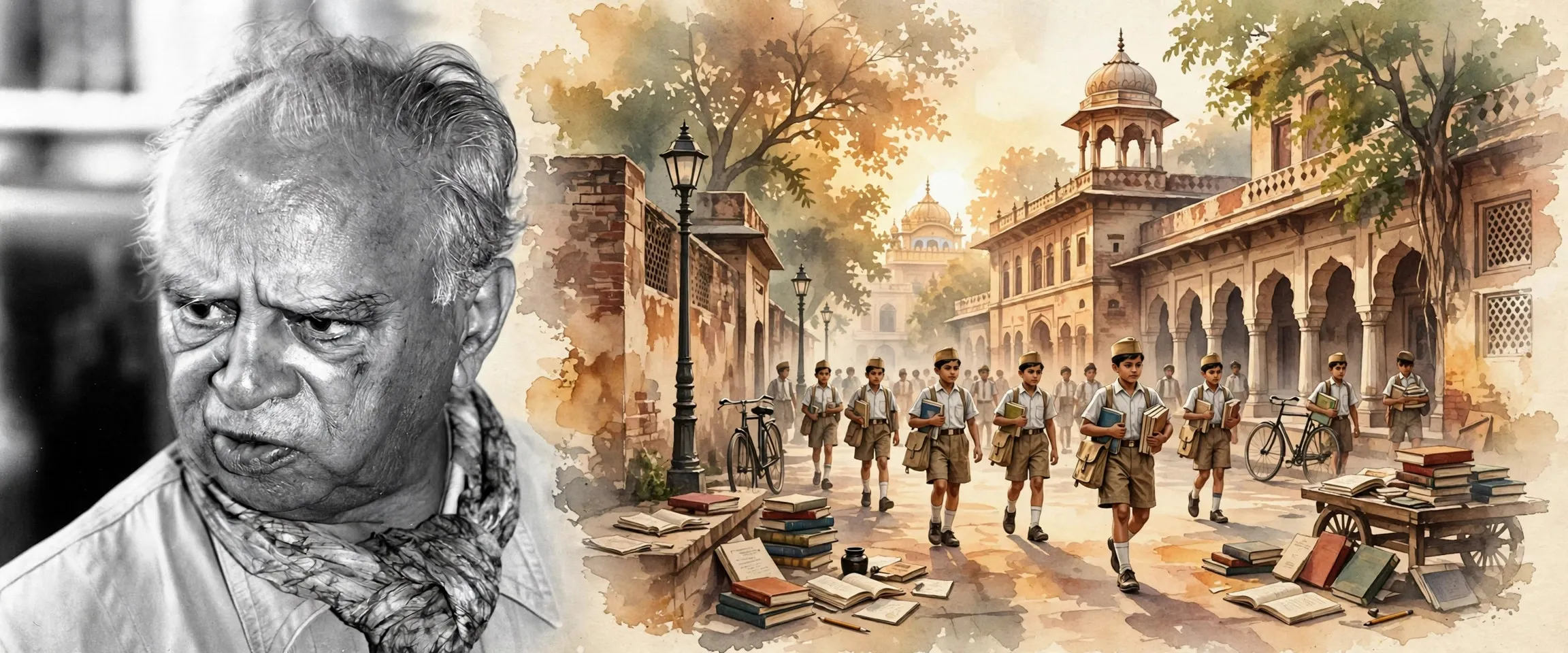
ਮੌਰਨਿੰਗ ਫ਼ੇਸ, ਜੋ 1968 ਵਿੱਚ ਬੰਬਈ ਦੇ ਕੁਤੁਬ ਪਾਪੂਲਰ ਨੇ ਛਾਪਿਆ, ਮੁਲਕ ਰਾਜ ਆਨੰਦ ਦਾ ਮੁੰਡਪੁਣੇ ਦਾ ਸਵੈ ਜੀਵਨੀ ਨਾਵਲ ਹੈ ਅਤੇ ਉਸ ਦੀ ਸੈਵਨ ਏਜਿਜ਼ ਆਫ਼ ਮੈਨ ਲੜੀ ਦੀ ਦੂਜੀ ਜਿਲਦ ਹੈ। ਇਹ ਸੈਵਨ ਸਮਰਜ਼ ਦੇ ਛਾਉਣੀ ਵਾਲੇ ਬੱਚੇ ਕ੍ਰਿਸ਼ਨ ਨੂੰ ਪਹਿਲੇ ਵਿਸ਼ਵ ਯੁੱਧ ਤੋਂ 1919 ਦੇ ਜੱਲ੍ਹਿਆਂਵਾਲਾ ਬਾਗ਼ ਸਾਕੇ ਤੱਕ ਦੇ ਸਾਲਾਂ ਵਿੱਚ ਅੰਮ੍ਰਿਤਸਰ ਅਤੇ ਲੁਧਿਆਣਾ ਵਿੱਚੋਂ ਲੈ ਜਾਂਦਾ ਹੈ, ਅਤੇ ਇਸ ਨੂੰ 1971 ਵਿੱਚ ਸਾਹਿਤ ਅਕਾਦਮੀ ਇਨਾਮ ਮਿਲਿਆ।
ਅੰਗਰੇਜ਼ੀ- ਲੇਖਕ
- ਮੁਲਕ ਰਾਜ ਆਨੰਦ
- ਪਹਿਲੀ ਵਾਰ ਛਪੀ
- 1968, ਕੁਤੁਬ ਪਾਪੂਲਰ, ਬੰਬਈ
- ਭਾਸ਼ਾ
- ਅੰਗਰੇਜ਼ੀ
- ਰੂਪ
- ਸਵੈ ਜੀਵਨੀ ਨਾਵਲ
- ਲੜੀ
- ਸੈਵਨ ਏਜਿਜ਼ ਆਫ਼ ਮੈਨ, ਪੂਰੀਆਂ ਹੋਈਆਂ ਚਾਰ ਜਿਲਦਾਂ ਵਿੱਚੋਂ ਦੂਜੀ
- ਸਨਮਾਨ
- ਸਾਹਿਤ ਅਕਾਦਮੀ ਇਨਾਮ, 1971 (ਅੰਗਰੇਜ਼ੀ, ਨਾਵਲ)
All 8 facts
- ਨਾਇਕ
- ਕ੍ਰਿਸ਼ਨ, ਲੇਖਕ ਦਾ ਆਪਣਾ ਮੁੰਡਪੁਣਾ ਰੂਪ
- ਪਿਛੋਕੜ
- ਅੰਮ੍ਰਿਤਸਰ ਅਤੇ ਲੁਧਿਆਣਾ, 1919 ਤੱਕ ਦੇ ਸਾਲਾਂ ਵਿੱਚ
ਪਾਤਰ
About the book
Morning Face is an autobiographical novel by Mulk Raj Anand, first published in India in 1968 by Kutub Popular of Bombay. It is the second volume of Seven Ages of Man, the vast fictional autobiography Anand planned in seven parts, one for each of the seven ages in Shakespeare's famous speech in As You Like It. He completed four of the seven: Seven Summers (1951), Morning Face (1968), Confession of a Lover (1976) and The Bubble (1984). The first volume, Seven Summers, is also in this Kosh.
Seven Summers covered the first seven years of its hero's life in a British Indian Army cantonment and ended with the outbreak of war in 1914. Morning Face carries the same boy, Krishan, Anand's younger self, out of early childhood into boyhood and adolescence. The Authors' Calendar dates the book's historical span from the beginning of the First World War to the Jallianwala Bagh Massacre of 1919, so the boy's private growing up runs alongside the years in which Punjab itself was shaken to its foundations.
Why is it called Morning Face?
The title comes from Shakespeare's schoolboy, the second of the seven ages, whining and snail slow on his way to school, with his shining morning face. Critic K. R. S. Iyengar's phrase for this volume, quoted in summaries of the book, is that Krishan has entered boyhood and carries that shining morning face. The face is fresh, but the world it looks at is not: between the covers of this one boyhood sit a world war, a sprawling family's pressures, and a province heading towards the violence of 1919.
A boyhood between Amritsar and Ludhiana
Summaries of the novel describe Krishan's world widening beyond the cantonment of Seven Summers: he moves first to Amritsar, and then to Ludhiana, where his elder brother serves as an Assistant Jailor. Iyengar wrote of the boy as subject to all the visible and invisible stresses and tensions of a sprawling family of uncles, aunts, cousins and other relations, and the novel's method, as its readers describe it, is a personalised telling of the politics and history of those years through one boy's eyes.
The family behind the fiction matters to the portrait. Anand was born into a family of mixed Punjab: his father, Lal Chand, came from a family of coppersmiths and silversmiths and became a military clerk, and his mother came from a Sikh peasant family, as the IGNOU study unit on Anand records. That double inheritance, artisan and peasant, Hindu and Sikh, home and regiment, is the ground the whole Seven Ages of Man sequence stands on, and Morning Face is where the boy begins to test it against the towns and schools of the plains.
By the end of the book, in the reading the summaries preserve, something has woken in Krishan: he speaks of a new kind of poetry in himself, of a wish to sing and to awaken to the freedom of the whole universe. The schoolboy of the shining morning face is becoming the writer who would spend the next two decades turning this life into the remaining volumes of the sequence.
ਲੇਖਕ
Mulk Raj Anand (1905 to 2004) was born in Peshawar on 12 December 1905 and educated at Khalsa College, Amritsar, where he graduated with honours in 1924, and then in England, where he took a PhD in philosophy in 1929. With R. K. Narayan and Raja Rao he founded the Indian English novel; Untouchable (1935) and Coolie (1936) made his name as the teller of the lives of India's poor, with Punjabi and Hindustani idiom carried into English. He returned to India in 1947, founded the arts journal Marg, and embarked in 1950 on the Seven Ages of Man project. He died in Pune on 28 September 2004, aged 98.
Reception and legacy
Morning Face won Anand the Sahitya Akademi Award for 1971, in the English novel category, the official awards list of the Sahitya Akademi records. It remains the best documented honour of his later career, and it was given for the most personal of his books. Anand himself set the novel beside a famous contemporary: he considered Morning Face to be built on the structural lines of Raja Rao's The Serpent and the Rope, but separated from it by the values it espoused.
The book travelled within India: Revuri Anantha Padmanabha Rao translated it into Telugu as Prabhata Vadanam, published by the Sahitya Akademi in New Delhi in 1992. For readers today, Morning Face is the middle chapter of the Anand story the Kosh tells across several pages: the cantonment child of Seven Summers, the schoolboy of Amritsar and Ludhiana here, and behind both the protest novelist of Untouchable and Coolie, remembering how a Punjabi boy became a writer while an empire went to war.
ਕਿਤਾਬ ਬਾਰੇ
ਮੌਰਨਿੰਗ ਫ਼ੇਸ ਮੁਲਕ ਰਾਜ ਆਨੰਦ ਦਾ ਸਵੈ ਜੀਵਨੀ ਨਾਵਲ ਹੈ, ਜੋ ਪਹਿਲੀ ਵਾਰ 1968 ਵਿੱਚ ਬੰਬਈ ਦੇ ਕੁਤੁਬ ਪਾਪੂਲਰ ਨੇ ਭਾਰਤ ਵਿੱਚ ਛਾਪਿਆ। ਇਹ ਸੈਵਨ ਏਜਿਜ਼ ਆਫ਼ ਮੈਨ ਦੀ ਦੂਜੀ ਜਿਲਦ ਹੈ, ਉਹ ਵੱਡੀ ਗਲਪ ਸਵੈ ਜੀਵਨੀ ਜਿਸ ਦੀ ਆਨੰਦ ਨੇ ਸੱਤ ਹਿੱਸਿਆਂ ਵਿੱਚ ਯੋਜਨਾ ਬਣਾਈ ਸੀ, ਸ਼ੈਕਸਪੀਅਰ ਦੇ ਨਾਟਕ ਐਜ਼ ਯੂ ਲਾਈਕ ਇਟ ਦੇ ਮਸ਼ਹੂਰ ਭਾਸ਼ਣ ਦੀਆਂ ਸੱਤ ਉਮਰਾਂ ਵਾਂਗ ਇੱਕ ਇੱਕ ਹਿੱਸਾ ਹਰ ਉਮਰ ਲਈ। ਉਸ ਦੀਆਂ ਚਾਰ ਜਿਲਦਾਂ ਪੂਰੀਆਂ ਹੋਈਆਂ: ਸੈਵਨ ਸਮਰਜ਼ (1951), ਮੌਰਨਿੰਗ ਫ਼ੇਸ (1968), ਕਨਫ਼ੈਸ਼ਨ ਆਫ਼ ਏ ਲਵਰ (1976) ਅਤੇ ਦ ਬਬਲ (1984)। ਪਹਿਲੀ ਜਿਲਦ, ਸੈਵਨ ਸਮਰਜ਼, ਇਸ ਕੋਸ਼ ਵਿੱਚ ਵੀ ਹੈ।
ਸੈਵਨ ਸਮਰਜ਼ ਨੇ ਆਪਣੇ ਨਾਇਕ ਦੇ ਜੀਵਨ ਦੇ ਪਹਿਲੇ ਸੱਤ ਸਾਲ ਬਰਤਾਨਵੀ ਭਾਰਤੀ ਫ਼ੌਜ ਦੀ ਛਾਉਣੀ ਵਿੱਚ ਦਿਖਾਏ ਸਨ ਅਤੇ ਇਹ 1914 ਵਿੱਚ ਯੁੱਧ ਦੇ ਸ਼ੁਰੂ ਹੋਣ ਨਾਲ ਮੁੱਕੀ ਸੀ। ਮੌਰਨਿੰਗ ਫ਼ੇਸ ਉਸੇ ਮੁੰਡੇ, ਕ੍ਰਿਸ਼ਨ, ਜੋ ਆਨੰਦ ਦਾ ਆਪਣਾ ਬਚਪਨ ਰੂਪ ਹੈ, ਨੂੰ ਬਚਪਨ ਤੋਂ ਅੱਗੇ ਮੁੰਡਪੁਣੇ ਅਤੇ ਕਿਸ਼ੋਰ ਅਵਸਥਾ ਵਿੱਚ ਲੈ ਜਾਂਦੀ ਹੈ। ਆਥਰਜ਼ ਕੈਲੰਡਰ ਕਿਤਾਬ ਦੇ ਇਤਿਹਾਸਕ ਸਮੇਂ ਨੂੰ ਪਹਿਲੇ ਵਿਸ਼ਵ ਯੁੱਧ ਦੀ ਸ਼ੁਰੂਆਤ ਤੋਂ 1919 ਦੇ ਜੱਲ੍ਹਿਆਂਵਾਲਾ ਬਾਗ਼ ਸਾਕੇ ਤੱਕ ਦੱਸਦਾ ਹੈ, ਇਸ ਲਈ ਮੁੰਡੇ ਦਾ ਨਿੱਜੀ ਵੱਡਾ ਹੋਣਾ ਉਨ੍ਹਾਂ ਸਾਲਾਂ ਨਾਲ ਨਾਲ ਚੱਲਦਾ ਹੈ ਜਿਨ੍ਹਾਂ ਵਿੱਚ ਪੰਜਾਬ ਆਪ ਵੀ ਜੜ੍ਹਾਂ ਤੋਂ ਹਿੱਲ ਗਿਆ ਸੀ।
ਇਸ ਦਾ ਨਾਂ ਮੌਰਨਿੰਗ ਫ਼ੇਸ ਕਿਉਂ ਪਿਆ?
ਇਹ ਨਾਂ ਸ਼ੈਕਸਪੀਅਰ ਦੇ ਸਕੂਲੀ ਮੁੰਡੇ ਤੋਂ ਆਇਆ ਹੈ, ਸੱਤ ਉਮਰਾਂ ਵਿੱਚੋਂ ਦੂਜੀ, ਜੋ ਰੋਂਦਾ ਘੁੰਮਦਾ ਸਕੂਲ ਜਾਂਦਾ ਹੈ, ਚਮਕਦੇ ਸਵੇਰ ਵਾਲੇ ਚਿਹਰੇ ਨਾਲ। ਆਲੋਚਕ ਕੇ ਆਰ ਐੱਸ ਅਯੰਗਰ ਦਾ ਇਸ ਜਿਲਦ ਲਈ ਕਥਨ, ਜੋ ਕਿਤਾਬ ਦੇ ਸਾਰਾਂ ਵਿੱਚ ਦਰਜ ਹੈ, ਇਹ ਹੈ ਕਿ ਕ੍ਰਿਸ਼ਨ ਮੁੰਡਪੁਣੇ ਵਿੱਚ ਦਾਖ਼ਲ ਹੋ ਗਿਆ ਹੈ ਅਤੇ ਉਸ ਦਾ ਚਿਹਰਾ ਸਵੇਰ ਵਰਗਾ ਚਮਕਦਾ ਹੈ। ਚਿਹਰਾ ਤਾਜ਼ਾ ਹੈ, ਪਰ ਜਿਸ ਸੰਸਾਰ ਵੱਲ ਇਹ ਦੇਖਦਾ ਹੈ ਉਹ ਤਾਜ਼ਾ ਨਹੀਂ: ਇਸ ਇੱਕ ਮੁੰਡਪੁਣੇ ਦੇ ਸਫ਼ਿਆਂ ਵਿੱਚ ਇੱਕ ਵਿਸ਼ਵ ਯੁੱਧ, ਇੱਕ ਫੈਲੇ ਹੋਏ ਪਰਿਵਾਰ ਦੇ ਦਬਾਅ, ਅਤੇ 1919 ਦੀ ਹਿੰਸਾ ਵੱਲ ਵਧਦਾ ਇੱਕ ਸੂਬਾ ਸਮਾਇਆ ਹੈ।
ਅੰਮ੍ਰਿਤਸਰ ਅਤੇ ਲੁਧਿਆਣਾ ਵਿਚਕਾਰ ਬੀਤਿਆ ਮੁੰਡਪੁਣਾ
ਨਾਵਲ ਦੇ ਸਾਰ ਦੱਸਦੇ ਹਨ ਕਿ ਕ੍ਰਿਸ਼ਨ ਦਾ ਸੰਸਾਰ ਸੈਵਨ ਸਮਰਜ਼ ਦੀ ਛਾਉਣੀ ਤੋਂ ਅੱਗੇ ਫੈਲਦਾ ਹੈ: ਉਹ ਪਹਿਲਾਂ ਅੰਮ੍ਰਿਤਸਰ ਜਾਂਦਾ ਹੈ, ਅਤੇ ਫਿਰ ਲੁਧਿਆਣਾ, ਜਿੱਥੇ ਉਸ ਦਾ ਵੱਡਾ ਭਰਾ ਸਹਾਇਕ ਜੇਲਰ ਹੈ। ਅਯੰਗਰ ਨੇ ਮੁੰਡੇ ਬਾਰੇ ਲਿਖਿਆ ਕਿ ਉਹ ਚਾਚਿਆਂ, ਤਾਈਆਂ, ਚਚੇਰੇ ਭਰਾਵਾਂ ਅਤੇ ਹੋਰ ਰਿਸ਼ਤਿਆਂ ਦੇ ਫੈਲੇ ਹੋਏ ਪਰਿਵਾਰ ਦੇ ਸਾਰੇ ਦਿਸਦੇ ਅਤੇ ਅਣਦਿਸਦੇ ਦਬਾਵਾਂ ਅਤੇ ਤਣਾਵਾਂ ਹੇਠ ਹੈ, ਅਤੇ ਨਾਵਲ ਦਾ ਤਰੀਕਾ, ਜਿਵੇਂ ਇਸ ਦੇ ਪਾਠਕ ਦੱਸਦੇ ਹਨ, ਉਨ੍ਹਾਂ ਸਾਲਾਂ ਦੀ ਸਿਆਸਤ ਅਤੇ ਇਤਿਹਾਸ ਨੂੰ ਇੱਕ ਮੁੰਡੇ ਦੀਆਂ ਅੱਖਾਂ ਰਾਹੀਂ ਨਿੱਜੀ ਬਿਰਤਾਂਤ ਵਜੋਂ ਦੱਸਣਾ ਹੈ।
ਗਲਪ ਦੇ ਪਿੱਛੇ ਵਾਲਾ ਪਰਿਵਾਰ ਇਸ ਤਸਵੀਰ ਲਈ ਮਹੱਤਵਪੂਰਨ ਹੈ। ਆਨੰਦ ਇੱਕ ਰਲੇ ਮਿਲੇ ਪੰਜਾਬ ਦੇ ਪਰਿਵਾਰ ਵਿੱਚ ਜਨਮਿਆ: ਉਸ ਦਾ ਪਿਤਾ ਲਾਲ ਚੰਦ ਠਠਿਆਰਿਆਂ ਅਤੇ ਸੁਨਿਆਰਿਆਂ ਦੇ ਪਰਿਵਾਰ ਵਿੱਚੋਂ ਆ ਕੇ ਫ਼ੌਜੀ ਕਲਰਕ ਬਣਿਆ, ਅਤੇ ਉਸ ਦੀ ਮਾਂ ਸਿੱਖ ਕਿਸਾਨ ਪਰਿਵਾਰ ਵਿੱਚੋਂ ਸੀ, ਜਿਵੇਂ ਆਨੰਦ ਬਾਰੇ ਇਗਨੂ ਦੀ ਅਧਿਐਨ ਇਕਾਈ ਦਰਜ ਕਰਦੀ ਹੈ। ਇਹ ਦੋਹਰੀ ਵਿਰਾਸਤ, ਕਾਰੀਗਰ ਅਤੇ ਕਿਸਾਨ, ਹਿੰਦੂ ਅਤੇ ਸਿੱਖ, ਘਰ ਅਤੇ ਰੈਜੀਮੈਂਟ, ਉਹ ਜ਼ਮੀਨ ਹੈ ਜਿਸ ਉੱਤੇ ਸੈਵਨ ਏਜਿਜ਼ ਆਫ਼ ਮੈਨ ਦੀ ਸਾਰੀ ਲੜੀ ਖੜ੍ਹੀ ਹੈ, ਅਤੇ ਮੌਰਨਿੰਗ ਫ਼ੇਸ ਉਹ ਥਾਂ ਹੈ ਜਿੱਥੇ ਮੁੰਡਾ ਇਸ ਨੂੰ ਮੈਦਾਨਾਂ ਦੇ ਕਸਬਿਆਂ ਅਤੇ ਸਕੂਲਾਂ ਸਾਹਮਣੇ ਪਰਖਣਾ ਸ਼ੁਰੂ ਕਰਦਾ ਹੈ।
ਕਿਤਾਬ ਦੇ ਅੰਤ ਤੱਕ, ਜਿਵੇਂ ਸਾਰ ਸਾਂਭਦੇ ਹਨ, ਕ੍ਰਿਸ਼ਨ ਵਿੱਚ ਕੁਝ ਜਾਗ ਪੈਂਦਾ ਹੈ: ਉਹ ਆਪਣੇ ਅੰਦਰ ਇੱਕ ਨਵੀਂ ਕਿਸਮ ਦੀ ਕਵਿਤਾ ਦੀ ਗੱਲ ਕਰਦਾ ਹੈ, ਗਾਉਣ ਦੀ ਅਤੇ ਸਾਰੇ ਬ੍ਰਹਿਮੰਡ ਦੀ ਆਜ਼ਾਦੀ ਵੱਲ ਜਾਗਣ ਦੀ ਇੱਛਾ ਦੀ। ਚਮਕਦੇ ਸਵੇਰ ਵਾਲੇ ਚਿਹਰੇ ਵਾਲਾ ਸਕੂਲੀ ਮੁੰਡਾ ਉਹ ਲੇਖਕ ਬਣ ਰਿਹਾ ਹੈ ਜੋ ਅਗਲੇ ਦੋ ਦਹਾਕੇ ਇਸ ਜ਼ਿੰਦਗੀ ਨੂੰ ਲੜੀ ਦੀਆਂ ਬਾਕੀ ਜਿਲਦਾਂ ਵਿੱਚ ਢਾਲਦਾ ਰਹੇਗਾ।
ਲੇਖਕ
ਮੁਲਕ ਰਾਜ ਆਨੰਦ (1905 ਤੋਂ 2004) ਦਾ ਜਨਮ 12 ਦਸੰਬਰ 1905 ਨੂੰ ਪਿਸ਼ਾਵਰ ਵਿੱਚ ਹੋਇਆ। ਉਹ ਖਾਲਸਾ ਕਾਲਜ, ਅੰਮ੍ਰਿਤਸਰ ਵਿੱਚ ਪੜ੍ਹਿਆ, ਜਿੱਥੇ ਉਸ ਨੇ 1924 ਵਿੱਚ ਆਨਰਜ਼ ਨਾਲ ਗ੍ਰੈਜੂਏਸ਼ਨ ਕੀਤੀ, ਅਤੇ ਫਿਰ ਇੰਗਲੈਂਡ ਵਿੱਚ, ਜਿੱਥੇ ਉਸ ਨੇ 1929 ਵਿੱਚ ਫ਼ਲਸਫ਼ੇ ਵਿੱਚ ਪੀਐਚਡੀ ਕੀਤੀ। ਆਰ ਕੇ ਨਾਰਾਇਣ ਅਤੇ ਰਾਜਾ ਰਾਓ ਨਾਲ ਮਿਲ ਕੇ ਉਸ ਨੇ ਭਾਰਤੀ ਅੰਗਰੇਜ਼ੀ ਨਾਵਲ ਦੀ ਨੀਂਹ ਰੱਖੀ। ਅਨਟੱਚਏਬਲ (1935) ਅਤੇ ਕੂਲੀ (1936) ਨੇ ਉਸ ਨੂੰ ਭਾਰਤ ਦੇ ਗਰੀਬਾਂ ਦੇ ਜੀਵਨ ਦਾ ਬਿਰਤਾਂਤਕਾਰ ਬਣਾਇਆ, ਪੰਜਾਬੀ ਅਤੇ ਹਿੰਦੁਸਤਾਨੀ ਮੁਹਾਵਰਾ ਅੰਗਰੇਜ਼ੀ ਵਿੱਚ ਢਾਲ ਕੇ। ਉਹ 1947 ਵਿੱਚ ਭਾਰਤ ਪਰਤਿਆ, ਕਲਾ ਪੱਤਰਿਕਾ ਮਾਰਗ ਸ਼ੁਰੂ ਕੀਤੀ, ਅਤੇ 1950 ਵਿੱਚ ਸੈਵਨ ਏਜਿਜ਼ ਆਫ਼ ਮੈਨ ਦੀ ਯੋਜਨਾ ਸ਼ੁਰੂ ਕੀਤੀ। ਉਸ ਦੀ ਮੌਤ 28 ਸਤੰਬਰ 2004 ਨੂੰ ਪੁਣੇ ਵਿੱਚ 98 ਸਾਲ ਦੀ ਉਮਰ ਵਿੱਚ ਹੋਈ।
ਸਵਾਗਤ ਅਤੇ ਵਿਰਾਸਤ
ਮੌਰਨਿੰਗ ਫ਼ੇਸ ਲਈ ਆਨੰਦ ਨੂੰ 1971 ਦਾ ਸਾਹਿਤ ਅਕਾਦਮੀ ਇਨਾਮ ਮਿਲਿਆ, ਅੰਗਰੇਜ਼ੀ ਨਾਵਲ ਵਰਗ ਵਿੱਚ, ਜਿਵੇਂ ਸਾਹਿਤ ਅਕਾਦਮੀ ਦੀ ਸਰਕਾਰੀ ਇਨਾਮ ਸੂਚੀ ਦਰਜ ਕਰਦੀ ਹੈ। ਇਹ ਉਸ ਦੇ ਮਗਰਲੇ ਕੈਰੀਅਰ ਦਾ ਸਭ ਤੋਂ ਵਧੀਆ ਦਰਜ ਸਨਮਾਨ ਬਣਿਆ ਰਹਿੰਦਾ ਹੈ, ਅਤੇ ਇਹ ਉਸ ਦੀ ਸਭ ਤੋਂ ਨਿੱਜੀ ਕਿਤਾਬ ਲਈ ਮਿਲਿਆ। ਆਨੰਦ ਨੇ ਆਪ ਇਸ ਨਾਵਲ ਨੂੰ ਇੱਕ ਮਸ਼ਹੂਰ ਸਮਕਾਲੀ ਰਚਨਾ ਨਾਲ ਰੱਖਿਆ: ਉਸ ਦਾ ਮੰਨਣਾ ਸੀ ਕਿ ਮੌਰਨਿੰਗ ਫ਼ੇਸ ਰਾਜਾ ਰਾਓ ਦੇ ਦ ਸਰਪੈਂਟ ਐਂਡ ਦ ਰੋਪ ਦੀਆਂ ਢਾਂਚਾਗਤ ਲੀਹਾਂ ਉੱਤੇ ਬਣੀ ਹੈ, ਪਰ ਇਸ ਵਿੱਚੋਂ ਇਸ ਦੇ ਮੁੱਲਾਂ ਕਰ ਕੇ ਵੱਖਰੀ ਹੈ।
ਕਿਤਾਬ ਭਾਰਤ ਦੇ ਅੰਦਰ ਯਾਤਰਾ ਕਰਦੀ ਰਹੀ: ਰੇਵੂਰੀ ਅਨੰਤ ਪਦਮਨਾਭ ਰਾਓ ਨੇ ਇਸ ਦਾ ਤੇਲਗੂ ਅਨੁਵਾਦ ਪ੍ਰਭਾਤ ਵਦਨਮ ਨਾਂ ਨਾਲ ਕੀਤਾ, ਜੋ ਸਾਹਿਤ ਅਕਾਦਮੀ, ਨਵੀਂ ਦਿੱਲੀ ਨੇ 1992 ਵਿੱਚ ਛਾਪਿਆ। ਅੱਜ ਦੇ ਪਾਠਕਾਂ ਲਈ, ਮੌਰਨਿੰਗ ਫ਼ੇਸ ਉਸ ਆਨੰਦ ਕਹਾਣੀ ਦਾ ਵਿਚਕਾਰਲਾ ਅਧਿਆਇ ਹੈ ਜੋ ਕੋਸ਼ ਕਈ ਸਫ਼ਿਆਂ ਵਿੱਚ ਦੱਸਦਾ ਹੈ: ਸੈਵਨ ਸਮਰਜ਼ ਦਾ ਛਾਉਣੀ ਵਾਲਾ ਬੱਚਾ, ਇੱਥੇ ਅੰਮ੍ਰਿਤਸਰ ਅਤੇ ਲੁਧਿਆਣਾ ਦਾ ਸਕੂਲੀ ਮੁੰਡਾ, ਅਤੇ ਦੋਹਾਂ ਦੇ ਪਿੱਛੇ ਅਨਟੱਚਏਬਲ ਅਤੇ ਕੂਲੀ ਦਾ ਵਿਰੋਧੀ ਨਾਵਲਕਾਰ, ਜੋ ਯਾਦ ਕਰ ਰਿਹਾ ਹੈ ਕਿ ਇੱਕ ਪੰਜਾਬੀ ਮੁੰਡਾ ਕਿਵੇਂ ਲੇਖਕ ਬਣਿਆ, ਜਦੋਂ ਇੱਕ ਸਲਤਨਤ ਯੁੱਧ ਵਿੱਚ ਸੀ।
ਐਡੀਸ਼ਨ ਅਤੇ ਅਨੁਵਾਦ
- ਮੌਰਨਿੰਗ ਫ਼ੇਸEnglish, original, Kutub Popular, Bombay, 1968ਮੂਲ
- Prabhata VadanamTelugu translation by Revuri Anantha Padmanabha Rao, Sahitya Akademi, New Delhi, 1992ਅਨੁਵਾਦ
ਲੇਖਕ

ਜੁੜੇ ਹੋਏ
ਹੋਰ ਪੜ੍ਹੋ
ਸਰੋਤ (6)
ਜੁਗਤੀ ਮੁਫ਼ਤ ਅਤੇ ਸੁਤੰਤਰ ਹੈ। ਪਾਠਕਾਂ ਦਾ ਸਹਿਯੋਗ ਕੋਸ਼ ਨੂੰ ਵਧਾਉਂਦਾ ਹੈ।
ਸਹਿਯੋਗ