
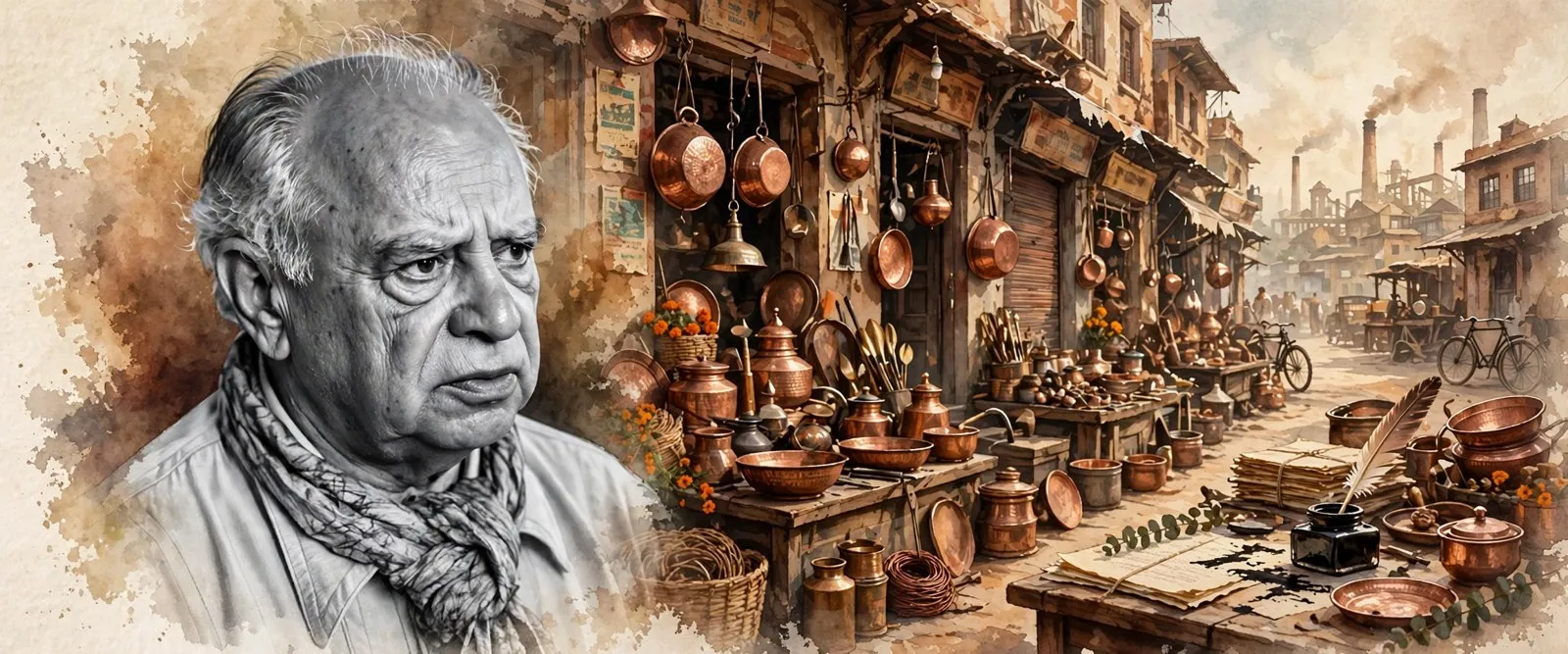
ਦ ਬਿਗ ਹਾਰਟ, ਜੋ 1945 ਵਿੱਚ ਛਪਿਆ, ਮੁਲਕ ਰਾਜ ਆਨੰਦ ਦਾ ਨਾਵਲ ਹੈ, ਬਿੱਲੀਮਾਰਾਂ ਵਿੱਚ ਇੱਕੋ ਦਿਨ ਬਾਰੇ, ਅੰਮ੍ਰਿਤਸਰ ਦੀ ਉਹ ਗਲੀ ਜਿੱਥੇ ਖ਼ਾਨਦਾਨੀ ਤਾਂਬਾ ਕਾਰੀਗਰਾਂ ਦਾ ਕੰਮ ਇੱਕ ਨਵੀਂ ਫ਼ੈਕਟਰੀ ਨੇ ਤਬਾਹ ਕਰ ਦਿੱਤਾ। ਅਨੰਤਾ, ਬੰਬਈ ਤੋਂ ਵਾਪਸ ਆਇਆ ਇੱਕ ਤਾਂਬਾ ਕਾਰੀਗਰ, ਦਲੀਲ ਦਿੰਦਾ ਹੈ ਕਿ ਠਠਿਆਰਾਂ ਨੂੰ ਮਸ਼ੀਨਾਂ ਤੋੜਨ ਦੀ ਬਜਾਏ ਸੰਗਠਿਤ ਹੋ ਕੇ ਫ਼ੈਕਟਰੀ ਵਿੱਚ ਕੰਮ ਮੰਗਣਾ ਚਾਹੀਦਾ ਹੈ, ਅਤੇ ਅਜਿਹਾ ਕਰਨ ਵਾਲੇ ਸਾਥੀ ਮਜ਼ਦੂਰ ਨੂੰ ਰੋਕਦਿਆਂ ਮਰ ਜਾਂਦਾ ਹੈ।
ਅੰਗਰੇਜ਼ੀ- ਲੇਖਕ
- ਮੁਲਕ ਰਾਜ ਆਨੰਦ (1905 ਤੋਂ 2004)
- ਪਹਿਲੀ ਵਾਰ ਛਪੀ
- 1945, ਹਚਿਨਸਨ, ਲੰਦਨ
- ਭਾਸ਼ਾ
- ਅੰਗਰੇਜ਼ੀ
- ਰੂਪ
- ਨਾਵਲ
- ਪਿਛੋਕੜ
- ਬਿੱਲੀਮਾਰਾਂ, ਤਾਂਬਾ ਕਾਰੀਗਰਾਂ ਦੀ ਗਲੀ, ਅੰਮ੍ਰਿਤਸਰ, 1940 ਦੇ ਸ਼ੁਰੂ; ਕਹਾਣੀ ਇੱਕੋ ਦਿਨ ਵਿੱਚ ਵਾਪਰਦੀ ਹੈ
- ਨਾਇਕ
- ਅਨੰਤਾ, ਬੰਬਈ ਤੋਂ ਵਾਪਸ ਆਇਆ ਇੱਕ ਠਠਿਆਰ (ਤਾਂਬਾ ਕਾਰੀਗਰ)
- ਭਾਈਚਾਰਾ
- ਠਠਿਆਰ, ਤਾਂਬੇ ਅਤੇ ਪਿੱਤਲ ਦੇ ਭਾਂਡੇ ਬਣਾਉਣ ਵਾਲੇ ਖ਼ਾਨਦਾਨੀ ਕਾਰੀਗਰ
ਪਾਤਰ
About the book
The Big Heart, published by Hutchinson in London in 1945, is Mulk Raj Anand's novel of one day in the life of Amritsar's coppersmiths. Its setting is Kucha Billimaran, Cat Killers Lane, a narrow lane of thirty or forty houses in the centre of the city, home to the thathiars, the hereditary makers of copper and brass vessels. When the novel opens, two headmen, Muralidhar and Gokul Chand, have set up a factory making copper utensils by machine, and the lane that lived by the hammer is facing hunger.
Into this lane comes Ananta, a coppersmith who has worked in Bombay and Ahmedabad and taken part in the Gandhian freedom struggle. He is the big heart of the title: a man who can see that the machine is both the thing destroying his people and the only road by which they might live, if they band together and claim a place inside the new order. Anand, whose own father had been a coppersmith before he became a soldier, wrote the book out of the craft world he came from, and critics have long placed it with Untouchable and Coolie among his most powerful novels.
What happens in The Big Heart?
The whole action takes place in a single day. Ananta returns to Amritsar with Janaki, a young widow who is dying of tuberculosis and who lives with him in defiance of the lane's opinion. He finds the thathiars divided: some want to smash the factory, some want to beg the factory owners for work, and all of them are suspicious of a man who talks about machines and unions in the same breath. Around him Anand sets the other voices of the lane: Puran Singh Bhagat, a poet, Satyapal, a student leader, and Ralia, an ex labourer whose grievances are turning to frenzy.
Ananta argues for the harder road: not destroying the machine but organising, so that the coppersmiths can bargain together for work in the factory that displaced them. The lane will not unite behind him. At the climax Ralia, in a sudden madness, begins smashing the machines, and Ananta tries to stop him. In the struggle Ananta's head is battered against a machine and he dies. The novel ends with the machine, in the bleakest of its images, emerging as the winner over the man.
Themes: hand, machine and the big heart
The stated theme is the conflict between hereditary craftsmen and capital, but the book's real argument is about how people should meet change. Anand gives the thathiars' case its full dignity: their skill is generations deep, their brotherhood is a whole society, and the factory threatens not only their income but their customs, their marriages and their gods. A reader is never allowed to treat the lane as a relic that deserves to vanish.
Yet the novel refuses the easy answer of smashing the machine. Ananta's tragedy is that he alone holds both truths at once: pride in the hand's work, and the knowledge that the hand alone can no longer feed the lane. His proposed answer, solidarity, fails not because it is wrong but because hunger, caste feeling and demagogy arrive faster than organisation. The big heart, in Anand's phrase for his hero, is the capacity to understand every side of the quarrel, and the novel suggests that society meets the challenge of change only when that understanding is matched by accommodation on all sides.
ਲੇਖਕ
Mulk Raj Anand (1905 to 2004) was born in Peshawar, the son of Lal Chand, a coppersmith and soldier, and was educated at the University of Punjab and in London, where he took his doctorate in 1929. The Big Heart was his seventh novel, written in London towards the end of the Second World War, after the Lalu trilogy of The Village, Across the Black Waters and The Sword and the Sickle had made him, by the time he returned to India in 1946, the best known Indian novelist abroad. The coppersmiths' world was therefore not research to him: it was his father's trade, and the novel carries the sounds, smells and hammer rhythms of the Amritsar bazaars he knew.
Reception and legacy
Reviewers of later editions have praised the novel's concentration, its documentation of a working community, and its tragic construction within the unities of a single day and a single lane. The edition edited with an introduction by Saros Cowasjee, published by Vision Books in 2015, presents it as a moving and timeless tale of craftsmen coming to grips with automation, and notes that its story of livelihoods overturned by a new technology has only become more familiar since 1945. Within Anand's shelf, The Big Heart completes the Punjab sequence that runs from the village of The Village through the trenches of Across the Black Waters to this Amritsar lane: the fullest picture in English fiction of a Punjabi working world at the moment it changed for good.
Is The Big Heart based on a real place?
Yes, in its setting. Billimaran, the coppersmiths' lane, and the bazaars named in the novel, including Kesarian Bazar and the Ironmongers Bazar, are drawn from the old walled city of Amritsar, and the thathiar community of hereditary vessel makers was a real community of the city. The factory, the headmen and Ananta himself are Anand's inventions, built to carry a real conflict that machine made utensils brought to artisan lanes across Punjab in the early 1940s.
ਕਿਤਾਬ ਬਾਰੇ
ਦ ਬਿਗ ਹਾਰਟ, ਜੋ 1945 ਵਿੱਚ ਲੰਦਨ ਤੋਂ ਹਚਿਨਸਨ ਨੇ ਛਾਪਿਆ, ਮੁਲਕ ਰਾਜ ਆਨੰਦ ਦਾ ਨਾਵਲ ਹੈ, ਅੰਮ੍ਰਿਤਸਰ ਦੇ ਤਾਂਬਾ ਕਾਰੀਗਰਾਂ ਦੇ ਜੀਵਨ ਵਿੱਚ ਇੱਕ ਦਿਨ ਬਾਰੇ। ਇਸ ਦਾ ਪਿਛੋਕੜ ਕੂਚਾ ਬਿੱਲੀਮਾਰਾਂ ਹੈ, ਸ਼ਹਿਰ ਦੇ ਕੇਂਦਰ ਵਿੱਚ ਤੀਹ ਚਾਲੀ ਘਰਾਂ ਦੀ ਇੱਕ ਤੰਗ ਗਲੀ, ਠਠਿਆਰਾਂ ਦਾ ਘਰ, ਤਾਂਬੇ ਅਤੇ ਪਿੱਤਲ ਦੇ ਭਾਂਡੇ ਬਣਾਉਣ ਵਾਲੇ ਖ਼ਾਨਦਾਨੀ ਕਾਰੀਗਰ। ਜਦੋਂ ਨਾਵਲ ਸ਼ੁਰੂ ਹੁੰਦਾ ਹੈ, ਦੋ ਚੌਧਰੀਆਂ, ਮੁਰਲੀਧਰ ਅਤੇ ਗੋਕੁਲ ਚੰਦ, ਨੇ ਮਸ਼ੀਨ ਨਾਲ ਤਾਂਬੇ ਦੇ ਭਾਂਡੇ ਬਣਾਉਣ ਵਾਲੀ ਫ਼ੈਕਟਰੀ ਲਾ ਦਿੱਤੀ ਹੈ, ਅਤੇ ਹਥੌੜੇ ਨਾਲ ਜਿਉਣ ਵਾਲੀ ਗਲੀ ਭੁੱਖ ਦਾ ਸਾਹਮਣਾ ਕਰ ਰਹੀ ਹੈ।
ਇਸ ਗਲੀ ਵਿੱਚ ਅਨੰਤਾ ਆਉਂਦਾ ਹੈ, ਇੱਕ ਤਾਂਬਾ ਕਾਰੀਗਰ ਜਿਸ ਨੇ ਬੰਬਈ ਅਤੇ ਅਹਿਮਦਾਬਾਦ ਵਿੱਚ ਕੰਮ ਕੀਤਾ ਹੈ ਅਤੇ ਗਾਂਧੀਵਾਦੀ ਆਜ਼ਾਦੀ ਸੰਘਰਸ਼ ਵਿੱਚ ਹਿੱਸਾ ਲਿਆ ਹੈ। ਉਹ ਸਿਰਲੇਖ ਦਾ ਵੱਡਾ ਦਿਲ ਹੈ: ਇੱਕ ਆਦਮੀ ਜੋ ਦੇਖ ਸਕਦਾ ਹੈ ਕਿ ਮਸ਼ੀਨ ਉਹ ਚੀਜ਼ ਵੀ ਹੈ ਜੋ ਉਸ ਦੇ ਲੋਕਾਂ ਨੂੰ ਤਬਾਹ ਕਰ ਰਹੀ ਹੈ ਅਤੇ ਇੱਕੋ ਇੱਕ ਰਾਹ ਵੀ ਜਿਸ ਨਾਲ ਉਹ ਜਿਉ ਸਕਦੇ ਹਨ, ਜੇ ਉਹ ਇਕੱਠੇ ਹੋ ਕੇ ਨਵੇਂ ਪ੍ਰਬੰਧ ਵਿੱਚ ਆਪਣੀ ਥਾਂ ਮੰਗਣ। ਆਨੰਦ, ਜਿਨ੍ਹਾਂ ਦੇ ਆਪਣੇ ਪਿਤਾ ਸਿਪਾਹੀ ਬਣਨ ਤੋਂ ਪਹਿਲਾਂ ਤਾਂਬਾ ਕਾਰੀਗਰ ਸਨ, ਨੇ ਇਹ ਕਿਤਾਬ ਉਸ ਕਾਰੀਗਰ ਦੁਨੀਆਂ ਵਿੱਚੋਂ ਲਿਖੀ ਜਿਸ ਵਿੱਚੋਂ ਉਹ ਆਏ ਸਨ, ਅਤੇ ਆਲੋਚਕ ਲੰਬੇ ਸਮੇਂ ਤੋਂ ਇਸ ਨੂੰ ਅਨਟਚੇਬਲ ਅਤੇ ਕੂਲੀ ਨਾਲ ਉਨ੍ਹਾਂ ਦੇ ਸਭ ਤੋਂ ਸ਼ਕਤੀਸ਼ਾਲੀ ਨਾਵਲਾਂ ਵਿੱਚ ਰੱਖਦੇ ਹਨ।
ਦ ਬਿਗ ਹਾਰਟ ਵਿੱਚ ਕੀ ਹੁੰਦਾ ਹੈ?
ਸਾਰੀ ਕਹਾਣੀ ਇੱਕੋ ਦਿਨ ਵਿੱਚ ਵਾਪਰਦੀ ਹੈ। ਅਨੰਤਾ ਜਾਨਕੀ ਨਾਲ ਅੰਮ੍ਰਿਤਸਰ ਵਾਪਸ ਆਉਂਦਾ ਹੈ, ਇੱਕ ਜਵਾਨ ਵਿਧਵਾ ਜੋ ਤਪਦਿਕ ਨਾਲ ਮਰ ਰਹੀ ਹੈ ਅਤੇ ਗਲੀ ਦੀ ਰਾਇ ਦੇ ਵਿਰੁੱਧ ਉਸ ਨਾਲ ਰਹਿੰਦੀ ਹੈ। ਉਹ ਠਠਿਆਰਾਂ ਨੂੰ ਵੰਡਿਆ ਹੋਇਆ ਪਾਉਂਦਾ ਹੈ: ਕੁਝ ਫ਼ੈਕਟਰੀ ਤੋੜਨਾ ਚਾਹੁੰਦੇ ਹਨ, ਕੁਝ ਫ਼ੈਕਟਰੀ ਮਾਲਕਾਂ ਕੋਲੋਂ ਕੰਮ ਦੀ ਭੀਖ ਮੰਗਣਾ ਚਾਹੁੰਦੇ ਹਨ, ਅਤੇ ਸਾਰੇ ਉਸ ਆਦਮੀ ਉੱਤੇ ਸ਼ੱਕ ਕਰਦੇ ਹਨ ਜੋ ਇੱਕੋ ਸਾਹ ਵਿੱਚ ਮਸ਼ੀਨਾਂ ਅਤੇ ਯੂਨੀਅਨਾਂ ਦੀ ਗੱਲ ਕਰਦਾ ਹੈ। ਉਸ ਦੇ ਆਲੇ ਦੁਆਲੇ ਆਨੰਦ ਗਲੀ ਦੀਆਂ ਹੋਰ ਆਵਾਜ਼ਾਂ ਰੱਖਦੇ ਹਨ: ਪੂਰਨ ਸਿੰਘ ਭਗਤ, ਇੱਕ ਕਵੀ, ਸਤਿਆਪਾਲ, ਇੱਕ ਵਿਦਿਆਰਥੀ ਆਗੂ, ਅਤੇ ਰਾਲੀਆ, ਇੱਕ ਸਾਬਕਾ ਮਜ਼ਦੂਰ ਜਿਸ ਦੀਆਂ ਸ਼ਿਕਾਇਤਾਂ ਪਾਗਲਪਨ ਵੱਲ ਮੁੜ ਰਹੀਆਂ ਹਨ।
ਅਨੰਤਾ ਔਖੇ ਰਾਹ ਦੀ ਦਲੀਲ ਦਿੰਦਾ ਹੈ: ਮਸ਼ੀਨ ਨੂੰ ਤੋੜਨਾ ਨਹੀਂ ਸਗੋਂ ਸੰਗਠਿਤ ਹੋਣਾ, ਤਾਂ ਜੋ ਤਾਂਬਾ ਕਾਰੀਗਰ ਇਕੱਠੇ ਉਸ ਫ਼ੈਕਟਰੀ ਵਿੱਚ ਕੰਮ ਲਈ ਸੌਦੇਬਾਜ਼ੀ ਕਰ ਸਕਣ ਜਿਸ ਨੇ ਉਨ੍ਹਾਂ ਨੂੰ ਬੇਕਾਰ ਕੀਤਾ। ਗਲੀ ਉਸ ਦੇ ਪਿੱਛੇ ਇੱਕ ਨਹੀਂ ਹੁੰਦੀ। ਸਿਖਰ ਉੱਤੇ ਰਾਲੀਆ, ਅਚਾਨਕ ਪਾਗਲਪਨ ਵਿੱਚ, ਮਸ਼ੀਨਾਂ ਤੋੜਨ ਲੱਗ ਪੈਂਦਾ ਹੈ, ਅਤੇ ਅਨੰਤਾ ਉਸ ਨੂੰ ਰੋਕਣ ਦੀ ਕੋਸ਼ਿਸ਼ ਕਰਦਾ ਹੈ। ਝਗੜੇ ਵਿੱਚ ਅਨੰਤਾ ਦਾ ਸਿਰ ਮਸ਼ੀਨ ਨਾਲ ਵਾਰ ਵਾਰ ਵੱਜਦਾ ਹੈ ਅਤੇ ਉਹ ਮਰ ਜਾਂਦਾ ਹੈ। ਨਾਵਲ ਇਸ ਦੇ ਸਭ ਤੋਂ ਉਦਾਸ ਬਿੰਬ ਨਾਲ ਮੁੱਕਦਾ ਹੈ, ਮਸ਼ੀਨ ਆਦਮੀ ਉੱਤੇ ਜੇਤੂ ਬਣ ਕੇ ਉੱਭਰਦੀ ਹੈ।
ਵਿਸ਼ੇ: ਹੱਥ, ਮਸ਼ੀਨ ਅਤੇ ਵੱਡਾ ਦਿਲ
ਦੱਸਿਆ ਗਿਆ ਵਿਸ਼ਾ ਖ਼ਾਨਦਾਨੀ ਕਾਰੀਗਰਾਂ ਅਤੇ ਪੂੰਜੀ ਵਿਚਕਾਰ ਟਕਰਾਅ ਹੈ, ਪਰ ਕਿਤਾਬ ਦੀ ਅਸਲੀ ਦਲੀਲ ਇਸ ਬਾਰੇ ਹੈ ਕਿ ਲੋਕਾਂ ਨੂੰ ਬਦਲਾਅ ਦਾ ਸਾਹਮਣਾ ਕਿਵੇਂ ਕਰਨਾ ਚਾਹੀਦਾ ਹੈ। ਆਨੰਦ ਠਠਿਆਰਾਂ ਦੇ ਪੱਖ ਨੂੰ ਪੂਰੀ ਇੱਜ਼ਤ ਦਿੰਦੇ ਹਨ: ਉਨ੍ਹਾਂ ਦਾ ਹੁਨਰ ਪੀੜ੍ਹੀਆਂ ਡੂੰਘਾ ਹੈ, ਉਨ੍ਹਾਂ ਦੀ ਬਿਰਾਦਰੀ ਇੱਕ ਪੂਰਾ ਸਮਾਜ ਹੈ, ਅਤੇ ਫ਼ੈਕਟਰੀ ਸਿਰਫ਼ ਉਨ੍ਹਾਂ ਦੀ ਕਮਾਈ ਨੂੰ ਨਹੀਂ ਸਗੋਂ ਉਨ੍ਹਾਂ ਦੇ ਰਿਵਾਜਾਂ, ਵਿਆਹਾਂ ਅਤੇ ਦੇਵਤਿਆਂ ਨੂੰ ਖ਼ਤਰੇ ਵਿੱਚ ਪਾਉਂਦੀ ਹੈ। ਪਾਠਕ ਨੂੰ ਗਲੀ ਨੂੰ ਕਦੇ ਅਜਿਹੀ ਰਹਿੰਦ ਖੂਹੰਦ ਵਜੋਂ ਦੇਖਣ ਦੀ ਇਜਾਜ਼ਤ ਨਹੀਂ ਮਿਲਦੀ ਜੋ ਖ਼ਤਮ ਹੋਣ ਦੇ ਯੋਗ ਹੋਵੇ।
ਫਿਰ ਵੀ ਨਾਵਲ ਮਸ਼ੀਨ ਤੋੜਨ ਦੇ ਸੌਖੇ ਜਵਾਬ ਤੋਂ ਇਨਕਾਰ ਕਰਦਾ ਹੈ। ਅਨੰਤਾ ਦੀ ਤਰਾਸਦੀ ਇਹ ਹੈ ਕਿ ਉਹ ਇਕੱਲਾ ਦੋਵੇਂ ਸੱਚ ਇੱਕੋ ਵੇਲੇ ਫੜਦਾ ਹੈ: ਹੱਥ ਦੇ ਕੰਮ ਉੱਤੇ ਮਾਣ, ਅਤੇ ਇਹ ਜਾਣਕਾਰੀ ਕਿ ਹੱਥ ਇਕੱਲਾ ਹੁਣ ਗਲੀ ਨੂੰ ਰੋਟੀ ਨਹੀਂ ਦੇ ਸਕਦਾ। ਉਸ ਦਾ ਸੁਝਾਇਆ ਜਵਾਬ, ਏਕਤਾ, ਇਸ ਲਈ ਅਸਫ਼ਲ ਨਹੀਂ ਹੁੰਦਾ ਕਿ ਉਹ ਗਲਤ ਹੈ ਸਗੋਂ ਇਸ ਲਈ ਕਿ ਭੁੱਖ, ਜਾਤ ਭਾਵਨਾ ਅਤੇ ਭੜਕਾਊ ਬੋਲ ਸੰਗਠਨ ਨਾਲੋਂ ਤੇਜ਼ ਪਹੁੰਚਦੇ ਹਨ। ਵੱਡਾ ਦਿਲ, ਆਨੰਦ ਦੇ ਆਪਣੇ ਨਾਇਕ ਲਈ ਸ਼ਬਦਾਂ ਵਿੱਚ, ਝਗੜੇ ਦੇ ਹਰ ਪੱਖ ਨੂੰ ਸਮਝਣ ਦੀ ਸਮਰੱਥਾ ਹੈ, ਅਤੇ ਨਾਵਲ ਸੁਝਾਉਂਦਾ ਹੈ ਕਿ ਸਮਾਜ ਬਦਲਾਅ ਦੀ ਚੁਣੌਤੀ ਦਾ ਸਾਹਮਣਾ ਤਾਂ ਹੀ ਕਰਦਾ ਹੈ ਜਦੋਂ ਉਸ ਸਮਝ ਨਾਲ ਸਾਰੇ ਪਾਸਿਆਂ ਤੋਂ ਸਮਾਯੋਜਨ ਜੁੜੇ।
ਲੇਖਕ
ਮੁਲਕ ਰਾਜ ਆਨੰਦ (1905 ਤੋਂ 2004) ਦਾ ਜਨਮ ਪਿਸ਼ਾਵਰ ਵਿੱਚ ਹੋਇਆ, ਉਹ ਲਾਲ ਚੰਦ, ਇੱਕ ਤਾਂਬਾ ਕਾਰੀਗਰ ਅਤੇ ਸਿਪਾਹੀ, ਦੇ ਪੁੱਤਰ ਸਨ, ਅਤੇ ਉਨ੍ਹਾਂ ਨੇ ਪੰਜਾਬ ਯੂਨੀਵਰਸਿਟੀ ਅਤੇ ਲੰਦਨ ਵਿੱਚ ਪੜ੍ਹਾਈ ਕੀਤੀ, ਜਿੱਥੇ ਉਨ੍ਹਾਂ ਨੇ 1929 ਵਿੱਚ ਡਾਕਟਰੇਟ ਕੀਤੀ। ਦ ਬਿਗ ਹਾਰਟ ਉਨ੍ਹਾਂ ਦਾ ਸੱਤਵਾਂ ਨਾਵਲ ਸੀ, ਦੂਜੇ ਵਿਸ਼ਵ ਯੁੱਧ ਦੇ ਅੰਤ ਵੱਲ ਲੰਦਨ ਵਿੱਚ ਲਿਖਿਆ ਗਿਆ, ਲਾਲੂ ਤਿੱਕੜੀ ਦ ਵਿਲੇਜ, ਅਕਰੌਸ ਦ ਬਲੈਕ ਵਾਟਰਜ਼ ਅਤੇ ਦ ਸਵੌਰਡ ਐਂਡ ਦ ਸਿੱਕਲ ਤੋਂ ਬਾਅਦ, ਜਿਸ ਨੇ 1946 ਵਿੱਚ ਭਾਰਤ ਵਾਪਸ ਆਉਣ ਤੱਕ ਉਨ੍ਹਾਂ ਨੂੰ ਵਿਦੇਸ਼ ਵਿੱਚ ਸਭ ਤੋਂ ਜਾਣਿਆ ਜਾਣ ਵਾਲਾ ਭਾਰਤੀ ਨਾਵਲਕਾਰ ਬਣਾ ਦਿੱਤਾ ਸੀ। ਤਾਂਬਾ ਕਾਰੀਗਰਾਂ ਦੀ ਦੁਨੀਆਂ ਇਸ ਲਈ ਉਨ੍ਹਾਂ ਲਈ ਖੋਜ ਨਹੀਂ ਸੀ: ਇਹ ਉਨ੍ਹਾਂ ਦੇ ਪਿਤਾ ਦਾ ਕਿੱਤਾ ਸੀ, ਅਤੇ ਨਾਵਲ ਅੰਮ੍ਰਿਤਸਰ ਦੇ ਉਨ੍ਹਾਂ ਬਾਜ਼ਾਰਾਂ ਦੀਆਂ ਆਵਾਜ਼ਾਂ, ਗੰਧਾਂ ਅਤੇ ਹਥੌੜੇ ਦੀਆਂ ਤਾਲਾਂ ਲੈ ਕੇ ਚੱਲਦਾ ਹੈ ਜਿਨ੍ਹਾਂ ਨੂੰ ਉਹ ਜਾਣਦੇ ਸਨ।
ਪ੍ਰਭਾਵ ਅਤੇ ਵਿਰਾਸਤ
ਬਾਅਦ ਦੇ ਸੰਸਕਰਨਾਂ ਦੇ ਸਮੀਖਿਅਕਾਂ ਨੇ ਨਾਵਲ ਦੀ ਇਕਾਗਰਤਾ, ਇੱਕ ਮਿਹਨਤਕਸ਼ ਭਾਈਚਾਰੇ ਦੇ ਦਸਤਾਵੇਜ਼ੀ ਚਿਤਰਨ, ਅਤੇ ਇੱਕੋ ਦਿਨ ਅਤੇ ਇੱਕੋ ਗਲੀ ਦੀਆਂ ਸੀਮਾਵਾਂ ਅੰਦਰ ਇਸ ਦੀ ਤਰਾਸਦੀ ਉਸਾਰੀ ਦੀ ਸ਼ਲਾਘਾ ਕੀਤੀ ਹੈ। ਸਰੋਸ ਕਾਵਸਜੀ ਦੁਆਰਾ ਸੰਪਾਦਿਤ ਅਤੇ ਭੂਮਿਕਾ ਵਾਲਾ ਸੰਸਕਰਨ, ਜੋ ਵਿਜ਼ਨ ਬੁੱਕਸ ਨੇ 2015 ਵਿੱਚ ਛਾਪਿਆ, ਇਸ ਨੂੰ ਆਟੋਮੇਸ਼ਨ ਨਾਲ ਜੂਝਦੇ ਕਾਰੀਗਰਾਂ ਦੀ ਇੱਕ ਭਾਵੁਕ ਅਤੇ ਸਦਾਬਹਾਰ ਕਹਾਣੀ ਵਜੋਂ ਪੇਸ਼ ਕਰਦਾ ਹੈ, ਅਤੇ ਨੋਟ ਕਰਦਾ ਹੈ ਕਿ ਨਵੀਂ ਤਕਨਾਲੋਜੀ ਨਾਲ ਉਲਟੀਆਂ ਰੋਜ਼ੀਆਂ ਦੀ ਇਸ ਦੀ ਕਹਾਣੀ 1945 ਤੋਂ ਬਾਅਦ ਹੋਰ ਵੀ ਜਾਣੀ ਪਛਾਣੀ ਹੋ ਗਈ ਹੈ। ਆਨੰਦ ਦੀ ਸ਼ੈਲਫ਼ ਉੱਤੇ, ਦ ਬਿਗ ਹਾਰਟ ਉਸ ਪੰਜਾਬ ਲੜੀ ਨੂੰ ਪੂਰਾ ਕਰਦਾ ਹੈ ਜੋ ਦ ਵਿਲੇਜ ਦੇ ਪਿੰਡ ਤੋਂ ਅਕਰੌਸ ਦ ਬਲੈਕ ਵਾਟਰਜ਼ ਦੀਆਂ ਖੰਡਕਾਂ ਵਿੱਚੋਂ ਇਸ ਅੰਮ੍ਰਿਤਸਰੀ ਗਲੀ ਤੱਕ ਚੱਲਦੀ ਹੈ: ਅੰਗਰੇਜ਼ੀ ਗਲਪ ਵਿੱਚ ਇੱਕ ਪੰਜਾਬੀ ਮਿਹਨਤਕਸ਼ ਦੁਨੀਆਂ ਦੀ ਸਭ ਤੋਂ ਪੂਰੀ ਤਸਵੀਰ, ਉਸ ਪਲ ਵਿੱਚ ਜਦੋਂ ਉਹ ਹਮੇਸ਼ਾ ਲਈ ਬਦਲ ਗਈ।
ਕੀ ਦ ਬਿਗ ਹਾਰਟ ਕਿਸੇ ਅਸਲੀ ਥਾਂ ਉੱਤੇ ਅਧਾਰਿਤ ਹੈ?
ਹਾਂ, ਇਸ ਦੇ ਪਿਛੋਕੜ ਵਿੱਚ। ਬਿੱਲੀਮਾਰਾਂ, ਤਾਂਬਾ ਕਾਰੀਗਰਾਂ ਦੀ ਗਲੀ, ਅਤੇ ਨਾਵਲ ਵਿੱਚ ਨਾਂ ਲਏ ਬਾਜ਼ਾਰ, ਜਿਨ੍ਹਾਂ ਵਿੱਚ ਕੇਸਰੀਆਂ ਬਾਜ਼ਾਰ ਅਤੇ ਲੋਹਾ ਬਾਜ਼ਾਰ ਸ਼ਾਮਿਲ ਹਨ, ਅੰਮ੍ਰਿਤਸਰ ਦੇ ਪੁਰਾਣੇ ਕੰਧਾਂ ਵਾਲੇ ਸ਼ਹਿਰ ਵਿੱਚੋਂ ਲਏ ਗਏ ਹਨ, ਅਤੇ ਖ਼ਾਨਦਾਨੀ ਭਾਂਡਾ ਬਣਾਉਣ ਵਾਲਿਆਂ ਦਾ ਠਠਿਆਰ ਭਾਈਚਾਰਾ ਸ਼ਹਿਰ ਦਾ ਅਸਲੀ ਭਾਈਚਾਰਾ ਸੀ। ਫ਼ੈਕਟਰੀ, ਚੌਧਰੀ ਅਤੇ ਅਨੰਤਾ ਆਪ ਆਨੰਦ ਦੀਆਂ ਕਾਢਾਂ ਹਨ, ਇੱਕ ਅਸਲੀ ਟਕਰਾਅ ਨੂੰ ਚੁੱਕਣ ਲਈ ਬਣਾਈਆਂ ਗਈਆਂ ਜੋ ਮਸ਼ੀਨੀ ਭਾਂਡਿਆਂ ਨੇ 1940 ਦੇ ਸ਼ੁਰੂ ਵਿੱਚ ਸਾਰੇ ਪੰਜਾਬ ਦੀਆਂ ਕਾਰੀਗਰ ਗਲੀਆਂ ਵਿੱਚ ਲਿਆਂਦਾ।
ਐਡੀਸ਼ਨ ਅਤੇ ਅਨੁਵਾਦ
- ਦ ਬਿਗ ਹਾਰਟEnglish, original, Hutchinson, London, 1945ਮੂਲ
- ਦ ਬਿਗ ਹਾਰਟEnglish, revised edition, Arnold-Heinemann, New Delhi, 1980Edition
- ਦ ਬਿਗ ਹਾਰਟEnglish, edited with an introduction by Saros Cowasjee, Vision Books, 2015Edition
ਲੇਖਕ

ਜੁੜੇ ਹੋਏ
ਹੋਰ ਪੜ੍ਹੋ
ਸਰੋਤ (3)
ਜੁਗਤੀ ਮੁਫ਼ਤ ਅਤੇ ਸੁਤੰਤਰ ਹੈ। ਪਾਠਕਾਂ ਦਾ ਸਹਿਯੋਗ ਕੋਸ਼ ਨੂੰ ਵਧਾਉਂਦਾ ਹੈ।
ਸਹਿਯੋਗ