
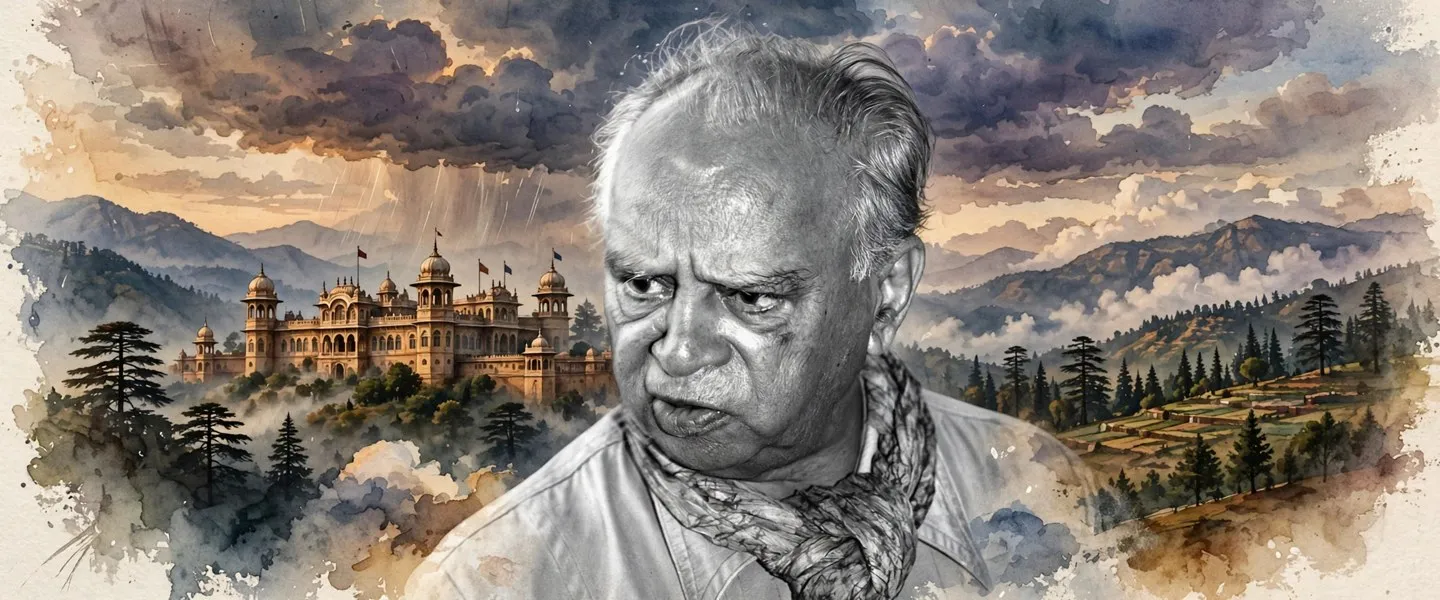
ਇੱਕ ਭਾਰਤੀ ਰਾਜਕੁਮਾਰ ਦਾ ਨਿੱਜੀ ਜੀਵਨ ਮੁਲਕ ਰਾਜ ਆਨੰਦ ਦਾ 1953 ਦਾ ਨਾਵਲ ਹੈ, ਜੋ ਸ਼ਾਮ ਪੁਰ ਦੇ ਮਹਾਰਾਜੇ ਬਾਰੇ ਹੈ, ਜੋ ਆਜ਼ਾਦੀ ਤੋਂ ਬਾਅਦ ਆਜ਼ਾਦ ਭਾਰਤ ਵਿੱਚ ਸ਼ਾਮਲ ਹੋਣ ਤੋਂ ਇਨਕਾਰ ਕਰਦਾ ਹੈ। ਇਹ ਮਹਾਰਾਜੇ ਦੇ ਨਿੱਜੀ ਡਾਕਟਰ ਡਾ. ਸ਼ੰਕਰ ਦੀ ਜ਼ੁਬਾਨੀ ਸੁਣਾਇਆ ਗਿਆ ਹੈ।
ਅੰਗਰੇਜ਼ੀ- ਲੇਖਕ
- ਮੁਲਕ ਰਾਜ ਆਨੰਦ (1905 ਤੋਂ 2004)
- ਪ੍ਰਕਾਸ਼ਿਤ
- 1953, ਹਚਿਨਸਨ, ਲੰਡਨ
- ਭਾਸ਼ਾ
- ਅੰਗਰੇਜ਼ੀ
- ਰੂਪ
- ਨਾਵਲ
- ਸਥਾਨ
- ਸ਼ਾਮ ਪੁਰ, ਇੱਕ ਕਲਪਿਤ ਪਹਾੜੀ ਰਿਆਸਤ, 1947-1948
- ਬਿਆਨ
- ਡਾ. ਸ਼ੰਕਰ, ਮਹਾਰਾਜੇ ਦਾ ਨਿੱਜੀ ਡਾਕਟਰ
- Also by the author
- Untouchable (1935); Coolie (1936)
ਪਾਤਰ
About the book
The Private Life of an Indian Prince is a 1953 novel by Mulk Raj Anand, published by Hutchinson in London. It is set in the months after Independence, when the hundreds of princely states that had survived under British rule were being asked to join the new India. Anand tells the story of one such state, and of the ruler who could not accept that his world was ending. The book is at once a political novel, a love story and a portrait of a man destroying himself.
The novel is told by Dr Shankar, the Maharaja's personal physician. In a short author's note, Anand warns the reader that the 'I' of the book is not the author: Dr Shankar has taken possession of the narrative, becoming Sancho Panza to the prince's Don Quixote, while Anand looks on, as he puts it, like Shiva's searing third eye. The device lets Anand be both inside the palace and outside it, sympathetic to his characters and merciless about them at the same time.
ਕਹਾਣੀ
The book opens on a rainy afternoon in the Simla Hills. Dr Shankar is woken from his siesta by Munshi Mithan Lai, the Maharaja's former tutor and now his private secretary, with the news that His Highness cannot be found. The Maharaja has slipped away to meet a young Englishwoman, and Captain Russell, who hopes to use the affair to blackmail him, has already rung the police. The whole household is in a panic: the instrument of accession to free India is still unsigned, and the Praja Mandal, the people's movement in the state, is watching for any excuse to damn him.
The missing Maharaja is the ruler of Sham Pur, a small fictional hill state. He has refused to sign away his throne, insisting on complete independence for his state rather than joining the Indian Union. Behind his defiance stands his mistress, Ganga Dasi, a powerful and illiterate hill woman he has installed in his palace ahead of his three legitimate maharanis. To feed her greed he extorts large sums from his starving peasantry, and the extortion provokes a revolt that brings down the displeasure of the government in Delhi.
The Maharaja loses both contests he picks: with his mistress, whom he meets with tears and self-deception, and with his people and the government, whom he meets with grand gestures and lies. Exiled to London, he seduces a shop girl with all his old princely finesse, but he cannot forget Ganga Dasi, and his love for her brings about his downfall.
Dr Shankar: the man who tells the story
Dr Shankar is the novel's conscience and its comic centre. A liberal-minded doctor who studied in Lahore and London, he owes his position to the Maharaja, who lent him twenty thousand rupees for his studies in England, and he knows it. He sees the prince clearly, as a self-willed ruler who quotes Manu and Plato to justify his power, and he serves him anyway, flattering him and shutting his eyes to what he does not want to see. His shame at his own timidity, and his affection for the prince he cannot save, give the novel its painful honesty: the reader watches a decent man make himself part of an indecent system.
Themes: the end of the princely states
Anand's subject is the end of feudal India. For generations the princes had ruled as protected allies of the British crown, their borders fixed by treaty and their armies forbidden to fight each other. With nothing left to conquer, Anand argues through his narrator, they turned to the only conquest left to them: women. The novel shows what that world cost: peasants taxed into starvation, wives set aside for mistresses, and a ruler who mistakes his own appetites for the will of God. Against it Anand sets the new India taking shape around Sham Pur: the people's movement, the government in Delhi, and ordinary men and women who have stopped believing that a prince is anything more than a man.
Why does the Maharaja refuse to join India?
The short answer is pride, and the longer answer is fear. The Maharaja has been raised to believe that he rules by divine right, in the line of Rama of Ayodhya, and that democracy means reducing everyone to the level of the ignorant herd. Ganga Dasi encourages him, because independence keeps her in the palace. And behind both stands a simpler truth: accession would mean accounts, elections and an end to the money, and the Maharaja has never lived in a world where anyone could say no to him. His refusal is not a policy. It is the last act of a man who has mistaken his palace for the world.
ਲੇਖਕ
Mulk Raj Anand (1905 to 2004) was born in Peshawar and studied at Khalsa College, Amritsar, before moving to England, where he took a doctorate in philosophy at Cambridge in 1929. In London he moved among the Bloomsbury writers and met E. M. Forster through T. S. Eliot's magazine Criterion. With R. K. Narayan and Raja Rao, he became one of the pioneers of Indian writing in English, beginning with Untouchable (1935), the story of a latrine cleaner, and Coolie (1936). The Private Life of an Indian Prince came after a run of novels about ordinary Indians, including Two Leaves and a Bud (1937), The Village (1939), Across the Black Waters and The Sword and the Sickle (1942), all listed in the first edition as his books so far. He returned to India in 1947, founded the art magazine Marg, and received the Padma Bhushan in 1968 and the Sahitya Akademi Award in 1971. He died in Pune in 2004, aged ninety-eight.
Reception and legacy
The publisher calls The Private Life of an Indian Prince Anand's most profound study of human nature, and later critics have called it a powerful impeachment of the decadent aristocracy that ruled princely India. It has never matched the fame of Untouchable or Coolie, the novels that made Anand's name, but it has stayed in print for seventy years, and it remains the sharpest novel about the princes' last days: funny, angry and unsparing about a world that vanished almost overnight, and about the men who could not survive its going.
ਕਿਤਾਬ ਬਾਰੇ
ਇੱਕ ਭਾਰਤੀ ਰਾਜਕੁਮਾਰ ਦਾ ਨਿੱਜੀ ਜੀਵਨ ਮੁਲਕ ਰਾਜ ਆਨੰਦ ਦਾ 1953 ਦਾ ਨਾਵਲ ਹੈ, ਜੋ ਲੰਡਨ ਵਿੱਚ ਹਚਿਨਸਨ ਨੇ ਪ੍ਰਕਾਸ਼ਿਤ ਕੀਤਾ। ਇਹ ਆਜ਼ਾਦੀ ਤੋਂ ਬਾਅਦ ਦੇ ਮਹੀਨਿਆਂ ਵਿੱਚ ਵਾਪਰਦਾ ਹੈ, ਜਦੋਂ ਬਰਤਾਨਵੀ ਰਾਜ ਹੇਠ ਬਚੀਆਂ ਸੈਂਕੜੇ ਰਿਆਸਤਾਂ ਨੂੰ ਨਵੇਂ ਭਾਰਤ ਵਿੱਚ ਸ਼ਾਮਲ ਹੋਣ ਲਈ ਕਿਹਾ ਜਾ ਰਿਹਾ ਸੀ। ਆਨੰਦ ਅਜਿਹੀ ਹੀ ਇੱਕ ਰਿਆਸਤ, ਅਤੇ ਉਸ ਹਾਕਮ ਦੀ ਕਹਾਣੀ ਸੁਣਾਉਂਦਾ ਹੈ ਜੋ ਇਹ ਮੰਨ ਨਹੀਂ ਸਕਿਆ ਕਿ ਉਸ ਦੀ ਦੁਨੀਆ ਖ਼ਤਮ ਹੋ ਰਹੀ ਹੈ। ਇਹ ਕਿਤਾਬ ਇੱਕੋ ਵੇਲੇ ਸਿਆਸੀ ਨਾਵਲ, ਪ੍ਰੇਮ ਕਹਾਣੀ ਅਤੇ ਇੱਕ ਅਜਿਹੇ ਆਦਮੀ ਦਾ ਚਿਤਰ ਹੈ ਜੋ ਆਪਣੇ ਆਪ ਨੂੰ ਤਬਾਹ ਕਰ ਰਿਹਾ ਹੈ।
ਨਾਵਲ ਮਹਾਰਾਜੇ ਦੇ ਨਿੱਜੀ ਡਾਕਟਰ, ਡਾ. ਸ਼ੰਕਰ, ਦੀ ਜ਼ੁਬਾਨੀ ਸੁਣਾਇਆ ਗਿਆ ਹੈ। ਇੱਕ ਛੋਟੀ ਜਿਹੀ ਲੇਖਕੀ ਟਿੱਪਣੀ ਵਿੱਚ ਆਨੰਦ ਪਾਠਕ ਨੂੰ ਚੇਤਾਵਨੀ ਦਿੰਦਾ ਹੈ ਕਿ ਕਿਤਾਬ ਦਾ 'ਮੈਂ' ਲੇਖਕ ਨਹੀਂ ਹੈ: ਡਾ. ਸ਼ੰਕਰ ਨੇ ਬਿਆਨ ਉੱਤੇ ਕਬਜ਼ਾ ਕਰ ਲਿਆ ਹੈ, ਉਹ ਰਾਜਕੁਮਾਰ ਦੇ ਡੌਨ ਕਿਹੋਤੇ ਦਾ ਸਾਂਚੋ ਪਾਂਜ਼ਾ ਬਣ ਗਿਆ ਹੈ, ਜਦੋਂ ਕਿ ਆਨੰਦ ਖੁਦ, ਉਸ ਦੇ ਆਪਣੇ ਸ਼ਬਦਾਂ ਵਿੱਚ, ਸ਼ਿਵ ਦੀ ਭਸਮ ਕਰਨ ਵਾਲੀ ਤੀਜੀ ਅੱਖ ਵਾਂਗ ਵੇਖਦਾ ਹੈ। ਇਸ ਤਰੀਕੇ ਨਾਲ ਆਨੰਦ ਮਹਿਲ ਦੇ ਅੰਦਰ ਵੀ ਹੈ ਅਤੇ ਬਾਹਰ ਵੀ, ਆਪਣੇ ਪਾਤਰਾਂ ਪ੍ਰਤੀ ਹਮਦਰਦ ਵੀ ਅਤੇ ਉਨ੍ਹਾਂ ਪ੍ਰਤੀ ਬੇਰਹਿਮ ਵੀ।
ਕਹਾਣੀ
ਕਿਤਾਬ ਸ਼ਿਮਲਾ ਦੀਆਂ ਪਹਾੜੀਆਂ ਵਿੱਚ ਇੱਕ ਬਰਸਾਤੀ ਦੁਪਹਿਰ ਤੋਂ ਸ਼ੁਰੂ ਹੁੰਦੀ ਹੈ। ਡਾ. ਸ਼ੰਕਰ ਨੂੰ ਉਸ ਦੀ ਦੁਪਹਿਰ ਦੀ ਨੀਂਦ ਤੋਂ ਮੁਨਸ਼ੀ ਮਿੱਠਣ ਲਾਲ ਨੇ ਜਗਾਇਆ ਹੈ, ਜੋ ਮਹਾਰਾਜੇ ਦਾ ਪੁਰਾਣਾ ਉਸਤਾਦ ਅਤੇ ਹੁਣ ਉਸ ਦਾ ਨਿੱਜੀ ਸਕੱਤਰ ਹੈ, ਅਤੇ ਖ਼ਬਰ ਹੈ ਕਿ ਮਹਾਰਾਜਾ ਲੱਭ ਨਹੀਂ ਰਿਹਾ। ਮਹਾਰਾਜਾ ਇੱਕ ਜਵਾਨ ਅੰਗਰੇਜ਼ ਕੁੜੀ ਨੂੰ ਮਿਲਣ ਚੁਪਕੇ ਨਿਕਲ ਗਿਆ ਹੈ, ਅਤੇ ਕੈਪਟਨ ਰਸਲ, ਜੋ ਇਸ ਮਾਮਲੇ ਉੱਤੇ ਉਸ ਨੂੰ ਬਲੈਕਮੇਲ ਕਰਨ ਦੀ ਉਮੀਦ ਰੱਖਦਾ ਹੈ, ਪੁਲਿਸ ਨੂੰ ਫ਼ੋਨ ਕਰ ਚੁੱਕਾ ਹੈ। ਸਾਰਾ ਘਰ ਘਬਰਾਇਆ ਹੋਇਆ ਹੈ: ਆਜ਼ਾਦ ਭਾਰਤ ਵਿੱਚ ਸ਼ਾਮਲ ਹੋਣ ਦਾ ਦਸਤਾਵੇਜ਼ ਅਜੇ ਦਸਤਖ਼ਤ ਨਹੀਂ ਹੋਇਆ, ਅਤੇ ਰਿਆਸਤ ਵਿੱਚ ਲੋਕ ਲਹਿਰ, ਪ੍ਰਜਾ ਮੰਡਲ, ਉਸ ਨੂੰ ਬਦਨਾਮ ਕਰਨ ਦਾ ਕੋਈ ਬਹਾਨਾ ਲੱਭ ਰਹੀ ਹੈ।
ਲਾਪਤਾ ਮਹਾਰਾਜਾ ਸ਼ਾਮ ਪੁਰ ਦਾ ਹਾਕਮ ਹੈ, ਇੱਕ ਛੋਟੀ ਜਿਹੀ ਕਲਪਿਤ ਪਹਾੜੀ ਰਿਆਸਤ। ਉਸ ਨੇ ਭਾਰਤੀ ਸੰਘ ਵਿੱਚ ਸ਼ਾਮਲ ਹੋਣ ਦੀ ਥਾਂ ਆਪਣੀ ਰਿਆਸਤ ਦੀ ਪੂਰੀ ਆਜ਼ਾਦੀ ਦਾ ਦਾਅਵਾ ਕੀਤਾ ਹੈ। ਉਸ ਦੀ ਇਸ ਹੱਠ ਪਿੱਛੇ ਉਸ ਦੀ ਮਾਸ਼ੂਕਾ, ਗੰਗਾ ਦਾਸੀ, ਹੈ, ਇੱਕ ਤਾਕਤਵਰ ਅਤੇ ਅਨਪੜ੍ਹ ਪਹਾੜੀ ਔਰਤ ਜਿਸ ਨੂੰ ਉਸ ਨੇ ਆਪਣੀਆਂ ਤਿੰਨ ਜਾਇਜ਼ ਮਹਾਰਾਣੀਆਂ ਨੂੰ ਪਾਸੇ ਕਰ ਕੇ ਮਹਿਲ ਵਿੱਚ ਬਿਠਾ ਲਿਆ ਹੈ। ਉਸ ਦੇ ਲਾਲਚ ਨੂੰ ਪੂਰਾ ਕਰਨ ਲਈ ਉਹ ਆਪਣੇ ਭੁੱਖੇ ਕਿਸਾਨਾਂ ਤੋਂ ਵੱਡੀਆਂ ਰਕਮਾਂ ਵਸੂਲਦਾ ਹੈ, ਅਤੇ ਇਸ ਜ਼ੁਲਮ ਨਾਲ ਬਗ਼ਾਵਤ ਭੜਕ ਉੱਠਦੀ ਹੈ, ਜਿਸ ਨਾਲ ਦਿੱਲੀ ਦੀ ਸਰਕਾਰ ਨਾਰਾਜ਼ ਹੋ ਜਾਂਦੀ ਹੈ।
ਮਹਾਰਾਜਾ ਆਪਣੀਆਂ ਦੋਵੇਂ ਲੜਾਈਆਂ ਹਾਰ ਜਾਂਦਾ ਹੈ: ਆਪਣੀ ਮਾਸ਼ੂਕਾ ਨਾਲ, ਜਿਸ ਦਾ ਉਹ ਹੰਝੂਆਂ ਅਤੇ ਖੁਦਫ਼ਰੇਬੀ ਨਾਲ ਸਾਹਮਣਾ ਕਰਦਾ ਹੈ, ਅਤੇ ਆਪਣੀ ਪਰਜਾ ਅਤੇ ਭਾਰਤ ਸਰਕਾਰ ਨਾਲ, ਜਿਨ੍ਹਾਂ ਦਾ ਉਹ ਵੱਡੇ ਇਸ਼ਾਰਿਆਂ ਅਤੇ ਝੂਠ ਨਾਲ ਸਾਹਮਣਾ ਕਰਦਾ ਹੈ। ਲੰਡਨ ਵਿੱਚ ਜਲਾਵਤਨ ਹੋ ਕੇ ਉਹ ਆਪਣੀ ਪੁਰਾਣੀ ਰਿਆਸਤੀ ਅਦਾ ਨਾਲ ਇੱਕ ਦੁਕਾਨਦਾਰ ਕੁੜੀ ਨੂੰ ਫਸਾਉਂਦਾ ਹੈ, ਪਰ ਉਹ ਗੰਗਾ ਦਾਸੀ ਨੂੰ ਭੁੱਲ ਨਹੀਂ ਸਕਦਾ, ਅਤੇ ਉਸ ਲਈ ਉਸ ਦਾ ਪਿਆਰ ਹੀ ਉਸ ਦੀ ਤਬਾਹੀ ਦਾ ਕਾਰਨ ਬਣਦਾ ਹੈ।
ਡਾ. ਸ਼ੰਕਰ: ਕਹਾਣੀ ਸੁਣਾਉਣ ਵਾਲਾ
ਡਾ. ਸ਼ੰਕਰ ਨਾਵਲ ਦੀ ਜ਼ਮੀਰ ਅਤੇ ਇਸ ਦਾ ਹਾਸੇ ਭਰਿਆ ਕੇਂਦਰ ਹੈ। ਲਾਹੌਰ ਅਤੇ ਲੰਡਨ ਵਿੱਚ ਪੜ੍ਹਿਆ ਇੱਕ ਉਦਾਰ ਖ਼ਿਆਲ ਡਾਕਟਰ, ਉਹ ਆਪਣੀ ਨੌਕਰੀ ਲਈ ਮਹਾਰਾਜੇ ਦਾ ਕਰਜ਼ਦਾਰ ਹੈ, ਜਿਸ ਨੇ ਉਸ ਦੀ ਇੰਗਲੈਂਡ ਵਿੱਚ ਪੜ੍ਹਾਈ ਲਈ ਵੀਹ ਹਜ਼ਾਰ ਰੁਪਏ ਦਿੱਤੇ ਸਨ, ਅਤੇ ਉਹ ਇਹ ਜਾਣਦਾ ਹੈ। ਉਹ ਰਾਜਕੁਮਾਰ ਨੂੰ ਸਾਫ਼ ਵੇਖਦਾ ਹੈ, ਇੱਕ ਖੁਦਗਰਜ਼ ਹਾਕਮ ਜੋ ਮਨੂੰ ਅਤੇ ਅਫ਼ਲਾਤੂਨ ਦਾ ਹਵਾਲਾ ਦੇ ਕੇ ਆਪਣੀ ਹਕੂਮਤ ਨੂੰ ਜਾਇਜ਼ ਠਹਿਰਾਉਂਦਾ ਹੈ, ਅਤੇ ਫਿਰ ਵੀ ਉਸ ਦੀ ਸੇਵਾ ਕਰਦਾ ਹੈ, ਉਸ ਦੀ ਖੁਸ਼ਾਮਦ ਕਰਦਾ ਹੈ ਅਤੇ ਜੋ ਵੇਖਣਾ ਨਹੀਂ ਚਾਹੁੰਦਾ ਉਸ ਵੱਲੋਂ ਅੱਖਾਂ ਬੰਦ ਕਰ ਲੈਂਦਾ ਹੈ। ਆਪਣੀ ਡਰਪੋਕੀ ਉੱਤੇ ਉਸ ਦੀ ਸ਼ਰਮ, ਅਤੇ ਉਸ ਰਾਜਕੁਮਾਰ ਲਈ ਉਸ ਦਾ ਪਿਆਰ ਜਿਸ ਨੂੰ ਉਹ ਬਚਾ ਨਹੀਂ ਸਕਦਾ, ਨਾਵਲ ਨੂੰ ਇਸ ਦੀ ਦਰਦਨਾਕ ਇਮਾਨਦਾਰੀ ਦਿੰਦੀ ਹੈ: ਪਾਠਕ ਇੱਕ ਸ਼ਰੀਫ਼ ਆਦਮੀ ਨੂੰ ਇੱਕ ਬੇਈਮਾਨ ਤੰਤਰ ਦਾ ਹਿੱਸਾ ਬਣਦਿਆਂ ਵੇਖਦਾ ਹੈ।
ਵਿਸ਼ੇ: ਰਿਆਸਤਾਂ ਦਾ ਅੰਤ
ਆਨੰਦ ਦਾ ਵਿਸ਼ਾ ਜਗੀਰਦਾਰੀ ਭਾਰਤ ਦਾ ਅੰਤ ਹੈ। ਪੀੜ੍ਹੀਆਂ ਤੋਂ ਰਾਜਕੁਮਾਰ ਬਰਤਾਨਵੀ ਤਾਜ ਦੇ ਸੁਰੱਖਿਅਤ ਸਹਿਯੋਗੀ ਵਜੋਂ ਰਾਜ ਕਰਦੇ ਆਏ ਸਨ, ਉਨ੍ਹਾਂ ਦੀਆਂ ਸਰਹੱਦਾਂ ਸੰਧੀਆਂ ਨਾਲ ਪੱਕੀਆਂ ਸਨ, ਉਨ੍ਹਾਂ ਦੀਆਂ ਫ਼ੌਜਾਂ ਨੂੰ ਇੱਕ ਦੂਜੇ ਨਾਲ ਲੜਨ ਦੀ ਮਨਾਹੀ ਸੀ। ਜਿੱਤਣ ਲਈ ਕੁਝ ਬਾਕੀ ਨਾ ਰਹਿਣ ਉੱਤੇ, ਆਨੰਦ ਆਪਣੇ ਬਿਆਨਕਾਰ ਰਾਹੀਂ ਦਲੀਲ ਦਿੰਦਾ ਹੈ, ਉਹ ਇੱਕੋ ਜਿੱਤ ਵੱਲ ਮੁੜੇ ਜੋ ਬਾਕੀ ਸੀ: ਔਰਤਾਂ। ਨਾਵਲ ਦਿਖਾਉਂਦਾ ਹੈ ਕਿ ਇਸ ਦੁਨੀਆ ਦੀ ਕੀਮਤ ਕੀ ਸੀ: ਕਿਸਾਨਾਂ ਤੋਂ ਭੁੱਖਮਰੀ ਤੱਕ ਟੈਕਸ ਵਸੂਲੇ ਗਏ, ਪਤਨੀਆਂ ਨੂੰ ਮਾਸ਼ੂਕਾਵਾਂ ਲਈ ਪਾਸੇ ਕਰ ਦਿੱਤਾ ਗਿਆ, ਅਤੇ ਇੱਕ ਹਾਕਮ ਜਿਸ ਨੇ ਆਪਣੀਆਂ ਖਾਹਿਸ਼ਾਂ ਨੂੰ ਰੱਬ ਦੀ ਮਰਜ਼ੀ ਸਮਝ ਲਿਆ। ਇਸ ਦੇ ਵਿਰੁੱਧ ਆਨੰਦ ਸ਼ਾਮ ਪੁਰ ਦੇ ਆਲੇ ਦੁਆਲੇ ਬਣ ਰਿਹਾ ਨਵਾਂ ਭਾਰਤ ਖੜ੍ਹਾ ਕਰਦਾ ਹੈ: ਲੋਕ ਲਹਿਰ, ਦਿੱਲੀ ਦੀ ਸਰਕਾਰ, ਅਤੇ ਆਮ ਮਰਦ ਤੇ ਔਰਤਾਂ ਜਿਨ੍ਹਾਂ ਨੇ ਇਹ ਮੰਨਣਾ ਬੰਦ ਕਰ ਦਿੱਤਾ ਹੈ ਕਿ ਰਾਜਕੁਮਾਰ ਆਦਮੀ ਤੋਂ ਵੱਧ ਕੁਝ ਹੈ।
ਮਹਾਰਾਜਾ ਭਾਰਤ ਵਿੱਚ ਸ਼ਾਮਲ ਹੋਣ ਤੋਂ ਕਿਉਂ ਇਨਕਾਰ ਕਰਦਾ ਹੈ?
ਛੋਟਾ ਜਵਾਬ ਹੈ ਹੰਕਾਰ, ਅਤੇ ਲੰਮਾ ਜਵਾਬ ਹੈ ਡਰ। ਮਹਾਰਾਜੇ ਨੂੰ ਇਹ ਸਿਖਾ ਕੇ ਵੱਡਾ ਕੀਤਾ ਗਿਆ ਹੈ ਕਿ ਉਹ ਰੱਬੀ ਹੱਕ ਨਾਲ ਰਾਜ ਕਰਦਾ ਹੈ, ਅਯੁੱਧਿਆ ਦੇ ਰਾਮ ਦੀ ਪਰੰਪਰਾ ਵਿੱਚ, ਅਤੇ ਲੋਕਤੰਤਰ ਦਾ ਮਤਲਬ ਹੈ ਸਭ ਨੂੰ ਅਣਜਾਣ ਭੀੜ ਦੇ ਪੱਧਰ ਤੱਕ ਡੇਗ ਦੇਣਾ। ਗੰਗਾ ਦਾਸੀ ਉਸ ਨੂੰ ਉਤਸ਼ਾਹਿਤ ਕਰਦੀ ਹੈ, ਕਿਉਂਕਿ ਆਜ਼ਾਦੀ ਉਸ ਨੂੰ ਮਹਿਲ ਵਿੱਚ ਰੱਖਦੀ ਹੈ। ਅਤੇ ਦੋਵਾਂ ਪਿੱਛੇ ਇੱਕ ਹੋਰ ਸਾਦਾ ਸੱਚ ਹੈ: ਸ਼ਾਮਲ ਹੋਣ ਦਾ ਮਤਲਬ ਹਿਸਾਬ, ਚੋਣਾਂ ਅਤੇ ਪੈਸੇ ਦਾ ਅੰਤ ਹੋਵੇਗਾ, ਅਤੇ ਮਹਾਰਾਜਾ ਕਦੇ ਅਜਿਹੀ ਦੁਨੀਆ ਵਿੱਚ ਨਹੀਂ ਰਿਹਾ ਜਿੱਥੇ ਕੋਈ ਉਸ ਨੂੰ ਨਾਂਹ ਕਹਿ ਸਕੇ। ਉਸ ਦਾ ਇਨਕਾਰ ਕੋਈ ਨੀਤੀ ਨਹੀਂ ਹੈ। ਇਹ ਇੱਕ ਅਜਿਹੇ ਆਦਮੀ ਦਾ ਆਖ਼ਰੀ ਕਦਮ ਹੈ ਜਿਸ ਨੇ ਆਪਣੇ ਮਹਿਲ ਨੂੰ ਹੀ ਦੁਨੀਆ ਸਮਝ ਲਿਆ ਸੀ।
ਲੇਖਕ
ਮੁਲਕ ਰਾਜ ਆਨੰਦ (1905-2004) ਦਾ ਜਨਮ ਪਿਸ਼ਾਵਰ ਵਿੱਚ ਹੋਇਆ ਅਤੇ ਉਹ ਅੰਮ੍ਰਿਤਸਰ ਦੇ ਖਾਲਸਾ ਕਾਲਜ ਵਿੱਚ ਪੜ੍ਹਿਆ, ਫਿਰ ਇੰਗਲੈਂਡ ਚਲਾ ਗਿਆ, ਜਿੱਥੇ ਉਸ ਨੇ 1929 ਵਿੱਚ ਕੈਂਬਰਿਜ ਤੋਂ ਫ਼ਲਸਫ਼ੇ ਵਿੱਚ ਡਾਕਟਰੇਟ ਲਈ। ਲੰਡਨ ਵਿੱਚ ਉਹ ਬਲੂਮਜ਼ਬਰੀ ਲੇਖਕਾਂ ਵਿੱਚ ਘੁੰਮਿਆ ਅਤੇ ਟੀ. ਐਸ. ਏਲੀਅਟ ਦੇ ਰਸਾਲੇ ਕ੍ਰਾਈਟੇਰੀਅਨ ਰਾਹੀਂ ਈ. ਐਮ. ਫ਼ੋਰਸਟਰ ਨੂੰ ਮਿਲਿਆ। ਆਰ. ਕੇ. ਨਾਰਾਇਣ ਅਤੇ ਰਾਜਾ ਰਾਓ ਨਾਲ ਉਹ ਅੰਗਰੇਜ਼ੀ ਵਿੱਚ ਭਾਰਤੀ ਲਿਖਤ ਦੇ ਮੋਢੀਆਂ ਵਿੱਚੋਂ ਇੱਕ ਬਣਿਆ, ਜਿਸ ਦੀ ਸ਼ੁਰੂਆਤ ਅਛੂਤ (1935), ਇੱਕ ਸਫ਼ਾਈ ਕਰਮਚਾਰੀ ਦੀ ਕਹਾਣੀ, ਅਤੇ ਕੁਲੀ (1936) ਨਾਲ ਹੋਈ। ਇੱਕ ਭਾਰਤੀ ਰਾਜਕੁਮਾਰ ਦਾ ਨਿੱਜੀ ਜੀਵਨ ਆਮ ਭਾਰਤੀਆਂ ਬਾਰੇ ਨਾਵਲਾਂ ਦੀ ਲੜੀ ਤੋਂ ਬਾਅਦ ਆਇਆ, ਜਿਨ੍ਹਾਂ ਵਿੱਚ ਟੂ ਲੀਵਜ਼ ਐਂਡ ਅ ਬਡ (1937), ਦਿ ਵਿਲੇਜ (1939), ਅਕਰੌਸ ਦਿ ਬਲੈਕ ਵਾਟਰਜ਼ ਅਤੇ ਦਿ ਸੌਰਡ ਐਂਡ ਦਿ ਸਿਕਲ (1942) ਸ਼ਾਮਲ ਹਨ, ਜੋ ਪਹਿਲੇ ਐਡੀਸ਼ਨ ਵਿੱਚ ਉਸ ਦੀਆਂ ਹੁਣ ਤੱਕ ਦੀਆਂ ਕਿਤਾਬਾਂ ਵਜੋਂ ਦਰਜ ਹਨ। ਉਹ 1947 ਵਿੱਚ ਭਾਰਤ ਵਾਪਸ ਆਇਆ, ਕਲਾ ਰਸਾਲਾ ਮਾਰਗ ਸ਼ੁਰੂ ਕੀਤਾ, ਅਤੇ 1968 ਵਿੱਚ ਪਦਮ ਭੂਸ਼ਣ ਅਤੇ 1971 ਵਿੱਚ ਸਾਹਿਤ ਅਕਾਦਮੀ ਪੁਰਸਕਾਰ ਪ੍ਰਾਪਤ ਕੀਤਾ। 2004 ਵਿੱਚ ਪੁਣੇ ਵਿੱਚ ਅਠਾਨਵੇਂ ਸਾਲ ਦੀ ਉਮਰ ਵਿੱਚ ਉਸ ਦਾ ਦੇਹਾਂਤ ਹੋਇਆ।
ਸਵਾਗਤ ਅਤੇ ਵਿਰਾਸਤ
ਪ੍ਰਕਾਸ਼ਕ ਇੱਕ ਭਾਰਤੀ ਰਾਜਕੁਮਾਰ ਦਾ ਨਿੱਜੀ ਜੀਵਨ ਨੂੰ ਆਨੰਦ ਦਾ ਮਨੁੱਖੀ ਸੁਭਾਅ ਬਾਰੇ ਸਭ ਤੋਂ ਗਹਿਰਾ ਅਧਿਐਨ ਕਹਿੰਦਾ ਹੈ, ਅਤੇ ਬਾਅਦ ਦੇ ਆਲੋਚਕਾਂ ਨੇ ਇਸ ਨੂੰ ਰਿਆਸਤੀ ਭਾਰਤ ਉੱਤੇ ਰਾਜ ਕਰਨ ਵਾਲੇ ਪਤਿਤ ਕੁਲੀਨ ਵਰਗ ਉੱਤੇ ਇੱਕ ਤਾਕਤਵਰ ਦੋਸ਼ ਕਿਹਾ ਹੈ। ਇਹ ਕਦੇ ਅਛੂਤ ਜਾਂ ਕੁਲੀ ਦੀ ਪ੍ਰਸਿੱਧੀ ਤੱਕ ਨਹੀਂ ਪਹੁੰਚਿਆ, ਉਹ ਨਾਵਲ ਜਿਨ੍ਹਾਂ ਨੇ ਆਨੰਦ ਦਾ ਨਾਂ ਬਣਾਇਆ, ਪਰ ਇਹ ਸੱਤਰ ਸਾਲਾਂ ਤੋਂ ਛਪਦਾ ਆ ਰਿਹਾ ਹੈ, ਅਤੇ ਇਹ ਰਾਜਕੁਮਾਰਾਂ ਦੇ ਆਖ਼ਰੀ ਦਿਨਾਂ ਬਾਰੇ ਸਭ ਤੋਂ ਤਿੱਖਾ ਨਾਵਲ ਹੈ: ਹਾਸੇ ਭਰਿਆ, ਗੁੱਸੇ ਵਾਲਾ ਅਤੇ ਇੱਕ ਅਜਿਹੀ ਦੁਨੀਆ ਪ੍ਰਤੀ ਬੇਰਹਿਮ ਜੋ ਲਗਭਗ ਰਾਤੋ ਰਾਤ ਗਾਇਬ ਹੋ ਗਈ, ਅਤੇ ਉਨ੍ਹਾਂ ਆਦਮੀਆਂ ਪ੍ਰਤੀ ਜੋ ਉਸ ਦੇ ਜਾਣ ਤੋਂ ਬਾਅਦ ਜਿਊਂ ਨਹੀਂ ਸਕੇ।
ਲੇਖਕ

ਜੁੜੇ ਹੋਏ
ਹੋਰ ਪੜ੍ਹੋ
ਸਰੋਤ (4)
ਜੁਗਤੀ ਮੁਫ਼ਤ ਅਤੇ ਸੁਤੰਤਰ ਹੈ। ਪਾਠਕਾਂ ਦਾ ਸਹਿਯੋਗ ਕੋਸ਼ ਨੂੰ ਵਧਾਉਂਦਾ ਹੈ।
ਸਹਿਯੋਗ