

ਰਾਤ ਬਾਕੀ ਹੈ (1954) ਜਸਵੰਤ ਸਿੰਘ ਕੰਵਲ ਦਾ ਮੁਜ਼ਾਰਾ ਲਹਿਰ ਦਾ ਪੰਜਾਬੀ ਨਾਵਲ ਹੈ, ਜੋ ਚਰਨ ਦੀ ਕਹਾਣੀ ਦੱਸਦਾ ਹੈ, ਉਹ ਪੜ੍ਹਿਆ ਲਿਖਿਆ ਨੌਜਵਾਨ ਜਿਸ ਨੂੰ ਨੌਕਰੀ ਨਹੀਂ ਮਿਲਦੀ ਅਤੇ ਜੋ ਬਿਸਵੇਦਾਰਾਂ ਨਾਲ ਲੜਦੇ ਕਿਰਾਏਦਾਰ ਕਿਸਾਨਾਂ ਵਿੱਚ ਸ਼ਾਮਲ ਹੋ ਜਾਂਦਾ ਹੈ। ਸਿੱਖ ਵਿਸ਼ਵਕੋਸ਼ ਇਸ ਨੂੰ ਉਸ ਦੇ ਮਹੱਤਵਪੂਰਨ ਨਾਵਲਾਂ ਵਿੱਚ ਪੂਰਨਮਾਸ਼ੀ ਤੋਂ ਬਾਅਦ ਦੂਜਾ ਰੱਖਦਾ ਹੈ।
ਪੰਜਾਬੀ, ਗੁਰਮੁਖੀ- ਪੰਜਾਬੀ ਨਾਂ
- ਰਾਤ ਬਾਕੀ ਹੈ
- ਲੇਖਕ
- ਜਸਵੰਤ ਸਿੰਘ ਕੰਵਲ (1919 ਤੋਂ 2020)
- ਪ੍ਰਕਾਸ਼ਿਤ
- 1954
- ਭਾਸ਼ਾ
- ਪੰਜਾਬੀ, ਗੁਰਮੁਖੀ (ਮਲਵਈ ਬੋਲੀ)
- ਰੂਪ
- ਨਾਵਲ
- ਸਿਰਲੇਖ ਦਾ ਅਰਥ
- ਰਾਤ ਅਜੇ ਬਾਕੀ ਹੈ
All 9 facts
- ਪਿਛੋਕੜ
- ਮੁਜ਼ਾਰਾ ਕਿਰਾਏਦਾਰ ਕਿਸਾਨ ਲਹਿਰ, ਪੰਜਾਬ
- ਮੁੱਖ ਪਾਤਰ
- ਚਰਨ, ਪੜ੍ਹਿਆ ਲਿਖਿਆ ਨੌਜਵਾਨ ਜੋ ਮੁਜ਼ਾਰਾ ਲਹਿਰ ਵਿੱਚ ਸ਼ਾਮਲ ਹੁੰਦਾ ਹੈ
- ਪਛਾਣ
- ਸਿੱਖ ਵਿਸ਼ਵਕੋਸ਼ ਵਿੱਚ ਕੰਵਲ ਦੇ ਮਹੱਤਵਪੂਰਨ ਨਾਵਲਾਂ ਵਿੱਚ ਦੂਜਾ ਨਾਂ ਦਿੱਤਾ ਗਿਆ
About the book
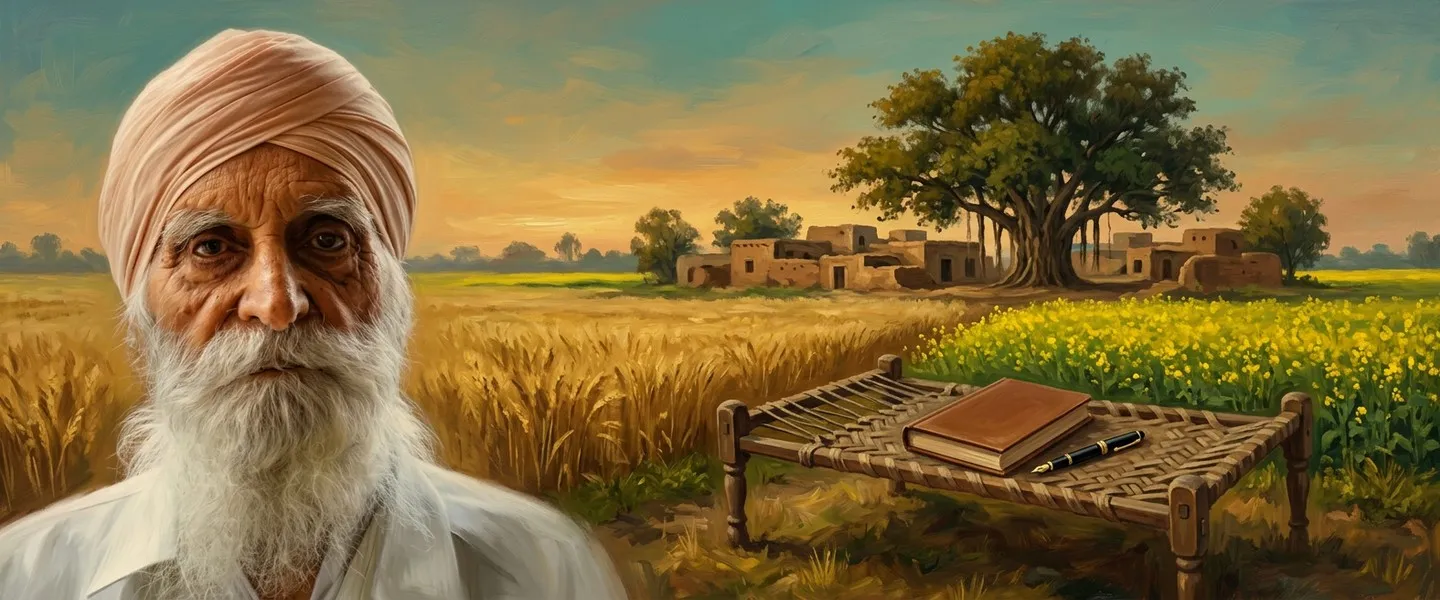
Raat Baaki Hai, The Night Is Still Here, is a Punjabi novel by Jaswant Singh Kanwal, listed among his notable works as a novel of 1954. The Sikh Encyclopedia names it second in its list of his important novels, immediately after Puranmashi and ahead of Civil Lines, Roop Dhara and Haani. It is the Kanwal novel that scholars of Punjab's peasant movements reach for: a full length fiction of the Muzara movement, the struggle of tenant farmers against the biswedars, the big landlords who claimed a share of their land and crop.
The title carries the argument. The night is not over: the old order still stands, the struggle is unfinished, and the book's people have to decide what to do inside that darkness. A scholarly edition of the novel was still being cited by researchers in 2014, and a study of kisan protest literature in the Journal of Sikh and Punjab Studies gives Raat Baaki Hai a close reading as a central text of the Muzara movement, which is why it belongs in this Kosh next to Kanwal's better known Puranmashi, Lahu Di Lo and Taushali Di Hanso.
What is Raat Baaki Hai about?
Raat Baaki Hai tells the story of Charan, a young man whose hopes are dashed when he completes his education and fails to secure a job. At the behest of his friend, he joins the Muzara movement. Around him the novel builds the world of the tenant farmers: their meetings in Kisan Sabhas, their protests against the biswedars, and their collective work, down to the villagers gathering to repair a breach in the riverbank to stop their homes flooding, while insisting they will put up shacks if they must but never abandon their claim to the land. Through Baba Karam Singh, who passes from Ghadar activist to Akali worker to Communist revolutionary, Kanwal places the Muzara struggle in a longer line of Punjab protest movements.
Love and revolution
Woven through the movement story is the relationship of Raj and Charan. The scholars who study the novel read that love story as the book's second argument: it explores the potential and the dangers of love, through desire, distraction and sacrifice, and it puts forward the hard idea that romance sits uneasily with total devotion to a revolutionary cause, and that the victory of love is not possible unless society itself is transformed. The novel ends on an optimistic note in a one page final chapter titled Vikas Dhara: the red flags ripped apart the blue sky, and the old banyan tree was waiting for a last push to fall into the pond.
Themes: land, tenancy and the unfinished night
The novel spells out a political programme for restoring a living relationship between the land and the peasants who work it. Its strength and its weakness, the scholars note, come from the same place: Kanwal's fervent belief in a socialist answer, which at times turns dogmatic and rhetorical, with an omniscient narrative voice carrying a conscious moral purpose. Read today, that directness is also the book's historical value. It shows how a major Punjabi novelist of the 1950s understood agrarian relations in the years after independence, when the Muzara tenants of the princely state villages were fighting to become owners of the land they tilled.
ਲੇਖਕ
Jaswant Singh Kanwal was born on 27 June 1919 in Dhudike village, in what was then Ferozepur district and is now Moga district, the son of Mahia Singh. He did not complete his schooling, went to Malaysia for three years of employment, and returned with a developed literary taste, then farmed and wrote. He specialised in realistic, rural life of the Malwa region in its own dialect, satirised unscrupulous rich people, and inspired the downtrodden to rise in strength and unity, and he is considered in many respects the real successor of Nanak Singh. He published more than a hundred books, received the Sahitya Akademi Fellowship honour for Pakhi in 1996 and the Sahitya Akademi Award for Taushali Di Hanso in 1998, and died at Dhudike in 2020, aged 100.
Why does Raat Baaki Hai still matter?
Because the question it asks has returned to Punjab's centre. When farmers' protests again filled the roads in 2020 and 2021, scholars tracing the literary lineage of kisan resistance put Raat Baaki Hai in that line, between the poetry of 1907 and the songs of the Delhi borders. The novel preserves, in fiction, how the Muzara movement spoke, met and argued, in the words of the tenants themselves as Kanwal recreated them. For a reader who knows Kanwal only through the romance of Puranmashi, this is the other half of the writer: the novelist of land, tenancy and collective resistance, insisting that the night is still here and the work is not finished.
ਕਿਤਾਬ ਬਾਰੇ
ਰਾਤ ਬਾਕੀ ਹੈ ਜਸਵੰਤ ਸਿੰਘ ਕੰਵਲ ਦਾ ਪੰਜਾਬੀ ਨਾਵਲ ਹੈ, ਜੋ ਉਸ ਦੀਆਂ ਪ੍ਰਸਿੱਧ ਰਚਨਾਵਾਂ ਵਿੱਚ 1954 ਦੇ ਨਾਵਲ ਵਜੋਂ ਦਰਜ ਹੈ। ਸਿੱਖ ਵਿਸ਼ਵਕੋਸ਼ ਇਸ ਨੂੰ ਉਸ ਦੇ ਮਹੱਤਵਪੂਰਨ ਨਾਵਲਾਂ ਦੀ ਸੂਚੀ ਵਿੱਚ ਦੂਜਾ ਰੱਖਦਾ ਹੈ, ਪੂਰਨਮਾਸ਼ੀ ਤੋਂ ਤੁਰੰਤ ਬਾਅਦ ਅਤੇ ਸਿਵਲ ਲਾਈਨਜ਼, ਰੂਪ ਧਾਰਾ ਅਤੇ ਹਾਣੀ ਤੋਂ ਅੱਗੇ। ਇਹ ਉਹ ਕੰਵਲ ਨਾਵਲ ਹੈ ਜਿਸ ਵੱਲ ਪੰਜਾਬ ਦੀਆਂ ਕਿਸਾਨ ਲਹਿਰਾਂ ਦੇ ਵਿਦਵਾਨ ਜਾਂਦੇ ਹਨ: ਮੁਜ਼ਾਰਾ ਲਹਿਰ ਦਾ ਪੂਰਾ ਨਾਵਲ, ਕਿਰਾਏਦਾਰ ਕਿਸਾਨਾਂ ਦੀ ਬਿਸਵੇਦਾਰਾਂ ਦੇ ਖਿਲਾਫ ਲੜਾਈ, ਉਹ ਵੱਡੇ ਜ਼ਿਮੀਂਦਾਰ ਜੋ ਉਨ੍ਹਾਂ ਦੀ ਜ਼ਮੀਨ ਅਤੇ ਫਸਲ ਵਿੱਚ ਹਿੱਸਾ ਮੰਗਦੇ ਸਨ।
ਸਿਰਲੇਖ ਹੀ ਦਲੀਲ ਲੈ ਕੇ ਚੱਲਦਾ ਹੈ। ਰਾਤ ਮੁੱਕੀ ਨਹੀਂ: ਪੁਰਾਣਾ ਢਾਂਚਾ ਅਜੇ ਖੜ੍ਹਾ ਹੈ, ਸੰਘਰਸ਼ ਅਧੂਰਾ ਹੈ, ਅਤੇ ਕਿਤਾਬ ਦੇ ਲੋਕਾਂ ਨੂੰ ਉਸ ਹਨੇਰੇ ਵਿੱਚ ਫੈਸਲਾ ਕਰਨਾ ਹੈ ਕਿ ਕੀ ਕਰਨਾ ਹੈ। ਨਾਵਲ ਦਾ ਵਿਦਵਤ ਅਡੀਸ਼ਨ 2014 ਵਿੱਚ ਵੀ ਖੋਜਕਰਤਾਵਾਂ ਵੱਲੋਂ ਹਵਾਲੇ ਵਿੱਚ ਲਿਆ ਜਾ ਰਿਹਾ ਸੀ, ਅਤੇ ਜਰਨਲ ਆਫ ਸਿੱਖ ਐਂਡ ਪੰਜਾਬ ਸਟੱਡੀਜ਼ ਵਿੱਚ ਕਿਸਾਨ ਵਿਰੋਧ ਸਾਹਿਤ ਦੇ ਅਧਿਐਨ ਨੇ ਰਾਤ ਬਾਕੀ ਹੈ ਨੂੰ ਮੁਜ਼ਾਰਾ ਲਹਿਰ ਦੇ ਕੇਂਦਰੀ ਪਾਠ ਵਜੋਂ ਗਹਿਰਾਈ ਨਾਲ ਪੜ੍ਹਿਆ ਹੈ, ਇਸੇ ਲਈ ਇਹ ਇਸ ਕੋਸ਼ ਵਿੱਚ ਕੰਵਲ ਦੀਆਂ ਵੱਧ ਜਾਣੀਆਂ ਜਾਂਦੀਆਂ ਪੂਰਨਮਾਸ਼ੀ, ਲਹੂ ਦੀ ਲੋ ਅਤੇ ਤੌਸ਼ਾਲੀ ਦੀ ਹੰਸੋ ਨਾਲ ਥਾਂ ਦਾ ਹੱਕਦਾਰ ਹੈ।
ਰਾਤ ਬਾਕੀ ਹੈ ਕਿਸ ਬਾਰੇ ਹੈ?
ਰਾਤ ਬਾਕੀ ਹੈ ਚਰਨ ਦੀ ਕਹਾਣੀ ਦੱਸਦੀ ਹੈ, ਉਹ ਨੌਜਵਾਨ ਜਿਸ ਦੀਆਂ ਉਮੀਦਾਂ ਉਸ ਵੇਲੇ ਟੁੱਟ ਜਾਂਦੀਆਂ ਹਨ ਜਦੋਂ ਉਹ ਪੜ੍ਹਾਈ ਮੁਕੰਮਲ ਕਰਕੇ ਨੌਕਰੀ ਹਾਸਲ ਕਰਨ ਵਿੱਚ ਅਸਫਲ ਰਹਿੰਦਾ ਹੈ। ਆਪਣੇ ਦੋਸਤ ਦੇ ਕਹਿਣ ਉੱਤੇ ਉਹ ਮੁਜ਼ਾਰਾ ਲਹਿਰ ਵਿੱਚ ਸ਼ਾਮਲ ਹੋ ਜਾਂਦਾ ਹੈ। ਉਸ ਦੇ ਆਲੇ ਦੁਆਲੇ ਨਾਵਲ ਕਿਰਾਏਦਾਰ ਕਿਸਾਨਾਂ ਦੀ ਦੁਨੀਆ ਬਣਾਉਂਦਾ ਹੈ: ਕਿਸਾਨ ਸਭਾਵਾਂ ਵਿੱਚ ਉਨ੍ਹਾਂ ਦੀਆਂ ਬੈਠਕਾਂ, ਬਿਸਵੇਦਾਰਾਂ ਦੇ ਖਿਲਾਫ ਉਨ੍ਹਾਂ ਦੇ ਵਿਰੋਧ, ਅਤੇ ਉਨ੍ਹਾਂ ਦਾ ਸਾਂਝਾ ਕੰਮ, ਇਥੋਂ ਤੱਕ ਕਿ ਪਿੰਡ ਵਾਲੇ ਦਰਿਆ ਦੇ ਬੰਨ੍ਹ ਵਿੱਚ ਪਈ ਦਰਾਰ ਮੁਰੰਮਤ ਕਰਨ ਲਈ ਇਕੱਠੇ ਹੁੰਦੇ ਹਨ ਤਾਂ ਜੋ ਉਨ੍ਹਾਂ ਦੇ ਘਰ ਹੜ੍ਹ ਤੋਂ ਬਚਣ, ਨਾਲ ਇਹ ਜ਼ੋਰ ਦਿੰਦੇ ਹੋਏ ਕਿ ਲੋੜ ਪਈ ਤਾਂ ਝੁੱਗੀਆਂ ਪਾ ਲੈਣਗੇ ਪਰ ਜ਼ਮੀਨ ਉੱਤੇ ਆਪਣਾ ਹੱਕ ਕਦੇ ਨਹੀਂ ਛੱਡਣਗੇ। ਬਾਬਾ ਕਰਮ ਸਿੰਘ ਰਾਹੀਂ, ਜੋ ਗਦਰ ਕਾਰਕੁਨ ਤੋਂ ਅਕਾਲੀ ਵਰਕਰ ਅਤੇ ਫਿਰ ਕਮਿਊਨਿਸਟ ਇਨਕਲਾਬੀ ਬਣਦਾ ਹੈ, ਕੰਵਲ ਮੁਜ਼ਾਰਾ ਸੰਘਰਸ਼ ਨੂੰ ਪੰਜਾਬ ਦੀਆਂ ਵਿਰੋਧ ਲਹਿਰਾਂ ਦੀ ਲੰਮੀ ਕਤਾਰ ਵਿੱਚ ਰੱਖਦਾ ਹੈ।
ਪਿਆਰ ਅਤੇ ਇਨਕਲਾਬ
ਲਹਿਰ ਦੀ ਕਹਾਣੀ ਵਿੱਚ ਰਾਜ ਅਤੇ ਚਰਨ ਦਾ ਰਿਸ਼ਤਾ ਗੁੰਦਿਆ ਹੋਇਆ ਹੈ। ਨਾਵਲ ਨੂੰ ਪੜ੍ਹਨ ਵਾਲੇ ਵਿਦਵਾਨ ਉਸ ਪ੍ਰੇਮ ਕਹਾਣੀ ਨੂੰ ਕਿਤਾਬ ਦੀ ਦੂਜੀ ਦਲੀਲ ਵਜੋਂ ਪੜ੍ਹਦੇ ਹਨ: ਇਹ ਪਿਆਰ ਦੀ ਸੰਭਾਵਨਾ ਅਤੇ ਉਸ ਦੇ ਖਤਰਿਆਂ ਨੂੰ ਚਾਹਤ, ਭਟਕਾਅ ਅਤੇ ਕੁਰਬਾਨੀ ਰਾਹੀਂ ਖੋਜਦੀ ਹੈ, ਅਤੇ ਇਹ ਸਖਤ ਵਿਚਾਰ ਸਾਹਮਣੇ ਰੱਖਦੀ ਹੈ ਕਿ ਪਿਆਰ ਇਨਕਲਾਬੀ ਮਕਸਦ ਪ੍ਰਤੀ ਪੂਰੀ ਸ਼ਰਧਾ ਨਾਲ ਸੌਖਾ ਨਹੀਂ ਰਹਿੰਦਾ, ਅਤੇ ਪਿਆਰ ਦੀ ਜਿੱਤ ਉਦੋਂ ਤੱਕ ਸੰਭਵ ਨਹੀਂ ਜਦੋਂ ਤੱਕ ਸਮਾਜ ਆਪ ਨਹੀਂ ਬਦਲਦਾ। ਨਾਵਲ ਇੱਕ ਪੰਨੇ ਦੇ ਆਖਰੀ ਅਧਿਆਇ ਵਿਕਾਸ ਧਾਰਾ ਨਾਲ ਆਸ਼ਾਵਾਦੀ ਸੁਰ ਵਿੱਚ ਮੁੱਕਦਾ ਹੈ: ਲਾਲ ਝੰਡਿਆਂ ਨੇ ਨੀਲੇ ਅਸਮਾਨ ਨੂੰ ਚੀਰ ਦਿੱਤਾ, ਅਤੇ ਪੁਰਾਣਾ ਬੋਹੜ ਛੱਪੜ ਵਿੱਚ ਡਿੱਗਣ ਲਈ ਆਖਰੀ ਧੱਕੇ ਦੀ ਉਡੀਕ ਕਰ ਰਿਹਾ ਸੀ।
ਵਿਸ਼ੇ: ਜ਼ਮੀਨ, ਮੁਜ਼ਾਰਾਪਣ ਅਤੇ ਅਧੂਰੀ ਰਾਤ
ਨਾਵਲ ਜ਼ਮੀਨ ਅਤੇ ਉਸ ਉੱਤੇ ਕੰਮ ਕਰਨ ਵਾਲੇ ਕਿਸਾਨਾਂ ਵਿਚਕਾਰ ਜਿਉਂਦਾ ਰਿਸ਼ਤਾ ਮੁੜ ਬਣਾਉਣ ਦਾ ਸਿਆਸੀ ਪ੍ਰੋਗਰਾਮ ਸਾਫ਼ ਸ਼ਬਦਾਂ ਵਿੱਚ ਰੱਖਦਾ ਹੈ। ਇਸ ਦੀ ਤਾਕਤ ਅਤੇ ਇਸ ਦੀ ਕਮਜ਼ੋਰੀ, ਵਿਦਵਾਨ ਨੋਟ ਕਰਦੇ ਹਨ, ਇੱਕੋ ਥਾਂ ਤੋਂ ਆਉਂਦੀਆਂ ਹਨ: ਕੰਵਲ ਦਾ ਸਮਾਜਵਾਦੀ ਜਵਾਬ ਵਿੱਚ ਪੱਕਾ ਵਿਸ਼ਵਾਸ, ਜੋ ਕਈ ਵਾਰ ਹਠਧਰਮੀ ਅਤੇ ਭਾਸ਼ਣੀ ਹੋ ਜਾਂਦਾ ਹੈ, ਜਿਸ ਵਿੱਚ ਸਭ ਜਾਣਨ ਵਾਲੀ ਬਿਰਤਾਂਤ ਆਵਾਜ਼ ਸੁਚੇਤ ਨੈਤਿਕ ਮਕਸਦ ਲੈ ਕੇ ਚੱਲਦੀ ਹੈ। ਅੱਜ ਪੜ੍ਹਿਆਂ, ਇਹ ਸਿੱਧਾਪਣ ਕਿਤਾਬ ਦੀ ਇਤਿਹਾਸਕ ਕੀਮਤ ਵੀ ਹੈ। ਇਹ ਵਿਖਾਉਂਦਾ ਹੈ ਕਿ 1950 ਵਿਆਂ ਦੇ ਇੱਕ ਵੱਡੇ ਪੰਜਾਬੀ ਨਾਵਲਕਾਰ ਨੇ ਆਜ਼ਾਦੀ ਤੋਂ ਬਾਅਦ ਦੇ ਸਾਲਾਂ ਵਿੱਚ ਖੇਤੀ ਸਬੰਧਾਂ ਨੂੰ ਕਿਵੇਂ ਸਮਝਿਆ, ਜਦੋਂ ਰਿਆਸਤੀ ਪਿੰਡਾਂ ਦੇ ਮੁਜ਼ਾਰੇ ਆਪਣੀ ਵਾਹੀ ਵਾਲੀ ਜ਼ਮੀਨ ਦੇ ਮਾਲਕ ਬਣਨ ਲਈ ਲੜ ਰਹੇ ਸਨ।
ਲੇਖਕ
ਜਸਵੰਤ ਸਿੰਘ ਕੰਵਲ ਦਾ ਜਨਮ 27 ਜੂਨ 1919 ਨੂੰ ਪਿੰਡ ਧੂੜਕੇ ਵਿੱਚ ਹੋਇਆ, ਜੋ ਉਸ ਵੇਲੇ ਫਿਰੋਜ਼ਪੁਰ ਜ਼ਿਲ੍ਹੇ ਵਿੱਚ ਸੀ ਅਤੇ ਹੁਣ ਮੋਗਾ ਜ਼ਿਲ੍ਹੇ ਵਿੱਚ ਹੈ, ਮਹੀਆ ਸਿੰਘ ਦੇ ਘਰ। ਉਸ ਨੇ ਸਕੂਲੀ ਪੜ੍ਹਾਈ ਮੁਕੰਮਲ ਨਹੀਂ ਕੀਤੀ, ਤਿੰਨ ਸਾਲ ਨੌਕਰੀ ਲਈ ਮਲੇਸ਼ੀਆ ਗਿਆ, ਅਤੇ ਵਿਕਸਿਤ ਸਾਹਿਤਕ ਰੁਚੀ ਲੈ ਕੇ ਪਰਤਿਆ, ਫਿਰ ਖੇਤੀ ਕੀਤੀ ਅਤੇ ਲਿਖਿਆ। ਉਸ ਦੀ ਮੁਹਾਰਤ ਮਾਲਵਾ ਇਲਾਕੇ ਦੇ ਅਸਲ ਪੇਂਡੂ ਜੀਵਨ ਨੂੰ ਉਸ ਦੀ ਆਪਣੀ ਬੋਲੀ ਵਿੱਚ ਚਿਤਰਨ ਵਿੱਚ ਸੀ, ਉਸ ਨੇ ਬੇਈਮਾਨ ਅਮੀਰ ਲੋਕਾਂ ਉੱਤੇ ਵਿਅੰਗ ਕੱਸਿਆ ਅਤੇ ਦੱਬੇ ਕੁਚਲਿਆਂ ਨੂੰ ਤਾਕਤ ਅਤੇ ਏਕੇ ਨਾਲ ਉੱਠਣ ਲਈ ਪ੍ਰੇਰਿਆ, ਅਤੇ ਕਈ ਪੱਖਾਂ ਤੋਂ ਉਸ ਨੂੰ ਨਾਨਕ ਸਿੰਘ ਦਾ ਅਸਲ ਵਾਰਸ ਮੰਨਿਆ ਜਾਂਦਾ ਹੈ। ਉਸ ਨੇ ਸੌ ਤੋਂ ਵੱਧ ਕਿਤਾਬਾਂ ਛਾਪੀਆਂ, 1996 ਵਿੱਚ ਪਾਖੀ ਲਈ ਸਾਹਿਤ ਅਕਾਦਮੀ ਫੈਲੋਸ਼ਿਪ ਸਨਮਾਨ ਅਤੇ 1998 ਵਿੱਚ ਤੌਸ਼ਾਲੀ ਦੀ ਹੰਸੋ ਲਈ ਸਾਹਿਤ ਅਕਾਦਮੀ ਪੁਰਸਕਾਰ ਮਿਲਿਆ, ਅਤੇ 2020 ਵਿੱਚ ਧੂੜਕੇ ਵਿੱਚ 100 ਸਾਲ ਦੀ ਉਮਰ ਵਿੱਚ ਉਸ ਦਾ ਦੇਹਾਂਤ ਹੋਇਆ।
ਰਾਤ ਬਾਕੀ ਹੈ ਅੱਜ ਵੀ ਮਹੱਤਵਪੂਰਨ ਕਿਉਂ ਹੈ?
ਕਿਉਂਕਿ ਜੋ ਸਵਾਲ ਇਹ ਪੁੱਛਦੀ ਹੈ ਉਹ ਪੰਜਾਬ ਦੇ ਕੇਂਦਰ ਵਿੱਚ ਮੁੜ ਆ ਗਿਆ ਹੈ। ਜਦੋਂ 2020 ਅਤੇ 2021 ਵਿੱਚ ਕਿਸਾਨ ਵਿਰੋਧਾਂ ਨੇ ਫਿਰ ਸੜਕਾਂ ਭਰ ਦਿੱਤੀਆਂ, ਕਿਸਾਨ ਵਿਰੋਧ ਦੀ ਸਾਹਿਤਕ ਵੰਸ਼ਾਵਲੀ ਲੱਭਣ ਵਾਲੇ ਵਿਦਵਾਨਾਂ ਨੇ ਰਾਤ ਬਾਕੀ ਹੈ ਨੂੰ ਉਸ ਕਤਾਰ ਵਿੱਚ ਰੱਖਿਆ, 1907 ਦੀ ਕਵਿਤਾ ਅਤੇ ਦਿੱਲੀ ਦੀਆਂ ਸਰਹੱਦਾਂ ਦੇ ਗੀਤਾਂ ਵਿਚਕਾਰ। ਇਹ ਨਾਵਲ ਗਲਪ ਵਿੱਚ ਸਾਂਭਦਾ ਹੈ ਕਿ ਮੁਜ਼ਾਰਾ ਲਹਿਰ ਕਿਵੇਂ ਬੋਲਦੀ, ਮਿਲਦੀ ਅਤੇ ਬਹਿਸ ਕਰਦੀ ਸੀ, ਮੁਜ਼ਾਰਿਆਂ ਦੇ ਆਪਣੇ ਸ਼ਬਦਾਂ ਵਿੱਚ ਜਿਵੇਂ ਕੰਵਲ ਨੇ ਉਨ੍ਹਾਂ ਨੂੰ ਮੁੜ ਸਿਰਜਿਆ। ਜੋ ਪਾਠਕ ਕੰਵਲ ਨੂੰ ਸਿਰਫ ਪੂਰਨਮਾਸ਼ੀ ਦੇ ਪਿਆਰ ਰਾਹੀਂ ਜਾਣਦਾ ਹੈ, ਉਸ ਲਈ ਇਹ ਲੇਖਕ ਦਾ ਦੂਜਾ ਅੱਧ ਹੈ: ਜ਼ਮੀਨ, ਮੁਜ਼ਾਰਾਪਣ ਅਤੇ ਸਾਂਝੇ ਵਿਰੋਧ ਦਾ ਨਾਵਲਕਾਰ, ਜ਼ੋਰ ਦੇ ਕੇ ਕਹਿੰਦਾ ਹੋਇਆ ਕਿ ਰਾਤ ਅਜੇ ਬਾਕੀ ਹੈ ਅਤੇ ਕੰਮ ਮੁੱਕਿਆ ਨਹੀਂ।
ਐਡੀਸ਼ਨ ਅਤੇ ਅਨੁਵਾਦ
- ਰਾਤ ਬਾਕੀ ਹੈਪੰਜਾਬੀ · ਗੁਰਮੁਖੀ · ਮੂਲ, 1954ਮੂਲ
- ਰਾਤ ਬਾਕੀ ਹੈPunjabi · Gurmukhi · edition cited by scholars, 2014Edition
ਲੇਖਕ
ਜੁੜੇ ਹੋਏ
ਹੋਰ ਪੜ੍ਹੋ
ਸਰੋਤ (3)
ਜੁਗਤੀ ਮੁਫ਼ਤ ਅਤੇ ਸੁਤੰਤਰ ਹੈ। ਪਾਠਕਾਂ ਦਾ ਸਹਿਯੋਗ ਕੋਸ਼ ਨੂੰ ਵਧਾਉਂਦਾ ਹੈ।
ਸਹਿਯੋਗ