

ਸੱਚ ਨੂੰ ਫਾਂਸੀ (1944) ਮੋਗਾ ਜ਼ਿਲ੍ਹੇ ਦੇ ਢੁੱਡੀਕੇ ਦੇ ਜਸਵੰਤ ਸਿੰਘ ਕੰਵਲ (1919 ਤੋਂ 2020) ਦਾ ਪਹਿਲਾ ਨਾਵਲ ਹੈ, ਜੋ ਉਸ ਦੇ ਪੰਝੀ ਸਾਲ ਦੀ ਉਮਰ ਵਿਚ ਛਪਿਆ। ਇਹ ਉਸ ਦੇ ਕੈਰੀਅਰ ਦੇ ਵਰਣਨਾਂ ਵਿਚ ਮਹੱਤਵਪੂਰਨ ਰਚਨਾਵਾਂ ਵਿਚ ਪਹਿਲਾ ਹੈ ਅਤੇ ਸੌ ਤੋਂ ਵੱਧ ਕਿਤਾਬਾਂ ਦੀ ਲੜੀ ਖੋਲ੍ਹਦਾ ਹੈ, 1940 ਦੇ ਦਹਾਕੇ ਦੇ ਮਾਲਵੇ ਦੇ ਪਿੰਡ ਨਾਵਲਾਂ ਤੋਂ ਲੈ ਕੇ ਤੌਸ਼ਾਲੀ ਦੀ ਹੰਸੋ ਲਈ ਸਾਹਿਤ ਅਕਾਦਮੀ ਇਨਾਮ ਤੱਕ।
ਪੰਜਾਬੀ, ਗੁਰਮੁਖੀ- ਪੰਜਾਬੀ ਨਾਂ
- ਸੱਚ ਨੂੰ ਫਾਂਸੀ
- ਲੇਖਕ
- ਜਸਵੰਤ ਸਿੰਘ ਕੰਵਲ (1919 ਤੋਂ 2020)
- ਪ੍ਰਕਾਸ਼ਿਤ
- 1944
- ਭਾਸ਼ਾ
- ਪੰਜਾਬੀ, ਗੁਰਮੁਖੀ
- ਰੂਪ
- ਨਾਵਲ
- ਸਿਰਲੇਖ ਦਾ ਅਰਥ
- ਸੱਚ ਨੂੰ ਫਾਂਸੀ (ਸੱਚ ਨੂੰ ਫਾਂਸੀ ਦੇਣਾ)
All 9 facts
- ਲੜੀ
- ਕੰਵਲ ਦਾ ਪਹਿਲਾ ਨਾਵਲ
- ਲੇਖਕ ਦਾ ਘਰ
- ਢੁੱਡੀਕੇ, ਮੋਗਾ ਜ਼ਿਲ੍ਹਾ
- ਬਾਅਦ ਦੀਆਂ ਮੁੱਖ ਕਿਤਾਬਾਂ
- ਰਾਤ ਬਾਕੀ ਹੈ (1954), ਲਹੂ ਦੀ ਲੋ, ਤੌਸ਼ਾਲੀ ਦੀ ਹੰਸੋ
About the book
Sach Nu Phansi is a Punjabi novel by Jaswant Singh Kanwal, published in 1944, and it is the first novel of one of the longest writing lives in modern Punjabi literature. Kanwal was twenty-five, a farmer in his home village of Dhudike in the Malwa region, and he went on writing for more than seven decades after it: reference lists put his output at over a hundred books, and his publishing period runs from this novel in 1944 to 2017.
The book's standing is easy to measure. When Kanwal died at home in Dhudike on 1 February 2020, aged 100, the obituary reports reached for his famous titles and put Sach Nu Phansi at the head of the list. His bibliography does the same: among the notable works, the 1944 novel comes first, before Puranmashi, Raat Baaki Hai, Haani and the Emergency-era Lahu Di Lo. Every later Kanwal, the novelist of the Muzara movement, of Partition's long shadow and of village Punjab's caste and gender orders, starts here.
What does Sach Nu Phansi mean?
Sach Nu Phansi means the hanging of truth: sach is truth, nu marks it as the one acted on, and phansi is the gallows. English renderings in the reference lists vary between Death to the Truth and The Execution of Truth, and the variation is instructive, because the Punjabi title holds both: truth is not merely denied, it is publicly executed, with ceremony, the way a state hangs a condemned man.
For a first novel, the title is a programme. A young writer who had left school, worked in Malaya and come home to farm announced, in three words, that his subject would be what a society does to the truth when the truth accuses it. Readers meeting Kanwal for the first time in this book meet the position he never really left.
Themes: truth, custom and the Malwa village
Accounts of Kanwal's fiction describe a consistent world, and Sach Nu Phansi is its first room. The Sikh Encyclopedia's entry on Kanwal calls him a novelist of realistic, rural and rustic life in the Malwa region, writing with the Malwai dialect for local colour, who satirises the misdeeds of unscrupulous rich men, urges the downtrodden to rise in strength and unity, and argues for a fairer, socialist pattern of society. The same entry judges that in many respects he is the real successor of Nanak Singh, the founding novelist of modern Punjabi fiction.
His wider record points the same way: the novels question firmly held social customs and beliefs, and they champion social and gender equality from an openly left position. A debut called Death to the Truth belongs to that line by its title alone. The village, in Kanwal, is not scenery. It is the courtroom where custom sits in judgement, where the poor and women pay for other people's honour, and where one person deciding to speak plainly can be treated as a crime worth hanging.
ਲੇਖਕ
Jaswant Singh Kanwal was born on 27 June 1919 in Dhudike, now in Moga district, and died there on 1 February 2020, aged 100. He did not complete his schooling: as a teenager he went to Malaya, stayed about three years in employment, and returned with the developed literary taste his biographers credit to those years. He took up his family's farming at Dhudike, gained, in the encyclopedia's phrase, wide experience of life, and wrote from the village for the rest of his life.
From the 1944 debut the shelf grew quickly: Puranmashi, Raat Baaki Hai (1954), Haani (1961) and Civil Lines among the early landmarks, then Lahu Di Lo, the novel of the Naxalite years that no Punjab publisher would print during the Emergency, so that Kanwal had it published in Singapore and copies were brought into India quietly before a Punjab edition followed the Emergency's end. Taushali Di Hanso brought him the Sahitya Akademi Award, recorded in the Akademi list under 1997. The state honours of his old age, the Punjabi Sahit Shiromani Award in 2007, an honorary D.Litt from Guru Nanak Dev University in 2008 and a Punjab Kala Parishad lifetime achievement award in 2018, recognised the whole arc, which this first novel opened.
Reception and legacy
Kanwal's cremation at Dhudike drew thousands, with Punjab cabinet ministers laying wreaths: a measure of how completely the farmer-novelist had become a public institution. The reports of that day list his famous books with Sach Nu Fansi first, a small, telling order. The debut had become the headline of the life.
Why does Sach Nu Phansi still matter? Because first novels by writers of this scale are documents of intention. Before the movements and the controversies, before Lahu Di Lo was smuggled and Taushali Di Hanso was crowned, there is a twenty-five-year-old in Dhudike in 1944, three years before Partition, putting truth on the gallows in his title and spending the next seventy-five years refusing to take it down. A reader who wants to understand where modern Punjabi fiction's conscience came from can start exactly here.
ਕਿਤਾਬ ਬਾਰੇ
ਸੱਚ ਨੂੰ ਫਾਂਸੀ ਜਸਵੰਤ ਸਿੰਘ ਕੰਵਲ ਦਾ ਪੰਜਾਬੀ ਨਾਵਲ ਹੈ, ਜੋ 1944 ਵਿਚ ਪ੍ਰਕਾਸ਼ਿਤ ਹੋਇਆ, ਅਤੇ ਇਹ ਆਧੁਨਿਕ ਪੰਜਾਬੀ ਸਾਹਿਤ ਦੀਆਂ ਸਭ ਤੋਂ ਲੰਮੀਆਂ ਲਿਖਣ-ਜ਼ਿੰਦਗੀਆਂ ਵਿਚੋਂ ਇਕ ਦਾ ਪਹਿਲਾ ਨਾਵਲ ਹੈ। ਕੰਵਲ ਉਸ ਵੇਲੇ ਪੰਝੀ ਸਾਲ ਦਾ ਸੀ, ਆਪਣੇ ਪਿੰਡ ਢੁੱਡੀਕੇ ਵਿਚ ਖੇਤੀ ਕਰਦਾ ਸੀ, ਅਤੇ ਇਸ ਤੋਂ ਬਾਅਦ ਉਸ ਨੇ ਸੱਤ ਦਹਾਕਿਆਂ ਤੋਂ ਵੱਧ ਸਮਾਂ ਲਿਖਿਆ: ਹਵਾਲਾ ਸੂਚੀਆਂ ਉਸ ਦੀਆਂ ਕਿਤਾਬਾਂ ਦੀ ਗਿਣਤੀ ਸੌ ਤੋਂ ਉੱਪਰ ਦੱਸਦੀਆਂ ਹਨ, ਅਤੇ ਉਸ ਦਾ ਪ੍ਰਕਾਸ਼ਨ-ਕਾਲ ਇਸ ਨਾਵਲ ਤੋਂ, 1944 ਤੋਂ, 2017 ਤੱਕ ਚੱਲਦਾ ਹੈ।
ਕਿਤਾਬ ਦਾ ਸਥਾਨ ਮਾਪਣਾ ਸੌਖਾ ਹੈ। ਜਦੋਂ 1 ਫਰਵਰੀ 2020 ਨੂੰ ਕੰਵਲ ਦੀ ਢੁੱਡੀਕੇ ਵਿਚ, 100 ਸਾਲ ਦੀ ਉਮਰ ਵਿਚ, ਮੌਤ ਹੋਈ, ਤਾਂ ਅਖ਼ਬਾਰੀ ਰਿਪੋਰਟਾਂ ਨੇ ਉਸ ਦੀਆਂ ਪ੍ਰਸਿੱਧ ਕਿਤਾਬਾਂ ਵਿਚ ਸੱਚ ਨੂੰ ਫਾਂਸੀ ਨੂੰ ਸਭ ਤੋਂ ਅੱਗੇ ਰੱਖਿਆ। ਉਸ ਦੀ ਰਚਨਾ-ਸੂਚੀ ਵੀ ਇਹੀ ਕਰਦੀ ਹੈ: ਮਹੱਤਵਪੂਰਨ ਰਚਨਾਵਾਂ ਵਿਚ 1944 ਦਾ ਇਹ ਨਾਵਲ ਪਹਿਲਾ ਹੈ, ਪੂਰਨਮਾਸ਼ੀ, ਰਾਤ ਬਾਕੀ ਹੈ, ਹਾਣੀ ਅਤੇ ਐਮਰਜੈਂਸੀ ਦੇ ਸਮੇਂ ਦੇ ਲਹੂ ਦੀ ਲੋ ਤੋਂ ਅੱਗੇ। ਬਾਅਦ ਵਾਲਾ ਹਰ ਕੰਵਲ, ਮੁਜ਼ਾਰਾ ਲਹਿਰ ਦਾ, ਵੰਡ ਦੀ ਲੰਮੀ ਪਰਛਾਈ ਦਾ ਅਤੇ ਪਿੰਡ ਪੰਜਾਬ ਦੇ ਜਾਤ ਅਤੇ ਲਿੰਗ ਢਾਂਚਿਆਂ ਦਾ ਨਾਵਲਕਾਰ, ਇਥੋਂ ਹੀ ਸ਼ੁਰੂ ਹੁੰਦਾ ਹੈ।
ਸੱਚ ਨੂੰ ਫਾਂਸੀ ਨਾਂ ਦਾ ਕੀ ਮਤਲਬ ਹੈ?
ਸੱਚ ਨੂੰ ਫਾਂਸੀ ਦਾ ਮਤਲਬ ਹੈ ਸੱਚ ਨੂੰ ਫਾਂਸੀ ਦੇਣਾ: ਸੱਚ ਉਹ ਸੱਚਾਈ ਹੈ ਜਿਸ ਉੱਤੇ ਕਾਰਵਾਈ ਹੁੰਦੀ ਹੈ, ਅਤੇ ਫਾਂਸੀ ਉਹ ਤਖ਼ਤਾ ਹੈ ਜਿਥੇ ਰਾਜ ਮੌਤ ਦੀ ਸਜ਼ਾ ਦਿੰਦਾ ਹੈ। ਅੰਗਰੇਜ਼ੀ ਹਵਾਲਿਆਂ ਵਿਚ ਇਸ ਦੇ ਅਨੁਵਾਦ ਵੱਖ ਵੱਖ ਮਿਲਦੇ ਹਨ, ਕਿਧਰੇ ਸੱਚ ਦੀ ਮੌਤ, ਕਿਧਰੇ ਸੱਚ ਦਾ ਕਤਲ, ਅਤੇ ਇਹ ਫ਼ਰਕ ਆਪਣੇ ਆਪ ਵਿਚ ਸਿੱਖਿਆਦਾਇਕ ਹੈ, ਕਿਉਂਕਿ ਪੰਜਾਬੀ ਨਾਂ ਦੋਵੇਂ ਭਾਵ ਰੱਖਦਾ ਹੈ: ਸੱਚ ਨੂੰ ਸਿਰਫ਼ ਝੁਠਲਾਇਆ ਨਹੀਂ ਜਾਂਦਾ, ਉਸ ਨੂੰ ਸਰੇਆਮ ਫਾਂਸੀ ਦਿੱਤੀ ਜਾਂਦੀ ਹੈ, ਰਸਮ ਨਾਲ, ਜਿਵੇਂ ਰਾਜ ਕਿਸੇ ਮੁਜਰਿਮ ਨੂੰ ਲਟਕਾਉਂਦਾ ਹੈ।
ਪਹਿਲੇ ਨਾਵਲ ਲਈ ਇਹ ਨਾਂ ਇਕ ਐਲਾਨ ਹੈ। ਇਕ ਨੌਜਵਾਨ ਲੇਖਕ, ਜਿਸ ਨੇ ਸਕੂਲ ਅਧੂਰਾ ਛੱਡਿਆ, ਮਲਾਇਆ ਵਿਚ ਕੰਮ ਕੀਤਾ ਅਤੇ ਖੇਤੀ ਲਈ ਘਰ ਪਰਤਿਆ, ਨੇ ਤਿੰਨ ਸ਼ਬਦਾਂ ਵਿਚ ਐਲਾਨ ਕਰ ਦਿੱਤਾ ਕਿ ਉਸ ਦਾ ਵਿਸ਼ਾ ਇਹ ਹੋਵੇਗਾ ਕਿ ਸਮਾਜ ਸੱਚ ਨਾਲ ਕੀ ਕਰਦਾ ਹੈ ਜਦੋਂ ਸੱਚ ਉਸ ਉੱਤੇ ਦੋਸ਼ ਲਾਉਂਦਾ ਹੈ। ਇਸ ਕਿਤਾਬ ਵਿਚ ਕੰਵਲ ਨੂੰ ਪਹਿਲੀ ਵਾਰ ਮਿਲਣ ਵਾਲੇ ਪਾਠਕ ਉਸੇ ਸਥਿਤੀ ਨੂੰ ਮਿਲਦੇ ਹਨ ਜਿਥੋਂ ਉਹ ਕਦੇ ਹਟਿਆ ਨਹੀਂ।
ਵਿਸ਼ੇ: ਸੱਚ, ਰਿਵਾਜ ਅਤੇ ਮਾਲਵੇ ਦਾ ਪਿੰਡ
ਕੰਵਲ ਦੇ ਨਾਵਲਾਂ ਬਾਰੇ ਲਿਖਣ ਵਾਲੇ ਇਕ ਸਥਿਰ ਸੰਸਾਰ ਦਾ ਵਰਣਨ ਕਰਦੇ ਹਨ, ਅਤੇ ਸੱਚ ਨੂੰ ਫਾਂਸੀ ਉਸ ਦਾ ਪਹਿਲਾ ਕਮਰਾ ਹੈ। ਸਿੱਖ ਵਿਸ਼ਵਕੋਸ਼ ਵਿਚ ਕੰਵਲ ਬਾਰੇ ਲੇਖ ਉਸ ਨੂੰ ਮਾਲਵਾ ਖੇਤਰ ਦੇ ਅਸਲੀ, ਪੇਂਡੂ ਜੀਵਨ ਦਾ ਨਾਵਲਕਾਰ ਕਹਿੰਦਾ ਹੈ, ਜੋ ਸਥਾਨਕ ਰੰਗ ਲਈ ਮਾਲਵਈ ਬੋਲੀ ਵਰਤਦਾ ਹੈ, ਬੇਈਮਾਨ ਅਮੀਰਾਂ ਦੇ ਕੁਕਰਮਾਂ ਉੱਤੇ ਵਿਅੰਗ ਕਰਦਾ ਹੈ, ਦੱਬੇ ਕੁਚਲਿਆਂ ਨੂੰ ਤਾਕਤ ਅਤੇ ਏਕਤਾ ਨਾਲ ਉੱਠਣ ਲਈ ਕਹਿੰਦਾ ਹੈ, ਅਤੇ ਨਿਆਂਪੂਰਨ ਸਮਾਜ ਦੀ ਵਕਾਲਤ ਕਰਦਾ ਹੈ। ਉਹੀ ਲੇਖ ਮੰਨਦਾ ਹੈ ਕਿ ਕਈ ਪੱਖਾਂ ਤੋਂ ਉਹ ਨਾਨਕ ਸਿੰਘ ਦਾ ਅਸਲੀ ਵਾਰਸ ਹੈ, ਆਧੁਨਿਕ ਪੰਜਾਬੀ ਨਾਵਲ ਦੇ ਸੰਸਥਾਪਕ ਦਾ।
ਉਸ ਦਾ ਵੱਡਾ ਰਿਕਾਰਡ ਵੀ ਇਹੀ ਕਹਿੰਦਾ ਹੈ: ਨਾਵਲ ਪੱਕੀਆਂ ਸਮਾਜਿਕ ਰਸਮਾਂ ਅਤੇ ਮਾਨਤਾਵਾਂ ਉੱਤੇ ਸਵਾਲ ਚੁੱਕਦੇ ਹਨ, ਅਤੇ ਖੁੱਲ੍ਹੇ ਖੱਬੇ ਸਟੈਂਡ ਤੋਂ ਸਮਾਜਿਕ ਅਤੇ ਲਿੰਗ ਬਰਾਬਰੀ ਦੀ ਹਮਾਇਤ ਕਰਦੇ ਹਨ। ਸੱਚ ਨੂੰ ਫਾਂਸੀ ਨਾਂ ਦਾ ਪਹਿਲਾ ਨਾਵਲ ਸਿਰਫ਼ ਆਪਣੇ ਨਾਂ ਨਾਲ ਹੀ ਇਸ ਲੜੀ ਵਿਚ ਖੜ੍ਹਾ ਹੈ। ਕੰਵਲ ਦੇ ਇਥੇ ਪਿੰਡ ਸਿਰਫ਼ ਪਿਛੋਕੜ ਨਹੀਂ ਹੈ। ਉਹ ਉਹ ਅਦਾਲਤ ਹੈ ਜਿਥੇ ਰਿਵਾਜ ਜੱਜ ਬਣ ਕੇ ਬੈਠਦਾ ਹੈ, ਜਿਥੇ ਗਰੀਬ ਅਤੇ ਔਰਤਾਂ ਦੂਜਿਆਂ ਦੀ ਇੱਜ਼ਤ ਦੀ ਕੀਮਤ ਦਿੰਦੀਆਂ ਹਨ, ਅਤੇ ਜਿਥੇ ਸਿੱਧੀ ਗੱਲ ਕਹਿਣ ਵਾਲਾ ਇਕੱਲਾ ਮਨੁੱਖ ਫਾਂਸੀ ਜੋਗਾ ਮੁਜਰਿਮ ਬਣ ਸਕਦਾ ਹੈ।
ਲੇਖਕ
ਜਸਵੰਤ ਸਿੰਘ ਕੰਵਲ ਦਾ ਜਨਮ 27 ਜੂਨ 1919 ਨੂੰ ਢੁੱਡੀਕੇ ਵਿਚ ਹੋਇਆ, ਜੋ ਹੁਣ ਮੋਗਾ ਜ਼ਿਲ੍ਹੇ ਵਿਚ ਹੈ, ਅਤੇ ਉਸ ਦੀ ਮੌਤ 1 ਫਰਵਰੀ 2020 ਨੂੰ ਉਥੇ ਹੀ, 100 ਸਾਲ ਦੀ ਉਮਰ ਵਿਚ, ਹੋਈ। ਉਸ ਨੇ ਸਕੂਲੀ ਪੜ੍ਹਾਈ ਪੂਰੀ ਨਹੀਂ ਕੀਤੀ: ਕਿਸ਼ੋਰ ਉਮਰ ਵਿਚ ਉਹ ਮਲਾਇਆ ਗਿਆ, ਲਗਭਗ ਤਿੰਨ ਸਾਲ ਨੌਕਰੀ ਕੀਤੀ, ਅਤੇ ਉਥੋਂ ਉਹ ਸਾਹਿਤਕ ਰੁਚੀ ਲੈ ਕੇ ਪਰਤਿਆ ਜਿਸ ਦਾ ਸਿਹਰਾ ਉਸ ਦੇ ਜੀਵਨੀਕਾਰ ਉਨ੍ਹਾਂ ਸਾਲਾਂ ਨੂੰ ਦਿੰਦੇ ਹਨ। ਉਸ ਨੇ ਢੁੱਡੀਕੇ ਵਿਚ ਪਰਿਵਾਰ ਦੀ ਖੇਤੀ ਸੰਭਾਲੀ, ਜੀਵਨ ਦਾ ਵਿਸ਼ਾਲ ਤਜਰਬਾ ਪਾਇਆ, ਅਤੇ ਸਾਰੀ ਉਮਰ ਪਿੰਡ ਵਿਚ ਰਹਿ ਕੇ ਲਿਖਿਆ।
1944 ਦੀ ਇਸ ਪਹਿਲੀ ਕਿਤਾਬ ਤੋਂ ਬਾਅਦ ਕਿਤਾਬਾਂ ਦੀ ਲੜੀ ਤੇਜ਼ੀ ਨਾਲ ਵਧੀ: ਪੂਰਨਮਾਸ਼ੀ, ਰਾਤ ਬਾਕੀ ਹੈ (1954), ਹਾਣੀ (1961) ਅਤੇ ਸਿਵਲ ਲਾਈਨਜ਼ ਮੁੱਢਲੀਆਂ ਮਹੱਤਵਪੂਰਨ ਕਿਤਾਬਾਂ ਵਿਚ, ਫਿਰ ਲਹੂ ਦੀ ਲੋ, ਨਕਸਲੀ ਸਾਲਾਂ ਦਾ ਉਹ ਨਾਵਲ ਜਿਸ ਨੂੰ ਐਮਰਜੈਂਸੀ ਵਿਚ ਪੰਜਾਬ ਦਾ ਕੋਈ ਪ੍ਰਕਾਸ਼ਕ ਛਾਪਣ ਲਈ ਤਿਆਰ ਨਹੀਂ ਸੀ, ਇਸ ਲਈ ਕੰਵਲ ਨੇ ਉਸ ਨੂੰ ਸਿੰਗਾਪੁਰ ਤੋਂ ਛਪਵਾਇਆ ਅਤੇ ਕਾਪੀਆਂ ਚੁੱਪ ਚਾਪ ਭਾਰਤ ਲਿਆਂਦੀਆਂ ਗਈਆਂ, ਫਿਰ ਐਮਰਜੈਂਸੀ ਮੁੱਕਣ ਤੋਂ ਬਾਅਦ ਪੰਜਾਬ ਦਾ ਅਡੀਸ਼ਨ ਆਇਆ। ਤੌਸ਼ਾਲੀ ਦੀ ਹੰਸੋ ਲਈ ਉਸ ਨੂੰ ਸਾਹਿਤ ਅਕਾਦਮੀ ਇਨਾਮ ਮਿਲਿਆ, ਜੋ ਅਕਾਦਮੀ ਦੀ ਸੂਚੀ ਵਿਚ 1997 ਹੇਠ ਦਰਜ ਹੈ। ਬੁਢਾਪੇ ਦੇ ਸਰਕਾਰੀ ਸਨਮਾਨ, ਪੰਜਾਬੀ ਸਾਹਿਤ ਸ਼੍ਰੋਮਣੀ ਇਨਾਮ 2007 ਵਿਚ, ਗੁਰੂ ਨਾਨਕ ਦੇਵ ਯੂਨੀਵਰਸਿਟੀ ਵੱਲੋਂ 2008 ਵਿਚ ਆਨਰੇਰੀ ਡੀ. ਲਿਟ., ਅਤੇ ਪੰਜਾਬ ਕਲਾ ਪ੍ਰੀਸ਼ਦ ਦਾ 2018 ਦਾ ਜੀਵਨ ਭਰ ਦੀ ਪ੍ਰਾਪਤੀ ਦਾ ਸਨਮਾਨ, ਉਸ ਸਾਰੇ ਸਫ਼ਰ ਨੂੰ ਮਾਨਤਾ ਦਿੰਦੇ ਹਨ ਜੋ ਇਸ ਪਹਿਲੇ ਨਾਵਲ ਨੇ ਖੋਲ੍ਹਿਆ ਸੀ।
ਸਤਿਕਾਰ ਅਤੇ ਵਿਰਾਸਤ
ਢੁੱਡੀਕੇ ਵਿਚ ਕੰਵਲ ਦੇ ਸਸਕਾਰ ਉੱਤੇ ਹਜ਼ਾਰਾਂ ਲੋਕ ਪਹੁੰਚੇ, ਪੰਜਾਬ ਦੇ ਕੈਬਨਿਟ ਮੰਤਰੀਆਂ ਨੇ ਸ਼ਰਧਾਂਜਲੀ ਦਿੱਤੀ: ਇਹ ਇਸ ਗੱਲ ਦਾ ਮਾਪ ਹੈ ਕਿ ਕਿਸਾਨ ਨਾਵਲਕਾਰ ਕਿੰਨੀ ਪੂਰੀ ਤਰ੍ਹਾਂ ਇਕ ਜਨਤਕ ਸੰਸਥਾ ਬਣ ਚੁੱਕਾ ਸੀ। ਉਸ ਦਿਨ ਦੀਆਂ ਰਿਪੋਰਟਾਂ ਉਸ ਦੀਆਂ ਪ੍ਰਸਿੱਧ ਕਿਤਾਬਾਂ ਦੀ ਸੂਚੀ ਵਿਚ ਸੱਚ ਨੂੰ ਫਾਂਸੀ ਨੂੰ ਪਹਿਲਾਂ ਰੱਖਦੀਆਂ ਹਨ, ਇਕ ਛੋਟਾ ਪਰ ਬੋਲਦਾ ਕ੍ਰਮ। ਪਹਿਲੀ ਕਿਤਾਬ ਜ਼ਿੰਦਗੀ ਦੀ ਸੁਰਖ਼ੀ ਬਣ ਗਈ ਸੀ।
ਸੱਚ ਨੂੰ ਫਾਂਸੀ ਅੱਜ ਵੀ ਕਿਉਂ ਮਹੱਤਵਪੂਰਨ ਹੈ? ਕਿਉਂਕਿ ਇਸ ਪੱਧਰ ਦੇ ਲੇਖਕਾਂ ਦੇ ਪਹਿਲੇ ਨਾਵਲ ਇਰਾਦੇ ਦੇ ਦਸਤਾਵੇਜ਼ ਹੁੰਦੇ ਹਨ। ਲਹਿਰਾਂ ਅਤੇ ਵਿਵਾਦਾਂ ਤੋਂ ਪਹਿਲਾਂ, ਲਹੂ ਦੀ ਲੋ ਦੇ ਲੁਕ ਛਿਪ ਕੇ ਆਉਣ ਅਤੇ ਤੌਸ਼ਾਲੀ ਦੀ ਹੰਸੋ ਦੇ ਸਨਮਾਨ ਤੋਂ ਪਹਿਲਾਂ, 1944 ਵਿਚ ਢੁੱਡੀਕੇ ਦਾ ਇਕ ਪੰਝੀ ਸਾਲ ਦਾ ਨੌਜਵਾਨ ਹੈ, ਵੰਡ ਤੋਂ ਤਿੰਨ ਸਾਲ ਪਹਿਲਾਂ, ਜੋ ਆਪਣੇ ਨਾਂ ਵਿਚ ਸੱਚ ਨੂੰ ਫਾਂਸੀ ਉੱਤੇ ਚੜ੍ਹਾਉਂਦਾ ਹੈ ਅਤੇ ਅਗਲੇ ਪਛੱਤਰ ਸਾਲ ਉਸ ਨੂੰ ਉਥੋਂ ਲਾਹੁਣ ਤੋਂ ਇਨਕਾਰ ਕਰਦਾ ਰਹਿੰਦਾ ਹੈ। ਜੋ ਪਾਠਕ ਜਾਣਨਾ ਚਾਹੁੰਦਾ ਹੈ ਕਿ ਆਧੁਨਿਕ ਪੰਜਾਬੀ ਨਾਵਲ ਦੀ ਜ਼ਮੀਰ ਕਿਥੋਂ ਆਈ, ਉਹ ਠੀਕ ਇਥੋਂ ਸ਼ੁਰੂ ਕਰ ਸਕਦਾ ਹੈ।
ਐਡੀਸ਼ਨ ਅਤੇ ਅਨੁਵਾਦ
- ਸੱਚ ਨੂੰ ਫਾਂਸੀਪੰਜਾਬੀ · ਗੁਰਮੁਖੀ · ਮੂਲ, 1944ਮੂਲ
ਲੇਖਕ
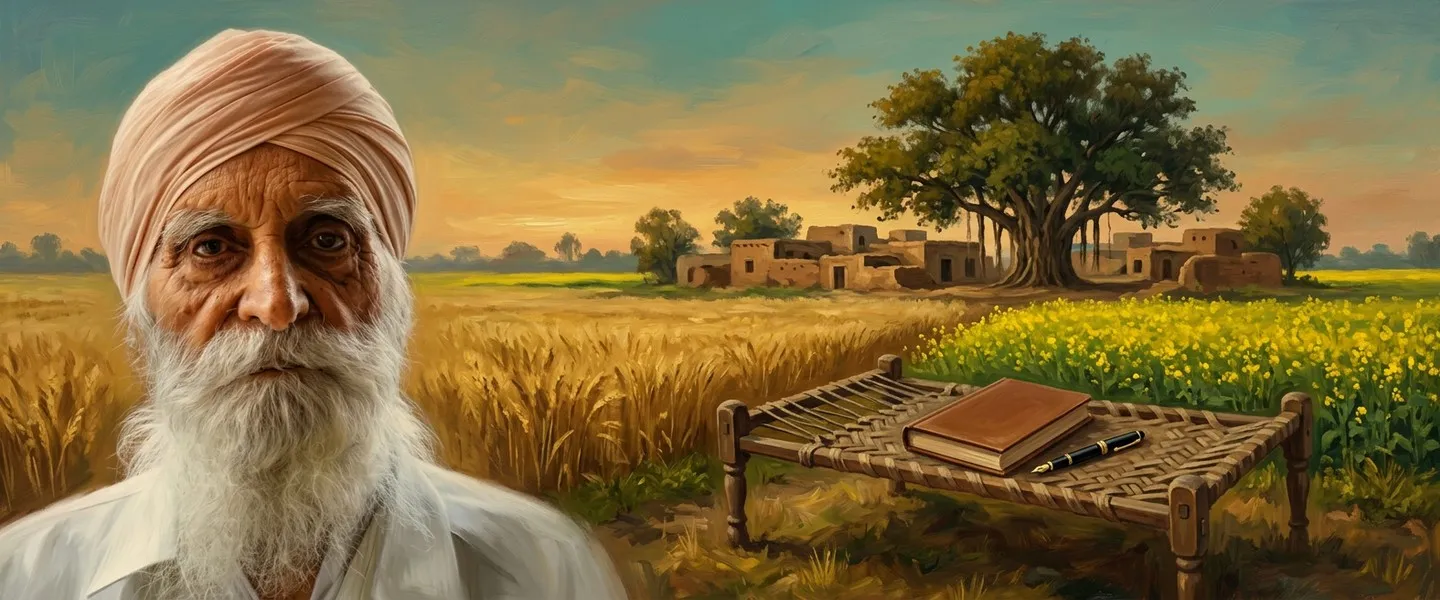
ਜੁੜੇ ਹੋਏ
ਹੋਰ ਪੜ੍ਹੋ
ਸਰੋਤ (3)
ਜੁਗਤੀ ਮੁਫ਼ਤ ਅਤੇ ਸੁਤੰਤਰ ਹੈ। ਪਾਠਕਾਂ ਦਾ ਸਹਿਯੋਗ ਕੋਸ਼ ਨੂੰ ਵਧਾਉਂਦਾ ਹੈ।
ਸਹਿਯੋਗ