

ਟੌਸ਼ਾਲੀ ਦੀ ਹੰਸੋ ਢੁੱਡੀਕੇ ਦੇ ਜਸਵੰਤ ਸਿੰਘ ਕੰਵਲ ਦਾ 1993 ਦਾ ਪੰਜਾਬੀ ਨਾਵਲ ਹੈ, ਉਸ ਮਾਲਵਾ ਨਾਵਲਕਾਰ ਦਾ ਜਿਸ ਨੇ ਪੇਂਡੂ ਪੰਜਾਬ ਵਿੱਚ ਜੜ੍ਹੀਆਂ ਲਗਭਗ 80 ਕਿਤਾਬਾਂ ਲਿਖੀਆਂ। ਇਸ ਨੇ ਪੰਜਾਬੀ ਲਈ ਸਾਹਿਤ ਅਕਾਦਮੀ ਇਨਾਮ ਜਿੱਤਿਆ, ਜੋ ਅਕਾਦਮੀ ਦੀ ਜੇਤੂ ਸੂਚੀ ਵਿੱਚ 1997 ਲਈ ਦਰਜ ਹੈ ਅਤੇ ਉਨ੍ਹਾਂ ਦੀਆਂ ਸ਼ੋਕ ਖ਼ਬਰਾਂ ਵਿੱਚ 1998 ਵਿੱਚ ਦੱਸਿਆ ਗਿਆ।
ਪੰਜਾਬੀ, ਗੁਰਮੁਖੀ- ਪੰਜਾਬੀ ਨਾਂ
- ਟੌਸ਼ਾਲੀ ਦੀ ਹੰਸੋ
- ਲੇਖਕ
- ਜਸਵੰਤ ਸਿੰਘ ਕੰਵਲ (1919-2020)
- ਪ੍ਰਕਾਸ਼ਿਤ
- 1993
- ਭਾਸ਼ਾ
- ਪੰਜਾਬੀ, ਗੁਰਮੁਖੀ
- ਰੂਪ
- ਨਾਵਲ
- ਪੁਰਸਕਾਰ
- ਪੰਜਾਬੀ ਲਈ ਸਾਹਿਤ ਅਕਾਦਮੀ ਇਨਾਮ, 1997 (1998 ਵਿੱਚ ਰਿਪੋਰਟ)
- ਲੇਖਕ ਦਾ ਘਰ
- ਢੁੱਡੀਕੇ, ਮੋਗਾ ਜ਼ਿਲ੍ਹਾ
About the book
Taushali Di Hanso is a Punjabi novel by Jaswant Singh Kanwal, published in 1993, late in one of the longest writing lives in Punjabi literature. It won the Sahitya Akademi Award for Punjabi: the Akademi's winners list places the award in 1997, while newspaper obituaries of the author reported it in 1998. Either way, it was the national academy's salute to a novelist then in his seventies, who had been publishing since the 1940s and who still lived, as he always had, in his own village of Dhudike in Moga district.
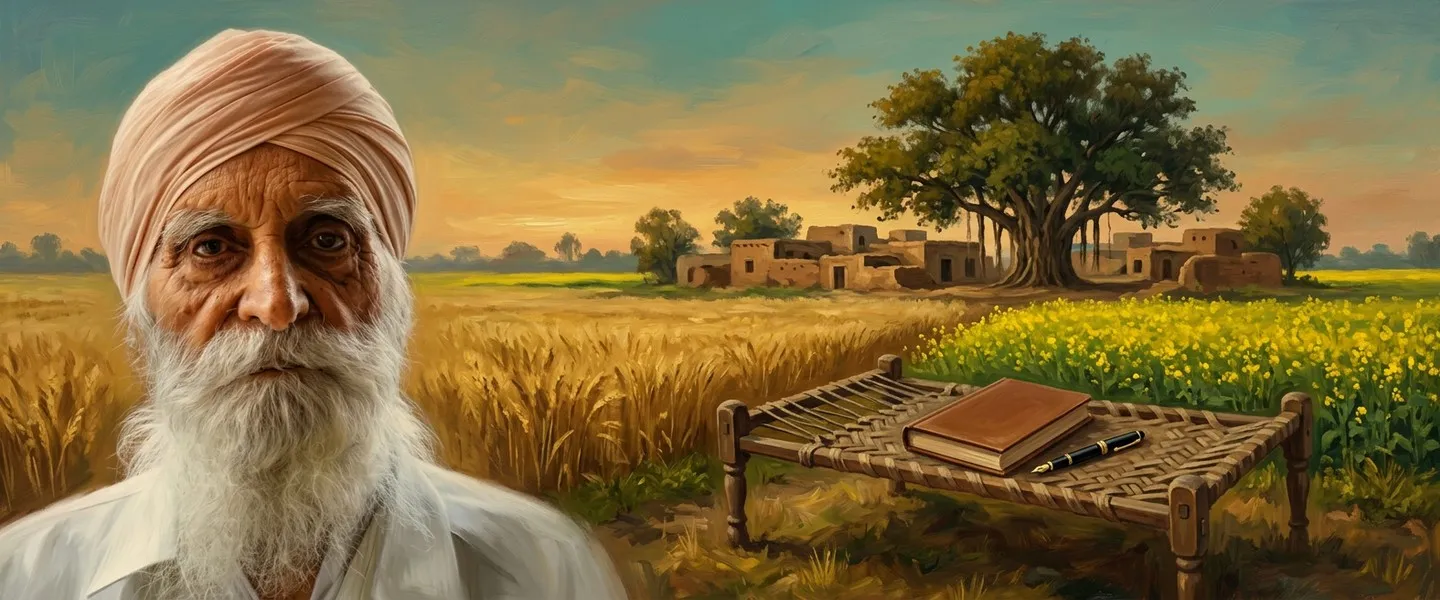
Kanwal wrote nearly 80 books in all, by the count given in the Press Trust of India obituary carried across Indian newspapers at his death. His novels are rooted in rural Punjab, above all in the Malwa country around Dhudike, and are written in a rustic register that readers across Punjab took to at once. Taushali Di Hanso belongs to that village world: it is a Malwa novel by the writer Punjabis most associate with Malwa itself.
What is Taushali Di Hanso about?
Taushali Di Hanso is a novel of rural Punjab in Kanwal's characteristic manner: village life drawn vividly and at first hand, and the settled customs of that life questioned rather than simply celebrated. Across his fiction Kanwal championed social and gender equality and gave his sympathy to the common reader's world of farming, family and village obligation, and this late novel comes from the same ground. Detailed plot summaries of the book in English are scarce, and this page does not invent one: what the record establishes beyond doubt is the book's standing, as the award winning novel of Kanwal's old age.
That caution matters because Kanwal's reputation rests on truthfulness to his material. The Sikh Encyclopedia's account of his work describes a novelist who specialised in realistic, rural and rustic life in the Malwa region, used the Malwai dialect for local colour, satirised the misdeeds of unscrupulous rich people and encouraged the downtrodden to rise in strength and unity. A reader who knows those qualities from Lahu Di Lo or Haani will find the same writer at work in Taushali Di Hanso.
Themes: village Punjab and the common reader
The themes that run through Kanwal's novels are documented across his whole body of work: firmly held social customs and beliefs put to the question, the claims of women and of the poor set against the authority of custom, and a left leaning sympathy for the people who work the land. His settings are fields, courtyards and village lanes rather than cities, and his Punjab is the Malwa of Dhudike, the village he never left.
Punjab's Chief Minister, condoling his death in 2020, described him as a versatile writer whose books vividly portrayed the rural life of Punjab and lent a voice to the plight of the common man grappling with socio economic hardships. That description, given for the whole shelf of his work, is the surest guide to the world of Taushali Di Hanso as well.
ਲੇਖਕ
Jaswant Singh Kanwal was born on 27 June 1919 in Dhudike, Moga district. As a young teenager he left school and went to Malaya, in present day Malaysia, and it was there that he first became interested in literature. He returned to Dhudike after a few years and lived there for the rest of his life, farming and writing in the village he wrote about. His first novel, Sach Nu Phansi, appeared in 1944, and he went on writing into his late nineties.
His best known novel is Lahu Di Lo, Dawn of the Blood, about the Naxalite movement in Punjab. No publisher in India would touch it during the Emergency of the 1970s, so Kanwal had it published in Singapore and copies were smuggled into India; it was published openly in Punjab only after the Emergency was lifted, and it has been translated into English. He died at Dhudike on 1 February 2020, and was cremated in the village the same day, his family said.
The Sahitya Akademi Award and the book's standing
The Sahitya Akademi Award is India's national literary honour, given language by language each year. For Punjabi, the winners list records Taushali Di Hanso as the winning novel for 1997; the award was widely reported in 1998, the year given in the author's obituaries, a one year difference that follows the book through the reference works. What is not in doubt is the company the book keeps: the Punjabi list it joins runs from Bhai Vir Singh and Amrita Pritam through Gurdial Singh and Surjit Patar, the defining Punjabi writers of the twentieth century.
The award crowned a shelf of honours: the Punjabi Sahit Shiromani Award of the Punjab government in 2007 and an honorary Doctor of Literature from Guru Nanak Dev University, Amritsar in 2008. Punjabis themselves gave him a plainer title, the writer of movements, for fiction that always stood with a cause and a people. Taushali Di Hanso is the book the national academy chose to carry his name.
Why does Taushali Di Hanso still matter?
Because it is the late, honoured work of the novelist who made the Malwa village a centre of Punjabi fiction. Kanwal proved that a writer could stay in one village for the whole of a long life and still speak to the whole of Punjab. For readers tracing the Punjabi novel from Nanak Singh through Gurdial Singh, Taushali Di Hanso is a necessary stop: the Sahitya Akademi Award winning novel of Dhudike's own writer, written in his seventies, from the village he never left.
ਕਿਤਾਬ ਬਾਰੇ
ਟੌਸ਼ਾਲੀ ਦੀ ਹੰਸੋ ਜਸਵੰਤ ਸਿੰਘ ਕੰਵਲ ਦਾ ਪੰਜਾਬੀ ਨਾਵਲ ਹੈ, ਜੋ 1993 ਵਿੱਚ ਛਪਿਆ, ਪੰਜਾਬੀ ਸਾਹਿਤ ਦੇ ਸਭ ਤੋਂ ਲੰਮੇ ਲੇਖਣ ਜੀਵਨਾਂ ਵਿੱਚੋਂ ਇੱਕ ਦੇ ਬਾਅਦ ਵਾਲੇ ਸਾਲਾਂ ਵਿੱਚ। ਇਸ ਨੇ ਪੰਜਾਬੀ ਲਈ ਸਾਹਿਤ ਅਕਾਦਮੀ ਇਨਾਮ ਜਿੱਤਿਆ: ਅਕਾਦਮੀ ਦੀ ਜੇਤੂ ਸੂਚੀ ਇਸ ਇਨਾਮ ਨੂੰ 1997 ਵਿੱਚ ਰੱਖਦੀ ਹੈ, ਜਦੋਂ ਕਿ ਲੇਖਕ ਦੀਆਂ ਅਖ਼ਬਾਰੀ ਸ਼ੋਕ ਖ਼ਬਰਾਂ ਨੇ ਇਸ ਨੂੰ 1998 ਵਿੱਚ ਦੱਸਿਆ। ਦੋਵਾਂ ਹਾਲਤਾਂ ਵਿੱਚ, ਇਹ ਕੌਮੀ ਅਕਾਦਮੀ ਦਾ ਸਲਾਮ ਸੀ ਇੱਕ ਅਜਿਹੇ ਨਾਵਲਕਾਰ ਨੂੰ ਜੋ ਉਦੋਂ ਆਪਣੇ ਸੱਤਰਵਿਆਂ ਵਿੱਚ ਸੀ, ਜੋ 1940ਵਿਆਂ ਤੋਂ ਛਪ ਰਿਹਾ ਸੀ ਅਤੇ ਜੋ ਅਜੇ ਵੀ, ਜਿਵੇਂ ਉਹ ਹਮੇਸ਼ਾ ਰਿਹਾ ਸੀ, ਮੋਗਾ ਜ਼ਿਲ੍ਹੇ ਦੇ ਆਪਣੇ ਪਿੰਡ ਢੁੱਡੀਕੇ ਵਿੱਚ ਹੀ ਰਹਿ ਰਿਹਾ ਸੀ।
ਕੰਵਲ ਨੇ ਕੁੱਲ ਮਿਲਾ ਕੇ ਲਗਭਗ 80 ਕਿਤਾਬਾਂ ਲਿਖੀਆਂ, ਉਸ ਗਿਣਤੀ ਅਨੁਸਾਰ ਜੋ ਉਨ੍ਹਾਂ ਦੀ ਮੌਤ ਉੱਤੇ ਭਾਰਤੀ ਅਖ਼ਬਾਰਾਂ ਵਿੱਚ ਛਪੀ ਪ੍ਰੈਸ ਟਰੱਸਟ ਆਫ਼ ਇੰਡੀਆ ਦੀ ਸ਼ੋਕ ਖ਼ਬਰ ਵਿੱਚ ਦਿੱਤੀ ਗਈ। ਉਨ੍ਹਾਂ ਦੇ ਨਾਵਲ ਪੇਂਡੂ ਪੰਜਾਬ ਵਿੱਚ ਜੜ੍ਹੇ ਹਨ, ਸਭ ਤੋਂ ਵੱਧ ਢੁੱਡੀਕੇ ਦੇ ਆਲੇ ਦੁਆਲੇ ਦੇ ਮਾਲਵਾ ਇਲਾਕੇ ਵਿੱਚ, ਅਤੇ ਇੱਕ ਠੇਠ ਪੇਂਡੂ ਰੰਗ ਵਿੱਚ ਲਿਖੇ ਗਏ ਹਨ ਜਿਸ ਨੂੰ ਸਾਰੇ ਪੰਜਾਬ ਦੇ ਪਾਠਕਾਂ ਨੇ ਤੁਰੰਤ ਆਪਣਾ ਲਿਆ। ਟੌਸ਼ਾਲੀ ਦੀ ਹੰਸੋ ਉਸੇ ਪਿੰਡ ਵਾਲੀ ਦੁਨੀਆ ਦੀ ਰਚਨਾ ਹੈ: ਇਹ ਉਸ ਲੇਖਕ ਦਾ ਮਾਲਵਾ ਨਾਵਲ ਹੈ ਜਿਸ ਨੂੰ ਪੰਜਾਬੀ ਸਭ ਤੋਂ ਵੱਧ ਮਾਲਵੇ ਨਾਲ ਹੀ ਜੋੜਦੇ ਹਨ।
ਟੌਸ਼ਾਲੀ ਦੀ ਹੰਸੋ ਕਿਸ ਬਾਰੇ ਹੈ?
ਟੌਸ਼ਾਲੀ ਦੀ ਹੰਸੋ ਕੰਵਲ ਦੇ ਖ਼ਾਸ ਢੰਗ ਵਿੱਚ ਪੇਂਡੂ ਪੰਜਾਬ ਦਾ ਨਾਵਲ ਹੈ: ਪਿੰਡ ਦਾ ਜੀਵਨ ਜੀਵੰਤ ਅਤੇ ਨੇੜਿਓਂ ਵੇਖਿਆ ਹੋਇਆ ਖਿੱਚਿਆ ਗਿਆ ਹੈ, ਅਤੇ ਉਸ ਜੀਵਨ ਦੀਆਂ ਪੱਕੀਆਂ ਰਸਮਾਂ ਨੂੰ ਸਿਰਫ਼ ਮਨਾਉਣ ਦੀ ਥਾਂ ਸਵਾਲਾਂ ਹੇਠ ਰੱਖਿਆ ਗਿਆ ਹੈ। ਆਪਣੀ ਸਾਰੀ ਗਲਪ ਵਿੱਚ ਕੰਵਲ ਨੇ ਸਮਾਜਿਕ ਅਤੇ ਲਿੰਗ ਬਰਾਬਰੀ ਦਾ ਪੱਖ ਲਿਆ ਅਤੇ ਖੇਤੀ, ਪਰਿਵਾਰ ਅਤੇ ਪਿੰਡ ਦੀਆਂ ਜ਼ਿੰਮੇਵਾਰੀਆਂ ਵਾਲੀ ਆਮ ਪਾਠਕ ਦੀ ਦੁਨੀਆ ਨਾਲ ਹਮਦਰਦੀ ਰੱਖੀ, ਅਤੇ ਇਹ ਬਾਅਦ ਵਾਲਾ ਨਾਵਲ ਵੀ ਉਸੇ ਧਰਤੀ ਵਿੱਚੋਂ ਆਉਂਦਾ ਹੈ। ਇਸ ਕਿਤਾਬ ਦੇ ਵਿਸਤ੍ਰਿਤ ਕਥਾ ਸਾਰ ਅੰਗਰੇਜ਼ੀ ਵਿੱਚ ਘੱਟ ਮਿਲਦੇ ਹਨ, ਅਤੇ ਇਹ ਪੰਨਾ ਕੋਈ ਕਥਾ ਘੜਦਾ ਨਹੀਂ: ਜੋ ਰਿਕਾਰਡ ਪੱਕੀ ਤਰ੍ਹਾਂ ਸਥਾਪਿਤ ਕਰਦਾ ਹੈ ਉਹ ਹੈ ਇਸ ਕਿਤਾਬ ਦਾ ਸਥਾਨ, ਕੰਵਲ ਦੇ ਬੁਢਾਪੇ ਦੇ ਇਨਾਮ ਜੇਤੂ ਨਾਵਲ ਵਜੋਂ।
ਇਹ ਸਾਵਧਾਨੀ ਇਸ ਲਈ ਜ਼ਰੂਰੀ ਹੈ ਕਿਉਂਕਿ ਕੰਵਲ ਦੀ ਸਾਖ ਆਪਣੇ ਵਿਸ਼ੇ ਪ੍ਰਤੀ ਸੱਚਾਈ ਉੱਤੇ ਟਿਕੀ ਹੈ। ਉਨ੍ਹਾਂ ਦੇ ਕੰਮ ਬਾਰੇ ਸਿੱਖ ਐਨਸਾਈਕਲੋਪੀਡੀਆ ਦਾ ਲੇਖ ਇੱਕ ਅਜਿਹੇ ਨਾਵਲਕਾਰ ਦਾ ਵਰਣਨ ਕਰਦਾ ਹੈ ਜੋ ਮਾਲਵਾ ਇਲਾਕੇ ਦੇ ਯਥਾਰਥਕ, ਪੇਂਡੂ ਅਤੇ ਠੇਠ ਜੀਵਨ ਦੇ ਚਿਤਰਨ ਵਿੱਚ ਮਾਹਿਰ ਸੀ, ਸਥਾਨਕ ਰੰਗ ਲਈ ਮਾਲਵਈ ਉਪਭਾਸ਼ਾ ਦੀ ਵਰਤੋਂ ਕਰਦਾ ਸੀ, ਬੇਈਮਾਨ ਅਮੀਰ ਲੋਕਾਂ ਦੀਆਂ ਕਰਤੂਤਾਂ ਉੱਤੇ ਵਿਅੰਗ ਕਰਦਾ ਸੀ ਅਤੇ ਦੱਬੇ ਕੁਚਲਿਆਂ ਨੂੰ ਤਾਕਤ ਅਤੇ ਏਕੇ ਨਾਲ ਉੱਠਣ ਲਈ ਪ੍ਰੇਰਦਾ ਸੀ। ਜਿਹੜਾ ਪਾਠਕ ਲਹੂ ਦੀ ਲੋ ਜਾਂ ਹਾਣੀ ਵਿੱਚ ਇਹ ਗੁਣ ਜਾਣਦਾ ਹੈ, ਉਸ ਨੂੰ ਟੌਸ਼ਾਲੀ ਦੀ ਹੰਸੋ ਵਿੱਚ ਵੀ ਉਹੀ ਲੇਖਕ ਕੰਮ ਕਰਦਾ ਮਿਲੇਗਾ।
ਵਿਸ਼ੇ: ਪਿੰਡ ਵਾਲਾ ਪੰਜਾਬ ਅਤੇ ਆਮ ਪਾਠਕ
ਕੰਵਲ ਦੇ ਨਾਵਲਾਂ ਵਿੱਚ ਤੁਰਦੇ ਵਿਸ਼ੇ ਉਨ੍ਹਾਂ ਦੇ ਸਾਰੇ ਕੰਮ ਵਿੱਚ ਦਰਜ ਹਨ: ਪੱਕੀਆਂ ਸਮਾਜਿਕ ਰਸਮਾਂ ਅਤੇ ਮਾਨਤਾਵਾਂ ਨੂੰ ਸਵਾਲਾਂ ਹੇਠ ਰੱਖਣਾ, ਔਰਤਾਂ ਅਤੇ ਗਰੀਬਾਂ ਦੇ ਹੱਕਾਂ ਨੂੰ ਰਸਮ ਦੇ ਅਧਿਕਾਰ ਦੇ ਸਾਹਮਣੇ ਰੱਖਣਾ, ਅਤੇ ਜ਼ਮੀਨ ਉੱਤੇ ਕੰਮ ਕਰਨ ਵਾਲੇ ਲੋਕਾਂ ਨਾਲ ਖੱਬੇ ਝੁਕਾਅ ਵਾਲੀ ਹਮਦਰਦੀ। ਉਨ੍ਹਾਂ ਦੇ ਪਿਛੋਕੜ ਸ਼ਹਿਰ ਨਹੀਂ, ਖੇਤ, ਵਿਹੜੇ ਅਤੇ ਪਿੰਡ ਦੀਆਂ ਗਲੀਆਂ ਹਨ, ਅਤੇ ਉਨ੍ਹਾਂ ਦਾ ਪੰਜਾਬ ਢੁੱਡੀਕੇ ਵਾਲਾ ਮਾਲਵਾ ਹੈ, ਉਹ ਪਿੰਡ ਜਿਥੋਂ ਉਹ ਕਦੇ ਨਹੀਂ ਗਏ।
ਪੰਜਾਬ ਦੇ ਮੁੱਖ ਮੰਤਰੀ ਨੇ 2020 ਵਿੱਚ ਉਨ੍ਹਾਂ ਦੀ ਮੌਤ ਉੱਤੇ ਸ਼ੋਕ ਪ੍ਰਗਟ ਕਰਦਿਆਂ ਉਨ੍ਹਾਂ ਨੂੰ ਇੱਕ ਬਹੁਪੱਖੀ ਲੇਖਕ ਕਿਹਾ ਜਿਸ ਦੀਆਂ ਕਿਤਾਬਾਂ ਨੇ ਪੰਜਾਬ ਦੇ ਪੇਂਡੂ ਜੀਵਨ ਨੂੰ ਜੀਵੰਤ ਰੂਪ ਵਿੱਚ ਚਿਤਰਿਆ ਅਤੇ ਸਮਾਜਿਕ ਆਰਥਿਕ ਤੰਗੀਆਂ ਨਾਲ ਜੂਝਦੇ ਆਮ ਬੰਦੇ ਦੀ ਪੀੜ ਨੂੰ ਆਵਾਜ਼ ਦਿੱਤੀ। ਇਹ ਵਰਣਨ, ਜੋ ਉਨ੍ਹਾਂ ਦੇ ਸਾਰੇ ਕੰਮ ਲਈ ਦਿੱਤਾ ਗਿਆ ਸੀ, ਟੌਸ਼ਾਲੀ ਦੀ ਹੰਸੋ ਦੀ ਦੁਨੀਆ ਲਈ ਵੀ ਸਭ ਤੋਂ ਪੱਕੀ ਅਗਵਾਈ ਹੈ।
ਲੇਖਕ
ਜਸਵੰਤ ਸਿੰਘ ਕੰਵਲ ਦਾ ਜਨਮ 27 ਜੂਨ 1919 ਨੂੰ ਮੋਗਾ ਜ਼ਿਲ੍ਹੇ ਦੇ ਪਿੰਡ ਢੁੱਡੀਕੇ ਵਿੱਚ ਹੋਇਆ। ਛੋਟੀ ਕਿਸ਼ੋਰ ਉਮਰ ਵਿੱਚ ਉਹ ਸਕੂਲ ਛੱਡ ਕੇ ਮਲਾਇਆ ਚਲੇ ਗਏ, ਜੋ ਅੱਜ ਦਾ ਮਲੇਸ਼ੀਆ ਹੈ, ਅਤੇ ਉਥੇ ਹੀ ਉਨ੍ਹਾਂ ਨੂੰ ਪਹਿਲਾਂ ਸਾਹਿਤ ਵਿੱਚ ਦਿਲਚਸਪੀ ਹੋਈ। ਕੁਝ ਸਾਲਾਂ ਬਾਅਦ ਉਹ ਢੁੱਡੀਕੇ ਪਰਤ ਆਏ ਅਤੇ ਸਾਰੀ ਉਮਰ ਉਥੇ ਹੀ ਰਹੇ, ਉਸੇ ਪਿੰਡ ਵਿੱਚ ਖੇਤੀ ਕਰਦੇ ਅਤੇ ਲਿਖਦੇ ਰਹੇ ਜਿਸ ਬਾਰੇ ਉਹ ਲਿਖਦੇ ਸਨ। ਉਨ੍ਹਾਂ ਦਾ ਪਹਿਲਾ ਨਾਵਲ, ਸੱਚ ਨੂੰ ਫਾਂਸੀ, 1944 ਵਿੱਚ ਆਇਆ, ਅਤੇ ਉਹ ਆਪਣੇ ਨੱਬੇਵਿਆਂ ਦੇ ਅਖੀਰ ਤੱਕ ਲਿਖਦੇ ਰਹੇ।
ਉਨ੍ਹਾਂ ਦਾ ਸਭ ਤੋਂ ਮਸ਼ਹੂਰ ਨਾਵਲ ਲਹੂ ਦੀ ਲੋ ਹੈ, ਜੋ ਪੰਜਾਬ ਵਿੱਚ ਨਕਸਲੀ ਲਹਿਰ ਬਾਰੇ ਹੈ। 1970ਵਿਆਂ ਦੀ ਐਮਰਜੈਂਸੀ ਦੌਰਾਨ ਭਾਰਤ ਦਾ ਕੋਈ ਪ੍ਰਕਾਸ਼ਕ ਇਸ ਨੂੰ ਛਾਪਣ ਲਈ ਤਿਆਰ ਨਾ ਹੋਇਆ, ਇਸ ਲਈ ਕੰਵਲ ਨੇ ਇਸ ਨੂੰ ਸਿੰਗਾਪੁਰ ਤੋਂ ਛਪਵਾਇਆ ਅਤੇ ਇਸ ਦੀਆਂ ਕਾਪੀਆਂ ਲੁਕ ਛਿਪ ਕੇ ਭਾਰਤ ਲਿਆਂਦੀਆਂ ਗਈਆਂ; ਇਹ ਪੰਜਾਬ ਵਿੱਚ ਖੁੱਲ੍ਹ ਕੇ ਤਦ ਹੀ ਛਪਿਆ ਜਦੋਂ ਐਮਰਜੈਂਸੀ ਹਟ ਗਈ, ਅਤੇ ਇਸ ਦਾ ਅੰਗਰੇਜ਼ੀ ਅਨੁਵਾਦ ਵੀ ਹੋਇਆ ਹੈ। ਉਨ੍ਹਾਂ ਦਾ ਦੇਹਾਂਤ 1 ਫ਼ਰਵਰੀ 2020 ਨੂੰ ਢੁੱਡੀਕੇ ਵਿੱਚ ਹੋਇਆ, ਅਤੇ ਉਨ੍ਹਾਂ ਦੇ ਪਰਿਵਾਰ ਅਨੁਸਾਰ ਉਸੇ ਦਿਨ ਪਿੰਡ ਵਿੱਚ ਉਨ੍ਹਾਂ ਦਾ ਸਸਕਾਰ ਕੀਤਾ ਗਿਆ।
ਸਾਹਿਤ ਅਕਾਦਮੀ ਇਨਾਮ ਅਤੇ ਕਿਤਾਬ ਦਾ ਸਥਾਨ
ਸਾਹਿਤ ਅਕਾਦਮੀ ਇਨਾਮ ਭਾਰਤ ਦਾ ਕੌਮੀ ਸਾਹਿਤਕ ਸਨਮਾਨ ਹੈ, ਜੋ ਹਰ ਸਾਲ ਭਾਸ਼ਾ ਅਨੁਸਾਰ ਦਿੱਤਾ ਜਾਂਦਾ ਹੈ। ਪੰਜਾਬੀ ਲਈ, ਜੇਤੂ ਸੂਚੀ ਟੌਸ਼ਾਲੀ ਦੀ ਹੰਸੋ ਨੂੰ 1997 ਦੇ ਜੇਤੂ ਨਾਵਲ ਵਜੋਂ ਦਰਜ ਕਰਦੀ ਹੈ; ਇਹ ਇਨਾਮ 1998 ਵਿੱਚ ਵਿਆਪਕ ਤੌਰ ਉੱਤੇ ਰਿਪੋਰਟ ਹੋਇਆ, ਉਹ ਸਾਲ ਜੋ ਲੇਖਕ ਦੀਆਂ ਸ਼ੋਕ ਖ਼ਬਰਾਂ ਵਿੱਚ ਦਿੱਤਾ ਗਿਆ ਹੈ, ਇੱਕ ਸਾਲ ਦਾ ਇਹ ਫ਼ਰਕ ਹਵਾਲਾ ਕਿਤਾਬਾਂ ਵਿੱਚ ਇਸ ਕਿਤਾਬ ਦੇ ਪਿੱਛੇ ਤੁਰਦਾ ਰਿਹਾ ਹੈ। ਜਿਸ ਗੱਲ ਵਿੱਚ ਕੋਈ ਸ਼ੱਕ ਨਹੀਂ ਉਹ ਹੈ ਇਸ ਕਿਤਾਬ ਦੀ ਸੰਗਤ: ਜਿਸ ਪੰਜਾਬੀ ਸੂਚੀ ਵਿੱਚ ਇਹ ਸ਼ਾਮਿਲ ਹੁੰਦੀ ਹੈ ਉਹ ਭਾਈ ਵੀਰ ਸਿੰਘ ਅਤੇ ਅੰਮ੍ਰਿਤਾ ਪ੍ਰੀਤਮ ਤੋਂ ਹੋ ਕੇ ਗੁਰਦਿਆਲ ਸਿੰਘ ਅਤੇ ਸੁਰਜੀਤ ਪਾਟਰ ਤੱਕ ਜਾਂਦੀ ਹੈ, ਵੀਹਵੀਂ ਸਦੀ ਦੇ ਪੰਜਾਬੀ ਸਾਹਿਤ ਨੂੰ ਪਰਿਭਾਸ਼ਿਤ ਕਰਨ ਵਾਲੇ ਲੇਖਕ।
ਇਸ ਇਨਾਮ ਨੇ ਸਨਮਾਨਾਂ ਦੀ ਇੱਕ ਪੂਰੀ ਕਤਾਰ ਨੂੰ ਸਿਖਰ ਦਿੱਤਾ: 2007 ਵਿੱਚ ਪੰਜਾਬ ਸਰਕਾਰ ਦਾ ਪੰਜਾਬੀ ਸਾਹਿਤ ਸ਼ਿਰੋਮਣੀ ਇਨਾਮ ਅਤੇ 2008 ਵਿੱਚ ਗੁਰੂ ਨਾਨਕ ਦੇਵ ਯੂਨੀਵਰਸਿਟੀ, ਅੰਮ੍ਰਿਤਸਰ ਵੱਲੋਂ ਡਾਕਟਰ ਆਫ਼ ਲਿਟਰੇਚਰ ਦੀ ਆਨਰੇਰੀ ਡਿਗਰੀ। ਪੰਜਾਬੀਆਂ ਨੇ ਖ਼ੁਦ ਉਨ੍ਹਾਂ ਨੂੰ ਇੱਕ ਸਾਦਾ ਖ਼ਿਤਾਬ ਦਿੱਤਾ, ਲਹਿਰਾਂ ਦਾ ਲੇਖਕ, ਉਸ ਗਲਪ ਲਈ ਜੋ ਹਮੇਸ਼ਾ ਕਿਸੇ ਮੁੱਦੇ ਅਤੇ ਕਿਸੇ ਲੋਕਾਂ ਦੇ ਨਾਲ ਖੜ੍ਹੀ ਰਹੀ। ਟੌਸ਼ਾਲੀ ਦੀ ਹੰਸੋ ਉਹ ਕਿਤਾਬ ਹੈ ਜਿਸ ਨੂੰ ਕੌਮੀ ਅਕਾਦਮੀ ਨੇ ਉਨ੍ਹਾਂ ਦਾ ਨਾਂ ਚੁੱਕਣ ਲਈ ਚੁਣਿਆ।
ਟੌਸ਼ਾਲੀ ਦੀ ਹੰਸੋ ਅੱਜ ਵੀ ਮਹੱਤਵਪੂਰਨ ਕਿਉਂ ਹੈ?
ਕਿਉਂਕਿ ਇਹ ਉਸ ਨਾਵਲਕਾਰ ਦੀ ਬਾਅਦ ਵਾਲੀ, ਸਨਮਾਨਿਤ ਰਚਨਾ ਹੈ ਜਿਸ ਨੇ ਮਾਲਵੇ ਦੇ ਪਿੰਡ ਨੂੰ ਪੰਜਾਬੀ ਗਲਪ ਦਾ ਕੇਂਦਰ ਬਣਾਇਆ। ਕੰਵਲ ਨੇ ਸਾਬਿਤ ਕੀਤਾ ਕਿ ਇੱਕ ਲੇਖਕ ਸਾਰੀ ਲੰਮੀ ਉਮਰ ਇੱਕੋ ਪਿੰਡ ਵਿੱਚ ਰਹਿ ਕੇ ਵੀ ਸਾਰੇ ਪੰਜਾਬ ਨੂੰ ਸੰਬੋਧਿਤ ਹੋ ਸਕਦਾ ਹੈ। ਨਾਨਕ ਸਿੰਘ ਤੋਂ ਗੁਰਦਿਆਲ ਸਿੰਘ ਤੱਕ ਪੰਜਾਬੀ ਨਾਵਲ ਦਾ ਸਫ਼ਰ ਤੈਅ ਕਰਨ ਵਾਲੇ ਪਾਠਕਾਂ ਲਈ ਟੌਸ਼ਾਲੀ ਦੀ ਹੰਸੋ ਇੱਕ ਜ਼ਰੂਰੀ ਪੜਾਅ ਹੈ: ਢੁੱਡੀਕੇ ਦੇ ਆਪਣੇ ਲੇਖਕ ਦਾ ਸਾਹਿਤ ਅਕਾਦਮੀ ਇਨਾਮ ਜੇਤੂ ਨਾਵਲ, ਜੋ ਉਸ ਨੇ ਆਪਣੇ ਸੱਤਰਵਿਆਂ ਵਿੱਚ, ਉਸ ਪਿੰਡ ਵਿੱਚੋਂ ਲਿਖਿਆ ਜਿਥੋਂ ਉਹ ਕਦੇ ਨਹੀਂ ਗਿਆ।
ਐਡੀਸ਼ਨ ਅਤੇ ਅਨੁਵਾਦ
- ਟੌਸ਼ਾਲੀ ਦੀ ਹੰਸੋਪੰਜਾਬੀ · ਗੁਰਮੁਖੀ · ਮੂਲ, 1993ਮੂਲ
ਲੇਖਕ
ਜੁੜੇ ਹੋਏ
ਹੋਰ ਪੜ੍ਹੋ
ਸਰੋਤ (4)
ਜੁਗਤੀ ਮੁਫ਼ਤ ਅਤੇ ਸੁਤੰਤਰ ਹੈ। ਪਾਠਕਾਂ ਦਾ ਸਹਿਯੋਗ ਕੋਸ਼ ਨੂੰ ਵਧਾਉਂਦਾ ਹੈ।
ਸਹਿਯੋਗ