
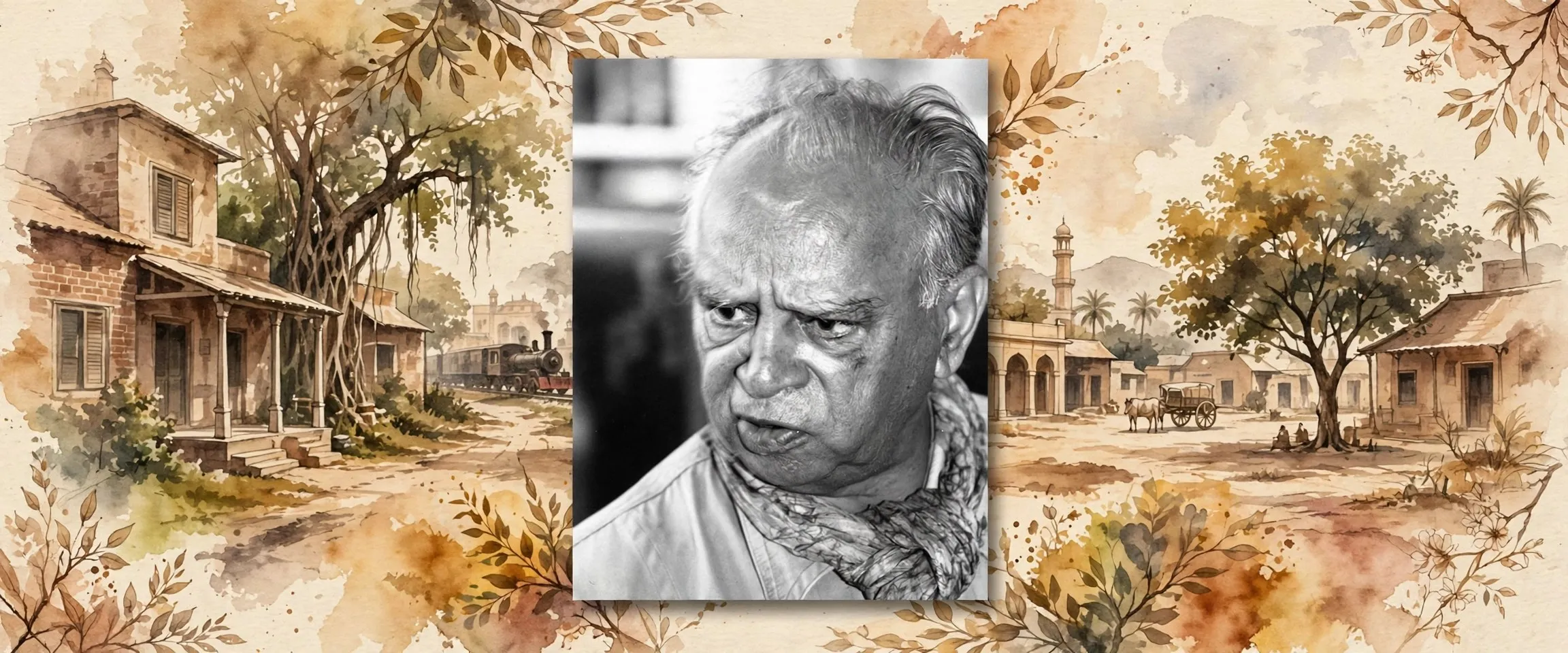
ਸੈਵਨ ਸਮਰਜ਼, ਜੋ 1951 ਵਿੱਚ ਲੰਦਨ ਤੋਂ ਛਪੀ, ਮੁਲਕ ਰਾਜ ਆਨੰਦ ਦਾ ਆਪਣੇ ਪਹਿਲੇ ਸੱਤ ਸਾਲਾਂ ਦਾ ਸਵੈ-ਜੀਵਨੀ ਨਾਵਲ ਹੈ, ਜੋ ਕ੍ਰਿਸ਼ਨ ਨਾਂ ਦੇ ਮੁੰਡੇ ਰਾਹੀਂ ਦੱਸਿਆ ਗਿਆ ਹੈ, ਜੋ ਪਹਿਲੇ ਵਿਸ਼ਵ ਯੁੱਧ ਤੋਂ ਪਹਿਲਾਂ ਉੱਤਰ ਪੱਛਮ ਵਿੱਚ ਇੱਕ ਬਰਤਾਨਵੀ ਭਾਰਤੀ ਫ਼ੌਜ ਦੀ ਛਾਉਣੀ ਵਿੱਚ ਵੱਡਾ ਹੁੰਦਾ ਹੈ। ਇਹ ਸੈਵਨ ਏਜਿਜ਼ ਆਫ਼ ਮੈਨ ਦੀ ਪਹਿਲੀ ਜਿਲਦ ਹੈ, ਸੱਤ ਹਿੱਸਿਆਂ ਵਾਲੀ ਉਹ ਗਲਪ ਸਵੈ-ਜੀਵਨੀ ਜਿਸ ਦੀਆਂ ਆਨੰਦ ਨੇ ਚਾਰ ਜਿਲਦਾਂ ਪੂਰੀਆਂ ਕੀਤੀਆਂ।
ਅੰਗਰੇਜ਼ੀ- ਲੇਖਕ
- ਮੁਲਕ ਰਾਜ ਆਨੰਦ
- ਪਹਿਲੀ ਵਾਰ ਛਪੀ
- 1951, ਹਚਿਨਸਨ, ਲੰਦਨ
- ਭਾਸ਼ਾ
- ਅੰਗਰੇਜ਼ੀ
- ਰੂਪ
- ਸਵੈ ਜੀਵਨੀ ਨਾਵਲ
- ਨਾਇਕ
- ਕ੍ਰਿਸ਼ਨ, ਲੇਖਕ ਦਾ ਆਪਣਾ ਬਚਪਨ ਰੂਪ
- ਲੜੀ
- ਸੈਵਨ ਏਜਿਜ਼ ਆਫ਼ ਮੈਨ, ਪੂਰੀਆਂ ਹੋਈਆਂ ਚਾਰ ਜਿਲਦਾਂ ਵਿੱਚੋਂ ਪਹਿਲੀ
- ਪਿਛੋਕੜ
- ਪੰਜਾਬ ਅਤੇ ਉੱਤਰ ਪੱਛਮੀ ਸਰਹੱਦ ਦੀਆਂ ਫ਼ੌਜੀ ਛਾਉਣੀਆਂ, 1914 ਤੋਂ ਪਹਿਲਾਂ
ਪਾਤਰ
About the book
Seven Summers is an autobiographical novel by Mulk Raj Anand, first published in London by Hutchinson in 1951 with the subtitle The Story of an Indian Childhood. It opens a project Anand had planned on the largest scale: a seven volume fictional autobiography called Seven Ages of Man, following one life from childhood to old age. He completed four of the seven volumes: Seven Summers itself, then Morning Face (1968), Confession of a Lover (1976) and The Bubble (1984).
The book covers the first seven years of that life, Anand's own. An adult narrator looks back at the small boy he calls Krishna, and rebuilds the world that made him: a regimental cantonment in the north west of British India, a devout mother, a soldier father, brothers, uncles, servants and soldiers, seen in the sharp, unclouded detail with which children remember. The scholar Basavaraj Naikar, in a study of the book in the journal Indian Scholar, calls it not biography but autobiography, the record of a consciousness emerging, and notes how rare such a book is: autobiographies by Indian politicians are common, those by other writers are rare, and childhood autobiographies by scholars are rarest of all.
What is Seven Summers about?
Seven Summers is about a boy called Krishna, the author's childhood self, growing up in a military cantonment in the years before the First World War. His first vivid memory, as the narrator gives it, is of a ride along a canal bank toward the shrine at Mian Mir, and of a well with its Persian wheel turning. From there the book moves between a pre-school and a school-going phase: the barracks where the soldiers live, the bungalows of the British officers, a road lined with casuarina trees, and the crowded warmth of the family quarters.
His father, a military man later referred to as a Subedar Major, is affectionate and fiery by turns, calls the boy Bully, and seems to the four or five year old a legendary figure. His mother is the centre of affection and order. Around them stand the brothers: Harish the eldest, Ganesh, whose departure for Amritsar with an uncle and aunt leaves Krishna lonely, and little Prithvi, whose death is the boy's first encounter with death itself. An uncle, Jhanda Singh, teaches him to swim. The family's own story reaches back to the mother's arrival from Daska as a young bride at the family house in Amritsar's Kucha Faqir Khana, and the boy's world widens, in memory and in journeys, to Nowshera cantonment under the Hindu Kush, Malakand, Rawalpindi, Peshawar and Delhi. It ends in 1914, when war is declared: the father, fearing he must go to fight, is ordered instead to stay with the depot at Malakand, and childhood, in Naikar's reading, comes to its close as the boy reflects that he has as yet no plan or direction, and must flow with the current and keep observing.
ਕਿਤਾਬ ਬਾਰੇ
ਸੈਵਨ ਸਮਰਜ਼ ਮੁਲਕ ਰਾਜ ਆਨੰਦ ਦਾ ਸਵੈ-ਜੀਵਨੀ ਨਾਵਲ ਹੈ, ਜੋ ਪਹਿਲੀ ਵਾਰ 1951 ਵਿੱਚ ਲੰਦਨ ਤੋਂ ਹਚਿਨਸਨ ਨੇ ਛਾਪਿਆ। ਇਸ ਦਾ ਉਪ-ਸਿਰਲੇਖ ਹੈ ਦਾ ਸਟੋਰੀ ਆਫ਼ ਐਨ ਇੰਡੀਅਨ ਚਾਈਲਡਹੁੱਡ, ਇੱਕ ਭਾਰਤੀ ਬਚਪਨ ਦੀ ਕਹਾਣੀ। ਇਹ ਉਸ ਵੱਡੀ ਯੋਜਨਾ ਦਾ ਪਹਿਲਾ ਹਿੱਸਾ ਹੈ ਜਿਸ ਦਾ ਨਾਂ ਉਸ ਨੇ ਸੈਵਨ ਏਜਿਜ਼ ਆਫ਼ ਮੈਨ ਰੱਖਿਆ ਸੀ, ਸੱਤ ਜਿਲਦਾਂ ਵਿੱਚ ਇੱਕ ਜ਼ਿੰਦਗੀ ਦੀ ਕਹਾਣੀ, ਬਚਪਨ ਤੋਂ ਬੁਢਾਪੇ ਤੱਕ। ਉਸ ਦੀਆਂ ਚਾਰ ਜਿਲਦਾਂ ਪੂਰੀਆਂ ਹੋਈਆਂ: ਸੈਵਨ ਸਮਰਜ਼ ਆਪ, ਫਿਰ ਮੋਰਨਿੰਗ ਫ਼ੇਸ (1968), ਕਨਫ਼ੈਸ਼ਨ ਆਫ਼ ਏ ਲਵਰ (1976) ਅਤੇ ਦ ਬਬਲ (1984)।
ਕਿਤਾਬ ਉਸ ਜ਼ਿੰਦਗੀ ਦੇ ਪਹਿਲੇ ਸੱਤ ਸਾਲ ਲੈਂਦੀ ਹੈ, ਆਨੰਦ ਦੇ ਆਪਣੇ। ਇੱਕ ਬਾਲਗ ਬਿਰਤਾਂਤਕਾਰ ਉਸ ਛੋਟੇ ਮੁੰਡੇ ਵੱਲ ਮੁੜ ਕੇ ਦੇਖਦਾ ਹੈ ਜਿਸ ਨੂੰ ਉਹ ਕ੍ਰਿਸ਼ਨ ਕਹਿੰਦਾ ਹੈ, ਅਤੇ ਉਹ ਸੰਸਾਰ ਦੁਬਾਰਾ ਬਣਾਉਂਦਾ ਹੈ ਜਿਸ ਨੇ ਉਸ ਨੂੰ ਬਣਾਇਆ: ਬਰਤਾਨਵੀ ਭਾਰਤ ਦੇ ਉੱਤਰ ਪੱਛਮ ਵਿੱਚ ਇੱਕ ਫ਼ੌਜੀ ਛਾਉਣੀ, ਧਾਰਮਿਕ ਮਾਂ, ਸਿਪਾਹੀ ਪਿਤਾ, ਭਰਾ, ਚਾਚੇ, ਨੌਕਰ ਅਤੇ ਸਿਪਾਹੀ, ਉਸ ਤਿੱਖੀ ਅਤੇ ਸਾਫ਼ ਤਫ਼ਸੀਲ ਨਾਲ ਜਿਸ ਨਾਲ ਬੱਚੇ ਯਾਦ ਰੱਖਦੇ ਹਨ। ਵਿਦਵਾਨ ਬਸਵਰਾਜ ਨਾਇਕਰ, ਇੰਡੀਅਨ ਸਕਾਲਰ ਪੱਤਰਿਕਾ ਵਿੱਚ ਇਸ ਕਿਤਾਬ ਉੱਤੇ ਆਪਣੇ ਅਧਿਐਨ ਵਿੱਚ, ਇਸ ਨੂੰ ਜੀਵਨੀ ਨਹੀਂ, ਸਵੈ-ਜੀਵਨੀ ਕਹਿੰਦੇ ਹਨ, ਉੱਭਰਦੀ ਹੋਈ ਚੇਤਨਾ ਦਾ ਰਿਕਾਰਡ, ਅਤੇ ਲਿਖਦੇ ਹਨ ਕਿ ਅਜਿਹੀ ਕਿਤਾਬ ਕਿੰਨੀ ਦੁਰਲੱਭ ਹੈ: ਭਾਰਤੀ ਸਿਆਸਤਦਾਨਾਂ ਦੀਆਂ ਸਵੈ-ਜੀਵਨੀਆਂ ਆਮ ਹਨ, ਹੋਰ ਲੇਖਕਾਂ ਦੀਆਂ ਘੱਟ ਹਨ, ਅਤੇ ਵਿਦਵਾਨਾਂ ਦੀਆਂ ਬਚਪਨ ਦੀਆਂ ਸਵੈ-ਜੀਵਨੀਆਂ ਸਭ ਤੋਂ ਘੱਟ ਹਨ।
ਸੈਵਨ ਸਮਰਜ਼ ਕਿਸ ਬਾਰੇ ਹੈ?
ਸੈਵਨ ਸਮਰਜ਼ ਕ੍ਰਿਸ਼ਨ ਨਾਂ ਦੇ ਮੁੰਡੇ ਬਾਰੇ ਹੈ, ਜੋ ਲੇਖਕ ਦਾ ਆਪਣਾ ਬਚਪਨ ਰੂਪ ਹੈ ਅਤੇ ਪਹਿਲੇ ਵਿਸ਼ਵ ਯੁੱਧ ਤੋਂ ਪਹਿਲਾਂ ਦੇ ਸਾਲਾਂ ਵਿੱਚ ਇੱਕ ਫ਼ੌਜੀ ਛਾਉਣੀ ਵਿੱਚ ਵੱਡਾ ਹੋ ਰਿਹਾ ਹੈ। ਉਸ ਦੀ ਸਭ ਤੋਂ ਪਹਿਲੀ ਸਾਫ਼ ਯਾਦ, ਜਿਵੇਂ ਬਿਰਤਾਂਤਕਾਰ ਦੱਸਦਾ ਹੈ, ਨਹਿਰ ਦੇ ਕੰਢੇ ਮੀਆਂ ਮੀਰ ਦੇ ਮਜ਼ਾਰ ਵੱਲ ਸਵਾਰੀ ਦੀ ਹੈ, ਅਤੇ ਇੱਕ ਖੂਹ ਦੀ, ਜਿਸ ਦਾ ਪਰਸ਼ੀਅਨ ਚੱਕਰ ਘੁੰਮ ਰਿਹਾ ਸੀ। ਉੱਥੋਂ ਕਿਤਾਬ ਸਕੂਲ ਤੋਂ ਪਹਿਲਾਂ ਅਤੇ ਸਕੂਲ ਜਾਣ ਦੇ ਦੌਰ ਵਿੱਚ ਘੁੰਮਦੀ ਹੈ: ਬੈਰਕਾਂ ਜਿੱਥੇ ਸਿਪਾਹੀ ਰਹਿੰਦੇ ਹਨ, ਅੰਗਰੇਜ਼ ਅਫ਼ਸਰਾਂ ਦੇ ਬੰਗਲੇ, ਕੈਸੂਰੀਨਾ ਦੇ ਦਰੱਖਤਾਂ ਵਾਲੀ ਸੜਕ, ਅਤੇ ਪਰਿਵਾਰ ਦੇ ਕੁਆਰਟਰਾਂ ਦੀ ਭੀੜ ਭਰੀ ਗਰਮੀ।
ਉਸ ਦਾ ਪਿਤਾ, ਇੱਕ ਫ਼ੌਜੀ ਆਦਮੀ ਜਿਸ ਨੂੰ ਮਗਰੋਂ ਸੂਬੇਦਾਰ ਮੇਜਰ ਕਿਹਾ ਗਿਆ ਹੈ, ਕਦੇ ਪਿਆਰ ਭਰਿਆ ਹੈ, ਕਦੇ ਗੁੱਸੇ ਵਾਲਾ, ਮੁੰਡੇ ਨੂੰ ਬੁਲੀ ਕਹਿੰਦਾ ਹੈ, ਅਤੇ ਚਾਰ ਪੰਜ ਸਾਲ ਦੇ ਬੱਚੇ ਨੂੰ ਕਿਸੇ ਦੰਤਕਥਾ ਦੇ ਨਾਇਕ ਵਰਗਾ ਲੱਗਦਾ ਹੈ। ਉਸ ਦੀ ਮਾਂ ਪਿਆਰ ਅਤੇ ਤਰਤੀਬ ਦਾ ਕੇਂਦਰ ਹੈ। ਉਨ੍ਹਾਂ ਦੇ ਆਲੇ ਦੁਆਲੇ ਭਰਾ ਹਨ: ਵੱਡਾ ਹਰੀਸ਼, ਗਣੇਸ਼, ਜਿਸ ਦਾ ਚਾਚੇ ਚਾਚੀ ਨਾਲ ਅੰਮ੍ਰਿਤਸਰ ਚਲੇ ਜਾਣਾ ਕ੍ਰਿਸ਼ਨ ਨੂੰ ਇਕੱਲਾ ਕਰ ਦਿੰਦਾ ਹੈ, ਅਤੇ ਛੋਟਾ ਪ੍ਰਿਥਵੀ, ਜਿਸ ਦੀ ਮੌਤ ਮੁੰਡੇ ਦਾ ਮੌਤ ਨਾਲ ਪਹਿਲਾ ਸਾਹਮਣਾ ਹੈ। ਇੱਕ ਚਾਚਾ, ਝੰਡਾ ਸਿੰਘ, ਉਸ ਨੂੰ ਤੈਰਨਾ ਸਿਖਾਉਂਦਾ ਹੈ। ਪਰਿਵਾਰ ਦੀ ਆਪਣੀ ਕਹਾਣੀ ਮਾਂ ਦੇ ਦਸਕਾ ਤੋਂ ਨੌਜਵਾਨ ਦੁਲਹਨ ਬਣ ਕੇ ਅੰਮ੍ਰਿਤਸਰ ਦੇ ਕੂਚਾ ਫ਼ਕੀਰ ਖਾਨਾ ਵਾਲੇ ਘਰ ਆਉਣ ਤੱਕ ਜਾਂਦੀ ਹੈ, ਅਤੇ ਮੁੰਡੇ ਦਾ ਸੰਸਾਰ, ਯਾਦ ਵਿੱਚ ਅਤੇ ਯਾਤਰਾਵਾਂ ਵਿੱਚ, ਹਿੰਦੂ ਕੁਸ਼ ਹੇਠ ਨੌਸ਼ਹਿਰਾ ਛਾਉਣੀ, ਮਲਾਕੰਡ, ਰਾਵਲਪਿੰਡੀ, ਪਿਸ਼ਾਵਰ ਅਤੇ ਦਿੱਲੀ ਤੱਕ ਫੈਲਦਾ ਹੈ। ਇਹ 1914 ਵਿੱਚ ਖਤਮ ਹੁੰਦੀ ਹੈ, ਜਦੋਂ ਯੁੱਧ ਐਲਾਨਿਆ ਜਾਂਦਾ ਹੈ: ਪਿਤਾ, ਜਿਸ ਨੂੰ ਡਰ ਸੀ ਕਿ ਉਸ ਨੂੰ ਲੜਨ ਜਾਣਾ ਪਵੇਗਾ, ਨੂੰ ਮਲਾਕੰਡ ਦੇ ਡਿਪੂ ਵਿੱਚ ਹੀ ਰਹਿਣ ਦਾ ਹੁਕਮ ਮਿਲਦਾ ਹੈ, ਅਤੇ ਬਚਪਨ, ਨਾਇਕਰ ਦੀ ਪੜ੍ਹਤ ਵਿੱਚ, ਉੱਥੇ ਮੁੱਕ ਜਾਂਦਾ ਹੈ, ਜਦੋਂ ਮੁੰਡਾ ਸੋਚਦਾ ਹੈ ਕਿ ਉਸ ਕੋਲ ਅਜੇ ਕੋਈ ਯੋਜਨਾ ਜਾਂ ਦਿਸ਼ਾ ਨਹੀਂ, ਅਤੇ ਉਸ ਨੂੰ ਲਹਿਰ ਨਾਲ ਵਹਿਣਾ ਅਤੇ ਦੇਖਦੇ ਰਹਿਣਾ ਹੈ।
A cantonment childhood in colonial Punjab
The book's lasting strength is the double world it preserves. Inside the home is one culture: Indian, Hindu and Sikh in its habits, stories and gods, ruled by the mother's certainties. Outside the gate is another: British and Christian, regimental, ordered by bugle and rank, where the boy's father earns his living and the Sahibs live in their bungalows. Naikar writes that the novel holds, seen microscopically through a boy's eyes, a whole chunk of the colonial and regimental history of north-western India, and the contrast between those two cultures. Because Anand wrote it as fiction, the scenes carry the freedom of a novel; because every scene is memory, they carry the weight of a document. Few other books record how an Indian child actually lived inside the British Indian Army's cantonments, the world that produced so many Punjabi families, including the novelist's own.
ਲੇਖਕ
Mulk Raj Anand (1905 to 2004) was born in Peshawar on 12 December 1905 and educated at Khalsa College, Amritsar, and in London, where he took a PhD in 1929. His novels Untouchable (1935) and Coolie (1936) made him, with R. K. Narayan and Raja Rao, a founder of the Indian English novel, and his lifelong subject was the poor of India, told with Punjabi and Hindustani idiom carried into English. He returned to India in 1947 and wrote for another half century. India honoured him with the Padma Bhushan in 1968 and the Sahitya Akademi Award in 1971. He died in Pune on 28 September 2004, aged 98.
Reception and legacy
Seven Summers has been read, since 1951, as the gentlest of Anand's books: the protest novelist of Untouchable remembering, with love, the world before protest. Naikar describes it as at once realistic, poetic and philosophical, highly perceptive in its recording of childhood, and rich material for child psychologists, because the adult narrator keeps interpreting the boy's experience in the light of later knowledge. Its place is secure on two shelves at once. It is the doorway to Seven Ages of Man, the great unfinished autobiography of Indian letters, and it is a portrait of a Punjabi cantonment childhood in a world that Partition, twelve years after its setting and four years before its publication, swept away for good.
ਬਸਤੀਵਾਦੀ ਪੰਜਾਬ ਵਿੱਚ ਛਾਉਣੀ ਦਾ ਬਚਪਨ
ਕਿਤਾਬ ਦੀ ਸਦੀਵੀ ਤਾਕਤ ਉਹ ਦੋਹਰਾ ਸੰਸਾਰ ਹੈ ਜਿਸ ਨੂੰ ਇਹ ਸਾਂਭਦੀ ਹੈ। ਘਰ ਦੇ ਅੰਦਰ ਇੱਕ ਸੱਭਿਆਚਾਰ ਹੈ: ਆਪਣੀਆਂ ਆਦਤਾਂ, ਕਹਾਣੀਆਂ ਅਤੇ ਦੇਵਤਿਆਂ ਵਿੱਚ ਭਾਰਤੀ, ਹਿੰਦੂ ਅਤੇ ਸਿੱਖ, ਜਿਸ ਉੱਤੇ ਮਾਂ ਦੇ ਵਿਸ਼ਵਾਸ ਰਾਜ ਕਰਦੇ ਹਨ। ਗੇਟ ਤੋਂ ਬਾਹਰ ਦੂਜਾ ਹੈ: ਅੰਗਰੇਜ਼ੀ ਅਤੇ ਇਸਾਈ, ਫ਼ੌਜੀ, ਬਿਗੁਲ ਅਤੇ ਰੈਂਕ ਨਾਲ ਚੱਲਦਾ, ਜਿੱਥੇ ਮੁੰਡੇ ਦਾ ਪਿਤਾ ਆਪਣੀ ਰੋਜ਼ੀ ਕਮਾਉਂਦਾ ਹੈ ਅਤੇ ਸਾਹਿਬ ਆਪਣੇ ਬੰਗਲਿਆਂ ਵਿੱਚ ਰਹਿੰਦੇ ਹਨ। ਨਾਇਕਰ ਲਿਖਦੇ ਹਨ ਕਿ ਨਾਵਲ, ਮੁੰਡੇ ਦੀਆਂ ਅੱਖਾਂ ਰਾਹੀਂ ਸੂਖਮਤਾ ਨਾਲ ਦੇਖਿਆ, ਉੱਤਰ ਪੱਛਮੀ ਭਾਰਤ ਦੇ ਬਸਤੀਵਾਦੀ ਅਤੇ ਫ਼ੌਜੀ ਇਤਿਹਾਸ ਦਾ ਇੱਕ ਵੱਡਾ ਹਿੱਸਾ, ਅਤੇ ਉਨ੍ਹਾਂ ਦੋ ਸੱਭਿਆਚਾਰਾਂ ਦਾ ਟਕਰਾਅ, ਸਾਂਭਦਾ ਹੈ। ਕਿਉਂਕਿ ਆਨੰਦ ਨੇ ਇਸ ਨੂੰ ਗਲਪ ਵਜੋਂ ਲਿਖਿਆ, ਦ੍ਰਿਸ਼ਾਂ ਵਿੱਚ ਨਾਵਲ ਦੀ ਖੁੱਲ੍ਹ ਹੈ। ਕਿਉਂਕਿ ਹਰ ਦ੍ਰਿਸ਼ ਯਾਦ ਹੈ, ਉਨ੍ਹਾਂ ਵਿੱਚ ਦਸਤਾਵੇਜ਼ ਦਾ ਭਾਰ ਹੈ। ਬਹੁਤ ਘੱਟ ਕਿਤਾਬਾਂ ਦੱਸਦੀਆਂ ਹਨ ਕਿ ਇੱਕ ਭਾਰਤੀ ਬੱਚਾ ਬਰਤਾਨਵੀ ਭਾਰਤੀ ਫ਼ੌਜ ਦੀਆਂ ਛਾਉਣੀਆਂ ਦੇ ਅੰਦਰ ਅਸਲ ਵਿੱਚ ਕਿਵੇਂ ਰਹਿੰਦਾ ਸੀ, ਉਹ ਸੰਸਾਰ ਜਿਸ ਨੇ ਅਣਗਿਣਤ ਪੰਜਾਬੀ ਪਰਿਵਾਰ ਬਣਾਏ, ਨਾਵਲਕਾਰ ਦੇ ਆਪਣੇ ਸਮੇਤ।
ਲੇਖਕ
ਮੁਲਕ ਰਾਜ ਆਨੰਦ (1905 ਤੋਂ 2004) ਦਾ ਜਨਮ 12 ਦਸੰਬਰ 1905 ਨੂੰ ਪਿਸ਼ਾਵਰ ਵਿੱਚ ਹੋਇਆ ਅਤੇ ਉਹ ਖਾਲਸਾ ਕਾਲਜ ਅੰਮ੍ਰਿਤਸਰ ਅਤੇ ਲੰਦਨ ਵਿੱਚ ਪੜ੍ਹਿਆ, ਜਿੱਥੇ ਉਸ ਨੇ 1929 ਵਿੱਚ ਪੀਐਚਡੀ ਕੀਤੀ। ਉਸ ਦੇ ਨਾਵਲਾਂ ਅਨਟੱਚਏਬਲ (1935) ਅਤੇ ਕੂਲੀ (1936) ਨੇ ਉਸ ਨੂੰ ਆਰ ਕੇ ਨਾਰਾਇਣ ਅਤੇ ਰਾਜਾ ਰਾਓ ਨਾਲ ਭਾਰਤੀ ਅੰਗਰੇਜ਼ੀ ਨਾਵਲ ਦਾ ਮੋਢੀ ਬਣਾਇਆ, ਅਤੇ ਉਸ ਦਾ ਜੀਵਨ ਭਰ ਦਾ ਵਿਸ਼ਾ ਭਾਰਤ ਦੇ ਗਰੀਬ ਰਹੇ, ਜਿਨ੍ਹਾਂ ਦੀ ਕਹਾਣੀ ਉਸ ਨੇ ਪੰਜਾਬੀ ਅਤੇ ਹਿੰਦੁਸਤਾਨੀ ਮੁਹਾਵਰਾ ਅੰਗਰੇਜ਼ੀ ਵਿੱਚ ਢਾਲ ਕੇ ਸੁਣਾਈ। ਉਹ 1947 ਵਿੱਚ ਭਾਰਤ ਪਰਤਿਆ ਅਤੇ ਅੱਧੀ ਸਦੀ ਹੋਰ ਲਿਖਦਾ ਰਿਹਾ। ਭਾਰਤ ਨੇ ਉਸ ਨੂੰ 1968 ਵਿੱਚ ਪਦਮ ਭੂਸ਼ਣ ਅਤੇ 1971 ਵਿੱਚ ਸਾਹਿਤ ਅਕਾਦਮੀ ਇਨਾਮ ਦਿੱਤਾ। ਉਸ ਦੀ ਮੌਤ 28 ਸਤੰਬਰ 2004 ਨੂੰ ਪੁਣੇ ਵਿੱਚ 98 ਸਾਲ ਦੀ ਉਮਰ ਵਿੱਚ ਹੋਈ।
ਸਵਾਗਤ ਅਤੇ ਵਿਰਾਸਤ
ਸੈਵਨ ਸਮਰਜ਼ ਨੂੰ 1951 ਤੋਂ ਆਨੰਦ ਦੀ ਸਭ ਤੋਂ ਕੋਮਲ ਕਿਤਾਬ ਵਜੋਂ ਪੜ੍ਹਿਆ ਗਿਆ ਹੈ: ਅਨਟੱਚਏਬਲ ਦਾ ਵਿਰੋਧੀ ਨਾਵਲਕਾਰ, ਪਿਆਰ ਨਾਲ, ਵਿਰੋਧ ਤੋਂ ਪਹਿਲਾਂ ਦੇ ਸੰਸਾਰ ਨੂੰ ਯਾਦ ਕਰਦਾ ਹੋਇਆ। ਨਾਇਕਰ ਇਸ ਨੂੰ ਇੱਕੋ ਸਮੇਂ ਯਥਾਰਥਕ, ਕਾਵਿਕ ਅਤੇ ਦਾਰਸ਼ਨਿਕ ਕਹਿੰਦੇ ਹਨ, ਬਚਪਨ ਨੂੰ ਦਰਜ ਕਰਨ ਵਿੱਚ ਬਹੁਤ ਸੂਝਵਾਨ, ਅਤੇ ਬਾਲ ਮਨੋਵਿਗਿਆਨੀਆਂ ਲਈ ਭਰਪੂਰ ਸਮੱਗਰੀ, ਕਿਉਂਕਿ ਬਾਲਗ ਬਿਰਤਾਂਤਕਾਰ ਮੁੰਡੇ ਦੇ ਅਨੁਭਵ ਨੂੰ ਮਗਰਲੇ ਗਿਆਨ ਦੀ ਰੌਸ਼ਨੀ ਵਿੱਚ ਸਮਝਦਾ ਰਹਿੰਦਾ ਹੈ। ਇਸ ਦੀ ਥਾਂ ਦੋ ਸ਼ੈਲਫ਼ਾਂ ਉੱਤੇ ਇੱਕੋ ਸਮੇਂ ਪੱਕੀ ਹੈ। ਇਹ ਸੈਵਨ ਏਜਿਜ਼ ਆਫ਼ ਮੈਨ ਦਾ ਦਰਵਾਜ਼ਾ ਹੈ, ਭਾਰਤੀ ਸਾਹਿਤ ਦੀ ਮਹਾਨ ਅਧੂਰੀ ਸਵੈ-ਜੀਵਨੀ, ਅਤੇ ਇਹ ਇੱਕ ਪੰਜਾਬੀ ਛਾਉਣੀ ਬਚਪਨ ਦਾ ਪੋਰਟਰੇਟ ਹੈ, ਉਸ ਸੰਸਾਰ ਦਾ ਜਿਸ ਨੂੰ ਵੰਡ ਨੇ, ਇਸ ਦੇ ਸਮੇਂ ਤੋਂ ਬਾਰਾਂ ਸਾਲ ਮਗਰੋਂ ਅਤੇ ਇਸ ਦੇ ਛਪਣ ਤੋਂ ਚਾਰ ਸਾਲ ਪਹਿਲਾਂ, ਸਦਾ ਲਈ ਮਿਟਾ ਦਿੱਤਾ।
ਐਡੀਸ਼ਨ ਅਤੇ ਅਨੁਵਾਦ
- ਸੈਵਨ ਸਮਰਜ਼English, original, Hutchinson, London, 1951, subtitled The Story of an Indian Childhoodਮੂਲ
ਲੇਖਕ

ਜੁੜੇ ਹੋਏ
ਹੋਰ ਪੜ੍ਹੋ
ਸਰੋਤ (2)
ਜੁਗਤੀ ਮੁਫ਼ਤ ਅਤੇ ਸੁਤੰਤਰ ਹੈ। ਪਾਠਕਾਂ ਦਾ ਸਹਿਯੋਗ ਕੋਸ਼ ਨੂੰ ਵਧਾਉਂਦਾ ਹੈ।
ਸਹਿਯੋਗ