
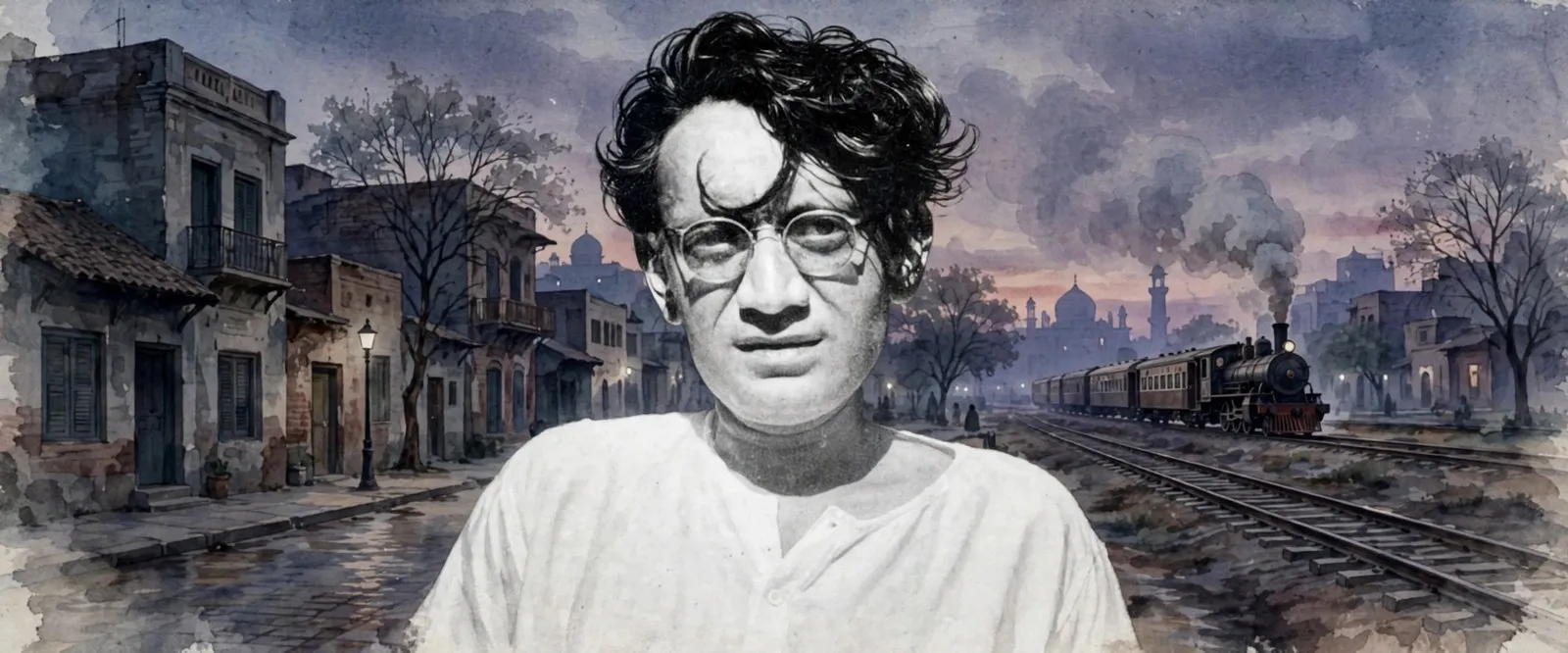
ਸਿਆਹ ਹਾਸ਼ੀਏ (ਕਾਲੇ ਹਾਸ਼ੀਏ, 1948) ਸਆਦਤ ਹਸਨ ਮੰਟੋ ਦੀਆਂ ਭਾਰਤ ਦੀ ਵੰਡ ਦੀ ਰੋਜ਼ਾਨਾ ਹਿੰਸਾ ਬਾਰੇ ਬਹੁਤ ਛੋਟੀਆਂ ਉਰਦੂ ਕਹਾਣੀਆਂ ਦਾ ਸੰਗ੍ਰਹਿ ਹੈ। ਵੰਡ ਤੋਂ ਬਾਅਦ ਦੇ ਮਹੀਨਿਆਂ ਵਿੱਚ ਲਾਹੌਰ ਵਿੱਚ ਲਿਖੀਆਂ ਇਹ ਕਹਾਣੀਆਂ, ਜਿਨ੍ਹਾਂ ਵਿੱਚੋਂ ਕੁਝ ਸਿਰਫ਼ ਇੱਕ ਜਾਂ ਦੋ ਲਾਈਨਾਂ ਦੀਆਂ ਹਨ, ਕਤਲ, ਲੁੱਟ ਅਤੇ ਪਾਗਲਪਨ ਨੂੰ ਬਿਨਾਂ ਨਾਇਕਾਂ ਜਾਂ ਸੁਖਾਵੇਂ ਅੰਤ ਦੇ ਦਰਜ ਕਰਦੀਆਂ ਹਨ। ਇਸ ਨੂੰ ਅਕਸਰ ਵੰਡ ਬਾਰੇ ਮੰਟੋ ਦੀ ਸਭ ਤੋਂ ਚੁਭਵੀਂ ਰਚਨਾ ਮੰਨਿਆ ਜਾਂਦਾ ਹੈ।
with an English translation- ਪੰਜਾਬੀ ਨਾਂ
- سیاہ حاشیے
- ਲੇਖਕ
- ਸਆਦਤ ਹਸਨ ਮੰਟੋ (1912 ਤੋਂ 1955)
- ਪ੍ਰਕਾਸ਼ਿਤ
- 1948, ਲਾਹੌਰ
- ਭਾਸ਼ਾ
- ਉਰਦੂ
- ਰੂਪ
- ਛੋਟੇ ਟੁਕੜੇ ਅਤੇ ਵਾਰਤਕ ਕਵਿਤਾਵਾਂ
- ਵਿਸ਼ਾ
- ਭਾਰਤ ਦੀ ਵੰਡ, 1947
All 8 facts
- ਅੰਗਰੇਜ਼ੀ ਨਾਂ
- ਬਲੈਕ ਬਾਰਡਰਜ਼, ਅਨੁਵਾਦਕ ਰਖਸ਼ੰਦਾ ਜਲੀਲ
- ਮੰਟੋ ਦਾ ਸਫ਼ਰ
- ਜਨਵਰੀ 1948 ਵਿੱਚ ਪਾਕਿਸਤਾਨ ਆ ਗਏ
Siyah Hashiye (Black Margins) is Saadat Hasan Manto's 1948 collection of very short pieces about the everyday violence of the Partition of India. Written in Lahore in the months after Partition, it strips the short story down to vignettes and prose poems, some only a line or two long, that record killing, looting and madness without heroes, explanations or happy endings. It is often called Manto's most unsettling work on Partition.
About the book
Siyah Hashiye was published in Lahore in 1948, the year after Partition and the year Manto himself migrated to Pakistan. He had intended to stay in Bombay, where he had worked in films since 1935, but as stories of the Partition riots reached him, and as communal tension rose in Bombay itself, he left by ship for Karachi and settled in Lahore with his family. The book was written out of that first year as a refugee, and it reads like it: urgent, stripped bare, and unwilling to look away. It was one of twenty-two collections of short stories Manto published in a writing life of barely twenty years.
What does Siyah Hashiye mean?
Siyah means black, and hashiye are the margins of a page, the notes written in the margin. The title says what the book is: notes from the edge of history, not its main text. English readers meet it under two titles. Jennifer Dubrow, who has written about the book as prose poetry, calls it Black Margins. Rakhshanda Jalil's English translation is called Black Borders, and gathers thirty-two of the pieces. Either way, the image is the same: the dark writing in the margin, where the official story leaves things out.
What is in the book?
The pieces are very short, some only a line or two long, and they all tell the story of Partition tersely. There are no developed plots and no heroes. A mob, a train, a refugee column, a corpse, a madman: each piece sets down a single scene of violence and stops. The brevity is the point. Manto refuses the comfort of a story that explains, judges or forgives. He gives the reader the event itself, in plain language, and leaves it there. Read one after another, the pieces accumulate into a picture of a society in which ordinary people were drawn into revenge and killing, and in which brief moments of human feeling still broke through, unexpectedly, in the middle of the violence.
Why did Manto write it this way?
The form was a deliberate break. Manto had spent the 1930s and 1940s writing full-length stories about Bombay's poor, its prostitutes, pimps and labourers, and he had been tried six times for obscenity, three times before Partition and three times after, and never convicted. After 1947, the ordinary short story, with its beginning, middle and end, could not hold what he had seen. In Siyah Hashiye he borrowed from the ghazal and from modern free verse, and paid close attention to the look of words on the page, producing something between story and poem. Scholars read it as troubling the line between the progressive writing of his generation and the modernist experiments around him: an anti-poetry for a time when poetry itself seemed inadequate. The violence of Partition, in this reading, broke literary form as surely as it broke cities.
ਲੇਖਕ
Saadat Hasan Manto was born on 11 May 1912 at Paprodi village in Samrala, Ludhiana district, into a Punjabi Muslim family of Kashmiri ancestry. He failed his matriculation twice, drifted through college, and found his calling in 1933 when he met the scholar Abdul Bari Alig, who set him reading Russian and French writers. He moved to Bombay in 1935, edited film magazines, and wrote dialogues and scripts for the Hindi film industry. His first story, Tamasha, about the Jallianwala Bagh massacre, appeared in the paper Khalq, and his first collection, Atish Paray, in 1936. In all he published twenty-two collections of short stories, a novel, radio plays, essays and sketches. He died in Lahore on 18 January 1955, of cirrhosis of the liver, aged forty-two.
Reception and legacy
Among Manto's Partition writings, Siyah Hashiye is often singled out as the most powerful and the most unsettling. Jennifer Dubrow, a scholar of Urdu literature, calls it perhaps the most powerful and unsettling work of fiction on the Partition. Some of its pieces reached English readers through Khalid Hasan's Mottled Dawn, a collection of fifty Partition stories and sketches whose reviewer traces its sketches to Siyah Hashiye, and Rakhshanda Jalil's Black Borders gathers thirty-two of the pieces in English. The book stays in print in Urdu, and it is still the Manto book readers are sent to when they want the shortest, sharpest account of what 1947 did to ordinary people: no heroes, no villains in the abstract, only human beings, and what they did to each other.
ਸਿਆਹ ਹਾਸ਼ੀਏ (ਕਾਲੇ ਹਾਸ਼ੀਏ) ਸਆਦਤ ਹਸਨ ਮੰਟੋ ਦੀਆਂ 1948 ਦੀਆਂ ਬਹੁਤ ਛੋਟੀਆਂ ਕਹਾਣੀਆਂ ਦਾ ਸੰਗ੍ਰਹਿ ਹੈ, ਜੋ ਭਾਰਤ ਦੀ ਵੰਡ ਦੀ ਰੋਜ਼ਾਨਾ ਹਿੰਸਾ ਬਾਰੇ ਹੈ। ਇਹ ਲਾਹੌਰ ਵਿੱਚ ਵੰਡ ਤੋਂ ਬਾਅਦ ਦੇ ਮਹੀਨਿਆਂ ਵਿੱਚ ਲਿਖਿਆ ਗਿਆ ਸੀ। ਇਸ ਵਿੱਚ ਕਹਾਣੀ ਨੂੰ ਛੋਟੇ-ਛੋਟੇ ਟੁਕੜਿਆਂ ਅਤੇ ਵਾਰਤਕ ਕਵਿਤਾਵਾਂ ਤੱਕ ਸੀਮਤ ਕਰ ਦਿੱਤਾ ਗਿਆ ਹੈ, ਜਿਨ੍ਹਾਂ ਵਿੱਚੋਂ ਕੁਝ ਸਿਰਫ਼ ਇੱਕ ਜਾਂ ਦੋ ਲਾਈਨਾਂ ਦੇ ਹਨ। ਇਹ ਕਤਲ, ਲੁੱਟ ਅਤੇ ਪਾਗਲਪਨ ਨੂੰ ਬਿਨਾਂ ਕਿਸੇ ਨਾਇਕ, ਸਪੱਸ਼ਟੀਕਰਨ ਜਾਂ ਸੁਖਾਵੇਂ ਅੰਤ ਦੇ ਦਰਜ ਕਰਦੀਆਂ ਹਨ।
ਕਿਤਾਬ ਬਾਰੇ
ਸਿਆਹ ਹਾਸ਼ੀਏ 1948 ਵਿੱਚ ਲਾਹੌਰ ਵਿੱਚ ਛਪਿਆ, ਵੰਡ ਤੋਂ ਇੱਕ ਸਾਲ ਬਾਅਦ ਅਤੇ ਉਸੇ ਸਾਲ ਜਦੋਂ ਮੰਟੋ ਖ਼ੁਦ ਪਾਕਿਸਤਾਨ ਆ ਗਏ ਸਨ। ਉਹ ਬੰਬਈ ਵਿੱਚ ਹੀ ਰਹਿਣਾ ਚਾਹੁੰਦੇ ਸਨ, ਜਿੱਥੇ ਉਹ 1935 ਤੋਂ ਫ਼ਿਲਮਾਂ ਵਿੱਚ ਕੰਮ ਕਰਦੇ ਸਨ, ਪਰ ਜਦੋਂ ਵੰਡ ਦੇ ਦੰਗਿਆਂ ਦੀਆਂ ਖ਼ਬਰਾਂ ਉਨ੍ਹਾਂ ਤੱਕ ਪਹੁੰਚੀਆਂ ਅਤੇ ਬੰਬਈ ਵਿੱਚ ਵੀ ਫ਼ਿਰਕੂ ਤਣਾਅ ਵਧਿਆ, ਤਾਂ ਉਹ ਜਹਾਜ਼ ਰਾਹੀਂ ਕਰਾਚੀ ਗਏ ਅਤੇ ਪਰਿਵਾਰ ਸਮੇਤ ਲਾਹੌਰ ਵੱਸ ਗਏ। ਕਿਤਾਬ ਸ਼ਰਨਾਰਥੀ ਵਜੋਂ ਪਹਿਲੇ ਸਾਲ ਵਿੱਚੋਂ ਲਿਖੀ ਗਈ ਹੈ, ਅਤੇ ਇਹੋ ਜਿਹੀ ਹੀ ਲੱਗਦੀ ਹੈ: ਤੁਰੰਤ ਲਿਖੀ, ਨੰਗੀ ਅਤੇ ਅੱਖਾਂ ਚੁਰਾਉਣ ਤੋਂ ਇਨਕਾਰੀ। ਇਹ ਮੰਟੋ ਦੇ ਲਗਭਗ ਵੀਹ ਸਾਲਾਂ ਦੇ ਲੇਖਕ ਜੀਵਨ ਵਿੱਚ ਛਪੇ ਕਹਾਣੀ ਸੰਗ੍ਰਹਿਆਂ ਵਿੱਚੋਂ ਇੱਕ ਹੈ, ਕੁੱਲ ਬਾਈ ਸੰਗ੍ਰਹਿ।
ਸਿਆਹ ਹਾਸ਼ੀਏ ਦਾ ਕੀ ਅਰਥ ਹੈ?
ਸਿਆਹ ਦਾ ਅਰਥ ਹੈ ਕਾਲਾ, ਅਤੇ ਹਾਸ਼ੀਏ ਪੰਨੇ ਦੇ ਕਿਨਾਰੇ ਹੁੰਦੇ ਹਨ, ਕਿਨਾਰੇ ਉੱਤੇ ਲਿਖੀਆਂ ਟਿੱਪਣੀਆਂ। ਸਿਰਲੇਖ ਦੱਸਦਾ ਹੈ ਕਿ ਕਿਤਾਬ ਕੀ ਹੈ: ਇਤਿਹਾਸ ਦੇ ਕਿਨਾਰੇ ਤੋਂ ਲਿਖੀਆਂ ਟਿੱਪਣੀਆਂ, ਮੁੱਖ ਪਾਠ ਨਹੀਂ। ਅੰਗਰੇਜ਼ੀ ਵਿੱਚ ਪਾਠਕ ਇਸ ਨੂੰ ਦੋ ਨਾਵਾਂ ਹੇਠ ਮਿਲਦੇ ਹਨ। ਜੈਨੀਫ਼ਰ ਡੁਬਰੋ, ਜਿਨ੍ਹਾਂ ਨੇ ਇਸ ਕਿਤਾਬ ਬਾਰੇ ਵਾਰਤਕ ਕਵਿਤਾ ਵਜੋਂ ਲਿਖਿਆ ਹੈ, ਇਸ ਨੂੰ ਬਲੈਕ ਮਾਰਜਿਨਜ਼ ਕਹਿੰਦੇ ਹਨ। ਰਖਸ਼ੰਦਾ ਜਲੀਲ ਦਾ ਅੰਗਰੇਜ਼ੀ ਅਨੁਵਾਦ ਬਲੈਕ ਬਾਰਡਰਜ਼ ਹੈ, ਜਿਸ ਵਿੱਚ ਬੱਤੀ ਟੁਕੜੇ ਹਨ। ਨਾਂ ਜੋ ਵੀ ਹੋਵੇ, ਤਸਵੀਰ ਇੱਕੋ ਹੈ: ਕਿਨਾਰੇ ਉੱਤੇ ਕਾਲੀ ਲਿਖਤ, ਜਿੱਥੇ ਸਰਕਾਰੀ ਕਹਾਣੀ ਚੀਜ਼ਾਂ ਛੱਡ ਦਿੰਦੀ ਹੈ।
ਕਿਤਾਬ ਵਿੱਚ ਕੀ ਹੈ?
ਟੁਕੜੇ ਬਹੁਤ ਛੋਟੇ ਹਨ, ਕੁਝ ਸਿਰਫ਼ ਇੱਕ ਜਾਂ ਦੋ ਲਾਈਨਾਂ ਦੇ, ਅਤੇ ਇਹ ਸਾਰੇ ਵੰਡ ਦੀ ਕਹਾਣੀ ਸੰਖੇਪ ਵਿੱਚ ਸੁਣਾਉਂਦੇ ਹਨ। ਇਨ੍ਹਾਂ ਵਿੱਚ ਨਾ ਤਾਂ ਵਿਕਸਿਤ ਪਲਾਟ ਹਨ, ਨਾ ਨਾਇਕ। ਭੀੜ, ਰੇਲ, ਸ਼ਰਨਾਰਥੀਆਂ ਦਾ ਕਾਫ਼ਲਾ, ਲਾਸ਼, ਪਾਗਲ: ਹਰ ਟੁਕੜਾ ਹਿੰਸਾ ਦਾ ਇੱਕੋ ਦ੍ਰਿਸ਼ ਪੇਸ਼ ਕਰਦਾ ਹੈ ਅਤੇ ਰੁਕ ਜਾਂਦਾ ਹੈ। ਛੋਟਾ ਹੋਣਾ ਹੀ ਇਸ ਦੀ ਖ਼ਾਸੀਅਤ ਹੈ। ਮੰਟੋ ਕਿਸੇ ਅਜਿਹੀ ਕਹਾਣੀ ਦੀ ਰਾਹਤ ਨਹੀਂ ਦਿੰਦੇ ਜੋ ਸਮਝਾਵੇ, ਨਿਰਣਾ ਕਰੇ ਜਾਂ ਮੁਆਫ਼ ਕਰੇ। ਉਹ ਘਟਨਾ ਨੂੰ ਸਾਦੀ ਭਾਸ਼ਾ ਵਿੱਚ ਪੇਸ਼ ਕਰਦੇ ਹਨ ਅਤੇ ਉੱਥੇ ਹੀ ਛੱਡ ਦਿੰਦੇ ਹਨ। ਇੱਕ ਤੋਂ ਬਾਅਦ ਇੱਕ ਪੜ੍ਹੇ ਜਾਣ ਉੱਤੇ ਟੁਕੜੇ ਇੱਕ ਅਜਿਹੇ ਸਮਾਜ ਦੀ ਤਸਵੀਰ ਬਣਾਉਂਦੇ ਹਨ ਜਿਸ ਵਿੱਚ ਆਮ ਲੋਕ ਬਦਲੇ ਅਤੇ ਕਤਲ ਵੱਲ ਖਿੱਚੇ ਗਏ ਸਨ, ਅਤੇ ਜਿਸ ਵਿੱਚ ਮਨੁੱਖੀ ਭਾਵਨਾ ਦੇ ਛੋਟੇ ਪਲ ਹਿੰਸਾ ਦੇ ਵਿਚਕਾਰ ਵੀ ਅਚਾਨਕ ਉੱਭਰ ਆਉਂਦੇ ਸਨ।
ਮੰਟੋ ਨੇ ਇਸ ਤਰ੍ਹਾਂ ਕਿਉਂ ਲਿਖਿਆ?
ਇਹ ਰੂਪ ਜਾਣਬੁੱਝ ਕੇ ਚੁਣਿਆ ਗਿਆ ਸੀ। ਮੰਟੋ ਨੇ 1930 ਅਤੇ 1940 ਦੇ ਦਹਾਕਿਆਂ ਵਿੱਚ ਬੰਬਈ ਦੇ ਗ਼ਰੀਬਾਂ, ਵੇਸਵਾਵਾਂ, ਦਲਾਲਾਂ ਅਤੇ ਮਜ਼ਦੂਰਾਂ ਬਾਰੇ ਪੂਰੀਆਂ ਕਹਾਣੀਆਂ ਲਿਖੀਆਂ ਸਨ, ਅਤੇ ਉਨ੍ਹਾਂ ਉੱਤੇ ਅਸ਼ਲੀਲਤਾ ਦੇ ਛੇ ਮੁਕੱਦਮੇ ਚੱਲੇ ਸਨ, ਤਿੰਨ ਵੰਡ ਤੋਂ ਪਹਿਲਾਂ ਅਤੇ ਤਿੰਨ ਬਾਅਦ ਵਿੱਚ, ਪਰ ਉਹ ਕਦੇ ਦੋਸ਼ੀ ਨਹੀਂ ਠਹਿਰਾਏ ਗਏ। 1947 ਤੋਂ ਬਾਅਦ ਸ਼ੁਰੂਆਤ, ਵਿਚਕਾਰ ਅਤੇ ਅੰਤ ਵਾਲੀ ਆਮ ਕਹਾਣੀ ਉਹ ਕੁਝ ਨਹੀਂ ਫੜ ਸਕਦੀ ਸੀ ਜੋ ਉਨ੍ਹਾਂ ਨੇ ਵੇਖਿਆ ਸੀ। ਸਿਆਹ ਹਾਸ਼ੀਏ ਵਿੱਚ ਉਨ੍ਹਾਂ ਨੇ ਗ਼ਜ਼ਲ ਅਤੇ ਆਧੁਨਿਕ ਆਜ਼ਾਦ ਨਜ਼ਮ ਤੋਂ ਉਧਾਰ ਲਿਆ, ਅਤੇ ਪੰਨੇ ਉੱਤੇ ਸ਼ਬਦਾਂ ਦੀ ਦਿੱਖ ਵੱਲ ਧਿਆਨ ਦਿੱਤਾ, ਜਿਸ ਨਾਲ ਕਹਾਣੀ ਅਤੇ ਕਵਿਤਾ ਵਿਚਕਾਰ ਕੁਝ ਬਣਿਆ। ਵਿਦਵਾਨ ਇਸ ਨੂੰ ਆਪਣੀ ਪੀੜ੍ਹੀ ਦੇ ਤਰੱਕੀਪਸੰਦ ਲੇਖਣ ਅਤੇ ਆਸ-ਪਾਸ ਦੇ ਆਧੁਨਿਕ ਪ੍ਰਯੋਗਾਂ ਵਿਚਕਾਰਲੀ ਲਕੀਰ ਨੂੰ ਹਿਲਾਉਣ ਵਜੋਂ ਪੜ੍ਹਦੇ ਹਨ: ਇੱਕ ਅਜਿਹੇ ਸਮੇਂ ਲਈ ਗ਼ੈਰ-ਕਵਿਤਾ, ਜਦੋਂ ਕਵਿਤਾ ਹੀ ਨਾਕਾਫ਼ੀ ਜਾਪਦੀ ਸੀ। ਇਸ ਪੜ੍ਹਤ ਵਿੱਚ ਵੰਡ ਦੀ ਹਿੰਸਾ ਨੇ ਸਾਹਿਤਕ ਰੂਪ ਨੂੰ ਉਸੇ ਤਰ੍ਹਾਂ ਤੋੜਿਆ ਜਿਵੇਂ ਇਸ ਨੇ ਸ਼ਹਿਰਾਂ ਨੂੰ ਤੋੜਿਆ ਸੀ।
ਲੇਖਕ
ਸਆਦਤ ਹਸਨ ਮੰਟੋ ਦਾ ਜਨਮ 11 ਮਈ 1912 ਨੂੰ ਸਮਰਾਲਾ, ਲੁਧਿਆਣਾ ਜ਼ਿਲ੍ਹੇ ਦੇ ਪਿੰਡ ਪਾਪੜੋਦੀ ਵਿੱਚ ਇੱਕ ਪੰਜਾਬੀ ਮੁਸਲਮਾਨ ਪਰਿਵਾਰ ਵਿੱਚ ਹੋਇਆ, ਜਿਸ ਦੀ ਜੜ੍ਹ ਕਸ਼ਮੀਰੀ ਸੀ। ਉਹ ਮੈਟ੍ਰਿਕ ਵਿੱਚ ਦੋ ਵਾਰ ਫੇਲ੍ਹ ਹੋਏ, ਕਾਲਜ ਵਿੱਚ ਭਟਕਦੇ ਰਹੇ, ਅਤੇ 1933 ਵਿੱਚ ਉਨ੍ਹਾਂ ਦੀ ਜ਼ਿੰਦਗੀ ਬਦਲ ਗਈ ਜਦੋਂ ਉਹ ਵਿਦਵਾਨ ਅਬਦੁਲ ਬਾਰੀ ਅਲੀਗ ਨੂੰ ਮਿਲੇ, ਜਿਨ੍ਹਾਂ ਨੇ ਉਨ੍ਹਾਂ ਨੂੰ ਰੂਸੀ ਅਤੇ ਫਰਾਂਸੀਸੀ ਲੇਖਕ ਪੜ੍ਹਨ ਲਈ ਕਿਹਾ। ਉਹ 1935 ਵਿੱਚ ਬੰਬਈ ਗਏ, ਫ਼ਿਲਮੀ ਰਸਾਲਿਆਂ ਦਾ ਸੰਪਾਦਨ ਕੀਤਾ ਅਤੇ ਹਿੰਦੀ ਫ਼ਿਲਮਾਂ ਲਈ ਸੰਵਾਦ ਅਤੇ ਸਕ੍ਰਿਪਟਾਂ ਲਿਖੀਆਂ। ਉਨ੍ਹਾਂ ਦੀ ਪਹਿਲੀ ਕਹਾਣੀ, ਤਮਾਸ਼ਾ, ਜਲ੍ਹਿਆਂਵਾਲਾ ਬਾਗ਼ ਦੇ ਕਤਲੇਆਮ ਬਾਰੇ ਸੀ, ਅਤੇ ਪਹਿਲਾ ਸੰਗ੍ਰਹਿ, ਆਤਿਸ਼ ਪਾਰੇ, 1936 ਵਿੱਚ ਛਪਿਆ। ਕੁੱਲ ਉਨ੍ਹਾਂ ਨੇ ਕਹਾਣੀਆਂ ਦੇ ਬਾਈ ਸੰਗ੍ਰਹਿ, ਇੱਕ ਨਾਵਲ, ਰੇਡੀਓ ਨਾਟਕ, ਲੇਖ ਅਤੇ ਰੇਖਾ-ਚਿੱਤਰ ਛਪਵਾਏ। ਉਨ੍ਹਾਂ ਦਾ ਦੇਹਾਂਤ 18 ਜਨਵਰੀ 1955 ਨੂੰ ਲਾਹੌਰ ਵਿੱਚ ਜਿਗਰ ਦੀ ਬਿਮਾਰੀ ਨਾਲ ਹੋਇਆ, ਬਤਾਲੀ ਸਾਲ ਦੀ ਉਮਰ ਵਿੱਚ।
ਸਵਾਗਤ ਅਤੇ ਵਿਰਾਸਤ
ਮੰਟੋ ਦੀਆਂ ਵੰਡ ਬਾਰੇ ਲਿਖਤਾਂ ਵਿੱਚ ਸਿਆਹ ਹਾਸ਼ੀਏ ਨੂੰ ਅਕਸਰ ਸਭ ਤੋਂ ਸ਼ਕਤੀਸ਼ਾਲੀ ਅਤੇ ਸਭ ਤੋਂ ਚੁਭਵੀਂ ਰਚਨਾ ਮੰਨਿਆ ਜਾਂਦਾ ਹੈ। ਉਰਦੂ ਸਾਹਿਤ ਦੀ ਵਿਦਵਾਨ ਜੈਨੀਫ਼ਰ ਡੁਬਰੋ ਇਸ ਨੂੰ ਵੰਡ ਬਾਰੇ ਸਭ ਤੋਂ ਸ਼ਕਤੀਸ਼ਾਲੀ ਅਤੇ ਪਰੇਸ਼ਾਨ ਕਰਨ ਵਾਲੀ ਗਲਪ ਰਚਨਾ ਕਹਿੰਦੇ ਹਨ। ਇਸ ਦੇ ਕੁਝ ਟੁਕੜੇ ਖ਼ਾਲਿਦ ਹਸਨ ਦੇ ਮੌਟਲਡ ਡੌਨ ਰਾਹੀਂ ਅੰਗਰੇਜ਼ੀ ਪਾਠਕਾਂ ਤੱਕ ਪਹੁੰਚੇ, ਜੋ ਵੰਡ ਬਾਰੇ ਪੰਜਾਹ ਕਹਾਣੀਆਂ ਅਤੇ ਰੇਖਾ-ਚਿੱਤਰਾਂ ਦਾ ਸੰਗ੍ਰਹਿ ਹੈ ਅਤੇ ਜਿਸ ਦੇ ਸਮੀਖਿਅਕ ਨੇ ਇਸ ਦੇ ਰੇਖਾ-ਚਿੱਤਰਾਂ ਨੂੰ ਸਿਆਹ ਹਾਸ਼ੀਏ ਤੋਂ ਲਿਆ ਦੱਸਿਆ ਹੈ, ਅਤੇ ਰਖਸ਼ੰਦਾ ਜਲੀਲ ਦਾ ਬਲੈਕ ਬਾਰਡਰਜ਼ ਇਸ ਦੇ ਬੱਤੀ ਟੁਕੜਿਆਂ ਨੂੰ ਅੰਗਰੇਜ਼ੀ ਵਿੱਚ ਲੈ ਜਾਂਦਾ ਹੈ। ਕਿਤਾਬ ਉਰਦੂ ਵਿੱਚ ਅੱਜ ਵੀ ਛਪਦੀ ਹੈ, ਅਤੇ ਇਹ ਹੁਣ ਵੀ ਉਹ ਮੰਟੋ ਕਿਤਾਬ ਹੈ ਜਿਸ ਵੱਲ ਪਾਠਕਾਂ ਨੂੰ ਭੇਜਿਆ ਜਾਂਦਾ ਹੈ ਜਦੋਂ ਉਹ ਜਾਣਨਾ ਚਾਹੁੰਦੇ ਹਨ ਕਿ 1947 ਨੇ ਆਮ ਲੋਕਾਂ ਨਾਲ ਕੀ ਕੀਤਾ: ਨਾ ਨਾਇਕ, ਨਾ ਅਮੂਰਤ ਖਲਨਾਇਕ, ਸਿਰਫ਼ ਮਨੁੱਖ, ਅਤੇ ਜੋ ਉਨ੍ਹਾਂ ਨੇ ਇੱਕ ਦੂਜੇ ਨਾਲ ਕੀਤਾ।
ਐਡੀਸ਼ਨ ਅਤੇ ਅਨੁਵਾਦ
- Siyah HashiyeUrdu · original, 1948ਮੂਲ
- Black BordersEnglish · translated by Rakhshanda Jalilਅਨੁਵਾਦ
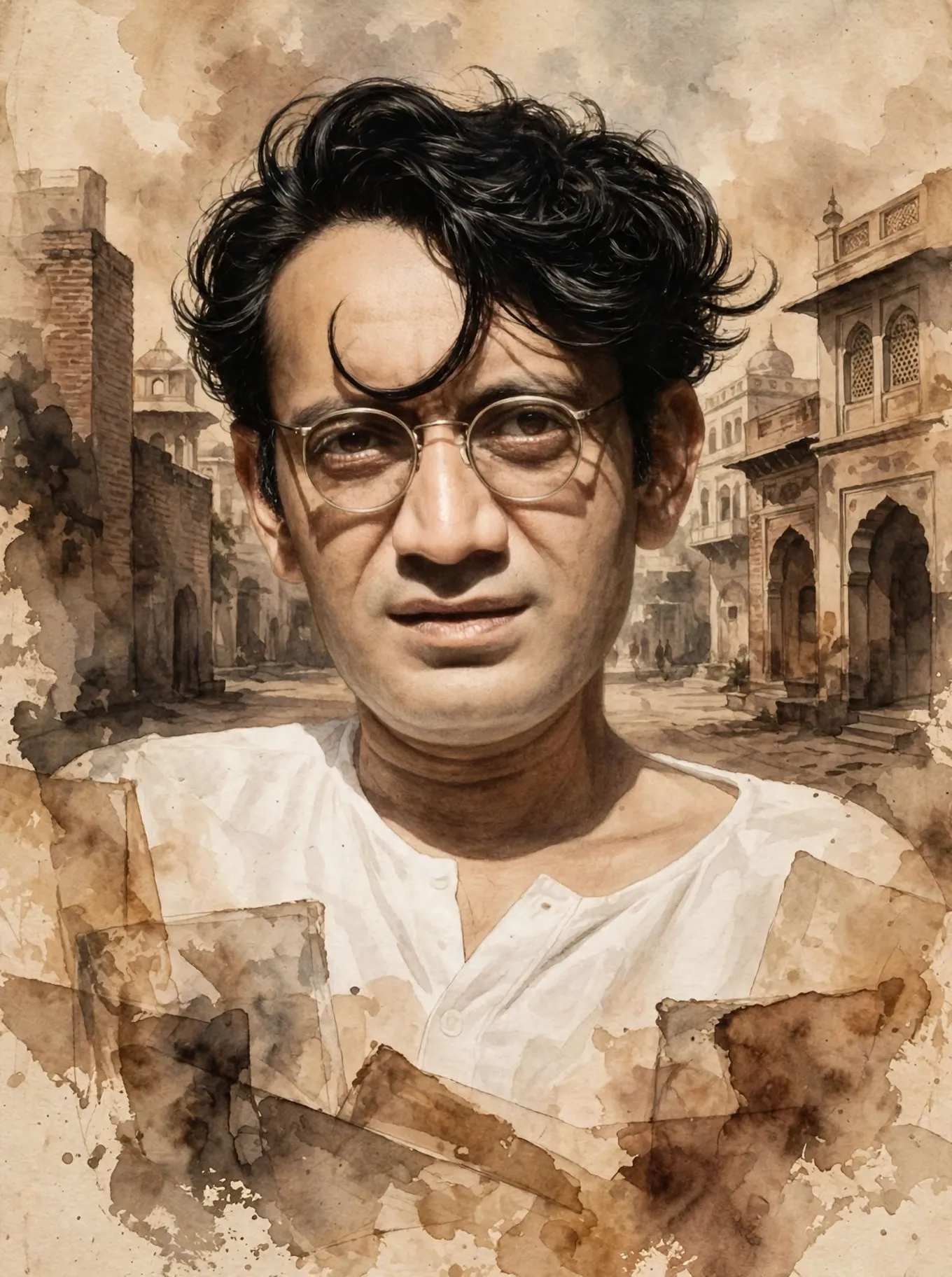
ਲੇਖਕ
ਜੁੜੇ ਹੋਏ
ਹੋਰ ਪੜ੍ਹੋ
ਸਰੋਤ (4)
ਜੁਗਤੀ ਮੁਫ਼ਤ ਅਤੇ ਸੁਤੰਤਰ ਹੈ। ਪਾਠਕਾਂ ਦਾ ਸਹਿਯੋਗ ਕੋਸ਼ ਨੂੰ ਵਧਾਉਂਦਾ ਹੈ।
ਸਹਿਯੋਗ