
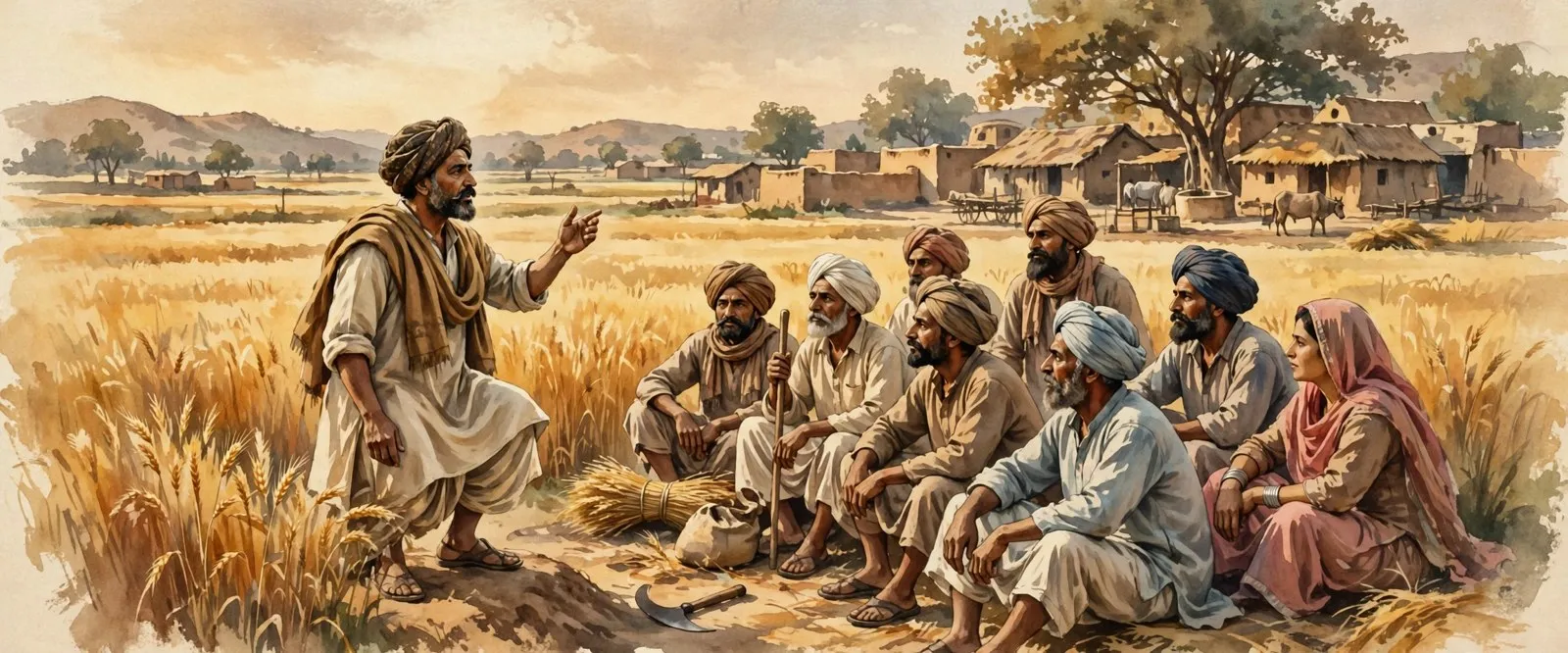
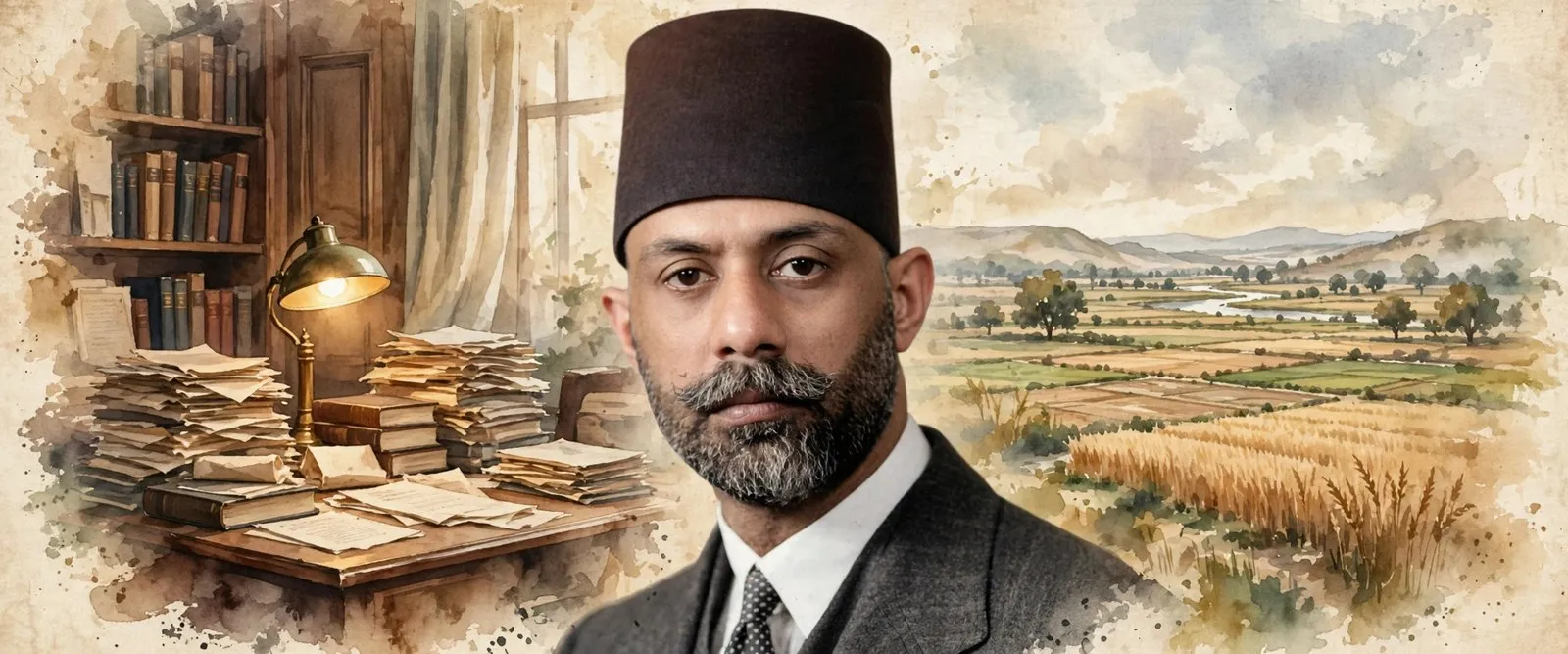
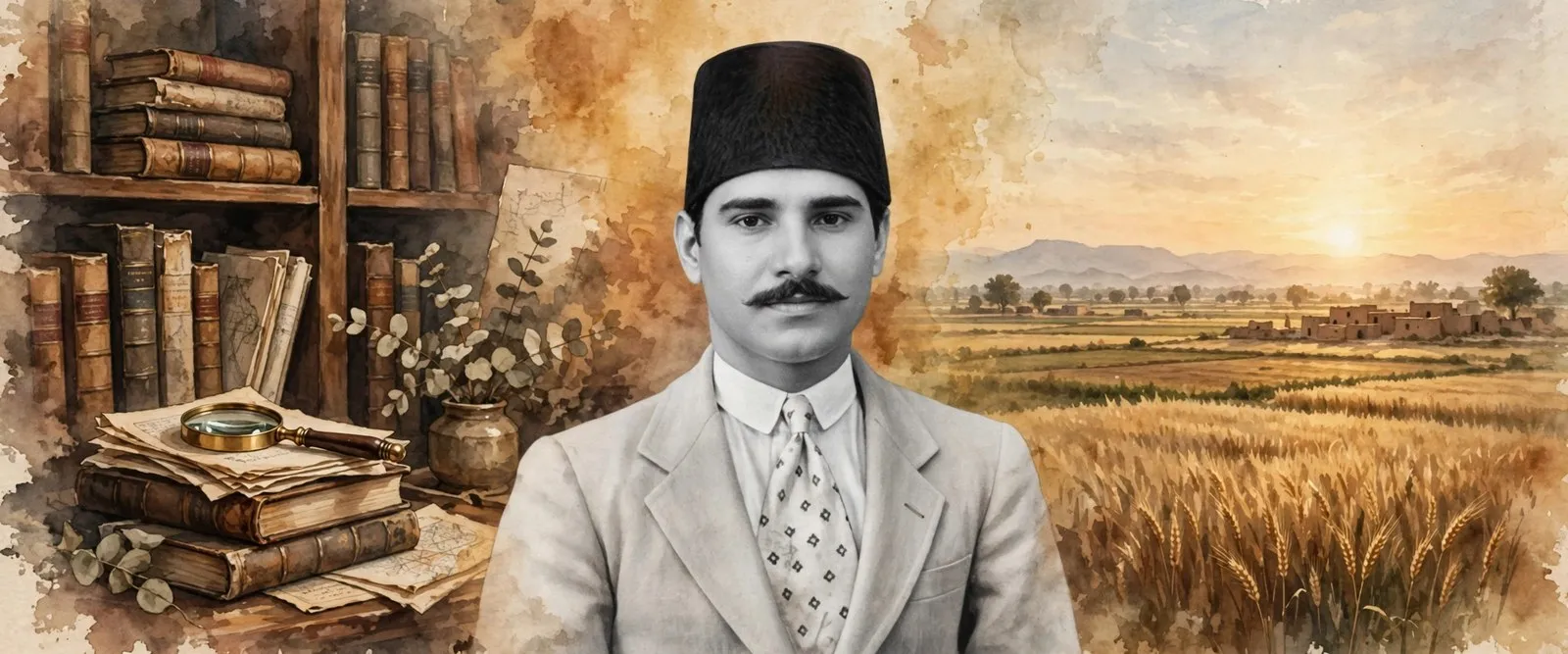
ਸਰ ਛੋਟੂ ਰਾਮ (1881 ਤੋਂ 1945) ਰੋਹਤਕ ਜ਼ਿਲ੍ਹੇ ਦੇ ਗੜ੍ਹੀ ਸਾਂਪਲਾ ਦੇ ਪੰਜਾਬੀ ਸਿਆਸਤਦਾਨ ਸਨ ਜੋ 1937 ਤੋਂ 1945 ਵਿੱਚ ਆਪਣੇ ਦੇਹਾਂਤ ਤੱਕ ਪੰਜਾਬ ਦੇ ਮਾਲ ਮੰਤਰੀ ਰਹੇ। ਉਨ੍ਹਾਂ ਨੇ 1923 ਵਿੱਚ ਯੂਨੀਅਨਿਸਟ ਪਾਰਟੀ ਦੀ ਸਹਿ-ਸਥਾਪਨਾ ਕੀਤੀ ਅਤੇ ਉਨ੍ਹਾਂ ਕਾਨੂੰਨਾਂ ਦੀ ਪੈਰਵੀ ਕੀਤੀ ਜਿਨ੍ਹਾਂ ਨੇ ਸ਼ਾਹੂਕਾਰਾਂ ਦੇ ਦਾਅਵੇ ਸੀਮਤ ਕੀਤੇ ਅਤੇ ਕਿਸਾਨਾਂ ਨੂੰ ਜ਼ਮੀਨ, ਫ਼ਸਲਾਂ ਅਤੇ ਪਸ਼ੂ ਗੁਆਉਣ ਤੋਂ ਬਚਾਇਆ। ਉਨ੍ਹਾਂ ਨੂੰ ਭਾਖੜਾ ਡੈਮ ਦਾ ਪਿਤਾ ਮੰਨਿਆ ਜਾਂਦਾ ਹੈ, ਜਿਸ ਦਾ ਸਮਝੌਤਾ ਉਨ੍ਹਾਂ ਦੇ ਦੇਹਾਂਤ ਤੋਂ ਇੱਕ ਦਿਨ ਪਹਿਲਾਂ ਅੰਤਿਮ ਰੂਪ ਵਿੱਚ ਤੈਅ ਹੋਇਆ।
ਜੀਵਨ ਇੱਕ ਨਜ਼ਰ ਵਿੱਚ
- 1881ਜਨਮ Garhi Sampla, Rohtak district, then Punjab Province, now Haryana
- 1911ਸਿੱਖਿਆ Agra
- 1923ਪਾਰਟੀ Co-founded Zamindaran Party / National Unionist Party
- 1945ਦੇਹਾਂਤ ਲਾਹੌਰ
- ਪੰਜਾਬੀ ਨਾਂ
- ਛੋਟੂ ਰਾਮ
- ਜਨਮ
- 24 ਨਵੰਬਰ 1881, ਗੜ੍ਹੀ ਸਾਂਪਲਾ, ਜ਼ਿਲ੍ਹਾ ਰੋਹਤਕ, ਉਸ ਵੇਲੇ ਪੰਜਾਬ ਸੂਬਾ, ਹੁਣ ਹਰਿਆਣਾ
- ਘਰ ਦਾ ਥਾਂ
- ਗੜ੍ਹੀ ਸਾਂਪਲਾ, ਜ਼ਿਲ੍ਹਾ ਰੋਹਤਕ (ਹੁਣ ਹਰਿਆਣਾ)
- ਦੇਹਾਂਤ
- 9 ਜਨਵਰੀ 1945, ਲਾਹੌਰ
- ਸਿੱਖਿਆ
- ਸੇਂਟ ਸਟੀਫਨਜ਼ ਕਾਲਜ, ਦਿੱਲੀ (BA 1905); ਕਾਨੂੰਨ ਦੀ ਡਿਗਰੀ, ਆਗਰਾ (1911)
- ਪਾਰਟੀ
- ਮੀਆਂ ਫ਼ਜ਼ਲ-ਏ-ਹੁਸੈਨ ਨਾਲ ਜ਼ਿਮੀਂਦਾਰਨ ਪਾਰਟੀ / ਨੈਸ਼ਨਲ ਯੂਨੀਅਨਿਸਟ ਪਾਰਟੀ (1923) ਦੀ ਸਹਿ-ਸਥਾਪਨਾ
All 13 facts
- ਦਫ਼ਤਰ
- ਪੰਜਾਬ ਦੇ ਮਾਲ ਮੰਤਰੀ, 1 ਅਪ੍ਰੈਲ 1937 ਤੋਂ 9 ਜਨਵਰੀ 1945
- ਕਾਨੂੰਨ
- ਪੰਜਾਬ ਕਰਜ਼ਾ ਰਾਹਤ ਐਕਟ 1934; ਪੰਜਾਬ ਕਰਜ਼ਦਾਰ ਸੁਰੱਖਿਆ ਐਕਟ 1936; ਸ਼ਾਹੂਕਾਰ ਰਜਿਸਟ੍ਰੇਸ਼ਨ ਐਕਟ 1938; ਪੰਜਾਬ ਗਹਿਣੇ ਜ਼ਮੀਨ ਵਾਪਸੀ ਐਕਟ 1938; ਖੇਤੀਬਾੜੀ ਉਤਪਾਦ ਮੰਡੀ ਐਕਟ 1939
- ਭਾਖੜਾ ਸਮਝੌਤਾ
- ਬਿਲਾਸਪੁਰ ਦੇ ਰਾਜਾ ਨਾਲ ਦਸਤਖ਼ਤ, ਨਵੰਬਰ 1944; ਅੰਤਿਮ ਰੂਪ 8 ਜਨਵਰੀ 1945
- ਸਨਮਾਨ
- ਸਰ ਦਾ ਖ਼ਿਤਾਬ 1937; ਰਾਓ ਬਹਾਦਰ; ਲੋਕਪ੍ਰਿਯ ਨਾਮ ਦੀਨਬੰਧੂ ਅਤੇ ਰਹਿਬਰ-ਏ-ਆਜ਼ਮ
- ਪਤਨੀ
- ਗਿਆਨੋ ਦੇਵੀ
- ਮਾਤਾ-ਪਿਤਾ
- ਚੌਧਰੀ ਸੁੱਖੀ ਰਾਮ ਸਿੰਘ (ਸੁਖੀਰਾਮ ਸਿੰਘ ਓਹਲਿਆਨ) ਅਤੇ ਸਰਲਾ ਦੇਵੀ
- ਅਖ਼ਬਾਰ
- ਰੋਹਤਕ ਤੋਂ ਹਫ਼ਤਾਵਾਰੀ ਜੱਟ ਗਜ਼ਟ ਸ਼ੁਰੂ ਕੀਤਾ, 1916; 1924 ਤੱਕ ਸੰਪਾਦਕ
Who was Sir Chhotu Ram?
Sir Chhotu Ram (1881 to 1945) was a Punjabi politician from Garhi Sampla in Rohtak district who spent his public life on the problems of farming families in Punjab. He served as Punjab Revenue Minister from 1 April 1937 until his death in January 1945, and he is remembered for a series of agrarian laws that limited moneylender claims, protected farmers from losing land and crops, and regulated the sale of farm produce.
His given name was Ram Richpal Ohlyan. He was the youngest of his brothers in a Jat farming family, and the household nickname Chhotu Ram stayed with him for life. People later called him Deenbandhu, friend of the poor, and Rahbar-e-Azam. He co-founded the Unionist Party in 1923, led its Hindu agrarian wing, opposed the demand for Pakistan, and is regarded as the father of the Bhakra Dam, whose agreement he signed in the last weeks of his life.
Early life and education
Chhotu Ram was born on 24 November 1881 at Garhi Sampla in Rohtak district, then part of Punjab Province and now in Haryana. His father was Chaudhary Sukhi Ram Singh, also recorded as Sukhiram Singh Ohlyan, and his mother was Sarla Devi. The family farmed, and the boy grew up in the same village world whose debt and land problems he would later take into the Punjab legislature.
He studied at primary school in Sampla, at middle school in Jhajjar and Rohtak, and then at Christian Mission School in Delhi. He took his BA from St Stephen's College, Delhi, in 1905. For a time he worked for Raja Rampal Singh of Kalakankar State. He later earned a law degree from Agra in 1911 and practised law first at Agra and then at Rohtak. He was influenced by the Arya Samaj. His wife was Giano Devi, and his grandson Birender Singh later became a politician.
From Congress to the Unionist Party
Chhotu Ram joined the Indian National Congress in 1916 and served as president of the Rohtak District Congress from 1917 to 1920. In the same year he joined Congress he founded the weekly newspaper Jat Gazette at Rohtak. He edited it until 1924 and used it to write about the struggles of farming families, including his Bechara Zamindar series on the condition of the cultivator.
ਸਰ ਛੋਟੂ ਰਾਮ ਕੌਣ ਸਨ?
ਸਰ ਛੋਟੂ ਰਾਮ (1881 ਤੋਂ 1945) ਰੋਹਤਕ ਜ਼ਿਲ੍ਹੇ ਦੇ ਗੜ੍ਹੀ ਸਾਂਪਲਾ ਦੇ ਪੰਜਾਬੀ ਸਿਆਸਤਦਾਨ ਸਨ ਜਿਨ੍ਹਾਂ ਨੇ ਆਪਣਾ ਸਾਰਾ ਜਨਤਕ ਜੀਵਨ ਪੰਜਾਬ ਦੇ ਕਿਸਾਨ ਪਰਿਵਾਰਾਂ ਦੀਆਂ ਮੁਸ਼ਕਲਾਂ 'ਤੇ ਲਾਇਆ। ਉਹ 1 ਅਪ੍ਰੈਲ 1937 ਤੋਂ ਜਨਵਰੀ 1945 ਵਿੱਚ ਆਪਣੇ ਦੇਹਾਂਤ ਤੱਕ ਪੰਜਾਬ ਦੇ ਮਾਲ ਮੰਤਰੀ ਰਹੇ, ਅਤੇ ਉਨ੍ਹਾਂ ਨੂੰ ਉਨ੍ਹਾਂ ਕਿਸਾਨੀ ਕਾਨੂੰਨਾਂ ਲਈ ਯਾਦ ਕੀਤਾ ਜਾਂਦਾ ਹੈ ਜਿਨ੍ਹਾਂ ਨੇ ਸ਼ਾਹੂਕਾਰਾਂ ਦੇ ਦਾਅਵੇ ਸੀਮਤ ਕੀਤੇ, ਕਿਸਾਨਾਂ ਨੂੰ ਜ਼ਮੀਨ ਅਤੇ ਫ਼ਸਲਾਂ ਗੁਆਉਣ ਤੋਂ ਬਚਾਇਆ ਅਤੇ ਫ਼ਸਲ ਦੀ ਵਿਕਰੀ ਨੂੰ ਨਿਯਮਬੱਧ ਕੀਤਾ।
ਉਨ੍ਹਾਂ ਦਾ ਅਸਲੀ ਨਾਮ ਰਾਮ ਰਿਚਪਾਲ ਓਹਲਿਆਨ ਸੀ। ਉਹ ਇੱਕ ਜੱਟ ਕਿਸਾਨ ਪਰਿਵਾਰ ਵਿੱਚ ਆਪਣੇ ਭਰਾਵਾਂ ਵਿੱਚੋਂ ਸਭ ਤੋਂ ਛੋਟੇ ਸਨ, ਅਤੇ ਘਰ ਵਿੱਚ ਪਿਆ ਛੋਟੂ ਰਾਮ ਨਾਮ ਸਾਰੀ ਉਮਰ ਉਨ੍ਹਾਂ ਨਾਲ ਰਿਹਾ। ਲੋਕਾਂ ਨੇ ਬਾਅਦ ਵਿੱਚ ਉਨ੍ਹਾਂ ਨੂੰ ਦੀਨਬੰਧੂ, ਗਰੀਬਾਂ ਦਾ ਮਿੱਤਰ, ਅਤੇ ਰਹਿਬਰ-ਏ-ਆਜ਼ਮ ਕਿਹਾ। ਉਨ੍ਹਾਂ ਨੇ 1923 ਵਿੱਚ ਯੂਨੀਅਨਿਸਟ ਪਾਰਟੀ ਦੀ ਸਹਿ-ਸਥਾਪਨਾ ਕੀਤੀ, ਇਸ ਦੇ ਹਿੰਦੂ ਕਿਸਾਨੀ ਵਿੰਗ ਦੀ ਅਗਵਾਈ ਕੀਤੀ, ਪਾਕਿਸਤਾਨ ਦੀ ਮੰਗ ਦਾ ਵਿਰੋਧ ਕੀਤਾ, ਅਤੇ ਉਨ੍ਹਾਂ ਨੂੰ ਭਾਖੜਾ ਡੈਮ ਦਾ ਪਿਤਾ ਮੰਨਿਆ ਜਾਂਦਾ ਹੈ, ਜਿਸ ਦਾ ਸਮਝੌਤਾ ਉਨ੍ਹਾਂ ਨੇ ਆਪਣੇ ਜੀਵਨ ਦੇ ਆਖ਼ਰੀ ਹਫ਼ਤਿਆਂ ਵਿੱਚ ਕੀਤਾ।
ਮੁੱਢਲਾ ਜੀਵਨ ਅਤੇ ਸਿੱਖਿਆ
ਛੋਟੂ ਰਾਮ ਦਾ ਜਨਮ 24 ਨਵੰਬਰ 1881 ਨੂੰ ਰੋਹਤਕ ਜ਼ਿਲ੍ਹੇ ਦੇ ਗੜ੍ਹੀ ਸਾਂਪਲਾ ਵਿੱਚ ਹੋਇਆ, ਜੋ ਉਸ ਵੇਲੇ ਪੰਜਾਬ ਸੂਬੇ ਦਾ ਹਿੱਸਾ ਸੀ ਅਤੇ ਹੁਣ ਹਰਿਆਣਾ ਵਿੱਚ ਹੈ। ਉਨ੍ਹਾਂ ਦੇ ਪਿਤਾ ਚੌਧਰੀ ਸੁੱਖੀ ਰਾਮ ਸਿੰਘ ਸਨ, ਜਿਨ੍ਹਾਂ ਦਾ ਨਾਮ ਸੁਖੀਰਾਮ ਸਿੰਘ ਓਹਲਿਆਨ ਵੀ ਦਰਜ ਹੈ, ਅਤੇ ਮਾਤਾ ਸਰਲਾ ਦੇਵੀ ਸਨ। ਪਰਿਵਾਰ ਖੇਤੀ ਕਰਦਾ ਸੀ, ਅਤੇ ਮੁੰਡਾ ਉਸੇ ਪਿੰਡ ਦੀ ਦੁਨੀਆ ਵਿੱਚ ਵੱਡਾ ਹੋਇਆ ਜਿਸ ਦੇ ਕਰਜ਼ੇ ਅਤੇ ਜ਼ਮੀਨ ਦੇ ਮਸਲੇ ਉਹ ਬਾਅਦ ਵਿੱਚ ਪੰਜਾਬ ਵਿਧਾਨ ਸਭਾ ਵਿੱਚ ਲੈ ਕੇ ਗਏ।
ਉਨ੍ਹਾਂ ਨੇ ਸਾਂਪਲਾ ਵਿੱਚ ਪ੍ਰਾਇਮਰੀ ਸਕੂਲ, ਝੱਜਰ ਅਤੇ ਰੋਹਤਕ ਵਿੱਚ ਮਿਡਲ ਸਕੂਲ ਅਤੇ ਫਿਰ ਦਿੱਲੀ ਦੇ ਕ੍ਰਿਸਚੀਅਨ ਮਿਸ਼ਨ ਸਕੂਲ ਵਿੱਚ ਪੜ੍ਹਾਈ ਕੀਤੀ। ਉਨ੍ਹਾਂ ਨੇ 1905 ਵਿੱਚ ਦਿੱਲੀ ਦੇ ਸੇਂਟ ਸਟੀਫਨਜ਼ ਕਾਲਜ ਤੋਂ BA ਕੀਤੀ। ਕੁਝ ਸਮਾਂ ਉਨ੍ਹਾਂ ਨੇ ਕਾਲਾਕਾਂਕਰ ਰਿਆਸਤ ਦੇ ਰਾਜਾ ਰਾਮਪਾਲ ਸਿੰਘ ਕੋਲ ਕੰਮ ਕੀਤਾ। ਬਾਅਦ ਵਿੱਚ ਉਨ੍ਹਾਂ ਨੇ 1911 ਵਿੱਚ ਆਗਰਾ ਤੋਂ ਕਾਨੂੰਨ ਦੀ ਡਿਗਰੀ ਹਾਸਲ ਕੀਤੀ ਅਤੇ ਪਹਿਲਾਂ ਆਗਰਾ ਅਤੇ ਫਿਰ ਰੋਹਤਕ ਵਿੱਚ ਵਕਾਲਤ ਕੀਤੀ। ਉਹ ਆਰੀਆ ਸਮਾਜ ਤੋਂ ਪ੍ਰਭਾਵਿਤ ਸਨ। ਉਨ੍ਹਾਂ ਦੀ ਪਤਨੀ ਗਿਆਨੋ ਦੇਵੀ ਸਨ, ਅਤੇ ਉਨ੍ਹਾਂ ਦੇ ਪੋਤੇ ਬੀਰੇਂਦਰ ਸਿੰਘ ਬਾਅਦ ਵਿੱਚ ਸਿਆਸਤਦਾਨ ਬਣੇ।
ਕਾਂਗਰਸ ਤੋਂ ਯੂਨੀਅਨਿਸਟ ਪਾਰਟੀ ਤੱਕ
ਛੋਟੂ ਰਾਮ 1916 ਵਿੱਚ ਭਾਰਤੀ ਰਾਸ਼ਟਰੀ ਕਾਂਗਰਸ ਵਿੱਚ ਸ਼ਾਮਲ ਹੋਏ ਅਤੇ 1917 ਤੋਂ 1920 ਤੱਕ ਰੋਹਤਕ ਜ਼ਿਲ੍ਹਾ ਕਾਂਗਰਸ ਦੇ ਪ੍ਰਧਾਨ ਰਹੇ। ਜਿਸ ਸਾਲ ਉਹ ਕਾਂਗਰਸ ਵਿੱਚ ਸ਼ਾਮਲ ਹੋਏ, ਉਸੇ ਸਾਲ ਉਨ੍ਹਾਂ ਨੇ ਰੋਹਤਕ ਤੋਂ ਹਫ਼ਤਾਵਾਰੀ ਅਖ਼ਬਾਰ ਜੱਟ ਗਜ਼ਟ ਸ਼ੁਰੂ ਕੀਤਾ। ਉਹ 1924 ਤੱਕ ਇਸ ਦੇ ਸੰਪਾਦਕ ਰਹੇ ਅਤੇ ਇਸ ਰਾਹੀਂ ਕਿਸਾਨ ਪਰਿਵਾਰਾਂ ਦੇ ਸੰਘਰਸ਼ਾਂ ਬਾਰੇ ਲਿਖਦੇ ਰਹੇ, ਜਿਸ ਵਿੱਚ ਕਿਸਾਨ ਦੀ ਹਾਲਤ 'ਤੇ ਉਨ੍ਹਾਂ ਦੀ ਬੇਚਾਰਾ ਜ਼ਿਮੀਂਦਾਰ ਲੜੀ ਵੀ ਸ਼ਾਮਲ ਸੀ।
He left Congress in 1920. He believed the Non-cooperation programme neglected farmers, and he chose to work instead for a politics built directly around the cultivator. In 1923 he co-founded the Zamindaran Party, known as the National Unionist Party, with Mian Fazl-i-Hussain. Sir Sikandar Hayat Khan was also a leading figure in the party.
The Unionist Party was a cross communal alliance of Hindu, Muslim and Sikh agriculturists. The divide it stressed was not religion but the line between the cultivator on one side and the moneylender and trader on the other. Chhotu Ram led the party's Hindu agrarian wing and spoke for the peasantry of south east Punjab, the area that is now Haryana. He sat as a Punjab legislator and held agriculture and revenue portfolios in the provincial government through the 1920s, 1930s and 1940s.
Revenue Minister and the agrarian laws
Chhotu Ram became Revenue Minister on 1 April 1937 and held the post until his death. The laws he championed were aimed at the debt trap that pushed farming families off their land. The Punjab Relief of Indebtedness Act of 1934 provided that a debtor should pay no more than twice the principal. The Punjab Debtors' Protection Act of 1936 protected land, crops and cattle from attachment. The Registration of Moneylenders Act of 1938 brought moneylending under registration. The Punjab Restitution of Mortgaged Lands Act of 1938 allowed farmers to reclaim mortgaged land by repaying the principal. The Agricultural Produce Markets Act of 1939 regulated the mandis and provided for open auction of produce.
He supported the principles of the Punjab Land Alienation Act of 1900, which restricted the transfer of agricultural land. That Act predated his career and he did not draft it. As Revenue Minister he also established a Peasants' Welfare Fund. The fund is recorded as having supported the education of the young Abdus Salam, who later became a Nobel laureate in physics.
In 1944, when Muhammad Ali Jinnah sought to bring Punjab's Muslim Unionists into the Muslim League, Chhotu Ram publicly resisted the move. He opposed the demand for Pakistan and continued to defend the Unionist position that Hindu, Muslim and Sikh cultivators shared a common interest.
Why is Chhotu Ram called the father of Bhakra Dam?
Chhotu Ram is regarded as the father of the Bhakra Dam because he conceived the idea of the dam in 1923 and pressed for it for more than two decades. The dam on the Sutlej was meant to bring irrigation water and power to the farming districts he represented. In November 1944 he signed an agreement with the Raja of Bilaspur clearing the way for the project. The agreement was finalised on 8 January 1945.
He died the next day, 9 January 1945, at Lahore. His body was taken to Rohtak and cremated at the Jat Heroes Memorial school. The timing fixed his name to the dam in public memory: the agreement he had worked towards since 1923 was completed on the last full day of his life.
Honours, last years and legacy
Chhotu Ram was knighted in 1937 and held the title Rao Bahadur. The popular titles Deenbandhu and Rahbar-e-Azam reflected how farming families saw him. Assessments of his career differ. Admirers describe him as a saviour of the peasantry whose laws kept families on their land. Critics described him as a loyalist who worked within the colonial system rather than against it. Both views are recorded in the sources and this page reports them without taking a side.
His name lives on in Haryana. The Deenbandhu Chhotu Ram University of Science and Technology at Murthal bears his name. In 2018 a 64 foot statue of him at Sampla was unveiled by Prime Minister Narendra Modi. For students of Punjab history he remains a central figure in the story of agrarian politics before 1947: a village born lawyer who built a cross communal party of cultivators, wrote their debt laws, and left the Bhakra agreement as his final public act.
ਉਨ੍ਹਾਂ ਨੇ 1920 ਵਿੱਚ ਕਾਂਗਰਸ ਛੱਡ ਦਿੱਤੀ। ਉਨ੍ਹਾਂ ਦਾ ਮੰਨਣਾ ਸੀ ਕਿ ਨਾ-ਮਿਲਵਰਤਨ ਅੰਦੋਲਨ ਕਿਸਾਨਾਂ ਨੂੰ ਨਜ਼ਰਅੰਦਾਜ਼ ਕਰਦਾ ਹੈ, ਅਤੇ ਉਨ੍ਹਾਂ ਨੇ ਇਸ ਦੀ ਥਾਂ ਸਿੱਧੇ ਕਿਸਾਨ ਦੇ ਇਰਦ-ਗਿਰਦ ਬਣੀ ਸਿਆਸਤ ਲਈ ਕੰਮ ਕਰਨ ਦਾ ਫੈਸਲਾ ਕੀਤਾ। 1923 ਵਿੱਚ ਉਨ੍ਹਾਂ ਨੇ ਮੀਆਂ ਫ਼ਜ਼ਲ-ਏ-ਹੁਸੈਨ ਨਾਲ ਮਿਲ ਕੇ ਜ਼ਿਮੀਂਦਾਰਨ ਪਾਰਟੀ, ਜਿਸ ਨੂੰ ਨੈਸ਼ਨਲ ਯੂਨੀਅਨਿਸਟ ਪਾਰਟੀ ਕਿਹਾ ਜਾਂਦਾ ਹੈ, ਦੀ ਸਹਿ-ਸਥਾਪਨਾ ਕੀਤੀ। ਸਰ ਸਿਕੰਦਰ ਹਯਾਤ ਖ਼ਾਨ ਵੀ ਪਾਰਟੀ ਦੇ ਪ੍ਰਮੁੱਖ ਆਗੂ ਸਨ।
ਯੂਨੀਅਨਿਸਟ ਪਾਰਟੀ ਹਿੰਦੂ, ਮੁਸਲਿਮ ਅਤੇ ਸਿੱਖ ਕਿਸਾਨਾਂ ਦਾ ਸਾਂਝਾ ਗਠਜੋੜ ਸੀ। ਇਸ ਨੇ ਜਿਸ ਵੰਡ 'ਤੇ ਜ਼ੋਰ ਦਿੱਤਾ ਉਹ ਧਰਮ ਨਹੀਂ ਸੀ, ਸਗੋਂ ਇੱਕ ਪਾਸੇ ਕਿਸਾਨ ਅਤੇ ਦੂਜੇ ਪਾਸੇ ਸ਼ਾਹੂਕਾਰ ਅਤੇ ਵਪਾਰੀ ਵਿਚਕਾਰ ਦੀ ਲਕੀਰ ਸੀ। ਛੋਟੂ ਰਾਮ ਨੇ ਪਾਰਟੀ ਦੇ ਹਿੰਦੂ ਕਿਸਾਨੀ ਵਿੰਗ ਦੀ ਅਗਵਾਈ ਕੀਤੀ ਅਤੇ ਦੱਖਣ-ਪੂਰਬੀ ਪੰਜਾਬ, ਜੋ ਹੁਣ ਹਰਿਆਣਾ ਹੈ, ਦੇ ਕਿਸਾਨਾਂ ਦੀ ਆਵਾਜ਼ ਬਣੇ। ਉਹ ਪੰਜਾਬ ਵਿਧਾਇਕ ਰਹੇ ਅਤੇ 1920ਵਿਆਂ, 1930ਵਿਆਂ ਅਤੇ 1940ਵਿਆਂ ਵਿੱਚ ਸੂਬਾਈ ਸਰਕਾਰ ਵਿੱਚ ਖੇਤੀਬਾੜੀ ਅਤੇ ਮਾਲ ਵਿਭਾਗ ਸੰਭਾਲਦੇ ਰਹੇ।
ਮਾਲ ਮੰਤਰੀ ਅਤੇ ਕਿਸਾਨੀ ਕਾਨੂੰਨ
ਛੋਟੂ ਰਾਮ 1 ਅਪ੍ਰੈਲ 1937 ਨੂੰ ਮਾਲ ਮੰਤਰੀ ਬਣੇ ਅਤੇ ਆਪਣੇ ਦੇਹਾਂਤ ਤੱਕ ਇਸ ਅਹੁਦੇ 'ਤੇ ਰਹੇ। ਜਿਨ੍ਹਾਂ ਕਾਨੂੰਨਾਂ ਦੀ ਉਨ੍ਹਾਂ ਨੇ ਪੈਰਵੀ ਕੀਤੀ ਉਹ ਉਸ ਕਰਜ਼ੇ ਦੇ ਜਾਲ ਵੱਲ ਸਨ ਜੋ ਕਿਸਾਨ ਪਰਿਵਾਰਾਂ ਨੂੰ ਉਨ੍ਹਾਂ ਦੀ ਜ਼ਮੀਨ ਤੋਂ ਵੱਖ ਕਰ ਦਿੰਦਾ ਸੀ। 1934 ਦੇ ਪੰਜਾਬ ਕਰਜ਼ਾ ਰਾਹਤ ਐਕਟ ਨੇ ਤੈਅ ਕੀਤਾ ਕਿ ਕਰਜ਼ਦਾਰ ਮੂਲ ਤੋਂ ਦੁੱਗਣੇ ਤੋਂ ਵੱਧ ਨਾ ਦੇਵੇ। 1936 ਦੇ ਪੰਜਾਬ ਕਰਜ਼ਦਾਰ ਸੁਰੱਖਿਆ ਐਕਟ ਨੇ ਜ਼ਮੀਨ, ਫ਼ਸਲਾਂ ਅਤੇ ਪਸ਼ੂਆਂ ਨੂੰ ਕੁਰਕੀ ਤੋਂ ਬਚਾਇਆ। 1938 ਦੇ ਸ਼ਾਹੂਕਾਰ ਰਜਿਸਟ੍ਰੇਸ਼ਨ ਐਕਟ ਨੇ ਸ਼ਾਹੂਕਾਰੀ ਨੂੰ ਰਜਿਸਟ੍ਰੇਸ਼ਨ ਹੇਠ ਲਿਆਂਦਾ। 1938 ਦੇ ਪੰਜਾਬ ਗਹਿਣੇ ਜ਼ਮੀਨ ਵਾਪਸੀ ਐਕਟ ਨੇ ਕਿਸਾਨਾਂ ਨੂੰ ਮੂਲ ਰਕਮ ਵਾਪਸ ਕਰਕੇ ਗਹਿਣੇ ਪਈ ਜ਼ਮੀਨ ਛੁਡਾਉਣ ਦਾ ਰਾਹ ਦਿੱਤਾ। 1939 ਦੇ ਖੇਤੀਬਾੜੀ ਉਤਪਾਦ ਮੰਡੀ ਐਕਟ ਨੇ ਮੰਡੀਆਂ ਨੂੰ ਨਿਯਮਬੱਧ ਕੀਤਾ ਅਤੇ ਫ਼ਸਲ ਦੀ ਖੁੱਲ੍ਹੀ ਨਿਲਾਮੀ ਦੀ ਵਿਵਸਥਾ ਕੀਤੀ।
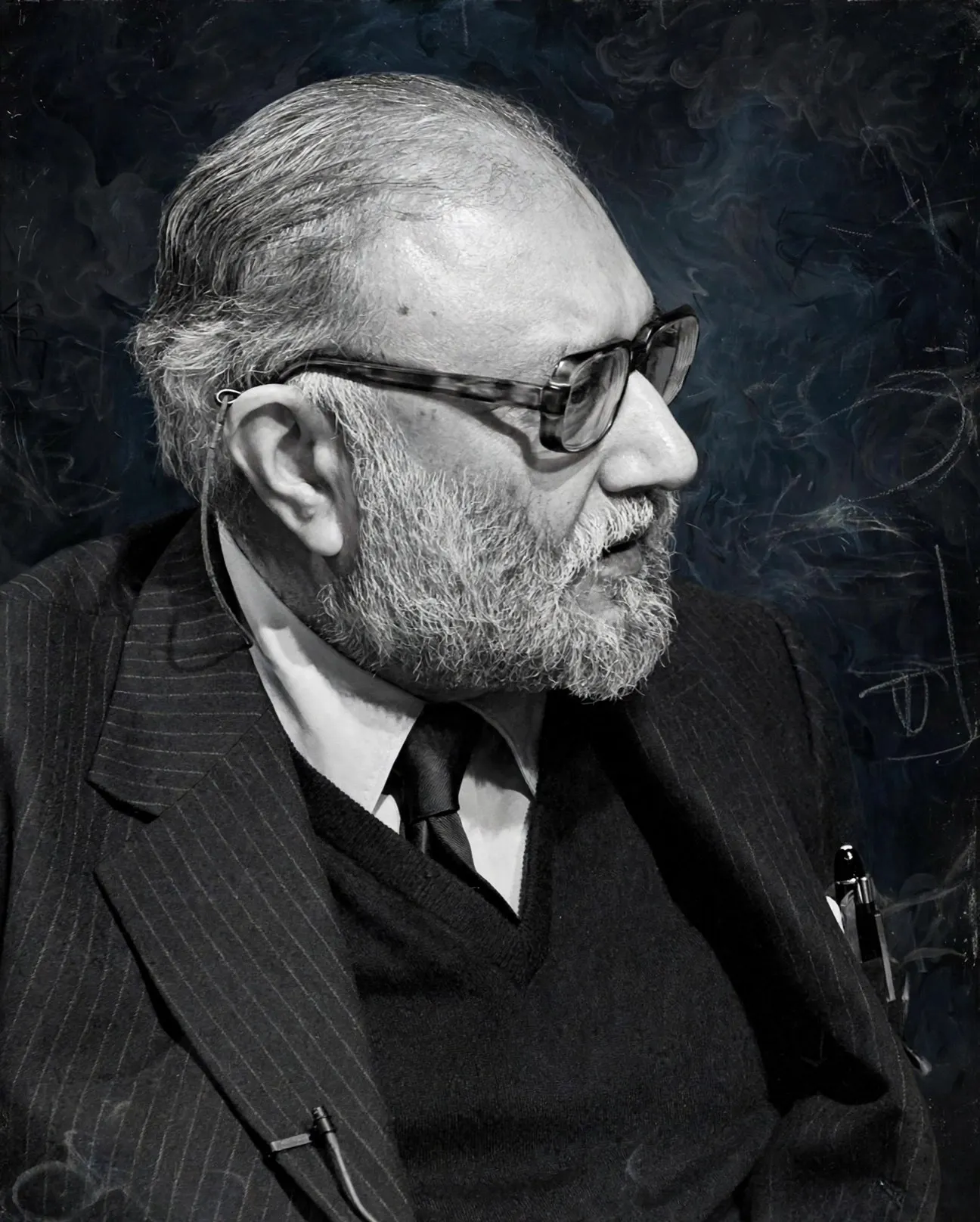
ਉਨ੍ਹਾਂ ਨੇ 1900 ਦੇ ਪੰਜਾਬ ਜ਼ਮੀਨ ਤਬਾਦਲਾ ਐਕਟ ਦੇ ਸਿਧਾਂਤਾਂ ਦੀ ਹਮਾਇਤ ਕੀਤੀ, ਜੋ ਖੇਤੀ ਜ਼ਮੀਨ ਦੇ ਤਬਾਦਲੇ 'ਤੇ ਪਾਬੰਦੀ ਲਾਉਂਦਾ ਸੀ। ਇਹ ਐਕਟ ਉਨ੍ਹਾਂ ਦੇ ਸਿਆਸੀ ਸਫ਼ਰ ਤੋਂ ਪਹਿਲਾਂ ਦਾ ਸੀ ਅਤੇ ਉਨ੍ਹਾਂ ਨੇ ਇਸ ਦਾ ਖਰੜਾ ਨਹੀਂ ਬਣਾਇਆ ਸੀ। ਮਾਲ ਮੰਤਰੀ ਵਜੋਂ ਉਨ੍ਹਾਂ ਨੇ ਇੱਕ ਕਿਸਾਨ ਭਲਾਈ ਫੰਡ ਵੀ ਸਥਾਪਤ ਕੀਤਾ। ਦਰਜ ਹੈ ਕਿ ਇਸ ਫੰਡ ਨੇ ਨੌਜਵਾਨ ਅਬਦੁਸ ਸਲਾਮ ਦੀ ਸਿੱਖਿਆ ਵਿੱਚ ਸਹਾਇਤਾ ਕੀਤੀ, ਜੋ ਬਾਅਦ ਵਿੱਚ ਭੌਤਿਕ ਵਿਗਿਆਨ ਵਿੱਚ ਨੋਬਲ ਪੁਰਸਕਾਰ ਜੇਤੂ ਬਣੇ।
1944 ਵਿੱਚ, ਜਦੋਂ ਮੁਹੰਮਦ ਅਲੀ ਜਿਨਾਹ ਨੇ ਪੰਜਾਬ ਦੇ ਮੁਸਲਿਮ ਯੂਨੀਅਨਿਸਟਾਂ ਨੂੰ ਮੁਸਲਿਮ ਲੀਗ ਵਿੱਚ ਲਿਆਉਣ ਦੀ ਕੋਸ਼ਿਸ਼ ਕੀਤੀ, ਛੋਟੂ ਰਾਮ ਨੇ ਖੁੱਲ੍ਹ ਕੇ ਇਸ ਕਦਮ ਦਾ ਵਿਰੋਧ ਕੀਤਾ। ਉਹ ਪਾਕਿਸਤਾਨ ਦੀ ਮੰਗ ਦੇ ਵਿਰੋਧੀ ਸਨ ਅਤੇ ਯੂਨੀਅਨਿਸਟ ਪੱਖ ਦੀ ਰੱਖਿਆ ਕਰਦੇ ਰਹੇ ਕਿ ਹਿੰਦੂ, ਮੁਸਲਿਮ ਅਤੇ ਸਿੱਖ ਕਿਸਾਨਾਂ ਦਾ ਸਾਂਝਾ ਹਿੱਤ ਹੈ।
ਛੋਟੂ ਰਾਮ ਨੂੰ ਭਾਖੜਾ ਡੈਮ ਦਾ ਪਿਤਾ ਕਿਉਂ ਕਿਹਾ ਜਾਂਦਾ ਹੈ?
ਛੋਟੂ ਰਾਮ ਨੂੰ ਭਾਖੜਾ ਡੈਮ ਦਾ ਪਿਤਾ ਮੰਨਿਆ ਜਾਂਦਾ ਹੈ ਕਿਉਂਕਿ ਉਨ੍ਹਾਂ ਨੇ 1923 ਵਿੱਚ ਡੈਮ ਦਾ ਵਿਚਾਰ ਪੇਸ਼ ਕੀਤਾ ਅਤੇ ਦੋ ਦਹਾਕਿਆਂ ਤੋਂ ਵੱਧ ਸਮਾਂ ਇਸ ਲਈ ਪੈਰਵੀ ਕਰਦੇ ਰਹੇ। ਸਤਲੁਜ 'ਤੇ ਬਣਨ ਵਾਲਾ ਇਹ ਡੈਮ ਉਨ੍ਹਾਂ ਕਿਸਾਨੀ ਜ਼ਿਲ੍ਹਿਆਂ ਨੂੰ ਸਿੰਚਾਈ ਦਾ ਪਾਣੀ ਅਤੇ ਬਿਜਲੀ ਦੇਣ ਲਈ ਸੀ ਜਿਨ੍ਹਾਂ ਦੀ ਉਹ ਨੁਮਾਇੰਦਗੀ ਕਰਦੇ ਸਨ। ਨਵੰਬਰ 1944 ਵਿੱਚ ਉਨ੍ਹਾਂ ਨੇ ਬਿਲਾਸਪੁਰ ਦੇ ਰਾਜਾ ਨਾਲ ਸਮਝੌਤੇ 'ਤੇ ਦਸਤਖ਼ਤ ਕੀਤੇ ਜਿਸ ਨਾਲ ਪ੍ਰੋਜੈਕਟ ਦਾ ਰਾਹ ਸਾਫ਼ ਹੋਇਆ। ਸਮਝੌਤਾ 8 ਜਨਵਰੀ 1945 ਨੂੰ ਅੰਤਿਮ ਰੂਪ ਵਿੱਚ ਤੈਅ ਹੋਇਆ।
ਅਗਲੇ ਦਿਨ, 9 ਜਨਵਰੀ 1945 ਨੂੰ, ਲਾਹੌਰ ਵਿੱਚ ਉਨ੍ਹਾਂ ਦਾ ਦੇਹਾਂਤ ਹੋ ਗਿਆ। ਉਨ੍ਹਾਂ ਦੀ ਦੇਹ ਰੋਹਤਕ ਲਿਆਂਦੀ ਗਈ ਅਤੇ ਜੱਟ ਹੀਰੋਜ਼ ਮੈਮੋਰੀਅਲ ਸਕੂਲ ਵਿੱਚ ਸਸਕਾਰ ਕੀਤਾ ਗਿਆ। ਇਸ ਸਮੇਂ ਨੇ ਉਨ੍ਹਾਂ ਦਾ ਨਾਮ ਲੋਕਾਂ ਦੀ ਯਾਦ ਵਿੱਚ ਡੈਮ ਨਾਲ ਜੋੜ ਦਿੱਤਾ: ਜਿਸ ਸਮਝੌਤੇ ਲਈ ਉਹ 1923 ਤੋਂ ਕੰਮ ਕਰ ਰਹੇ ਸਨ ਉਹ ਉਨ੍ਹਾਂ ਦੇ ਜੀਵਨ ਦੇ ਆਖ਼ਰੀ ਪੂਰੇ ਦਿਨ ਪੂਰਾ ਹੋਇਆ।
ਸਨਮਾਨ, ਆਖ਼ਰੀ ਸਾਲ ਅਤੇ ਵਿਰਾਸਤ
ਛੋਟੂ ਰਾਮ ਨੂੰ 1937 ਵਿੱਚ ਸਰ ਦਾ ਖ਼ਿਤਾਬ ਮਿਲਿਆ ਅਤੇ ਉਨ੍ਹਾਂ ਕੋਲ ਰਾਓ ਬਹਾਦਰ ਦਾ ਖ਼ਿਤਾਬ ਵੀ ਸੀ। ਦੀਨਬੰਧੂ ਅਤੇ ਰਹਿਬਰ-ਏ-ਆਜ਼ਮ ਵਰਗੇ ਲੋਕਪ੍ਰਿਯ ਨਾਮ ਦੱਸਦੇ ਹਨ ਕਿ ਕਿਸਾਨ ਪਰਿਵਾਰ ਉਨ੍ਹਾਂ ਨੂੰ ਕਿਵੇਂ ਵੇਖਦੇ ਸਨ। ਉਨ੍ਹਾਂ ਦੇ ਸਫ਼ਰ ਬਾਰੇ ਮੁਲਾਂਕਣ ਵੱਖ-ਵੱਖ ਹਨ। ਪ੍ਰਸ਼ੰਸਕ ਉਨ੍ਹਾਂ ਨੂੰ ਕਿਸਾਨਾਂ ਦਾ ਰੱਖਿਅਕ ਦੱਸਦੇ ਹਨ ਜਿਨ੍ਹਾਂ ਦੇ ਕਾਨੂੰਨਾਂ ਨੇ ਪਰਿਵਾਰਾਂ ਨੂੰ ਉਨ੍ਹਾਂ ਦੀ ਜ਼ਮੀਨ 'ਤੇ ਰੱਖਿਆ। ਆਲੋਚਕਾਂ ਨੇ ਉਨ੍ਹਾਂ ਨੂੰ ਵਫ਼ਾਦਾਰ ਕਿਹਾ ਜੋ ਬਸਤੀਵਾਦੀ ਪ੍ਰਣਾਲੀ ਦੇ ਵਿਰੁੱਧ ਨਹੀਂ, ਉਸ ਦੇ ਅੰਦਰ ਰਹਿ ਕੇ ਕੰਮ ਕਰਦਾ ਸੀ। ਦੋਵੇਂ ਪੱਖ ਸਰੋਤਾਂ ਵਿੱਚ ਦਰਜ ਹਨ ਅਤੇ ਇਹ ਪੰਨਾ ਬਿਨਾਂ ਕਿਸੇ ਪੱਖ ਲਏ ਉਨ੍ਹਾਂ ਨੂੰ ਦੱਸਦਾ ਹੈ।
ਹਰਿਆਣਾ ਵਿੱਚ ਉਨ੍ਹਾਂ ਦਾ ਨਾਮ ਅੱਜ ਵੀ ਜਿਊਂਦਾ ਹੈ। ਮੁਰਥਲ ਵਿਖੇ ਦੀਨਬੰਧੂ ਛੋਟੂ ਰਾਮ ਵਿਗਿਆਨ ਅਤੇ ਤਕਨਾਲੋਜੀ ਯੂਨੀਵਰਸਿਟੀ ਉਨ੍ਹਾਂ ਦੇ ਨਾਮ 'ਤੇ ਹੈ। 2018 ਵਿੱਚ ਸਾਂਪਲਾ ਵਿਖੇ ਉਨ੍ਹਾਂ ਦੇ 64 ਫੁੱਟ ਉੱਚੇ ਬੁੱਤ ਦਾ ਉਦਘਾਟਨ ਪ੍ਰਧਾਨ ਮੰਤਰੀ ਨਰੇਂਦਰ ਮੋਦੀ ਨੇ ਕੀਤਾ। ਪੰਜਾਬ ਦੇ ਇਤਿਹਾਸ ਦੇ ਵਿਦਿਆਰਥੀਆਂ ਲਈ ਉਹ 1947 ਤੋਂ ਪਹਿਲਾਂ ਦੀ ਕਿਸਾਨੀ ਸਿਆਸਤ ਦੀ ਕਹਾਣੀ ਦੇ ਕੇਂਦਰੀ ਪਾਤਰ ਰਹਿੰਦੇ ਹਨ: ਪਿੰਡ ਵਿੱਚ ਜੰਮਿਆ ਇੱਕ ਵਕੀਲ ਜਿਸ ਨੇ ਕਿਸਾਨਾਂ ਦੀ ਸਾਂਝੀ ਪਾਰਟੀ ਬਣਾਈ, ਉਨ੍ਹਾਂ ਦੇ ਕਰਜ਼ੇ ਦੇ ਕਾਨੂੰਨ ਲਿਖੇ, ਅਤੇ ਭਾਖੜਾ ਸਮਝੌਤੇ ਨੂੰ ਆਪਣੇ ਆਖ਼ਰੀ ਜਨਤਕ ਕੰਮ ਵਜੋਂ ਛੱਡਿਆ।
ਲੋਕ



ਥਾਵਾਂ

More people


ਸਰੋਤ (3)
ਜੁਗਤੀ ਮੁਫ਼ਤ ਅਤੇ ਸੁਤੰਤਰ ਹੈ। ਪਾਠਕਾਂ ਦਾ ਸਹਿਯੋਗ ਕੋਸ਼ ਨੂੰ ਵਧਾਉਂਦਾ ਹੈ।
ਸਹਿਯੋਗ