

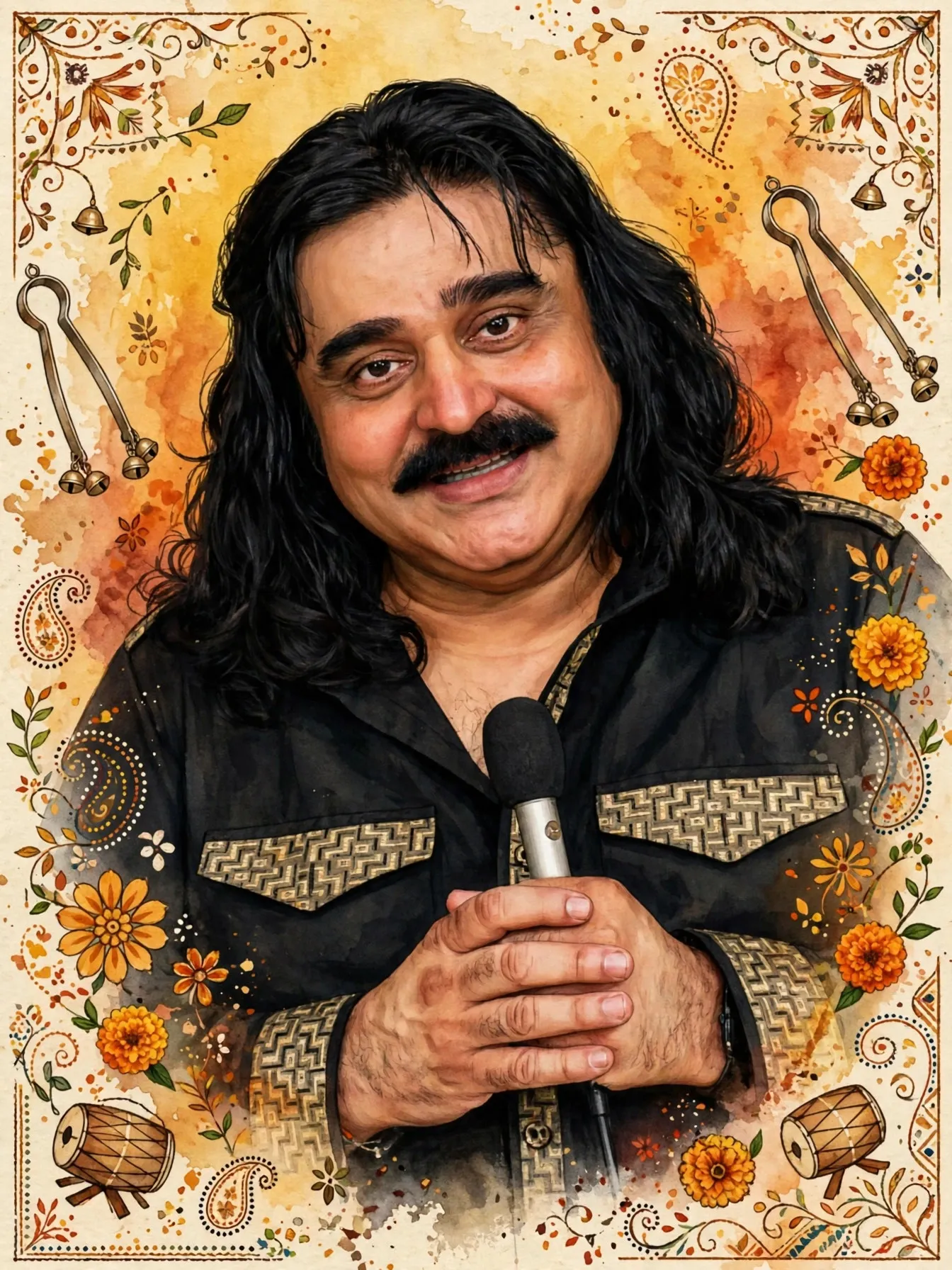
ਇਨਾਇਤ ਹੁਸੈਨ ਭੱਟੀ (1928 ਤੋਂ 1999) ਗੁਜਰਾਤ, ਪਾਕਿਸਤਾਨ ਤੋਂ ਪੰਜਾਬੀ ਪਲੇਅਬੈਕ ਗਾਇਕ ਅਤੇ ਫ਼ਿਲਮ ਅਦਾਕਾਰ ਸਨ, ਅਤੇ ਪਾਕਿਸਤਾਨੀ ਪੰਜਾਬੀ ਸਿਨੇਮੇ ਦੇ ਪਹਿਲੇ ਸੁਪਰਸਟਾਰਾਂ ਵਿੱਚੋਂ ਇੱਕ ਸਨ। ਉਨ੍ਹਾਂ ਨੇ ਸੈਂਕੜੇ ਫ਼ਿਲਮਾਂ ਲਈ ਗਾਇਆ, 300 ਤੋਂ ਵੱਧ ਵਿੱਚ ਅਦਾਕਾਰੀ ਕੀਤੀ ਅਤੇ ਚੰਨ ਮੱਖਣਾ ਵਰਗੀਆਂ ਹਿੱਟ ਫ਼ਿਲਮਾਂ ਬਣਾਈਆਂ, ਅਤੇ ਸਾਰੀ ਉਮਰ ਪੰਜਾਬੀ ਭਾਸ਼ਾ ਅਤੇ ਸੂਫ਼ੀ ਕਵਿਤਾ ਦੀ ਵਕਾਲਤ ਕੀਤੀ।
ਜੀਵਨ ਇੱਕ ਨਜ਼ਰ ਵਿੱਚ
- 1928ਜਨਮ Gujrat, Punjab, British India
- 1949First film song Pheray
- 1958ਪਛਾਣ ਵਾਲਾ ਗੀਤ from Genghis Khan
- 1999ਦੇਹਾਂਤ Gujrat, Pakistan; buried beside his parents
- ਪੰਜਾਬੀ ਨਾਂ
- ਇਨਾਇਤ ਹੁਸੈਨ ਭੱਟੀ
- ਜਨਮ
- 12 ਜਨਵਰੀ 1928, ਗੁਜਰਾਤ, ਪੰਜਾਬ, ਬਰਤਾਨਵੀ ਭਾਰਤ
- ਦੇਹਾਂਤ
- 31 ਮਈ 1999, ਗੁਜਰਾਤ, ਪਾਕਿਸਤਾਨ; ਮਾਪਿਆਂ ਦੇ ਨਾਲ ਦਫ਼ਨਾਏ ਗਏ
- ਜੱਦੀ ਸ਼ਹਿਰ
- ਗੁਜਰਾਤ
- ਜ਼ਿਲ੍ਹਾ
- ਗੁਜਰਾਤ
- ਤਹਿਸੀਲ
- ਗੁਜਰਾਤ
All 15 facts
- ਇਲਾਕਾ
- ਪੱਛਮੀ ਪੰਜਾਬ
- ਪਿਤਾ
- ਫ਼ਜ਼ਲ ਇਲਾਹੀ ਭੱਟੀ, ਗੁਜਰਾਤ ਦੇ ਸਮਾਜ ਸੇਵਕ
- ਉਸਤਾਦ ਅਤੇ ਰਹਿਬਰ
- ਰੇਡੀਓ ਪਾਕਿਸਤਾਨ, ਲਾਹੌਰ ਵਿਖੇ ਮਾਸਟਰ ਨਿਆਜ਼ ਹੁਸੈਨ ਸ਼ਾਮੀ; ਸੰਗੀਤਕਾਰ ਗ਼ੁਲਾਮ ਅਹਿਮਦ ਚਿਸ਼ਤੀ ਨੇ ਪਹਿਲੇ ਫ਼ਿਲਮੀ ਗੀਤ ਦਿੱਤੇ
- ਪਹਿਲੇ ਫ਼ਿਲਮੀ ਗੀਤ
- ਫੇਰੇ (1949), ਜਿਸ ਵਿੱਚ ਮੁਨੱਵਰ ਸੁਲਤਾਨਾ ਨਾਲ ਦੋਗਾਣਾ ਅੱਖੀਆਂ ਲਾਂਵੀਂ ਨਾਂ ਵੀ ਸ਼ਾਮਲ ਹੈ
- ਪ੍ਰਸਿੱਧੀ
- ਪਾਕਿਸਤਾਨੀ ਪੰਜਾਬੀ ਸਿਨੇਮੇ ਵਿੱਚ ਪਲੇਅਬੈਕ ਗਾਇਕੀ ਅਤੇ ਮੁੱਖ ਕਿਰਦਾਰ; ਚੰਨ ਮੱਖਣਾ ਦੇ ਨਿਰਮਾਤਾ
- ਫ਼ਿਲਮਾਂ
- 300 ਤੋਂ ਵੱਧ ਫ਼ਿਲਮਾਂ ਵਿੱਚ ਅਦਾਕਾਰੀ; ਭੱਟੀ ਪਿਕਚਰਜ਼ ਹੇਠ 30 ਫ਼ਿਲਮਾਂ ਬਣਾਈਆਂ; ਲਗਭਗ 500 ਫ਼ਿਲਮਾਂ ਲਈ ਗਾਇਆ (ਦੱਸਿਆ ਜਾਂਦਾ ਹੈ)
- ਪਛਾਣ ਵਾਲਾ ਗੀਤ
- ਅੱਲ੍ਹਾਹੁ ਅਕਬਰ, ਗੇਂਗਿਸ ਖ਼ਾਂ (1958) ਤੋਂ, ਪਾਕਿਸਤਾਨੀ ਫ਼ੌਜ ਦੀ ਪਛਾਣ ਵਾਲੀ ਧੁਨ
- ਕਲਾ ਵਿੱਚ ਪਰਿਵਾਰ
- ਭਰਾ ਕੈਫ਼ੀ, ਅਦਾਕਾਰ ਅਤੇ ਨਿਰਦੇਸ਼ਕ; ਪੁੱਤਰ ਵਸੀਮ ਅੱਬਾਸ, ਫ਼ਿਲਮ, ਟੀ ਵੀ ਅਤੇ ਮੰਚ ਕਲਾਕਾਰ; ਪੋਤਰੇ ਆਗ਼ਾ ਅਲੀ ਅਤੇ ਅਲੀ ਅੱਬਾਸ, ਅਦਾਕਾਰ
- ਸਨਮਾਨ
- ਨਿਗਾਰ ਪੁਰਸਕਾਰ ਲਾਈਫ਼ਟਾਈਮ ਅਚੀਵਮੈਂਟ ਪੁਰਸਕਾਰ; ਪ੍ਰਾਈਡ ਆਫ਼ ਪਰਫ਼ਾਰਮੈਂਸ, 2024 ਵਿੱਚ ਪਾਕਿਸਤਾਨ ਸਰਕਾਰ ਵੱਲੋਂ ਦਿੱਤਾ ਗਿਆ
Inayat Hussain Bhatti (12 January 1928 to 31 May 1999) was a Punjabi playback singer and film actor from Gujrat, Pakistan, who became one of the defining voices of early Pakistani Punjabi cinema. He sang for hundreds of films, acted in more than 300, produced 30 under his own Bhatti Pictures banner, and spent as much of his life promoting the Punjabi language, Sufi poetry and social causes as he spent in studios.
Early life in Gujrat
He was born on 12 January 1928 in Gujrat, in what was then British Punjab, into a Punjabi Muslim family of the Bhatti clan. His father, Fazal Ellahi Bhatti, was a Muslim Rajput known locally for social work, and the son grew up in Mohalla Fattupura in Gujrat. He studied at a public high school in the city and later graduated from Zamindar College, Gujrat.
Two men from his home town shaped his early interests. Syed Ijaz Hussain Gilani, a practising lawyer with a deep love of music and drama, opened the world of the arts to him. Asghar Hayat Jaura, a kabaddi player from Gujrat, shared his growing interest in the lives of the Sufi saints and in the poetry of Waris Shah, Bulleh Shah, Baba Farid and Mian Muhammad Bakhsh. That mix of stage, song and Sufi verse stayed with him for the rest of his life.
How did a law student from Gujrat become a film singer?
In December 1948 he moved to Lahore intending to study law, and at first stayed in the hostel of MAO College. A few months after arriving, he performed on stage at the YMCA Hall in Lahore in a play produced by Gilani. Gilani then took him to Radio Pakistan, Lahore, where he became a formal pupil of Master Niaz Hussain Shami, a composer working at the station. Radio work followed: he sang regularly on air and sometimes took character roles in radio plays. Playwright Rafi Peer heard him rehearsing lines in the radio canteen and cast him as the hero of his play Akhian (Eyes).
In 1949 Master Shami introduced him to the composer Ghulam Ahmed Chishti, who gave him songs to record for Nazir Ahmed Khan's Punjabi film Pheray (1949). His duet with Munawar Sultana, Aakhiyan Laanveen Naan, was an instant hit, and the film made him a celebrity almost overnight. In 1955 Nazir gave him the leading role in the Punjabi film Heer, opposite Swaran Lata. A law career was quietly left behind.
ਇਨਾਇਤ ਹੁਸੈਨ ਭੱਟੀ (12 ਜਨਵਰੀ 1928 ਤੋਂ 31 ਮਈ 1999) ਗੁਜਰਾਤ, ਪਾਕਿਸਤਾਨ ਤੋਂ ਪੰਜਾਬੀ ਪਲੇਅਬੈਕ ਗਾਇਕ ਅਤੇ ਫ਼ਿਲਮ ਅਦਾਕਾਰ ਸਨ, ਜੋ ਸ਼ੁਰੂਆਤੀ ਪਾਕਿਸਤਾਨੀ ਪੰਜਾਬੀ ਸਿਨੇਮੇ ਦੀ ਪਛਾਣ ਵਾਲੀਆਂ ਆਵਾਜ਼ਾਂ ਵਿੱਚੋਂ ਇੱਕ ਬਣੇ। ਉਨ੍ਹਾਂ ਨੇ ਸੈਂਕੜੇ ਫ਼ਿਲਮਾਂ ਲਈ ਗਾਇਆ, 300 ਤੋਂ ਵੱਧ ਫ਼ਿਲਮਾਂ ਵਿੱਚ ਅਦਾਕਾਰੀ ਕੀਤੀ, ਆਪਣੇ ਬੈਨਰ ਭੱਟੀ ਪਿਕਚਰਜ਼ ਹੇਠ 30 ਫ਼ਿਲਮਾਂ ਬਣਾਈਆਂ, ਅਤੇ ਆਪਣੇ ਜੀਵਨ ਦਾ ਓਨਾ ਹੀ ਸਮਾਂ ਪੰਜਾਬੀ ਭਾਸ਼ਾ, ਸੂਫ਼ੀ ਕਵਿਤਾ ਅਤੇ ਸਮਾਜਿਕ ਕਾਰਜਾਂ ਨੂੰ ਦਿੱਤਾ ਜਿੰਨਾ ਸਟੂਡੀਓਆਂ ਨੂੰ ਦਿੱਤਾ।
ਗੁਜਰਾਤ ਵਿੱਚ ਮੁੱਢਲਾ ਜੀਵਨ
ਉਨ੍ਹਾਂ ਦਾ ਜਨਮ 12 ਜਨਵਰੀ 1928 ਨੂੰ ਗੁਜਰਾਤ ਵਿੱਚ ਹੋਇਆ, ਜੋ ਉਸ ਸਮੇਂ ਬਰਤਾਨਵੀ ਪੰਜਾਬ ਦਾ ਹਿੱਸਾ ਸੀ, ਇੱਕ ਪੰਜਾਬੀ ਮੁਸਲਿਮ ਪਰਿਵਾਰ ਵਿੱਚ ਜੋ ਭੱਟੀ ਗੋਤ ਨਾਲ ਸਬੰਧ ਰੱਖਦਾ ਸੀ। ਉਨ੍ਹਾਂ ਦੇ ਪਿਤਾ ਫ਼ਜ਼ਲ ਇਲਾਹੀ ਭੱਟੀ ਮੁਸਲਿਮ ਰਾਜਪੂਤ ਸਨ ਅਤੇ ਇਲਾਕੇ ਵਿੱਚ ਸਮਾਜ ਸੇਵਾ ਲਈ ਜਾਣੇ ਜਾਂਦੇ ਸਨ। ਬਾਲਕ ਗੁਜਰਾਤ ਦੇ ਮੁਹੱਲਾ ਫ਼ੱਤੂਪੁਰਾ ਵਿੱਚ ਵੱਡਾ ਹੋਇਆ। ਉਨ੍ਹਾਂ ਨੇ ਸ਼ਹਿਰ ਦੇ ਇੱਕ ਸਰਕਾਰੀ ਹਾਈ ਸਕੂਲ ਵਿੱਚ ਪੜ੍ਹਾਈ ਕੀਤੀ ਅਤੇ ਬਾਅਦ ਵਿੱਚ ਜ਼ਿਮੀਂਦਾਰ ਕਾਲਜ, ਗੁਜਰਾਤ ਤੋਂ ਗ੍ਰੈਜੂਏਸ਼ਨ ਕੀਤੀ।
ਆਪਣੇ ਸ਼ਹਿਰ ਦੇ ਦੋ ਬੰਦਿਆਂ ਨੇ ਉਨ੍ਹਾਂ ਦੀਆਂ ਮੁੱਢਲੀਆਂ ਰੁਚੀਆਂ ਨੂੰ ਸ਼ਕਲ ਦਿੱਤੀ। ਸੱਯਦ ਏਜਾਜ਼ ਹੁਸੈਨ ਗਿਲਾਨੀ, ਇੱਕ ਵਕੀਲ ਜਿਨ੍ਹਾਂ ਨੂੰ ਸੰਗੀਤ ਅਤੇ ਨਾਟਕ ਨਾਲ ਗੂੜ੍ਹਾ ਲਗਾਅ ਸੀ, ਨੇ ਉਨ੍ਹਾਂ ਲਈ ਕਲਾ ਦੀ ਦੁਨੀਆ ਖੋਲ੍ਹੀ। ਅਸਗਰ ਹਯਾਤ ਜੌੜਾ, ਗੁਜਰਾਤ ਦੇ ਕਬੱਡੀ ਖਿਡਾਰੀ, ਨਾਲ ਉਨ੍ਹਾਂ ਦੀ ਸੂਫ਼ੀ ਸੰਤਾਂ ਦੇ ਜੀਵਨ ਅਤੇ ਵਾਰਿਸ ਸ਼ਾਹ, ਬੁੱਲ੍ਹੇ ਸ਼ਾਹ, ਬਾਬਾ ਫ਼ਰੀਦ ਅਤੇ ਮੀਆਂ ਮੁਹੰਮਦ ਬਖ਼ਸ਼ ਦੀ ਕਵਿਤਾ ਵਿੱਚ ਰੁਚੀ ਸਾਂਝੀ ਸੀ। ਮੰਚ, ਗੀਤ ਅਤੇ ਸੂਫ਼ੀ ਕਵਿਤਾ ਦਾ ਇਹ ਮੇਲ ਸਾਰੀ ਉਮਰ ਉਨ੍ਹਾਂ ਦੇ ਨਾਲ ਰਿਹਾ।
ਗੁਜਰਾਤ ਦਾ ਕਾਨੂੰਨ ਦਾ ਵਿਦਿਆਰਥੀ ਫ਼ਿਲਮ ਗਾਇਕ ਕਿਵੇਂ ਬਣਿਆ?
ਦਸੰਬਰ 1948 ਵਿੱਚ ਉਹ ਕਾਨੂੰਨ ਪੜ੍ਹਨ ਦੇ ਇਰਾਦੇ ਨਾਲ ਲਾਹੌਰ ਆਏ ਅਤੇ ਪਹਿਲਾਂ ਐਮ ਏ ਓ ਕਾਲਜ ਦੇ ਹੋਸਟਲ ਵਿੱਚ ਰਹੇ। ਕੁਝ ਮਹੀਨਿਆਂ ਬਾਅਦ ਉਨ੍ਹਾਂ ਨੇ ਲਾਹੌਰ ਦੇ ਵਾਈ ਐਮ ਸੀ ਏ ਹਾਲ ਵਿੱਚ ਗਿਲਾਨੀ ਦੇ ਬਣਾਏ ਇੱਕ ਨਾਟਕ ਵਿੱਚ ਮੰਚ ਉੱਤੇ ਪੇਸ਼ਕਾਰੀ ਦਿੱਤੀ। ਫਿਰ ਗਿਲਾਨੀ ਉਨ੍ਹਾਂ ਨੂੰ ਰੇਡੀਓ ਪਾਕਿਸਤਾਨ, ਲਾਹੌਰ ਲੈ ਗਏ, ਜਿੱਥੇ ਉਹ ਉੱਥੋਂ ਦੇ ਸੰਗੀਤਕਾਰ ਮਾਸਟਰ ਨਿਆਜ਼ ਹੁਸੈਨ ਸ਼ਾਮੀ ਦੇ ਰਸਮੀ ਸ਼ਾਗਿਰਦ ਬਣੇ। ਰੇਡੀਓ ਦਾ ਕੰਮ ਸ਼ੁਰੂ ਹੋ ਗਿਆ। ਉਹ ਨਿਯਮਿਤ ਤੌਰ ਉੱਤੇ ਹਵਾ ਵਿੱਚ ਗਾਉਂਦੇ ਅਤੇ ਕਦੇ ਕਦੇ ਰੇਡੀਓ ਨਾਟਕਾਂ ਵਿੱਚ ਕਿਰਦਾਰ ਵੀ ਨਿਭਾਉਂਦੇ। ਨਾਟਕਕਾਰ ਰਫ਼ੀ ਪੀਰ ਨੇ ਰੇਡੀਓ ਕੰਟੀਨ ਵਿੱਚ ਉਨ੍ਹਾਂ ਨੂੰ ਸੰਵਾਦ ਯਾਦ ਕਰਦਿਆਂ ਸੁਣਿਆ ਅਤੇ ਆਪਣੇ ਨਾਟਕ ਅੱਖੀਆਂ ਵਿੱਚ ਨਾਇਕ ਦਾ ਕਿਰਦਾਰ ਦੇ ਦਿੱਤਾ।
1949 ਵਿੱਚ ਮਾਸਟਰ ਸ਼ਾਮੀ ਨੇ ਉਨ੍ਹਾਂ ਦੀ ਜਾਣ ਪਛਾਣ ਸੰਗੀਤਕਾਰ ਗ਼ੁਲਾਮ ਅਹਿਮਦ ਚਿਸ਼ਤੀ ਨਾਲ ਕਰਵਾਈ, ਜਿਨ੍ਹਾਂ ਨੇ ਨਾਜ਼ਿਰ ਅਹਿਮਦ ਖ਼ਾਂ ਦੀ ਪੰਜਾਬੀ ਫ਼ਿਲਮ ਫੇਰੇ (1949) ਲਈ ਗੀਤ ਰਿਕਾਰਡ ਕਰਨ ਦਾ ਮੌਕਾ ਦਿੱਤਾ। ਮੁਨੱਵਰ ਸੁਲਤਾਨਾ ਨਾਲ ਉਨ੍ਹਾਂ ਦਾ ਦੋਗਾਣਾ ਅੱਖੀਆਂ ਲਾਂਵੀਂ ਨਾਂ ਝੱਟ ਹਿੱਟ ਹੋ ਗਿਆ ਅਤੇ ਫ਼ਿਲਮ ਨੇ ਉਨ੍ਹਾਂ ਨੂੰ ਲਗਭਗ ਰਾਤੋ ਰਾਤ ਮਸ਼ਹੂਰ ਕਰ ਦਿੱਤਾ। 1955 ਵਿੱਚ ਨਾਜ਼ਿਰ ਨੇ ਉਨ੍ਹਾਂ ਨੂੰ ਪੰਜਾਬੀ ਫ਼ਿਲਮ ਹੀਰ ਵਿੱਚ ਸਵਰਨ ਲਤਾ ਦੇ ਸਾਹਮਣੇ ਮੁੱਖ ਕਿਰਦਾਰ ਦਿੱਤਾ। ਕਾਨੂੰਨ ਦਾ ਪੇਸ਼ਾ ਚੁੱਪ ਕਰਕੇ ਪਿੱਛੇ ਰਹਿ ਗਿਆ।
Singer and actor at the same time
Bhatti is often described as the only male artist of his era in Pakistan to be a superstar as a singer and as a leading actor at the same time. As a playback singer his voice was used by two generations of music directors, from Ghulam Haider, Master Inayat Hussain and Rasheed Attre in the 1950s to Attre's son Wajahat Attre in the 1970s and 1980s. Accounts of his career credit him with singing for roughly 500 films and recording more than 2,500 film and non-film songs in Urdu, Punjabi, Sindhi, Bengali and Saraiki, though totals vary between profiles. He sang hundreds of duets with the leading female voices of the day, from Noor Jehan and Malika Pukhraj to Munawar Sultana, Zubaida Khanum and Naseem Begum.
His patriotic song Allahu Akbar, from the film Genghis Khan (1958), with music by Rasheed Attre, became a signature tune of the Pakistan Army. One of his Arabic naats has been broadcast regularly by Radio Pakistan, Lahore, during Ramadan for decades. On screen his best known acting roles began with Heer (1955) and Kartar Singh (1959), in which he also sang songs that are still remembered, including Ajj Akhaan Waris Shah Nu.
Bhatti Pictures and the hit years
In 1962 he turned producer with Waris Shah, a film on the life and work of the Sufi poet. His second production, Moonh Zor (1965), also did modest business, but his third film changed everything: Chann Makhna (1968), with Bhatti in the lead, was a blockbuster and won the Nigar Award for best picture. A run of hits followed under Bhatti Pictures: Sajjan Pyara (1968), Jind Jan (1969), Duniya Matlab Di (1970), Ishq Diwana (1971) and Zulam Da Badla (1972). In all he produced 30 films, and the themes he chose were usually built around a social problem in Punjabi society. He also produced, directed and acted in Saraiki language films.
Through the 1960s he also built a second stage career. With his own folk theatre group he toured the villages and small towns of Punjab, singing and reciting Waris Shah, Bulleh Shah, Mian Muhammad Bakhsh, Sultan Bahoo and Shah Abdul Latif Bhittai. Alongside Alam Lohar, he dominated Punjabi folk theatre in the 1960s and early 1970s. On television in the early 1970s he hosted Bhatti Da Dayrah, a weekly music and talk show, and in the 1990s he wrote and presented Ujala, a PTV series on the Sufi saints of Pakistan.
What else did Inayat Hussain Bhatti do besides films?
A great deal. For years he wrote a column called Challenge in the Urdu newspaper Daily Pakistan, using it to point out problems in society. He campaigned for the Punjabi language all his life: in the 1970s, with Zia Shahid and Masood Khaderposh, he helped start a weekly Punjabi magazine, Kahani, and in the 1980s he chaired the Punjab Workers Movement, founded for the same cause. In 1971 he built and donated a complete tuberculosis treatment ward for poor patients at Gulab Devi Hospital in Lahore, in his mother's name, and supported it until his death. The Punjab government repeatedly asked his help in building religious harmony, appointing him to the Ittihad Bainul Muslimeen organisation and a Peace Committee.
He also entered politics. He joined the Pakistan Peoples Party in 1975 and campaigned energetically in the 1977 and 1988 elections, later serving for a year as secretary of the party's cultural wing. In the 1985 elections he contested a National Assembly seat from NA 95 and lost by a narrow margin. His family continued in the arts: his younger brother Kaifee was a well known actor and director, his youngest son Waseem Abbas became a film, television and stage artist, and actors Agha Ali and Ali Abbas are his grandsons.
Honours, last years and legacy
Honours came from many directions. They include a Lifetime Achievement Award from the Nigar Awards, an EMI Silver Disc in 1976 marking 25 years with the recording company, and a Golden Jubilee film award from the Jang Group in 1996. In India he was honoured at the International Punjabi Cultural Festival at Mohali in 1996 and by bodies in Chandigarh, Amritsar and Jalandhar in 1997, and after his death the Prof. Mohan Singh Foundation in Amritsar created an Inayat Hussain Bhatti Memorial Award. In 2024, twenty five years after his death, the Government of Pakistan awarded him the Pride of Performance for his contribution to media and the arts.
In 1997 he suffered an attack of paralysis that impaired his speech and left him bedridden for most of the time that followed. A few days before his death he was taken back to his native Gujrat, where he died on 31 May 1999, aged 71, and was buried beside his parents. His songs have since been remixed and sung again by a new generation of Pakistani singers, including Abrar-ul-Haq, Shazia Manzoor, Naseebo Lal and Arif Lohar. His place in Punjabi culture rests on a rare combination: a film star who never left the folk stage, and a singer who treated Punjabi itself as a cause worth fighting for.
ਇੱਕੋ ਸਮੇਂ ਗਾਇਕ ਅਤੇ ਅਦਾਕਾਰ
ਭੱਟੀ ਨੂੰ ਅਕਸਰ ਆਪਣੇ ਸਮੇਂ ਦਾ ਪਾਕਿਸਤਾਨ ਦਾ ਇਕਲੌਤਾ ਅਜਿਹਾ ਮਰਦ ਕਲਾਕਾਰ ਦੱਸਿਆ ਜਾਂਦਾ ਹੈ ਜੋ ਇੱਕੋ ਸਮੇਂ ਗਾਇਕ ਵਜੋਂ ਅਤੇ ਮੁੱਖ ਅਦਾਕਾਰ ਵਜੋਂ ਸੁਪਰਸਟਾਰ ਰਿਹਾ। ਪਲੇਅਬੈਕ ਗਾਇਕ ਵਜੋਂ ਉਨ੍ਹਾਂ ਦੀ ਆਵਾਜ਼ ਸੰਗੀਤ ਨਿਰਦੇਸ਼ਕਾਂ ਦੀਆਂ ਦੋ ਪੀੜ੍ਹੀਆਂ ਨੇ ਵਰਤੀ, 1950ਵਿਆਂ ਵਿੱਚ ਗ਼ੁਲਾਮ ਹੈਦਰ, ਮਾਸਟਰ ਇਨਾਇਤ ਹੁਸੈਨ ਅਤੇ ਰਸ਼ੀਦ ਅੱਤਰੇ ਤੋਂ ਲੈ ਕੇ 1970 ਅਤੇ 1980ਵਿਆਂ ਵਿੱਚ ਅੱਤਰੇ ਦੇ ਪੁੱਤਰ ਵਜਾਹਤ ਅੱਤਰੇ ਤੱਕ। ਉਨ੍ਹਾਂ ਦੇ ਕੈਰੀਅਰ ਦੇ ਵੇਰਵਿਆਂ ਅਨੁਸਾਰ ਉਨ੍ਹਾਂ ਨੇ ਲਗਭਗ 500 ਫ਼ਿਲਮਾਂ ਲਈ ਗਾਇਆ ਅਤੇ ਉਰਦੂ, ਪੰਜਾਬੀ, ਸਿੰਧੀ, ਬੰਗਾਲੀ ਅਤੇ ਸਰਾਇਕੀ ਵਿੱਚ 2,500 ਤੋਂ ਵੱਧ ਫ਼ਿਲਮੀ ਅਤੇ ਗ਼ੈਰ ਫ਼ਿਲਮੀ ਗੀਤ ਰਿਕਾਰਡ ਕੀਤੇ, ਹਾਲਾਂਕਿ ਕੁੱਲ ਗਿਣਤੀ ਵੱਖ ਵੱਖ ਵੇਰਵਿਆਂ ਵਿੱਚ ਵੱਖਰੀ ਮਿਲਦੀ ਹੈ। ਉਨ੍ਹਾਂ ਨੇ ਉਸ ਸਮੇਂ ਦੀਆਂ ਮੋਹਰੀ ਇਸਤਰੀ ਆਵਾਜ਼ਾਂ ਨਾਲ ਸੈਂਕੜੇ ਦੋਗਾਣੇ ਗਾਏ, ਨੂਰ ਜਹਾਂ ਅਤੇ ਮਲਿਕਾ ਪੁਖਰਾਜ ਤੋਂ ਲੈ ਕੇ ਮੁਨੱਵਰ ਸੁਲਤਾਨਾ, ਜ਼ੁਬੈਦਾ ਖ਼ਾਨਮ ਅਤੇ ਨਸੀਮ ਬੇਗਮ ਤੱਕ।
ਫ਼ਿਲਮ ਗੇਂਗਿਸ ਖ਼ਾਂ (1958) ਦਾ ਉਨ੍ਹਾਂ ਦਾ ਦੇਸ਼ ਭਗਤੀ ਗੀਤ ਅੱਲ੍ਹਾਹੁ ਅਕਬਰ, ਜਿਸ ਦਾ ਸੰਗੀਤ ਰਸ਼ੀਦ ਅੱਤਰੇ ਨੇ ਦਿੱਤਾ ਸੀ, ਪਾਕਿਸਤਾਨੀ ਫ਼ੌਜ ਦੀ ਪਛਾਣ ਵਾਲੀ ਧੁਨ ਬਣ ਗਿਆ। ਉਨ੍ਹਾਂ ਦੀ ਇੱਕ ਅਰਬੀ ਨਾਅਤ ਦਹਾਕਿਆਂ ਤੋਂ ਰਮਜ਼ਾਨ ਵਿੱਚ ਰੇਡੀਓ ਪਾਕਿਸਤਾਨ, ਲਾਹੌਰ ਤੋਂ ਨਿਯਮਿਤ ਪ੍ਰਸਾਰਿਤ ਹੁੰਦੀ ਹੈ। ਪਰਦੇ ਉੱਤੇ ਉਨ੍ਹਾਂ ਦੀਆਂ ਸਭ ਤੋਂ ਜਾਣੀਆਂ ਅਦਾਕਾਰੀ ਭੂਮਿਕਾਵਾਂ ਹੀਰ (1955) ਅਤੇ ਕਰਤਾਰ ਸਿੰਘ (1959) ਨਾਲ ਸ਼ੁਰੂ ਹੋਈਆਂ, ਜਿਸ ਵਿੱਚ ਉਨ੍ਹਾਂ ਨੇ ਅੱਜ ਅੱਖਾਂ ਵਾਰਿਸ ਸ਼ਾਹ ਨੂੰ ਵਰਗੇ ਉਹ ਗੀਤ ਵੀ ਗਾਏ ਜੋ ਅੱਜ ਵੀ ਯਾਦ ਕੀਤੇ ਜਾਂਦੇ ਹਨ।
ਭੱਟੀ ਪਿਕਚਰਜ਼ ਅਤੇ ਹਿੱਟ ਸਾਲ
1962 ਵਿੱਚ ਉਹ ਵਾਰਿਸ ਸ਼ਾਹ ਨਾਲ ਨਿਰਮਾਤਾ ਬਣੇ, ਜੋ ਸੂਫ਼ੀ ਕਵੀ ਦੇ ਜੀਵਨ ਅਤੇ ਰਚਨਾ ਉੱਤੇ ਬਣੀ ਫ਼ਿਲਮ ਸੀ। ਉਨ੍ਹਾਂ ਦੀ ਦੂਜੀ ਫ਼ਿਲਮ ਮੂੰਹ ਜ਼ੋਰ (1965) ਦਾ ਕਾਰੋਬਾਰ ਵੀ ਸਾਧਾਰਨ ਰਿਹਾ, ਪਰ ਤੀਜੀ ਫ਼ਿਲਮ ਨੇ ਸਭ ਕੁਝ ਬਦਲ ਦਿੱਤਾ। ਚੰਨ ਮੱਖਣਾ (1968), ਜਿਸ ਵਿੱਚ ਭੱਟੀ ਮੁੱਖ ਕਿਰਦਾਰ ਵਿੱਚ ਸਨ, ਬਲਾਕਬਸਟਰ ਰਹੀ ਅਤੇ ਸਰਵੋਤਮ ਫ਼ਿਲਮ ਦਾ ਨਿਗਾਰ ਪੁਰਸਕਾਰ ਜਿੱਤਿਆ। ਫਿਰ ਭੱਟੀ ਪਿਕਚਰਜ਼ ਹੇਠ ਹਿੱਟ ਫ਼ਿਲਮਾਂ ਦੀ ਲੜੀ ਆਈ। ਸੱਜਣ ਪਿਆਰਾ (1968), ਜਿੰਦ ਜਾਨ (1969), ਦੁਨੀਆ ਮਤਲਬ ਦੀ (1970), ਇਸ਼ਕ ਦੀਵਾਨਾ (1971) ਅਤੇ ਜ਼ੁਲਮ ਦਾ ਬਦਲਾ (1972)। ਕੁੱਲ ਮਿਲਾ ਕੇ ਉਨ੍ਹਾਂ ਨੇ 30 ਫ਼ਿਲਮਾਂ ਬਣਾਈਆਂ, ਅਤੇ ਉਨ੍ਹਾਂ ਦੇ ਚੁਣੇ ਵਿਸ਼ੇ ਆਮ ਤੌਰ ਉੱਤੇ ਪੰਜਾਬੀ ਸਮਾਜ ਦੀ ਕਿਸੇ ਸਮੱਸਿਆ ਦੁਆਲੇ ਘੁੰਮਦੇ ਸਨ। ਉਨ੍ਹਾਂ ਨੇ ਸਰਾਇਕੀ ਭਾਸ਼ਾ ਦੀਆਂ ਫ਼ਿਲਮਾਂ ਵੀ ਬਣਾਈਆਂ, ਨਿਰਦੇਸ਼ਿਤ ਕੀਤੀਆਂ ਅਤੇ ਉਨ੍ਹਾਂ ਵਿੱਚ ਅਦਾਕਾਰੀ ਵੀ ਕੀਤੀ।
1960ਵਿਆਂ ਵਿੱਚ ਉਨ੍ਹਾਂ ਨੇ ਦੂਜਾ ਮੰਚ ਕੈਰੀਅਰ ਵੀ ਬਣਾਇਆ। ਆਪਣੇ ਲੋਕ ਥੀਏਟਰ ਸਮੂਹ ਨਾਲ ਉਨ੍ਹਾਂ ਨੇ ਪੰਜਾਬ ਦੇ ਪਿੰਡਾਂ ਅਤੇ ਛੋਟੇ ਸ਼ਹਿਰਾਂ ਦਾ ਦੌਰਾ ਕੀਤਾ ਅਤੇ ਵਾਰਿਸ ਸ਼ਾਹ, ਬੁੱਲ੍ਹੇ ਸ਼ਾਹ, ਮੀਆਂ ਮੁਹੰਮਦ ਬਖ਼ਸ਼, ਸੁਲਤਾਨ ਬਾਹੂ ਅਤੇ ਸ਼ਾਹ ਅਬਦੁਲ ਲਤੀਫ਼ ਭਿੱਟਾਈ ਦੀ ਕਵਿਤਾ ਗਾਈ ਅਤੇ ਸੁਣਾਈ। ਆਲਮ ਲੋਹਾਰ ਦੇ ਨਾਲ ਉਹ 1960ਵਿਆਂ ਅਤੇ 1970ਵਿਆਂ ਦੇ ਸ਼ੁਰੂ ਵਿੱਚ ਪੰਜਾਬੀ ਲੋਕ ਥੀਏਟਰ ਉੱਤੇ ਛਾਏ ਰਹੇ। 1970ਵਿਆਂ ਦੇ ਸ਼ੁਰੂ ਵਿੱਚ ਟੈਲੀਵਿਜ਼ਨ ਉੱਤੇ ਉਨ੍ਹਾਂ ਨੇ ਭੱਟੀ ਦਾ ਡੇਰਾ ਨਾਂ ਦਾ ਹਫ਼ਤਾਵਾਰ ਸੰਗੀਤ ਅਤੇ ਗੱਲਬਾਤ ਪ੍ਰੋਗਰਾਮ ਚਲਾਇਆ, ਅਤੇ 1990ਵਿਆਂ ਵਿੱਚ ਉਨ੍ਹਾਂ ਨੇ ਪਾਕਿਸਤਾਨ ਦੇ ਸੂਫ਼ੀ ਸੰਤਾਂ ਉੱਤੇ ਪੀ ਟੀ ਵੀ ਦੀ ਲੜੀ ਉਜਾਲਾ ਲਿਖੀ ਅਤੇ ਪੇਸ਼ ਕੀਤੀ।
ਫ਼ਿਲਮਾਂ ਤੋਂ ਇਲਾਵਾ ਇਨਾਇਤ ਹੁਸੈਨ ਭੱਟੀ ਨੇ ਹੋਰ ਕੀ ਕੀਤਾ?
ਬਹੁਤ ਕੁਝ। ਸਾਲਾਂ ਤੱਕ ਉਨ੍ਹਾਂ ਨੇ ਉਰਦੂ ਅਖ਼ਬਾਰ ਡੇਲੀ ਪਾਕਿਸਤਾਨ ਵਿੱਚ ਚੈਲੰਜ ਨਾਂ ਦਾ ਕਾਲਮ ਲਿਖਿਆ, ਜਿਸ ਰਾਹੀਂ ਉਹ ਸਮਾਜ ਦੀਆਂ ਸਮੱਸਿਆਵਾਂ ਵੱਲ ਧਿਆਨ ਦਿਵਾਉਂਦੇ ਰਹੇ। ਉਹ ਸਾਰੀ ਉਮਰ ਪੰਜਾਬੀ ਭਾਸ਼ਾ ਲਈ ਮੁਹਿੰਮ ਚਲਾਉਂਦੇ ਰਹੇ। 1970ਵਿਆਂ ਵਿੱਚ ਜ਼ਿਆ ਸ਼ਾਹਿਦ ਅਤੇ ਮਸੂਦ ਖ਼ਦਰਪੋਸ਼ ਨਾਲ ਮਿਲ ਕੇ ਉਨ੍ਹਾਂ ਨੇ ਪੰਜਾਬੀ ਹਫ਼ਤਾਵਾਰ ਰਸਾਲਾ ਕਹਾਣੀ ਸ਼ੁਰੂ ਕਰਨ ਵਿੱਚ ਮਦਦ ਕੀਤੀ, ਅਤੇ 1980ਵਿਆਂ ਵਿੱਚ ਉਹ ਪੰਜਾਬ ਵਰਕਰਜ਼ ਮੂਵਮੈਂਟ ਦੇ ਚੇਅਰਮੈਨ ਰਹੇ, ਜੋ ਇਸੇ ਮਕਸਦ ਲਈ ਬਣੀ ਸੀ। 1971 ਵਿੱਚ ਉਨ੍ਹਾਂ ਨੇ ਆਪਣੀ ਮਾਂ ਦੇ ਨਾਂ ਉੱਤੇ ਲਾਹੌਰ ਦੇ ਗੁਲਾਬ ਦੇਵੀ ਹਸਪਤਾਲ ਵਿੱਚ ਗ਼ਰੀਬ ਮਰੀਜ਼ਾਂ ਲਈ ਟੀ ਬੀ ਦੇ ਇਲਾਜ ਦਾ ਪੂਰਾ ਵਾਰਡ ਬਣਵਾ ਕੇ ਦਾਨ ਕੀਤਾ ਅਤੇ ਆਪਣੀ ਮੌਤ ਤੱਕ ਉਸ ਦੀ ਸਹਾਇਤਾ ਕਰਦੇ ਰਹੇ। ਪੰਜਾਬ ਸਰਕਾਰ ਨੇ ਧਾਰਮਿਕ ਸਦਭਾਵਨਾ ਬਣਾਉਣ ਲਈ ਵਾਰ ਵਾਰ ਉਨ੍ਹਾਂ ਦੀ ਮਦਦ ਲਈ, ਉਨ੍ਹਾਂ ਨੂੰ ਇੱਤਿਹਾਦ ਬੈਨੁਲ ਮੁਸਲਿਮੀਨ ਸੰਸਥਾ ਅਤੇ ਸ਼ਾਂਤੀ ਕਮੇਟੀ ਦਾ ਮੈਂਬਰ ਬਣਾਇਆ।
ਉਹ ਸਿਆਸਤ ਵਿੱਚ ਵੀ ਆਏ। 1975 ਵਿੱਚ ਉਹ ਪਾਕਿਸਤਾਨ ਪੀਪਲਜ਼ ਪਾਰਟੀ ਵਿੱਚ ਸ਼ਾਮਲ ਹੋਏ ਅਤੇ 1977 ਅਤੇ 1988 ਦੀਆਂ ਚੋਣਾਂ ਵਿੱਚ ਜੋਸ਼ ਨਾਲ ਮੁਹਿੰਮ ਚਲਾਈ, ਬਾਅਦ ਵਿੱਚ ਇੱਕ ਸਾਲ ਪਾਰਟੀ ਦੇ ਸੱਭਿਆਚਾਰਕ ਵਿੰਗ ਦੇ ਸਕੱਤਰ ਵੀ ਰਹੇ। 1985 ਦੀਆਂ ਚੋਣਾਂ ਵਿੱਚ ਉਨ੍ਹਾਂ ਨੇ ਐਨ ਏ 95 ਤੋਂ ਕੌਮੀ ਅਸੈਂਬਲੀ ਦੀ ਸੀਟ ਲਈ ਚੋਣ ਲੜੀ ਅਤੇ ਥੋੜ੍ਹੇ ਫ਼ਰਕ ਨਾਲ ਹਾਰੇ। ਉਨ੍ਹਾਂ ਦਾ ਪਰਿਵਾਰ ਕਲਾ ਵਿੱਚ ਅੱਗੇ ਵਧਿਆ। ਉਨ੍ਹਾਂ ਦਾ ਛੋਟਾ ਭਰਾ ਕੈਫ਼ੀ ਜਾਣਿਆ ਪਛਾਣਿਆ ਅਦਾਕਾਰ ਅਤੇ ਨਿਰਦੇਸ਼ਕ ਰਿਹਾ, ਸਭ ਤੋਂ ਛੋਟਾ ਪੁੱਤਰ ਵਸੀਮ ਅੱਬਾਸ ਫ਼ਿਲਮ, ਟੈਲੀਵਿਜ਼ਨ ਅਤੇ ਮੰਚ ਕਲਾਕਾਰ ਬਣਿਆ, ਅਤੇ ਅਦਾਕਾਰ ਆਗ਼ਾ ਅਲੀ ਅਤੇ ਅਲੀ ਅੱਬਾਸ ਉਨ੍ਹਾਂ ਦੇ ਪੋਤਰੇ ਹਨ।
ਸਨਮਾਨ, ਆਖਰੀ ਸਾਲ ਅਤੇ ਵਿਰਾਸਤ
ਸਨਮਾਨ ਕਈ ਪਾਸਿਆਂ ਤੋਂ ਆਏ। ਇਨ੍ਹਾਂ ਵਿੱਚ ਨਿਗਾਰ ਪੁਰਸਕਾਰਾਂ ਦਾ ਲਾਈਫ਼ਟਾਈਮ ਅਚੀਵਮੈਂਟ ਪੁਰਸਕਾਰ, 1976 ਵਿੱਚ ਈ ਐਮ ਆਈ ਦੀ ਸਿਲਵਰ ਡਿਸਕ ਜੋ ਕੰਪਨੀ ਨਾਲ 25 ਸਾਲ ਦੇ ਸਬੰਧ ਦੀ ਨਿਸ਼ਾਨੀ ਸੀ, ਅਤੇ 1996 ਵਿੱਚ ਜੰਗ ਗਰੁੱਪ ਦਾ ਗੋਲਡਨ ਜੁਬਲੀ ਫ਼ਿਲਮ ਪੁਰਸਕਾਰ ਸ਼ਾਮਲ ਹੈ। ਭਾਰਤ ਵਿੱਚ ਉਨ੍ਹਾਂ ਨੂੰ 1996 ਵਿੱਚ ਮੁਹਾਲੀ ਦੇ ਅੰਤਰਰਾਸ਼ਟਰੀ ਪੰਜਾਬੀ ਸੱਭਿਆਚਾਰਕ ਮੇਲੇ ਵਿੱਚ ਅਤੇ 1997 ਵਿੱਚ ਚੰਡੀਗੜ੍ਹ, ਅੰਮ੍ਰਿਤਸਰ ਅਤੇ ਜਲੰਧਰ ਦੀਆਂ ਸੰਸਥਾਵਾਂ ਵੱਲੋਂ ਸਨਮਾਨਿਤ ਕੀਤਾ ਗਿਆ, ਅਤੇ ਉਨ੍ਹਾਂ ਦੀ ਮੌਤ ਤੋਂ ਬਾਅਦ ਅੰਮ੍ਰਿਤਸਰ ਦੀ ਪ੍ਰੋਫ਼ੈਸਰ ਮੋਹਣ ਸਿੰਘ ਫ਼ਾਊਂਡੇਸ਼ਨ ਨੇ ਇਨਾਇਤ ਹੁਸੈਨ ਭੱਟੀ ਮੈਮੋਰੀਅਲ ਪੁਰਸਕਾਰ ਸ਼ੁਰੂ ਕੀਤਾ। 2024 ਵਿੱਚ, ਉਨ੍ਹਾਂ ਦੀ ਮੌਤ ਤੋਂ ਪੱਚੀ ਸਾਲ ਬਾਅਦ, ਪਾਕਿਸਤਾਨ ਸਰਕਾਰ ਨੇ ਮੀਡੀਆ ਅਤੇ ਕਲਾ ਦੇ ਖੇਤਰ ਵਿੱਚ ਯੋਗਦਾਨ ਲਈ ਉਨ੍ਹਾਂ ਨੂੰ ਪ੍ਰਾਈਡ ਆਫ਼ ਪਰਫ਼ਾਰਮੈਂਸ ਦਿੱਤਾ।
1997 ਵਿੱਚ ਉਨ੍ਹਾਂ ਨੂੰ ਅਧਰੰਗ ਦਾ ਦੌਰਾ ਪਿਆ, ਜਿਸ ਨਾਲ ਉਨ੍ਹਾਂ ਦੀ ਬੋਲਚਾਲ ਪ੍ਰਭਾਵਿਤ ਹੋਈ ਅਤੇ ਉਹ ਜ਼ਿਆਦਾਤਰ ਸਮਾਂ ਬਿਸਤਰੇ ਉੱਤੇ ਰਹੇ। ਮੌਤ ਤੋਂ ਕੁਝ ਦਿਨ ਪਹਿਲਾਂ ਉਨ੍ਹਾਂ ਨੂੰ ਉਨ੍ਹਾਂ ਦੇ ਜੱਦੀ ਸ਼ਹਿਰ ਗੁਜਰਾਤ ਲਿਜਾਇਆ ਗਿਆ, ਜਿੱਥੇ 31 ਮਈ 1999 ਨੂੰ 71 ਸਾਲ ਦੀ ਉਮਰ ਵਿੱਚ ਉਨ੍ਹਾਂ ਦੀ ਮੌਤ ਹੋ ਗਈ ਅਤੇ ਉਨ੍ਹਾਂ ਨੂੰ ਮਾਪਿਆਂ ਦੇ ਨਾਲ ਦਫ਼ਨਾਇਆ ਗਿਆ। ਉਨ੍ਹਾਂ ਦੇ ਗੀਤਾਂ ਨੂੰ ਬਾਅਦ ਵਿੱਚ ਪਾਕਿਸਤਾਨੀ ਗਾਇਕਾਂ ਦੀ ਨਵੀਂ ਪੀੜ੍ਹੀ ਨੇ ਫਿਰ ਗਾਇਆ ਅਤੇ ਰੀਮਿਕਸ ਕੀਤਾ, ਜਿਨ੍ਹਾਂ ਵਿੱਚ ਅਬਰਾਰ ਉਲ ਹੱਕ, ਸ਼ਾਜ਼ੀਆ ਮਨਜ਼ੂਰ, ਨਸੀਬੋ ਲਾਲ ਅਤੇ ਆਰਿਫ਼ ਲੋਹਾਰ ਸ਼ਾਮਲ ਹਨ। ਪੰਜਾਬੀ ਸੱਭਿਆਚਾਰ ਵਿੱਚ ਉਨ੍ਹਾਂ ਦੀ ਥਾਂ ਇੱਕ ਦੁਰਲੱਭ ਸੁਮੇਲ ਉੱਤੇ ਟਿਕੀ ਹੈ। ਇੱਕ ਫ਼ਿਲਮ ਸਿਤਾਰਾ ਜੋ ਲੋਕ ਮੰਚ ਤੋਂ ਕਦੇ ਦੂਰ ਨਹੀਂ ਹੋਇਆ, ਅਤੇ ਇੱਕ ਗਾਇਕ ਜਿਸ ਨੇ ਪੰਜਾਬੀ ਨੂੰ ਆਪਣੇ ਆਪ ਵਿੱਚ ਲੜਨ ਯੋਗ ਕਾਰਜ ਮੰਨਿਆ।
ਲੋਕ


ਥਾਵਾਂ


More music
ਸਾਰੇ ਵੇਖੋ


ਸਰੋਤ (4)
- Inayat Hussain Bhatti, Wikipedia
- Inayat Hussain Bhatti biography, Pak101
- Renowned artist Inayat Hussain Bhatti remembered, Daily The Pak Banker via The Free Library (APP report, 1 June 2019)
- 18 years since legendary singer, film-maker Inayat Hussain Bhatti left us, The Express Tribune via Everything.pk
ਜੁਗਤੀ ਮੁਫ਼ਤ ਅਤੇ ਸੁਤੰਤਰ ਹੈ। ਪਾਠਕਾਂ ਦਾ ਸਹਿਯੋਗ ਕੋਸ਼ ਨੂੰ ਵਧਾਉਂਦਾ ਹੈ।
ਸਹਿਯੋਗ