

ਤੁਫ਼ੈਲ ਨਿਆਜ਼ੀ (1916 ਤੋਂ 21 ਸਤੰਬਰ 1990) ਜਲੰਧਰ ਜ਼ਿਲ੍ਹੇ ਵਿੱਚ ਜਨਮੇ ਪੰਜਾਬੀ ਲੋਕ ਗਾਇਕ ਸਨ, ਜੋ 1947 ਦੀ ਵੰਡ ਤੋਂ ਬਾਅਦ ਮੁਲਤਾਨ ਵਿੱਚ ਵੱਸ ਗਏ ਅਤੇ ਪਾਕਿਸਤਾਨ ਵਿੱਚ ਪੰਜਾਬੀ ਲੋਕ ਸੰਗੀਤ ਦੀ ਮੋਹਰੀ ਆਵਾਜ਼ ਬਣ ਗਏ। ਉਹ 26 ਨਵੰਬਰ 1964 ਨੂੰ ਪਾਕਿਸਤਾਨ ਟੈਲੀਵਿਜ਼ਨ ਦੀ ਸ਼ੁਰੂਆਤ ਵੇਲੇ ਸਭ ਤੋਂ ਪਹਿਲਾਂ ਗਾਉਣ ਵਾਲੇ ਗਾਇਕ ਸਨ, ਅਤੇ ਉਨ੍ਹਾਂ ਨੂੰ ਰਾਸ਼ਟਰਪਤੀ ਦਾ ਪ੍ਰਾਈਡ ਆਫ਼ ਪਰਫ਼ਾਰਮੈਂਸ ਪੁਰਸਕਾਰ ਮਿਲਿਆ।
- ਪੰਜਾਬੀ ਨਾਂ
- ਤੁਫ਼ੈਲ ਨਿਆਜ਼ੀ
- ਜਨਮ
- 1916, ਜਲੰਧਰ ਜ਼ਿਲ੍ਹਾ, ਪੰਜਾਬ ਦਾ ਪਿੰਡ (ਪਿੰਡ ਦਾ ਨਾਂ ਵੱਖ ਵੱਖ ਵੇਰਵਿਆਂ ਵਿੱਚ ਮੰਡੇਰ, ਮਦੈਰਾ, ਮਦੀਰਾਂ ਅਤੇ ਮੰਡੇਰਾਂ ਮਿਲਦਾ ਹੈ; ਰੇਡੀਓ ਪਾਕਿਸਤਾਨ ਦੀ ਤਾਜ਼ਾ ਰਿਪੋਰਟ 1926 ਦਿੰਦੀ ਹੈ)
- ਦੇਹਾਂਤ
- 21 ਸਤੰਬਰ 1990, ਇਸਲਾਮਾਬਾਦ; ਇਸਲਾਮਾਬਾਦ ਵਿੱਚ ਦਫ਼ਨਾਏ ਗਏ
- ਜੱਦੀ ਸ਼ਹਿਰ
- ਮੁਲਤਾਨ (1947 ਦੀ ਵੰਡ ਤੋਂ ਬਾਅਦ ਉੱਥੇ ਵੱਸੇ)
- ਜ਼ਿਲ੍ਹਾ
- ਮੁਲਤਾਨ
- ਇਲਾਕਾ
- ਪੱਛਮੀ ਪੰਜਾਬ
All 13 facts
- ਨਾਂ
- ਨਿਆਜ਼ੀ ਕਬੀਲੇ ਦਾ ਨਾਂ ਨਹੀਂ ਸੀ: ਪੀਟੀਵੀ ਨਿਰਮਾਤਾ ਅਸਲਮ ਅਜ਼ਹਰ ਨੇ ਇਹ ਉਨ੍ਹਾਂ ਦੇ ਪੀਰ ਪੀਰ ਨਿਆਜ਼ ਅਲੀ ਸ਼ਾਹ ਦੇ ਨਾਂ ਉੱਤੇ ਦਿੱਤਾ; ਪਹਿਲਾਂ ਤੁਫ਼ੈਲ, ਮਾਸਟਰ ਤੁਫ਼ੈਲ, ਮੀਆਂ ਤੁਫ਼ੈਲ ਅਤੇ ਤੁਫ਼ੈਲ ਮੁਲਤਾਨੀ ਵਜੋਂ ਜਾਣੇ ਜਾਂਦੇ ਸਨ
- ਅਧਿਆਪਕ
- ਉਨ੍ਹਾਂ ਦੇ ਪਿਤਾ ਹਾਜੀ ਰਹੀਮ ਬਖ਼ਸ਼; ਕਪੂਰਥਲਾ ਦੇ ਮੀਆਂ ਵਲੀ ਮੁਹੰਮਦ; ਬਟਾਲਾ ਦੇ ਪੰਡਿਤ ਅਮਰ ਨਾਥ
- ਪਰਿਵਾਰ
- ਭਰਾ ਕੁਰਬਾਨ, ਜਿਨ੍ਹਾਂ ਨੇ ਮਗਰੋਂ ਨਾਅਤ ਗਾਈ ਅਤੇ ਸਿਤਾਰਾ ਏ ਇਮਤਿਆਜ਼ ਹਾਸਲ ਕੀਤਾ; ਪੁੱਤਰ ਜਾਵੇਦ ਨਿਆਜ਼ੀ ਅਤੇ ਬਾਬਰ ਨਿਆਜ਼ੀ, ਨਿਆਜ਼ੀ ਭਰਾ ਲੋਕ ਗਾਇਕ
- ਪ੍ਰਸਿੱਧੀ
- ਸ਼ਾਸਤਰੀ ਸਿਖਲਾਈ ਵਾਲਾ ਪੰਜਾਬੀ ਲੋਕ ਗਾਇਨ; 26 ਨਵੰਬਰ 1964 ਨੂੰ ਪਾਕਿਸਤਾਨ ਟੈਲੀਵਿਜ਼ਨ ਉੱਤੇ ਸਭ ਤੋਂ ਪਹਿਲਾਂ ਗਾਉਣ ਵਾਲੇ ਗਾਇਕ
- ਪਛਾਣ ਵਾਲੇ ਗੀਤ
- ਸਾਡਾ ਚਿੜੀਆਂ ਦਾ ਚੰਬਾ; ਅੱਖੀਆਂ ਲੱਗੀਆਂ ਜਵਾਬ ਨਾ ਦੇਂਦੀਆਂ; ਲਾਈ ਬੇਕਦਰਾਂ ਨਾਲ ਯਾਰੀ, ਤੇ ਟੁੱਟ ਗਈ ਤੜਕ ਕਰਕੇ; ਮੈਂ ਨਹੀਂ ਜਾਣਾ ਖੇੜਿਆਂ ਦੇ ਨਾਲ
- ਸਨਮਾਨ
- ਰਾਸ਼ਟਰਪਤੀ ਦਾ ਪ੍ਰਾਈਡ ਆਫ਼ ਪਰਫ਼ਾਰਮੈਂਸ ਪੁਰਸਕਾਰ (ਜ਼ਿਆਦਾਤਰ ਵੇਰਵੇ 1982 ਦਿੰਦੇ ਹਨ; ਕੁਝ 1983 ਦਿੰਦੇ ਹਨ)
- ਫ਼ਿਲਮ
- ਧੂਪ ਔਰ ਸਾਏ (1968) ਦੇ ਸੰਗੀਤ ਨਿਰਦੇਸ਼ਕ, ਪਾਕਮੈਗ ਅਨੁਸਾਰ
Tufail Niazi (1916 to 21 September 1990) was a Punjabi folk singer born in Jalandhar district who settled in Multan after Partition and became a defining voice of Punjabi folk music in Pakistan. Classically trained and rooted in travelling theatre, he was the first singer to perform on Pakistan Television in 1964 and received the Presidential Pride of Performance Award.
Early life in Jalandhar and a family of musicians
Tufail Niazi was born in 1916 in a village in Jalandhar district, Punjab, in British India. The village name is spelled differently across accounts, as Mander, Madaira, Madiraan or Manderan, and one recent Radio Pakistan report gives his birth year as 1926 rather than 1916. Most accounts, including the book length study of his life edited by S. M. Shahid, give 1916, and this page follows them while noting the difference. His was, by one detailed account, the only Muslim family in a largely Sikh village.
Music was the family trade on both sides. His paternal ancestors were pakhawajis, percussionists who accompanied dhrupad singing, and his maternal ancestors included rababis, the hereditary musicians who sang Gurbani in gurdwaras. Following that tradition, the young Tufail sang Guru Nanak's bani at the gurdwara in the village of Pumba near Amritsar, where his maternal grandfather worked as a rababi. After about three years there, his father Haji Rahim Baksh took him to Goindwal, near Tarn Taran, where he joined a gaushala singing party that travelled from village to village. He later trained formally as well: accounts name his father, Mian Wali Muhammad of Kapurthala and Pandit Amar Nath of Batala among his teachers, and he heard the great performers of the day at the Harballabh music gatherings.
Theatre, travelling shows and the making of a performer
Before he was known as a singer, Tufail was a man of the travelling stage. He first worked as a raasdhari, a street performer who gathered a crowd on the spot and mixed theatre, story and song, often drawing on episodes from the life of Rama. He then joined a nautanki, a travelling theatre company, and played the hero in the great Punjabi folk tales: Heer Ranjha, Sohni Mahiwal, Sassi Punnu and Pooran Bhagat. Those years gave him the storyteller's skills that marked his singing for life: a song, in his hands, was also a drama, with characters, longing and loss acted out in the voice.
He sang in public from childhood, one anniversary account says from the age of eight, and in time he set up his own singing party and theatre, touring festivals across Punjab. Early on he sang alongside his brother Qurban. Qurban later turned to naat and other forms of Islamic devotional singing, in which he made his own name and was honoured with the Sitara-i-Imtiaz by the Government of Pakistan.
ਤੁਫ਼ੈਲ ਨਿਆਜ਼ੀ (1916 ਤੋਂ 21 ਸਤੰਬਰ 1990) ਜਲੰਧਰ ਜ਼ਿਲ੍ਹੇ ਵਿੱਚ ਜਨਮੇ ਪੰਜਾਬੀ ਲੋਕ ਗਾਇਕ ਸਨ, ਜੋ ਵੰਡ ਤੋਂ ਬਾਅਦ ਮੁਲਤਾਨ ਵਿੱਚ ਵੱਸ ਗਏ ਅਤੇ ਪਾਕਿਸਤਾਨ ਵਿੱਚ ਪੰਜਾਬੀ ਲੋਕ ਸੰਗੀਤ ਦੀ ਪਰਿਭਾਸ਼ਕ ਆਵਾਜ਼ ਬਣ ਗਏ। ਸ਼ਾਸਤਰੀ ਸਿਖਲਾਈ ਵਾਲੇ ਅਤੇ ਘੁੰਮੱਕੜ ਥੀਏਟਰ ਵਿੱਚ ਪਲੇ ਇਸ ਗਾਇਕ ਨੇ 1964 ਵਿੱਚ ਪਾਕਿਸਤਾਨ ਟੈਲੀਵਿਜ਼ਨ ਉੱਤੇ ਸਭ ਤੋਂ ਪਹਿਲਾਂ ਗਾਇਆ ਅਤੇ ਰਾਸ਼ਟਰਪਤੀ ਦਾ ਪ੍ਰਾਈਡ ਆਫ਼ ਪਰਫ਼ਾਰਮੈਂਸ ਪੁਰਸਕਾਰ ਹਾਸਲ ਕੀਤਾ।
ਜਲੰਧਰ ਵਿੱਚ ਮੁੱਢਲਾ ਜੀਵਨ ਅਤੇ ਸੰਗੀਤਕਾਰਾਂ ਦਾ ਪਰਿਵਾਰ
ਤੁਫ਼ੈਲ ਨਿਆਜ਼ੀ ਦਾ ਜਨਮ 1916 ਵਿੱਚ ਬਰਤਾਨਵੀ ਭਾਰਤ ਦੇ ਪੰਜਾਬ ਦੇ ਜਲੰਧਰ ਜ਼ਿਲ੍ਹੇ ਦੇ ਇੱਕ ਪਿੰਡ ਵਿੱਚ ਹੋਇਆ। ਪਿੰਡ ਦਾ ਨਾਂ ਵੱਖ ਵੱਖ ਵੇਰਵਿਆਂ ਵਿੱਚ ਵੱਖਰਾ ਮਿਲਦਾ ਹੈ, ਮੰਡੇਰ, ਮਦੈਰਾ, ਮਦੀਰਾਂ ਜਾਂ ਮੰਡੇਰਾਂ, ਅਤੇ ਰੇਡੀਓ ਪਾਕਿਸਤਾਨ ਦੀ ਇੱਕ ਤਾਜ਼ਾ ਰਿਪੋਰਟ ਉਨ੍ਹਾਂ ਦਾ ਜਨਮ ਸਾਲ 1916 ਦੀ ਥਾਂ 1926 ਦਿੰਦੀ ਹੈ। ਜ਼ਿਆਦਾਤਰ ਵੇਰਵੇ, ਜਿਨ੍ਹਾਂ ਵਿੱਚ ਐਸ. ਐਮ. ਸ਼ਾਹਿਦ ਦੇ ਸੰਪਾਦਨ ਵਾਲਾ ਉਨ੍ਹਾਂ ਦੇ ਜੀਵਨ ਉੱਤੇ ਪੁਸਤਕ ਅਕਾਰ ਦਾ ਅਧਿਐਨ ਵੀ ਸ਼ਾਮਲ ਹੈ, 1916 ਹੀ ਦਿੰਦੇ ਹਨ, ਅਤੇ ਇਹ ਪੰਨਾ ਫ਼ਰਕ ਦੱਸ ਕੇ ਉਹੀ ਸਾਲ ਲੈਂਦਾ ਹੈ। ਇੱਕ ਵਿਸਤ੍ਰਿਤ ਵੇਰਵੇ ਅਨੁਸਾਰ ਉਨ੍ਹਾਂ ਦਾ ਪਰਿਵਾਰ ਵੱਡੀ ਗਿਣਤੀ ਵਿੱਚ ਸਿੱਖਾਂ ਵਾਲੇ ਪਿੰਡ ਵਿੱਚ ਇੱਕੋ ਇੱਕ ਮੁਸਲਮਾਨ ਪਰਿਵਾਰ ਸੀ।
ਸੰਗੀਤ ਦੋਵਾਂ ਪਾਸਿਆਂ ਤੋਂ ਪਰਿਵਾਰ ਦਾ ਕਿੱਤਾ ਸੀ। ਉਨ੍ਹਾਂ ਦੇ ਪਿਤਰੀ ਪੁਰਖੇ ਪਖਾਵਜੀਏ ਸਨ, ਧਰੁਪਦ ਗਾਇਨ ਨਾਲ ਸੰਗਤ ਕਰਨ ਵਾਲੇ ਤਾਲ ਵਾਦਕ, ਅਤੇ ਨਾਨਕੇ ਪਾਸੇ ਦੇ ਪੁਰਖਿਆਂ ਵਿੱਚ ਰਬਾਬੀ ਸਨ, ਉਹ ਵੰਸ਼ਜ ਸੰਗੀਤਕਾਰ ਜੋ ਗੁਰਦੁਆਰਿਆਂ ਵਿੱਚ ਗੁਰਬਾਣੀ ਗਾਉਂਦੇ ਸਨ। ਉਸੇ ਪਰੰਪਰਾ ਨੂੰ ਨਿਭਾਉਂਦਿਆਂ ਨੌਜਵਾਨ ਤੁਫ਼ੈਲ ਨੇ ਅੰਮ੍ਰਿਤਸਰ ਨੇੜੇ ਪੰਬਾ ਪਿੰਡ ਦੇ ਗੁਰਦੁਆਰੇ ਵਿੱਚ ਗੁਰੂ ਨਾਨਕ ਦੀ ਬਾਣੀ ਗਾਈ, ਜਿੱਥੇ ਉਨ੍ਹਾਂ ਦੇ ਨਾਨਾ ਰਬਾਬੀ ਵਜੋਂ ਕੰਮ ਕਰਦੇ ਸਨ। ਲਗਭਗ ਤਿੰਨ ਸਾਲ ਉੱਥੇ ਰਹਿਣ ਤੋਂ ਬਾਅਦ ਉਨ੍ਹਾਂ ਦੇ ਪਿਤਾ ਹਾਜੀ ਰਹੀਮ ਬਖ਼ਸ਼ ਉਨ੍ਹਾਂ ਨੂੰ ਤਰਨ ਤਾਰਨ ਨੇੜੇ ਗੋਇੰਦਵਾਲ ਲੈ ਗਏ, ਜਿੱਥੇ ਉਹ ਇੱਕ ਗਊਸ਼ਾਲਾ ਗਾਇਨ ਮੰਡਲੀ ਵਿੱਚ ਸ਼ਾਮਲ ਹੋ ਗਏ, ਜੋ ਪਿੰਡ ਪਿੰਡ ਘੁੰਮਦੀ ਸੀ। ਮਗਰੋਂ ਉਨ੍ਹਾਂ ਨੇ ਬਾਕਾਇਦਾ ਸਿਖਲਾਈ ਵੀ ਲਈ: ਵੇਰਵੇ ਉਨ੍ਹਾਂ ਦੇ ਅਧਿਆਪਕਾਂ ਵਿੱਚ ਉਨ੍ਹਾਂ ਦੇ ਪਿਤਾ, ਕਪੂਰਥਲਾ ਦੇ ਮੀਆਂ ਵਲੀ ਮੁਹੰਮਦ ਅਤੇ ਬਟਾਲਾ ਦੇ ਪੰਡਿਤ ਅਮਰ ਨਾਥ ਦਾ ਨਾਂ ਲੈਂਦੇ ਹਨ, ਅਤੇ ਉਨ੍ਹਾਂ ਨੇ ਹਰਬੱਲਭ ਸੰਗੀਤ ਮੇਲਿਆਂ ਵਿੱਚ ਉਸ ਸਮੇਂ ਦੇ ਮਹਾਨ ਕਲਾਕਾਰਾਂ ਨੂੰ ਸੁਣਿਆ।
ਥੀਏਟਰ, ਘੁੰਮੱਕੜ ਸ਼ੋਅ ਅਤੇ ਇੱਕ ਕਲਾਕਾਰ ਦਾ ਨਿਰਮਾਣ
ਗਾਇਕ ਵਜੋਂ ਜਾਣੇ ਜਾਣ ਤੋਂ ਪਹਿਲਾਂ ਤੁਫ਼ੈਲ ਘੁੰਮੱਕੜ ਮੰਚ ਦੇ ਕਲਾਕਾਰ ਸਨ। ਪਹਿਲਾਂ ਉਨ੍ਹਾਂ ਨੇ ਰਾਸਧਾਰੀ ਵਜੋਂ ਕੰਮ ਕੀਤਾ, ਉਹ ਗਲੀ ਕਲਾਕਾਰ ਜੋ ਥਾਂ ਉੱਤੇ ਹੀ ਭੀੜ ਇਕੱਠੀ ਕਰਕੇ ਥੀਏਟਰ, ਕਹਾਣੀ ਅਤੇ ਗੀਤ ਰਲਾ ਦਿੰਦਾ ਸੀ, ਅਕਸਰ ਰਾਮ ਦੇ ਜੀਵਨ ਦੀਆਂ ਘਟਨਾਵਾਂ ਦੇ ਆਧਾਰ ਉੱਤੇ। ਫਿਰ ਉਹ ਨੌਟੰਕੀ, ਘੁੰਮੱਕੜ ਥੀਏਟਰ ਕੰਪਨੀ, ਵਿੱਚ ਸ਼ਾਮਲ ਹੋਏ ਅਤੇ ਮਹਾਨ ਪੰਜਾਬੀ ਲੋਕ ਕਥਾਵਾਂ ਵਿੱਚ ਨਾਇਕ ਦੀ ਭੂਮਿਕਾ ਨਿਭਾਈ: ਹੀਰ ਰਾਂਝਾ, ਸੋਹਣੀ ਮਹੀਂਵਾਲ, ਸੱਸੀ ਪੁੰਨੂੰ ਅਤੇ ਪੂਰਨ ਭਗਤ। ਉਨ੍ਹਾਂ ਸਾਲਾਂ ਨੇ ਉਨ੍ਹਾਂ ਨੂੰ ਕਹਾਣੀਕਾਰ ਦੀ ਉਹ ਕਲਾ ਦਿੱਤੀ, ਜੋ ਸਾਰੀ ਉਮਰ ਉਨ੍ਹਾਂ ਦੇ ਗਾਇਨ ਦੀ ਪਛਾਣ ਰਹੀ: ਉਨ੍ਹਾਂ ਦੇ ਹੱਥ ਵਿੱਚ ਗੀਤ ਇੱਕ ਨਾਟਕ ਵੀ ਹੁੰਦਾ ਸੀ, ਜਿਸ ਦੇ ਪਾਤਰ, ਤੜਪ ਅਤੇ ਵਿਛੋੜਾ ਆਵਾਜ਼ ਵਿੱਚ ਜੀਵਤ ਹੋ ਜਾਂਦੇ ਸਨ।
ਉਨ੍ਹਾਂ ਨੇ ਬਚਪਨ ਤੋਂ ਹੀ ਲੋਕਾਂ ਸਾਹਮਣੇ ਗਾਇਆ, ਇੱਕ ਵਰ੍ਹੇਗੰਢ ਵੇਰਵਾ ਕਹਿੰਦਾ ਹੈ ਕਿ ਅੱਠ ਸਾਲ ਦੀ ਉਮਰ ਤੋਂ, ਅਤੇ ਸਮਾਂ ਪਾ ਕੇ ਉਨ੍ਹਾਂ ਨੇ ਆਪਣੀ ਗਾਇਨ ਮੰਡਲੀ ਅਤੇ ਥੀਏਟਰ ਸਥਾਪਤ ਕੀਤਾ, ਜੋ ਪੰਜਾਬ ਭਰ ਦੇ ਮੇਲਿਆਂ ਵਿੱਚ ਘੁੰਮਦਾ ਸੀ। ਮੁੱਢ ਵਿੱਚ ਉਹ ਆਪਣੇ ਭਰਾ ਕੁਰਬਾਨ ਨਾਲ ਗਾਉਂਦੇ ਸਨ। ਕੁਰਬਾਨ ਮਗਰੋਂ ਨਾਅਤ ਅਤੇ ਇਸਲਾਮੀ ਭਗਤੀ ਗਾਇਨ ਦੀਆਂ ਹੋਰ ਕਿਸਮਾਂ ਵੱਲ ਗਏ, ਜਿਨ੍ਹਾਂ ਵਿੱਚ ਉਨ੍ਹਾਂ ਨੇ ਆਪਣਾ ਨਾਂ ਬਣਾਇਆ ਅਤੇ ਪਾਕਿਸਤਾਨ ਸਰਕਾਰ ਵੱਲੋਂ ਸਿਤਾਰਾ ਏ ਇਮਤਿਆਜ਼ ਨਾਲ ਸਨਮਾਨਿਤ ਹੋਏ।
What is Tufail Niazi best known for?
Tufail Niazi is best known for Punjabi folk songs sung in a voice described as sweet, husky and unusually wide in range, and for being the first singer to perform on Pakistan Television. His best loved recordings include Saada Chirryan Da Chamba, Akhiyaan Lagiyaan Jawaab Na Daindian, Layee Beqadran Naal Yaari, Tay Tut Gai Tarak Karkey and Mein Nai Jana Kheriyan De Naal, the last of these drawn from Waris Shah's Heer. He performed regularly on Radio Pakistan and Pakistan Television for decades.
His singing joined two worlds that are often kept apart. He was a folk singer in dress and manner, performing energetically in a Punjabi lacha and a silk kurta, yet his vocal technique came from classical training, and favourite songs of his sit inside ragas such as Tilak Kamod, Khamaj and Bilawal. Writers on his music stress the Sufi colouring of his repertoire and the pathos of his storytelling, above all in the episodes of Heer Ranjha, where he could hold an audience with the grief of the lovers set against village life in Punjab.
Multan after Partition and the return to music
The Partition of 1947 uprooted him, as it did millions of Punjabis. Like other Muslims leaving East Punjab, he moved west and settled in Multan, a city he did not know and where he knew almost nobody. To survive, he opened a small milk shop and, having no instruments, gave up music for a time. His second home became his identity: for a period he was known simply as Tufail Multani, the Tufail from Multan.
The return to music came through a listener. In 1949 a police inspector in Multan who had known and admired his singing in East Punjab recognised him, learned that he had stopped for want of instruments, and stepped in: instruments were arranged from state stores and a mehfil, a live concert gathering, was organised to introduce him to the city. From that restart there was no long pause again. He became known in the cultural circles of Multan, rebuilt his theatre work, and began the broadcasting career that would carry his voice across Pakistan.
Radio Pakistan, PTV and the first song on television
Radio Pakistan gave Tufail Niazi a national audience, and television made him a household face. When Pakistan Television was inaugurated at Lahore on 26 November 1964, he had the honour of being the first singer to perform on the new service, and the song he chose was his signature Layee Beqadran Naal Yaari, Tay Tut Gai Tarak Karkey. One film database gives the launch date as 24 November 1964, but most accounts give 26 November, the date also carried in anniversary reporting.
It was in the television years that he received the name by which history knows him. He was not a member of the Niazi tribe. Aslam Azhar, then a senior producer and managing director at PTV, gave him the name Niazi after Tufail told him that his pir, his spiritual guide, was Pir Niaz Ali Shah. Before that he had been billed at different times as Tufail, Master Tufail, Mian Tufail and Tufail Multani. Film work was a small part of his career: PakMag records him as music director of a single film, Dhoop aur Saye, in 1968.
Honours, Lok Virsa and later years
In recognition of his work, Tufail Niazi received the Presidential Pride of Performance Award, Pakistan's leading civil honour for the arts. Most accounts date the award to 1982; some accounts give 1983, and this page notes both rather than choosing silently. The award crowned a career that had carried Punjabi folk song from village fairs and travelling theatre onto national radio and television.
His service to folk culture went beyond his own performances. Working under Uxi Mufti, he helped to set up and sustain the National Institute of Folk and Traditional Heritage, Lok Virsa, in Islamabad, travelling across Pakistan to collect folk material so that it would be recorded and kept. A performer who had himself nearly been lost to music in 1949 spent his later years making sure the wider tradition was not lost. Tufail Niazi died in Islamabad on 21 September 1990 and was buried there. Accounts differ on his final years, some describing hardship after a stroke and others a comfortable life, so this page records the death and the burial without settling that question.
Legacy: the Niazi Brothers and the songs that live on
His family carried the music forward. His two sons, Javed Niazi and Babar Niazi, known as the Niazi Brothers, perform in their father's manner and appeared regularly on Pakistan Television. They had begun early, performing alongside their father in India in 1981, where they were honoured with the K. L. Saigal Award. In 2014 the brothers opened Coke Studio season 7 with Lai Beqadraan Naal Yaari, presented by the programme as a tribute to the first song ever aired on PTV in 1964, and also performed Kheriyan De Naal in the same season. A year earlier, in Coke Studio season 6, Asad Abbas had paid his own tribute with Kade Aa Ve Mahi Gal Lag Ve.
Tributes have continued. On 30 May 2011 the Pakistan National Council of the Arts in Islamabad held a musical evening in his honour, reported by Dawn, and his death anniversary is marked each year in Pakistan with broadcasts recalling his work. His songs have also travelled without his name attached: in 1998 his Laai Beqadaran Naal Yaari was recreated in the Indian film Wajood, uncredited, and in 2006 the Pakistani film Majajan featured his Ve Tu Naire Naire Wass Ve, sung by Azra Jahan. For Punjab on both sides of the 1947 border, Tufail Niazi remains a bridge figure: a singer formed in the shared world of gurdwaras, fairs and folk theatre in undivided Punjab, who then gave the new state of Pakistan its first televised song.
ਤੁਫ਼ੈਲ ਨਿਆਜ਼ੀ ਕਿਸ ਲਈ ਸਭ ਤੋਂ ਵੱਧ ਜਾਣੇ ਜਾਂਦੇ ਹਨ?
ਤੁਫ਼ੈਲ ਨਿਆਜ਼ੀ ਸਭ ਤੋਂ ਵੱਧ ਉਨ੍ਹਾਂ ਪੰਜਾਬੀ ਲੋਕ ਗੀਤਾਂ ਲਈ ਜਾਣੇ ਜਾਂਦੇ ਹਨ, ਜੋ ਮਿੱਠੀ, ਭਾਰੀ ਅਤੇ ਅਸਾਧਾਰਨ ਤੌਰ ਉੱਤੇ ਵਿਸ਼ਾਲ ਫੈਲਾਅ ਵਾਲੀ ਆਵਾਜ਼ ਵਿੱਚ ਗਾਏ ਗਏ, ਅਤੇ ਪਾਕਿਸਤਾਨ ਟੈਲੀਵਿਜ਼ਨ ਉੱਤੇ ਸਭ ਤੋਂ ਪਹਿਲਾਂ ਗਾਉਣ ਵਾਲੇ ਗਾਇਕ ਵਜੋਂ। ਉਨ੍ਹਾਂ ਦੀਆਂ ਸਭ ਤੋਂ ਪਿਆਰੀਆਂ ਰਿਕਾਰਡਿੰਗਾਂ ਵਿੱਚ ਸਾਡਾ ਚਿੜੀਆਂ ਦਾ ਚੰਬਾ, ਅੱਖੀਆਂ ਲੱਗੀਆਂ ਜਵਾਬ ਨਾ ਦੇਂਦੀਆਂ, ਲਾਈ ਬੇਕਦਰਾਂ ਨਾਲ ਯਾਰੀ, ਤੇ ਟੁੱਟ ਗਈ ਤੜਕ ਕਰਕੇ ਅਤੇ ਮੈਂ ਨਹੀਂ ਜਾਣਾ ਖੇੜਿਆਂ ਦੇ ਨਾਲ ਸ਼ਾਮਲ ਹਨ, ਜਿਨ੍ਹਾਂ ਵਿੱਚੋਂ ਆਖ਼ਰੀ ਵਾਰਿਸ ਸ਼ਾਹ ਦੀ ਹੀਰ ਵਿੱਚੋਂ ਹੈ। ਉਹ ਦਹਾਕਿਆਂ ਤੱਕ ਰੇਡੀਓ ਪਾਕਿਸਤਾਨ ਅਤੇ ਪਾਕਿਸਤਾਨ ਟੈਲੀਵਿਜ਼ਨ ਉੱਤੇ ਨਿਯਮਿਤ ਪੇਸ਼ ਹੁੰਦੇ ਰਹੇ।
ਉਨ੍ਹਾਂ ਦਾ ਗਾਇਨ ਦੋ ਸੰਸਾਰਾਂ ਨੂੰ ਜੋੜਦਾ ਸੀ, ਜਿਨ੍ਹਾਂ ਨੂੰ ਅਕਸਰ ਵੱਖ ਰੱਖਿਆ ਜਾਂਦਾ ਹੈ। ਉਹ ਪਹਿਰਾਵੇ ਅਤੇ ਅੰਦਾਜ਼ ਵਿੱਚ ਲੋਕ ਗਾਇਕ ਸਨ, ਪੰਜਾਬੀ ਲਾਚਾ ਅਤੇ ਰੇਸ਼ਮੀ ਕੁੜਤਾ ਪਾ ਕੇ ਜੋਸ਼ ਨਾਲ ਪੇਸ਼ ਹੁੰਦੇ ਸਨ, ਪਰ ਉਨ੍ਹਾਂ ਦੀ ਆਵਾਜ਼ ਦੀ ਤਕਨੀਕ ਸ਼ਾਸਤਰੀ ਸਿਖਲਾਈ ਤੋਂ ਆਈ ਸੀ, ਅਤੇ ਉਨ੍ਹਾਂ ਦੇ ਪਸੰਦੀਦਾ ਗੀਤ ਤਿਲਕ ਕਾਮੋਦ, ਖਮਾਜ ਅਤੇ ਬਿਲਾਵਲ ਵਰਗੇ ਰਾਗਾਂ ਵਿੱਚ ਬੈਠਦੇ ਹਨ। ਉਨ੍ਹਾਂ ਦੇ ਸੰਗੀਤ ਦੇ ਲੇਖਕ ਉਨ੍ਹਾਂ ਦੇ ਭੰਡਾਰ ਦੇ ਸੂਫ਼ੀ ਰੰਗ ਅਤੇ ਕਹਾਣੀ ਸੁਣਾਉਣ ਦੇ ਦਰਦ ਉੱਤੇ ਜ਼ੋਰ ਦਿੰਦੇ ਹਨ, ਸਭ ਤੋਂ ਵੱਧ ਹੀਰ ਰਾਂਝਾ ਦੇ ਪ੍ਰਸੰਗਾਂ ਵਿੱਚ, ਜਿੱਥੇ ਉਹ ਪੰਜਾਬ ਦੇ ਪੇਂਡੂ ਜੀਵਨ ਦੇ ਪਿਛੋਕੜ ਵਿੱਚ ਪ੍ਰੇਮੀਆਂ ਦੇ ਦੁੱਖ ਨਾਲ ਸਰੋਤਿਆਂ ਨੂੰ ਬੰਨ੍ਹ ਲੈਂਦੇ ਸਨ।
ਵੰਡ ਤੋਂ ਬਾਅਦ ਮੁਲਤਾਨ ਅਤੇ ਸੰਗੀਤ ਵੱਲ ਪਰਤਣਾ
1947 ਦੀ ਵੰਡ ਨੇ ਉਨ੍ਹਾਂ ਨੂੰ ਉਖਾੜ ਦਿੱਤਾ, ਜਿਵੇਂ ਉਸ ਨੇ ਲੱਖਾਂ ਪੰਜਾਬੀਆਂ ਨੂੰ ਉਖਾੜਿਆ ਸੀ। ਪੂਰਬੀ ਪੰਜਾਬ ਛੱਡਣ ਵਾਲੇ ਹੋਰ ਮੁਸਲਮਾਨਾਂ ਵਾਂਗ ਉਹ ਪੱਛਮ ਵੱਲ ਗਏ ਅਤੇ ਮੁਲਤਾਨ ਵਿੱਚ ਵੱਸ ਗਏ, ਇੱਕ ਸ਼ਹਿਰ ਜਿਸ ਨੂੰ ਉਹ ਨਹੀਂ ਜਾਣਦੇ ਸਨ ਅਤੇ ਜਿੱਥੇ ਉਨ੍ਹਾਂ ਦਾ ਲਗਭਗ ਕੋਈ ਜਾਣੂ ਨਹੀਂ ਸੀ। ਰੋਜ਼ੀ ਲਈ ਉਨ੍ਹਾਂ ਨੇ ਦੁੱਧ ਦੀ ਛੋਟੀ ਦੁਕਾਨ ਖੋਲ੍ਹੀ ਅਤੇ ਸਾਜ਼ ਨਾ ਹੋਣ ਕਰਕੇ ਕੁਝ ਸਮੇਂ ਲਈ ਸੰਗੀਤ ਛੱਡ ਦਿੱਤਾ। ਉਨ੍ਹਾਂ ਦਾ ਦੂਜਾ ਘਰ ਹੀ ਉਨ੍ਹਾਂ ਦੀ ਪਛਾਣ ਬਣ ਗਿਆ: ਇੱਕ ਸਮੇਂ ਉਹ ਸਿਰਫ਼ ਤੁਫ਼ੈਲ ਮੁਲਤਾਨੀ ਵਜੋਂ ਜਾਣੇ ਜਾਂਦੇ ਸਨ, ਮੁਲਤਾਨ ਵਾਲਾ ਤੁਫ਼ੈਲ।
ਸੰਗੀਤ ਵੱਲ ਪਰਤਣਾ ਇੱਕ ਸਰੋਤੇ ਰਾਹੀਂ ਆਇਆ। 1949 ਵਿੱਚ ਮੁਲਤਾਨ ਦੇ ਇੱਕ ਪੁਲਿਸ ਇੰਸਪੈਕਟਰ ਨੇ, ਜੋ ਪੂਰਬੀ ਪੰਜਾਬ ਵਿੱਚ ਉਨ੍ਹਾਂ ਦੇ ਗਾਇਨ ਨੂੰ ਜਾਣਦਾ ਅਤੇ ਪਸੰਦ ਕਰਦਾ ਸੀ, ਉਨ੍ਹਾਂ ਨੂੰ ਪਛਾਣ ਲਿਆ, ਇਹ ਜਾਣਿਆ ਕਿ ਸਾਜ਼ਾਂ ਦੀ ਘਾਟ ਕਰਕੇ ਉਨ੍ਹਾਂ ਨੇ ਗਾਉਣਾ ਛੱਡ ਦਿੱਤਾ ਹੈ, ਅਤੇ ਅੱਗੇ ਆਇਆ: ਸਰਕਾਰੀ ਭੰਡਾਰਾਂ ਵਿੱਚੋਂ ਸਾਜ਼ਾਂ ਦਾ ਪ੍ਰਬੰਧ ਕੀਤਾ ਗਿਆ ਅਤੇ ਸ਼ਹਿਰ ਨਾਲ ਉਨ੍ਹਾਂ ਦੀ ਜਾਣ ਪਛਾਣ ਲਈ ਇੱਕ ਮਹਿਫ਼ਿਲ, ਲਾਈਵ ਸੰਗੀਤ ਇਕੱਠ, ਕਰਵਾਈ ਗਈ। ਉਸ ਮੁੜ ਸ਼ੁਰੂਆਤ ਤੋਂ ਬਾਅਦ ਫਿਰ ਕੋਈ ਲੰਮਾ ਵਕਫ਼ਾ ਨਹੀਂ ਆਇਆ। ਉਹ ਮੁਲਤਾਨ ਦੇ ਸੱਭਿਆਚਾਰਕ ਹਲਕਿਆਂ ਵਿੱਚ ਜਾਣੇ ਜਾਣ ਲੱਗੇ, ਆਪਣਾ ਥੀਏਟਰ ਕੰਮ ਮੁੜ ਖੜ੍ਹਾ ਕੀਤਾ, ਅਤੇ ਉਹ ਪ੍ਰਸਾਰਨ ਕਰੀਅਰ ਸ਼ੁਰੂ ਕੀਤਾ, ਜੋ ਉਨ੍ਹਾਂ ਦੀ ਆਵਾਜ਼ ਨੂੰ ਸਾਰੇ ਪਾਕਿਸਤਾਨ ਵਿੱਚ ਪਹੁੰਚਾਉਣ ਵਾਲਾ ਸੀ।
ਰੇਡੀਓ ਪਾਕਿਸਤਾਨ, ਪੀਟੀਵੀ ਅਤੇ ਟੈਲੀਵਿਜ਼ਨ ਉੱਤੇ ਪਹਿਲਾ ਗੀਤ
ਰੇਡੀਓ ਪਾਕਿਸਤਾਨ ਨੇ ਤੁਫ਼ੈਲ ਨਿਆਜ਼ੀ ਨੂੰ ਕੌਮੀ ਸਰੋਤੇ ਦਿੱਤੇ, ਅਤੇ ਟੈਲੀਵਿਜ਼ਨ ਨੇ ਉਨ੍ਹਾਂ ਨੂੰ ਹਰ ਘਰ ਦੀ ਪਛਾਣ ਬਣਾ ਦਿੱਤਾ। ਜਦੋਂ 26 ਨਵੰਬਰ 1964 ਨੂੰ ਲਾਹੌਰ ਵਿੱਚ ਪਾਕਿਸਤਾਨ ਟੈਲੀਵਿਜ਼ਨ ਦੀ ਸ਼ੁਰੂਆਤ ਹੋਈ, ਤਾਂ ਉਨ੍ਹਾਂ ਨੂੰ ਨਵੀਂ ਸੇਵਾ ਉੱਤੇ ਸਭ ਤੋਂ ਪਹਿਲਾਂ ਗਾਉਣ ਵਾਲੇ ਗਾਇਕ ਹੋਣ ਦਾ ਮਾਣ ਮਿਲਿਆ, ਅਤੇ ਉਨ੍ਹਾਂ ਨੇ ਆਪਣਾ ਦਸਤਖ਼ਤੀ ਗੀਤ ਲਾਈ ਬੇਕਦਰਾਂ ਨਾਲ ਯਾਰੀ, ਤੇ ਟੁੱਟ ਗਈ ਤੜਕ ਕਰਕੇ ਚੁਣਿਆ। ਇੱਕ ਫ਼ਿਲਮ ਡਾਟਾਬੇਸ ਸ਼ੁਰੂਆਤ ਦੀ ਤਾਰੀਖ਼ 24 ਨਵੰਬਰ 1964 ਦਿੰਦਾ ਹੈ, ਪਰ ਜ਼ਿਆਦਾਤਰ ਵੇਰਵੇ 26 ਨਵੰਬਰ ਦਿੰਦੇ ਹਨ, ਉਹੀ ਤਾਰੀਖ਼ ਜੋ ਵਰ੍ਹੇਗੰਢ ਰਿਪੋਰਟਾਂ ਵਿੱਚ ਵੀ ਆਉਂਦੀ ਹੈ।
ਟੈਲੀਵਿਜ਼ਨ ਦੇ ਸਾਲਾਂ ਵਿੱਚ ਹੀ ਉਨ੍ਹਾਂ ਨੂੰ ਉਹ ਨਾਂ ਮਿਲਿਆ, ਜਿਸ ਨਾਲ ਇਤਿਹਾਸ ਉਨ੍ਹਾਂ ਨੂੰ ਜਾਣਦਾ ਹੈ। ਉਹ ਨਿਆਜ਼ੀ ਕਬੀਲੇ ਦੇ ਮੈਂਬਰ ਨਹੀਂ ਸਨ। ਅਸਲਮ ਅਜ਼ਹਰ ਨੇ, ਜੋ ਉਸ ਸਮੇਂ ਪੀਟੀਵੀ ਦੇ ਸੀਨੀਅਰ ਨਿਰਮਾਤਾ ਅਤੇ ਮੈਨੇਜਿੰਗ ਡਾਇਰੈਕਟਰ ਸਨ, ਉਨ੍ਹਾਂ ਨੂੰ ਨਿਆਜ਼ੀ ਨਾਂ ਦਿੱਤਾ, ਕਿਉਂਕਿ ਤੁਫ਼ੈਲ ਨੇ ਉਨ੍ਹਾਂ ਨੂੰ ਦੱਸਿਆ ਸੀ ਕਿ ਉਨ੍ਹਾਂ ਦੇ ਪੀਰ, ਉਨ੍ਹਾਂ ਦੇ ਰੂਹਾਨੀ ਮੁਰਸ਼ਦ, ਪੀਰ ਨਿਆਜ਼ ਅਲੀ ਸ਼ਾਹ ਸਨ। ਉਸ ਤੋਂ ਪਹਿਲਾਂ ਵੱਖ ਵੱਖ ਸਮਿਆਂ ਉੱਤੇ ਉਨ੍ਹਾਂ ਦਾ ਨਾਂ ਤੁਫ਼ੈਲ, ਮਾਸਟਰ ਤੁਫ਼ੈਲ, ਮੀਆਂ ਤੁਫ਼ੈਲ ਅਤੇ ਤੁਫ਼ੈਲ ਮੁਲਤਾਨੀ ਲਿਖਿਆ ਜਾਂਦਾ ਸੀ। ਫ਼ਿਲਮੀ ਕੰਮ ਉਨ੍ਹਾਂ ਦੇ ਕਰੀਅਰ ਦਾ ਛੋਟਾ ਹਿੱਸਾ ਸੀ: ਪਾਕਮੈਗ ਉਨ੍ਹਾਂ ਨੂੰ 1968 ਦੀ ਇੱਕੋ ਇੱਕ ਫ਼ਿਲਮ ਧੂਪ ਔਰ ਸਾਏ ਦੇ ਸੰਗੀਤ ਨਿਰਦੇਸ਼ਕ ਵਜੋਂ ਦਰਜ ਕਰਦਾ ਹੈ।
ਸਨਮਾਨ, ਲੋਕ ਵਿਰਸਾ ਅਤੇ ਮਗਰਲੇ ਸਾਲ
ਆਪਣੇ ਕੰਮ ਦੀ ਪਛਾਣ ਵਜੋਂ ਤੁਫ਼ੈਲ ਨਿਆਜ਼ੀ ਨੂੰ ਰਾਸ਼ਟਰਪਤੀ ਦਾ ਪ੍ਰਾਈਡ ਆਫ਼ ਪਰਫ਼ਾਰਮੈਂਸ ਪੁਰਸਕਾਰ ਮਿਲਿਆ, ਜੋ ਕਲਾ ਲਈ ਪਾਕਿਸਤਾਨ ਦਾ ਮੋਹਰੀ ਸ਼ਹਿਰੀ ਸਨਮਾਨ ਹੈ। ਜ਼ਿਆਦਾਤਰ ਵੇਰਵੇ ਪੁਰਸਕਾਰ ਦਾ ਸਾਲ 1982 ਦਿੰਦੇ ਹਨ; ਕੁਝ ਵੇਰਵੇ 1983 ਦਿੰਦੇ ਹਨ, ਅਤੇ ਇਹ ਪੰਨਾ ਚੁੱਪ ਕਰਕੇ ਇੱਕ ਚੁਣਨ ਦੀ ਥਾਂ ਦੋਵੇਂ ਦੱਸਦਾ ਹੈ। ਇਸ ਪੁਰਸਕਾਰ ਨੇ ਉਸ ਕਰੀਅਰ ਉੱਤੇ ਮੋਹਰ ਲਾਈ, ਜੋ ਪੰਜਾਬੀ ਲੋਕ ਗੀਤ ਨੂੰ ਪਿੰਡਾਂ ਦੇ ਮੇਲਿਆਂ ਅਤੇ ਘੁੰਮੱਕੜ ਥੀਏਟਰ ਤੋਂ ਕੌਮੀ ਰੇਡੀਓ ਅਤੇ ਟੈਲੀਵਿਜ਼ਨ ਤੱਕ ਲੈ ਗਿਆ ਸੀ।
ਲੋਕ ਸੱਭਿਆਚਾਰ ਲਈ ਉਨ੍ਹਾਂ ਦੀ ਸੇਵਾ ਆਪਣੀਆਂ ਪੇਸ਼ਕਾਰੀਆਂ ਤੋਂ ਅੱਗੇ ਗਈ। ਉਕਸੀ ਮੁਫ਼ਤੀ ਦੀ ਅਗਵਾਈ ਹੇਠ ਕੰਮ ਕਰਦਿਆਂ ਉਨ੍ਹਾਂ ਨੇ ਇਸਲਾਮਾਬਾਦ ਵਿੱਚ ਕੌਮੀ ਲੋਕ ਅਤੇ ਰਵਾਇਤੀ ਵਿਰਾਸਤ ਸੰਸਥਾ, ਲੋਕ ਵਿਰਸਾ, ਨੂੰ ਸਥਾਪਤ ਕਰਨ ਅਤੇ ਕਾਇਮ ਰੱਖਣ ਵਿੱਚ ਮਦਦ ਕੀਤੀ, ਅਤੇ ਲੋਕ ਸਮੱਗਰੀ ਇਕੱਠੀ ਕਰਨ ਲਈ ਸਾਰੇ ਪਾਕਿਸਤਾਨ ਵਿੱਚ ਘੁੰਮੇ, ਤਾਂ ਜੋ ਉਹ ਦਰਜ ਹੋ ਕੇ ਸਾਂਭੀ ਜਾ ਸਕੇ। ਜੋ ਕਲਾਕਾਰ ਖੁਦ 1949 ਵਿੱਚ ਸੰਗੀਤ ਤੋਂ ਲਗਭਗ ਖੁੰਝ ਹੀ ਗਿਆ ਸੀ, ਉਸ ਨੇ ਆਪਣੇ ਮਗਰਲੇ ਸਾਲ ਇਸ ਗੱਲ ਨੂੰ ਯਕੀਨੀ ਬਣਾਉਣ ਵਿੱਚ ਲਾਏ ਕਿ ਵੱਡੀ ਪਰੰਪਰਾ ਨਾ ਖੁੰਝੇ। ਤੁਫ਼ੈਲ ਨਿਆਜ਼ੀ ਦੀ ਮੌਤ 21 ਸਤੰਬਰ 1990 ਨੂੰ ਇਸਲਾਮਾਬਾਦ ਵਿੱਚ ਹੋਈ ਅਤੇ ਉਹ ਉੱਥੇ ਹੀ ਦਫ਼ਨਾਏ ਗਏ। ਉਨ੍ਹਾਂ ਦੇ ਅੰਤਿਮ ਸਾਲਾਂ ਬਾਰੇ ਵੇਰਵੇ ਵੱਖਰੇ ਹਨ, ਕੁਝ ਦੌਰੇ ਤੋਂ ਬਾਅਦ ਦੀ ਤੰਗੀ ਦੱਸਦੇ ਹਨ ਅਤੇ ਕੁਝ ਸੁਖਾਲਾ ਜੀਵਨ, ਇਸ ਲਈ ਇਹ ਪੰਨਾ ਉਸ ਸਵਾਲ ਦਾ ਫ਼ੈਸਲਾ ਕੀਤੇ ਬਿਨਾਂ ਮੌਤ ਅਤੇ ਦਫ਼ਨਾਉਣ ਨੂੰ ਦਰਜ ਕਰਦਾ ਹੈ।
ਵਿਰਾਸਤ: ਨਿਆਜ਼ੀ ਭਰਾ ਅਤੇ ਜਿਉਂਦੇ ਰਹਿਣ ਵਾਲੇ ਗੀਤ
ਉਨ੍ਹਾਂ ਦੇ ਪਰਿਵਾਰ ਨੇ ਸੰਗੀਤ ਨੂੰ ਅੱਗੇ ਤੋਰਿਆ। ਉਨ੍ਹਾਂ ਦੇ ਦੋ ਪੁੱਤਰ, ਜਾਵੇਦ ਨਿਆਜ਼ੀ ਅਤੇ ਬਾਬਰ ਨਿਆਜ਼ੀ, ਜੋ ਨਿਆਜ਼ੀ ਭਰਾਵਾਂ ਵਜੋਂ ਜਾਣੇ ਜਾਂਦੇ ਹਨ, ਆਪਣੇ ਪਿਤਾ ਦੇ ਅੰਦਾਜ਼ ਵਿੱਚ ਪੇਸ਼ ਹੁੰਦੇ ਹਨ ਅਤੇ ਪਾਕਿਸਤਾਨ ਟੈਲੀਵਿਜ਼ਨ ਉੱਤੇ ਨਿਯਮਿਤ ਦਿਸਦੇ ਰਹੇ ਹਨ। ਉਨ੍ਹਾਂ ਨੇ ਜਲਦੀ ਸ਼ੁਰੂਆਤ ਕੀਤੀ ਸੀ, 1981 ਵਿੱਚ ਭਾਰਤ ਵਿੱਚ ਆਪਣੇ ਪਿਤਾ ਨਾਲ ਪੇਸ਼ ਹੋਏ, ਜਿੱਥੇ ਉਨ੍ਹਾਂ ਨੂੰ ਕੇ. ਐਲ. ਸਹਿਗਲ ਪੁਰਸਕਾਰ ਨਾਲ ਸਨਮਾਨਿਤ ਕੀਤਾ ਗਿਆ। 2014 ਵਿੱਚ ਭਰਾਵਾਂ ਨੇ ਕੋਕ ਸਟੂਡੀਓ ਸੀਜ਼ਨ 7 ਦੀ ਸ਼ੁਰੂਆਤ ਲਾਈ ਬੇਕਦਰਾਂ ਨਾਲ ਯਾਰੀ ਨਾਲ ਕੀਤੀ, ਜਿਸ ਨੂੰ ਪ੍ਰੋਗਰਾਮ ਨੇ 1964 ਵਿੱਚ ਪੀਟੀਵੀ ਉੱਤੇ ਪ੍ਰਸਾਰਿਤ ਹੋਏ ਸਭ ਤੋਂ ਪਹਿਲੇ ਗੀਤ ਨੂੰ ਸ਼ਰਧਾਂਜਲੀ ਵਜੋਂ ਪੇਸ਼ ਕੀਤਾ, ਅਤੇ ਉਸੇ ਸੀਜ਼ਨ ਵਿੱਚ ਖੇੜਿਆਂ ਦੇ ਨਾਲ ਵੀ ਗਾਇਆ। ਇੱਕ ਸਾਲ ਪਹਿਲਾਂ, ਕੋਕ ਸਟੂਡੀਓ ਸੀਜ਼ਨ 6 ਵਿੱਚ, ਅਸਦ ਅੱਬਾਸ ਨੇ ਕਦੇ ਆ ਵੇ ਮਾਹੀ ਗਲ ਲੱਗ ਵੇ ਨਾਲ ਆਪਣੀ ਸ਼ਰਧਾਂਜਲੀ ਦਿੱਤੀ ਸੀ।
ਸ਼ਰਧਾਂਜਲੀਆਂ ਜਾਰੀ ਹਨ। 30 ਮਈ 2011 ਨੂੰ ਇਸਲਾਮਾਬਾਦ ਵਿੱਚ ਪਾਕਿਸਤਾਨ ਨੈਸ਼ਨਲ ਕੌਂਸਲ ਆਫ਼ ਦਾ ਆਰਟਸ ਨੇ ਉਨ੍ਹਾਂ ਦੇ ਸਨਮਾਨ ਵਿੱਚ ਇੱਕ ਸੰਗੀਤਕ ਸ਼ਾਮ ਰੱਖੀ, ਜਿਸ ਦੀ ਰਿਪੋਰਟ ਡਾਨ ਨੇ ਦਿੱਤੀ, ਅਤੇ ਪਾਕਿਸਤਾਨ ਵਿੱਚ ਹਰ ਸਾਲ ਉਨ੍ਹਾਂ ਦੇ ਕੰਮ ਨੂੰ ਯਾਦ ਕਰਦਿਆਂ ਪ੍ਰਸਾਰਨਾਂ ਨਾਲ ਉਨ੍ਹਾਂ ਦੀ ਬਰਸੀ ਮਨਾਈ ਜਾਂਦੀ ਹੈ। ਉਨ੍ਹਾਂ ਦੇ ਗੀਤ ਉਨ੍ਹਾਂ ਦੇ ਨਾਂ ਤੋਂ ਬਿਨਾਂ ਵੀ ਸਫ਼ਰ ਕਰਦੇ ਰਹੇ ਹਨ: 1998 ਵਿੱਚ ਉਨ੍ਹਾਂ ਦਾ ਲਾਈ ਬੇਕਦਰਾਂ ਨਾਲ ਯਾਰੀ ਭਾਰਤੀ ਫ਼ਿਲਮ ਵਜੂਦ ਵਿੱਚ ਬਿਨਾਂ ਨਾਂ ਦਿੱਤੇ ਮੁੜ ਬਣਾਇਆ ਗਿਆ, ਅਤੇ 2006 ਵਿੱਚ ਪਾਕਿਸਤਾਨੀ ਫ਼ਿਲਮ ਮਾਜਾਜਨ ਵਿੱਚ ਉਨ੍ਹਾਂ ਦਾ ਵੇ ਤੂੰ ਨੇੜੇ ਨੇੜੇ ਵੱਸ ਵੇ ਅਜ਼ਰਾ ਜਹਾਨ ਨੇ ਗਾਇਆ। 1947 ਦੀ ਸਰਹੱਦ ਦੇ ਦੋਵਾਂ ਪਾਸਿਆਂ ਦੇ ਪੰਜਾਬ ਲਈ ਤੁਫ਼ੈਲ ਨਿਆਜ਼ੀ ਇੱਕ ਪੁਲ ਵਰਗੀ ਸ਼ਖ਼ਸੀਅਤ ਹਨ: ਅਣਵੰਡੇ ਪੰਜਾਬ ਦੇ ਗੁਰਦੁਆਰਿਆਂ, ਮੇਲਿਆਂ ਅਤੇ ਲੋਕ ਥੀਏਟਰ ਦੇ ਸਾਂਝੇ ਸੰਸਾਰ ਵਿੱਚ ਬਣਿਆ ਗਾਇਕ, ਜਿਸ ਨੇ ਫਿਰ ਪਾਕਿਸਤਾਨ ਦੇ ਨਵੇਂ ਰਾਜ ਨੂੰ ਉਸ ਦਾ ਪਹਿਲਾ ਟੈਲੀਵਿਜ਼ਨ ਗੀਤ ਦਿੱਤਾ।
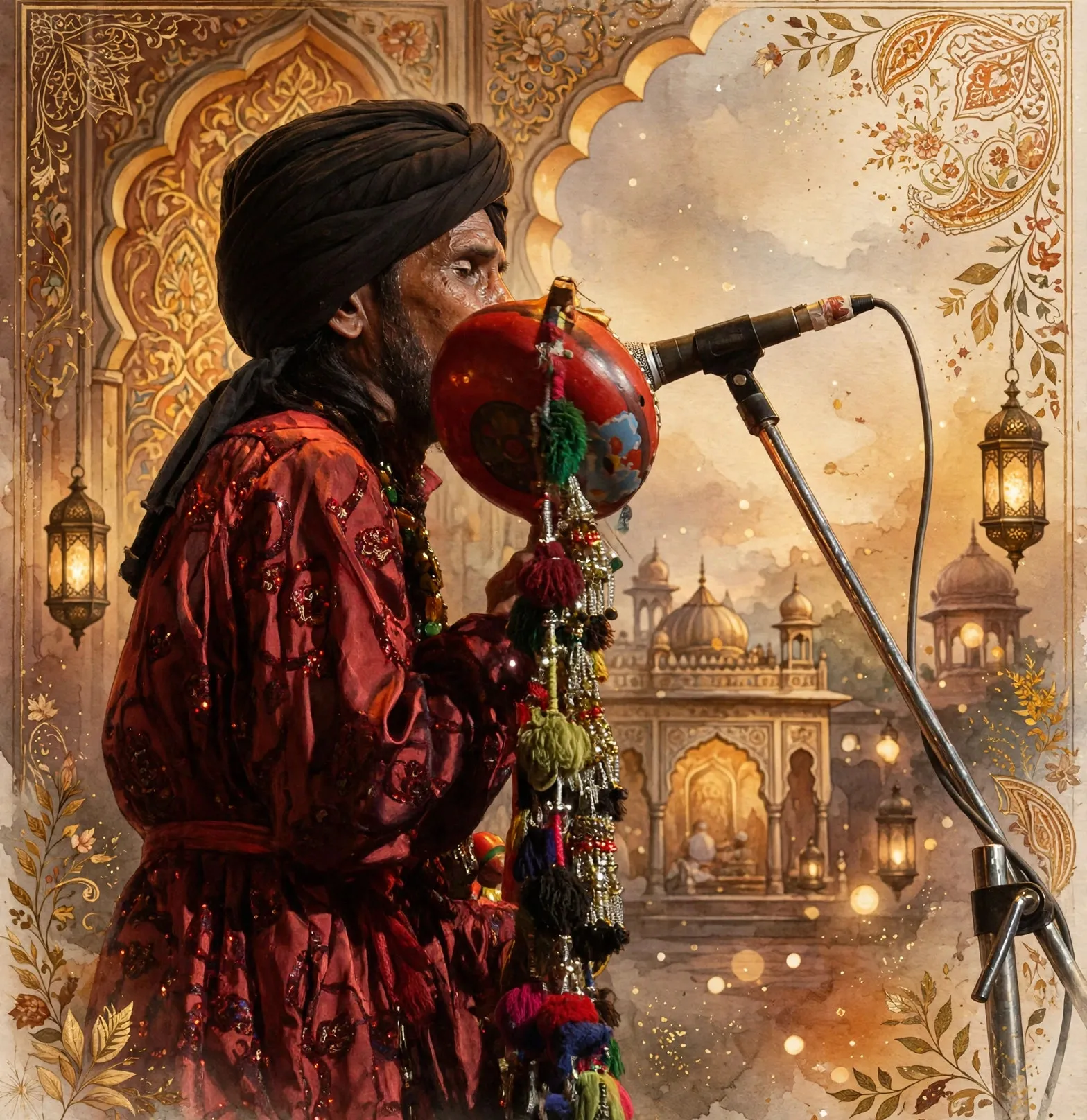
ਲੋਕ



ਥਾਵਾਂ

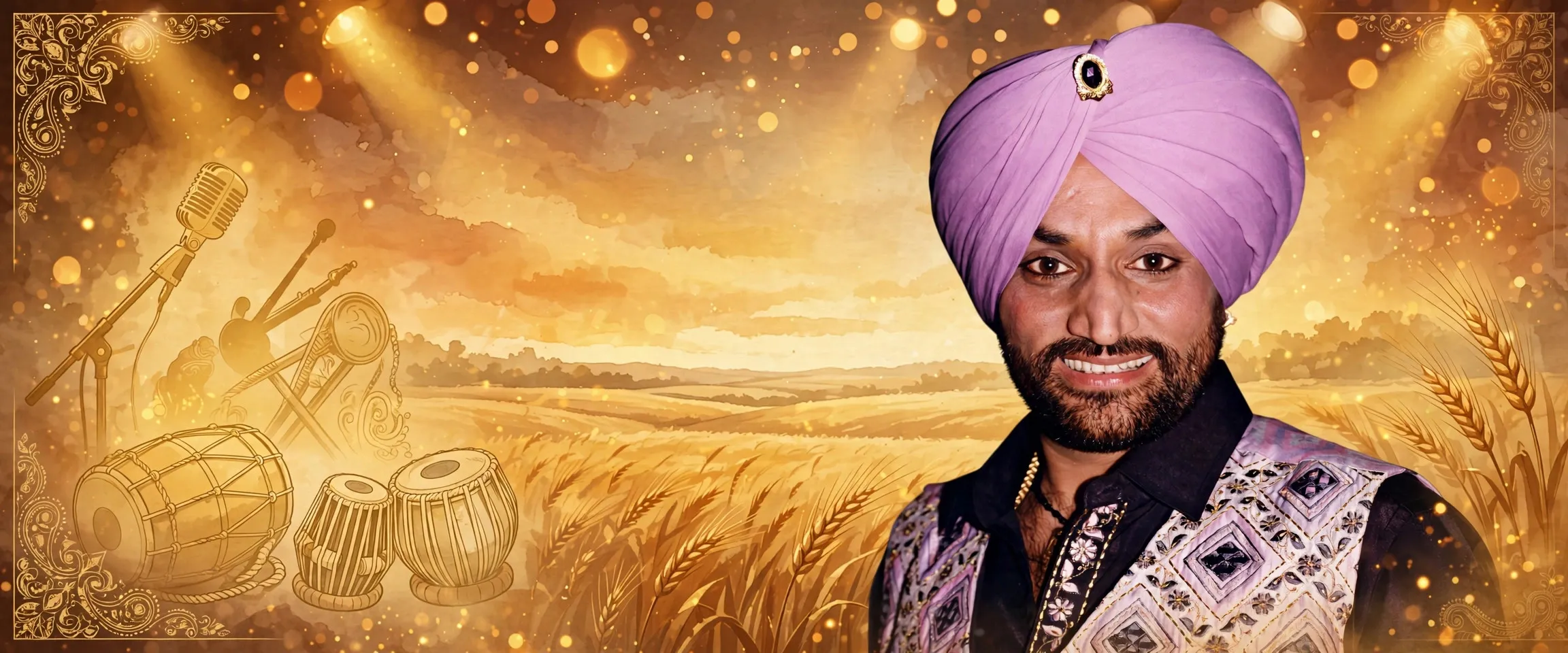
More music
ਸਾਰੇ ਵੇਖੋ



ਸਰੋਤ (6)
- Tufail Niazi, Wikipedia
- Tufail Niazi: An Amazing Singer's Amazing Story, Pakistaniat (All Things Pakistan)
- Tufail Niazi, Folk Singer, Pakistan Film Magazine (PakMag)
- Remembering folk singer Tufail Niazi on his death anniversary, Balochistan Times via The Free Library
- Death Anniversary of Punjabi Folk Singer Tufail Niazi Observed, Business Observer (citing Radio Pakistan)
- Niazi Brothers, Lai Beqadraan Naal Yaari, Coke Studio Season 7, ETrends
ਜੁਗਤੀ ਮੁਫ਼ਤ ਅਤੇ ਸੁਤੰਤਰ ਹੈ। ਪਾਠਕਾਂ ਦਾ ਸਹਿਯੋਗ ਕੋਸ਼ ਨੂੰ ਵਧਾਉਂਦਾ ਹੈ।
ਸਹਿਯੋਗ