
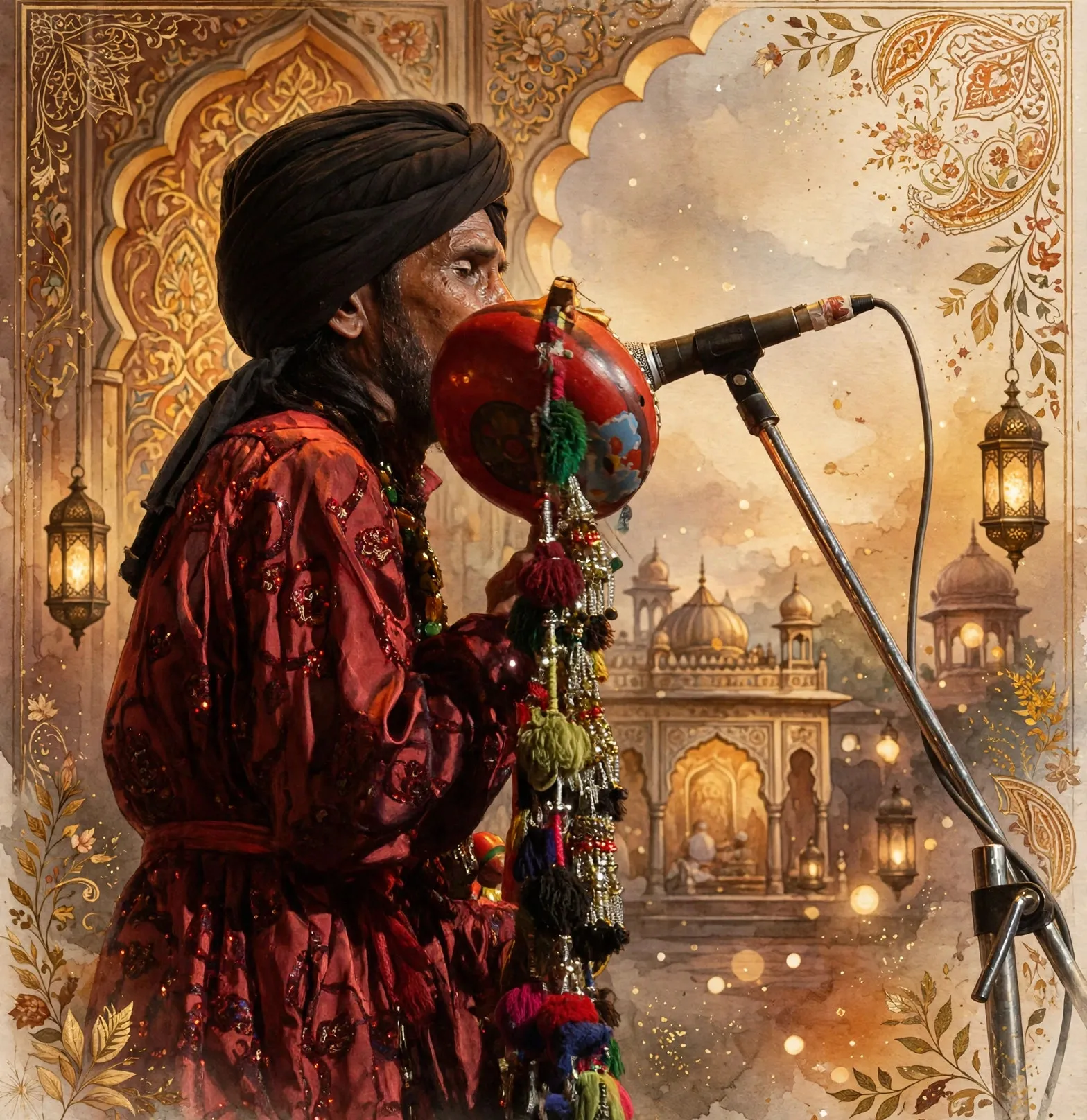
ਸਾਈਂ ਜ਼ਹੂਰ, ਜਨਮ ਨਾਂ ਜ਼ਹੂਰ ਅਹਿਮਦ, ਪਾਕਿਸਤਾਨ ਦੇ ਓਕਾੜਾ ਜ਼ਿਲ੍ਹੇ ਦੇ ਪਿੰਡ ਸੂਲੇਮਾਨਕੀ ਤੋਂ ਪੰਜਾਬੀ ਸੂਫ਼ੀ ਗਾਇਕ ਹਨ, ਜਿਨ੍ਹਾਂ ਨੇ ਪ੍ਰਸਿੱਧੀ ਆਉਣ ਤੋਂ ਪਹਿਲਾਂ ਆਪਣੀ ਜ਼ਿੰਦਗੀ ਦਾ ਵੱਡਾ ਹਿੱਸਾ ਸੂਫ਼ੀ ਦਰਗਾਹਾਂ ਉੱਤੇ ਗਾਉਂਦਿਆਂ ਬਿਤਾਇਆ। ਉਨ੍ਹਾਂ ਦੇ ਏਕ ਅਲਿਫ਼ ਅਤੇ ਅੱਲਾਹ ਹੂ ਸਜੇ ਹੋਏ ਇਕਤਾਰੇ ਨਾਲ ਗਾਏ ਜਾਂਦੇ ਹਨ, ਅਤੇ 2006 ਵਿੱਚ ਬੀ.ਬੀ.ਸੀ. ਨੇ ਉਨ੍ਹਾਂ ਨੂੰ ਆਪਣੀ ਸਾਲ ਦੀ ਸਭ ਤੋਂ ਵਧੀਆ ਆਵਾਜ਼ ਐਲਾਨਿਆ।
ਜੀਵਨ ਇੱਕ ਨਜ਼ਰ ਵਿੱਚ
- 1936ਜਨਮ or 1937)
- 1989ਪਹਿਲਾ ਮੰਚ All Pakistan Music Conference
- 2006ਪਹਿਲੀ ਐਲਬਮ Awazay
- 2006ਸਨਮਾਨ BBC World Music Awards
- 2020ਸਨਮਾਨ Pride of Performance
- 2022ਸਨਮਾਨ Aga Khan Music Awards
- ਪੰਜਾਬੀ ਨਾਂ
- ਸਾਈਂ ਜ਼ਹੂਰ
- ਜਨਮ
- ਸੂਲੇਮਾਨਕੀ ਪਿੰਡ, ਹਵੇਲੀ ਲੱਖਾ ਨੇੜੇ, ਓਕਾੜਾ ਜ਼ਿਲ੍ਹਾ, ਪੰਜਾਬ, ਪਾਕਿਸਤਾਨ (ਸਾਲ 1936 ਜਾਂ 1937 ਦੱਸਿਆ ਜਾਂਦਾ ਹੈ)
- ਜਨਮ ਨਾਂ
- ਜ਼ਹੂਰ ਅਹਿਮਦ
- ਘਰ ਦਾ ਜ਼ਿਲ੍ਹਾ
- ਓਕਾੜਾ
- ਜ਼ਿਲ੍ਹਾ
- ਓਕਾੜਾ
- ਤਹਿਸੀਲ
- ਦੀਪਾਲਪੁਰ
All 13 facts
- ਇਲਾਕਾ
- ਪੱਛਮੀ ਪੰਜਾਬ
- ਉਸਤਾਦ
- ਪਟਿਆਲਾ ਘਰਾਣੇ ਦੇ ਰੌਣਕਾ ਅਲੀ; ਉੱਚ ਸ਼ਰੀਫ਼ ਦੇ ਸੰਗੀਤਕਾਰ
- ਸਾਜ਼
- ਇਕਤਾਰਾ (ਤਿੰਨ ਤਾਰਾਂ ਵਾਲੀ ਤੁੰਬੀ)
- ਪਹਿਲਾ ਮੰਚ
- ਆਲ ਪਾਕਿਸਤਾਨ ਮਿਊਜ਼ਿਕ ਕਾਨਫਰੰਸ (1989)
- ਪਹਿਲੀ ਐਲਬਮ
- ਅਵਾਜ਼ੇ (2006)
- ਸਨਮਾਨ
- ਸਾਲ ਦੀ ਸਭ ਤੋਂ ਵਧੀਆ ਆਵਾਜ਼, ਬੀ.ਬੀ.ਸੀ. ਵਰਲਡ ਮਿਊਜ਼ਿਕ ਅਵਾਰਡਜ਼ (2006); ਪ੍ਰਾਈਡ ਆਫ਼ ਪਰਫਾਰਮੈਂਸ (2020); ਵਿਸ਼ੇਸ਼ ਜ਼ਿਕਰ, ਆਗਾ ਖਾਨ ਮਿਊਜ਼ਿਕ ਅਵਾਰਡਜ਼ (2022)
- ਮਸ਼ਹੂਰ ਗੀਤ
- ਅੱਲਾਹ ਹੂ; ਏਕ ਅਲਿਫ਼; ਤੂੰਬਾ; ਰੱਬਾ ਹੋ; ਤੇਰੇ ਇਸ਼ਕ ਨਚਾਇਆ
Sain Zahoor, born Zahoor Ahmad, is a Punjabi Sufi singer from Sulemanki village in Okara district, Pakistan, who spent most of his life singing at Sufi shrines before the world ever heard his name. He cannot read or write, yet he holds the verses of Bulleh Shah, Sultan Bahu and other Sufi poets in his memory and sings them to his ektara. In 2006, at an age when most singers are long retired, he was named the BBC's Voice of the Year.
Sain is not his first name. It is an honorific used in Punjab and Sindh for a holy person who has given up worldly pleasures for a spiritual life, and Zahoor is also spelled Zahur. The name fits the man: for some six decades his stage was the shrine, the festival and the street.
The boy who followed a hand in a dream
Zahoor was the youngest child of a peasant family in Sulemanki, a village near Haveli Lakha in Depalpur tehsil of Okara district. His birth year is uncertain: profiles report 1936 and 1937, and some say later still. He is said to have started singing at the age of five, and from childhood he dreamed of a hand beckoning him towards a shrine. As a boy he left home and roamed the Sufi shrines of Sindh and Punjab, making his living by singing.
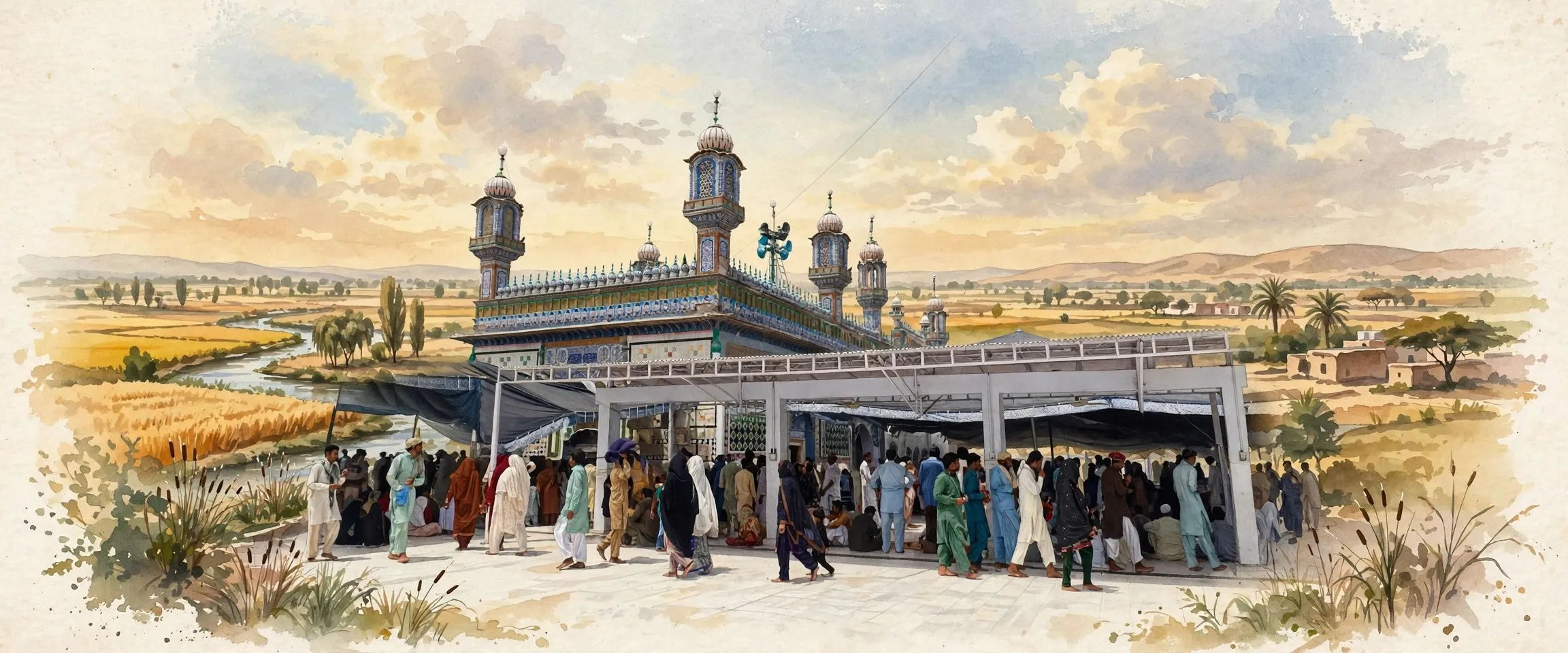
The dream found its answer at Uch Sharif, the old shrine town of south Punjab. Walking past a small shrine there, he saw a man wave at him and suddenly recognised the hand from his dream. He stayed, and Uch Sharif became his school.
Learning the kalams by heart
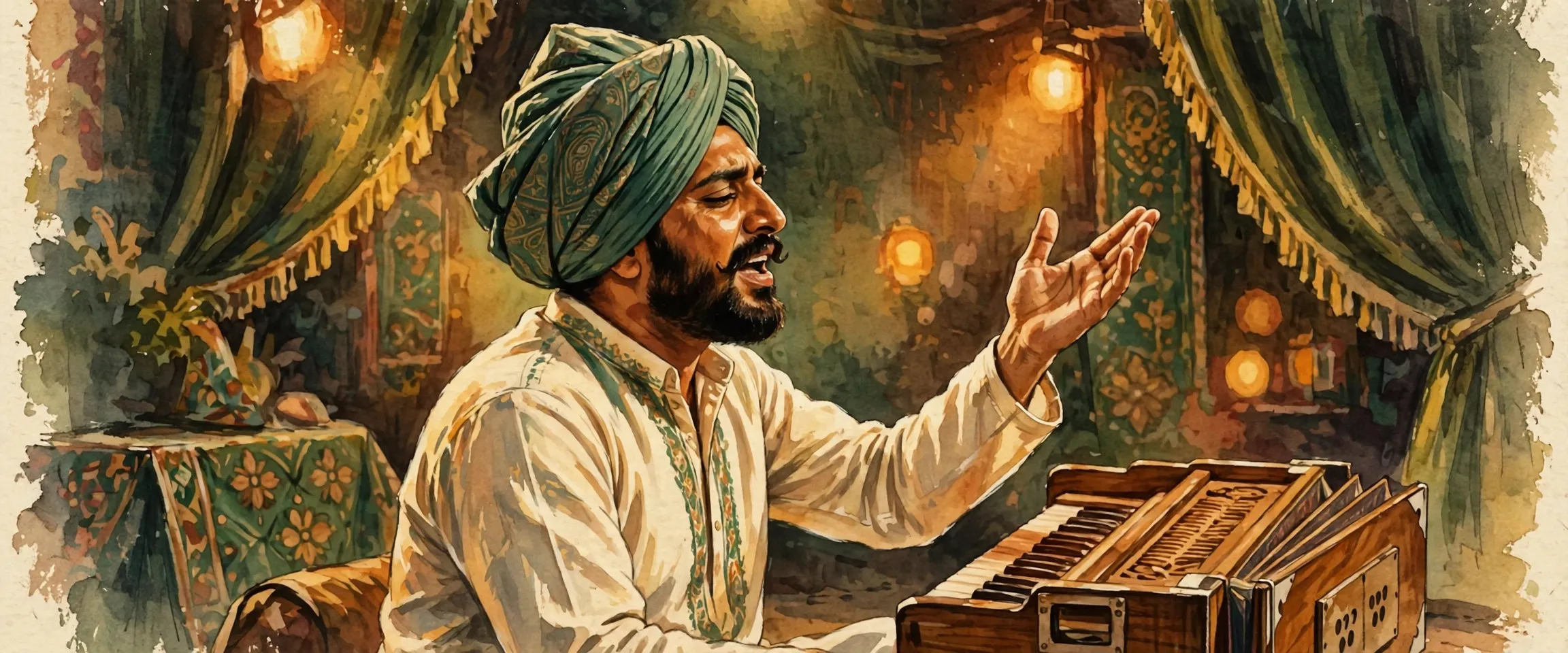
Sain Zahoor studied under Raunka Ali of the Patiala gharana, whom he met at the shrine of Bulleh Shah in Kasur, and he learned from musicians of Uch Sharif as well. He never learned to read or write. Instead he memorised the kalams, the devotional verses of Bulleh Shah, Shah Badakhshi, Muhammad Buksh and Sultan Bahu, until the whole repertoire lived in his memory. His instrument is the ektara in its three-stringed Punjabi form, the tumbi, its gourd hung with beads, bells and colourful tassels.
On stage he is unmistakable: an embroidered kurta ablaze with colour, strings of beads, a bound turban and ghungroos at his ankles, dancing as he sings. For decades that stage was a dargah courtyard, a village festival or a street corner, and his audience was simply whoever gathered.
Why did fame come to Sain Zahoor so late?
His first concert stage came only in 1989, at the All Pakistan Music Conference, and he made no record at all until 2006. That year, word of mouth alone carried him to a nomination at the BBC World Music Awards, and he emerged as the BBC's Best Voice of the Year, an honour earlier given to Nusrat Fateh Ali Khan and Abida Parveen. His first album, Awazay, followed the same year on Matteela Records.
After that, the shrine singer became a world artist. He helped produce the music of the film Khuda Kay Liye in 2007 and sang for West Is West in 2010. His Coke Studio sessions made him a household name across Pakistan: Toomba and Ek Alif, his duet with the band Noori, in Season 2, Allah Hoo and Rabba Ho in Season 6, and Lagi Bina in Season 9. He sang for the Bollywood film Mirzya in 2016 and has performed in Britain, Japan, Ireland, Canada, Norway, Australia and New Zealand.
Two of his songs travelled furthest. Allah Hoo, the chanting of God's name, became his signature wherever he performed, and Tere Ishq Nachaya, Bulleh Shah's great song of love and surrender, shows the fire in his voice. Listeners who had never entered a shrine have found themselves in tears in a concert hall.
Honours in old age
Pakistan gave him its Pride of Performance in 2020, and at the Aga Khan Music Awards in 2022 he received a Special Mention, honouring a life devoted to mystical Sufi poetry. He lives in Lahore now and still sings at local shrines. For Sain Zahoor the meaning of the journey never changed: the songs carry a message of love and peace, and the shrine, not the studio, is where they belong. His story is often told as proof that a singer needs no studio, no literacy and no machinery, only a voice and the verses.
ਸਾਈਂ ਜ਼ਹੂਰ, ਜਨਮ ਨਾਂ ਜ਼ਹੂਰ ਅਹਿਮਦ, ਪਾਕਿਸਤਾਨ ਦੇ ਓਕਾੜਾ ਜ਼ਿਲ੍ਹੇ ਦੇ ਪਿੰਡ ਸੂਲੇਮਾਨਕੀ ਤੋਂ ਪੰਜਾਬੀ ਸੂਫ਼ੀ ਗਾਇਕ ਹਨ, ਜਿਨ੍ਹਾਂ ਨੇ ਆਪਣੀ ਜ਼ਿੰਦਗੀ ਦਾ ਵੱਡਾ ਹਿੱਸਾ ਸੂਫ਼ੀ ਦਰਗਾਹਾਂ ਉੱਤੇ ਗਾਉਂਦਿਆਂ ਬਿਤਾਇਆ, ਇਸ ਤੋਂ ਪਹਿਲਾਂ ਕਿ ਦੁਨੀਆ ਨੇ ਉਨ੍ਹਾਂ ਦਾ ਨਾਂ ਸੁਣਿਆ। ਉਹ ਪੜ੍ਹਨਾ ਲਿਖਣਾ ਨਹੀਂ ਜਾਣਦੇ, ਫਿਰ ਵੀ ਬੁੱਲ੍ਹੇ ਸ਼ਾਹ, ਸੁਲਤਾਨ ਬਾਹੂ ਅਤੇ ਹੋਰ ਸੂਫ਼ੀ ਕਵੀਆਂ ਦੇ ਕਲਾਮ ਉਨ੍ਹਾਂ ਨੂੰ ਜ਼ਬਾਨੀ ਯਾਦ ਹਨ ਅਤੇ ਉਹ ਆਪਣੇ ਇਕਤਾਰੇ ਨਾਲ ਉਨ੍ਹਾਂ ਨੂੰ ਗਾਉਂਦੇ ਹਨ। 2006 ਵਿੱਚ, ਉਸ ਉਮਰ ਵਿੱਚ ਜਦੋਂ ਬਹੁਤੇ ਗਾਇਕ ਕਦੋਂ ਦੇ ਸੰਨਿਆਸ ਲੈ ਚੁੱਕੇ ਹੁੰਦੇ ਹਨ, ਬੀ.ਬੀ.ਸੀ. ਨੇ ਉਨ੍ਹਾਂ ਨੂੰ ਆਪਣੀ ਸਾਲ ਦੀ ਸਭ ਤੋਂ ਵਧੀਆ ਆਵਾਜ਼ ਐਲਾਨਿਆ।
ਸਾਈਂ ਉਨ੍ਹਾਂ ਦਾ ਪਹਿਲਾ ਨਾਂ ਨਹੀਂ ਹੈ। ਇਹ ਪੰਜਾਬ ਅਤੇ ਸਿੰਧ ਵਿੱਚ ਉਸ ਪਵਿੱਤਰ ਮਨੁੱਖ ਲਈ ਵਰਤਿਆ ਜਾਣ ਵਾਲਾ ਸਨਮਾਨ ਹੈ ਜਿਸ ਨੇ ਦੁਨੀਆਵੀ ਸੁੱਖ ਛੱਡ ਕੇ ਰੂਹਾਨੀ ਜੀਵਨ ਅਪਣਾਇਆ ਹੋਵੇ, ਅਤੇ ਜ਼ਹੂਰ ਨੂੰ ਜ਼ਹੁਰ ਵੀ ਲਿਖਿਆ ਜਾਂਦਾ ਹੈ। ਨਾਂ ਬੰਦੇ ਉੱਤੇ ਢੁਕਦਾ ਹੈ: ਲਗਭਗ ਛੇ ਦਹਾਕੇ ਉਨ੍ਹਾਂ ਦਾ ਮੰਚ ਦਰਗਾਹ, ਮੇਲਾ ਅਤੇ ਗਲੀ ਹੀ ਰਹੀ।
ਉਹ ਮੁੰਡਾ ਜੋ ਸੁਪਨੇ ਵਿੱਚ ਵੇਖੇ ਹੱਥ ਦੇ ਪਿੱਛੇ ਤੁਰ ਪਿਆ
ਜ਼ਹੂਰ ਓਕਾੜਾ ਜ਼ਿਲ੍ਹੇ ਦੀ ਦੀਪਾਲਪੁਰ ਤਹਿਸੀਲ ਵਿੱਚ ਹਵੇਲੀ ਲੱਖਾ ਨੇੜੇ ਪਿੰਡ ਸੂਲੇਮਾਨਕੀ ਵਿੱਚ ਇੱਕ ਕਿਸਾਨ ਪਰਿਵਾਰ ਦੇ ਸਭ ਤੋਂ ਛੋਟੇ ਬੱਚੇ ਸਨ। ਉਨ੍ਹਾਂ ਦਾ ਜਨਮ ਸਾਲ ਪੱਕਾ ਨਹੀਂ: ਕੁਝ ਜਾਣਕਾਰੀਆਂ ਵਿੱਚ 1936 ਅਤੇ 1937 ਦੱਸਿਆ ਗਿਆ ਹੈ, ਅਤੇ ਕੁਝ ਵਿੱਚ ਇਸ ਤੋਂ ਬਾਅਦ ਦਾ ਵੀ। ਕਿਹਾ ਜਾਂਦਾ ਹੈ ਕਿ ਉਨ੍ਹਾਂ ਨੇ ਪੰਜ ਸਾਲ ਦੀ ਉਮਰ ਵਿੱਚ ਗਾਉਣਾ ਸ਼ੁਰੂ ਕੀਤਾ, ਅਤੇ ਬਚਪਨ ਤੋਂ ਉਨ੍ਹਾਂ ਨੂੰ ਇੱਕ ਹੱਥ ਦਾ ਸੁਪਨਾ ਆਉਂਦਾ ਸੀ ਜੋ ਉਨ੍ਹਾਂ ਨੂੰ ਕਿਸੇ ਦਰਗਾਹ ਵੱਲ ਬੁਲਾਉਂਦਾ ਸੀ। ਮੁੰਡੇ ਹੁੰਦਿਆਂ ਉਹ ਘਰ ਛੱਡ ਗਏ ਅਤੇ ਸਿੰਧ ਅਤੇ ਪੰਜਾਬ ਦੀਆਂ ਸੂਫ਼ੀ ਦਰਗਾਹਾਂ ਵਿੱਚ ਘੁੰਮਦੇ, ਗਾ ਕੇ ਆਪਣਾ ਗੁਜ਼ਾਰਾ ਕਰਦੇ ਰਹੇ।
ਸੁਪਨੇ ਦਾ ਜਵਾਬ ਉੱਚ ਸ਼ਰੀਫ਼ ਵਿੱਚ ਮਿਲਿਆ, ਦੱਖਣੀ ਪੰਜਾਬ ਦਾ ਪੁਰਾਣਾ ਦਰਗਾਹਾਂ ਵਾਲਾ ਕਸਬਾ। ਉੱਥੇ ਇੱਕ ਛੋਟੀ ਜਿਹੀ ਦਰਗਾਹ ਕੋਲੋਂ ਲੰਘਦਿਆਂ ਉਨ੍ਹਾਂ ਨੇ ਇੱਕ ਬੰਦੇ ਨੂੰ ਆਪਣੇ ਵੱਲ ਹੱਥ ਹਿਲਾਉਂਦੇ ਵੇਖਿਆ ਅਤੇ ਝੱਟ ਪਛਾਣ ਲਿਆ ਕਿ ਇਹ ਉਹੀ ਹੱਥ ਹੈ ਜੋ ਸੁਪਨੇ ਵਿੱਚ ਆਉਂਦਾ ਸੀ। ਉਹ ਉੱਥੇ ਹੀ ਰੁਕ ਗਏ, ਅਤੇ ਉੱਚ ਸ਼ਰੀਫ਼ ਉਨ੍ਹਾਂ ਦਾ ਸਕੂਲ ਬਣ ਗਿਆ।
ਕਲਾਮ ਜ਼ਬਾਨੀ ਯਾਦ ਕਰਨੇ
ਸਾਈਂ ਜ਼ਹੂਰ ਨੇ ਪਟਿਆਲਾ ਘਰਾਣੇ ਦੇ ਰੌਣਕਾ ਅਲੀ ਕੋਲੋਂ ਸਿੱਖਿਆ, ਜਿਨ੍ਹਾਂ ਨੂੰ ਉਹ ਕਸੂਰ ਵਿੱਚ ਬਾਬਾ ਬੁੱਲ੍ਹੇ ਸ਼ਾਹ ਦੀ ਦਰਗਾਹ ਉੱਤੇ ਮਿਲੇ ਸਨ, ਅਤੇ ਉੱਚ ਸ਼ਰੀਫ਼ ਦੇ ਸੰਗੀਤਕਾਰਾਂ ਕੋਲੋਂ ਵੀ ਸਿੱਖਿਆ। ਉਨ੍ਹਾਂ ਨੇ ਪੜ੍ਹਨਾ ਲਿਖਣਾ ਕਦੇ ਨਹੀਂ ਸਿੱਖਿਆ। ਇਸ ਦੀ ਥਾਂ ਉਨ੍ਹਾਂ ਨੇ ਕਲਾਮ ਜ਼ਬਾਨੀ ਯਾਦ ਕੀਤੇ, ਬੁੱਲ੍ਹੇ ਸ਼ਾਹ, ਸ਼ਾਹ ਬਦਖਸ਼ੀ, ਮੁਹੰਮਦ ਬਖਸ਼ ਅਤੇ ਸੁਲਤਾਨ ਬਾਹੂ ਦੇ ਭਗਤੀ ਕਲਾਮ, ਇੱਥੋਂ ਤੱਕ ਕਿ ਸਾਰਾ ਭੰਡਾਰ ਉਨ੍ਹਾਂ ਦੀ ਯਾਦ ਵਿੱਚ ਵੱਸ ਗਿਆ। ਉਨ੍ਹਾਂ ਦਾ ਸਾਜ਼ ਇਕਤਾਰਾ ਹੈ, ਆਪਣੇ ਤਿੰਨ ਤਾਰਾਂ ਵਾਲੇ ਪੰਜਾਬੀ ਰੂਪ ਤੁੰਬੀ ਵਿੱਚ, ਜਿਸ ਦਾ ਕੱਦੂ ਮੋਤੀਆਂ, ਘੁੰਗਰੂਆਂ ਅਤੇ ਰੰਗ ਬਿਰੰਗੇ ਫੁੰਦਣਿਆਂ ਨਾਲ ਸਜਿਆ ਹੁੰਦਾ ਹੈ।
ਮੰਚ ਉੱਤੇ ਉਨ੍ਹਾਂ ਦੀ ਪਛਾਣ ਦੂਰੋਂ ਹੋ ਜਾਂਦੀ ਹੈ: ਰੰਗਾਂ ਨਾਲ ਭਖਦਾ ਕਢਾਈ ਵਾਲਾ ਕੁੜਤਾ, ਮੋਤੀਆਂ ਦੀਆਂ ਮਾਲਾਂ, ਬੰਨ੍ਹੀ ਹੋਈ ਪੱਗ ਅਤੇ ਗਿੱਟਿਆਂ ਉੱਤੇ ਘੁੰਗਰੂ, ਗਾਉਂਦੇ ਹੋਏ ਨੱਚਦੇ। ਦਹਾਕਿਆਂ ਤੱਕ ਉਹ ਮੰਚ ਕਿਸੇ ਦਰਗਾਹ ਦਾ ਵਿਹੜਾ, ਪਿੰਡ ਦਾ ਮੇਲਾ ਜਾਂ ਗਲੀ ਦਾ ਨੁੱਕੜ ਹੁੰਦਾ ਸੀ, ਅਤੇ ਉਨ੍ਹਾਂ ਦੇ ਸਰੋਤੇ ਬਸ ਉਹੀ ਹੁੰਦੇ ਸਨ ਜੋ ਇਕੱਠੇ ਹੋ ਜਾਂਦੇ ਸਨ।
ਸਾਈਂ ਜ਼ਹੂਰ ਨੂੰ ਪ੍ਰਸਿੱਧੀ ਇੰਨੀ ਦੇਰ ਨਾਲ ਕਿਉਂ ਮਿਲੀ?
ਉਨ੍ਹਾਂ ਦਾ ਪਹਿਲਾ ਸੰਗੀਤ ਸਮਾਰੋਹ ਮੰਚ 1989 ਵਿੱਚ ਹੀ ਮਿਲਿਆ, ਆਲ ਪਾਕਿਸਤਾਨ ਮਿਊਜ਼ਿਕ ਕਾਨਫਰੰਸ ਵਿੱਚ, ਅਤੇ 2006 ਤੱਕ ਉਨ੍ਹਾਂ ਦਾ ਕੋਈ ਰਿਕਾਰਡ ਹੀ ਨਹੀਂ ਬਣਿਆ ਸੀ। ਉਸੇ ਸਾਲ, ਸਿਰਫ਼ ਮੂੰਹੋਂ ਮੂੰਹ ਫੈਲੀ ਸ਼ੋਹਰਤ ਨੇ ਉਨ੍ਹਾਂ ਨੂੰ ਬੀ.ਬੀ.ਸੀ. ਵਰਲਡ ਮਿਊਜ਼ਿਕ ਅਵਾਰਡਜ਼ ਦੀ ਨਾਮਜ਼ਦਗੀ ਤੱਕ ਪਹੁੰਚਾਇਆ, ਅਤੇ ਉਹ ਬੀ.ਬੀ.ਸੀ. ਦੀ ਸਾਲ ਦੀ ਸਭ ਤੋਂ ਵਧੀਆ ਆਵਾਜ਼ ਬਣ ਕੇ ਉਭਰੇ, ਉਹ ਸਨਮਾਨ ਜੋ ਇਸ ਤੋਂ ਪਹਿਲਾਂ ਨੁਸਰਤ ਫ਼ਤਹਿ ਅਲੀ ਖਾਨ ਅਤੇ ਆਬਿਦਾ ਪਰਵੀਨ ਨੂੰ ਮਿਲ ਚੁੱਕਾ ਸੀ। ਉਨ੍ਹਾਂ ਦੀ ਪਹਿਲੀ ਐਲਬਮ ਅਵਾਜ਼ੇ ਉਸੇ ਸਾਲ ਮਤੀਲਾ ਰਿਕਾਰਡਜ਼ ਤੋਂ ਆਈ।
ਉਸ ਮਗਰੋਂ ਦਰਗਾਹਾਂ ਵਾਲੇ ਗਾਇਕ ਦੁਨੀਆ ਦੇ ਕਲਾਕਾਰ ਬਣ ਗਏ। 2007 ਵਿੱਚ ਉਨ੍ਹਾਂ ਨੇ ਫ਼ਿਲਮ ਖੁਦਾ ਕੇ ਲਿਏ ਦੇ ਸੰਗੀਤ ਵਿੱਚ ਹਿੱਸਾ ਪਾਇਆ ਅਤੇ 2010 ਵਿੱਚ ਵੈਸਟ ਇਜ਼ ਵੈਸਟ ਲਈ ਗਾਇਆ। ਉਨ੍ਹਾਂ ਦੇ ਕੋਕ ਸਟੂਡੀਓ ਸੈਸ਼ਨਾਂ ਨੇ ਉਨ੍ਹਾਂ ਨੂੰ ਸਾਰੇ ਪਾਕਿਸਤਾਨ ਵਿੱਚ ਘਰ ਘਰ ਦੀ ਪਛਾਣ ਬਣਾ ਦਿੱਤਾ: ਸੀਜ਼ਨ 2 ਵਿੱਚ ਤੂੰਬਾ ਅਤੇ ਏਕ ਅਲਿਫ਼, ਜੋ ਬੈਂਡ ਨੂਰੀ ਨਾਲ ਉਨ੍ਹਾਂ ਦਾ ਦੋਗਾਣਾ ਸੀ, ਸੀਜ਼ਨ 6 ਵਿੱਚ ਅੱਲਾਹ ਹੂ ਅਤੇ ਰੱਬਾ ਹੋ, ਅਤੇ ਸੀਜ਼ਨ 9 ਵਿੱਚ ਲੱਗੀ ਬਿਨਾ। 2016 ਵਿੱਚ ਉਨ੍ਹਾਂ ਨੇ ਬਾਲੀਵੁੱਡ ਫ਼ਿਲਮ ਮਿਰਜ਼ਿਆ ਲਈ ਗਾਇਆ ਅਤੇ ਬਰਤਾਨੀਆ, ਜਾਪਾਨ, ਆਇਰਲੈਂਡ, ਕੈਨੇਡਾ, ਨਾਰਵੇ, ਆਸਟ੍ਰੇਲੀਆ ਅਤੇ ਨਿਊਜ਼ੀਲੈਂਡ ਵਿੱਚ ਪੇਸ਼ਕਾਰੀਆਂ ਕੀਤੀਆਂ ਹਨ।
ਉਨ੍ਹਾਂ ਦੇ ਦੋ ਗੀਤ ਸਭ ਤੋਂ ਦੂਰ ਤੱਕ ਗਏ। ਅੱਲਾਹ ਹੂ, ਰੱਬ ਦੇ ਨਾਂ ਦਾ ਜਾਪ, ਜਿੱਥੇ ਵੀ ਉਹ ਗਏ ਉਨ੍ਹਾਂ ਦੀ ਪਛਾਣ ਬਣ ਗਿਆ, ਅਤੇ ਤੇਰੇ ਇਸ਼ਕ ਨਚਾਇਆ, ਬੁੱਲ੍ਹੇ ਸ਼ਾਹ ਦਾ ਪਿਆਰ ਅਤੇ ਸਮਰਪਣ ਦਾ ਮਹਾਨ ਗੀਤ, ਉਨ੍ਹਾਂ ਦੀ ਆਵਾਜ਼ ਦੀ ਅੱਗ ਵਿਖਾਉਂਦਾ ਹੈ। ਜਿਨ੍ਹਾਂ ਲੋਕਾਂ ਨੇ ਕਦੇ ਦਰਗਾਹ ਵਿੱਚ ਕਦਮ ਨਹੀਂ ਰੱਖਿਆ ਸੀ, ਉਹ ਸੰਗੀਤ ਹਾਲ ਵਿੱਚ ਬੈਠੇ ਰੋ ਪਏ ਹਨ।
ਬੁਢਾਪੇ ਵਿੱਚ ਸਨਮਾਨ
ਪਾਕਿਸਤਾਨ ਨੇ 2020 ਵਿੱਚ ਉਨ੍ਹਾਂ ਨੂੰ ਪ੍ਰਾਈਡ ਆਫ਼ ਪਰਫਾਰਮੈਂਸ ਦਿੱਤਾ, ਅਤੇ 2022 ਵਿੱਚ ਆਗਾ ਖਾਨ ਮਿਊਜ਼ਿਕ ਅਵਾਰਡਜ਼ ਵਿੱਚ ਉਨ੍ਹਾਂ ਨੂੰ ਵਿਸ਼ੇਸ਼ ਜ਼ਿਕਰ ਮਿਲਿਆ, ਜੋ ਰਹੱਸਮਈ ਸੂਫ਼ੀ ਸ਼ਾਇਰੀ ਨੂੰ ਸਮਰਪਿਤ ਜੀਵਨ ਦਾ ਸਨਮਾਨ ਸੀ। ਹੁਣ ਉਹ ਲਾਹੌਰ ਵਿੱਚ ਰਹਿੰਦੇ ਹਨ ਅਤੇ ਅੱਜ ਵੀ ਸਥਾਨਕ ਦਰਗਾਹਾਂ ਉੱਤੇ ਗਾਉਂਦੇ ਹਨ। ਸਾਈਂ ਜ਼ਹੂਰ ਲਈ ਇਸ ਸਫ਼ਰ ਦਾ ਅਰਥ ਕਦੇ ਨਹੀਂ ਬਦਲਿਆ: ਗੀਤ ਪਿਆਰ ਅਤੇ ਸ਼ਾਂਤੀ ਦਾ ਸੁਨੇਹਾ ਹਨ, ਅਤੇ ਉਨ੍ਹਾਂ ਦੀ ਅਸਲ ਥਾਂ ਸਟੂਡੀਓ ਨਹੀਂ, ਦਰਗਾਹ ਹੈ। ਉਨ੍ਹਾਂ ਦੀ ਕਹਾਣੀ ਅਕਸਰ ਇਸ ਗੱਲ ਦੇ ਸਬੂਤ ਵਜੋਂ ਦੱਸੀ ਜਾਂਦੀ ਹੈ ਕਿ ਗਾਇਕ ਨੂੰ ਨਾ ਸਟੂਡੀਓ ਚਾਹੀਦਾ ਹੈ, ਨਾ ਪੜ੍ਹਾਈ, ਨਾ ਕੋਈ ਮਸ਼ੀਨਰੀ, ਸਿਰਫ਼ ਇੱਕ ਆਵਾਜ਼ ਅਤੇ ਕਲਾਮ।
ਲੋਕ

ਥਾਵਾਂ

More music
ਸਾਰੇ ਵੇਖੋ

ਜੁਗਤੀ ਮੁਫ਼ਤ ਅਤੇ ਸੁਤੰਤਰ ਹੈ। ਪਾਠਕਾਂ ਦਾ ਸਹਿਯੋਗ ਕੋਸ਼ ਨੂੰ ਵਧਾਉਂਦਾ ਹੈ।
ਸਹਿਯੋਗ