
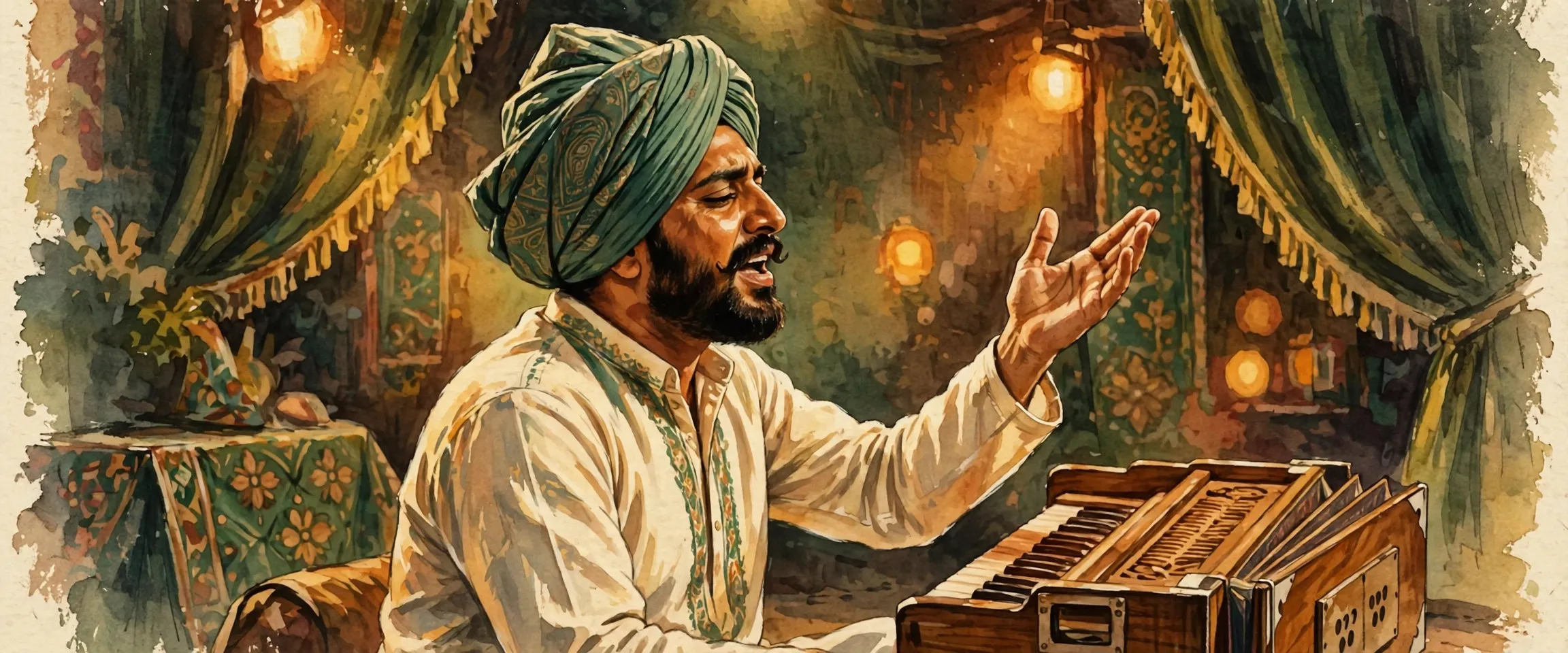
ਸ਼ੌਕਤ ਅਲੀ (3 ਮਈ 1944 ਤੋਂ 2 ਅਪ੍ਰੈਲ 2021) ਪੰਜਾਬ ਦੇ ਮਲਕਵਾਲ ਤੋਂ ਪਾਕਿਸਤਾਨੀ ਲੋਕ ਅਤੇ ਪਿਠਭੂਮੀ ਗਾਇਕ ਸਨ, ਜਿਨ੍ਹਾਂ ਨੂੰ ਪੰਜਾਬ ਦੀ ਆਵਾਜ਼ ਦਾ ਸਨਮਾਨ ਮਿਲਿਆ। ਛੱਲਾ, ਕਦੀ ਤੇ ਹੱਸ ਬੋਲ ਵੇ ਅਤੇ ਸੈਫ਼-ਉਲ-ਮਲੂਕ ਦੀ ਉਨ੍ਹਾਂ ਦੀ ਗਾਇਕੀ ਨੇ ਉਨ੍ਹਾਂ ਨੂੰ ਪੰਜਾਬ ਦੇ ਦੋਵੇਂ ਪਾਸੇ ਪਿਆਰਾ ਬਣਾਇਆ, ਅਤੇ 1990 ਵਿੱਚ ਉਨ੍ਹਾਂ ਨੂੰ ਪ੍ਰਾਈਡ ਆਫ਼ ਪਰਫ਼ਾਰਮੈਂਸ ਮਿਲਿਆ।
ਜੀਵਨ ਇੱਕ ਨਜ਼ਰ ਵਿੱਚ
- 1944ਜਨਮ Malakwal, Punjab, British India
- 1963ਪਿਠਭੂਮੀ ਸ਼ੁਰੂਆਤ Tees Maar Khan
- 1976ਸਨਮਾਨ Voice of Punjab
- 1990ਸਨਮਾਨ Pride of Performance
- 2013ਸਨਮਾਨ Pride of Punjab
- 2021ਦੇਹਾਂਤ Lahore, Punjab, Pakistan
- ਪੰਜਾਬੀ ਨਾਂ
- ਸ਼ੌਕਤ ਅਲੀ
- ਜਨਮ
- 3 ਮਈ 1944, ਮਲਕਵਾਲ, ਪੰਜਾਬ, ਬ੍ਰਿਟਿਸ਼ ਭਾਰਤ
- ਦੇਹਾਂਤ
- 2 ਅਪ੍ਰੈਲ 2021, ਲਾਹੌਰ, ਪੰਜਾਬ, ਪਾਕਿਸਤਾਨ
- ਘਰ ਦਾ ਸ਼ਹਿਰ
- ਮਲਕਵਾਲ
- ਜ਼ਿਲ੍ਹਾ
- ਮੰਡੀ ਬਹਾਉਦੀਨ
- ਤਹਿਸੀਲ
- ਮਲਕਵਾਲ
All 11 facts
- ਇਲਾਕਾ
- ਪੱਛਮੀ ਪੰਜਾਬ
- ਪਿਠਭੂਮੀ ਸ਼ੁਰੂਆਤ
- ਤੀਸ ਮਾਰ ਖਾਨ (1963), ਸੰਗੀਤ ਐਮ. ਅਸ਼ਰਫ਼
- ਮਸ਼ਹੂਰ ਗੀਤ
- ਛੱਲਾ; ਕਦੀ ਤੇ ਹੱਸ ਬੋਲ ਵੇ; ਸੈਫ਼-ਉਲ-ਮਲੂਕ; ਸਾਥੀਓ ਮੁਜਾਹਿਦੋ
- ਸਨਮਾਨ
- ਪੰਜਾਬ ਦੀ ਆਵਾਜ਼ (1976); ਪ੍ਰਾਈਡ ਆਫ਼ ਪਰਫ਼ਾਰਮੈਂਸ (1990); ਪ੍ਰਾਈਡ ਆਫ਼ ਪੰਜਾਬ (2013)
- ਪਰਿਵਾਰ
- ਪੁੱਤਰ ਇਮਰਾਨ, ਅਮੀਰ ਅਤੇ ਮੋਹਸਿਨ ਸ਼ੌਕਤ ਅਲੀ ਗਾਇਕ ਹਨ
Shaukat Ali (3 May 1944 to 2 April 2021) was a Pakistani folk and playback singer from Malakwal in Punjab, honoured as the Voice of Punjab, whose full-throated singing of Challa, Kadi Te Hass Bol Vey and the Sufi poetry of Mian Muhammad Bakhsh carried Punjabi folk song across both halves of Punjab. He received the Pride of Performance in 1990 and sang for six decades, from 1960s film studios to diaspora stages in Britain, Canada and the United States.
An artists' family in Malakwal
He was born in Malakwal, a town then in Gujrat district and now in Mandi Bahauddin district, into a family of artists. He began singing at college in the 1960s, helped by his elder brother Inayat Ali Khan, and the film music director M. Ashraf brought him into Pakistani cinema as a playback singer with the Punjabi film Tees Maar Khan in 1963. From the late 1960s he settled into the twin repertoire that defined him: ghazals for the concert room and Punjabi folk songs sung with an open, ringing voice that suited open-air stages as well as studios.
The folk repertoire: Challa to Heer
His folk singing made him popular in Indian Punjab as much as in Pakistani Punjab, a rare crossover built on repertoire rather than promotion. He sang Sufi poetry with great vigour and a wide vocal range: Heer Waris Shah, and Saif-ul-Malook by Mian Muhammad Bakhsh, which he performed for the film Chan Varyam (1981) in what many listeners still treat as the reference recording. The evergreen folk songs stacked up: Challa, Kadi Te Hass Bol Vey, Kyun Door Reindey Au, Jagga and Kanwan Maan Jannat Da Parchaavan. Kadi Te Hass Bol Vey travelled furthest of all when the 2009 Hindi film Love Aaj Kal carried it to a new generation.
War songs and the national stage
In the 1965 war he sang Sathio Mujahido Jaag Uthha Hai Sara Watan for the film Mujahid, one of the era's defining patriotic songs, and patriotic and devotional numbers stayed in his repertoire for decades, from Mein Puttar Pakistan Da in Athra Puttar (1981) to qawwalis recorded in the 1970s. He was a fixture of the All Pakistan Music Conference and of Pakistani television, and in 1982 he performed live at the Asian Games in New Delhi, a Punjabi folk singer from Malakwal on one of the biggest stages in India.
What honours did Shaukat Ali receive?
He was given the Voice of Punjab award in 1976, the name by which Punjab still knows him. The President of Pakistan awarded him the Pride of Performance in 1990, the country's highest civilian honour for the arts, and in July 2013 the Pakistan Institute of Language, Art and Culture gave him its Pride of Punjab award. In 2017 a Canadian production company, working with his son Mohsin Shaukat Ali, made an hour-long documentary on his life and struggles, gathering old performances and interviews with contemporaries including Lata Mangeshkar.
Final years and legacy
He kept singing almost to the end, touring wherever Punjabi audiences had settled, in the United Kingdom, Canada and the United States, and performing the classical folk repertoire long after younger singers had moved on. He died of liver failure on 2 April 2021 at the Combined Military Hospital in Lahore, aged 76, and his funeral prayers were offered the same day in Johar Town. His three sons, Imran, Ameer and Mohsin Shaukat Ali, are singers themselves. What he leaves behind is a sound: the unforced, full-voice Punjabi folk delivery that a generation of singers on both sides of the border grew up imitating. It is worth pausing on how unusual his reach was: a folk singer from a small canal town in Mandi Bahauddin, singing in Punjabi, filled halls in Delhi, Toronto and London for decades without a film career in India behind him. The repertoire did the travelling. Heer Waris Shah and Saif-ul-Malook belong to every Punjabi household's memory, and his versions, sung at full voice with the phrases stretched until the poetry breathed, became the ones a generation measured others against. When he sang at the Asian Games in New Delhi in 1982, he was not a guest novelty but a headliner from across a border his audience's grandparents had crossed. Punjab heard the news of his death in April 2021 the way it hears the passing of a family elder, and tributes came in from singers on both sides of that same border.
ਸ਼ੌਕਤ ਅਲੀ (3 ਮਈ 1944 ਤੋਂ 2 ਅਪ੍ਰੈਲ 2021) ਪੰਜਾਬ ਦੇ ਮਲਕਵਾਲ ਤੋਂ ਪਾਕਿਸਤਾਨੀ ਲੋਕ ਅਤੇ ਪਿਠਭੂਮੀ ਗਾਇਕ ਸਨ, ਜਿਨ੍ਹਾਂ ਨੂੰ ਪੰਜਾਬ ਦੀ ਆਵਾਜ਼ ਦਾ ਸਨਮਾਨ ਮਿਲਿਆ, ਅਤੇ ਛੱਲਾ, ਕਦੀ ਤੇ ਹੱਸ ਬੋਲ ਵੇ ਅਤੇ ਮੀਆਂ ਮੁਹੰਮਦ ਬਖਸ਼ ਦੀ ਸੂਫ਼ੀ ਕਵਿਤਾ ਦੀ ਉਨ੍ਹਾਂ ਦੀ ਭਰਪੂਰ ਗਾਇਕੀ ਨੇ ਪੰਜਾਬੀ ਲੋਕ ਗੀਤ ਨੂੰ ਪੰਜਾਬ ਦੇ ਦੋਵੇਂ ਹਿੱਸਿਆਂ ਤੱਕ ਪਹੁੰਚਾਇਆ। ਉਨ੍ਹਾਂ ਨੂੰ 1990 ਵਿੱਚ ਪ੍ਰਾਈਡ ਆਫ਼ ਪਰਫ਼ਾਰਮੈਂਸ ਮਿਲਿਆ ਅਤੇ ਉਨ੍ਹਾਂ ਨੇ ਛੇ ਦਹਾਕੇ ਗਾਇਆ, 1960 ਦੇ ਫ਼ਿਲਮ ਸਟੂਡੀਓਜ਼ ਤੋਂ ਲੈ ਕੇ ਬ੍ਰਿਟੇਨ, ਕੈਨੇਡਾ ਅਤੇ ਅਮਰੀਕਾ ਦੇ ਪਰਦੇਸੀ ਮੰਚਾਂ ਤੱਕ।
ਮਲਕਵਾਲ ਵਿੱਚ ਕਲਾਕਾਰਾਂ ਦਾ ਪਰਿਵਾਰ
ਉਨ੍ਹਾਂ ਦਾ ਜਨਮ ਮਲਕਵਾਲ ਵਿੱਚ ਹੋਇਆ, ਜੋ ਉਦੋਂ ਗੁਜਰਾਤ ਜ਼ਿਲ੍ਹੇ ਵਿੱਚ ਸੀ ਅਤੇ ਹੁਣ ਮੰਡੀ ਬਹਾਉਦੀਨ ਜ਼ਿਲ੍ਹੇ ਵਿੱਚ ਹੈ, ਕਲਾਕਾਰਾਂ ਦੇ ਇੱਕ ਪਰਿਵਾਰ ਵਿੱਚ। ਉਨ੍ਹਾਂ ਨੇ 1960 ਦੇ ਦਹਾਕੇ ਵਿੱਚ ਕਾਲਜ ਵਿੱਚ ਗਾਉਣਾ ਸ਼ੁਰੂ ਕੀਤਾ, ਵੱਡੇ ਭਰਾ ਇਨਾਇਤ ਅਲੀ ਖਾਨ ਦੀ ਮਦਦ ਨਾਲ, ਅਤੇ ਫ਼ਿਲਮ ਸੰਗੀਤ ਨਿਰਦੇਸ਼ਕ ਐਮ. ਅਸ਼ਰਫ਼ ਨੇ ਉਨ੍ਹਾਂ ਨੂੰ ਪੰਜਾਬੀ ਫ਼ਿਲਮ ਤੀਸ ਮਾਰ ਖਾਨ (1963) ਨਾਲ ਪਿਠਭੂਮੀ ਗਾਇਕ ਵਜੋਂ ਪਾਕਿਸਤਾਨੀ ਸਿਨੇਮੇ ਵਿੱਚ ਲਿਆਂਦਾ। 1960 ਦੇ ਦਹਾਕੇ ਦੇ ਅੰਤ ਤੋਂ ਉਹ ਉਸ ਦੋਹਰੇ ਭੰਡਾਰ ਵਿੱਚ ਠਹਿਰ ਗਏ ਜਿਸ ਨੇ ਉਨ੍ਹਾਂ ਨੂੰ ਤੈਅ ਕੀਤਾ: ਕੰਸਰਟ ਰੂਮ ਲਈ ਗ਼ਜ਼ਲਾਂ ਅਤੇ ਖੁੱਲ੍ਹੀ, ਗੂੰਜਦੀ ਆਵਾਜ਼ ਨਾਲ ਗਾਏ ਪੰਜਾਬੀ ਲੋਕ ਗੀਤ, ਜੋ ਖੁੱਲ੍ਹੇ ਮੰਚਾਂ ਨੂੰ ਵੀ ਸਟੂਡੀਓਜ਼ ਜਿੰਨੇ ਹੀ ਸੂਟ ਕਰਦੇ ਸਨ।
ਲੋਕ ਭੰਡਾਰ: ਛੱਲੇ ਤੋਂ ਹੀਰ ਤੱਕ
ਉਨ੍ਹਾਂ ਦੀ ਲੋਕ ਗਾਇਕੀ ਨੇ ਉਨ੍ਹਾਂ ਨੂੰ ਪਾਕਿਸਤਾਨੀ ਪੰਜਾਬ ਜਿੰਨਾ ਹੀ ਭਾਰਤੀ ਪੰਜਾਬ ਵਿੱਚ ਵੀ ਮਕਬੂਲ ਬਣਾਇਆ, ਇੱਕ ਦੁਰਲੱਭ ਪਾਰ ਜੋ ਪ੍ਰਚਾਰ ਦੀ ਥਾਂ ਭੰਡਾਰ ਉੱਤੇ ਬਣਿਆ। ਉਨ੍ਹਾਂ ਨੇ ਸੂਫ਼ੀ ਕਵਿਤਾ ਨੂੰ ਬਹੁਤ ਜੋਸ਼ ਅਤੇ ਵਿਸ਼ਾਲ ਸੁਰ ਸੀਮਾ ਨਾਲ ਗਾਇਆ: ਹੀਰ ਵਾਰਿਸ ਸ਼ਾਹ, ਅਤੇ ਮੀਆਂ ਮੁਹੰਮਦ ਬਖਸ਼ ਦੀ ਸੈਫ਼-ਉਲ-ਮਲੂਕ, ਜੋ ਉਨ੍ਹਾਂ ਨੇ ਫ਼ਿਲਮ ਚਾਨ ਵਰਿਅਮ (1981) ਲਈ ਗਾਈ ਅਤੇ ਜਿਸ ਨੂੰ ਬਹੁਤ ਸਾਰੇ ਸਰੋਤੇ ਅੱਜ ਵੀ ਮਿਆਰੀ ਰਿਕਾਰਡਿੰਗ ਮੰਨਦੇ ਹਨ। ਸਦਾਬਹਾਰ ਲੋਕ ਗੀਤ ਇਕੱਠੇ ਹੁੰਦੇ ਗਏ: ਛੱਲਾ, ਕਦੀ ਤੇ ਹੱਸ ਬੋਲ ਵੇ, ਕਿਉਂ ਦੂਰ ਦੂਰ ਰਹਿੰਦੇ ਓ, ਜੱਗਾ ਅਤੇ ਕਾਂਵਾਂ ਮਾਂ ਜੰਨਤ ਦਾ ਪਰਛਾਵਾਂ। ਕਦੀ ਤੇ ਹੱਸ ਬੋਲ ਵੇ ਸਭ ਤੋਂ ਦੂਰ ਪਹੁੰਚਿਆ ਜਦ 2009 ਦੀ ਹਿੰਦੀ ਫ਼ਿਲਮ ਲਵ ਆਜ ਕਲ ਨੇ ਇਸ ਨੂੰ ਨਵੀਂ ਪੀੜ੍ਹੀ ਤੱਕ ਪਹੁੰਚਾਇਆ।
ਜੰਗੀ ਗੀਤ ਅਤੇ ਰਾਸ਼ਟਰੀ ਮੰਚ
1965 ਦੀ ਜੰਗ ਵਿੱਚ ਉਨ੍ਹਾਂ ਨੇ ਫ਼ਿਲਮ ਮੁਜਾਹਿਦ ਲਈ ਸਾਥੀਓ ਮੁਜਾਹਿਦੋ ਜਾਗ ਉੱਠਾ ਹੈ ਸਾਰਾ ਵਤਨ ਗਾਇਆ, ਜੋ ਉਸ ਦੌਰ ਦੇ ਪਛਾਣ ਵਾਲੇ ਦੇਸ਼ ਭਗਤੀ ਗੀਤਾਂ ਵਿੱਚੋਂ ਇੱਕ ਸੀ, ਅਤੇ ਦੇਸ਼ ਭਗਤੀ ਤੇ ਧਾਰਮਿਕ ਗੀਤ ਦਹਾਕਿਆਂ ਤੱਕ ਉਨ੍ਹਾਂ ਦੇ ਭੰਡਾਰ ਵਿੱਚ ਰਹੇ, ਅਠਰਾ ਪੁੱਤਰ (1981) ਵਿੱਚ ਮੈਂ ਪੁੱਤਰ ਪਾਕਿਸਤਾਨ ਦਾ ਤੋਂ ਲੈ ਕੇ 1970 ਦੇ ਦਹਾਕੇ ਵਿੱਚ ਰਿਕਾਰਡ ਕੀਤੀਆਂ ਕੱਵਾਲੀਆਂ ਤੱਕ। ਉਹ ਆਲ ਪਾਕਿਸਤਾਨ ਮਿਊਜ਼ਿਕ ਕਾਨਫ਼ਰੈਂਸ ਅਤੇ ਪਾਕਿਸਤਾਨੀ ਟੈਲੀਵਿਜ਼ਨ ਦਾ ਸਥਾਈ ਚਿਹਰਾ ਸਨ, ਅਤੇ 1982 ਵਿੱਚ ਉਨ੍ਹਾਂ ਨੇ ਨਵੀਂ ਦਿੱਲੀ ਵਿੱਚ ਏਸ਼ੀਆਈ ਖੇਡਾਂ ਵਿੱਚ ਲਾਈਵ ਪੇਸ਼ਕਾਰੀ ਦਿੱਤੀ, ਮਲਕਵਾਲ ਦਾ ਇੱਕ ਪੰਜਾਬੀ ਲੋਕ ਗਾਇਕ ਭਾਰਤ ਦੇ ਸਭ ਤੋਂ ਵੱਡੇ ਮੰਚਾਂ ਵਿੱਚੋਂ ਇੱਕ ਉੱਤੇ।
ਸ਼ੌਕਤ ਅਲੀ ਨੂੰ ਕਿਹੜੇ ਸਨਮਾਨ ਮਿਲੇ?
ਉਨ੍ਹਾਂ ਨੂੰ 1976 ਵਿੱਚ ਪੰਜਾਬ ਦੀ ਆਵਾਜ਼ ਦਾ ਪੁਰਸਕਾਰ ਮਿਲਿਆ, ਉਹ ਨਾਂ ਜਿਸ ਨਾਲ ਪੰਜਾਬ ਅੱਜ ਵੀ ਉਨ੍ਹਾਂ ਨੂੰ ਜਾਣਦਾ ਹੈ। ਪਾਕਿਸਤਾਨ ਦੇ ਰਾਸ਼ਟਰਪਤੀ ਨੇ 1990 ਵਿੱਚ ਉਨ੍ਹਾਂ ਨੂੰ ਪ੍ਰਾਈਡ ਆਫ਼ ਪਰਫ਼ਾਰਮੈਂਸ ਦਿੱਤਾ, ਜੋ ਕਲਾ ਲਈ ਦੇਸ਼ ਦਾ ਸਭ ਤੋਂ ਵੱਡਾ ਸਿਵਲ ਸਨਮਾਨ ਹੈ, ਅਤੇ ਜੁਲਾਈ 2013 ਵਿੱਚ ਪਾਕਿਸਤਾਨ ਇੰਸਟੀਚਿਊਟ ਆਫ਼ ਲੈਂਗੂਏਜ, ਆਰਟ ਐਂਡ ਕਲਚਰ ਨੇ ਉਨ੍ਹਾਂ ਨੂੰ ਪ੍ਰਾਈਡ ਆਫ਼ ਪੰਜਾਬ ਪੁਰਸਕਾਰ ਦਿੱਤਾ। 2017 ਵਿੱਚ ਇੱਕ ਕੈਨੇਡੀਅਨ ਪ੍ਰੋਡਕਸ਼ਨ ਕੰਪਨੀ ਨੇ, ਉਨ੍ਹਾਂ ਦੇ ਪੁੱਤਰ ਮੋਹਸਿਨ ਸ਼ੌਕਤ ਅਲੀ ਨਾਲ ਮਿਲ ਕੇ, ਉਨ੍ਹਾਂ ਦੀ ਜ਼ਿੰਦਗੀ ਅਤੇ ਸੰਘਰਸ਼ਾਂ ਉੱਤੇ ਇੱਕ ਘੰਟੇ ਦੀ ਦਸਤਾਵੇਜ਼ੀ ਫ਼ਿਲਮ ਬਣਾਈ, ਜਿਸ ਵਿੱਚ ਪੁਰਾਣੀਆਂ ਪੇਸ਼ਕਾਰੀਆਂ ਅਤੇ ਲਤਾ ਮੰਗੇਸ਼ਕਰ ਸਮੇਤ ਸਮਕਾਲੀਆਂ ਦੇ ਇੰਟਰਵਿਊ ਸ਼ਾਮਲ ਸਨ।
ਆਖ਼ਰੀ ਸਾਲ ਅਤੇ ਵਿਰਾਸਤ
ਉਹ ਲਗਭਗ ਅੰਤ ਤੱਕ ਗਾਉਂਦੇ ਰਹੇ, ਜਿੱਥੇ ਵੀ ਪੰਜਾਬੀ ਦਰਸ਼ਕ ਵੱਸ ਗਏ ਸਨ ਉੱਥੇ ਦੌਰੇ ਕਰਦੇ ਰਹੇ, ਯੂਨਾਈਟਿਡ ਕਿੰਗਡਮ, ਕੈਨੇਡਾ ਅਤੇ ਅਮਰੀਕਾ ਵਿੱਚ, ਅਤੇ ਨੌਜਵਾਨ ਗਾਇਕਾਂ ਦੇ ਅੱਗੇ ਵਧ ਜਾਣ ਮਗਰੋਂ ਵੀ ਲੰਬਾ ਸਮਾਂ ਕਲਾਸੀਕਲ ਲੋਕ ਭੰਡਾਰ ਗਾਉਂਦੇ ਰਹੇ। ਉਨ੍ਹਾਂ ਦਾ ਦੇਹਾਂਤ 2 ਅਪ੍ਰੈਲ 2021 ਨੂੰ ਲਾਹੌਰ ਦੇ ਕੰਬਾਈਨਡ ਮਿਲਟਰੀ ਹਸਪਤਾਲ ਵਿੱਚ ਜਿਗਰ ਫੇਲ੍ਹ ਹੋਣ ਨਾਲ 76 ਸਾਲ ਦੀ ਉਮਰ ਵਿੱਚ ਹੋਇਆ, ਅਤੇ ਉਸੇ ਦਿਨ ਜੌਹਰ ਟਾਊਨ ਵਿੱਚ ਉਨ੍ਹਾਂ ਦੀ ਨਮਾਜ਼-ਏ-ਜਨਾਜ਼ਾ ਪੜ੍ਹੀ ਗਈ। ਉਨ੍ਹਾਂ ਦੇ ਤਿੰਨ ਪੁੱਤਰ, ਇਮਰਾਨ, ਅਮੀਰ ਅਤੇ ਮੋਹਸਿਨ ਸ਼ੌਕਤ ਅਲੀ, ਖੁਦ ਗਾਇਕ ਹਨ। ਉਹ ਪਿੱਛੇ ਇੱਕ ਆਵਾਜ਼ ਛੱਡ ਜਾਂਦੇ ਹਨ: ਬਿਨਾਂ ਜ਼ੋਰ ਲਗਾਏ, ਪੂਰੀ ਆਵਾਜ਼ ਵਾਲੀ ਪੰਜਾਬੀ ਲੋਕ ਗਾਇਕੀ, ਜਿਸ ਦੀ ਨਕਲ ਕਰਦਿਆਂ ਸਰਹੱਦ ਦੇ ਦੋਵੇਂ ਪਾਸੇ ਗਾਇਕਾਂ ਦੀ ਇੱਕ ਪੀੜ੍ਹੀ ਵੱਡੀ ਹੋਈ। ਇਹ ਸੋਚਣ ਵਾਲੀ ਗੱਲ ਹੈ ਕਿ ਉਨ੍ਹਾਂ ਦੀ ਪਹੁੰਚ ਕਿੰਨੀ ਅਸਾਧਾਰਨ ਸੀ: ਮੰਡੀ ਬਹਾਉਦੀਨ ਦੇ ਇੱਕ ਛੋਟੇ ਨਹਿਰੀ ਕਸਬੇ ਦਾ ਲੋਕ ਗਾਇਕ, ਪੰਜਾਬੀ ਵਿੱਚ ਗਾਉਂਦਾ ਹੋਇਆ, ਦਹਾਕਿਆਂ ਤੱਕ ਦਿੱਲੀ, ਟੋਰਾਂਟੋ ਅਤੇ ਲੰਡਨ ਦੇ ਹਾਲ ਭਰਦਾ ਰਿਹਾ, ਬਿਨਾਂ ਭਾਰਤ ਵਿੱਚ ਕਿਸੇ ਫ਼ਿਲਮੀ ਕਰੀਅਰ ਦੇ ਸਹਾਰੇ। ਇਹ ਕੰਮ ਭੰਡਾਰ ਨੇ ਕੀਤਾ। ਹੀਰ ਵਾਰਿਸ ਸ਼ਾਹ ਅਤੇ ਸੈਫ਼-ਉਲ-ਮਲੂਕ ਹਰ ਪੰਜਾਬੀ ਘਰ ਦੀ ਯਾਦ ਦਾ ਹਿੱਸਾ ਹਨ, ਅਤੇ ਉਨ੍ਹਾਂ ਦੇ ਰੂਪ, ਪੂਰੀ ਆਵਾਜ਼ ਨਾਲ ਗਾਏ ਜਿਨ੍ਹਾਂ ਵਿੱਚ ਵਾਕੰਸ਼ ਖਿੱਚੇ ਜਾਂਦੇ ਸਨ ਜਦ ਤੱਕ ਕਵਿਤਾ ਸਾਹ ਨਾ ਲੈ ਲਵੇ, ਉਹ ਬਣ ਗਏ ਜਿਨ੍ਹਾਂ ਨਾਲ ਇੱਕ ਪੀੜ੍ਹੀ ਨੇ ਦੂਜਿਆਂ ਨੂੰ ਮਾਪਿਆ। ਜਦ ਉਨ੍ਹਾਂ ਨੇ 1982 ਵਿੱਚ ਨਵੀਂ ਦਿੱਲੀ ਦੀਆਂ ਏਸ਼ੀਆਈ ਖੇਡਾਂ ਵਿੱਚ ਗਾਇਆ, ਤਾਂ ਉਹ ਕੋਈ ਮਹਿਮਾਨ ਨਵੀਨਤਾ ਨਹੀਂ ਸਨ, ਸਗੋਂ ਉਸ ਸਰਹੱਦ ਪਾਰੋਂ ਆਏ ਮੁੱਖ ਕਲਾਕਾਰ ਸਨ ਜਿਸ ਨੂੰ ਉਨ੍ਹਾਂ ਦੇ ਦਰਸ਼ਕਾਂ ਦੇ ਦਾਦਾ-ਦਾਦੀਆਂ ਨੇ ਪਾਰ ਕੀਤਾ ਸੀ। ਅਪ੍ਰੈਲ 2021 ਵਿੱਚ ਜਦ ਪੰਜਾਬ ਨੇ ਉਨ੍ਹਾਂ ਦੇ ਦੇਹਾਂਤ ਦੀ ਖ਼ਬਰ ਸੁਣੀ, ਤਾਂ ਉਸ ਨੇ ਇਸ ਨੂੰ ਪਰਿਵਾਰ ਦੇ ਕਿਸੇ ਬਜ਼ੁਰਗ ਦੇ ਜਾਣ ਵਾਂਗ ਸੁਣਿਆ, ਅਤੇ ਉਸੇ ਸਰਹੱਦ ਦੇ ਦੋਵੇਂ ਪਾਸਿਓਂ ਗਾਇਕਾਂ ਵੱਲੋਂ ਸ਼ਰਧਾਂਜਲੀਆਂ ਆਈਆਂ।
ਲੋਕ


More music
ਸਾਰੇ ਵੇਖੋ


ਜੁਗਤੀ ਮੁਫ਼ਤ ਅਤੇ ਸੁਤੰਤਰ ਹੈ। ਪਾਠਕਾਂ ਦਾ ਸਹਿਯੋਗ ਕੋਸ਼ ਨੂੰ ਵਧਾਉਂਦਾ ਹੈ।
ਸਹਿਯੋਗ