
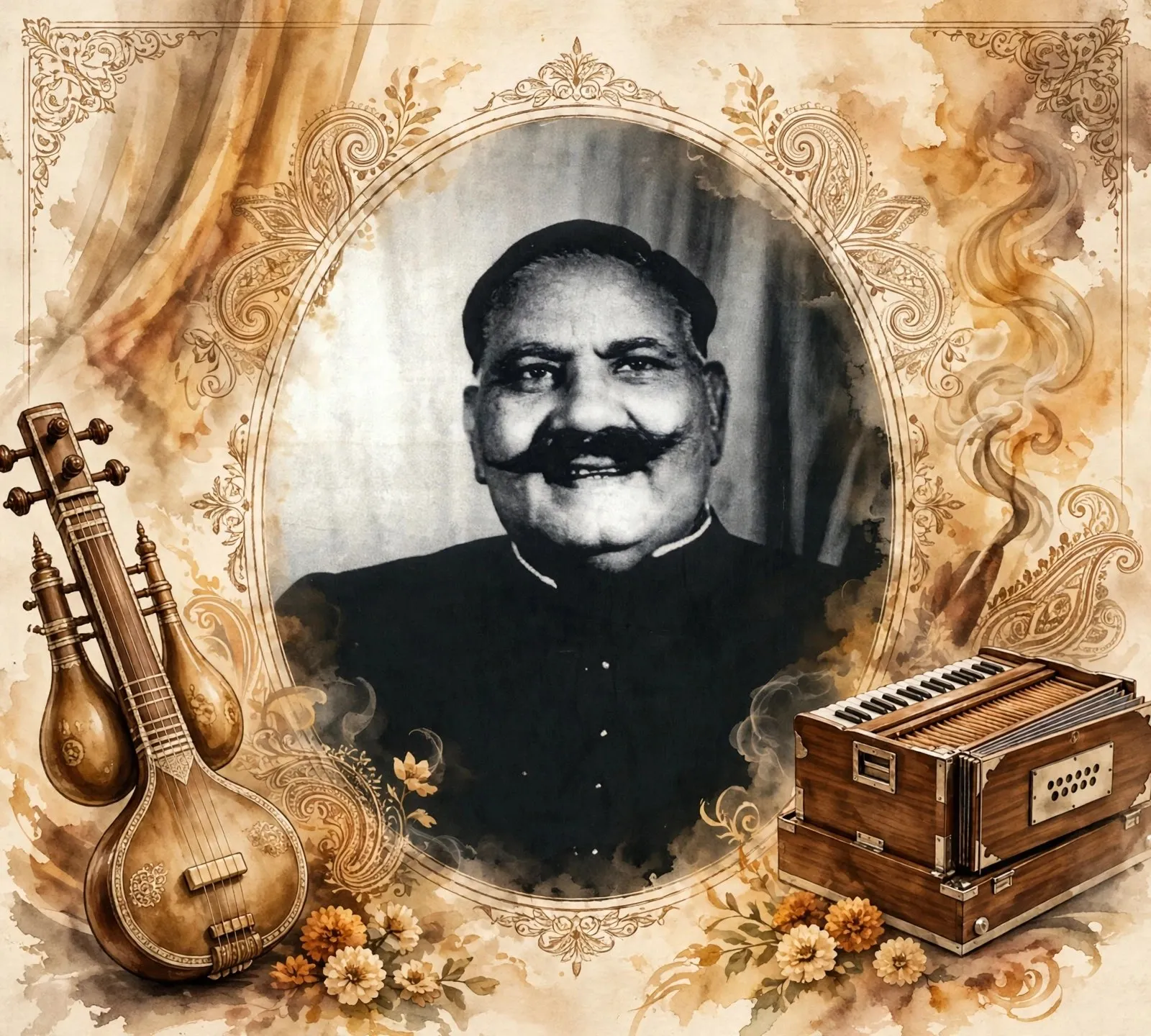
ਉਸਤਾਦ ਬਡੇ ਗ਼ੁਲਾਮ ਅਲੀ ਖਾਨ (1902-1968) ਪੰਜਾਬ ਦੇ ਕਸੂਰ ਤੋਂ ਹਿੰਦੁਸਤਾਨੀ ਕਲਾਸੀਕਲ ਗਾਇਕ ਸਨ ਅਤੇ ਕਸੂਰ ਪਟਿਆਲਾ ਘਰਾਣੇ ਦੀ ਪਛਾਣ ਵਾਲੀ ਆਵਾਜ਼ ਸਨ, ਠੁਮਰੀ ਯਾਦ ਪਿਆ ਕੀ ਆਏ ਅਤੇ ਮੁਗਲ-ਏ-ਆਜ਼ਮ ਵਿੱਚ ਆਪਣੇ ਦੋ ਗੀਤਾਂ ਲਈ ਮਸ਼ਹੂਰ। ਉਨ੍ਹਾਂ ਨੂੰ 1962 ਵਿੱਚ ਪਦਮ ਭੂਸ਼ਣ ਮਿਲਿਆ।
ਜੀਵਨ ਇੱਕ ਨਜ਼ਰ ਵਿੱਚ
- 1902ਜਨਮ Kasur, Punjab, British India
- 1962ਸਨਮਾਨ Sangeet Natak Akademi Award
- 1962ਸਨਮਾਨ ਪਦਮ ਭੂਸ਼ਣ
- 1967ਸਨਮਾਨ Sangeet Natak Akademi
- 1968ਦੇਹਾਂਤ Hyderabad, India
- ਪੰਜਾਬੀ ਨਾਂ
- ਬਡੇ ਗ਼ੁਲਾਮ ਅਲੀ ਖਾਨ
- ਜਨਮ
- 2 ਅਪ੍ਰੈਲ 1902, ਕਸੂਰ, ਪੰਜਾਬ, ਬ੍ਰਿਟਿਸ਼ ਭਾਰਤ
- ਦੇਹਾਂਤ
- 23 ਅਪ੍ਰੈਲ 1968, ਹੈਦਰਾਬਾਦ, ਭਾਰਤ
- ਘਰ ਦਾ ਸ਼ਹਿਰ
- ਕਸੂਰ
- ਜ਼ਿਲ੍ਹਾ
- ਕਸੂਰ
- ਇਲਾਕਾ
- ਪੱਛਮੀ ਪੰਜਾਬ
All 12 facts
- ਘਰਾਣਾ
- ਕਸੂਰ ਪਟਿਆਲਾ
- ਉਸਤਾਦ
- ਉਨ੍ਹਾਂ ਦੇ ਪਿਤਾ ਅਲੀ ਬਖਸ਼ ਖਾਨ ਅਤੇ ਚਾਚਾ ਕਾਲੇ ਖਾਨ
- ਕਲਮੀ ਨਾਂ
- ਸਬਰੰਗ
- ਮਸ਼ਹੂਰ ਗੀਤ
- ਯਾਦ ਪਿਆ ਕੀ ਆਏ; ਆਏ ਨਾ ਬਾਲਮ; ਪ੍ਰੇਮ ਜੋਗਨ ਬਨ ਕੇ ਅਤੇ ਸ਼ੁਭ ਦਿਨ ਆਇਓ (ਮੁਗਲ-ਏ-ਆਜ਼ਮ, 1960)
- ਸਨਮਾਨ
- ਸੰਗੀਤ ਨਾਟਕ ਅਕਾਦਮੀ ਪੁਰਸਕਾਰ (1962); ਪਦਮ ਭੂਸ਼ਣ (1962); ਫੈਲੋ, ਸੰਗੀਤ ਨਾਟਕ ਅਕਾਦਮੀ (1967)
- ਪਰਿਵਾਰ
- ਪੁੱਤਰਾਂ ਕਰਾਮਤ ਅਲੀ ਖਾਨ ਅਤੇ ਮੁਨੱਵਰ ਅਲੀ ਖਾਨ ਨੇ ਘਰਾਣੇ ਨੂੰ ਅੱਗੇ ਤੋਰਿਆ
Ustad Bade Ghulam Ali Khan (2 April 1902 to 23 April 1968) was a Hindustani classical vocalist from Kasur in Punjab and the defining voice of the Kasur Patiala gharana. His thumris, above all Yaad Piya Ki Aaye and Aaye Na Balam, carried classical singing to audiences far beyond the concert hall, and his two songs for Mughal-e-Azam remain the most famous meeting of khayal and cinema. Awarded the Padma Bhushan in 1962, he is remembered as the singer who proved that the deepest classical art could also be the most loved.
Kasur and a family of singers
He was born in Kasur, then in British India and today in Pakistan's Punjab, into a family of musicians of the Patiala tradition. His first teachers were his father, Ali Baksh Khan, and his uncle Kale Khan, and his younger brothers Mubarak Ali Khan and Barkat Ali Khan also became singers. The gharana he inherited had been shaped in the courts of Patiala, and the Kasur branch of the family guarded its style closely. The boy's training began with his father's compositions, sung until the voice itself became an instrument of the family tradition.
Forging the Kasur Patiala style
What made his singing his own was a blend: he drew the weight of the Behram Khani dhrupad, the turns and flourishes of Jaipur, and the behlava embellishments of Gwalior into one Kasur Patiala manner. Against convention, many of his raga expositions were short. He held that the beauty of classical music lay in leisurely improvisation, but he also believed ordinary listeners would not sit through long alaps, so he shaped the music to the audience without thinning it: ragas like Adana, Bhupali, Hameer, Jaijaiwanti and Jaunpuri, sung with a sweetness that made connoisseurs and first-time listeners stay. Under the pen name Sabrang he composed new bandishes of his own, and his voice, slightly husky where his son Munawar Ali Khan's was open-throated, became instantly recognisable on record.
Fame before Partition
By the late 1930s he stood at the top of the profession. His Calcutta performance of 1938 and his appearance at the All India Music Conference in Bombay in 1944 were the kind of occasions musicians measured careers by, and his recordings for His Master's Voice carried the Kasur Patiala style into homes that would never see a mehfil. Kings and common listeners asked for the same thing: the thumri sung as only he sang it, with the words weighed like poetry and the melody allowed to smile.
Why did he leave Kasur after Partition, and then leave Pakistan?
Partition in 1947 put his home town in Pakistan, and he moved back to Kasur. But the audience for classical music there was small, and his disciple Saleem Shehzad later argued that he was underpaid by Radio Pakistan and saw no future in it. In 1957, with the help of Bombay's chief minister Morarji Desai, he took Indian citizenship and settled permanently in India, in a bungalow at Malabar Hill in Bombay, living at different times in Lahore, Bombay, Calcutta and finally Hyderabad. His verdict on the division of Punjab outlived him: if one child in every home had been taught Hindustani classical music, he said, India would never have been partitioned.
Mughal-e-Azam and the famous fee
For most of his life he refused the film studios, however famous the producers who asked. Producer K. Asif finally persuaded him to sing two songs for Mughal-e-Azam (1960), Prem Jogan Ban Ke and Shubh Din Aayo, set by Naushad in the ragas Sohni and Rageshri. He demanded, and received, a fee reported at 25,000 rupees per song, at a time when even Lata Mangeshkar and Mohammed Rafi were paid under 500 rupees a song. The point was not greed but rank: the ustad would not enter cinema as a hired voice. The two songs, his only film playback, are still played as proof that a classical master could stop a film and hold it.
Honours, final years and legacy
The Indian state honoured him with the Sangeet Natak Akademi Award in 1962 and the Padma Bhushan the same year, and in 1967 he was made a Fellow of the Sangeet Natak Akademi. A prolonged illness left him partially paralysed in his last years, yet he kept singing in public, supported by his younger son Munawar Ali Khan, almost to the end. He died at Basheer Bagh Palace in Hyderabad on 23 April 1968 and was buried in the Daira Mir Momin cemetery; the street by Basheerbagh carries his name, Ustad Bade Ghulam Ali Khan Marg. His sons Karamat Ali Khan and Munawar Ali Khan, and their children after them, carried the gharana forward, and filmmaker Harisadhan Dasgupta's 1968 documentary preserved the man himself. From Kasur to Hyderabad, his life crossed every border Punjab drew in his lifetime, and his singing ignored them all.
ਉਸਤਾਦ ਬਡੇ ਗ਼ੁਲਾਮ ਅਲੀ ਖਾਨ (2 ਅਪ੍ਰੈਲ 1902 ਤੋਂ 23 ਅਪ੍ਰੈਲ 1968) ਪੰਜਾਬ ਦੇ ਕਸੂਰ ਤੋਂ ਹਿੰਦੁਸਤਾਨੀ ਕਲਾਸੀਕਲ ਗਾਇਕ ਸਨ ਅਤੇ ਕਸੂਰ ਪਟਿਆਲਾ ਘਰਾਣੇ ਦੀ ਪਛਾਣ ਵਾਲੀ ਆਵਾਜ਼ ਸਨ। ਉਨ੍ਹਾਂ ਦੀਆਂ ਠੁਮਰੀਆਂ, ਸਭ ਤੋਂ ਵੱਧ ਯਾਦ ਪਿਆ ਕੀ ਆਏ ਅਤੇ ਆਏ ਨਾ ਬਾਲਮ, ਨੇ ਕਲਾਸੀਕਲ ਗਾਇਕੀ ਨੂੰ ਸੰਗੀਤ ਸਮਾਰੋਹ ਹਾਲ ਤੋਂ ਕਿਤੇ ਪਾਰ ਦੇ ਦਰਸ਼ਕਾਂ ਤੱਕ ਪਹੁੰਚਾਇਆ, ਅਤੇ ਮੁਗਲ-ਏ-ਆਜ਼ਮ ਲਈ ਉਨ੍ਹਾਂ ਦੇ ਦੋ ਗੀਤ ਖਿਆਲ ਅਤੇ ਸਿਨੇਮੇ ਦੀ ਸਭ ਤੋਂ ਮਸ਼ਹੂਰ ਮੁਲਾਕਾਤ ਬਣੇ ਰਹੇ ਹਨ। 1962 ਵਿੱਚ ਪਦਮ ਭੂਸ਼ਣ ਨਾਲ ਸਨਮਾਨਿਤ, ਉਨ੍ਹਾਂ ਨੂੰ ਉਸ ਗਾਇਕ ਵਜੋਂ ਯਾਦ ਕੀਤਾ ਜਾਂਦਾ ਹੈ ਜਿਸ ਨੇ ਸਾਬਤ ਕੀਤਾ ਕਿ ਸਭ ਤੋਂ ਡੂੰਘੀ ਕਲਾਸੀਕਲ ਕਲਾ ਸਭ ਤੋਂ ਪਿਆਰੀ ਵੀ ਹੋ ਸਕਦੀ ਹੈ।
ਕਸੂਰ ਅਤੇ ਗਾਇਕਾਂ ਦਾ ਪਰਿਵਾਰ
ਉਨ੍ਹਾਂ ਦਾ ਜਨਮ ਕਸੂਰ ਵਿੱਚ ਹੋਇਆ, ਜੋ ਉਸ ਸਮੇਂ ਬ੍ਰਿਟਿਸ਼ ਭਾਰਤ ਵਿੱਚ ਸੀ ਅਤੇ ਅੱਜ ਪਾਕਿਸਤਾਨ ਦੇ ਪੰਜਾਬ ਵਿੱਚ ਹੈ, ਪਟਿਆਲਾ ਪਰੰਪਰਾ ਦੇ ਸੰਗੀਤਕਾਰਾਂ ਦੇ ਇੱਕ ਪਰਿਵਾਰ ਵਿੱਚ। ਉਨ੍ਹਾਂ ਦੇ ਪਹਿਲੇ ਉਸਤਾਦ ਉਨ੍ਹਾਂ ਦੇ ਪਿਤਾ ਅਲੀ ਬਖਸ਼ ਖਾਨ ਅਤੇ ਉਨ੍ਹਾਂ ਦੇ ਚਾਚਾ ਕਾਲੇ ਖਾਨ ਸਨ, ਅਤੇ ਉਨ੍ਹਾਂ ਦੇ ਛੋਟੇ ਭਰਾ ਮੁਬਾਰਕ ਅਲੀ ਖਾਨ ਅਤੇ ਬਰਕਤ ਅਲੀ ਖਾਨ ਵੀ ਗਾਇਕ ਬਣੇ। ਜੋ ਘਰਾਣਾ ਉਨ੍ਹਾਂ ਨੂੰ ਵਿਰਸੇ ਵਿੱਚ ਮਿਲਿਆ, ਉਹ ਪਟਿਆਲਾ ਦੇ ਦਰਬਾਰਾਂ ਵਿੱਚ ਘੜਿਆ ਗਿਆ ਸੀ, ਅਤੇ ਪਰਿਵਾਰ ਦੀ ਕਸੂਰ ਸ਼ਾਖਾ ਇਸ ਦੀ ਸ਼ੈਲੀ ਨੂੰ ਨੇੜਿਓਂ ਸਾਂਭਦੀ ਸੀ। ਮੁੰਡੇ ਦੀ ਸਿਖਲਾਈ ਉਸ ਦੇ ਪਿਤਾ ਦੀਆਂ ਰਚਨਾਵਾਂ ਨਾਲ ਸ਼ੁਰੂ ਹੋਈ, ਜੋ ਉਦੋਂ ਤੱਕ ਗਾਈਆਂ ਗਈਆਂ ਜਦੋਂ ਤੱਕ ਆਵਾਜ਼ ਖੁਦ ਪਰਿਵਾਰਕ ਪਰੰਪਰਾ ਦਾ ਸਾਜ਼ ਨਾ ਬਣ ਗਈ।
ਕਸੂਰ ਪਟਿਆਲਾ ਸ਼ੈਲੀ ਘੜਨੀ
ਜਿਸ ਚੀਜ਼ ਨੇ ਉਨ੍ਹਾਂ ਦੀ ਗਾਇਕੀ ਨੂੰ ਉਨ੍ਹਾਂ ਦੀ ਆਪਣੀ ਬਣਾਇਆ, ਉਹ ਇੱਕ ਸੰਗਮ ਸੀ: ਉਨ੍ਹਾਂ ਨੇ ਬਹਿਰਾਮ ਖਾਨੀ ਧਰੁਪਦ ਦਾ ਭਾਰ, ਜੈਪੁਰ ਦੇ ਮੋੜ ਅਤੇ ਸਜਾਵਟਾਂ, ਅਤੇ ਗਵਾਲੀਅਰ ਦੀਆਂ ਬਹਿਲਾਵਾ ਸਜਾਵਟਾਂ ਨੂੰ ਇੱਕ ਕਸੂਰ ਪਟਿਆਲਾ ਢੰਗ ਵਿੱਚ ਮਿਲਾਇਆ। ਰਿਵਾਜ਼ ਦੇ ਉਲਟ, ਉਨ੍ਹਾਂ ਦੀਆਂ ਬਹੁਤ ਸਾਰੀਆਂ ਰਾਗ ਪੇਸ਼ਕਾਰੀਆਂ ਛੋਟੀਆਂ ਸਨ। ਉਨ੍ਹਾਂ ਦਾ ਮੰਨਣਾ ਸੀ ਕਿ ਕਲਾਸੀਕਲ ਸੰਗੀਤ ਦੀ ਖੂਬਸੂਰਤੀ ਫੁਰਸਤ ਵਾਲੀ ਇੰਪ੍ਰੋਵਾਈਜ਼ੇਸ਼ਨ ਵਿੱਚ ਹੈ, ਪਰ ਉਹ ਇਹ ਵੀ ਮੰਨਦੇ ਸਨ ਕਿ ਆਮ ਸਰੋਤੇ ਲੰਬੇ ਆਲਾਪ ਨਹੀਂ ਸੁਣਨਗੇ, ਇਸ ਲਈ ਉਨ੍ਹਾਂ ਨੇ ਸੰਗੀਤ ਨੂੰ ਪਤਲਾ ਕੀਤੇ ਬਿਨਾਂ ਦਰਸ਼ਕਾਂ ਮੁਤਾਬਕ ਢਾਲਿਆ: ਅਡਾਨਾ, ਭੂਪਾਲੀ, ਹਮੀਰ, ਜੈਜੈਵੰਤੀ ਅਤੇ ਜੌਨਪੁਰੀ ਵਰਗੇ ਰਾਗ, ਇੱਕ ਅਜਿਹੀ ਮਿਠਾਸ ਨਾਲ ਗਾਏ ਗਏ ਜਿਸ ਨੇ ਜਾਣਕਾਰਾਂ ਅਤੇ ਪਹਿਲੀ ਵਾਰ ਸੁਣਨ ਵਾਲਿਆਂ ਦੋਵਾਂ ਨੂੰ ਰੋਕ ਲਿਆ। ਸਬਰੰਗ ਕਲਮੀ ਨਾਂ ਹੇਠ ਉਨ੍ਹਾਂ ਨੇ ਆਪਣੀਆਂ ਨਵੀਆਂ ਬੰਦਿਸ਼ਾਂ ਬਣਾਈਆਂ, ਅਤੇ ਉਨ੍ਹਾਂ ਦੀ ਆਵਾਜ਼, ਜੋ ਉਨ੍ਹਾਂ ਦੇ ਪੁੱਤਰ ਮੁਨੱਵਰ ਅਲੀ ਖਾਨ ਦੀ ਖੁੱਲ੍ਹੀ ਆਵਾਜ਼ ਦੇ ਮੁਕਾਬਲੇ ਥੋੜ੍ਹੀ ਭਾਰੀ ਸੀ, ਰਿਕਾਰਡ ਉੱਤੇ ਤੁਰੰਤ ਪਛਾਣੀ ਜਾਣ ਲੱਗੀ।
ਵੰਡ ਤੋਂ ਪਹਿਲਾਂ ਸ਼ੋਹਰਤ
1930ਵਿਆਂ ਦੇ ਅੰਤ ਤੱਕ ਉਹ ਪੇਸ਼ੇ ਦੇ ਸਿਖਰ ਉੱਤੇ ਖੜ੍ਹੇ ਸਨ। 1938 ਦੀ ਉਨ੍ਹਾਂ ਦੀ ਕਲਕੱਤਾ ਪੇਸ਼ਕਾਰੀ ਅਤੇ 1944 ਵਿੱਚ ਬੰਬਈ ਵਿੱਚ ਆਲ ਇੰਡੀਆ ਮਿਊਜ਼ਿਕ ਕਾਨਫਰੰਸ ਵਿੱਚ ਉਨ੍ਹਾਂ ਦੀ ਹਾਜ਼ਰੀ ਉਹ ਮੌਕੇ ਸਨ ਜਿਨ੍ਹਾਂ ਨਾਲ ਸੰਗੀਤਕਾਰ ਕੈਰੀਅਰ ਨਾਪਦੇ ਸਨ, ਅਤੇ ਹਿਜ਼ ਮਾਸਟਰਜ਼ ਵਾਇਸ ਲਈ ਉਨ੍ਹਾਂ ਦੀਆਂ ਰਿਕਾਰਡਿੰਗਾਂ ਕਸੂਰ ਪਟਿਆਲਾ ਸ਼ੈਲੀ ਨੂੰ ਉਨ੍ਹਾਂ ਘਰਾਂ ਵਿੱਚ ਲੈ ਗਈਆਂ ਜੋ ਕਦੇ ਮਹਿਫ਼ਲ ਨਹੀਂ ਵੇਖਣਗੇ। ਰਾਜਿਆਂ ਅਤੇ ਆਮ ਸਰੋਤਿਆਂ ਨੇ ਇੱਕੋ ਚੀਜ਼ ਮੰਗੀ: ਠੁਮਰੀ, ਜਿਵੇਂ ਸਿਰਫ਼ ਉਹ ਗਾਉਂਦੇ ਸਨ, ਸ਼ਬਦ ਕਵਿਤਾ ਵਾਂਗ ਤੋਲੇ ਹੋਏ ਅਤੇ ਧੁਨ ਨੂੰ ਮੁਸਕਰਾਉਣ ਦਿੱਤਾ ਗਿਆ।
ਉਨ੍ਹਾਂ ਨੇ ਵੰਡ ਮਗਰੋਂ ਕਸੂਰ ਕਿਉਂ ਛੱਡਿਆ, ਅਤੇ ਫਿਰ ਪਾਕਿਸਤਾਨ ਕਿਉਂ ਛੱਡਿਆ?
1947 ਦੀ ਵੰਡ ਨੇ ਉਨ੍ਹਾਂ ਦਾ ਘਰ ਦਾ ਸ਼ਹਿਰ ਪਾਕਿਸਤਾਨ ਵਿੱਚ ਪਾ ਦਿੱਤਾ, ਅਤੇ ਉਹ ਵਾਪਸ ਕਸੂਰ ਚਲੇ ਗਏ। ਪਰ ਉੱਥੇ ਕਲਾਸੀਕਲ ਸੰਗੀਤ ਦੇ ਦਰਸ਼ਕ ਘੱਟ ਸਨ, ਅਤੇ ਉਨ੍ਹਾਂ ਦੇ ਚੇਲੇ ਸਲੀਮ ਸ਼ਹਿਜ਼ਾਦ ਨੇ ਮਗਰੋਂ ਦਲੀਲ ਦਿੱਤੀ ਕਿ ਰੇਡੀਓ ਪਾਕਿਸਤਾਨ ਉਨ੍ਹਾਂ ਨੂੰ ਘੱਟ ਤਨਖਾਹ ਦਿੰਦਾ ਸੀ ਅਤੇ ਉਨ੍ਹਾਂ ਨੂੰ ਉੱਥੇ ਕੋਈ ਭਵਿੱਖ ਨਾ ਦਿਸਿਆ। 1957 ਵਿੱਚ, ਬੰਬਈ ਦੇ ਮੁੱਖ ਮੰਤਰੀ ਮੋਰਾਰਜੀ ਦੇਸਾਈ ਦੀ ਮਦਦ ਨਾਲ, ਉਨ੍ਹਾਂ ਨੇ ਭਾਰਤੀ ਨਾਗਰਿਕਤਾ ਲਈ ਅਤੇ ਸਥਾਈ ਤੌਰ ਉੱਤੇ ਭਾਰਤ ਵਿੱਚ ਵੱਸ ਗਏ, ਬੰਬਈ ਵਿੱਚ ਮਾਲਾਬਾਰ ਹਿੱਲ ਉੱਤੇ ਇੱਕ ਬੰਗਲੇ ਵਿੱਚ, ਵੱਖ ਵੱਖ ਸਮਿਆਂ ਉੱਤੇ ਲਾਹੌਰ, ਬੰਬਈ, ਕਲਕੱਤਾ ਅਤੇ ਅੰਤ ਵਿੱਚ ਹੈਦਰਾਬਾਦ ਰਹਿੰਦੇ ਹੋਏ। ਪੰਜਾਬ ਦੀ ਵੰਡ ਬਾਰੇ ਉਨ੍ਹਾਂ ਦਾ ਫੈਸਲਾ ਉਨ੍ਹਾਂ ਤੋਂ ਮਗਰੋਂ ਵੀ ਜੀਉਂਦਾ ਰਿਹਾ: ਉਨ੍ਹਾਂ ਨੇ ਕਿਹਾ ਸੀ ਕਿ ਜੇ ਹਰ ਘਰ ਵਿੱਚ ਇੱਕ ਬੱਚੇ ਨੂੰ ਹਿੰਦੁਸਤਾਨੀ ਕਲਾਸੀਕਲ ਸੰਗੀਤ ਸਿਖਾਇਆ ਗਿਆ ਹੁੰਦਾ, ਤਾਂ ਭਾਰਤ ਕਦੇ ਵੰਡਿਆ ਨਾ ਜਾਂਦਾ।
ਮੁਗਲ-ਏ-ਆਜ਼ਮ ਅਤੇ ਮਸ਼ਹੂਰ ਫੀਸ
ਆਪਣੀ ਜ਼ਿੰਦਗੀ ਦੇ ਬਹੁਤੇ ਹਿੱਸੇ ਉਨ੍ਹਾਂ ਨੇ ਫ਼ਿਲਮ ਸਟੂਡੀਓਆਂ ਨੂੰ ਇਨਕਾਰ ਕੀਤਾ, ਭਾਵੇਂ ਮੰਗਣ ਵਾਲੇ ਨਿਰਮਾਤਾ ਕਿੰਨੇ ਵੀ ਮਸ਼ਹੂਰ ਕਿਉਂ ਨਾ ਹੋਣ। ਨਿਰਮਾਤਾ ਕੇ. ਆਸਿਫ਼ ਨੇ ਅੰਤ ਵਿੱਚ ਉਨ੍ਹਾਂ ਨੂੰ ਮੁਗਲ-ਏ-ਆਜ਼ਮ (1960) ਲਈ ਦੋ ਗੀਤ ਗਾਉਣ ਲਈ ਮਨਾ ਲਿਆ, ਪ੍ਰੇਮ ਜੋਗਨ ਬਨ ਕੇ ਅਤੇ ਸ਼ੁਭ ਦਿਨ ਆਇਓ, ਜੋ ਨੌਸ਼ਾਦ ਨੇ ਸੋਹਨੀ ਅਤੇ ਰਾਗੇਸ਼ਰੀ ਰਾਗਾਂ ਵਿੱਚ ਬਣਾਏ ਸਨ। ਉਨ੍ਹਾਂ ਨੇ ਇੱਕ ਫੀਸ ਮੰਗੀ, ਅਤੇ ਮਿਲੀ, ਜੋ ਪ੍ਰਤੀ ਗੀਤ 25,000 ਰੁਪਏ ਦੱਸੀ ਜਾਂਦੀ ਹੈ, ਉਸ ਸਮੇਂ ਜਦੋਂ ਲਤਾ ਮੰਗੇਸ਼ਕਰ ਅਤੇ ਮੁਹੰਮਦ ਰਫ਼ੀ ਨੂੰ ਵੀ ਇੱਕ ਗੀਤ ਦੇ 500 ਰੁਪਏ ਤੋਂ ਘੱਟ ਮਿਲਦੇ ਸਨ। ਗੱਲ ਲਾਲਚ ਦੀ ਨਹੀਂ, ਦਰਜੇ ਦੀ ਸੀ: ਉਸਤਾਦ ਸਿਨੇਮੇ ਵਿੱਚ ਕਿਰਾਏ ਦੀ ਆਵਾਜ਼ ਵਜੋਂ ਦਾਖਲ ਨਹੀਂ ਹੋਣਗੇ। ਉਹ ਦੋ ਗੀਤ, ਉਨ੍ਹਾਂ ਦੀ ਇੱਕੋ ਇੱਕ ਫ਼ਿਲਮੀ ਪਿਠਭੂਮੀ ਗਾਇਕੀ, ਅੱਜ ਵੀ ਇਸ ਸਬੂਤ ਵਜੋਂ ਵਜਾਏ ਜਾਂਦੇ ਹਨ ਕਿ ਇੱਕ ਕਲਾਸੀਕਲ ਉਸਤਾਦ ਫ਼ਿਲਮ ਨੂੰ ਰੋਕ ਕੇ ਉਸ ਨੂੰ ਫੜ ਸਕਦਾ ਸੀ।
ਸਨਮਾਨ, ਆਖਰੀ ਸਾਲ ਅਤੇ ਵਿਰਾਸਤ
ਭਾਰਤੀ ਰਾਜ ਨੇ ਉਨ੍ਹਾਂ ਨੂੰ 1962 ਵਿੱਚ ਸੰਗੀਤ ਨਾਟਕ ਅਕਾਦਮੀ ਪੁਰਸਕਾਰ ਅਤੇ ਉਸੇ ਸਾਲ ਪਦਮ ਭੂਸ਼ਣ ਨਾਲ ਸਨਮਾਨਿਤ ਕੀਤਾ, ਅਤੇ 1967 ਵਿੱਚ ਉਨ੍ਹਾਂ ਨੂੰ ਸੰਗੀਤ ਨਾਟਕ ਅਕਾਦਮੀ ਦਾ ਫੈਲੋ ਬਣਾਇਆ ਗਿਆ। ਇੱਕ ਲੰਬੀ ਬਿਮਾਰੀ ਨੇ ਆਖਰੀ ਸਾਲਾਂ ਵਿੱਚ ਉਨ੍ਹਾਂ ਨੂੰ ਅੰਸ਼ਕ ਤੌਰ ਉੱਤੇ ਅਧਰੰਗੀ ਕਰ ਦਿੱਤਾ, ਫਿਰ ਵੀ ਉਹ ਆਪਣੇ ਛੋਟੇ ਪੁੱਤਰ ਮੁਨੱਵਰ ਅਲੀ ਖਾਨ ਦੇ ਸਹਾਰੇ ਲਗਭਗ ਅੰਤ ਤੱਕ ਜਨਤਕ ਤੌਰ ਉੱਤੇ ਗਾਉਂਦੇ ਰਹੇ। ਉਹ 23 ਅਪ੍ਰੈਲ 1968 ਨੂੰ ਹੈਦਰਾਬਾਦ ਵਿੱਚ ਬਸ਼ੀਰ ਬਾਗ ਪੈਲੇਸ ਵਿੱਚ ਚੱਲ ਵਸੇ ਅਤੇ ਦਾਇਰਾ ਮੀਰ ਮੋਮਿਨ ਕਬਰਿਸਤਾਨ ਵਿੱਚ ਦਫ਼ਨਾਏ ਗਏ; ਬਸ਼ੀਰਬਾਗ ਨੇੜਲੀ ਸੜਕ ਉਨ੍ਹਾਂ ਦਾ ਨਾਂ ਧਾਰਦੀ ਹੈ, ਉਸਤਾਦ ਬਡੇ ਗ਼ੁਲਾਮ ਅਲੀ ਖਾਨ ਮਾਰਗ। ਉਨ੍ਹਾਂ ਦੇ ਪੁੱਤਰਾਂ ਕਰਾਮਤ ਅਲੀ ਖਾਨ ਅਤੇ ਮੁਨੱਵਰ ਅਲੀ ਖਾਨ ਨੇ, ਅਤੇ ਉਨ੍ਹਾਂ ਤੋਂ ਮਗਰੋਂ ਉਨ੍ਹਾਂ ਦੇ ਬੱਚਿਆਂ ਨੇ, ਘਰਾਣੇ ਨੂੰ ਅੱਗੇ ਤੋਰਿਆ, ਅਤੇ ਫ਼ਿਲਮਕਾਰ ਹਰਿਸਾਧਨ ਦਾਸਗੁਪਤਾ ਦੀ 1968 ਦੀ ਦਸਤਾਵੇਜ਼ੀ ਫ਼ਿਲਮ ਨੇ ਉਸ ਬੰਦੇ ਨੂੰ ਖੁਦ ਸਾਂਭ ਲਿਆ। ਕਸੂਰ ਤੋਂ ਹੈਦਰਾਬਾਦ ਤੱਕ, ਉਨ੍ਹਾਂ ਦੀ ਜ਼ਿੰਦਗੀ ਨੇ ਪੰਜਾਬ ਵੱਲੋਂ ਉਨ੍ਹਾਂ ਦੇ ਜੀਵਨ ਕਾਲ ਵਿੱਚ ਖਿੱਚੀ ਹਰ ਸਰਹੱਦ ਪਾਰ ਕੀਤੀ, ਅਤੇ ਉਨ੍ਹਾਂ ਦੀ ਗਾਇਕੀ ਨੇ ਉਨ੍ਹਾਂ ਸਭ ਨੂੰ ਅਣਦੇਖਾ ਕਰ ਦਿੱਤਾ।
ਲੋਕ


ਥਾਵਾਂ

More music
ਸਾਰੇ ਵੇਖੋ

ਜੁਗਤੀ ਮੁਫ਼ਤ ਅਤੇ ਸੁਤੰਤਰ ਹੈ। ਪਾਠਕਾਂ ਦਾ ਸਹਿਯੋਗ ਕੋਸ਼ ਨੂੰ ਵਧਾਉਂਦਾ ਹੈ।
ਸਹਿਯੋਗ