
ਜਗਦੀਸ਼ ਚੰਦਰ (1930-1996) ਇੱਕ ਹਿੰਦੀ ਨਾਵਲਕਾਰ ਸੀ ਜਿਸ ਨੇ ਪੰਜਾਬ ਦੇ ਪਿੰਡਾਂ ਵਿੱਚ ਦਲਿਤ ਜੀਵਨ ਬਾਰੇ ਲਿਖਿਆ। ਉਸ ਦੀ ਸਭ ਤੋਂ ਜਾਣੀ ਰਚਨਾ, ਧਰਤੀ ਧਨ ਨਾ ਅਪਣਾ, ਉਹਨਾਂ ਬੇਜ਼ਮੀਨੇ ਮਜ਼ਦੂਰਾਂ ਦੀ ਕਹਾਣੀ ਹੈ ਜੋ ਉਹ ਜ਼ਮੀਨ ਵਾਹੁੰਦੇ ਹਨ ਜੋ ਕਦੇ ਉਹਨਾਂ ਦੀ ਨਹੀਂ ਬਣਦੀ, ਅਤੇ ਇਹ ਹੁਣ ਹਿੰਦੀ ਦਲਿਤ ਗਲਪ ਦੀਆਂ ਮੀਲ ਪੱਥਰ ਰਚਨਾਵਾਂ ਵਿੱਚ ਗਿਣੀ ਜਾਂਦੀ ਹੈ। ਉਹ ਹਿੰਦੀ, ਉਰਦੂ ਅਤੇ ਪੰਜਾਬੀ ਵਿੱਚ ਲਿਖਦਾ ਸੀ।
- ਪੰਜਾਬੀ ਨਾਂ
- ਜਗਦੀਸ਼ ਚੰਦਰ
- ਜਨਮ
- 1930, ਪੰਜਾਬ (ਦੱਸਿਆ ਜਾਂਦਾ ਹੈ)
- ਦੇਹਾਂਤ
- 1996 (ਦੱਸਿਆ ਜਾਂਦਾ ਹੈ)
- ਲਿਖਣ ਦੀ ਭਾਸ਼ਾ
- ਹਿੰਦੀ, ਉਰਦੂ, ਪੰਜਾਬੀ
- ਸਭ ਤੋਂ ਜਾਣੀ ਰਚਨਾ
- ਧਰਤੀ ਧਨ ਨਾ ਅਪਣਾ
- ਤਿੱਕੜੀ
- ਧਰਤੀ ਧਨ ਨਾ ਅਪਣਾ; ਨਰਕਕੁੰਡ ਮੇਂ ਵਾਸ; ਜ਼ਮੀਨ ਅਪਣੀ ਤੋ ਥੀ
All 9 facts
- ਪੰਜਾਬੀ ਅਨੁਵਾਦ
- ਧਰਤੀ ਧਨ ਨਾ ਅਪਣਾ, ਅਨੁਵਾਦਕ ਸੁਖਵੰਤ ਹੁੰਦਲ
- ਹੋਰ ਅੱਖਰ ਰੂਪ
- Jagdish Chander
- ਸਨਮਾਨ
- ਉਸ ਦੇ ਨਾਵਲਾਂ ਬਾਰੇ ਦੋ ਦਿਨਾ ਰਾਸ਼ਟਰੀ ਸੈਮੀਨਾਰ, ਜਲੰਧਰ, ਅਕਤੂਬਰ 1995
ਮੁੱਢਲਾ ਜੀਵਨ
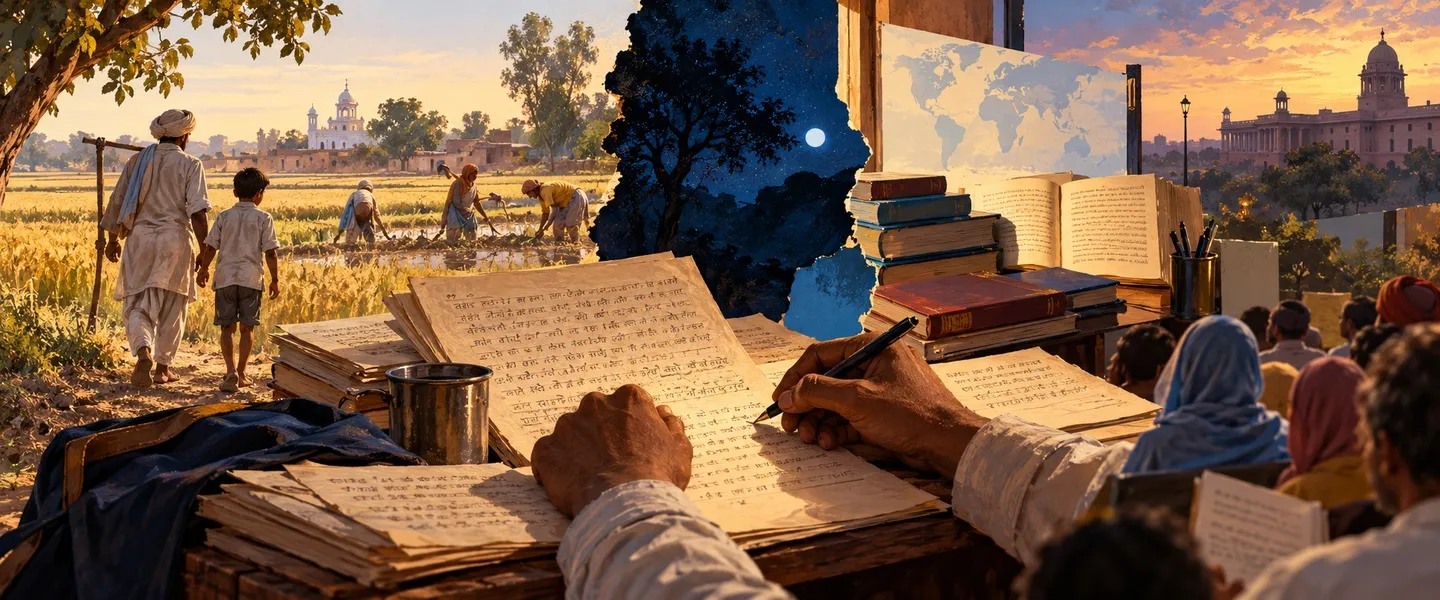
Jagdish Chandra was born in Punjab in 1930. The dates of his life are reported as 24 November 1930 to 10 April 1996, and little else about his early years is on the public record. What he himself recorded is the memory that shaped his writing. As a boy he spent his holidays at his maternal grandparents' village in Punjab. A Harijan family worked his grandfather's land, and the boy went into their settlement and watched how they lived: the rules that kept them apart from the rest of the village, and the patience with which they bore them. Those memories stayed with him. Years later he wrote that his first novel grew from the unspoken pain hidden in those childhood memories, and from a boyhood sense of rebellion against the divisions he saw. In Hindi writing about him his name is often spelled Jagdish Chander, and the two spellings are the same man.
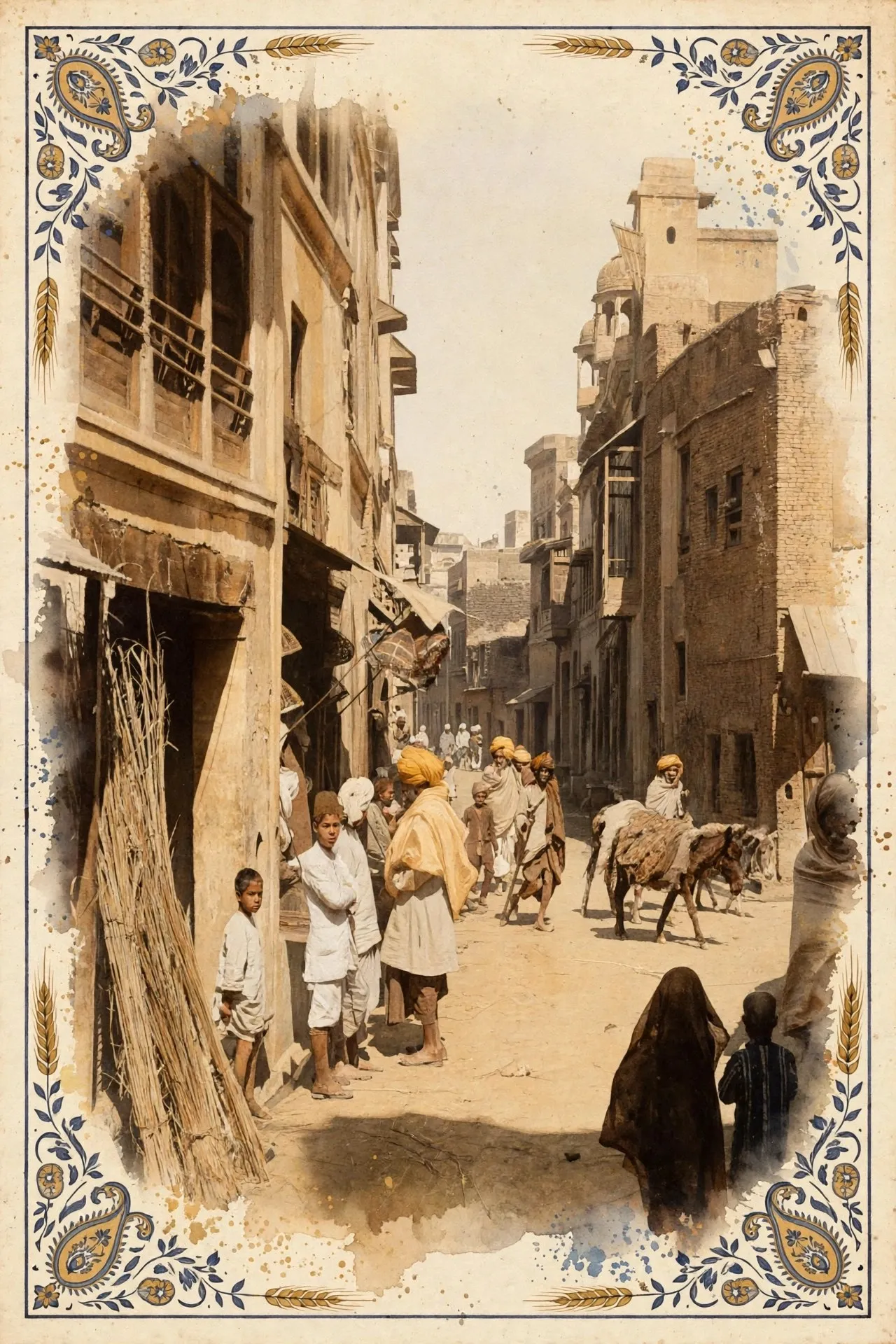
He wrote in Hindi, Urdu and Punjabi, and his subject was almost always the same: the Punjab village and the people at its bottom. He was not a city writer looking in from outside. His material was the village he had watched as a child, and he returned to it book after book.
What did Jagdish Chandra write about?
Jagdish Chandra wrote about Dalit life in rural Punjab: the landless labourers, the village artisans and the families who lived in settlements set apart from the rest of the village. His characters work land they do not own, live in huts they do not own, and borrow from the same landlords they work for. His novels follow what that dependence does to people over a lifetime: the humiliation, the debts, the small acts of defiance and the endurance.
He wrote from outside the community he described, and that fact has been argued over ever since. Critics of Dalit literature have said that only a Dalit writer can present Dalit life in its full depth, and that sympathetic outsiders still soften it. Others answer that Chandra's novels earned their place anyway. The Dalit writer Balbir Madhopuri, writing about the Punjabi Dalit tradition, said that Dharti Dhan Na Apna cannot be written off from a place of pride in Dalit literature, whatever its author's background. The argument itself is part of why the book is still read.
Dharti Dhan Na Apna and the trilogy
His first and best known novel is Dharti Dhan Na Apna, whose title means 'the land is not ours'. It was the first of a trilogy about landless life in Punjab, followed by Narakkund mein Vaas (Living in a Hell) and Zameen Apni to Thi (The Land Was Once Ours). The novel opens with Kali returning to his grandparents' village after years away, to find his aunt old and alone in a broken hut and the families who till the land still owning none of it. Chandra dedicated the book to Som Anand, whose encouragement, he said, pushed his stalled creative urge into writing the novel.
The book was translated into Punjabi by Sukhwant Hundal, and it is now a set text for students of Hindi literature. It appears in the Hindi syllabus for the UGC NET examination, and university dissertations on Dalit Hindi fiction take it as one of their central texts, alongside Mulk Raj Anand's Untouchable.
The two novels that followed stay in the same world. Narakkund mein Vaas, whose title means Living in a Hell, and Zameen Apni to Thi, The Land Was Once Ours, complete a trilogy about landless life in Punjab. The three titles together state the shape of his subject: a present in which the land is not theirs, a life lived in hardship, and a past in which the land once was. The trilogy is how one subject became a life's work rather than a single book.
Recognition in his lifetime
Chandra's work was taken seriously by Hindi scholars in his own lifetime. In April 1990, the scholar Chaman Lal presented a paper on the depiction of Punjabi oppressed classes in Dharti Dhan Na Apna at a national seminar at Punjabi University, Patiala. Chaman Lal had written on the novel even earlier: his curriculum vitae records a 1984 article on Dharti in an edited volume published at Allahabad.
In 1994 and 1995, Chandra took part in Rubaru, face to face programmes for readers, alongside the Hindi writers Bhisham Sahni and Krishna Sobti, in Shimla, Chandigarh, Patiala and Kurukshetra. Then, on 14 and 15 October 1995, a two day national seminar on Dalit life in Jagdish Chander's novels was held at Jalandhar, convened by Chaman Lal. It was the fullest recognition of his work in his lifetime, and it came only months before his death.
Later life and death
He was still meeting readers in 1994 and 1995, in the Rubaru programmes and at the Jalandhar seminar. He died a few months after the seminar, on 10 April 1996, according to the biographical record. He was 65.
Why is Jagdish Chandra still read?
Jagdish Chandra is still read because his subject has not gone away. Landlessness, caste and debt still shape life in Punjab's villages, and his novels remain one of the few places where that life is described at novel length, from inside a village rather than from a city. For readers of Punjabi literature his work is also a bridge: a Hindi novel about Punjab, written by a Punjabi, translated into Punjabi, and studied in both languages. His books are not easy reading, and they do not offer comforting endings. They offer something rarer: a record of people who owned nothing and were still not nothing.
Part of the answer is that the argument about his books never ended. The question of whether a writer from outside a community can write its life honestly is still asked about every new Dalit novel, and Chandra's books are still the test case scholars reach for. A doctoral study of Dalit Hindi fiction at the University of Western Ontario takes Dharti Dhan Na Apna as one of its four central texts and reads it for exactly that question: the politics of representation, and how far a sympathetic outsider can go.
ਮੁੱਢਲਾ ਜੀਵਨ
ਜਗਦੀਸ਼ ਚੰਦਰ ਦਾ ਜਨਮ 1930 ਵਿੱਚ ਪੰਜਾਬ ਵਿੱਚ ਹੋਇਆ। ਉਸ ਦੇ ਜੀਵਨ ਦੀਆਂ ਤਾਰੀਖ਼ਾਂ 24 ਨਵੰਬਰ 1930 ਤੋਂ 10 ਅਪ੍ਰੈਲ 1996 ਦੱਸੀਆਂ ਜਾਂਦੀਆਂ ਹਨ, ਅਤੇ ਉਸ ਦੇ ਮੁੱਢਲੇ ਸਾਲਾਂ ਬਾਰੇ ਇਸ ਤੋਂ ਵੱਧ ਜਨਤਕ ਰਿਕਾਰਡ ਵਿੱਚ ਕੁਝ ਨਹੀਂ ਹੈ। ਜੋ ਕੁਝ ਉਸ ਨੇ ਖ਼ੁਦ ਲਿਖਿਆ ਹੈ, ਉਹ ਉਹ ਯਾਦ ਹੈ ਜਿਸ ਨੇ ਉਸ ਦੀ ਲਿਖਤ ਨੂੰ ਰੂਪ ਦਿੱਤਾ। ਬਚਪਨ ਵਿੱਚ ਉਹ ਛੁੱਟੀਆਂ ਆਪਣੇ ਨਾਨਕਿਆਂ ਦੇ ਪਿੰਡ ਪੰਜਾਬ ਵਿੱਚ ਬਿਤਾਉਂਦਾ ਸੀ। ਉਸ ਦੇ ਨਾਨਾ ਜੀ ਦੀ ਜ਼ਮੀਨ ਇੱਕ ਹਰੀਜਨ ਪਰਿਵਾਰ ਵਾਹੁੰਦਾ ਸੀ, ਅਤੇ ਮੁੰਡਾ ਉਹਨਾਂ ਦੀ ਬਸਤੀ ਵਿੱਚ ਜਾ ਕੇ ਦੇਖਦਾ ਸੀ ਕਿ ਉਹ ਕਿਵੇਂ ਰਹਿੰਦੇ ਹਨ: ਉਹ ਨਿਯਮ ਜੋ ਉਹਨਾਂ ਨੂੰ ਪਿੰਡ ਦੇ ਬਾਕੀ ਲੋਕਾਂ ਤੋਂ ਅਲੱਗ ਰੱਖਦੇ ਸਨ, ਅਤੇ ਉਹ ਸਬਰ ਜਿਸ ਨਾਲ ਉਹ ਇਹ ਸਭ ਸਹਿੰਦੇ ਸਨ। ਇਹ ਯਾਦਾਂ ਉਸ ਦੇ ਨਾਲ ਰਹੀਆਂ। ਸਾਲਾਂ ਬਾਅਦ ਉਸ ਨੇ ਲਿਖਿਆ ਕਿ ਉਸ ਦਾ ਪਹਿਲਾ ਨਾਵਲ ਉਹਨਾਂ ਬਚਪਨ ਦੀਆਂ ਯਾਦਾਂ ਵਿੱਚ ਲੁਕੀ ਅਣਕਹੀ ਪੀੜ ਤੋਂ ਉਪਜਿਆ ਸੀ, ਅਤੇ ਉਸ ਬਗ਼ਾਵਤ ਤੋਂ ਜੋ ਉਸ ਨੇ ਦੇਖੇ ਵਿਤਕਰੇ ਵਿਰੁੱਧ ਉਸ ਦੇ ਮਨ ਵਿੱਚ ਉੱਠੀ ਸੀ। ਰੋਮਨ ਅੱਖਰਾਂ ਵਿੱਚ ਉਸ ਦਾ ਨਾਂ Jagdish Chander ਵੀ ਲਿਖਿਆ ਮਿਲਦਾ ਹੈ, ਅਤੇ ਇਹ ਇੱਕੋ ਲੇਖਕ ਹੈ।
ਉਹ ਹਿੰਦੀ, ਉਰਦੂ ਅਤੇ ਪੰਜਾਬੀ ਵਿੱਚ ਲਿਖਦਾ ਸੀ, ਅਤੇ ਉਸ ਦਾ ਵਿਸ਼ਾ ਲਗਭਗ ਹਮੇਸ਼ਾ ਇੱਕੋ ਹੁੰਦਾ ਸੀ: ਪੰਜਾਬ ਦਾ ਪਿੰਡ ਅਤੇ ਉਸ ਦੇ ਹੇਠਲੇ ਪੱਧਰ ਦੇ ਲੋਕ। ਉਹ ਸ਼ਹਿਰ ਵਿੱਚ ਬੈਠਾ ਲੇਖਕ ਨਹੀਂ ਸੀ ਜੋ ਬਾਹਰੋਂ ਝਾਤੀ ਮਾਰਦਾ ਹੋਵੇ। ਉਸ ਦੀ ਸਮੱਗਰੀ ਉਹੀ ਪਿੰਡ ਸੀ ਜਿਸ ਨੂੰ ਉਸ ਨੇ ਬਚਪਨ ਵਿੱਚ ਦੇਖਿਆ ਸੀ, ਅਤੇ ਉਹ ਕਿਤਾਬ ਦਰ ਕਿਤਾਬ ਉਸੇ ਵੱਲ ਪਰਤਦਾ ਰਿਹਾ।
ਜਗਦੀਸ਼ ਚੰਦਰ ਕਿਸ ਬਾਰੇ ਲਿਖਦਾ ਸੀ?
ਜਗਦੀਸ਼ ਚੰਦਰ ਪੇਂਡੂ ਪੰਜਾਬ ਵਿੱਚ ਦਲਿਤ ਜੀਵਨ ਬਾਰੇ ਲਿਖਦਾ ਸੀ: ਬੇਜ਼ਮੀਨੇ ਮਜ਼ਦੂਰਾਂ, ਪਿੰਡ ਦੇ ਕਾਰੀਗਰਾਂ ਅਤੇ ਉਹਨਾਂ ਪਰਿਵਾਰਾਂ ਬਾਰੇ ਜੋ ਪਿੰਡ ਦੇ ਬਾਕੀ ਹਿੱਸੇ ਤੋਂ ਅਲੱਗ ਬਸਤੀਆਂ ਵਿੱਚ ਰਹਿੰਦੇ ਸਨ। ਉਸ ਦੇ ਪਾਤਰ ਉਹ ਜ਼ਮੀਨ ਵਾਹੁੰਦੇ ਹਨ ਜੋ ਉਹਨਾਂ ਦੀ ਨਹੀਂ, ਉਹਨਾਂ ਛੱਪਰਾਂ ਵਿੱਚ ਰਹਿੰਦੇ ਹਨ ਜੋ ਉਹਨਾਂ ਦੇ ਨਹੀਂ, ਅਤੇ ਉਹਨਾਂ ਹੀ ਜ਼ਿਮੀਂਦਾਰਾਂ ਤੋਂ ਉਧਾਰ ਲੈਂਦੇ ਹਨ ਜਿਹਨਾਂ ਲਈ ਉਹ ਕੰਮ ਕਰਦੇ ਹਨ। ਉਸ ਦੇ ਨਾਵਲ ਦੱਸਦੇ ਹਨ ਕਿ ਇਹ ਨਿਰਭਰਤਾ ਜੀਵਨ ਭਰ ਇਨਸਾਨ ਨਾਲ ਕੀ ਕਰਦੀ ਹੈ: ਬੇਇੱਜ਼ਤੀ, ਕਰਜ਼ੇ, ਵਿਰੋਧ ਦੇ ਛੋਟੇ-ਛੋਟੇ ਕੰਮ ਅਤੇ ਸਬਰ।
ਉਹ ਉਸ ਭਾਈਚਾਰੇ ਤੋਂ ਬਾਹਰੋਂ ਲਿਖਦਾ ਸੀ ਜਿਸ ਦਾ ਉਸ ਨੇ ਚਿਤਰਣ ਕੀਤਾ, ਅਤੇ ਇਹ ਗੱਲ ਅੱਜ ਤੱਕ ਬਹਿਸ ਦਾ ਵਿਸ਼ਾ ਹੈ। ਦਲਿਤ ਸਾਹਿਤ ਦੇ ਆਲੋਚਕਾਂ ਦਾ ਕਹਿਣਾ ਹੈ ਕਿ ਦਲਿਤ ਜੀਵਨ ਨੂੰ ਉਸ ਦੀ ਪੂਰੀ ਗਹਿਰਾਈ ਵਿੱਚ ਸਿਰਫ਼ ਦਲਿਤ ਲੇਖਕ ਹੀ ਪੇਸ਼ ਕਰ ਸਕਦਾ ਹੈ, ਅਤੇ ਹਮਦਰਦ ਬਾਹਰਲੇ ਲੇਖਕ ਵੀ ਉਸ ਨੂੰ ਨਰਮ ਕਰ ਦਿੰਦੇ ਹਨ। ਦੂਜੇ ਕਹਿੰਦੇ ਹਨ ਕਿ ਚੰਦਰ ਦੇ ਨਾਵਲਾਂ ਨੇ ਆਪਣੀ ਥਾਂ ਫਿਰ ਵੀ ਬਣਾਈ। ਦਲਿਤ ਲੇਖਕ ਬਲਬੀਰ ਮਾਧੋਪੁਰੀ ਨੇ ਪੰਜਾਬੀ ਦਲਿਤ ਪਰੰਪਰਾ ਬਾਰੇ ਲਿਖਦਿਆਂ ਕਿਹਾ ਕਿ ਧਰਤੀ ਧਨ ਨਾ ਅਪਣਾ ਨੂੰ ਦਲਿਤ ਸਾਹਿਤ ਵਿੱਚ ਮਾਣ ਵਾਲੀ ਥਾਂ ਤੋਂ ਕਿਸੇ ਵੀ ਹਿਸਾਬ ਨਾਲ ਖ਼ਾਰਜ ਨਹੀਂ ਕੀਤਾ ਜਾ ਸਕਦਾ, ਲੇਖਕ ਦੀ ਪਿਛੋਕੜ ਜੋ ਵੀ ਹੋਵੇ। ਇਹ ਬਹਿਸ ਖ਼ੁਦ ਇਸ ਦਾ ਕਾਰਨ ਹੈ ਕਿ ਇਹ ਕਿਤਾਬ ਅੱਜ ਵੀ ਪੜ੍ਹੀ ਜਾਂਦੀ ਹੈ।
ਧਰਤੀ ਧਨ ਨਾ ਅਪਣਾ ਅਤੇ ਤਿੱਕੜੀ
ਉਸ ਦਾ ਪਹਿਲਾ ਅਤੇ ਸਭ ਤੋਂ ਜਾਣਿਆ ਨਾਵਲ ਧਰਤੀ ਧਨ ਨਾ ਅਪਣਾ ਹੈ, ਜਿਸ ਦੇ ਨਾਂ ਦਾ ਮਤਲਬ ਹੈ ਕਿ ਜ਼ਮੀਨ ਸਾਡੀ ਨਹੀਂ। ਇਹ ਪੰਜਾਬ ਵਿੱਚ ਬੇਜ਼ਮੀਨੇ ਜੀਵਨ ਬਾਰੇ ਤਿੱਕੜੀ ਦਾ ਪਹਿਲਾ ਹਿੱਸਾ ਸੀ, ਜਿਸ ਤੋਂ ਬਾਅਦ ਨਰਕਕੁੰਡ ਮੇਂ ਵਾਸ ਅਤੇ ਜ਼ਮੀਨ ਅਪਣੀ ਤੋ ਥੀ ਆਏ। ਨਾਵਲ ਕਾਲੀ ਦੇ ਆਪਣੇ ਨਾਨਕਿਆਂ ਦੇ ਪਿੰਡ ਸਾਲਾਂ ਬਾਅਦ ਪਰਤਣ ਨਾਲ ਸ਼ੁਰੂ ਹੁੰਦਾ ਹੈ, ਜਿੱਥੇ ਉਸ ਨੂੰ ਆਪਣੀ ਚਾਚੀ ਇੱਕ ਟੁੱਟੇ ਛੱਪਰ ਵਿੱਚ ਇਕੱਲੀ ਬੁੱਢੀ ਮਿਲਦੀ ਹੈ ਅਤੇ ਜ਼ਮੀਨ ਵਾਹੁਣ ਵਾਲੇ ਪਰਿਵਾਰ ਅਜੇ ਵੀ ਕੁਝ ਦੇ ਮਾਲਕ ਨਹੀਂ। ਚੰਦਰ ਨੇ ਇਹ ਕਿਤਾਬ ਸੋਮ ਆਨੰਦ ਨੂੰ ਸਮਰਪਿਤ ਕੀਤੀ, ਜਿਸ ਦੇ ਹੌਸਲੇ ਨੇ, ਉਸ ਦੇ ਆਪਣੇ ਸ਼ਬਦਾਂ ਵਿੱਚ, ਉਸ ਦੀ ਰੁਕੀ ਹੋਈ ਸਿਰਜਣਾਤਮਕ ਇੱਛਾ ਨੂੰ ਨਾਵਲ ਲਿਖਣ ਵੱਲ ਧੱਕਿਆ।
ਇਸ ਕਿਤਾਬ ਦਾ ਪੰਜਾਬੀ ਅਨੁਵਾਦ ਸੁਖਵੰਤ ਹੁੰਦਲ ਨੇ ਕੀਤਾ, ਅਤੇ ਇਹ ਹੁਣ ਹਿੰਦੀ ਸਾਹਿਤ ਦੇ ਵਿਦਿਆਰਥੀਆਂ ਲਈ ਨਿਰਧਾਰਤ ਪਾਠ ਹੈ। ਇਹ ਯੂਜੀਸੀ ਨੈੱਟ ਹਿੰਦੀ ਦੇ ਪਾਠਕ੍ਰਮ ਵਿੱਚ ਹੈ, ਅਤੇ ਦਲਿਤ ਹਿੰਦੀ ਗਲਪ ਬਾਰੇ ਯੂਨੀਵਰਸਿਟੀ ਖੋਜ ਪੱਤਰ ਇਸ ਨੂੰ ਆਪਣੇ ਮੁੱਖ ਪਾਠਾਂ ਵਿੱਚੋਂ ਇੱਕ ਮੰਨਦੇ ਹਨ, ਮੁਲਕ ਰਾਜ ਆਨੰਦ ਦੇ ਅਣਟਚੇਬਲ ਦੇ ਨਾਲ।
ਉਸ ਤੋਂ ਬਾਅਦ ਆਏ ਦੋ ਨਾਵਲ ਉਸੇ ਸੰਸਾਰ ਵਿੱਚ ਰਹਿੰਦੇ ਹਨ। ਨਰਕਕੁੰਡ ਮੇਂ ਵਾਸ, ਜਿਸ ਦੇ ਨਾਂ ਦਾ ਮਤਲਬ ਹੈ ਨਰਕ ਵਿੱਚ ਰਹਿਣਾ, ਅਤੇ ਜ਼ਮੀਨ ਅਪਣੀ ਤੋ ਥੀ, ਜਿਸ ਦਾ ਮਤਲਬ ਹੈ ਜ਼ਮੀਨ ਕਦੇ ਸਾਡੀ ਸੀ, ਪੰਜਾਬ ਵਿੱਚ ਬੇਜ਼ਮੀਨੇ ਜੀਵਨ ਬਾਰੇ ਤਿੱਕੜੀ ਨੂੰ ਪੂਰਾ ਕਰਦੇ ਹਨ। ਤਿੰਨੋਂ ਨਾਂ ਮਿਲ ਕੇ ਉਸ ਦੇ ਵਿਸ਼ੇ ਦੀ ਸ਼ਕਲ ਦੱਸਦੇ ਹਨ: ਇੱਕ ਵਰਤਮਾਨ ਜਿਸ ਵਿੱਚ ਜ਼ਮੀਨ ਉਹਨਾਂ ਦੀ ਨਹੀਂ, ਮੁਸ਼ਕਲ ਵਿੱਚ ਬੀਤਦਾ ਜੀਵਨ, ਅਤੇ ਇੱਕ ਅਤੀਤ ਜਿਸ ਵਿੱਚ ਜ਼ਮੀਨ ਕਦੇ ਉਹਨਾਂ ਦੀ ਸੀ। ਇਹ ਤਿੱਕੜੀ ਹੀ ਹੈ ਜਿਸ ਨਾਲ ਇੱਕ ਵਿਸ਼ਾ ਇੱਕੋ ਕਿਤਾਬ ਦੀ ਥਾਂ ਉਮਰ ਭਰ ਦਾ ਕੰਮ ਬਣ ਗਿਆ।
ਆਪਣੇ ਜੀਵਨ ਵਿੱਚ ਮਾਨਤਾ
ਚੰਦਰ ਦੇ ਕੰਮ ਨੂੰ ਉਸ ਦੇ ਆਪਣੇ ਜੀਵਨ ਵਿੱਚ ਹੀ ਹਿੰਦੀ ਵਿਦਵਾਨਾਂ ਨੇ ਗੰਭੀਰਤਾ ਨਾਲ ਲਿਆ। ਅਪ੍ਰੈਲ 1990 ਵਿੱਚ ਵਿਦਵਾਨ ਚਮਨ ਲਾਲ ਨੇ ਪੰਜਾਬੀ ਯੂਨੀਵਰਸਿਟੀ, ਪਟਿਆਲਾ ਵਿੱਚ ਇੱਕ ਰਾਸ਼ਟਰੀ ਸੈਮੀਨਾਰ ਵਿੱਚ ਧਰਤੀ ਧਨ ਨਾ ਅਪਣਾ ਵਿੱਚ ਪੰਜਾਬ ਦੀਆਂ ਦੱਬੀਆਂ ਸ਼੍ਰੇਣੀਆਂ ਦੇ ਚਿਤਰਣ ਬਾਰੇ ਪੇਪਰ ਪੇਸ਼ ਕੀਤਾ। ਚਮਨ ਲਾਲ ਨੇ ਇਸ ਨਾਵਲ ਬਾਰੇ ਉਸ ਤੋਂ ਵੀ ਪਹਿਲਾਂ ਲਿਖਿਆ ਸੀ: ਉਸ ਦੇ ਜੀਵਨ ਵੇਰਵੇ ਵਿੱਚ ਇਲਾਹਾਬਾਦ ਤੋਂ ਛਪੀ ਇੱਕ ਸੰਪਾਦਿਤ ਪੁਸਤਕ ਵਿੱਚ ਧਰਤੀ ਬਾਰੇ 1984 ਦਾ ਇੱਕ ਲੇਖ ਦਰਜ ਹੈ।
1994 ਅਤੇ 1995 ਵਿੱਚ ਚੰਦਰ ਨੇ ਰੁਬਰੂ, ਪਾਠਕਾਂ ਨਾਲ ਸਿੱਧੇ ਮਿਲਣ ਦੇ ਪ੍ਰੋਗਰਾਮਾਂ ਵਿੱਚ ਹਿੱਸਾ ਲਿਆ, ਹਿੰਦੀ ਲੇਖਕਾਂ ਭੀਸ਼ਮ ਸਾਹਨੀ ਅਤੇ ਕ੍ਰਿਸ਼ਨਾ ਸੋਬਤੀ ਦੇ ਨਾਲ, ਸ਼ਿਮਲਾ, ਚੰਡੀਗੜ੍ਹ, ਪਟਿਆਲਾ ਅਤੇ ਕੁਰੂਕਸ਼ੇਤਰ ਵਿੱਚ। ਫਿਰ 14 ਅਤੇ 15 ਅਕਤੂਬਰ 1995 ਨੂੰ ਜਲੰਧਰ ਵਿੱਚ ਜਗਦੀਸ਼ ਚੰਦਰ ਦੇ ਨਾਵਲਾਂ ਵਿੱਚ ਦਲਿਤ ਜੀਵਨ ਬਾਰੇ ਦੋ ਦਿਨਾ ਰਾਸ਼ਟਰੀ ਸੈਮੀਨਾਰ ਹੋਇਆ, ਜਿਸ ਦਾ ਆਯੋਜਨ ਚਮਨ ਲਾਲ ਨੇ ਕੀਤਾ ਸੀ। ਇਹ ਉਸ ਦੇ ਜੀਵਨ ਵਿੱਚ ਉਸ ਦੇ ਕੰਮ ਦੀ ਸਭ ਤੋਂ ਵੱਡੀ ਮਾਨਤਾ ਸੀ, ਅਤੇ ਇਹ ਉਸ ਦੀ ਮੌਤ ਤੋਂ ਕੁਝ ਮਹੀਨੇ ਪਹਿਲਾਂ ਹੀ ਆਈ ਸੀ।
ਪਿਛਲਾ ਜੀਵਨ ਅਤੇ ਮੌਤ
ਉਹ 1994 ਅਤੇ 1995 ਵਿੱਚ ਅਜੇ ਵੀ ਪਾਠਕਾਂ ਨੂੰ ਮਿਲ ਰਿਹਾ ਸੀ, ਰੁਬਰੂ ਪ੍ਰੋਗਰਾਮਾਂ ਵਿੱਚ ਅਤੇ ਜਲੰਧਰ ਸੈਮੀਨਾਰ ਵਿੱਚ। ਸੈਮੀਨਾਰ ਤੋਂ ਕੁਝ ਮਹੀਨੇ ਬਾਅਦ, ਜੀਵਨੀ ਰਿਕਾਰਡ ਅਨੁਸਾਰ 10 ਅਪ੍ਰੈਲ 1996 ਨੂੰ ਉਸ ਦੀ ਮੌਤ ਹੋ ਗਈ। ਉਹ 65 ਸਾਲ ਦਾ ਸੀ।
ਜਗਦੀਸ਼ ਚੰਦਰ ਅੱਜ ਵੀ ਕਿਉਂ ਪੜ੍ਹਿਆ ਜਾਂਦਾ ਹੈ?
ਜਗਦੀਸ਼ ਚੰਦਰ ਅੱਜ ਵੀ ਇਸ ਲਈ ਪੜ੍ਹਿਆ ਜਾਂਦਾ ਹੈ ਕਿਉਂਕਿ ਉਸ ਦਾ ਵਿਸ਼ਾ ਖ਼ਤਮ ਨਹੀਂ ਹੋਇਆ। ਬੇਜ਼ਮੀਨੀ, ਜਾਤ ਅਤੇ ਕਰਜ਼ਾ ਅੱਜ ਵੀ ਪੰਜਾਬ ਦੇ ਪਿੰਡਾਂ ਦੇ ਜੀਵਨ ਨੂੰ ਘੜਦੇ ਹਨ, ਅਤੇ ਉਸ ਦੇ ਨਾਵਲ ਉਹਨਾਂ ਥੋੜ੍ਹੀਆਂ ਥਾਵਾਂ ਵਿੱਚੋਂ ਇੱਕ ਹਨ ਜਿੱਥੇ ਇਹ ਜੀਵਨ ਨਾਵਲ ਦੀ ਲੰਬਾਈ ਵਿੱਚ, ਸ਼ਹਿਰ ਤੋਂ ਨਹੀਂ ਸਗੋਂ ਪਿੰਡ ਦੇ ਅੰਦਰੋਂ, ਬਿਆਨ ਹੋਇਆ ਹੈ। ਪੰਜਾਬੀ ਸਾਹਿਤ ਦੇ ਪਾਠਕਾਂ ਲਈ ਉਸ ਦਾ ਕੰਮ ਇੱਕ ਪੁਲ ਵੀ ਹੈ: ਪੰਜਾਬ ਬਾਰੇ ਹਿੰਦੀ ਨਾਵਲ, ਇੱਕ ਪੰਜਾਬੀ ਵੱਲੋਂ ਲਿਖਿਆ, ਪੰਜਾਬੀ ਵਿੱਚ ਅਨੁਵਾਦ ਹੋਇਆ, ਅਤੇ ਦੋਵੇਂ ਭਾਸ਼ਾਵਾਂ ਵਿੱਚ ਪੜ੍ਹਿਆ ਜਾਣ ਵਾਲਾ। ਉਸ ਦੀਆਂ ਕਿਤਾਬਾਂ ਸੌਖੀਆਂ ਨਹੀਂ, ਅਤੇ ਉਹ ਸੁਖਾਵੇਂ ਅੰਤ ਨਹੀਂ ਦਿੰਦੀਆਂ। ਉਹ ਕੁਝ ਹੋਰ ਦੁਰਲੱਭ ਦਿੰਦੀਆਂ ਹਨ: ਉਹਨਾਂ ਲੋਕਾਂ ਦਾ ਰਿਕਾਰਡ ਜਿਹਨਾਂ ਕੋਲ ਕੁਝ ਨਹੀਂ ਸੀ ਅਤੇ ਫਿਰ ਵੀ ਉਹ ਕੁਝ ਨਹੀਂ ਸਨ।
ਇਸ ਦਾ ਇੱਕ ਕਾਰਨ ਇਹ ਵੀ ਹੈ ਕਿ ਉਸ ਦੀਆਂ ਕਿਤਾਬਾਂ ਬਾਰੇ ਬਹਿਸ ਕਦੇ ਖ਼ਤਮ ਨਹੀਂ ਹੋਈ। ਕਿਸੇ ਭਾਈਚਾਰੇ ਤੋਂ ਬਾਹਰਲਾ ਲੇਖਕ ਉਸ ਦਾ ਜੀਵਨ ਇਮਾਨਦਾਰੀ ਨਾਲ ਲਿਖ ਸਕਦਾ ਹੈ ਜਾਂ ਨਹੀਂ, ਇਹ ਸਵਾਲ ਹਰ ਨਵੇਂ ਦਲਿਤ ਨਾਵਲ ਬਾਰੇ ਅੱਜ ਵੀ ਪੁੱਛਿਆ ਜਾਂਦਾ ਹੈ, ਅਤੇ ਚੰਦਰ ਦੀਆਂ ਕਿਤਾਬਾਂ ਅਜੇ ਵੀ ਉਹ ਮਿਸਾਲ ਹਨ ਜਿਸ ਵੱਲ ਵਿਦਵਾਨ ਮੁੜਦੇ ਹਨ। ਵੈਸਟਰਨ ਓਨਟਾਰੀਓ ਯੂਨੀਵਰਸਿਟੀ ਵਿੱਚ ਦਲਿਤ ਹਿੰਦੀ ਗਲਪ ਬਾਰੇ ਇੱਕ ਡਾਕਟਰੀ ਖੋਜ ਧਰਤੀ ਧਨ ਨਾ ਅਪਣਾ ਨੂੰ ਆਪਣੇ ਚਾਰ ਮੁੱਖ ਪਾਠਾਂ ਵਿੱਚੋਂ ਇੱਕ ਮੰਨਦੀ ਹੈ ਅਤੇ ਇਸ ਨੂੰ ਬਿਲਕੁਲ ਇਸੇ ਸਵਾਲ ਲਈ ਪੜ੍ਹਦੀ ਹੈ: ਪੇਸ਼ਕਾਰੀ ਦੀ ਰਾਜਨੀਤੀ, ਅਤੇ ਹਮਦਰਦ ਬਾਹਰਲਾ ਲੇਖਕ ਕਿੱਥੋਂ ਤੱਕ ਜਾ ਸਕਦਾ ਹੈ।
ਰਚਨਾਵਾਂ
ਲੋਕ

ਥਾਵਾਂ
More people

ਸਰੋਤ (7)
- Jagdish Chandra: birth and death dates (Ask Oracle)
- Dr Ambedkar: An Ambassador of Humanity (Mainstream Weekly, trilogy)
- Rise of Dalit Movements: Balbir Madhopuri on Punjabi Dalit literature
- Dharti Dhan Na Apna, Punjabi translation by Sukhwant Hundal (author's preface)
- Dalit Hindi Fiction and Negotiation of Identity (UWO dissertation abstract)
- Chaman Lal CV, Panjab University (1995 Jalandhar seminar)
- Chaman Lal CV, Panjab University (Rubaru programmes 1994-95; Jalandhar seminar 1995)
ਜੁਗਤੀ ਮੁਫ਼ਤ ਅਤੇ ਸੁਤੰਤਰ ਹੈ। ਪਾਠਕਾਂ ਦਾ ਸਹਿਯੋਗ ਕੋਸ਼ ਨੂੰ ਵਧਾਉਂਦਾ ਹੈ।
ਸਹਿਯੋਗ