

ਉਸਤਾਦ ਦਾਮਨ (1911 ਤੋਂ 1984), ਜਿਸ ਦਾ ਜਨਮ ਲਾਹੌਰ ਵਿੱਚ ਚਿਰਾਗ਼ ਦੀਨ ਵਜੋਂ ਹੋਇਆ, ਪੰਜਾਬੀ ਦਰਜ਼ੀ ਸ਼ਾਇਰ ਸੀ ਜਿਸ ਨੂੰ ਲੋਕਾਂ ਦਾ ਸ਼ਾਇਰ ਮੰਨਿਆ ਜਾਂਦਾ ਹੈ। ਉਸ ਨੇ ਵੰਡ ਤੋਂ ਪਹਿਲਾਂ ਕਾਂਗਰਸ ਦੀਆਂ ਸਭਾਵਾਂ ਵਿੱਚ ਕਵਿਤਾ ਪੜ੍ਹੀ, 1947 ਦੀ ਹਿੰਸਾ ਵਿੱਚ ਆਪਣੀ ਪਤਨੀ, ਧੀ ਅਤੇ ਦੁਕਾਨ ਗੁਆਈ, ਅਤੇ ਬਾਕੀ ਜ਼ਿੰਦਗੀ ਪੁਰਾਣੇ ਲਾਹੌਰ ਦੇ ਇੱਕ ਛੋਟੇ ਕਮਰੇ ਵਿੱਚ ਵਾਰੀ-ਵਾਰੀ ਹਰ ਹਾਕਮ ਦੇ ਖ਼ਿਲਾਫ਼ ਲਿਖਦਿਆਂ ਬਿਤਾਈ। ਉਸ ਨੇ ਜਿਉਂਦੇ ਜੀਅ ਕੁਝ ਨਹੀਂ ਛਪਵਾਇਆ; ਉਸ ਦੀਆਂ ਸਤਰਾਂ ਮੌਤ ਤੋਂ ਬਾਅਦ ਦਾਮਨ ਦੇ ਮੋਤੀ ਵਜੋਂ ਇਕੱਠੀਆਂ ਕੀਤੀਆਂ ਗਈਆਂ।
ਜੀਵਨ ਇੱਕ ਨਜ਼ਰ ਵਿੱਚ
- 1911ਜਨਮ Lahore, as Chiragh Din, son of Mian Mir Baksh
- 1951In film Two poems sung by Noor Jehan in Chanway
- 1984ਦੇਹਾਂਤ Lahore, aged 73
- 1993ਪਹਿਲੀ ਕਿਤਾਬ ਦਾਮਨ ਦੇ ਮੋਤੀ ਉਸਤਾਦ ਦਾਮਨ ਦੀਆਂ ਪੰਜਾਬੀ ਕਵਿਤਾਵਾਂ ਦਾ ਮੌਤ ਤੋਂ ਬਾਅਦ ਛਪਿਆ ਸੰਗ੍ਰਹਿ ਹੈ
- ਪੰਜਾਬੀ ਨਾਂ
- ਉਸਤਾਦ ਦਾਮਨ
- ਜਨਮ
- 3 ਸਤੰਬਰ 1911, ਲਾਹੌਰ, ਚਿਰਾਗ਼ ਦੀਨ ਵਜੋਂ, ਮੀਆਂ ਮੀਰ ਬਖ਼ਸ਼ ਦਾ ਪੁੱਤਰ
- ਦੇਹਾਂਤ
- 3 ਦਸੰਬਰ 1984, ਲਾਹੌਰ, 73 ਸਾਲ ਦੀ ਉਮਰ ਵਿੱਚ
- ਘਰ ਦਾ ਥਾਂ
- ਲਾਹੌਰ, ਪੁਰਾਣਾ ਸ਼ਹਿਰ (ਲੋਹਾਰੀ ਗੇਟ; ਬਾਅਦ ਵਿੱਚ ਭਾਟੀ ਗੇਟ ਅਤੇ ਲਾਹੌਰ ਕਿਲ੍ਹੇ ਦੇ ਪਿੱਛੇ ਵਾਲੇ ਕਮਰੇ)
- ਕੰਮ
- ਦਰਜ਼ੀ; ਪੰਜਾਬੀ ਸ਼ਾਇਰ ਜੋ ਜਨਤਕ ਸਭਾਵਾਂ ਵਿੱਚ ਫ਼ੌਰੀ ਕਵਿਤਾ ਪੜ੍ਹਦਾ ਸੀ
- ਭਾਸ਼ਾ
- ਪੰਜਾਬੀ
All 9 facts
- ਸਭ ਤੋਂ ਮਸ਼ਹੂਰ ਕਿਤਾਬ
- ਦਾਮਨ ਦੇ ਮੋਤੀ (ਮੌਤ ਤੋਂ ਬਾਅਦ ਛਪਿਆ ਸੰਗ੍ਰਹਿ, ਫ਼ਿਰੋਜ਼ਸਨਜ਼, ਲਾਹੌਰ, 1993)
- ਸ਼ੁੱਕਰਵਾਰ
- ਫ਼ੈਜ਼ ਅਹਿਮਦ ਫ਼ੈਜ਼, ਜਿਸ ਨੇ ਉਸ ਨੂੰ ਪੰਜਾਬੀ ਸ਼ਾਇਰੀ ਦਾ ਹਬੀਬ ਜਾਲਿਬ ਕਿਹਾ
- ਫ਼ਿਲਮਾਂ ਵਿੱਚ
- ਦੋ ਕਵਿਤਾਵਾਂ ਨੂਰ ਜਹਾਂ ਨੇ ਚਨਵੇ (1951) ਵਿੱਚ ਗਾਈਆਂ, ਸੰਗੀਤ ਫ਼ਿਰੋਜ਼ ਨਿਜ਼ਾਮੀ ਦਾ
ਮੁੱਢਲਾ ਜੀਵਨ
Ustad Daman was born Chiragh Din on 3 September 1911 in Lahore, then in British India and now in Pakistan. His father, Mian Mir Baksh, earned his living as a tailor, and the family belonged to Lohari Gate inside the old city. From his mother's side, accounts of his life note, he came from a family of clothes washers. Both trades served everyone in the city and carried little social status, and that working background stayed at the centre of his poetry for the rest of his life.
Young Chiragh did not want the family trade at first. He went to school hoping for a clerk's job, and when that did not come he returned to tailoring and opened a shop of his own. The shop never held him. He neglected it for poetry gatherings, adopted first the pen name Damdam after his mentor Ustad Hamdam, and then settled on Daman. The title Ustad, meaning teacher or master, came from the older Punjabi tradition in which a poet recited extempore while pupils kept the record of the verses.
The tailor who recited
His break came through the shop. In 1930 he stitched a suit for Mian Iftikharuddin, the politician and newspaper owner, who was struck by the verses the tailor recited as he worked. Iftikharuddin invited him to recite at a public meeting of the Indian National Congress at Mochi Gate in Lahore. The recital was an instant success. Jawaharlal Nehru, who was present, is remembered as calling him the Poet of Freedom for his anti-imperialist verse, and Daman became a regular voice at Congress gatherings.
His earliest poems treated the traditional subjects of the heart. As the independence movement gathered force in the years before 1947, politics entered the verse and never left it. He recited in Punjabi, the language of the people around him, at a time when much of the region's prestige poetry was being written in Urdu. That choice of language, as much as any single poem, is why Lahore kept him close.
Partition and the small room
Partition in 1947 broke his life in two. His tailoring shop and the rooms above it in Baghbanpura were burned in the rioting, and with them a manuscript of a new Hir that he had composed. His wife and young daughter were killed in that violence. One account preserved by his disciples describes him hiring labourers to carry his wife's coffin to the graveyard. He never remarried.
ਮੁਢਲੀ ਜ਼ਿੰਦਗੀ
ਉਸਤਾਦ ਦਾਮਨ ਦਾ ਜਨਮ ਚਿਰਾਗ਼ ਦੀਨ ਵਜੋਂ 3 ਸਤੰਬਰ 1911 ਨੂੰ ਲਾਹੌਰ ਵਿੱਚ ਹੋਇਆ, ਜੋ ਉਦੋਂ ਬਰਤਾਨਵੀ ਭਾਰਤ ਵਿੱਚ ਸੀ ਅਤੇ ਹੁਣ ਪਾਕਿਸਤਾਨ ਵਿੱਚ ਹੈ। ਉਸ ਦੇ ਪਿਤਾ ਮੀਆਂ ਮੀਰ ਬਖ਼ਸ਼ ਦਰਜ਼ੀ ਵਜੋਂ ਰੋਜ਼ੀ ਕਮਾਉਂਦੇ ਸਨ, ਅਤੇ ਪਰਿਵਾਰ ਪੁਰਾਣੇ ਸ਼ਹਿਰ ਦੇ ਅੰਦਰ ਲੋਹਾਰੀ ਗੇਟ ਨਾਲ ਸਬੰਧਤ ਸੀ। ਉਸ ਦੀ ਜ਼ਿੰਦਗੀ ਦੇ ਬਿਰਤਾਂਤਾਂ ਵਿੱਚ ਦੱਸਿਆ ਗਿਆ ਹੈ ਕਿ ਮਾਂ ਵੱਲੋਂ ਉਹ ਧੋਬੀਆਂ ਦੇ ਪਰਿਵਾਰ ਵਿੱਚੋਂ ਸੀ। ਦੋਵੇਂ ਕਿੱਤੇ ਸ਼ਹਿਰ ਦੇ ਹਰ ਵਰਗ ਦੀ ਸੇਵਾ ਕਰਦੇ ਸਨ ਅਤੇ ਸਮਾਜ ਵਿੱਚ ਉਹਨਾਂ ਦਾ ਦਰਜਾ ਘੱਟ ਸੀ, ਅਤੇ ਇਹ ਕੰਮਕਾਜੀ ਪਿਛੋਕੜ ਸਾਰੀ ਉਮਰ ਉਸ ਦੀ ਸ਼ਾਇਰੀ ਦੇ ਕੇਂਦਰ ਵਿੱਚ ਰਿਹਾ।
ਨੌਜਵਾਨ ਚਿਰਾਗ਼ ਪਹਿਲਾਂ ਪਰਿਵਾਰਕ ਕਿੱਤਾ ਨਹੀਂ ਚਾਹੁੰਦਾ ਸੀ। ਉਹ ਕਲਰਕ ਦੀ ਨੌਕਰੀ ਦੀ ਆਸ ਵਿੱਚ ਸਕੂਲ ਗਿਆ, ਅਤੇ ਜਦੋਂ ਉਹ ਨਾ ਮਿਲੀ ਤਾਂ ਉਹ ਦਰਜ਼ੀਪੁਣੇ ਵੱਲ ਮੁੜਿਆ ਅਤੇ ਆਪਣੀ ਦੁਕਾਨ ਖੋਲ੍ਹੀ। ਦੁਕਾਨ ਉਸ ਨੂੰ ਕਦੇ ਬੰਨ੍ਹ ਨਾ ਸਕੀ। ਉਹ ਕਵੀ ਦਰਬਾਰਾਂ ਲਈ ਦੁਕਾਨ ਨੂੰ ਅਣਗੌਲਿਆ ਕਰਦਾ ਰਿਹਾ, ਪਹਿਲਾਂ ਆਪਣੇ ਉਸਤਾਦ ਹਮਦਮ ਦੇ ਨਾਂ ਉੱਤੇ ਦਮਦਮ ਤਖ਼ੱਲਸ ਰੱਖਿਆ, ਅਤੇ ਫਿਰ ਦਾਮਨ ਉੱਤੇ ਟਿਕ ਗਿਆ। ਉਸਤਾਦ ਦਾ ਖ਼ਿਤਾਬ, ਜਿਸ ਦਾ ਮਤਲਬ ਅਧਿਆਪਕ ਜਾਂ ਮਾਹਰ ਹੈ, ਪੁਰਾਣੀ ਪੰਜਾਬੀ ਰੀਤ ਵਿੱਚੋਂ ਆਇਆ ਜਿਸ ਵਿੱਚ ਸ਼ਾਇਰ ਫ਼ੌਰੀ ਕਵਿਤਾ ਪੜ੍ਹਦਾ ਸੀ ਅਤੇ ਸ਼ਾਗਿਰਦ ਸਤਰਾਂ ਦਾ ਰਿਕਾਰਡ ਰੱਖਦੇ ਸਨ।
ਦਰਜ਼ੀ ਜੋ ਕਵਿਤਾ ਪੜ੍ਹਦਾ ਸੀ
ਉਸ ਦੀ ਕਾਮਯਾਬੀ ਦੁਕਾਨ ਵਿੱਚੋਂ ਹੀ ਆਈ। 1930 ਵਿੱਚ ਉਸ ਨੇ ਸਿਆਸਤਦਾਨ ਅਤੇ ਅਖ਼ਬਾਰ ਦੇ ਮਾਲਕ ਮੀਆਂ ਇਫ਼ਤਖ਼ਾਰਉੱਦੀਨ ਲਈ ਇੱਕ ਸੂਟ ਸੀਤਾ, ਜੋ ਕੰਮ ਕਰਦਿਆਂ ਪੜ੍ਹੀਆਂ ਸਤਰਾਂ ਤੋਂ ਪ੍ਰਭਾਵਿਤ ਹੋਇਆ। ਇਫ਼ਤਖ਼ਾਰਉੱਦੀਨ ਨੇ ਉਸ ਨੂੰ ਲਾਹੌਰ ਦੇ ਮੋਚੀ ਗੇਟ ਉੱਤੇ ਇੰਡੀਅਨ ਨੈਸ਼ਨਲ ਕਾਂਗਰਸ ਦੀ ਜਨਤਕ ਸਭਾ ਵਿੱਚ ਕਵਿਤਾ ਪੜ੍ਹਨ ਲਈ ਸੱਦਿਆ। ਇਹ ਪੇਸ਼ਕਾਰੀ ਤੁਰੰਤ ਕਾਮਯਾਬ ਹੋਈ। ਜਵਾਹਰਲਾਲ ਨਹਿਰੂ, ਜੋ ਉੱਥੇ ਹਾਜ਼ਰ ਸੀ, ਬਾਰੇ ਯਾਦ ਕੀਤਾ ਜਾਂਦਾ ਹੈ ਕਿ ਉਸ ਨੇ ਸਾਮਰਾਜ-ਵਿਰੋਧੀ ਸਤਰਾਂ ਲਈ ਉਸ ਨੂੰ ਆਜ਼ਾਦੀ ਦਾ ਸ਼ਾਇਰ ਕਿਹਾ, ਅਤੇ ਦਾਮਨ ਕਾਂਗਰਸ ਦੀਆਂ ਸਭਾਵਾਂ ਦੀ ਨਿਯਮਿਤ ਆਵਾਜ਼ ਬਣ ਗਿਆ।
ਉਸ ਦੀਆਂ ਮੁਢਲੀਆਂ ਕਵਿਤਾਵਾਂ ਦਿਲ ਦੇ ਰਵਾਇਤੀ ਵਿਸ਼ਿਆਂ ਉੱਤੇ ਸਨ। ਜਿਵੇਂ-ਜਿਵੇਂ 1947 ਤੋਂ ਪਹਿਲਾਂ ਦੇ ਸਾਲਾਂ ਵਿੱਚ ਆਜ਼ਾਦੀ ਦੀ ਲਹਿਰ ਤੇਜ਼ ਹੋਈ, ਸਿਆਸਤ ਸਤਰਾਂ ਵਿੱਚ ਦਾਖ਼ਲ ਹੋਈ ਅਤੇ ਫਿਰ ਕਦੇ ਨਾ ਨਿਕਲੀ। ਉਹ ਪੰਜਾਬੀ ਵਿੱਚ ਪੜ੍ਹਦਾ ਸੀ, ਆਪਣੇ ਆਲੇ-ਦੁਆਲੇ ਦੇ ਲੋਕਾਂ ਦੀ ਭਾਸ਼ਾ ਵਿੱਚ, ਉਸ ਸਮੇਂ ਜਦੋਂ ਇਲਾਕੇ ਦੀ ਬਹੁਤੀ ਵੱਕਾਰੀ ਸ਼ਾਇਰੀ ਉਰਦੂ ਵਿੱਚ ਲਿਖੀ ਜਾ ਰਹੀ ਸੀ। ਭਾਸ਼ਾ ਦੀ ਇਹ ਚੋਣ, ਕਿਸੇ ਇੱਕ ਕਵਿਤਾ ਜਿੰਨੀ ਹੀ, ਇਸ ਗੱਲ ਦਾ ਕਾਰਨ ਹੈ ਕਿ ਲਾਹੌਰ ਨੇ ਉਸ ਨੂੰ ਆਪਣੇ ਨੇੜੇ ਰੱਖਿਆ।
ਵੰਡ ਅਤੇ ਛੋਟਾ ਕਮਰਾ
1947 ਦੀ ਵੰਡ ਨੇ ਉਸ ਦੀ ਜ਼ਿੰਦਗੀ ਨੂੰ ਦੋ ਹਿੱਸਿਆਂ ਵਿੱਚ ਵੰਡ ਦਿੱਤਾ। ਬਾਗ਼ਬਾਨਪੁਰਾ ਵਿੱਚ ਉਸ ਦੀ ਦਰਜ਼ੀ ਦੀ ਦੁਕਾਨ ਅਤੇ ਉਸ ਦੇ ਉੱਪਰ ਵਾਲੇ ਕਮਰੇ ਫ਼ਸਾਦਾਂ ਵਿੱਚ ਸਾੜ ਦਿੱਤੇ ਗਏ, ਅਤੇ ਉਹਨਾਂ ਦੇ ਨਾਲ ਉਸ ਦੀ ਰਚੀ ਹੋਈ ਨਵੀਂ ਹੀਰ ਦੀ ਇੱਕ ਹੱਥ-ਲਿਖਤ ਵੀ ਸੜ ਗਈ। ਉਸ ਹਿੰਸਾ ਵਿੱਚ ਉਸ ਦੀ ਪਤਨੀ ਅਤੇ ਛੋਟੀ ਧੀ ਮਾਰੀਆਂ ਗਈਆਂ। ਉਸ ਦੇ ਸ਼ਾਗਿਰਦਾਂ ਵੱਲੋਂ ਸੰਭਾਲਿਆ ਇੱਕ ਬਿਰਤਾਂਤ ਦੱਸਦਾ ਹੈ ਕਿ ਉਸ ਨੇ ਆਪਣੀ ਪਤਨੀ ਦਾ ਜਨਾਜ਼ਾ ਕਬਰਿਸਤਾਨ ਤੱਕ ਲਿਜਾਣ ਲਈ ਮਜ਼ਦੂਰ ਕਿਰਾਏ ਉੱਤੇ ਲਏ। ਉਸ ਨੇ ਮੁੜ ਵਿਆਹ ਨਹੀਂ ਕੀਤਾ।
He stayed in Lahore. After a period of silence in which, by one account, he composed nothing for three years, he settled into a small cell-like room by the Badshahi Mosque and later in rooms behind the Lahore Fort, and lived there as a hermit for the rest of his life. Friends, poets, politicians and working people all found their way to that room. He joined the Progressive Writers' circle in Lahore and recited his poem Inqilab at one of its conferences, and he worked for a time on a new Heer that never reached completion.
Why is Ustad Daman called the people's poet?
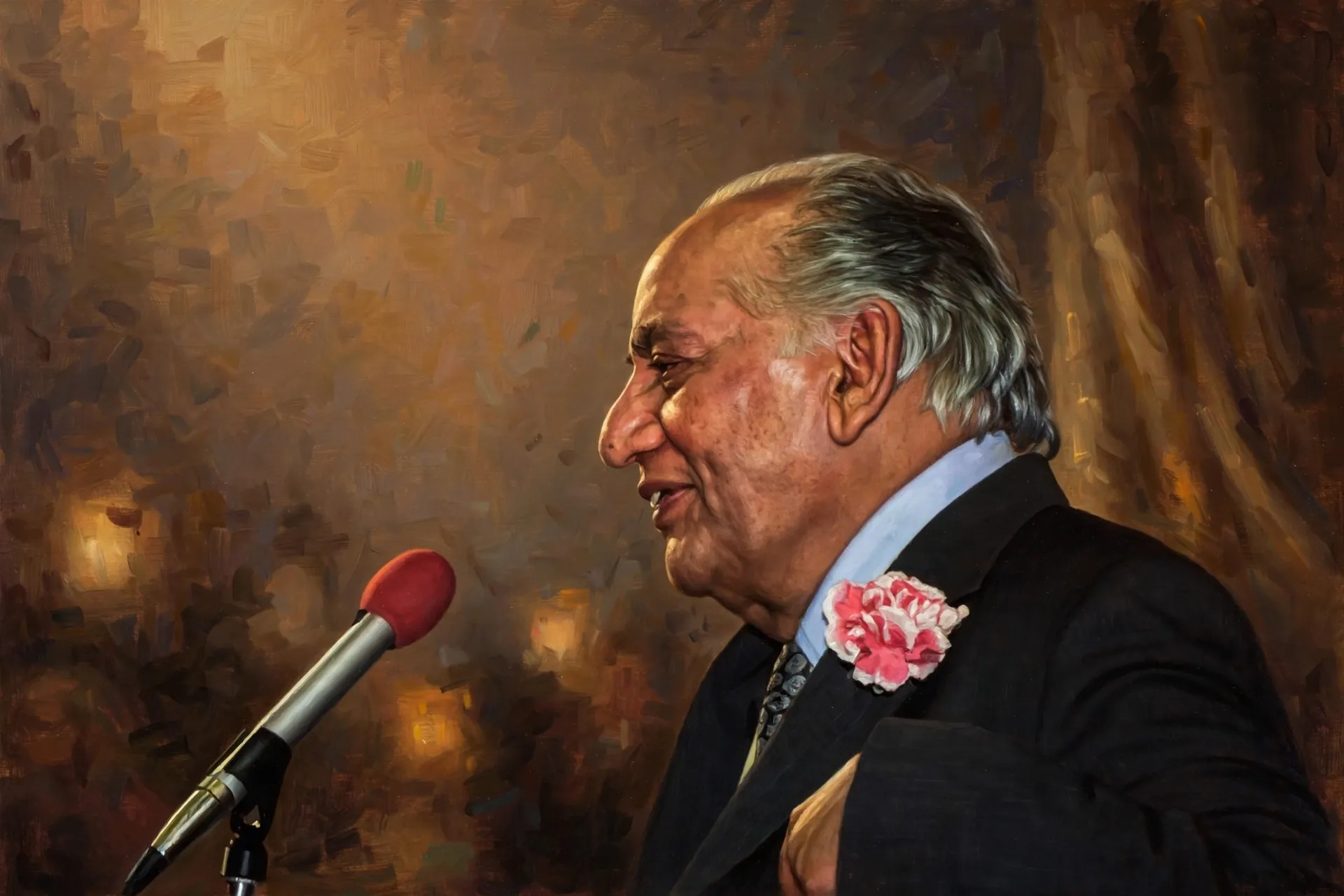
He is called the people's poet because he wrote in Punjabi about ordinary people's lives and spoke against every power that pressed on them, without joining any camp for long. Faiz Ahmad Faiz, his close friend, called him the Habib Jalib of Punjabi poetry. Before 1947 he wrote against British rule. After independence he turned the same satire on Pakistan's own rulers in turn, from the Daultanas and the Noons to Ayub, Yahya, Bhutto and Zia.
Two episodes show the pattern. When Bhutto, who had raised the slogan of fighting India for a thousand years, went to Simla to meet Indira Gandhi, Daman answered with the poem that begins Ki kari janaan ain, what are you doing, and it became an instant hit. A police search of his room followed, a bomb was said to have been recovered, and a case was registered against him that later fizzled out. Friends urged him to hide outside Lahore. He returned the next day, saying he could not live without the city. He had earlier refused Nehru's invitation to settle in India for the same reason.
His verses also reached people who never attended a mushaira. Two of his poems, sung by Noor Jehan to music by Feroz Nizami, were used in the Pakistani film Chanway in 1951, and his lines are still quoted across Punjab. He asked for no patronage and kept no house of his own, which is why the title the people's poet stuck: the poetry cost him comfort and bought him a hearing.
ਬਾਅਦ ਦਾ ਜੀਵਨ ਅਤੇ ਵਿਰਾਸਤ
In his last years he read more than he wrote and withdrew from literary functions, though visitors still came to the small room. His friendship with Faiz Ahmad Faiz lasted to the end. Daman, already gravely ill, travelled by rickshaw to Faiz's funeral on 20 November 1984 and kept repeating that his own turn had come. He died thirteen days later, on 3 December 1984, aged 73, and was buried in the Madhu Lal Hussain graveyard in Lahore.
He published no book in his lifetime. After his death his disciples and admirers gathered the verses they had memorised and published them as Daman De Moti, Daman's String of Pearls, and set up the Daman Academy in his rooms behind the Fort to keep the work alive. The Academy has published his poetry and run classes for Punjabi readers and writers. For a tailor who owned three books, a sack, a bucket, a chair and a table when he moved into those rooms, it is a fitting legacy: the city he refused to leave still recites him.
ਉਹ ਲਾਹੌਰ ਵਿੱਚ ਹੀ ਰਿਹਾ। ਚੁੱਪ ਦੇ ਇੱਕ ਦੌਰ ਤੋਂ ਬਾਅਦ, ਜਿਸ ਵਿੱਚ ਇੱਕ ਬਿਰਤਾਂਤ ਅਨੁਸਾਰ ਉਸ ਨੇ ਤਿੰਨ ਸਾਲ ਕੁਝ ਨਹੀਂ ਰਚਿਆ, ਉਹ ਬਾਦਸ਼ਾਹੀ ਮਸਜਿਦ ਦੇ ਕੋਲ ਇੱਕ ਛੋਟੇ ਜਿਹੇ ਕਮਰੇ ਵਿੱਚ ਅਤੇ ਬਾਅਦ ਵਿੱਚ ਲਾਹੌਰ ਕਿਲ੍ਹੇ ਦੇ ਪਿੱਛੇ ਵਾਲੇ ਕਮਰਿਆਂ ਵਿੱਚ ਰਹਿਣ ਲੱਗਾ, ਅਤੇ ਸਾਰੀ ਉਮਰ ਉੱਥੇ ਫ਼ਕੀਰਾਂ ਵਾਂਗ ਰਿਹਾ। ਦੋਸਤ, ਸ਼ਾਇਰ, ਸਿਆਸਤਦਾਨ ਅਤੇ ਕੰਮਕਾਜੀ ਲੋਕ ਸਭ ਉਸ ਕਮਰੇ ਤੱਕ ਪਹੁੰਚਦੇ ਸਨ। ਉਹ ਲਾਹੌਰ ਵਿੱਚ ਤਰੱਕੀਪਸੰਦ ਲੇਖਕਾਂ ਦੇ ਹਲਕੇ ਨਾਲ ਜੁੜਿਆ ਅਤੇ ਉਹਨਾਂ ਦੀ ਇੱਕ ਕਾਨਫ਼ਰੰਸ ਵਿੱਚ ਆਪਣੀ ਕਵਿਤਾ ਇਨਕਲਾਬ ਪੜ੍ਹੀ, ਅਤੇ ਕੁਝ ਸਮਾਂ ਨਵੀਂ ਹੀਰ ਉੱਤੇ ਕੰਮ ਕੀਤਾ ਜੋ ਕਦੇ ਪੂਰੀ ਨਾ ਹੋਈ।
ਉਸਤਾਦ ਦਾਮਨ ਨੂੰ ਲੋਕਾਂ ਦਾ ਸ਼ਾਇਰ ਕਿਉਂ ਕਿਹਾ ਜਾਂਦਾ ਹੈ?
ਉਸ ਨੂੰ ਲੋਕਾਂ ਦਾ ਸ਼ਾਇਰ ਇਸ ਲਈ ਕਿਹਾ ਜਾਂਦਾ ਹੈ ਕਿਉਂਕਿ ਉਸ ਨੇ ਪੰਜਾਬੀ ਵਿੱਚ ਆਮ ਲੋਕਾਂ ਦੀ ਜ਼ਿੰਦਗੀ ਬਾਰੇ ਲਿਖਿਆ ਅਤੇ ਹਰ ਉਸ ਤਾਕਤ ਦੇ ਖ਼ਿਲਾਫ਼ ਬੋਲਿਆ ਜੋ ਉਹਨਾਂ ਉੱਤੇ ਦਬਾਅ ਪਾਉਂਦੀ ਸੀ, ਬਿਨਾਂ ਕਿਸੇ ਧੜੇ ਨਾਲ ਲੰਮੇ ਸਮੇਂ ਲਈ ਜੁੜੇ। ਉਸ ਦੇ ਨਜ਼ਦੀਕੀ ਦੋਸਤ ਫ਼ੈਜ਼ ਅਹਿਮਦ ਫ਼ੈਜ਼ ਨੇ ਉਸ ਨੂੰ ਪੰਜਾਬੀ ਸ਼ਾਇਰੀ ਦਾ ਹਬੀਬ ਜਾਲਿਬ ਕਿਹਾ। 1947 ਤੋਂ ਪਹਿਲਾਂ ਉਸ ਨੇ ਬਰਤਾਨਵੀ ਰਾਜ ਦੇ ਖ਼ਿਲਾਫ਼ ਲਿਖਿਆ। ਆਜ਼ਾਦੀ ਤੋਂ ਬਾਅਦ ਉਸ ਨੇ ਉਹੀ ਵਿਅੰਗ ਵਾਰੀ-ਵਾਰੀ ਪਾਕਿਸਤਾਨ ਦੇ ਆਪਣੇ ਹਾਕਮਾਂ ਵੱਲ ਮੋੜਿਆ, ਦੌਲਤਾਨਿਆਂ ਅਤੇ ਨੂਨਾਂ ਤੋਂ ਲੈ ਕੇ ਅਯੂਬ, ਯਾਹੀਆ, ਭੁੱਟੋ ਅਤੇ ਜ਼ਿਆ ਤੱਕ।
ਦੋ ਘਟਨਾਵਾਂ ਇਹ ਢੰਗ ਦਿਖਾਉਂਦੀਆਂ ਹਨ। ਜਦੋਂ ਭੁੱਟੋ, ਜਿਸ ਨੇ ਭਾਰਤ ਨਾਲ ਹਜ਼ਾਰ ਸਾਲ ਲੜਨ ਦਾ ਨਾਅਰਾ ਲਾਇਆ ਸੀ, ਇੰਦਰਾ ਗਾਂਧੀ ਨੂੰ ਮਿਲਣ ਸ਼ਿਮਲਾ ਗਿਆ, ਤਾਂ ਦਾਮਨ ਨੇ ਉਸ ਕਵਿਤਾ ਨਾਲ ਜਵਾਬ ਦਿੱਤਾ ਜੋ ਕੀ ਕਰੀ ਜਾਨਾਂ ਐਂ ਨਾਲ ਸ਼ੁਰੂ ਹੁੰਦੀ ਹੈ, ਤੂੰ ਕੀ ਕਰ ਰਿਹਾ ਹੈਂ, ਅਤੇ ਇਹ ਤੁਰੰਤ ਹਿੱਟ ਹੋਈ। ਇਸ ਤੋਂ ਬਾਅਦ ਉਸ ਦੇ ਕਮਰੇ ਦੀ ਪੁਲਿਸ ਤਲਾਸ਼ੀ ਹੋਈ, ਕਿਹਾ ਗਿਆ ਕਿ ਬੰਬ ਮਿਲਿਆ ਹੈ, ਅਤੇ ਉਸ ਦੇ ਖ਼ਿਲਾਫ਼ ਮੁਕੱਦਮਾ ਦਰਜ ਹੋਇਆ ਜੋ ਬਾਅਦ ਵਿੱਚ ਠੱਪ ਹੋ ਗਿਆ। ਦੋਸਤਾਂ ਨੇ ਉਸ ਨੂੰ ਲਾਹੌਰ ਤੋਂ ਬਾਹਰ ਲੁਕਣ ਦੀ ਸਲਾਹ ਦਿੱਤੀ। ਉਹ ਅਗਲੇ ਦਿਨ ਮੁੜ ਆਇਆ ਅਤੇ ਕਿਹਾ ਕਿ ਉਹ ਸ਼ਹਿਰ ਤੋਂ ਬਿਨਾਂ ਨਹੀਂ ਰਹਿ ਸਕਦਾ। ਉਸ ਨੇ ਇਸੇ ਕਾਰਨ ਪਹਿਲਾਂ ਨਹਿਰੂ ਦਾ ਭਾਰਤ ਵਿੱਚ ਵੱਸਣ ਦਾ ਸੱਦਾ ਵੀ ਠੁਕਰਾ ਦਿੱਤਾ ਸੀ।
ਉਸ ਦੀਆਂ ਸਤਰਾਂ ਉਹਨਾਂ ਲੋਕਾਂ ਤੱਕ ਵੀ ਪਹੁੰਚੀਆਂ ਜੋ ਕਦੇ ਕਵੀ ਦਰਬਾਰ ਵਿੱਚ ਨਹੀਂ ਗਏ। ਉਸ ਦੀਆਂ ਦੋ ਕਵਿਤਾਵਾਂ, ਜੋ ਨੂਰ ਜਹਾਂ ਨੇ ਫ਼ਿਰੋਜ਼ ਨਿਜ਼ਾਮੀ ਦੇ ਸੰਗੀਤ ਉੱਤੇ ਗਾਈਆਂ, 1951 ਵਿੱਚ ਪਾਕਿਸਤਾਨੀ ਫ਼ਿਲਮ ਚਨਵੇ ਵਿੱਚ ਵਰਤੀਆਂ ਗਈਆਂ, ਅਤੇ ਉਸ ਦੀਆਂ ਸਤਰਾਂ ਅੱਜ ਵੀ ਪੰਜਾਬ ਭਰ ਵਿੱਚ ਦੁਹਰਾਈਆਂ ਜਾਂਦੀਆਂ ਹਨ। ਉਸ ਨੇ ਕੋਈ ਸਰਪ੍ਰਸਤੀ ਨਹੀਂ ਮੰਗੀ ਅਤੇ ਆਪਣਾ ਘਰ ਨਹੀਂ ਰੱਖਿਆ, ਇਸੇ ਲਈ ਲੋਕਾਂ ਦੇ ਸ਼ਾਇਰ ਦਾ ਖ਼ਿਤਾਬ ਪੱਕਾ ਹੋ ਗਿਆ: ਸ਼ਾਇਰੀ ਨੇ ਉਸ ਨੂੰ ਸੁੱਖ ਤੋਂ ਵਾਂਝਾ ਕੀਤਾ ਅਤੇ ਸੁਣਵਾਈ ਦਿੱਤੀ।
ਬਾਅਦ ਦੀ ਜ਼ਿੰਦਗੀ ਅਤੇ ਵਿਰਾਸਤ
ਆਖ਼ਰੀ ਸਾਲਾਂ ਵਿੱਚ ਉਹ ਲਿਖਣ ਨਾਲੋਂ ਪੜ੍ਹਦਾ ਵੱਧ ਸੀ ਅਤੇ ਸਾਹਿਤਕ ਸਮਾਗਮਾਂ ਤੋਂ ਪਿੱਛੇ ਹਟ ਗਿਆ, ਭਾਵੇਂ ਮਿਲਣ ਵਾਲੇ ਅਜੇ ਵੀ ਛੋਟੇ ਕਮਰੇ ਵਿੱਚ ਆਉਂਦੇ ਸਨ। ਫ਼ੈਜ਼ ਅਹਿਮਦ ਫ਼ੈਜ਼ ਨਾਲ ਉਸ ਦੀ ਦੋਸਤੀ ਅੰਤ ਤੱਕ ਰਹੀ। ਦਾਮਨ, ਜੋ ਪਹਿਲਾਂ ਹੀ ਗੰਭੀਰ ਬਿਮਾਰ ਸੀ, 20 ਨਵੰਬਰ 1984 ਨੂੰ ਰਿਕਸ਼ੇ ਵਿੱਚ ਫ਼ੈਜ਼ ਦੇ ਜਨਾਜ਼ੇ ਉੱਤੇ ਗਿਆ ਅਤੇ ਵਾਰ-ਵਾਰ ਕਹਿੰਦਾ ਰਿਹਾ ਕਿ ਹੁਣ ਉਸ ਦੀ ਵਾਰੀ ਆ ਗਈ ਹੈ। ਉਸ ਦੀ ਮੌਤ ਤੇਰਾਂ ਦਿਨ ਬਾਅਦ, 3 ਦਸੰਬਰ 1984 ਨੂੰ, 73 ਸਾਲ ਦੀ ਉਮਰ ਵਿੱਚ ਹੋਈ, ਅਤੇ ਉਸ ਨੂੰ ਲਾਹੌਰ ਦੇ ਮਧੂ ਲਾਲ ਹੁਸੈਨ ਕਬਰਿਸਤਾਨ ਵਿੱਚ ਦਫ਼ਨਾਇਆ ਗਿਆ।
ਉਸ ਨੇ ਜਿਉਂਦੇ ਜੀਅ ਕੋਈ ਕਿਤਾਬ ਨਹੀਂ ਛਪਵਾਈ। ਉਸ ਦੀ ਮੌਤ ਤੋਂ ਬਾਅਦ ਉਸ ਦੇ ਸ਼ਾਗਿਰਦਾਂ ਅਤੇ ਪ੍ਰਸ਼ੰਸਕਾਂ ਨੇ ਯਾਦ ਕੀਤੀਆਂ ਸਤਰਾਂ ਇਕੱਠੀਆਂ ਕੀਤੀਆਂ ਅਤੇ ਦਾਮਨ ਦੇ ਮੋਤੀ ਵਜੋਂ ਛਪਵਾਈਆਂ, ਅਤੇ ਕਿਲ੍ਹੇ ਦੇ ਪਿੱਛੇ ਵਾਲੇ ਉਸ ਦੇ ਕਮਰਿਆਂ ਵਿੱਚ ਕੰਮ ਨੂੰ ਜਿਉਂਦਾ ਰੱਖਣ ਲਈ ਦਾਮਨ ਅਕੈਡਮੀ ਬਣਾਈ। ਅਕੈਡਮੀ ਨੇ ਉਸ ਦੀ ਸ਼ਾਇਰੀ ਛਪਵਾਈ ਹੈ ਅਤੇ ਪੰਜਾਬੀ ਪਾਠਕਾਂ ਅਤੇ ਲੇਖਕਾਂ ਲਈ ਕਲਾਸਾਂ ਚਲਾਈਆਂ ਹਨ। ਇੱਕ ਦਰਜ਼ੀ ਲਈ, ਜੋ ਉਹਨਾਂ ਕਮਰਿਆਂ ਵਿੱਚ ਆਉਣ ਵੇਲੇ ਤਿੰਨ ਕਿਤਾਬਾਂ, ਇੱਕ ਬੋਰੀ, ਇੱਕ ਬਾਲਟੀ, ਇੱਕ ਕੁਰਸੀ ਅਤੇ ਇੱਕ ਮੇਜ਼ ਲੈ ਕੇ ਆਇਆ ਸੀ, ਇਹ ਢੁੱਕਵੀਂ ਵਿਰਾਸਤ ਹੈ: ਜਿਸ ਸ਼ਹਿਰ ਨੂੰ ਉਸ ਨੇ ਛੱਡਣ ਤੋਂ ਇਨਕਾਰ ਕੀਤਾ, ਉਹ ਅਜੇ ਵੀ ਉਸ ਨੂੰ ਪੜ੍ਹਦਾ ਹੈ।
ਰਚਨਾਵਾਂ
ਲੋਕ

ਥਾਵਾਂ

More people


ਸਰੋਤ (5)
- Ustad Daman, Wikipedia
- Ustad Daman lived and wrote poetry as someone always on the wrong side of the establishment, Dr Afzal Mirza (APNA)
- Ustad Daman: A Punjabi poet lives on in a room at the Fort, Ayesha Javed (Daily Times via APNA)
- Daman Dey Moti (Daman's Pearls), Waqas Khwaja, Herald Karachi, May 1993 (Academia.edu)
- List of Books, The Punjab Club Lahore
ਜੁਗਤੀ ਮੁਫ਼ਤ ਅਤੇ ਸੁਤੰਤਰ ਹੈ। ਪਾਠਕਾਂ ਦਾ ਸਹਿਯੋਗ ਕੋਸ਼ ਨੂੰ ਵਧਾਉਂਦਾ ਹੈ।
ਸਹਿਯੋਗ