
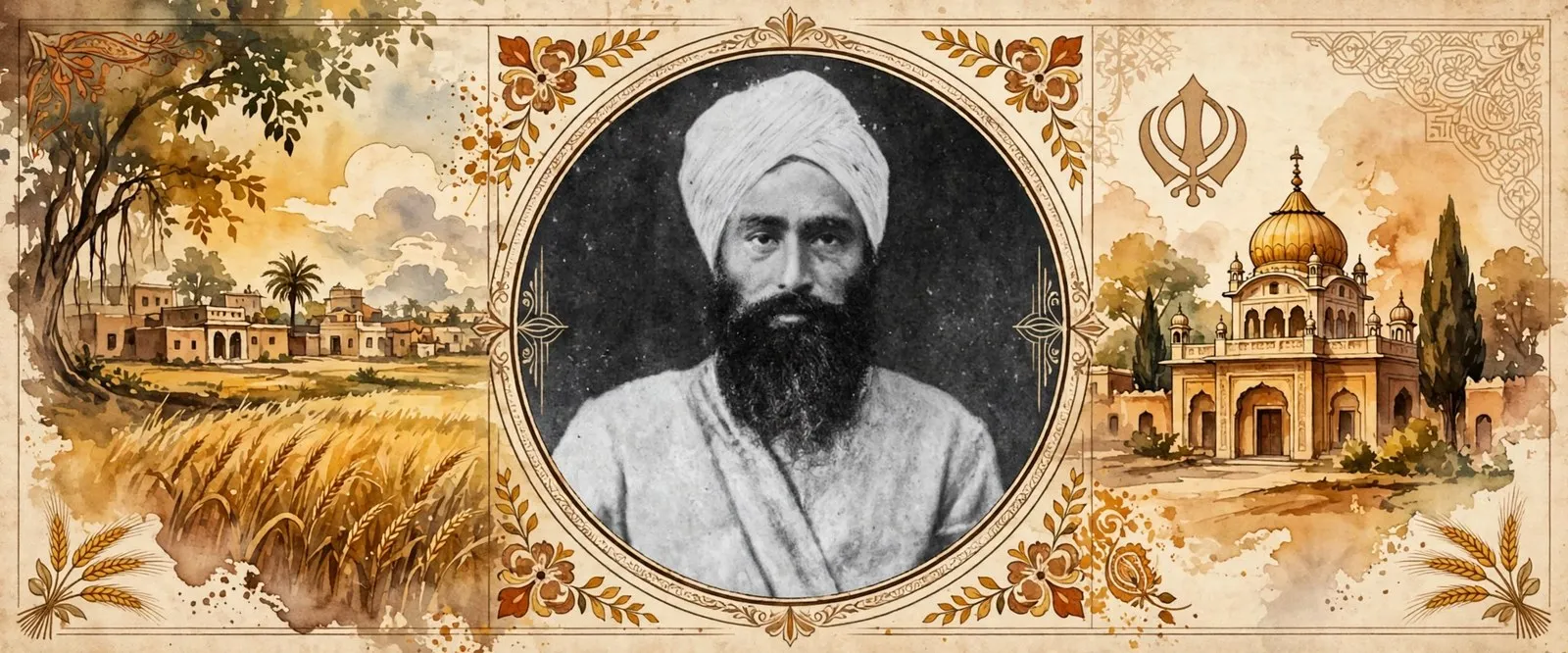
ਕਰਤਾਰ ਸਿੰਘ ਝੱਬਰ (1874 ਤੋਂ 1962) ਸ਼ੇਖ਼ੂਪੁਰਾ ਜ਼ਿਲ੍ਹੇ ਦੇ ਪਿੰਡ ਝੱਬਰ ਦਾ ਇੱਕ ਸਿੱਖ ਪ੍ਰਚਾਰਕ ਸੀ ਜੋ ਗੁਰਦੁਆਰਾ ਸੁਧਾਰ ਲਹਿਰ ਦਾ ਮੋਹਰੀ ਆਗੂ ਬਣਿਆ। ਉਸ ਨੇ 1920 ਅਤੇ 1921 ਵਿੱਚ ਉਹਨਾਂ ਅਕਾਲੀ ਜਥਿਆਂ ਦੀ ਅਗਵਾਈ ਕੀਤੀ ਜਿਨ੍ਹਾਂ ਨੇ ਬਾਬੇ ਦੀ ਬੇਰ, ਪੰਜਾ ਸਾਹਿਬ, ਸੱਚਾ ਸੌਦਾ ਅਤੇ ਤਰਨ ਤਾਰਨ ਸਾਹਿਬ ਨੂੰ ਚੁਣੀਆਂ ਹੋਈਆਂ ਸਿੱਖ ਕਮੇਟੀਆਂ ਦੇ ਪ੍ਰਬੰਧ ਹੇਠ ਲਿਆਂਦਾ।
- ਪੰਜਾਬੀ ਨਾਂ
- ਕਰਤਾਰ ਸਿੰਘ ਝੱਬਰ
- ਜਨਮ
- 1874, ਪਿੰਡ ਝੱਬਰ, ਸ਼ੇਖ਼ੂਪੁਰਾ ਜ਼ਿਲ੍ਹਾ (ਹੁਣ ਪਾਕਿਸਤਾਨ ਵਿੱਚ)
- ਜੱਦੀ ਪਿੰਡ
- ਝੱਬਰ
- ਜ਼ਿਲ੍ਹਾ
- ਸ਼ੇਖ਼ੂਪੁਰਾ
- ਇਲਾਕਾ
- ਪੱਛਮੀ ਪੰਜਾਬ
- ਦੇਹਾਂਤ
- 20 ਨਵੰਬਰ 1962, ਹਾਬੜੀ, ਕਰਨਾਲ ਜ਼ਿਲ੍ਹਾ
All 10 facts
- ਪਿਤਾ
- ਤੇਜਾ ਸਿੰਘ
- ਸਿਖਲਾਈ
- ਖ਼ਾਲਸਾ ਉਪਦੇਸ਼ਕ ਮਹਾਂਵਿਦਿਆਲਾ, ਘਰਜਾਖ (1906-1909)
- ਸੰਸਥਾਵਾਂ
- ਸਿੰਘ ਸਭਾ; ਖ਼ਾਲਸਾ ਦੀਵਾਨ ਖ਼ਰਾ ਸੌਦਾ ਬਾਰ; ਅਕਾਲੀ ਦਲ ਖ਼ਰਾ ਸੌਦਾ ਬਾਰ; ਐੱਸ.ਜੀ.ਪੀ.ਸੀ.
- ਪ੍ਰਸਿੱਧੀ
- 1920-1921 ਗੁਰਦੁਆਰਾ ਸੁਧਾਰ ਵਿੱਚ ਅਕਾਲੀ ਜਥਿਆਂ ਦੀ ਅਗਵਾਈ
ਕਰਤਾਰ ਸਿੰਘ ਝੱਬਰ (1874 ਤੋਂ 1962) ਸ਼ੇਖ਼ੂਪੁਰਾ ਜ਼ਿਲ੍ਹੇ ਦੇ ਪਿੰਡ ਝੱਬਰ ਦਾ ਇੱਕ ਸਿੱਖ ਪ੍ਰਚਾਰਕ ਸੀ ਜੋ ਗੁਰਦੁਆਰਾ ਸੁਧਾਰ ਲਹਿਰ ਦਾ ਮੋਹਰੀ ਆਗੂ ਬਣਿਆ। ਉਸ ਨੇ 1920 ਅਤੇ 1921 ਵਿੱਚ ਉਹਨਾਂ ਅਕਾਲੀ ਜਥਿਆਂ ਦੀ ਅਗਵਾਈ ਕੀਤੀ ਜਿਨ੍ਹਾਂ ਨੇ ਬਾਬੇ ਦੀ ਬੇਰ, ਪੰਜਾ ਸਾਹਿਬ, ਸੱਚਾ ਸੌਦਾ ਅਤੇ ਤਰਨ ਤਾਰਨ ਸਾਹਿਬ ਨੂੰ ਚੁਣੀਆਂ ਹੋਈਆਂ ਸਿੱਖ ਕਮੇਟੀਆਂ ਦੇ ਪ੍ਰਬੰਧ ਹੇਠ ਲਿਆਂਦਾ।
Early life and training as a preacher
Kartar Singh was born in 1874, the son of Teja Singh, in a Virk family of Jhabbar village in Sheikhupura district, in the part of Punjab that is now in Pakistan. Some accounts write the village name as Jhabian. Jhabbar, the village name, stayed with him as the name by which Sikhs knew him, and he is also recorded as Kartar Singh Virk. His grandfather Mangal Singh had served as a commandant in the army of Maharaja Ranjit Singh. Kartar Singh grew up in a farming family and had no formal schooling as a child.
In 1904 he took amrit, the Pahul baptism, from the travelling preacher Bhai Mool Singh Gurmula, whose preaching had drawn him towards religious work. From 1906 to 1909 he trained as a Sikh preacher at the Khalsa Updeshak Mahavidyala at Gharjakh, near Gujranwala. He began preaching in 1909 as a volunteer of the Singh Sabha movement and travelled through Punjab giving lectures. His base was the Sacha Sauda area near Chuharkana in his home district. In 1912 he set up the Khalsa Diwan Khara Sauda Bar at Gurdwara Sachcha Sauda, and in 1917 he opened a middle school at Chuharkana. The Diwan drew its volunteers from the Virk villages of the Lower Chenab Canal Colony. On 24 December 1920, at a convention at Sheikhupura, it was reorganised as the Akali Jatha Khara Sauda Bar with Kartar Singh Jhabbar as its jathedar, and its headquarters stayed at Sacha Sauda.
1919: death sentence, Andaman jail and release
In 1919 Kartar Singh joined the protests against the Rowlatt Acts and addressed meetings condemning the Jallianwala Bagh massacre of April that year. He was arrested for his speeches and demonstrations against the government. On 22 May 1919 a court sentenced him to death. On 30 May 1919 the sentence was reduced to transportation for life, and he was sent to jail in the Andaman Islands. In March 1920 he was released under a royal clemency and returned to Punjab, where the police kept him under watch. Within months he was again leading volunteers, this time in the campaign to bring historic gurdwaras under elected Sikh committees.
1920 to 1921: taking the gurdwaras into Sikh management
The Gurdwara Reform movement, also called the Akali movement, sought to transfer historic gurdwaras from hereditary mahant custodians and government appointed managers to elected Sikh bodies. In December 1920 the new managing committee for the gurdwaras took the name Shiromani Gurdwara Parbandhak Committee, the SGPC. Jhabbar and the jathas he led were in the front rank of the campaign, and shrine after shrine passed into committee hands in the winter of 1920 to 1921.
ਕਰਤਾਰ ਸਿੰਘ ਝੱਬਰ (1874 ਤੋਂ 1962) ਸ਼ੇਖ਼ੂਪੁਰਾ ਜ਼ਿਲ੍ਹੇ ਦੇ ਪਿੰਡ ਝੱਬਰ ਦਾ ਇੱਕ ਸਿੱਖ ਪ੍ਰਚਾਰਕ ਸੀ ਜੋ ਗੁਰਦੁਆਰਾ ਸੁਧਾਰ ਲਹਿਰ ਦਾ ਮੋਹਰੀ ਆਗੂ ਬਣਿਆ। ਉਸ ਨੇ 1920 ਅਤੇ 1921 ਵਿੱਚ ਉਹਨਾਂ ਅਕਾਲੀ ਜਥਿਆਂ ਦੀ ਅਗਵਾਈ ਕੀਤੀ ਜਿਨ੍ਹਾਂ ਨੇ ਬਾਬੇ ਦੀ ਬੇਰ, ਪੰਜਾ ਸਾਹਿਬ, ਸੱਚਾ ਸੌਦਾ ਅਤੇ ਤਰਨ ਤਾਰਨ ਸਾਹਿਬ ਨੂੰ ਚੁਣੀਆਂ ਹੋਈਆਂ ਸਿੱਖ ਕਮੇਟੀਆਂ ਦੇ ਪ੍ਰਬੰਧ ਹੇਠ ਲਿਆਂਦਾ।
ਸ਼ੁਰੂਆਤੀ ਜੀਵਨ ਅਤੇ ਪ੍ਰਚਾਰਕ ਵਜੋਂ ਸਿਖਲਾਈ
ਕਰਤਾਰ ਸਿੰਘ ਦਾ ਜਨਮ 1874 ਵਿੱਚ ਤੇਜਾ ਸਿੰਘ ਦੇ ਘਰ, ਸ਼ੇਖ਼ੂਪੁਰਾ ਜ਼ਿਲ੍ਹੇ ਦੇ ਪਿੰਡ ਝੱਬਰ ਦੇ ਇੱਕ ਵਿਰਕ ਪਰਿਵਾਰ ਵਿੱਚ ਹੋਇਆ, ਜੋ ਅੱਜ ਪਾਕਿਸਤਾਨ ਵਿੱਚ ਹੈ। ਕੁਝ ਲਿਖਤਾਂ ਵਿੱਚ ਪਿੰਡ ਦਾ ਨਾਂ ਝੱਬੀਆਂ ਵੀ ਲਿਖਿਆ ਮਿਲਦਾ ਹੈ। ਝੱਬਰ ਪਿੰਡ ਦਾ ਨਾਂ ਹੀ ਉਸ ਦੇ ਨਾਂ ਨਾਲ ਜੁੜ ਗਿਆ ਅਤੇ ਉਹ ਕਰਤਾਰ ਸਿੰਘ ਵਿਰਕ ਵੀ ਲਿਖਿਆ ਜਾਂਦਾ ਹੈ। ਉਸ ਦਾ ਦਾਦਾ ਮੰਗਲ ਸਿੰਘ ਮਹਾਰਾਜਾ ਰਣਜੀਤ ਸਿੰਘ ਦੀ ਫ਼ੌਜ ਵਿੱਚ ਕਮਾਂਡੈਂਟ ਰਿਹਾ ਸੀ। ਕਰਤਾਰ ਸਿੰਘ ਇੱਕ ਕਿਸਾਨ ਪਰਿਵਾਰ ਵਿੱਚ ਵੱਡਾ ਹੋਇਆ ਅਤੇ ਬਚਪਨ ਵਿੱਚ ਉਸ ਨੂੰ ਕੋਈ ਰਸਮੀ ਪੜ੍ਹਾਈ ਨਾ ਮਿਲੀ।
1904 ਵਿੱਚ ਉਸ ਨੇ ਘੁੰਮਦੇ ਪ੍ਰਚਾਰਕ ਭਾਈ ਮੂਲ ਸਿੰਘ ਗੁਰਮੂਲਾ ਤੋਂ ਅੰਮ੍ਰਿਤ ਛਕਿਆ, ਜਿਸ ਦੇ ਪ੍ਰਚਾਰ ਨੇ ਉਸ ਨੂੰ ਧਾਰਮਿਕ ਕੰਮ ਵੱਲ ਖਿੱਚਿਆ ਸੀ। 1906 ਤੋਂ 1909 ਤੱਕ ਉਸ ਨੇ ਗੁਜਰਾਂਵਾਲਾ ਨੇੜੇ ਘਰਜਾਖ ਵਿਖੇ ਖ਼ਾਲਸਾ ਉਪਦੇਸ਼ਕ ਮਹਾਂਵਿਦਿਆਲਾ ਵਿੱਚ ਸਿੱਖ ਪ੍ਰਚਾਰਕ ਦੀ ਸਿਖਲਾਈ ਲਈ। 1909 ਤੋਂ ਉਹ ਸਿੰਘ ਸਭਾ ਲਹਿਰ ਦਾ ਸੇਵਾਦਾਰ ਬਣ ਕੇ ਪ੍ਰਚਾਰ ਕਰਨ ਲੱਗਾ ਅਤੇ ਪੰਜਾਬ ਭਰ ਵਿੱਚ ਘੁੰਮ ਕੇ ਲੈਕਚਰ ਦਿੰਦਾ ਰਿਹਾ। ਉਸ ਦਾ ਕੇਂਦਰ ਉਸ ਦੇ ਆਪਣੇ ਜ਼ਿਲ੍ਹੇ ਵਿੱਚ ਚੂਹੜਕਾਣਾ ਨੇੜੇ ਸੱਚਾ ਸੌਦਾ ਦਾ ਇਲਾਕਾ ਸੀ। 1912 ਵਿੱਚ ਉਸ ਨੇ ਗੁਰਦੁਆਰਾ ਸੱਚਾ ਸੌਦਾ ਵਿਖੇ ਖ਼ਾਲਸਾ ਦੀਵਾਨ ਖ਼ਰਾ ਸੌਦਾ ਬਾਰ ਬਣਾਇਆ ਅਤੇ 1917 ਵਿੱਚ ਚੂਹੜਕਾਣਾ ਵਿੱਚ ਇੱਕ ਮਿਡਲ ਸਕੂਲ ਖੋਲ੍ਹਿਆ। ਦੀਵਾਨ ਦੇ ਸੇਵਾਦਾਰ ਹੇਠਲੀ ਚਨਾਬ ਨਹਿਰੀ ਬਸਤੀ ਦੇ ਵਿਰਕ ਪਿੰਡਾਂ ਤੋਂ ਆਉਂਦੇ ਸਨ। 24 ਦਸੰਬਰ 1920 ਨੂੰ ਸ਼ੇਖ਼ੂਪੁਰਾ ਵਿਖੇ ਹੋਏ ਇਕੱਠ ਵਿੱਚ ਇਸ ਨੂੰ ਅਕਾਲੀ ਜਥਾ ਖ਼ਰਾ ਸੌਦਾ ਬਾਰ ਵਜੋਂ ਮੁੜ ਬਣਾਇਆ ਗਿਆ, ਕਰਤਾਰ ਸਿੰਘ ਝੱਬਰ ਇਸ ਦਾ ਜਥੇਦਾਰ ਬਣਿਆ ਅਤੇ ਇਸ ਦਾ ਮੁੱਖ ਦਫ਼ਤਰ ਸੱਚਾ ਸੌਦਾ ਹੀ ਰਿਹਾ।
1919: ਮੌਤ ਦੀ ਸਜ਼ਾ, ਅੰਡੇਮਾਨ ਜੇਲ੍ਹ ਅਤੇ ਰਿਹਾਈ
1919 ਵਿੱਚ ਕਰਤਾਰ ਸਿੰਘ ਰੌਲਟ ਕਾਨੂੰਨਾਂ ਵਿਰੁੱਧ ਹੋਏ ਵਿਰੋਧ ਵਿੱਚ ਸ਼ਾਮਲ ਹੋਇਆ ਅਤੇ ਉਸ ਸਾਲ ਅਪ੍ਰੈਲ ਵਿੱਚ ਹੋਏ ਜਲ੍ਹਿਆਂਵਾਲਾ ਬਾਗ਼ ਦੇ ਸਾਕੇ ਦੀ ਨਿੰਦਾ ਕਰਨ ਵਾਲੀਆਂ ਸਭਾਵਾਂ ਨੂੰ ਸੰਬੋਧਨ ਕੀਤਾ। ਸਰਕਾਰ ਵਿਰੁੱਧ ਭਾਸ਼ਣਾਂ ਅਤੇ ਮੁਜ਼ਾਹਰਿਆਂ ਲਈ ਉਸ ਨੂੰ ਗ੍ਰਿਫ਼ਤਾਰ ਕੀਤਾ ਗਿਆ। 22 ਮਈ 1919 ਨੂੰ ਅਦਾਲਤ ਨੇ ਉਸ ਨੂੰ ਮੌਤ ਦੀ ਸਜ਼ਾ ਸੁਣਾਈ। 30 ਮਈ 1919 ਨੂੰ ਸਜ਼ਾ ਘਟਾ ਕੇ ਉਮਰ ਕੈਦ ਕਰ ਦਿੱਤੀ ਗਈ ਅਤੇ ਉਸ ਨੂੰ ਅੰਡੇਮਾਨ ਟਾਪੂਆਂ ਦੀ ਜੇਲ੍ਹ ਭੇਜ ਦਿੱਤਾ ਗਿਆ। ਮਾਰਚ 1920 ਵਿੱਚ ਸ਼ਾਹੀ ਮਾਫ਼ੀ ਹੇਠ ਉਹ ਰਿਹਾ ਹੋਇਆ ਅਤੇ ਪੰਜਾਬ ਵਾਪਸ ਆ ਗਿਆ, ਜਿੱਥੇ ਪੁਲਿਸ ਉਸ ਉੱਤੇ ਨਜ਼ਰ ਰੱਖਦੀ ਰਹੀ। ਕੁਝ ਮਹੀਨਿਆਂ ਵਿੱਚ ਹੀ ਉਹ ਮੁੜ ਸੇਵਾਦਾਰਾਂ ਦੀ ਅਗਵਾਈ ਕਰਨ ਲੱਗਾ, ਇਸ ਵਾਰ ਇਤਿਹਾਸਕ ਗੁਰਦੁਆਰਿਆਂ ਨੂੰ ਚੁਣੀਆਂ ਹੋਈਆਂ ਸਿੱਖ ਕਮੇਟੀਆਂ ਹੇਠ ਲਿਆਉਣ ਦੀ ਮੁਹਿੰਮ ਵਿੱਚ।
1920 ਤੋਂ 1921: ਗੁਰਦੁਆਰੇ ਸਿੱਖ ਪ੍ਰਬੰਧ ਹੇਠ ਲਿਆਉਣਾ
ਗੁਰਦੁਆਰਾ ਸੁਧਾਰ ਲਹਿਰ, ਜਿਸ ਨੂੰ ਅਕਾਲੀ ਲਹਿਰ ਵੀ ਕਿਹਾ ਜਾਂਦਾ ਹੈ, ਦਾ ਮਕਸਦ ਇਤਿਹਾਸਕ ਗੁਰਦੁਆਰਿਆਂ ਨੂੰ ਪੁਸ਼ਤੈਨੀ ਮਹੰਤਾਂ ਅਤੇ ਸਰਕਾਰ ਵੱਲੋਂ ਨਿਯੁਕਤ ਪ੍ਰਬੰਧਕਾਂ ਤੋਂ ਲੈ ਕੇ ਚੁਣੀਆਂ ਹੋਈਆਂ ਸਿੱਖ ਸੰਸਥਾਵਾਂ ਹਵਾਲੇ ਕਰਨਾ ਸੀ। ਦਸੰਬਰ 1920 ਵਿੱਚ ਗੁਰਦੁਆਰਿਆਂ ਦੀ ਨਵੀਂ ਪ੍ਰਬੰਧਕ ਕਮੇਟੀ ਦਾ ਨਾਂ ਸ਼੍ਰੋਮਣੀ ਗੁਰਦੁਆਰਾ ਪ੍ਰਬੰਧਕ ਕਮੇਟੀ ਪਿਆ, ਜਿਸ ਨੂੰ ਐੱਸ.ਜੀ.ਪੀ.ਸੀ. ਕਿਹਾ ਜਾਂਦਾ ਹੈ। ਝੱਬਰ ਅਤੇ ਉਸ ਦੇ ਜਥੇ ਇਸ ਮੁਹਿੰਮ ਦੀ ਅਗਲੀ ਕਤਾਰ ਵਿੱਚ ਸਨ ਅਤੇ 1920 ਤੋਂ 1921 ਦੀ ਸਰਦੀ ਵਿੱਚ ਇੱਕ ਤੋਂ ਬਾਅਦ ਇੱਕ ਅਸਥਾਨ ਕਮੇਟੀਆਂ ਦੇ ਹੱਥ ਆਉਂਦਾ ਗਿਆ।
In early October 1920 he led a jatha of volunteers to Sialkot and took possession of Gurdwara Babe di Ber. The shrine had been held by the widow of Mahant Harnam Singh, who gave it up after she was offered a pension. An elected committee took over its management with Baba Kharak Singh as president. Days later, on 12 October 1920, Jhabbar and Teja Singh Bhuchchar secured the release of the Akal Takht at Amritsar. Teja Singh became its first jathedar, and Jhabbar was placed on the nine member committee set up to manage the Golden Temple, Sri Harmandir Sahib.
The campaign then moved from shrine to shrine. In November 1920 his Akalis took Gurdwara Panja Sahib at Hasan Abdal from Mahant Mitha Singh. In December 1920 they took Gurdwara Sacha Sauda at Chuharkana, the shrine linked with the young Guru Nanak and his true bargain. On 26 January 1921 they took Gurdwara Tarn Taran Sahib, and on 31 January 1921 Gurdwara Guru ka Bagh near Amritsar. Each takeover was followed by a committee appointed to run the shrine, so that possession passed at once into organised Sikh management.
In February 1921 the movement reached Nankana Sahib, the birthplace of Guru Nanak. On 20 February 1921 men employed by Mahant Narain Das killed more than a hundred Akali volunteers at Gurdwara Janam Asthan. Jhabbar was arrested on 11 March 1921 and spent about six months in jail. He was arrested again in June 1924 and sent to Campbellpore jail, moved to Multan jail in September 1925 and to Rawalpindi in April 1926. He stayed in custody for more than four years and was released in December 1928. While he was in jail the movement reached its settlement: the Sikh Gurdwaras Act of 1925 placed the historic shrines under a representative Sikh board, the arrangement that still governs them through the SGPC.
Why is Kartar Singh Jhabbar remembered?
Kartar Singh Jhabbar is remembered as the jathedar whose jathas first put the Gurdwara Reform movement into practice on the ground in 1920 and 1921. Babe di Ber is counted as the opening action of the movement, and his name is tied to the release of the Akal Takht and to the string of shrines taken that winter. He should not be confused with two other men of the same name. Kartar Singh Sarabha, born in 1896, was a Ghadar Party member who was hanged at Lahore in 1915 at the age of 19, five years before the Akali movement began. Giani Kartar Singh, born in 1902, belonged to the next generation of Akali politics and later became president of the Shiromani Akali Dal and a Punjab minister. Jhabbar, born in 1874, was a preacher of the older generation who became a field leader of the reform campaign. A biography published in 1968 called him the spearhead of the Akali movement.
Later life, Partition and death
After the 1925 Act handed the gurdwaras to a representative board, Jhabbar retired to a quieter life in his village, though the authorities continued to watch him. In January 1933 he faced a murder charge after a clash at Nankana Sahib over possession of a portion of gurdwara land, and the court acquitted him. In 1937 he led a jatha to Kot Bhai Than Singh and held a Sikh diwan there despite orders from the local chieftain forbidding it. After the Partition of Punjab in August 1947 he crossed to East Punjab and settled at Habri village in Karnal district, in what is now Kaithal district of Haryana. There he worked on the resettlement of refugees who had lost their homes in the west. He died at Habri on 20 November 1962.
ਵਿਰਾਸਤ
Jhabbar left no party or office behind him. His legacy is the settlement he helped to win: historic gurdwaras managed by elected Sikh committees instead of hereditary custodians, confirmed in law in 1925 and carried on today by the SGPC. Sikh histories remember the energy he brought to the first months of that campaign, when a preacher from a Sheikhupura village led volunteers from shrine to shrine across Punjab. His story reached a wider audience through the Punjabi film Saka - The Martyrs of Nankana Sahib, in which the actor Mukul Dev played him. For readers tracing the Akali movement, his life links the Singh Sabha preaching of the 1900s, the punishments of 1919 and the elected gurdwara management that followed.
ਅਕਤੂਬਰ 1920 ਦੇ ਸ਼ੁਰੂ ਵਿੱਚ ਉਹ ਸੇਵਾਦਾਰਾਂ ਦਾ ਜਥਾ ਲੈ ਕੇ ਸਿਆਲਕੋਟ ਗਿਆ ਅਤੇ ਗੁਰਦੁਆਰਾ ਬਾਬੇ ਦੀ ਬੇਰ ਉੱਤੇ ਕਬਜ਼ਾ ਕੀਤਾ। ਇਹ ਅਸਥਾਨ ਮਹੰਤ ਹਰਨਾਮ ਸਿੰਘ ਦੀ ਵਿਧਵਾ ਕੋਲ ਸੀ, ਜਿਸ ਨੇ ਪੈਨਸ਼ਨ ਦੀ ਪੇਸ਼ਕਸ਼ ਤੋਂ ਬਾਅਦ ਇਸ ਨੂੰ ਛੱਡ ਦਿੱਤਾ। ਚੁਣੀ ਹੋਈ ਕਮੇਟੀ ਨੇ ਇਸ ਦਾ ਪ੍ਰਬੰਧ ਸੰਭਾਲਿਆ ਅਤੇ ਬਾਬਾ ਖੜਕ ਸਿੰਘ ਇਸ ਦੇ ਪ੍ਰਧਾਨ ਬਣੇ। ਕੁਝ ਦਿਨਾਂ ਬਾਅਦ, 12 ਅਕਤੂਬਰ 1920 ਨੂੰ, ਝੱਬਰ ਅਤੇ ਤੇਜਾ ਸਿੰਘ ਭੁੱਚਰ ਨੇ ਅੰਮ੍ਰਿਤਸਰ ਵਿਖੇ ਅਕਾਲ ਤਖ਼ਤ ਛੁਡਵਾਇਆ। ਤੇਜਾ ਸਿੰਘ ਇਸ ਦਾ ਪਹਿਲਾ ਜਥੇਦਾਰ ਬਣਿਆ ਅਤੇ ਝੱਬਰ ਨੂੰ ਸ੍ਰੀ ਹਰਿਮੰਦਰ ਸਾਹਿਬ ਦੇ ਪ੍ਰਬੰਧ ਲਈ ਬਣੀ ਨੌਂ ਮੈਂਬਰੀ ਕਮੇਟੀ ਵਿੱਚ ਰੱਖਿਆ ਗਿਆ।
ਫਿਰ ਮੁਹਿੰਮ ਇੱਕ ਅਸਥਾਨ ਤੋਂ ਦੂਜੇ ਅਸਥਾਨ ਵੱਲ ਵਧੀ। ਨਵੰਬਰ 1920 ਵਿੱਚ ਉਸ ਦੇ ਅਕਾਲੀਆਂ ਨੇ ਹਸਨ ਅਬਦਾਲ ਵਿਖੇ ਗੁਰਦੁਆਰਾ ਪੰਜਾ ਸਾਹਿਬ ਮਹੰਤ ਮਿੱਠਾ ਸਿੰਘ ਤੋਂ ਲਿਆ। ਦਸੰਬਰ 1920 ਵਿੱਚ ਉਨ੍ਹਾਂ ਨੇ ਚੂਹੜਕਾਣਾ ਵਿਖੇ ਗੁਰਦੁਆਰਾ ਸੱਚਾ ਸੌਦਾ ਲਿਆ, ਜੋ ਨੌਜਵਾਨ ਗੁਰੂ ਨਾਨਕ ਅਤੇ ਉਨ੍ਹਾਂ ਦੇ ਸੱਚੇ ਸੌਦੇ ਨਾਲ ਜੁੜਿਆ ਅਸਥਾਨ ਹੈ। 26 ਜਨਵਰੀ 1921 ਨੂੰ ਉਨ੍ਹਾਂ ਨੇ ਗੁਰਦੁਆਰਾ ਤਰਨ ਤਾਰਨ ਸਾਹਿਬ ਲਿਆ ਅਤੇ 31 ਜਨਵਰੀ 1921 ਨੂੰ ਅੰਮ੍ਰਿਤਸਰ ਨੇੜੇ ਗੁਰਦੁਆਰਾ ਗੁਰੂ ਕਾ ਬਾਗ਼ ਲਿਆ। ਹਰ ਕਬਜ਼ੇ ਤੋਂ ਬਾਅਦ ਅਸਥਾਨ ਚਲਾਉਣ ਲਈ ਕਮੇਟੀ ਨਿਯੁਕਤ ਕੀਤੀ ਜਾਂਦੀ ਸੀ, ਤਾਂ ਜੋ ਕਬਜ਼ਾ ਤੁਰੰਤ ਜਥੇਬੰਦ ਸਿੱਖ ਪ੍ਰਬੰਧ ਵਿੱਚ ਬਦਲ ਜਾਵੇ।
ਫ਼ਰਵਰੀ 1921 ਵਿੱਚ ਲਹਿਰ ਨਨਕਾਣਾ ਸਾਹਿਬ ਪਹੁੰਚੀ, ਜੋ ਗੁਰੂ ਨਾਨਕ ਦਾ ਜਨਮ ਅਸਥਾਨ ਹੈ। 20 ਫ਼ਰਵਰੀ 1921 ਨੂੰ ਮਹੰਤ ਨਰਾਇਣ ਦਾਸ ਦੇ ਰੱਖੇ ਆਦਮੀਆਂ ਨੇ ਗੁਰਦੁਆਰਾ ਜਨਮ ਅਸਥਾਨ ਵਿਖੇ ਸੌ ਤੋਂ ਵੱਧ ਅਕਾਲੀ ਸੇਵਾਦਾਰਾਂ ਨੂੰ ਮਾਰ ਦਿੱਤਾ। ਝੱਬਰ ਨੂੰ 11 ਮਾਰਚ 1921 ਨੂੰ ਗ੍ਰਿਫ਼ਤਾਰ ਕੀਤਾ ਗਿਆ ਅਤੇ ਉਹ ਲਗਭਗ ਛੇ ਮਹੀਨੇ ਜੇਲ੍ਹ ਰਿਹਾ। ਜੂਨ 1924 ਵਿੱਚ ਉਸ ਨੂੰ ਮੁੜ ਗ੍ਰਿਫ਼ਤਾਰ ਕਰਕੇ ਕੈਂਪਬੈਲਪੁਰ ਜੇਲ੍ਹ ਭੇਜਿਆ ਗਿਆ, ਸਤੰਬਰ 1925 ਵਿੱਚ ਮੁਲਤਾਨ ਜੇਲ੍ਹ ਅਤੇ ਅਪ੍ਰੈਲ 1926 ਵਿੱਚ ਰਾਵਲਪਿੰਡੀ ਭੇਜਿਆ ਗਿਆ। ਉਹ ਚਾਰ ਸਾਲ ਤੋਂ ਵੱਧ ਕੈਦ ਰਿਹਾ ਅਤੇ ਦਸੰਬਰ 1928 ਵਿੱਚ ਰਿਹਾ ਹੋਇਆ। ਜਦੋਂ ਉਹ ਜੇਲ੍ਹ ਵਿੱਚ ਸੀ, ਲਹਿਰ ਆਪਣੇ ਸਮਝੌਤੇ ਤੱਕ ਪਹੁੰਚ ਗਈ: 1925 ਦੇ ਸਿੱਖ ਗੁਰਦੁਆਰਾ ਐਕਟ ਨੇ ਇਤਿਹਾਸਕ ਅਸਥਾਨ ਇੱਕ ਪ੍ਰਤੀਨਿਧ ਸਿੱਖ ਬੋਰਡ ਹੇਠ ਕਰ ਦਿੱਤੇ, ਅਤੇ ਅੱਜ ਵੀ ਇਹ ਪ੍ਰਬੰਧ ਐੱਸ.ਜੀ.ਪੀ.ਸੀ. ਰਾਹੀਂ ਚੱਲਦਾ ਹੈ।
ਕਰਤਾਰ ਸਿੰਘ ਝੱਬਰ ਕਿਉਂ ਯਾਦ ਕੀਤੇ ਜਾਂਦੇ ਹਨ?
ਕਰਤਾਰ ਸਿੰਘ ਝੱਬਰ ਨੂੰ ਉਸ ਜਥੇਦਾਰ ਵਜੋਂ ਯਾਦ ਕੀਤਾ ਜਾਂਦਾ ਹੈ ਜਿਸ ਦੇ ਜਥਿਆਂ ਨੇ 1920 ਅਤੇ 1921 ਵਿੱਚ ਗੁਰਦੁਆਰਾ ਸੁਧਾਰ ਲਹਿਰ ਨੂੰ ਪਹਿਲੀ ਵਾਰ ਜ਼ਮੀਨ ਉੱਤੇ ਅਮਲ ਵਿੱਚ ਲਿਆਂਦਾ। ਬਾਬੇ ਦੀ ਬੇਰ ਨੂੰ ਲਹਿਰ ਦੀ ਸ਼ੁਰੂਆਤੀ ਕਾਰਵਾਈ ਮੰਨਿਆ ਜਾਂਦਾ ਹੈ ਅਤੇ ਉਸ ਦਾ ਨਾਂ ਅਕਾਲ ਤਖ਼ਤ ਦੀ ਰਿਹਾਈ ਅਤੇ ਉਸ ਸਰਦੀ ਵਿੱਚ ਲਏ ਗਏ ਅਸਥਾਨਾਂ ਦੀ ਲੜੀ ਨਾਲ ਜੁੜਿਆ ਹੈ। ਉਸ ਨੂੰ ਇਸੇ ਨਾਂ ਦੇ ਦੋ ਹੋਰ ਆਦਮੀਆਂ ਨਾਲ ਨਾ ਰਲਾਓ। ਕਰਤਾਰ ਸਿੰਘ ਸਰਾਭਾ, ਜਨਮ 1896, ਗ਼ਦਰ ਪਾਰਟੀ ਦਾ ਮੈਂਬਰ ਸੀ ਜਿਸ ਨੂੰ 1915 ਵਿੱਚ ਲਾਹੌਰ ਵਿਖੇ 19 ਸਾਲ ਦੀ ਉਮਰ ਵਿੱਚ ਫਾਂਸੀ ਦਿੱਤੀ ਗਈ, ਅਕਾਲੀ ਲਹਿਰ ਸ਼ੁਰੂ ਹੋਣ ਤੋਂ ਪੰਜ ਸਾਲ ਪਹਿਲਾਂ। ਗਿਆਨੀ ਕਰਤਾਰ ਸਿੰਘ, ਜਨਮ 1902, ਅਕਾਲੀ ਸਿਆਸਤ ਦੀ ਅਗਲੀ ਪੀੜ੍ਹੀ ਦਾ ਸੀ ਅਤੇ ਬਾਅਦ ਵਿੱਚ ਸ਼੍ਰੋਮਣੀ ਅਕਾਲੀ ਦਲ ਦਾ ਪ੍ਰਧਾਨ ਅਤੇ ਪੰਜਾਬ ਦਾ ਮੰਤਰੀ ਬਣਿਆ। ਝੱਬਰ, ਜਨਮ 1874, ਪੁਰਾਣੀ ਪੀੜ੍ਹੀ ਦਾ ਪ੍ਰਚਾਰਕ ਸੀ ਜੋ ਸੁਧਾਰ ਮੁਹਿੰਮ ਦਾ ਮੈਦਾਨੀ ਆਗੂ ਬਣਿਆ। 1968 ਵਿੱਚ ਛਪੀ ਇੱਕ ਜੀਵਨੀ ਨੇ ਉਸ ਨੂੰ ਅਕਾਲੀ ਲਹਿਰ ਦਾ ਮੋਹਰੀ ਕਿਹਾ ਹੈ।
ਬਾਅਦ ਦਾ ਜੀਵਨ, ਵੰਡ ਅਤੇ ਦੇਹਾਂਤ
1925 ਦੇ ਐਕਟ ਨੇ ਗੁਰਦੁਆਰੇ ਪ੍ਰਤੀਨਿਧ ਬੋਰਡ ਹਵਾਲੇ ਕਰਨ ਤੋਂ ਬਾਅਦ ਝੱਬਰ ਆਪਣੇ ਪਿੰਡ ਵਿੱਚ ਸ਼ਾਂਤ ਜੀਵਨ ਵੱਲ ਮੁੜ ਗਿਆ, ਭਾਵੇਂ ਅਧਿਕਾਰੀ ਉਸ ਉੱਤੇ ਨਜ਼ਰ ਰੱਖਦੇ ਰਹੇ। ਜਨਵਰੀ 1933 ਵਿੱਚ ਨਨਕਾਣਾ ਸਾਹਿਬ ਵਿਖੇ ਗੁਰਦੁਆਰੇ ਦੀ ਜ਼ਮੀਨ ਦੇ ਇੱਕ ਹਿੱਸੇ ਉੱਤੇ ਕਬਜ਼ੇ ਨੂੰ ਲੈ ਕੇ ਹੋਈ ਝੜਪ ਤੋਂ ਬਾਅਦ ਉਸ ਉੱਤੇ ਕਤਲ ਦਾ ਮੁਕੱਦਮਾ ਚੱਲਿਆ ਅਤੇ ਅਦਾਲਤ ਨੇ ਉਸ ਨੂੰ ਬਰੀ ਕਰ ਦਿੱਤਾ। 1937 ਵਿੱਚ ਉਹ ਜਥਾ ਲੈ ਕੇ ਕੋਟ ਭਾਈ ਥਾਨ ਸਿੰਘ ਗਿਆ ਅਤੇ ਸਥਾਨਕ ਸਰਦਾਰ ਦੇ ਹੁਕਮਾਂ ਦੇ ਬਾਵਜੂਦ ਉੱਥੇ ਸਿੱਖ ਦੀਵਾਨ ਲਗਾਇਆ। ਅਗਸਤ 1947 ਵਿੱਚ ਪੰਜਾਬ ਦੀ ਵੰਡ ਤੋਂ ਬਾਅਦ ਉਹ ਪੂਰਬੀ ਪੰਜਾਬ ਆ ਗਿਆ ਅਤੇ ਕਰਨਾਲ ਜ਼ਿਲ੍ਹੇ ਦੇ ਪਿੰਡ ਹਾਬੜੀ ਵਿੱਚ ਵਸ ਗਿਆ, ਜੋ ਅੱਜ ਹਰਿਆਣਾ ਦੇ ਕੈਥਲ ਜ਼ਿਲ੍ਹੇ ਵਿੱਚ ਹੈ। ਉੱਥੇ ਉਸ ਨੇ ਪੱਛਮ ਵਿੱਚ ਘਰ ਗੁਆਉਣ ਵਾਲੇ ਸ਼ਰਨਾਰਥੀਆਂ ਨੂੰ ਮੁੜ ਵਸਾਉਣ ਦਾ ਕੰਮ ਕੀਤਾ। ਉਸ ਦਾ ਦੇਹਾਂਤ 20 ਨਵੰਬਰ 1962 ਨੂੰ ਹਾਬੜੀ ਵਿਖੇ ਹੋਇਆ।
ਵਿਰਾਸਤ
ਝੱਬਰ ਆਪਣੇ ਪਿੱਛੇ ਕੋਈ ਪਾਰਟੀ ਜਾਂ ਅਹੁਦਾ ਨਹੀਂ ਛੱਡ ਗਿਆ। ਉਸ ਦੀ ਵਿਰਾਸਤ ਉਹ ਸਮਝੌਤਾ ਹੈ ਜਿਸ ਨੂੰ ਜਿੱਤਣ ਵਿੱਚ ਉਸ ਨੇ ਮਦਦ ਕੀਤੀ: ਇਤਿਹਾਸਕ ਗੁਰਦੁਆਰੇ ਪੁਸ਼ਤੈਨੀ ਰਖਵਾਲਿਆਂ ਦੀ ਥਾਂ ਚੁਣੀਆਂ ਹੋਈਆਂ ਸਿੱਖ ਕਮੇਟੀਆਂ ਚਲਾਉਣ, ਜੋ 1925 ਵਿੱਚ ਕਾਨੂੰਨ ਬਣਿਆ ਅਤੇ ਅੱਜ ਐੱਸ.ਜੀ.ਪੀ.ਸੀ. ਰਾਹੀਂ ਜਾਰੀ ਹੈ। ਸਿੱਖ ਇਤਿਹਾਸ ਉਸ ਊਰਜਾ ਨੂੰ ਯਾਦ ਕਰਦਾ ਹੈ ਜੋ ਉਹ ਇਸ ਮੁਹਿੰਮ ਦੇ ਪਹਿਲੇ ਮਹੀਨਿਆਂ ਵਿੱਚ ਲੈ ਕੇ ਆਇਆ, ਜਦੋਂ ਸ਼ੇਖ਼ੂਪੁਰਾ ਦੇ ਇੱਕ ਪਿੰਡ ਦਾ ਪ੍ਰਚਾਰਕ ਪੰਜਾਬ ਭਰ ਵਿੱਚ ਇੱਕ ਅਸਥਾਨ ਤੋਂ ਦੂਜੇ ਅਸਥਾਨ ਤੱਕ ਸੇਵਾਦਾਰਾਂ ਦੀ ਅਗਵਾਈ ਕਰਦਾ ਰਿਹਾ। ਉਸ ਦੀ ਕਹਾਣੀ ਪੰਜਾਬੀ ਫ਼ਿਲਮ ਸਾਕਾ: ਦ ਮਾਰਟਰਸ ਆਫ਼ ਨਨਕਾਣਾ ਸਾਹਿਬ ਰਾਹੀਂ ਵੱਡੇ ਦਰਸ਼ਕਾਂ ਤੱਕ ਪਹੁੰਚੀ, ਜਿਸ ਵਿੱਚ ਅਦਾਕਾਰ ਮੁਕੁਲ ਦੇਵ ਨੇ ਉਸ ਦਾ ਕਿਰਦਾਰ ਨਿਭਾਇਆ। ਅਕਾਲੀ ਲਹਿਰ ਨੂੰ ਸਮਝਣ ਵਾਲੇ ਪਾਠਕਾਂ ਲਈ ਉਸ ਦਾ ਜੀਵਨ 1900 ਦੇ ਦਹਾਕੇ ਦੇ ਸਿੰਘ ਸਭਾ ਪ੍ਰਚਾਰ, 1919 ਦੀਆਂ ਸਜ਼ਾਵਾਂ ਅਤੇ ਇਸ ਤੋਂ ਬਾਅਦ ਆਏ ਚੁਣੇ ਹੋਏ ਗੁਰਦੁਆਰਾ ਪ੍ਰਬੰਧ ਨੂੰ ਜੋੜਦਾ ਹੈ।
ਲੋਕ

ਥਾਵਾਂ


More freedom struggle
ਸਾਰੇ ਵੇਖੋ


ਸਰੋਤ (8)
- Kartar Singh Jhabbar (1874-1962), Encyclopaedia of Sikhism (Learn Punjabi)
- Kartar Singh Jhabbar (Wikipedia)
- Kartar Singh Jhabbar: Leader in Gurdwara Reform (The Sikh Encyclopedia)
- Kartar Singh Jhabbar, from Freedom Fighters of Punjab by Fauja Singh (The Sikh Encyclopedia)
- Akali movement (Wikipedia)
- Akali Dal Khara Sauda Bar (The Sikh Encyclopedia)
- Portrait of Kartar Singh Jhabbar, file page (Wikimedia Commons)
- Kartar Singh Sarabha, for disambiguation (Wikipedia)
ਜੁਗਤੀ ਮੁਫ਼ਤ ਅਤੇ ਸੁਤੰਤਰ ਹੈ। ਪਾਠਕਾਂ ਦਾ ਸਹਿਯੋਗ ਕੋਸ਼ ਨੂੰ ਵਧਾਉਂਦਾ ਹੈ।
ਸਹਿਯੋਗ