
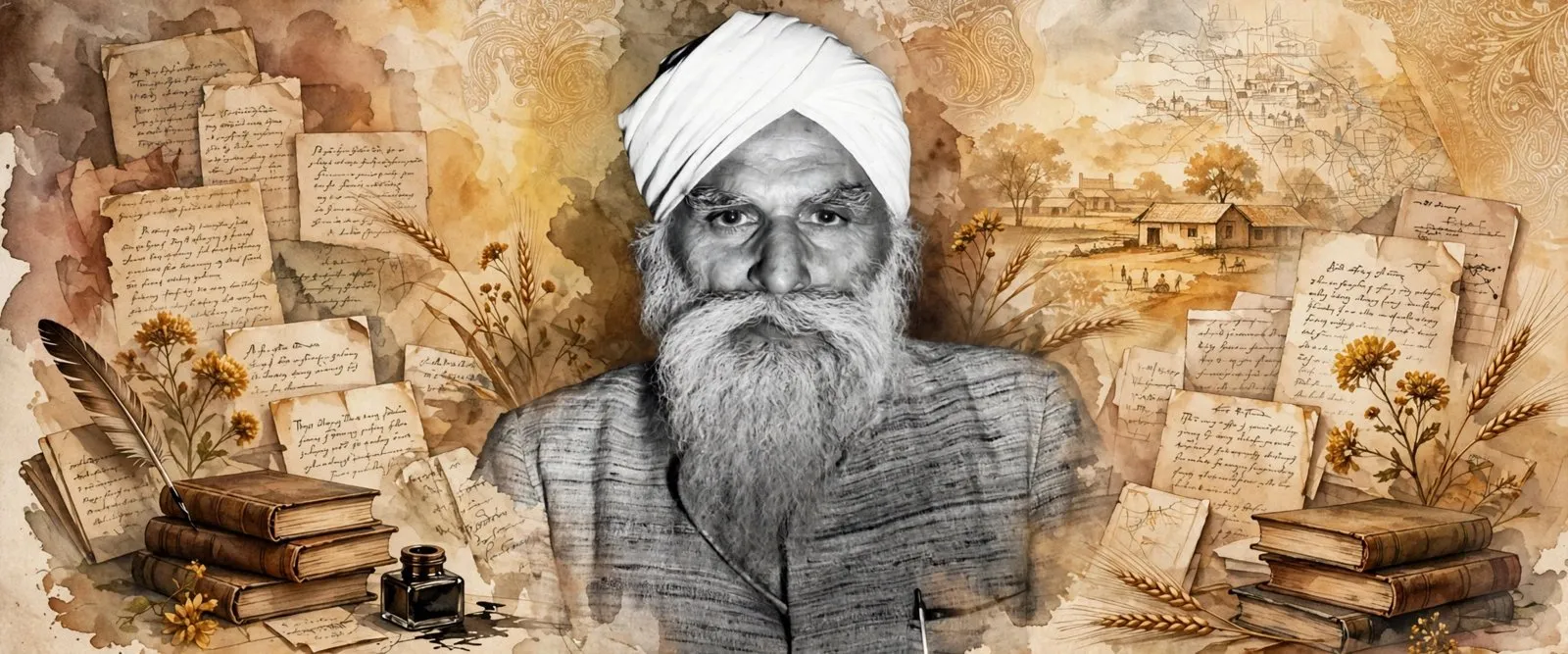
ਗੁਰਮੁਖ ਸਿੰਘ ਮੁਸਾਫ਼ਿਰ (1899 ਤੋਂ 1976) ਰਾਵਲਪਿੰਡੀ ਦੇ ਨੇੜੇ ਅਢਵਾਲ ਪਿੰਡ ਦੇ ਪੰਜਾਬੀ ਅਧਿਆਪਕ, ਕਵੀ ਅਤੇ ਸਿਆਸਤਦਾਨ ਸਨ, ਜੋ ਨਵੰਬਰ 1966 ਵਿੱਚ ਮੁੜ ਵੰਡੇ ਗਏ ਪੰਜਾਬੀ ਬੋਲਦੇ ਰਾਜ ਦੇ ਮੁੱਢਲੇ ਮਹੀਨਿਆਂ ਵਿੱਚ ਪੰਜਾਬ ਦੇ ਮੁੱਖ ਮੰਤਰੀ ਬਣੇ। ਇਸ ਤੋਂ ਪਹਿਲਾਂ ਉਹ ਅਕਾਲੀ ਲਹਿਰ ਦੇ ਨੇਤਾ, 1930 ਵਿੱਚ ਅਕਾਲ ਤਖ਼ਤ ਦੇ ਜਥੇਦਾਰ, ਭਾਰਤ ਦੀ ਸੰਵਿਧਾਨ ਸਭਾ ਦੇ ਮੈਂਬਰ, ਅਤੇ ਤਿੰਨ ਵਾਰ ਅੰਮ੍ਰਿਤਸਰ ਤੋਂ ਲੋਕ ਸਭਾ ਮੈਂਬਰ ਰਹੇ।
- ਪੰਜਾਬੀ ਨਾਂ
- ਗੁਰਮੁਖ ਸਿੰਘ ਮੁਸਾਫ਼ਿਰ
- ਜਨਮ
- 15 ਜਨਵਰੀ 1899, ਅਢਵਾਲ ਪਿੰਡ, ਕੈਂਪਬੈਲਪੋਰ ਜ਼ਿਲ੍ਹਾ, ਬਰਤਾਨਵੀ ਪੰਜਾਬ (ਹੁਣ ਪਾਕਿਸਤਾਨ ਵਿੱਚ)
- ਦੇਹਾਂਤ
- 18 ਜਨਵਰੀ 1976, ਦਿੱਲੀ
- ਘਰ ਦਾ ਥਾਂ
- ਅਢਵਾਲ ਪਿੰਡ, ਰਾਵਲਪਿੰਡੀ ਦੇ ਨੇੜੇ
- ਜ਼ਿਲ੍ਹਾ
- ਰਾਵਲਪਿੰਡੀ
- ਤਹਿਸੀਲ
- ਰਾਵਲਪਿੰਡੀ
All 14 facts
- ਇਲਾਕਾ
- ਪੱਛਮੀ ਪੰਜਾਬ
- ਪਿਤਾ
- ਸੁਜਾਨ ਸਿੰਘ
- ਸਿੱਖਿਆ
- ਪਿੰਡ ਦਾ ਪ੍ਰਾਇਮਰੀ ਸਕੂਲ, ਅਢਵਾਲ; ਮਿਡਲ ਸਕੂਲ, ਰਾਵਲਪਿੰਡੀ; ਨਾਰਮਲ ਸਕੂਲ ਰਾਵਲਪਿੰਡੀ ਅਤੇ ਟ੍ਰੇਨਿੰਗ ਕਾਲਜ ਸਰਗੋਧਾ ਤੋਂ ਅਧਿਆਪਕ ਸਿਖਲਾਈ
- ਪਤਨੀ
- ਰਣਜੀਤ ਕੌਰ (ਵਿਆਹ 1912)
- ਜਥੇਦਾਰ, ਅਕਾਲ ਤਖ਼ਤ
- 1930 ਤੋਂ 1931
- ਪੰਜਾਬ ਦੇ ਮੁੱਖ ਮੰਤਰੀ
- ਨਵੰਬਰ 1966 ਤੋਂ 8 ਮਾਰਚ 1967
- ਸੰਸਦ
- ਸੰਵਿਧਾਨ ਸਭਾ 1947 ਤੋਂ 1950; ਲੋਕ ਸਭਾ (ਅੰਮ੍ਰਿਤਸਰ) 1952, 1957, 1962; ਰਾਜ ਸਭਾ 1968 ਤੋਂ
- ਸਨਮਾਨ
- ਪਦਮ ਵਿਭੂਸ਼ਣ (ਮਰਨ ਉਪਰੰਤ, 1976); ਉਰਵਾਰ ਪਾਰ ਲਈ ਸਾਹਿਤ ਅਕਾਦਮੀ ਪੁਰਸਕਾਰ (1978)
Who was Gurmukh Singh Musafir?
Gurmukh Singh Musafir (15 January 1899 to 18 January 1976) was a Punjabi teacher, poet and politician who served as Chief Minister of Punjab in 1966 and 1967, in the first months after the state was reorganised on language lines. Before that he spent more than four decades in public life: first in the Akali movement for gurdwara reform, then in the Congress led freedom struggle, and after 1947 in Parliament, where he represented Amritsar in the Lok Sabha for three terms.
He is remembered under the name Giani Gurmukh Singh Musafir. Giani was the title he earned as a young teacher, and Musafir, meaning traveller, was the pen name he used for his Punjabi poetry and stories. Few Punjab leaders of his generation combined a literary career with high office in quite the same way, and his books, many of them written in jail, are still part of how the freedom struggle in Punjab is remembered.
Early life in Adhwal and the making of a teacher
He was born on 15 January 1899 in Adhwal village, then in Campbellpore district of British Punjab. Campbellpore is now Attock district in Pakistan, and Adhwal itself today falls in the Rawalpindi area, on the Pothohar plateau near the Soan river. His father was Sujan Singh, and the family farmed a small holding in the village. He studied first at the village primary school, then went to Rawalpindi for his middle school examination, and trained as a teacher at the Normal School in Rawalpindi and the Training College at Sargodha.
In 1918, still in his teens, he took a teaching post at Khalsa High School at Kallar, where Master Tara Singh had earlier been headmaster. Four years in the classroom earned him the title Giani, and in the same years he began writing poetry under the name Musafir. Teaching, though, was not where he stayed. The Jallianwala Bagh massacre of 13 April 1919 and the killing of Sikh reformers at Nankana Sahib on 20 February 1921 affected him deeply, as they did many young Punjabis of his age, and in 1922 he gave up his post to join the Akali movement.
The Akali movement, jail terms and the Akal Takht
The Akali movement of the early 1920s pressed for the reform of gurdwara management and for control of Sikh shrines to pass from hereditary custodians to elected committees. Musafir threw himself into that campaign, reciting his own patriotic poems at Sikh gatherings, and in 1922 he was imprisoned for taking part in the Guru ka Bagh agitation. It was the first of many jail terms. He was a member of the Shiromani Gurdwara Parbandhak Committee from 1922 to 1942, served as general secretary of the Shiromani Akali Dal in 1926, and later as secretary general of the SGPC.
ਗੁਰਮੁਖ ਸਿੰਘ ਮੁਸਾਫ਼ਿਰ ਕੌਣ ਸਨ?
ਗੁਰਮੁਖ ਸਿੰਘ ਮੁਸਾਫ਼ਿਰ (15 ਜਨਵਰੀ 1899 ਤੋਂ 18 ਜਨਵਰੀ 1976) ਪੰਜਾਬੀ ਦੇ ਅਧਿਆਪਕ, ਕਵੀ ਅਤੇ ਸਿਆਸਤਦਾਨ ਸਨ, ਜਿਨ੍ਹਾਂ ਨੇ 1966 ਅਤੇ 1967 ਵਿੱਚ ਪੰਜਾਬ ਦੇ ਮੁੱਖ ਮੰਤਰੀ ਵਜੋਂ ਸੇਵਾ ਕੀਤੀ। ਇਹ ਉਹ ਸਮਾਂ ਸੀ ਜਦੋਂ ਭਾਸ਼ਾ ਦੇ ਆਧਾਰ ਉੱਤੇ ਪੰਜਾਬ ਦੀ ਮੁੜ ਵੰਡ ਹੋਈ ਸੀ ਅਤੇ ਨਵਾਂ ਰਾਜ ਹੋਂਦ ਵਿੱਚ ਆਇਆ ਸੀ। ਇਸ ਤੋਂ ਪਹਿਲਾਂ ਉਹ ਚਾਲੀ ਸਾਲਾਂ ਤੋਂ ਵੱਧ ਸਮਾਂ ਜਨਤਕ ਜੀਵਨ ਵਿੱਚ ਰਹੇ: ਪਹਿਲਾਂ ਗੁਰਦੁਆਰਾ ਸੁਧਾਰ ਲਈ ਅਕਾਲੀ ਲਹਿਰ ਵਿੱਚ, ਫਿਰ ਕਾਂਗਰਸ ਦੀ ਅਗਵਾਈ ਹੇਠ ਆਜ਼ਾਦੀ ਦੇ ਸੰਘਰਸ਼ ਵਿੱਚ, ਅਤੇ 1947 ਤੋਂ ਬਾਅਦ ਸੰਸਦ ਵਿੱਚ, ਜਿੱਥੇ ਉਨ੍ਹਾਂ ਨੇ ਤਿੰਨ ਵਾਰ ਅੰਮ੍ਰਿਤਸਰ ਤੋਂ ਲੋਕ ਸਭਾ ਵਿੱਚ ਨੁਮਾਇੰਦਗੀ ਕੀਤੀ।
ਉਨ੍ਹਾਂ ਨੂੰ ਗਿਆਨੀ ਗੁਰਮੁਖ ਸਿੰਘ ਮੁਸਾਫ਼ਿਰ ਦੇ ਨਾਂ ਨਾਲ ਯਾਦ ਕੀਤਾ ਜਾਂਦਾ ਹੈ। ਗਿਆਨੀ ਦਾ ਖਿਤਾਬ ਉਨ੍ਹਾਂ ਨੂੰ ਨੌਜਵਾਨ ਅਧਿਆਪਕ ਵਜੋਂ ਮਿਲਿਆ, ਅਤੇ ਮੁਸਾਫ਼ਿਰ, ਜਿਸ ਦਾ ਅਰਥ ਹੈ ਯਾਤਰੀ, ਉਹ ਕਲਮੀ ਨਾਂ ਸੀ ਜੋ ਉਨ੍ਹਾਂ ਨੇ ਆਪਣੀ ਪੰਜਾਬੀ ਕਵਿਤਾ ਅਤੇ ਕਹਾਣੀਆਂ ਲਈ ਵਰਤਿਆ। ਉਨ੍ਹਾਂ ਦੀ ਪੀੜ੍ਹੀ ਦੇ ਬਹੁਤ ਘੱਟ ਪੰਜਾਬੀ ਨੇਤਾਵਾਂ ਨੇ ਸਾਹਿਤਕ ਜੀਵਨ ਅਤੇ ਉੱਚ ਅਹੁਦੇ ਨੂੰ ਇਸ ਤਰ੍ਹਾਂ ਇਕੱਠੇ ਨਿਭਾਇਆ, ਅਤੇ ਉਨ੍ਹਾਂ ਦੀਆਂ ਕਿਤਾਬਾਂ, ਜਿਨ੍ਹਾਂ ਵਿੱਚੋਂ ਬਹੁਤੀਆਂ ਜੇਲ੍ਹ ਵਿੱਚ ਲਿਖੀਆਂ ਗਈਆਂ, ਅੱਜ ਵੀ ਪੰਜਾਬ ਦੇ ਆਜ਼ਾਦੀ ਸੰਘਰਸ਼ ਦੀ ਯਾਦ ਦਾ ਹਿੱਸਾ ਹਨ।
ਅਢਵਾਲ ਵਿੱਚ ਮੁੱਢਲਾ ਜੀਵਨ ਅਤੇ ਅਧਿਆਪਕ ਬਣਨ ਦਾ ਸਫ਼ਰ
ਉਨ੍ਹਾਂ ਦਾ ਜਨਮ 15 ਜਨਵਰੀ 1899 ਨੂੰ ਅਢਵਾਲ ਪਿੰਡ ਵਿੱਚ ਹੋਇਆ, ਜੋ ਉਸ ਸਮੇਂ ਬਰਤਾਨਵੀ ਪੰਜਾਬ ਦੇ ਕੈਂਪਬੈਲਪੋਰ ਜ਼ਿਲ੍ਹੇ ਵਿੱਚ ਸੀ। ਕੈਂਪਬੈਲਪੋਰ ਹੁਣ ਪਾਕਿਸਤਾਨ ਦਾ ਅਟਕ ਜ਼ਿਲ੍ਹਾ ਹੈ, ਅਤੇ ਅਢਵਾਲ ਅੱਜ ਰਾਵਲਪਿੰਡੀ ਦੇ ਇਲਾਕੇ ਵਿੱਚ ਪੈਂਦਾ ਹੈ, ਸੋਆਂ ਦਰਿਆ ਦੇ ਨੇੜੇ ਪੋਠੋਹਾਰ ਦੇ ਪਠਾਰ ਉੱਤੇ। ਉਨ੍ਹਾਂ ਦੇ ਪਿਤਾ ਸੁਜਾਨ ਸਿੰਘ ਸਨ, ਅਤੇ ਪਰਿਵਾਰ ਪਿੰਡ ਵਿੱਚ ਛੋਟੀ ਜ਼ਮੀਨ ਉੱਤੇ ਖੇਤੀ ਕਰਦਾ ਸੀ। ਉਨ੍ਹਾਂ ਨੇ ਪਹਿਲਾਂ ਪਿੰਡ ਦੇ ਪ੍ਰਾਇਮਰੀ ਸਕੂਲ ਵਿੱਚ ਪੜ੍ਹਾਈ ਕੀਤੀ, ਫਿਰ ਮਿਡਲ ਦੀ ਪ੍ਰੀਖਿਆ ਲਈ ਰਾਵਲਪਿੰਡੀ ਗਏ, ਅਤੇ ਰਾਵਲਪਿੰਡੀ ਦੇ ਨਾਰਮਲ ਸਕੂਲ ਅਤੇ ਸਰਗੋਧਾ ਦੇ ਟ੍ਰੇਨਿੰਗ ਕਾਲਜ ਤੋਂ ਅਧਿਆਪਕ ਦੀ ਸਿਖਲਾਈ ਲਈ।
1918 ਵਿੱਚ, ਅਜੇ ਕਿਸ਼ੋਰ ਅਵਸਥਾ ਵਿੱਚ ਹੀ, ਉਨ੍ਹਾਂ ਨੇ ਕੱਲਰ ਦੇ ਖ਼ਾਲਸਾ ਹਾਈ ਸਕੂਲ ਵਿੱਚ ਅਧਿਆਪਕ ਦੀ ਨੌਕਰੀ ਲਈ, ਜਿੱਥੇ ਮਾਸਟਰ ਤਾਰਾ ਸਿੰਘ ਪਹਿਲਾਂ ਮੁੱਖ ਅਧਿਆਪਕ ਰਹਿ ਚੁੱਕੇ ਸਨ। ਕਲਾਸਰੂਮ ਵਿੱਚ ਬਿਤਾਏ ਚਾਰ ਸਾਲਾਂ ਨੇ ਉਨ੍ਹਾਂ ਨੂੰ ਗਿਆਨੀ ਦਾ ਖਿਤਾਬ ਦਿੱਤਾ, ਅਤੇ ਉਨ੍ਹਾਂ ਹੀ ਸਾਲਾਂ ਵਿੱਚ ਉਨ੍ਹਾਂ ਨੇ ਮੁਸਾਫ਼ਿਰ ਦੇ ਨਾਂ ਹੇਠ ਕਵਿਤਾ ਲਿਖਣੀ ਸ਼ੁਰੂ ਕੀਤੀ। ਪਰ ਅਧਿਆਪਨ ਉਨ੍ਹਾਂ ਦਾ ਆਖ਼ਰੀ ਟਿਕਾਣਾ ਨਹੀਂ ਸੀ। 13 ਅਪ੍ਰੈਲ 1919 ਦੇ ਜਲ੍ਹਿਆਂਵਾਲਾ ਬਾਗ਼ ਦੇ ਸਾਕੇ ਅਤੇ 20 ਫ਼ਰਵਰੀ 1921 ਨੂੰ ਨਨਕਾਣਾ ਸਾਹਿਬ ਵਿਖੇ ਸਿੱਖ ਸੁਧਾਰਕਾਂ ਦੀ ਸ਼ਹਾਦਤ ਨੇ ਉਨ੍ਹਾਂ ਨੂੰ ਡੂੰਘਾ ਪ੍ਰਭਾਵਿਤ ਕੀਤਾ, ਜਿਵੇਂ ਉਨ੍ਹਾਂ ਦੀ ਉਮਰ ਦੇ ਬਹੁਤ ਸਾਰੇ ਨੌਜਵਾਨ ਪੰਜਾਬੀਆਂ ਨੂੰ ਕੀਤਾ ਸੀ, ਅਤੇ 1922 ਵਿੱਚ ਉਨ੍ਹਾਂ ਨੇ ਨੌਕਰੀ ਛੱਡ ਕੇ ਅਕਾਲੀ ਲਹਿਰ ਵਿੱਚ ਸ਼ਾਮਲ ਹੋਣ ਦਾ ਫ਼ੈਸਲਾ ਕੀਤਾ।
ਅਕਾਲੀ ਲਹਿਰ, ਜੇਲ੍ਹਾਂ ਅਤੇ ਅਕਾਲ ਤਖ਼ਤ
1920ਵਿਆਂ ਦੇ ਮੁੱਢਲੇ ਸਾਲਾਂ ਦੀ ਅਕਾਲੀ ਲਹਿਰ ਗੁਰਦੁਆਰਿਆਂ ਦੇ ਪ੍ਰਬੰਧ ਵਿੱਚ ਸੁਧਾਰ ਅਤੇ ਸਿੱਖ ਧਰਮ ਅਸਥਾਨਾਂ ਦਾ ਕੰਟਰੋਲ ਖ਼ਾਨਦਾਨੀ ਮਹੰਤਾਂ ਤੋਂ ਚੁਣੀਆਂ ਕਮੇਟੀਆਂ ਕੋਲ ਲਿਜਾਣ ਦੀ ਮੰਗ ਕਰਦੀ ਸੀ। ਮੁਸਾਫ਼ਿਰ ਇਸ ਮੁਹਿੰਮ ਵਿੱਚ ਪੂਰੀ ਤਰ੍ਹਾਂ ਕੁੱਦ ਪਏ, ਸਿੱਖ ਇਕੱਠਾਂ ਵਿੱਚ ਆਪਣੀਆਂ ਦੇਸ਼ ਭਗਤੀ ਵਾਲੀਆਂ ਕਵਿਤਾਵਾਂ ਸੁਣਾਉਂਦੇ ਰਹੇ, ਅਤੇ 1922 ਵਿੱਚ ਗੁਰੂ ਕਾ ਬਾਗ਼ ਦੇ ਮੋਰਚੇ ਵਿੱਚ ਹਿੱਸਾ ਲੈਣ ਕਰਕੇ ਉਨ੍ਹਾਂ ਨੂੰ ਕੈਦ ਕੀਤਾ ਗਿਆ। ਇਹ ਉਨ੍ਹਾਂ ਦੀਆਂ ਬਹੁਤ ਸਾਰੀਆਂ ਜੇਲ੍ਹ ਯਾਤਰਾਵਾਂ ਵਿੱਚੋਂ ਪਹਿਲੀ ਸੀ। ਉਹ 1922 ਤੋਂ 1942 ਤੱਕ ਸ਼੍ਰੋਮਣੀ ਗੁਰਦੁਆਰਾ ਪ੍ਰਬੰਧਕ ਕਮੇਟੀ ਦੇ ਮੈਂਬਰ ਰਹੇ, 1926 ਵਿੱਚ ਸ਼੍ਰੋਮਣੀ ਅਕਾਲੀ ਦਲ ਦੇ ਜਨਰਲ ਸਕੱਤਰ ਬਣੇ, ਅਤੇ ਬਾਅਦ ਵਿੱਚ ਸ਼੍ਰੋਮਣੀ ਕਮੇਟੀ ਦੇ ਜਨਰਲ ਸਕੱਤਰ ਵੀ ਰਹੇ।
In 1930 he was appointed Jathedar of the Akal Takht in Amritsar, the highest religious office in Sikhism, and held it into 1931. The same year he joined the Congress led Civil Disobedience Movement and went to jail again, and he became a member of the All India Congress Committee. Through the 1930s he worked as a journalist as well as an organiser, editing the Punjabi newspaper The Akali before Partition. He courted arrest again in the Individual Satyagraha of 1940 and in the Quit India Movement of 1942, and remained in jail for much of the war years, a period in which several members of his family died while he was behind bars.
Why is he called Musafir?
Musafir was his takhallus, the pen name Punjabi and Urdu poets traditionally adopt, and it means traveller. He took it as a young teacher and kept it for the rest of his life, signing his poems and stories with it long after he had entered Parliament. The name stuck so completely that in Punjab he is still almost always spoken of as Giani Gurmukh Singh Musafir, the teacher title and the poet name together.
Parliament, the Constituent Assembly and Chief Minister of Punjab
In 1947 he was elected to the Constituent Assembly of India from East Punjab on a Congress ticket, and in its debates he spoke on citizenship and on separate electorates. After Partition, in which his home village went to Pakistan, he settled in Amritsar and played a leading part in rebuilding the Congress organisation in Indian Punjab. He became president of the Punjab Pradesh Congress Committee in 1949 and held the post for many years, sitting also on the Congress Working Committee. Voters in Amritsar elected him to the Lok Sabha in 1952, 1957 and 1962.
When Punjab was reorganised in 1966 and the Punjabi speaking state came into being, he resigned his Lok Sabha seat and took office as Chief Minister in November 1966. His term was short, ending on 8 March 1967, and it covered the first months of the new state's life, when its administration had to be set up and its first assembly election prepared. He contested that 1967 election from Amritsar but lost to Satyapal Dang of the Communist Party of India. He returned to Parliament as a Rajya Sabha member in 1968 and served there into the mid 1970s. Over the same years he represented India at peace and writers conferences in Stockholm, Helsinki, Tokyo and Baku.
The writer: poems, stories and lives of Gandhi and Nehru
Writing ran alongside politics for his whole life. His published work includes nine collections of poems, among them Sabar de Ban, Prem Ban, Jivan Pandh, Tutte Khamb and Musafiriyan, and eight collections of short stories, including Vakhri Duniya, Sasta Tamasha and Kandhan Bol Paian. Much of this writing was done in jail. He also wrote biographical works, recording his own association with Mohandas Gandhi in Vekhya Sunya Gandhi and with Jawaharlal Nehru in Vekhya Sunya Nehru, and spent years on a history of the martyrs of the twentieth century. He translated the Gandhi Gita from Gujarati into Punjabi and James Allen's Byways of Blessedness as Anand Marg. In 1955 the PEPSU government honoured him as Punjabi Poet of the Year.
Critics of Punjabi literature, including Kartar Singh Duggal, who later wrote his biography for the National Book Trust, have written about his place in the literature of the freedom struggle: poems meant to be heard at gatherings, and stories drawn from the suffering he saw around him. His short story collection Urvar Par won the Sahitya Akademi Award for Punjabi in 1978, after his death.
Honours, death and legacy
Gurmukh Singh Musafir died in Delhi on 18 January 1976, three days after his seventy seventh birthday. The Government of India awarded him the Padma Vibhushan, the country's second highest civilian honour, posthumously in 1976, and the Sahitya Akademi Award followed in 1978. A portrait of him by the artist Rahi Mohinder Singh was later unveiled in the Central Hall of Parliament House in New Delhi.
His life joins together strands that are often told separately: the village schoolroom in the Pothohar, the Akali jathas and jail terms of the 1920s, the drafting of India's Constitution, and the founding months of the present day Punjab state. For readers tracing how modern Punjab was made, he is one of the figures who was present at nearly every step, and who wrote about it as he went.
1930 ਵਿੱਚ ਉਨ੍ਹਾਂ ਨੂੰ ਅੰਮ੍ਰਿਤਸਰ ਵਿਖੇ ਅਕਾਲ ਤਖ਼ਤ ਦਾ ਜਥੇਦਾਰ ਨਿਯੁਕਤ ਕੀਤਾ ਗਿਆ, ਜੋ ਸਿੱਖ ਧਰਮ ਦਾ ਸਭ ਤੋਂ ਉੱਚਾ ਧਾਰਮਿਕ ਅਹੁਦਾ ਹੈ, ਅਤੇ ਉਹ 1931 ਤੱਕ ਇਸ ਅਹੁਦੇ ਉੱਤੇ ਰਹੇ। ਉਸੇ ਸਾਲ ਉਹ ਕਾਂਗਰਸ ਦੀ ਅਗਵਾਈ ਹੇਠ ਚੱਲ ਰਹੀ ਸਿਵਲ ਨਾਫ਼ਰਮਾਨੀ ਲਹਿਰ ਵਿੱਚ ਸ਼ਾਮਲ ਹੋਏ ਅਤੇ ਮੁੜ ਜੇਲ੍ਹ ਗਏ, ਅਤੇ ਅਖਿਲ ਭਾਰਤੀ ਕਾਂਗਰਸ ਕਮੇਟੀ ਦੇ ਮੈਂਬਰ ਬਣੇ। 1930ਵਿਆਂ ਵਿੱਚ ਉਹ ਪ੍ਰਬੰਧਕ ਦੇ ਨਾਲ ਨਾਲ ਪੱਤਰਕਾਰ ਵਜੋਂ ਵੀ ਕੰਮ ਕਰਦੇ ਰਹੇ ਅਤੇ ਵੰਡ ਤੋਂ ਪਹਿਲਾਂ ਪੰਜਾਬੀ ਅਖ਼ਬਾਰ ਅਕਾਲੀ ਦੇ ਸੰਪਾਦਕ ਰਹੇ। ਉਨ੍ਹਾਂ ਨੇ 1940 ਦੀ ਵਿਅਕਤੀਗਤ ਸੱਤਿਆਗ੍ਰਹਿ ਅਤੇ 1942 ਦੀ ਭਾਰਤ ਛੱਡੋ ਲਹਿਰ ਵਿੱਚ ਮੁੜ ਗ੍ਰਿਫ਼ਤਾਰੀ ਦਿੱਤੀ, ਅਤੇ ਜੰਗ ਦੇ ਸਾਲਾਂ ਦਾ ਬਹੁਤਾ ਸਮਾਂ ਜੇਲ੍ਹ ਵਿੱਚ ਰਹੇ, ਉਹ ਸਮਾਂ ਜਦੋਂ ਉਨ੍ਹਾਂ ਦੇ ਪਰਿਵਾਰ ਦੇ ਕਈ ਮੈਂਬਰ ਉਨ੍ਹਾਂ ਦੇ ਜੇਲ੍ਹ ਵਿੱਚ ਹੁੰਦਿਆਂ ਹੀ ਚੱਲ ਵਸੇ।
ਉਨ੍ਹਾਂ ਨੂੰ ਮੁਸਾਫ਼ਿਰ ਕਿਉਂ ਕਿਹਾ ਜਾਂਦਾ ਹੈ?
ਮੁਸਾਫ਼ਿਰ ਉਨ੍ਹਾਂ ਦਾ ਤਖ਼ੱਲਸ ਸੀ, ਉਹ ਕਲਮੀ ਨਾਂ ਜੋ ਪੰਜਾਬੀ ਅਤੇ ਉਰਦੂ ਦੇ ਕਵੀ ਰਵਾਇਤੀ ਤੌਰ ਉੱਤੇ ਅਪਣਾਉਂਦੇ ਹਨ, ਅਤੇ ਇਸ ਦਾ ਅਰਥ ਹੈ ਯਾਤਰੀ। ਉਨ੍ਹਾਂ ਨੇ ਇਹ ਨਾਂ ਨੌਜਵਾਨ ਅਧਿਆਪਕ ਵਜੋਂ ਅਪਣਾਇਆ ਅਤੇ ਸਾਰੀ ਉਮਰ ਇਸੇ ਨਾਲ ਜੁੜੇ ਰਹੇ, ਸੰਸਦ ਵਿੱਚ ਪਹੁੰਚਣ ਤੋਂ ਬਹੁਤ ਬਾਅਦ ਤੱਕ ਵੀ ਆਪਣੀਆਂ ਕਵਿਤਾਵਾਂ ਅਤੇ ਕਹਾਣੀਆਂ ਉੱਤੇ ਇਸੇ ਨਾਂ ਨਾਲ ਦਸਤਖ਼ਤ ਕਰਦੇ ਰਹੇ। ਇਹ ਨਾਂ ਇੰਨਾ ਪੱਕਾ ਹੋ ਗਿਆ ਕਿ ਪੰਜਾਬ ਵਿੱਚ ਅੱਜ ਵੀ ਉਨ੍ਹਾਂ ਨੂੰ ਲਗਭਗ ਹਮੇਸ਼ਾ ਗਿਆਨੀ ਗੁਰਮੁਖ ਸਿੰਘ ਮੁਸਾਫ਼ਿਰ ਕਿਹਾ ਜਾਂਦਾ ਹੈ, ਅਧਿਆਪਕ ਵਾਲਾ ਖਿਤਾਬ ਅਤੇ ਕਵੀ ਵਾਲਾ ਨਾਂ ਇਕੱਠੇ।
ਸੰਸਦ, ਸੰਵਿਧਾਨ ਸਭਾ ਅਤੇ ਪੰਜਾਬ ਦੇ ਮੁੱਖ ਮੰਤਰੀ
1947 ਵਿੱਚ ਉਹ ਕਾਂਗਰਸ ਦੀ ਟਿਕਟ ਉੱਤੇ ਪੂਰਬੀ ਪੰਜਾਬ ਤੋਂ ਭਾਰਤ ਦੀ ਸੰਵਿਧਾਨ ਸਭਾ ਲਈ ਚੁਣੇ ਗਏ, ਅਤੇ ਇਸ ਦੀਆਂ ਬਹਿਸਾਂ ਵਿੱਚ ਉਨ੍ਹਾਂ ਨੇ ਨਾਗਰਿਕਤਾ ਅਤੇ ਵੱਖਰੇ ਚੋਣ ਹਲਕਿਆਂ ਦੇ ਮੁੱਦਿਆਂ ਉੱਤੇ ਬੋਲਿਆ। ਵੰਡ ਤੋਂ ਬਾਅਦ, ਜਿਸ ਵਿੱਚ ਉਨ੍ਹਾਂ ਦਾ ਪਿੰਡ ਪਾਕਿਸਤਾਨ ਵਿੱਚ ਚਲਾ ਗਿਆ, ਉਹ ਅੰਮ੍ਰਿਤਸਰ ਆ ਕੇ ਵਸ ਗਏ ਅਤੇ ਭਾਰਤੀ ਪੰਜਾਬ ਵਿੱਚ ਕਾਂਗਰਸ ਸੰਗਠਨ ਨੂੰ ਮੁੜ ਖੜ੍ਹਾ ਕਰਨ ਵਿੱਚ ਮੋਹਰੀ ਭੂਮਿਕਾ ਨਿਭਾਈ। ਉਹ 1949 ਵਿੱਚ ਪੰਜਾਬ ਪ੍ਰਦੇਸ਼ ਕਾਂਗਰਸ ਕਮੇਟੀ ਦੇ ਪ੍ਰਧਾਨ ਬਣੇ ਅਤੇ ਕਈ ਸਾਲ ਇਸ ਅਹੁਦੇ ਉੱਤੇ ਰਹੇ, ਨਾਲ ਹੀ ਕਾਂਗਰਸ ਵਰਕਿੰਗ ਕਮੇਟੀ ਵਿੱਚ ਵੀ ਬੈਠੇ। ਅੰਮ੍ਰਿਤਸਰ ਦੇ ਵੋਟਰਾਂ ਨੇ ਉਨ੍ਹਾਂ ਨੂੰ 1952, 1957 ਅਤੇ 1962 ਵਿੱਚ ਲੋਕ ਸਭਾ ਲਈ ਚੁਣਿਆ।
ਜਦੋਂ 1966 ਵਿੱਚ ਪੰਜਾਬ ਦੀ ਮੁੜ ਵੰਡ ਹੋਈ ਅਤੇ ਪੰਜਾਬੀ ਬੋਲਦਾ ਰਾਜ ਹੋਂਦ ਵਿੱਚ ਆਇਆ, ਤਾਂ ਉਨ੍ਹਾਂ ਨੇ ਲੋਕ ਸਭਾ ਦੀ ਸੀਟ ਤੋਂ ਅਸਤੀਫ਼ਾ ਦਿੱਤਾ ਅਤੇ ਨਵੰਬਰ 1966 ਵਿੱਚ ਮੁੱਖ ਮੰਤਰੀ ਦਾ ਅਹੁਦਾ ਸੰਭਾਲਿਆ। ਉਨ੍ਹਾਂ ਦਾ ਕਾਰਜਕਾਲ ਛੋਟਾ ਰਿਹਾ, 8 ਮਾਰਚ 1967 ਨੂੰ ਖ਼ਤਮ ਹੋਇਆ, ਅਤੇ ਇਸ ਵਿੱਚ ਨਵੇਂ ਰਾਜ ਦੇ ਮੁੱਢਲੇ ਮਹੀਨੇ ਆਏ, ਜਦੋਂ ਇਸ ਦਾ ਪ੍ਰਬੰਧ ਖੜ੍ਹਾ ਕਰਨਾ ਸੀ ਅਤੇ ਪਹਿਲੀ ਵਿਧਾਨ ਸਭਾ ਚੋਣ ਦੀ ਤਿਆਰੀ ਕਰਨੀ ਸੀ। ਉਨ੍ਹਾਂ ਨੇ 1967 ਦੀ ਉਹ ਚੋਣ ਅੰਮ੍ਰਿਤਸਰ ਤੋਂ ਲੜੀ ਪਰ ਭਾਰਤੀ ਕਮਿਊਨਿਸਟ ਪਾਰਟੀ ਦੇ ਸਤਪਾਲ ਡਾਂਗ ਤੋਂ ਹਾਰ ਗਏ। ਉਹ 1968 ਵਿੱਚ ਰਾਜ ਸਭਾ ਦੇ ਮੈਂਬਰ ਵਜੋਂ ਸੰਸਦ ਵਿੱਚ ਵਾਪਸ ਆਏ ਅਤੇ 1970ਵਿਆਂ ਦੇ ਵਿਚਕਾਰ ਤੱਕ ਉੱਥੇ ਰਹੇ। ਉਨ੍ਹਾਂ ਹੀ ਸਾਲਾਂ ਵਿੱਚ ਉਨ੍ਹਾਂ ਨੇ ਸਟਾਕਹੋਮ, ਹੇਲਸਿੰਕੀ, ਟੋਕੀਓ ਅਤੇ ਬਾਕੂ ਵਿੱਚ ਅਮਨ ਅਤੇ ਲੇਖਕ ਕਾਨਫ਼ਰੰਸਾਂ ਵਿੱਚ ਭਾਰਤ ਦੀ ਨੁਮਾਇੰਦਗੀ ਕੀਤੀ।
ਲੇਖਕ: ਕਵਿਤਾਵਾਂ, ਕਹਾਣੀਆਂ ਅਤੇ ਗਾਂਧੀ ਤੇ ਨਹਿਰੂ ਦੀਆਂ ਜੀਵਨੀਆਂ
ਲਿਖਣ ਦਾ ਕੰਮ ਸਾਰੀ ਉਮਰ ਸਿਆਸਤ ਦੇ ਨਾਲ ਨਾਲ ਚੱਲਦਾ ਰਿਹਾ। ਉਨ੍ਹਾਂ ਦੀਆਂ ਛਪੀਆਂ ਰਚਨਾਵਾਂ ਵਿੱਚ ਨੌਂ ਕਵਿਤਾ ਸੰਗ੍ਰਹਿ ਸ਼ਾਮਲ ਹਨ, ਜਿਨ੍ਹਾਂ ਵਿੱਚ ਸਬਰ ਦੇ ਬੰਨ੍ਹ, ਪ੍ਰੇਮ ਬਾਣ, ਜੀਵਨ ਪੰਧ, ਟੁੱਟੇ ਖੰਭ ਅਤੇ ਮੁਸਾਫ਼ਿਰੀਆਂ ਹਨ, ਅਤੇ ਅੱਠ ਕਹਾਣੀ ਸੰਗ੍ਰਹਿ, ਜਿਨ੍ਹਾਂ ਵਿੱਚ ਵੱਖਰੀ ਦੁਨੀਆ, ਸਸਤਾ ਤਮਾਸ਼ਾ ਅਤੇ ਕੰਧਾਂ ਬੋਲ ਪਈਆਂ ਸ਼ਾਮਲ ਹਨ। ਇਹ ਲਿਖਤਾਂ ਬਹੁਤੀਆਂ ਜੇਲ੍ਹ ਵਿੱਚ ਲਿਖੀਆਂ ਗਈਆਂ। ਉਨ੍ਹਾਂ ਨੇ ਜੀਵਨੀ ਰਚਨਾਵਾਂ ਵੀ ਲਿਖੀਆਂ, ਮੋਹਨਦਾਸ ਗਾਂਧੀ ਨਾਲ ਆਪਣੇ ਸੰਬੰਧ ਨੂੰ ਵੇਖਿਆ ਸੁਣਿਆ ਗਾਂਧੀ ਵਿੱਚ ਅਤੇ ਜਵਾਹਰਲਾਲ ਨਹਿਰੂ ਨਾਲ ਸੰਬੰਧ ਨੂੰ ਵੇਖਿਆ ਸੁਣਿਆ ਨਹਿਰੂ ਵਿੱਚ ਦਰਜ ਕੀਤਾ, ਅਤੇ ਵੀਹਵੀਂ ਸਦੀ ਦੇ ਸ਼ਹੀਦਾਂ ਦੇ ਇਤਿਹਾਸ ਉੱਤੇ ਸਾਲਾਂ ਕੰਮ ਕੀਤਾ। ਉਨ੍ਹਾਂ ਨੇ ਗਾਂਧੀ ਗੀਤਾ ਦਾ ਗੁਜਰਾਤੀ ਤੋਂ ਪੰਜਾਬੀ ਵਿੱਚ ਅਤੇ ਜੇਮਜ਼ ਐਲਨ ਦੀ ਕਿਤਾਬ ਦਾ ਆਨੰਦ ਮਾਰਗ ਦੇ ਨਾਂ ਹੇਠ ਅਨੁਵਾਦ ਕੀਤਾ। 1955 ਵਿੱਚ ਪੈਪਸੂ ਸਰਕਾਰ ਨੇ ਉਨ੍ਹਾਂ ਨੂੰ ਪੰਜਾਬੀ ਕਵੀ ਆਫ਼ ਦਿ ਈਅਰ ਦਾ ਸਨਮਾਨ ਦਿੱਤਾ।
ਪੰਜਾਬੀ ਸਾਹਿਤ ਦੇ ਆਲੋਚਕਾਂ ਨੇ, ਜਿਨ੍ਹਾਂ ਵਿੱਚ ਕਰਤਾਰ ਸਿੰਘ ਦੁੱਗਲ ਵੀ ਸ਼ਾਮਲ ਹਨ, ਜਿਨ੍ਹਾਂ ਨੇ ਬਾਅਦ ਵਿੱਚ ਨੈਸ਼ਨਲ ਬੁੱਕ ਟਰੱਸਟ ਲਈ ਉਨ੍ਹਾਂ ਦੀ ਜੀਵਨੀ ਲਿਖੀ, ਆਜ਼ਾਦੀ ਸੰਘਰਸ਼ ਦੇ ਸਾਹਿਤ ਵਿੱਚ ਉਨ੍ਹਾਂ ਦੇ ਸਥਾਨ ਬਾਰੇ ਲਿਖਿਆ ਹੈ: ਇਕੱਠਾਂ ਵਿੱਚ ਸੁਣਾਈਆਂ ਜਾਣ ਵਾਲੀਆਂ ਕਵਿਤਾਵਾਂ, ਅਤੇ ਆਪਣੇ ਆਲੇ ਦੁਆਲੇ ਵੇਖੇ ਦੁੱਖ ਤੋਂ ਲਈਆਂ ਕਹਾਣੀਆਂ। ਉਨ੍ਹਾਂ ਦੇ ਕਹਾਣੀ ਸੰਗ੍ਰਹਿ ਉਰਵਾਰ ਪਾਰ ਨੂੰ 1978 ਵਿੱਚ, ਉਨ੍ਹਾਂ ਦੀ ਮੌਤ ਤੋਂ ਬਾਅਦ, ਪੰਜਾਬੀ ਲਈ ਸਾਹਿਤ ਅਕਾਦਮੀ ਪੁਰਸਕਾਰ ਮਿਲਿਆ।
ਸਨਮਾਨ, ਮੌਤ ਅਤੇ ਵਿਰਾਸਤ
ਗੁਰਮੁਖ ਸਿੰਘ ਮੁਸਾਫ਼ਿਰ ਦਾ ਦੇਹਾਂਤ 18 ਜਨਵਰੀ 1976 ਨੂੰ ਦਿੱਲੀ ਵਿੱਚ ਹੋਇਆ, ਉਨ੍ਹਾਂ ਦੇ ਸਤੱਤਰਵੇਂ ਜਨਮ ਦਿਨ ਤੋਂ ਤਿੰਨ ਦਿਨ ਬਾਅਦ। ਭਾਰਤ ਸਰਕਾਰ ਨੇ 1976 ਵਿੱਚ ਉਨ੍ਹਾਂ ਨੂੰ ਮਰਨ ਉਪਰੰਤ ਪਦਮ ਵਿਭੂਸ਼ਣ ਦਿੱਤਾ, ਜੋ ਦੇਸ਼ ਦਾ ਦੂਜਾ ਸਭ ਤੋਂ ਵੱਡਾ ਨਾਗਰਿਕ ਸਨਮਾਨ ਹੈ, ਅਤੇ 1978 ਵਿੱਚ ਸਾਹਿਤ ਅਕਾਦਮੀ ਪੁਰਸਕਾਰ ਮਿਲਿਆ। ਬਾਅਦ ਵਿੱਚ ਕਲਾਕਾਰ ਰਾਹੀ ਮੋਹਿੰਦਰ ਸਿੰਘ ਵੱਲੋਂ ਬਣਾਇਆ ਉਨ੍ਹਾਂ ਦਾ ਚਿੱਤਰ ਨਵੀਂ ਦਿੱਲੀ ਵਿੱਚ ਸੰਸਦ ਭਵਨ ਦੇ ਸੈਂਟਰਲ ਹਾਲ ਵਿੱਚ ਲਗਾਇਆ ਗਿਆ।
ਉਨ੍ਹਾਂ ਦਾ ਜੀਵਨ ਉਨ੍ਹਾਂ ਕੜੀਆਂ ਨੂੰ ਜੋੜਦਾ ਹੈ ਜੋ ਅਕਸਰ ਵੱਖ ਵੱਖ ਦੱਸੀਆਂ ਜਾਂਦੀਆਂ ਹਨ: ਪੋਠੋਹਾਰ ਦਾ ਪਿੰਡ ਵਾਲਾ ਸਕੂਲ, 1920ਵਿਆਂ ਦੇ ਅਕਾਲੀ ਜੱਥੇ ਅਤੇ ਜੇਲ੍ਹਾਂ, ਭਾਰਤ ਦੇ ਸੰਵਿਧਾਨ ਦੀ ਰਚਨਾ, ਅਤੇ ਅੱਜ ਦੇ ਪੰਜਾਬ ਰਾਜ ਦੇ ਮੁੱਢਲੇ ਮਹੀਨੇ। ਜਿਹੜੇ ਪਾਠਕ ਇਹ ਜਾਣਨਾ ਚਾਹੁੰਦੇ ਹਨ ਕਿ ਅਜੋਕਾ ਪੰਜਾਬ ਕਿਵੇਂ ਬਣਿਆ, ਉਨ੍ਹਾਂ ਲਈ ਉਹ ਉਨ੍ਹਾਂ ਸ਼ਖ਼ਸੀਅਤਾਂ ਵਿੱਚੋਂ ਇੱਕ ਹਨ ਜੋ ਲਗਭਗ ਹਰ ਕਦਮ ਉੱਤੇ ਮੌਜੂਦ ਸਨ, ਅਤੇ ਨਾਲ ਨਾਲ ਇਸ ਬਾਰੇ ਲਿਖਦੇ ਵੀ ਰਹੇ।
ਲੋਕ


ਥਾਵਾਂ

More freedom struggle
ਸਾਰੇ ਵੇਖੋ


ਸਰੋਤ (5)
ਜੁਗਤੀ ਮੁਫ਼ਤ ਅਤੇ ਸੁਤੰਤਰ ਹੈ। ਪਾਠਕਾਂ ਦਾ ਸਹਿਯੋਗ ਕੋਸ਼ ਨੂੰ ਵਧਾਉਂਦਾ ਹੈ।
ਸਹਿਯੋਗ