
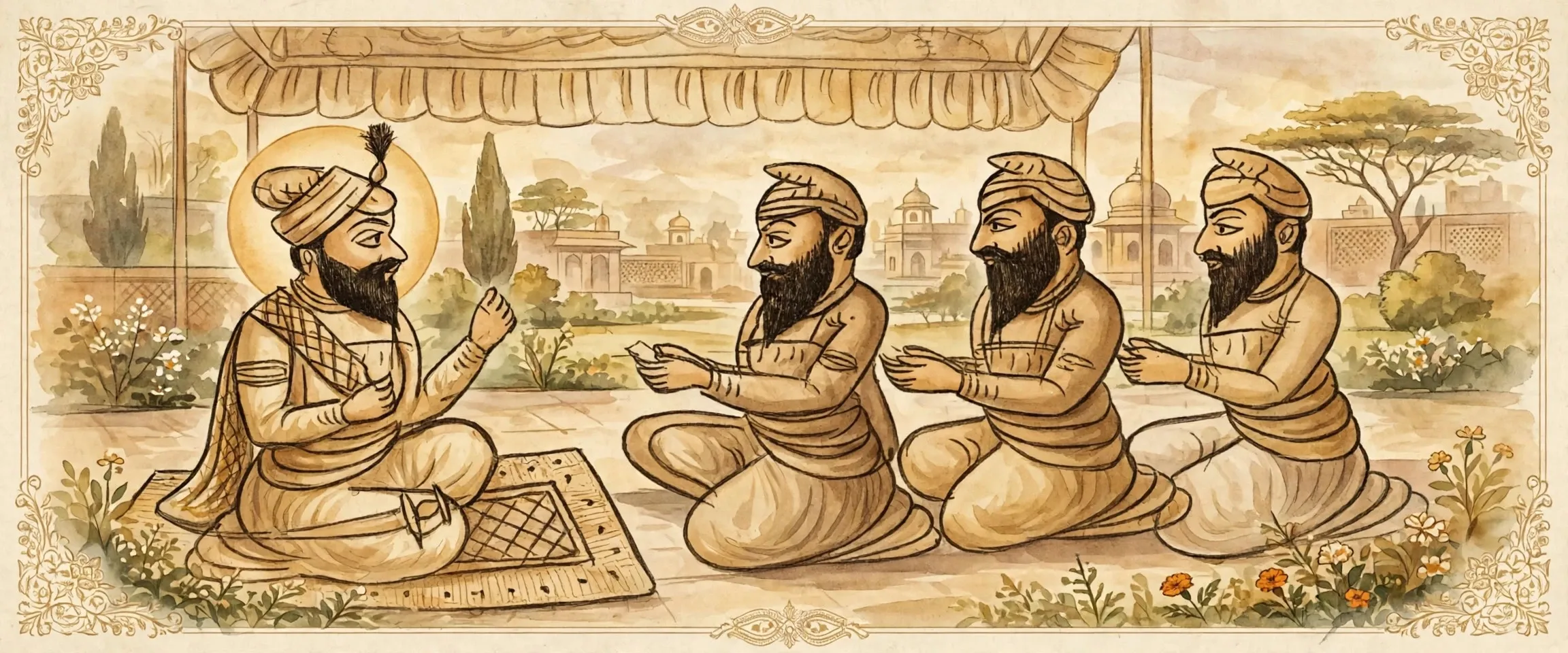
ਭਾਈ ਮਤੀ ਦਾਸ ਜੀ ਜ਼ਿਲ੍ਹਾ ਜੇਹਲਮ ਦੇ ਕਰਿਆਲਾ ਪਿੰਡ ਦੇ ਛਿੱਬੜ ਬ੍ਰਾਹਮਣ ਸਨ, ਜਿਨ੍ਹਾਂ ਨੇ ਗੁਰੂ ਤੇਗ਼ ਬਹਾਦਰ ਜੀ ਦੇ ਦੀਵਾਨ ਵਜੋਂ ਸੇਵਾ ਕੀਤੀ, ਗੁਰੂ ਜੀ ਦੇ ਵਿੱਤੀ ਕੰਮ ਸੰਭਾਲੇ ਅਤੇ 1665 ਤੋਂ 1670 ਦੀਆਂ ਪੂਰਬੀ ਯਾਤਰਾਵਾਂ ਵਿੱਚ ਉਨ੍ਹਾਂ ਦੇ ਨਾਲ ਰਹੇ। 1675 ਵਿੱਚ ਗੁਰੂ ਜੀ ਦੇ ਨਾਲ ਗ੍ਰਿਫ਼ਤਾਰ ਕਰ ਕੇ ਦਿੱਲੀ ਲਿਆਂਦੇ ਗਏ, ਉਨ੍ਹਾਂ ਨੇ ਧਰਮ ਬਦਲਣ ਬਦਲੇ ਉੱਚੇ ਅਹੁਦੇ ਦੀਆਂ ਪੇਸ਼ਕਸ਼ਾਂ ਠੁਕਰਾ ਦਿੱਤੀਆਂ ਅਤੇ ਗੁਰੂ ਜੀ ਦੇ ਤਿੰਨ ਸਾਥੀਆਂ ਵਿੱਚੋਂ ਸਭ ਤੋਂ ਪਹਿਲਾਂ ਸ਼ਹੀਦ ਹੋਏ, 11 ਨਵੰਬਰ 1675 ਨੂੰ ਚਾਂਦਨੀ ਚੌਕ ਵਿਖੇ ਆਰੇ ਨਾਲ ਦੋ ਹਿੱਸਿਆਂ ਵਿੱਚ ਚੀਰੇ ਗਏ, ਜਿਵੇਂ ਸਿੱਖ ਧਰਮ ਦਾ ਵਿਸ਼ਵਕੋਸ਼ ਦਰਜ ਕਰਦਾ ਹੈ।
- ਪੰਜਾਬੀ ਨਾਂ
- ਭਾਈ ਮਤੀ ਦਾਸ ਜੀ
- ਪਿੰਡ ਅਤੇ ਪਰਿਵਾਰ
- ਕਰਿਆਲਾ, ਜ਼ਿਲ੍ਹਾ ਜੇਹਲਮ, ਹੁਣ ਪਾਕਿਸਤਾਨ ਵਿੱਚ, ਚਕਵਾਲ ਤੋਂ ਲਗਭਗ 10 ਕਿਲੋਮੀਟਰ, ਕਟਾਸ ਰਾਜ ਵੱਲ ਜਾਂਦੀ ਸੜਕ ਉੱਤੇ। ਛਿੱਬੜ ਬ੍ਰਾਹਮਣ ਪਰਿਵਾਰ, ਜਿਸ ਨੂੰ ਵਿਕੀਪੀਡੀਆ ਛਿੱਬੜ ਗੋਤ ਦਾ ਸਾਰਸਵਤ ਮੋਹਿਆਲ ਬ੍ਰਾਹਮਣ ਦੱਸਦਾ ਹੈ
- ਜਨਮ
- ਵਿਕੀਪੀਡੀਆ ਕਰਿਆਲਾ ਵਿਖੇ 1641 ਦਿੰਦਾ ਹੈ। ਸਿੱਖ ਧਰਮ ਦਾ ਵਿਸ਼ਵਕੋਸ਼ ਕੋਈ ਜਨਮ ਸਾਲ ਨਹੀਂ ਦਿੰਦਾ, ਇਸ ਲਈ ਇਹ ਸਾਲ ਉਸ ਇੱਕੋ ਬਿਆਨ ਉੱਤੇ ਟਿਕਿਆ ਹੈ
- ਪਿਤਾ
- ਭਾਈ ਹੀਰਾ ਮੱਲ, ਜਿਨ੍ਹਾਂ ਨੂੰ ਹੀਰਾਨੰਦ ਜਾਂ ਹੀਰਾ ਨੰਦ ਵੀ ਕਿਹਾ ਜਾਂਦਾ ਹੈ, ਗੁਰੂ ਹਰਗੋਬਿੰਦ ਜੀ ਦੇ ਸਿੱਖ, ਜਿਨ੍ਹਾਂ ਦੇ ਅਧੀਨ ਉਨ੍ਹਾਂ ਨੇ ਕਈ ਲੜਾਈਆਂ ਲੜੀਆਂ, ਜਿਵੇਂ ਸਿੱਖ ਧਰਮ ਦਾ ਵਿਸ਼ਵਕੋਸ਼ ਅਤੇ ਵਿਕੀਪੀਡੀਆ ਦਿੰਦੇ ਹਨ
- ਦਾਦਾ
- ਭਾਈ ਪਰਾਗਾ ਜੀ, ਜੋ ਗੁਰੂ ਹਰਗੋਬਿੰਦ ਜੀ ਦੇ ਸਮੇਂ ਸਿੱਖ ਧਰਮ ਵਿੱਚ ਆਏ ਅਤੇ ਮੁਗਲ ਫ਼ੌਜਾਂ ਨਾਲ ਲੜਾਈਆਂ ਵਿੱਚ ਹਿੱਸਾ ਲਿਆ, ਜਿਵੇਂ ਸਿੱਖ ਧਰਮ ਦਾ ਵਿਸ਼ਵਕੋਸ਼ ਦਰਜ ਕਰਦਾ ਹੈ
- ਚਾਚਾ
- ਦਰਗਾਹ ਮੱਲ, ਗੁਰੂ ਹਰ ਰਾਇ ਜੀ ਅਤੇ ਗੁਰੂ ਹਰ ਕ੍ਰਿਸ਼ਨ ਜੀ ਦੇ ਦੀਵਾਨ, ਜਿਨ੍ਹਾਂ ਦੀ ਮਤੀ ਦਾਸ ਜੀ ਅਤੇ ਸਤੀ ਦਾਸ ਜੀ ਨੇ ਮਦਦ ਕੀਤੀ ਅਤੇ ਜਿਨ੍ਹਾਂ ਦੇ ਨਾਲ ਮਤੀ ਦਾਸ ਜੀ ਨੂੰ ਖੁਦ ਦੀਵਾਨ ਨਿਯੁਕਤ ਕੀਤਾ ਗਿਆ
All 13 facts
- ਭਰਾ
- ਭਾਈ ਸਤੀ ਦਾਸ ਜੀ, ਉਨ੍ਹਾਂ ਦੇ ਛੋਟੇ ਭਰਾ, ਜਿਨ੍ਹਾਂ ਨੇ ਉਨ੍ਹਾਂ ਦੇ ਨਾਲ ਸੇਵਾ ਕੀਤੀ ਅਤੇ ਨਵੰਬਰ 1675 ਦੇ ਉਨ੍ਹਾਂ ਹੀ ਦਿਨਾਂ ਵਿੱਚ ਦਿੱਲੀ ਵਿਖੇ ਸ਼ਹੀਦ ਹੋਏ
- ਰੁਤਬਾ
- ਗੁਰੂ ਤੇਗ਼ ਬਹਾਦਰ ਜੀ ਦੇ ਦੀਵਾਨ: ਗੁਰੂ ਜੀ ਦੇ ਵਿੱਤੀ ਕੰਮ ਉਨ੍ਹਾਂ ਨੂੰ ਸੌਂਪੇ ਗਏ, ਜਿਵੇਂ ਵਿਕੀਪੀਡੀਆ ਕਹਿੰਦਾ ਹੈ, ਅਤੇ ਸਿੱਖੀਵਿਕੀ ਦੇ ਬਿਆਨ ਵਿੱਚ ਗੁਰੂ ਜੀ ਦੇ ਦਰਬਾਰ ਵਿੱਚ ਵਿੱਤ ਦਾ ਵਿਭਾਗ ਦਿੱਤਾ ਗਿਆ
- ਯਾਤਰਾਵਾਂ
- 1665 ਤੋਂ 1670 ਦੀਆਂ ਪੂਰਬੀ ਯਾਤਰਾਵਾਂ ਵਿੱਚ ਗੁਰੂ ਤੇਗ਼ ਬਹਾਦਰ ਜੀ ਦੇ ਨਾਲ ਰਹੇ, 1665 ਵਿੱਚ ਧਮਤਾਨ ਸਮੇਤ, ਜਿੱਥੇ ਉਨ੍ਹਾਂ ਨੂੰ ਗੁਰੂ ਜੀ ਦੇ ਨਾਲ ਰੱਖਿਆ ਗਿਆ ਅਤੇ ਅੰਬਰ ਦੇ ਕੰਵਰ ਰਾਮ ਸਿੰਘ ਦੀ ਦਖਲ ਅੰਦਾਜ਼ੀ ਨਾਲ ਦਿੱਲੀ ਤੋਂ ਛੱਡਿਆ ਗਿਆ, ਜਿਵੇਂ ਸਿੱਖ ਧਰਮ ਦਾ ਵਿਸ਼ਵਕੋਸ਼ ਦਰਜ ਕਰਦਾ ਹੈ
- ਗ੍ਰਿਫ਼ਤਾਰੀ
- 1675 ਵਿੱਚ ਆਨੰਦਪੁਰ ਸਾਹਿਬ ਤੋਂ ਗੁਰੂ ਜੀ ਦੇ ਨਾਲ ਚੱਲੇ ਅਤੇ ਉਨ੍ਹਾਂ ਦੇ ਨਾਲ ਸ਼ਾਹੀ ਹੁਕਮਾਂ ਅਧੀਨ ਗ੍ਰਿਫ਼ਤਾਰ ਕਰ ਕੇ ਦਿੱਲੀ ਲਿਆਂਦੇ ਗਏ; ਵਿਕੀਪੀਡੀਆ ਰੋਪੜ ਨੇੜੇ ਗ੍ਰਿਫ਼ਤਾਰੀ ਅਤੇ ਪਹਿਲਾਂ ਸਰਹਿੰਦ ਵਿੱਚ ਕੈਦ ਵੀ ਦੱਸਦਾ ਹੈ
- ਦੇਹਾਂਤ
- 11 ਨਵੰਬਰ 1675, ਦਿੱਲੀ ਦੇ ਚਾਂਦਨੀ ਚੌਕ ਦੀ ਕੋਤਵਾਲੀ ਵਿਖੇ, ਜਿਵੇਂ ਸਿੱਖ ਧਰਮ ਦਾ ਵਿਸ਼ਵਕੋਸ਼ ਅਤੇ ਵਿਕੀਪੀਡੀਆ ਦਿੰਦੇ ਹਨ। ਸਿੱਖੀਵਿਕੀ ਦਾ ਮੁੱਖ ਲੇਖ ਕੁਝ ਥਾਵਾਂ ਉੱਤੇ 24 ਨਵੰਬਰ ਵੀ ਦਿੰਦਾ ਹੈ ਅਤੇ ਤਿੰਨਾਂ ਸਾਥੀਆਂ ਨੂੰ ਲਗਾਤਾਰ ਤਿੰਨ ਦਿਨਾਂ ਵਿੱਚ ਸ਼ਹੀਦ ਹੋਏ ਦੱਸਦਾ ਹੈ, ਉਹ ਫ਼ਰਕ ਜੋ ਇਹ ਪੰਨਾ ਖੁੱਲ੍ਹ ਕੇ ਦੱਸਦਾ ਹੈ
- ਸ਼ਹਾਦਤ
- ਤਿੰਨ ਸਾਥੀਆਂ ਵਿੱਚੋਂ ਸਭ ਤੋਂ ਪਹਿਲਾਂ ਸ਼ਹੀਦ ਹੋਏ, ਧਰਮ ਬਦਲਣ ਅਤੇ ਉਸ ਨਾਲ ਆਉਂਦੀਆਂ ਪੇਸ਼ਕਸ਼ਾਂ ਨੂੰ ਠੁਕਰਾਉਣ ਤੋਂ ਬਾਅਦ। ਸਿੱਖ ਧਰਮ ਦਾ ਵਿਸ਼ਵਕੋਸ਼ ਕਹਿੰਦਾ ਹੈ ਕਿ ਉਨ੍ਹਾਂ ਨੂੰ ਦੋ ਥੰਮ੍ਹਾਂ ਵਿਚਕਾਰ ਖੜ੍ਹੇ ਕਰ ਕੇ ਸਿਰ ਤੋਂ ਹੇਠਾਂ ਵੱਲ ਆਰੇ ਨਾਲ ਦੋ ਹਿੱਸਿਆਂ ਵਿੱਚ ਚੀਰ ਦਿੱਤਾ ਗਿਆ। ਪਰੰਪਰਾ ਕਹਿੰਦੀ ਹੈ ਕਿ ਉਹ ਜਪੁਜੀ ਸਾਹਿਬ ਦਾ ਪਾਠ ਕਰ ਰਹੇ ਸਨ ਅਤੇ ਉਨ੍ਹਾਂ ਨੇ ਗੁਰੂ ਜੀ ਵੱਲ ਮੂੰਹ ਕਰ ਕੇ ਰਹਿਣ ਦੀ ਮੰਗ ਕੀਤੀ ਸੀ
- ਯਾਦ
- ਅਰਦਾਸ ਵਿੱਚ ਨਾਂ ਆਉਂਦਾ ਹੈ, ਜਿਵੇਂ ਵਿਕੀਪੀਡੀਆ ਦਰਜ ਕਰਦਾ ਹੈ। ਭਾਈ ਮਤੀ ਦਾਸ ਸਤੀ ਦਾਸ ਅਜਾਇਬ ਘਰ, ਜੋ 2001 ਵਿੱਚ ਦਿੱਲੀ ਸਿੱਖ ਗੁਰਦੁਆਰਾ ਪ੍ਰਬੰਧਕ ਕਮੇਟੀ ਨੇ ਸਥਾਪਤ ਕੀਤਾ, ਦਿੱਲੀ ਦੇ ਚਾਂਦਨੀ ਚੌਕ ਵਿੱਚ ਗੁਰਦੁਆਰਾ ਸੀਸ ਗੰਜ ਸਾਹਿਬ ਦੇ ਸਾਹਮਣੇ ਖੜ੍ਹਾ ਹੈ
Bhai Mati Das Ji was a Sikh devotee of Kariala village in Jhelum district, the diwan who managed the household finances of Guru Tegh Bahadur Ji, and one of the three companions executed with the Guru at Delhi in November 1675 after refusing to give up his faith.
Who was Bhai Mati Das Ji?
Bhai Mati Das Ji was the diwan, or household manager, of ਗੁਰੂ ਤੇਗ ਬਹਾਦਰ ਜੀ, the ninth Sikh Guru, and a member of a family that had served the Gurus for three generations before him. The Encyclopaedia of Sikhism calls him simply the martyr, and that is how Sikh memory holds him: the first of the Guru's companions to be put to death at Chandni Chowk in Delhi, before the Guru's own eyes, because he would not forswear his faith. His younger brother Bhai Sati Das Ji and their fellow devotee Bhai Dayala Ji died in the same days, and the Guru himself was beheaded after them. This page follows the Encyclopaedia of Sikhism account, reproduced on SikhiWiki and at All About Sikhs, together with SikhiWiki and Wikipedia, and it says openly where those accounts differ, because they do differ, on dates and on small details of his family.
A family already in the Gurus' service
The Encyclopaedia of Sikhism describes Bhai Mati Das Ji as the son of Bhai Hira Mal, also called Hiranand, a Chhibbar Brahman of Kariala, now in Pakistan. SikhiWiki spells the village Karyala and places it in Jhelum district, about ten kilometres from Chakwal on the road to the Katas Raj temples, and Wikipedia calls the family a Saraswat Mohyal Brahmin family of the Chhibber clan. His grandfather, Bhai Paraga Ji, had embraced the Sikh faith in the time of Guru Hargobind Ji and had taken part in battles with the Mughal forces. His father, whom Wikipedia names as Hira Nand, was likewise a disciple of Guru Hargobind Ji under whom he had fought in many battles.
Service ran through the household. His uncle Dargah Mall served Guru Har Rai Ji and Guru Har Krishan Ji as diwan, the manager of the Guru's household, and as Dargah Mall grew advanced in years, Bhai Mati Das Ji and his brother Bhai Sati Das Ji assisted him in that work. The younger narrative on SikhiWiki adds that their dying father entrusted the two boys to Guru Har Rai Ji's care, that both remained attached to the Guru's family at Kiratpur, and that they were present in Guru Har Krishan Ji's entourage when he was summoned to Delhi. Wikipedia gives Bhai Mati Das Ji's birth as 1641 at Karyala, but the Encyclopaedia gives no birth year at all, so that date rests on a single late summary rather than on record, and this page lists it as such.
Diwan of Guru Tegh Bahadur Ji
When Guru Tegh Bahadur Ji was recognised as the ninth Guru at Bakala, the two brothers stood close to the new court from its first days. SikhiWiki's account says they were among the five men sent to Bakala to confirm the nomination, and that the Guru gave Mati Das Ji the finance portfolio and Sati Das Ji the home department, both brothers knowing Persian well and being familiar with the working of the Guru's durbar. Wikipedia puts the same trust in plainer terms: the new Guru entrusted all his financial activities to Bhai Mati Das Ji, which is why he is also called Diwan Mati Das. The Encyclopaedia agrees on the substance, recording that he was himself appointed diwan alongside the elderly Dargah Mall. From ਅਨੰਦਪੁਰ ਸਾਹਿਬ, the town the Guru founded, his council of administration, the narrative accounts say, consisted of Mati Das, Sati Das, Dayal Das and Gurditta.
On the road with the Guru: the eastern journeys
His service was not sedentary. The Encyclopaedia records that Diwan Mati Das accompanied Guru Tegh Bahadur Ji during his travels in the eastern parts in the years 1665 to 1670. Wikipedia fills in the road: the brothers were present on the eastern tours beginning in August 1665, including Saifabad and Dhamtan, where they were detained with the Guru, who was sent to Delhi and held for about a month before being freed in December 1665, and they were in his company again at Dhaka and Malda, and during his two year stay in Assam. The Encyclopaedia gives the Dhamtan release a named rescuer, saying they were released from Delhi at the intervention of Kanvar Ram Singh of Amber. A diwan who travels with his Guru through arrest and release in the east is not a clerk at a desk: he is a companion in the full sense, and the events of 1675 would ask exactly that of him.
Arrest and the journey to Delhi
In 1675, the Encyclopaedia says, when the Guru set out from ਅਨੰਦਪੁਰ ਸਾਹਿਬ for Delhi, Bhai Mati Das Ji accompanied him, and he was arrested with him under imperial orders and taken to Delhi. Wikipedia's account adds the stages of that journey: the Guru left on his own accord after the appeal of the Kashmiri Pandits, was arrested at Malikpur Rangharan near Ropar, and was carried first to Sirhind and then to Delhi in an iron cage. At Delhi, SikhiWiki relates, the Guru and his companions were brought into the council chamber of the Red Fort and pressed with questions, and when the Guru was asked why he was called Tegh Bahadur, Bhai Mati Das Ji answered at once that the Guru, as the boy Tyag Mal, had won the name by his blow against the imperial forces at fourteen. He was reprimanded for speaking out of turn. Offered conversion, the Guru refused, and he and his companions were ordered to be imprisoned until they agreed to embrace Islam. What the court then did to the companions, the accounts agree, was meant to break the Guru by breaking them first.
How did Bhai Mati Das Ji die?
Bhai Mati Das Ji was the first to be martyred. Wikipedia records that he was offered high office if he converted, and SikhiWiki's narrative adds a governorship and marriage into a nawab's family among the offers; both agree he refused them all. Asked for a last wish, he said, in both accounts, that he wished to face towards the Guru as he died. The Encyclopaedia states the manner plainly and this page repeats it once, in its words: upon his refusal to forswear his faith, he was, on 11 November 1675, sawn into two, from head downwards, standing tied between two posts at the kotwali in Chandni Chowk, while, the tradition says, he recited the Japji Sahib. Bhai Dayala Ji was then put to death in a cauldron of boiling oil or water, the accounts vary on the liquid, and Bhai Sati Das Ji was wrapped in cotton and set on fire, before ਗੁਰੂ ਤੇਗ ਬਹਾਦਰ ਜੀ himself was beheaded. One honest caution belongs here: SikhiWiki's main article is not consistent with itself, giving 24 November in some places and describing the three companions as executed on three consecutive days, while the Encyclopaedia segment it reproduces and Wikipedia both give 11 November 1675 for Bhai Mati Das Ji. This page follows the Encyclopaedia date and notes the variation rather than hiding it.
How is Bhai Mati Das Ji remembered today?
SikhiWiki records that in recognition of his devotion, Guru Tegh Bahadur Ji bestowed the title of Bhai on him, and that in time all the Chhibbers of Karyala adopted the title; it places him in a premier position among Sikh martyrs. Wikipedia adds two concrete memorials: his martyrdom is mentioned explicitly in the Ardas, the daily Sikh supplication, and the Bhai Mati Das Sati Das Museum, established by the Delhi Sikh Gurdwara Management Committee in 2001, stands opposite ਗੁਰਦੁਆਰਾ ਸੀਸ ਗੰਜ ਸਾਹਿਬ in Chandni Chowk, near the place of the executions, its paintings telling the story of Sikh history to visitors. The site itself is the larger memorial: ਗੁਰਦੁਆਰਾ ਸੀਸ ਗੰਜ ਸਾਹਿਬ marks where Guru Tegh Bahadur Ji was beheaded, and ਗੁਰਦੁਆਰਾ ਰਕਾਬ ਗੰਜ ਸਾਹਿਬ marks where his body was cremated, so a visitor walking Chandni Chowk today walks the ground of November 1675. The museum's own account notes that its collection holds 169 paintings arranged chronologically and no artefacts of the Gurus, a fitting reminder that his memory is carried by story and image rather than by relics. Later generations of Sikh martyrs, among them ਭਾਈ ਮਨੀ ਸਿੰਘ ਜੀ and ਭਾਈ ਤਾਰੂ ਸਿੰਘ ਜੀ, followed the pattern his death set: offered life and comfort for their faith, and refusing. Remembering him beside ਗੁਰੂ ਗੋਬਿੰਦ ਸਿੰਘ ਜੀ ਨੇ, who received the Guru's head at Anandpur Sahib as a boy of nine, completes the arc from the diwan's desk at the Guru's court to the founding of the Khalsa a generation later.
ਭਾਈ ਮਤੀ ਦਾਸ ਜੀ ਕਰਿਆਲਾ ਪਿੰਡ, ਜ਼ਿਲ੍ਹਾ ਜੇਹਲਮ ਦੇ ਸਿੱਖ ਸੇਵਕ ਸਨ, ਉਹ ਦੀਵਾਨ ਜਿਨ੍ਹਾਂ ਨੇ ਗੁਰੂ ਤੇਗ਼ ਬਹਾਦਰ ਜੀ ਦੇ ਘਰ ਦਾ ਪ੍ਰਬੰਧ ਸੰਭਾਲਿਆ, ਅਤੇ ਉਨ੍ਹਾਂ ਤਿੰਨ ਸਾਥੀਆਂ ਵਿੱਚੋਂ ਇੱਕ, ਜਿਨ੍ਹਾਂ ਨੂੰ ਨਵੰਬਰ 1675 ਵਿੱਚ ਦਿੱਲੀ ਵਿਖੇ ਗੁਰੂ ਜੀ ਦੇ ਨਾਲ ਇਸ ਲਈ ਸ਼ਹੀਦ ਕੀਤਾ ਗਿਆ, ਕਿਉਂਕਿ ਉਨ੍ਹਾਂ ਨੇ ਆਪਣਾ ਧਰਮ ਛੱਡਣ ਤੋਂ ਇਨਕਾਰ ਕਰ ਦਿੱਤਾ ਸੀ।
ਭਾਈ ਮਤੀ ਦਾਸ ਜੀ ਕੌਣ ਸਨ?
ਭਾਈ ਮਤੀ ਦਾਸ ਜੀ ਨੌਵੇਂ ਸਿੱਖ ਗੁਰੂ, ਗੁਰੂ ਤੇਗ਼ ਬਹਾਦਰ ਜੀ ਦੇ ਦੀਵਾਨ, ਭਾਵ ਘਰ ਦੇ ਪ੍ਰਬੰਧਕ ਸਨ, ਅਤੇ ਉਸ ਪਰਿਵਾਰ ਦੇ ਮੈਂਬਰ, ਜਿਸ ਨੇ ਉਨ੍ਹਾਂ ਤੋਂ ਪਹਿਲਾਂ ਤਿੰਨ ਪੀੜ੍ਹੀਆਂ ਤੱਕ ਗੁਰੂਆਂ ਦੀ ਸੇਵਾ ਕੀਤੀ ਸੀ। ਸਿੱਖ ਧਰਮ ਦਾ ਵਿਸ਼ਵਕੋਸ਼ ਉਨ੍ਹਾਂ ਨੂੰ ਸਿਰਫ਼ ਸ਼ਹੀਦ ਕਹਿੰਦਾ ਹੈ, ਅਤੇ ਸਿੱਖ ਯਾਦ ਵਿੱਚ ਉਹ ਇਸੇ ਤਰ੍ਹਾਂ ਵੱਸਦੇ ਹਨ: ਦਿੱਲੀ ਦੇ ਚਾਂਦਨੀ ਚੌਕ ਵਿੱਚ ਗੁਰੂ ਦੇ ਸਾਥੀਆਂ ਵਿੱਚੋਂ ਪਹਿਲੇ, ਜਿਨ੍ਹਾਂ ਨੂੰ ਗੁਰੂ ਜੀ ਦੀਆਂ ਅੱਖਾਂ ਦੇ ਸਾਹਮਣੇ ਇਸ ਲਈ ਮੌਤ ਦੇ ਘਾਟ ਉਤਾਰਿਆ ਗਿਆ, ਕਿਉਂਕਿ ਉਹ ਆਪਣਾ ਧਰਮ ਛੱਡਣ ਲਈ ਤਿਆਰ ਨਹੀਂ ਹੋਏ। ਉਨ੍ਹਾਂ ਦੇ ਛੋਟੇ ਭਰਾ ਭਾਈ ਸਤੀ ਦਾਸ ਜੀ ਅਤੇ ਉਨ੍ਹਾਂ ਦੇ ਸਾਥੀ ਸੇਵਕ ਭਾਈ ਦਿਆਲਾ ਜੀ ਵੀ ਉਨ੍ਹਾਂ ਹੀ ਦਿਨਾਂ ਵਿੱਚ ਸ਼ਹੀਦ ਹੋਏ, ਅਤੇ ਉਨ੍ਹਾਂ ਤੋਂ ਬਾਅਦ ਗੁਰੂ ਜੀ ਨੂੰ ਵੀ ਸ਼ਹੀਦ ਕਰ ਦਿੱਤਾ ਗਿਆ। ਇਹ ਪੰਨਾ ਸਿੱਖ ਧਰਮ ਦੇ ਵਿਸ਼ਵਕੋਸ਼ ਦੇ ਬਿਆਨ ਦੇ ਪਿੱਛੇ ਚੱਲਦਾ ਹੈ, ਜੋ ਸਿੱਖੀਵਿਕੀ ਅਤੇ ਆਲ ਅਬਾਊਟ ਸਿੱਖਸ ਉੱਤੇ ਦੁਹਰਾਇਆ ਗਿਆ ਹੈ, ਸਿੱਖੀਵਿਕੀ ਅਤੇ ਵਿਕੀਪੀਡੀਆ ਦੇ ਨਾਲ, ਅਤੇ ਇਹ ਖੁੱਲ੍ਹ ਕੇ ਦੱਸਦਾ ਹੈ ਕਿ ਇਹ ਬਿਆਨ ਕਿੱਥੇ ਵੱਖ ਵੱਖ ਹਨ, ਕਿਉਂਕਿ ਮਿਤੀਆਂ ਅਤੇ ਪਰਿਵਾਰ ਦੇ ਛੋਟੇ ਵੇਰਵਿਆਂ ਉੱਤੇ ਇਹ ਸੱਚਮੁੱਚ ਵੱਖ ਹਨ।
ਉਹ ਪਰਿਵਾਰ, ਜੋ ਪਹਿਲਾਂ ਹੀ ਗੁਰੂਆਂ ਦੀ ਸੇਵਾ ਵਿੱਚ ਸੀ
ਸਿੱਖ ਧਰਮ ਦਾ ਵਿਸ਼ਵਕੋਸ਼ ਭਾਈ ਮਤੀ ਦਾਸ ਜੀ ਨੂੰ ਭਾਈ ਹੀਰਾ ਮੱਲ, ਜਿਨ੍ਹਾਂ ਨੂੰ ਹੀਰਾਨੰਦ ਵੀ ਕਿਹਾ ਜਾਂਦਾ ਹੈ, ਕਰਿਆਲਾ ਦੇ ਛਿੱਬੜ ਬ੍ਰਾਹਮਣ, ਹੁਣ ਪਾਕਿਸਤਾਨ ਵਿੱਚ, ਦੇ ਪੁੱਤਰ ਦੱਸਦਾ ਹੈ। ਸਿੱਖੀਵਿਕੀ ਪਿੰਡ ਦਾ ਨਾਂ ਕਰਿਆਲਾ ਲਿਖਦਾ ਹੈ ਅਤੇ ਉਸ ਨੂੰ ਜ਼ਿਲ੍ਹਾ ਜੇਹਲਮ ਵਿੱਚ ਰੱਖਦਾ ਹੈ, ਚਕਵਾਲ ਤੋਂ ਲਗਭਗ ਦਸ ਕਿਲੋਮੀਟਰ, ਕਟਾਸ ਰਾਜ ਮੰਦਰਾਂ ਵੱਲ ਜਾਂਦੀ ਸੜਕ ਉੱਤੇ, ਅਤੇ ਵਿਕੀਪੀਡੀਆ ਪਰਿਵਾਰ ਨੂੰ ਛਿੱਬੜ ਗੋਤ ਦਾ ਸਾਰਸਵਤ ਮੋਹਿਆਲ ਬ੍ਰਾਹਮਣ ਪਰਿਵਾਰ ਦੱਸਦਾ ਹੈ। ਉਨ੍ਹਾਂ ਦੇ ਦਾਦਾ, ਭਾਈ ਪਰਾਗਾ ਜੀ, ਗੁਰੂ ਹਰਗੋਬਿੰਦ ਜੀ ਦੇ ਸਮੇਂ ਸਿੱਖ ਧਰਮ ਵਿੱਚ ਆਏ ਸਨ ਅਤੇ ਮੁਗਲ ਫ਼ੌਜਾਂ ਨਾਲ ਲੜਾਈਆਂ ਵਿੱਚ ਹਿੱਸਾ ਲਿਆ ਸੀ। ਉਨ੍ਹਾਂ ਦੇ ਪਿਤਾ, ਜਿਨ੍ਹਾਂ ਦਾ ਨਾਂ ਵਿਕੀਪੀਡੀਆ ਹੀਰਾ ਨੰਦ ਦਿੰਦਾ ਹੈ, ਵੀ ਗੁਰੂ ਹਰਗੋਬਿੰਦ ਜੀ ਦੇ ਸਿੱਖ ਸਨ, ਜਿਨ੍ਹਾਂ ਦੇ ਅਧੀਨ ਉਨ੍ਹਾਂ ਨੇ ਕਈ ਲੜਾਈਆਂ ਲੜੀਆਂ ਸਨ।
ਸੇਵਾ ਸਾਰੇ ਘਰ ਵਿੱਚ ਚੱਲਦੀ ਸੀ। ਉਨ੍ਹਾਂ ਦੇ ਚਾਚਾ ਦਰਗਾਹ ਮੱਲ ਨੇ ਗੁਰੂ ਹਰ ਰਾਇ ਜੀ ਅਤੇ ਗੁਰੂ ਹਰ ਕ੍ਰਿਸ਼ਨ ਜੀ ਦੇ ਦੀਵਾਨ, ਗੁਰੂ ਦੇ ਘਰ ਦੇ ਪ੍ਰਬੰਧਕ, ਵਜੋਂ ਸੇਵਾ ਕੀਤੀ, ਅਤੇ ਜਦੋਂ ਦਰਗਾਹ ਮੱਲ ਕਾਫ਼ੀ ਬਜ਼ੁਰਗ ਹੋ ਗਏ, ਤਾਂ ਭਾਈ ਮਤੀ ਦਾਸ ਜੀ ਅਤੇ ਉਨ੍ਹਾਂ ਦੇ ਭਰਾ ਭਾਈ ਸਤੀ ਦਾਸ ਜੀ ਨੇ ਉਸ ਕੰਮ ਵਿੱਚ ਉਨ੍ਹਾਂ ਦੀ ਮਦਦ ਕੀਤੀ। ਸਿੱਖੀਵਿਕੀ ਦਾ ਬਾਅਦ ਵਾਲਾ ਬਿਆਨ ਇਹ ਵੀ ਦੱਸਦਾ ਹੈ ਕਿ ਉਨ੍ਹਾਂ ਦੇ ਮਰਨ ਵਾਲੇ ਪਿਤਾ ਨੇ ਦੋਵੇਂ ਮੁੰਡਿਆਂ ਨੂੰ ਗੁਰੂ ਹਰ ਰਾਇ ਜੀ ਦੀ ਦੇਖ ਰੇਖ ਵਿੱਚ ਸੌਂਪਿਆ ਸੀ, ਦੋਵੇਂ ਕੀਰਤਪੁਰ ਵਿਖੇ ਗੁਰੂ ਦੇ ਪਰਿਵਾਰ ਨਾਲ ਜੁੜੇ ਰਹੇ, ਅਤੇ ਜਦੋਂ ਗੁਰੂ ਹਰ ਕ੍ਰਿਸ਼ਨ ਜੀ ਨੂੰ ਦਿੱਲੀ ਬੁਲਾਇਆ ਗਿਆ, ਤਾਂ ਉਹ ਉਨ੍ਹਾਂ ਦੇ ਕਾਫ਼ਲੇ ਵਿੱਚ ਹਾਜ਼ਰ ਸਨ। ਵਿਕੀਪੀਡੀਆ ਭਾਈ ਮਤੀ ਦਾਸ ਜੀ ਦਾ ਜਨਮ 1641 ਵਿੱਚ ਕਰਿਆਲਾ ਦਿੰਦਾ ਹੈ, ਪਰ ਵਿਸ਼ਵਕੋਸ਼ ਕੋਈ ਜਨਮ ਸਾਲ ਦਿੰਦਾ ਹੀ ਨਹੀਂ, ਇਸ ਲਈ ਉਹ ਮਿਤੀ ਰਿਕਾਰਡ ਦੀ ਥਾਂ ਇੱਕੋ ਇੱਕ ਬਾਅਦ ਵਾਲੇ ਸਾਰ ਉੱਤੇ ਟਿਕੀ ਹੈ, ਅਤੇ ਇਹ ਪੰਨਾ ਉਸ ਨੂੰ ਇਸੇ ਤਰ੍ਹਾਂ ਦਰਜ ਕਰਦਾ ਹੈ।
ਗੁਰੂ ਤੇਗ਼ ਬਹਾਦਰ ਜੀ ਦੇ ਦੀਵਾਨ
ਜਦੋਂ ਗੁਰੂ ਤੇਗ਼ ਬਹਾਦਰ ਜੀ ਨੂੰ ਬਕਾਲਾ ਵਿਖੇ ਨੌਵੇਂ ਗੁਰੂ ਵਜੋਂ ਮਾਨਤਾ ਮਿਲੀ, ਤਾਂ ਦੋਵੇਂ ਭਰਾ ਪਹਿਲੇ ਦਿਨਾਂ ਤੋਂ ਹੀ ਨਵੇਂ ਦਰਬਾਰ ਦੇ ਨੇੜੇ ਖੜ੍ਹੇ ਸਨ। ਸਿੱਖੀਵਿਕੀ ਦਾ ਬਿਆਨ ਕਹਿੰਦਾ ਹੈ ਕਿ ਉਹ ਉਨ੍ਹਾਂ ਪੰਜ ਮਨੁੱਖਾਂ ਵਿੱਚ ਸਨ, ਜਿਨ੍ਹਾਂ ਨੂੰ ਨਾਮਜ਼ਦਗੀ ਦੀ ਪੁਸ਼ਟੀ ਲਈ ਬਕਾਲਾ ਭੇਜਿਆ ਗਿਆ, ਅਤੇ ਗੁਰੂ ਜੀ ਨੇ ਮਤੀ ਦਾਸ ਜੀ ਨੂੰ ਵਿੱਤ ਦਾ ਵਿਭਾਗ ਅਤੇ ਸਤੀ ਦਾਸ ਜੀ ਨੂੰ ਘਰ ਦਾ ਵਿਭਾਗ ਦਿੱਤਾ, ਦੋਵੇਂ ਭਰਾ ਫ਼ਾਰਸੀ ਚੰਗੀ ਤਰ੍ਹਾਂ ਜਾਣਦੇ ਸਨ ਅਤੇ ਗੁਰੂ ਦੇ ਦਰਬਾਰ ਦੇ ਕੰਮ ਕਾਜ ਤੋਂ ਜਾਣੂ ਸਨ। ਵਿਕੀਪੀਡੀਆ ਉਹੀ ਭਰੋਸਾ ਸਾਦੇ ਸ਼ਬਦਾਂ ਵਿੱਚ ਰੱਖਦਾ ਹੈ: ਨਵੇਂ ਗੁਰੂ ਨੇ ਆਪਣੇ ਸਾਰੇ ਵਿੱਤੀ ਕੰਮ ਭਾਈ ਮਤੀ ਦਾਸ ਜੀ ਨੂੰ ਸੌਂਪ ਦਿੱਤੇ, ਇਸੇ ਲਈ ਉਨ੍ਹਾਂ ਨੂੰ ਦੀਵਾਨ ਮਤੀ ਦਾਸ ਵੀ ਕਿਹਾ ਜਾਂਦਾ ਹੈ। ਵਿਸ਼ਵਕੋਸ਼ ਵੀ ਇਸ ਗੱਲ ਉੱਤੇ ਸਹਿਮਤ ਹੈ, ਇਹ ਦਰਜ ਕਰਦਿਆਂ ਕਿ ਉਨ੍ਹਾਂ ਨੂੰ ਖੁਦ ਬਜ਼ੁਰਗ ਦਰਗਾਹ ਮੱਲ ਦੇ ਨਾਲ ਦੀਵਾਨ ਨਿਯੁਕਤ ਕੀਤਾ ਗਿਆ। ਅਨੰਦਪੁਰ ਸਾਹਿਬ ਤੋਂ, ਜੋ ਕਸਬਾ ਗੁਰੂ ਜੀ ਨੇ ਵਸਾਇਆ, ਉਨ੍ਹਾਂ ਦੀ ਪ੍ਰਬੰਧਕ ਸਭਾ, ਬਿਆਨ ਕਹਿੰਦੇ ਹਨ, ਮਤੀ ਦਾਸ, ਸਤੀ ਦਾਸ, ਦਿਆਲ ਦਾਸ ਅਤੇ ਗੁਰਦਿੱਤਾ ਦੀ ਬਣੀ ਸੀ।
ਗੁਰੂ ਜੀ ਦੇ ਨਾਲ ਸਫ਼ਰ ਵਿੱਚ: ਪੂਰਬੀ ਯਾਤਰਾਵਾਂ
ਉਨ੍ਹਾਂ ਦੀ ਸੇਵਾ ਇੱਕ ਥਾਂ ਬੈਠਣ ਵਾਲੀ ਨਹੀਂ ਸੀ। ਵਿਸ਼ਵਕੋਸ਼ ਦਰਜ ਕਰਦਾ ਹੈ ਕਿ ਦੀਵਾਨ ਮਤੀ ਦਾਸ 1665 ਤੋਂ 1670 ਦੇ ਸਾਲਾਂ ਵਿੱਚ ਪੂਰਬੀ ਇਲਾਕਿਆਂ ਦੀਆਂ ਯਾਤਰਾਵਾਂ ਵਿੱਚ ਗੁਰੂ ਤੇਗ਼ ਬਹਾਦਰ ਜੀ ਦੇ ਨਾਲ ਰਹੇ। ਵਿਕੀਪੀਡੀਆ ਸੜਕ ਦਾ ਵੇਰਵਾ ਦਿੰਦਾ ਹੈ: ਦੋਵੇਂ ਭਰਾ ਅਗਸਤ 1665 ਤੋਂ ਸ਼ੁਰੂ ਹੋਈਆਂ ਪੂਰਬੀ ਯਾਤਰਾਵਾਂ ਵਿੱਚ ਹਾਜ਼ਰ ਸਨ, ਸੈਫ਼ਾਬਾਦ ਅਤੇ ਧਮਤਾਨ ਸਮੇਤ, ਜਿੱਥੇ ਉਨ੍ਹਾਂ ਨੂੰ ਗੁਰੂ ਜੀ ਦੇ ਨਾਲ ਗ੍ਰਿਫ਼ਤਾਰ ਕੀਤਾ ਗਿਆ, ਗੁਰੂ ਜੀ ਨੂੰ ਦਿੱਲੀ ਭੇਜਿਆ ਗਿਆ ਅਤੇ ਦਸੰਬਰ 1665 ਵਿੱਚ ਛੱਡੇ ਜਾਣ ਤੋਂ ਪਹਿਲਾਂ ਲਗਭਗ ਇੱਕ ਮਹੀਨਾ ਰੱਖਿਆ ਗਿਆ, ਅਤੇ ਉਹ ਢਾਕਾ ਅਤੇ ਮਾਲਦਾ ਵਿਖੇ, ਅਤੇ ਅਸਾਮ ਵਿੱਚ ਉਨ੍ਹਾਂ ਦੇ ਦੋ ਸਾਲ ਦੇ ਠਹਿਰਾਅ ਦੌਰਾਨ, ਫਿਰ ਉਨ੍ਹਾਂ ਦੇ ਨਾਲ ਸਨ। ਧਮਤਾਨ ਦੀ ਰਿਹਾਈ ਲਈ ਵਿਸ਼ਵਕੋਸ਼ ਇੱਕ ਨਾਂਅ ਵਾਲੇ ਬਚਾਅ ਕਰਤਾ ਦਾ ਨਾਂ ਲੈਂਦਾ ਹੈ, ਇਹ ਕਹਿੰਦਿਆਂ ਕਿ ਉਨ੍ਹਾਂ ਨੂੰ ਅੰਬਰ ਦੇ ਕੰਵਰ ਰਾਮ ਸਿੰਘ ਦੀ ਦਖਲ ਅੰਦਾਜ਼ੀ ਨਾਲ ਦਿੱਲੀ ਤੋਂ ਛੱਡਿਆ ਗਿਆ। ਇੱਕ ਦੀਵਾਨ, ਜੋ ਪੂਰਬ ਵਿੱਚ ਗ੍ਰਿਫ਼ਤਾਰੀ ਅਤੇ ਰਿਹਾਈ ਵਿੱਚ ਆਪਣੇ ਗੁਰੂ ਦੇ ਨਾਲ ਤੁਰਦਾ ਹੈ, ਮੇਜ਼ ਉੱਤੇ ਬੈਠਾ ਮੁਨਸ਼ੀ ਨਹੀਂ ਹੁੰਦਾ: ਉਹ ਪੂਰੇ ਅਰਥਾਂ ਵਿੱਚ ਸਾਥੀ ਹੁੰਦਾ ਹੈ, ਅਤੇ 1675 ਦੀਆਂ ਘਟਨਾਵਾਂ ਉਸ ਤੋਂ ਬਿਲਕੁਲ ਇਹੀ ਮੰਗਣ ਵਾਲੀਆਂ ਸਨ।
ਗ੍ਰਿਫ਼ਤਾਰੀ ਅਤੇ ਦਿੱਲੀ ਦਾ ਸਫ਼ਰ
1675 ਵਿੱਚ, ਵਿਸ਼ਵਕੋਸ਼ ਕਹਿੰਦਾ ਹੈ, ਜਦੋਂ ਗੁਰੂ ਜੀ ਅਨੰਦਪੁਰ ਸਾਹਿਬ ਤੋਂ ਦਿੱਲੀ ਲਈ ਚੱਲੇ, ਤਾਂ ਭਾਈ ਮਤੀ ਦਾਸ ਜੀ ਉਨ੍ਹਾਂ ਦੇ ਨਾਲ ਸਨ, ਅਤੇ ਉਨ੍ਹਾਂ ਨੂੰ ਸ਼ਾਹੀ ਹੁਕਮਾਂ ਹੇਠ ਉਨ੍ਹਾਂ ਦੇ ਨਾਲ ਗ੍ਰਿਫ਼ਤਾਰ ਕਰ ਕੇ ਦਿੱਲੀ ਲਿਆਂਦਾ ਗਿਆ। ਵਿਕੀਪੀਡੀਆ ਦਾ ਬਿਆਨ ਉਸ ਸਫ਼ਰ ਦੇ ਪੜਾਅ ਜੋੜਦਾ ਹੈ: ਕਸ਼ਮੀਰੀ ਪੰਡਤਾਂ ਦੀ ਅਪੀਲ ਤੋਂ ਬਾਅਦ ਗੁਰੂ ਜੀ ਆਪਣੀ ਮਰਜ਼ੀ ਨਾਲ ਚੱਲੇ, ਰੋਪੜ ਦੇ ਨੇੜੇ ਮਲਿਕਪੁਰ ਰੰਘੜਾਂ ਵਿਖੇ ਗ੍ਰਿਫ਼ਤਾਰ ਕੀਤੇ ਗਏ, ਅਤੇ ਪਹਿਲਾਂ ਸਰਹਿੰਦ ਅਤੇ ਫਿਰ ਲੋਹੇ ਦੇ ਪਿੰਜਰੇ ਵਿੱਚ ਦਿੱਲੀ ਲਿਜਾਏ ਗਏ। ਦਿੱਲੀ ਵਿਖੇ, ਸਿੱਖੀਵਿਕੀ ਦੱਸਦਾ ਹੈ, ਗੁਰੂ ਜੀ ਅਤੇ ਉਨ੍ਹਾਂ ਦੇ ਸਾਥੀਆਂ ਨੂੰ ਲਾਲ ਕਿਲ੍ਹੇ ਦੀ ਸਭਾ ਵਿੱਚ ਲਿਆਂਦਾ ਗਿਆ ਅਤੇ ਸਵਾਲਾਂ ਨਾਲ ਦਬਾਇਆ ਗਿਆ, ਅਤੇ ਜਦੋਂ ਗੁਰੂ ਜੀ ਨੂੰ ਪੁੱਛਿਆ ਗਿਆ ਕਿ ਉਨ੍ਹਾਂ ਨੂੰ ਤੇਗ਼ ਬਹਾਦਰ ਕਿਉਂ ਕਿਹਾ ਜਾਂਦਾ ਹੈ, ਤਾਂ ਭਾਈ ਮਤੀ ਦਾਸ ਜੀ ਨੇ ਝੱਟ ਜਵਾਬ ਦਿੱਤਾ ਕਿ ਗੁਰੂ ਜੀ ਨੇ, ਮੁੰਡੇ ਤਿਆਗ ਮੱਲ ਵਜੋਂ, ਚੌਦਾਂ ਸਾਲ ਦੀ ਉਮਰ ਵਿੱਚ ਸ਼ਾਹੀ ਫ਼ੌਜਾਂ ਉੱਤੇ ਆਪਣੀ ਮਾਰ ਨਾਲ ਇਹ ਨਾਂ ਜਿੱਤਿਆ ਸੀ। ਵਾਰੀ ਤੋਂ ਬਿਨਾਂ ਬੋਲਣ ਲਈ ਉਨ੍ਹਾਂ ਨੂੰ ਝਿੜਕਿਆ ਗਿਆ। ਧਰਮ ਬਦਲਣ ਦੀ ਪੇਸ਼ਕਸ਼ ਗੁਰੂ ਜੀ ਨੇ ਠੁਕਰਾ ਦਿੱਤੀ, ਅਤੇ ਉਨ੍ਹਾਂ ਨੂੰ ਅਤੇ ਉਨ੍ਹਾਂ ਦੇ ਸਾਥੀਆਂ ਨੂੰ ਉਦੋਂ ਤੱਕ ਕੈਦ ਰੱਖਣ ਦਾ ਹੁਕਮ ਦਿੱਤਾ ਗਿਆ, ਜਦੋਂ ਤੱਕ ਉਹ ਇਸਲਾਮ ਕਬੂਲ ਨਾ ਕਰ ਲੈਣ। ਫਿਰ ਦਰਬਾਰ ਨੇ ਸਾਥੀਆਂ ਨਾਲ ਜੋ ਕੀਤਾ, ਬਿਆਨ ਸਹਿਮਤ ਹਨ, ਉਸ ਦਾ ਮਕਸਦ ਗੁਰੂ ਜੀ ਨੂੰ ਪਹਿਲਾਂ ਉਨ੍ਹਾਂ ਨੂੰ ਤੋੜ ਕੇ ਤੋੜਨਾ ਸੀ।
ਭਾਈ ਮਤੀ ਦਾਸ ਜੀ ਦੀ ਸ਼ਹਾਦਤ ਕਿਵੇਂ ਹੋਈ?
ਭਾਈ ਮਤੀ ਦਾਸ ਜੀ ਸਭ ਤੋਂ ਪਹਿਲਾਂ ਸ਼ਹੀਦ ਹੋਏ। ਵਿਕੀਪੀਡੀਆ ਦਰਜ ਕਰਦਾ ਹੈ ਕਿ ਧਰਮ ਬਦਲਣ ਬਦਲੇ ਉਨ੍ਹਾਂ ਨੂੰ ਉੱਚਾ ਅਹੁਦਾ ਪੇਸ਼ ਕੀਤਾ ਗਿਆ, ਅਤੇ ਸਿੱਖੀਵਿਕੀ ਦਾ ਬਿਆਨ ਪੇਸ਼ਕਸ਼ਾਂ ਵਿੱਚ ਸੂਬੇਦਾਰੀ ਅਤੇ ਨਵਾਬ ਦੇ ਪਰਿਵਾਰ ਵਿੱਚ ਵਿਆਹ ਵੀ ਜੋੜਦਾ ਹੈ। ਦੋਵੇਂ ਸਹਿਮਤ ਹਨ ਕਿ ਉਨ੍ਹਾਂ ਨੇ ਸਭ ਠੁਕਰਾ ਦਿੱਤੇ। ਆਖਰੀ ਇੱਛਾ ਪੁੱਛਣ ਉੱਤੇ ਉਨ੍ਹਾਂ ਨੇ, ਦੋਹਾਂ ਬਿਆਨਾਂ ਵਿੱਚ, ਕਿਹਾ ਕਿ ਉਹ ਮਰਦੇ ਸਮੇਂ ਗੁਰੂ ਜੀ ਵੱਲ ਮੂੰਹ ਕਰ ਕੇ ਰਹਿਣਾ ਚਾਹੁੰਦੇ ਹਨ। ਵਿਸ਼ਵਕੋਸ਼ ਢੰਗ ਸਾਦੇ ਸ਼ਬਦਾਂ ਵਿੱਚ ਦੱਸਦਾ ਹੈ ਅਤੇ ਇਹ ਪੰਨਾ ਉਸ ਨੂੰ ਇੱਕ ਵਾਰ, ਉਸ ਦੇ ਆਪਣੇ ਸ਼ਬਦਾਂ ਵਿੱਚ, ਦੁਹਰਾਉਂਦਾ ਹੈ: ਆਪਣਾ ਧਰਮ ਛੱਡਣ ਤੋਂ ਇਨਕਾਰ ਕਰਨ ਉੱਤੇ, 11 ਨਵੰਬਰ 1675 ਨੂੰ, ਚਾਂਦਨੀ ਚੌਕ ਦੀ ਕੋਤਵਾਲੀ ਵਿਖੇ ਦੋ ਥੰਮ੍ਹਾਂ ਵਿਚਕਾਰ ਖੜ੍ਹੇ ਬੰਨ੍ਹ ਕੇ, ਉਨ੍ਹਾਂ ਨੂੰ ਸਿਰ ਤੋਂ ਹੇਠਾਂ ਵੱਲ ਆਰੇ ਨਾਲ ਦੋ ਹਿੱਸਿਆਂ ਵਿੱਚ ਚੀਰ ਦਿੱਤਾ ਗਿਆ, ਜਦੋਂ, ਪਰੰਪਰਾ ਕਹਿੰਦੀ ਹੈ, ਉਹ ਜਪੁਜੀ ਸਾਹਿਬ ਦਾ ਪਾਠ ਕਰ ਰਹੇ ਸਨ। ਭਾਈ ਦਿਆਲਾ ਜੀ ਨੂੰ ਫਿਰ ਉਬਲਦੇ ਤੇਲ ਜਾਂ ਪਾਣੀ ਦੇ ਕੜਾਹੇ ਵਿੱਚ ਪਾ ਕੇ ਸ਼ਹੀਦ ਕੀਤਾ ਗਿਆ, ਬਿਆਨ ਤਰਲ ਪਦਾਰਥ ਉੱਤੇ ਵੱਖ ਵੱਖ ਹਨ, ਅਤੇ ਭਾਈ ਸਤੀ ਦਾਸ ਜੀ ਨੂੰ ਰੂੰ ਵਿੱਚ ਲਪੇਟ ਕੇ ਅੱਗ ਲਾ ਦਿੱਤੀ ਗਈ, ਇਸ ਤੋਂ ਪਹਿਲਾਂ ਕਿ ਗੁਰੂ ਤੇਗ਼ ਬਹਾਦਰ ਜੀ ਨੂੰ ਖੁਦ ਸ਼ਹੀਦ ਕੀਤਾ ਗਿਆ। ਇੱਥੇ ਇੱਕ ਇਮਾਨਦਾਰ ਸਾਵਧਾਨੀ ਜ਼ਰੂਰੀ ਹੈ: ਸਿੱਖੀਵਿਕੀ ਦਾ ਮੁੱਖ ਲੇਖ ਆਪਣੇ ਆਪ ਵਿੱਚ ਇੱਕਸਾਰ ਨਹੀਂ ਹੈ, ਕੁਝ ਥਾਵਾਂ ਉੱਤੇ 24 ਨਵੰਬਰ ਦਿੰਦਾ ਹੈ ਅਤੇ ਤਿੰਨਾਂ ਸਾਥੀਆਂ ਨੂੰ ਲਗਾਤਾਰ ਤਿੰਨ ਦਿਨਾਂ ਵਿੱਚ ਸ਼ਹੀਦ ਹੋਏ ਦੱਸਦਾ ਹੈ, ਜਦਕਿ ਉਸ ਦਾ ਦੁਹਰਾਇਆ ਵਿਸ਼ਵਕੋਸ਼ ਹਿੱਸਾ ਅਤੇ ਵਿਕੀਪੀਡੀਆ ਦੋਵੇਂ ਭਾਈ ਮਤੀ ਦਾਸ ਜੀ ਲਈ 11 ਨਵੰਬਰ 1675 ਦਿੰਦੇ ਹਨ। ਇਹ ਪੰਨਾ ਵਿਸ਼ਵਕੋਸ਼ ਦੀ ਮਿਤੀ ਦੇ ਪਿੱਛੇ ਚੱਲਦਾ ਹੈ ਅਤੇ ਫ਼ਰਕ ਨੂੰ ਲੁਕਾਉਣ ਦੀ ਥਾਂ ਦੱਸਦਾ ਹੈ।
ਭਾਈ ਮਤੀ ਦਾਸ ਜੀ ਨੂੰ ਅੱਜ ਕਿਵੇਂ ਯਾਦ ਕੀਤਾ ਜਾਂਦਾ ਹੈ?
ਸਿੱਖੀਵਿਕੀ ਦਰਜ ਕਰਦਾ ਹੈ ਕਿ ਉਨ੍ਹਾਂ ਦੀ ਸ਼ਰਧਾ ਦੀ ਮਾਨਤਾ ਵਜੋਂ ਗੁਰੂ ਤੇਗ਼ ਬਹਾਦਰ ਜੀ ਨੇ ਉਨ੍ਹਾਂ ਨੂੰ ਭਾਈ ਦਾ ਖਿਤਾਬ ਦਿੱਤਾ, ਅਤੇ ਸਮੇਂ ਨਾਲ ਕਰਿਆਲਾ ਦੇ ਸਾਰੇ ਛਿੱਬੜਾਂ ਨੇ ਉਹ ਖਿਤਾਬ ਅਪਣਾ ਲਿਆ। ਉਹ ਉਨ੍ਹਾਂ ਨੂੰ ਸਿੱਖ ਸ਼ਹੀਦਾਂ ਵਿੱਚ ਸਭ ਤੋਂ ਅੱਗੇ ਰੱਖਦਾ ਹੈ। ਵਿਕੀਪੀਡੀਆ ਦੋ ਠੋਸ ਯਾਦਗਾਰਾਂ ਜੋੜਦਾ ਹੈ: ਉਨ੍ਹਾਂ ਦੀ ਸ਼ਹਾਦਤ ਦਾ ਸਪੱਸ਼ਟ ਜ਼ਿਕਰ ਅਰਦਾਸ, ਰੋਜ਼ਾਨਾ ਸਿੱਖ ਅਰਦਾਸ, ਵਿੱਚ ਮਿਲਦਾ ਹੈ, ਅਤੇ ਭਾਈ ਮਤੀ ਦਾਸ ਸਤੀ ਦਾਸ ਅਜਾਇਬ ਘਰ, ਜੋ ਦਿੱਲੀ ਸਿੱਖ ਗੁਰਦੁਆਰਾ ਪ੍ਰਬੰਧਕ ਕਮੇਟੀ ਨੇ 2001 ਵਿੱਚ ਸਥਾਪਤ ਕੀਤਾ, ਚਾਂਦਨੀ ਚੌਕ ਵਿੱਚ ਗੁਰਦੁਆਰਾ ਸੀਸ ਗੰਜ ਸਾਹਿਬ ਦੇ ਸਾਹਮਣੇ ਖੜ੍ਹਾ ਹੈ, ਸ਼ਹਾਦਤਾਂ ਵਾਲੀ ਥਾਂ ਦੇ ਨੇੜੇ, ਜਿਸ ਦੀਆਂ ਤਸਵੀਰਾਂ ਸੈਲਾਨੀਆਂ ਨੂੰ ਸਿੱਖ ਇਤਿਹਾਸ ਦੀ ਕਥਾ ਦੱਸਦੀਆਂ ਹਨ। ਉਹ ਥਾਂ ਖੁਦ ਸਭ ਤੋਂ ਵੱਡੀ ਯਾਦਗਾਰ ਹੈ: ਗੁਰਦੁਆਰਾ ਸੀਸ ਗੰਜ ਸਾਹਿਬ ਉਸ ਥਾਂ ਨੂੰ ਦਰਸਾਉਂਦਾ ਹੈ, ਜਿੱਥੇ ਗੁਰੂ ਤੇਗ਼ ਬਹਾਦਰ ਜੀ ਨੂੰ ਸ਼ਹੀਦ ਕੀਤਾ ਗਿਆ, ਅਤੇ ਗੁਰਦੁਆਰਾ ਰਕਾਬ ਗੰਜ ਸਾਹਿਬ ਉਸ ਥਾਂ ਨੂੰ, ਜਿੱਥੇ ਉਨ੍ਹਾਂ ਦੇ ਸਰੀਰ ਦਾ ਸਸਕਾਰ ਕੀਤਾ ਗਿਆ, ਇਸ ਲਈ ਅੱਜ ਚਾਂਦਨੀ ਚੌਕ ਵਿੱਚ ਤੁਰਨ ਵਾਲਾ ਸੈਲਾਨੀ ਨਵੰਬਰ 1675 ਦੀ ਧਰਤੀ ਉੱਤੇ ਤੁਰਦਾ ਹੈ। ਅਜਾਇਬ ਘਰ ਦਾ ਆਪਣਾ ਬਿਆਨ ਦੱਸਦਾ ਹੈ ਕਿ ਉਸ ਦੇ ਸੰਗ੍ਰਹਿ ਵਿੱਚ ਕਾਲ ਕ੍ਰਮ ਅਨੁਸਾਰ ਲਗਾਈਆਂ 169 ਤਸਵੀਰਾਂ ਹਨ ਅਤੇ ਗੁਰੂਆਂ ਦੀਆਂ ਕੋਈ ਵਸਤਾਂ ਨਹੀਂ, ਇੱਕ ਢੁਕਵੀਂ ਯਾਦ ਦਹਾਨੀ ਕਿ ਉਨ੍ਹਾਂ ਦੀ ਯਾਦ ਨਿਸ਼ਾਨੀਆਂ ਦੀ ਥਾਂ ਕਥਾ ਅਤੇ ਤਸਵੀਰ ਰਾਹੀਂ ਚੱਲਦੀ ਹੈ। ਬਾਅਦ ਦੀਆਂ ਪੀੜ੍ਹੀਆਂ ਦੇ ਸਿੱਖ ਸ਼ਹੀਦਾਂ ਨੇ, ਉਨ੍ਹਾਂ ਵਿੱਚ ਭਾਈ ਮਨੀ ਸਿੰਘ ਜੀ। ਅਤੇ ਭਾਈ ਤਾਰੂ ਸਿੰਘ ਜੀ, ਉਸੇ ਨਮੂਨੇ ਦੇ ਪਿੱਛੇ ਚੱਲੇ, ਜੋ ਉਨ੍ਹਾਂ ਦੀ ਮੌਤ ਨੇ ਕਾਇਮ ਕੀਤਾ: ਆਪਣੇ ਧਰਮ ਬਦਲੇ ਜਾਨ ਅਤੇ ਸੁੱਖ ਦੀ ਪੇਸ਼ਕਸ਼, ਅਤੇ ਇਨਕਾਰ। ਉਨ੍ਹਾਂ ਨੂੰ ਗੁਰੂ ਗੋਬਿੰਦ ਸਿੰਘ ਜੀ ਦੇ ਨਾਲ ਯਾਦ ਕਰਨਾ, ਜਿਨ੍ਹਾਂ ਨੇ ਨੌਂ ਸਾਲ ਦੀ ਉਮਰ ਵਿੱਚ ਅਨੰਦਪੁਰ ਸਾਹਿਬ ਵਿਖੇ ਗੁਰੂ ਜੀ ਦਾ ਸੀਸ ਪ੍ਰਾਪਤ ਕੀਤਾ, ਗੁਰੂ ਦੇ ਦਰਬਾਰ ਵਿੱਚ ਦੀਵਾਨ ਦੀ ਮੇਜ਼ ਤੋਂ ਇੱਕ ਪੀੜ੍ਹੀ ਬਾਅਦ ਖਾਲਸੇ ਦੀ ਸਾਜਣਾ ਤੱਕ ਦਾ ਚਾਪ ਪੂਰਾ ਕਰਦਾ ਹੈ।
More religion entries to explore
ਸਰੋਤ (4)
ਜੁਗਤੀ ਮੁਫ਼ਤ ਅਤੇ ਸੁਤੰਤਰ ਹੈ। ਪਾਠਕਾਂ ਦਾ ਸਹਿਯੋਗ ਕੋਸ਼ ਨੂੰ ਵਧਾਉਂਦਾ ਹੈ।
ਸਹਿਯੋਗ