
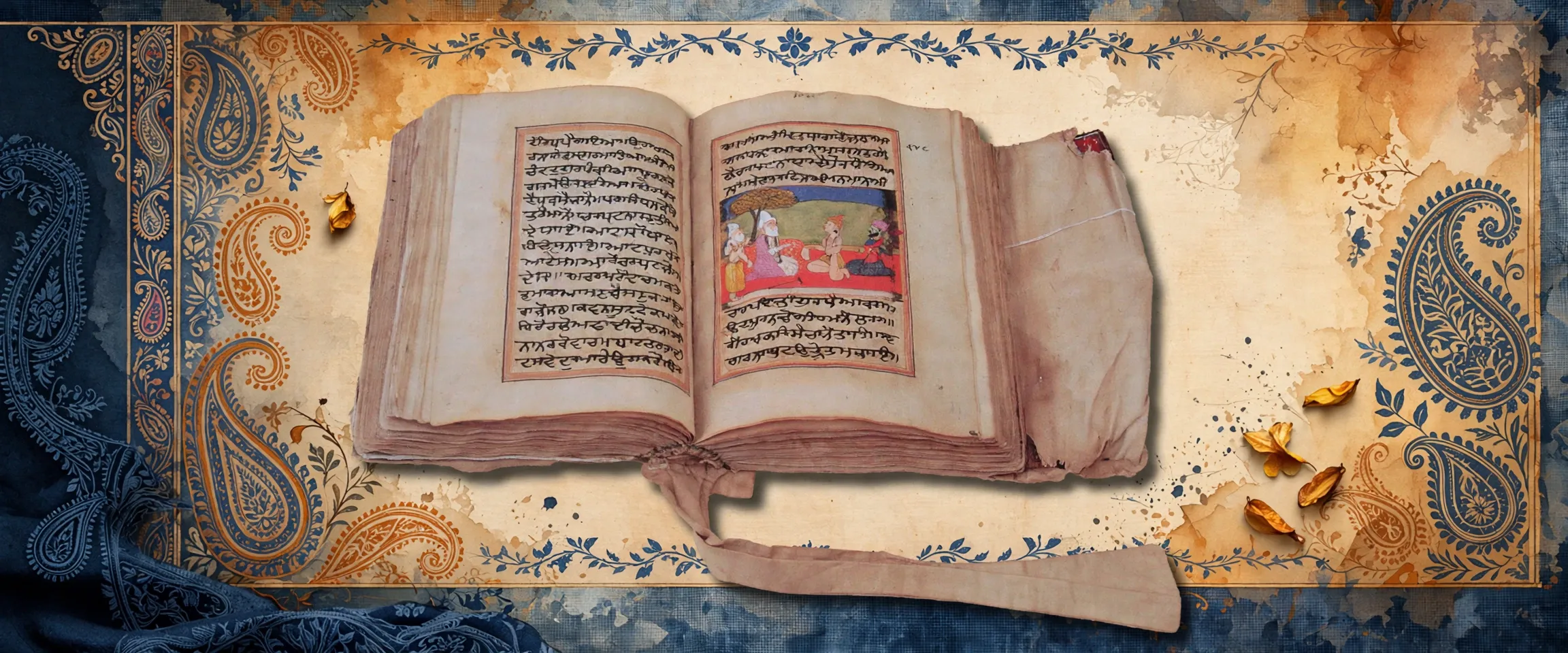
ਬੰਸਾਵਲੀਨਾਮਾ ਕੇਸਰ ਸਿੰਘ ਛਿੱਬਰ ਦੀ 1769 ਵਿੱਚ ਲਿਖੀ ਦਸਾਂ ਸਿੱਖ ਗੁਰੂਆਂ ਦੇ ਇਤਿਹਾਸ ਦੀ ਕਵਿਤਾ ਵਿੱਚ ਰਚਨਾ ਹੈ। ਛਿੱਬਰ ਉਨ੍ਹਾਂ ਦੀਵਾਨ ਪਰਿਵਾਰਾਂ ਵਿੱਚੋਂ ਸਨ ਜਿਨ੍ਹਾਂ ਨੇ ਗੁਰੂਆਂ ਦੀ ਸੇਵਾ ਕੀਤੀ ਸੀ, ਅਤੇ ਇਹ ਜੰਮੂ ਵਿੱਚ ਇੱਕ ਧਰਮਸਾਲਾ ਵਿੱਚ ਮੁਕੰਮਲ ਹੋਈ ਸੀ। 2,564 ਛੰਦਾਂ ਅਤੇ ਚੌਦਾਂ ਅਧਿਆਇਆਂ ਵਿੱਚ ਇਹ ਗੁਰੂਆਂ ਦਾ ਜੀਵਨ ਦੱਸਦੀ ਹੈ, ਫਿਰ ਬੰਦਾ ਸਿੰਘ ਬਹਾਦਰ ਦੀ ਕਹਾਣੀ, ਅਤੇ ਇਹ ਸਭ ਤੋਂ ਪੁਰਾਣੇ ਸਿੱਖ ਇਤਿਹਾਸਾਂ ਵਿੱਚੋਂ ਇੱਕ ਹੈ। ਇਤਿਹਾਸਕਾਰ ਇਸ ਨੂੰ ਗੁਰੂ ਅਰਜਨ ਦੇਵ ਜੀ ਦੇ ਦੇਹਾਂਤ ਬਾਰੇ ਦੱਸਣ ਵਾਲਾ ਪਹਿਲਾ ਸਿੱਖ ਗ੍ਰੰਥ ਮੰਨਦੇ ਹਨ, ਹਾਲਾਂਕਿ ਉਹ ਚਿਤਾਵਨੀ ਦਿੰਦੇ ਹਨ ਕਿ ਇਸ ਦੀਆਂ ਤਾਰੀਖ਼ਾਂ ਸਾਬਤ ਨਹੀਂ ਹੋਈਆਂ ਅਤੇ ਇਸ ਦੇ ਕੁਝ ਵਿਚਾਰ ਸਿੱਖ ਸਿੱਖਿਆ ਤੋਂ ਬਾਹਰ ਹਨ।
- ਪੰਜਾਬੀ ਨਾਂ
- ਬੰਸਾਵਲੀਨਾਮਾ
- ਲੇਖਕ
- ਕੇਸਰ ਸਿੰਘ ਛਿੱਬਰ (ਗੁਰਬਖ਼ਸ਼ ਸਿੰਘ ਦੇ ਪੁੱਤਰ)
- ਲਿਖਿਆ
- 1769 (ਬਿਕ੍ਰਮੀ ਸੰਮਤ 1826), ਜੰਮੂ ਵਿੱਚ ਇੱਕ ਧਰਮਸਾਲਾ ਵਿੱਚ
- ਭਾਸ਼ਾ
- ਸਾਦੀ ਸ਼ੁਰੂਆਤੀ ਸ਼ੈਲੀ ਵਿੱਚ ਪੰਜਾਬੀ ਕਵਿਤਾ
- ਰੂਪ
- 2,564 ਛੰਦਾਂ ਵਿੱਚ ਕਵਿਤਾ ਵਿੱਚ ਇਤਿਹਾਸ
- ਅਧਿਆਇ
- ਚੌਦਾਂ: ਗੁਰੂਆਂ ਉੱਤੇ ਦਸ, ਫਿਰ ਬੰਦਾ ਸਿੰਘ ਬਹਾਦਰ, ਅਜੀਤ ਸਿੰਘ, ਮਾਤਾ ਸਾਹਿਬ ਦੇਵਾਂ, ਅਤੇ ਸ਼ੁਰੂਆਤੀ ਖ਼ਾਲਸਾ
All 11 facts
- ਸਮਾਂ
- ਗੁਰੂ ਨਾਨਕ ਦੇਵ ਜੀ ਤੋਂ 18ਵੀਂ ਸਦੀ ਦੇ ਸ਼ੁਰੂ ਦੇ ਖ਼ਾਲਸੇ ਤੱਕ
- ਮੁੱਖ ਵਿਸ਼ਾ
- ਦਸਾਂ ਸਿੱਖ ਗੁਰੂਆਂ ਅਤੇ ਬੰਦਾ ਸਿੰਘ ਬਹਾਦਰ ਦਾ ਜੀਵਨ
- ਪੂਰਾ ਨਾਂ
- ਬੰਸਾਵਲੀਨਾਮਾ ਦਸਾਂ ਪਾਤਸ਼ਾਹੀਆਂ ਕਾ
- ਪਹਿਲਾ ਛਪਿਆ ਸੰਸਕਰਣ
- ਡਾ. ਰਤਨ ਸਿੰਘ ਜੱਗੀ ਵੱਲੋਂ ਸੰਪਾਦਿਤ, ਪਰਖ ਪੱਤ੍ਰਿਕਾ, ਪੰਜਾਬ ਯੂਨੀਵਰਸਿਟੀ, ਚੰਡੀਗੜ੍ਹ, 1972
- ਹੱਥ ਲਿਖਤਾਂ
- ਬਟਾਲੇ ਵਿੱਚ ਨਿੱਜੀ ਸੰਗ੍ਰਹਿ; ਖ਼ਾਲਸਾ ਕਾਲਜ ਲਾਇਬ੍ਰੇਰੀ, ਅੰਮ੍ਰਿਤਸਰ
Bansavalinama is the 1769 verse history of the ten Sikh Gurus written by Kesar Singh Chhibber, a Sikh of the diwan families who had served the Gurus. In 2,564 stanzas across fourteen chapters it tells the Gurus' lives, then ਬਾਬਾ ਬੰਦਾ ਸਿੰਘ ਬਹਾਦਰ, and it is one of the earliest Sikh histories ever written.
What is Bansavalinama?
The name means a genealogy, a family tree. The full title is Bansavalinama Dasan Patshahian Ka, the genealogy of the ten sovereigns, and the text also uses the Persian word kursinama, which means the same. But the book is not really a family tree. It is a fast-moving account in early Punjabi verse of the ten Gurus, of Banda Singh Bahadur, and of other Sikhs of the early 18th century.
Chhibber finished it in 1769, writing in a dharamsala, a rest house for travellers, in Jammu. That makes it older than the better-known Sikh histories: about forty years older than Rattan Singh Bhangu's ਪ੍ਰਾਚੀਨ ਪੰਥ ਪ੍ਰਕਾਸ਼, and more than seventy years older than Kavi Santokh Singh Ji's ਸੂਰਜ ਪ੍ਰਕਾਸ਼. It belongs to the first generation of Sikh history writing, alongside the janamsakhis and the gur-bilas literature.
Its peculiar feature is the wealth of chronological detail it gives about the lives of the Gurus and the members of their families. That detail is also its warning: the dates Chhibber records are not established as reliable, and the book mixes historical events with mythological elements in places. It is a precious early witness, not a final authority.
The author: Kesar Singh Chhibber
Kesar Singh Chhibber came of a family who had served the Gurus as diwans, or ministers, for three generations. His grandfather, Dharam Chand, was in charge of the treasury of ਗੁਰੂ ਗੋਬਿੰਦ ਸਿੰਘ ਜੀ ਨੇ. Dharam Chand's father, Dargah Mall, had been diwan to Guru Tegh Bahadur Ji and his two predecessors. Dharam Chand's son, Gurbakhsh Singh, served Guru Gobind Singh Ji, and Kesar Singh was Gurbakhsh Singh's son.
Kesar Singh was too young at the time of Guru Gobind Singh Ji's passing in 1708 to have known the Guru himself. But he had the company of eminent Sikhs of his day, notably the scholar and martyr Bhai Mani Singh Ji. For many years he lived at Amritsar, and he also attended upon Mata Sundari Ji, the widow of Guru Gobind Singh Ji, in Delhi.
What the book covers: fourteen chapters
The book has 2,564 stanzas in fourteen chapters. The first ten deal with the ten Gurus, one chapter each. Then there is a chapter each on Banda Singh Bahadur, on Jit (Ajit) Singh, the adopted son of Mata Sundari Ji, and on Mata Sahib Devan Ji. The last chapter looks at the state of the Sikhs in the early decades of the 18th century: the persecution they suffered at the hands of the ruling authority, and their will to survive.
One point the book stresses is the bestowal of Guruship on the holy book by Guru Gobind Singh Ji before he passed away. Chhibber writes, in the words quoted by the Sikh Encyclopedia, that at this time the Guru Granth Sahib is our Guru, and that the Guru's true Sikh is the one who accepts as eternally true the word enshrined in the Granth. The book also gives prescriptions for Sikh conduct in the manner of the rahitnamas, the manuals of Sikh code.
The tenth chapter, on Guru Gobind Singh Ji, is the longest and most detailed. In it Chhibber tells how the Guru summoned the goddess Mata Devi and founded the Khalsa. The scholar Louis Fenech reads this chapter as presenting the Khalsa as raised to avenge the martyrdom of Guru Tegh Bahadur Ji, and as foreshadowing the Khalsa of the early 18th century, the community Chhibber calls the liberated Sikhs.
Why historians value it
Bansavalinama is valued because it is early. The historian Dharam Singh lists it among the first historical chronicles of the Sikhs, with the janamsakhis, ਸ੍ਰੀ ਗੁਰ ਸੋਭਾ, the Mahima Prakash of 1776 and the gur-bilases. Later writers drew on it: Karam Singh cited Chhibber's manuscript in his work on Banda Singh Bahadur, and modern scholars from Ganda Singh to Louis Fenech have used it.
Its most striking claim to fame comes from Fenech's study of martyrdom in early Sikh sources. He calls the Bansavalinama the very first Sikh text to deal specifically with the death of Guru Arjan Dev Ji, the fifth Guru, who died in Mughal custody at Lahore in 1606. Chhibber says the Guru suffered hardship for a whole month, that burning sand was poured over his body, and that he was then bound and thrown into the Ravi river, where he died. He explains the death through the laws of karma and the scheming of the Guru's elder brother Prithi Chand and the Sahi Khatris of Lahore, and he notes bitterly that no Sikh could then exact vengeance for it.
The book also preserves traditions found nowhere else so early. It says ਗੁਰੂ ਨਾਨਕ ਦੇਵ ਜੀ was born on the full moon of Katak, a dating later writers repeated. And in its account of Guru Amardas Ji it records that on Vaisakhi and Diwali all the Sikhs would come to the Guru. Chhibber writes: Baisakhi Diwali no sikh sabh aavan, Guru darsan kar khushian pavan. In English: On Vaisakhi and Diwali, all the Sikhs would come. Having the Guru's darshan, they would experience joy. He wrote nearly two centuries after Guru Amardas Ji, so this is 18th-century memory rather than a contemporary record.
Where the book needs care
The first caution is the dates. The Sikh Encyclopedia warns plainly that the reliability of the dates Chhibber records is not established. His dates should be treated as his dates, and checked against other sources, above all for the early Gurus, where he was writing two centuries after the events.
The second caution is the author's own outlook. Some of his assertions are not in conformity with Sikh belief and teachings. He accepts the Gurus as incarnations of Vishnu, and he tries to prove the superiority of the Brahmans even among the Sikhs, which the Encyclopedia links to his own Brahman ancestry. Fenech notes the same puranic cosmology in the longer portions of the ਦਸਮ ਗ੍ਰੰਥ. The Gurus acknowledged no deity besides God, nor did they support the theory of incarnation, and Sikhism rejects caste. These passages should be read as Chhibber's views, not as Sikh teaching.
The third caution is the book's mixture of history and story. Historical events and mythological elements occasionally overlap in it, and its long tenth chapter weaves devotion, legend and politics together. The honest way to read Bansavalinama is alongside the other early sources: the janamsakhis for Guru Nanak, Sri Gur Sobha and the gur-bilases for the Khalsa, and the later ਪ੍ਰਾਚੀਨ ਪੰਥ ਪ੍ਰਕਾਸ਼ and ਸੂਰਜ ਪ੍ਰਕਾਸ਼ for the full story.
How the book reached print
For two centuries the Bansavalinama was available only in manuscript, copied by hand and passed between readers. It was edited by Dr Rattan Singh Jaggi and published in 1972, in Parakh, a research journal of the Panjab University, Chandigarh. The text Jaggi used was a manuscript in a private collection at Batala. No date is mentioned on that manuscript, but it could be about 150 years old.
Another manuscript is preserved in the Khalsa College Library at Amritsar. There was also one in the Sikh Reference Library at Amritsar until it perished in the Army attack on the Golden Temple complex in 1984. That loss makes the surviving manuscripts, and Jaggi's printed edition, all the more precious.
The book is still read in Punjabi. No full English translation has been published, so English readers meet it through the scholars who quote it, above all Fenech.
Bansavalinama and the books that came after
It helps to keep the early Sikh histories apart. Sri Gur Sobha, written in 1711 by Sainapati, a court poet of Guru Gobind Singh Ji, is a praise of the Khalsa in verse. The janamsakhis tell the life of Guru Nanak Dev Ji. Bansavalinama, of 1769, is the first verse history of all ten Gurus. ਪ੍ਰਾਚੀਨ ਪੰਥ ਪ੍ਰਕਾਸ਼, written in the early 1810s, carries the story past the Gurus into the 18th-century Khalsa, the ਦਲ ਖ਼ਾਲਸਾ, the misls and Sikh rule. ਸੂਰਜ ਪ੍ਰਕਾਸ਼, completed in 1843, retells the Gurus' lives at far greater length, in more than 51,000 verses. Gian Singh's ਪੰਥ ਪ੍ਰਕਾਸ਼, first published at Delhi in 1880, reworked Bhangu's book a generation later.
Together these books show how Sikh history writing grew: from court praise and saints' lives, to Chhibber's genealogy of the Gurus, to full histories of the Panth. Bansavalinama stands at the start of that line, the oldest of the verse histories.
ਬੰਸਾਵਲੀਨਾਮਾ ਕੇਸਰ ਸਿੰਘ ਛਿੱਬਰ ਦੀ 1769 ਵਿੱਚ ਲਿਖੀ ਦਸਾਂ ਸਿੱਖ ਗੁਰੂਆਂ ਦੇ ਇਤਿਹਾਸ ਦੀ ਕਵਿਤਾ ਵਿੱਚ ਰਚਨਾ ਹੈ। ਛਿੱਬਰ ਉਨ੍ਹਾਂ ਦੀਵਾਨ ਪਰਿਵਾਰਾਂ ਵਿੱਚੋਂ ਸਨ ਜਿਨ੍ਹਾਂ ਨੇ ਗੁਰੂਆਂ ਦੀ ਸੇਵਾ ਕੀਤੀ ਸੀ। 2,564 ਛੰਦਾਂ ਅਤੇ ਚੌਦਾਂ ਅਧਿਆਇਆਂ ਵਿੱਚ ਇਹ ਗੁਰੂਆਂ ਦਾ ਜੀਵਨ ਦੱਸਦੀ ਹੈ, ਫਿਰ ਬਾਬਾ ਬੰਦਾ ਸਿੰਘ ਬਹਾਦਰ ਦੀ ਕਹਾਣੀ, ਅਤੇ ਇਹ ਸਭ ਤੋਂ ਪੁਰਾਣੇ ਸਿੱਖ ਇਤਿਹਾਸਾਂ ਵਿੱਚੋਂ ਇੱਕ ਹੈ।
ਬੰਸਾਵਲੀਨਾਮਾ ਕੀ ਹੈ?
ਇਸ ਨਾਂ ਦਾ ਅਰਥ ਹੈ ਵੰਸ਼ਾਵਲੀ, ਅਰਥਾਤ ਪਰਿਵਾਰ ਦਾ ਰੁੱਖ। ਕਿਤਾਬ ਦਾ ਪੂਰਾ ਨਾਂ ਬੰਸਾਵਲੀਨਾਮਾ ਦਸਾਂ ਪਾਤਸ਼ਾਹੀਆਂ ਕਾ ਹੈ, ਜਿਸ ਦਾ ਅਰਥ ਹੈ ਦਸਾਂ ਪਾਤਸ਼ਾਹਾਂ ਦੀ ਵੰਸ਼ਾਵਲੀ। ਇਸ ਵਿੱਚ ਫ਼ਾਰਸੀ ਸ਼ਬਦ ਕੁਰਸੀਨਾਮਾ ਵੀ ਵਰਤਿਆ ਗਿਆ ਹੈ, ਜਿਸ ਦਾ ਅਰਥ ਵੀ ਇਹੀ ਹੈ। ਪਰ ਇਹ ਕਿਤਾਬ ਅਸਲ ਵਿੱਚ ਵੰਸ਼ਾਵਲੀ ਨਹੀਂ ਹੈ। ਇਹ ਸ਼ੁਰੂਆਤੀ ਪੰਜਾਬੀ ਕਵਿਤਾ ਵਿੱਚ ਦਸਾਂ ਗੁਰੂਆਂ, ਬੰਦਾ ਸਿੰਘ ਬਹਾਦਰ ਅਤੇ 18ਵੀਂ ਸਦੀ ਦੇ ਸ਼ੁਰੂ ਦੇ ਹੋਰ ਸਿੱਖਾਂ ਦਾ ਤੇਜ਼ ਰਫ਼ਤਾਰ ਵਾਲਾ ਬਿਰਤਾਂਤ ਹੈ।
ਛਿੱਬਰ ਨੇ ਇਹ 1769 ਵਿੱਚ ਮੁਕੰਮਲ ਕੀਤੀ, ਜੰਮੂ ਵਿੱਚ ਇੱਕ ਧਰਮਸਾਲਾ ਵਿੱਚ ਲਿਖ ਕੇ। ਇਸ ਕਰਕੇ ਇਹ ਮਸ਼ਹੂਰ ਸਿੱਖ ਇਤਿਹਾਸਾਂ ਨਾਲੋਂ ਪੁਰਾਣੀ ਹੈ: ਰਤਨ ਸਿੰਘ ਭੰਗੂ ਜੀ ਦੀ ਪ੍ਰਾਚੀਨ ਪੰਥ ਪ੍ਰਕਾਸ਼ ਨਾਲੋਂ ਲਗਭਗ ਚਾਲੀ ਸਾਲ ਪੁਰਾਣੀ, ਅਤੇ ਕਵੀ ਸੰਤੋਖ ਸਿੰਘ ਜੀ ਦੇ ਸੂਰਜ ਪ੍ਰਕਾਸ਼ ਨਾਲੋਂ ਸੱਤਰ ਸਾਲ ਤੋਂ ਵੱਧ ਪੁਰਾਣੀ। ਇਹ ਸਿੱਖ ਇਤਿਹਾਸ ਲਿਖਣ ਦੀ ਪਹਿਲੀ ਪੀੜ੍ਹੀ ਦੀ ਕਿਤਾਬ ਹੈ, ਜਨਮਸਾਖੀਆਂ ਅਤੇ ਗੁਰਬਿਲਾਸ ਸਾਹਿਤ ਦੇ ਨਾਲ।
ਇਸ ਕਿਤਾਬ ਦੀ ਖ਼ਾਸੀਅਤ ਗੁਰੂਆਂ ਅਤੇ ਉਨ੍ਹਾਂ ਦੇ ਪਰਿਵਾਰਾਂ ਦੇ ਜੀਵਨ ਬਾਰੇ ਤਾਰੀਖ਼ਾਂ ਦੀ ਭਰਪੂਰ ਵਿਸਥਾਰ ਹੈ। ਪਰ ਇਹੀ ਇਸ ਦੀ ਚਿਤਾਵਨੀ ਵੀ ਹੈ: ਛਿੱਬਰ ਦੀਆਂ ਤਾਰੀਖ਼ਾਂ ਦੀ ਭਰੋਸੇਯੋਗਤਾ ਸਾਬਤ ਨਹੀਂ ਹੋਈ, ਅਤੇ ਕਿਤਾਬ ਵਿੱਚ ਕਈ ਥਾਂ ਇਤਿਹਾਸਕ ਘਟਨਾਵਾਂ ਅਤੇ ਮਿਥਿਹਾਸਕ ਤੱਤ ਇੱਕ ਦੂਜੇ ਨਾਲ ਮਿਲ ਜਾਂਦੇ ਹਨ। ਇਹ ਇੱਕ ਅਨਮੋਲ ਸ਼ੁਰੂਆਤੀ ਗਵਾਹ ਹੈ, ਅੰਤਿਮ ਪ੍ਰਮਾਣ ਨਹੀਂ।
ਲੇਖਕ: ਕੇਸਰ ਸਿੰਘ ਛਿੱਬਰ
ਕੇਸਰ ਸਿੰਘ ਛਿੱਬਰ ਉਸ ਪਰਿਵਾਰ ਵਿੱਚੋਂ ਸਨ ਜਿਨ੍ਹਾਂ ਨੇ ਤਿੰਨ ਪੀੜ੍ਹੀਆਂ ਤੱਕ ਗੁਰੂਆਂ ਦੇ ਦੀਵਾਨ, ਅਰਥਾਤ ਮੰਤਰੀ, ਵਜੋਂ ਸੇਵਾ ਕੀਤੀ ਸੀ। ਉਨ੍ਹਾਂ ਦੇ ਦਾਦਾ ਧਰਮ ਚੰਦ ਗੁਰੂ ਗੋਬਿੰਦ ਸਿੰਘ ਜੀ ਦੇ ਖ਼ਜ਼ਾਨੇ ਦੇ ਇੰਚਾਰਜ ਸਨ। ਧਰਮ ਚੰਦ ਦੇ ਪਿਤਾ ਦਰਗਾਹ ਮੱਲ ਗੁਰੂ ਤੇਗ ਬਹਾਦਰ ਜੀ ਅਤੇ ਉਨ੍ਹਾਂ ਤੋਂ ਪਹਿਲੇ ਦੋ ਗੁਰੂਆਂ ਦੇ ਦੀਵਾਨ ਰਹੇ ਸਨ। ਧਰਮ ਚੰਦ ਦੇ ਪੁੱਤਰ ਗੁਰਬਖ਼ਸ਼ ਸਿੰਘ ਨੇ ਗੁਰੂ ਗੋਬਿੰਦ ਸਿੰਘ ਜੀ ਦੀ ਸੇਵਾ ਕੀਤੀ, ਅਤੇ ਕੇਸਰ ਸਿੰਘ ਗੁਰਬਖ਼ਸ਼ ਸਿੰਘ ਦੇ ਪੁੱਤਰ ਸਨ।
ਗੁਰੂ ਗੋਬਿੰਦ ਸਿੰਘ ਜੀ ਦੇ 1708 ਵਿੱਚ ਦੇਹਾਂਤ ਸਮੇਂ ਕੇਸਰ ਸਿੰਘ ਬਹੁਤ ਛੋਟੇ ਸਨ, ਇਸ ਲਈ ਉਹ ਗੁਰੂ ਜੀ ਨੂੰ ਖ਼ੁਦ ਨਹੀਂ ਮਿਲ ਸਕੇ। ਪਰ ਉਨ੍ਹਾਂ ਨੂੰ ਆਪਣੇ ਸਮੇਂ ਦੇ ਮਹਾਨ ਸਿੱਖਾਂ ਦੀ ਸੰਗਤ ਮਿਲੀ, ਜਿਨ੍ਹਾਂ ਵਿੱਚ ਵਿਦਵਾਨ ਅਤੇ ਸ਼ਹੀਦ ਭਾਈ ਮਣੀ ਸਿੰਘ ਜੀ ਖ਼ਾਸ ਸਨ। ਉਹ ਕਈ ਸਾਲ ਅੰਮ੍ਰਿਤਸਰ ਰਹੇ, ਅਤੇ ਦਿੱਲੀ ਵਿੱਚ ਉਹ ਗੁਰੂ ਗੋਬਿੰਦ ਸਿੰਘ ਜੀ ਦੀ ਵਿਧਵਾ ਮਾਤਾ ਸੁੰਦਰੀ ਜੀ ਦੀ ਸੇਵਾ ਵਿੱਚ ਵੀ ਹਾਜ਼ਰ ਰਹੇ।
ਕਿਤਾਬ ਵਿੱਚ ਕੀ ਹੈ: ਚੌਦਾਂ ਅਧਿਆਏ
ਇਸ ਕਿਤਾਬ ਵਿੱਚ 2,564 ਛੰਦ ਹਨ, ਜੋ ਚੌਦਾਂ ਅਧਿਆਇਆਂ ਵਿੱਚ ਵੰਡੇ ਹੋਏ ਹਨ। ਪਹਿਲੇ ਦਸ ਅਧਿਆਏ ਦਸਾਂ ਗੁਰੂਆਂ ਬਾਰੇ ਹਨ, ਹਰ ਗੁਰੂ ਉੱਤੇ ਇੱਕ ਅਧਿਆਏ। ਫਿਰ ਬੰਦਾ ਸਿੰਘ ਬਹਾਦਰ ਉੱਤੇ ਇੱਕ ਅਧਿਆਏ ਹੈ, ਮਾਤਾ ਸੁੰਦਰੀ ਜੀ ਦੇ ਗੋਦ ਲਏ ਪੁੱਤਰ ਜਿਤ (ਅਜੀਤ) ਸਿੰਘ ਉੱਤੇ ਇੱਕ, ਅਤੇ ਮਾਤਾ ਸਾਹਿਬ ਦੇਵਾਂ ਜੀ ਉੱਤੇ ਇੱਕ। ਆਖ਼ਰੀ ਅਧਿਆਏ 18ਵੀਂ ਸਦੀ ਦੇ ਸ਼ੁਰੂ ਵਿੱਚ ਸਿੱਖਾਂ ਦੀ ਹਾਲਤ ਦੱਸਦਾ ਹੈ: ਹਾਕਮਾਂ ਹੱਥੋਂ ਉਨ੍ਹਾਂ ਉੱਤੇ ਹੋਇਆ ਜ਼ੁਲਮ, ਅਤੇ ਉਨ੍ਹਾਂ ਦੀ ਜਿਉਂਦੇ ਰਹਿਣ ਦੀ ਇੱਛਾ।
ਇੱਕ ਗੱਲ ਜਿਸ ਉੱਤੇ ਕਿਤਾਬ ਜ਼ੋਰ ਦਿੰਦੀ ਹੈ, ਉਹ ਇਹ ਹੈ ਕਿ ਗੁਰੂ ਗੋਬਿੰਦ ਸਿੰਘ ਜੀ ਨੇ ਆਪਣੇ ਦੇਹਾਂਤ ਤੋਂ ਪਹਿਲਾਂ ਗੁਰਗੱਦੀ ਗੁਰੂ ਗ੍ਰੰਥ ਸਾਹਿਬ ਨੂੰ ਸੌਂਪੀ ਸੀ। ਛਿੱਬਰ ਲਿਖਦੇ ਹਨ, ਸਿੱਖ ਐਨਸਾਈਕਲੋਪੀਡੀਆ ਵਿੱਚ ਦਿੱਤੇ ਸ਼ਬਦਾਂ ਅਨੁਸਾਰ, ਕਿ ਇਸ ਸਮੇਂ ਗੁਰੂ ਗ੍ਰੰਥ ਸਾਹਿਬ ਸਾਡੇ ਗੁਰੂ ਹਨ, ਅਤੇ ਗੁਰੂ ਦਾ ਸੱਚਾ ਸਿੱਖ ਉਹੀ ਹੈ ਜੋ ਗ੍ਰੰਥ ਵਿੱਚ ਦਰਜ ਸ਼ਬਦ ਨੂੰ ਸਦਾ ਸੱਚ ਮੰਨਦਾ ਹੈ। ਕਿਤਾਬ ਵਿੱਚ ਸਿੱਖਾਂ ਦੇ ਰਹਿਣ ਸਹਿਣ ਬਾਰੇ ਰਹਿਤਨਾਮਿਆਂ ਵਰਗੀਆਂ ਹਦਾਇਤਾਂ ਵੀ ਦਿੱਤੀਆਂ ਗਈਆਂ ਹਨ।
ਦਸਵਾਂ ਅਧਿਆਏ, ਜੋ ਗੁਰੂ ਗੋਬਿੰਦ ਸਿੰਘ ਜੀ ਬਾਰੇ ਹੈ, ਸਭ ਤੋਂ ਲੰਮਾ ਅਤੇ ਸਭ ਤੋਂ ਵਿਸਥਾਰ ਵਾਲਾ ਹੈ। ਇਸ ਵਿੱਚ ਛਿੱਬਰ ਦੱਸਦੇ ਹਨ ਕਿ ਕਿਵੇਂ ਗੁਰੂ ਜੀ ਨੇ ਮਾਤਾ ਦੇਵੀ ਨੂੰ ਸੱਦਿਆ ਅਤੇ ਖ਼ਾਲਸਾ ਸਾਜਿਆ। ਵਿਦਵਾਨ ਲੂਈ ਫ਼ੇਨੇਕ ਇਸ ਅਧਿਆਏ ਨੂੰ ਇਸ ਤਰ੍ਹਾਂ ਪੜ੍ਹਦੇ ਹਨ ਕਿ ਖ਼ਾਲਸਾ ਗੁਰੂ ਤੇਗ ਬਹਾਦਰ ਜੀ ਦੀ ਸ਼ਹੀਦੀ ਦਾ ਬਦਲਾ ਲੈਣ ਲਈ ਸਾਜਿਆ ਗਿਆ ਸੀ, ਅਤੇ ਇਹ 18ਵੀਂ ਸਦੀ ਦੇ ਸ਼ੁਰੂ ਦੇ ਖ਼ਾਲਸੇ ਦੀ ਪਹਿਲੀ ਝਲਕ ਹੈ, ਉਸ ਸੰਗਤ ਦੀ ਜਿਸ ਨੂੰ ਛਿੱਬਰ ਮੁਕਤੇ ਸਿੱਖ ਕਹਿੰਦੇ ਹਨ।
ਇਤਿਹਾਸਕਾਰ ਇਸ ਕਿਤਾਬ ਨੂੰ ਕਿਉਂ ਮਹੱਤਵ ਦਿੰਦੇ ਹਨ
ਬੰਸਾਵਲੀਨਾਮਾ ਇਸ ਲਈ ਮਹੱਤਵਪੂਰਨ ਹੈ ਕਿਉਂਕਿ ਇਹ ਬਹੁਤ ਪੁਰਾਣੀ ਹੈ। ਇਤਿਹਾਸਕਾਰ ਧਰਮ ਸਿੰਘ ਇਸ ਨੂੰ ਸਿੱਖਾਂ ਦੇ ਪਹਿਲੇ ਇਤਿਹਾਸਕ ਬਿਰਤਾਂਤਾਂ ਵਿੱਚ ਗਿਣਦੇ ਹਨ, ਜਨਮਸਾਖੀਆਂ, ਸ੍ਰੀ ਗੁਰ ਸੋਭਾ, 1776 ਦੇ ਮਹਿਮਾ ਪ੍ਰਕਾਸ਼ ਅਤੇ ਗੁਰਬਿਲਾਸਾਂ ਦੇ ਨਾਲ। ਮਗਰਲੇ ਲੇਖਕਾਂ ਨੇ ਇਸ ਤੋਂ ਲਿਆ: ਕਰਮ ਸਿੰਘ ਨੇ ਬੰਦਾ ਸਿੰਘ ਬਹਾਦਰ ਬਾਰੇ ਆਪਣੀ ਕਿਤਾਬ ਵਿੱਚ ਛਿੱਬਰ ਦੀ ਹੱਥ ਲਿਖਤ ਦਾ ਹਵਾਲਾ ਦਿੱਤਾ, ਅਤੇ ਗੰਡਾ ਸਿੰਘ ਤੋਂ ਲੂਈ ਫ਼ੇਨੇਕ ਤੱਕ ਆਧੁਨਿਕ ਵਿਦਵਾਨਾਂ ਨੇ ਇਸ ਨੂੰ ਵਰਤਿਆ ਹੈ।
ਇਸ ਦੀ ਸਭ ਤੋਂ ਵੱਡੀ ਪਛਾਣ ਫ਼ੇਨੇਕ ਦੇ ਸ਼ੁਰੂਆਤੀ ਸਿੱਖ ਸਰੋਤਾਂ ਵਿੱਚ ਸ਼ਹੀਦੀ ਬਾਰੇ ਅਧਿਐਨ ਤੋਂ ਮਿਲਦੀ ਹੈ। ਉਹ ਬੰਸਾਵਲੀਨਾਮੇ ਨੂੰ ਪਹਿਲਾ ਸਿੱਖ ਗ੍ਰੰਥ ਕਹਿੰਦੇ ਹਨ ਜੋ ਗੁਰੂ ਅਰਜਨ ਦੇਵ ਜੀ ਦੇ ਦੇਹਾਂਤ ਬਾਰੇ ਖ਼ਾਸ ਤੌਰ ਉੱਤੇ ਦੱਸਦਾ ਹੈ। ਪੰਜਵੇਂ ਗੁਰੂ ਜੀ ਦੀ ਮੌਤ 1606 ਵਿੱਚ ਲਾਹੌਰ ਵਿੱਚ ਮੁਗ਼ਲ ਹਿਰਾਸਤ ਵਿੱਚ ਹੋਈ ਸੀ। ਛਿੱਬਰ ਕਹਿੰਦੇ ਹਨ ਕਿ ਗੁਰੂ ਜੀ ਨੇ ਇੱਕ ਮਹੀਨਾ ਕਸ਼ਟ ਝੱਲਿਆ, ਉਨ੍ਹਾਂ ਦੇ ਸਰੀਰ ਉੱਤੇ ਗਰਮ ਰੇਤ ਪਾਈ ਗਈ, ਅਤੇ ਫਿਰ ਉਨ੍ਹਾਂ ਨੂੰ ਬੰਨ੍ਹ ਕੇ ਰਾਵੀ ਦਰਿਆ ਵਿੱਚ ਸੁੱਟ ਦਿੱਤਾ ਗਿਆ, ਜਿੱਥੇ ਉਨ੍ਹਾਂ ਦੀ ਮੌਤ ਹੋ ਗਈ। ਉਹ ਇਸ ਮੌਤ ਨੂੰ ਕਰਮ ਦੇ ਨਿਯਮਾਂ ਅਤੇ ਗੁਰੂ ਜੀ ਦੇ ਵੱਡੇ ਭਰਾ ਪ੍ਰਿਥੀ ਚੰਦ ਅਤੇ ਲਾਹੌਰ ਦੇ ਸਾਹੀ ਖੱਤਰੀਆਂ ਦੀਆਂ ਸਾਜ਼ਿਸ਼ਾਂ ਨਾਲ ਸਮਝਾਉਂਦੇ ਹਨ, ਅਤੇ ਦੁੱਖ ਨਾਲ ਨੋਟ ਕਰਦੇ ਹਨ ਕਿ ਉਸ ਸਮੇਂ ਕੋਈ ਸਿੱਖ ਇਸ ਦਾ ਬਦਲਾ ਨਹੀਂ ਲੈ ਸਕਿਆ।
ਇਹ ਕਿਤਾਬ ਉਹ ਪਰੰਪਰਾਵਾਂ ਵੀ ਸਾਂਭਦੀ ਹੈ ਜੋ ਇੰਨੀ ਪੁਰਾਣੀ ਕਿਸੇ ਹੋਰ ਥਾਂ ਨਹੀਂ ਮਿਲਦੀਆਂ। ਇਹ ਕਹਿੰਦੀ ਹੈ ਕਿ ਗੁਰੂ ਨਾਨਕ ਦੇਵ ਜੀ ਦਾ ਜਨਮ ਕੱਤਕ ਦੀ ਪੂਰਨਮਾਸ਼ੀ ਨੂੰ ਹੋਇਆ ਸੀ, ਇੱਕ ਤਾਰੀਖ਼ ਜਿਸ ਨੂੰ ਮਗਰਲੇ ਲੇਖਕਾਂ ਨੇ ਦੁਹਰਾਇਆ। ਅਤੇ ਗੁਰੂ ਅਮਰਦਾਸ ਜੀ ਦੇ ਬਿਰਤਾਂਤ ਵਿੱਚ ਇਹ ਦੱਸਦੀ ਹੈ ਕਿ ਵਿਸਾਖੀ ਅਤੇ ਦੀਵਾਲੀ ਉੱਤੇ ਸਾਰੇ ਸਿੱਖ ਗੁਰੂ ਕੋਲ ਆਉਂਦੇ ਸਨ। ਛਿੱਬਰ ਲਿਖਦੇ ਹਨ: ਬੈਸਾਖੀ ਦੀਵਾਲੀ ਨੋ ਸਿਖ ਸਭ ਆਵਣ। ਗੁਰੂ ਦਰਸਨ ਕਰਿ ਖੁਸ਼ੀਆਂ ਪਾਵਣ। ਇਸ ਦਾ ਅਰਥ ਹੈ: ਵਿਸਾਖੀ ਅਤੇ ਦੀਵਾਲੀ ਉੱਤੇ ਸਾਰੇ ਸਿੱਖ ਆਉਂਦੇ ਸਨ। ਗੁਰੂ ਦੇ ਦਰਸ਼ਨ ਕਰ ਕੇ ਉਹ ਖ਼ੁਸ਼ੀ ਪਾਉਂਦੇ ਸਨ। ਉਨ੍ਹਾਂ ਨੇ ਗੁਰੂ ਅਮਰਦਾਸ ਜੀ ਤੋਂ ਲਗਭਗ ਦੋ ਸਦੀਆਂ ਮਗਰੋਂ ਲਿਖਿਆ ਸੀ, ਇਸ ਲਈ ਇਹ ਉਸ ਸਮੇਂ ਦਾ ਸਿੱਧਾ ਸਬੂਤ ਨਹੀਂ, 18ਵੀਂ ਸਦੀ ਦੀ ਯਾਦ ਹੈ।
ਕਿਤਾਬ ਨੂੰ ਕਿੱਥੇ ਸਾਵਧਾਨੀ ਨਾਲ ਪੜ੍ਹਨਾ ਚਾਹੀਦਾ ਹੈ
ਪਹਿਲੀ ਸਾਵਧਾਨੀ ਤਾਰੀਖ਼ਾਂ ਬਾਰੇ ਹੈ। ਸਿੱਖ ਐਨਸਾਈਕਲੋਪੀਡੀਆ ਸਾਫ਼ ਕਹਿੰਦਾ ਹੈ ਕਿ ਛਿੱਬਰ ਦੀਆਂ ਤਾਰੀਖ਼ਾਂ ਦੀ ਭਰੋਸੇਯੋਗਤਾ ਸਾਬਤ ਨਹੀਂ ਹੋਈ। ਉਨ੍ਹਾਂ ਦੀਆਂ ਤਾਰੀਖ਼ਾਂ ਨੂੰ ਉਨ੍ਹਾਂ ਦੀਆਂ ਤਾਰੀਖ਼ਾਂ ਵਜੋਂ ਲੈਣਾ ਚਾਹੀਦਾ ਹੈ, ਅਤੇ ਹੋਰ ਸਰੋਤਾਂ ਨਾਲ ਮਿਲਾ ਕੇ ਦੇਖਣਾ ਚਾਹੀਦਾ ਹੈ, ਖ਼ਾਸ ਕਰਕੇ ਪਹਿਲੇ ਗੁਰੂਆਂ ਬਾਰੇ, ਜਿਨ੍ਹਾਂ ਬਾਰੇ ਉਹ ਘਟਨਾਵਾਂ ਤੋਂ ਦੋ ਸਦੀਆਂ ਮਗਰੋਂ ਲਿਖ ਰਹੇ ਸਨ।
ਦੂਜੀ ਸਾਵਧਾਨੀ ਲੇਖਕ ਦੇ ਆਪਣੇ ਨਜ਼ਰੀਏ ਬਾਰੇ ਹੈ। ਉਨ੍ਹਾਂ ਦੇ ਕੁਝ ਦਾਅਵੇ ਸਿੱਖ ਵਿਸ਼ਵਾਸ ਅਤੇ ਸਿੱਖਿਆਵਾਂ ਨਾਲ ਮੇਲ ਨਹੀਂ ਖਾਂਦੇ। ਉਹ ਗੁਰੂਆਂ ਨੂੰ ਵਿਸ਼ਨੂੰ ਦੇ ਅਵਤਾਰ ਮੰਨਦੇ ਹਨ, ਅਤੇ ਸਿੱਖਾਂ ਵਿੱਚ ਵੀ ਬ੍ਰਾਹਮਣਾਂ ਦੀ ਉੱਤਮਤਾ ਸਾਬਤ ਕਰਨ ਦੀ ਕੋਸ਼ਿਸ਼ ਕਰਦੇ ਹਨ, ਜਿਸ ਨੂੰ ਐਨਸਾਈਕਲੋਪੀਡੀਆ ਉਨ੍ਹਾਂ ਦੀ ਆਪਣੀ ਬ੍ਰਾਹਮਣ ਜਾਤ ਨਾਲ ਜੋੜਦਾ ਹੈ। ਫ਼ੇਨੇਕ ਦਸਮ ਗ੍ਰੰਥ ਦੇ ਲੰਮੇ ਹਿੱਸਿਆਂ ਵਿੱਚ ਵੀ ਇਹੀ ਪੁਰਾਣਿਕ ਬ੍ਰਹਿਮੰਡ ਵਿਗਿਆਨ ਨੋਟ ਕਰਦੇ ਹਨ। ਗੁਰੂਆਂ ਨੇ ਰੱਬ ਤੋਂ ਬਿਨਾਂ ਕਿਸੇ ਹੋਰ ਦੇਵਤੇ ਨੂੰ ਨਹੀਂ ਮੰਨਿਆ, ਨਾ ਹੀ ਉਨ੍ਹਾਂ ਨੇ ਅਵਤਾਰਵਾਦ ਦਾ ਸਮਰਥਨ ਕੀਤਾ, ਅਤੇ ਸਿੱਖ ਧਰਮ ਜਾਤ ਪਾਤ ਨੂੰ ਰੱਦ ਕਰਦਾ ਹੈ। ਇਨ੍ਹਾਂ ਹਿੱਸਿਆਂ ਨੂੰ ਛਿੱਬਰ ਦੇ ਵਿਚਾਰਾਂ ਵਜੋਂ ਪੜ੍ਹਨਾ ਚਾਹੀਦਾ ਹੈ, ਸਿੱਖ ਸਿੱਖਿਆ ਵਜੋਂ ਨਹੀਂ।
ਤੀਜੀ ਸਾਵਧਾਨੀ ਇਤਿਹਾਸ ਅਤੇ ਕਹਾਣੀ ਦੇ ਮਿਸ਼ਰਣ ਬਾਰੇ ਹੈ। ਕਿਤਾਬ ਵਿੱਚ ਕਈ ਥਾਂ ਇਤਿਹਾਸਕ ਘਟਨਾਵਾਂ ਅਤੇ ਮਿਥਿਹਾਸਕ ਤੱਤ ਇੱਕ ਦੂਜੇ ਨਾਲ ਮਿਲ ਜਾਂਦੇ ਹਨ, ਅਤੇ ਦਸਵਾਂ ਅਧਿਆਏ ਭਗਤੀ, ਕਥਾ ਅਤੇ ਰਾਜਨੀਤੀ ਨੂੰ ਇੱਕੋ ਧਾਗੇ ਵਿੱਚ ਬੁਣਦਾ ਹੈ। ਬੰਸਾਵਲੀਨਾਮੇ ਨੂੰ ਪੜ੍ਹਨ ਦਾ ਇਮਾਨਦਾਰ ਤਰੀਕਾ ਇਹ ਹੈ ਕਿ ਇਸ ਨੂੰ ਹੋਰ ਸ਼ੁਰੂਆਤੀ ਸਰੋਤਾਂ ਨਾਲ ਮਿਲਾ ਕੇ ਪੜ੍ਹਿਆ ਜਾਵੇ: ਗੁਰੂ ਨਾਨਕ ਲਈ ਜਨਮਸਾਖੀਆਂ, ਖ਼ਾਲਸੇ ਲਈ ਸ੍ਰੀ ਗੁਰ ਸੋਭਾ ਅਤੇ ਗੁਰਬਿਲਾਸ, ਅਤੇ ਪੂਰੀ ਕਹਾਣੀ ਲਈ ਮਗਰਲੀ ਪ੍ਰਾਚੀਨ ਪੰਥ ਪ੍ਰਕਾਸ਼ ਅਤੇ ਸੂਰਜ ਪ੍ਰਕਾਸ਼।
ਕਿਤਾਬ ਛਪਾਈ ਤੱਕ ਕਿਵੇਂ ਪਹੁੰਚੀ
ਦੋ ਸਦੀਆਂ ਤੱਕ ਬੰਸਾਵਲੀਨਾਮਾ ਸਿਰਫ਼ ਹੱਥ ਲਿਖਤ ਵਿੱਚ ਮਿਲਦਾ ਸੀ, ਹੱਥੋਂ ਹੱਥ ਨਕਲ ਕੀਤਾ ਜਾਂਦਾ ਅਤੇ ਪਾਠਕਾਂ ਵਿੱਚ ਵੰਡਿਆ ਜਾਂਦਾ ਸੀ। ਇਸ ਨੂੰ ਡਾ. ਰਤਨ ਸਿੰਘ ਜੱਗੀ ਨੇ ਸੰਪਾਦਿਤ ਕੀਤਾ ਅਤੇ 1972 ਵਿੱਚ ਪਰਖ ਵਿੱਚ ਛਾਪਿਆ, ਜੋ ਪੰਜਾਬ ਯੂਨੀਵਰਸਿਟੀ, ਚੰਡੀਗੜ੍ਹ ਦੀ ਇੱਕ ਖੋਜ ਪੱਤ੍ਰਿਕਾ ਹੈ। ਜੱਗੀ ਨੇ ਜਿਸ ਪਾਠ ਨੂੰ ਵਰਤਿਆ, ਉਹ ਬਟਾਲੇ ਵਿੱਚ ਇੱਕ ਨਿੱਜੀ ਸੰਗ੍ਰਹਿ ਦੀ ਹੱਥ ਲਿਖਤ ਸੀ। ਉਸ ਹੱਥ ਲਿਖਤ ਉੱਤੇ ਕੋਈ ਤਾਰੀਖ਼ ਨਹੀਂ ਦਰਜ, ਪਰ ਉਹ ਉਸ ਸਮੇਂ ਲਗਭਗ 150 ਸਾਲ ਪੁਰਾਣੀ ਹੋ ਸਕਦੀ ਸੀ।
ਇੱਕ ਹੋਰ ਹੱਥ ਲਿਖਤ ਅੰਮ੍ਰਿਤਸਰ ਵਿੱਚ ਖ਼ਾਲਸਾ ਕਾਲਜ ਲਾਇਬ੍ਰੇਰੀ ਵਿੱਚ ਸਾਂਭੀ ਹੋਈ ਹੈ। ਅੰਮ੍ਰਿਤਸਰ ਵਿੱਚ ਸਿੱਖ ਰੈਫ਼ਰੈਂਸ ਲਾਇਬ੍ਰੇਰੀ ਵਿੱਚ ਵੀ ਇੱਕ ਹੱਥ ਲਿਖਤ ਸੀ, ਜੋ 1984 ਵਿੱਚ ਸ੍ਰੀ ਦਰਬਾਰ ਸਾਹਿਬ ਉੱਤੇ ਫ਼ੌਜੀ ਹਮਲੇ ਵਿੱਚ ਨਸ਼ਟ ਹੋ ਗਈ। ਇਸ ਨੁਕਸਾਨ ਕਰਕੇ ਬਚੀਆਂ ਹੋਈਆਂ ਹੱਥ ਲਿਖਤਾਂ, ਅਤੇ ਜੱਗੀ ਦਾ ਛਪਿਆ ਸੰਸਕਰਣ, ਹੋਰ ਵੀ ਅਨਮੋਲ ਹੋ ਜਾਂਦੇ ਹਨ।
ਇਹ ਕਿਤਾਬ ਅੱਜ ਵੀ ਪੰਜਾਬੀ ਵਿੱਚ ਪੜ੍ਹੀ ਜਾਂਦੀ ਹੈ। ਇਸ ਦਾ ਕੋਈ ਪੂਰਾ ਅੰਗਰੇਜ਼ੀ ਅਨੁਵਾਦ ਨਹੀਂ ਛਪਿਆ, ਇਸ ਲਈ ਅੰਗਰੇਜ਼ੀ ਪਾਠਕ ਇਸ ਨੂੰ ਉਨ੍ਹਾਂ ਵਿਦਵਾਨਾਂ ਰਾਹੀਂ ਮਿਲਦੇ ਹਨ ਜੋ ਇਸ ਦਾ ਹਵਾਲਾ ਦਿੰਦੇ ਹਨ, ਸਭ ਤੋਂ ਵੱਧ ਫ਼ੇਨੇਕ ਰਾਹੀਂ।
ਬੰਸਾਵਲੀਨਾਮਾ ਅਤੇ ਮਗਰੋਂ ਆਈਆਂ ਕਿਤਾਬਾਂ
ਸ਼ੁਰੂਆਤੀ ਸਿੱਖ ਇਤਿਹਾਸਾਂ ਨੂੰ ਵੱਖਰਾ ਰੱਖਣਾ ਮਦਦਗਾਰ ਹੈ। ਸ੍ਰੀ ਗੁਰ ਸੋਭਾ, ਜੋ 1711 ਵਿੱਚ ਗੁਰੂ ਗੋਬਿੰਦ ਸਿੰਘ ਜੀ ਦੇ ਦਰਬਾਰੀ ਕਵੀ ਸੈਨਾਪਤੀ ਨੇ ਲਿਖੀ, ਕਵਿਤਾ ਵਿੱਚ ਖ਼ਾਲਸੇ ਦੀ ਪ੍ਰਸ਼ੰਸਾ ਹੈ। ਜਨਮਸਾਖੀਆਂ ਗੁਰੂ ਨਾਨਕ ਦੇਵ ਜੀ ਦਾ ਜੀਵਨ ਦੱਸਦੀਆਂ ਹਨ। 1769 ਦਾ ਬੰਸਾਵਲੀਨਾਮਾ ਦਸਾਂ ਗੁਰੂਆਂ ਦਾ ਪਹਿਲਾ ਕਵਿਤਾ ਵਿੱਚ ਇਤਿਹਾਸ ਹੈ। ਪ੍ਰਾਚੀਨ ਪੰਥ ਪ੍ਰਕਾਸ਼, ਜੋ 1810 ਦੇ ਦਹਾਕੇ ਦੇ ਸ਼ੁਰੂ ਵਿੱਚ ਲਿਖੀ ਗਈ, ਕਹਾਣੀ ਨੂੰ ਗੁਰੂਆਂ ਤੋਂ ਅੱਗੇ 18ਵੀਂ ਸਦੀ ਦੇ ਖ਼ਾਲਸੇ, ਦਲ ਖ਼ਾਲਸੇ, ਮਿਸਲਾਂ ਅਤੇ ਸਿੱਖ ਰਾਜ ਤੱਕ ਲੈ ਜਾਂਦੀ ਹੈ। ਸੂਰਜ ਪ੍ਰਕਾਸ਼, ਜੋ 1843 ਵਿੱਚ ਮੁਕੰਮਲ ਹੋਇਆ, ਗੁਰੂਆਂ ਦੇ ਜੀਵਨ ਨੂੰ ਬਹੁਤ ਵੱਧ ਵਿਸਥਾਰ ਨਾਲ ਦੁਹਰਾਉਂਦਾ ਹੈ, 51,000 ਤੋਂ ਵੱਧ ਛੰਦਾਂ ਵਿੱਚ। ਗਿਆਨ ਸਿੰਘ ਦਾ ਪੰਥ ਪ੍ਰਕਾਸ਼, ਜੋ ਪਹਿਲੀ ਵਾਰ 1880 ਵਿੱਚ ਦਿੱਲੀ ਵਿੱਚ ਛਪਿਆ, ਇੱਕ ਪੀੜ੍ਹੀ ਮਗਰੋਂ ਭੰਗੂ ਦੀ ਕਿਤਾਬ ਦੀ ਮੁੜ ਲਿਖਤ ਹੈ।
ਇਹ ਕਿਤਾਬਾਂ ਮਿਲ ਕੇ ਦੱਸਦੀਆਂ ਹਨ ਕਿ ਸਿੱਖ ਇਤਿਹਾਸ ਲਿਖਣ ਕਿਵੇਂ ਵਧਿਆ: ਦਰਬਾਰੀ ਪ੍ਰਸ਼ੰਸਾ ਅਤੇ ਸੰਤਾਂ ਦੇ ਜੀਵਨ ਤੋਂ, ਛਿੱਬਰ ਦੀ ਗੁਰੂਆਂ ਦੀ ਵੰਸ਼ਾਵਲੀ ਤੱਕ, ਅਤੇ ਫਿਰ ਪੰਥ ਦੇ ਪੂਰੇ ਇਤਿਹਾਸ ਤੱਕ। ਬੰਸਾਵਲੀਨਾਮਾ ਇਸ ਲੜੀ ਦੀ ਸ਼ੁਰੂਆਤ ਉੱਤੇ ਖੜ੍ਹਾ ਹੈ। ਇਹ ਕਵਿਤਾ ਵਿੱਚ ਇਤਿਹਾਸਾਂ ਵਿੱਚੋਂ ਸਭ ਤੋਂ ਪੁਰਾਣਾ ਹੈ।
More religion entries to explore
ਸਰੋਤ (6)
- The Sikh Encyclopedia: Bansavalinama Dasan Patshahian Ka
- Louis E. Fenech: Martyrdom and the Execution of Guru Arjan in Early Sikh Sources
- Inqlab: Sikhs Celebrate Diwali. We Shouldn't Be Afraid to Say It
- Dharam Singh and Kulwant Singh: Know Your Heritage, Introductory Essays on Primary Sources of Sikhism
- Wikipedia: Guru Nanak
- Wikimedia Commons: Illustrated Janamsakhi manuscript from 1777
ਜੁਗਤੀ ਮੁਫ਼ਤ ਅਤੇ ਸੁਤੰਤਰ ਹੈ। ਪਾਠਕਾਂ ਦਾ ਸਹਿਯੋਗ ਕੋਸ਼ ਨੂੰ ਵਧਾਉਂਦਾ ਹੈ।
ਸਹਿਯੋਗ