
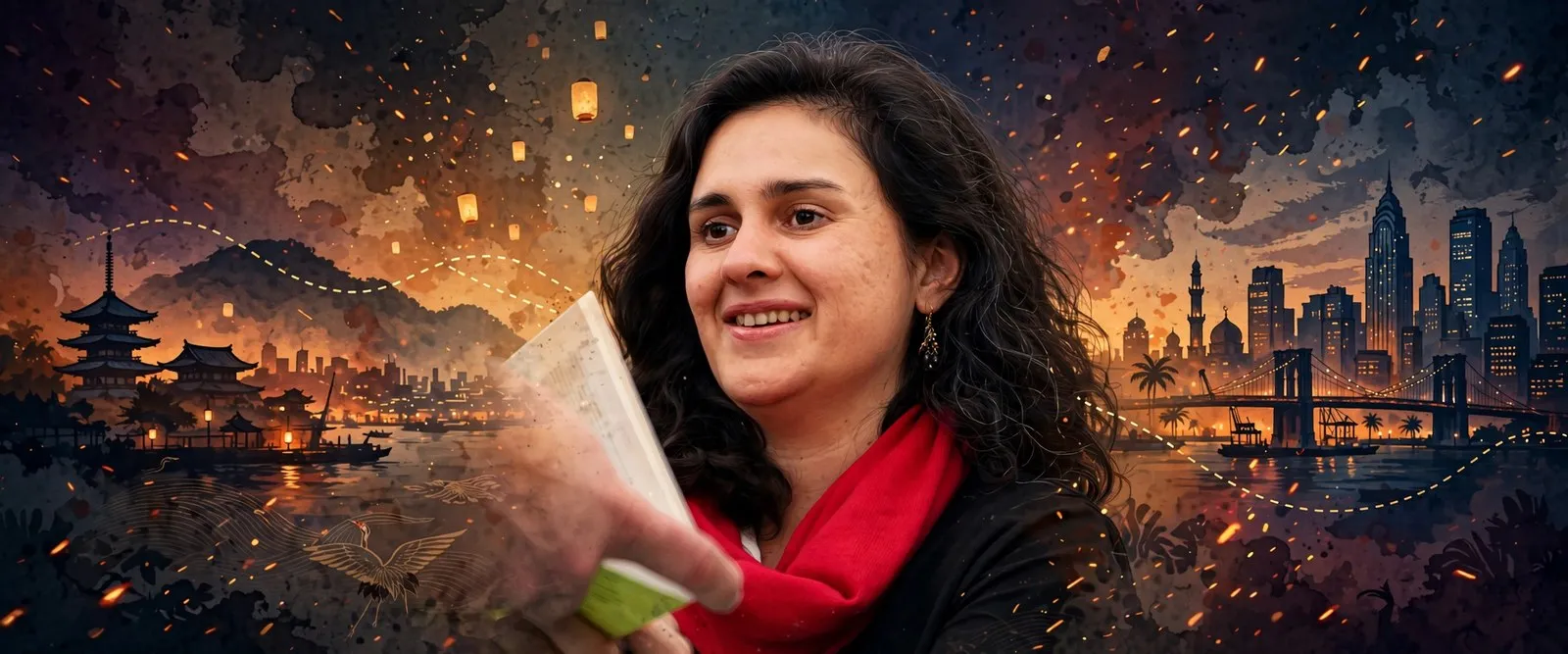
Burnt Shadows (2009) is Kamila Shamsie's fifth novel, following two families from Nagasaki in 1945, through Delhi at Partition and Karachi in the 1980s, to New York after 11 September 2001. Hiroko Tanaka, scarred by the atomic bomb, builds a life in Pakistan with Sajjad Ashraf, and their son Raza is swept into the wars that follow. It was shortlisted for the Orange Prize in 2009 and won the Anisfield-Wolf Book Award in 2010.
English- Author
- Kamila Shamsie
- Published
- 2009
- Publisher
- Bloomsbury (UK); Picador (US)
- Pages
- 367 (Bloomsbury hardcover); 370 (Picador)
- Language
- English
- Form
- Novel
All 8 facts
- Setting
- Nagasaki, Delhi, Karachi, New York
- Recognition
- Winner, Anisfield-Wolf Book Award 2010; shortlisted, Orange Prize 2009
Characters
About the book
Burnt Shadows is a novel by Kamila Shamsie, first published by Bloomsbury in Britain in 2009, with Picador publishing it in the United States the same year. It was her fifth novel, following In the City by the Sea (1998), Salt and Saffron (2000), Kartography (2002) and Broken Verses (2005). The novel follows two families across more than fifty years, from Nagasaki in the last days of the Second World War to New York after the attacks of 11 September 2001.
Shamsie wrote the book as a chain of histories rather than a single story. Each of its four sections takes the reader to a different place and decade, and the same people carry the consequences of each war into the next one. The title comes from the bombing of Nagasaki: the shadows of people burned onto walls and ground by the flash of the atomic bomb.
What happens in Burnt Shadows?
The novel opens with an unidentified prisoner, naked in a cell in Guantanamo, asking himself how he came to be there. The story then works backwards, beginning in Nagasaki on 9 August 1945. Hiroko Tanaka, a 21 year old teacher turned munitions worker, is in love with a German, Konrad Weiss. The atomic bomb kills Konrad, leaving his burnt shadow on the ground, and sears the cranes printed on Hiroko's kimono into the skin of her back.
Hiroko travels to Delhi, where she stays with Konrad's half sister Ilse, now called Elizabeth, and her husband James Burton, a British colonial official. She learns Urdu from the Burtons' clerk, Sajjad Ashraf, and the two fall in love despite the Burtons' disapproval. When India is partitioned in 1947, Hiroko and Sajjad make a new life in the new country of Pakistan, and their son Raza is born in Karachi.
In Pakistan in the early 1980s, Raza meets Harry Burton, the son of Ilse and James, who works for the CIA. Raza is drawn into the fighting in Afghanistan alongside his young friend Abdullah, while Sajjad searches for his son and is shot dead after naming a CIA operative at the wrong time and place. After losing Sajjad, Hiroko moves to New York to be near Ilse, who has left James and reclaimed her own identity.
ਕਿਤਾਬ ਬਾਰੇ
ਬਰੰਟ ਸ਼ੈਡੋਜ਼ ਕਮਿਲਾ ਸ਼ਮਸੀ ਦਾ ਨਾਵਲ ਹੈ, ਜੋ 2009 ਵਿੱਚ ਪਹਿਲਾਂ ਬ੍ਰਿਟੇਨ ਵਿੱਚ ਬਲੂਮਸਬਰੀ ਤੋਂ ਛਪਿਆ, ਅਤੇ ਉਸੇ ਸਾਲ ਅਮਰੀਕਾ ਵਿੱਚ ਪਿਕਾਡੋਰ ਤੋਂ ਛਪਿਆ। ਇਹ ਉਸ ਦਾ ਪੰਜਵਾਂ ਨਾਵਲ ਸੀ, ਜੋ ਇਨ ਦ ਸਿਟੀ ਬਾਈ ਦ ਸੀ (1998), ਸਾਲਟ ਐਂਡ ਸੈਫ਼ਰਨ (2000), ਕਾਰਟੋਗਰਾਫ਼ੀ (2002) ਅਤੇ ਬਰੋਕਨ ਵਰਸਜ਼ (2005) ਤੋਂ ਬਾਅਦ ਆਇਆ। ਇਹ ਨਾਵਲ ਦੋ ਪਰਿਵਾਰਾਂ ਨੂੰ ਪੰਜਾਹ ਸਾਲਾਂ ਤੋਂ ਵੱਧ ਸਮੇਂ ਤੱਕ ਅਪਣਾਉਂਦਾ ਹੈ, ਦੂਜੀ ਸੰਸਾਰ ਜੰਗ ਦੇ ਆਖ਼ਰੀ ਦਿਨਾਂ ਵਿੱਚ ਨਾਗਾਸਾਕੀ ਤੋਂ ਲੈ ਕੇ 11 ਸਤੰਬਰ 2001 ਦੇ ਹਮਲਿਆਂ ਤੋਂ ਬਾਅਦ ਨਿਊਯਾਰਕ ਤੱਕ।
ਸ਼ਮਸੀ ਨੇ ਇਹ ਕਿਤਾਬ ਇੱਕ ਕਹਾਣੀ ਵਜੋਂ ਨਹੀਂ, ਸਗੋਂ ਇਤਿਹਾਸ ਦੀ ਇੱਕ ਲੜੀ ਵਜੋਂ ਲਿਖੀ ਹੈ। ਇਸ ਦੇ ਚਾਰ ਹਿੱਸਿਆਂ ਵਿੱਚੋਂ ਹਰ ਹਿੱਸਾ ਪਾਠਕ ਨੂੰ ਇੱਕ ਵੱਖਰੀ ਥਾਂ ਅਤੇ ਦਹਾਕੇ ਵਿੱਚ ਲੈ ਜਾਂਦਾ ਹੈ, ਅਤੇ ਉਹੀ ਲੋਕ ਹਰ ਜੰਗ ਦੇ ਨਤੀਜੇ ਅਗਲੀ ਜੰਗ ਵਿੱਚ ਲੈ ਜਾਂਦੇ ਹਨ। ਕਿਤਾਬ ਦਾ ਨਾਂ ਨਾਗਾਸਾਕੀ ਦੀ ਬੰਬਾਰੀ ਤੋਂ ਆਇਆ ਹੈ: ਪਰਮਾਣੂ ਬੰਬ ਦੀ ਚਮਕ ਨਾਲ ਕੰਧਾਂ ਅਤੇ ਜ਼ਮੀਨ ਤੇ ਬਣੇ ਲੋਕਾਂ ਦੇ ਸੜੇ ਹੋਏ ਪਰਛਾਵੇਂ।
ਬਰੰਟ ਸ਼ੈਡੋਜ਼ ਵਿੱਚ ਕੀ ਹੁੰਦਾ ਹੈ?
ਨਾਵਲ ਗੁਆਂਤਾਨਾਮੋ ਦੀ ਇੱਕ ਕੋਠੜੀ ਵਿੱਚ ਇੱਕ ਅਣਪਛਾਤੇ ਕੈਦੀ ਨਾਲ ਸ਼ੁਰੂ ਹੁੰਦਾ ਹੈ, ਜੋ ਆਪਣੇ ਆਪ ਤੋਂ ਪੁੱਛਦਾ ਹੈ ਕਿ ਉਹ ਇੱਥੇ ਕਿਵੇਂ ਆਇਆ। ਫਿਰ ਕਹਾਣੀ ਪਿੱਛੇ ਮੁੜਦੀ ਹੈ, ਅਤੇ 9 ਅਗਸਤ 1945 ਨੂੰ ਨਾਗਾਸਾਕੀ ਤੋਂ ਸ਼ੁਰੂ ਹੁੰਦੀ ਹੈ। ਹਿਰੋਕੋ ਤਨਾਕਾ, 21 ਸਾਲ ਦੀ ਇੱਕ ਅਧਿਆਪਕਾ ਜੋ ਹੁਣ ਹਥਿਆਰਾਂ ਦੀ ਫ਼ੈਕਟਰੀ ਵਿੱਚ ਕੰਮ ਕਰਦੀ ਹੈ, ਇੱਕ ਜਰਮਨ, ਕੋਨਰਾਡ ਵਾਈਸ, ਨਾਲ ਪਿਆਰ ਕਰਦੀ ਹੈ। ਪਰਮਾਣੂ ਬੰਬ ਕੋਨਰਾਡ ਨੂੰ ਮਾਰ ਦਿੰਦਾ ਹੈ, ਅਤੇ ਉਸ ਦਾ ਸੜਿਆ ਹੋਇਆ ਪਰਛਾਵਾਂ ਜ਼ਮੀਨ ਤੇ ਰਹਿ ਜਾਂਦਾ ਹੈ, ਜਦੋਂ ਕਿ ਹਿਰੋਕੋ ਦੇ ਕਿਮੋਨੋ ਤੇ ਛਪੇ ਸਾਰਸ ਉਸ ਦੀ ਪਿੱਠ ਦੀ ਚਮੜੀ ਤੇ ਸੜ ਜਾਂਦੇ ਹਨ।
ਹਿਰੋਕੋ ਦਿੱਲੀ ਜਾਂਦੀ ਹੈ, ਜਿੱਥੇ ਉਹ ਕੋਨਰਾਡ ਦੀ ਸੌਤੇਲੀ ਭੈਣ ਇਲਸੇ ਕੋਲ ਰਹਿੰਦੀ ਹੈ, ਜਿਸ ਨੂੰ ਹੁਣ ਐਲਿਜ਼ਾਬੈਥ ਕਿਹਾ ਜਾਂਦਾ ਹੈ, ਅਤੇ ਉਸ ਦੇ ਪਤੀ ਜੇਮਜ਼ ਬਰਟਨ ਕੋਲ, ਜੋ ਇੱਕ ਬ੍ਰਿਟਿਸ਼ ਅਧਿਕਾਰੀ ਹੈ। ਉਹ ਬਰਟਨਾਂ ਦੇ ਕਲਰਕ ਸੱਜਾਦ ਅਸ਼ਰਫ਼ ਤੋਂ ਉਰਦੂ ਸਿੱਖਦੀ ਹੈ, ਅਤੇ ਦੋਵਾਂ ਵਿੱਚ ਪਿਆਰ ਹੋ ਜਾਂਦਾ ਹੈ, ਭਾਵੇਂ ਬਰਟਨ ਇਸ ਤੋਂ ਨਾਰਾਜ਼ ਹਨ। ਜਦੋਂ 1947 ਵਿੱਚ ਭਾਰਤ ਦੀ ਵੰਡ ਹੁੰਦੀ ਹੈ, ਤਾਂ ਹਿਰੋਕੋ ਅਤੇ ਸੱਜਾਦ ਨਵੇਂ ਦੇਸ਼ ਪਾਕਿਸਤਾਨ ਵਿੱਚ ਨਵੀਂ ਜ਼ਿੰਦਗੀ ਸ਼ੁਰੂ ਕਰਦੇ ਹਨ, ਅਤੇ ਉਨ੍ਹਾਂ ਦਾ ਪੁੱਤਰ ਰਜ਼ਾ ਕਰਾਚੀ ਵਿੱਚ ਪੈਦਾ ਹੁੰਦਾ ਹੈ।
1980 ਦੇ ਦਹਾਕੇ ਦੇ ਸ਼ੁਰੂ ਵਿੱਚ ਪਾਕਿਸਤਾਨ ਵਿੱਚ ਰਜ਼ਾ ਹੈਰੀ ਬਰਟਨ ਨੂੰ ਮਿਲਦਾ ਹੈ, ਜੋ ਇਲਸੇ ਅਤੇ ਜੇਮਜ਼ ਦਾ ਪੁੱਤਰ ਹੈ ਅਤੇ ਸੀ.ਆਈ.ਏ. ਲਈ ਕੰਮ ਕਰਦਾ ਹੈ। ਰਜ਼ਾ ਆਪਣੇ ਨੌਜਵਾਨ ਦੋਸਤ ਅਬਦੁੱਲਾ ਨਾਲ ਅਫ਼ਗ਼ਾਨਿਸਤਾਨ ਦੀ ਲੜਾਈ ਵਿੱਚ ਖਿੱਚਿਆ ਜਾਂਦਾ ਹੈ, ਜਦੋਂ ਕਿ ਸੱਜਾਦ ਆਪਣੇ ਪੁੱਤਰ ਦੀ ਭਾਲ ਵਿੱਚ ਜਾਂਦਾ ਹੈ ਅਤੇ ਗ਼ਲਤ ਸਮੇਂ ਅਤੇ ਗ਼ਲਤ ਥਾਂ ਤੇ ਇੱਕ ਸੀ.ਆਈ.ਏ. ਅਧਿਕਾਰੀ ਦਾ ਨਾਂ ਲੈਣ ਤੋਂ ਬਾਅਦ ਗੋਲੀ ਮਾਰ ਕੇ ਮਾਰ ਦਿੱਤਾ ਜਾਂਦਾ ਹੈ। ਸੱਜਾਦ ਨੂੰ ਗੁਆਉਣ ਤੋਂ ਬਾਅਦ ਹਿਰੋਕੋ ਨਿਊਯਾਰਕ ਚਲੀ ਜਾਂਦੀ ਹੈ, ਤਾਂ ਜੋ ਇਲਸੇ ਦੇ ਨੇੜੇ ਰਹੇ, ਜਿਸ ਨੇ ਜੇਮਜ਼ ਨੂੰ ਛੱਡ ਦਿੱਤਾ ਹੈ ਅਤੇ ਆਪਣੀ ਪਛਾਣ ਮੁੜ ਪ੍ਰਾਪਤ ਕੀਤੀ ਹੈ।
Harry brings Raza out of the fighting and gives him work in private security. Hiroko grows close to Harry's daughter Kim. Raza works with Harry in Afghanistan during the war on terror, Harry is killed, and Raza is blamed for his death. Kim and Hiroko help Abdullah cross the border into Canada, and Raza takes Abdullah's place when Kim turns him in to the police. The novel leaves it implied, never stated outright, that Raza is the prisoner in the Guantanamo cell from the opening pages.
Themes
The novel's central question is whether people can belong to more than one country, and what happens when nations decide they cannot. Shamsie sets cosmopolitanism, the idea of living across borders and languages, against nationalism, which keeps returning in new forms: Japanese, British, Pakistani and American. The same forces repeat from the Second World War to the war in Afghanistan, and ordinary people pay the price each time.
Love and friendship run against that logic. Hiroko and Sajjad, a Japanese woman and an Indian Muslim clerk, build a life together in a country neither was born in. Harry Burton, the son of a colonial family, becomes Raza's protector. Shamsie has said the book is about the difference between the logic of nations in wartime, which decides what price another country's people should pay, and the logic of individuals, for whom love and friendship are possible in the most unlikely places.
Language is part of that story. The novel moves between Japanese, German, Urdu and Pashto, and language is both a bridge and a marker of foreignness. Home, too, is always out of reach: Hiroko can never return to Nagasaki, Sajjad and Harry can never return to Delhi, and Raza ends the book as an outlaw. The attacks of 11 September 2001 are not treated as a single event but as one link in a chain running from Nagasaki through Partition and the American backed war against the Soviets in Afghanistan.
The author
Kamila Shamsie was born in Karachi on 13 August 1973 and moved to London in 2007, where she lives. She studied creative writing at Hamilton College in the United States and took an MFA at the University of Massachusetts Amherst. Her mother, Muneeza Shamsie, is a journalist and editor, and her great aunt, Attia Hosain, was a writer.
Burnt Shadows was her fifth novel. Her later books include A God in Every Stone (2014) and Home Fire (2017), which won the Women's Prize for Fiction in 2018. She is a Fellow of the Royal Society of Literature and a professor of creative writing at the University of Manchester.
Reception and legacy
Burnt Shadows was generally well received by critics. Maya Jaggi wrote in the Guardian that it was hugely ambitious, with a clear and compelling voice, and that readers expecting a predictable story about the radicalisation of Muslim youth would feel cheated: far more, she wrote, would feel challenged and enlightened, possibly provoked, and undoubtedly enriched. Charlie Lee Potter wrote in the Independent that the grasp of language, the subtlety of expression and the sheer mastery of international politics were all impressive. Kirkus Reviews praised its wit, formidable imagination and intricate characterisation, and Publishers Weekly gave it a starred review, calling it an intriguing, heartrending tale of human connection.
The novel was shortlisted for the Orange Prize for Fiction in 2009, the prize now called the Women's Prize for Fiction. In 2010 it won the Anisfield-Wolf Book Award for Fiction, and it was longlisted for the International Dublin Literary Award in 2011. It remains one of Shamsie's most discussed books, and the one that first showed the full scale of her ambition: a novel that treats the twentieth century's wars as a single connected history, told through the lives of two families.
ਹੈਰੀ ਰਜ਼ਾ ਨੂੰ ਲੜਾਈ ਤੋਂ ਬਾਹਰ ਕੱਢਦਾ ਹੈ ਅਤੇ ਉਸ ਨੂੰ ਨਿੱਜੀ ਸੁਰੱਖਿਆ ਦੇ ਕੰਮ ਵਿੱਚ ਲਗਾ ਦਿੰਦਾ ਹੈ। ਹਿਰੋਕੋ ਹੈਰੀ ਦੀ ਧੀ ਕਿਮ ਨਾਲ ਨੇੜੇ ਹੋ ਜਾਂਦੀ ਹੈ। ਰਜ਼ਾ ਅੱਤਵਾਦ ਵਿਰੁੱਧ ਜੰਗ ਦੌਰਾਨ ਅਫ਼ਗ਼ਾਨਿਸਤਾਨ ਵਿੱਚ ਹੈਰੀ ਨਾਲ ਕੰਮ ਕਰਦਾ ਹੈ, ਹੈਰੀ ਮਾਰਿਆ ਜਾਂਦਾ ਹੈ, ਅਤੇ ਰਜ਼ਾ ਨੂੰ ਉਸ ਦੀ ਮੌਤ ਦਾ ਦੋਸ਼ੀ ਠਹਿਰਾਇਆ ਜਾਂਦਾ ਹੈ। ਕਿਮ ਅਤੇ ਹਿਰੋਕੋ ਅਬਦੁੱਲਾ ਨੂੰ ਕੈਨੇਡਾ ਦੀ ਸਰਹੱਦ ਪਾਰ ਕਰਨ ਵਿੱਚ ਮਦਦ ਕਰਦੀਆਂ ਹਨ, ਅਤੇ ਜਦੋਂ ਕਿਮ ਉਸ ਨੂੰ ਪੁਲਿਸ ਦੇ ਹਵਾਲੇ ਕਰ ਦਿੰਦੀ ਹੈ, ਤਾਂ ਰਜ਼ਾ ਅਬਦੁੱਲਾ ਦੀ ਥਾਂ ਲੈ ਲੈਂਦਾ ਹੈ। ਨਾਵਲ ਇਸ ਗੱਲ ਨੂੰ ਸਿੱਧਾ ਨਹੀਂ ਕਹਿੰਦਾ, ਸਿਰਫ਼ ਸੰਕੇਤ ਦਿੰਦਾ ਹੈ, ਕਿ ਰਜ਼ਾ ਹੀ ਸ਼ੁਰੂਆਤੀ ਪੰਨਿਆਂ ਦਾ ਗੁਆਂਤਾਨਾਮੋ ਵਾਲਾ ਕੈਦੀ ਹੈ।
ਵਿਸ਼ੇ
ਨਾਵਲ ਦਾ ਮੁੱਖ ਸਵਾਲ ਇਹ ਹੈ ਕਿ ਕੀ ਲੋਕ ਇੱਕ ਤੋਂ ਵੱਧ ਦੇਸ਼ਾਂ ਨਾਲ ਸਬੰਧ ਰੱਖ ਸਕਦੇ ਹਨ, ਅਤੇ ਜਦੋਂ ਰਾਸ਼ਟਰ ਇਹ ਫ਼ੈਸਲਾ ਕਰਦੇ ਹਨ ਕਿ ਉਹ ਨਹੀਂ ਰੱਖ ਸਕਦੇ, ਤਾਂ ਕੀ ਹੁੰਦਾ ਹੈ। ਸ਼ਮਸੀ ਸਰਬ-ਸੰਸਾਰੀਵਾਦ ਨੂੰ, ਸਰਹੱਦਾਂ ਅਤੇ ਭਾਸ਼ਾਵਾਂ ਤੋਂ ਪਾਰ ਰਹਿਣ ਦੇ ਵਿਚਾਰ ਨੂੰ, ਰਾਸ਼ਟਰਵਾਦ ਦੇ ਸਾਹਮਣੇ ਰੱਖਦੀ ਹੈ, ਜੋ ਨਵੇਂ ਰੂਪਾਂ ਵਿੱਚ ਮੁੜ ਆਉਂਦਾ ਹੈ: ਜਾਪਾਨੀ, ਬ੍ਰਿਟਿਸ਼, ਪਾਕਿਸਤਾਨੀ ਅਤੇ ਅਮਰੀਕੀ। ਉਹੀ ਤਾਕਤਾਂ ਦੂਜੀ ਸੰਸਾਰ ਜੰਗ ਤੋਂ ਲੈ ਕੇ ਅਫ਼ਗ਼ਾਨਿਸਤਾਨ ਦੀ ਜੰਗ ਤੱਕ ਦੁਹਰਾਉਂਦੀਆਂ ਹਨ, ਅਤੇ ਆਮ ਲੋਕ ਹਰ ਵਾਰ ਕੀਮਤ ਚੁਕਾਉਂਦੇ ਹਨ।
ਪਿਆਰ ਅਤੇ ਦੋਸਤੀ ਇਸ ਤਰਕ ਦੇ ਵਿਰੁੱਧ ਚੱਲਦੇ ਹਨ। ਹਿਰੋਕੋ ਅਤੇ ਸੱਜਾਦ, ਇੱਕ ਜਾਪਾਨੀ ਔਰਤ ਅਤੇ ਇੱਕ ਭਾਰਤੀ ਮੁਸਲਿਮ ਕਲਰਕ, ਇੱਕ ਅਜਿਹੇ ਦੇਸ਼ ਵਿੱਚ ਜ਼ਿੰਦਗੀ ਬਣਾਉਂਦੇ ਹਨ ਜਿੱਥੇ ਦੋਵਾਂ ਵਿੱਚੋਂ ਕੋਈ ਵੀ ਪੈਦਾ ਨਹੀਂ ਹੋਇਆ। ਹੈਰੀ ਬਰਟਨ, ਇੱਕ ਬਸਤੀਵਾਦੀ ਪਰਿਵਾਰ ਦਾ ਪੁੱਤਰ, ਰਜ਼ਾ ਦਾ ਰੱਖਿਅਕ ਬਣ ਜਾਂਦਾ ਹੈ। ਸ਼ਮਸੀ ਨੇ ਕਿਹਾ ਹੈ ਕਿ ਇਹ ਕਿਤਾਬ ਜੰਗ ਦੇ ਸਮੇਂ ਵਿੱਚ ਰਾਸ਼ਟਰਾਂ ਦੇ ਤਰਕ ਵਿੱਚ ਫ਼ਰਕ ਬਾਰੇ ਹੈ, ਜੋ ਇਹ ਫ਼ੈਸਲਾ ਕਰਦਾ ਹੈ ਕਿ ਦੂਜੇ ਦੇਸ਼ ਦੇ ਲੋਕਾਂ ਨੂੰ ਕੀ ਕੀਮਤ ਚੁਕਾਉਣੀ ਚਾਹੀਦੀ ਹੈ, ਅਤੇ ਵਿਅਕਤੀਆਂ ਦੇ ਤਰਕ ਬਾਰੇ ਹੈ, ਜਿਨ੍ਹਾਂ ਲਈ ਸਭ ਤੋਂ ਅਣਕਿਆਸੀਆਂ ਥਾਵਾਂ ਤੇ ਪਿਆਰ ਅਤੇ ਦੋਸਤੀ ਸੰਭਵ ਹੈ।
ਭਾਸ਼ਾ ਵੀ ਇਸ ਕਹਾਣੀ ਦਾ ਹਿੱਸਾ ਹੈ। ਨਾਵਲ ਜਾਪਾਨੀ, ਜਰਮਨ, ਉਰਦੂ ਅਤੇ ਪਸ਼ਤੋ ਵਿੱਚ ਘੁੰਮਦਾ ਹੈ, ਅਤੇ ਭਾਸ਼ਾ ਪੁਲ ਵੀ ਹੈ ਅਤੇ ਵਿਦੇਸ਼ੀ ਹੋਣ ਦਾ ਨਿਸ਼ਾਨ ਵੀ। ਘਰ ਵੀ ਹਮੇਸ਼ਾ ਪਹੁੰਚ ਤੋਂ ਬਾਹਰ ਹੈ: ਹਿਰੋਕੋ ਕਦੇ ਨਾਗਾਸਾਕੀ ਨਹੀਂ ਮੁੜ ਸਕਦੀ, ਸੱਜਾਦ ਅਤੇ ਹੈਰੀ ਕਦੇ ਦਿੱਲੀ ਨਹੀਂ ਮੁੜ ਸਕਦੇ, ਅਤੇ ਰਜ਼ਾ ਕਿਤਾਬ ਦੇ ਅੰਤ ਤੇ ਇੱਕ ਭਗੌੜਾ ਬਣ ਜਾਂਦਾ ਹੈ। 11 ਸਤੰਬਰ 2001 ਦੇ ਹਮਲਿਆਂ ਨੂੰ ਇੱਕ ਇਕੱਲੀ ਘਟਨਾ ਵਜੋਂ ਨਹੀਂ, ਸਗੋਂ ਇੱਕ ਲੜੀ ਦੀ ਇੱਕ ਕੜੀ ਵਜੋਂ ਦੱਸਿਆ ਗਿਆ ਹੈ, ਜੋ ਨਾਗਾਸਾਕੀ ਤੋਂ ਵੰਡ ਅਤੇ ਸੋਵੀਅਤਾਂ ਵਿਰੁੱਧ ਅਮਰੀਕਾ ਦੀ ਮਦਦ ਵਾਲੀ ਜੰਗ ਤੱਕ ਜਾਂਦੀ ਹੈ।
ਲੇਖਕ
ਕਮਿਲਾ ਸ਼ਮਸੀ ਦਾ ਜਨਮ 13 ਅਗਸਤ 1973 ਨੂੰ ਕਰਾਚੀ ਵਿੱਚ ਹੋਇਆ ਅਤੇ ਉਹ 2007 ਵਿੱਚ ਲੰਡਨ ਚਲੀ ਗਈ, ਜਿੱਥੇ ਉਹ ਰਹਿੰਦੀ ਹੈ। ਉਸ ਨੇ ਅਮਰੀਕਾ ਦੇ ਹੈਮਿਲਟਨ ਕਾਲਜ ਵਿੱਚ ਰਚਨਾਤਮਕ ਲਿਖਤ ਪੜ੍ਹੀ ਅਤੇ ਮੈਸਾਚੂਸੈਟਸ ਐਮਹਰਸਟ ਯੂਨੀਵਰਸਿਟੀ ਤੋਂ ਐਮ.ਐਫ਼.ਏ. ਕੀਤੀ। ਉਸ ਦੀ ਮਾਂ, ਮੁਨੀਜ਼ਾ ਸ਼ਮਸੀ, ਇੱਕ ਪੱਤਰਕਾਰ ਅਤੇ ਸੰਪਾਦਕ ਹੈ, ਅਤੇ ਉਸ ਦੀ ਪੜਦਾਦੀ, ਅਤੀਆ ਹੁਸੈਨ, ਇੱਕ ਲੇਖਕ ਸੀ।
ਬਰੰਟ ਸ਼ੈਡੋਜ਼ ਉਸ ਦਾ ਪੰਜਵਾਂ ਨਾਵਲ ਸੀ। ਉਸ ਦੀਆਂ ਬਾਅਦ ਦੀਆਂ ਕਿਤਾਬਾਂ ਵਿੱਚ ਅ ਗੌਡ ਇਨ ਐਵਰੀ ਸਟੋਨ (2014) ਅਤੇ ਹੋਮ ਫਾਇਰ (2017) ਸ਼ਾਮਲ ਹਨ, ਜਿਸ ਨੂੰ 2018 ਵਿੱਚ ਵੂਮੈਨਜ਼ ਪ੍ਰਾਈਜ਼ ਫ਼ਾਰ ਫ਼ਿਕਸ਼ਨ ਮਿਲਿਆ। ਉਹ ਰਾਇਲ ਸੋਸਾਇਟੀ ਆਫ਼ ਲਿਟਰੇਚਰ ਦੀ ਫੈਲੋ ਹੈ ਅਤੇ ਮੈਨਚੈਸਟਰ ਯੂਨੀਵਰਸਿਟੀ ਵਿੱਚ ਰਚਨਾਤਮਕ ਲਿਖਤ ਦੀ ਪ੍ਰੋਫ਼ੈਸਰ ਹੈ।
ਸਵਾਗਤ ਅਤੇ ਵਿਰਾਸਤ
ਬਰੰਟ ਸ਼ੈਡੋਜ਼ ਨੂੰ ਸਮੀਖਿਅਕਾਂ ਨੇ ਆਮ ਤੌਰ ਤੇ ਚੰਗਾ ਹੁੰਗਾਰਾ ਦਿੱਤਾ। ਮਾਇਆ ਜੱਗੀ ਨੇ ਗਾਰਡੀਅਨ ਵਿੱਚ ਲਿਖਿਆ ਕਿ ਇਹ ਬਹੁਤ ਹੀ ਮਹੱਤਵਾਕਾਂਖੀ ਕਿਤਾਬ ਹੈ, ਜਿਸ ਦੀ ਆਵਾਜ਼ ਸਾਫ਼ ਅਤੇ ਪ੍ਰਭਾਵਸ਼ਾਲੀ ਹੈ, ਅਤੇ ਜੋ ਪਾਠਕ ਮੁਸਲਿਮ ਨੌਜਵਾਨਾਂ ਦੇ ਕੱਟੜਪੰਥੀ ਬਣਨ ਦੀ ਇੱਕ ਅਨੁਮਾਨਿਤ ਕਹਾਣੀ ਦੀ ਉਮੀਦ ਕਰਦੇ ਹਨ, ਉਹ ਨਿਰਾਸ਼ ਹੋਣਗੇ: ਹੋਰ ਬਹੁਤ ਸਾਰੇ, ਉਸ ਨੇ ਲਿਖਿਆ, ਚੁਣੌਤੀ ਮਹਿਸੂਸ ਕਰਨਗੇ, ਪ੍ਰਬੁੱਧ ਹੋਣਗੇ, ਸ਼ਾਇਦ ਭੜਕਣਗੇ, ਅਤੇ ਬਿਨਾਂ ਸ਼ੱਕ ਅਮੀਰ ਹੋਣਗੇ। ਚਾਰਲੀ ਲੀ ਪੌਟਰ ਨੇ ਇੰਡੀਪੈਂਡੈਂਟ ਵਿੱਚ ਲਿਖਿਆ ਕਿ ਭਾਸ਼ਾ ਤੇ ਪਕੜ, ਪ੍ਰਗਟਾਵੇ ਦੀ ਸੂਖਮਤਾ ਅਤੇ ਅੰਤਰਰਾਸ਼ਟਰੀ ਸਿਆਸਤ ਦੀ ਮੁਹਾਰਤ ਸਭ ਪ੍ਰਭਾਵਸ਼ਾਲੀ ਹਨ। ਕਿਰਕਸ ਰਿਵਿਊਜ਼ ਨੇ ਇਸ ਦੀ ਸੂਝ, ਸ਼ਾਨਦਾਰ ਕਲਪਨਾ ਅਤੇ ਜਟਿਲ ਚਰਿੱਤਰ-ਚਿੱਤਰਣ ਦੀ ਸ਼ਲਾਘਾ ਕੀਤੀ, ਅਤੇ ਪਬਲਿਸ਼ਰਜ਼ ਵੀਕਲੀ ਨੇ ਇਸ ਨੂੰ ਸਟਾਰ ਵਾਲੀ ਸਮੀਖਿਆ ਦਿੱਤੀ, ਇਸ ਨੂੰ ਮਨੁੱਖੀ ਸੰਪਰਕ ਦੀ ਇੱਕ ਦਿਲਚਸਪ ਅਤੇ ਦਿਲ ਦਹਿਲਾਉਣ ਵਾਲੀ ਕਹਾਣੀ ਕਿਹਾ।
ਇਹ ਨਾਵਲ 2009 ਵਿੱਚ ਔਰੇਂਜ ਪ੍ਰਾਈਜ਼ ਫ਼ਾਰ ਫ਼ਿਕਸ਼ਨ ਦੀ ਸੰਖੇਪ ਸੂਚੀ ਵਿੱਚ ਆਇਆ, ਜਿਸ ਨੂੰ ਹੁਣ ਵੂਮੈਨਜ਼ ਪ੍ਰਾਈਜ਼ ਫ਼ਾਰ ਫ਼ਿਕਸ਼ਨ ਕਿਹਾ ਜਾਂਦਾ ਹੈ। 2010 ਵਿੱਚ ਇਸ ਨੂੰ ਐਨਿਸਫ਼ੀਲਡ-ਵੁਲਫ਼ ਬੁੱਕ ਅਵਾਰਡ ਫ਼ਾਰ ਫ਼ਿਕਸ਼ਨ ਮਿਲਿਆ, ਅਤੇ 2011 ਵਿੱਚ ਇਹ ਇੰਟਰਨੈਸ਼ਨਲ ਡਬਲਿਨ ਲਿਟਰੇਰੀ ਅਵਾਰਡ ਦੀ ਲੰਬੀ ਸੂਚੀ ਵਿੱਚ ਆਇਆ। ਇਹ ਸ਼ਮਸੀ ਦੀਆਂ ਸਭ ਤੋਂ ਚਰਚਿਤ ਕਿਤਾਬਾਂ ਵਿੱਚੋਂ ਇੱਕ ਹੈ, ਅਤੇ ਉਹ ਕਿਤਾਬ ਜਿਸ ਨੇ ਪਹਿਲੀ ਵਾਰ ਉਸ ਦੀ ਪੂਰੀ ਮਹੱਤਵਾਕਾਂਖਾ ਦਿਖਾਈ: ਇੱਕ ਨਾਵਲ ਜੋ ਵੀਹਵੀਂ ਸਦੀ ਦੀਆਂ ਜੰਗਾਂ ਨੂੰ ਇੱਕ ਜੁੜਿਆ ਹੋਇਆ ਇਤਿਹਾਸ ਮੰਨਦਾ ਹੈ, ਜੋ ਦੋ ਪਰਿਵਾਰਾਂ ਦੀ ਜ਼ਿੰਦਗੀ ਰਾਹੀਂ ਦੱਸਿਆ ਗਿਆ ਹੈ।
Editions and translations
- Burnt ShadowsEnglish · Bloomsbury · 2009 · 367 pages · ISBN 978-0-7475-9707-0Edition
- Burnt ShadowsEnglish · Picador (US) · 2009 · 370 pages · ISBN 978-0-312-55187-2Edition
The author

Connected
More to read
Sources (5)
Jugti is free and independent. Reader support keeps the Kosh growing.
Support