
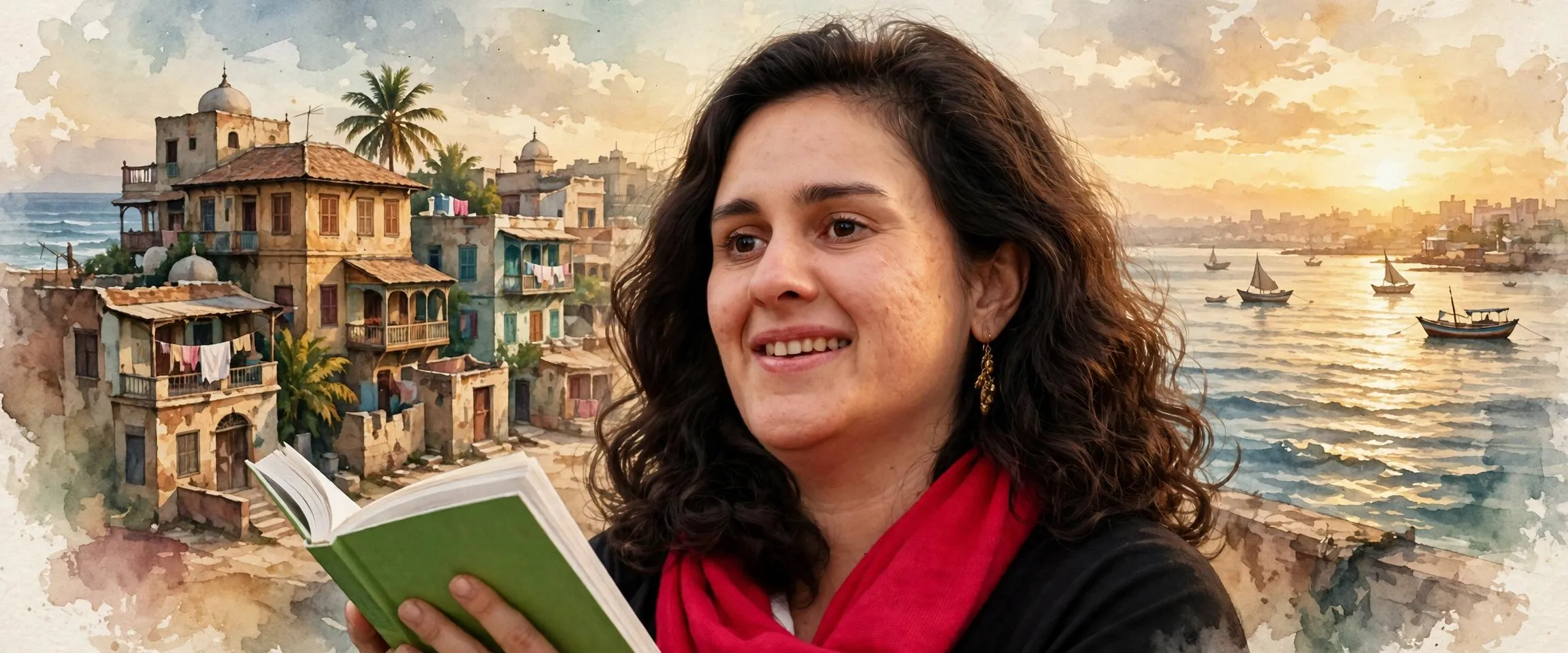
Salt and Saffron (2000) is Kamila Shamsie's second novel, set in Karachi. Aliya Dard-e-Dil, home from an American university for the summer, falls for Khaleel Butt, a man her aristocratic family would scorn, while unravelling the scandal of her aunt Mariam and the Dard-e-Dil family's myth of not-quite twins.
English- Author
- Kamila Shamsie
- Published
- September 2000
- Publisher
- Bloomsbury
- Language
- English
- Form
- Novel
- Setting
- Karachi, with scenes in London
All 8 facts
- Protagonist
- Aliya Dard-e-Dil
- Second novel
- After In the City by the Sea (1998)
About the book
Salt and Saffron is Kamila Shamsie's second novel, published by Bloomsbury in 2000. It was released in September 2000, two years after her first novel, In the City by the Sea (1998), which won Pakistan's Prime Minister's Award for Literature in 1999. The novel is set in Karachi, the city Shamsie has returned to in novel after novel, and it is told by Aliya Dard-e-Dil, a young woman coming home from an American university for the summer.
The book is a family story, a romance and a comedy of manners at once. Through Aliya's eyes it looks at three generations of an old Karachi family, the Dard-e-Dils, and at the class lines, old scandals and family myths that still shape their lives. Food runs through it all: the novel is famous for the loving, obsessive way it describes Karachi meals, from biryani and haleem to bun kebabs and lemon tarts.
What happens in Salt and Saffron?
Aliya, a master's student in education at an American university, flies home to Karachi by way of London. On the London leg she falls into conversation with Khaleel Butt, a westernised Pakistani whose parents come from the slums of Karachi, and the two meet again in London. The question that carries the novel is whether Aliya can see past the class lines she was raised with and love a man her family would look down on.
In Karachi, Aliya spends the summer listening to her relatives tell and retell the family stories. At the centre of them is her grandmother Dadi, and the family's great scandal: Aliya's aunt Mariam, a near-mute woman who eloped with Masood, the family cook, and vanished from the family's life. Aliya has been estranged from Dadi and other relatives since the family turned its back on Mariam, and the summer forces her to hear the other side of that story.
Layered over the family history is the Dard-e-Dils' old belief in not-quite twins: relatives born close together who share a strange, fated bond. Family lore holds that Aliya and Mariam were such a pair, and the curse, or blessing, of the not-quites hangs over everything Aliya learns. As she pieces together Dadi's own life, including the three men at its centre and brothers divided by Partition, Aliya begins to see that her family is more passionate and more complicated than she had assumed, and that she has been quick to judge.
ਕਿਤਾਬ ਬਾਰੇ
ਸਾਲਟ ਐਂਡ ਸੈਫ਼ਰਨ ਕਮਿਲਾ ਸ਼ਮਸੀ ਦਾ ਦੂਜਾ ਨਾਵਲ ਹੈ, ਜੋ 2000 ਵਿੱਚ ਬਲੂਮਸਬਰੀ ਵੱਲੋਂ ਛਪਿਆ। ਇਹ ਸਤੰਬਰ 2000 ਵਿੱਚ ਆਇਆ, ਉਸ ਦੇ ਪਹਿਲੇ ਨਾਵਲ, ਇਨ ਦੀ ਸਿਟੀ ਬਾਈ ਦੀ ਸੀ (1998), ਤੋਂ ਦੋ ਸਾਲ ਬਾਅਦ, ਜਿਸ ਨੇ 1999 ਵਿੱਚ ਪਾਕਿਸਤਾਨ ਦਾ ਪ੍ਰਧਾਨ ਮੰਤਰੀ ਸਾਹਿਤ ਇਨਾਮ ਜਿੱਤਿਆ ਸੀ। ਨਾਵਲ ਕਰਾਚੀ ਵਿੱਚ ਵਾਪਰਦਾ ਹੈ, ਉਹ ਸ਼ਹਿਰ ਜਿਸ ਵੱਲ ਸ਼ਮਸੀ ਨਾਵਲ ਦਰ ਨਾਵਲ ਮੁੜਦੀ ਰਹੀ ਹੈ, ਅਤੇ ਇਸ ਨੂੰ ਆਲੀਆ ਦਰਦ-ਏ-ਦਿਲ ਸੁਣਾਉਂਦੀ ਹੈ, ਇੱਕ ਨੌਜਵਾਨ ਔਰਤ ਜੋ ਗਰਮੀਆਂ ਲਈ ਅਮਰੀਕੀ ਯੂਨੀਵਰਸਿਟੀ ਤੋਂ ਘਰ ਆ ਰਹੀ ਹੈ।
ਇਹ ਕਿਤਾਬ ਇੱਕੋ ਸਮੇਂ ਪਰਿਵਾਰਕ ਕਹਾਣੀ, ਪ੍ਰੇਮ ਕਹਾਣੀ ਅਤੇ ਸਮਾਜਕ ਹਾਸਰਸ ਹੈ। ਆਲੀਆ ਦੀਆਂ ਅੱਖਾਂ ਰਾਹੀਂ ਇਹ ਕਰਾਚੀ ਦੇ ਇੱਕ ਪੁਰਾਣੇ ਪਰਿਵਾਰ, ਦਰਦ-ਏ-ਦਿਲਾਂ, ਦੀਆਂ ਤਿੰਨ ਪੀੜ੍ਹੀਆਂ ਵੱਲ ਵੇਖਦੀ ਹੈ, ਅਤੇ ਉਨ੍ਹਾਂ ਵਰਗ ਦੀਆਂ ਲਕੀਰਾਂ, ਪੁਰਾਣੇ ਸਕੈਂਡਲਾਂ ਅਤੇ ਪਰਿਵਾਰਕ ਮਿੱਥਾਂ ਵੱਲ ਜੋ ਅੱਜ ਵੀ ਉਨ੍ਹਾਂ ਦੀ ਜ਼ਿੰਦਗੀ ਨੂੰ ਢਾਲਦੀਆਂ ਹਨ। ਖਾਣਾ ਇਸ ਸਭ ਵਿੱਚ ਵਗਦਾ ਹੈ: ਨਾਵਲ ਕਰਾਚੀ ਦੇ ਖਾਣਿਆਂ, ਬਿਰਿਆਨੀ ਅਤੇ ਹਲੀਮ ਤੋਂ ਲੈ ਕੇ ਬਨ ਕਬਾਬ ਅਤੇ ਲੈਮਨ ਟਾਰਟ ਤੱਕ, ਦੇ ਪਿਆਰ ਅਤੇ ਜਨੂੰਨ ਭਰੇ ਵਰਣਨ ਲਈ ਮਸ਼ਹੂਰ ਹੈ।
ਸਾਲਟ ਐਂਡ ਸੈਫ਼ਰਨ ਵਿੱਚ ਕੀ ਹੁੰਦਾ ਹੈ?
ਆਲੀਆ, ਅਮਰੀਕੀ ਯੂਨੀਵਰਸਿਟੀ ਵਿੱਚ ਸਿੱਖਿਆ ਦੀ ਮਾਸਟਰ ਵਿਦਿਆਰਥਣ, ਲੰਡਨ ਰਾਹੀਂ ਕਰਾਚੀ ਘਰ ਉੱਡਦੀ ਹੈ। ਲੰਡਨ ਵਾਲੇ ਹਿੱਸੇ ਵਿੱਚ ਉਸ ਦੀ ਗੱਲਬਾਤ ਖਲੀਲ ਬੱਟ ਨਾਲ ਹੁੰਦੀ ਹੈ, ਇੱਕ ਪੱਛਮੀ ਰੰਗ ਵਿੱਚ ਰੰਗੇ ਪਾਕਿਸਤਾਨੀ ਨਾਲ ਜਿਸ ਦੇ ਮਾਪੇ ਕਰਾਚੀ ਦੀਆਂ ਝੁੱਗੀਆਂ ਤੋਂ ਆਉਂਦੇ ਹਨ, ਅਤੇ ਦੋਵੇਂ ਲੰਡਨ ਵਿੱਚ ਫਿਰ ਮਿਲਦੇ ਹਨ। ਨਾਵਲ ਨੂੰ ਅੱਗੇ ਲਿਜਾਣ ਵਾਲਾ ਸਵਾਲ ਇਹ ਹੈ ਕਿ ਕੀ ਆਲੀਆ ਉਨ੍ਹਾਂ ਵਰਗ ਦੀਆਂ ਲਕੀਰਾਂ ਤੋਂ ਪਾਰ ਵੇਖ ਸਕਦੀ ਹੈ ਜਿਨ੍ਹਾਂ ਨਾਲ ਉਹ ਵੱਡੀ ਹੋਈ, ਅਤੇ ਇੱਕ ਅਜਿਹੇ ਆਦਮੀ ਨੂੰ ਪਿਆਰ ਕਰ ਸਕਦੀ ਹੈ ਜਿਸ ਨੂੰ ਉਸ ਦਾ ਪਰਿਵਾਰ ਨੀਵਾਂ ਸਮਝੇਗਾ।
ਕਰਾਚੀ ਵਿੱਚ ਆਲੀਆ ਗਰਮੀਆਂ ਆਪਣੇ ਰਿਸ਼ਤੇਦਾਰਾਂ ਦੀਆਂ ਪਰਿਵਾਰਕ ਕਹਾਣੀਆਂ ਸੁਣਦਿਆਂ ਬਿਤਾਉਂਦੀ ਹੈ। ਉਨ੍ਹਾਂ ਦੇ ਕੇਂਦਰ ਵਿੱਚ ਉਸ ਦੀ ਦਾਦੀ ਹੈ, ਅਤੇ ਪਰਿਵਾਰ ਦਾ ਵੱਡਾ ਸਕੈਂਡਲ ਹੈ: ਆਲੀਆ ਦੀ ਮਾਸੀ ਮਰੀਅਮ, ਇੱਕ ਲਗਭਗ ਗੂੰਗੀ ਔਰਤ ਜੋ ਪਰਿਵਾਰ ਦੇ ਰਸੋਈਏ ਮਸੂਦ ਨਾਲ ਭੱਜ ਗਈ ਅਤੇ ਪਰਿਵਾਰ ਦੀ ਜ਼ਿੰਦਗੀ ਤੋਂ ਗ਼ਾਇਬ ਹੋ ਗਈ। ਆਲੀਆ ਦਾਦੀ ਅਤੇ ਹੋਰ ਰਿਸ਼ਤੇਦਾਰਾਂ ਤੋਂ ਉਦੋਂ ਤੋਂ ਦੂਰ ਹੈ ਜਦੋਂ ਪਰਿਵਾਰ ਨੇ ਮਰੀਅਮ ਤੋਂ ਮੂੰਹ ਮੋੜਿਆ, ਅਤੇ ਗਰਮੀਆਂ ਉਸ ਨੂੰ ਉਸ ਕਹਾਣੀ ਦਾ ਦੂਜਾ ਪਾਸਾ ਸੁਣਨ ਲਈ ਮਜਬੂਰ ਕਰਦੀਆਂ ਹਨ।
ਪਰਿਵਾਰਕ ਇਤਿਹਾਸ ਉੱਤੇ ਦਰਦ-ਏ-ਦਿਲਾਂ ਦਾ ਪੁਰਾਣਾ ਵਿਸ਼ਵਾਸ ਹੈ, ਨਾਟ-ਕੁਆਇਟ ਜੁੜਵਾਂ ਦਾ: ਇੱਕ ਦੂਜੇ ਦੇ ਨੇੜੇ ਜਨਮੇ ਰਿਸ਼ਤੇਦਾਰ ਜੋ ਇੱਕ ਅਜੀਬ, ਕਿਸਮਤੀ ਬੰਧਨ ਸਾਂਝਾ ਕਰਦੇ ਹਨ। ਪਰਿਵਾਰਕ ਕਥਾਵਾਂ ਮੁਤਾਬਕ ਆਲੀਆ ਅਤੇ ਮਰੀਅਮ ਅਜਿਹੀ ਜੋੜੀ ਸਨ, ਅਤੇ ਨਾਟ-ਕੁਆਇਟਾਂ ਦਾ ਸਰਾਪ, ਜਾਂ ਵਰਦਾਨ, ਆਲੀਆ ਜੋ ਕੁਝ ਸਿੱਖਦੀ ਹੈ, ਉਸ ਉੱਤੇ ਛਾਇਆ ਰਹਿੰਦਾ ਹੈ। ਜਦੋਂ ਉਹ ਦਾਦੀ ਦੀ ਆਪਣੀ ਜ਼ਿੰਦਗੀ ਨੂੰ ਜੋੜਦੀ ਹੈ, ਜਿਸ ਦੇ ਕੇਂਦਰ ਵਿੱਚ ਤਿੰਨ ਆਦਮੀ ਅਤੇ ਵੰਡ ਨਾਲ ਵੰਡੇ ਭਰਾ ਸਨ, ਆਲੀਆ ਵੇਖਣ ਲੱਗਦੀ ਹੈ ਕਿ ਉਸ ਦਾ ਪਰਿਵਾਰ ਉਸ ਦੇ ਸੋਚਣ ਨਾਲੋਂ ਜ਼ਿਆਦਾ ਜਜ਼ਬਾਤੀ ਅਤੇ ਜ਼ਿਆਦਾ ਗੁੰਝਲਦਾਰ ਹੈ, ਅਤੇ ਉਸ ਨੇ ਜਲਦੀ ਨਿਰਣਾ ਕੀਤਾ ਸੀ।
Family, class and the Dard-e-Dils
The novel's real subject is class. Aliya belongs to Karachi's English-speaking elite, a world of clubs and old houses, while Khaleel's family comes from Liaquatabad, a part of the city her relatives would never think of visiting. The book shows how those invisible lines are drawn and redrawn inside a single family, in who may marry whom, who is welcome at the table and whose name is never mentioned.
Shamsie tells this serious story lightly. The novel is funny, full of teasing dialogue and sharp observation, and it never lectures. Its Karachi feels lived in: the one-handed driving of Karachi boys, the arguments over which stall makes the best biryani, the aunts who can be both warm and cutting in a single sentence. A 25th-anniversary appreciation in 2025 noted that it still reads as a true Karachi novel, funny, sharp and well observed a quarter of a century on.
Partition runs underneath the comedy. The Dard-e-Dil family's fortunes were shaped by it, and the brothers divided by India and Pakistan's separation are part of the history Aliya has to untangle. The novel treats that history the way families do: as stories told and retold, each telling slightly rewritten to suit the teller.
The author
Kamila Shamsie was born in Karachi on 13 August 1973 and is one of Pakistan's best known novelists writing in English. Her first novel, In the City by the Sea, appeared in 1998, when she was 25, and Salt and Saffron followed in 2000. Her later novels include Kartography (2002), Broken Verses (2005), Burnt Shadows (2009) and Home Fire (2017), which won the Women's Prize for Fiction in 2018. She writes often about Karachi, about Pakistanis at home and abroad, and about the ties of family and history that cross borders.
Shamsie's Karachi is not a backdrop but a character in its own right, and Salt and Saffron is where that Karachi first comes fully into focus. The novel's food, its slang and its social codes all come from a writer who knows the city from the inside, and that is why readers in Karachi have kept returning to it for twenty five years.
Reception and legacy
Reviewers disagreed about the novel when it appeared. Publishers Weekly called it clever, witty and inventive, praising the way it handled the clash between progressive values and loyalty to family. Kirkus Reviews was cooler, finding the story's central question compelling but the telling too neat. The split captures the book itself: a light, funny novel about serious things, class, family and who gets to belong.
The novel has outlasted its mixed first reception. It is often overlooked beside Shamsie's later books, Kartography and the prize-winning Home Fire, but readers have kept coming back to it, and a 25th-anniversary appreciation in 2025 found it still funny, sharp and true to Karachi. For readers new to Shamsie, it is the best place to meet her Karachi: the city, the family and the food, all in one short, sparkling novel.
ਪਰਿਵਾਰ, ਵਰਗ ਅਤੇ ਦਰਦ-ਏ-ਦਿਲ
ਨਾਵਲ ਦਾ ਅਸਲੀ ਵਿਸ਼ਾ ਵਰਗ ਹੈ। ਆਲੀਆ ਕਰਾਚੀ ਦੇ ਅੰਗਰੇਜ਼ੀ ਬੋਲਣ ਵਾਲੇ ਉੱਚ ਵਰਗ ਨਾਲ ਸਬੰਧ ਰੱਖਦੀ ਹੈ, ਕਲੱਬਾਂ ਅਤੇ ਪੁਰਾਣੇ ਘਰਾਂ ਦੀ ਦੁਨੀਆ, ਜਦੋਂ ਕਿ ਖਲੀਲ ਦਾ ਪਰਿਵਾਰ ਲਿਆਕਤਾਬਾਦ ਤੋਂ ਆਉਂਦਾ ਹੈ, ਸ਼ਹਿਰ ਦਾ ਉਹ ਹਿੱਸਾ ਜਿੱਥੇ ਜਾਣ ਬਾਰੇ ਉਸ ਦੇ ਰਿਸ਼ਤੇਦਾਰ ਸੋਚਦੇ ਵੀ ਨਹੀਂ। ਕਿਤਾਬ ਦਿਖਾਉਂਦੀ ਹੈ ਕਿ ਇਹ ਅਦਿੱਖ ਲਕੀਰਾਂ ਇੱਕੋ ਪਰਿਵਾਰ ਦੇ ਅੰਦਰ ਕਿਵੇਂ ਖਿੱਚੀਆਂ ਅਤੇ ਮੁੜ ਖਿੱਚੀਆਂ ਜਾਂਦੀਆਂ ਹਨ, ਕੌਣ ਕਿਸ ਨਾਲ ਵਿਆਹ ਕਰ ਸਕਦਾ ਹੈ, ਮੇਜ਼ ਉੱਤੇ ਕੌਣ ਬੈਠ ਸਕਦਾ ਹੈ ਅਤੇ ਕਿਸ ਦਾ ਨਾਂਅ ਕਦੇ ਨਹੀਂ ਲਿਆ ਜਾਂਦਾ।
ਸ਼ਮਸੀ ਇਹ ਗੰਭੀਰ ਕਹਾਣੀ ਹਲਕੇ ਢੰਗ ਨਾਲ ਸੁਣਾਉਂਦੀ ਹੈ। ਨਾਵਲ ਹਾਸੇ ਭਰਿਆ ਹੈ, ਛੇੜਛਾੜ ਵਾਲੇ ਸੰਵਾਦ ਅਤੇ ਤਿੱਖੀ ਨਿਰੀਖਣ ਨਾਲ ਭਰਿਆ, ਅਤੇ ਇਹ ਕਦੇ ਭਾਸ਼ਣ ਨਹੀਂ ਦਿੰਦਾ। ਇਸ ਦਾ ਕਰਾਚੀ ਜਿਉਂਦਾ ਲੱਗਦਾ ਹੈ: ਕਰਾਚੀ ਦੇ ਮੁੰਡਿਆਂ ਦਾ ਇੱਕ ਹੱਥ ਨਾਲ ਗੱਡੀ ਚਲਾਉਣਾ, ਕਿਸ ਸਟਾਲ ਦੀ ਬਿਰਿਆਨੀ ਸਭ ਤੋਂ ਵਧੀਆ ਹੈ ਇਸ ਉੱਤੇ ਬਹਿਸਾਂ, ਮਾਸੀਆਂ ਜੋ ਇੱਕੋ ਵਾਕ ਵਿੱਚ ਨਿੱਘੀਆਂ ਅਤੇ ਕੱਟਣ ਵਾਲੀਆਂ ਦੋਵੇਂ ਹੋ ਸਕਦੀਆਂ ਹਨ। 2025 ਵਿੱਚ ਨਾਵਲ ਦੀ 25ਵੀਂ ਵਰ੍ਹੇਗੰਢ ਉੱਤੇ ਇੱਕ ਲੇਖ ਨੇ ਨੋਟ ਕੀਤਾ ਕਿ ਇਹ ਅੱਜ ਵੀ ਇੱਕ ਸੱਚਾ ਕਰਾਚੀ ਨਾਵਲ ਲੱਗਦਾ ਹੈ, ਇੱਕ ਚੌਥਾਈ ਸਦੀ ਬਾਅਦ ਵੀ ਹਾਸੇ ਭਰਿਆ, ਤਿੱਖਾ ਅਤੇ ਸਹੀ ਨਿਰੀਖਣ ਵਾਲਾ।
ਹਾਸੇ ਹੇਠਾਂ ਵੰਡ ਵਗਦੀ ਹੈ। ਦਰਦ-ਏ-ਦਿਲ ਪਰਿਵਾਰ ਦੀ ਕਿਸਮਤ ਵੰਡ ਨੇ ਢਾਲੀ ਸੀ, ਅਤੇ ਭਾਰਤ ਅਤੇ ਪਾਕਿਸਤਾਨ ਦੀ ਵੰਡ ਨਾਲ ਵੰਡੇ ਭਰਾ ਉਸ ਇਤਿਹਾਸ ਦਾ ਹਿੱਸਾ ਹਨ ਜਿਸ ਨੂੰ ਆਲੀਆ ਨੂੰ ਸੁਲਝਾਉਣਾ ਪੈਂਦਾ ਹੈ। ਨਾਵਲ ਉਸ ਇਤਿਹਾਸ ਨਾਲ ਉਸੇ ਤਰ੍ਹਾਂ ਪੇਸ਼ ਆਉਂਦਾ ਹੈ ਜਿਵੇਂ ਪਰਿਵਾਰ ਆਉਂਦੇ ਹਨ: ਕਹਾਣੀਆਂ ਵਜੋਂ ਜੋ ਵਾਰ ਵਾਰ ਸੁਣਾਈਆਂ ਜਾਂਦੀਆਂ ਹਨ, ਹਰ ਵਾਰ ਕਹਿਣ ਵਾਲੇ ਦੀ ਮਰਜ਼ੀ ਮੁਤਾਬਕ ਥੋੜ੍ਹੀ ਬਦਲੀਆਂ ਹੋਈਆਂ।
ਲੇਖਕ ਬਾਰੇ
ਕਮਿਲਾ ਸ਼ਮਸੀ ਦਾ ਜਨਮ 13 ਅਗਸਤ 1973 ਨੂੰ ਕਰਾਚੀ ਵਿੱਚ ਹੋਇਆ ਅਤੇ ਉਹ ਅੰਗਰੇਜ਼ੀ ਵਿੱਚ ਲਿਖਣ ਵਾਲੀ ਪਾਕਿਸਤਾਨ ਦੀਆਂ ਸਭ ਤੋਂ ਮਸ਼ਹੂਰ ਨਾਵਲਕਾਰਾਂ ਵਿੱਚੋਂ ਇੱਕ ਹੈ। ਉਸ ਦਾ ਪਹਿਲਾ ਨਾਵਲ, ਇਨ ਦੀ ਸਿਟੀ ਬਾਈ ਦੀ ਸੀ, 1998 ਵਿੱਚ ਛਪਿਆ, ਜਦੋਂ ਉਹ 25 ਸਾਲਾਂ ਦੀ ਸੀ, ਅਤੇ ਸਾਲਟ ਐਂਡ ਸੈਫ਼ਰਨ 2000 ਵਿੱਚ ਉਸ ਤੋਂ ਬਾਅਦ ਆਇਆ। ਉਸ ਦੇ ਬਾਅਦ ਦੇ ਨਾਵਲਾਂ ਵਿੱਚ ਕਾਰਟੋਗਰਾਫ਼ੀ (2002), ਬਰੋਕਨ ਵਰਸਿਜ਼ (2005), ਬਰਨਟ ਸ਼ੈਡੋਜ਼ (2009) ਅਤੇ ਹੋਮ ਫ਼ਾਇਰ (2017) ਸ਼ਾਮਲ ਹਨ, ਜਿਸ ਨੇ 2018 ਵਿੱਚ ਵੁਮੈਨਜ਼ ਪ੍ਰਾਈਜ਼ ਫ਼ਾਰ ਫ਼ਿਕਸ਼ਨ ਜਿੱਤਿਆ। ਉਹ ਅਕਸਰ ਕਰਾਚੀ ਬਾਰੇ, ਘਰ ਅਤੇ ਬਾਹਰ ਰਹਿਣ ਵਾਲੇ ਪਾਕਿਸਤਾਨੀਆਂ ਬਾਰੇ, ਅਤੇ ਪਰਿਵਾਰ ਅਤੇ ਇਤਿਹਾਸ ਦੇ ਉਨ੍ਹਾਂ ਬੰਧਨਾਂ ਬਾਰੇ ਲਿਖਦੀ ਹੈ ਜੋ ਸਰਹੱਦਾਂ ਪਾਰ ਕਰਦੇ ਹਨ।
ਸ਼ਮਸੀ ਦਾ ਕਰਾਚੀ ਕੋਈ ਪਿਛੋਕੜ ਨਹੀਂ, ਆਪਣੇ ਆਪ ਵਿੱਚ ਇੱਕ ਕਿਰਦਾਰ ਹੈ, ਅਤੇ ਸਾਲਟ ਐਂਡ ਸੈਫ਼ਰਨ ਉਹ ਥਾਂ ਹੈ ਜਿੱਥੇ ਉਹ ਕਰਾਚੀ ਪਹਿਲੀ ਵਾਰ ਪੂਰੀ ਤਰ੍ਹਾਂ ਸਾਹਮਣੇ ਆਉਂਦਾ ਹੈ। ਨਾਵਲ ਦਾ ਖਾਣਾ, ਉਸ ਦੀ ਬੋਲੀ ਅਤੇ ਉਸ ਦੇ ਸਮਾਜਕ ਨਿਯਮ, ਸਭ ਇੱਕ ਅਜਿਹੀ ਲੇਖਕਾ ਤੋਂ ਆਉਂਦੇ ਹਨ ਜੋ ਸ਼ਹਿਰ ਨੂੰ ਅੰਦਰੋਂ ਜਾਣਦੀ ਹੈ, ਅਤੇ ਇਸੇ ਲਈ ਕਰਾਚੀ ਦੇ ਪਾਠਕ ਪੰਝੀ ਸਾਲਾਂ ਤੋਂ ਇਸ ਵੱਲ ਮੁੜਦੇ ਰਹੇ ਹਨ।
ਸਵਾਗਤ ਅਤੇ ਵਿਰਾਸਤ
ਜਦੋਂ ਨਾਵਲ ਛਪਿਆ ਤਾਂ ਸਮੀਖਿਅਕਾਂ ਦੀ ਰਾਏ ਵੰਡੀ ਹੋਈ ਸੀ। ਪਬਲਿਸ਼ਰਜ਼ ਵੀਕਲੀ ਨੇ ਇਸ ਨੂੰ ਚੁਸਤ, ਹਾਸੇ ਭਰਿਆ ਅਤੇ ਨਵਾਂ ਦੱਸਿਆ, ਅਤੇ ਇਸ ਦੀ ਸ਼ਲਾਘਾ ਕੀਤੀ ਕਿ ਇਹ ਤਰੱਕੀਪਸੰਦ ਕਦਰਾਂ ਅਤੇ ਪਰਿਵਾਰ ਪ੍ਰਤੀ ਵਫ਼ਾਦਾਰੀ ਵਿਚਕਾਰ ਟਕਰਾਅ ਨੂੰ ਕਿਵੇਂ ਸੰਭਾਲਦਾ ਹੈ। ਕਿਰਕਸ ਰਿਵਿਊਜ਼ ਠੰਢਾ ਰਿਹਾ, ਉਸ ਨੇ ਕਹਾਣੀ ਦਾ ਕੇਂਦਰੀ ਸਵਾਲ ਦਿਲਚਸਪ ਪਾਇਆ ਪਰ ਬਿਆਨ ਬਹੁਤ ਸਾਫ਼ ਸੁਥਰਾ ਲੱਗਿਆ। ਇਹ ਵੰਡ ਕਿਤਾਬ ਨੂੰ ਹੀ ਦਰਸਾਉਂਦੀ ਹੈ: ਗੰਭੀਰ ਗੱਲਾਂ, ਵਰਗ, ਪਰਿਵਾਰ ਅਤੇ ਕੌਣ ਸਬੰਧ ਰੱਖਦਾ ਹੈ, ਬਾਰੇ ਇੱਕ ਹਲਕਾ, ਹਾਸੇ ਭਰਿਆ ਨਾਵਲ।
ਨਾਵਲ ਆਪਣੇ ਮਿਲੇ ਜੁਲੇ ਪਹਿਲੇ ਸਵਾਗਤ ਤੋਂ ਪਾਰ ਜਿਉਂਦਾ ਰਿਹਾ ਹੈ। ਇਸ ਨੂੰ ਸ਼ਮਸੀ ਦੇ ਬਾਅਦ ਦੇ ਨਾਵਲਾਂ, ਕਾਰਟੋਗਰਾਫ਼ੀ ਅਤੇ ਇਨਾਮ ਜੇਤੂ ਹੋਮ ਫ਼ਾਇਰ, ਦੇ ਮੁਕਾਬਲੇ ਅਕਸਰ ਨਜ਼ਰਅੰਦਾਜ਼ ਕੀਤਾ ਜਾਂਦਾ ਹੈ, ਪਰ ਪਾਠਕ ਇਸ ਵੱਲ ਮੁੜਦੇ ਰਹੇ ਹਨ, ਅਤੇ 2025 ਵਿੱਚ 25ਵੀਂ ਵਰ੍ਹੇਗੰਢ ਉੱਤੇ ਇੱਕ ਲੇਖ ਨੇ ਇਸ ਨੂੰ ਅੱਜ ਵੀ ਹਾਸੇ ਭਰਿਆ, ਤਿੱਖਾ ਅਤੇ ਕਰਾਚੀ ਪ੍ਰਤੀ ਸੱਚਾ ਪਾਇਆ। ਸ਼ਮਸੀ ਤੋਂ ਨਵੇਂ ਪਾਠਕਾਂ ਲਈ ਇਹ ਉਸ ਦੇ ਕਰਾਚੀ ਨੂੰ ਮਿਲਣ ਦੀ ਸਭ ਤੋਂ ਵਧੀਆ ਥਾਂ ਹੈ: ਸ਼ਹਿਰ, ਪਰਿਵਾਰ ਅਤੇ ਖਾਣਾ, ਸਭ ਇੱਕ ਛੋਟੇ, ਚਮਕਦੇ ਨਾਵਲ ਵਿੱਚ।
Editions and translations
- Salt and SaffronEnglish · Bloomsbury · 2000Edition
The author

Connected
More to read
Sources (4)
Jugti is free and independent. Reader support keeps the Kosh growing.
Support