
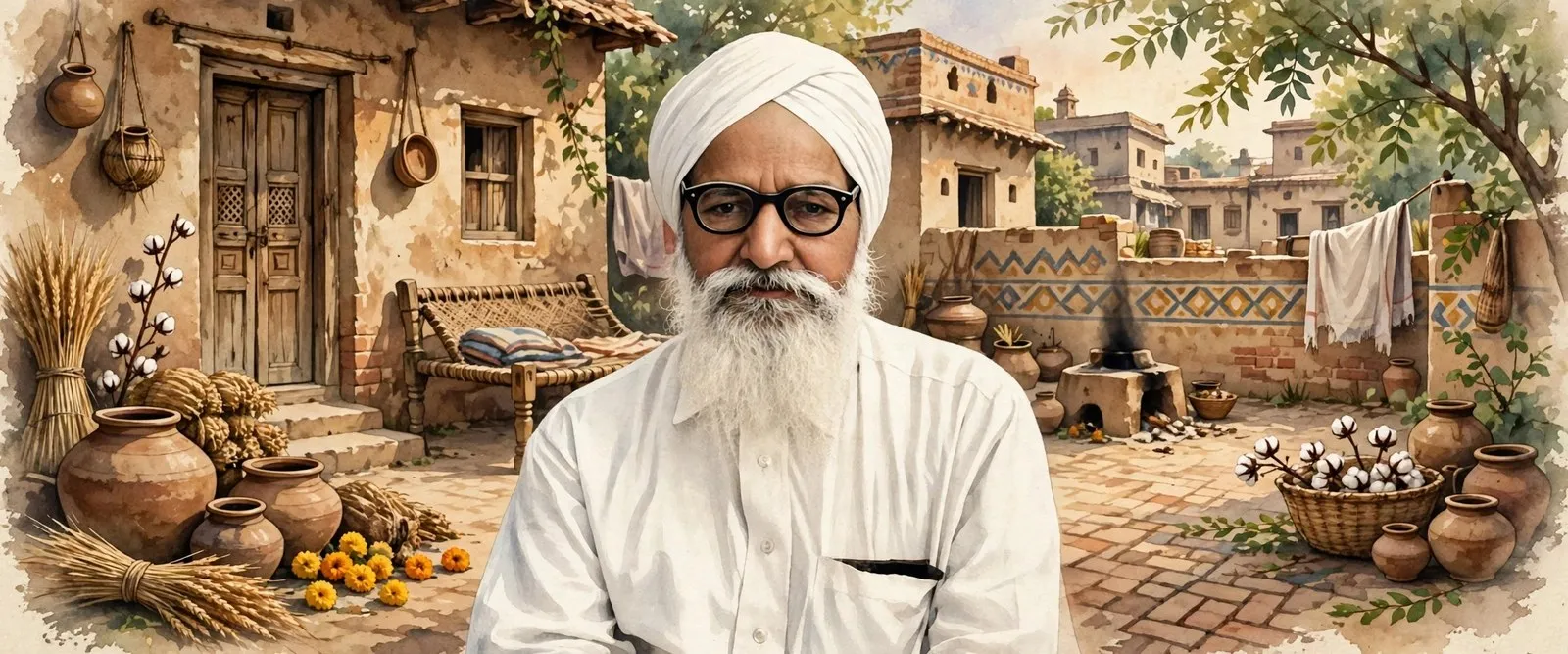
Matrehi Maa (Stepmother) is Nanak Singh's first novel, published in 1924. It tells the story of Madan, a boy ill-treated by his stepmother Dayali, who refuses to fight her, leaves home, and rises by his own hard work to become a lawyer in Britain, while Dayali and her own son Jeet come to repentance and ruin. It is the novel that began Nanak Singh's career as the father of the Punjabi novel.
Punjabi, Gurmukhi- Punjabi name
- ਮਤਰੇਈ ਮਾਂ
- Author
- Nanak Singh (1897 to 1971)
- Published
- 1924
- Publisher
- Punjab Khalsa Book Depot, Amritsar
- Language
- Punjabi, Gurmukhi
- Form
- Novel
All 10 facts
- Title means
- Stepmother
- Main characters
- Madan, his stepmother Dayali, her son Jeet, Shanti
- First novel
- Nanak Singh's first novel
- English translation
- No English translation reported
About the book
Matrehi Maa (Stepmother) is a Punjabi novel by Nanak Singh, published in 1924 by the Punjab Khalsa Book Depot in Amritsar. It was Nanak Singh's first novel, and it set the pattern for the long career that followed: plain, direct storytelling about ordinary Punjabi families, with characters who hold fast to their principles even when those principles cost them dearly. The novel is built around a single household conflict: a stepmother who wants her husband's property for her own son, and the stepson who refuses to fight her for it.
The story
Madan is a boy whose mother has died, and whose father has married again. His stepmother, Dayali, beats him, loads him with work, and gives him little to eat or wear, while she pampers her own son Jeet and indulges his every whim. Madan sees the unfairness clearly, but he does not fight back and he does not complain to his father. Instead he leaves home for his maternal grandparents, and from there another family, rich and influential, takes him in as their own. They send him to Allahabad to study, and in time he travels to Britain, earns a law degree, and becomes a lawyer of high standing.
Madan also falls in love with Shanti, a girl of the family that adopted him. The two played together as children, and their friendship turns to love as they grow up. But when Madan must go to Britain for his law studies, the two are separated, and while he is abroad a letter arrives from his father: his marriage has been fixed, though the letter does not say to whom. Believing he has lost Shanti, Madan decides to take his own life.
The novel ends happily, in the way Nanak Singh's readers came to expect. Dayali, left behind, comes to understand the cruelty she inflicted on Madan, and dies grieving it. Jeet falls into unlawful work, is sent to jail, and there remembers his own misdeeds. And Madan, who built his life by his own hard work rather than by fighting for his father's property, is married to Shanti, and the two live happily. As the critic Gurcharan Singh put it, the novel follows the old rule that the good end well and the bad end badly.
Why does Madan not fight back?
This is the question the novel turns on, and Nanak Singh answers it in his preface: the story is about the conflict between a stepmother and a stepson, and about what a boy does when the woman ill-treating him still holds, in his eyes, the place of a mother. Madan could have fought the injustice directly, but he does not, because the values he lives by give even a stepmother a mother's standing, and those values will not let him raise his hand against her or carry tales to his father. Critics have pointed out that in a changing society, such principles become the very source of an idealistic character's suffering, and the same pattern runs through Nanak Singh's later novels. The novelist sympathises with Madan, yet he solves Madan's problem on Madan's own terms: the boy finds a good life not in his stepmother's house, but in a home he builds with his own effort. His stepmother's harshness, which should have broken him, becomes the making of him.
ਕਿਤਾਬ ਬਾਰੇ
ਮਤਰੇਈ ਮਾਂ ਨਾਨਕ ਸਿੰਘ ਦਾ ਇੱਕ ਪੰਜਾਬੀ ਨਾਵਲ ਹੈ, ਜੋ 1924 ਵਿੱਚ ਪੰਜਾਬ ਖਾਲਸਾ ਬੁੱਕ ਡਿਪੋ, ਅੰਮ੍ਰਿਤਸਰ ਵੱਲੋਂ ਛਪਿਆ। ਇਹ ਨਾਨਕ ਸਿੰਘ ਦਾ ਪਹਿਲਾ ਨਾਵਲ ਸੀ, ਅਤੇ ਇਸ ਨੇ ਉਸ ਲੰਬੇ ਸਫ਼ਰ ਦੀ ਨੀਂਹ ਰੱਖੀ ਜੋ ਉਸ ਤੋਂ ਬਾਅਦ ਆਇਆ: ਆਮ ਪੰਜਾਬੀ ਪਰਿਵਾਰਾਂ ਬਾਰੇ ਸਿੱਧੀ ਤੇ ਸਾਫ਼ ਕਹਾਣੀ, ਜਿਨ੍ਹਾਂ ਦੇ ਪਾਤਰ ਆਪਣੇ ਅਸੂਲਾਂ ਉੱਤੇ ਅਡੇ ਰਹਿੰਦੇ ਹਨ, ਭਾਵੇਂ ਉਨ੍ਹਾਂ ਅਸੂਲਾਂ ਦੀ ਉਨ੍ਹਾਂ ਨੂੰ ਭਾਰੀ ਕੀਮਤ ਚੁਕਾਉਣੀ ਪਵੇ। ਨਾਵਲ ਇੱਕੋ ਘਰੇਲੂ ਝਗੜੇ ਦੁਆਲੇ ਬੁਣਿਆ ਹੋਇਆ ਹੈ: ਇੱਕ ਮਤਰੇਈ ਮਾਂ ਜੋ ਆਪਣੇ ਪਤੀ ਦੀ ਜਾਇਦਾਦ ਆਪਣੇ ਸਕੇ ਪੁੱਤਰ ਲਈ ਚਾਹੁੰਦੀ ਹੈ, ਅਤੇ ਸੌਤੇਲਾ ਪੁੱਤਰ ਜੋ ਉਸ ਨਾਲ ਲੜਨ ਤੋਂ ਇਨਕਾਰ ਕਰਦਾ ਹੈ।
ਕਹਾਣੀ
ਮਦਨ ਇੱਕ ਮੁੰਡਾ ਹੈ ਜਿਸ ਦੀ ਮਾਂ ਮਰ ਗਈ ਹੈ, ਅਤੇ ਜਿਸ ਦੇ ਪਿਤਾ ਨੇ ਦੂਜਾ ਵਿਆਹ ਕਰ ਲਿਆ ਹੈ। ਉਸ ਦੀ ਮਤਰੇਈ ਮਾਂ ਦਿਆਲੀ ਉਸ ਨੂੰ ਮਾਰਦੀ-ਕੁੱਟਦੀ ਹੈ, ਉਸ ਤੋਂ ਭਾਰਾ ਕੰਮ ਲੈਂਦੀ ਹੈ, ਅਤੇ ਉਸ ਨੂੰ ਖਾਣ-ਪੀਣ ਤੇ ਪਹਿਨਣ ਨੂੰ ਬਹੁਤ ਘੱਟ ਦਿੰਦੀ ਹੈ, ਜਦੋਂ ਕਿ ਉਹ ਆਪਣੇ ਸਕੇ ਪੁੱਤਰ ਜੀਤ ਨੂੰ ਲਾਡਾਂ ਨਾਲ ਪਾਲਦੀ ਹੈ ਅਤੇ ਉਸ ਦਾ ਹਰ ਨਖਰਾ ਚੁੱਕਦੀ ਹੈ। ਮਦਨ ਇਸ ਵਿਤਕਰੇ ਨੂੰ ਸਾਫ਼ ਵੇਖਦਾ ਹੈ, ਪਰ ਉਹ ਵਿਰੋਧ ਨਹੀਂ ਕਰਦਾ ਅਤੇ ਆਪਣੇ ਪਿਤਾ ਅੱਗੇ ਸ਼ਿਕਾਇਤ ਵੀ ਨਹੀਂ ਕਰਦਾ। ਇਸ ਦੀ ਬਜਾਏ ਉਹ ਘਰ ਛੱਡ ਕੇ ਆਪਣੇ ਨਾਨਕਿਆਂ ਚਲਾ ਜਾਂਦਾ ਹੈ, ਅਤੇ ਉੱਥੋਂ ਇੱਕ ਹੋਰ ਪਰਿਵਾਰ, ਅਮੀਰ ਤੇ ਰਸੂਖ਼ ਵਾਲਾ, ਉਸ ਨੂੰ ਗੋਦ ਲੈ ਲੈਂਦਾ ਹੈ। ਉਹ ਉਸ ਨੂੰ ਪੜ੍ਹਨ ਵਾਸਤੇ ਅਲਾਹਾਬਾਦ ਭੇਜ ਦਿੰਦੇ ਹਨ, ਅਤੇ ਸਮੇਂ ਨਾਲ ਉਹ ਬਰਤਾਨੀਆ ਜਾਂਦਾ ਹੈ, ਵਕਾਲਤ ਦੀ ਡਿਗਰੀ ਹਾਸਲ ਕਰਦਾ ਹੈ, ਅਤੇ ਉੱਚ ਦਰਜੇ ਦਾ ਵਕੀਲ ਬਣ ਜਾਂਦਾ ਹੈ।
ਮਦਨ ਨੂੰ ਸ਼ਾਂਤੀ ਨਾਲ ਪਿਆਰ ਹੋ ਜਾਂਦਾ ਹੈ, ਜੋ ਉਸ ਪਰਿਵਾਰ ਦੀ ਕੁੜੀ ਹੈ ਜਿਸ ਨੇ ਉਸ ਨੂੰ ਗੋਦ ਲਿਆ ਹੈ। ਦੋਵੇਂ ਬਚਪਨ ਵਿੱਚ ਇਕੱਠੇ ਖੇਡਦੇ ਰਹੇ ਹਨ, ਅਤੇ ਉਨ੍ਹਾਂ ਦੀ ਦੋਸਤੀ ਵੱਡੇ ਹੁੰਦਿਆਂ ਮੁਹੱਬਤ ਵਿੱਚ ਬਦਲ ਜਾਂਦੀ ਹੈ। ਪਰ ਜਦੋਂ ਮਦਨ ਨੂੰ ਵਕਾਲਤ ਦੀ ਪੜ੍ਹਾਈ ਲਈ ਬਰਤਾਨੀਆ ਜਾਣਾ ਪੈਂਦਾ ਹੈ ਤਾਂ ਦੋਵੇਂ ਵਿਛੜ ਜਾਂਦੇ ਹਨ, ਅਤੇ ਪਰਵਾਸ ਵਿੱਚ ਹੀ ਉਸ ਨੂੰ ਆਪਣੇ ਪਿਤਾ ਦੀ ਚਿੱਠੀ ਮਿਲਦੀ ਹੈ ਕਿ ਉਸ ਦਾ ਵਿਆਹ ਪੱਕਾ ਕਰ ਦਿੱਤਾ ਗਿਆ ਹੈ, ਪਰ ਇਹ ਨਹੀਂ ਦੱਸਿਆ ਕਿ ਕਿਸ ਨਾਲ। ਸ਼ਾਂਤੀ ਨੂੰ ਗੁਆ ਚੁੱਕਾ ਸਮਝ ਕੇ ਮਦਨ ਖ਼ੁਦਕੁਸ਼ੀ ਕਰਨ ਦਾ ਫ਼ੈਸਲਾ ਕਰ ਲੈਂਦਾ ਹੈ।
ਨਾਵਲ ਦਾ ਅੰਤ ਸੁਖਾਂਤ ਹੈ, ਜਿਸ ਤਰ੍ਹਾਂ ਨਾਨਕ ਸਿੰਘ ਦੇ ਪਾਠਕ ਉਮੀਦ ਕਰਨ ਲੱਗ ਪਏ ਸਨ। ਪਿੱਛੇ ਰਹਿ ਗਈ ਦਿਆਲੀ ਨੂੰ ਮਦਨ ਨਾਲ ਕੀਤੇ ਆਪਣੇ ਜ਼ੁਲਮਾਂ ਦਾ ਅਹਿਸਾਸ ਹੁੰਦਾ ਹੈ, ਅਤੇ ਉਹ ਇਸੇ ਦੁੱਖ ਵਿੱਚ ਮਰ ਜਾਂਦੀ ਹੈ। ਜੀਤ ਕਿਸੇ ਗੈਰ-ਕਾਨੂੰਨੀ ਕੰਮ ਵਿੱਚ ਫਸ ਕੇ ਜੇਲ੍ਹ ਚਲਾ ਜਾਂਦਾ ਹੈ, ਅਤੇ ਉੱਥੇ ਉਸ ਨੂੰ ਆਪਣੇ ਦੁਸ਼ਕਰਮਾਂ ਦਾ ਚੇਤਾ ਆਉਂਦਾ ਹੈ। ਅਤੇ ਮਦਨ, ਜਿਸ ਨੇ ਆਪਣੀ ਜ਼ਿੰਦਗੀ ਆਪਣੇ ਪਿਤਾ ਦੀ ਜਾਇਦਾਦ ਲਈ ਲੜ ਕੇ ਨਹੀਂ, ਸਗੋਂ ਆਪਣੀ ਮਿਹਨਤ ਨਾਲ ਬਣਾਈ ਹੈ, ਸ਼ਾਂਤੀ ਨਾਲ ਵਿਆਹਿਆ ਜਾਂਦਾ ਹੈ, ਅਤੇ ਦੋਵੇਂ ਸੁਖੀ-ਸੁਖੀ ਰਹਿਣ ਲੱਗਦੇ ਹਨ। ਜਿਵੇਂ ਆਲੋਚਕ ਗੁਰਚਰਨ ਸਿੰਘ ਨੇ ਕਿਹਾ, ਨਾਵਲ ਉਸ ਪੁਰਾਣੇ ਨਿਯਮ ਉੱਤੇ ਚੱਲਦਾ ਹੈ ਕਿ ਅੰਤ ਭਲੇ ਦਾ ਭਲਾ ਤੇ ਬੁਰੇ ਦਾ ਬੁਰਾ ਹੁੰਦਾ ਹੈ।
ਮਦਨ ਵਿਰੋਧ ਕਿਉਂ ਨਹੀਂ ਕਰਦਾ?
ਇਹ ਉਹ ਸਵਾਲ ਹੈ ਜਿਸ ਉੱਤੇ ਨਾਵਲ ਖੜ੍ਹਾ ਹੈ, ਅਤੇ ਨਾਨਕ ਸਿੰਘ ਇਸ ਦਾ ਜਵਾਬ ਆਪਣੀ ਭੂਮਿਕਾ ਵਿੱਚ ਹੀ ਦੇ ਦਿੰਦਾ ਹੈ: ਕਹਾਣੀ ਦਾ ਮੁੱਖ ਆਧਾਰ ਮਤਰੇਈ ਮਾਂ ਤੇ ਸੌਤੇਲੇ ਪੁੱਤਰ ਮਦਨ ਦੇ ਆਪਸੀ ਸੰਘਰਸ਼, ਖਹਿਬਾਜ਼ੀ ਤੇ ਟਕਰਾਅ ਭਰਿਆ ਰਿਸ਼ਤਾ ਹੈ, ਅਤੇ ਇਹ ਕਿ ਇੱਕ ਮੁੰਡਾ ਕੀ ਕਰਦਾ ਹੈ ਜਦੋਂ ਉਸ ਨਾਲ ਜ਼ੁਲਮ ਕਰਨ ਵਾਲੀ ਔਰਤ ਉਸ ਦੀਆਂ ਨਜ਼ਰਾਂ ਵਿੱਚ ਫਿਰ ਵੀ ਮਾਂ ਦਾ ਦਰਜਾ ਰੱਖਦੀ ਹੈ। ਮਦਨ ਜ਼ੁਲਮਾਂ ਨਾਲ ਸਿੱਧਾ ਲੜ ਸਕਦਾ ਸੀ, ਪਰ ਉਹ ਅਜਿਹਾ ਨਹੀਂ ਕਰਦਾ, ਕਿਉਂਕਿ ਉਸ ਦੇ ਅਸੂਲ ਮਤਰੇਈ ਮਾਂ ਨੂੰ ਵੀ ਮਾਂ ਦਾ ਦਰਜਾ ਦਿੰਦੇ ਹਨ, ਅਤੇ ਉਹ ਅਸੂਲ ਉਸ ਨੂੰ ਉਸ ਵਿਰੁੱਧ ਹੱਥ ਚੁੱਕਣ ਜਾਂ ਪਿਤਾ ਅੱਗੇ ਸ਼ਿਕਾਇਤ ਕਰਨ ਨਹੀਂ ਦਿੰਦੇ। ਆਲੋਚਕਾਂ ਨੇ ਦੱਸਿਆ ਹੈ ਕਿ ਬਦਲਦੇ ਸਮਾਜ ਵਿੱਚ ਅਜਿਹੇ ਅਸੂਲ ਹੀ ਆਦਰਸ਼ਵਾਦੀ ਪਾਤਰ ਦੇ ਦੁੱਖ ਦਾ ਆਧਾਰ ਬਣ ਜਾਂਦੇ ਹਨ, ਅਤੇ ਇਹੋ ਪੈਟਰਨ ਨਾਨਕ ਸਿੰਘ ਦੇ ਅਗਲੇ ਨਾਵਲਾਂ ਵਿੱਚ ਵੀ ਦਿਸਦਾ ਹੈ। ਨਾਵਲਕਾਰ ਨੂੰ ਮਦਨ ਨਾਲ ਹਮਾਇਤ ਵੀ ਹੈ, ਪਰ ਉਹ ਉਸ ਦੀ ਸਮੱਸਿਆ ਦਾ ਹੱਲ ਉਸ ਦੇ ਆਦਰਸ਼ਵਾਦੀ ਮਾਪਦੰਡਾਂ ਦੇ ਮੁਤਾਬਿਕ ਹੀ ਕਰਦਾ ਹੈ: ਮੁੰਡੇ ਨੂੰ ਸੁਖਾਲਾ ਜੀਵਨ ਆਪਣੀ ਮਤਰੇਈ ਮਾਂ ਦੇ ਘਰ ਨਹੀਂ, ਸਗੋਂ ਆਪਣੀ ਮਿਹਨਤ ਨਾਲ ਬਣਾਏ ਘਰ ਵਿੱਚ ਨਸੀਬ ਹੁੰਦਾ ਹੈ। ਉਸ ਦੀ ਮਾਂ ਦੀ ਕਠੋਰਤਾ ਤੇ ਬਰਬਰਤਾ, ਜਿਸ ਨੇ ਉਸ ਨੂੰ ਤੋੜ ਦੇਣਾ ਸੀ, ਉਸ ਦੀ ਤਰੱਕੀ ਦਾ ਕਾਰਨ ਬਣ ਜਾਂਦੀ ਹੈ।
Themes
At its heart Matrehi Maa is a novel about property and what it does to families. In the Punjabi culture the novel depicts, a father's whole property passes to his son, and Dayali wants that property for her own son alone. Greed for property and wealth, the novel shows, drives people away from their own kin. Around that centre Nanak Singh sets his second theme: the idealism of his hero, whose refusal to fight is both his nobility and his suffering. And behind both stands a third theme, the one that gives the novel its hopeful ending: repentance. Dayali and Jeet are not destroyed by revenge but changed by remorse, and the novel's closing movement turns the bad toward the good. That turn, from suffering through repentance to a happy ending, is the shape Nanak Singh would return to again and again.
Reception and legacy
Matrehi Maa is remembered first of all as the beginning of the Punjabi novel as a popular form. Nanak Singh went on to write 59 books, including 38 novels, and to become the best-selling novelist in India for thirty to forty years, in the words of The Tribune quoted in his biography. His later novels, Chitta Lahu (1932), Pavitra Papi (1945) and Ik Mian Do Talwaran (1959), which won the Sahitya Akademi Award in 1962, are all in this Kosh, and Matrehi Maa shows where their plain style and their idealistic heroes began. The novel is also still read as a study text: its plot and criticism are discussed in histories of the Punjabi novel, including Amarjot Sekhon's Punjabi Novel da Itihas (1986) and Sukhpreet Kaur's study of tragedy in Nanak Singh's novels (1989).
The author
Nanak Singh (4 July 1897 to 28 December 1971) was born Hans Raj at Chak Hamid in Jhelum district, now in Pakistan, into a poor Punjabi Hindu family, and took the name Nanak Singh after adopting Sikhism. He had little formal education. His first book, Satguru Mehma, hymns in praise of the Sikh Gurus, appeared in 1918. He survived the Jallianwala Bagh massacre of 13 April 1919, and his long poem about it, Khooni Vaisakhi, was banned by the British soon after publication in May 1920. He wrote much of his fiction in jail during the independence movement, and he is widely called the father of the Punjabi novel. India issued a postage stamp in his honour in 1998.
ਵਿਸ਼ੇ
ਮਤਰੇਈ ਮਾਂ ਦੇ ਕੇਂਦਰ ਵਿੱਚ ਜਾਇਦਾਦ ਹੈ ਅਤੇ ਇਹ ਕਿ ਉਹ ਪਰਿਵਾਰਾਂ ਨਾਲ ਕੀ ਕਰਦੀ ਹੈ। ਜਿਸ ਪੰਜਾਬੀ ਸਭਿਆਚਾਰ ਨੂੰ ਨਾਵਲ ਦਰਸਾਉਂਦਾ ਹੈ, ਉਸ ਵਿੱਚ ਪਿਤਾ ਦੀ ਸਾਰੀ ਜਾਇਦਾਦ ਉਸ ਦੇ ਪੁੱਤਰ ਨੂੰ ਮਿਲਦੀ ਹੈ, ਅਤੇ ਦਿਆਲੀ ਉਹ ਜਾਇਦਾਦ ਸਿਰਫ਼ ਆਪਣੇ ਸਕੇ ਪੁੱਤਰ ਲਈ ਚਾਹੁੰਦੀ ਹੈ। ਜਾਇਦਾਦ ਤੇ ਦੌਲਤ ਦਾ ਲਾਲਚ, ਨਾਵਲ ਦਿਖਾਉਂਦਾ ਹੈ, ਮਨੁੱਖ ਨੂੰ ਆਪਣੇ ਰਿਸ਼ਤਿਆਂ ਤੋਂ ਦੂਰ ਕਰ ਦਿੰਦਾ ਹੈ। ਇਸ ਕੇਂਦਰ ਦੇ ਆਲੇ-ਦੁਆਲੇ ਨਾਨਕ ਸਿੰਘ ਆਪਣਾ ਦੂਜਾ ਵਿਸ਼ਾ ਰੱਖਦਾ ਹੈ: ਆਪਣੇ ਨਾਇਕ ਦਾ ਆਦਰਸ਼ਵਾਦ, ਜਿਸ ਦਾ ਲੜਨ ਤੋਂ ਇਨਕਾਰ ਉਸ ਦੀ ਮਹਾਨਤਾ ਵੀ ਹੈ ਅਤੇ ਉਸ ਦਾ ਦੁੱਖ ਵੀ। ਅਤੇ ਦੋਹਾਂ ਪਿੱਛੇ ਇੱਕ ਤੀਜਾ ਵਿਸ਼ਾ ਹੈ, ਜੋ ਨਾਵਲ ਨੂੰ ਉਸ ਦਾ ਉਮੀਦ ਭਰਿਆ ਅੰਤ ਦਿੰਦਾ ਹੈ: ਪਛਤਾਵਾ। ਦਿਆਲੀ ਤੇ ਜੀਤ ਬਦਲੇ ਨਾਲ ਨਹੀਂ, ਪਛਤਾਵੇ ਨਾਲ ਬਦਲਦੇ ਹਨ, ਅਤੇ ਨਾਵਲ ਦਾ ਆਖ਼ਰੀ ਹਿੱਸਾ ਬੁਰਿਆਂ ਨੂੰ ਚੰਗੇ ਵਿੱਚ ਤਬਦੀਲ ਕਰਦਾ ਹੈ। ਦੁੱਖ ਤੋਂ ਪਛਤਾਵੇ ਰਾਹੀਂ ਸੁਖਾਂਤ ਵੱਲ ਇਹ ਮੋੜ ਉਹ ਰੂਪ ਹੈ ਜਿਸ ਵੱਲ ਨਾਨਕ ਸਿੰਘ ਵਾਰ-ਵਾਰ ਪਰਤਦਾ ਰਿਹਾ।
ਸਵਾਗਤ ਤੇ ਵਿਰਾਸਤ
ਮਤਰੇਈ ਮਾਂ ਨੂੰ ਸਭ ਤੋਂ ਪਹਿਲਾਂ ਪੰਜਾਬੀ ਨਾਵਲ ਦੀ ਇੱਕ ਲੋਕਪ੍ਰਿਯ ਰੂਪ ਵਜੋਂ ਸ਼ੁਰੂਆਤ ਵਜੋਂ ਯਾਦ ਕੀਤਾ ਜਾਂਦਾ ਹੈ। ਨਾਨਕ ਸਿੰਘ ਨੇ ਅੱਗੇ 59 ਕਿਤਾਬਾਂ ਲਿਖੀਆਂ, ਜਿਨ੍ਹਾਂ ਵਿੱਚ 38 ਨਾਵਲ ਸਨ, ਅਤੇ ਟ੍ਰਿਬਿਊਨ ਦੇ ਸ਼ਬਦਾਂ ਵਿੱਚ ਉਹ ਤੀਹ ਤੋਂ ਚਾਲੀ ਸਾਲਾਂ ਤੱਕ ਭਾਰਤ ਦਾ ਸਭ ਤੋਂ ਵੱਧ ਵਿਕਣ ਵਾਲਾ ਨਾਵਲਕਾਰ ਰਿਹਾ। ਉਸ ਦੇ ਅਗਲੇ ਨਾਵਲ, ਚਿੱਟਾ ਲਹੂ (1932), ਪਵਿੱਤਰ ਪਾਪੀ (1945) ਅਤੇ ਇੱਕ ਮੀਆਂ ਦੋ ਤਲਵਾਰਾਂ (1959), ਜਿਸ ਨੇ 1962 ਵਿੱਚ ਸਾਹਿਤ ਅਕਾਦਮੀ ਪੁਰਸਕਾਰ ਜਿੱਤਿਆ, ਸਾਰੇ ਇਸ ਕੋਸ਼ ਵਿੱਚ ਹਨ, ਅਤੇ ਮਤਰੇਈ ਮਾਂ ਦਿਖਾਉਂਦੀ ਹੈ ਕਿ ਉਨ੍ਹਾਂ ਦੀ ਸਿੱਧੀ ਸ਼ੈਲੀ ਅਤੇ ਉਨ੍ਹਾਂ ਦੇ ਆਦਰਸ਼ਵਾਦੀ ਨਾਇਕ ਕਿੱਥੋਂ ਸ਼ੁਰੂ ਹੋਏ। ਨਾਵਲ ਅੱਜ ਵੀ ਅਧਿਐਨ ਦੀ ਕਿਤਾਬ ਵਜੋਂ ਪੜ੍ਹਿਆ ਜਾਂਦਾ ਹੈ: ਉਸ ਦੀ ਕਹਾਣੀ ਤੇ ਆਲੋਚਨਾ ਪੰਜਾਬੀ ਨਾਵਲ ਦੇ ਇਤਿਹਾਸਾਂ ਵਿੱਚ ਚਰਚਾ ਹੇਠ ਆਉਂਦੀ ਹੈ, ਜਿਨ੍ਹਾਂ ਵਿੱਚ ਅਮਰਜੋਤ ਸੇਖੋਂ ਦਾ ਪੰਜਾਬੀ ਨਾਵਲ ਦਾ ਇਤਿਹਾਸ (1986) ਅਤੇ ਸੁੱਖਪ੍ਰੀਤ ਕੌਰ ਦਾ ਨਾਨਕ ਸਿੰਘ ਦੇ ਨਾਵਲਾਂ ਵਿੱਚ ਦੁਖਾਂਤ ਦ੍ਰਿਸ਼ਟੀ ਉੱਤੇ ਅਧਿਐਨ (1989) ਸ਼ਾਮਲ ਹਨ।
ਲੇਖਕ ਬਾਰੇ
ਨਾਨਕ ਸਿੰਘ (4 ਜੁਲਾਈ 1897 ਤੋਂ 28 ਦਸੰਬਰ 1971), ਜਿਨ੍ਹਾਂ ਦਾ ਜਨਮ ਨਾਂ ਹੰਸ ਰਾਜ ਸੀ ਅਤੇ ਜਨਮ ਝੇਲਮ ਜ਼ਿਲ੍ਹੇ ਦੇ ਚੱਕ ਹਾਮਿਦ ਵਿੱਚ ਹੋਇਆ, ਪੰਜਾਬੀ ਨਾਵਲਕਾਰ, ਕਵੀ ਅਤੇ ਗੀਤਕਾਰ ਸਨ, ਜਿਨ੍ਹਾਂ ਨੂੰ ਵਿਆਪਕ ਤੌਰ ਤੇ ਪੰਜਾਬੀ ਨਾਵਲ ਦਾ ਪਿਤਾ ਕਿਹਾ ਜਾਂਦਾ ਹੈ। ਉਨ੍ਹਾਂ ਦੀ ਪਹਿਲੀ ਕਿਤਾਬ ਸਤਿਗੁਰੂ ਮਹਿਮਾ, ਸਿੱਖ ਗੁਰੂਆਂ ਦੀ ਮਹਿਮਾ ਦੇ ਸ਼ਬਦ, 1918 ਵਿੱਚ ਛਪੀ। ਉਹ 13 ਅਪ੍ਰੈਲ 1919 ਦੇ ਜਲ੍ਹਿਆਂਵਾਲਾ ਬਾਗ ਕਤਲੇਆਮ ਵਿੱਚੋਂ ਬਚ ਨਿਕਲੇ, ਅਤੇ ਉਸ ਦਿਨ ਬਾਰੇ ਉਨ੍ਹਾਂ ਦੀ ਲੰਮੀ ਕਵਿਤਾ ਖ਼ੂਨੀ ਵਿਸਾਖੀ ਮਈ 1920 ਵਿੱਚ ਛਪਣ ਤੋਂ ਛੇਤੀ ਹੀ ਬਰਤਾਨਵੀ ਸਰਕਾਰ ਨੇ ਜ਼ਬਤ ਕਰ ਲਈ। ਉਨ੍ਹਾਂ ਨੇ ਆਜ਼ਾਦੀ ਦੀ ਲਹਿਰ ਦੌਰਾਨ ਜੇਲ੍ਹ ਵਿੱਚ ਆਪਣੀ ਬਹੁਤੀ ਗਲਪ ਲਿਖੀ। ਭਾਰਤ ਨੇ 1998 ਵਿੱਚ ਉਨ੍ਹਾਂ ਦੇ ਸਨਮਾਨ ਵਿੱਚ ਡਾਕ ਟਿਕਟ ਜਾਰੀ ਕੀਤੀ।
The author

Connected
More to read
Jugti is free and independent. Reader support keeps the Kosh growing.
Support